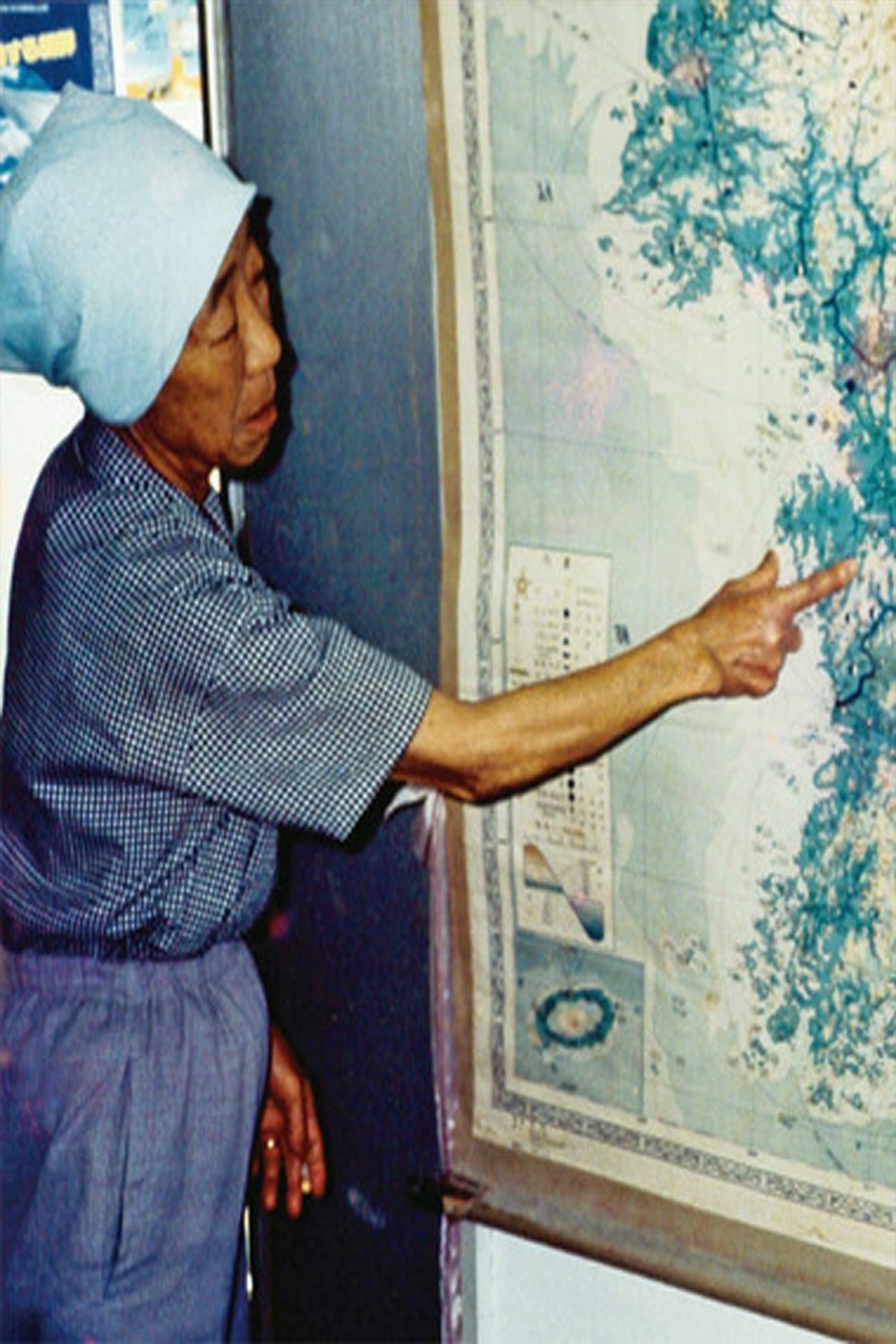
Life story of sexually harassed women by Japanese army, so called "comfort women" and the reflected story of Grandma, Ok-seon Lee in that period of time
Social & External
Self
Every Wednesday at noon, women who were kidnapped for sexual purpose by the Japanese army during its imperialism and their supporters demonstrate against Japanese government to request official apology and indemnity for their crimes. This documentary portrays sexually abused old women's suppressed story of overcoming of their shame and forced silence.
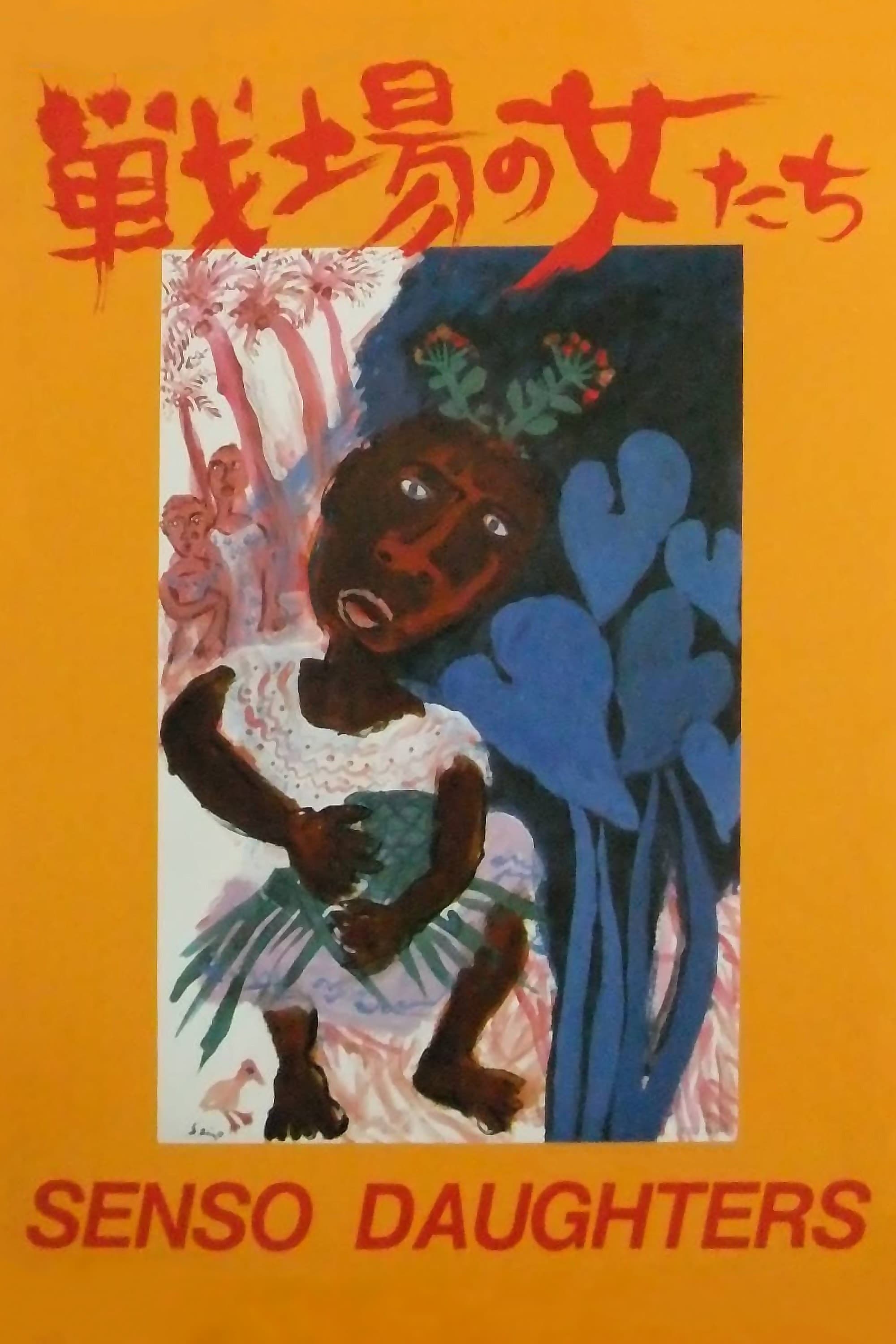
Senso Daughters focuses on the legacy of the Japanese occupation of Papua New Guinea during the Second World War. It is a legacy that arises from rape, starvation and terror. Sekiguchi's documentary lets the residents of Papua New Guinea, especially the women, tell the story of their three years under Japanese Army rule.
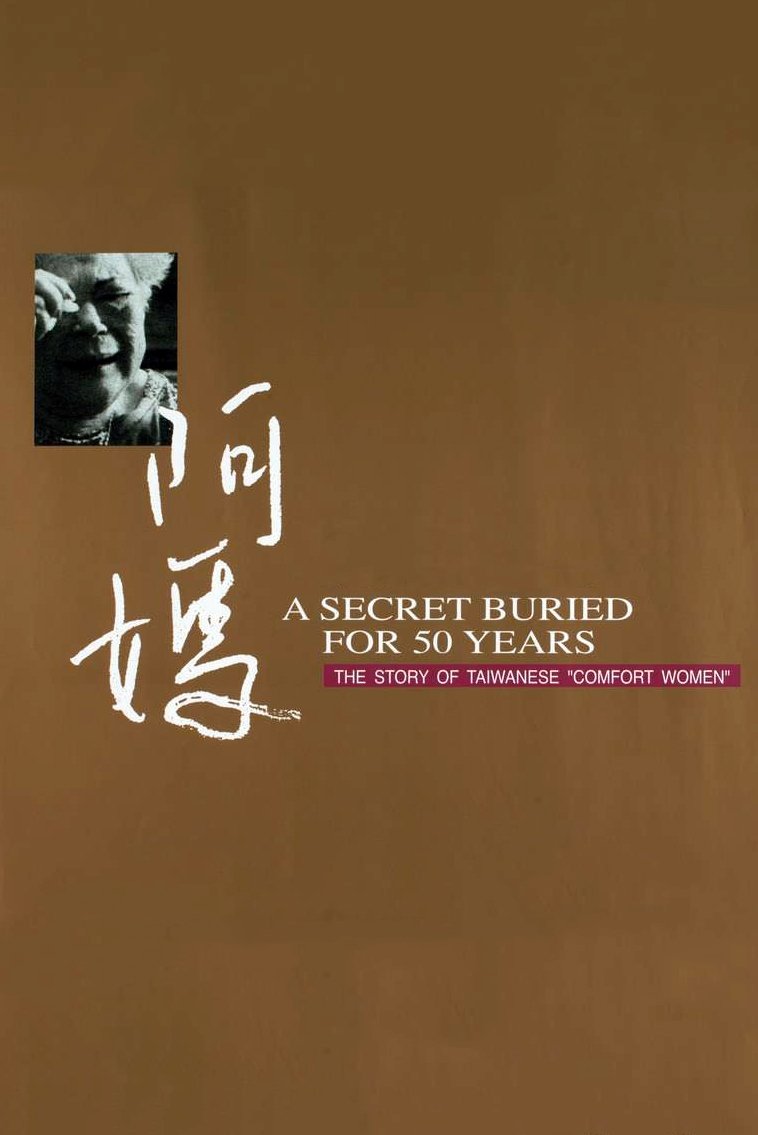
This is Taiwan's first documentary about comfort women. The audience gets a glimpse of history as 13 "grandmothers" speak of their unspeakable past, unknown even to their family, in front of the camera.
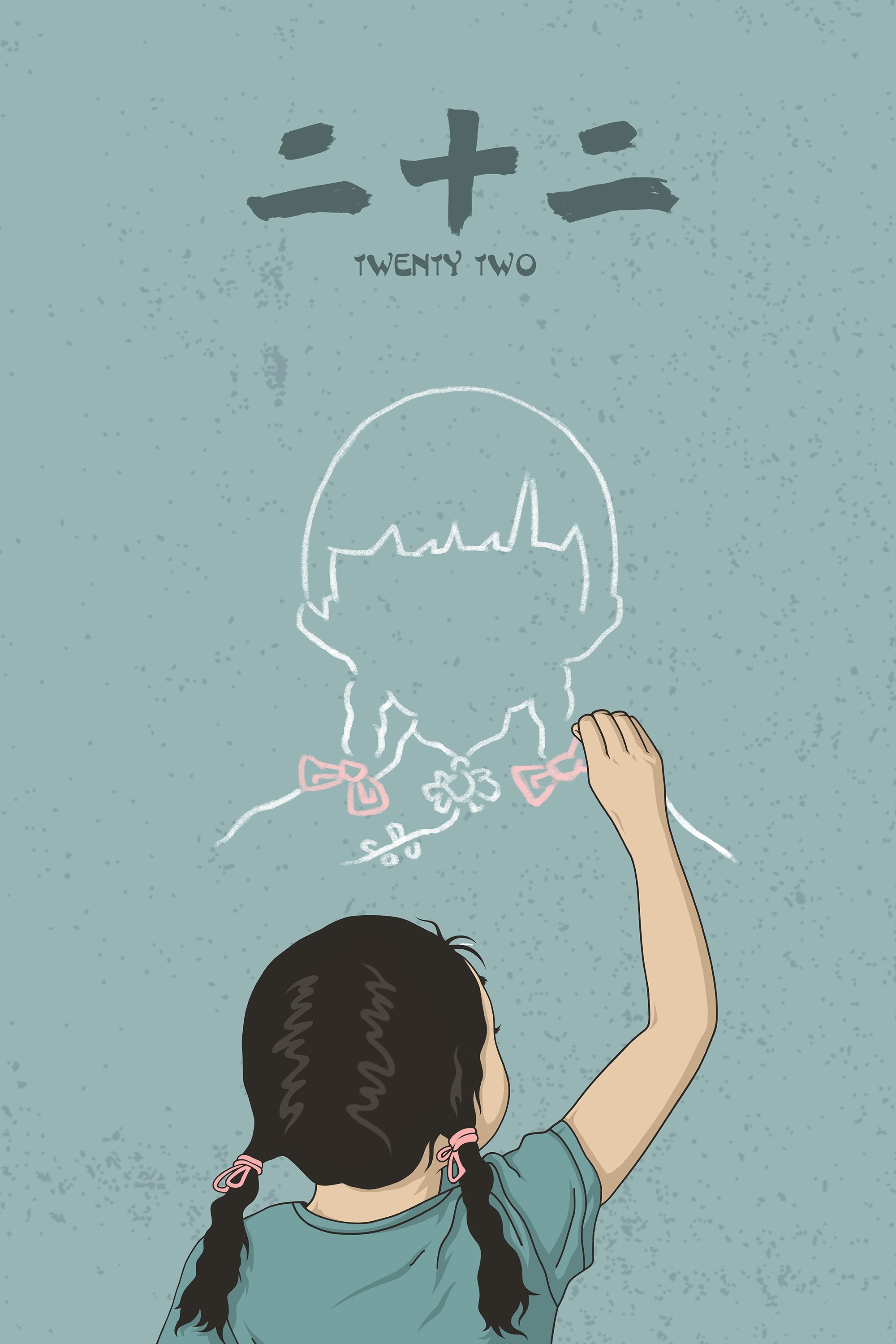
Follow the lives of the elderly survivors who were forced into sex slavery as “Comfort Women” by the Japanese during World War II. At the time of filming, only 22 of these women were still alive to tell their story. Through their own personal histories and perspectives, they tell a tale that should never be forgotten to generations unaware of the brutalization that occurred.
In 1991, the issue of “comfort women” was raised for the first time through the testimony of the late Kim Hak-sun. One of the first reporters in Japan to write an article about her testimony was Uemura Takashi of The Asahi Shimbun. Since the publication of his article, Uemura has been subjected to blatant attacks from the far-right, including threats on his family’s life, and the issue is still ongoing in 2021. Based on Uemura's defamation lawsuit that began in 2015, TARGET details why he had to be someone's “target.”
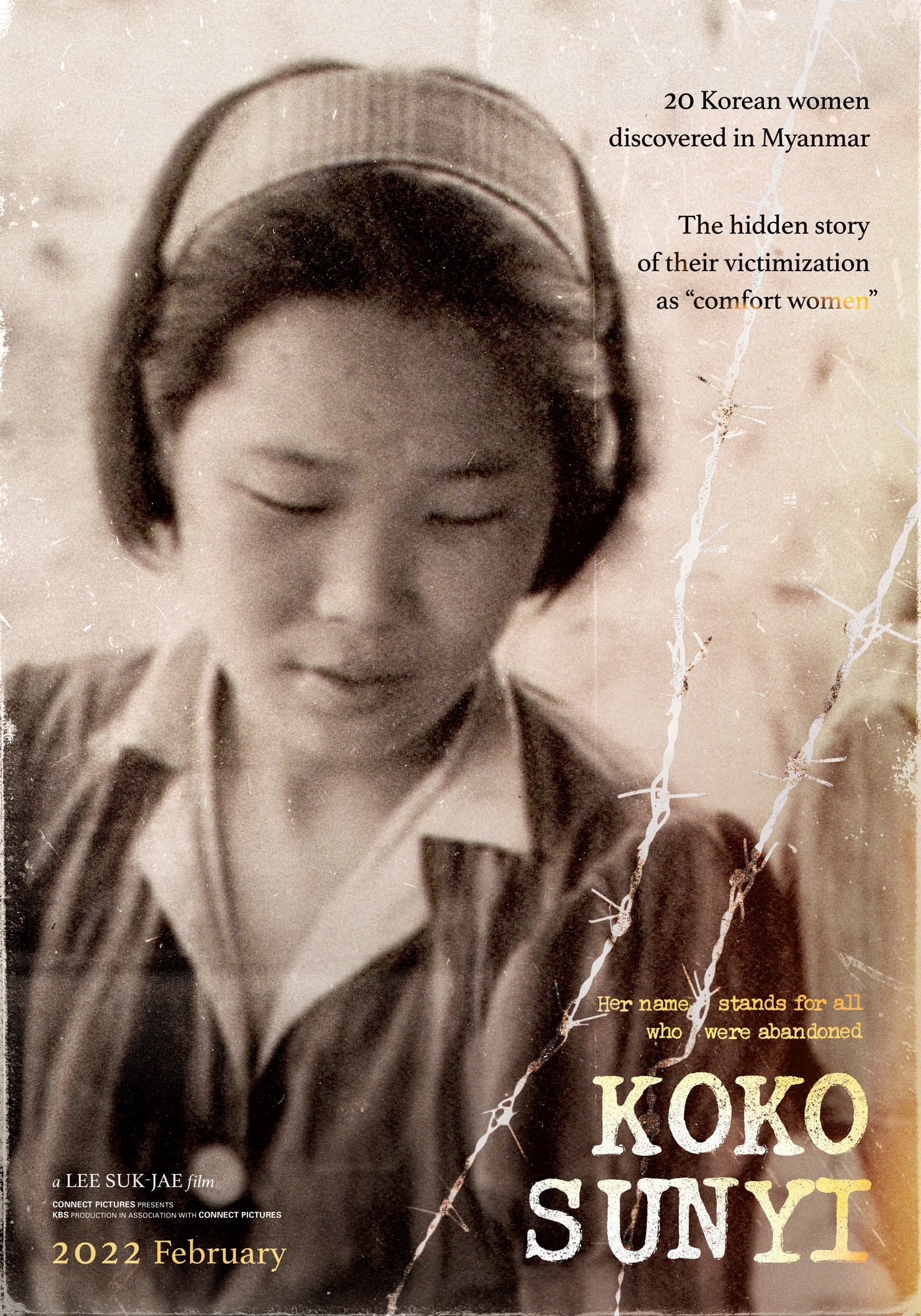
KIM Soonak is a survivor of sex slavery by the Japanese military. The war may have ended, but her life was still at a war. She lived in the prostitute quarters to survive, did sex business in the US military camp town, and peddled goods from the US military. She raised two kids on her own as she worked as a maid. We’ll listen to her story in her absence. The film reconstructs the life story of the deceased KIM Soonak with interviews with activists, archive videos, animation, and read-aloud testimony.
The story of the women at the "House of Sharing" continues. Old women who share a common bond lead a peaceful life in the countryside, raising vegetables, chickens and painting pictures. They are no different from the elderly women we see every day. But they are all scarred by pain and sorrow from their collective history of being comfort women during World War 2. They became subject to prejudice in their own homeland after their return to Korea. It is painful for them to watch other peoples' children and grandchildren, and they feel rage when the Japanese government tries to cover up the unspeakable crimes they committed against them. The film asks us to remember what these women sacrificed and the shame and misery they faced even as these individuals pass away often forgotten by their own people.
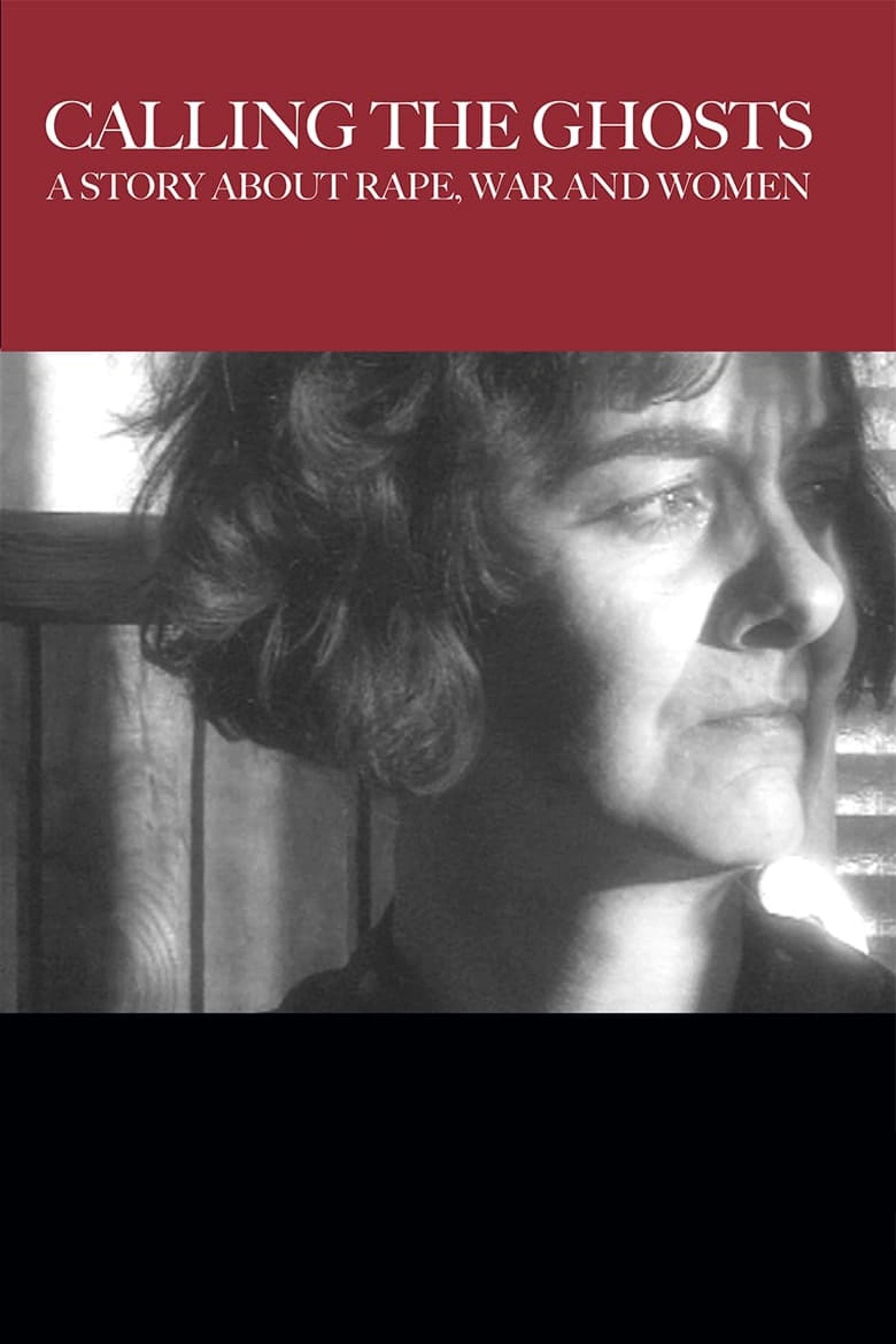
Movie about tortured and humiliated women in concentration camps in Bosnia and Herzegovina.
Bae Ponggi, a Korean woman who became a comfort woman for the former Japanese military in 1944, testifies for the first time in Okinawa in 1975, after Okinawa was returned to the mainland. In the "red-tiled house" on Tokashiki Island, Okinawa, which was turned into a comfort station, she talks about her life and relationships, her situation after being left behind on the Korean Peninsula and unable to return to it after the war, and what happened afterwards.
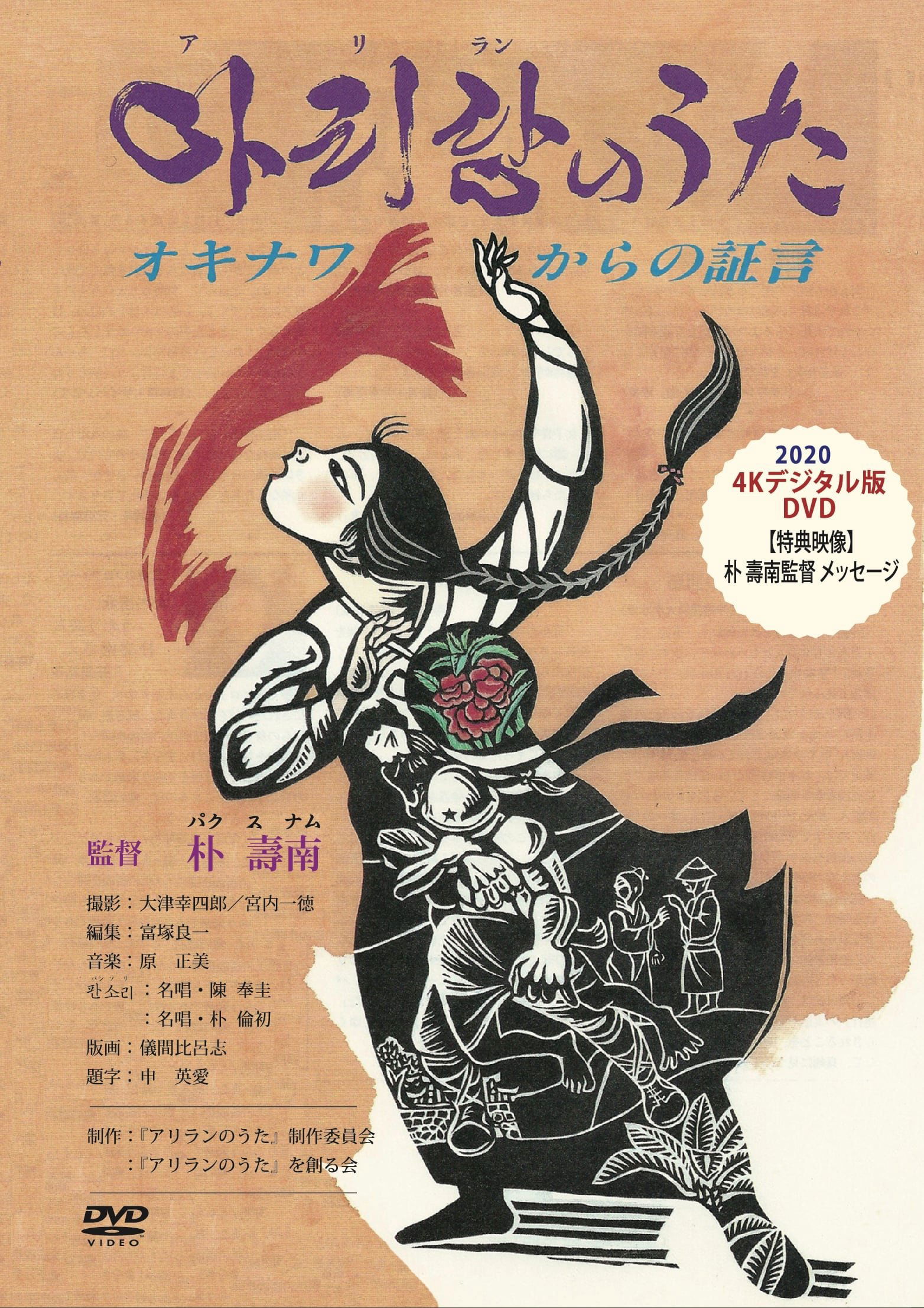
In the final hours of the Pacific War, Okinawa was the destination for Korean men conscripted as “military laborers” and Korean women taken as “comfort women.” Little is known about the number of casualties or their experiences. In 1989, Park Soonam started to track down the survivors of the Battle of Okinawa to record their testimonies. In 1990, Park visits Korea in search of former “military laborers” who had survived Okinawa and repatriated to Korea. The survivors vividly recount their experiences of their compatriots’ murder and about the “comfort women” to the Zainichi Korean female director. The film zeroes in on the murder of Korean “military laborers” and the presence of “comfort women” in Okinawa via testimonies of former Japanese soldiers.
They're called bar women, hostesses, or sex workers and "western princesses." They come from poor families, struggling to earn a decent wage, only to be forced into the world's oldest profession. They're the women who work in the camptowns that surround U.S. military bases in South Korea. In 40 years, over a million women have worked in Korea's military sex industry, but their existence has never been officially acknowledged by either government. In The Women Outside, a film by J.T. Orinne Takagi and Hye Jung Park, some of these women bravely speak out about their lives for the first time. The film raises provocative questions about military policy, economic survival, and the role of women in global geopolitics
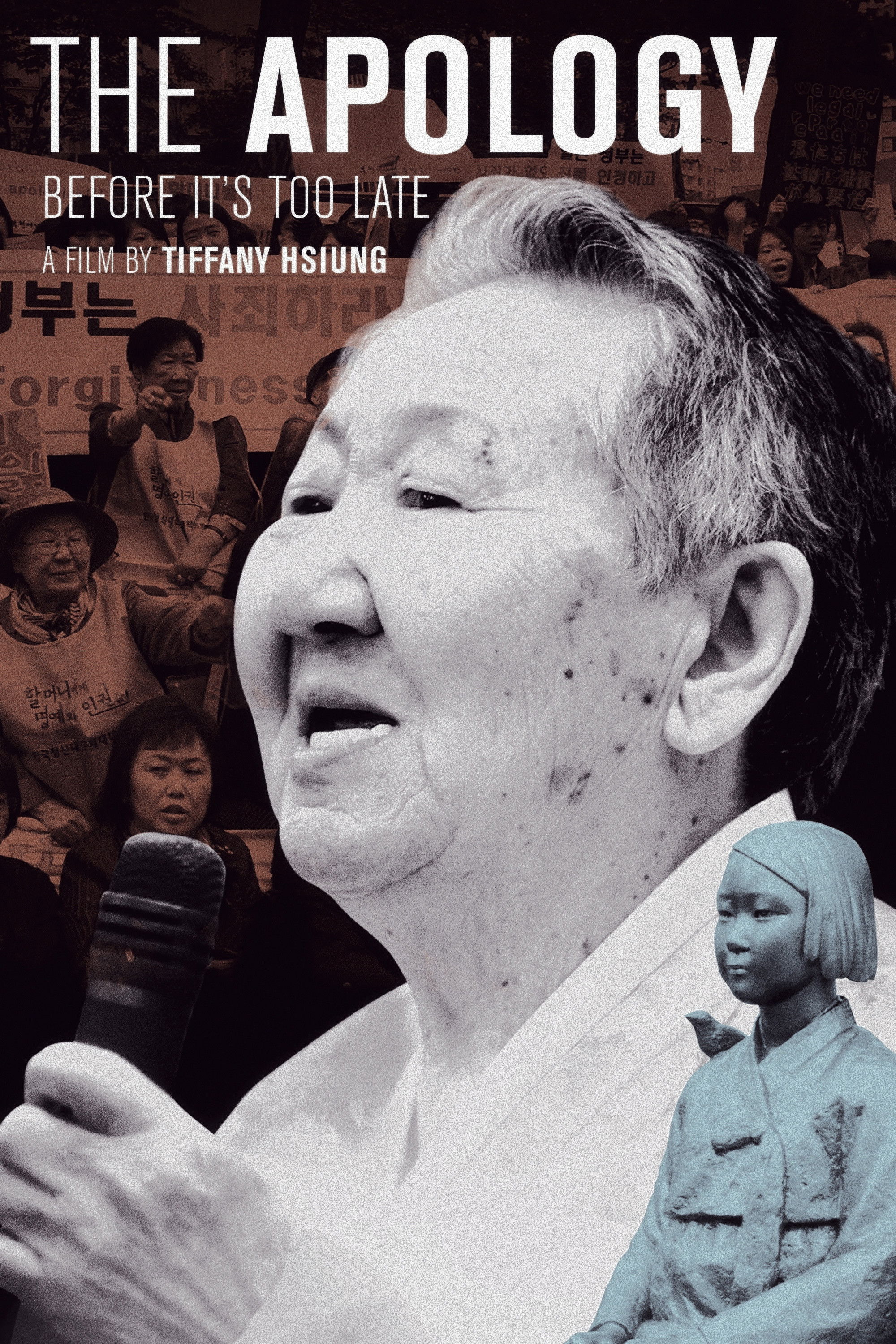
"The Apology" explores the lives of former "comfort women," the more than 200,000 girls forced into sexual slavery during World War II. Today, they fight for reconciliation and justice as they struggle to make peace with the past.
Korean sex worker Yonhee goes to Japan to build solidarity with her counterparts there. YAMASITA Youngae heads for Kyoto to give a lecture on how former prostitute-turned-comfort women were left out of the movement to achieve justice for comfort women. Korean professor PARK Yu-ha is sued by former comfort women because of her book Comfort Women of the Empire. Reportage writer KAWADA Fumiko Tells the story of BAE Bonki, a Korean who worked as a comfort woman in Okinawa. Shuttling between the issue of sex workers who refuse to be pictured as victims and the issue of comfort women who couldn’t even be acknowledged as victims, the film reveals stories that had disappeared from official memory.
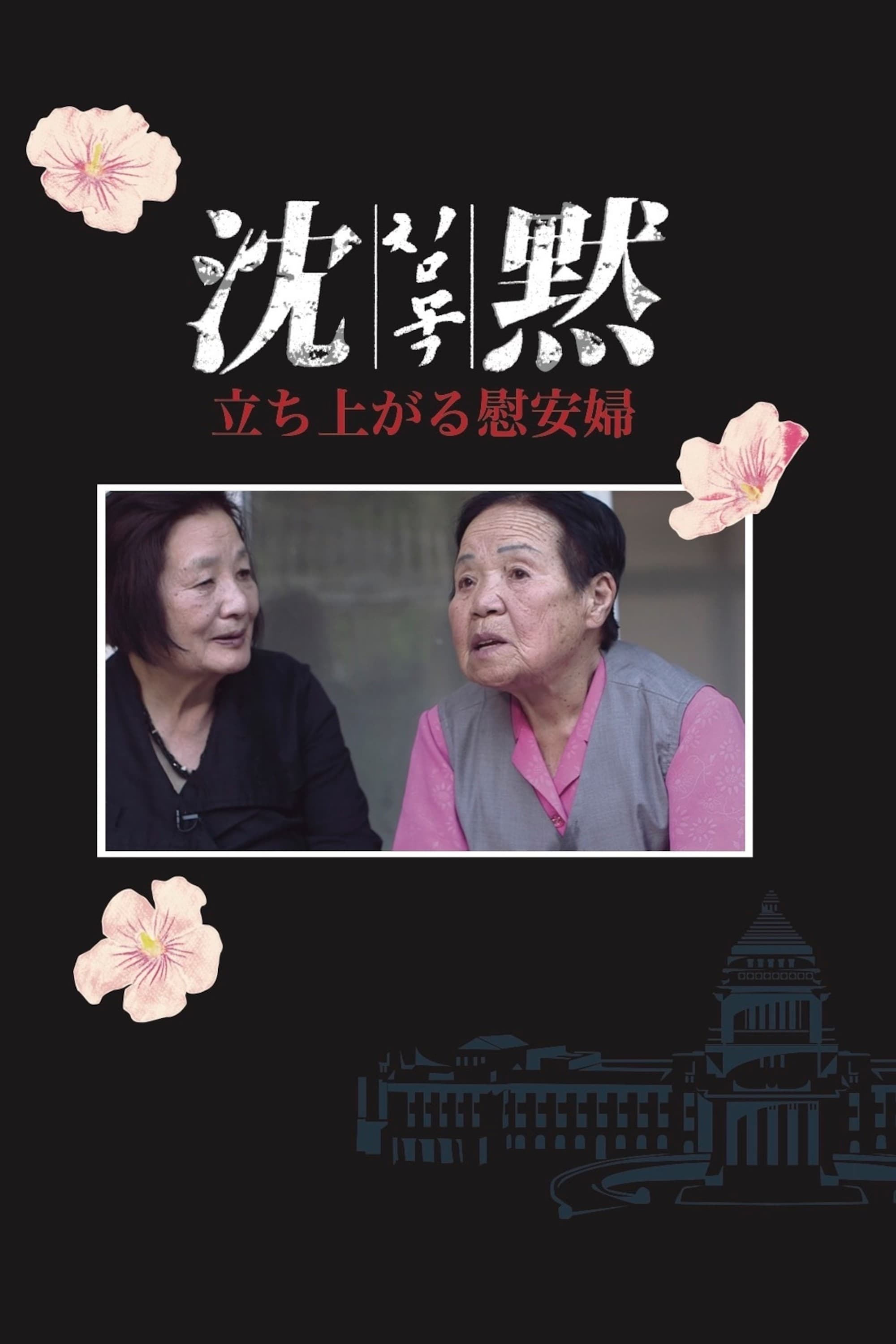
The Silence narrates the struggle of fifteen "comfort women"—former sex slaves by the Imperial Japanese Army during WWII—for recognition and reparation. The "comfort women" issue has previously been treated almost exclusively within the framework of Korean nationalism. The Silence will provide insight into the ways in which nationalism and the emergence of post-war Asian nation-states have hindered the understanding of "comfort women" narratives through Zainichi Korean documentary filmmaker Soo-nam Park's point of view.
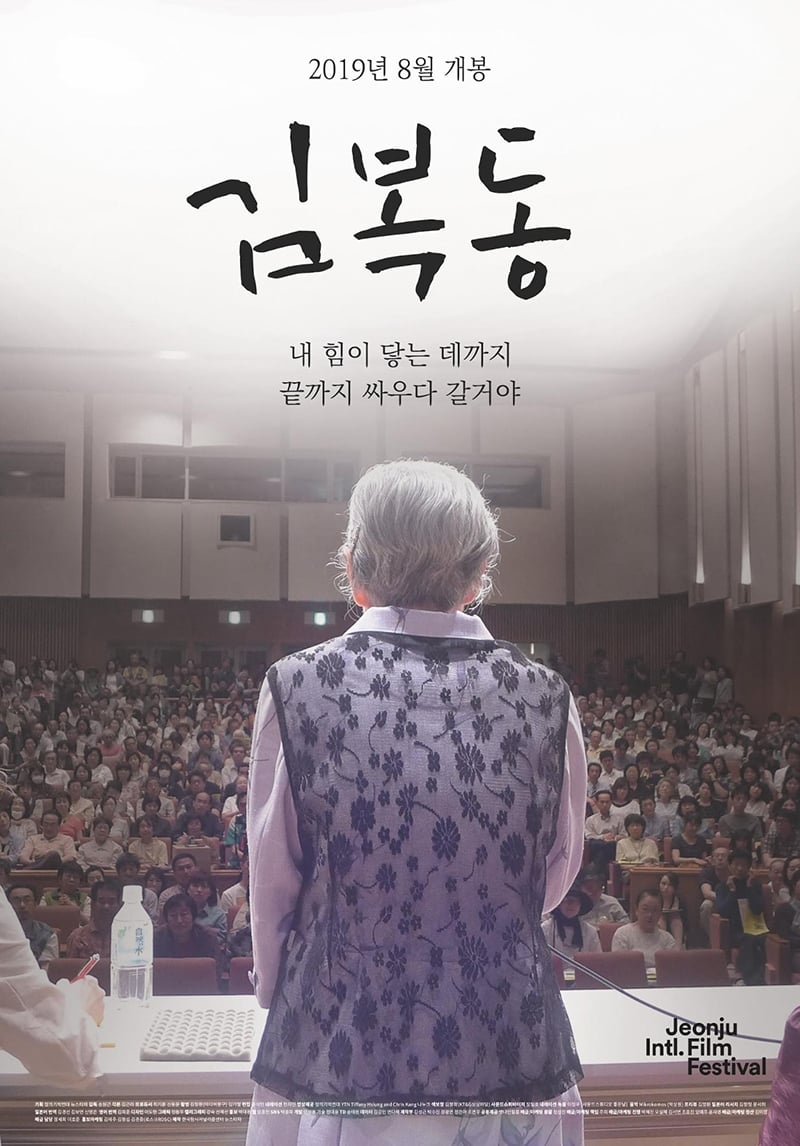
In 1992, KIM Bok-dong, reported herself as a victim of the sexual slavery, "comfort women" during World War Ⅱ. She wanted to receive the proper apology from the Japan government but they denied its responsibility. In 2011, commemorating the 1000th Wednesday demonstration, Statue of Peace was installed in front of the Embassy of Japan. The fight over Japan confronts a new stage.
A Japanese-American director digs deep into the controversial 'comfort women' issue to settle the debate on whether the women were paid prostitutes or sex slaves, and reveals the motivations and intentions of the main actors pushing to revise history in Japan.
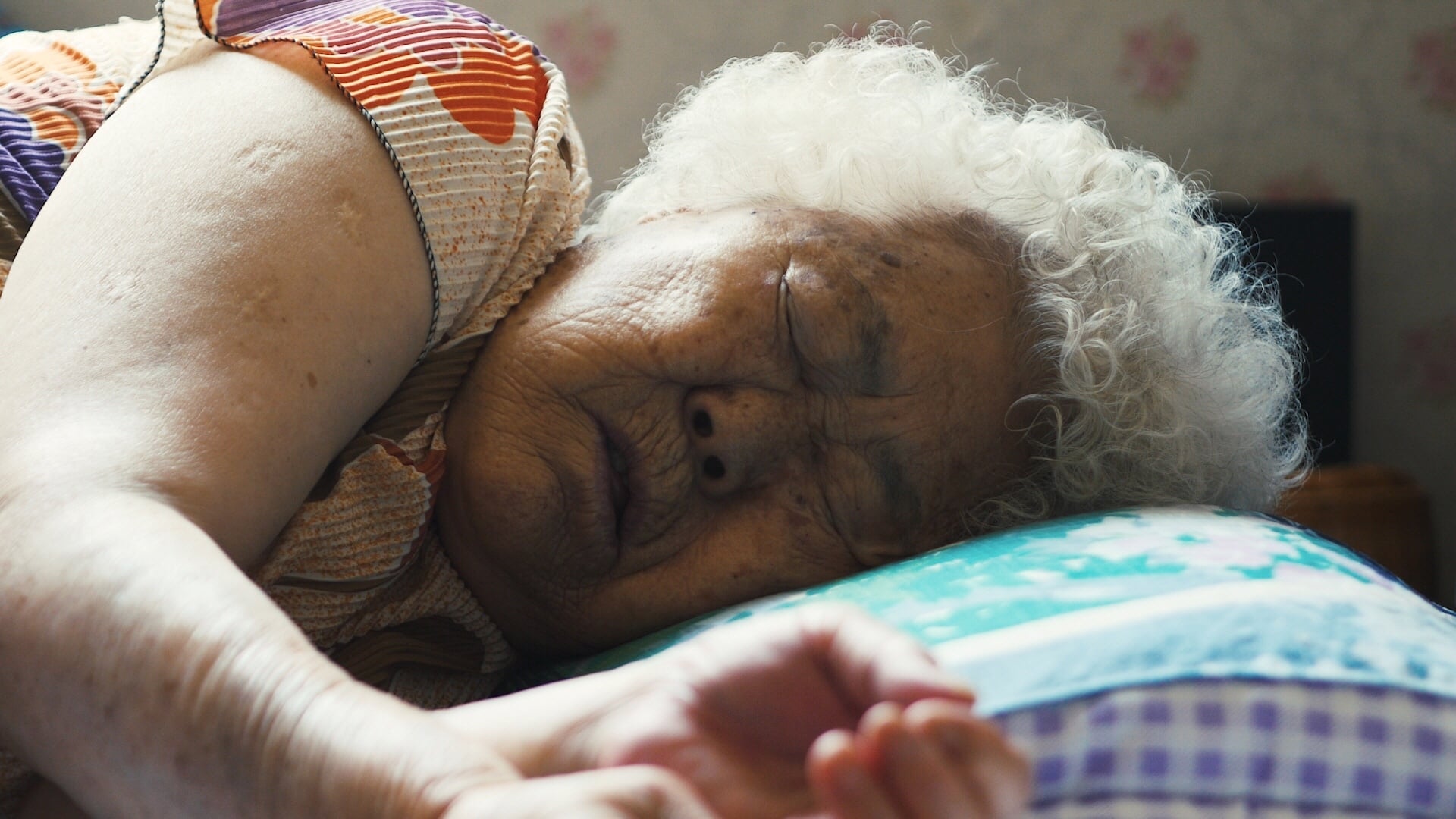
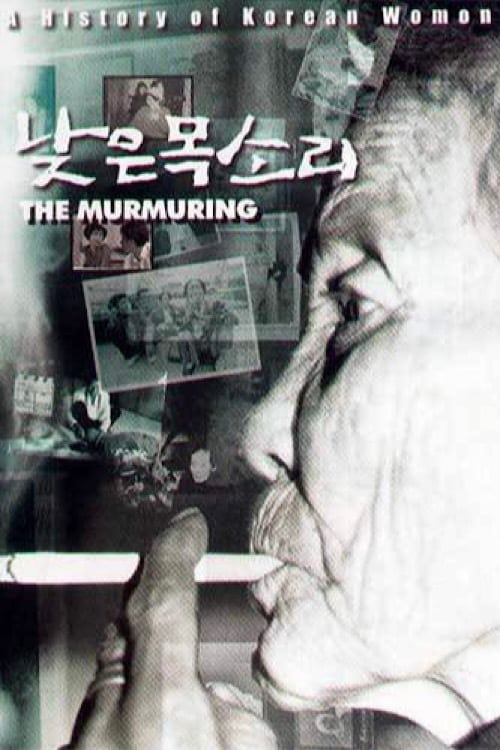
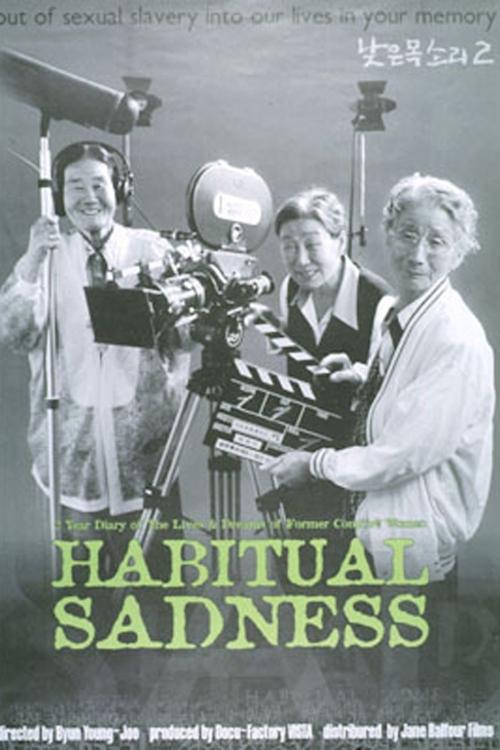
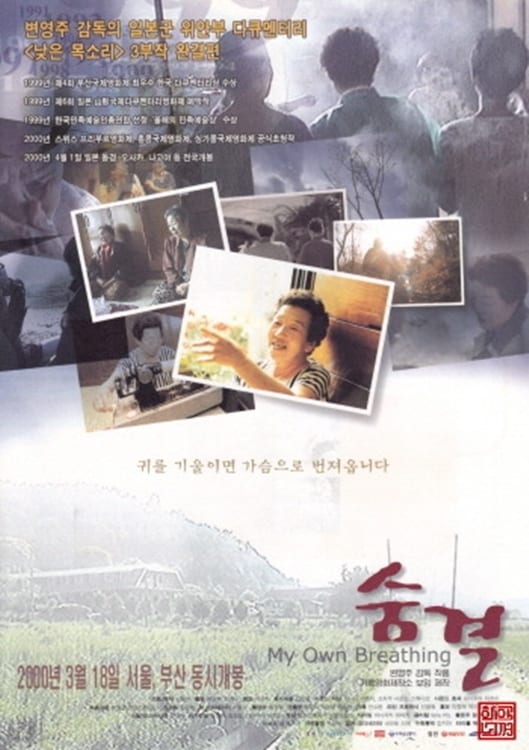
"My Own Breathing" is the final documentary of the trilogy, The Murmuring about comfort women during the World War II directed by BYUN Young-joo. This is the completion of her seven years work. BYUN's first and second documentaries spoke of grandmothers' everyday life through the origin of their torment, while My Own Breathing goes back to their past from their everyday life. Deleting any device of narration or music, the camera lets grandmothers talk about themselves. Finally, the film revives their deep voices trampled by harsh history.
In the Realms of the Unreal is a documentary about the reclusive Chicago-based artist Henry Darger. Henry Darger was so reclusive that when he died his neighbors were surprised to find a 15,145-page manuscript along with hundreds of paintings depicting The Story of the Vivian Girls, in What is Known as the Realms of the Unreal, of the Glodeco-Angelinnian War Storm, Cased by the Child Slave Rebellion.
With unprecedented access to the official archives and intimate recollections from the band, both current and past, Iron Maiden: Burning Ambition invites fans to experience one of the most iconic journeys in music history. Spanning five decades, this electrifying documentary charts the band’s rise from the pubs of East London to the world’s biggest stadiums. Featuring exclusive interviews with band members and contributors such as Javier Bardem, Lars Ulrich and Chuck D, as well as all-new animated sequences of the band's legendary mascot, Eddie, the film offers a rare and intimate look at Iron Maiden’s uncompromising vision and unwavering connection with their truly global army of fans.
The Captains is a feature-length documentary film written and directed by William Shatner. The film follows Shatner as he interviews the other actors who have portrayed starship captains in the Star Trek franchise.
Ross McElwee sets out to make a documentary about the lingering effects of General Sherman's march of destruction through the South during the Civil War, but is continually sidetracked by women who come and go in his life, his recurring dreams of nuclear holocaust, and Burt Reynolds.
When Allied forces liberated the Nazi concentration camps in 1944-45, their terrible discoveries were recorded by army and newsreel cameramen, revealing for the first time the full horror of what had happened. Making use of British, Soviet and American footage, the Ministry of Information’s Sidney Bernstein (later founder of Granada Television) aimed to create a documentary that would provide lasting, undeniable evidence of the Nazis’ unspeakable crimes. He commissioned a wealth of British talent, including editor Stewart McAllister, writer and future cabinet minister Richard Crossman – and, as treatment advisor, his friend Alfred Hitchcock. Yet, despite initial support from the British and US Governments, the film was shelved, and only now, 70 years on, has it been restored and completed by Imperial War Museums under its original title "German Concentration Camps Factual Survey".
Using the book 'Fragments', which collects Marilyn Monroe's poems, notes and letters, and with participation from the Arthur Miller and Truman Capote estates who have contributed more material, each of the actresses will embody the legend at various stages in her life.
Those who knew iconic funnyman John Candy best share his story, in their own words, through never-before-seen archival footage, imagery, and interviews.
A detailing of the rise to prominence and global sporting superstardom of six supremely talented young Manchester United football players (David Beckham, Nicky Butt, Ryan Giggs, Paul Scholes, Phil and Gary Neville). The film covers the period 1992-1999, culminating in Manchester United's European Cup triumph.
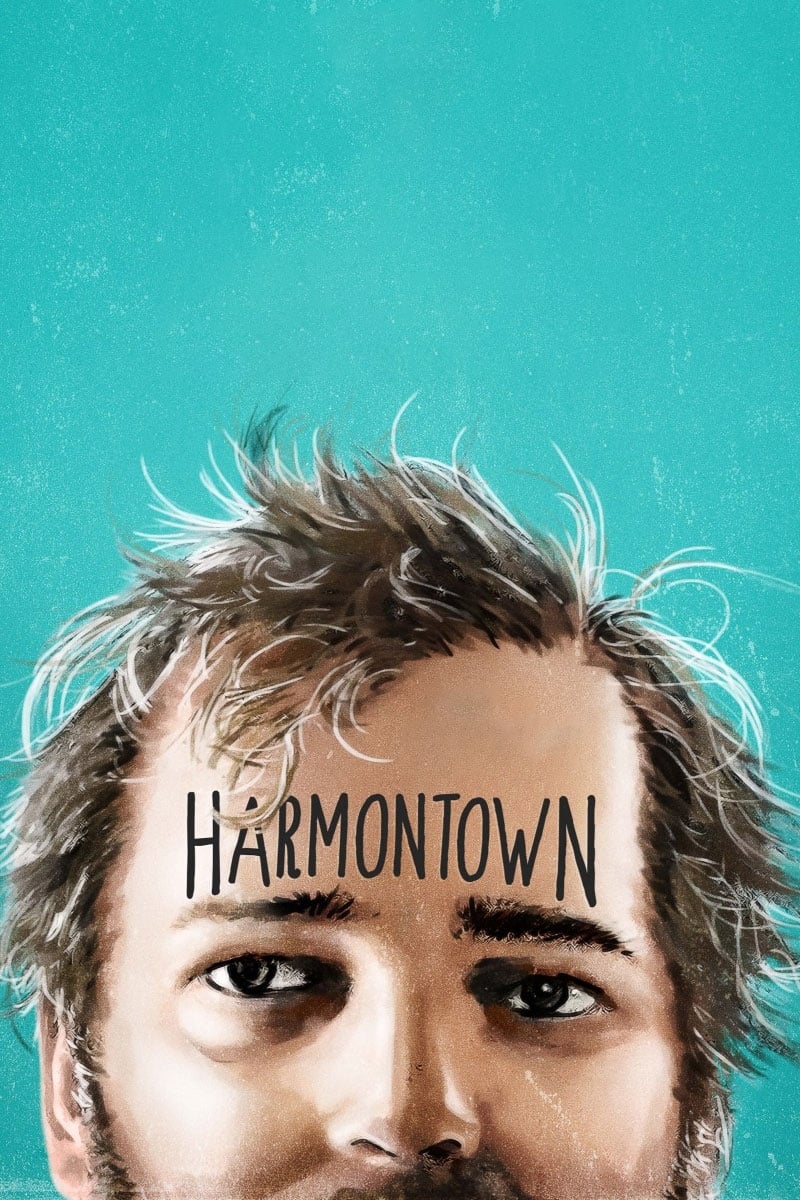
A comedic, brutally honest documentary following self-destructive TV writer Dan Harmon as he takes his live podcast on a national tour.
Through deeply personal interviews with her siblings and an examination of the photographs, letters, and belongings left behind, Mariska assembles a new portrait of her mother Jayne Mansfield, an extraordinary and complex woman.
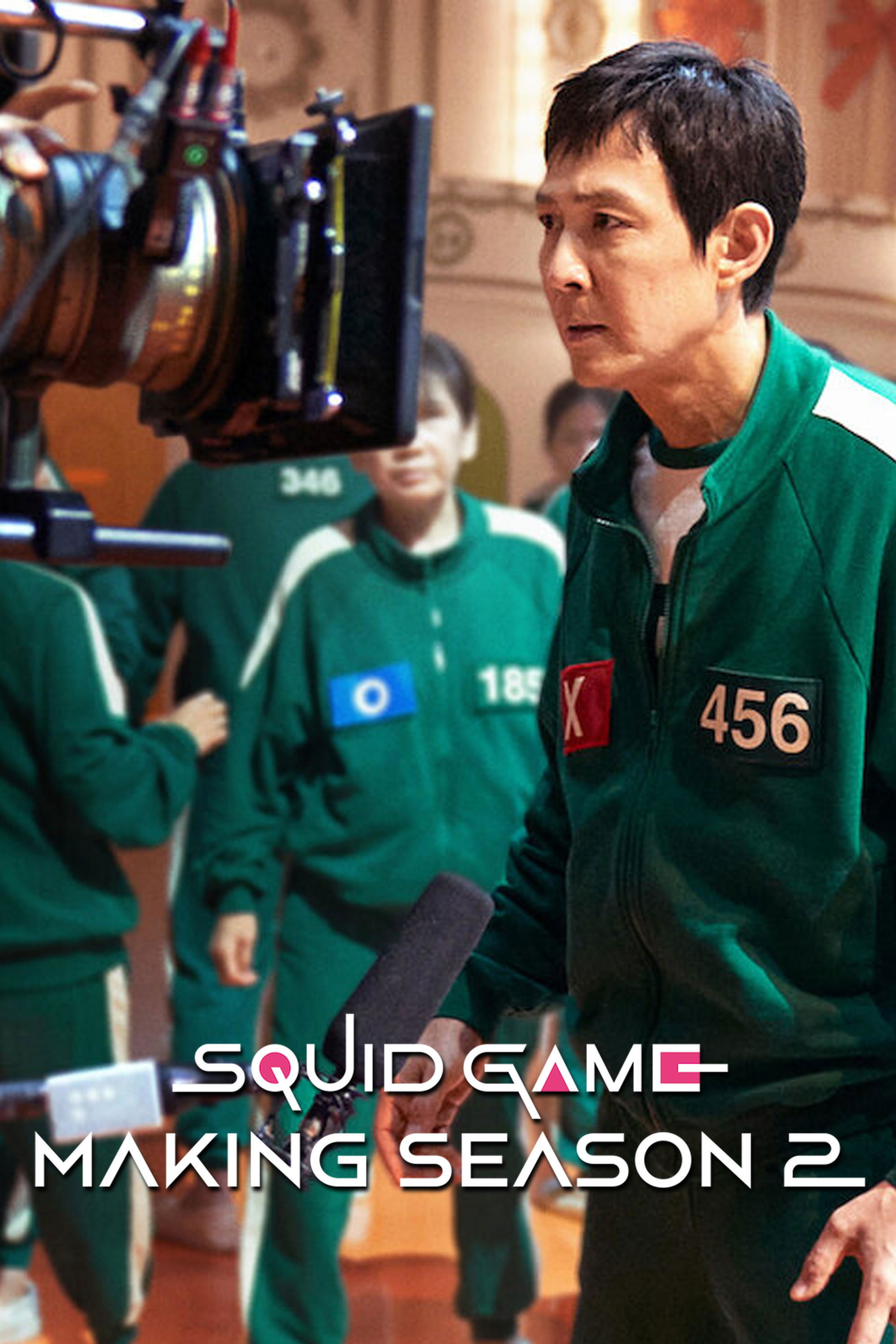
From set designs to character arcs, get exclusive cast and director interviews on how Season 2 of the globally most-watched series was brought to life.
A documentary about ten very different lives connected by having appeared onscreen wearing masks or helmets in Star Wars.
JB Smoove and Martin Starr host a celebration of 20 years of "Spider-Man" movies, from the Sam Raimi trilogy to Marc Webb's movies and the trio from Jon Watts.
A look at the origins, history and conspiracies behind the "Majestic 12", a clandestine group of military and corporate figureheads charged with reverse-engineering extraterrestrial technology.
The life and career of an actor, artist, and icon. His own journey through his own camera.
A documentary focused on plastic pollution in the world's oceans.
In the early-morning hours of July 23, 2007, in Cheshire, Conn., ex-convicts Steven Hayes and Joshua Komisarjevsky broke into the family home of William Petit, his wife, Jennifer, and their daughters, Michaela, 11, and Hayley, 17. Dr. Petit was beaten and tied to a pole in the basement. The three women were bound in their bedrooms while the men ransacked the house. The brutal ordeal continued throughout the morning, ending with rape, arson and a horrific triple homicide.
SEDUCED AND ABANDONED combines acting legend Alec Baldwin with director James Toback as they lead us on a troublesome and often hilarious journey of raising financing for their next feature film. Moving from director to financier to star actor, the two players provide us with a unique look behind the curtain at the world's biggest and most glamourous film festival, shining a light on the bitter-sweet relationship filmmakers have with Cannes and the film business. Featuring insights from directors Martin Scorsese, 'Bernando Bertolucci' and Roman Polanski; actors Ryan Gosling and Jessica Chastain and a host of film distribution luminaries.
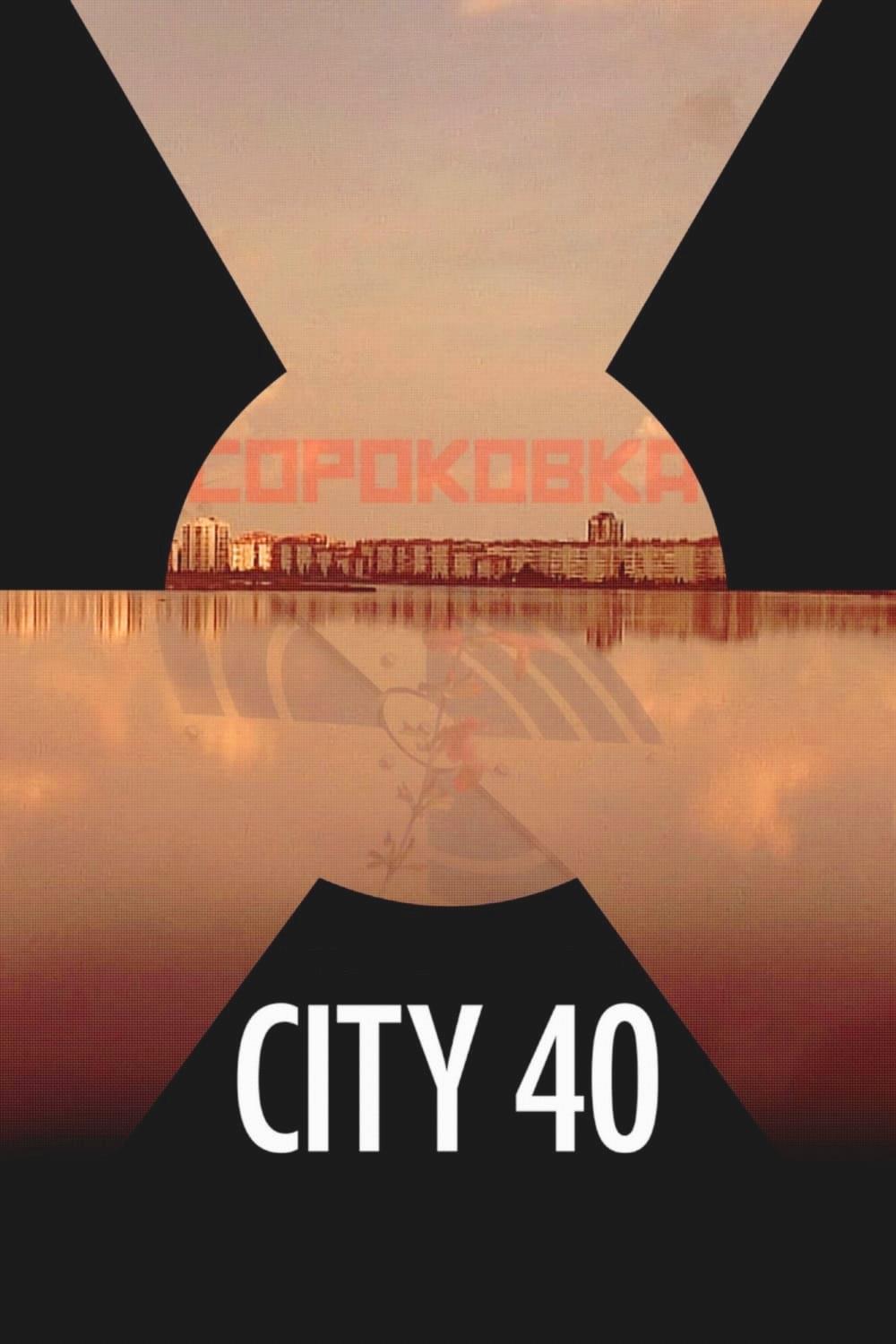
Hidden in the heart of Russia, there is a Soviet-era city where thousands of people live and work behind barbed-wire fences monitored by armed guards. It is Ozyorsk (Ozersk), located in the Chelyabinsk Oblast, one of the most polluted places on the planet and home to the largest stockpiles of nuclear material. Its code name: City 40.
Examines the life and career of singer Whitney Houston. Features never-before-seen archival footage, exclusive recordings, rare performances and interviews with the people who knew her best.