Social & External
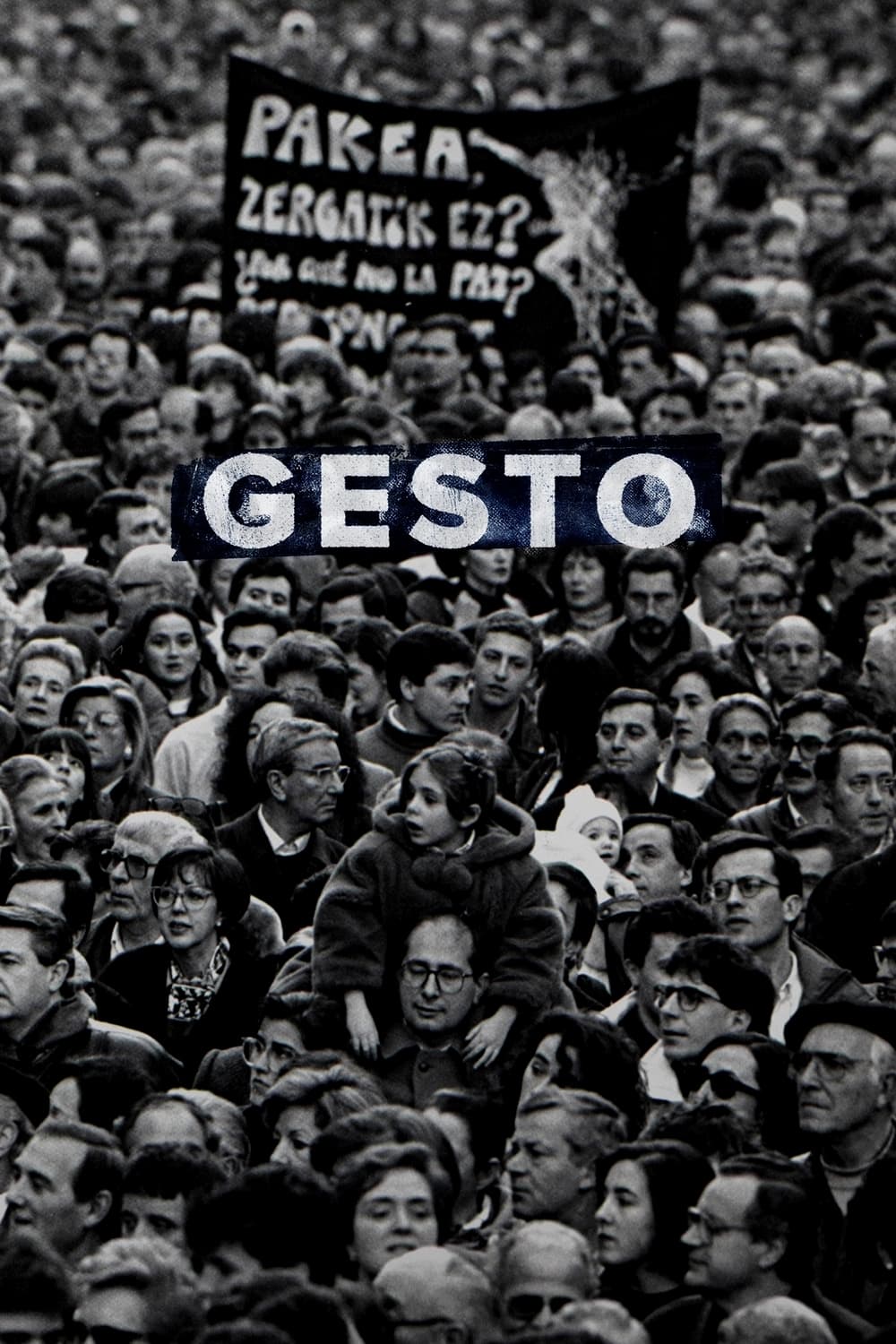
The history of the citizens' movement that for thirty years worked hard to overcome fear, fight hatred and eradicate the violence exercised by the savage terrorist gang ETA, both in the Basque Country and in the rest of Spain.
An in-depth interview with José Antonio Urrutikoetxea, known as Josu Ternera, one of the most relevant leaders of the terrorist gang ETA.
An attempt to create a bridge between the different political positions that coexist, sometimes violently, in the Basque Country, in northern Spain.
The chronicle of the process, ten long years, that led to the end of ETA (Euskadi Ta Askatasuna), a Basque terrorist gang that perpetrated robberies, kidnappings and murders in Spain and the French Basque Country for more than fifty years. Almost 1,000 people died, but others are still alive to tell the story of how the nightmare finally ended.
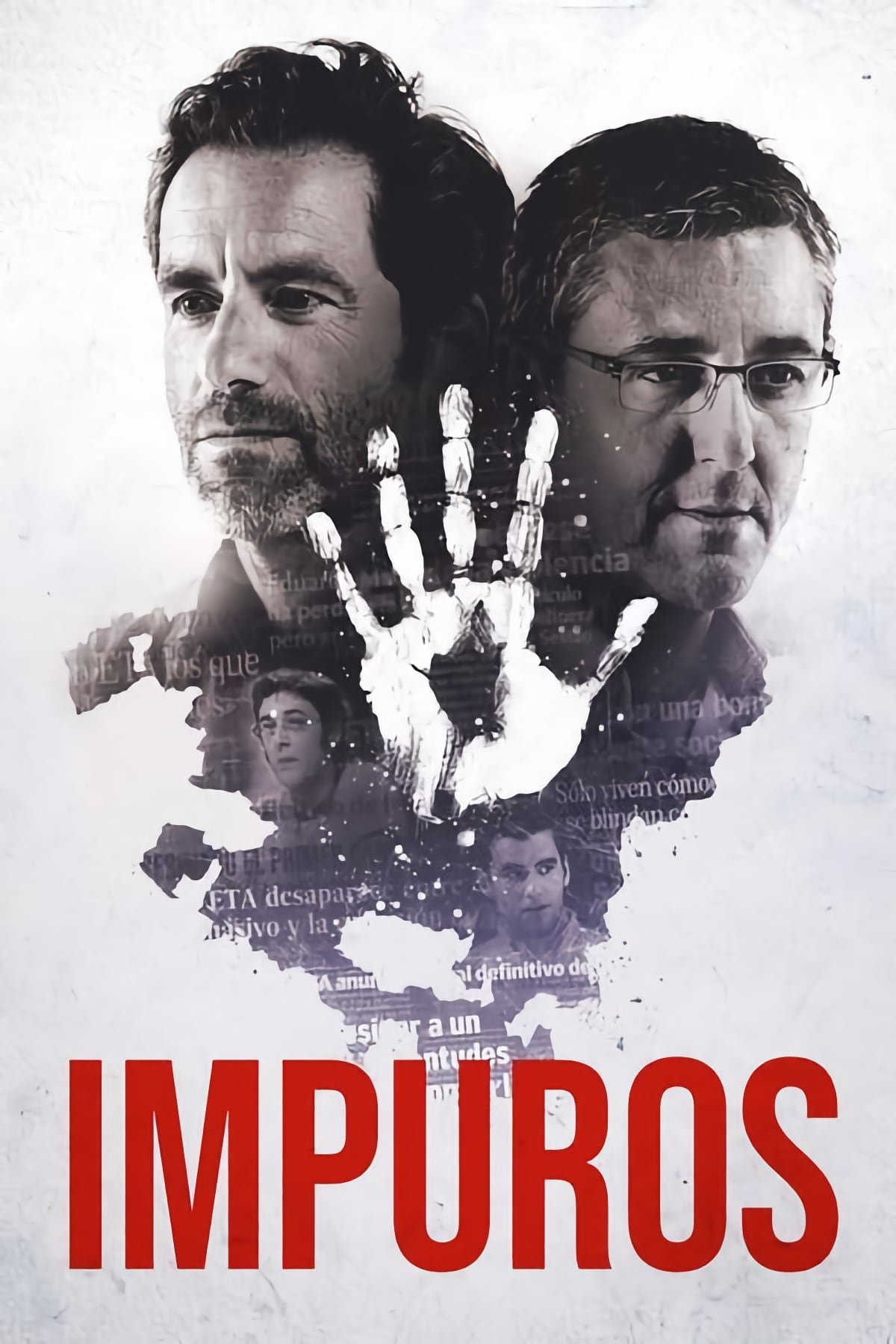
At just 17 years old, Eduardo Madina and Borja Semper decided to enter politics to defend freedom of thought in the Basque Country. This made them a target of the ETA terrorist group for almost two decades.
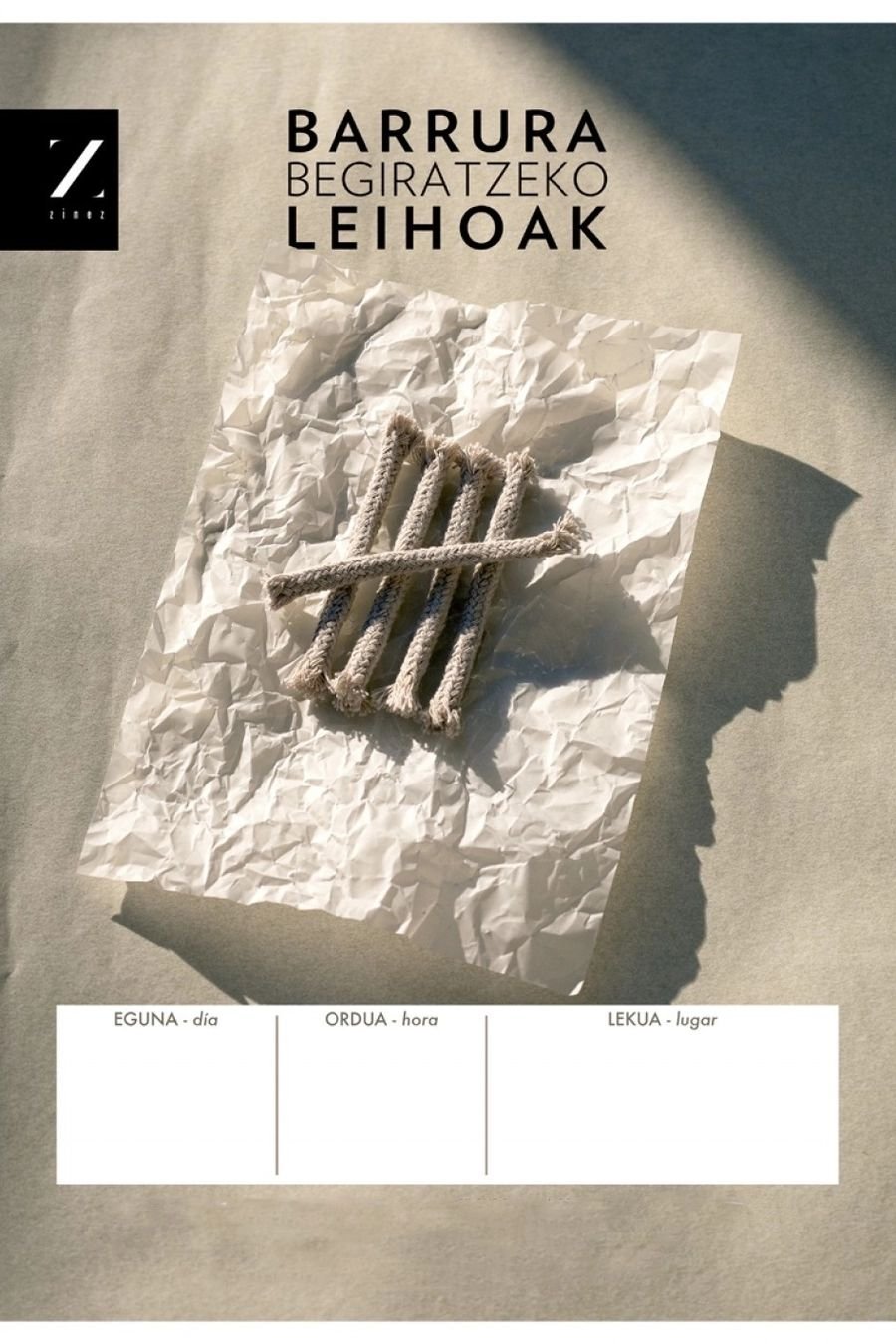
Five directors portray five Basque political prisoners. A young woman counts the days remaining before she is arrested. A man returns to society after 17 years in prison. A mother records every phone conversation she had with her imprisoned daughter on 125 cassette tapes. An intellect and professor of journalism tries to find himself from the solitude of his cell. And a former ETA leader reconnects with a close friend from his youth, now a filmmaker. 'Windows Looking Inward' gives a brief insight into the lives of the people behind the bars, behind the events, behind the headlines.
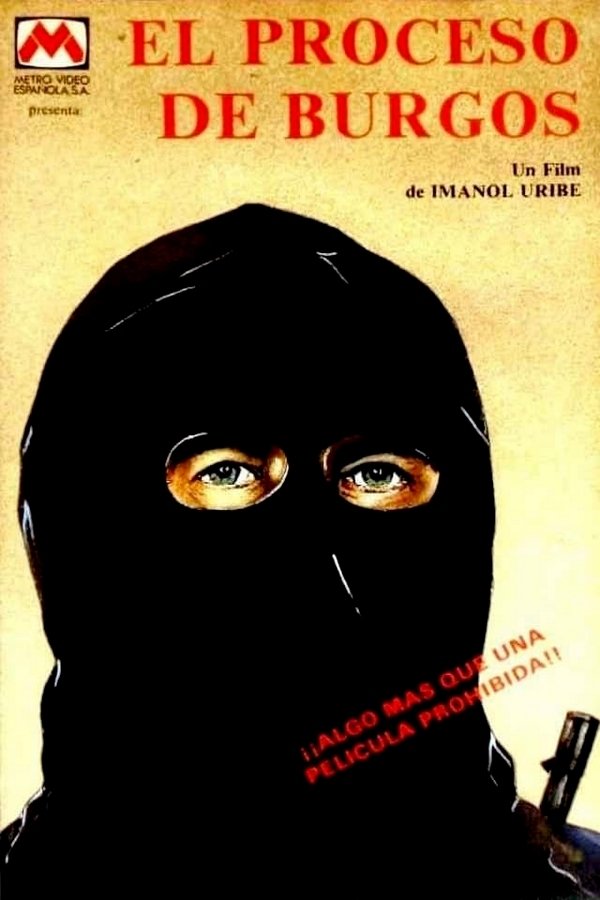
Documentary about the court martial held following the assassination of Melitón Manzanas, commissioner of the Political-Social Brigade of Guipúzcoa, in an attack carried out by ETA on August 2, 1968. The film includes a series of interviews and testimonies from those imprisoned and prosecuted in that court martial. Following the attack, a state of emergency was declared in Guipúzcoa and hundreds of people were arrested.
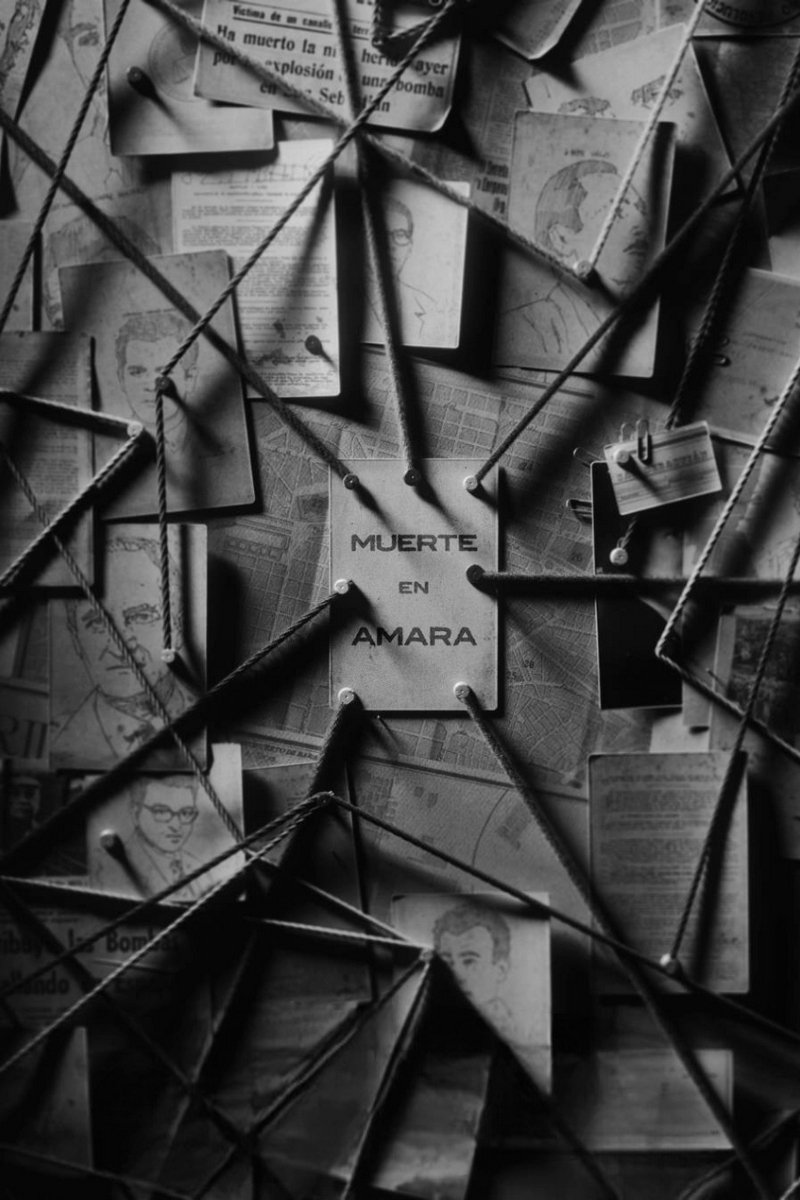
San Sebastian, Basque Country, Spain, June 27, 1960. A bomb explodes at the Amara train station. Begoña, a child of only twenty months, dies a few hours later as a result of the injuries sustained in the attack.
The personal stories lived by the Uncle, the Father and the Son, respectively, form a tragic experience that is drawn along a line in time. This line is comparable to a crease in the pages of the family album, but also to a crack in the walls of the paternal house. It resembles the open wound created when drilling into a mountain, but also a scar in the collective imaginary of a society, where the idea of salvation finds its tragic destiny in the political struggle. What is at the end of that line? Will old war songs be enough to circumvent that destiny?
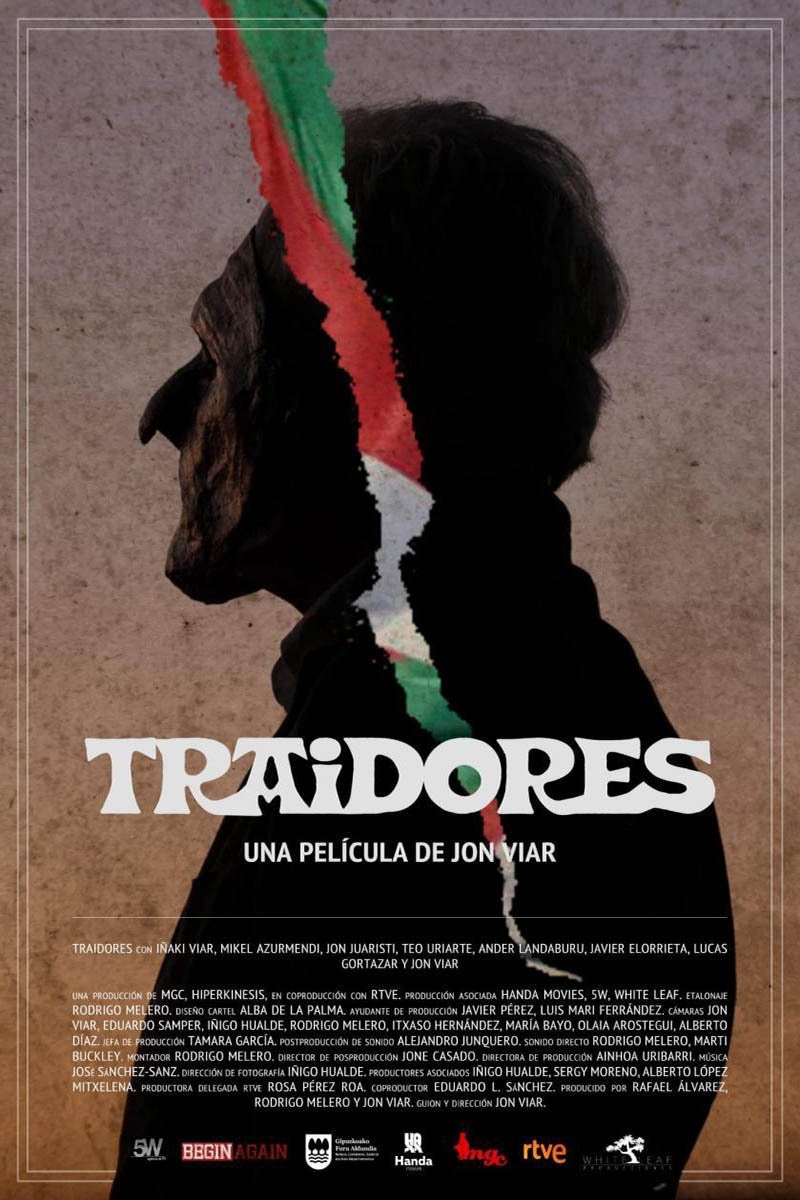
When he was just a child, Jon discovered his father's past, Iñaki Viar, linked to ETA. Son, grandson, and great-grandson of Basque nationalists, Iñaki was arrested in 1969 by the political-social brigade and tried alongside Teo Uriarte and Mario Onaindia in the Burgos Trial. Years later, he organized the escape from Segovia and, finally, in 1977, he regained his freedom. Iñaki, like many other prisoners, renounces nationalism and condemns terrorist violence. Jon, a film buff, tries to understand his father's past while living with attacks, kidnappings, and a lot of silence. By then, Iñaki is already considered a "traitor" by the nationalist world.
A young journalist travels to the Basque Country to meet with those responsible for the murders committed by the terrorist group ETA and their ideological accomplices. On his journey, he interviews repentant terrorists, those responsible for crimes who are now integrated into their communities, and those convicted of terrorism who now hold positions as mayors, parliamentarians, or university professors, to hear their explanations about their past links to the ultra-nationalist network and to find out what mark terrorism has left on the Basque Country after its long and painful existence.
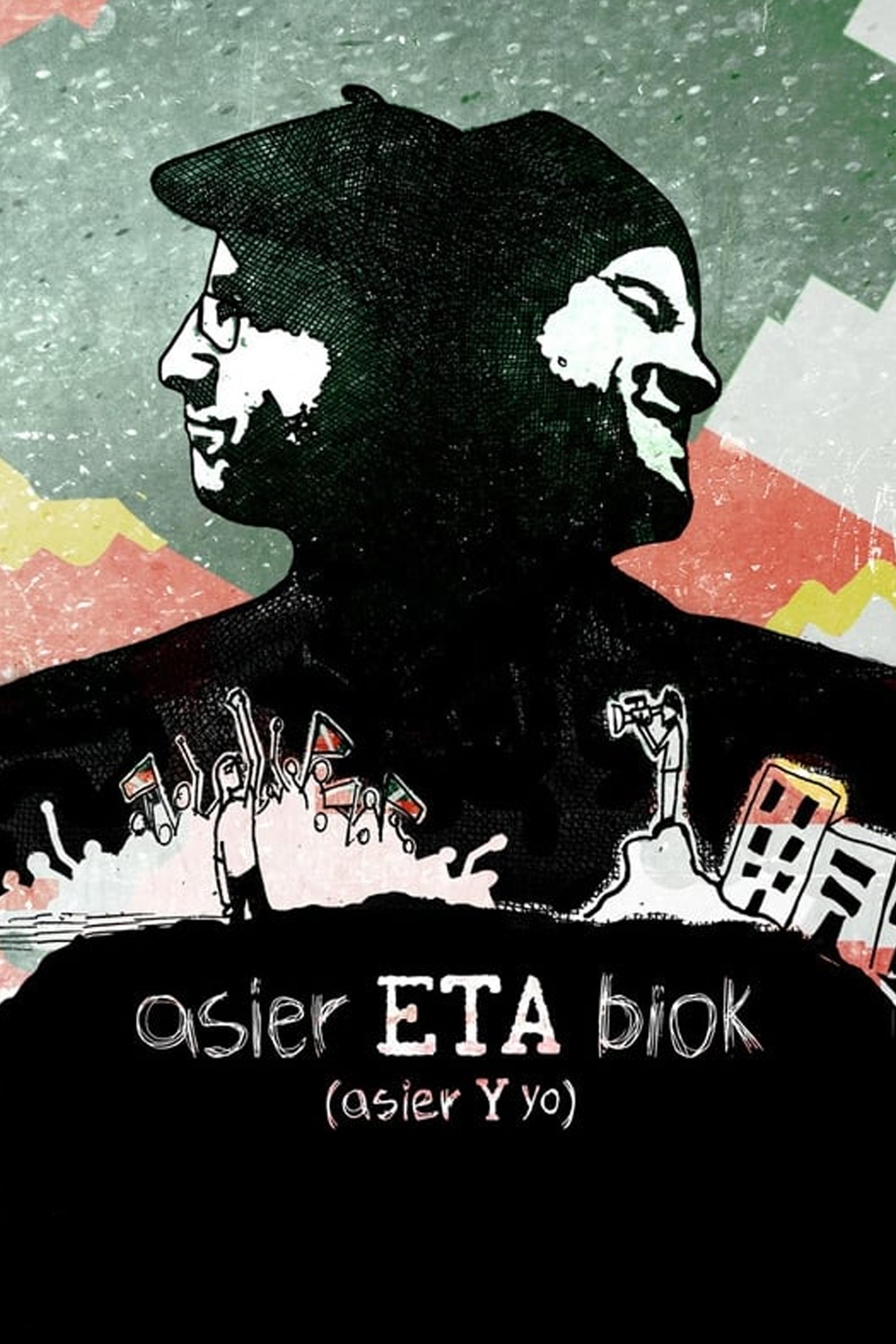
Asier and I grew up in the Basque Country. But one day he disappeared, later I found out he had joined ETA.
A reflection on the assassinations of social democrat politician Fernando Buesa Blanco and his bodyguard Jorge Díez Elorza, perpetrated by the terrorist gang ETA in Vitoria-Gasteiz, Basque Country, Spain, on February 22, 2000.
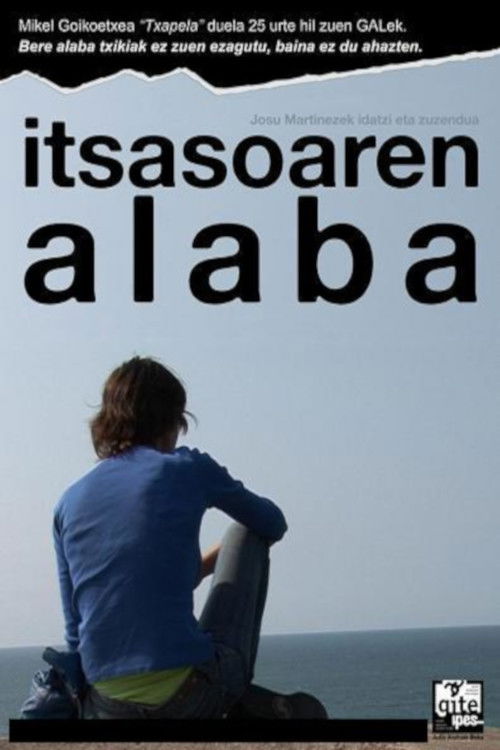
Before she turned two, Haize's father, Mikel Goikoetxea, a member of ETA nicknamed 'Txapela', was killed by the GAL. With no recollection of the man whatsoever, 25 years down the line she starts asking questions. Piecing together the testimonies of those who knew him, Haize gradually discovers her father and his time.
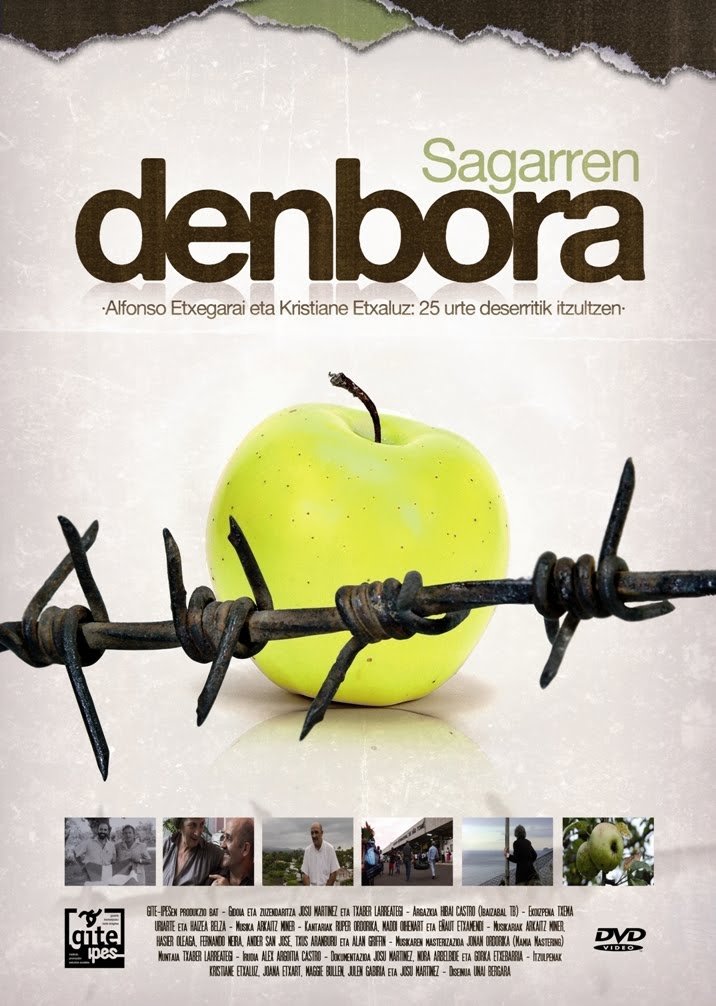
Kristiane Etxaluz, from Soule, and Alfonso Etxegarai, from Bizkaia, are not your usual couple. Committed since their youth to the Basque independence struggle, they are condemned to living their love 7,000 km from one another due to the fact that Alfonso lives on the small African island to which he was deported several years ago. However, despite the banishment, their eyes always follow the country of the Bidasoa and their hearts at apple time; an apple time still to come.
The Basque Country, one of the richest regions in Europe with only two million inhabitants, is considered a small paradise by those who visit it. But behind the mild climate, beautiful landscapes, and high standard of living lies a terrible reality: for thirty years, more than two hundred thousand of its citizens have had to go into exile to save their lives, escape extortion, social isolation, or nationalist impositions.
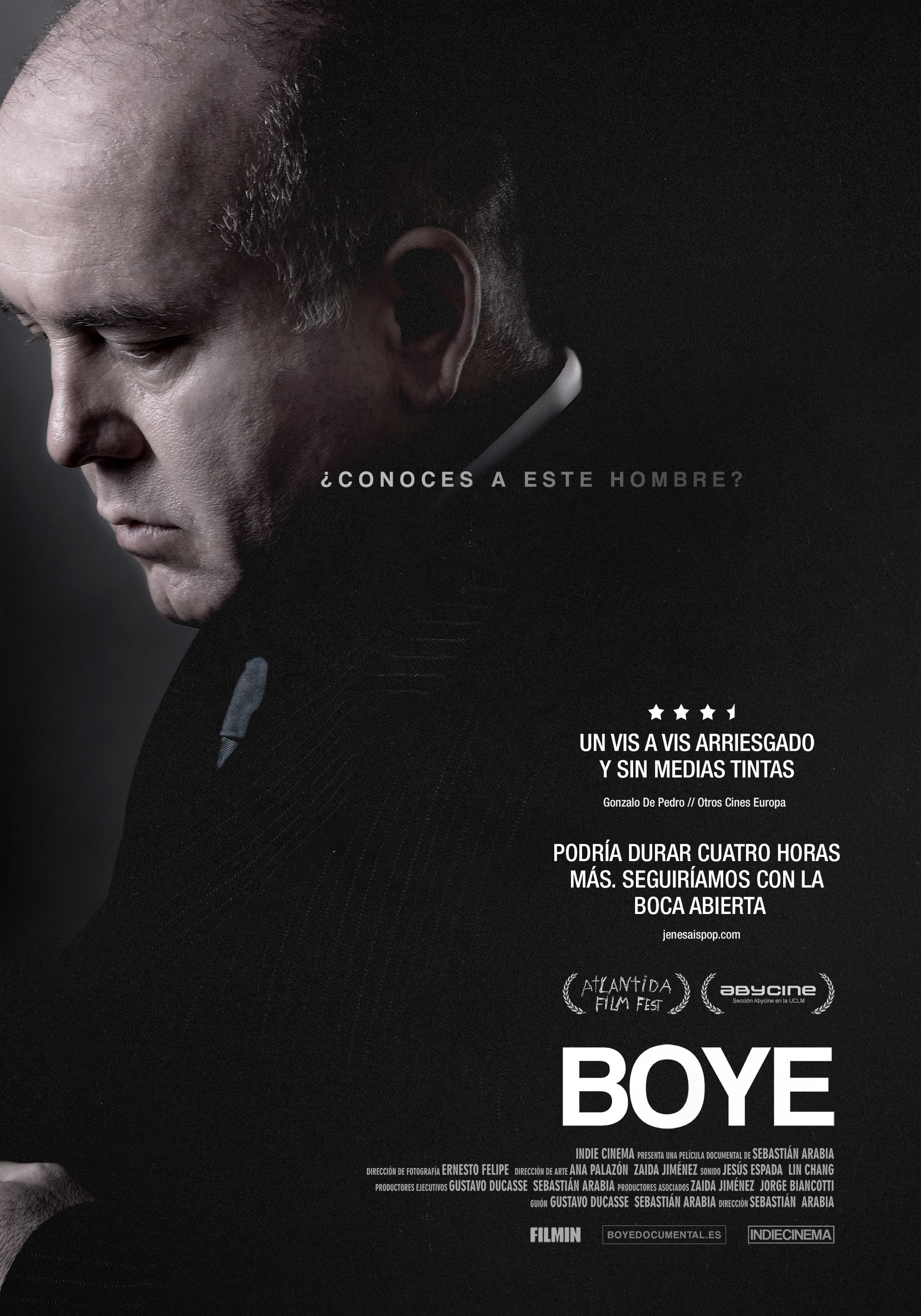
Gonzalo Boye, a lawyer, businessman, and editor of Mongolia magazine, was convicted in the 1990s for allegedly collaborating with ETA in a kidnapping, a crime he denies. His story, told in a documentary by Sebastián Arabia, begins in Chile and continues in Spain, where he served 14 years in prison. During this time, he studied law and later handled significant cases like the 11M trials, the Bárcenas case, defending Edward Snowden, and suing the George W. Bush administration over Guantanamo.
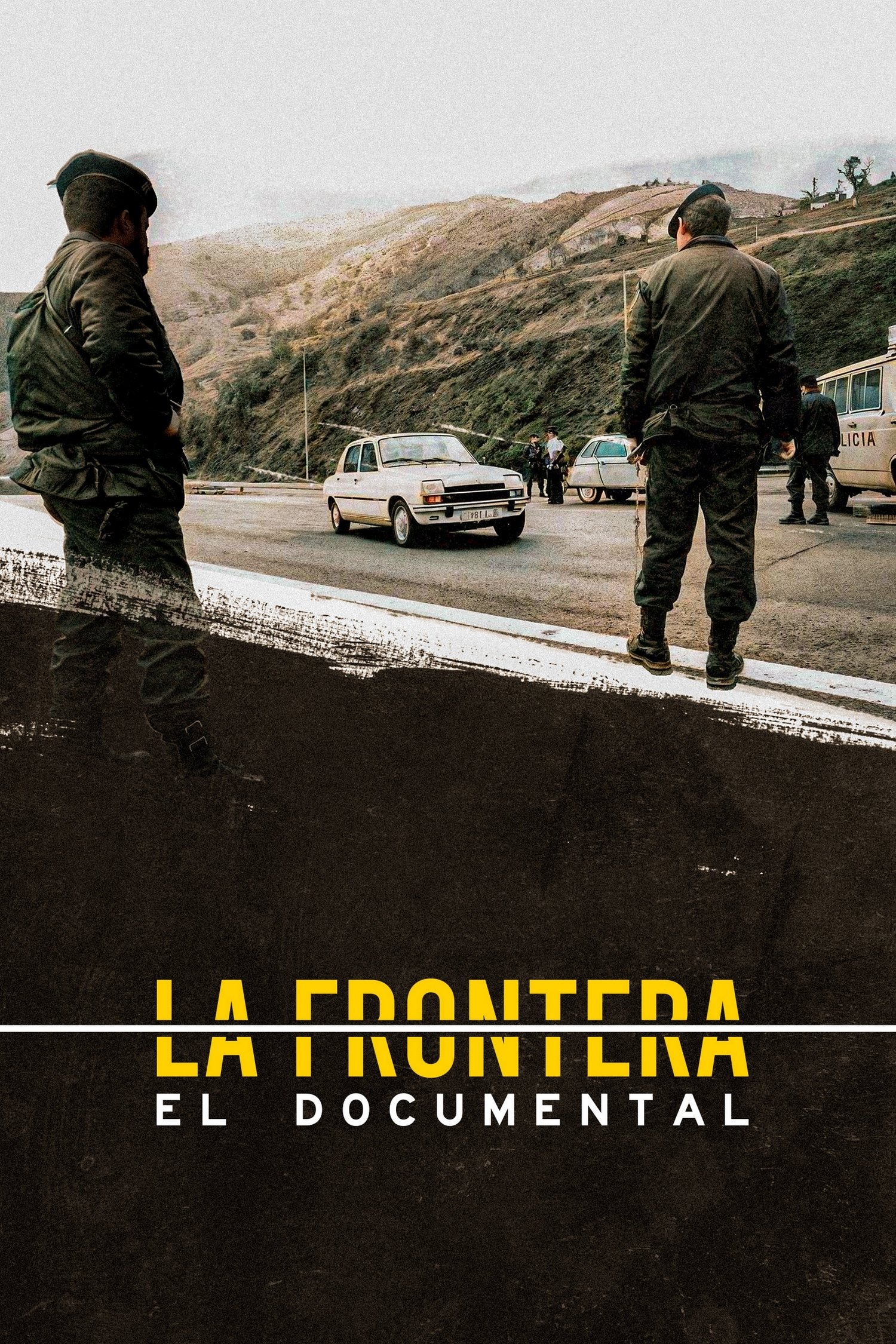
For decades, the commandos of the ETA terrorist gang operating in Spain sought refuge in France after committing their crimes, without the French authorities doing anything about it; until, in 1986, the police forces of both countries began to collaborate closely and France ceased to be a sanctuary for the murderers.
Spain, 1997. The story of twelve days in July during which Basque society left indifference and fear behind and faced the threat of the terrorist group ETA.
A look at the origins, history and conspiracies behind the "Majestic 12", a clandestine group of military and corporate figureheads charged with reverse-engineering extraterrestrial technology.
In the Realms of the Unreal is a documentary about the reclusive Chicago-based artist Henry Darger. Henry Darger was so reclusive that when he died his neighbors were surprised to find a 15,145-page manuscript along with hundreds of paintings depicting The Story of the Vivian Girls, in What is Known as the Realms of the Unreal, of the Glodeco-Angelinnian War Storm, Cased by the Child Slave Rebellion.
A detailing of the rise to prominence and global sporting superstardom of six supremely talented young Manchester United football players (David Beckham, Nicky Butt, Ryan Giggs, Paul Scholes, Phil and Gary Neville). The film covers the period 1992-1999, culminating in Manchester United's European Cup triumph.
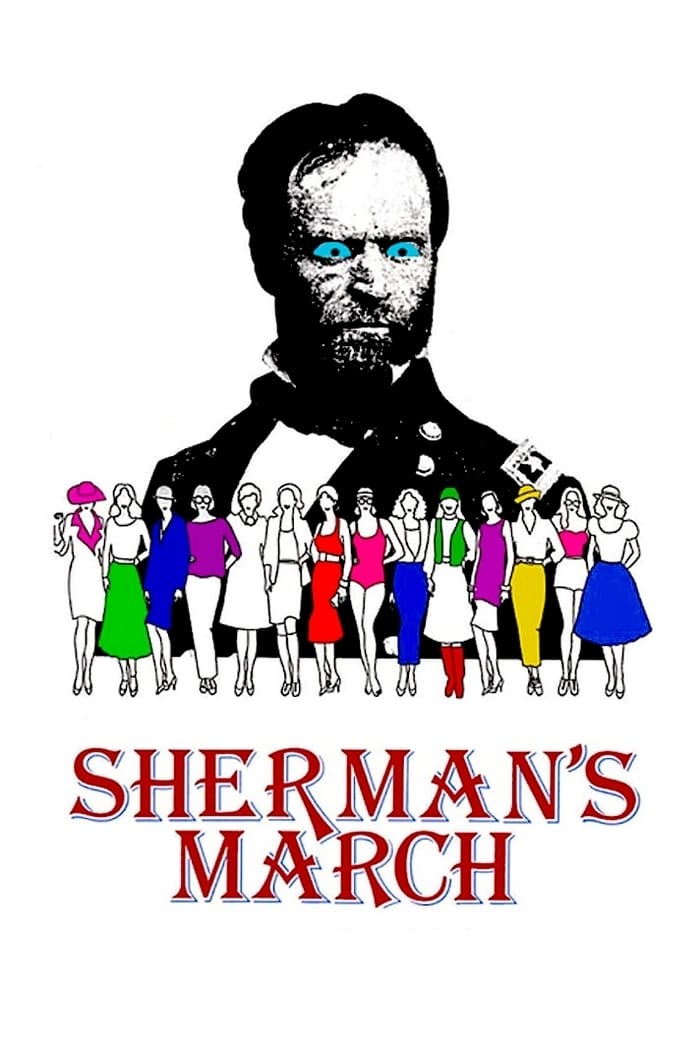
Ross McElwee sets out to make a documentary about the lingering effects of General Sherman's march of destruction through the South during the Civil War, but is continually sidetracked by women who come and go in his life, his recurring dreams of nuclear holocaust, and Burt Reynolds.
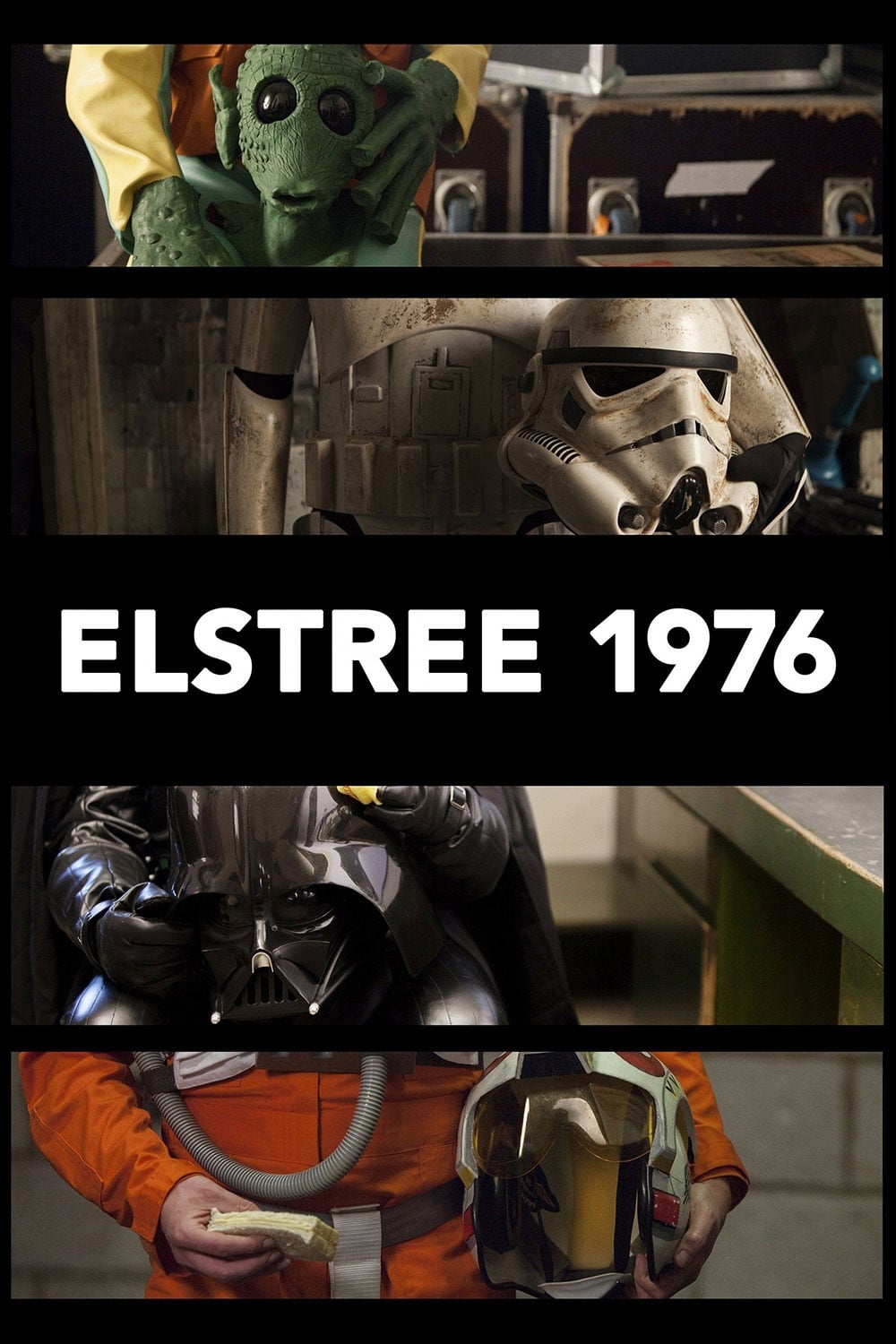
A documentary about ten very different lives connected by having appeared onscreen wearing masks or helmets in Star Wars.
Alexander McQueen's rags-to-riches story is a modern-day fairy tale, laced with the gothic. Mirroring the savage beauty, boldness and vivacity of his design, this documentary is an intimate revelation of McQueen's own world, both tortured and inspired, which celebrates a radical and mesmerizing genius of profound influence.
With unprecedented access to the official archives and intimate recollections from the band, both current and past, Iron Maiden: Burning Ambition invites fans to experience one of the most iconic journeys in music history. Spanning five decades, this electrifying documentary charts the band’s rise from the pubs of East London to the world’s biggest stadiums. Featuring exclusive interviews with band members and contributors such as Javier Bardem, Lars Ulrich and Chuck D, as well as all-new animated sequences of the band's legendary mascot, Eddie, the film offers a rare and intimate look at Iron Maiden’s uncompromising vision and unwavering connection with their truly global army of fans.
A documentary about the life and films of director John Ford.
Just two years away from turning 30, participants in Michael Apted's documentary series are facing serious questions of identity and purpose, wondering whether they've found their place in the world.
The insane government bureaucracy at a state pension window.
JB Smoove and Martin Starr host a celebration of 20 years of "Spider-Man" movies, from the Sam Raimi trilogy to Marc Webb's movies and the trio from Jon Watts.
A documentary focused on plastic pollution in the world's oceans.
Unravel the case of Utah therapist Jodi Hildebrandt, whose child abuse arrest with parenting YouTuber Ruby Franke exposed a twisted tale of manipulation.
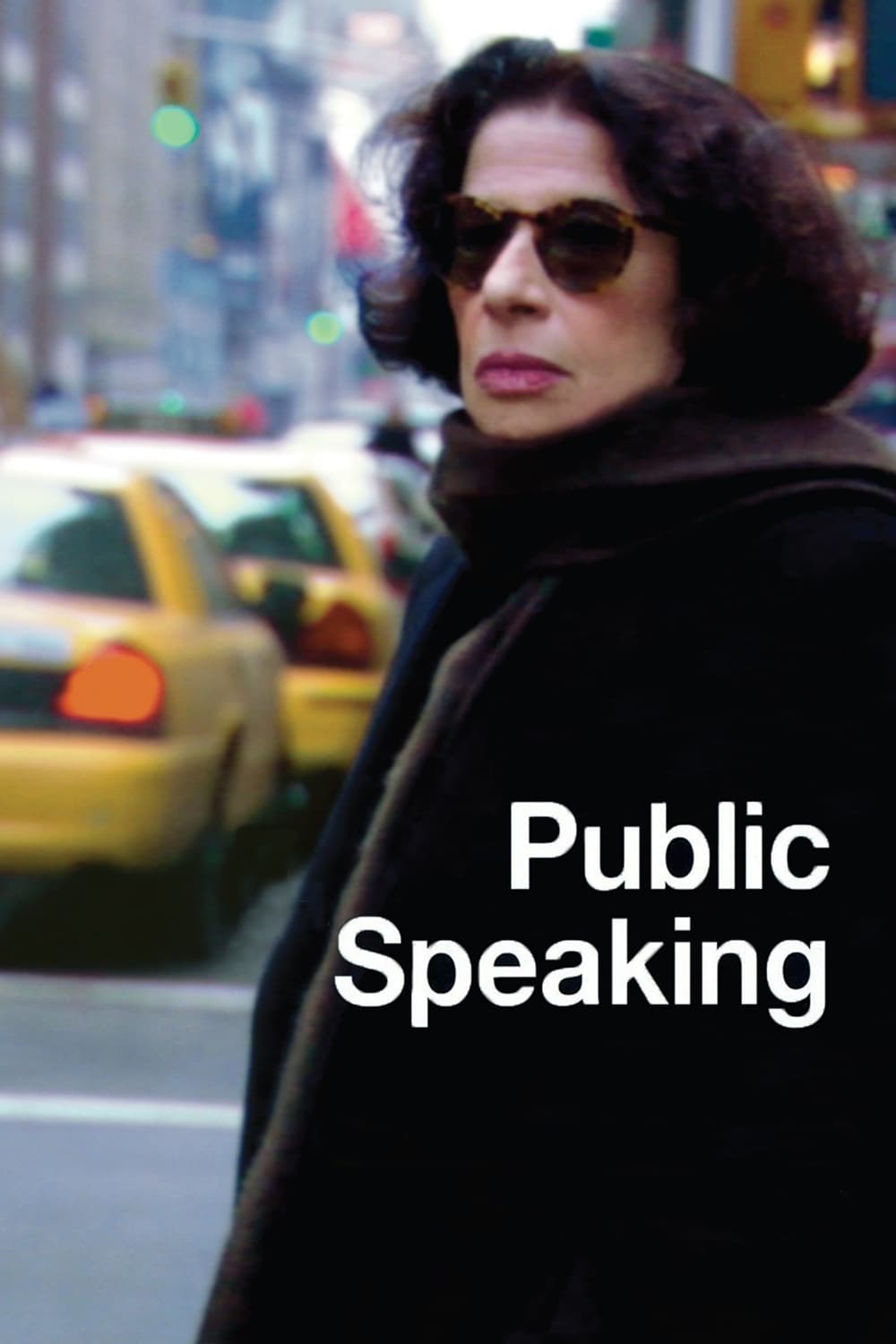
Martin Scorsese’s portrait of writer and social commentator Fran Lebowitz, celebrated for her sharp wit and observations on modern life. Filmed at New York’s Waverly Inn and intercut with archival footage and interviews, the documentary captures Lebowitz’s distinctive worldview through her spontaneous monologues and public appearances.
This revealing documentary honors the legendary Sidney Poitier—iconic actor, filmmaker, and civil rights activist. Featuring interviews with Denzel Washington, Spike Lee, Halle Berry, and more.
A documentary on a former Miss Wyoming who is charged with abducting and imprisoning a young Mormon Missionary.
Those who knew iconic funnyman John Candy best share his story, in their own words, through never-before-seen archival footage, imagery, and interviews.
Behind the scenes look at fight choreography and action training.
This character-driven film considers the evolving sex trafficking landscape as seen by the main players: the exploited, the pimps, the johns that fuel the business, and the cops who fight to stop it.
Vulgar, taunting texts blow up the phones of a teen and her boyfriend. Who's sending them — and why? This twisty documentary reveals the shocking answer.