French soldiers injured in WWI are re-educated to learn new trades.
Social & External

The people behind it
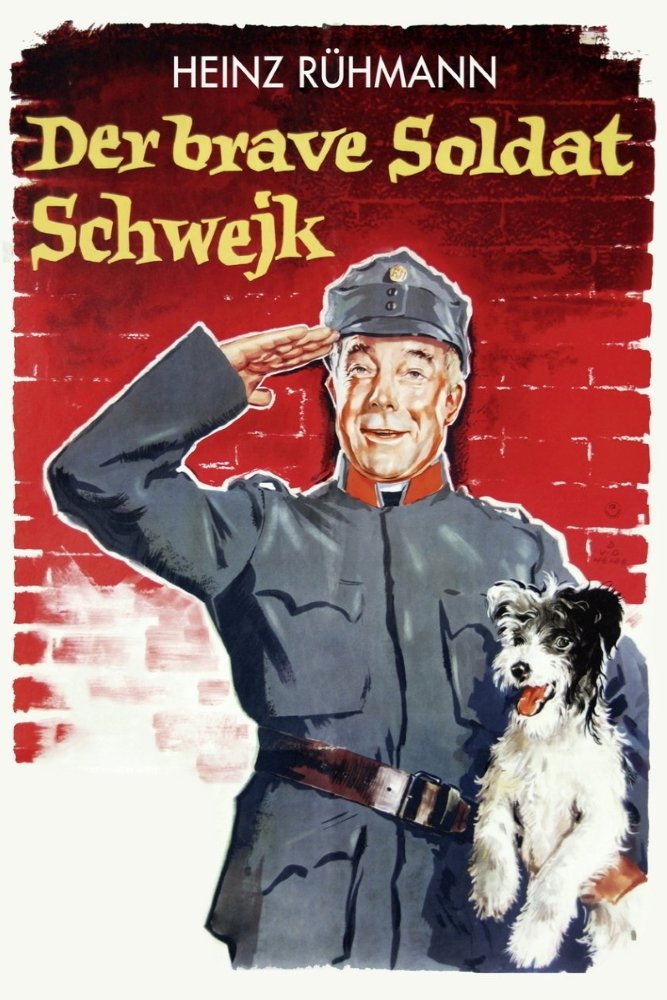
Good-natured and garrulous, Schweik becomes the Austrian army's most loyal Czech soldier when he is called up on the outbreak of World War I -- although his bumbling attempts to get to the front serve only to prevent him from reaching it. Playing cards and getting drunk, he uses all his cunning and genial subterfuge to deal with the police, clergy, and officers who chivy him toward battle.
A comedy based on the novel of Jaroslav Hašek's The Good Soldier Svejk happens during the World War I. I Dutifully Report: In the introduction to the second part of the film adaptation of Hašek's novel The Good Soldier Švějk presents his main character Josef Švejk. With the distinctive traditional Czech cartoon character of a soldier Svejk, this time you meet on the way to the front and eventually right in the firing line. You can look at his famous train events, and also probably the most famous episode of the novel, Švejk's Budějovice anabasis. Don't miss the scene with the secretly bought cognac, the episode with Svejk as a fake Russian prisoner of war, including the court scene, and the scene in which lieutenant Dub is caught in a brothel. Despite the criticism, Steklý's adaptation is undoubtedly the most famous and memorable at present.

While the Allies were nearing panic as the Germans approached Paris, Marshal Foch quickly realised the German intent and that the Schlieffen plan was unravelling. In a master piece of military diplomacy he persuaded Filed Marshal French to join the Attack on the exposed flank of the Germans as it wheeled to the east of Paris. The battle was indeed a miracle, with the British playing a key part alongside the French in halting the German advance and driving them back behind the next river – The Aisne, where the Allied attack crossed the river and up onto the open ridges of the Chemin des Dames. The Germans held firm and Field Marshal French ordered the BEF to dig-in as a temporary measure but the line moved but little here in the next four years.With neither army able to make headway against modern small arms, the machine gun and quick firing artillery in a conventional frontal battle, the armies raced to redeploy into the uncontested ground north to the sea.
First World War animated propaganda short, extolling Britain's naval history and mocking the German navy.
Richthofen goes off to war like thousands of other men. As fighter pilots, they become cult heroes for the soldiers on the battlefields. Marked by sportsmanlike conduct, technical exactitude and knightly propriety, they have their own code of honour. Before long he begins to understand that his hero status is deceptive. His love for Kate, a nurse, opens his eyes to the brutality of war.
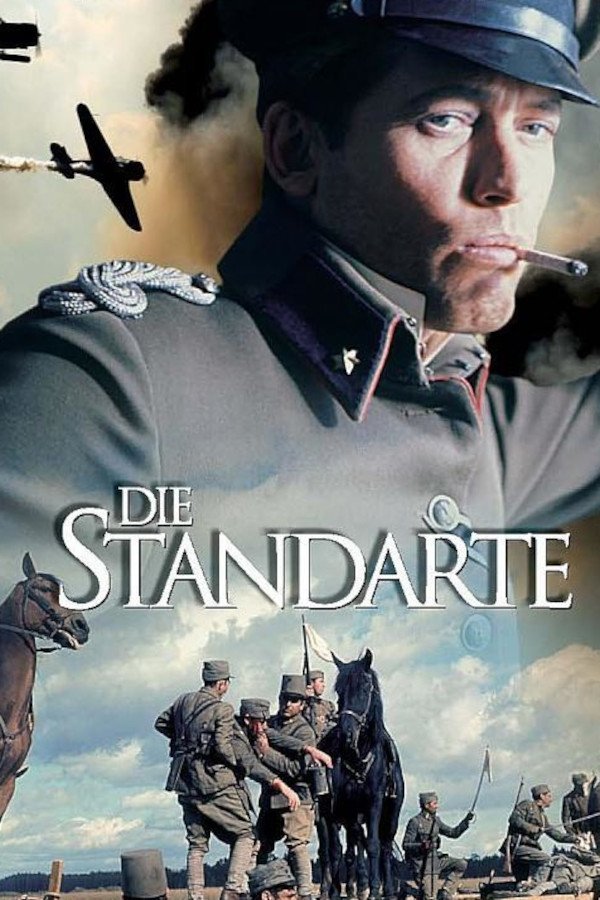
During the final days of the First World War, Officer Menis does his duty in defending the battle flag of the defeated Austro-Hungarian empire, while his fellow troops, a motley gang recruited from several different countries not loyal to the royal family, simply try to survive by any means possible.
A group of French soldiers, including the patrician Captain de Boeldieu and the working-class Lieutenant Maréchal, grapple with their own class differences after being captured and held in a World War I German prison camp. When the men are transferred to a high-security fortress, they must concoct a plan to escape beneath the watchful eye of aristocratic German officer von Rauffenstein, who has formed an unexpected bond with de Boeldieu.
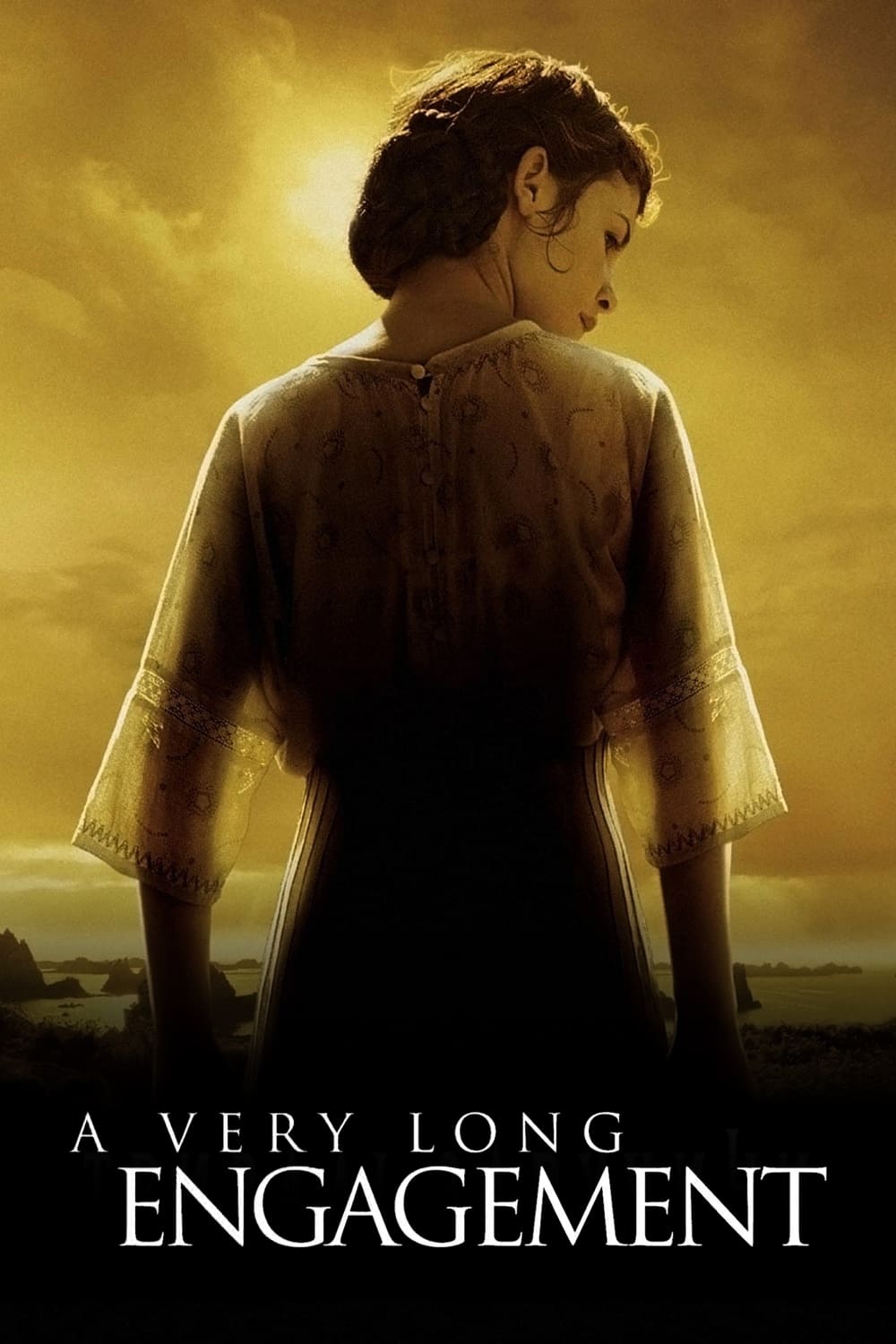
1916. René Carpentier is a young French farmer who must leave his home behind in order to fight the Germans and serve his country. On the other side of the great ocean, Canadian Nick Irving leaves behind the woman he loves to photograph the horrors of the War in Europe and to become a hero. Both characters will embark on a journey to the mud of the trenches of Verdun to fight the bloody battles of the Great War with a single purpose ... return home.
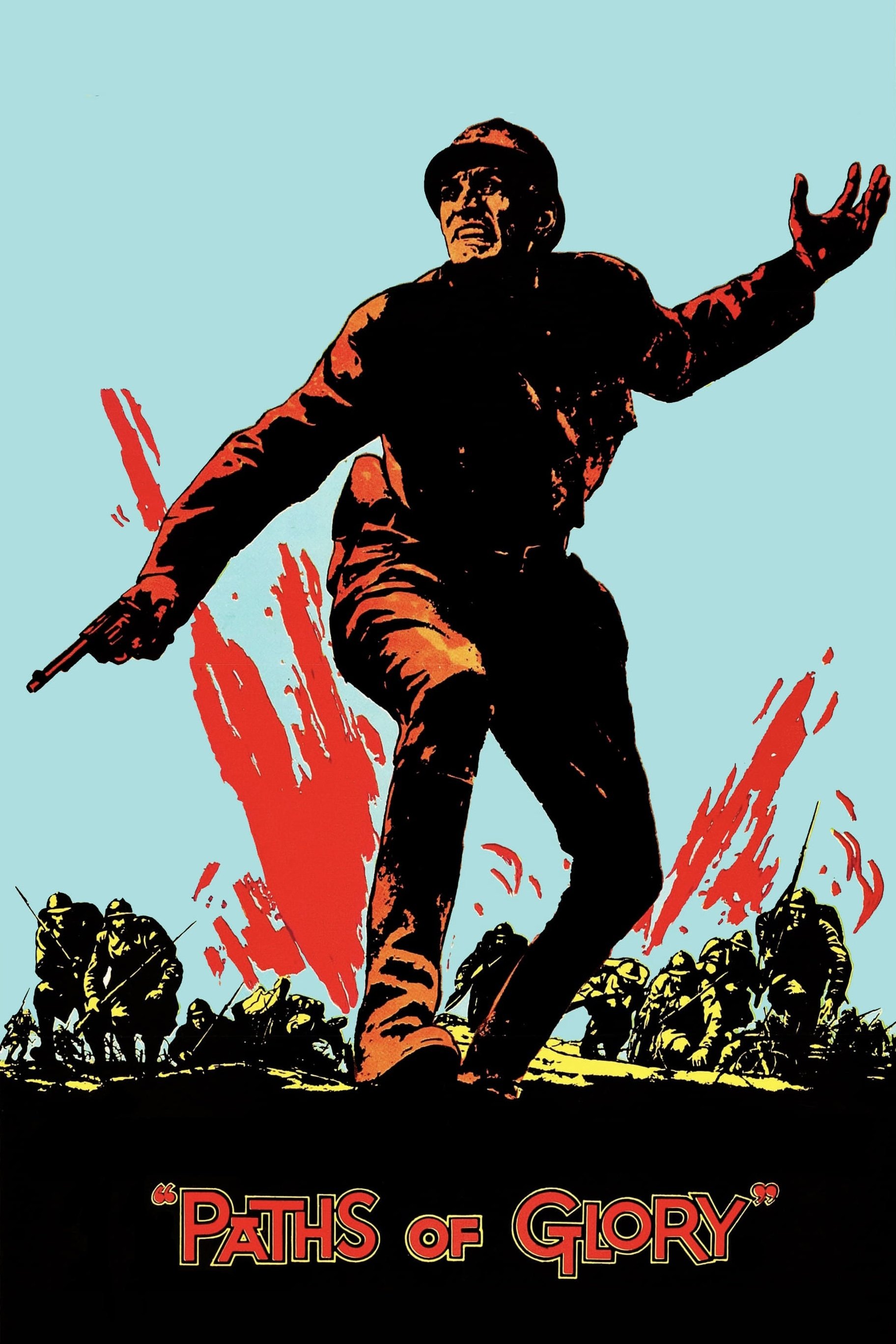
A commanding officer defends three scapegoats on trial for a failed offensive that occurred within the French Army in 1916.
Documentary using animated maps, recreations and period footage, on conflicts around a French stronghold which the Germans briefly captured during the battle of Verdun in WWI, between February and October of 1916.
The life of a Russian physician and poet who, although married to another, falls in love with a political activist's wife and experiences hardship during World War I and then the October Revolution.
Dictator Adenoid Hynkel tries to expand his empire while a poor Jewish barber tries to avoid persecution from Hynkel's regime.
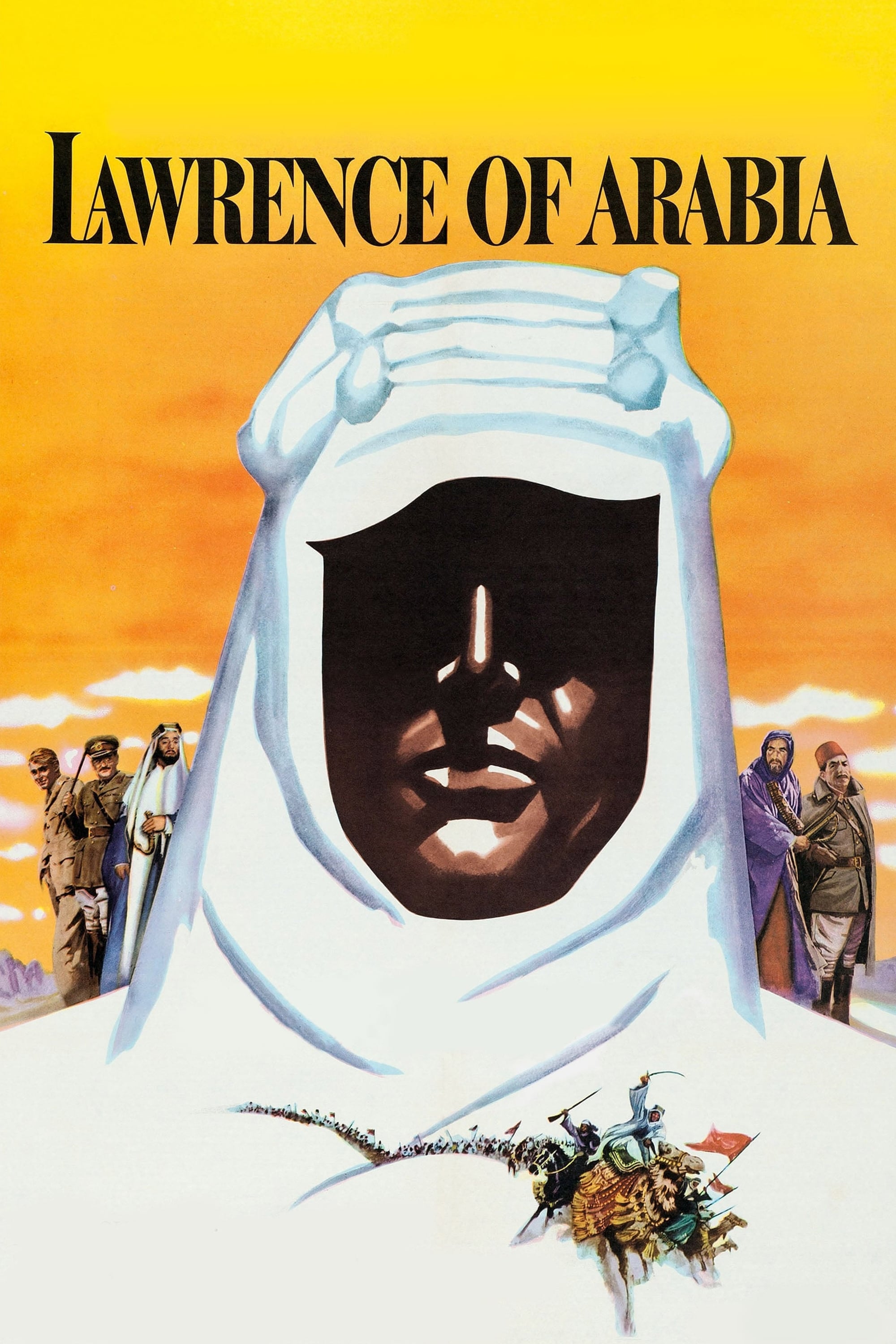
During World War I, English officer Thomas Edward 'T.E.' Lawrence sets out to unite and lead the diverse, often warring, Arab tribes to fight the Turks.
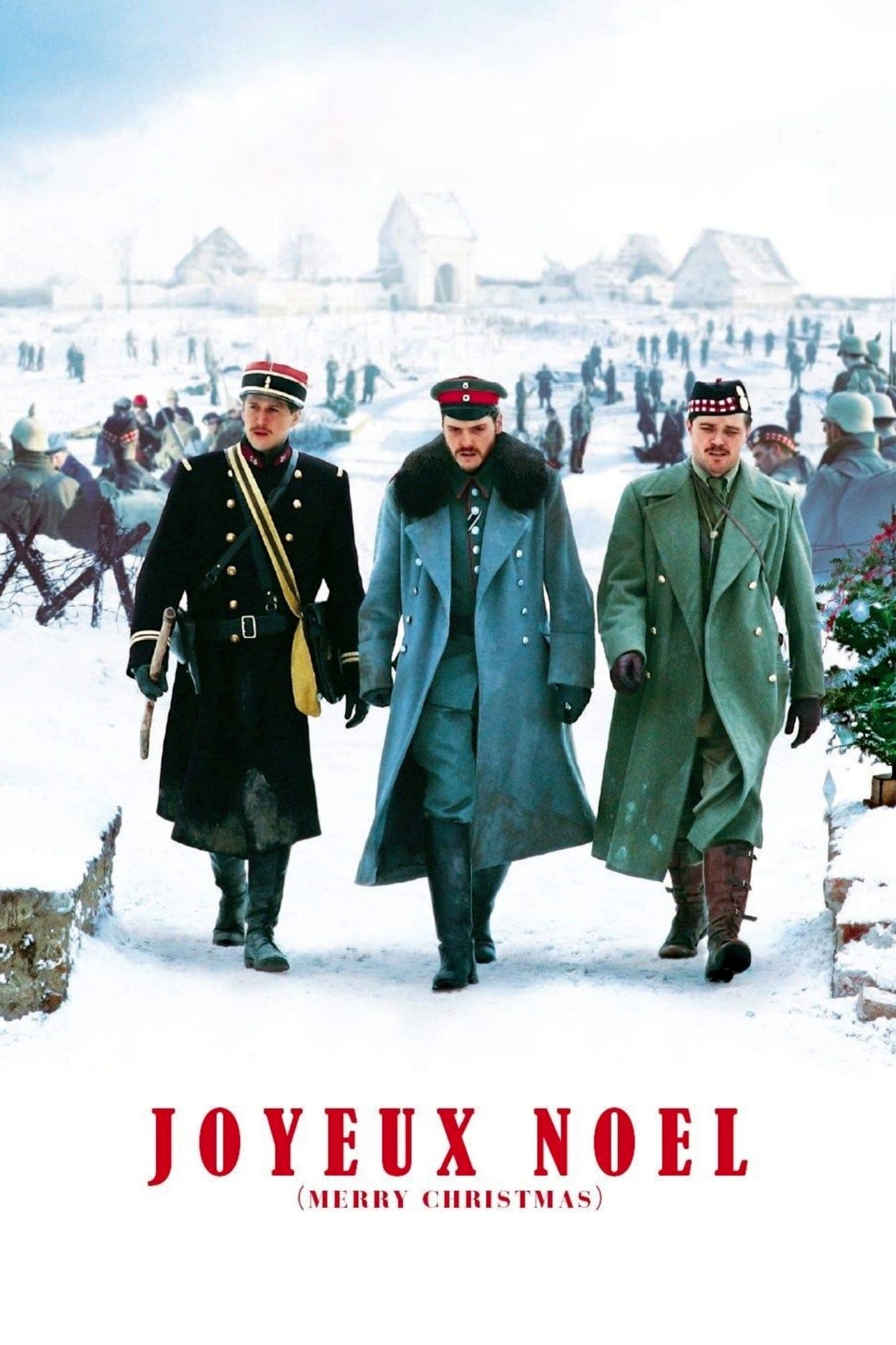
Fields of France, during the First World War. A group of young soldiers, united by the indiscriminate brutality of battle, fights to maintain their humanity in an endless cycle of combat and death.
The film focuses on the leadership of the Great Powers of Europe in the days leading up to the outbreak of the First World War.
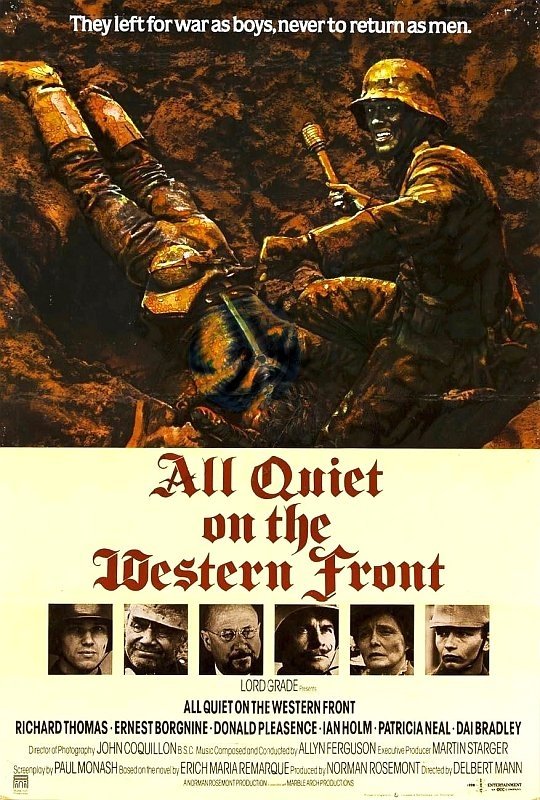
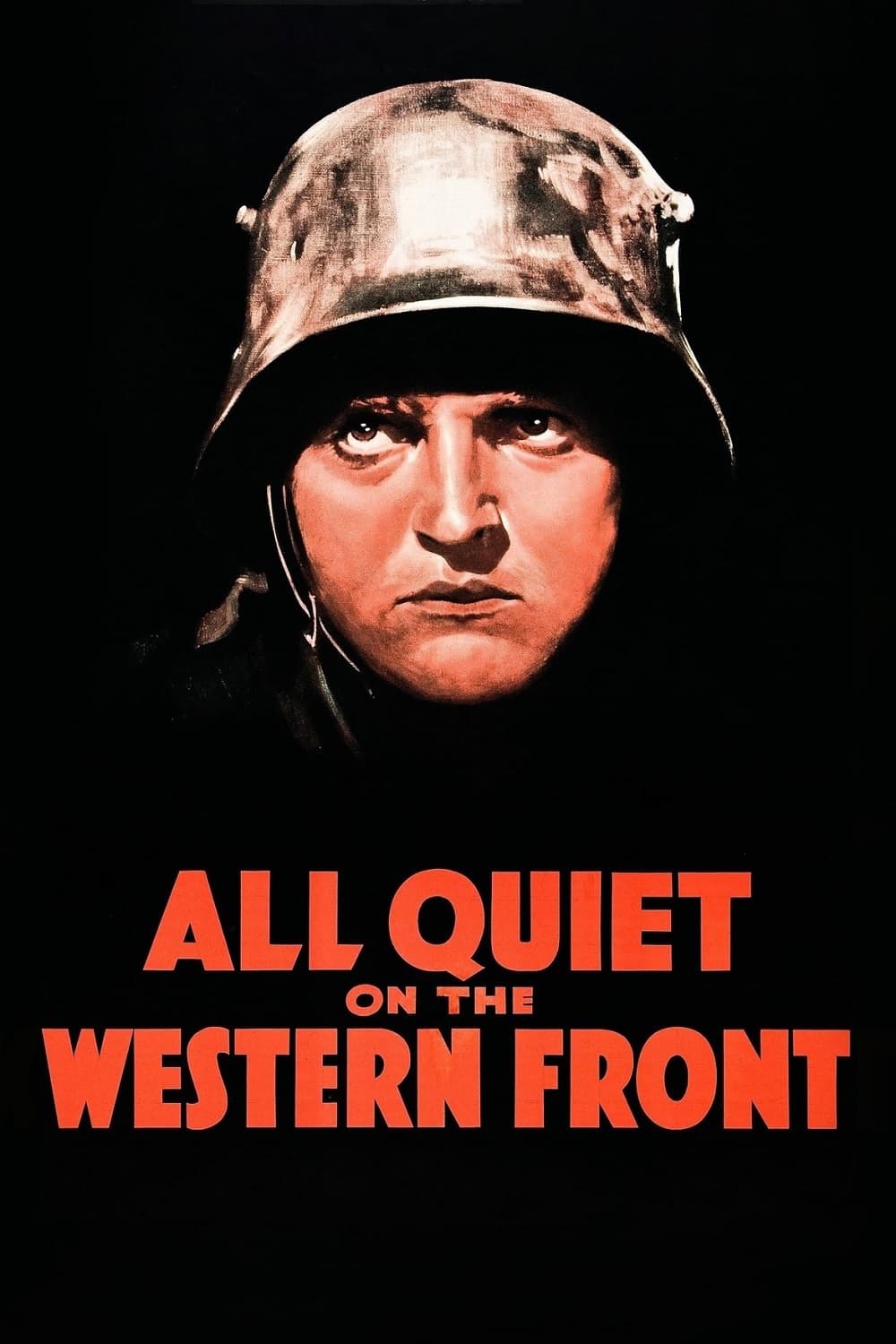
When a group of idealistic young men join the German Army during the Great War, they are assigned to the Western Front, where their patriotism is destroyed by the harsh realities of combat.
A young filmmaker is commissioned to write a documentary about the First World War. He tries to find a way to tell the story of the war. What is to be done with all these films waiting in the archives to be shown again? He tries his hand at different styles of writing and editing, keeping in mind the question: can you make a montage film without transforming the images?
Through dramatic reconstruction and documentary asides, the spirit of Italian poet, playwright, journalist, aristocrat and army officer Gabriele D’Annunzio is captured, presenting the nascent fascism in his attempts to forge a new state in the aftermath of the First World War.
The adventures of the Lafayette Escadrille, young Americans who volunteered for the French military before the U.S. entered World War I, and became the country's first fighter pilots.
A documentary about World War I with never-before-seen footage to commemorate the centennial of Armistice Day, and the end of the war.
When Sgt. First Class Brian Eisch is critically wounded in Afghanistan, it sets him and his sons on a journey of love, loss, redemption and legacy.
Prelude to War was the first film of Frank Capra's Why We Fight propaganda film series, commissioned by the Pentagon and George C. Marshall. It was made to convince American troops of the necessity of combating the Axis Powers during World War II. This film examines the differences between democratic and fascist states.
Amid the failing counteroffensive, a journalist follows a Ukrainian platoon on their mission to traverse one mile of heavily fortified forest and liberate a strategic village from Russian occupation. But the farther they advance through their destroyed homeland, the more they realize that this war may never end.
“The Soviet Story” is a story of an Allied power, which helped the Nazis to fight Jews and which slaughtered its own people on an industrial scale. Assisted by the West, this power triumphed on May 9th, 1945. Its crimes were made taboo, and the complete story of Europe’s most murderous regime has never been told. Until now...
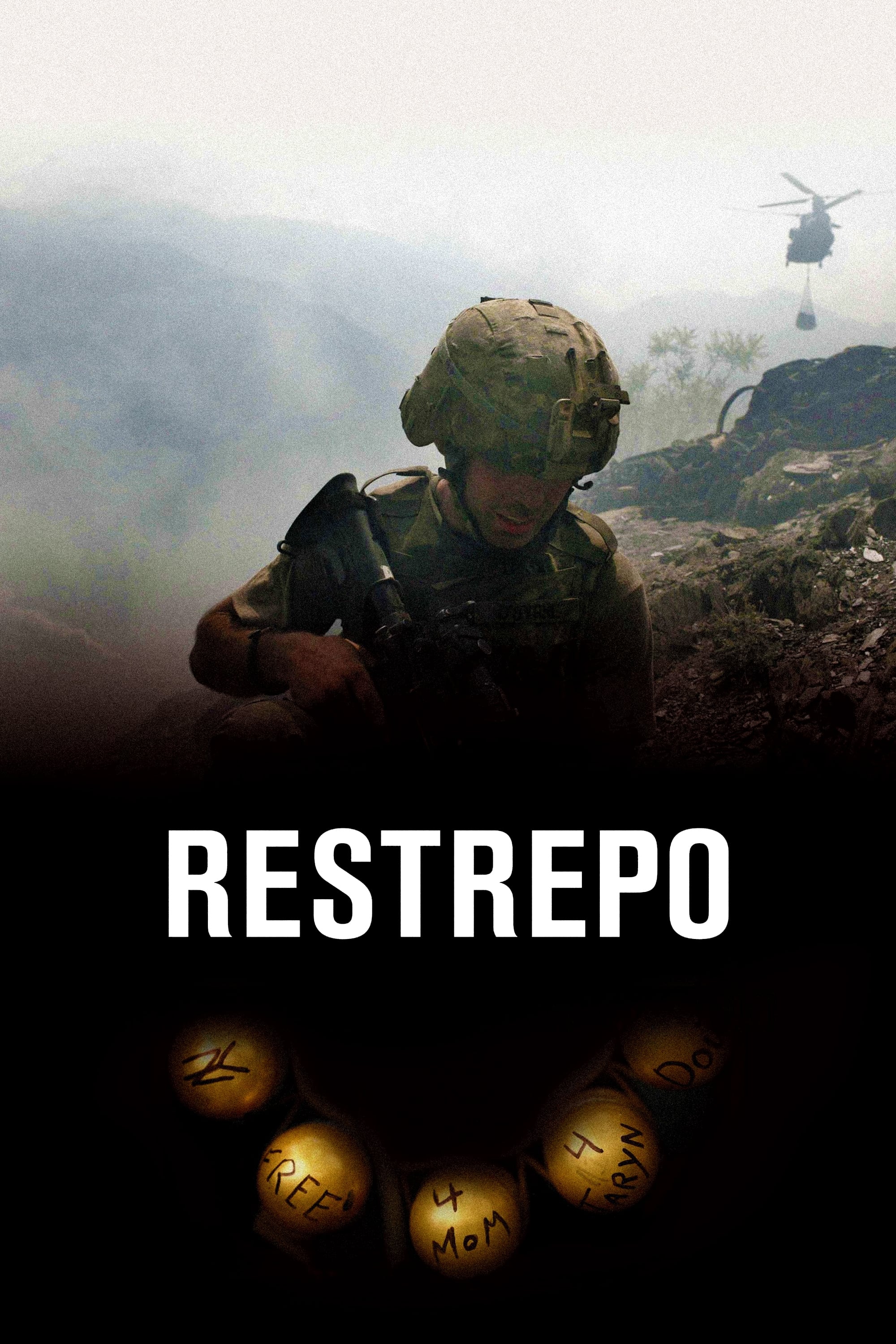
Directors Hetherington and Junger spend a year with the 2nd Battalion of the United States Army located in one of Afghanistan's most dangerous valleys. The documentary provides insight and empathy on how to win the battle through hard work, deadly gunfights and mutual friendships while the unit must push back the Taliban.
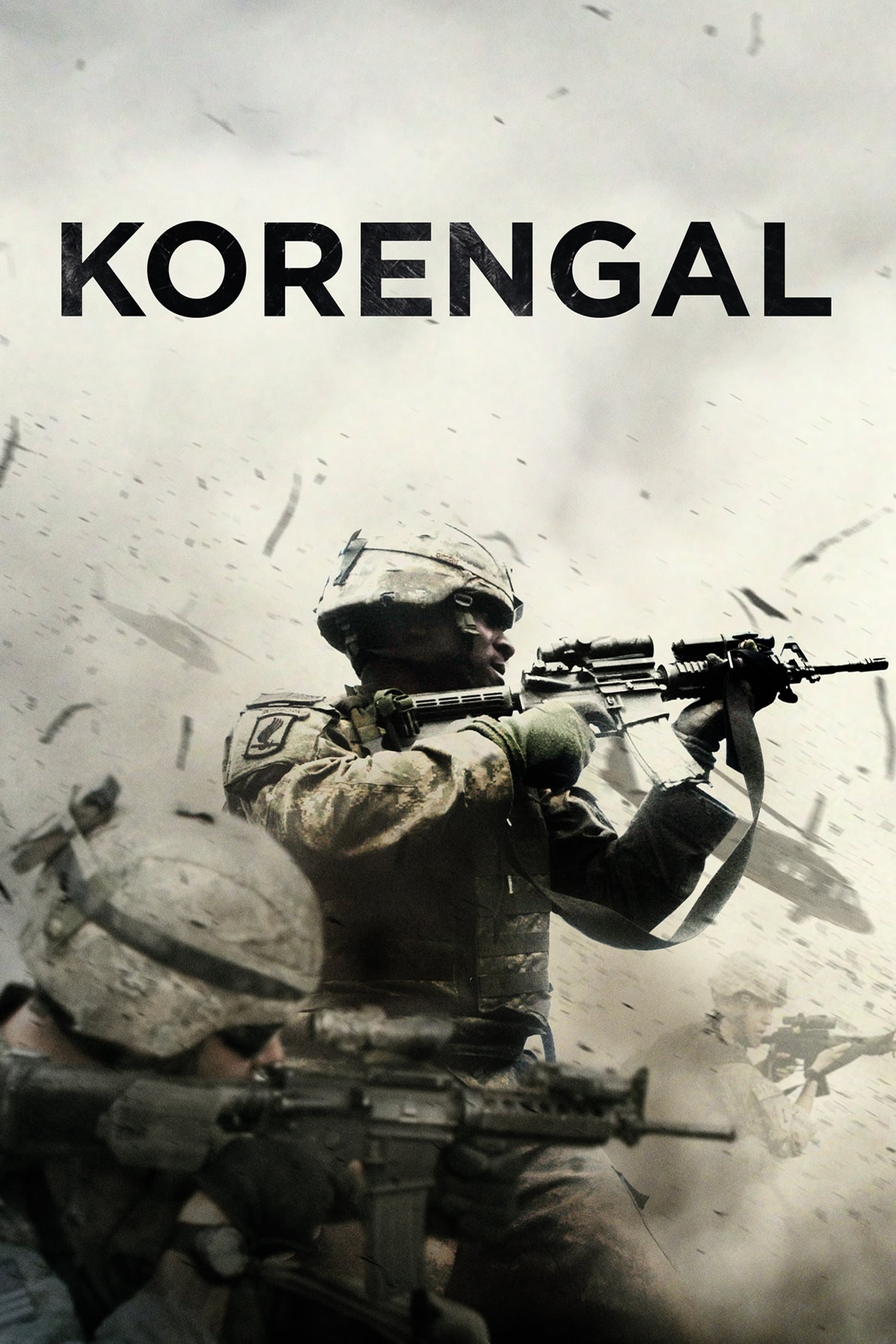
Korengal picks up where Restrepo left off; the same men, the same valley, the same commanders, but a very different look at the experience of war.
Meet the real-life airmen who inspired Masters of the Air as they share the harrowing and transformative events of the 100th Bomb Group.
As the Russian invasion begins, a team of Ukrainian journalists trapped in the besieged city of Mariupol struggle to continue their work documenting the war's atrocities.
The extraordinary story of how Hollywood changed World War II – and how World War II changed Hollywood, through the interwoven experiences of five legendary filmmakers who went to war to serve their country and bring the truth to the American people: John Ford, William Wyler, John Huston, Frank Capra, and George Stevens. Based on Mark Harris’ best-selling book, “Five Came Back: A Story of Hollywood and the Second World War.”
This documentary movie is about the battle of San Pietro, a small village in Italy. Over 1,100 US soldiers were killed while trying to take this location, that blocked the way for the Allied forces from the Germans. Preserved by the Academy Film Archive in 2005.
Filmmaker Alain Resnais documents the atrocities behind the walls of Hitler's concentration camps.
A love letter from a young mother to her daughter, the film tells the story of Waad al-Kateab’s life through five years of the uprising in Aleppo, Syria as she falls in love, gets married and gives birth to Sama, all while cataclysmic conflict rises around her. Her camera captures incredible stories of loss, laughter and survival as Waad wrestles with an impossible choice– whether or not to flee the city to protect her daughter’s life, when leaving means abandoning the struggle for freedom for which she has already sacrificed so much.
This revealing documentary honors the legendary Sidney Poitier—iconic actor, filmmaker, and civil rights activist. Featuring interviews with Denzel Washington, Spike Lee, Halle Berry, and more.
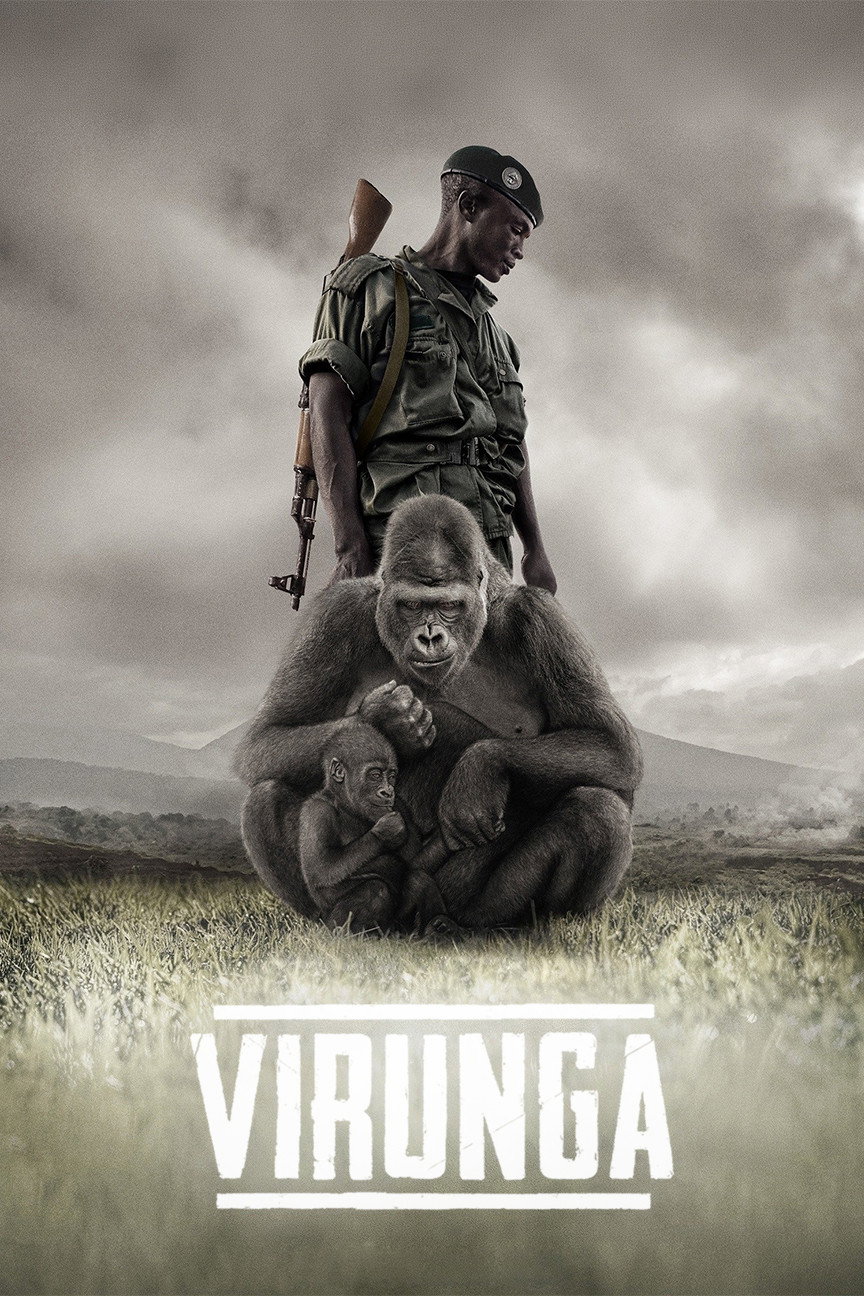
Virunga in the Democratic Republic of the Congo is Africa’s oldest national park, a UNESCO world heritage site, and a contested ground among insurgencies seeking to topple the government that see untold profits in the land. Among this ongoing power struggle, Virunga also happens to be the last natural habitat for the critically endangered mountain gorilla. The only thing standing in the way of the forces closing in around the gorillas: a handful of passionate park rangers and journalists fighting to secure the park’s borders and expose the corruption of its enemies. Filled with shocking footage, and anchored by the surprisingly deep and gentle characters of the gorillas themselves, Virunga is a galvanizing call to action around an ongoing political and environmental crisis in the Congo.
The Captains is a feature-length documentary film written and directed by William Shatner. The film follows Shatner as he interviews the other actors who have portrayed starship captains in the Star Trek franchise.
Five broken cameras – and each one has a powerful tale to tell. Embedded in the bullet-ridden remains of digital technology is the story of Emad Burnat, a farmer from the Palestinian village of Bil’in, which famously chose nonviolent resistance when the Israeli army encroached upon its land to make room for Jewish colonists. Emad buys his first camera in 2005 to document the birth of his fourth son, Gibreel. Over the course of the film, he becomes the peaceful archivist of an escalating struggle as olive trees are bulldozed, lives are lost, and a wall is built to segregate burgeoning Israeli settlements.
For the 20th anniversary of "Titanic," James Cameron reopens the file on the disaster.
Experience the events of September 11, 2001 through the eyes of President Bush and his closest advisors as they personally detail the crucial hours and key decisions from that historic day.
An in-depth investigation into the private world of the American writer J. D. Salinger (1919-2010), who lived most of his life behind the impenetrable wall of a self-imposed seclusion: how his dramatic experiences during World War II influenced his life and work, his relationships with very young women, his obsessive writing methods, his many literary secrets.