Abstract video art with music composed by Philip Glass. Music by the Kronos String Quartet.
Social & External
Combined cel/cutout animation exploring the relationship between two tiny characters living at the bottom of a giant film frame.
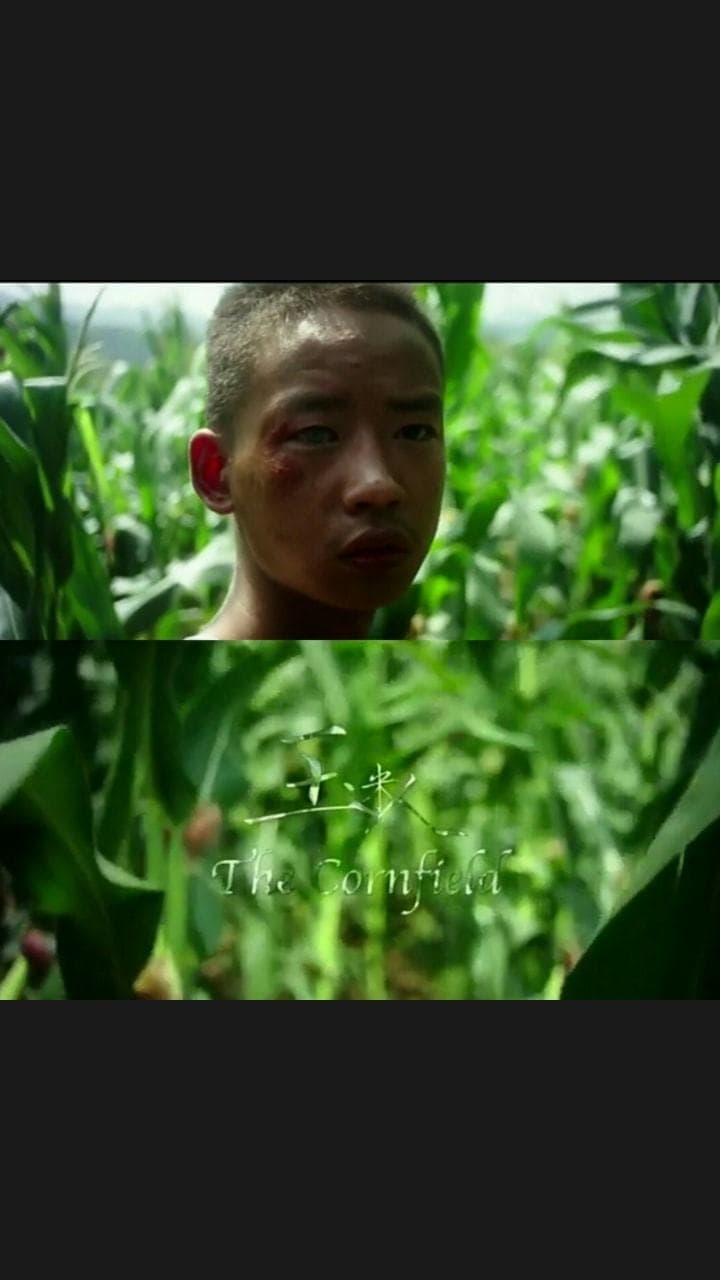
A boy living with his grandmother in the mountains refuses to migrate in the new village. Everyday he prowls the cornfields and waits for his mother to come back.
Madrid, Spain, 1949. The Circo Americano arrives in the city. While the big top is pitched in a vacant lot, the troupe parades through the grand avenues: the band, a witty impersonator, the Balodys, acrobats, jugglers, acrobatic skaters, clowns and… Buffallo Bill.
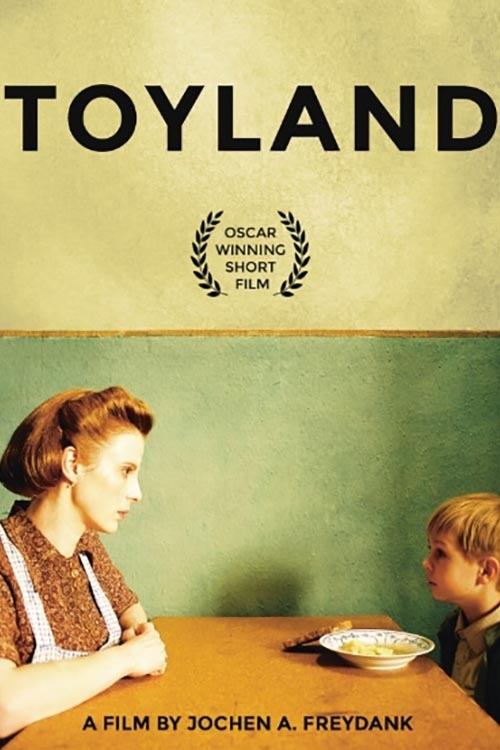
On a winter morning, a mother goes to waken her son Heinrich; his bed is empty. She leaves her flat to find him. The neighbors' door, with a Star of David painted on it, is ajar, the furnishings in disarray, the family gone. She asks passersby, runs to the police then on to the rail yard. Flashbacks show that Heinrich and the neighbors' son Paul are six years old and best friends. Paul's family's deportation is expected soon; Heinrich's mother tells her son that they're going to Toyland. Heinrich wants to go with them, has a bag packed, and listens for their departure. His mother realizes he's joined them, and her resolve becomes more urgent. Will she arrive in time to save Heinrich?
Detective Pikachu just wants to film his morning routine, but Tim has a bigger problem: his flan has disappeared from the fridge! It’s definitely a mysterious case, but if anyone can solve it, this dynamic duo can in the animated short “Detective Pikachu & the Mystery of the Missing Flan”!
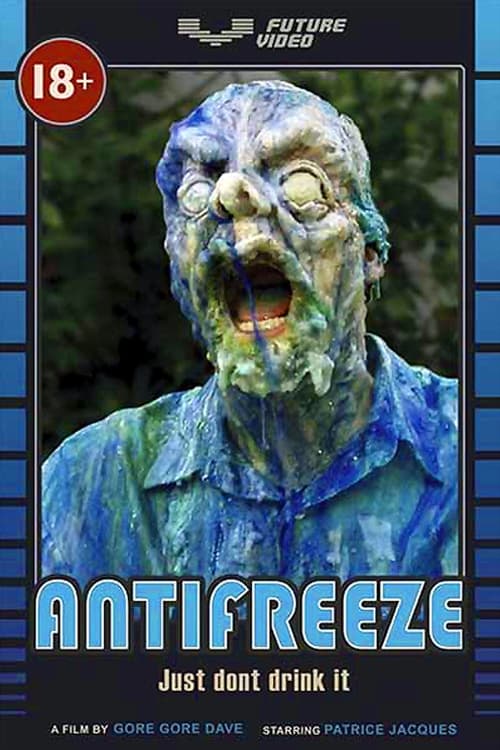
A short film tribute to Street Trash.
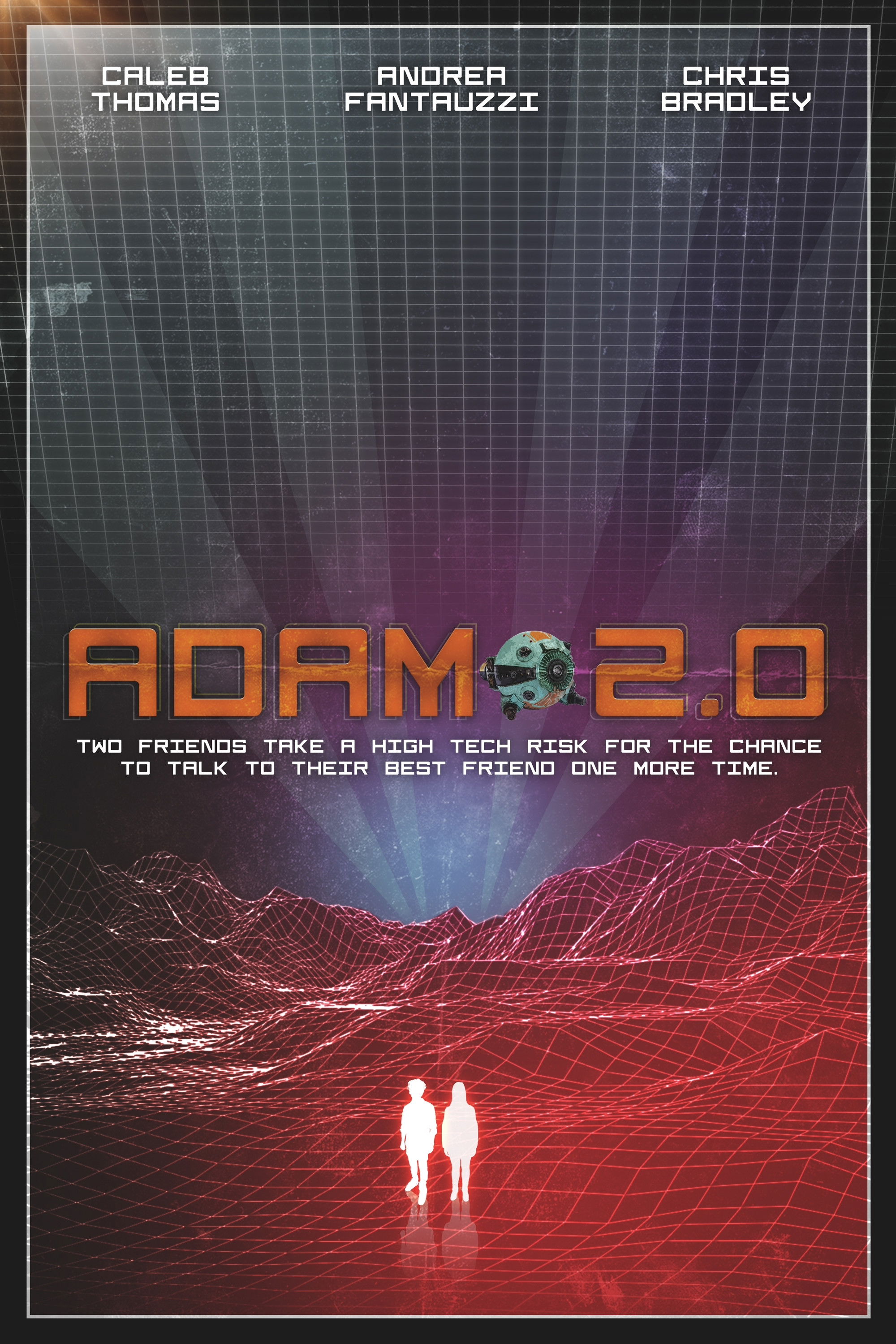
Two friends take a high tech risk for the chance to talk to their best friend one more time.
After the Trento bombing in Italy 1943, the CG animated short film is the story is of a little girl named Mila. It focuses on the collateral damage affecting the civilian population, and especially the children.
Lucas and Diego, facing the pressures of academic life, put aside their studies for a session of mutual discovery. As the evening progresses, their playful game of "Truth or Dare" becomes a medium for unveiling hidden desires. Amidst laughter and tension, desire steers their journey, transforming an ordinary night into a surreal exploration of their deepest truths.
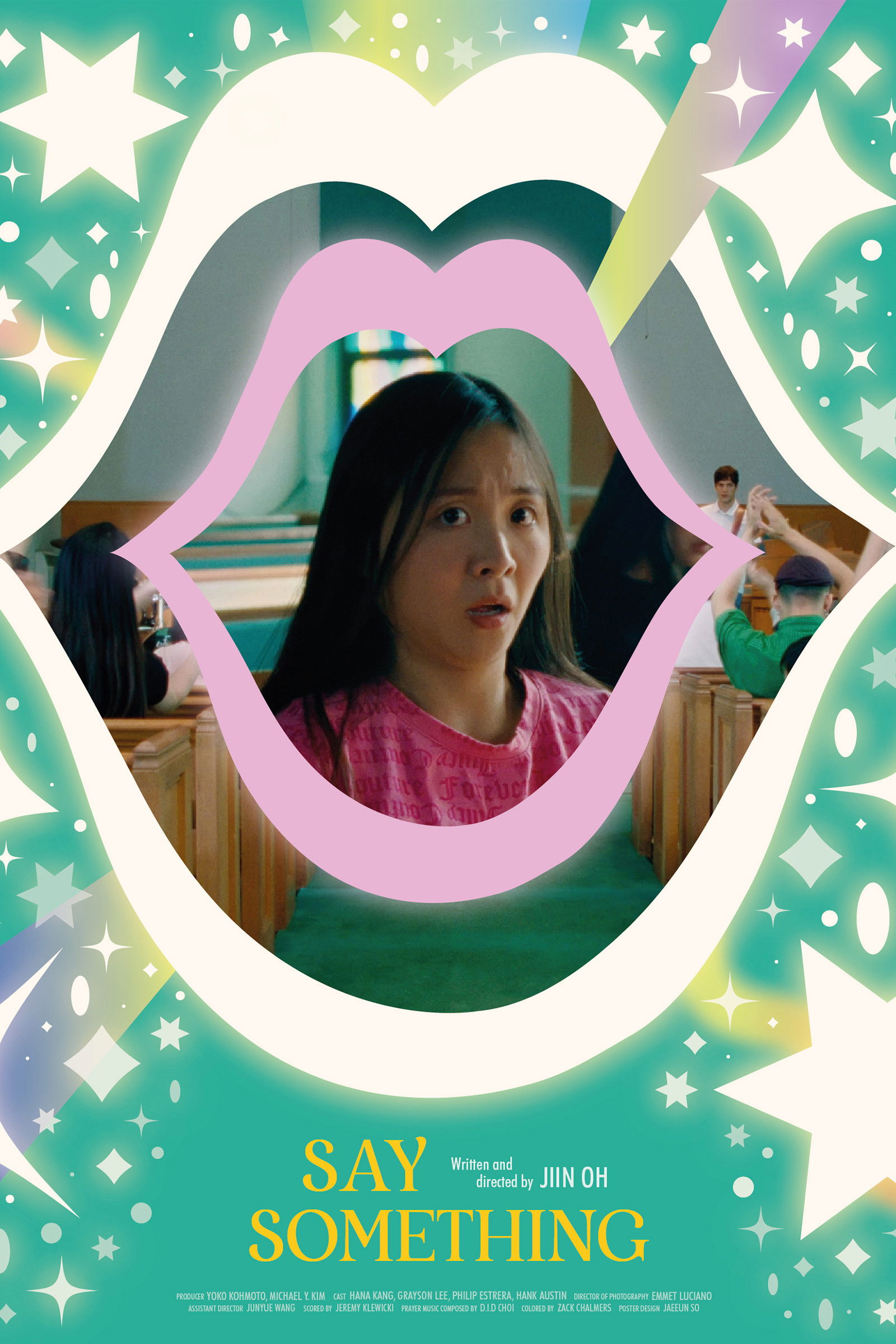
Fresh from Seoul, a teen girl struggles to find connection in her new home until she sees the church band’s floppy-haired drummer and strikes up a daring idea to get his attention.
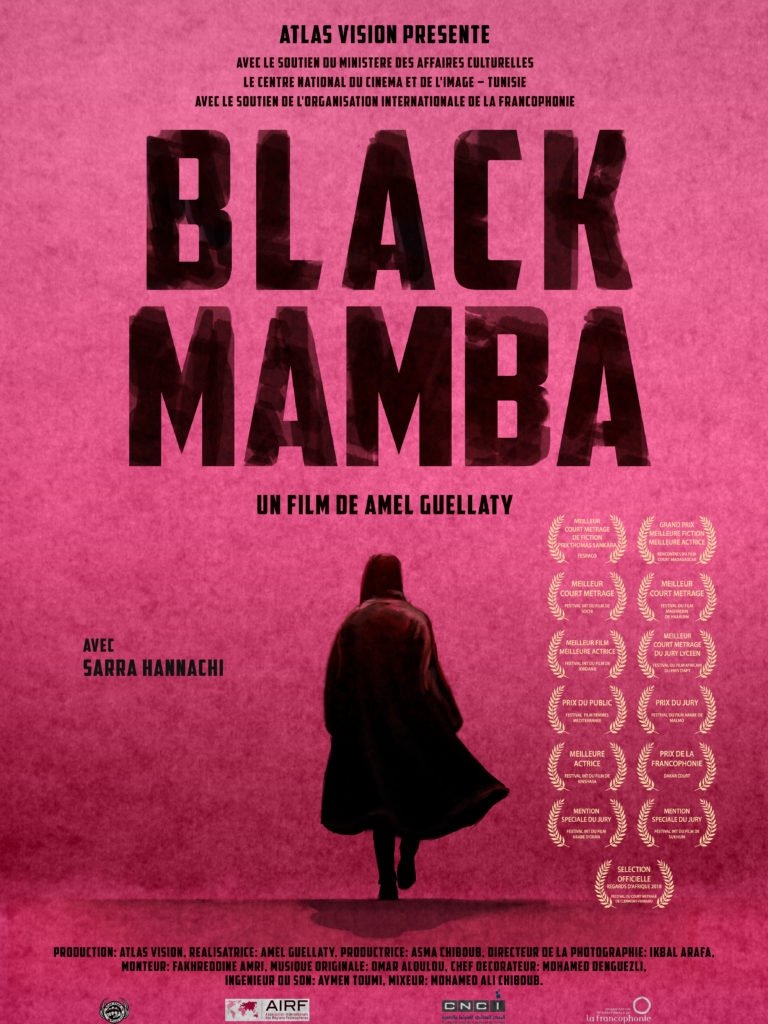
On the surface Sarra leads an average life, the one her mother has planned out for her: the young Tunisian is taking sewing classes and preparing for marriage to a young man. But deep inside she is concocting a plan to escape this life – as BLACK MAMBA
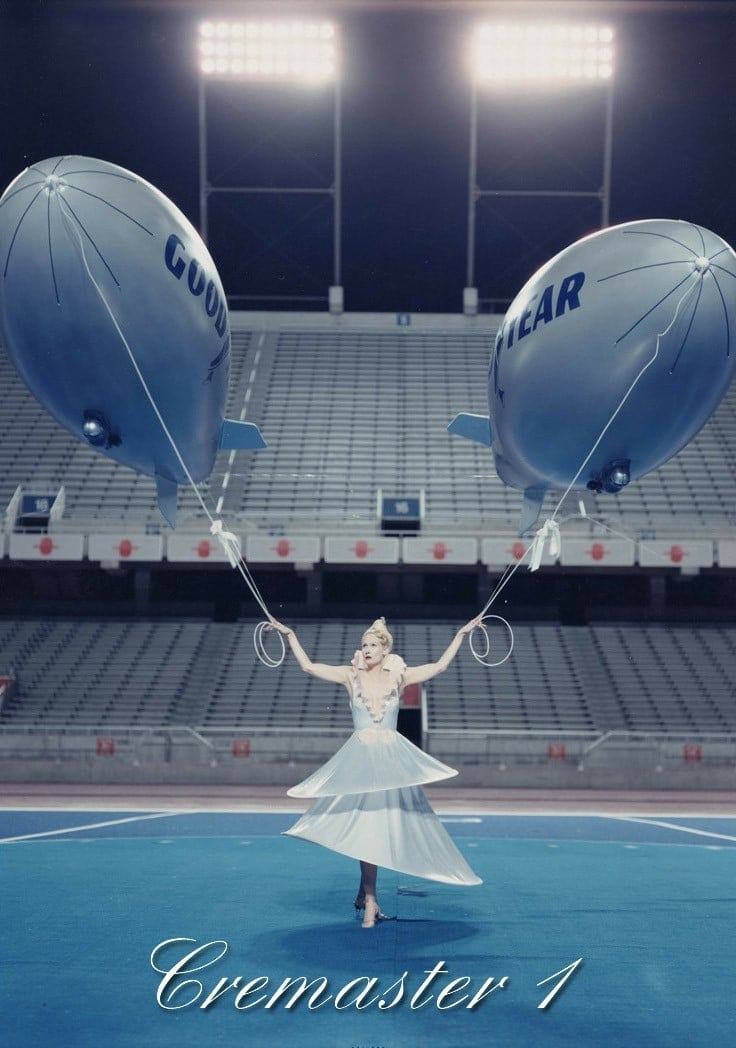
CREMASTER 1 is a musical revue performed on the blue Astroturf playing field of Bronco Stadium in Boise, Idaho - Matthew Barney's hometown. Two Goodyear Blimps float above the arena like the airships that often transmit live sporting events via television broadcast. Four air hostesses tend to each blimp. The only sound is soft ambient music, which suggests the hum of the engines.
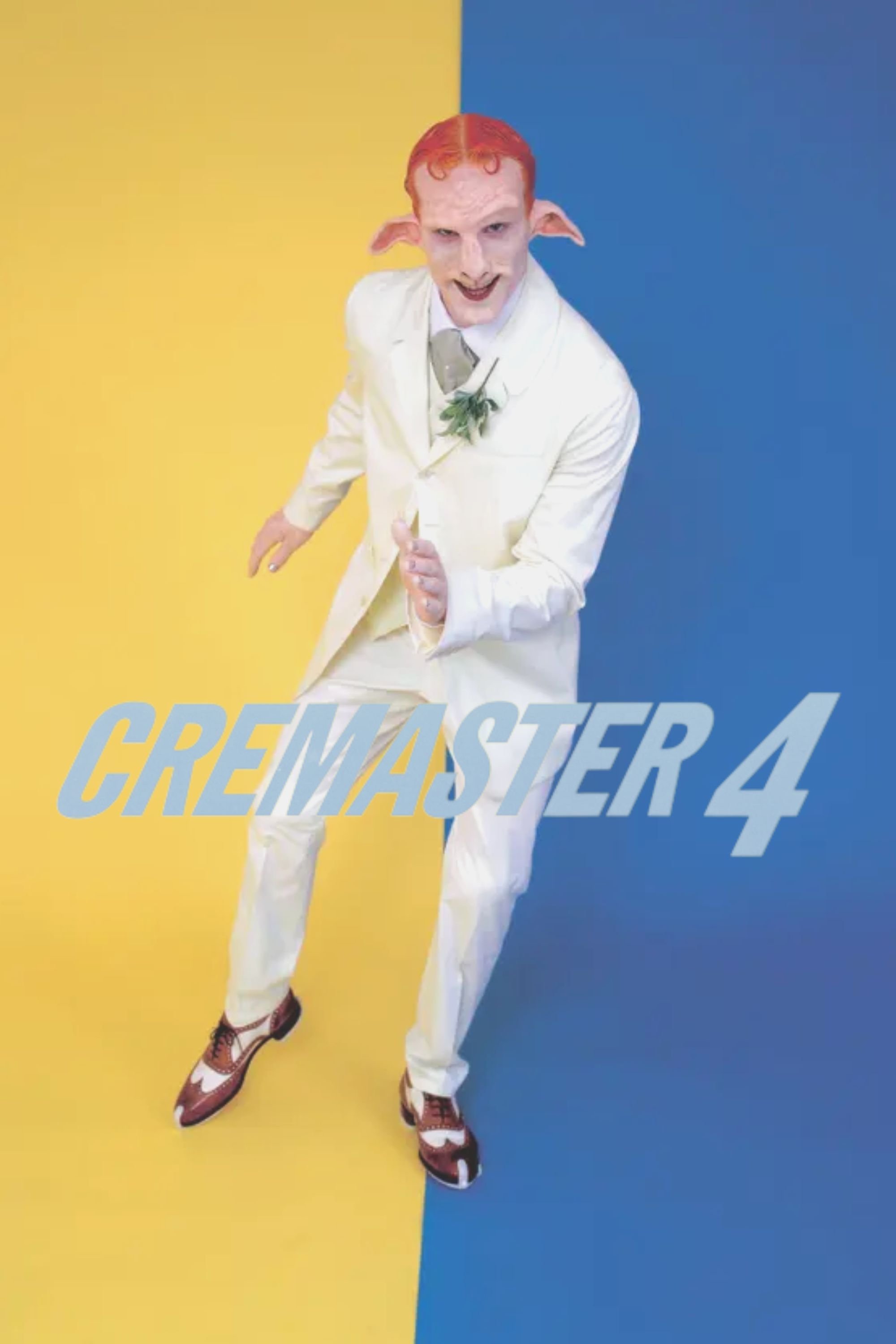
CREMASTER 4 adheres most closely to the project's biological model. This penultimate episode describes the system's onward rush toward descension despite its resistance to division. The logo for this chapter is the Manx triskelion - three identical armored legs revolving around a central axis. Set on the Isle of Man, the film absorbs the island's folklore...
Emil and Adam are two guys in their 20's. They are close friends, and after a night at the movies, Emil is going to sleep over at Adam's. Emil has unspoken feelings for Adam - feelings that are tested when they are sleeping in the same double bed.
A journey of a woman's body who is shot and killed on a vacation with her family.
A nameless drifter navigates a barren landscape punctuated by satellite dishes, radio towers and droning airplanes. Stopping periodically in anonymous hotel rooms, she makes attempts to connect to an unidentified second party.
Arthur Lipsett's first film is an avant-garde blend of photography and sound. It looks behind the business-as-usual face we put on life and shows anxieties we want to forget. It is made of dozens of pictures that seem familiar, with fragments of speech heard in passing and, between times, a voice saying, "Very nice, very nice." The film was nominated for an Oscar for Best Live Action Short Film.
In this powerful abstract film with a soundtrack of African drum music, Lye scratched "white ziggle-zag-splutter scratches" on to black leather, using a variety of tools from saw teeth to arrow heads. The first version of the film won a major award at the International Experimental Film Festival Held in Brussels in 1958 in association with the World's Fair. Stan Brakhage described the film as "an almost unbelievably immense masterpiece".
A woman dressed elegantly walks purposely through the water gardens at the Villa d'Este in Tivoli, as the music of Vivaldi's Winter movement of The Four Seasons plays. Heavy red filters give a blue cast to the light; water plays across stone, and fountains send it into the air. No words are spoken. Baroque statuary and the sensuous flow of water are back lit. Anger calls it water games.
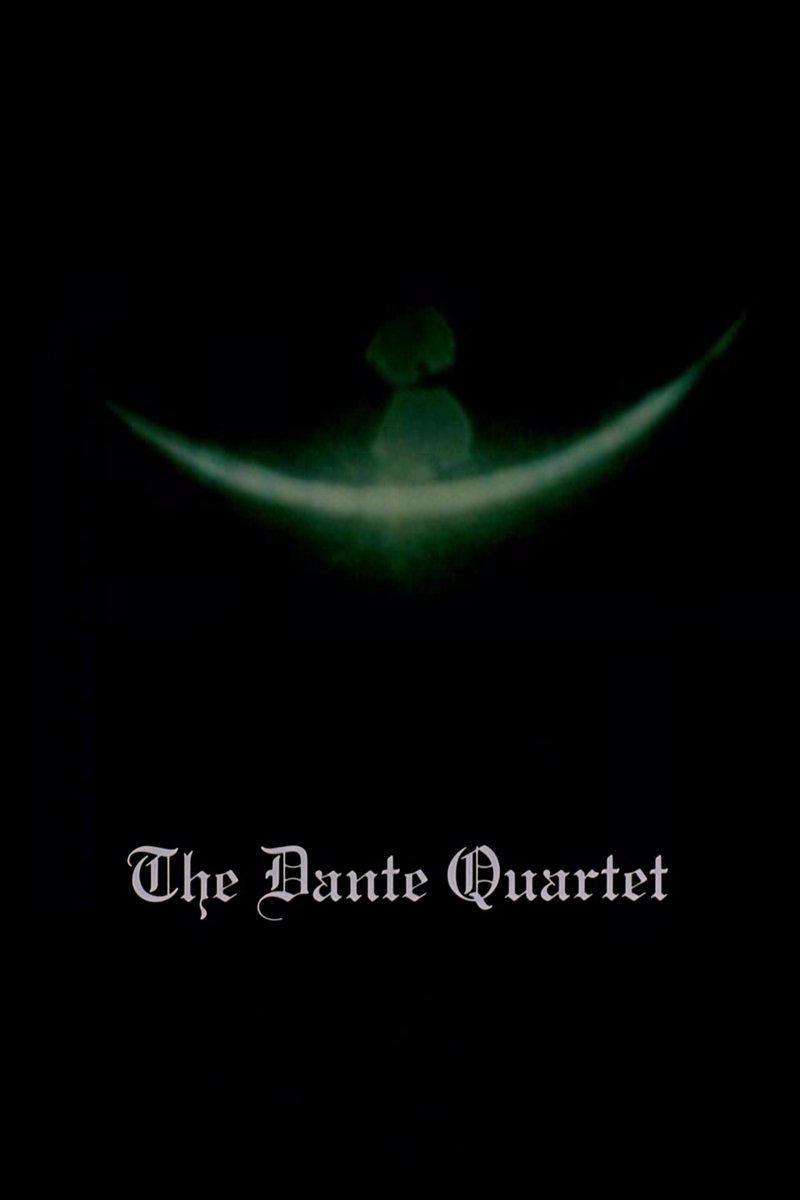
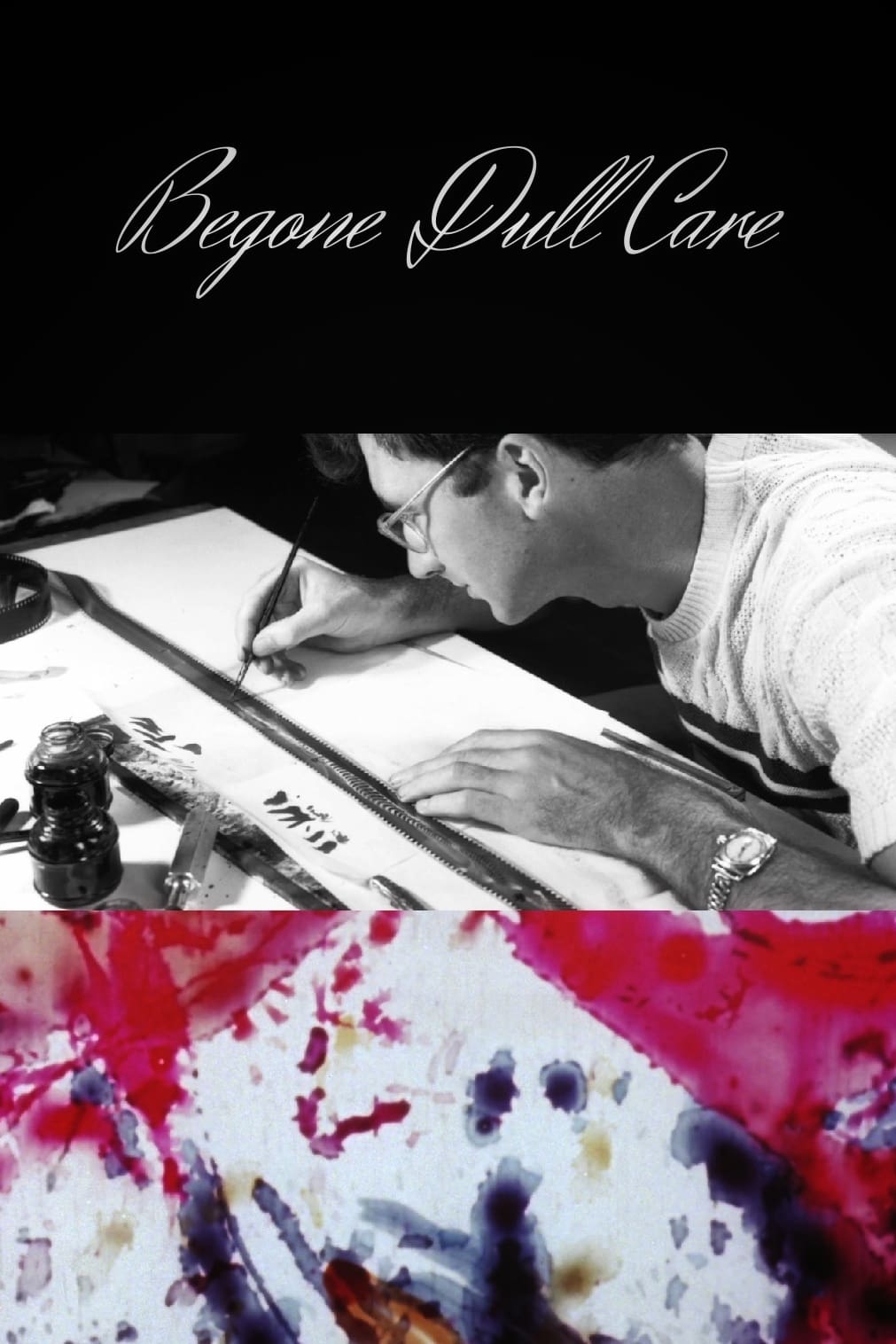
A visual representation, in four parts, of one man's internalization of "The Divine Comedy." Hell is a series of multicolored brush strokes against a white background; the speed of the changing images varies. "Hell Spit Flexion," or springing out of Hell, is on smaller film stock, taking the center of the frame. Montages of color move rapidly with a star and the edge of a lighted moon briefly visible. Purgation is back to full frame; blurs of color occasionally slow down then freeze. From time to time, an image, such as a window or a face, is distinguishable for a moment. In "existence is song," colors swirl then flash in and out of view. Behind the vivid colors are momentary glimpses of volcanic activity.
This is a hand-painted film which has been photographically step-printed to achieve various effects of brief fades and fluidity-of-motion, and makes partial use of painted frames in repetition (for "close-up" of textures). The tone of the film is primarily dark blue, and the paint is composed (and rephotographed microscopically) to suggest galactic forms in a space of stars.
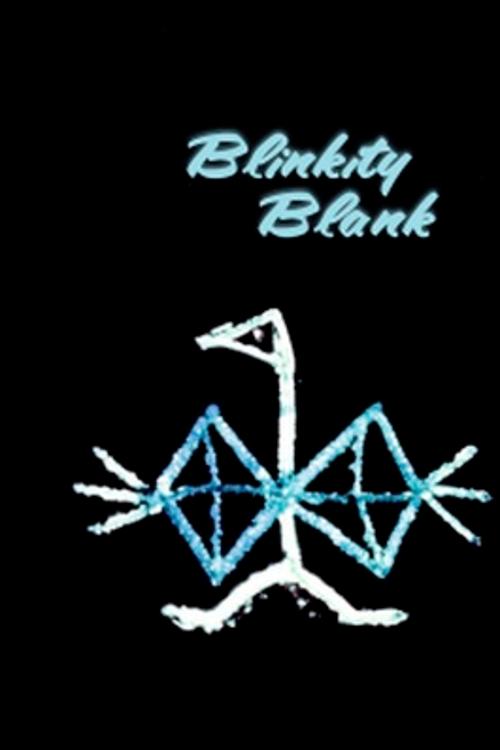
A playful exercise in intermittent animation and spasmodic imagery. Playing with the laws relating to persistence of vision and after-image on the retina of the eye, McLaren engraves pictures on blank film creating vivid, percussive effects.
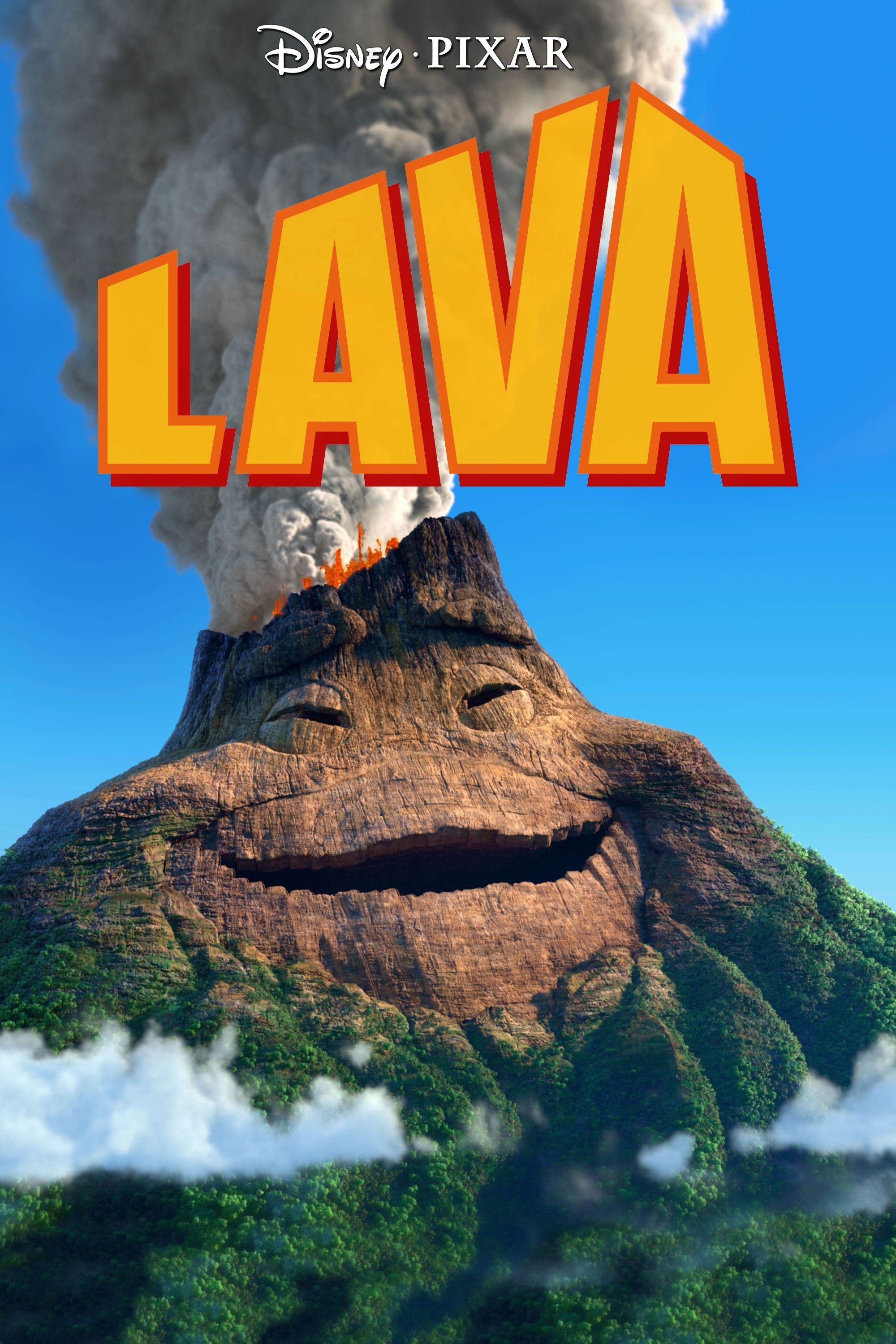
Inspired by the isolated beauty of tropical islands and the explosive allure of ocean volcanoes, Lava is a musical love story that takes place over millions of years.
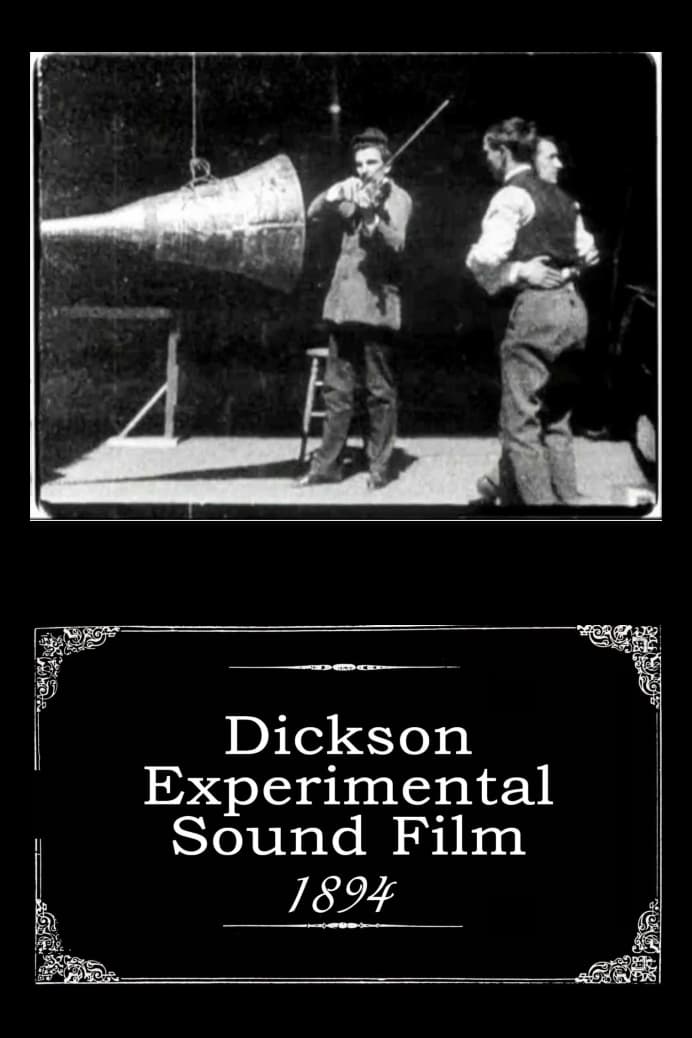
William K.L. Dickson plays the violin while two men dance. This is the oldest surviving sound film where sound is recorded on the phonograph.
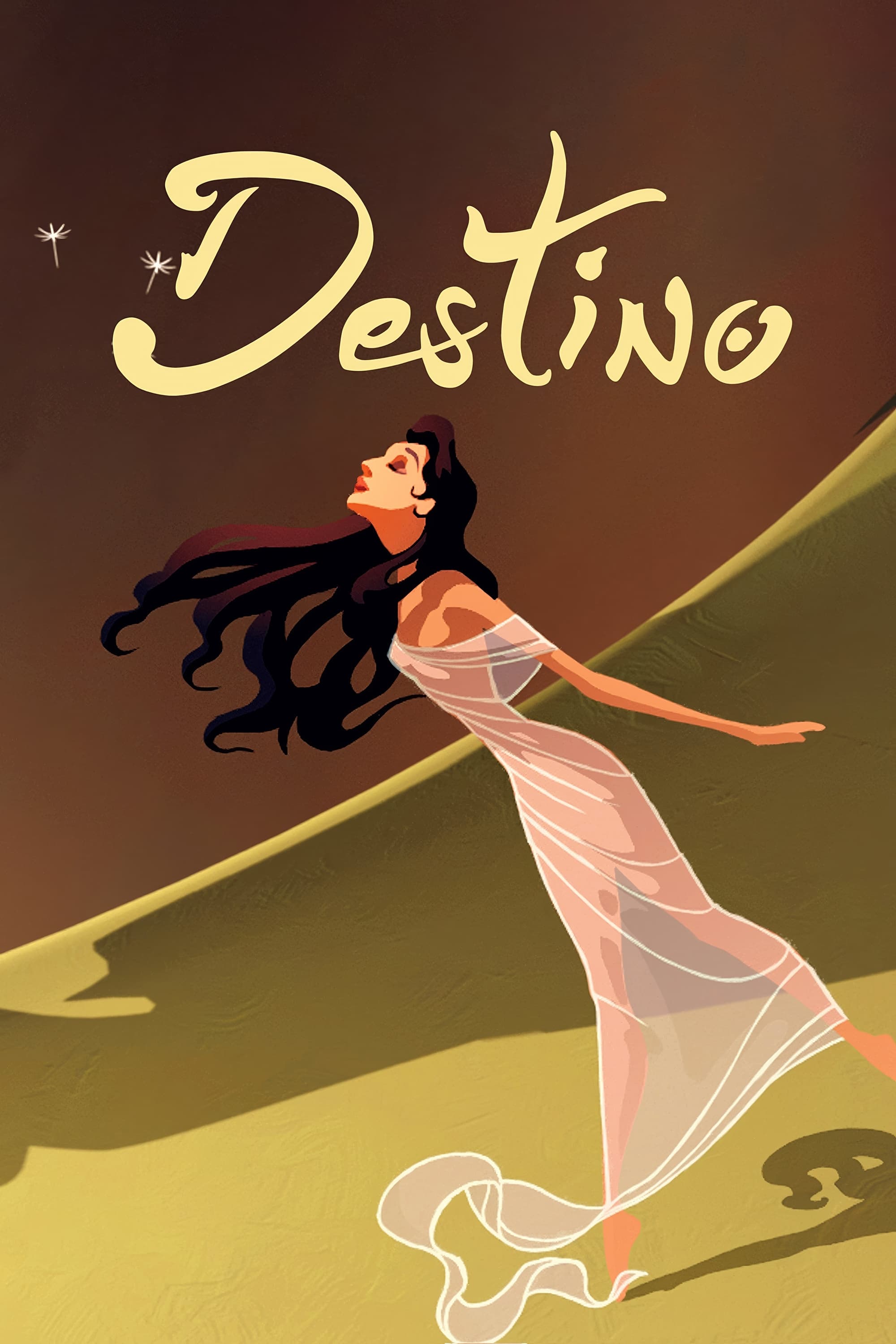
Short film to a song of love lost and rediscovered, a woman sees and undergoes surreal transformations. Her lover's face melts off, she dons a dress from the shadow of a bell and becomes a dandelion, ants crawl out of a hand and become Frenchmen riding bicycles. Not to mention the turtles with faces on their backs that collide to form a ballerina, or the bizarre baseball game.
In this extraordinary short animation, Evelyn Lambart and Norman McLaren painted colours, shapes, and transformations directly onto their filmstrip. The result is a vivid interpretation, in fluid lines and colour, of jazz music played by the Oscar Peterson Trio.
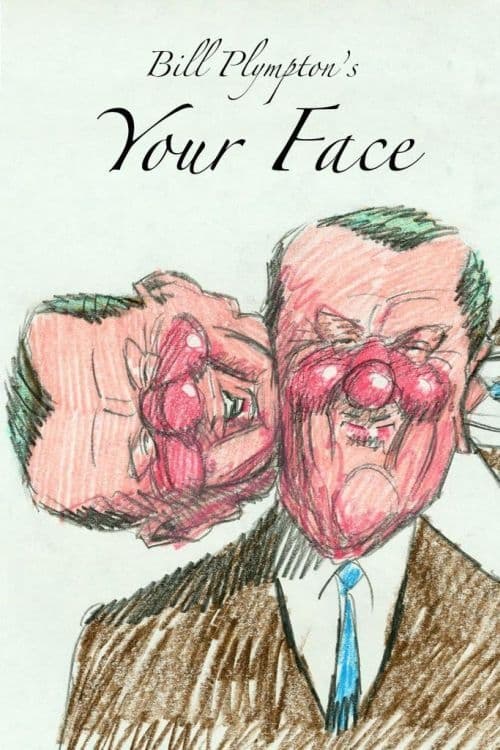
I made this film especially for you. I needed to check in with you. I needed to tell you how I feel.
An aging codger named Geri plays a daylong game of chess in the park against himself. Somehow, he begins losing to his livelier opponent. But just when the game's nearly over, Geri manages to turn the tables.
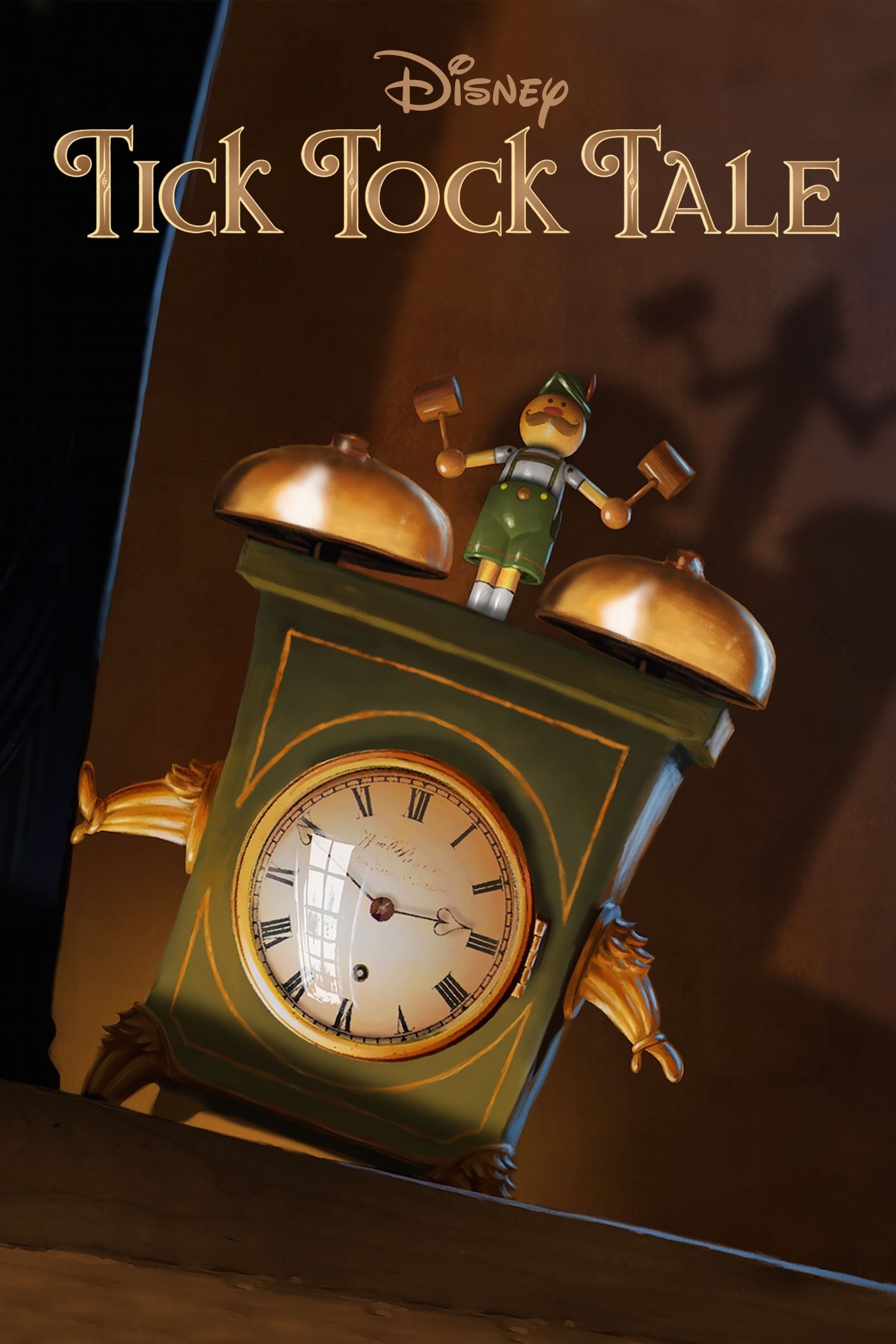
Amidst an old London clock shop, a small, quirky mantle clock comes to the aide of the store's more expensive clocks when a thief breaks in and threatens to steal them away.
A tenor, in suit and tie, with a receding hairline, sings a ballad to his love, “Your Face Is Like a Song,” to simple piano accompaniment. Preserved by the Academy Film Archive in 2015.
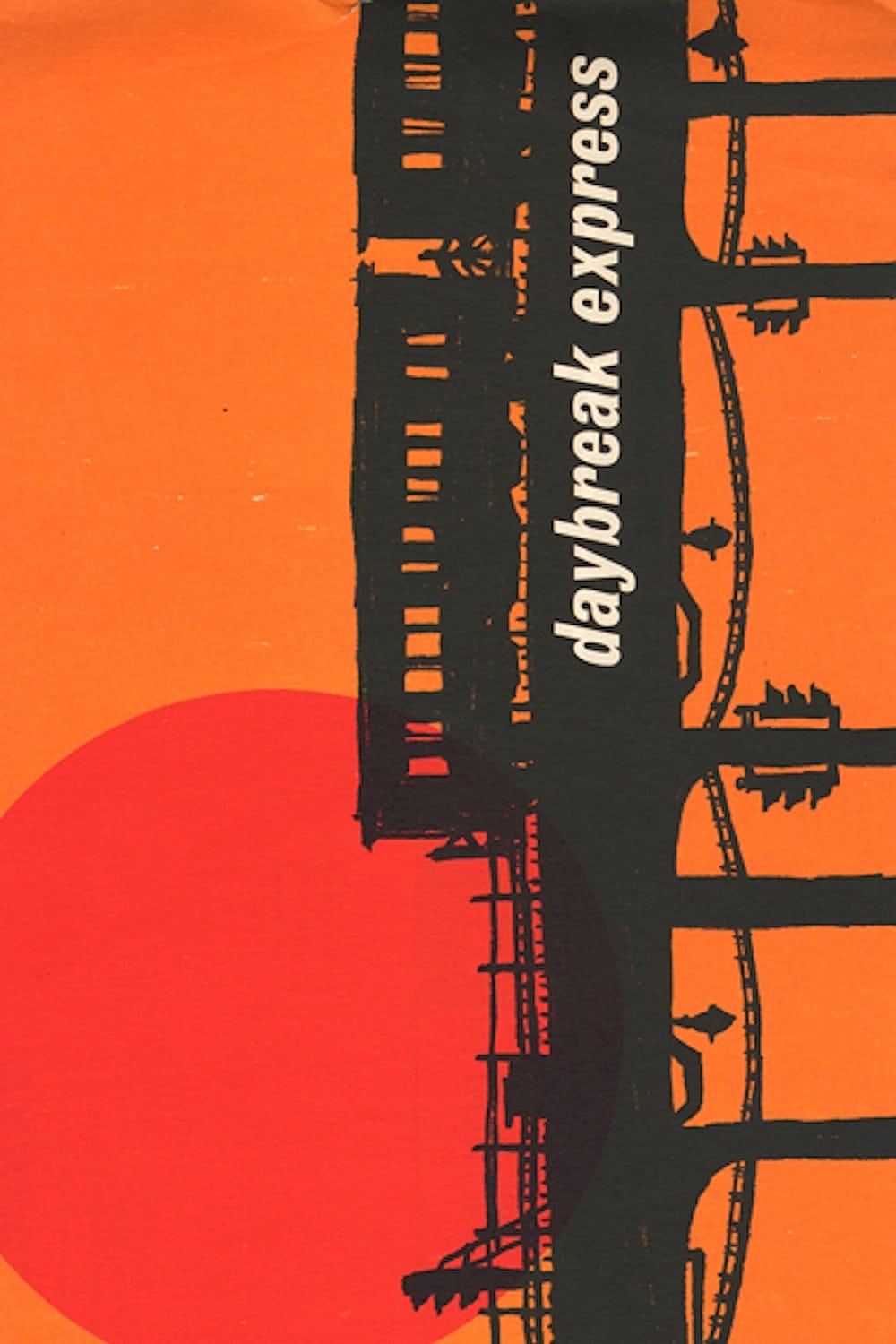
Set to a classic Duke Ellington recording "Daybreak Express", this is a five-minute short of the soon-to-be-demolished Third Avenue elevated subway station in New York City.
A mother bird tries to teach her little one how to find food by herself. In the process, she encounters a traumatic experience that she must overcome in order to survive.
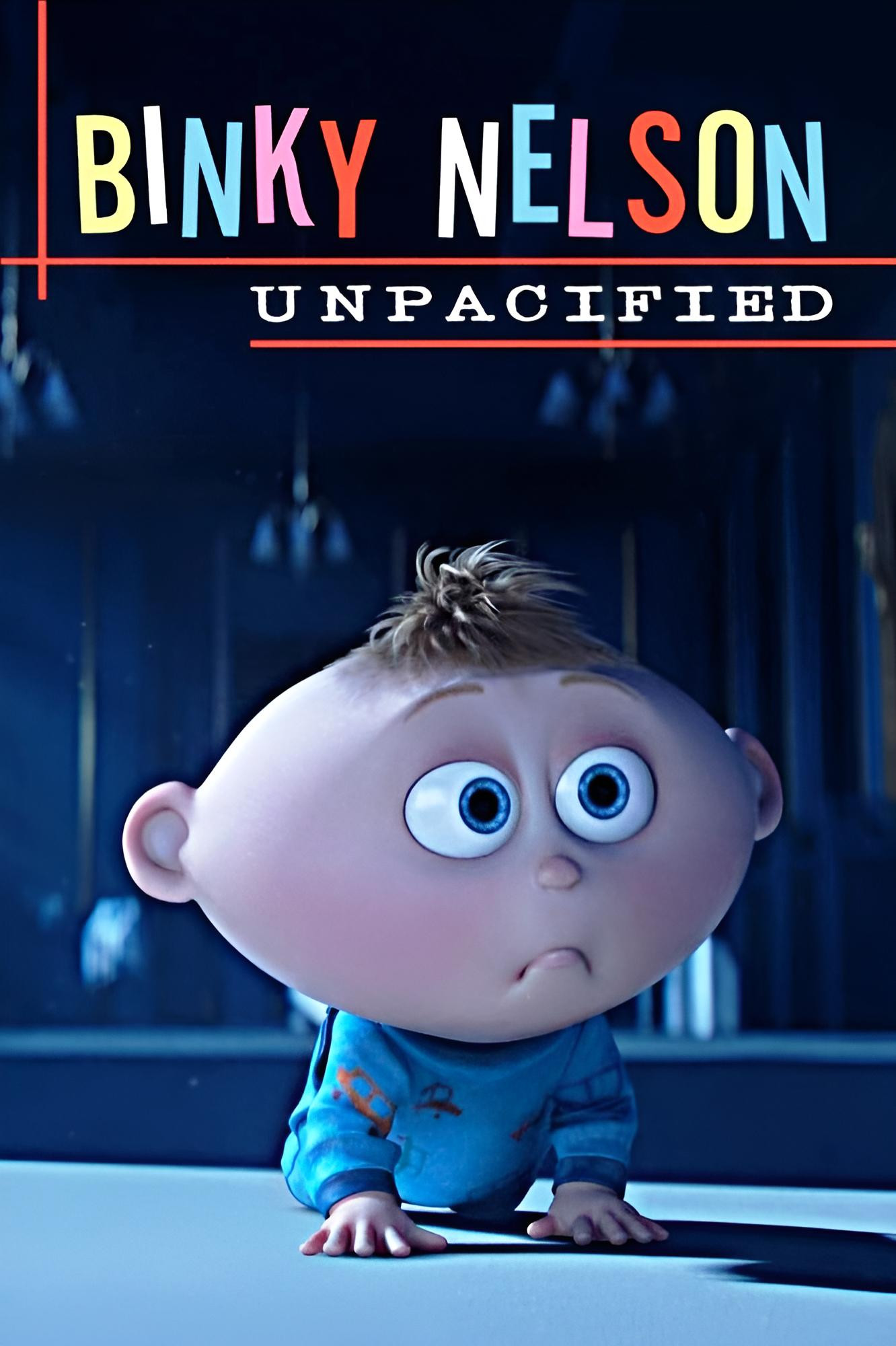
After a daring heist at a museum, the youngest member of the villainous Nelson family, Binky, realizes he's left behind his beloved pacifier. Determined to retrieve it, Binky embarks on an adorable and hilarious mission to recover his prized possession.
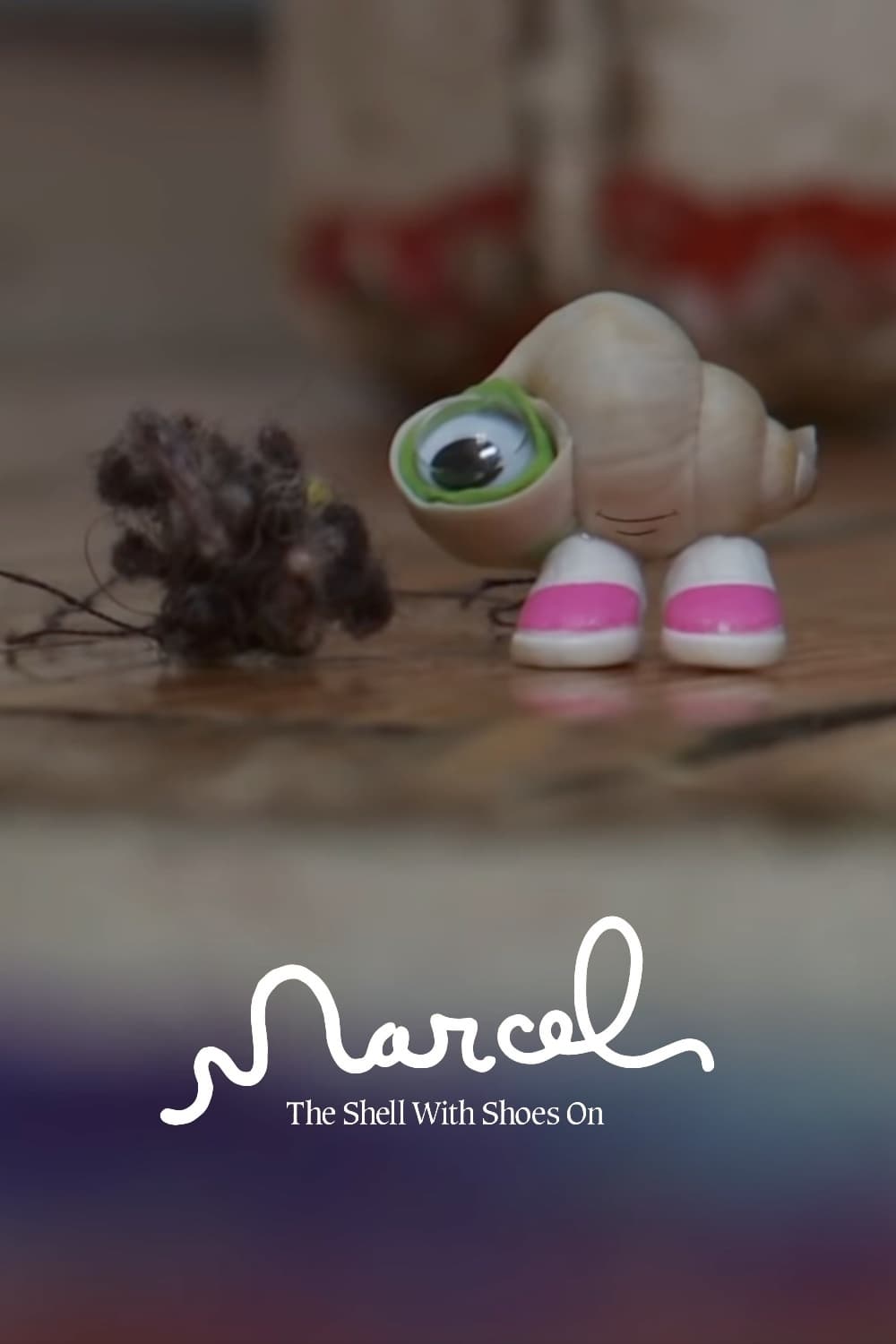
Marcel the shell gives an outline of his life.
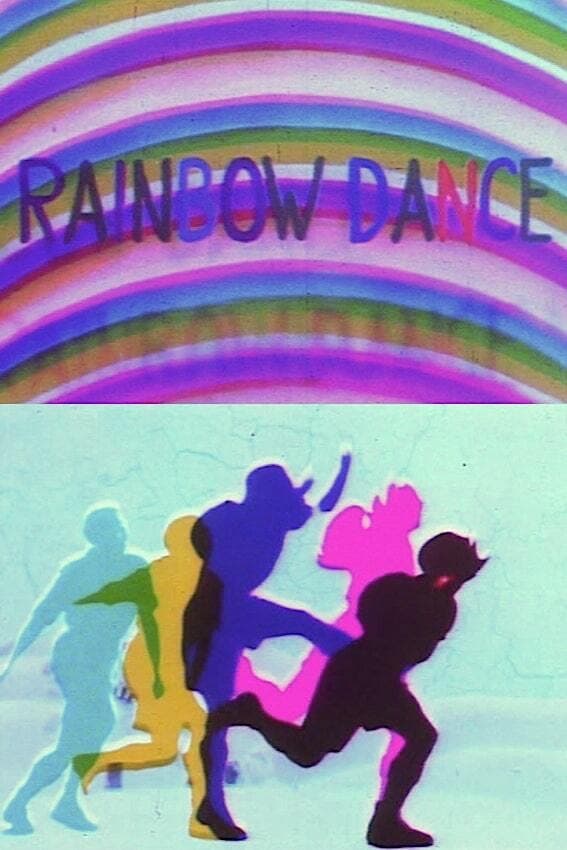
Rainbow Dance is a 1936 British animated film released by the GPO Film Unit. This is Lye's second film. It uses the Gasparcolor process.