Social & External
Self
An account of the life and work of Spanish actress Penélope Cruz: a long journey that began in the working-class neighborhoods of Madrid and ended in the hills of Hollywood.
As Hong Kong's foremost filmmaker, Johnnie To himself becomes the protagonist of this painstaking documentary exploring him and his Boundless world of film. A film student from Beijing and avid Johnnie To fan, Ferris Lin boldly approached To with a proposal to document the master director for his graduation thesis. To agreed immediately and Lin's camera closely followed him for over two years, capturing the man behind the movies and the myths. The result is Boundless, a candid profile of one of Hong Kong's greatest directors and a heartfelt love letter to Hong Kong cinema.
Brought to life through archival material and the reflections of over 40 colleagues, friends and fans, BLOOD & FLESH is much more than the story of a moviemaking life most unusual. It beautifully captures the worlds of outsider filmmaker communities that existed in California in the ’70s, and the weird ways they intersected with Hollywood mainstream and union indies. On Adamson shoots, regular Orson Welles crew and cinematographers like Gary Graver, Vilmos Szigmond and Lazlo Kovaks worked alongside Bud Cardos — and at one point, Charles Manson! Director David Gregory (founder of Severin Films, director of LOST SOUL: THE DOOMED JOURNEY OF RICHARD STANLEY’S ISLAND OF DR. MOREAU) spent years making this film, speaking to everyone down to the cops who investigated Adamson’s murder, vividly encapsulating both a bold life and tragic demise, with alien conspiracies, go-go dancers and Colonel Sanders coming in along the way. If you’ve got even a passing interest in cinema, you want to see this
The history of the Yakuza Eiga at the TOEI studio is roughly outlined. Real Yakuza and also their connections to the movie business are discussed, and many important actors and directors of the genres are interviewed. Former real yakuza boss turned actor Noboru Ando, Takashi Miike, Sonny Chiba and many more get a chance to speak.
An exploration of the cinematic history of the folk horror, from its beginnings in the UK in the late sixties; through its proliferation on British television in the seventies and its many manifestations, culturally specific, in other countries; to its resurgence in the last decade.
In 1981, a film about the misadventures of a German U-boat crew in 1941 becomes a worldwide hit almost four decades after the end of the World War II. Millions of viewers worldwide make Das Boot the most internationally successful German film of all time. But due to disputes over the script, accidents on the set, and voices accusing the makers of glorifying the war, the project was many times on the verge of being cancelled.
The true stories that spawned the serie tale of Damien, a small boy with an angelic face, whose very name still conjures up thoughts of Satan. This documentary shares spine-tingling information about the the all-too-memorable flick that has terrorized film audiences since 1976.
The history of Frankenstein's journey from novel to stage to screen to icon.
In 1982, Wim Wenders asked 16 of his fellow directors to speak on the future of cinema, resulting in the film Room 666. Now, 40 years later, in Cannes, director Lubna Playoust asks Wim Wenders himself and a new generation of filmmakers (James Gray, Rebecca Zlotowski, Claire Denis, Olivier Assayas, Nadav Lapid, Asghar Farhadi, Alice Rohrwacher and more) the same question: “is cinema a language about to get lost, an art about to die?”

A documentary film that delves into the life and cinematic career of one of Japan's most prolific directors: Ishiro Honda. The film will spotlight Honda's filmography from both a historical and personal perspective, exploring his contributions to the Japanese film industry and his firsthand experiences of war, from which he barely survived. It will also delve into his profound feelings regarding the atomic bomb, a subject that became an obsession for him and was frequently reflected in his films. The documentary will analyze Honda's body of work through interviews with individuals who had the privilege of collaborating with him, as well as experts on Honda's films from both Japan and the Western world. Furthermore, the film will uncover Honda's friendship and professional relationship with director Akira Kurosawa.
In Spain, a poor country ruined by the recent Civil War (1936-39), and in the midst of Franco's dictatorship, a film school was created in Madrid in 1947, which became, almost unintentionally, a space of freedom and pure experimentation until its closure in 1976.
The story of a group of actresses who, in the Spain of the seventies, and in the midst of the democratic Transition, decided to appear nude in the films of that time of radical political change, defying the rigid and deeply rooted social rules.
In his second international bestseller, "Arc de Triomphe," author Erich Maria Remarque explores his own experience of exile and his decisive encounter with Marlene Dietrich. From Paris and Antibes to Los Angeles and New York, the documentary traces the moving genesis of this highly autobiographical novel, now considered a major work of European exile literature, and the literary legacy of the long-standing passion between two global stars.
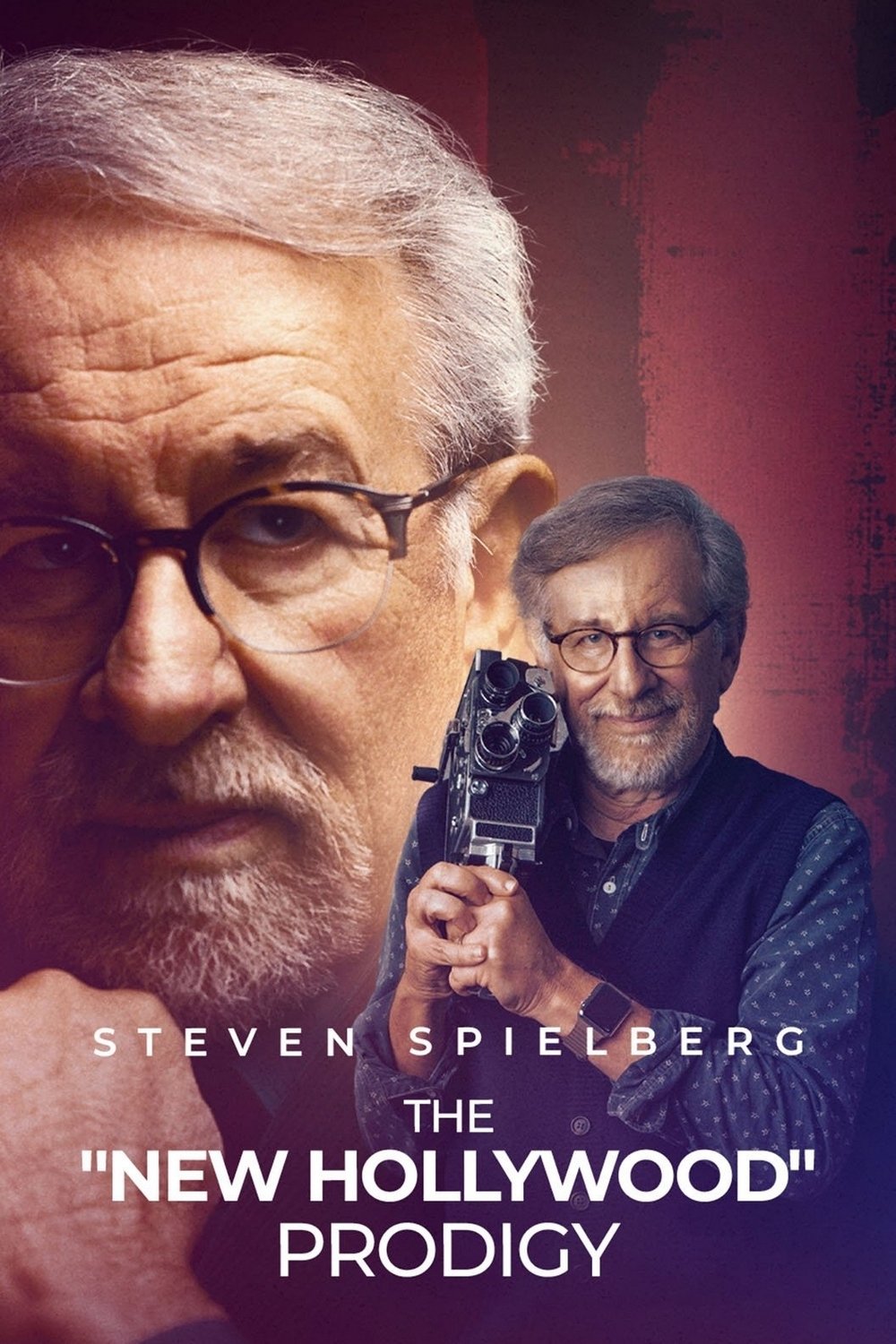
A new light on American filmmaker Steven Spielberg, Hollywood’s greatest director, offering a unique perspective on his work and digging into his personal influences.
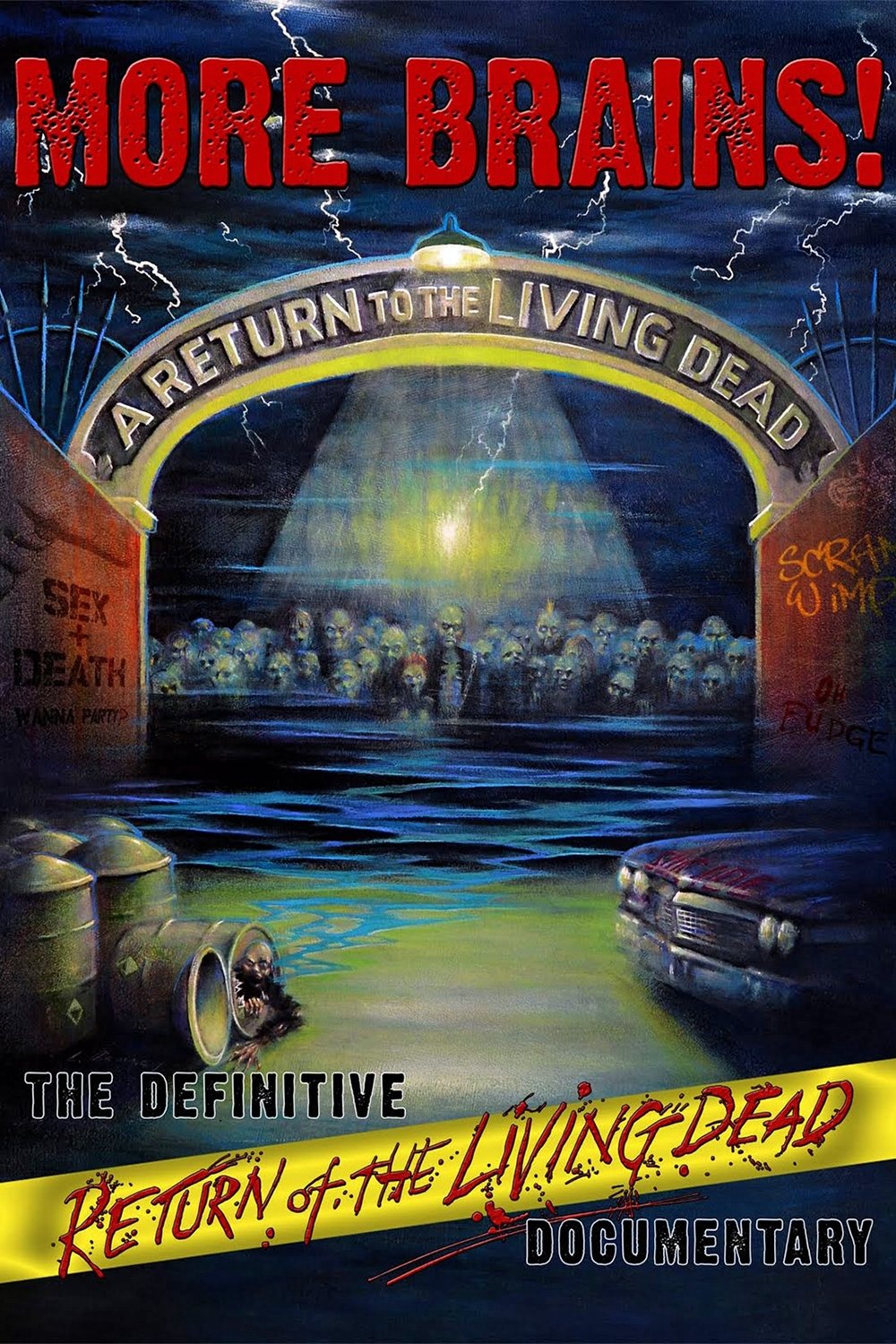
The evolution of the zombie from its roots in Haitian voodoo to its coveted role as the world's most popular monster: from being a clumsy corpse to becoming a cannibal killer and the main agent of every infectious pandemic, the zombie has come a long way in seventy years. A look at the rising tide of zombie culture examining why something so dead has so much life in viewers' nightmares and at the box office.
Famous French director Tavernier tells us about his fantastic voyage through the cinema of his country.
A portrait of the famous French actress Fanny Ardant, who has worked with great figures of cinema such as Agnès Varda, Alain Resnais, Michelangelo Antonioni, Sydney Pollack and, above all, François Truffaut (1932-84), with whom she had a sentimental relationship and whose death marked the rest of her life.
With her short red hair, expressive face, vitality, and playful acting style, Shirley MacLaine stands out in the Hollywood pantheon. Driven by a volcanic personality and iron discipline inherited from classical dance, she has constantly reinvented herself, from the girl next door to the eccentric old lady she plays on screen today, proving at 91 that there is a place for actresses of all ages. A refreshing portrait featuring film clips and archival footage, particularly those in which this talk show regular exercises her sharp wit.
Bandits, Bandits, Brazil, Munchausen, Twelve Monkeys, not to mention the crazy Monty Python saga... With their visual extravagance and ever-fresh originality, amplifying his vision of a humanity that is as disturbing as it is comical, his films have made history. In the same baroque, zany, but also tragic vein, Terry Gilliam's work and life merge into an adventure that borders on the epic.
Jack L. Warner, Harry Warner, Albert Warner and Sam Warner were siblings who were born in Poland and emigrated to Canada near the turn of the century. In 1903, the brothers entered the budding motion picture business. In time, the Warner Brothers moved into film production and would open their own studio in 1923.
World-renowned director Martin Scorsese narrates this journey through his favorites in Italian cinema.
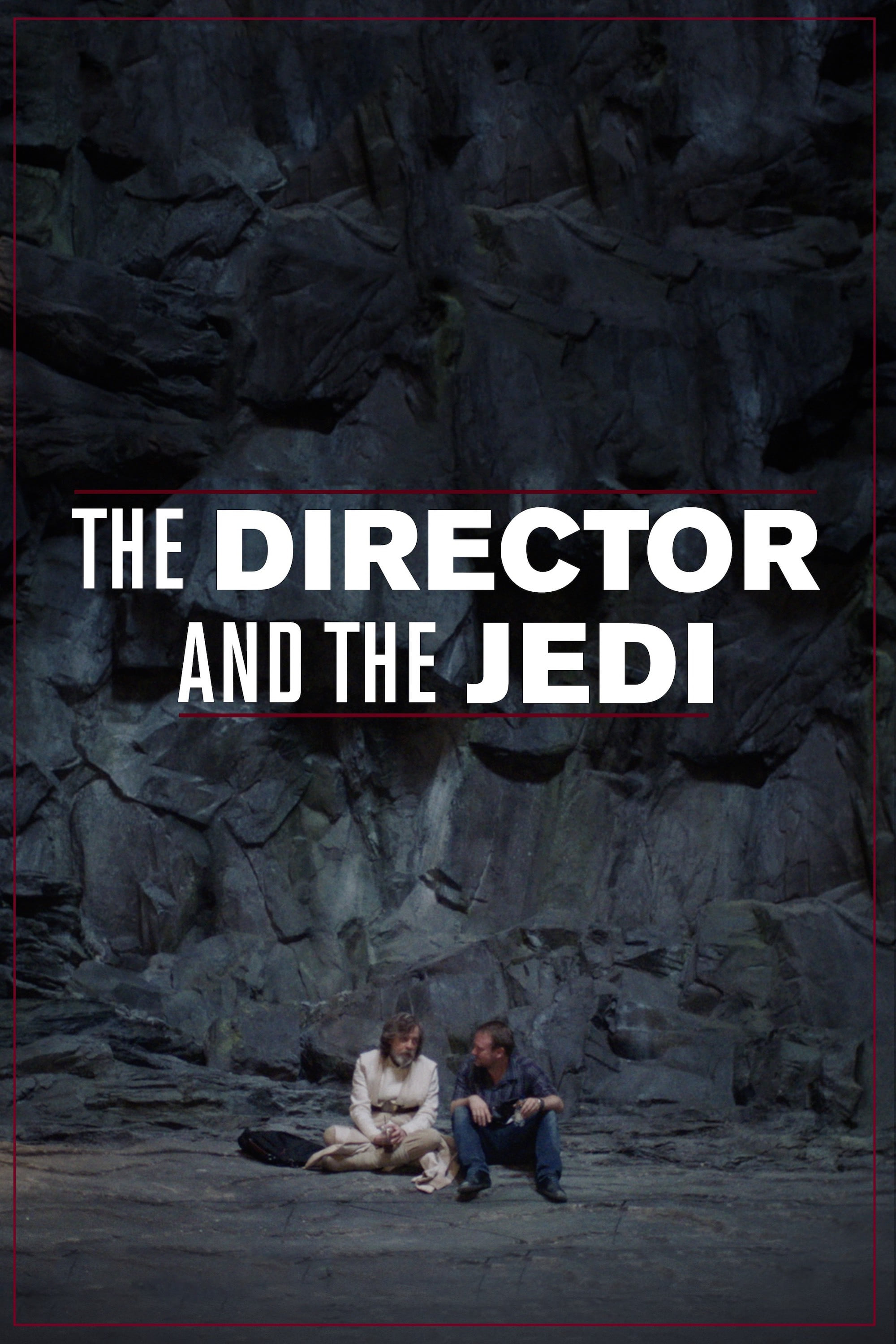
An intimate documentary delving into Rian Johnson's process as he comes in as a director new to the Star Wars universe.
The history of cinematic sound, told by legendary sound designers and visionary filmmakers.
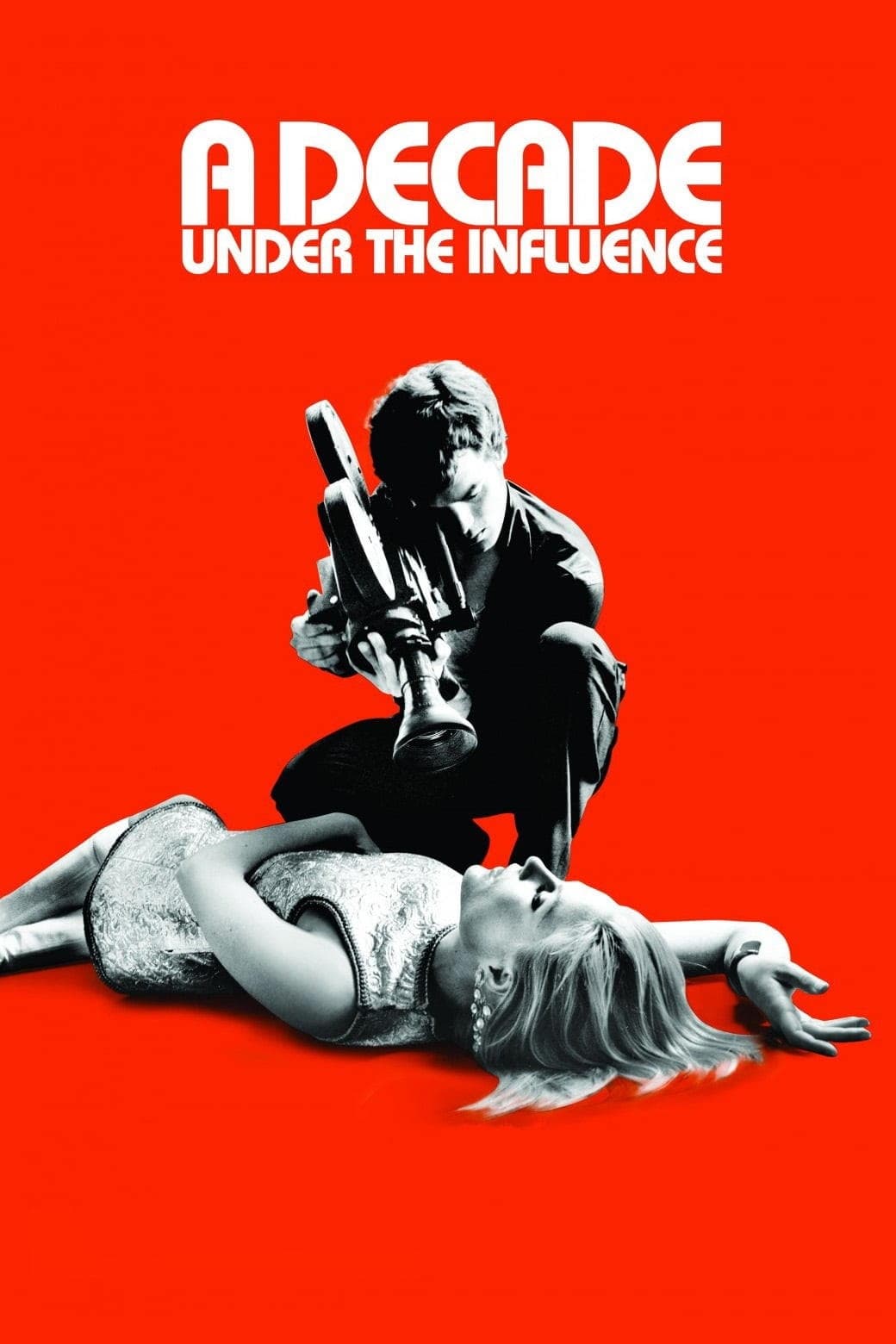
A documentary examining the decade of the 1970s as a turning point in American cinema. Some of today's best filmmakers interview the influential directors of that time.
The story lives forever in this feature-length documentary that charts the making of Star Wars: The Rise of Skywalker.
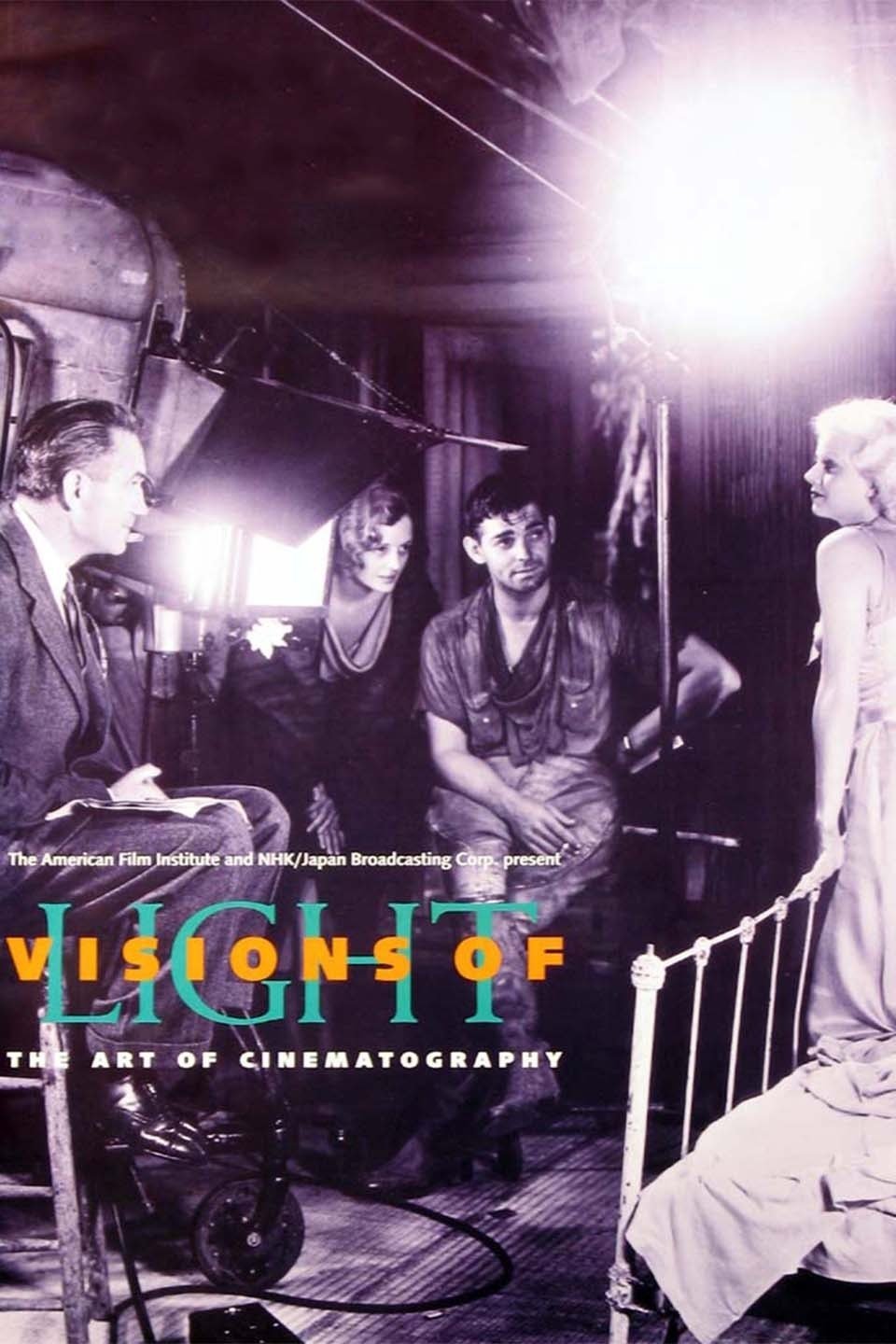
Cameramen and women discuss the craft and art of cinematography and of the "DP" (the director of photography), illustrating their points with clips from 100 films, from Birth of a Nation to Do the Right Thing. Themes: the DP tells people where to look; changes in movies (the arrival of sound, color, and wide screens) required creative responses from DPs; and, these artisans constantly invent new equipment and try new things, with wonderful results. The narration takes us through the identifiable studio styles of the 30s, the emergence of noir, the New York look, and the impact of Europeans. Citizen Kane, The Conformist, and Gordon Willis get special attention.
SEDUCED AND ABANDONED combines acting legend Alec Baldwin with director James Toback as they lead us on a troublesome and often hilarious journey of raising financing for their next feature film. Moving from director to financier to star actor, the two players provide us with a unique look behind the curtain at the world's biggest and most glamourous film festival, shining a light on the bitter-sweet relationship filmmakers have with Cannes and the film business. Featuring insights from directors Martin Scorsese, 'Bernando Bertolucci' and Roman Polanski; actors Ryan Gosling and Jessica Chastain and a host of film distribution luminaries.
When Allied forces liberated the Nazi concentration camps in 1944-45, their terrible discoveries were recorded by army and newsreel cameramen, revealing for the first time the full horror of what had happened. Making use of British, Soviet and American footage, the Ministry of Information’s Sidney Bernstein (later founder of Granada Television) aimed to create a documentary that would provide lasting, undeniable evidence of the Nazis’ unspeakable crimes. He commissioned a wealth of British talent, including editor Stewart McAllister, writer and future cabinet minister Richard Crossman – and, as treatment advisor, his friend Alfred Hitchcock. Yet, despite initial support from the British and US Governments, the film was shelved, and only now, 70 years on, has it been restored and completed by Imperial War Museums under its original title "German Concentration Camps Factual Survey".
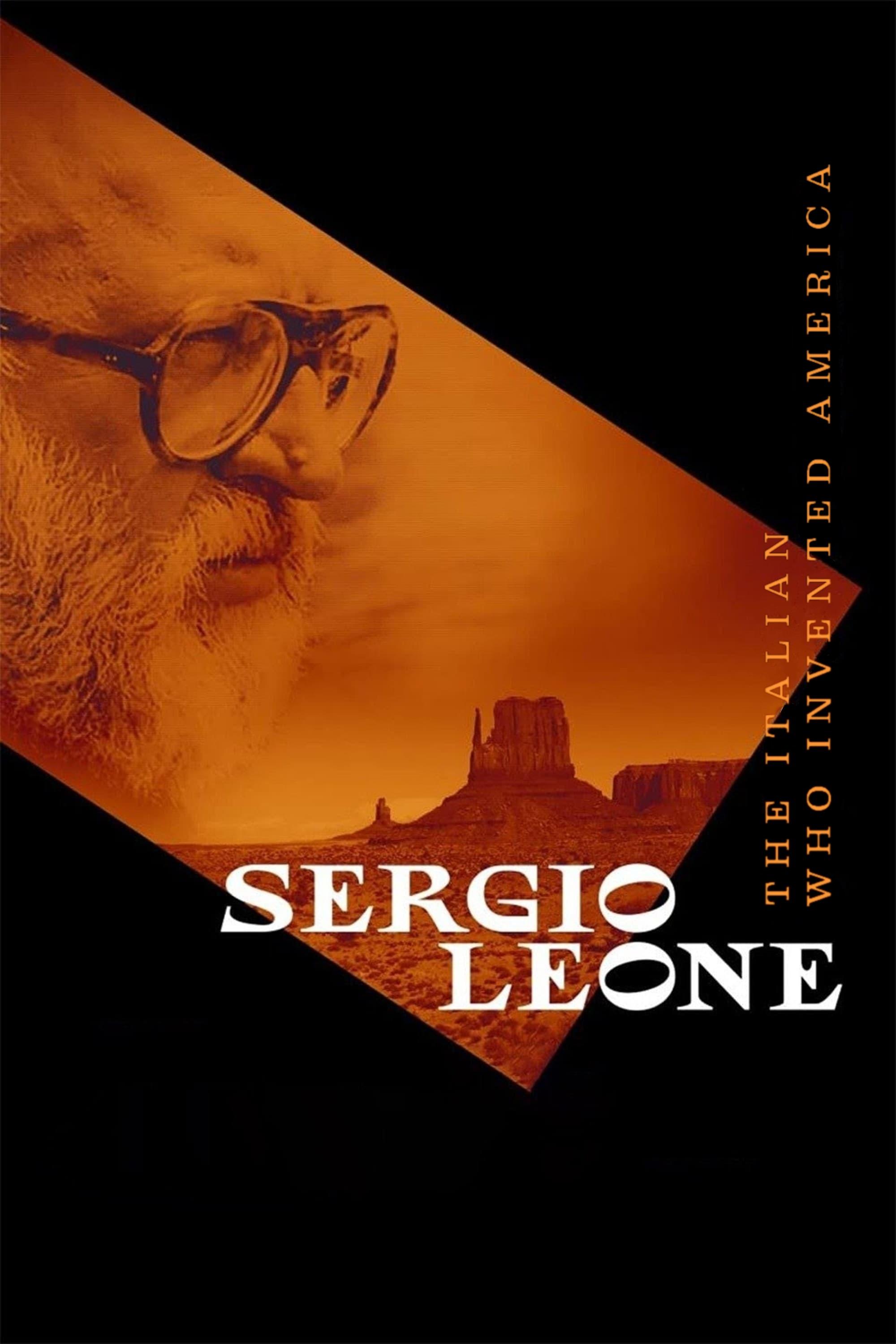
To mark the recent thirtieth anniversary of Sergio Leone’s death, this documentary sets out to pay tribute to one of the great legends of world cinema. The singular artistic vision of Sergio Leone has transcended national borders, creating the Spaghetti Western genre and transforming the international cinematic panorama forever with his innovative stylistic and narrative solutions, which have now become part of the language of the movies. The film, which is enriched with precious archive footage from the Cineteca di Bologna, including rare audio recordings and film clips shot behind the scenes, sees for the first time the direct participation of the Leone family and has interviews both with Leone’s longtime collaborators and with icons of Hollywood who have been profoundly influenced by his work.
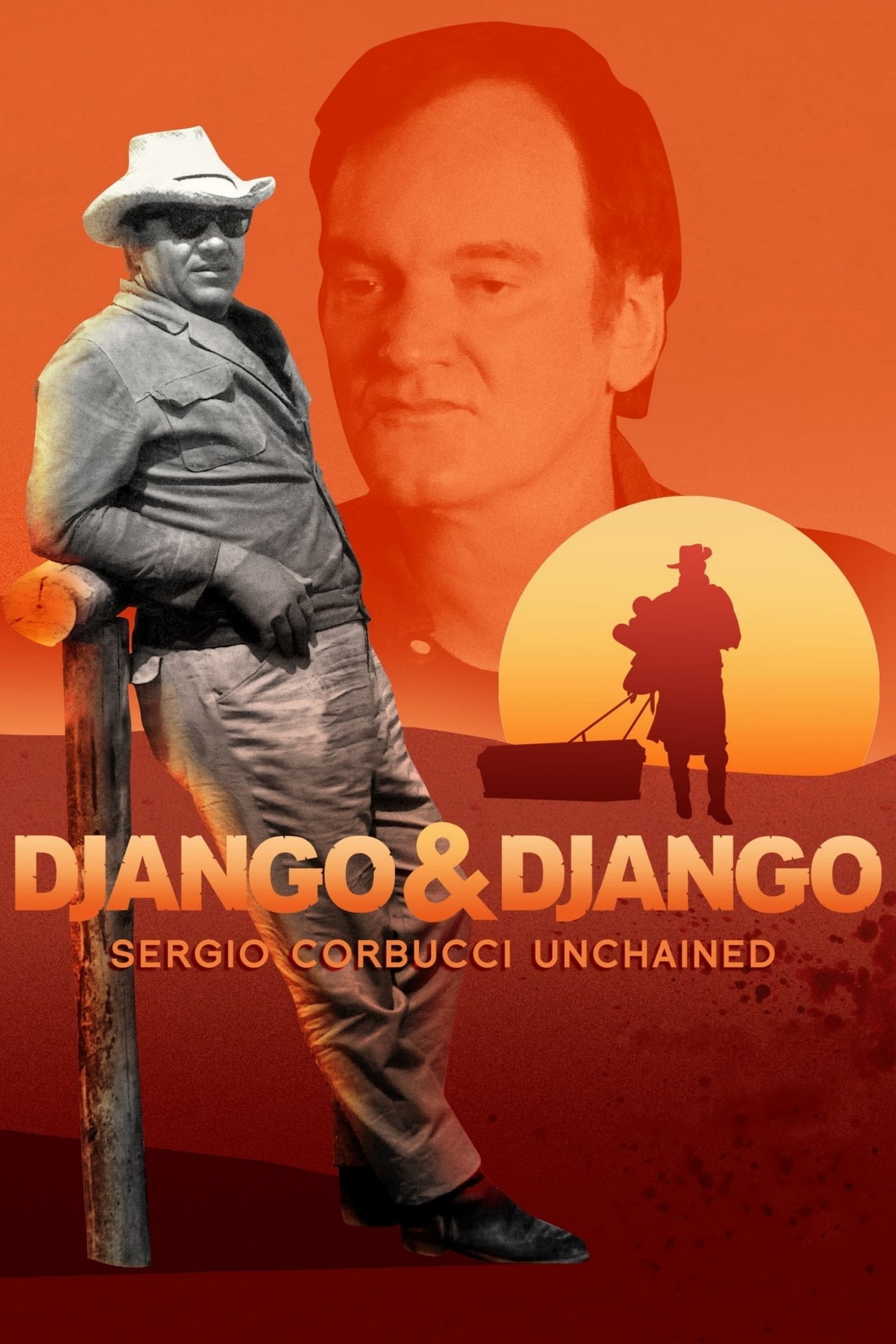
A tribute to Italian filmmaker Sergio Corbucci (1926-90), presented by American filmmaker Quentin Tarantino.
A compilation of over 30 years of private home movie footage shot by Lithuanian-American avant-garde director Jonas Mekas, assembled by Mekas "purely by chance", without concern for chronological order.
An account of the life and work of legendary Japanese actor Toshirō Mifune (1920-97), the most prominent actor of the Golden Age of Japanese cinema.
A documentary about the life and films of director John Ford.
Film which travels inside the singular world of one of Italy's most famous fashion designers, Valentino Garavani, documenting the colourful and dramatic closing act of his celebrated career and capturing the end of an era in global fashion. However, at the heart of the film is a love story - the unique relationship between Valentino and his business partner and companion of 50 years, Giancarlo Giammetti. Capturing intimate moments in the lives of two of Italy's richest and most famous men, the film lifts the curtain on the final act of a nearly 50-year reign at the top of the glamorous and fiercely competitive world of fashion. (Storyville)
A subjective documentary that explores various theories about hidden meanings in Stanley Kubrick's classic film The Shining. Five very different points of view are illuminated through voice over, film clips, animation and dramatic reenactments.
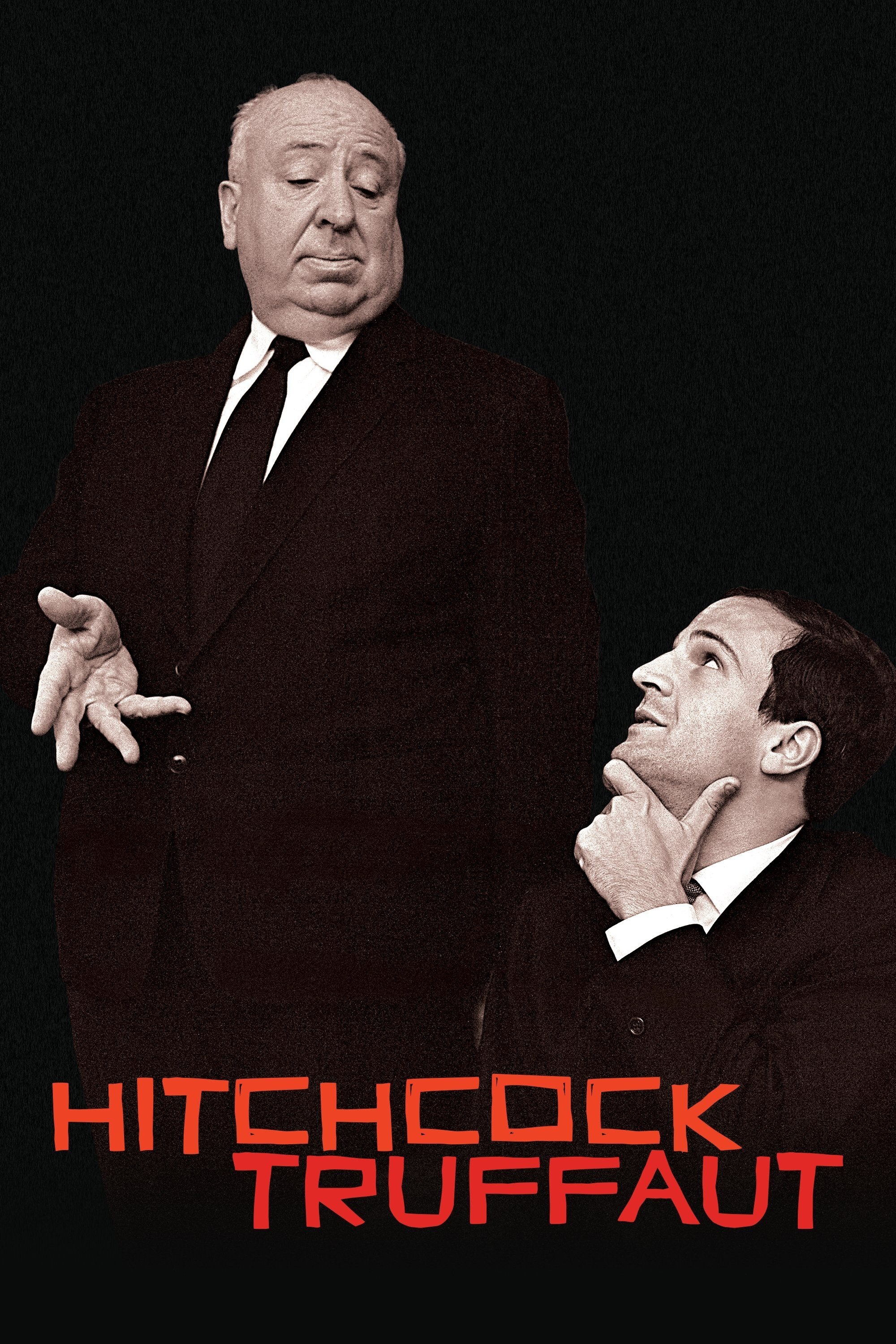
Filmmakers discuss the legacy of Alfred Hitchcock and the book “Hitchcock/Truffaut” (“Le cinéma selon Hitchcock”), written by François Truffaut and published in 1966.
From its distinctive neighborhoods to its architectural homes, Los Angeles has been the backdrop to countless movies. In this dazzling work, Andersen takes viewers on a whirlwind tour through the metropolis' real and cinematic history, investigating the myriad stories and legends that have come to define it, and meticulously, judiciously revealing the real city that lives beneath.
A detailing of the rise to prominence and global sporting superstardom of six supremely talented young Manchester United football players (David Beckham, Nicky Butt, Ryan Giggs, Paul Scholes, Phil and Gary Neville). The film covers the period 1992-1999, culminating in Manchester United's European Cup triumph.
A chronicle of the long career of American filmmaker Roger Corman, the most tenacious and ingenious low-budget producer and director in the US film industry, a pioneer of independent filmmaking and discoverer of new talent.
In 1974, Chilean-French director Alejandro Jodorowsky embarked on the quixotic project of adapting Frank Herbert's influential novel Dune (1969) for the big screen. After investing two years, and millions of dollars, the gigantic project ended in failure; but the artists Jodorowsky brought together to carry it out continued to work together, and ended up laying the foundations for modern science fiction cinema.