The SS chief Heinrich Himmler wanted to exchange Jews against so-called German Reich abroad, against arms sales or for cash - with the express approval of Hitler.

Social & External
Marijuana is the most controversial drug of the 20th Century. Smoked by generations to little discernible ill effect, it continues to be reviled by many governments on Earth. In this Genie Award-winning documentary veteran Canadian director Ron Mann and narrator Woody Harrelson mix humour and historical footage together to recount how the United States has demonized a relatively harmless drug.
Biography of a star and figure study : This fascinating portrait is for anyone who wants to know more about the man behind the mask. By the end of the film, you will view this famous French icon in a totally different light. Delon speaks in a series of surprising interviews, spanning nearly 50 years.
September 3rd, 1939. Britain and France declare war on Nazi Germany, only two days after the Wehrmacht invades Poland. This day, the sad date when the fate of the world changed forever, the Phoney War began: eight months of uncertainty, preparations, evacuations and skirmishes.
See Kenneth W. Rendell's collection of over 6,000 artifacts that range from the end of World War I and the rise of Nazism to the start of World War II and the fight in Europe and the Pacific.
The background to, events of and consequences of the Battle of Mers-El-Kebir on 3 July 1940. In that battle, Royal Navy ships fired on the French Fleet in order to prevent it from falling into German hands. A French battleship was sunk and several other ships damaged. Nearly 1,300 French sailors were killed.
Can a language save your life? Yes it can, even an ancient one from the 15th century. Saved by Language tells the story of Moris Albahari, a Sephardic Jew from Sarajevo (born 1930), who spoke Ladino/Judeo-Spanish, his mother tongue, to survive the Holocaust. Moris used Ladino to communicate with an Italian Colonel who helped him escape to a Partizan refuge after he ran away from the train taking Yugoslavian Jews to Nazi death camps. By speaking in Ladino to a Spanish-speaking US pilot in 1944 he was able to survive and lead the pilot, along with his American and British colleagues, to a safe Partizan airport.
Using exclusively archival footage, Erwin Leiser traces the rise and collapse of the Third Reich, from Adolf Hitler’s early years to the devastation of Europe and his suicide in 1945. The film draws heavily on material produced and preserved by the Nazi propaganda apparatus to confront the mechanisms, imagery, and consequences of totalitarian power.
In the midst of World War II's turmoil, the quaint British town of Bury St. Edmonds becomes a focal point where lives intersect and secrets unravel. An 18-year-old woman finds herself caught in the throes of a great wartime secret – the breaking of the German Enigma code. Her recruitment into the "Ultra" program brings her to the heart of Bletchley Park's most clandestine operations, where Alan Turing and his team forge the world's first computer in a bid to crack the ever-changing German codes. Every day, she grapples with the weight of the secret, so profound that even her family is oblivious to her covert role. Meanwhile, she captures the heart of an assertive American soldier and their whirlwind wartime romance culminates in a heartwarming union, facing the challenges of the Official Secrets Act. The soldier, persistent and deeply in love, goes to great lengths, in order to secure her release from the program and to solidify their commitment to one another.
World War II was not just the most destructive conflict in humanity, it was also the greatest theft in history: lives, families, communities, property, culture and heritage were all stolen. The story of Nazi Germany's plundering of Europe's great works of art during World War II and Allied efforts to minimize the damage.
The sinking of the Titanic sent shockwaves around the world and started debates that continue to this day. But new, explosive evidence from the most unlikely of sources may finally lay all arguments to rest and reveal, for the first time, the full story of what possibly doomed the "unsinkable" liner. Join us as we unveil recently discovered and never-before-seen photographs of the super ship that exposes shocking clues that investigators and historians once dismissed but can no longer ignore.
They were not only the largest construction project of the Nazi era, but above all the most popular: 80 years ago, work began on the Reichsautobahnen, whose myth still resonates today.
A documentary produced in 1979 to celebrate the centenary of the birth of Albert Einstein. Narrated and hosted by Peter Ustinov and written by Nigel Calder.
Produced in 1943 under the guidance of Army Air Force Lieutenant Clark Gable, this film follows a single 8th Air Force B-17 crew from training through a series of missions over Europe.
Easy Company, the 2nd Battalion of the 506th Parachute Infantry Regiment of the 101st Airborne Division, fought their way through Europe, liberated concentration camps, and drank a victory toast in April 1945 at Hitler's hideout. Veterans from Easy Company, along with the families of three deceased others, recount their horrors and victories, bonds they made and the friends they lost.
Short film about Hitler's rise to power in 1933
It was the battle that decided the future of Europe: on August 26, 1278, two dynasties faced each other at Marchfeld. On one side was the Roman-German King Rudolf I from the House of Habsburg, on the other Ottokar II from the Bohemian Přemyslid dynasty. Rudolf's victory over Ottokar laid the foundations for the unprecedented rise of the Habsburg Empire, which was to play a decisive role in Europe for more than six centuries.
Filmmaker Rosanne Ehrlich unearths hundreds of letters her father wrote her mother while he was away from home, fighting in WWII, and shares them in this documentary that blends narration with, archival footage.
During the Second World War, the allies' key objective was to crack the German army's encrypted communications code. Without a doubt, the key player in this game was Alan Turing, an interdisciplinary scientist and a long-forgotten hero.
Explores Leni Riefenstahl's artistic legacy and her complex ties to the Nazi regime, juxtaposing her self-portrayal with evidence suggesting awareness of the regime's atrocities.
A keen chronicle of the unlikely rise to power of Adolf Hitler (1889-1945) and a dissection of the Third Reich (1933-1945), but also an analysis of mass psychology and how the desperate crowd can be deceived and shepherded to the slaughterhouse.
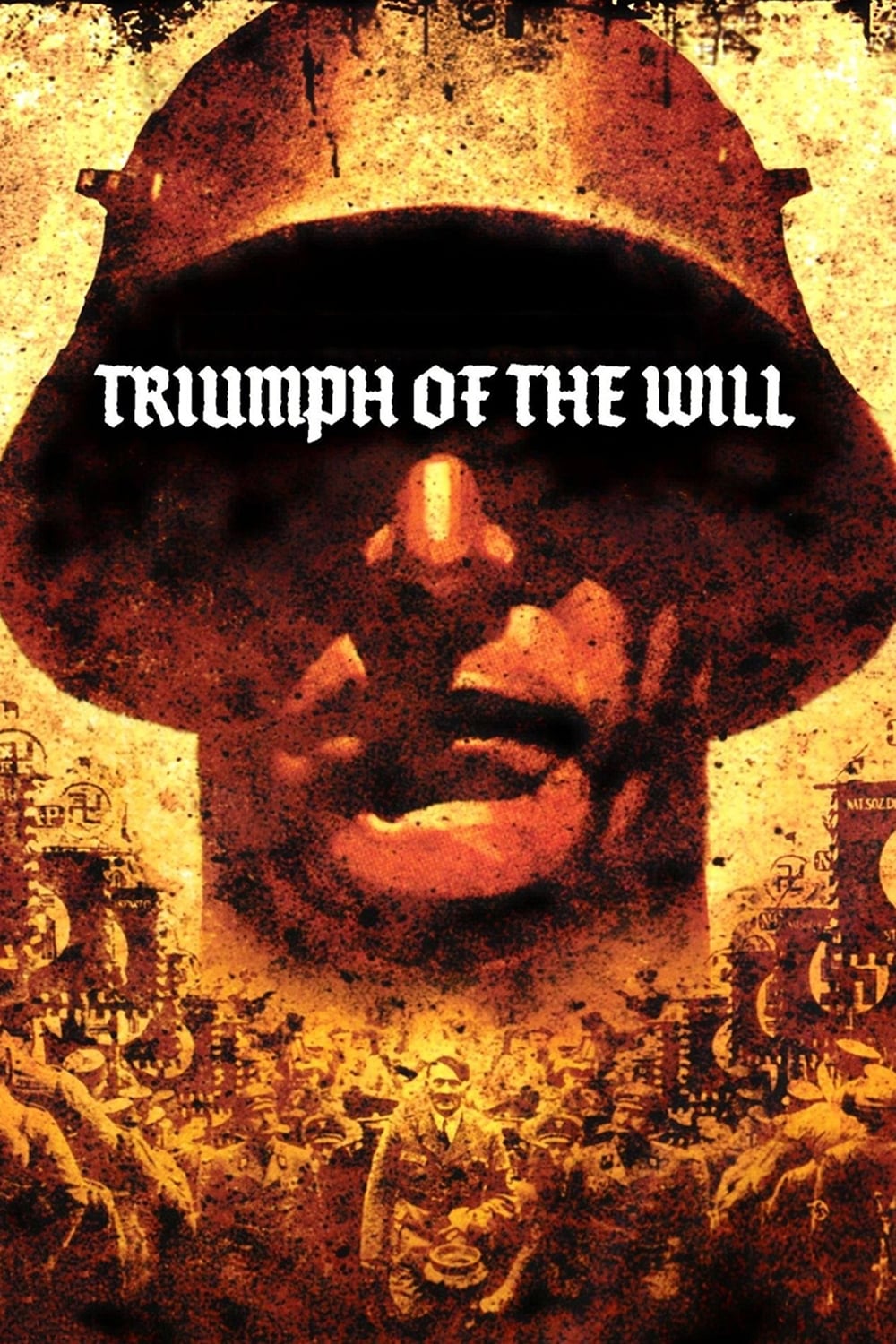
A showcase of German chancellor and Nazi Party leader Adolf Hitler at the 1934 Nuremberg Rally.
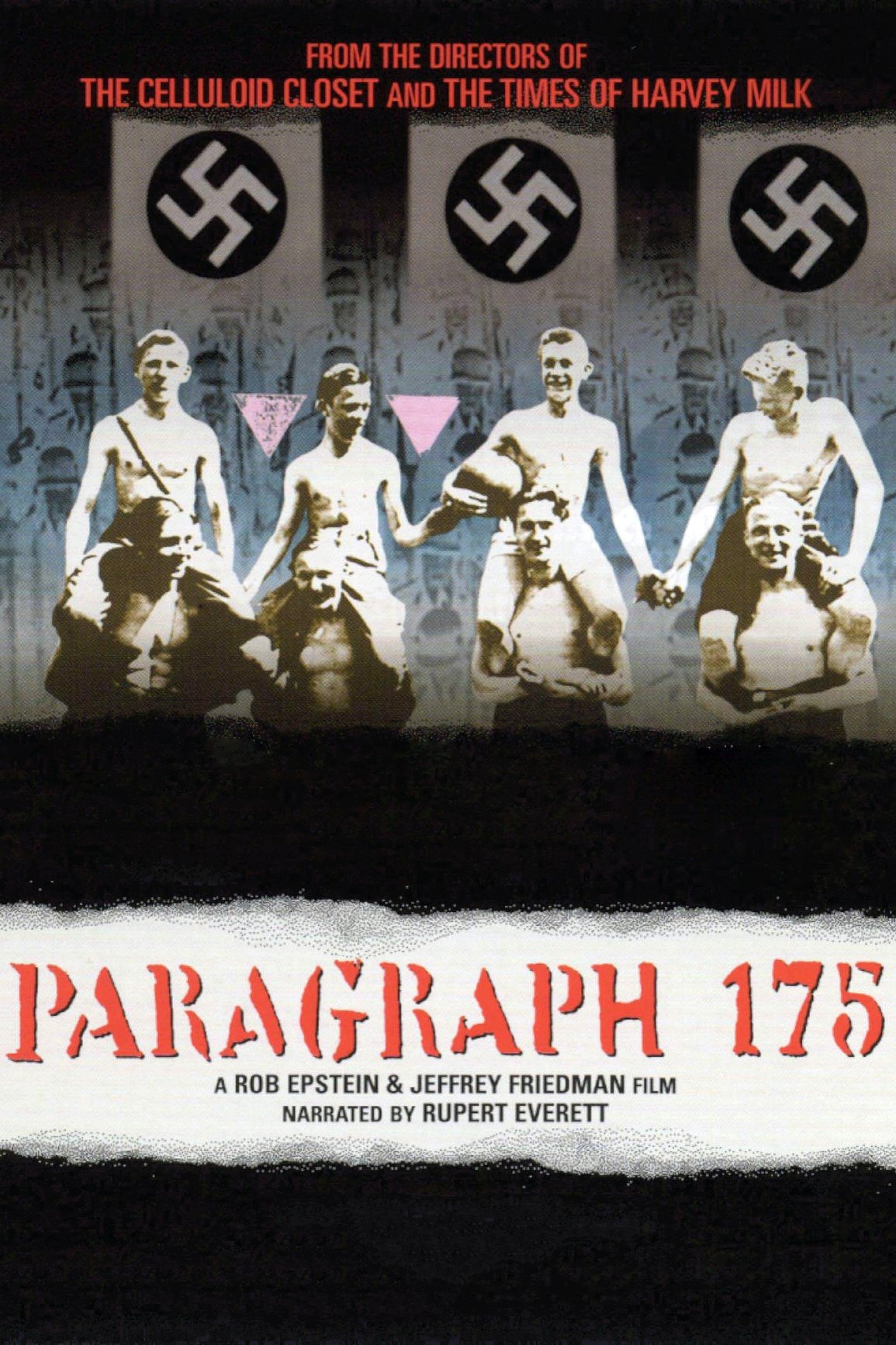
A glittery nightclub in 1920s Berlin becomes a haven for the queer community in this documentary exploring the freedoms lost amid Hitler’s rise to power.
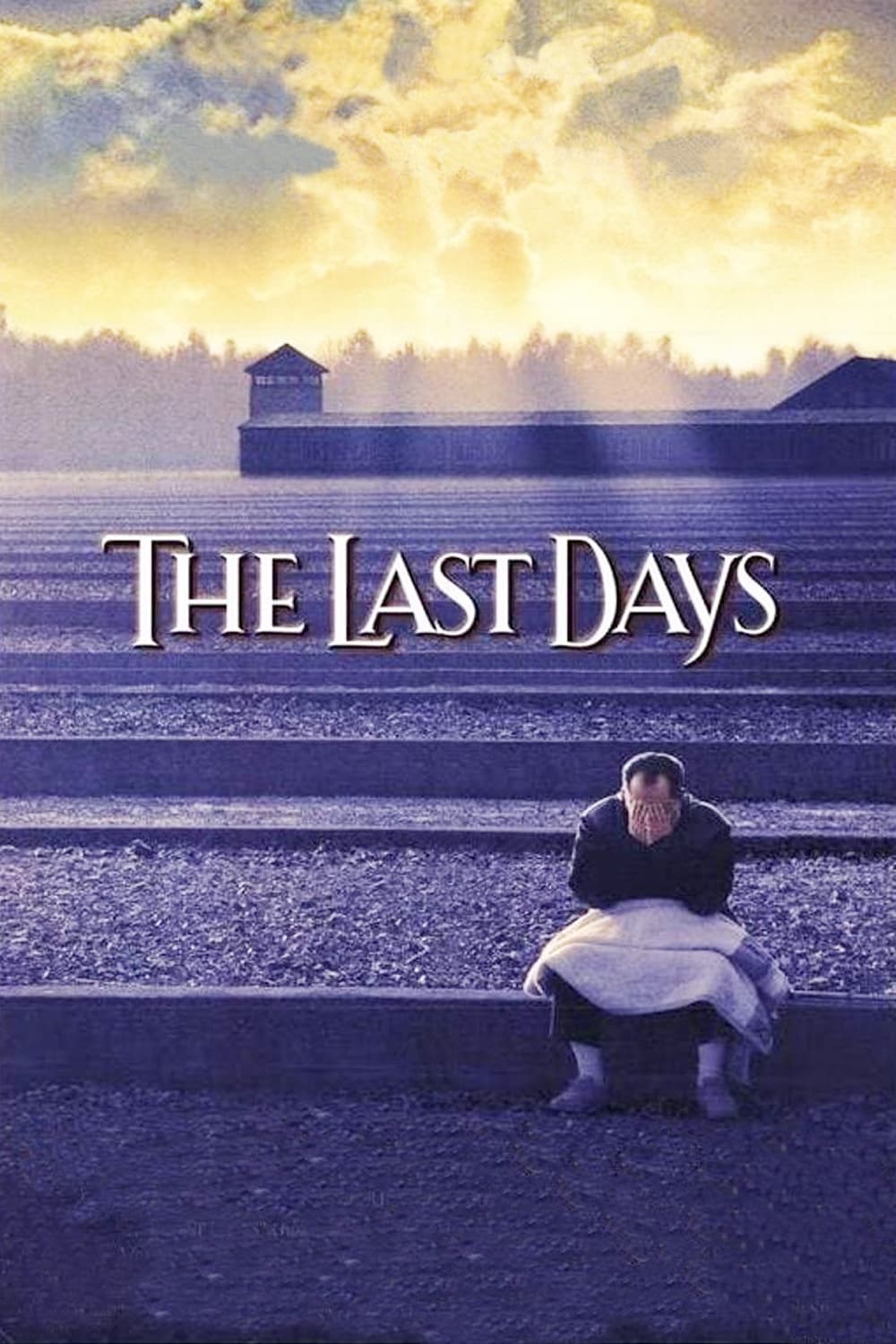
When Allied forces liberated the Nazi concentration camps in 1944-45, their terrible discoveries were recorded by army and newsreel cameramen, revealing for the first time the full horror of what had happened. Making use of British, Soviet and American footage, the Ministry of Information’s Sidney Bernstein (later founder of Granada Television) aimed to create a documentary that would provide lasting, undeniable evidence of the Nazis’ unspeakable crimes. He commissioned a wealth of British talent, including editor Stewart McAllister, writer and future cabinet minister Richard Crossman – and, as treatment advisor, his friend Alfred Hitchcock. Yet, despite initial support from the British and US Governments, the film was shelved, and only now, 70 years on, has it been restored and completed by Imperial War Museums under its original title "German Concentration Camps Factual Survey".
Produced and presented as evidence at the Nuremberg war crimes trial of Hermann Göring and twenty other Nazi leaders, this film consists primarily of dead and surviving prisoners and of facilities used to kill and torture during the World War II.
An in-depth investigation into the private world of the American writer J. D. Salinger (1919-2010), who lived most of his life behind the impenetrable wall of a self-imposed seclusion: how his dramatic experiences during World War II influenced his life and work, his relationships with very young women, his obsessive writing methods, his many literary secrets.
An NYPD hostage negotiator teams up with a federal agent to rescue dozens of tourists held hostage during a 10-hour seige at the U.S. Federal Reserve.
Von Ryan's Express stars Frank Sinatra as a POW colonel who leads a daring escape from WWII Italy by taking over a freight train, but he has to win over the British soldiers he finds himself commanding.
A documentary on the expletive's origin, why it offends some people so deeply, and what can be gained from its use.
Six million Jews died during World War II, both in the extermination camps and murdered by the mobile commandos of the Einsatzgruppen and police battalions, whose members shot men, women and children, day after day, obediently, as if it were a normal job, a fact that is hardly known today. Who were these men and how could they commit such crimes?
Major Reisman is "volunteered" to lead another mission using convicted army soldiers, sentenced to either death or long prison terms. This time their mission is to kill a Nazi general who plans to assassinate Hitler.

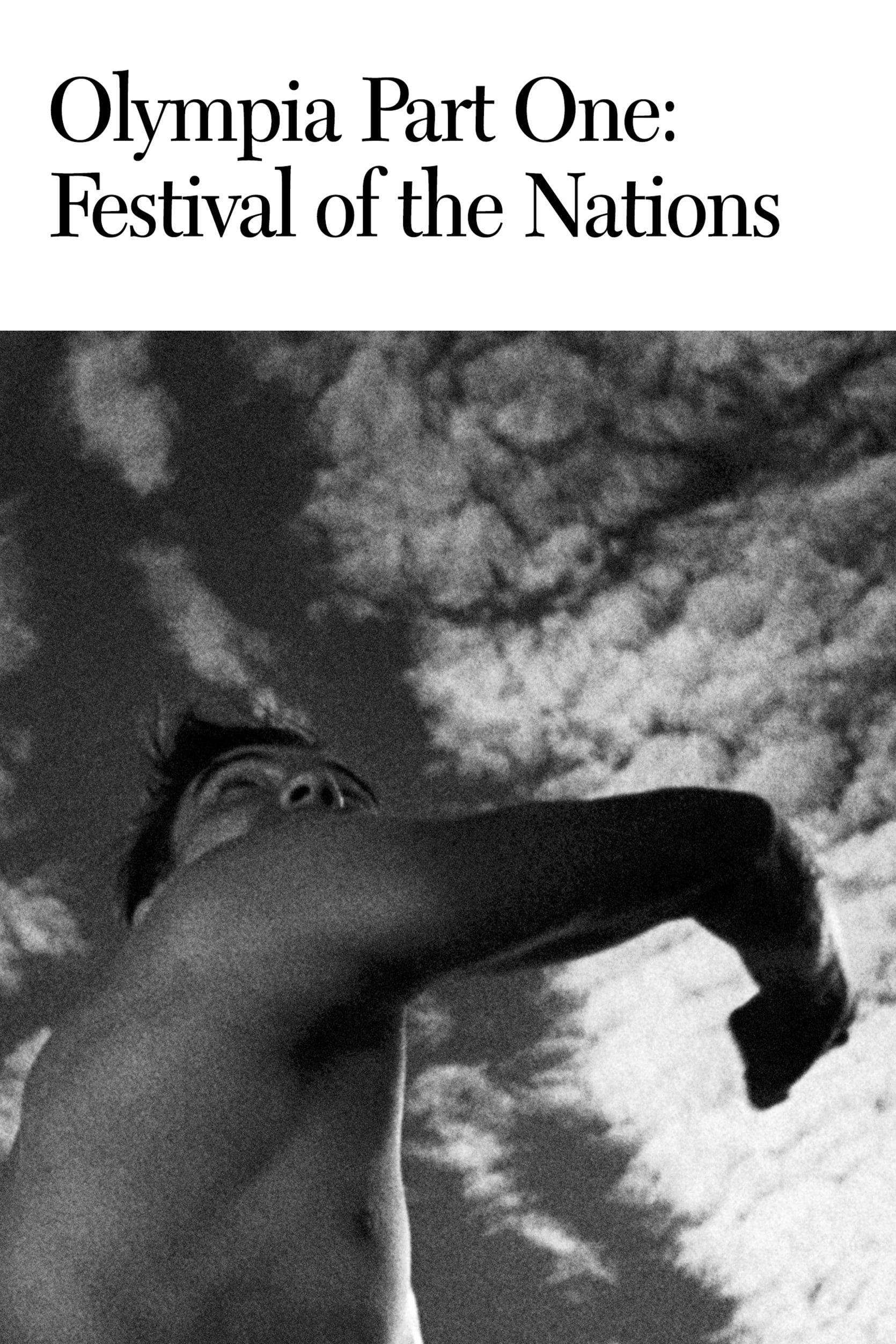
Starting with a long and lyrical overture, evoking the origins of the Olympic Games in ancient Greece, Riefenstahl covers twenty-one athletic events in the first half of this two-part love letter to the human body and spirit, culminating with the marathon, where Jesse Owens became the first track and field athlete to win four gold medals in a single Olympics.
Part two of Leni Riefenstahl's monumental examination of the 1938 Olympic Games, the cameras leave the main stadium and venture into the many halls and fields deployed for such sports as fencing, polo, cycling, and the modern pentathlon, which was won by American Glenn Morris.
A documentary on the life and career of one of the most influential film directors of all time, Steven Spielberg.
In December 1941, Czech soldiers Jozef Gabčík and Jan Kubiš parachute into their occupied homeland to assassinate Nazi officer Reinhard Heydrich.
The US Government tries to track down embedded Nazi agents in the States.
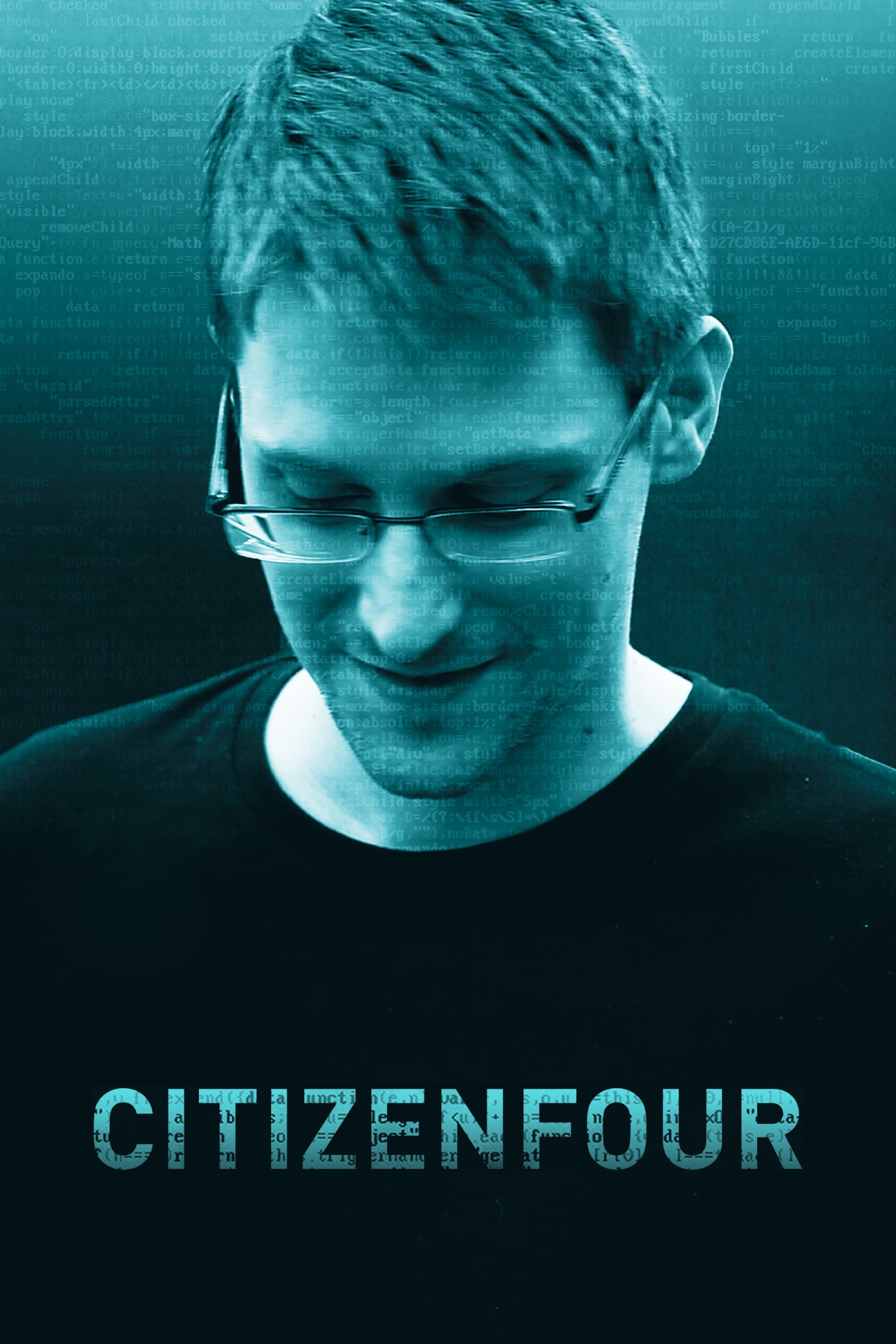
In June 2013, Laura Poitras and reporter Glenn Greenwald flew to Hong Kong for the first of many meetings with Edward Snowden. She brought her camera with her.

WWII is entering its last phase: Germany is in ruins, but does not yield. The US army lacks crucial knowledge about the German units operating on the opposite side of the Rhine, and decides to send two German prisoners to gather information. The scheme is risky: the Gestapo retains a terribly efficient network to identify and capture spies and deserters. Moreover, it is not clear that "Tiger", who does not mind any dirty work as long as the price is right, and war-weary "Happy", who might be easily betrayed by his feelings, are dependable agents. After Tiger and another American agent are successfully infiltrated, Happy is parachuted in Bavaria. His duty: find out the whereabouts of a powerful German armored unit moving towards the western front.
An unprecedented and intimate look at the life, work and enduring legacy of British actress Audrey Hepburn (1929-1993).