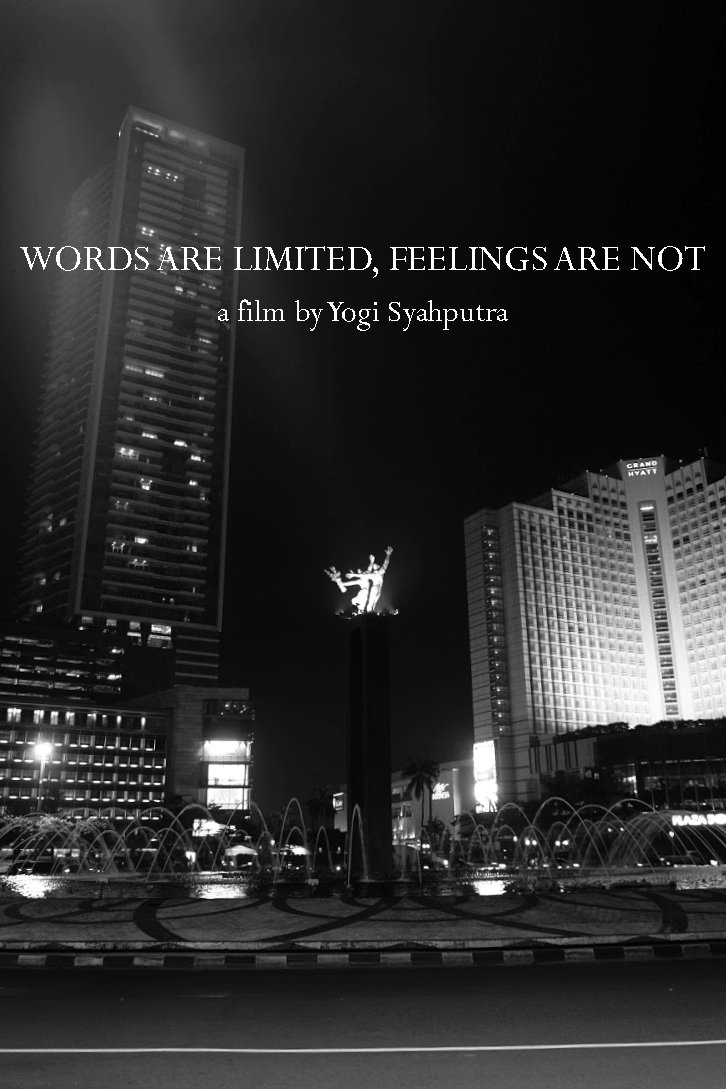
"Every place has its own story."
A man reads a letter from his away girlfriend while he contemplates on some memorable places in Jakarta, where they had spent time together.
Social & External
Narrator
"The majority of my 8-mm works were made for the three-minute "Personal Focus" film special put on in Fukuoka. This film is an animation of photographs I had taken on a regular basis as a sort of diary, and was made to have a rough feel to it." - Takashi Ito
An alchemically treated lullaby to the end of cinema, featuring Charlie Chaplin and Buster Keaton.
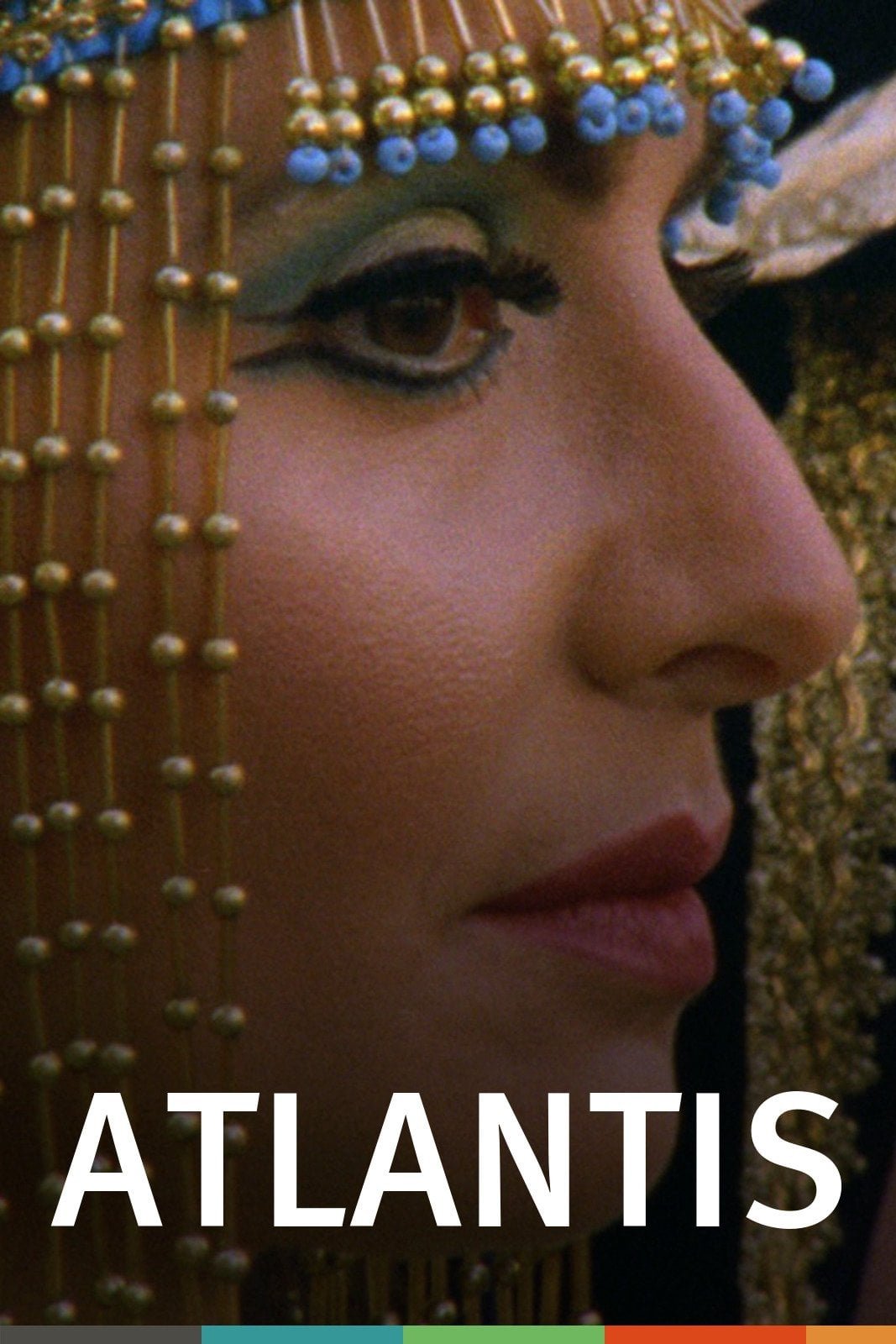
A documentary portrait of Utopia, loosely framed by Plato’s invocation of the lost continent of Atlantis in 360 BC and its re-resurrection via a 1970s science fiction pulp novel.
“Convalescing, when you don't have to participate in the world. Time to read, to dream, to look - the blue, the light of the television, the blue, the book, the patterns the light, the blue. Time to appreciate how much that really is.”
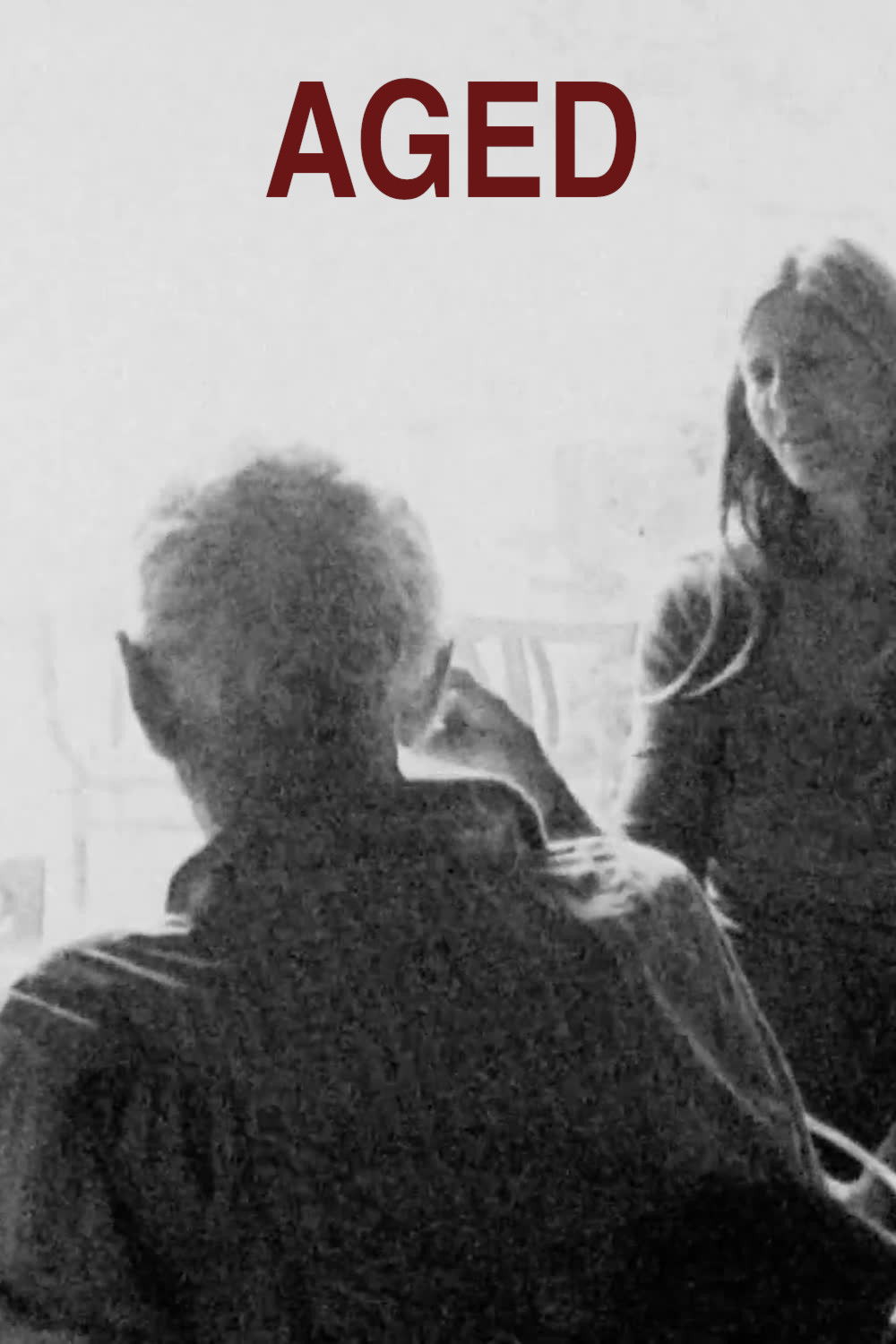
A film by Philip Hoffman that chronicles the final days of his father.
A thrillingly lo-fi salute to the old-school, hand-crafted special effects that were once a mainstay of pre-CGI science-fiction films.
"Ryuta is 5 years old. Even though he is my son, I sometimes wonder what this small person is to me. Even though I see his joys and sadnesses and know the feel of his warmth on my skin when I hold him, there are moments when my feelings for him become vague and blank." - Takashi Ito
A young woman and man are riding bikes through nature, having a good time. When she speeds up, he loses her, and after a while he stumbles across her bike without any trace of her. He stumbles through the forest looking for her, imagining how she kisses him. No dialogue, just "audio credits" instead of titles, saying the name of the film, actors and director.
Experimental short film from Yugoslavia.
An installation film that consists of a six-hour-long monologue performed by Edith Clever, who reads texts by Syberberg and many different authors, such as Johann Wolfgang von Goethe, Heinrich von Kleist, Plato, Friedrich Hölderlin, Novalis, Friedrich Nietzsche, Eduard Mörike, Richard Wagner, William Shakespeare, Samuel Beckett, and Chief Seattle.
At various points in its history, tiny St. John's Island was where Singapore's colonial founder Sir Stamford Raffles docked his ship upon arrival, a quarantine centre for immigrants and pilgrims returning from Mecca, a penal colony for political detainees and secret society leaders, and a sleepy holiday resort. Unlike its neighbouring islands, however, St. John's was never fully developed. It occupies an in-between space, the vestiges of its history scattered around the land. Its indeterminacy stands in sharp contrast to Singapore, where land use is meticulously planned to fulfil economic and social functions. In this film, St. John's Island - otherwise known as 'Bukit Orang Salah', a nickname coined by the people who were quarantined there - becomes a site of and for reflection, prompting questions about our history, heritage and identity.
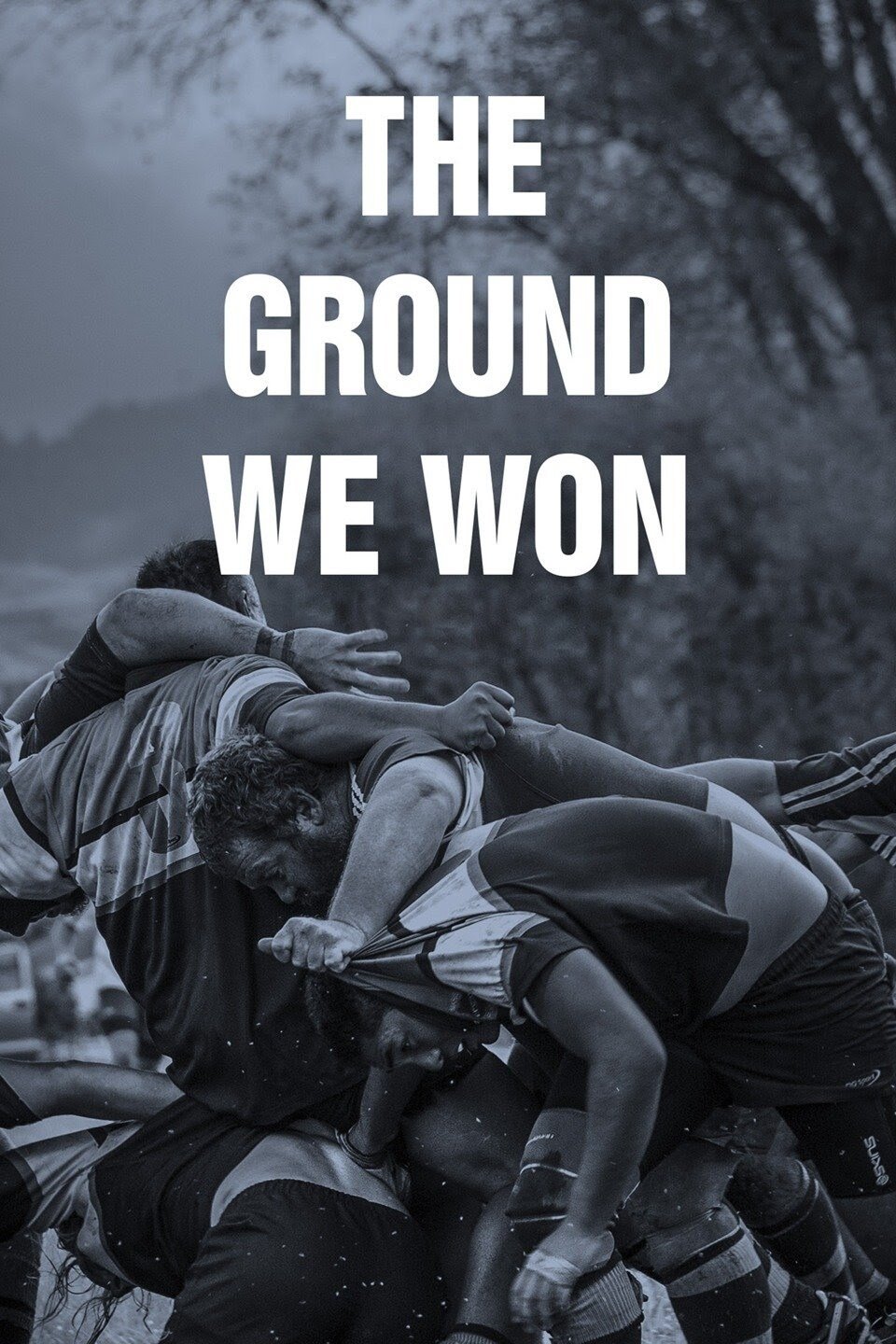
With great bawdiness and backbone, a rugby team made up of farmers strive to redeem themselves from a long run of bitter losses. In the face of the hefty demands of farming and fatherhood, the Saturday game becomes the focus of the men’s passions and the ground on which their worth is proved. ‘The Ground We Won’ is a highly authentic, slice of life film about the challenges and joys of manhood, as seen through the rites and rituals of a rural New Zealand rugby club.
An experimental and poetic portrait of a woman.
Anything that complies with standards is a wasted effort to Vlado Kristl: 'I believe in only doing those things that decompose and tear conventional systems apart.' Kristl's métier are borderlines. His paintings and animated films are interspersed with clear dividing lines, only for him to blur and mess them up. His graphics are scribbled over and over again until the whole surface becomes black. His oil paintings, unless someone buys them in time, are painted over and over again. He destroys any form that begins to grow. -Thomas Brandlmeier
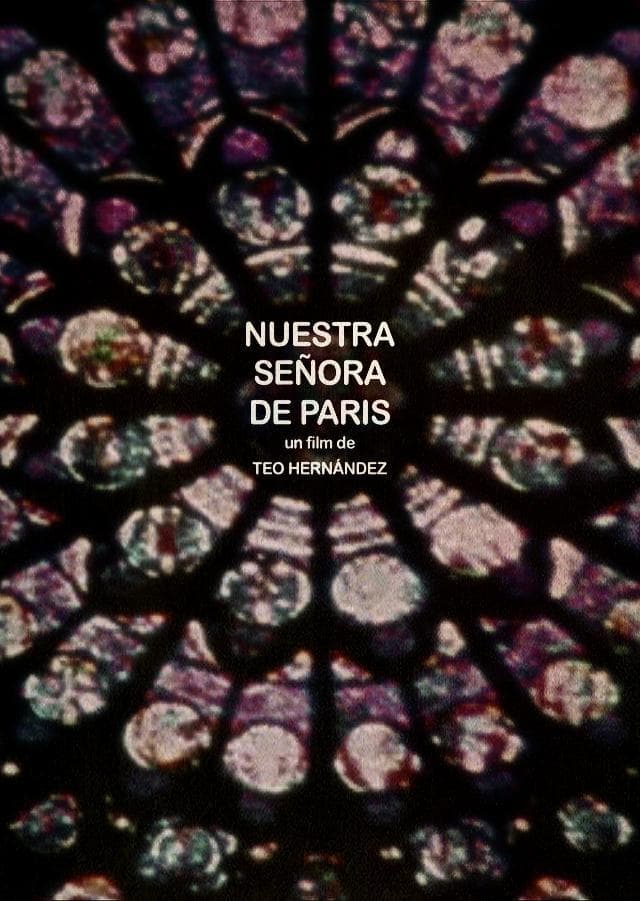
Magical Super-8 (shown on 16mm) single frame portrait of the Notre Dame cathedral featuring luminous light and a dense score incorporating players from the square. - Early Monthly Segments
At 7 p.m. he had an appointment...an important appointment.
From both a scientific and an artistic point of view, the film seeks to answer the question, 'what is light?'.
Two young men are alone at a self-service laundry. They are sitting next to each other, waiting in silence. An old framed embroidery of a young deer is hanging against the wall across them.
Black and white images shot at night. A camera roams the streets of Montreal in search of sounds, smells and sensations. From the first frame, NIGHTS stakes its ground as a poetic, nomadic experience, an open-ended essay about the countless inner worlds that inhabit the big-city night. Testimonials and confessions gradually emerge, from a photographer to a truck driver, from a baker to a blind woman who had to learn to “see” the world differently. Their experiences overlap, but are unalike. We have the feeling of living different lives, against the grain of normality, and we are not alone in this. Diane Poitras achieves nothing less than the reconstitution of a parallel community.
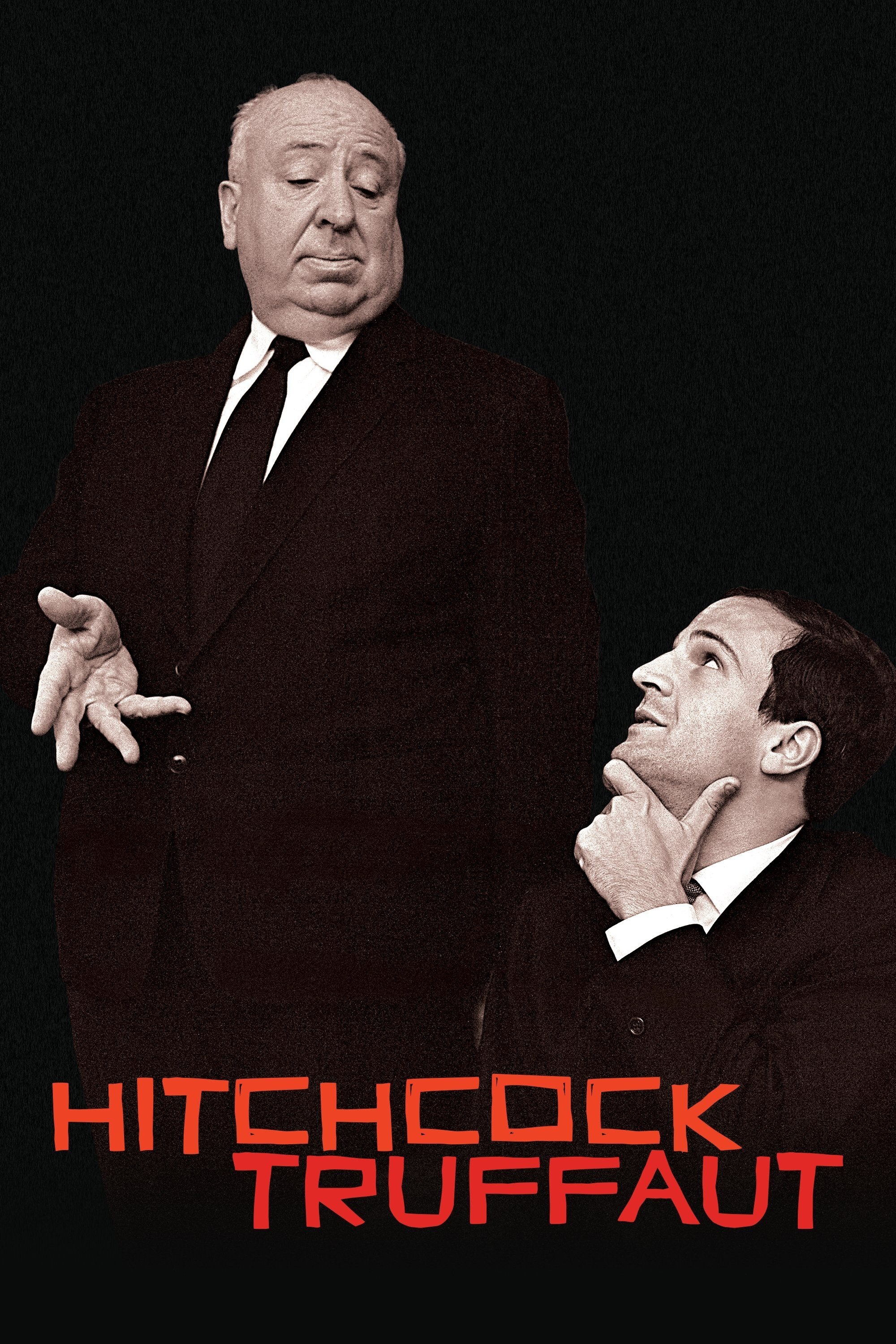
Filmmakers discuss the legacy of Alfred Hitchcock and the book “Hitchcock/Truffaut” (“Le cinéma selon Hitchcock”), written by François Truffaut and published in 1966.
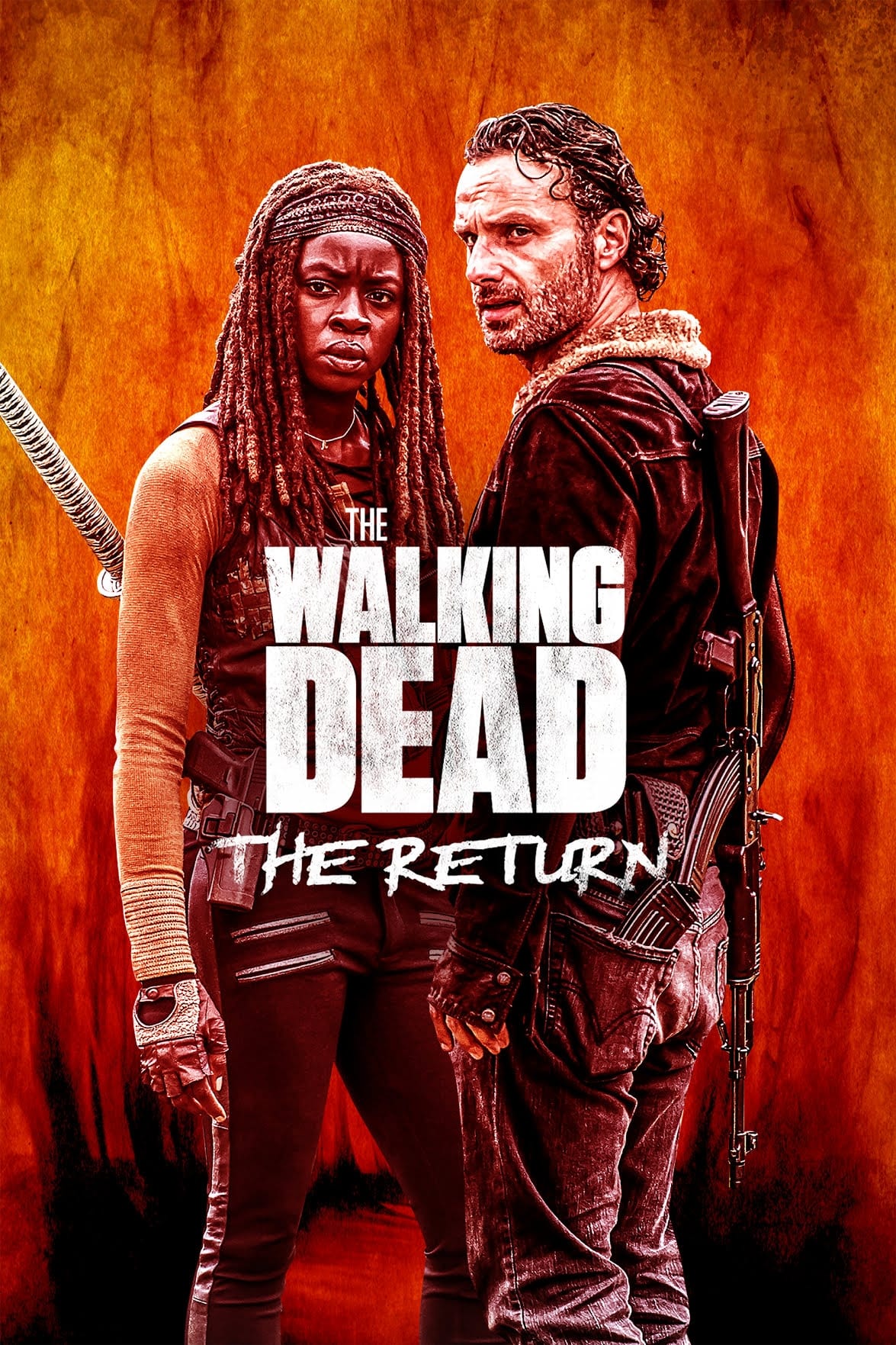
Stars of "The Walking Dead," Andrew Lincoln and Danai Gurira, walk down memory lane and visit iconic locations where pivotal moments between their characters, Rick and Michonne, were filmed.
A compilation of over 30 years of private home movie footage shot by Lithuanian-American avant-garde director Jonas Mekas, assembled by Mekas "purely by chance", without concern for chronological order.
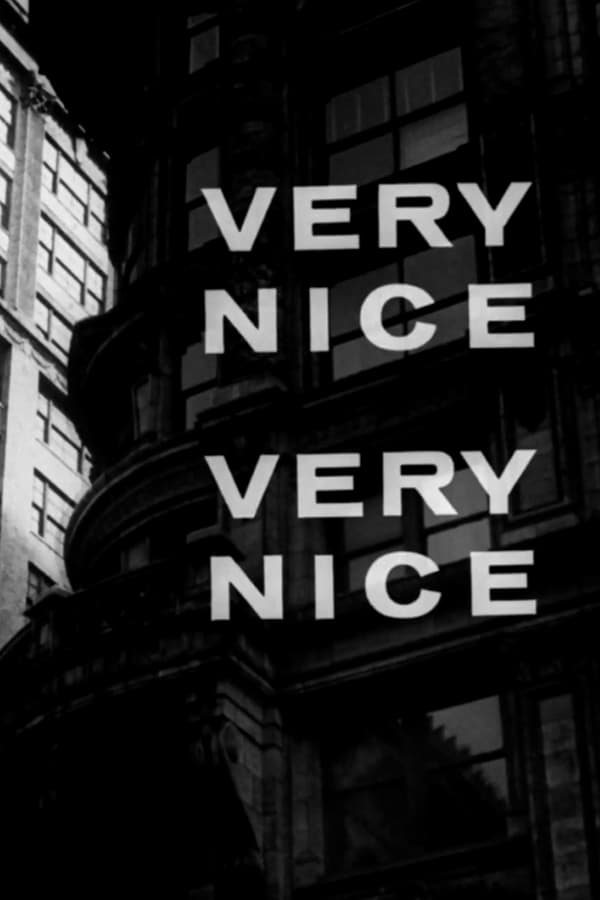
Arthur Lipsett's first film is an avant-garde blend of photography and sound. It looks behind the business-as-usual face we put on life and shows anxieties we want to forget. It is made of dozens of pictures that seem familiar, with fragments of speech heard in passing and, between times, a voice saying, "Very nice, very nice." The film was nominated for an Oscar for Best Live Action Short Film.
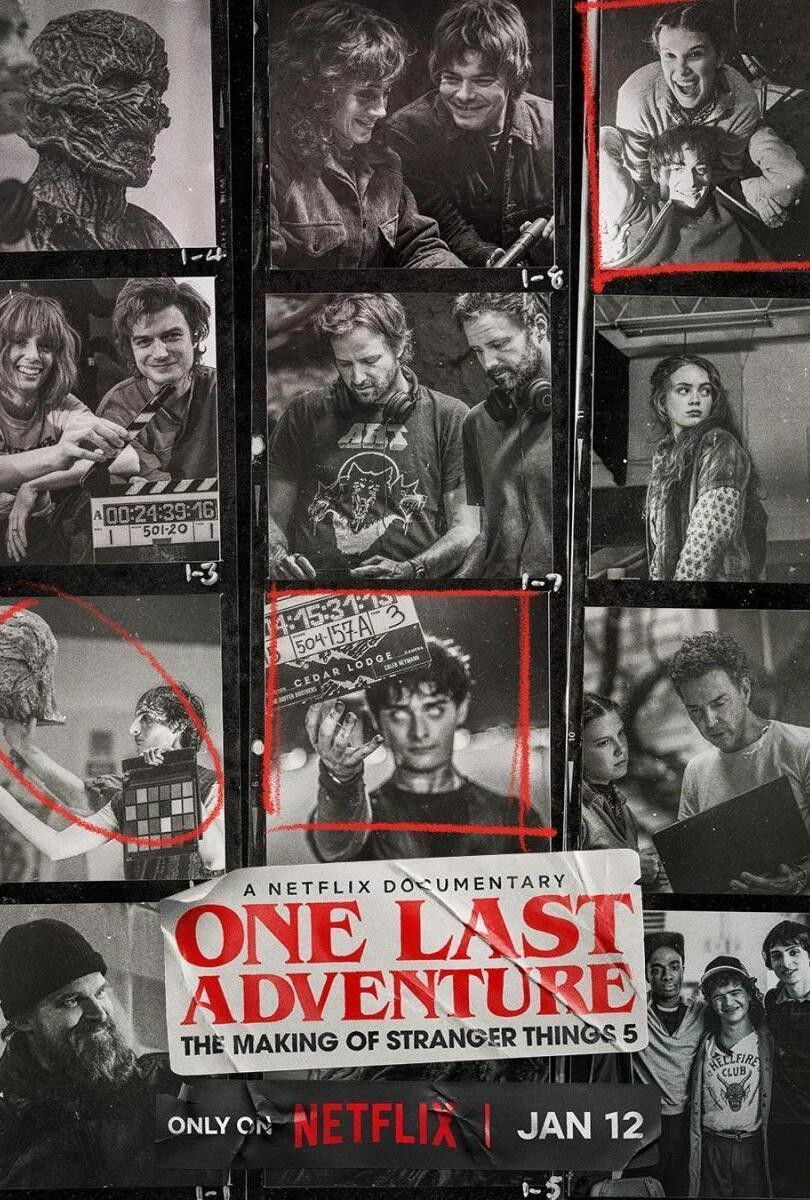
An inside look at the years of effort and craft that went into the final installment of the Duffer Brothers' generation-defining series.
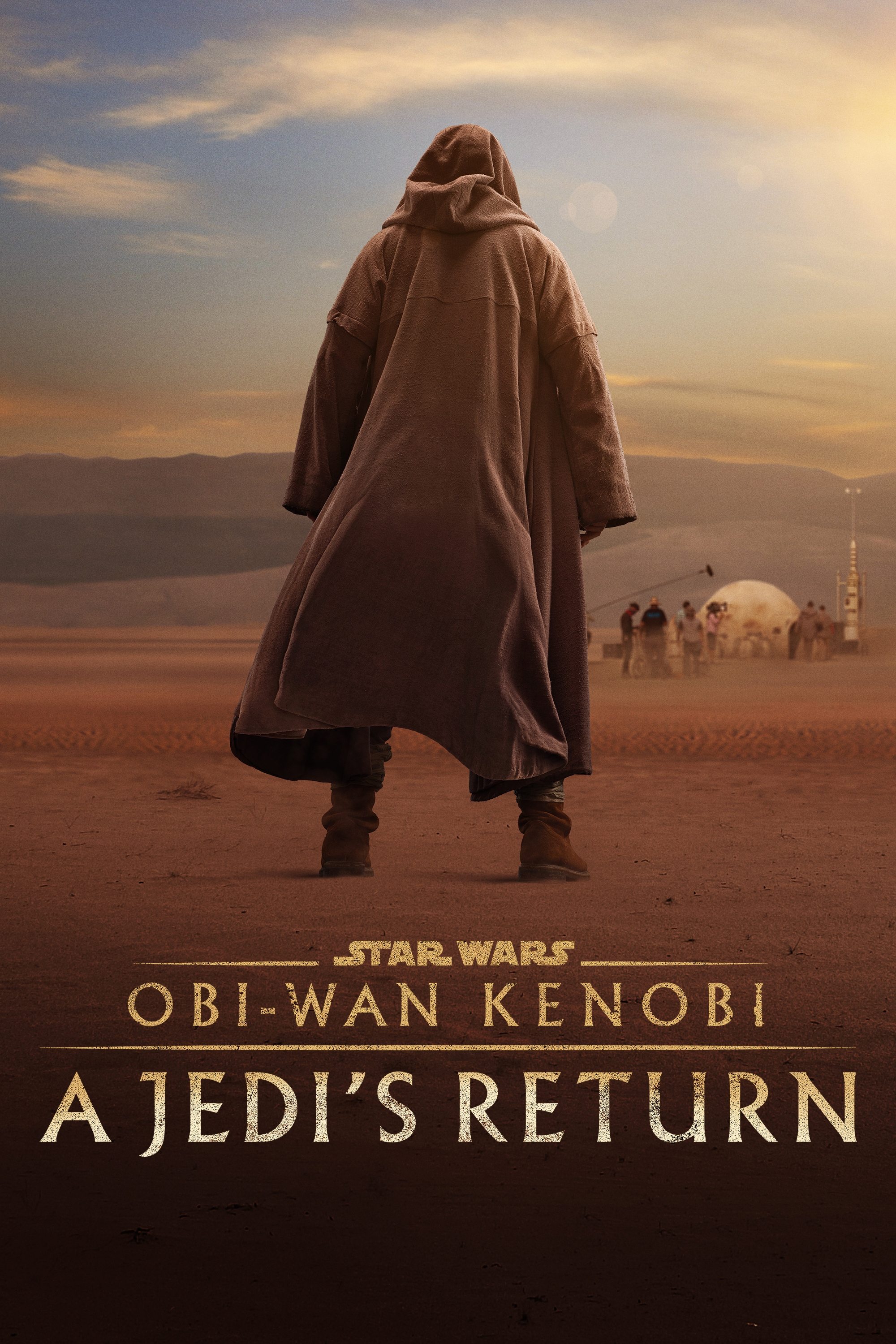
This special explores the return of Obi-Wan Kenobi and Anakin Skywalker to the screen, as well as Ewan McGregor and Hayden Christensen to their classic roles. Director Deborah Chow leads the cast and crew as they create new heroes and villains that live alongside new incarnations of beloved Star Wars characters, and an epic story that dramatically bridges the saga films.
Lyrical and powerfully personal essay film that reflects on the deaths of her husband Lou Reed, her mother, her beloved dog, and such diverse subjects as family memories, surveillance, and Buddhist teachings.
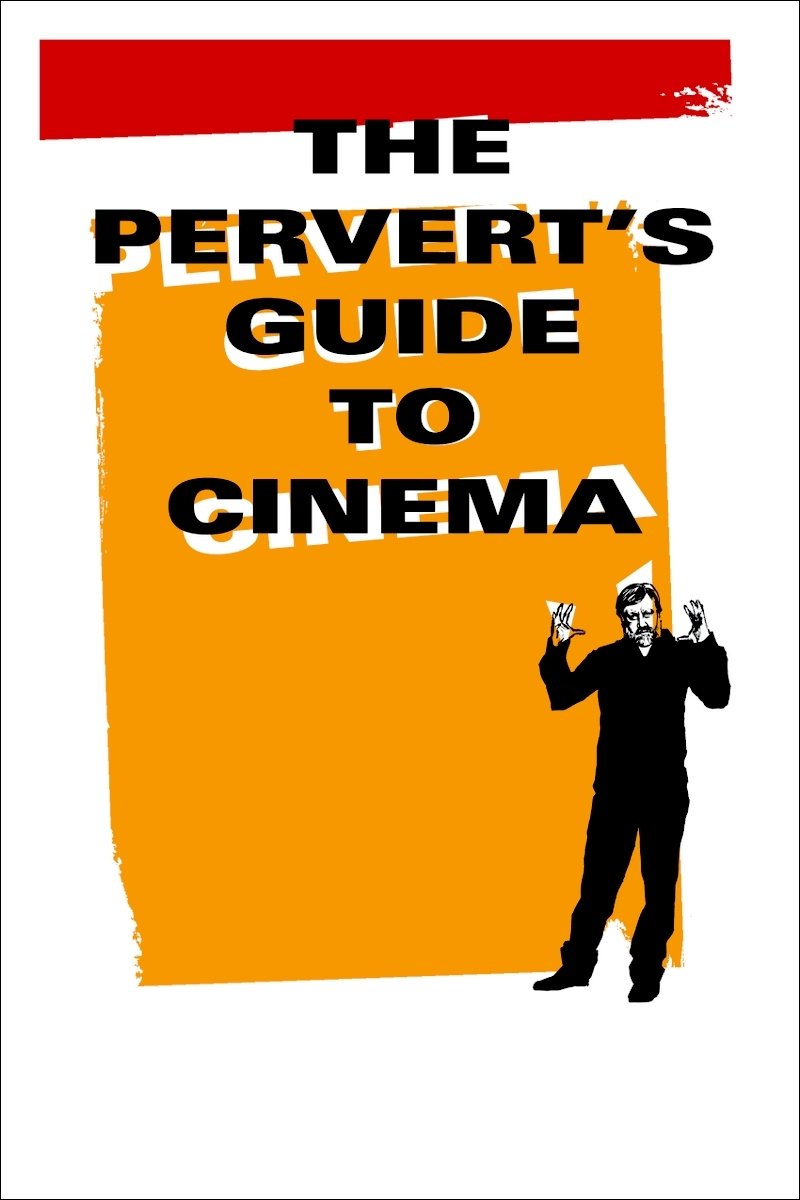
A hilarious introduction, using as examples some of the best films ever made, to some of Slovenian philosopher and psychoanalyst Slavoj Žižek's most exciting ideas on personal subjectivity, fantasy and reality, desire and sexuality.
Filmed and edited in intimate vérité style, this movie follows visionary medical practitioners who are working on the cutting edge of life and death and are dedicated to changing our thinking about both.
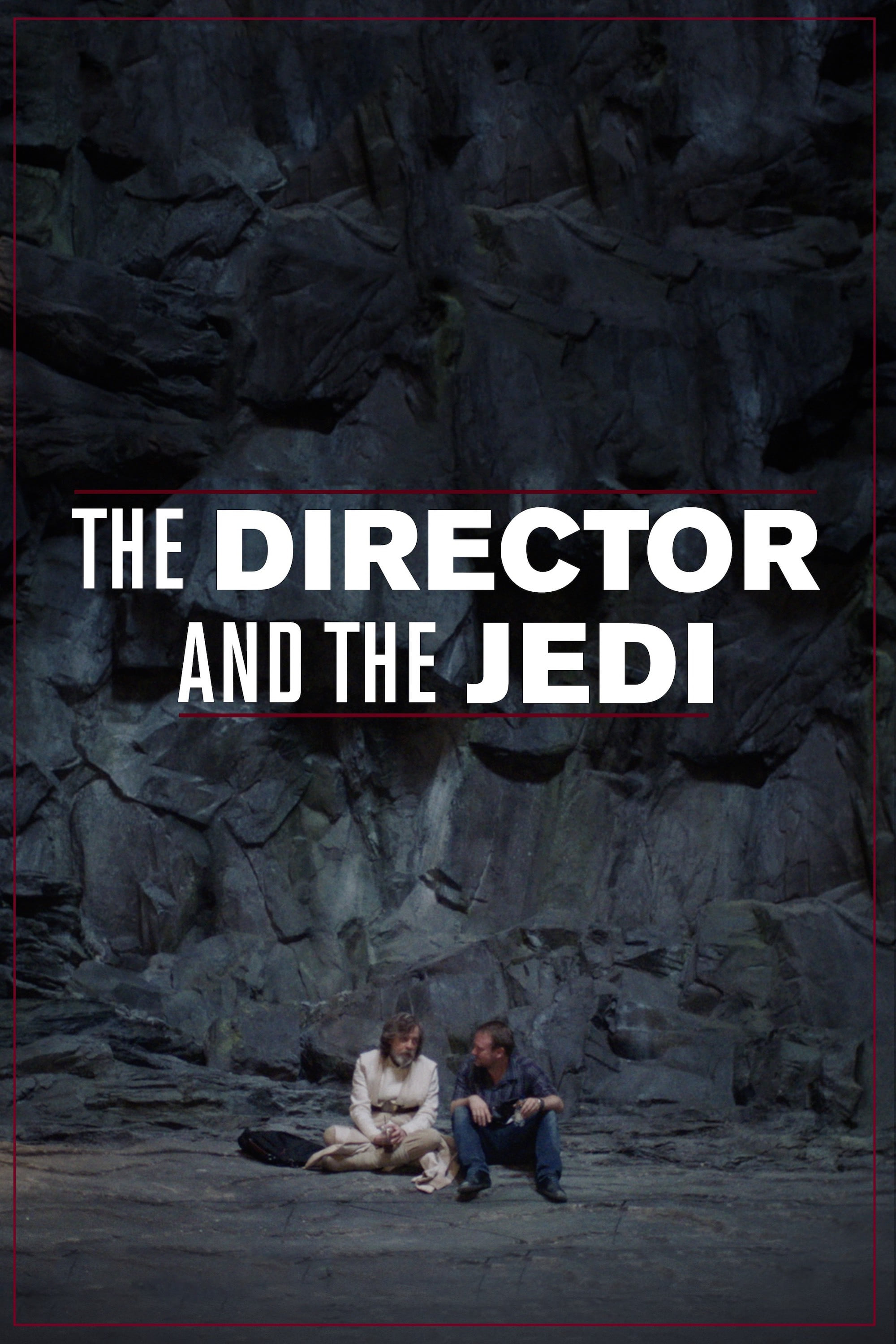
An intimate documentary delving into Rian Johnson's process as he comes in as a director new to the Star Wars universe.
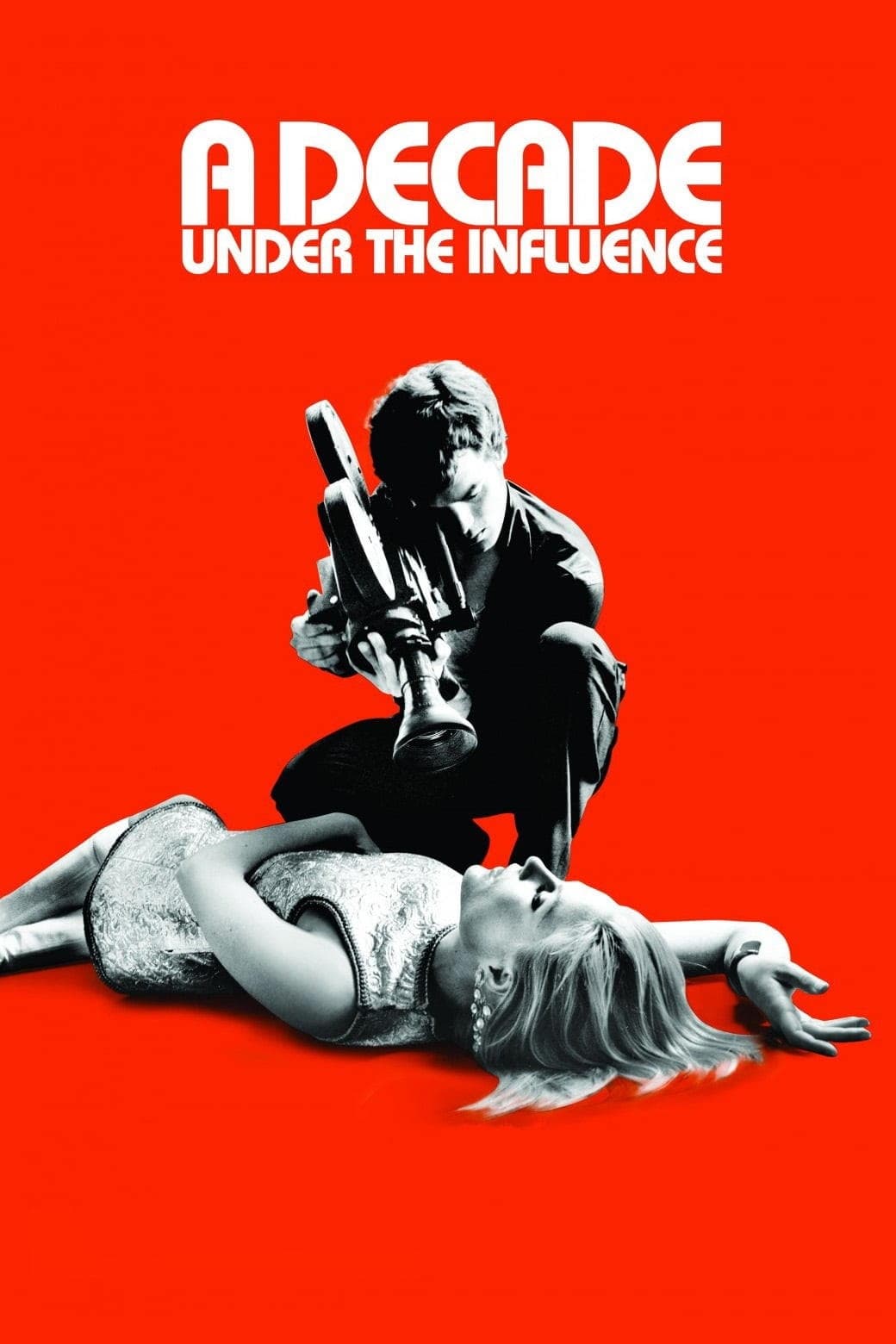
A documentary examining the decade of the 1970s as a turning point in American cinema. Some of today's best filmmakers interview the influential directors of that time.
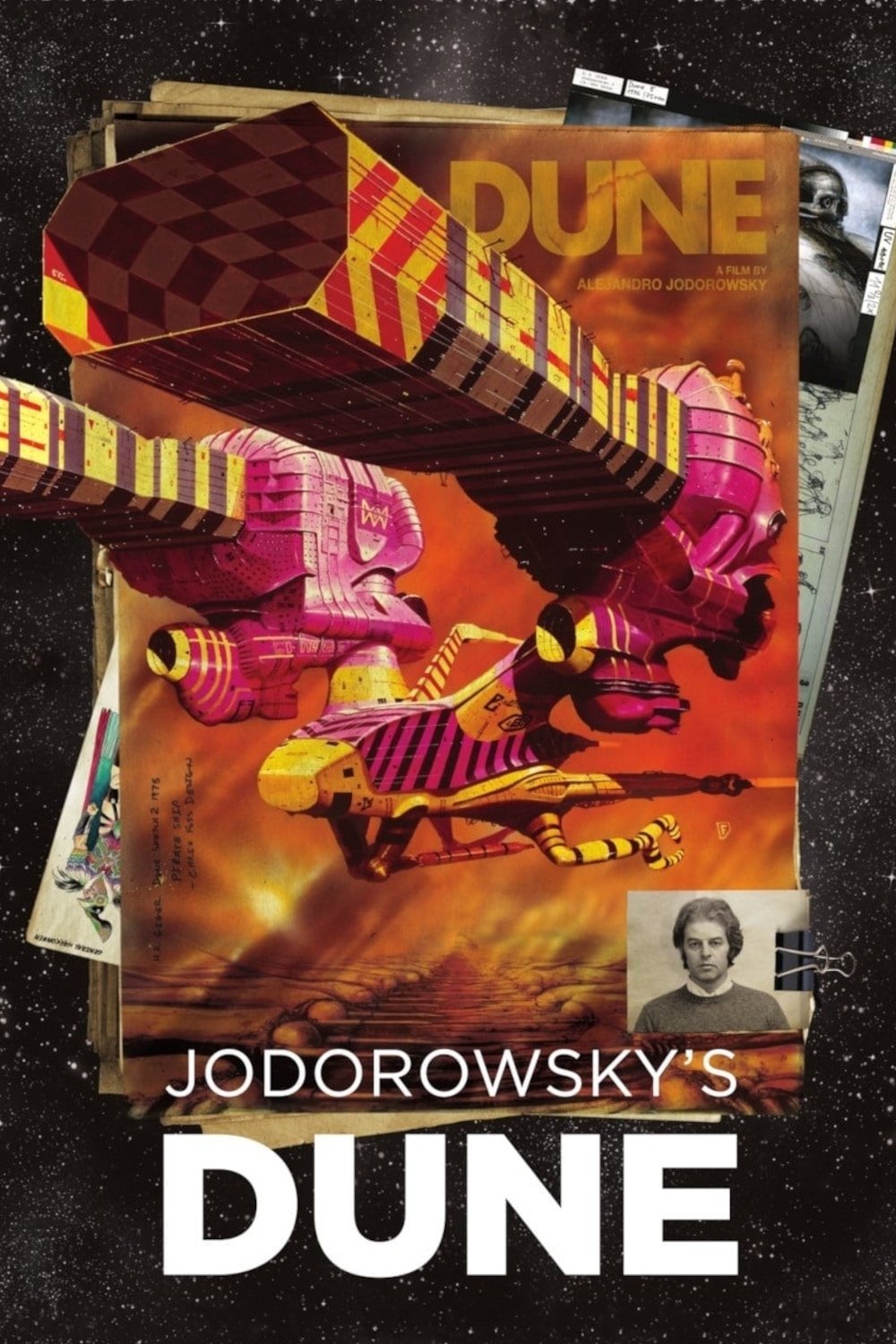
In 1974, Chilean-French director Alejandro Jodorowsky embarked on the quixotic project of adapting Frank Herbert's influential novel Dune (1969) for the big screen. After investing two years, and millions of dollars, the gigantic project ended in failure; but the artists Jodorowsky brought together to carry it out continued to work together, and ended up laying the foundations for modern science fiction cinema.
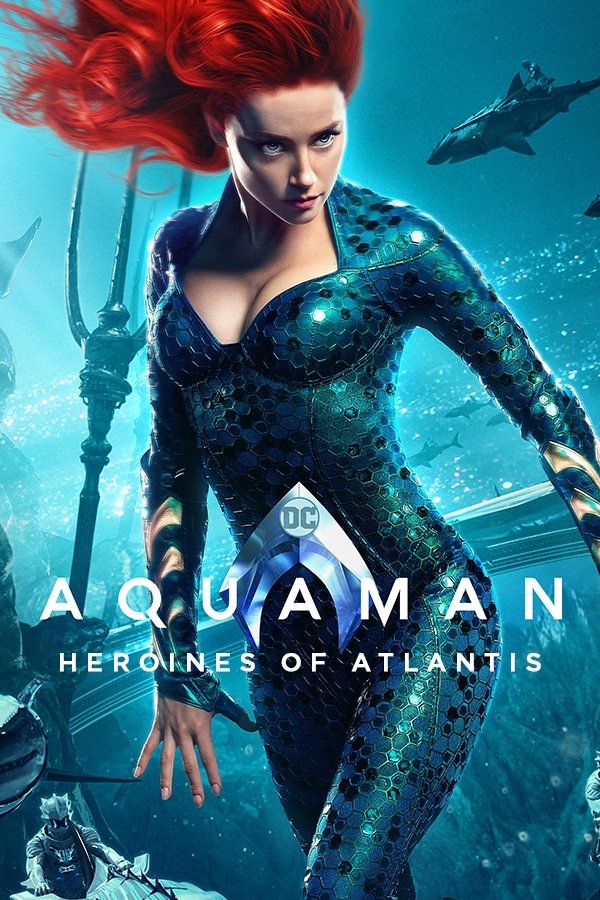
Amber Heard and Nicole Kidman discuss their characters Mera and Atlanna.
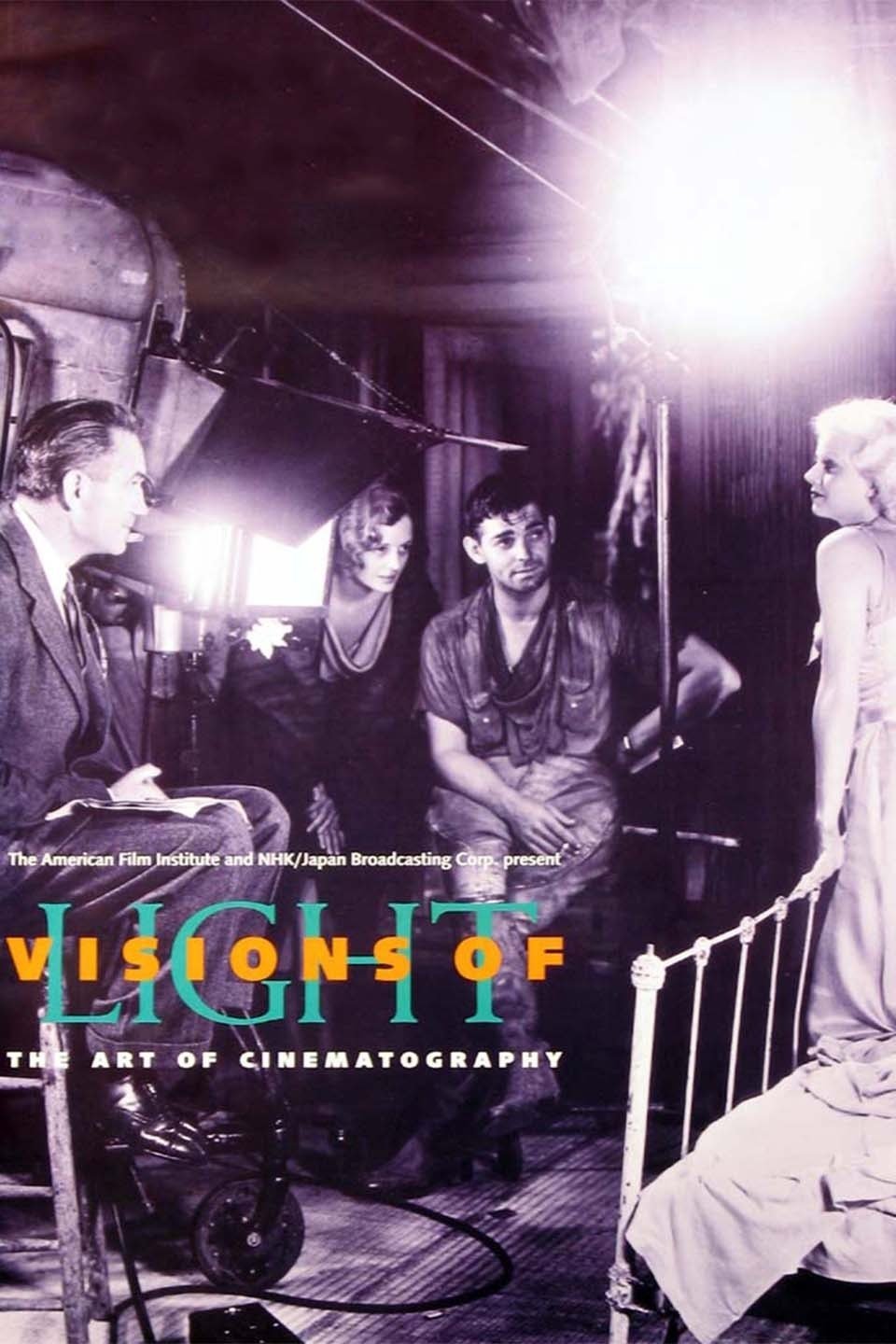
Cameramen and women discuss the craft and art of cinematography and of the "DP" (the director of photography), illustrating their points with clips from 100 films, from Birth of a Nation to Do the Right Thing. Themes: the DP tells people where to look; changes in movies (the arrival of sound, color, and wide screens) required creative responses from DPs; and, these artisans constantly invent new equipment and try new things, with wonderful results. The narration takes us through the identifiable studio styles of the 30s, the emergence of noir, the New York look, and the impact of Europeans. Citizen Kane, The Conformist, and Gordon Willis get special attention.
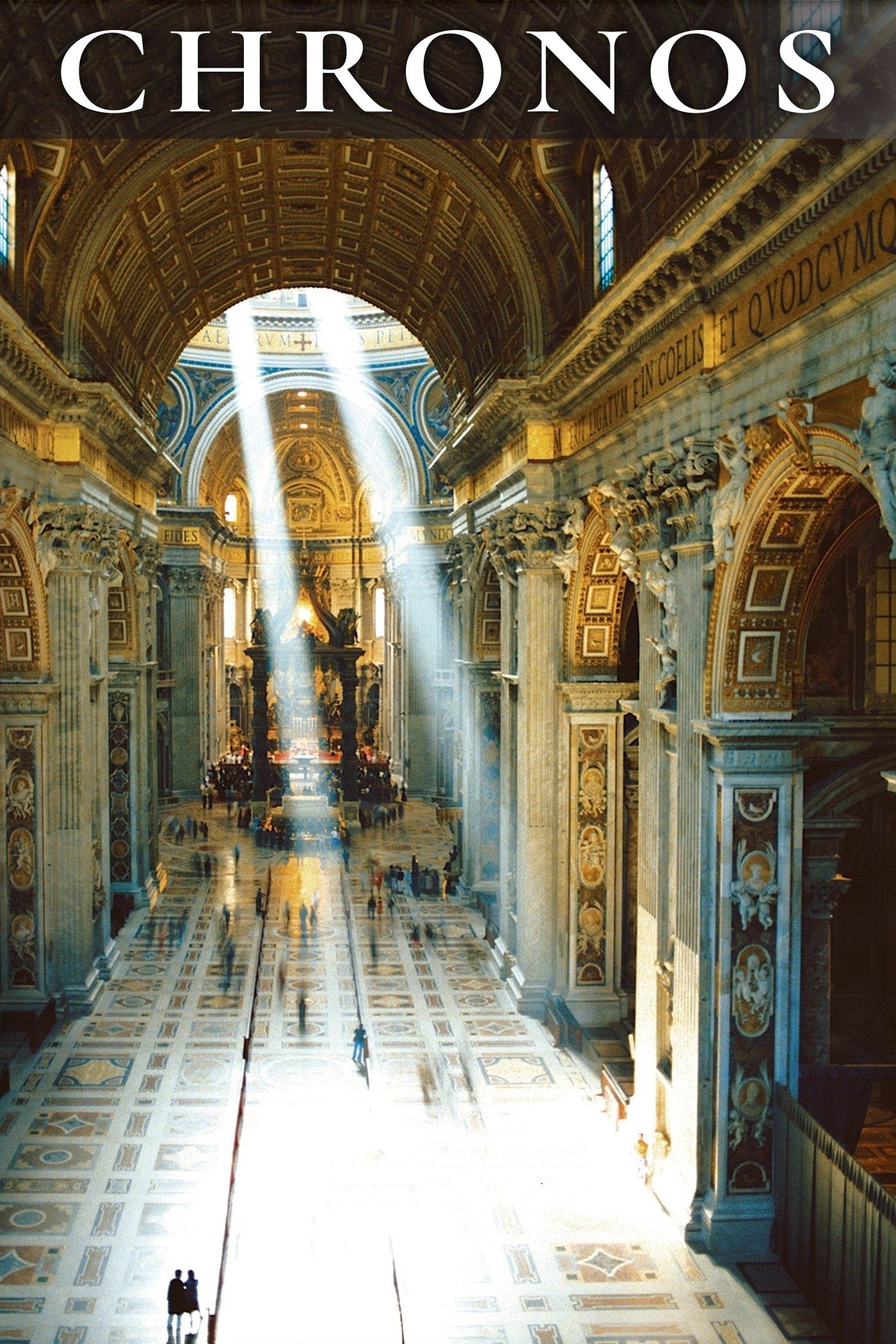
Carefully picked scenes of nature and civilization are viewed at high speed using time-lapse cinematography in an effort to demonstrate the history of various regions.
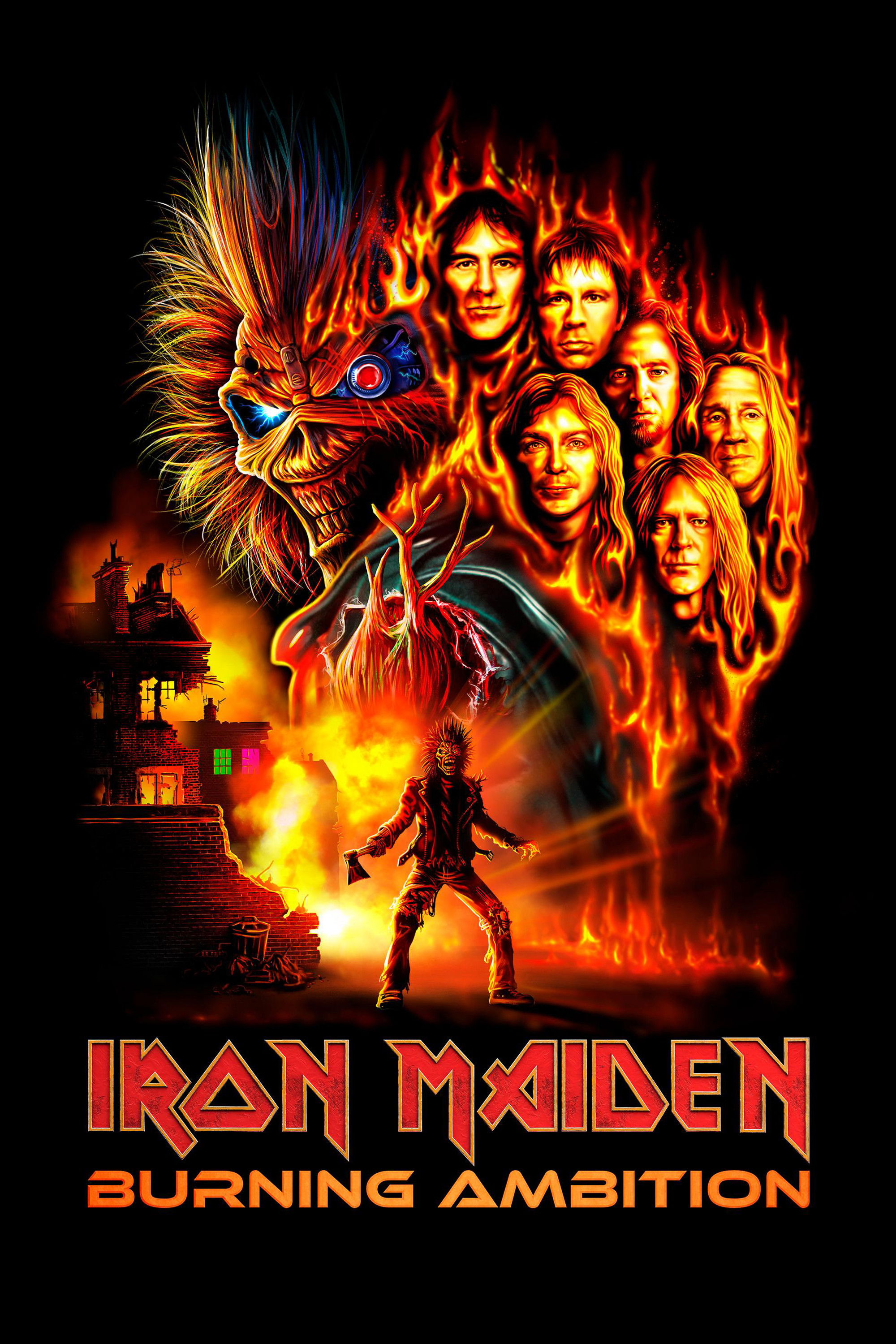
With unprecedented access to the official archives and intimate recollections from the band, both current and past, Iron Maiden: Burning Ambition invites fans to experience one of the most iconic journeys in music history. Spanning five decades, this electrifying documentary charts the band’s rise from the pubs of East London to the world’s biggest stadiums. Featuring exclusive interviews with band members and contributors such as Javier Bardem, Lars Ulrich and Chuck D, as well as all-new animated sequences of the band's legendary mascot, Eddie, the film offers a rare and intimate look at Iron Maiden’s uncompromising vision and unwavering connection with their truly global army of fans.
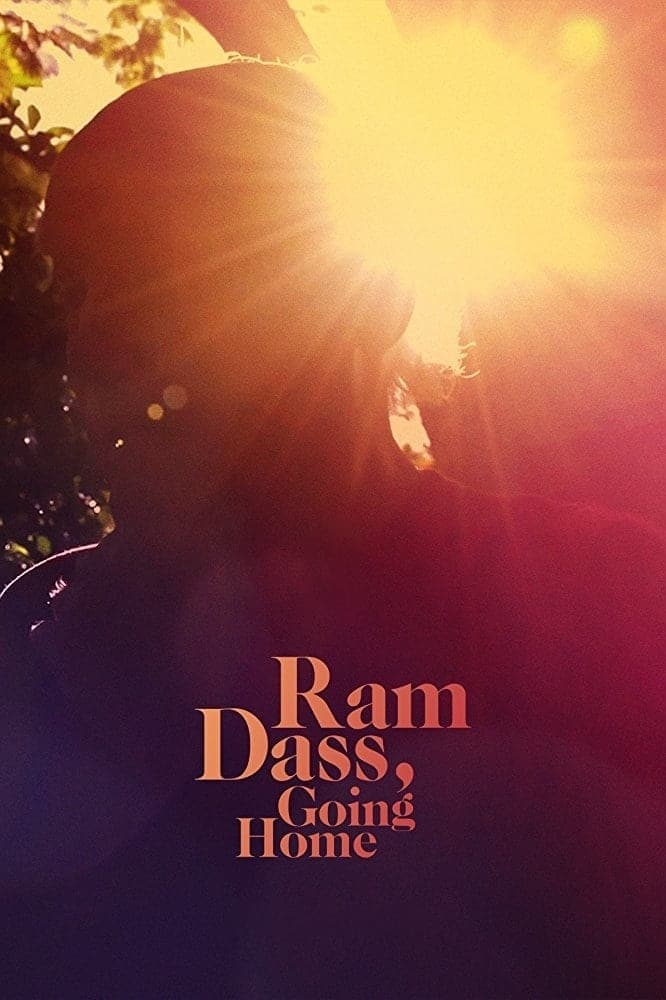
Ram Dass is one of the most important cultural figures from the 1960s and 70s. A pyschedelic pioneer, author of Be Here Now, beloved spiritual teacher, and outspoken advocate for death-and-dying awareness, Ram Dass is now himself approaching the end of life. Since suffering a life-changing stroke twenty years ago, he has been living at his home on Maui and deepening his spiritual practice — which is centered on love and his idea of merging with his surroundings and all living things. Shot in a nuanced cinematic style, the film is an intimate summary of his life learning and awareness, and is ultimately a poetic meditation on life, death, and the soul’s journey home.
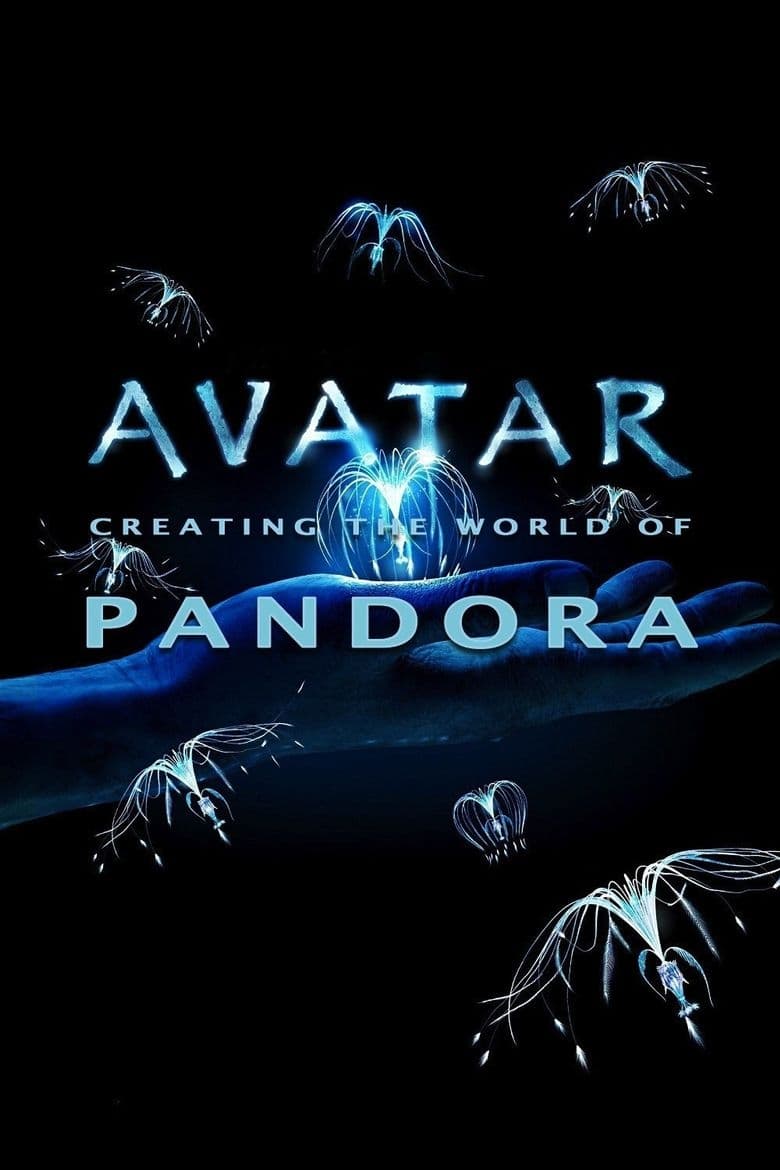
The Making-of James Cameron's Avatar. It shows interesting parts of the work on the set.
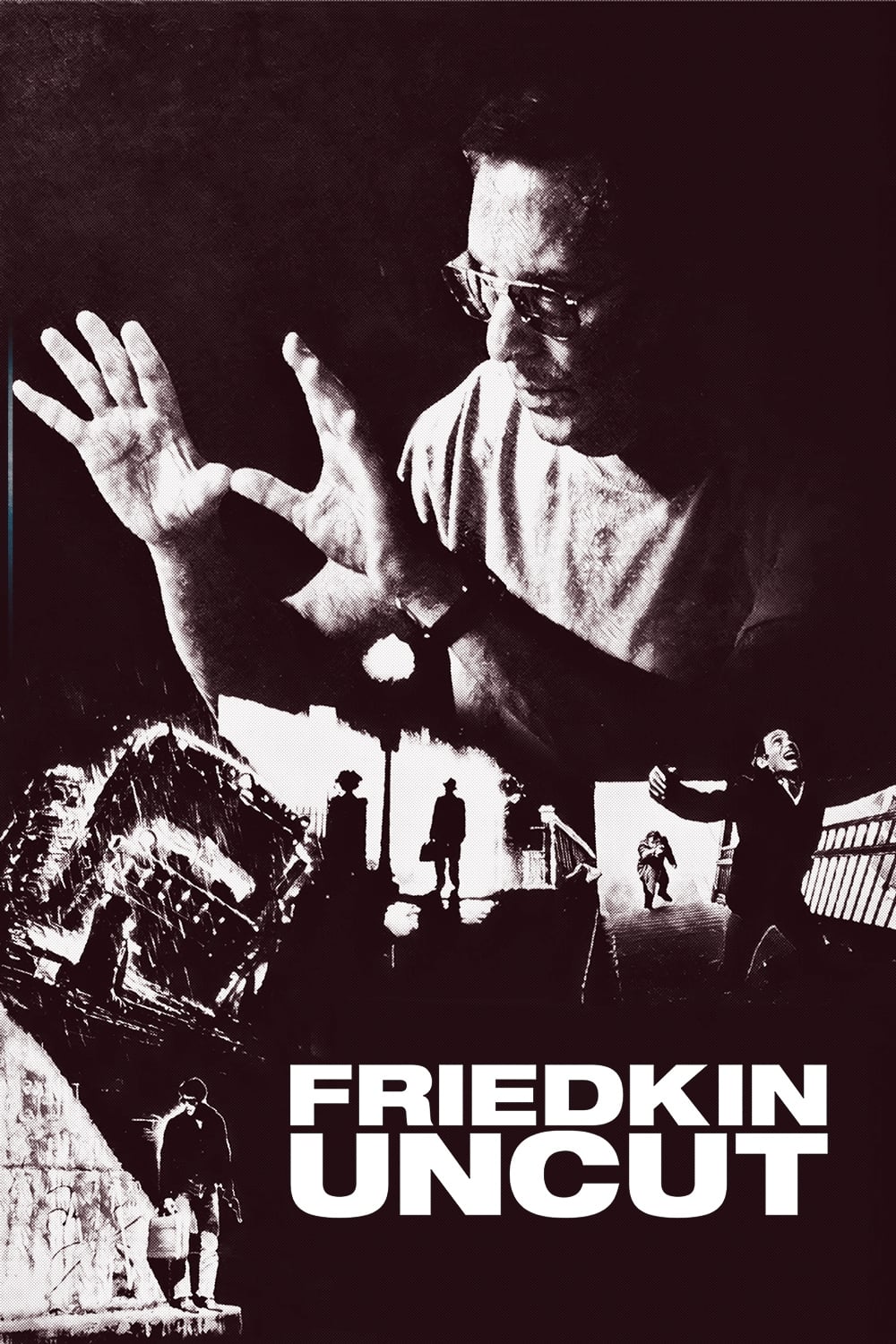
An introspective insight into the life and artistic journey of William Friedkin, an extraordinary and offbeat director of cult films such as The French Connection, The Exorcist, Sorcerer, Cruising, To Live and Die in L.A. and Killer Joe. For the first time Friedkin opens up, guiding the audience on a fascinating journey through the themes and the stories that have influenced his life and his artistic career.
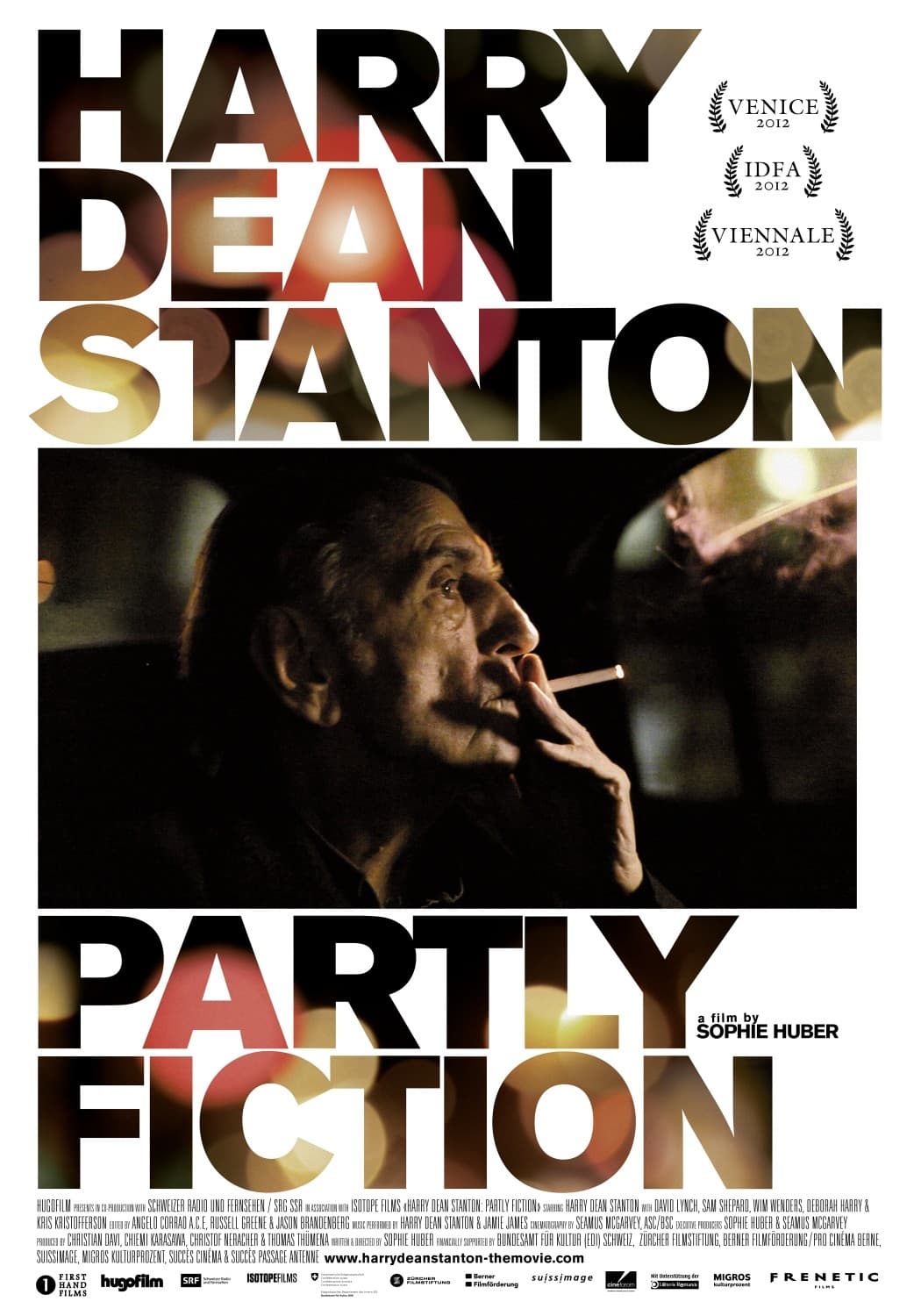
An impressionistic portrait of the iconic actor Harry Dean Stanton comprised of intimate moments, film clips from some of his 250 films and his renditions of American folk songs.