Documentary featuring original materials from the 1939 New York World's Fair. Includes film images of Jason Robards Jr. as a child at the World's Fair and clips from the promotional film "The Middleton Family at the New York World's Fair" (1939).

Social & External
The people behind it
Jason Robards
Self / Narrator
Adora Andrews
Grandma Middleton (archive footage)
Ruth Lee
Mom Middleton (archive footage)
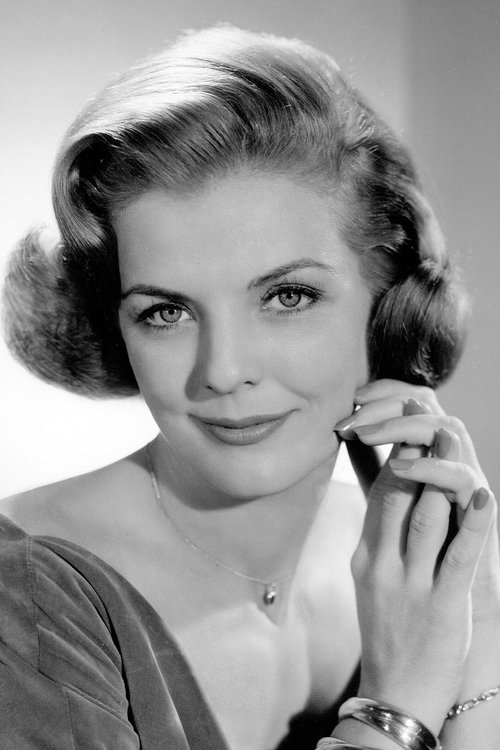
Marjorie Lord
Babs Middleton (archive footage)
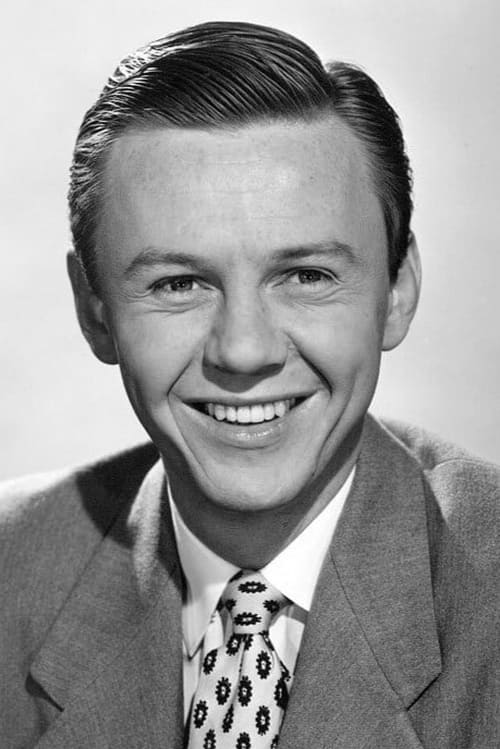
Jimmy Lydon
Bud Middleton (archive footage)
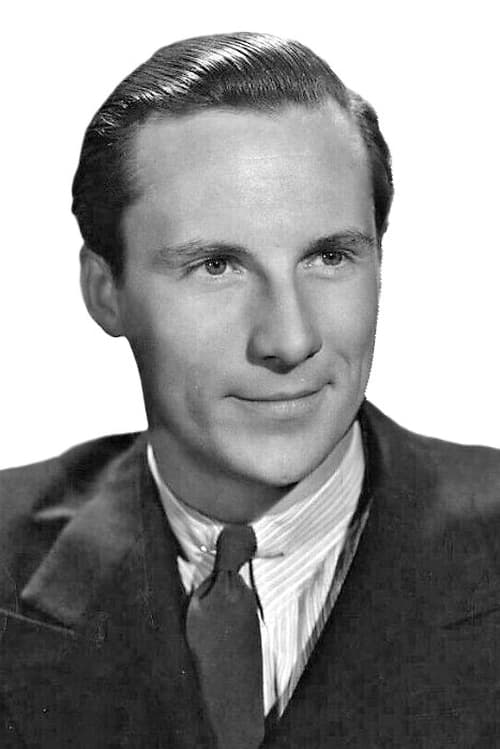
Ray Middleton
Self - Vocalist (archive footage)
Harry Shannon
Pop Middleton (archive footage)
Douglas Stark
Jim Treadway (archive footage)
Behind the iconic Eiffel Tower lies the story of an incredible challenge to erect a thousand-foot tower that went far beyond a design competition, and marked a major turning point in engineering history. It was the beginning of radical transformation where iron was pitted against stone, engineering against architecture, and modern design against ancients. Press campaigns, lobbying, public conferences, denigration of opposing projects, bragging about big names - all participants engaged in a fierce battle without concession. Using 3D recreations, official sources (reports, letters, drawings...) and intimate archives obtained from their descendants, this film will bring to life this vertical race through a fresh and visual way to mark the centenary of Eiffel death.
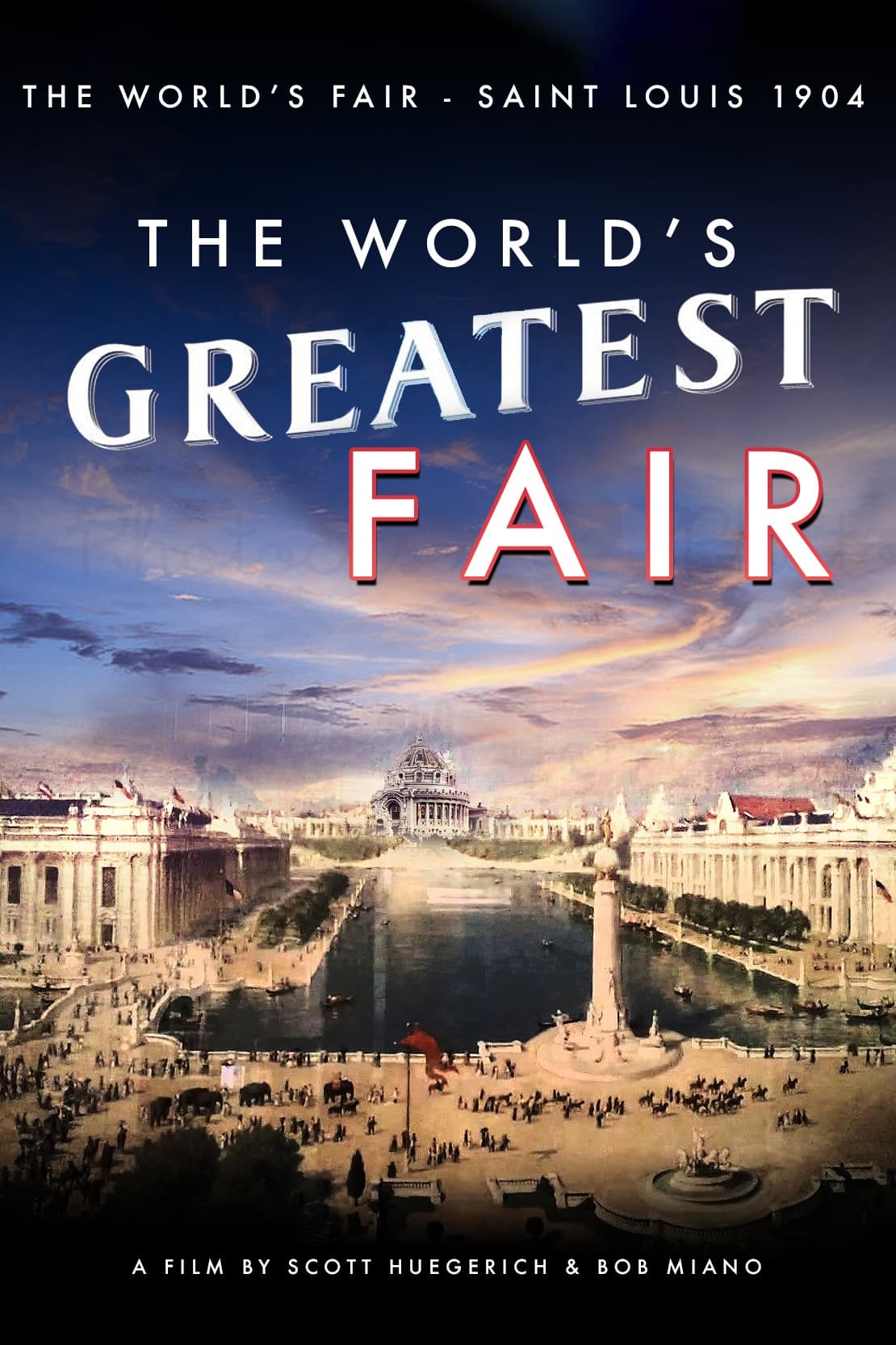
Uses first-person accounts from Missourians who went to the Fair in 1904, interviews with historians, archival motion pictures, and photographs to situate the St. Louis Fair in the social, political, and cultural context of American society in 1904. Covers American civilization at the turn of the century; the representation of history; authenticity; modernity; dress and body language; oral history and childhood memories; world fairs as experiences; and receiving information through visual symbols, words, and exhibits.
A collection of twenty short films, averaging 2-3 minutes, by various filmmakers depicting American life, intended to be shown in a continuous loop at the American Pavilion of the 1958 Brussels World’s Fair. Some releases of the film include ten extra minutes of rough cuts.
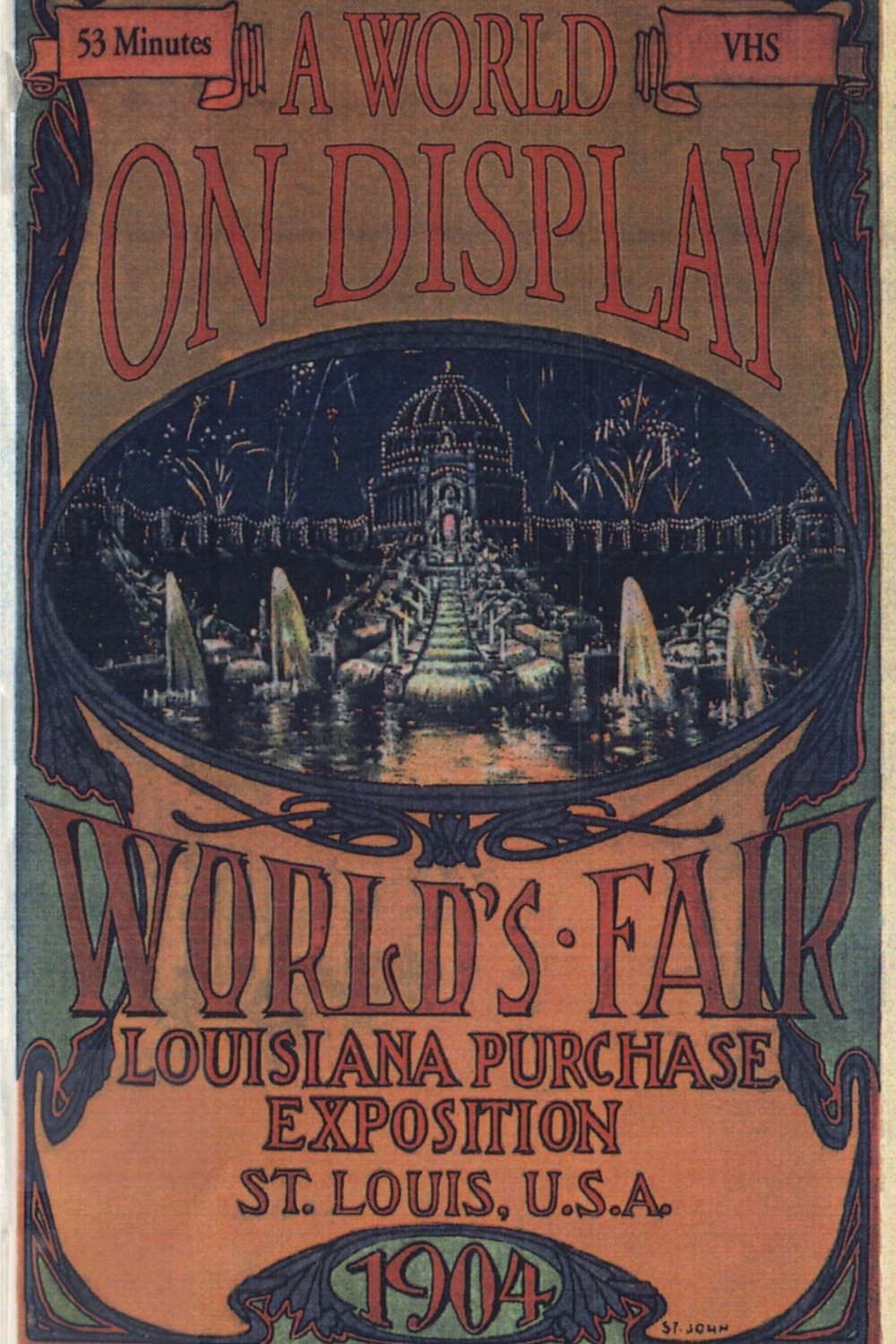
An intimate and unique look at the 1904 World's Fair in St. Louis told in the words of those who were there to experience it firsthand. With a wide range of events and attractions that included the first ever Olympic games on American soil, the first Ferris wheel, and a special appearance by the legendary Geronimo, this remarkable and extravagant fair would mark the beginning to what President Theodore Roosevelt would refer to as "the American century."
Made for screening at the U.S. Pavilion at the 1974 World's Fair in Spokane Washington, USA, which had a Native-American environmental theme, MAN BELONGS TO THE EARTH depicts the history of air, water, and earth pollution, and how environmentalists are trying to solve these problems using various technologies.
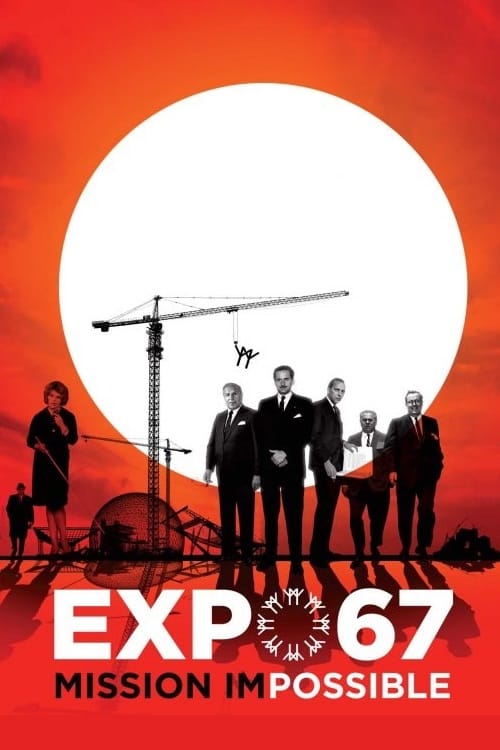
This documentary let us to relive the challenge of the men behind the 1967 Universal Exposition in Montréal, Canada. By searching trough 80,000 archival documents at the national Archives, they managed to bring light on one of the biggest logistical and political challenges that were faced by organizers during the "Révolution Tranquille" in the Québec sixties. Includes the accounts of the Chief of Advertising Yves Jasmin, and businessman Philippe de Gaspé Beaubien.
Promotional film extolling the wonders to be seen at the New York World's Fair.
Make No Little Plans: Daniel Burnham and the American City reveals the fascinating life and complex legacy of architect and city planner Daniel Hudson Burnham. In the midst of the late nineteenth century urban disorder, Burnham offered a powerful vision of what a civilized American city could look like, one that provided a compelling framework for Americans to make sense of the world around them. A timely, intriguing story in the American experience, Make No Little Plans explores Burnham's impact on the development of the American city as debate continues today about what urban planning means in a democratic society.
How can the masses be controlled? Apparently, the American publicist Edward L. Bernays (1891-1995), a pioneer in the field of propaganda and public relations, knew the answer to such a key question. The amazing story of the master of manipulation and the creation of the engineering of consent; a frightening true story about advertising, lies and charlatans.
A visit to the "Indians of Canada" pavilion at Expo 67, Montréal. Inside there are Indigenous artifacts, but even more arresting are the printed placards that tell the story of the Indigenous peoples in North America, written without rancor but recalling what their contact with European settlers has cost in freedom of movement, in loss of land, and in loss of health of body and spirit.
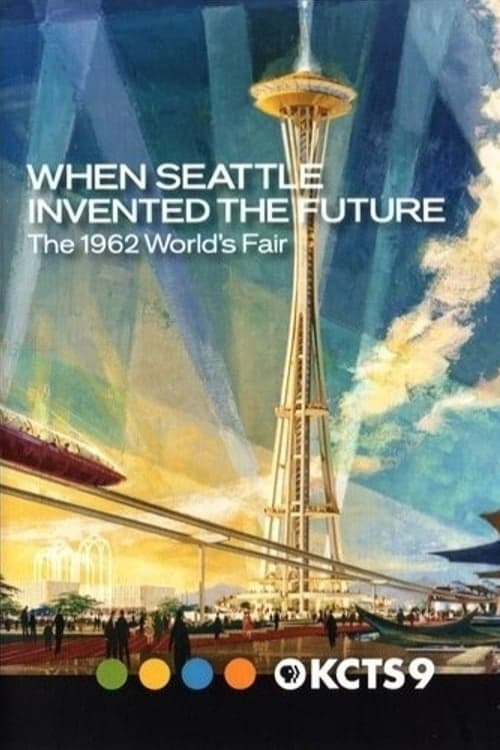
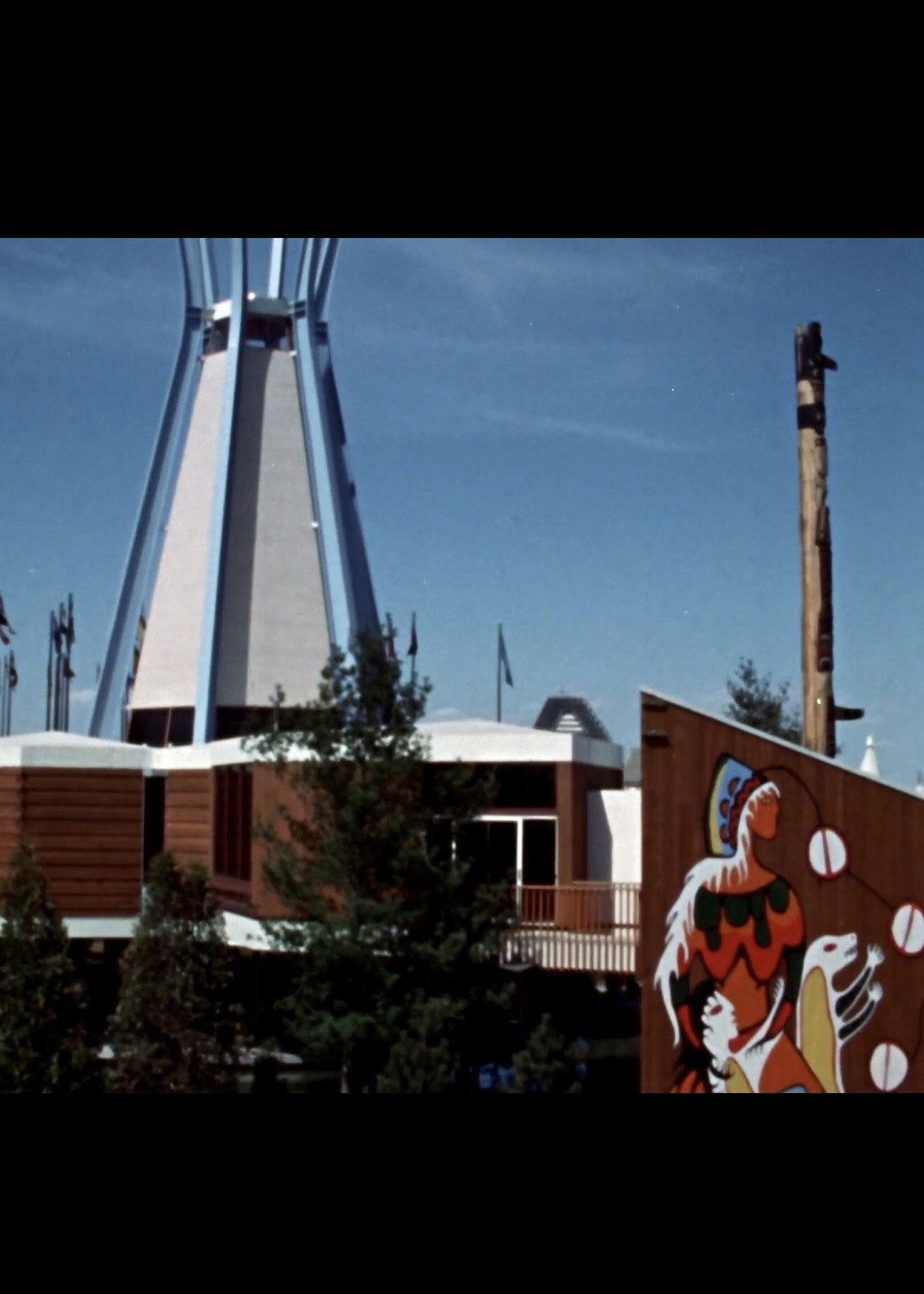
Historical photographs and film of the 1962 Seattle World's Fair bring this documentary to life. Seattle's business, civic and cultural leaders and longtime residents tell of the excitement and ambition the Fair ignited.
Created for the 1982 World's Fair, ENERGY! ENERGY! takes us in spectacular leaps from 17th century, where muscle power was the principle energy source, through the early use of wind and water mills, and we experience the coming of the Industrial Revolution, the steam engine, and the motor car. The film portrays the vitality and the problems of our modern technological society and our dependence upon fossil fuels while it explores dramatic new possibilities for the future.
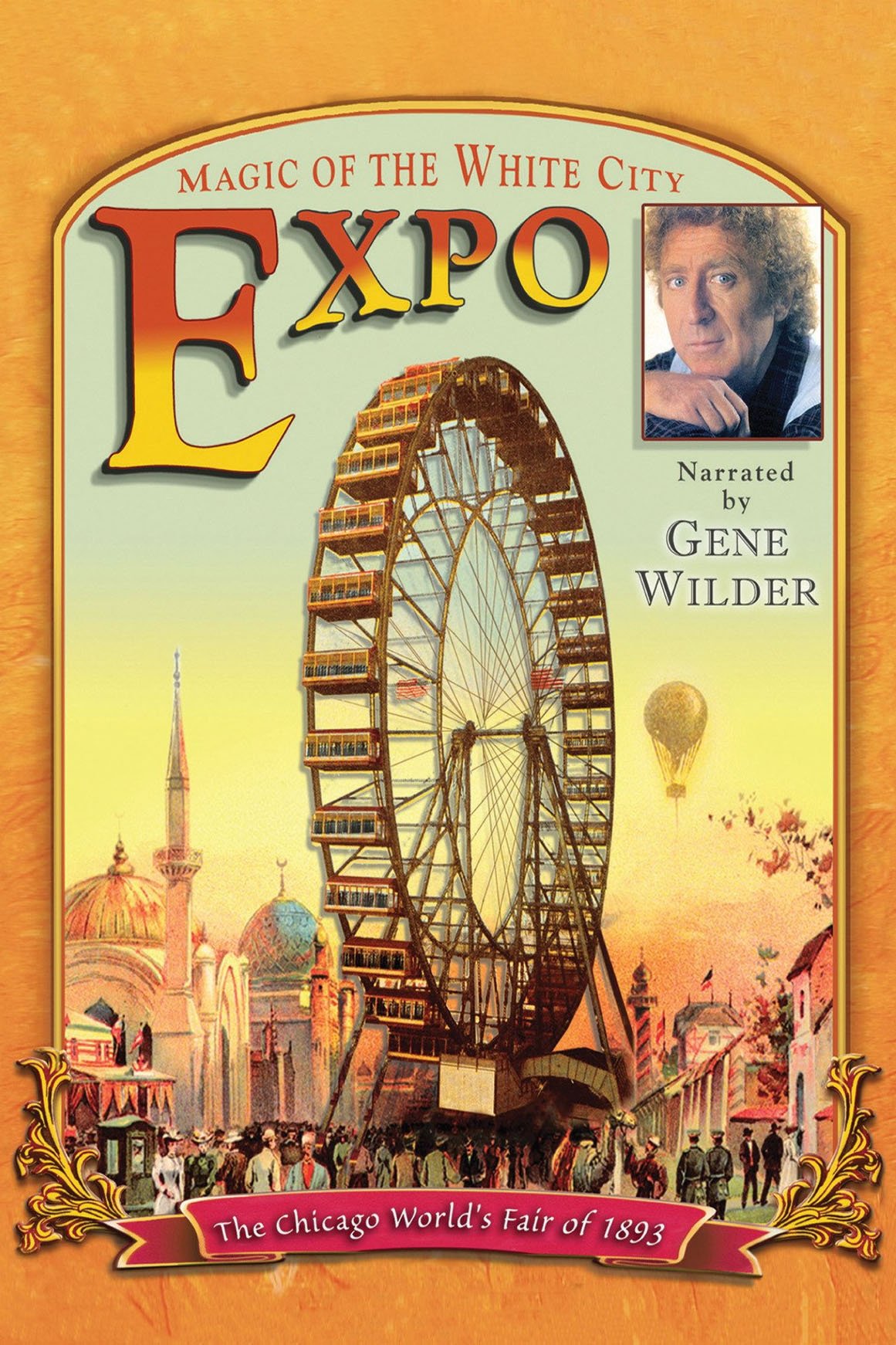
Explore the world of 1893 through a cinematic visit to Chicago's Columbian Exposition. Many of the world's greatest achievements in art, architecture, science, technology and culture are unveiled there. The grounds were designed by Frederick Law Olmsted, famous for his design of New York City's Central Park, and constructed under the supervision of Daniel Burnham. The Fair was an engineering marvel. On opening day, President Grover Cleveland depressed a golden telegraph key which sent the first courses of electricity throughout the Fair powering fountains, machines, electric railways and thousands of lights. It was the first use of electricity on such a massive scale. Nearly 28 million visit the "White City," which inspires future innovators like Henry Ford, Walt Disney and Frank Lloyd Wright, and debuts the Ferris Wheel and Cracker Jack.
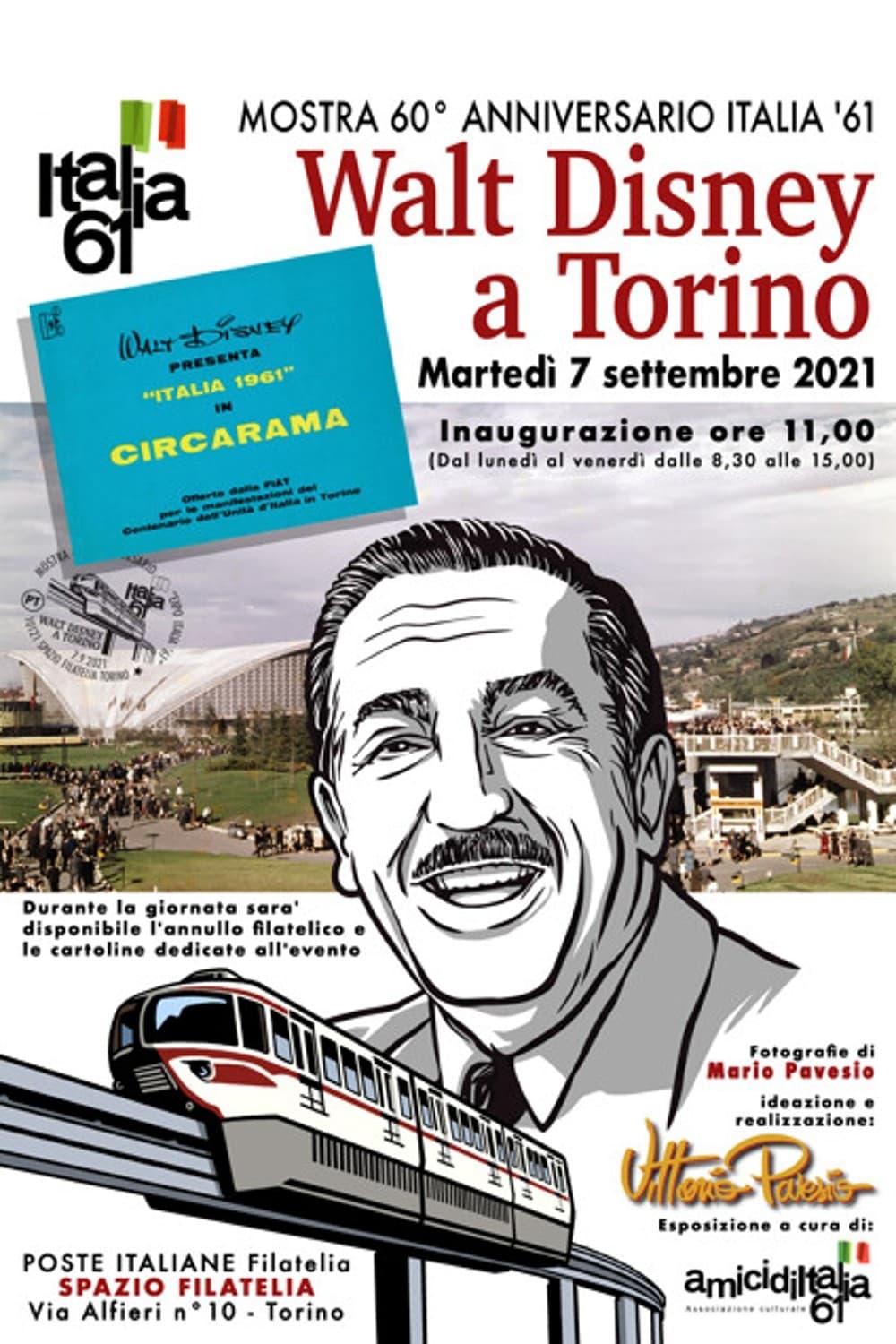
In 1961 Turin celebrated the centenary of the Italian unity with a large exposition which lasted from May till October of that year. One of the most popular exhibits was the 28 minute documentary ITALIA ´61 IN CIRCARAMA which was produced by the Walt Disney company and sponsored by the Italian automobile manufacturer Fiat. The spectacular views of this Cinerama tour of Italy (filmed with nine cameras) impressed more than two million visitors during the entire duration of that Turin Expo.
In 1915-16, San Diego's Balboa Park was the scene of an exposition to mark completion of the Panama Canal. This film takes us through the exposition: from the Cabrillo bridge and a panoramic view of the site, to the facades of the California Building, Horticultural Building, Panama Canal Exhibit, and the reproduction of the locks at Gatuna. We see tourists on the isthmus and a crowd outside the Panama Film Company's exhibit of how movies are made. We watch the feeding of fish at the laguna, and we end at the Plaza de Panama where toddlers are surrounded by pigeons. Fatty Arbuckle makes a brief appearance outside the Panama Film exhibit. Titles give us each structure's cost.
A documentary short on Disney's 'Tomorrow Land' DVD.
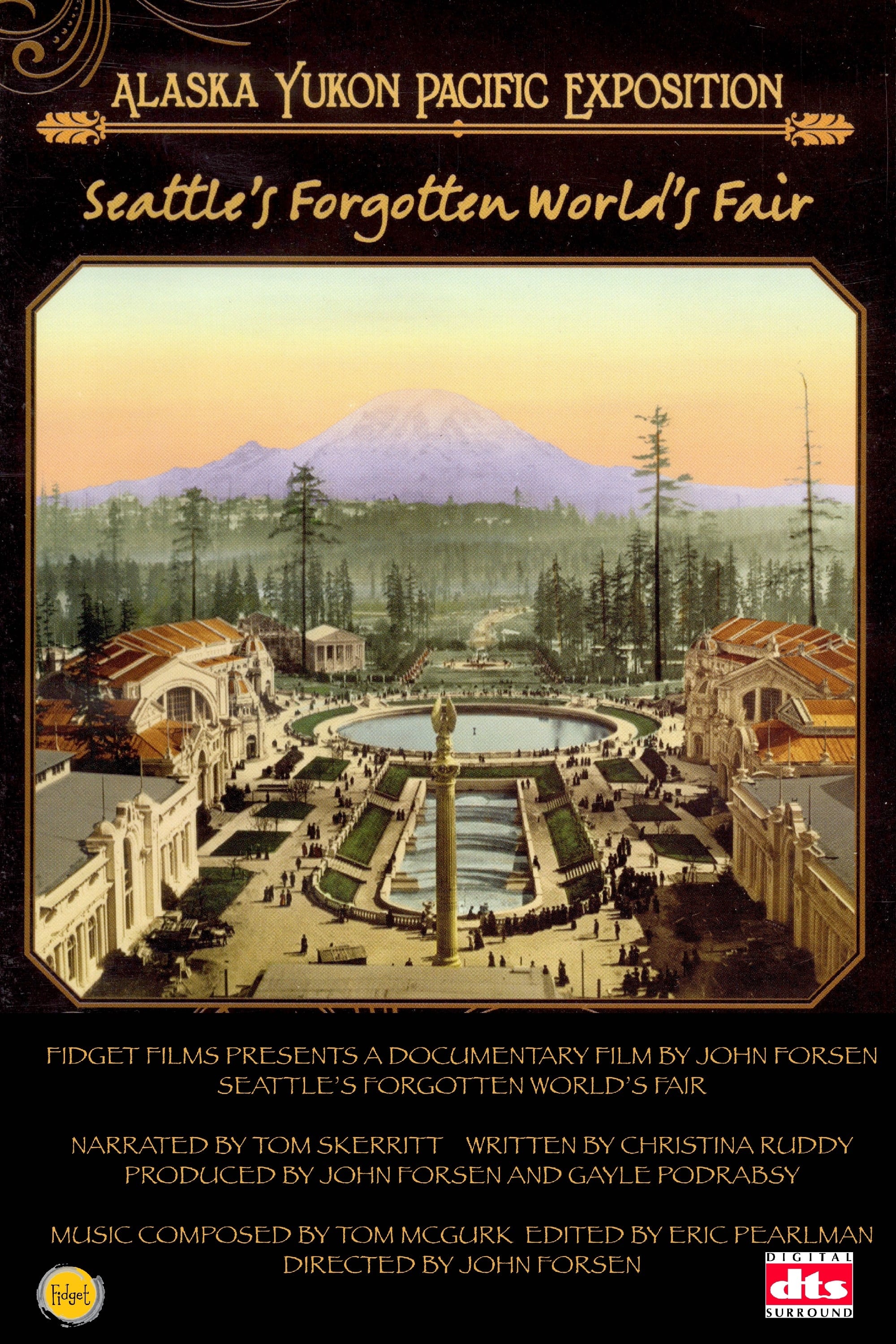
In 1909, looking to shed its rough frontier past, the young city of Seattle decided to host a World’s Fair in the same grand spirit as those that preceded it in Chicago and St. Louis. Seattle welcomed the world to the University of Washington campus where visitors walked among palaces, saw new inventions that would change the world, and mined for mirth on the Paystreak - AYP’s Midway. Featuring thousands of historical images, rare archival footage, and contemporary interviews, the film explores the fair’s historical reverberations.
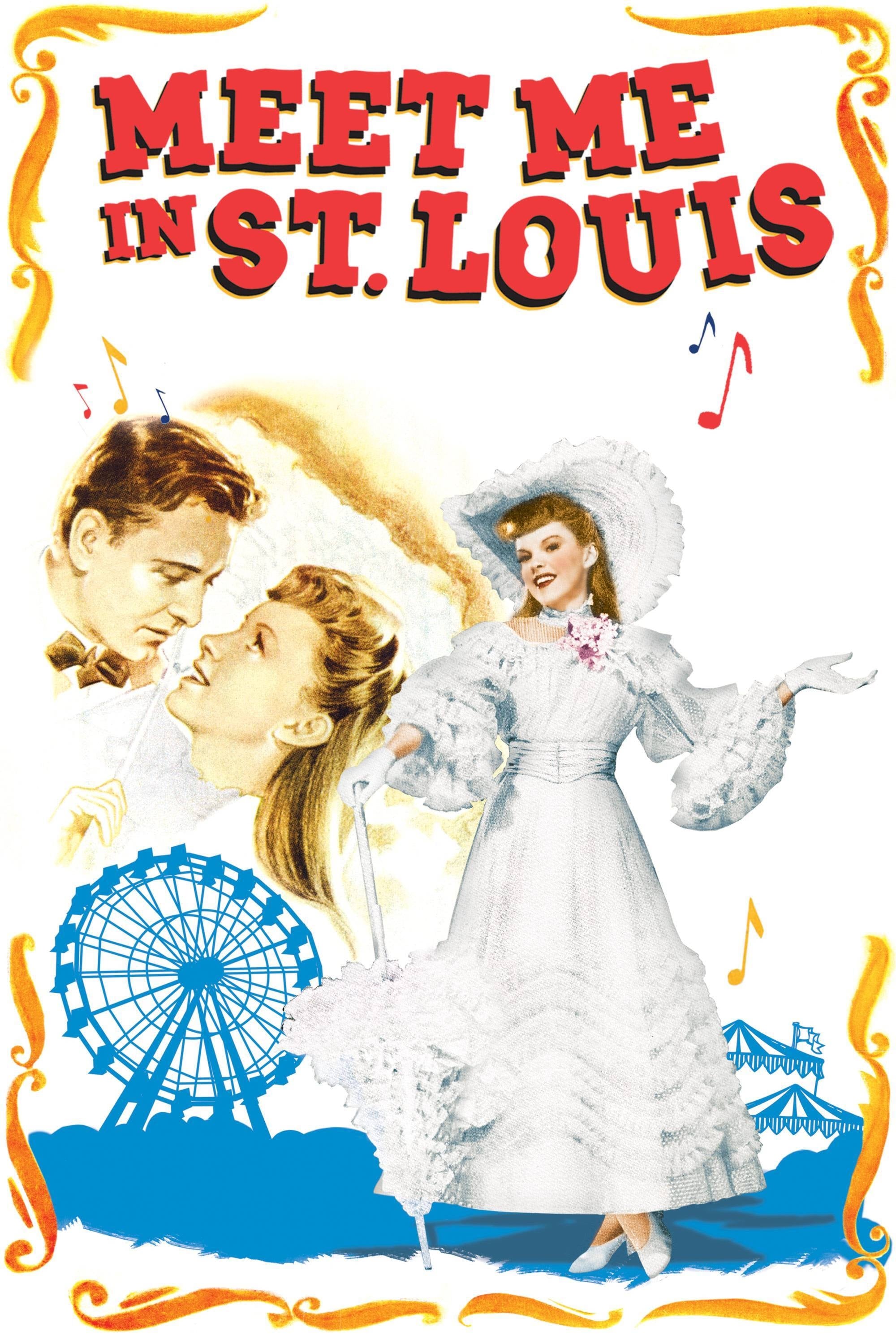
A year in the life of a turn-of-the-century middle class family, leading up to the opening of the 1904 St. Louis World's Fair.
Father sells his drugstore and the Jones family heads for New York to enjoy sophisticated city life. They lose all their money before deciding to go back home.
The French government is asking Gustave Eiffel to design something spectacular for the 1889 Paris World Fair, but he simply wants to design the subway—until he crosses paths with a mysterious woman from his past.
Daniel Craig candidly reflects on his 15 year adventure as James Bond. Including never-before-seen archival footage from Casino Royale to the upcoming 25th film No Time To Die, Craig shares his personal memories in conversation with 007 producers, Michael G Wilson and Barbara Broccoli.
Through deeply personal interviews with her siblings and an examination of the photographs, letters, and belongings left behind, Mariska assembles a new portrait of her mother Jayne Mansfield, an extraordinary and complex woman.
Martin Scorsese's documentary intertwines footage from The Band's incredible farewell tour with probing backstage interviews and featured performances by Eric Clapton, Bob Dylan, Joni Mitchell, Van Morrison, and other rock legends.

A backstage and on-stage look at Justin Bieber during his rise to super stardom.
Giving fans unprecedented access to the real life of the music sensation, Katy Perry: Part of Me exposes the hard work, dedication and phenomenal talent of a girl who remained true to herself and her vision in order to achieve her dreams. Featuring rare behind-the-scenes interviews, personal moments between Katy and her friends, and all-access footage of rehearsals, choreography, Katy’s signature style and more, Katy Perry: Part of Me reveals the singer’s unwavering belief that if you can be yourself, then you can be anything.
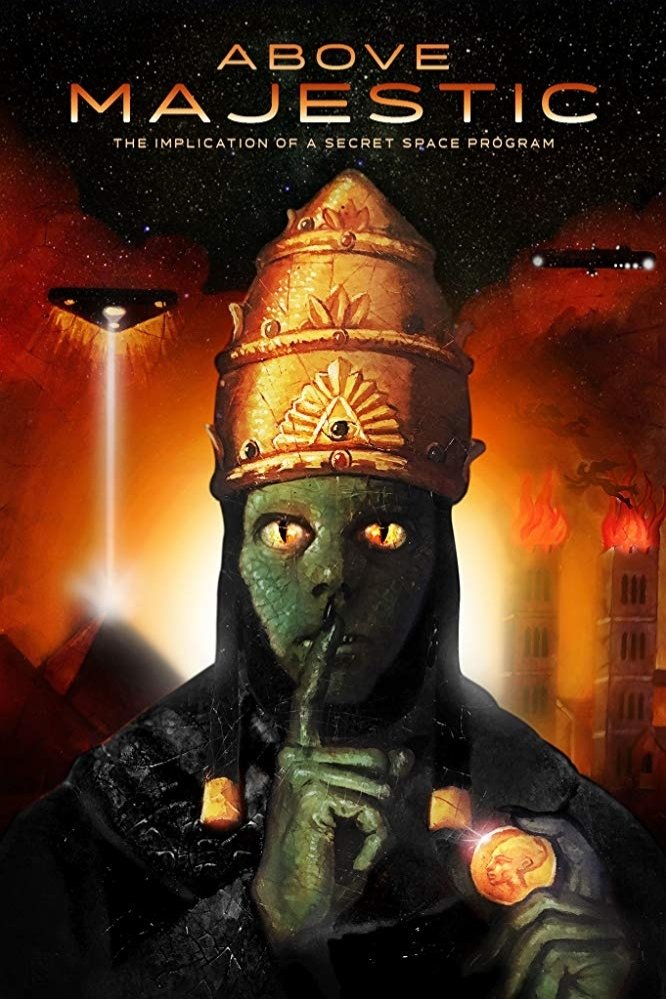
A look at the origins, history and conspiracies behind the "Majestic 12", a clandestine group of military and corporate figureheads charged with reverse-engineering extraterrestrial technology.
Lupita Nyong'o narrates a documentary about Peanuts and its creator, Charles M. Schulz. Famous fans—including Drew Barrymore, Kevin Smith, and Al Roker—share its influence on them, and a new animated story finds Charlie Brown on a quest.
The film follows adventurer Jeff Johnson as he retraces the epic 1968 journey of his heroes Yvon Chouinard and Doug Tompkins to Patagonia.
Prelude to War was the first film of Frank Capra's Why We Fight propaganda film series, commissioned by the Pentagon and George C. Marshall. It was made to convince American troops of the necessity of combating the Axis Powers during World War II. This film examines the differences between democratic and fascist states.
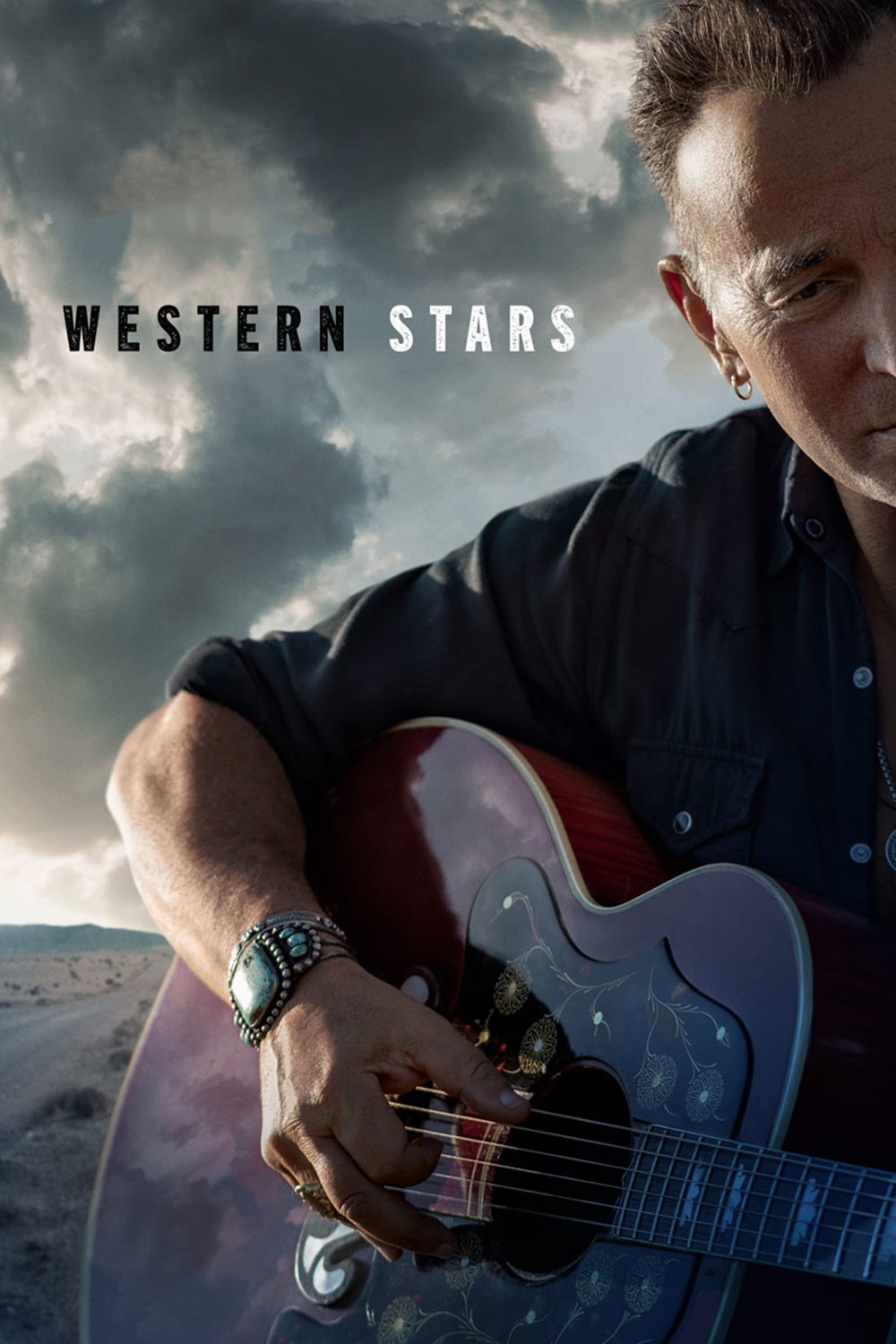
The incomparable Bruce Springsteen performs his critically acclaimed latest album and muses on life, rock, and the American dream, in this intimate and personal concert film co-directed by Thom Zimny and Springsteen himself.
A concert film documenting Talking Heads at the height of their popularity, on tour for their 1983 album "Speaking in Tongues." The band takes the stage one by one and is joined by a cadre of guest musicians for a career-spanning and cinematic performance that features creative choreography and visuals.
The life and career of an actor, artist, and icon. His own journey through his own camera.
A documentary that explores the downloading revolution; the kids that created it, the bands and the businesses that were affected by it, and its impact on the world at large.
Filmed over nearly five years in twenty-five countries on five continents, and shot on seventy-millimetre film, Samsara transports us to the varied worlds of sacred grounds, disaster zones, industrial complexes, and natural wonders.
A documentary chronicling Queen and Lambert's incredible journey since they first shared the stage together on "American Idol" in 2009.
When a cross-section of seven-year-olds were interviewed for 7 Up in 1964 it was immediately evident that their social backgrounds influenced their attitudes towards life. While the upper class children were confident and self-assured, those from middle and working class backgrounds were resigned to a challenging life of hard work. This premise was put to the test every seven years when the same group were interviewed about the progression of their lives. 49 years in the making, the changes that occurred to the original 14 make for fascinating television and are in many ways the stories of all our lives. From success and disappointment, marriage and childbirth, to poverty and illness, nearly every facet of life has been captured on film. Now, at the age of 56, the group are once more brought together and, with the benefit of hindsight, assess whether their lives have been ruled by circumstance or self-determination.
The Captains is a feature-length documentary film written and directed by William Shatner. The film follows Shatner as he interviews the other actors who have portrayed starship captains in the Star Trek franchise.
Al Pacino's deeply-felt rumination on Shakespeare's significance and relevance to the modern world through interviews and an in-depth analysis of "Richard III."
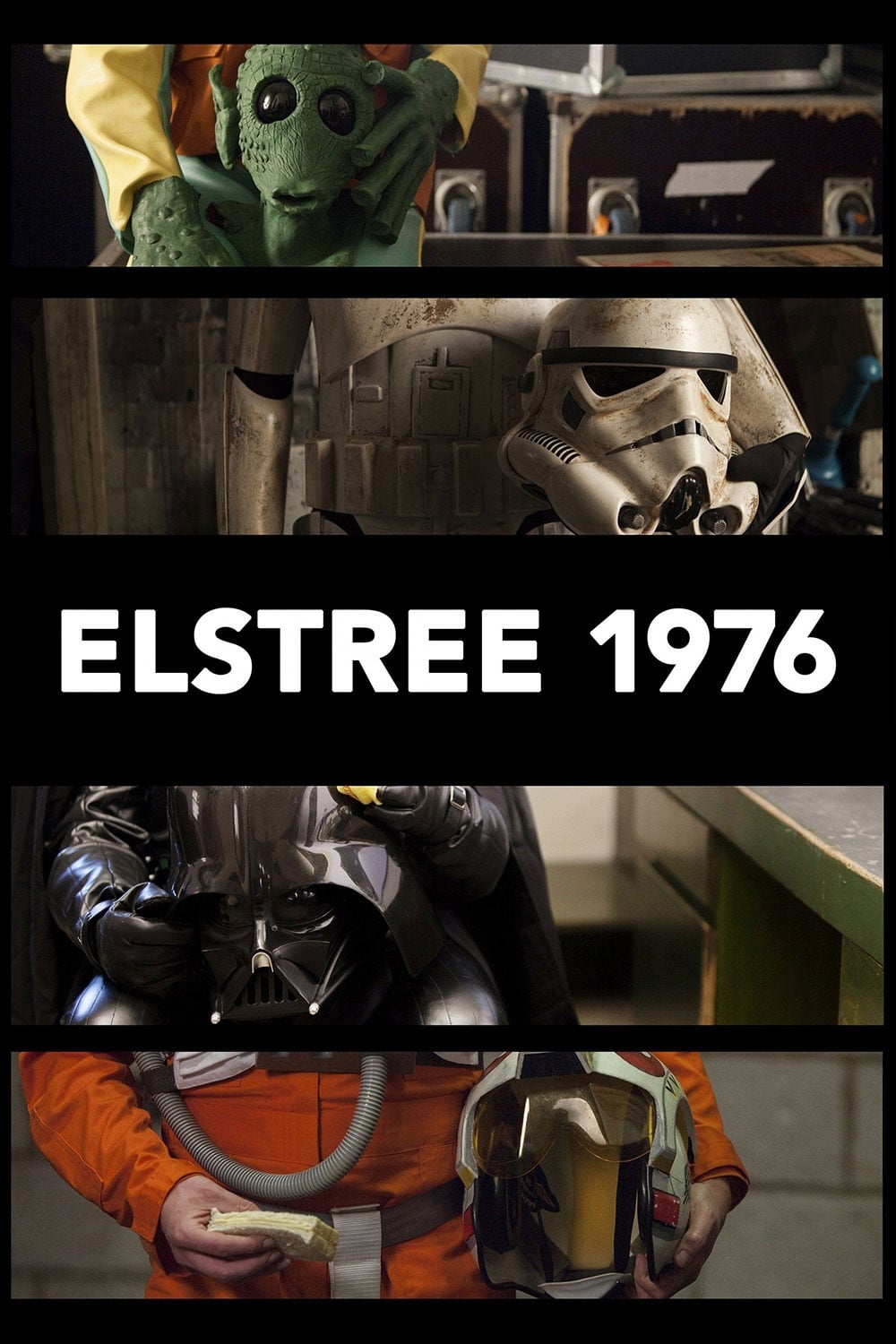
A documentary about ten very different lives connected by having appeared onscreen wearing masks or helmets in Star Wars.
Using the book 'Fragments', which collects Marilyn Monroe's poems, notes and letters, and with participation from the Arthur Miller and Truman Capote estates who have contributed more material, each of the actresses will embody the legend at various stages in her life.