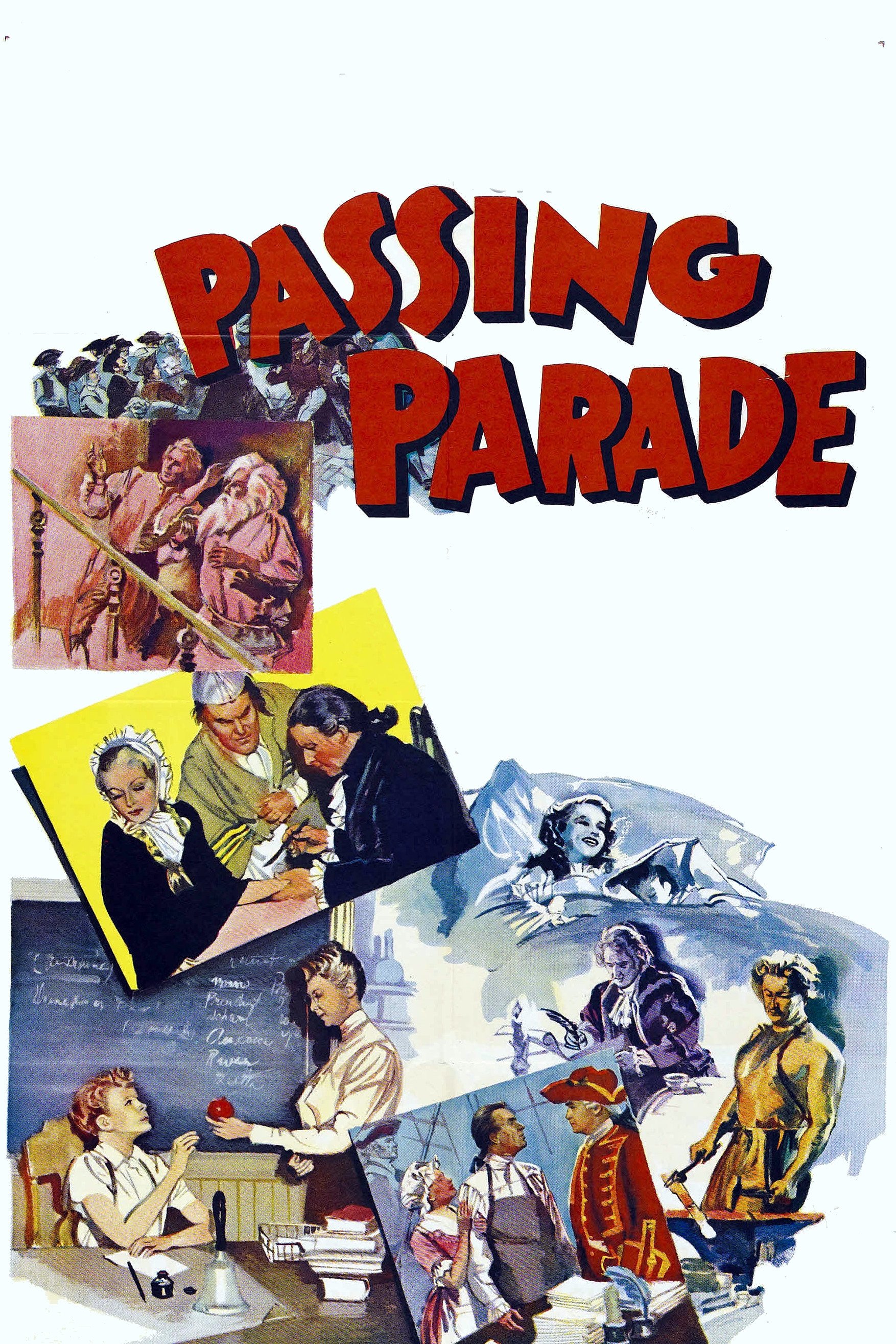
This MGM Passing Parade series short recounts how English chemist John Walker invented the wooden friction match during the 1820s.
Social & External
Narrator (voice)
John Walker (uncredited)
Mrs. John Walker (uncredited)
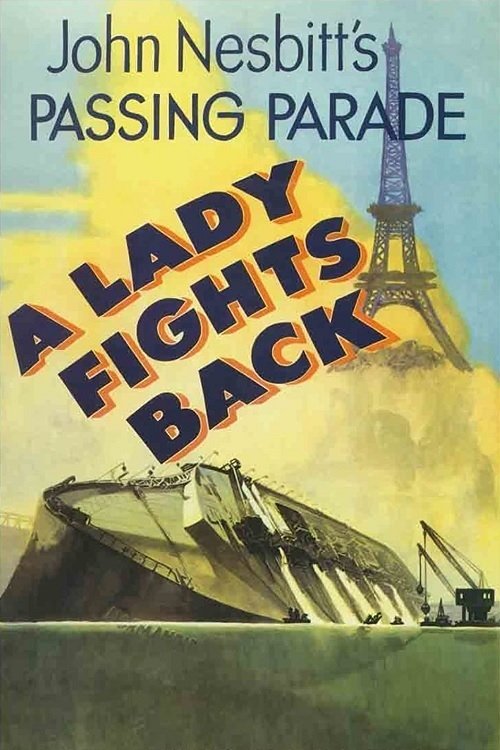
The saga of the Normandie is recounted from her life as a luxury liner, the horrific fire that nearly destroyed her, and her resuscitation to join in the war effort. A John Nesbitt's Passing Parade short.
The Great Kantō Earthquake is said to be the worst natural disaster in the history of Japan. When disaster struck on September 1st, 1923, a woman called Nobu managed to survive by fleeing desperately all while caring for her two small children. What did she see? What actions did she take? Her decision making during her evacuation is still relevant in present day and can help shed light on what actions to take to save your life should a large disaster strike without warning.
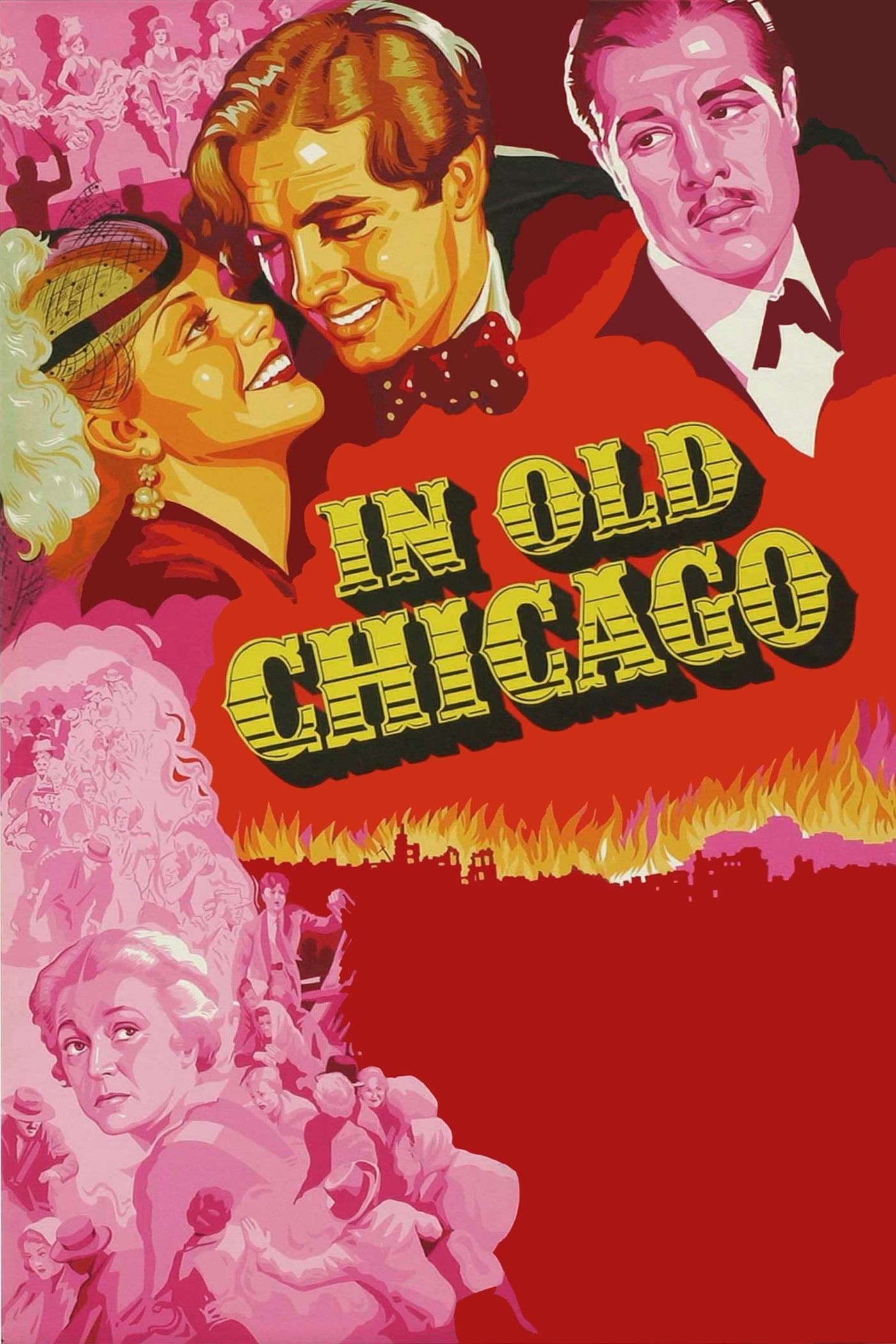
The O'Leary brothers -- honest Jack and roguish Dion -- become powerful figures, and eventually rivals, in Chicago on the eve of its Great Fire.
This John Nesbitt's Passing Parade short tells the story of John Peter Zenger, who in Colonial New York was tried for sedition based on what he printed in his newspaper.
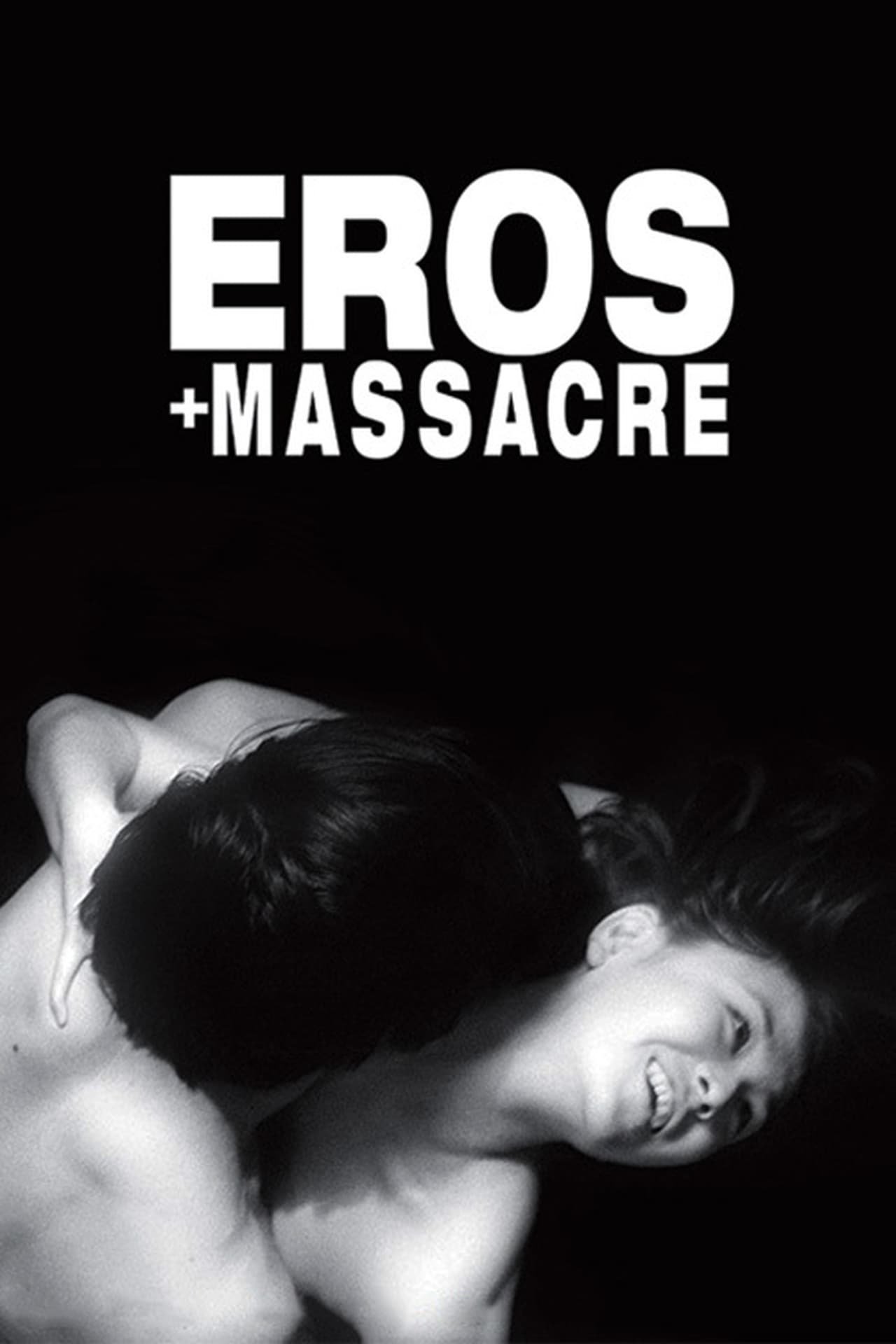
Two interwoven stories. The first is a biography of anarchist Sakae Osugi which follows his relationship with three women in the 1920s. The second centers around two 1960s students researching Osugi's theories.
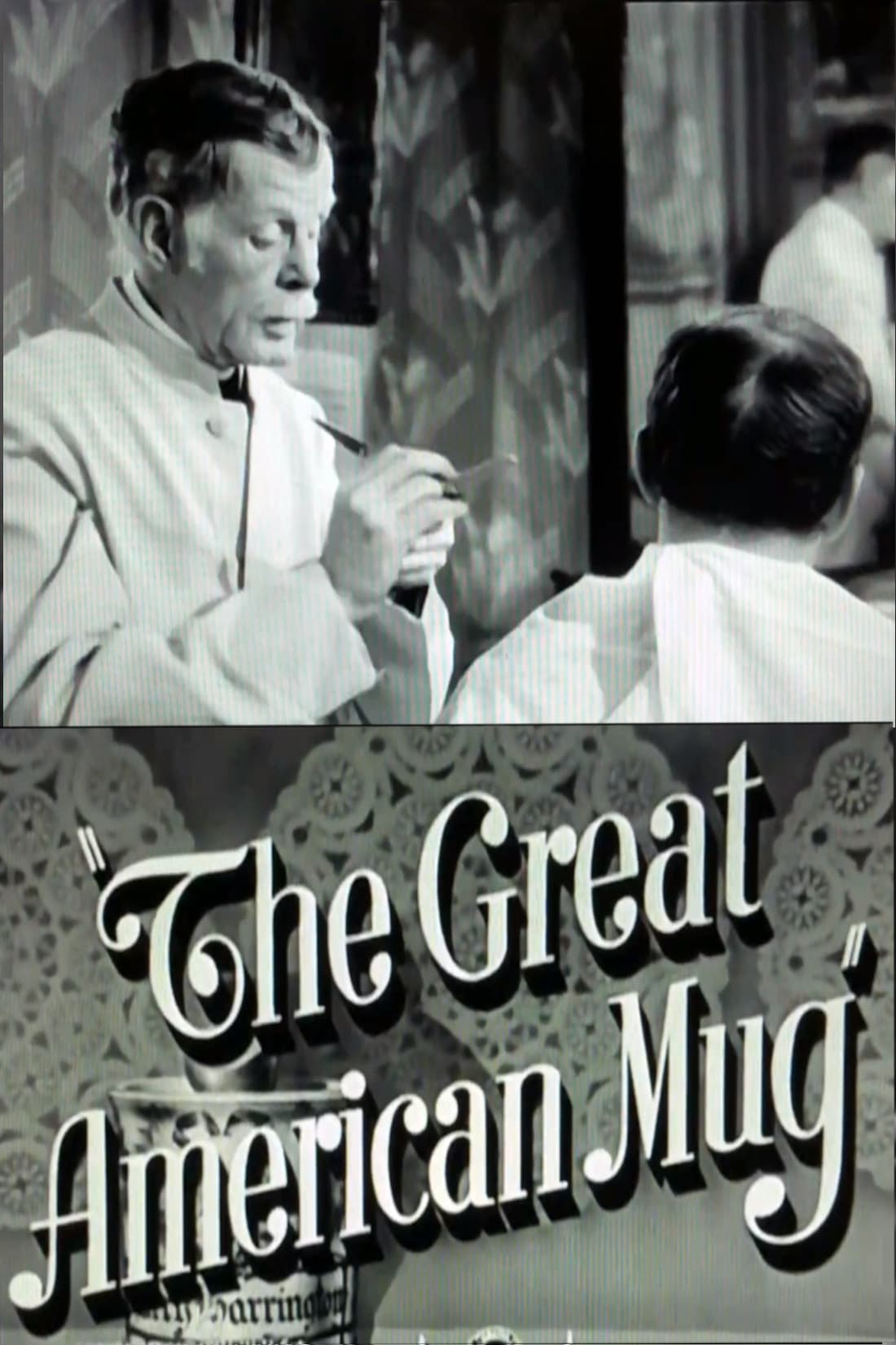
This John Nesbitt's Passing Parade short takes a look at the typical American barbershop throughout the years.
The story of the Promethean struggles of Nikola Tesla, as he attempts to transcend entrenched technology—including his own previous work—by pioneering a system of wireless energy that would change the world.
This MGM John Nesbitt's Passing Parade series short tells the story of how a Mauser pistol used on the battlefield by Germans during WWII makes its way into the hands of an American gangster.
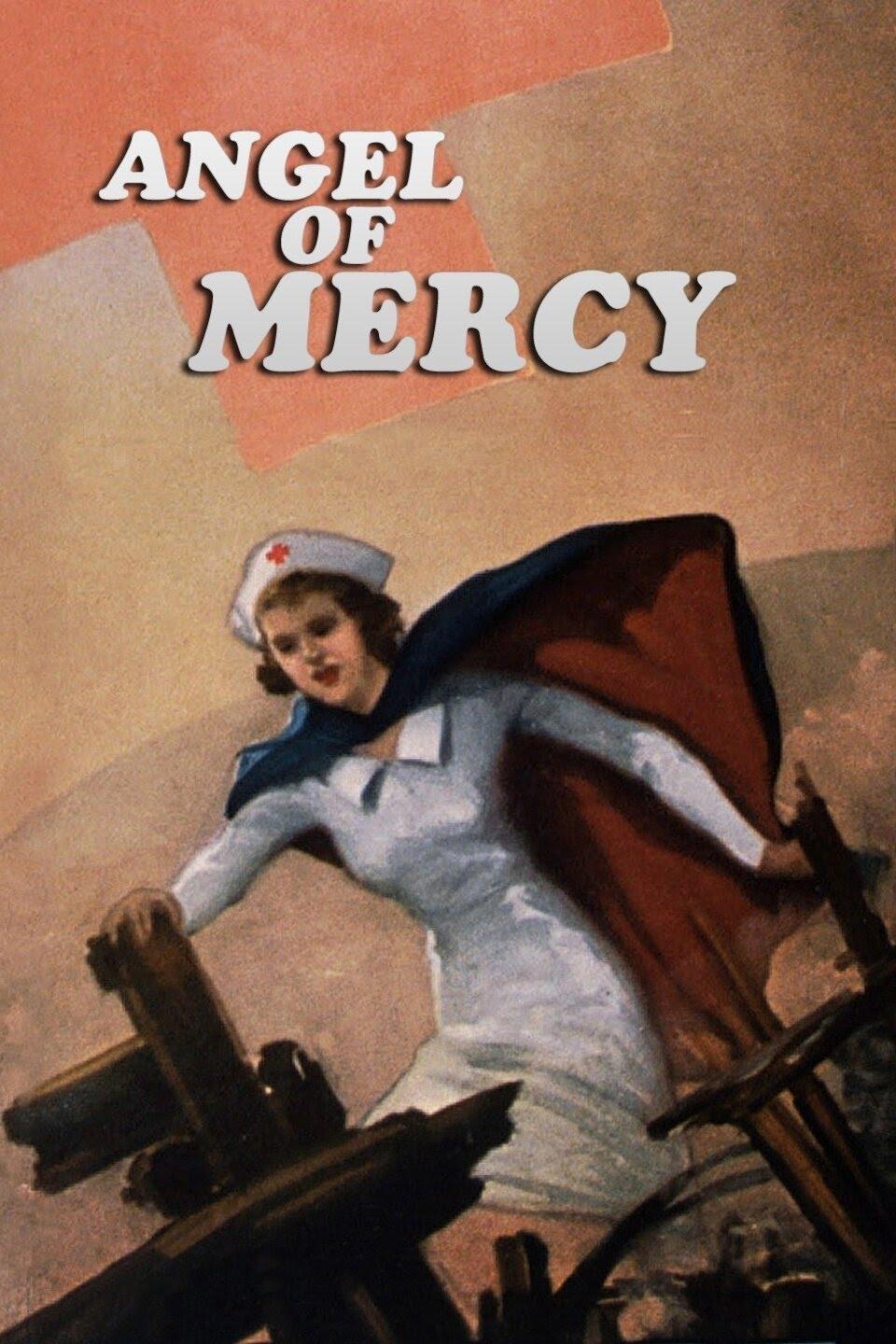
This MGM Passing Parade series short tells the story of Clara Barton, the founder of the Red Cross.
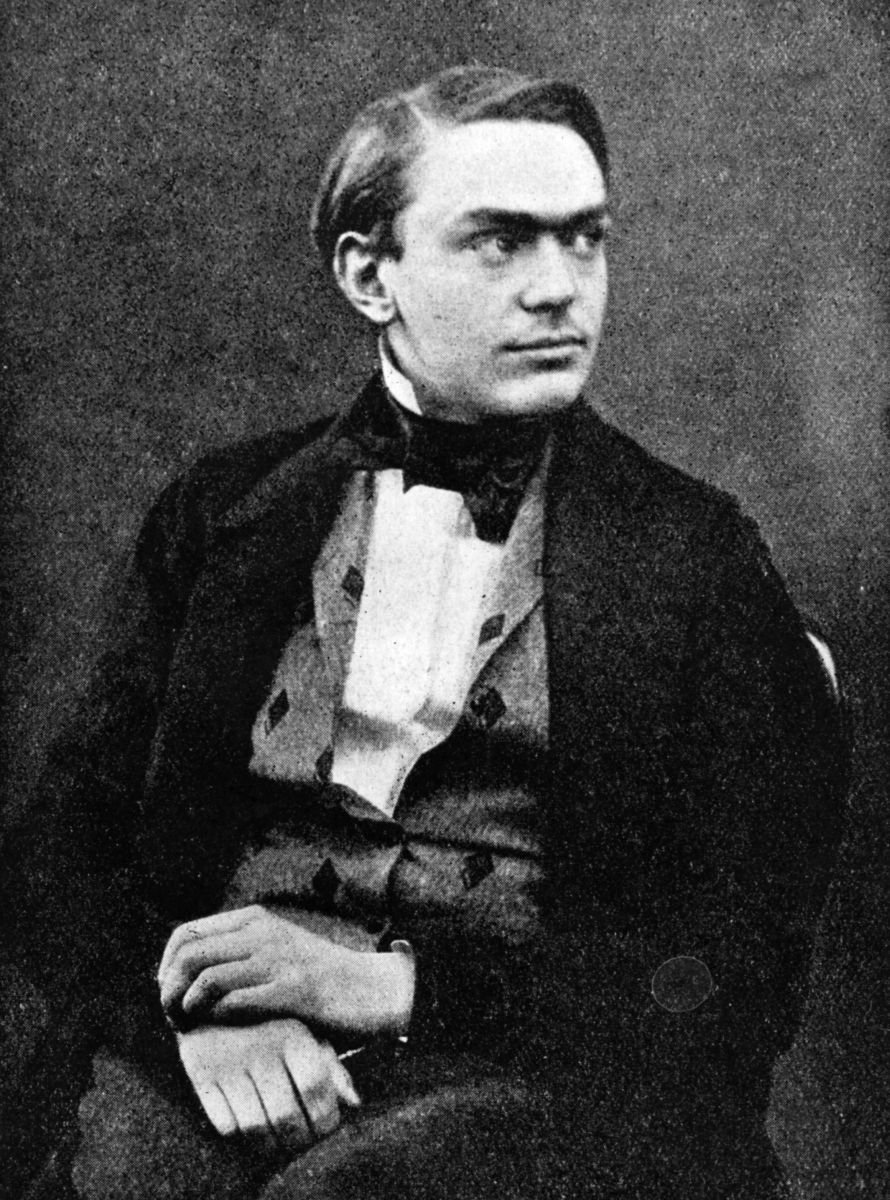
This John Nesbitt's Passing Parade short tells the story of Alfred Nobel, who invented dynamite, and later established the Nobel Prize.
Shows how important luck can be in a person's life.
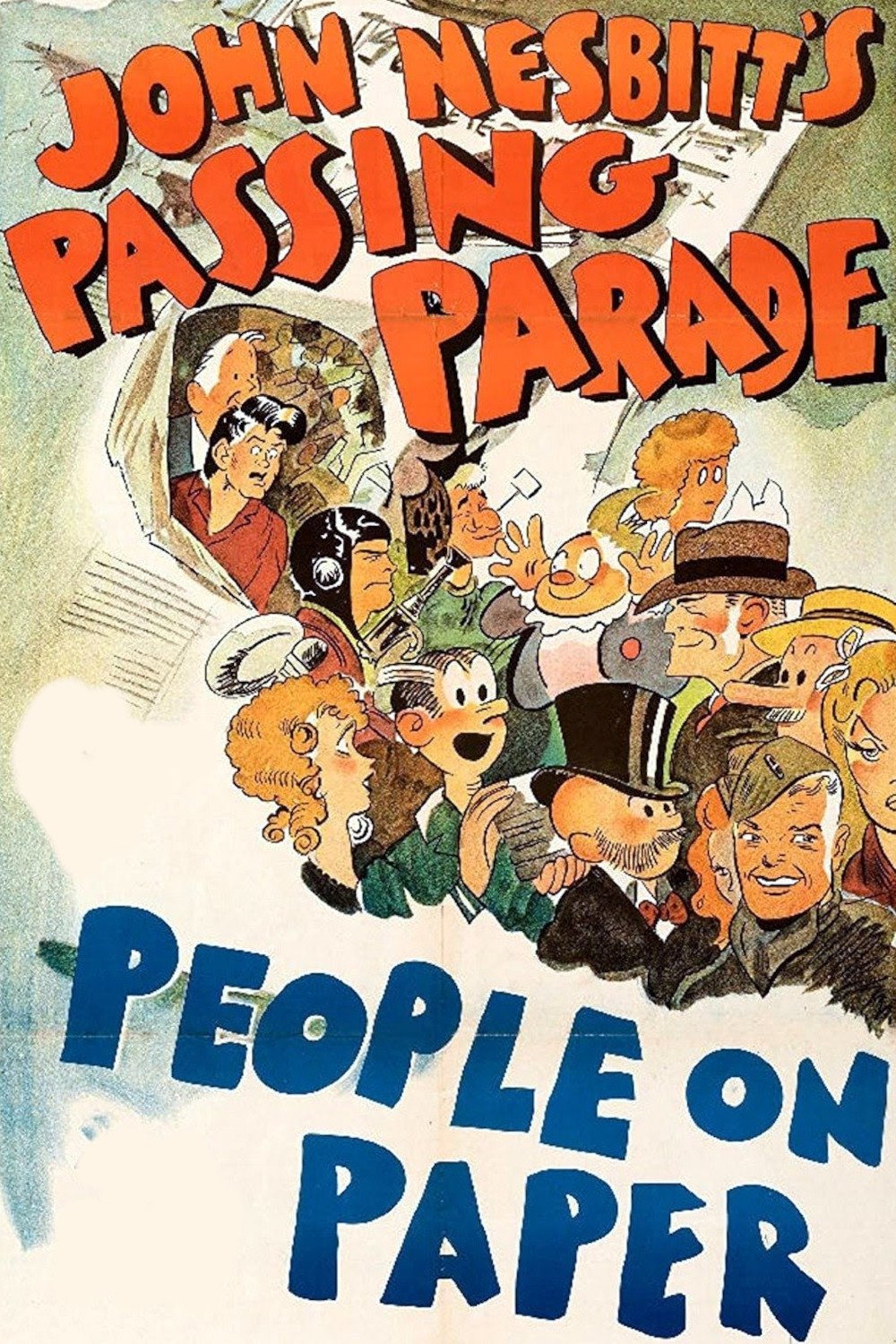
Americans are preoccupied with the news, but need an escape from many of the events reported in the news. These escapes in the past have included dime store novels. The most accessible of these escapes is what are known as the funny papers, the set of serialized comic strips that are included within many newspapers. They appeal to all socio-economic classes, and all ages. Some of the earliest known from the late 19th century include the Yellow Kid, Little Nemo, Happy Hooligan, the Katzenjammer Kids, Mutt & Jeff, and Bringing Up Father. Many cartoonists are seen in action. Some originated their characters, while others have taken over following the passing of the originator. The joy of many comic strips are the absurd and the fantastical, which are limited only by the imagination of the cartoonist. Others are grounded in reality, which add to their poignancy within the public mindset.
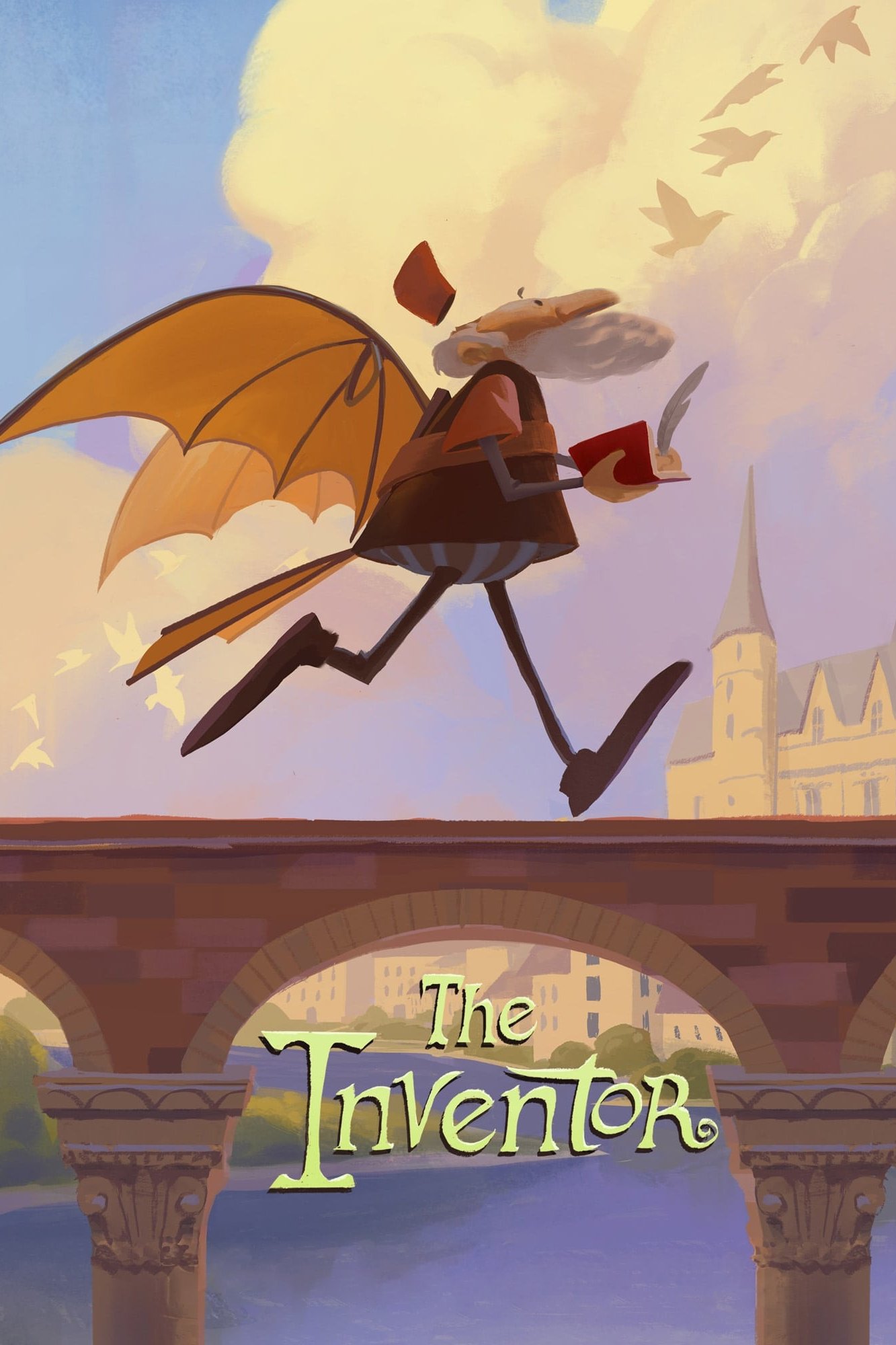
The insatiably curious and headstrong inventor Leonardo da Vinci leaves Italy to join the French court, where he can experiment freely, inventing flying contraptions, incredible machines, and study the human body. There, joined in his adventure by the audacious princess Marguerite, Leonardo will uncover the answer to the ultimate question – "What is the meaning of it all?"
In this John Nesbitt's Passing Parade short, a look is taken at the problems of film preservation efforts in the 1930s and early 1940s.
This John Nesbitt's Passing Parade series short highlights the film preservation efforts of the Museum of Modern Art in New York. Several scenes from early newsreels are shown.
Alexander Graham Bell falls in love with deaf girl Mabel Hubbard while teaching the deaf and trying to invent means for telegraphing the human voice. She urges him to put off thoughts of marriage until his experiments are complete. He invents the telephone, marries and becomes rich and famous, though his happiness is threatened when a rival company sets out to ruin him.
In 1895, Shivkar Bapuji Talpade constructs and flies India's first unmanned plane, despite having the odds stacked against him.
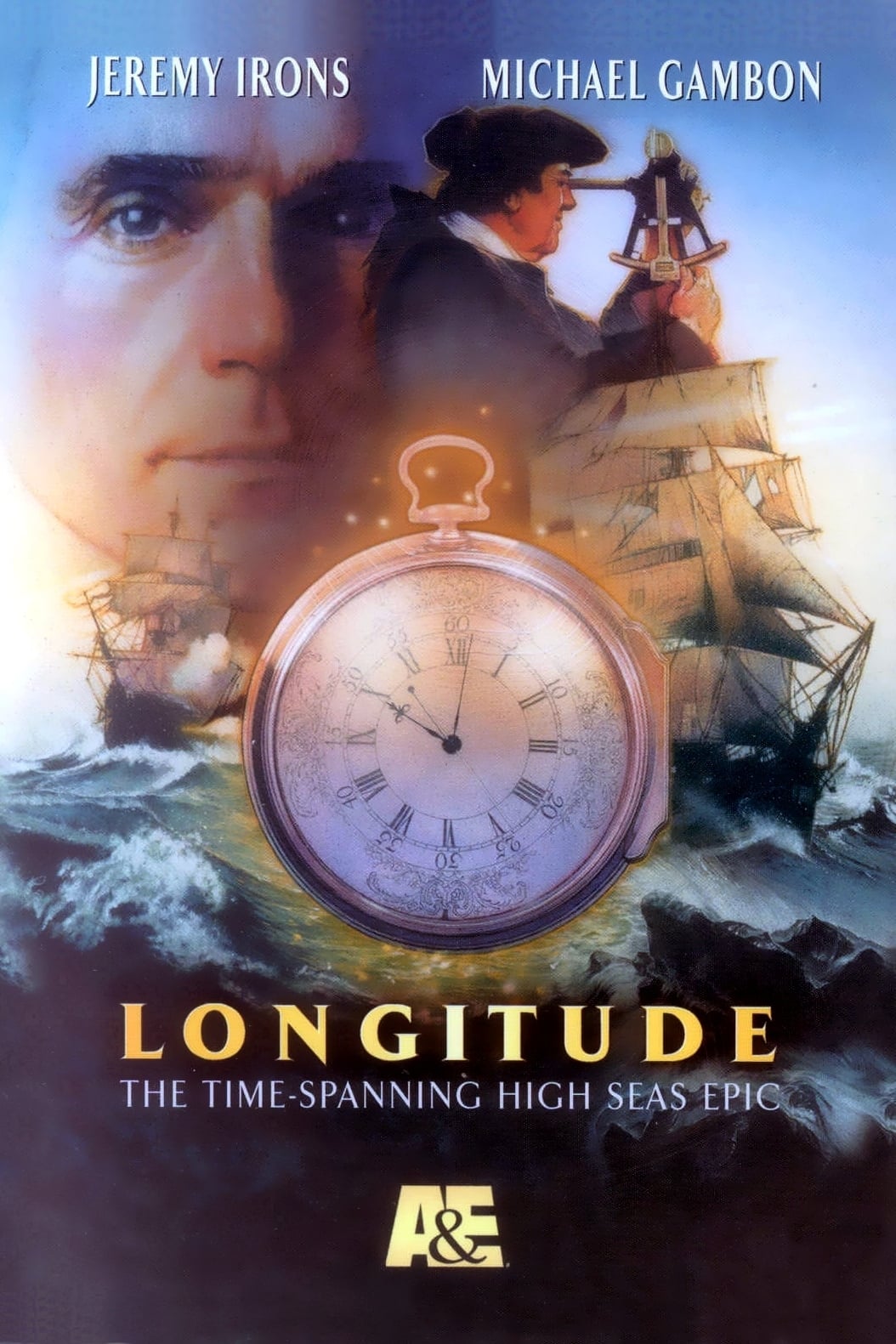
Parallel stories: 18th century Harrison builds the marine chronometer for safe navigation at sea; 20th century Gould is obsessed with restoring it.
Berlin, February 27, 1933. The Reichstag is in flames. A young Dutch unemployed man, Marinus van der Lubbe, was found alone in the building. For Hitler, it was a plot by the "Reds". One hundred thousand communists and sympathizers were arrested during the night and in the days that followed and locked up in the first Nazi concentration camps. In March, the Chancellor obtained full powers. On September 21, the trial opened in Leipzig, broadcast on the radio. For the Nazis and the Communists alike, van der Lubbe was the perfect scapegoat. On December 23, 1933, he was sentenced to death, while his four co-defendants were acquitted.
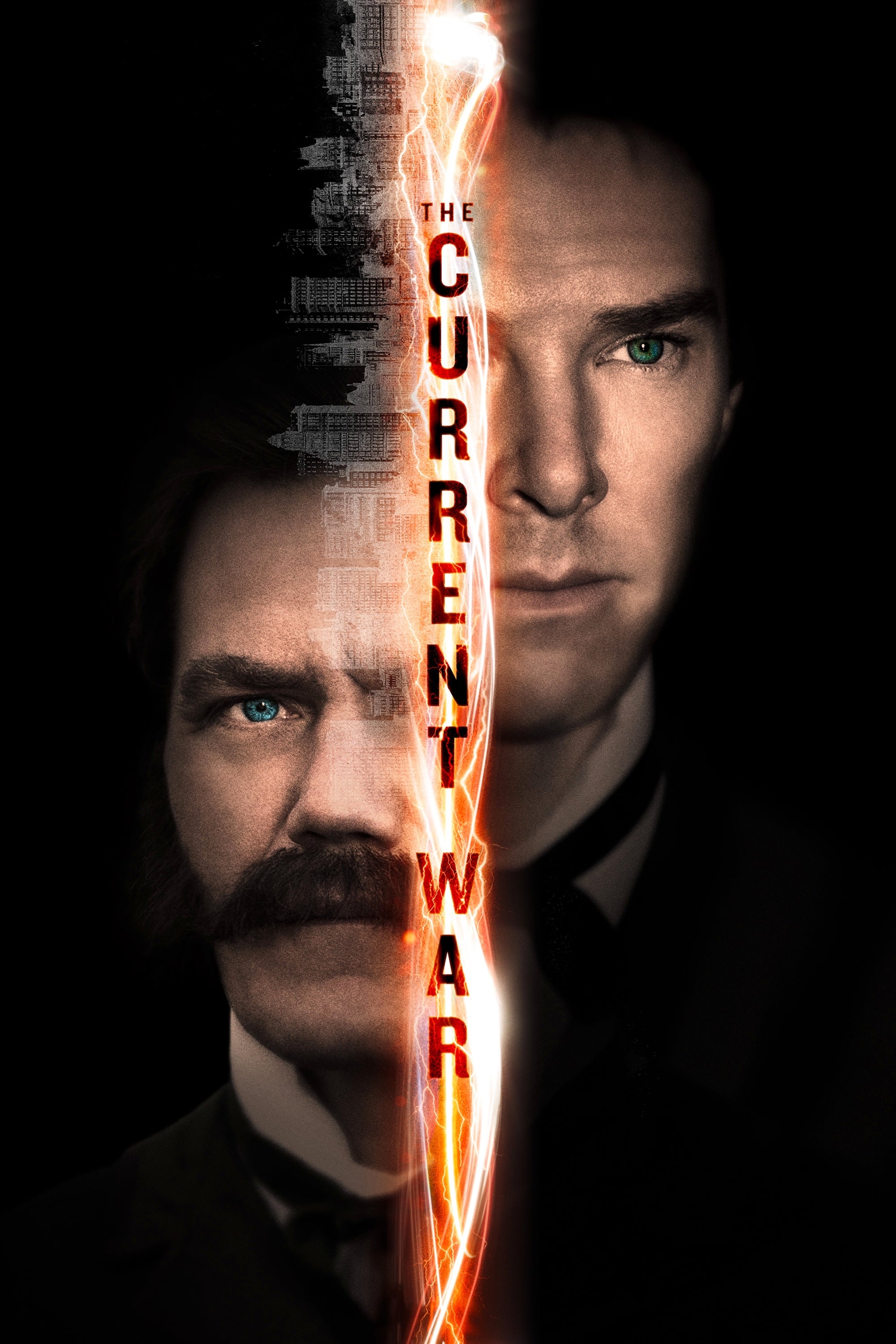
Electricity titans Thomas Edison and George Westinghouse compete to create a sustainable system and market it to the American people.
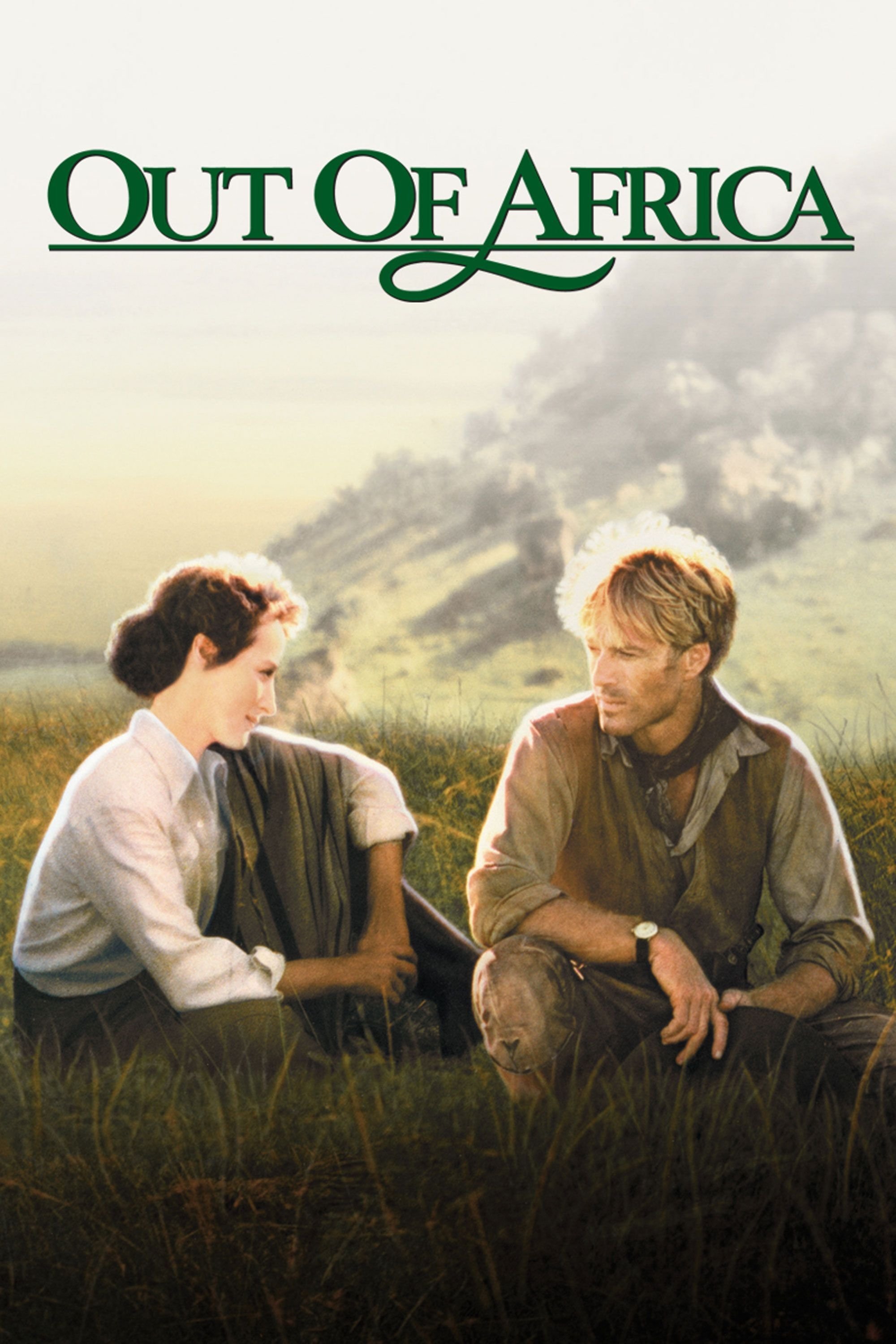
Tells the life story of Danish author Karen Blixen, who at the beginning of the 20th century moved to Africa to build a new life for herself. The film is based on her 1937 autobiographical novel.
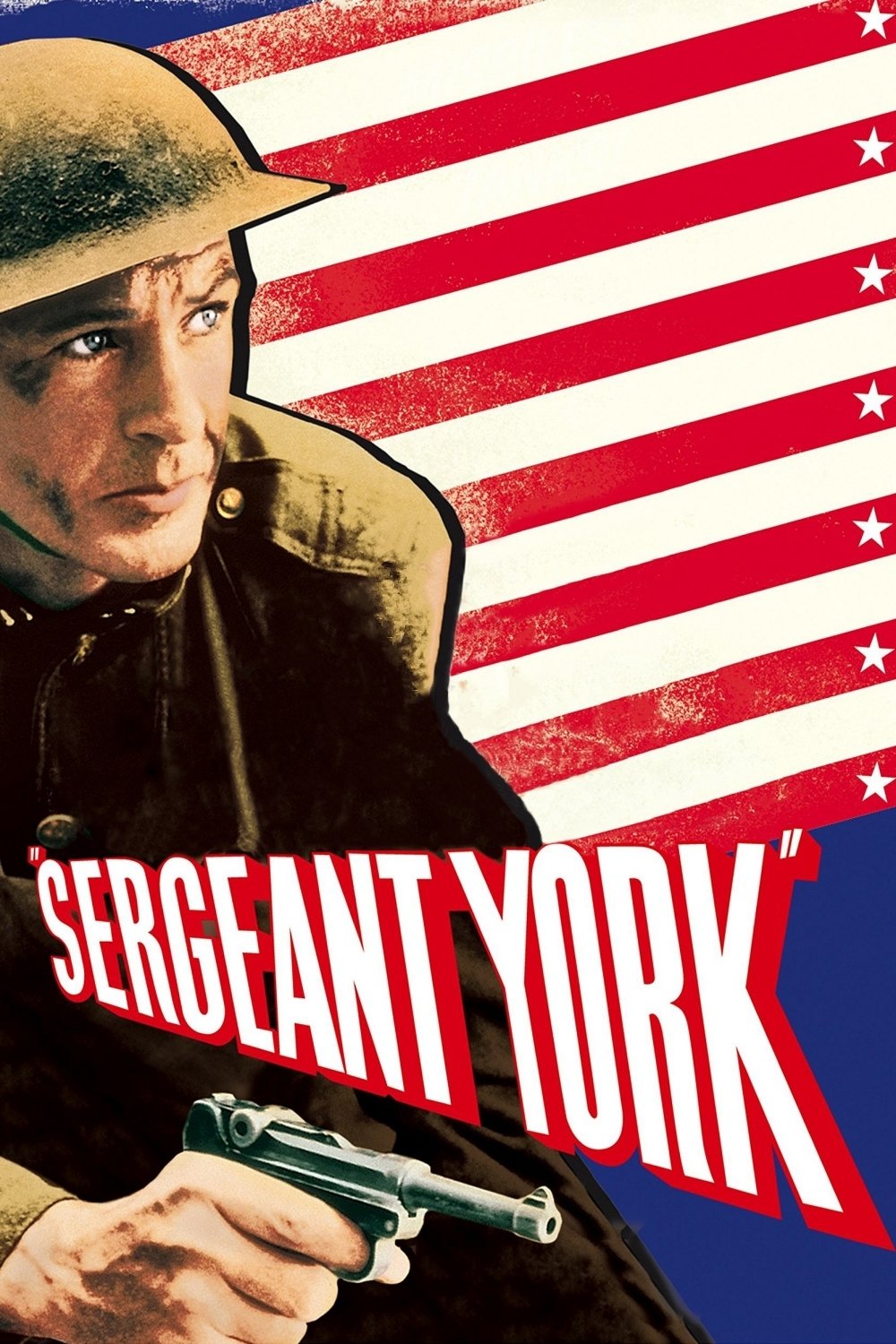
Alvin York a hillbilly sharpshooter transforms himself from ruffian to religious pacifist. He is then called to serve his country and despite deep religious and moral objections to fighting becomes one of the most celebrated American heroes of WWI.
Jane Austen is about to turn 40, but she still hasn't found her ideal man. When Jane is approached by her niece Fanny and asked to help select the perfect husband for the young girl, the aging spinster begins to wonder why it is that she never found a man to share her own life with.
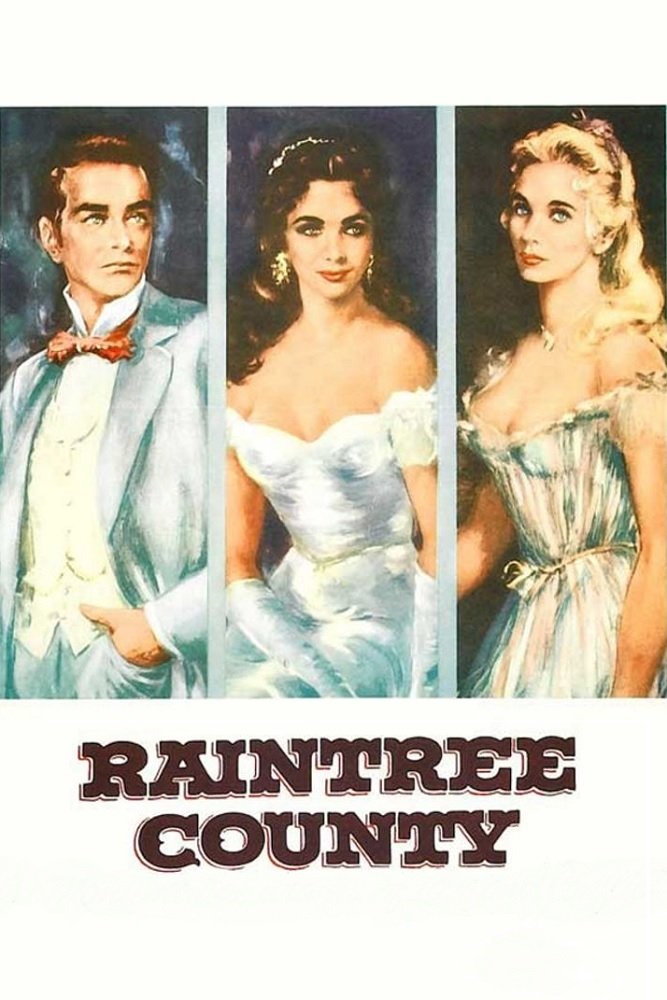
In 1859, idealist John Wickliff Shawnessey, a resident of Raintree County, Indiana, is distracted from his high school sweetheart Nell Gaither by Susanna Drake, a rich New Orleans girl. This love triangle is further complicated by the American Civil War, and dark family history.
Discover the game-changing partnership between a then undiscovered Michael Jordan and Nike's fledgling basketball division which revolutionized the world of sports and culture with the Air Jordan brand.
What was a cunning plan from Lord Edmund Blackadder V to fake a time machine on his gullibly incompetent friends, turns out to be the real thing and hurls him and his imbecile underling, Baldrick, through the course of human history.
A British ex-convict in colonial Australia and his fragile wife, haunted by the past crime that binds them, struggle to rebuild their lives when a young newcomer stirs long-buried passions and secrets.
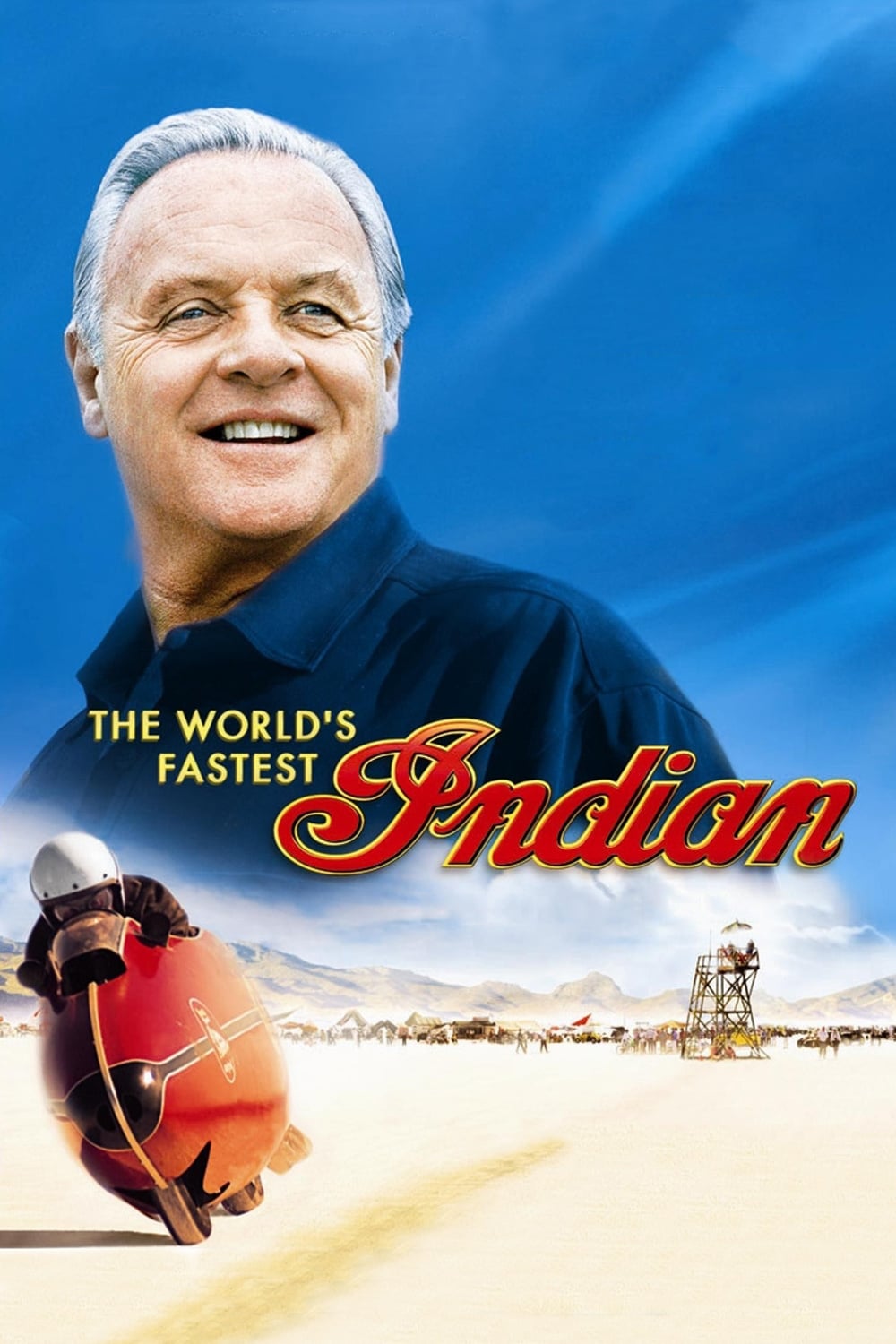
The life story of New Zealander Burt Munro, who spent years building a 1920 Indian motorcycle—a bike which helped him set the land-speed world record at Utah's Bonneville Salt Flats in 1967.
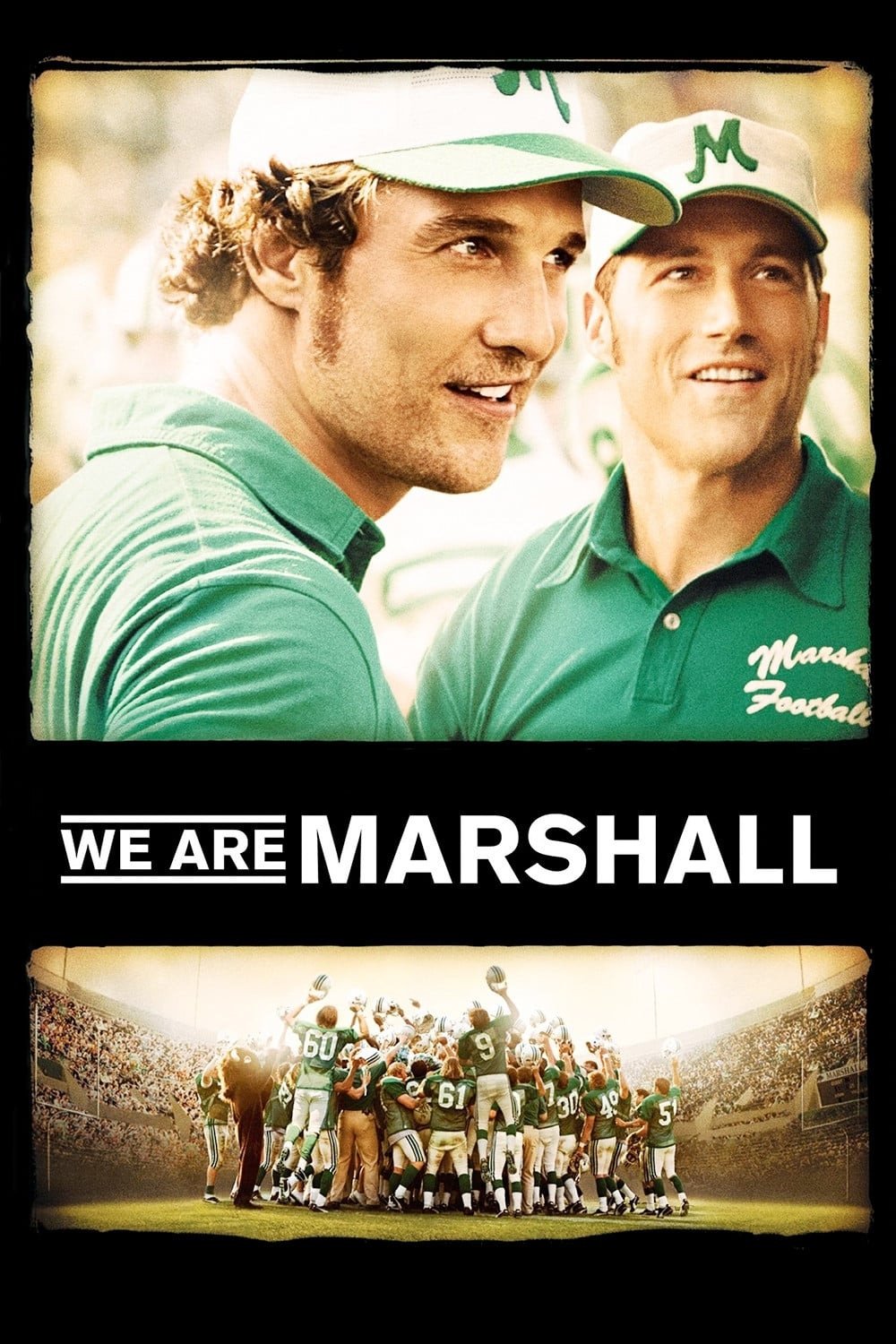
When a plane crash claims the lives of members of the Marshall University football team and some of its fans, the team's new coach and his surviving players try to keep the football program alive.
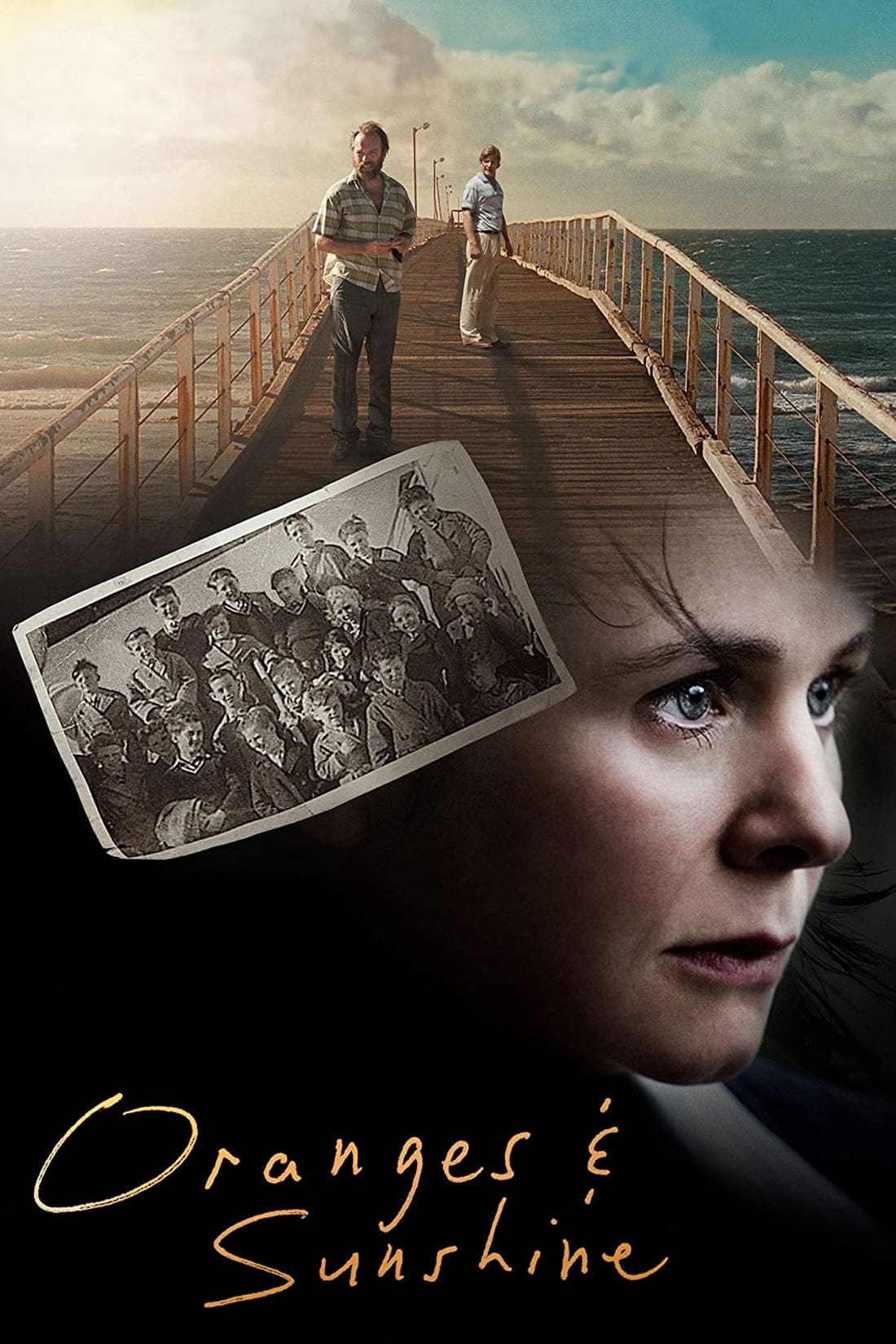
The story of Margaret Humphreys, a social worker from Nottingham, who uncovers one of the most significant social scandals in recent times – the forced migration of children from the United Kingdom to Australia and other Commonwealth countries. Almost singlehandedly, Margaret reunited thousands of families, brought authorities to account and worldwide attention to an extraordinary miscarriage of justice.
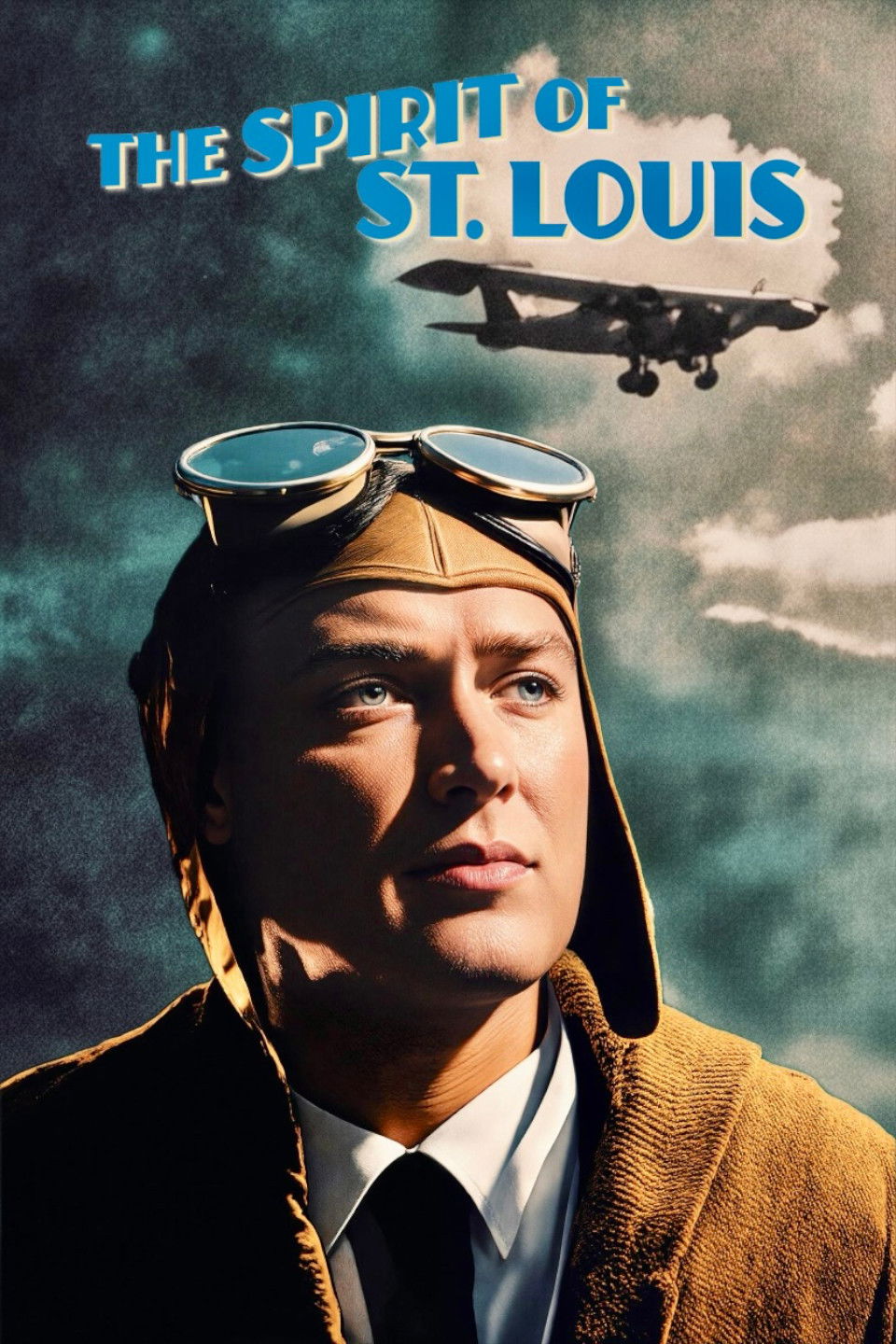
In 1927, Charles Lindbergh struggles to finance and design an airplane that will make his New York to Paris flight the first solo transatlantic crossing.
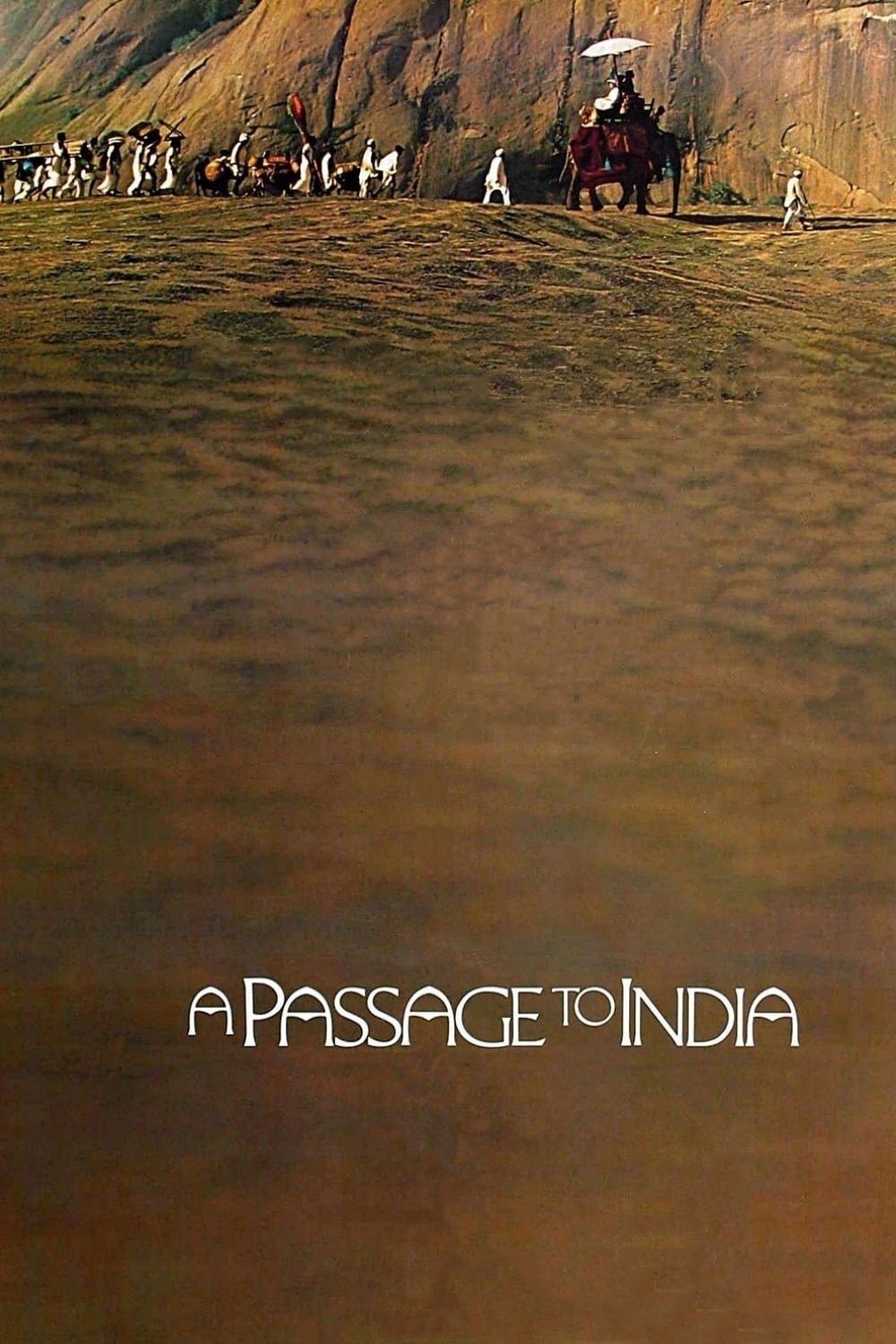
Cultural mistrust and false accusations doom a friendship in British colonial India between an Indian doctor, an Englishwoman engaged to marry a city magistrate, and an English educator.
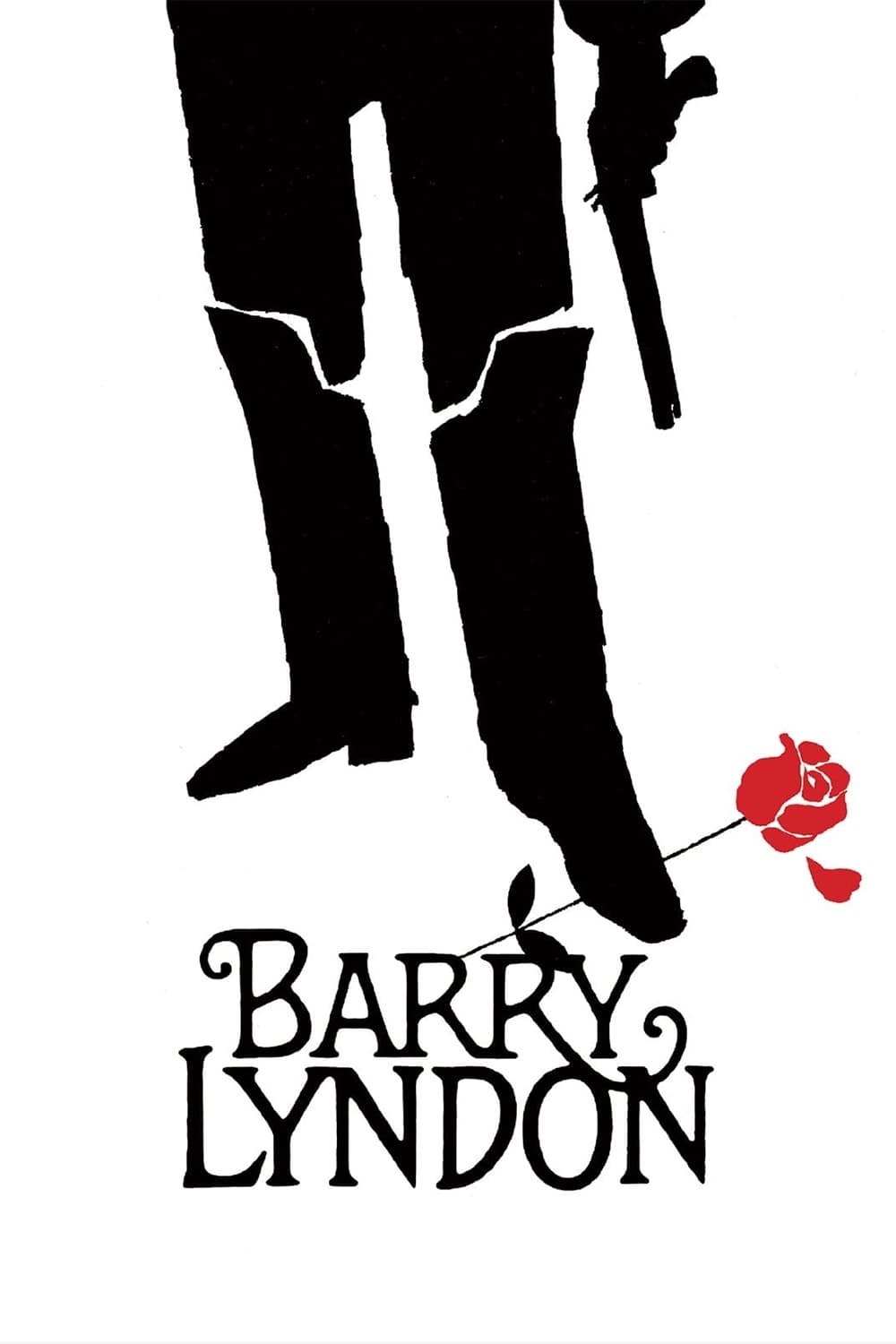
An Irish rogue uses his cunning and wit to work his way up the social classes of 18th century England, transforming himself from the humble Redmond Barry into the noble Barry Lyndon.
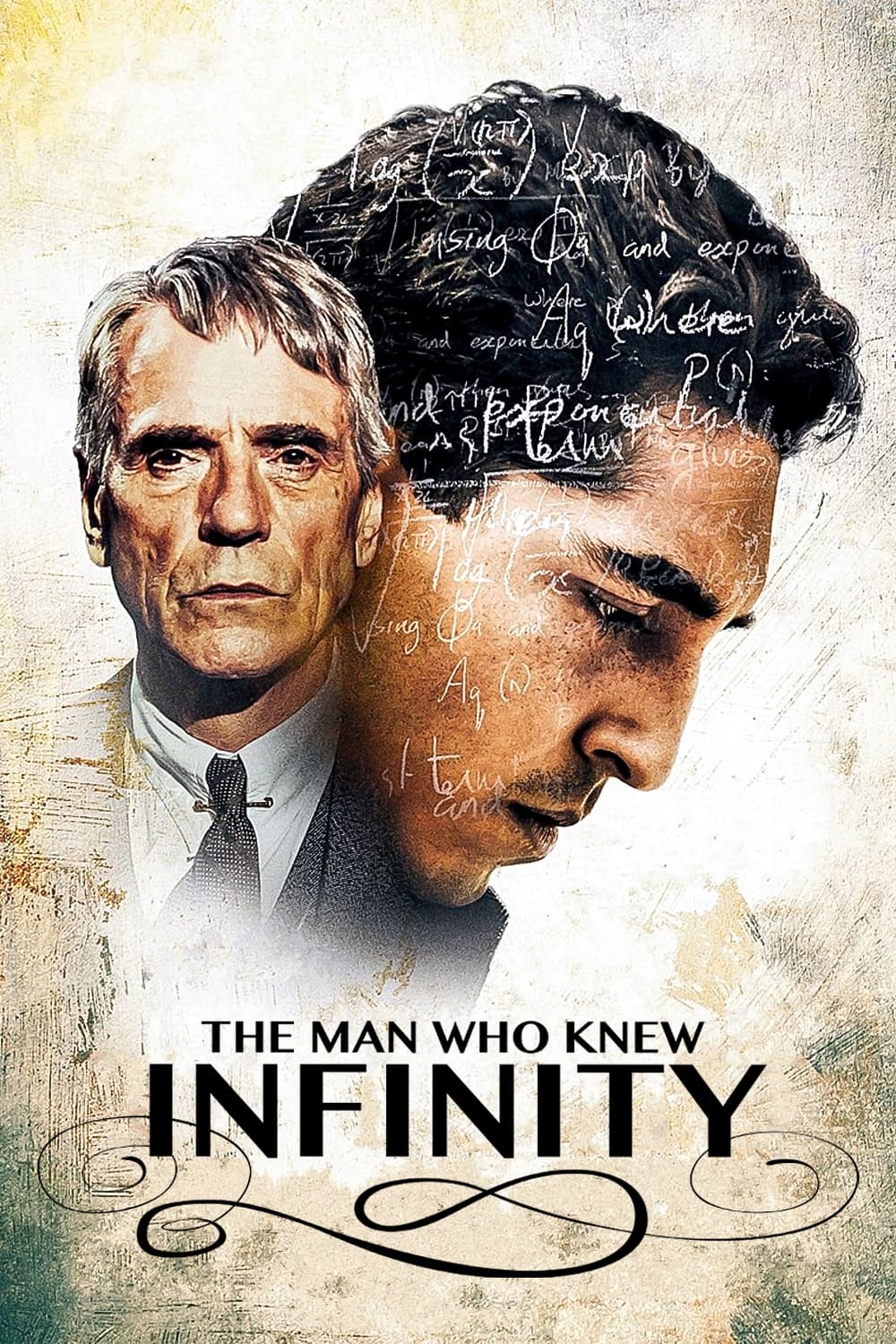
Growing up poor in Madras, India, Srinivasa Ramanujan Iyengar earns admittance to Cambridge University during WWI, where he becomes a pioneer in mathematical theories with the guidance of his professor, G.H. Hardy.
The fate of a Hungarian Jewish family throughout the 20th century.
Biography of Loretta Lynn, a country and western singer that came from poverty to fame.
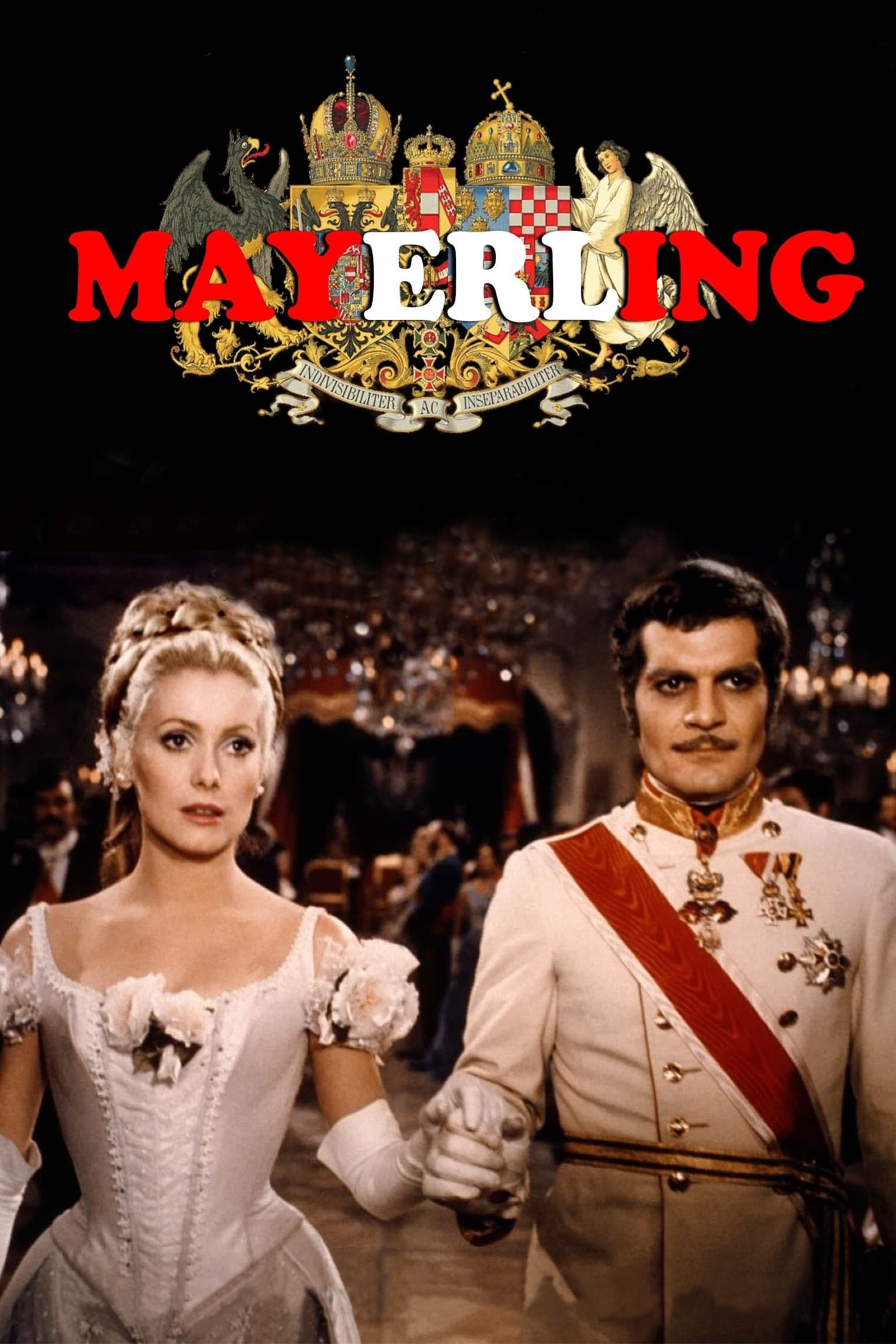
Crown Prince Rudolf of Austria clashes with his father, Emperor Franz Joseph I of Austria, over implementing progressive policies for their country. Rudolf soon feels he is a man born at the wrong time in a country that doesn't realize the need for social reform. The Prince of Wales, later to become Britain's King Edward VII, provides comic relief. Rudolf finds refuge from a loveless marriage with Princess Stéphanie by taking a mistress, Baroness Maria Vetsera. Their untimely demise at Mayerling, the imperial family's hunting lodge, is cloaked in mystery.
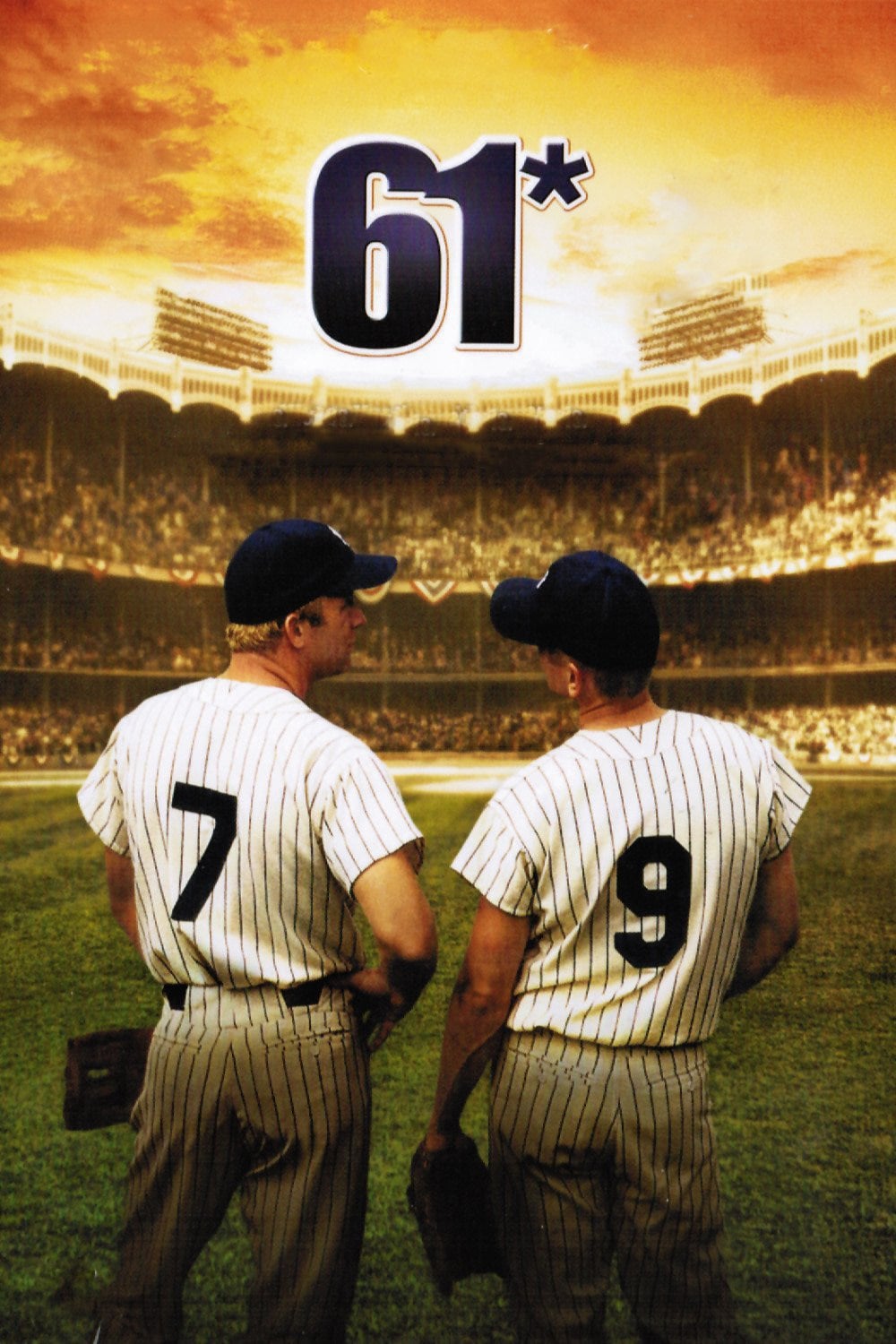
In 1961, Roger Maris and Mickey Mantle played for the New York Yankees. One, Mantle, was universally loved, while the other, Maris, was universally hated. Both men started off with a bang, and both were nearing Babe Ruth's 60 home run record. Which man would reach it?