The life of Martha and what she thinks about life. The camera follows Martha Stelloo's day and night and listens to her positive and negative remarks, living the last days of her life.
Social & External
self
The filmmaker's mother, Ethel Wardrop, talks about her own body and the role it played in her loving relationship with her dear husband.
Szczurolap is a powerful analogy to the aims of an authoritarian society to destroy dissidents.
An experimental exploration and celebration of the Juggalo subculture in Buffalo, New York. Long and static takes of Juggalos engaged in their favorite activities, first and foremost of which - causing mayhem. Among these seemingly random acts of the everyday, preening, sexual gratification, backyard wrestling, explosions and destruction, a tentative narrative begins to emerge.
An experimental short film by Derek Jarman the depicts the crush of flesh at an art-world event.
Self-erecting structures presents the fantastic future of the intelligent and humane use of artificial intelligence and cybernation as they construct our cities, bridges, tunnels, factories, and more - while protecting the environment.
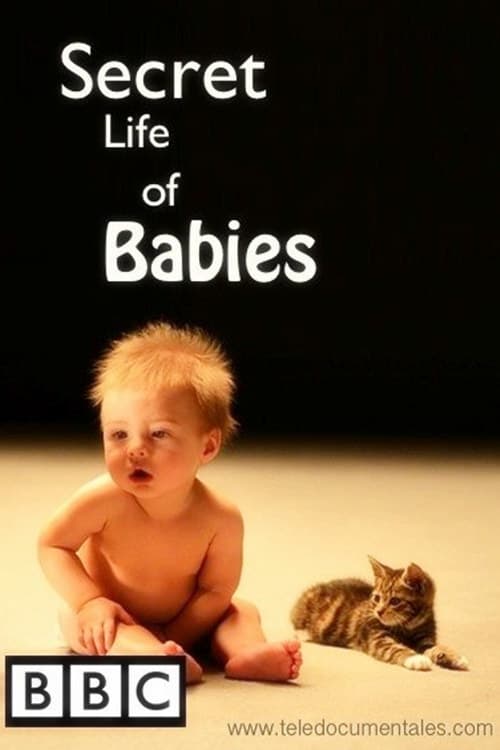
Think you know your baby? Think again. This beautifully shot, heart-warming and scientifically revealing film, narrated by Martin Clunes, brings you babies as you've never seen them before. The first two years of our lives are the most critical of all. We grow more, learn more, move more and even fight more than at any other time in our life. We have to master the complex skills of walking, talking and relating to the world around us. But we are not yet built like an adult. We have more bones in our body at birth than an adult does, yet we don't have kneecaps. We laugh 300 times a day as a baby, but in the first few months we can't produce tears when we're upset. Secret Life of Babies reveals all these facts and more, telling incredible stories of babies' resilience and survival skills to boot.
Four children want to invite their friends to a picnic, but they don't know how to use the telephone. Suddenly, the room goes dark and the phone becomes large enough for them to climb into. They walk through a tunnel and meet a man named Telly, who takes them into the world of Telezonia, where they are shown various kinds of telephones. They meet several costumed characters, such as Question Mark, who teaches them how to answer the phone; Q and Z, who show them how to use the phone book; and Exclamation Point, who teaches them how to place a call. By the time they leave Telezonia, they are full-fledged telephone users.
One of America's most influential fiction writers, Nobel Prize winner William Faulkner set most of his novels in the imaginary Yoknapatawpha County, Miss., creating vivid characters and exploring the Southern past and race relations in works such as The Sound and the Fury, As I Lay Dying and Absalom, Absalom! Through period documents and other archival material, this program traces the life and writing of the quintessentially American author.
An early video work by Ivan Ladislav Galeta that underlines the perceptual presumptions of video-media.
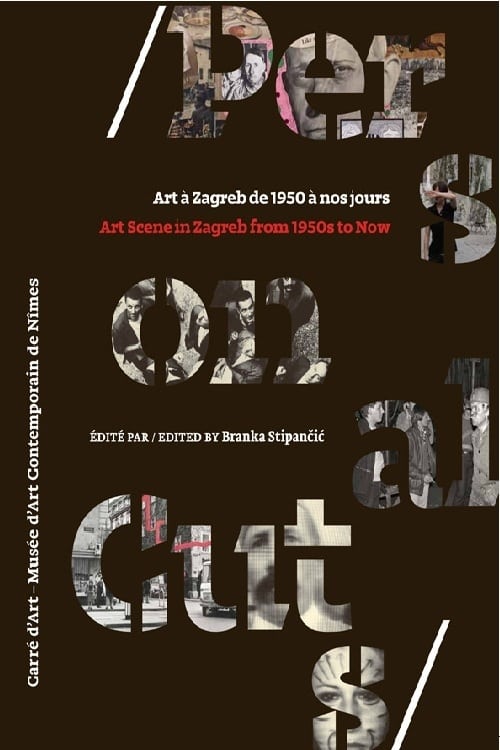
Video by Croatian artist Sanja Iveković, a performative stripping of personal identity by the interpolation of excerpts from public service TV shows.
Norbert, the protagonist of the film, is a priest. But also a father and a criminal convicted of bank robbery. His future is uncertain, as is his family's.
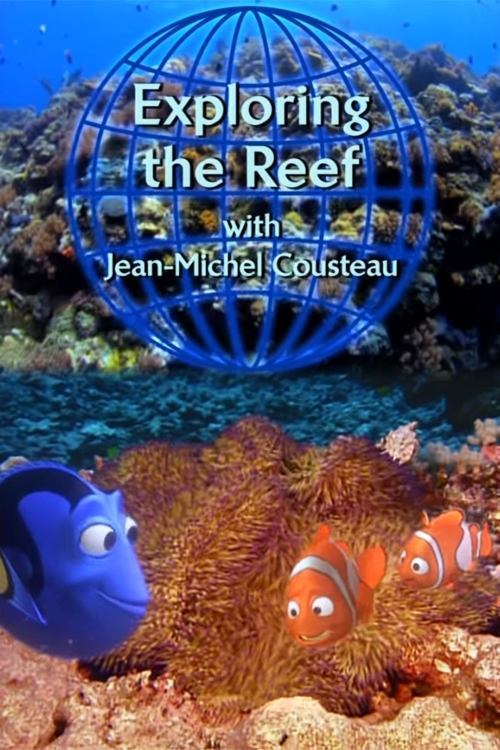
Jean-Michael Cousteau's documentary about the Great Barrier Reef keeps getting interrupted by characters from Disney's Finding Nemo.
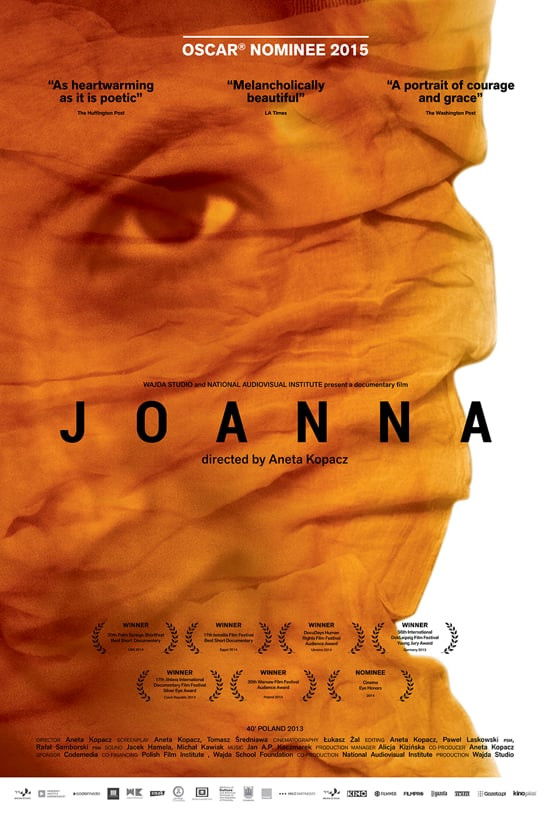
Joanna is famous because of her blog on confronting a terminal disease. The movie shows her everyday life.
The penalties of taking conscious risks are emphasized in three stories of casualties. A heavy load slips, a slippery floor, alighting from a moving tractor. Third in series.
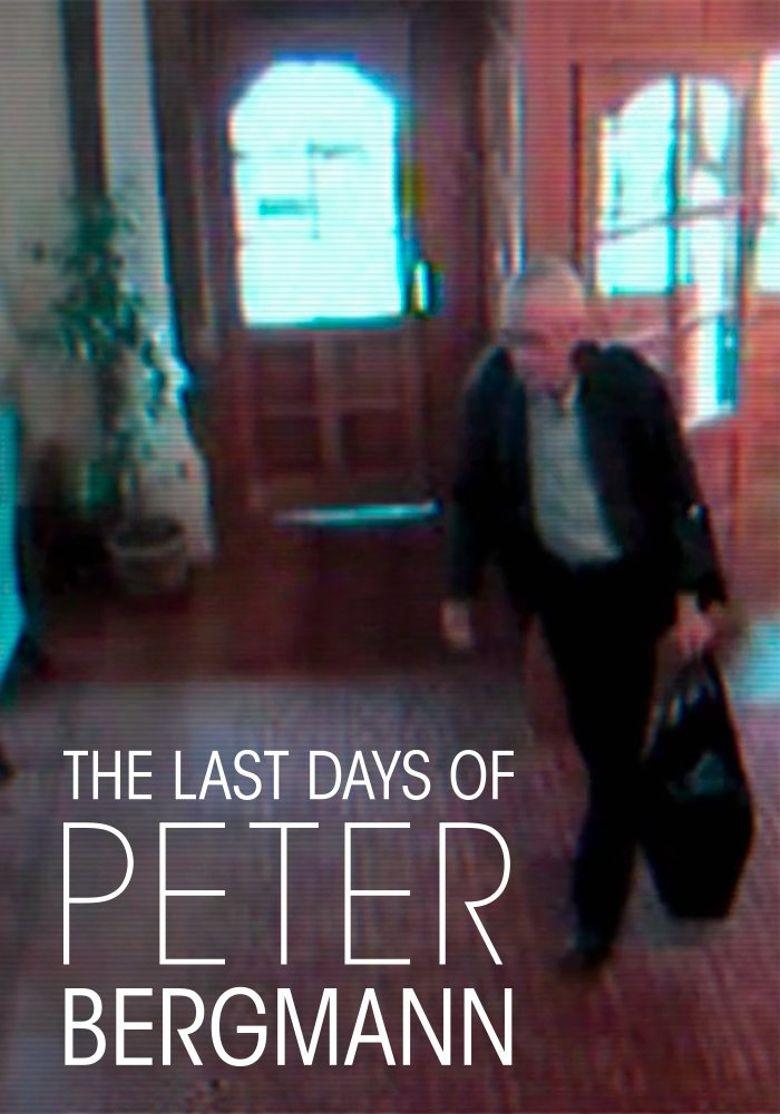
In the summer of 2009, a man calling himself Peter Bergmann and claiming to be from Austria arrived in Sligo Town. Over his final three days, Peter Bergmann would go to great lengths to ensure no one would ever discover who he was or where he came from.
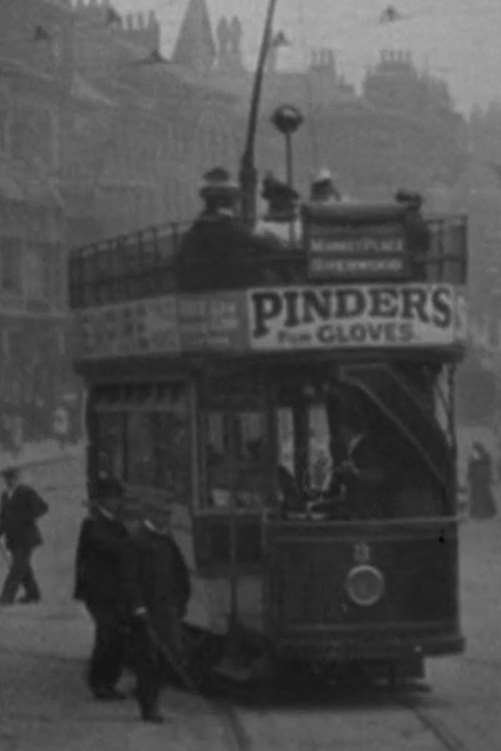
This fascinating record of Edwardian Nottingham was filmed from the driver's platform of a tram on a single journey through the city centre between its two main stations. The sequence follows the same route as today's Nottingham Express Transit tramway, taking the viewer along Listergate and Wheelergate into Old Market Square before turning right into Long Row and on into Queen Street.
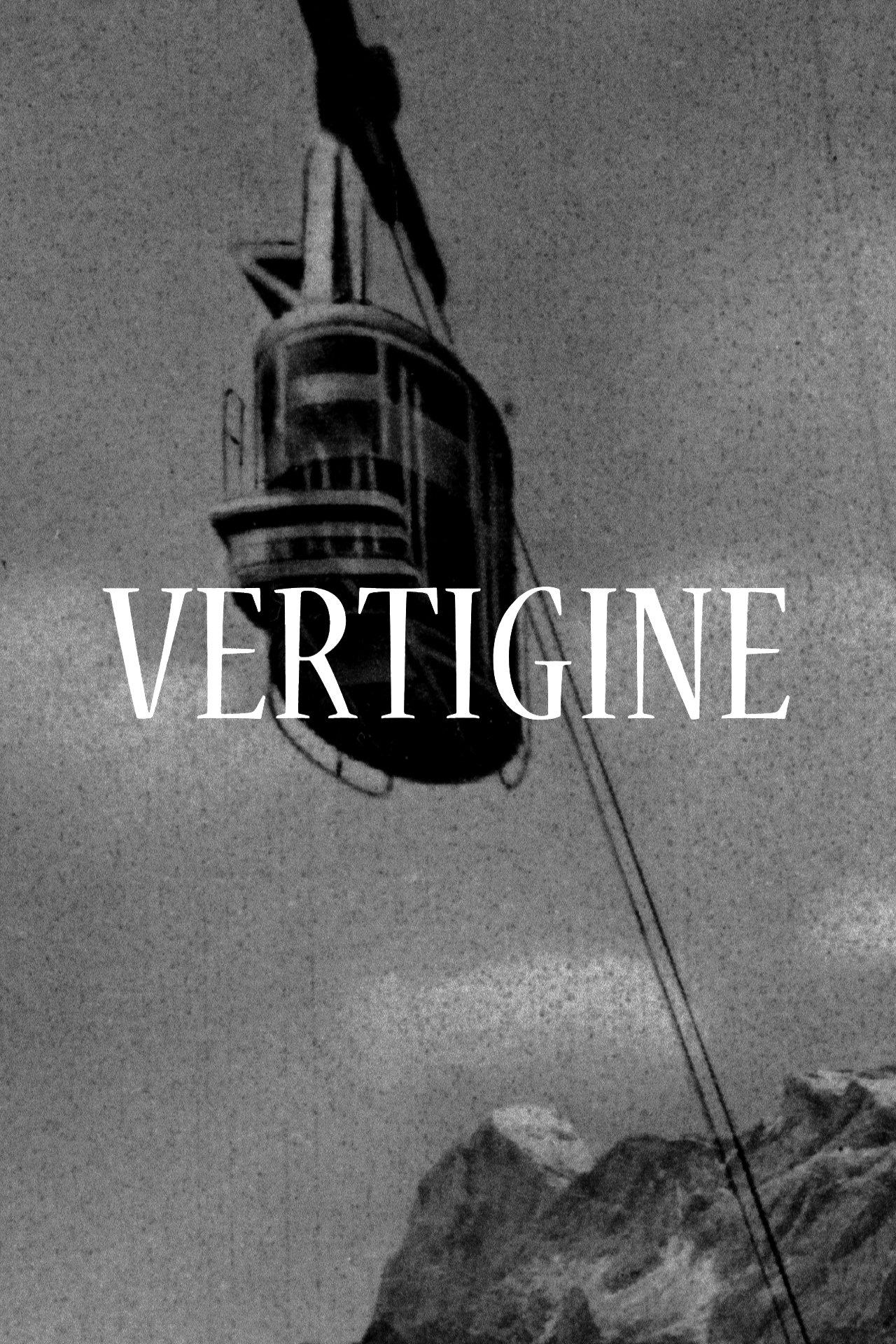
Vertigine (Vertigo) is the original title of a fragment of around 4', signed by Michelangelo Antonioni, which is a part of the eight-minutes documentary La funivia del Faloria. The title was eventually modified in La funivia del Faloria because considered more effective to obtain the governmental prize (at the time the minimum length allowed was 8 minutes). Vertigine was shot in 1949 with the cinematographer Bellisario, who was director of photography in several documentaries in those years, but was edited only in 1950, after Antonioni had made his first feature film, Cronaca di un amore.
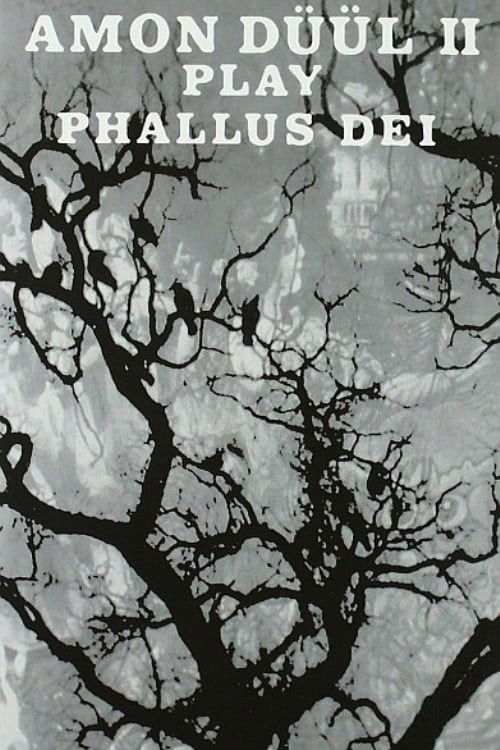
Directed by German filmmaker Rüdiger Nüchtern, this behind-the-scenes rock documentary captures Amon Düül II, as the progressive rockers record their debut album, "Phallus Dei," in a Munich recording studio in 1968. Blending performance footage with a collection of psychedelic nature clips, Nüchtern's meditative film captures the true essence of the legendary krautrock collective. The movie premiered at the Edinburgh Film Festival.
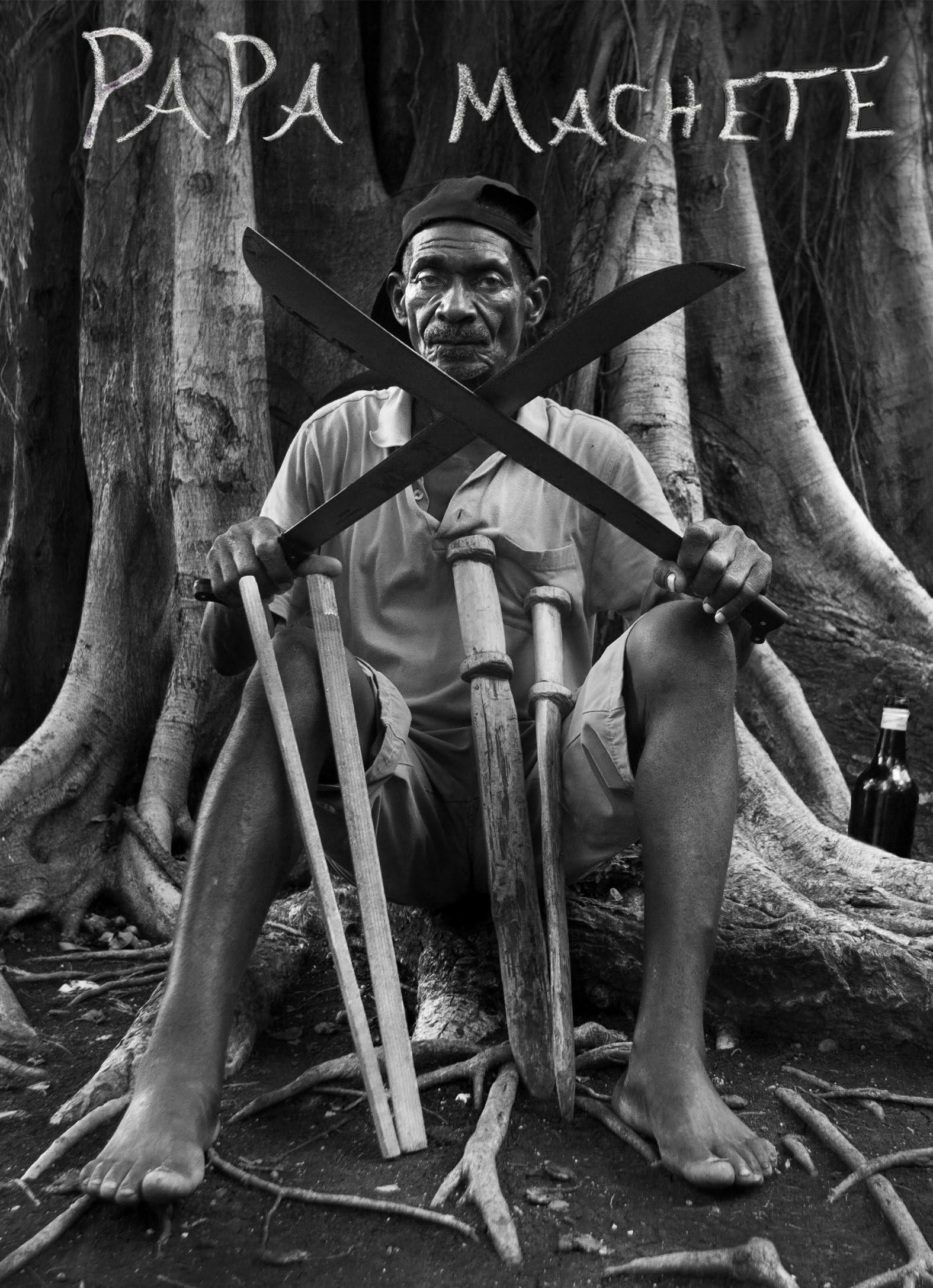
Papa Machete is an intimate account of 'Professor' Alfred Avril, one of the world's only known masters of the esoteric martial art of Haitian machete fencing, known in Creole as 'Tire Machet'. The film documents a proud, but aging man's devotion to his heritage and his desire to continue tradition.
This short film "Torerillos 61" is one of the first works of the master Patino, which tries to portray the Spanish society of the time outside the state convention and dodging the hand of censorship. Social commitment is the brand director throughout his long career, starting with short films such as this one, made in the early sixties, in the wake of the statements in Talks Salamanca. The sadness off the characters portrayed is bleak, "Maletillas" (aspiring bullfighters) in search of luck to pull them out of poverty.
Live Aid was held on 13 July 1985, simultaneously in Wembley Stadium in London, England, and the John F. Kennedy Stadium in Philadelphia, United States. It was one of the largest scale satellite link-ups and television broadcasts of all time: watched live by an estimated global audience of 1.9 billion, across 150 nations. "It's twelve noon in London, seven AM in Philadelphia, and around the world it's time for Live Aid...!"
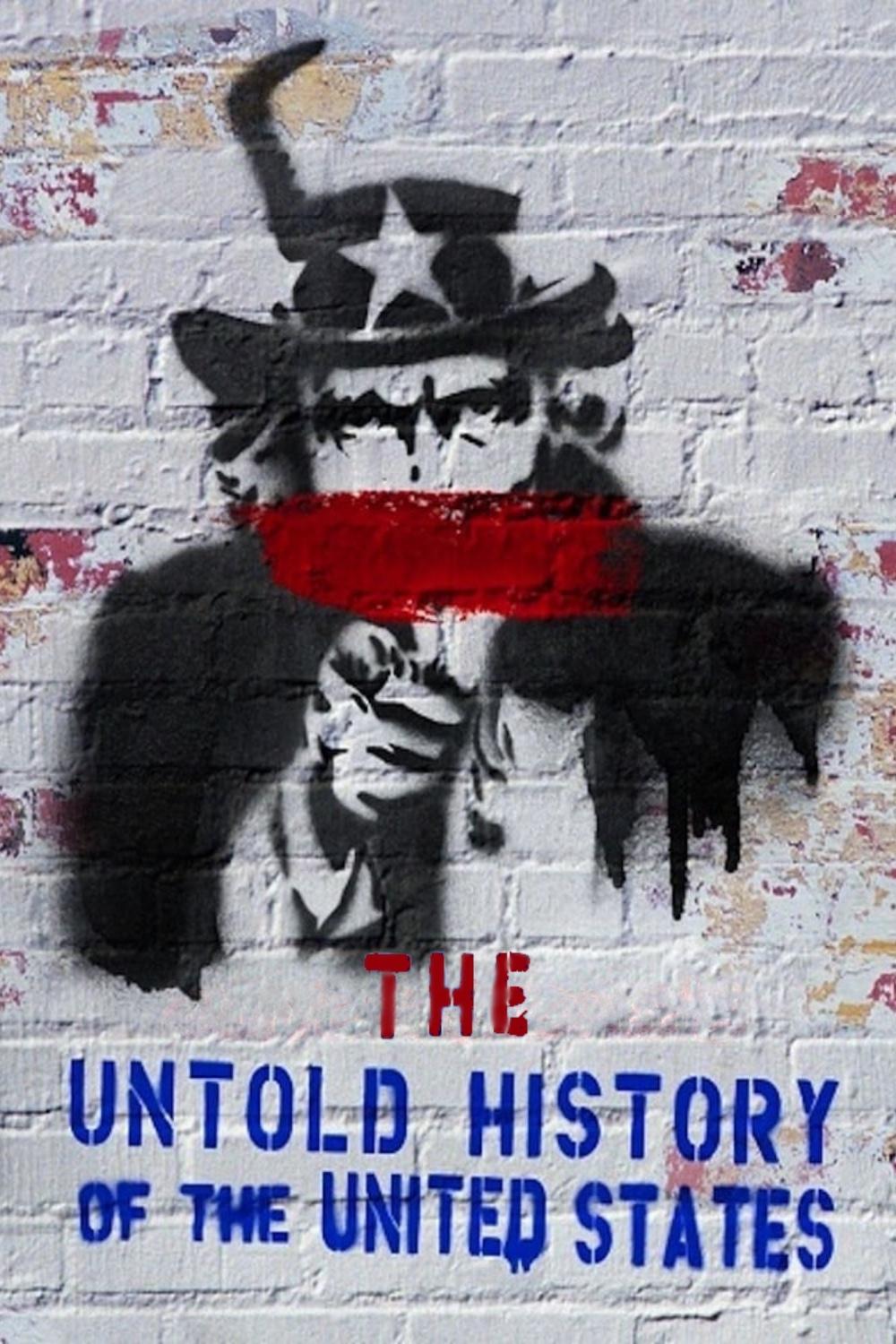
Oliver Stone charts the history of the United States from the Second World War to the present.