Social & External
Self - Reporter
Self
Self (archive footage)
Self - Interpretor
Narrator (voice)
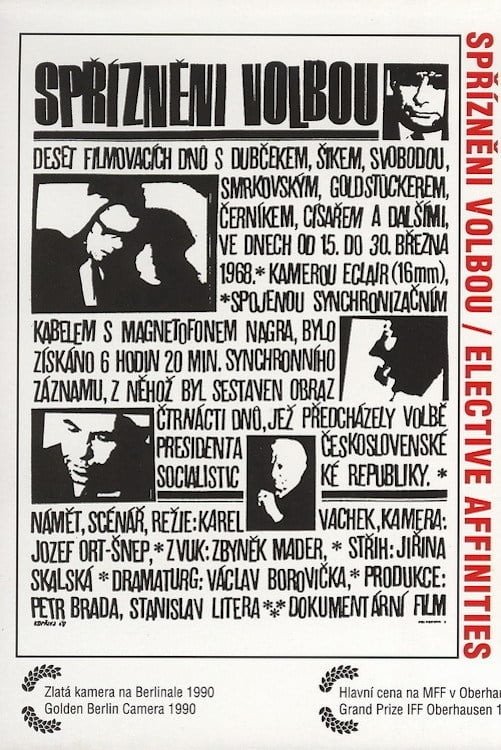
Documentary showing the Czechoslovakian political landscape in March 1968, when president Antonin Novotny, a hardline Stalinist, stepped down and moderate communist Ludvik Svoboda was elected. Five months later, in August 68, the Prague Spring would end with the military intervention of the Warsaw Pact.
Showing his own original footage of Prague Spring, director Evald Schorm describes the atmosphere these days in 1968.
A feature about philosophy, perception and imprisonment in Aldo Lado's Giallo "Short Night of Glass Dolls".
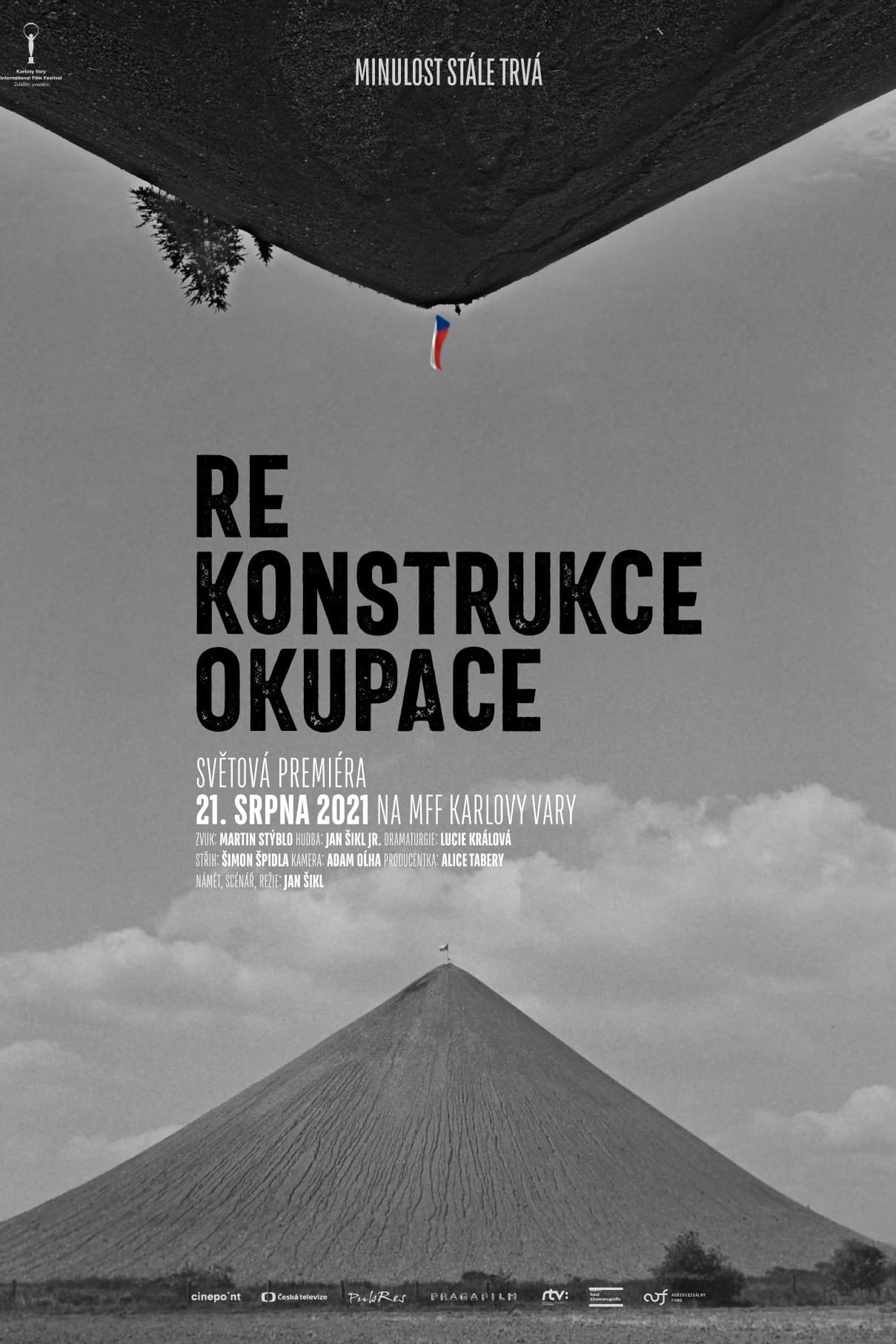
Documentary filmmaker Jan Sikl came across several hours of footage showing the Warsaw Pact invasion of Czechoslovakia in private film archives. 53 years later, historical memory awakens from a long slumber with this reconstruction of the occupation, a cinematic adventure of a truly archeological nature.
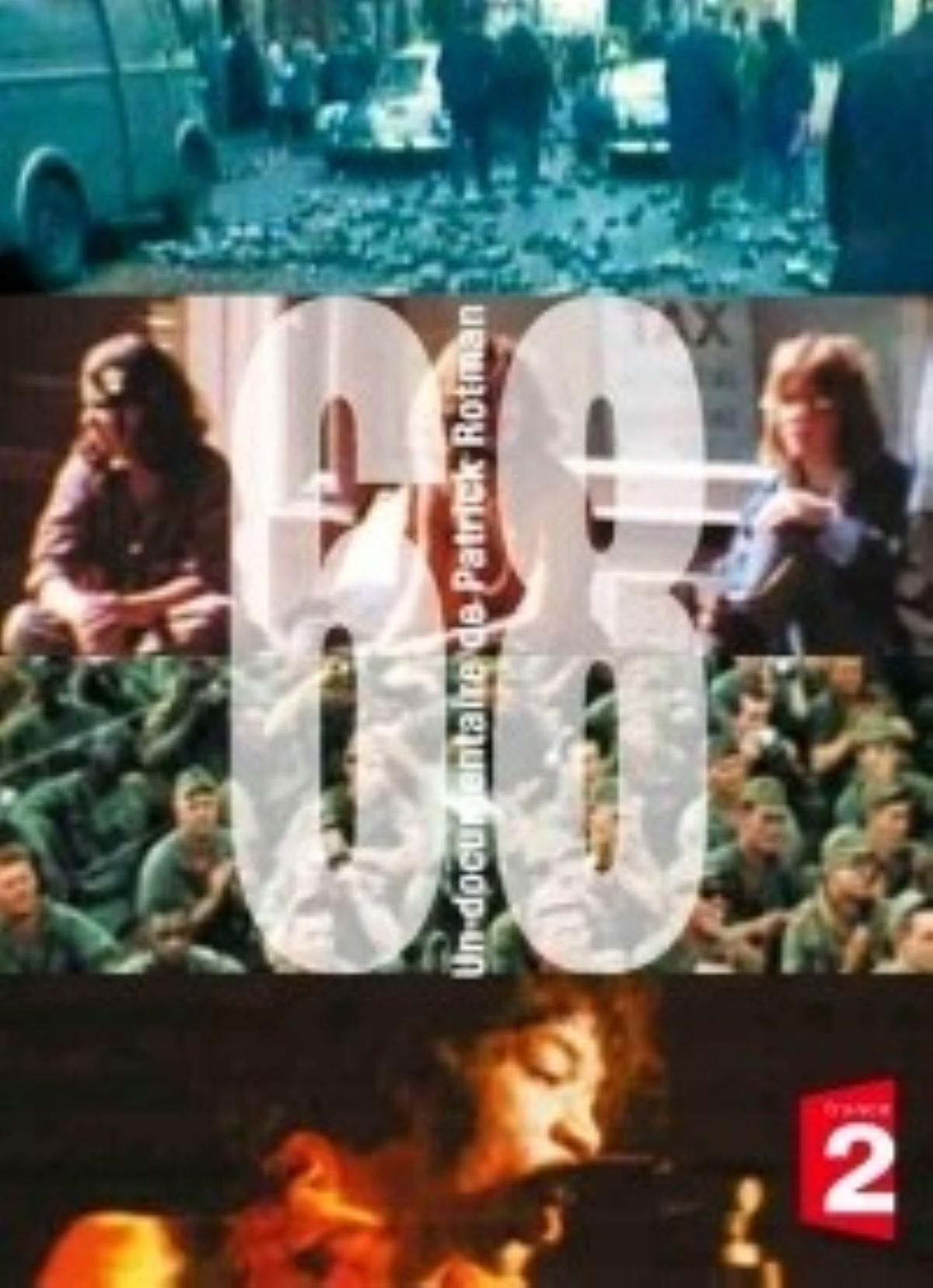
From Washington to Saigon, Rome to Mexico, Paris to Prague, a wave of protests shook the world. 68 looks back at the looks back at the Vietnam War, the Prague Spring and the Soviet Invasion, the Paris riots, Dubcek, Che Guevara, De Gaulle, Cohn-Bendrik and more. A dive into the chaos of a turbulent year, featuring fantastic colour footage and the music of Jimi Hendrix, Janis Joplin, Jim Morrisson and Bob Dylan.
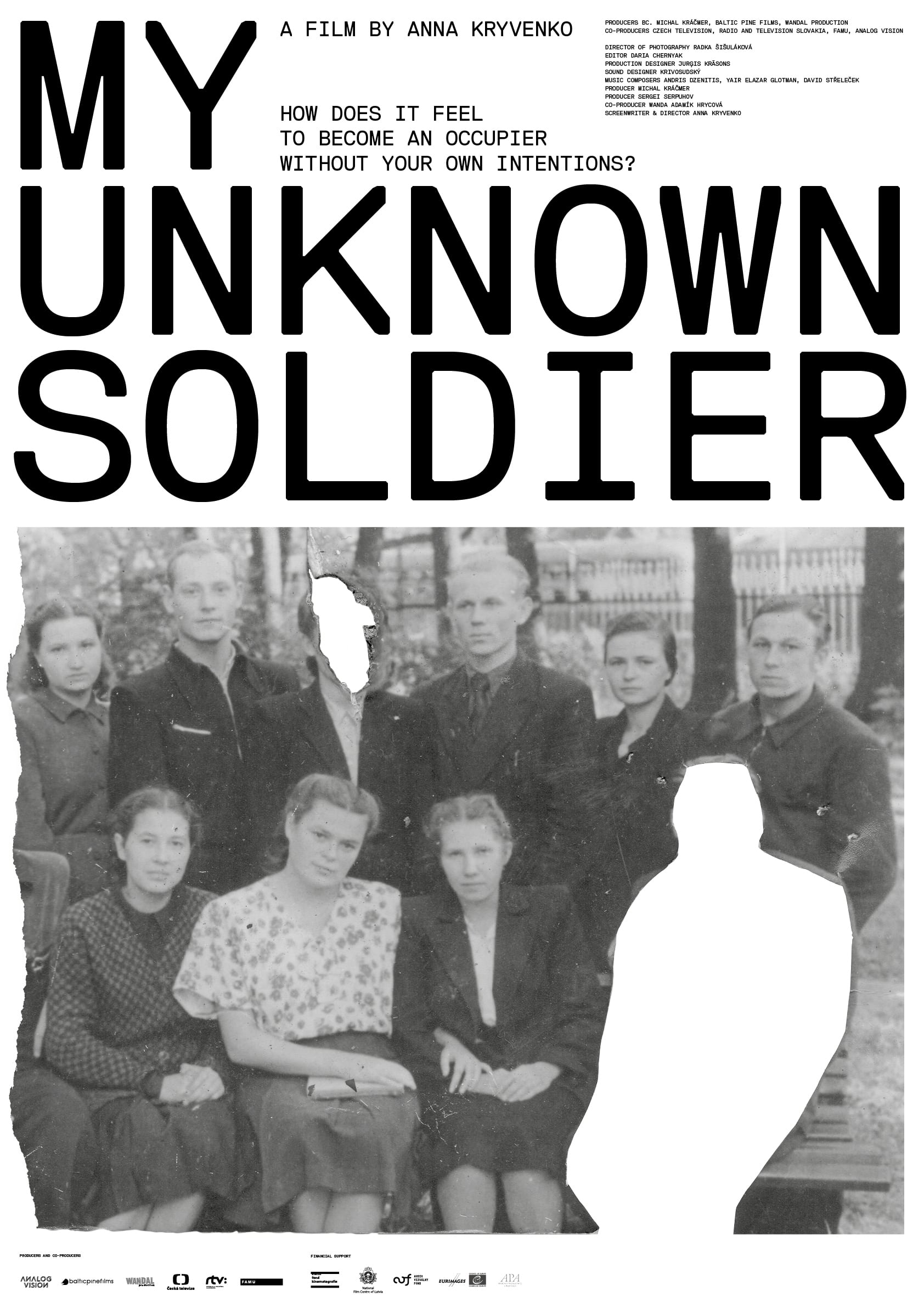
How does it feel like to become an occupier without your own intentions? With known but also never published archival materials from the whole Europe and Russia we tell a family story of the director Anna Kryvenko about how the big politics is destroying the lives of ordinary people. Just couple of years ago the director found a family secret of her grand-uncle who came to occupy Czechoslovakia in 1968 as a Soviet soldier. When searching for grand-uncle's story the author touches themes like fragmentation of personal and national memory, inherited guilt, interpretation of history, media manipulation, relationship towards nowadays Russia, but also relationship of Czechs and Slovaks towards foreigners - themes very actual in our times.
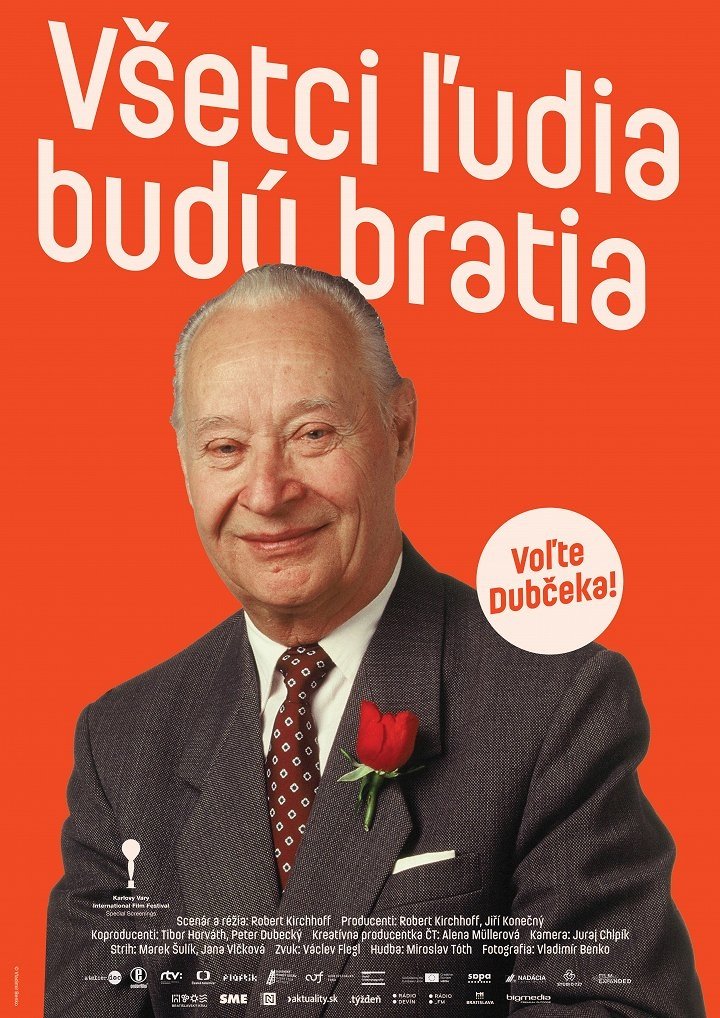
A film about the phenomenon of Alexander Dubček, a Czechoslovak politician, one of the most prominent personalities of the Prague Spring of 1968, author of the concept of “socialism with a human face”.
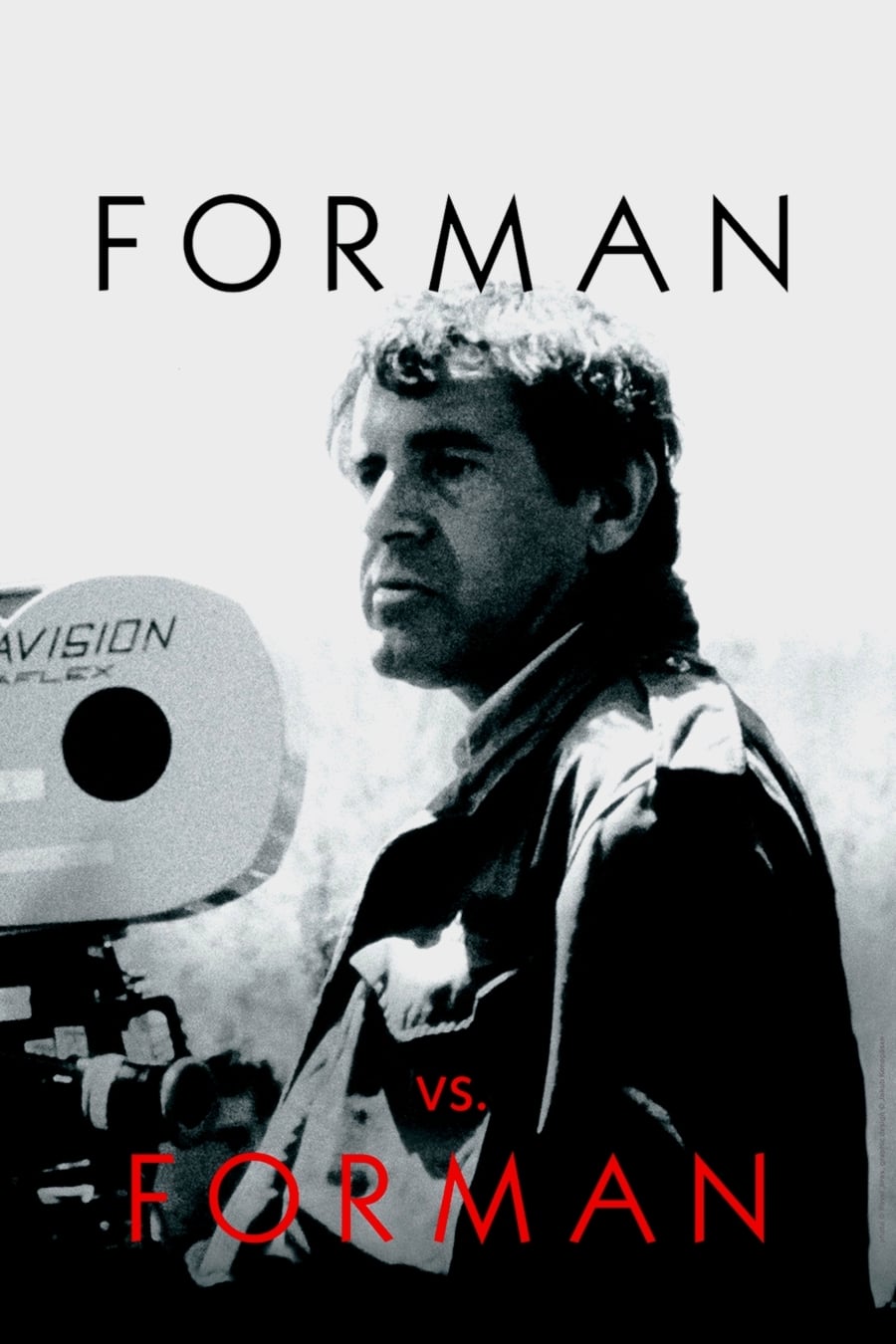
A moving account, in his own words, of the personal life and work of the brilliant Czech filmmaker Miloš Forman (1932-2018): his tragic childhood, his major contribution to the cultural movement known as the Czech New Wave, his exile in Paris, his troubled days in New York, his rise to stardom in Hollywood; a complete existence in the service of cinema.
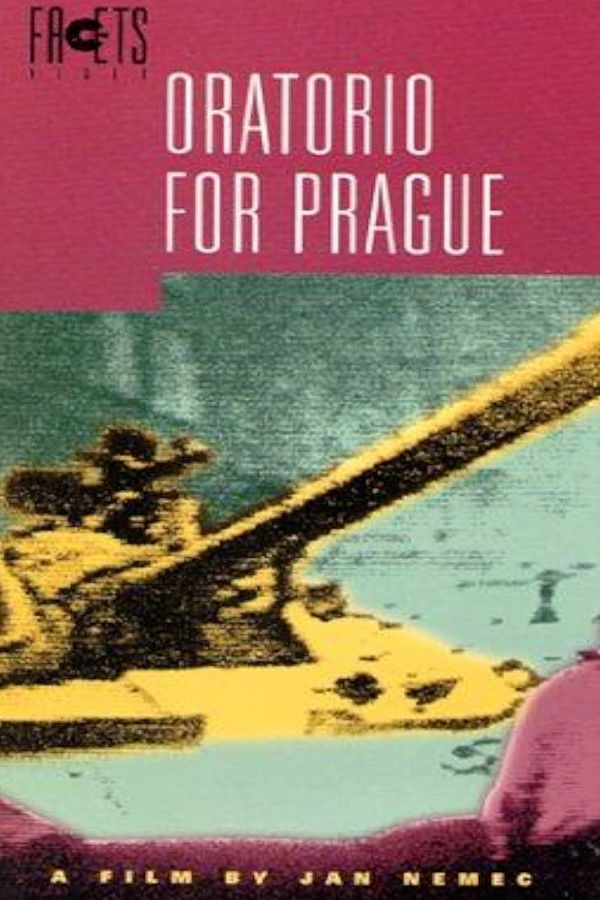
A unique document of the 1968 Soviet invasion of Czechoslovakia, what began as a documentary about the liberalization of Czechoslovakia evolved into a record of the entry of Russian tanks into Prague.
A film about the contrasts between Czechoslovakia and Bulgaria in 1968. A film that reveals the mechanisms of censorship and propaganda during communism. A film about how information about events in Czechoslovakia was distorted in Bulgaria.
This personal essay relates the perception of space to the mental universe of screenwriter and director Pavel Juráček who found his “truly ideal place” in the town of Příbram. The sensitive combination of journal entries, intimate notes, and film fragments tries to break down conventional storytelling techniques to build an original world of timeless thinking.
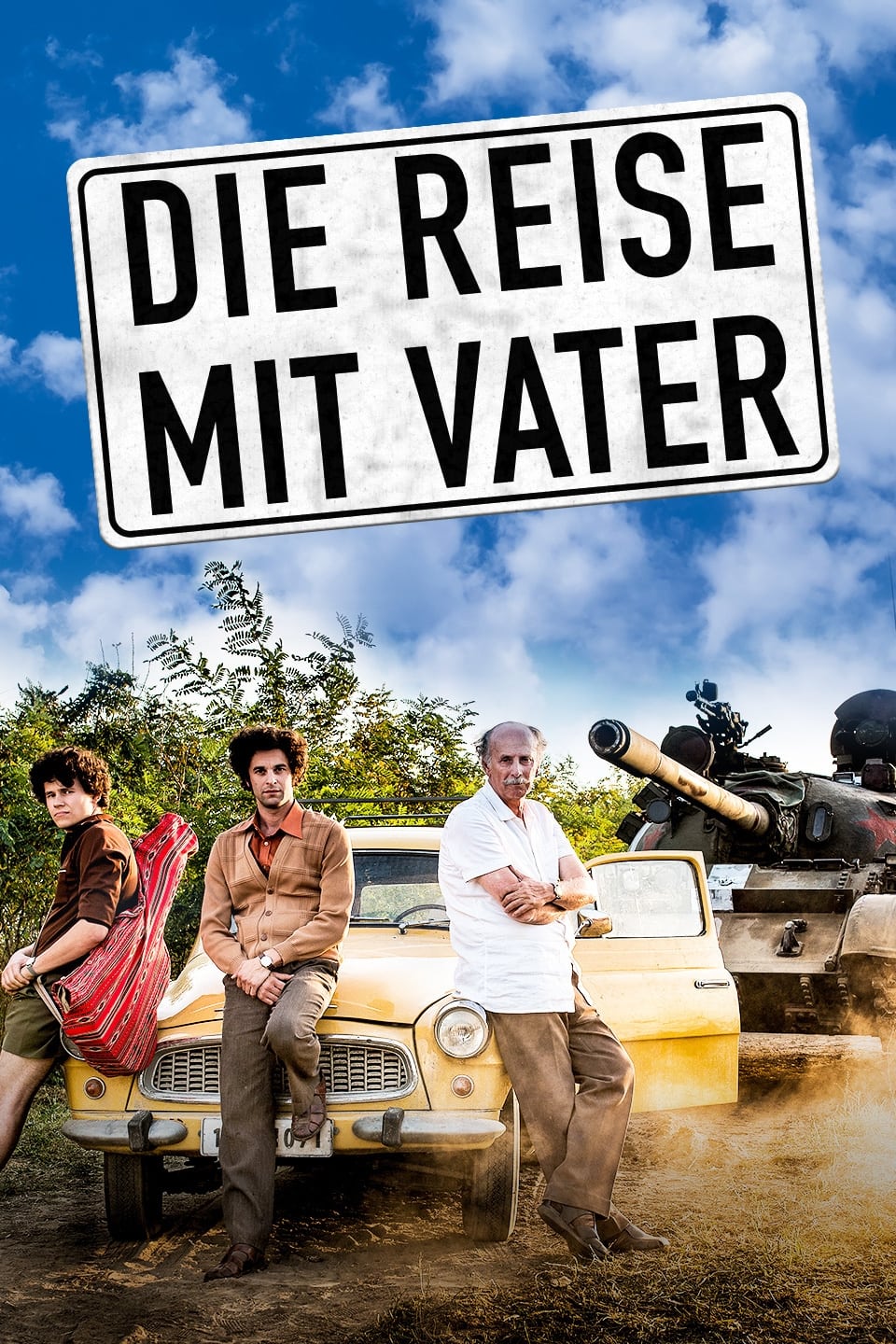
Romania, 1968. Two very different brothers. Mihai is a secret police informant, Emil is a dedicated dissident. When they have the opportunity to have their ailing father’s eyes operated on in East Germany, the three set out on a moving odyssey.
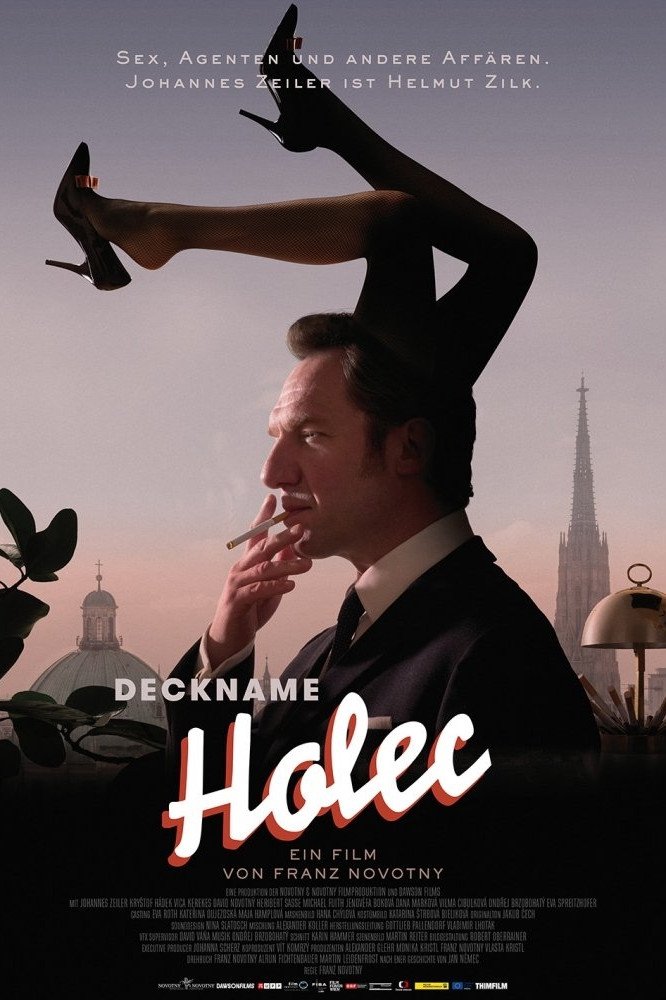
Young director Honza David films the Russian invasion in in Prague in August 1968. With Eva the love of his life he tries to get out of the country. He wants to bring the explosive material to Vienna, to the director of the Austrian Television Helmut Zilk. He knows Eva very well but the Czech Secret Service even better ...
Docu-drama surrounding the events leading to the Soviet Union's invasion of Czechoslovakia in 1968.
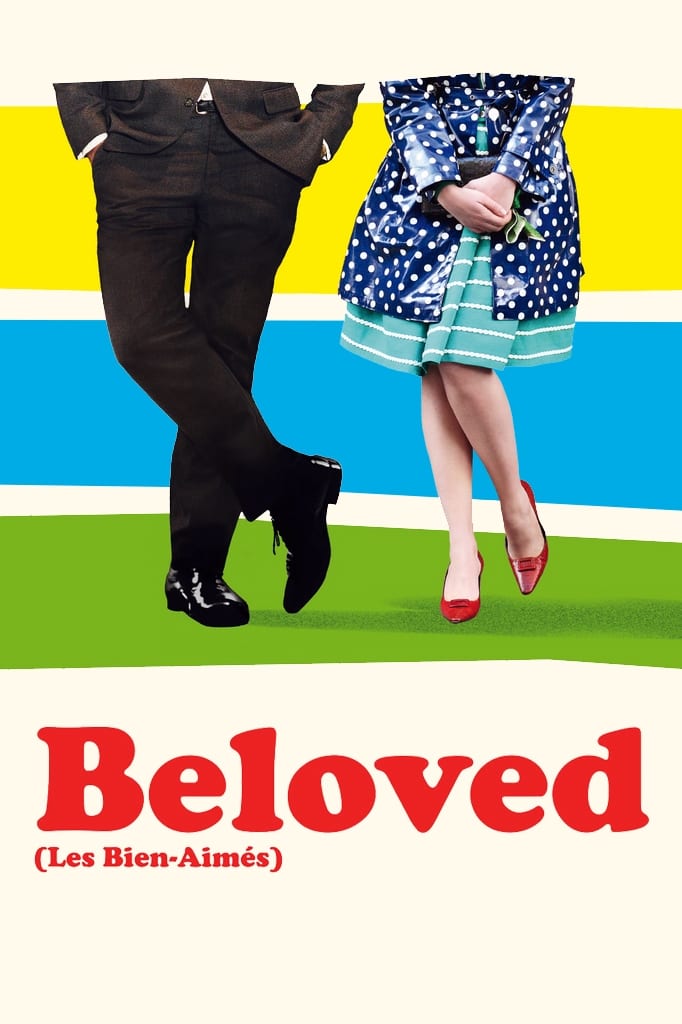
From Paris in the 1960s to London in the first decade of the third millennium, Madeleine and her daughter Véra flit from one amorous adventure to the next, living for the moment and taking all the opportunities that life offers. But not every love affair is without its consequences, its upsets and its disappointments. As time goes by and gnaws away at one’s deepest feelings, love becomes a harder game to play.
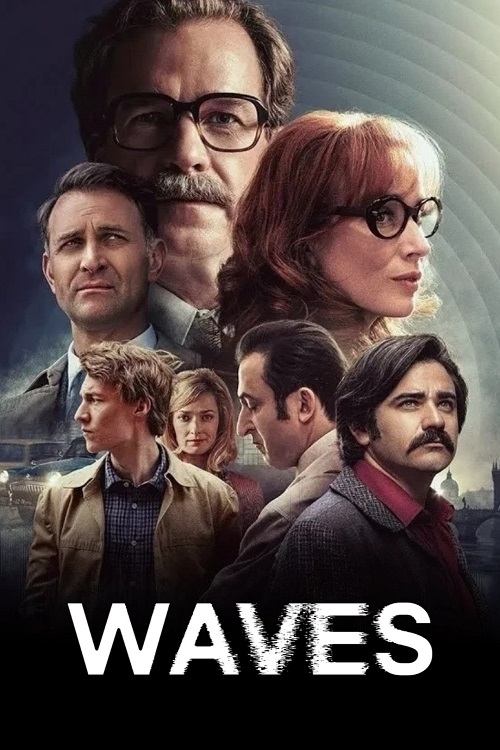
At the end of the 1960s, when the air is filled with rock-and-roll and student rebellions are changing the world, the older of two brothers joins a prestigious newsroom of the public radio broadcaster. Not long after, he finds himself in the middle of a dangerous conflict between journalists and the secret service.
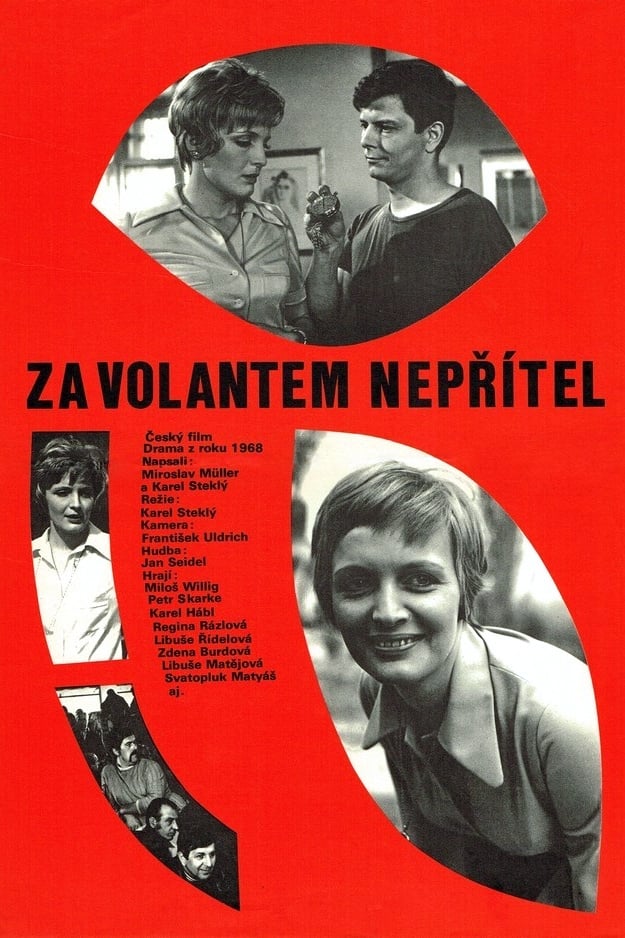
Summer 1968: The crisis is reaching its peak. The director of the Prague taxi service, Mudroch, rejects the drivers' absurd demands for a pay increase. The taxi drivers decide to go on strike and seek support against Murdoch from trade unionists and enemies of the regime. The director is convinced that honest communists like him cannot be defeated. However, hateful vandals damage the brakes in his car...
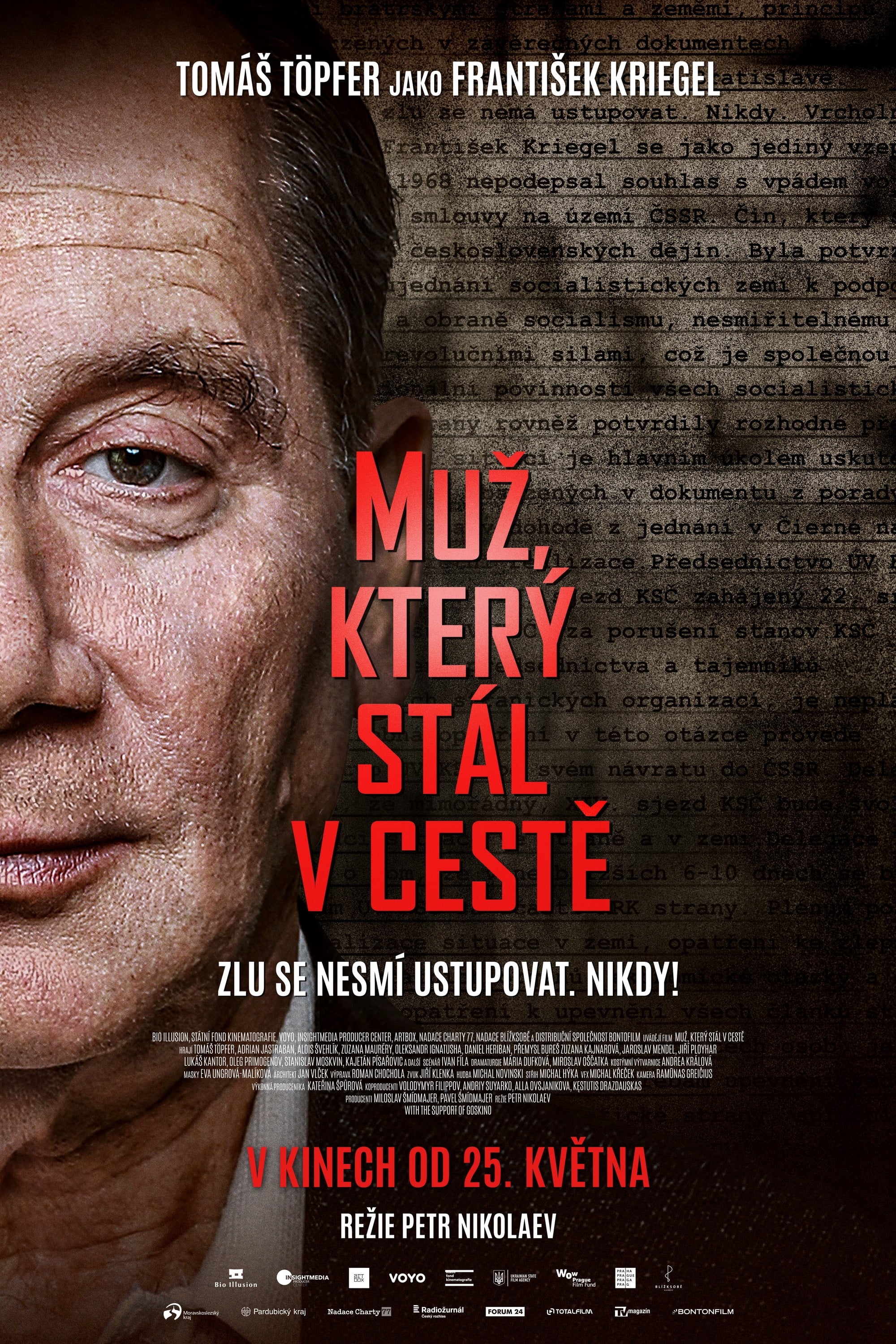
A drama that tells the story of the physician and politician MUDr. František Kriegel, the hero of the Prague Spring of 1968, who was arrested and kidnapped to Moscow on the night of August 21st together with five leaders of the party and the state (Dubček, Černík, Smrkovský, Špaček and Šimon). He was the only Czechoslovak politician who managed to stand up to Brezhnev in Moscow captivity, even under the threat of liquidation, and not to sign the Moscow Protovol which meant agreeing to the occupation of Czechoslovakia in 1968.
The story of Sebastien, a seriously ill 25-year-old, and his mother, whose lives were also affected by the events of 1968 in Czechoslovakia.
A portrait of the day-to-day operations of the National Gallery of London, that reveals the role of the employees and the experiences of the Gallery's visitors. The film portrays the role of the curators and conservators; the education, scientific, and conservation departments; and the audience of all kinds of people who come to experience it.
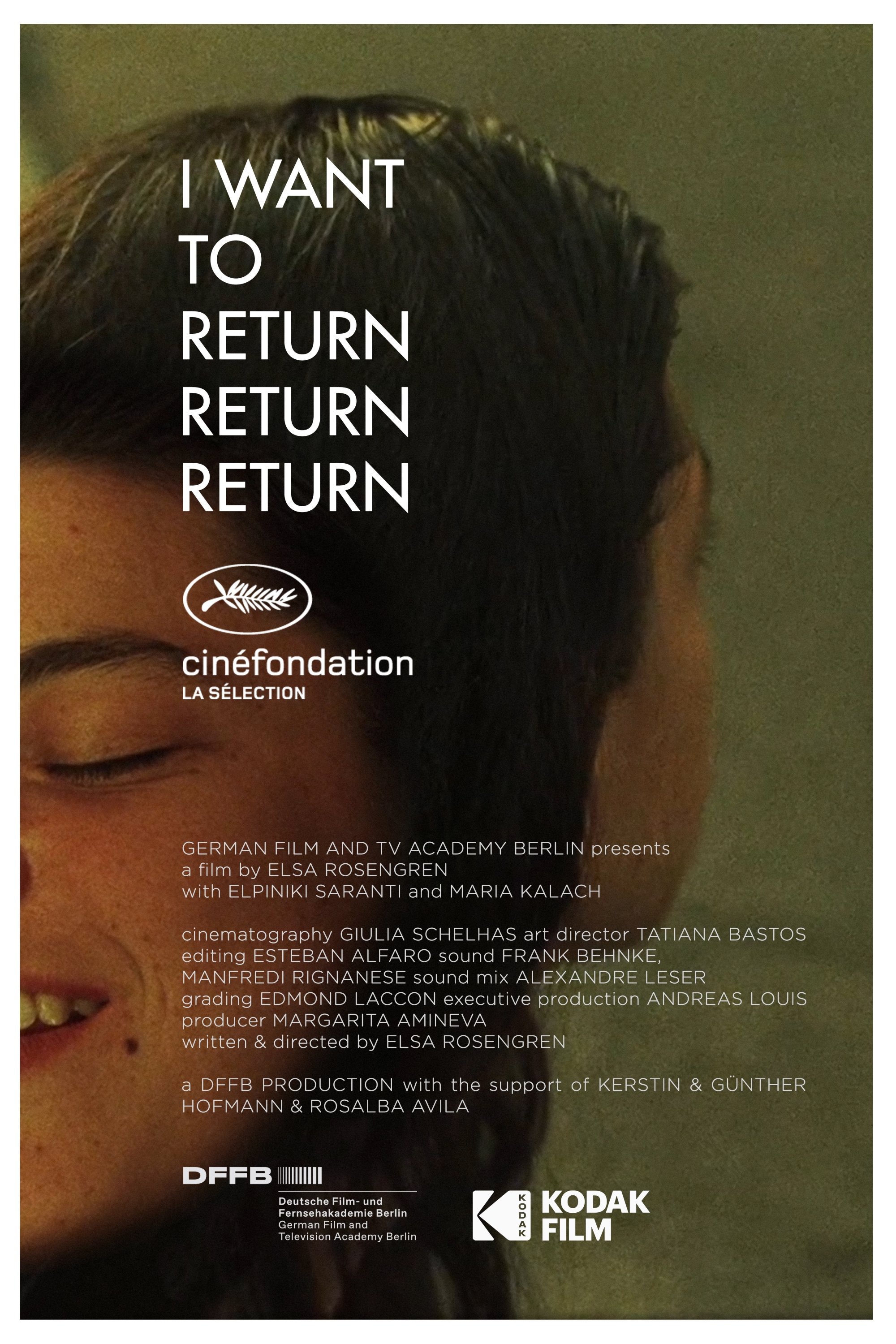
A depiction of the Wrangelkiez neighbourhood in Berlin. The people portrayed tell their life stories. One woman came to the neighbourhood a decade ago to work in Berlin’s still unfinished Brandenburger Airport, one man reminisces his childhood on a Tobacco farm in Kentucky, another speaks of an exceptional day in an otherwise monotonous workplace. These portraits are interwoven with the story of Elpi, a Greek woman who is waiting for the long overdue visit of an old important friend. The outcome of this mixture is a film which captures the lives and perspectives of some of Wrangelkiez’s most commanding citizens, while at the same time evoking the loss that change and time passing means for places and for people.
A visual montage portrait of our contemporary world dominated by globalized technology and violence.
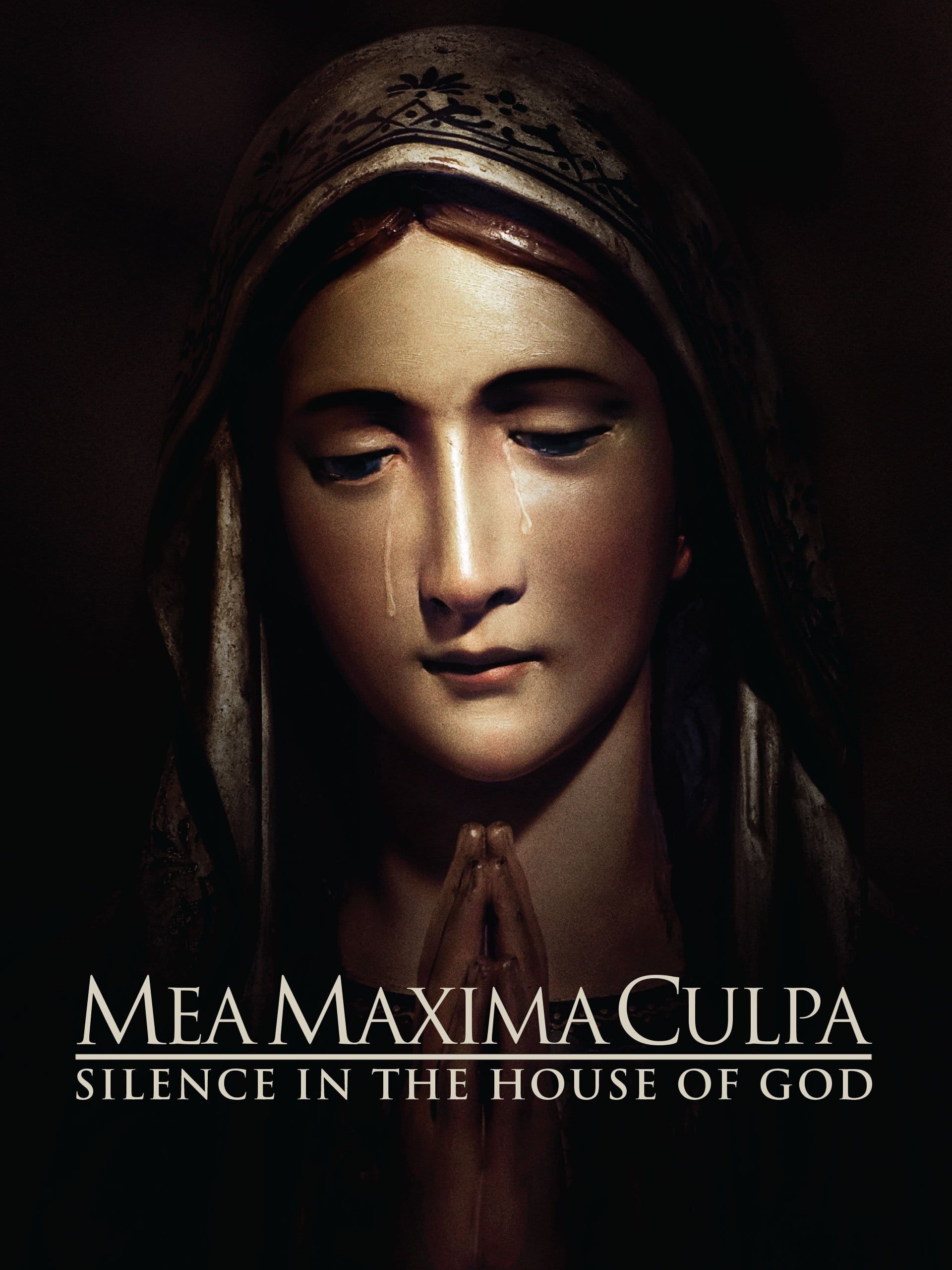
Alex Gibney explores the charged issue of pedophilia in the Catholic Church, following a trail from the first known protest against clerical sexual abuse in the United States and all way to the Vatican.
The film follows adventurer Jeff Johnson as he retraces the epic 1968 journey of his heroes Yvon Chouinard and Doug Tompkins to Patagonia.
JB Smoove and Martin Starr host a celebration of 20 years of "Spider-Man" movies, from the Sam Raimi trilogy to Marc Webb's movies and the trio from Jon Watts.
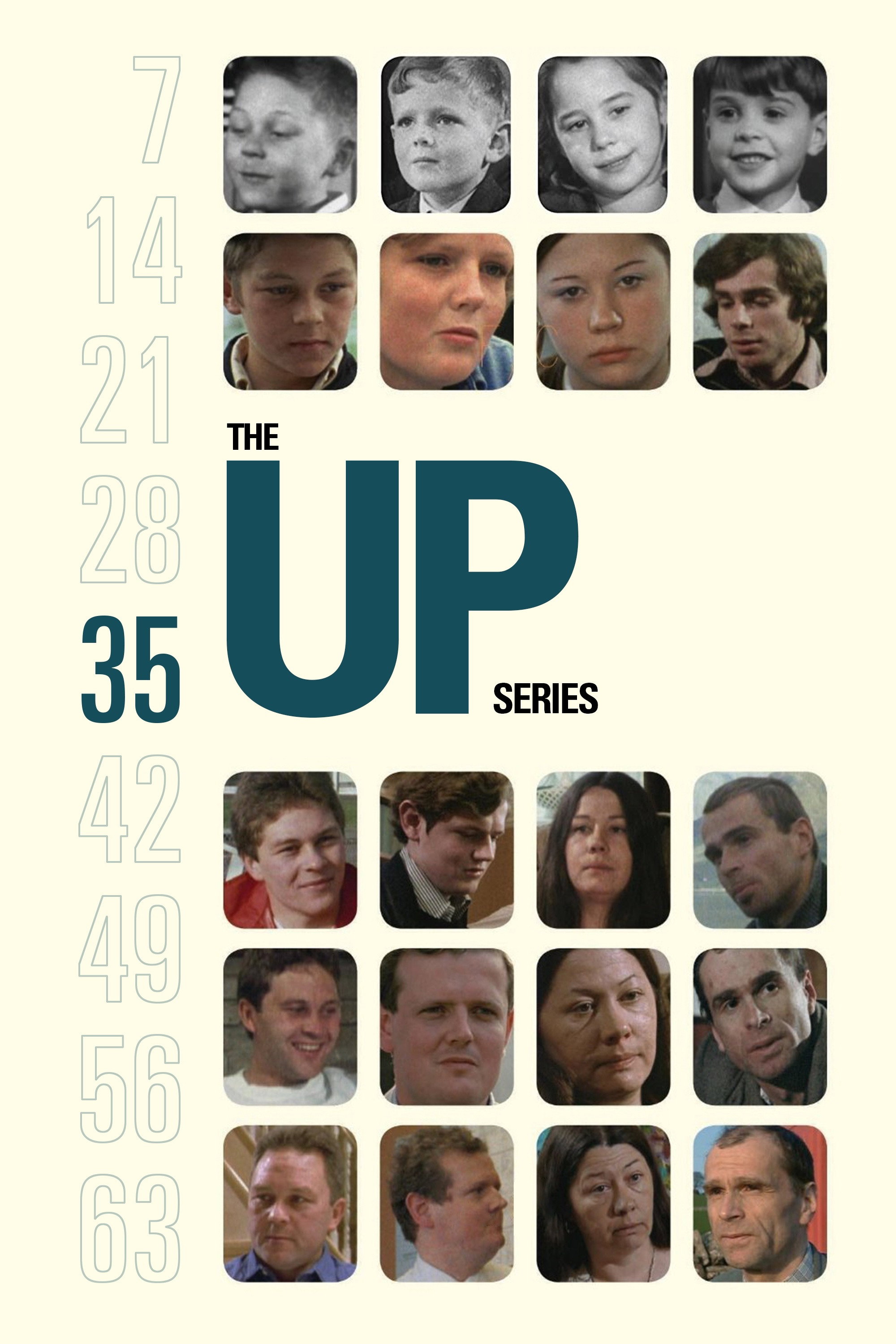
Director Michael Apted revisits the same group of British-born adults after a 7 year wait. The subjects are interviewed as to the changes that have occurred in their lives during the last seven years.
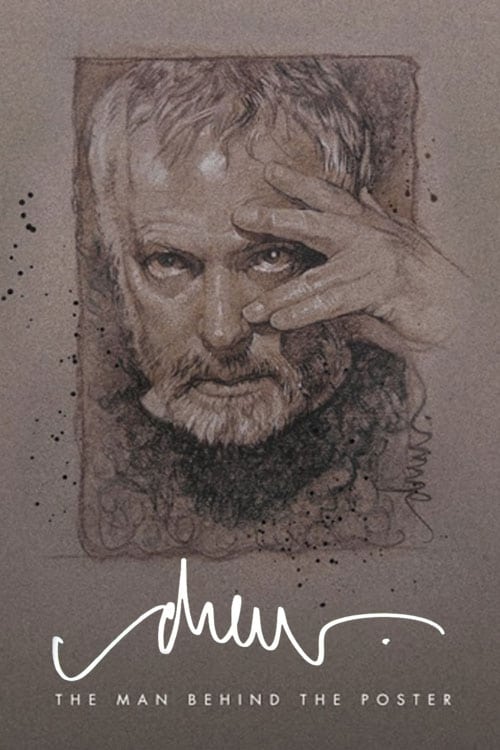
A documentary on legendary movie-poster artist Drew Struzan.
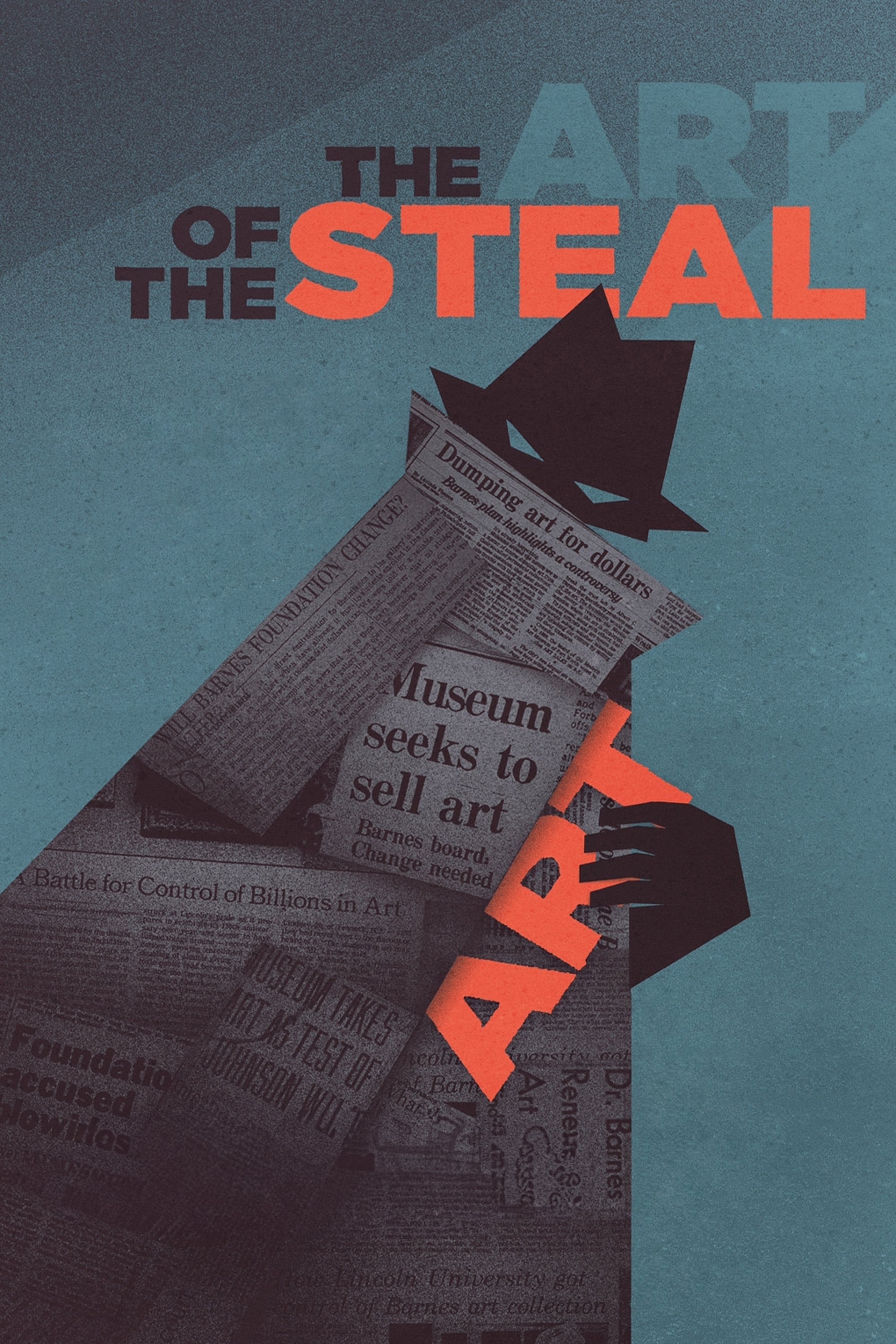
A gripping tale of intrigue and mystery in the art world, this film traces the history of a collection of Post-Impressionist paintings - worth billions - which became the subject of a power struggle after the death of its owner. Dr. Albert Barnes.
A purely observational non-fiction film that takes viewers into the ethically murky world of end-of-life decision making in a public hospital.
Lyrical and powerfully personal essay film that reflects on the deaths of her husband Lou Reed, her mother, her beloved dog, and such diverse subjects as family memories, surveillance, and Buddhist teachings.
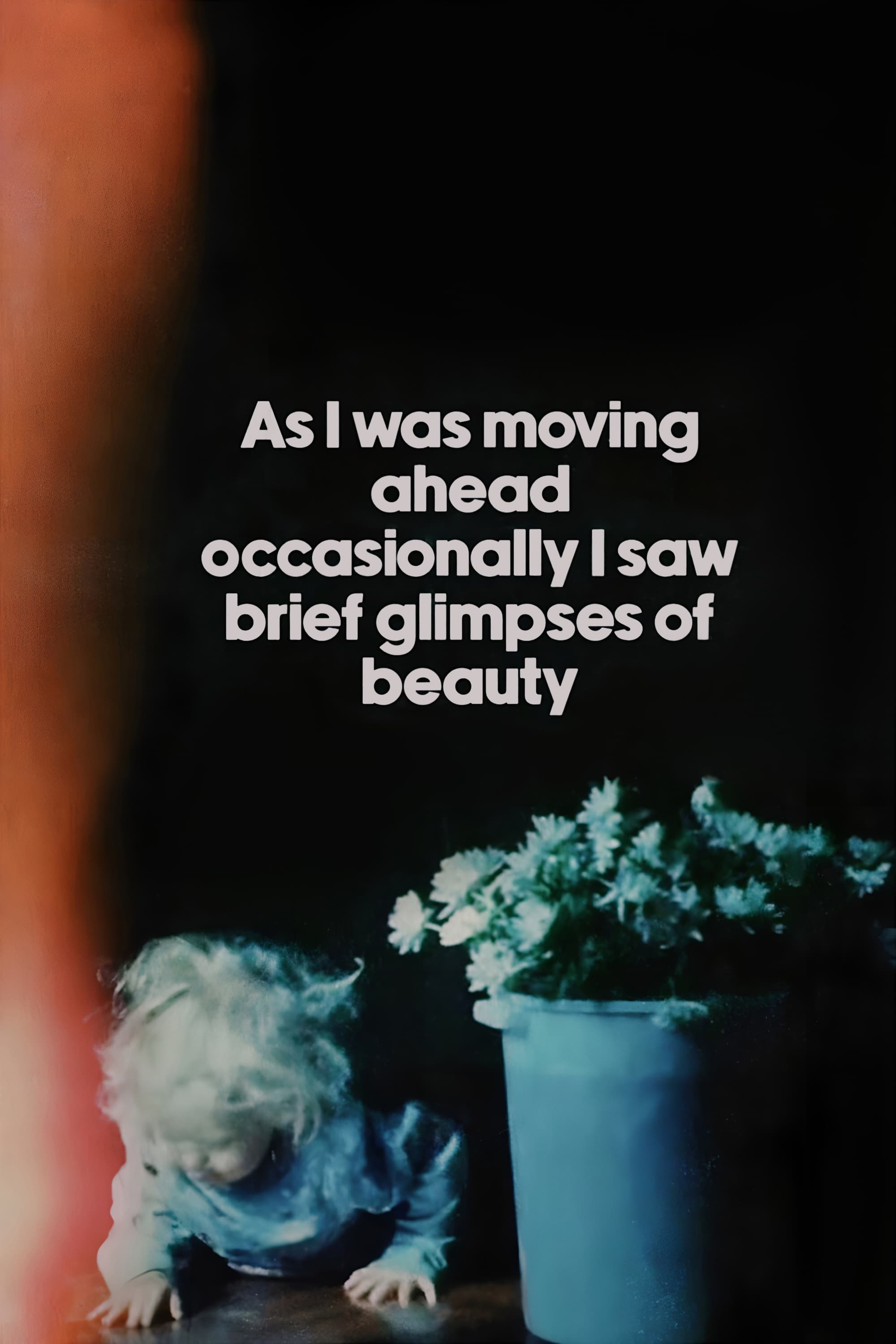
A compilation of over 30 years of private home movie footage shot by Lithuanian-American avant-garde director Jonas Mekas, assembled by Mekas "purely by chance", without concern for chronological order.
Through deeply personal interviews with her siblings and an examination of the photographs, letters, and belongings left behind, Mariska assembles a new portrait of her mother Jayne Mansfield, an extraordinary and complex woman.
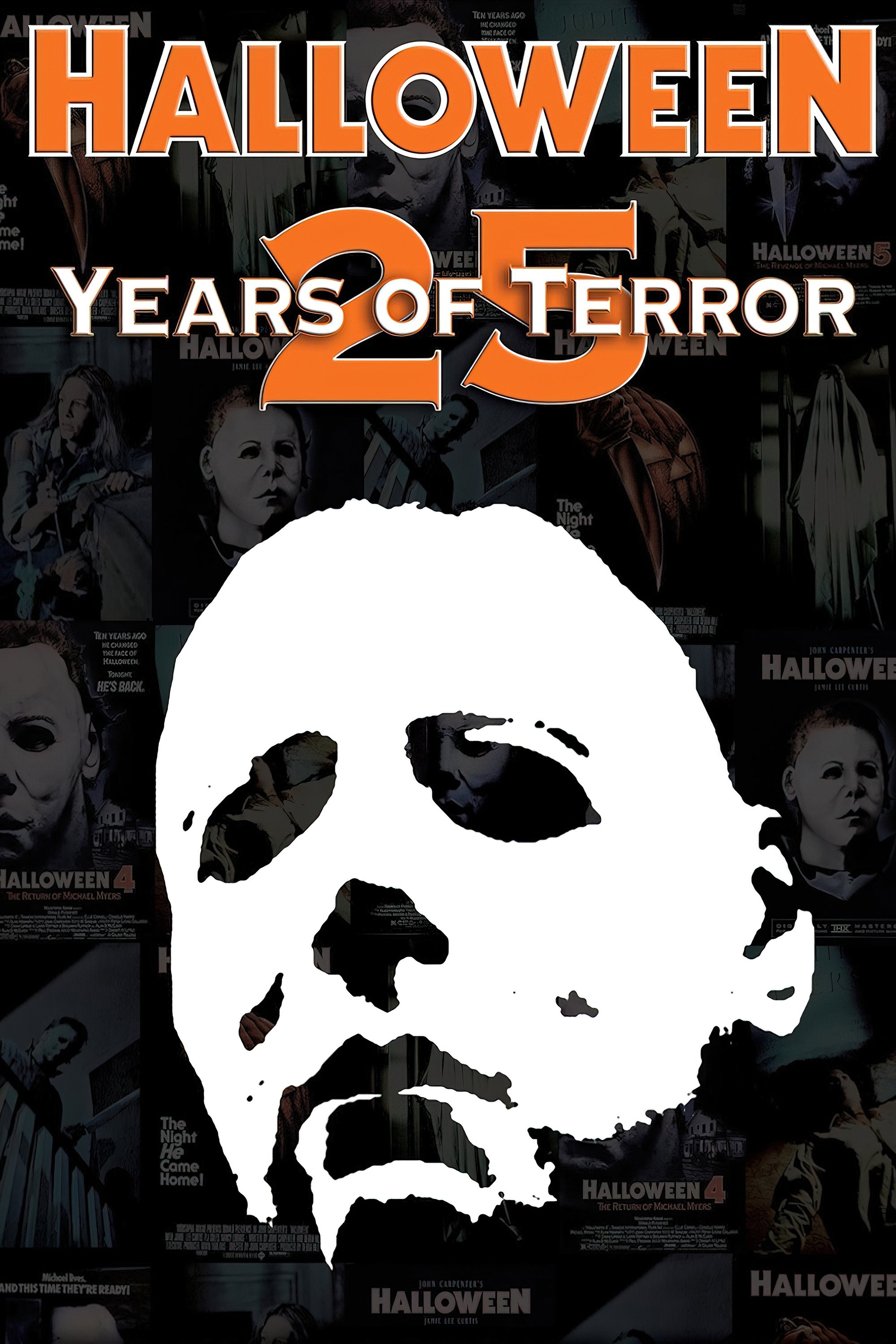
Follow the evolution of the 'Halloween' movies over the past twenty-five years. It examines why the films are so popular and revisits many of the original locations used in the films - seeing the effects on the local community. For the first time, cast, crew, critics and fans join together in the ultimate 'Halloween' retrospective.
A documentary that explores the downloading revolution; the kids that created it, the bands and the businesses that were affected by it, and its impact on the world at large.
A close look at the assassin's lifestyle in the film.
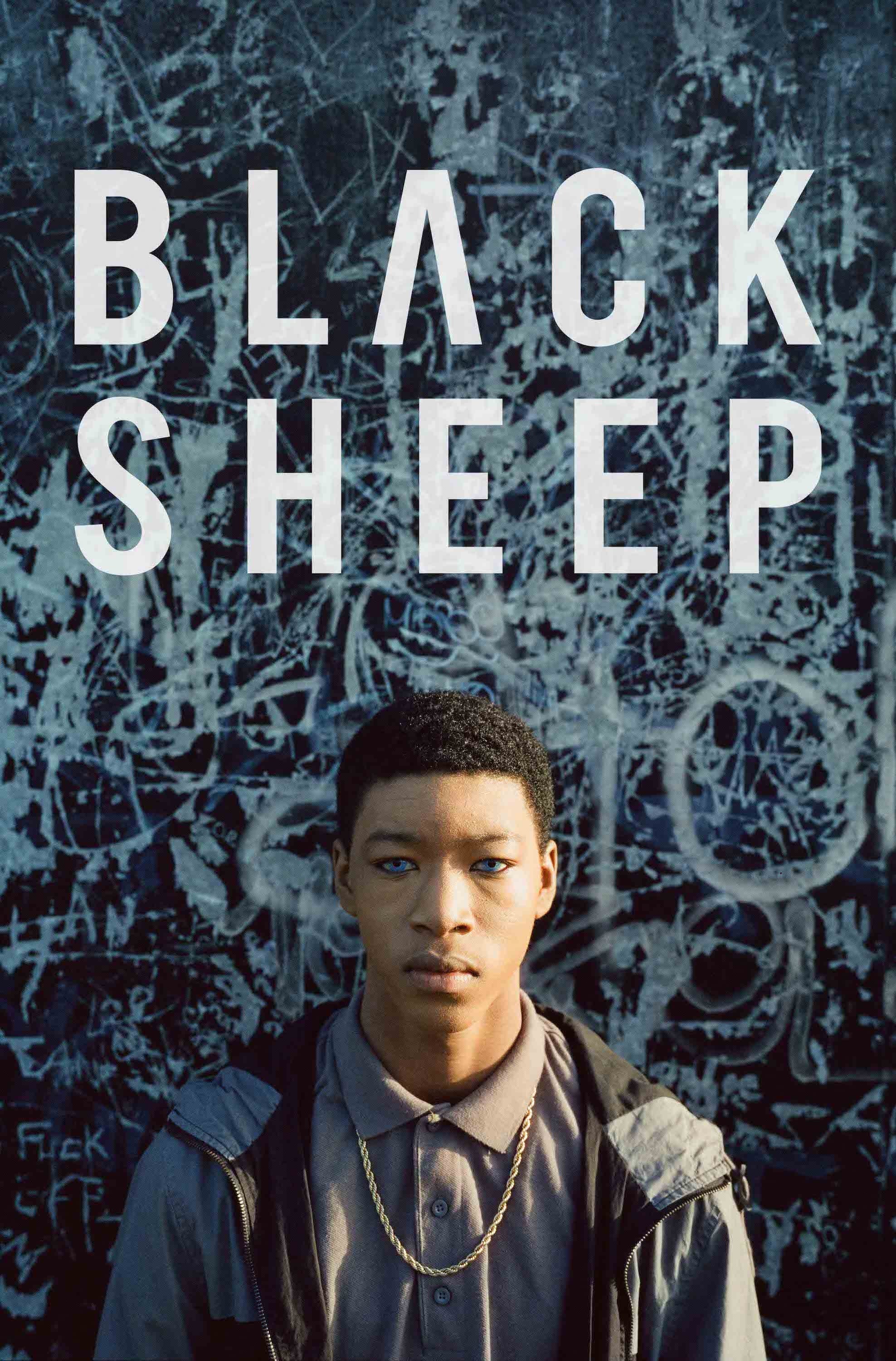
After the high-profile killing of Damilola Taylor, Cornelius' family move out of London. But when they discover their new town is run by racists, Cornelius takes a drastic step to survive.
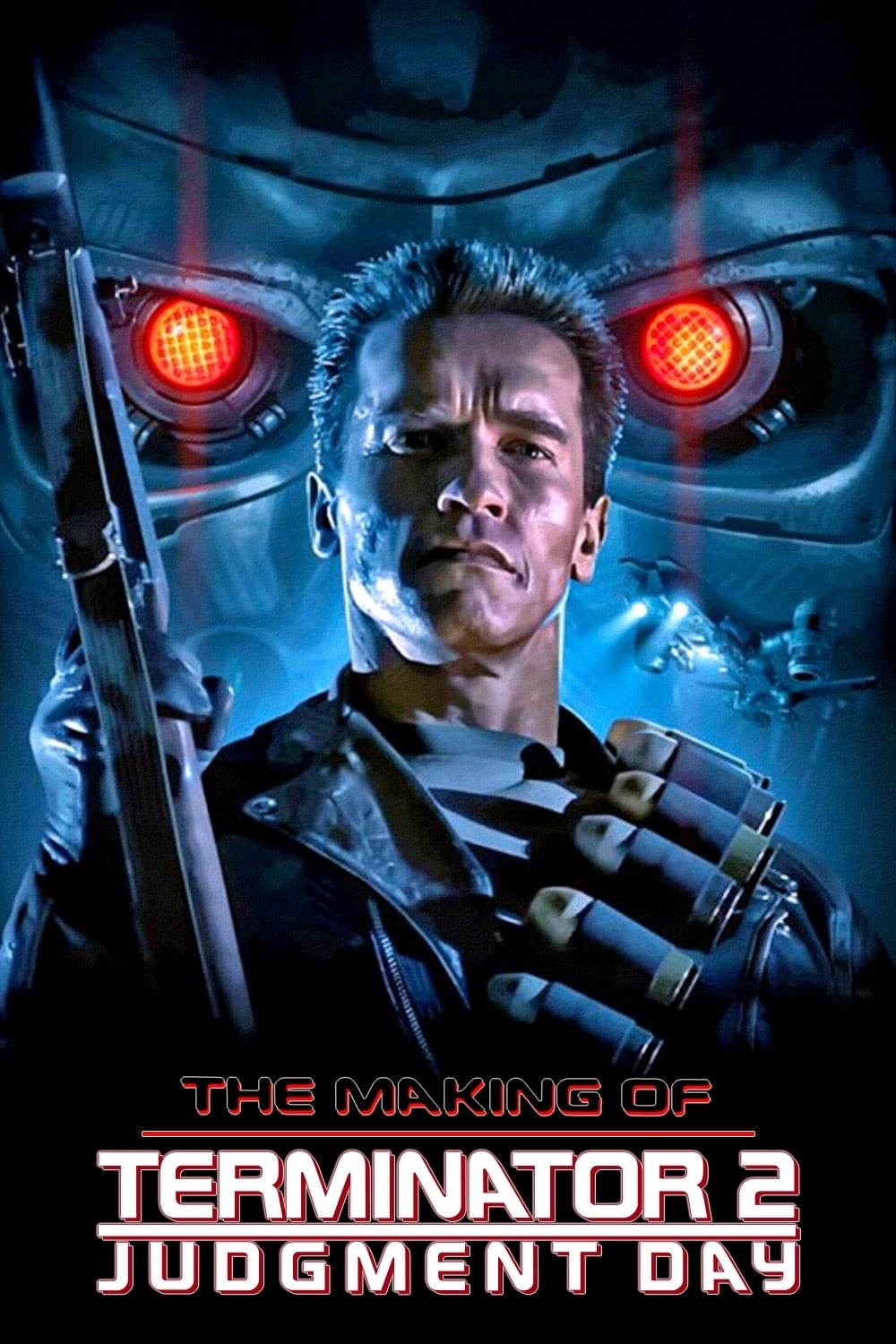
Documentary of the making of the sequel to the popular Schwarzenegger film, The Terminator.
A documentary about the life and films of director John Ford.
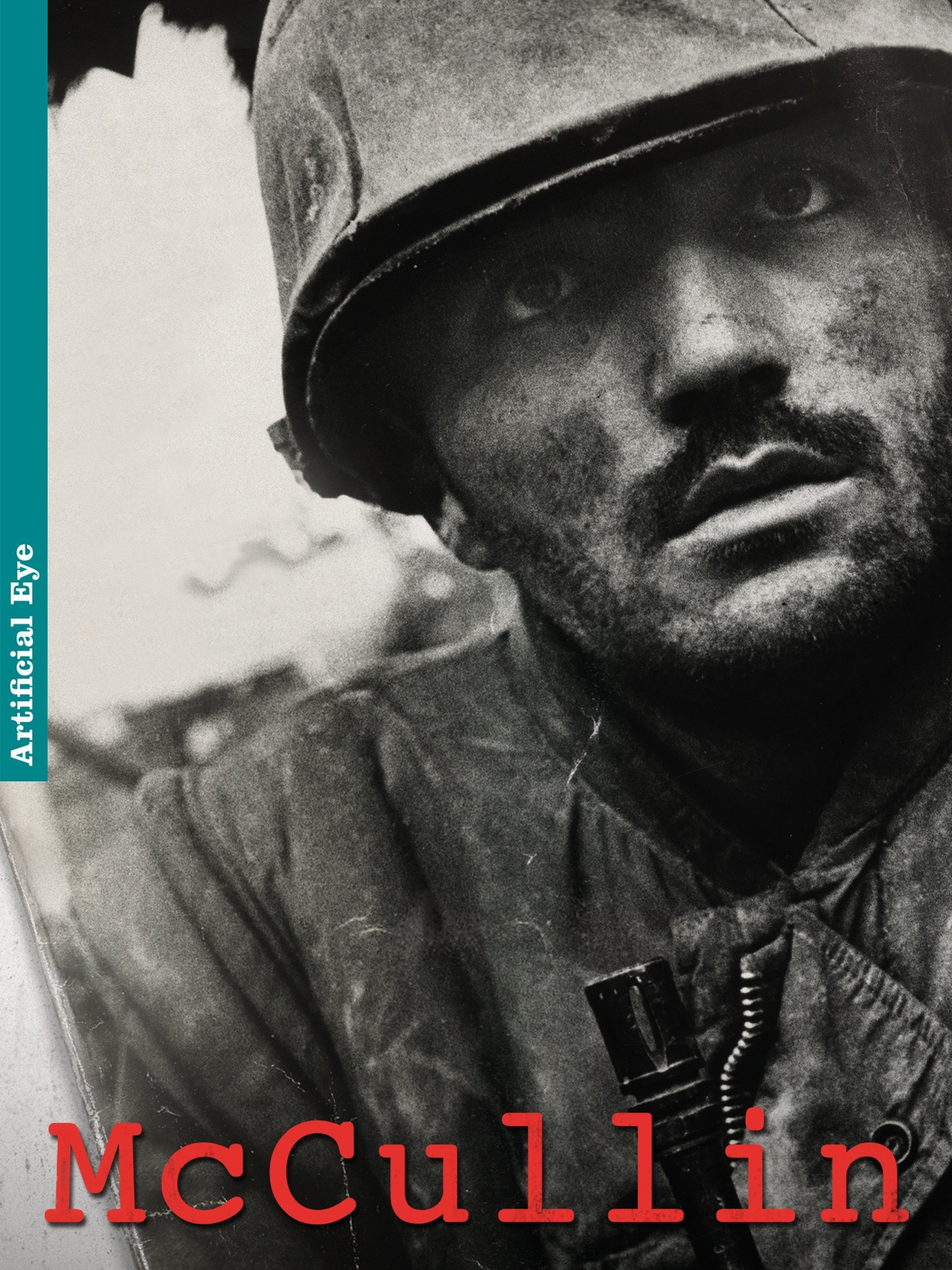
Biographical documentary of the war photographer Don McCullin, with sections on his upbringing, early work for the Observer and extensive war reporting for the Sunday Times until the purchase of the newspaper by Rupert Murdoch in the 1980s.