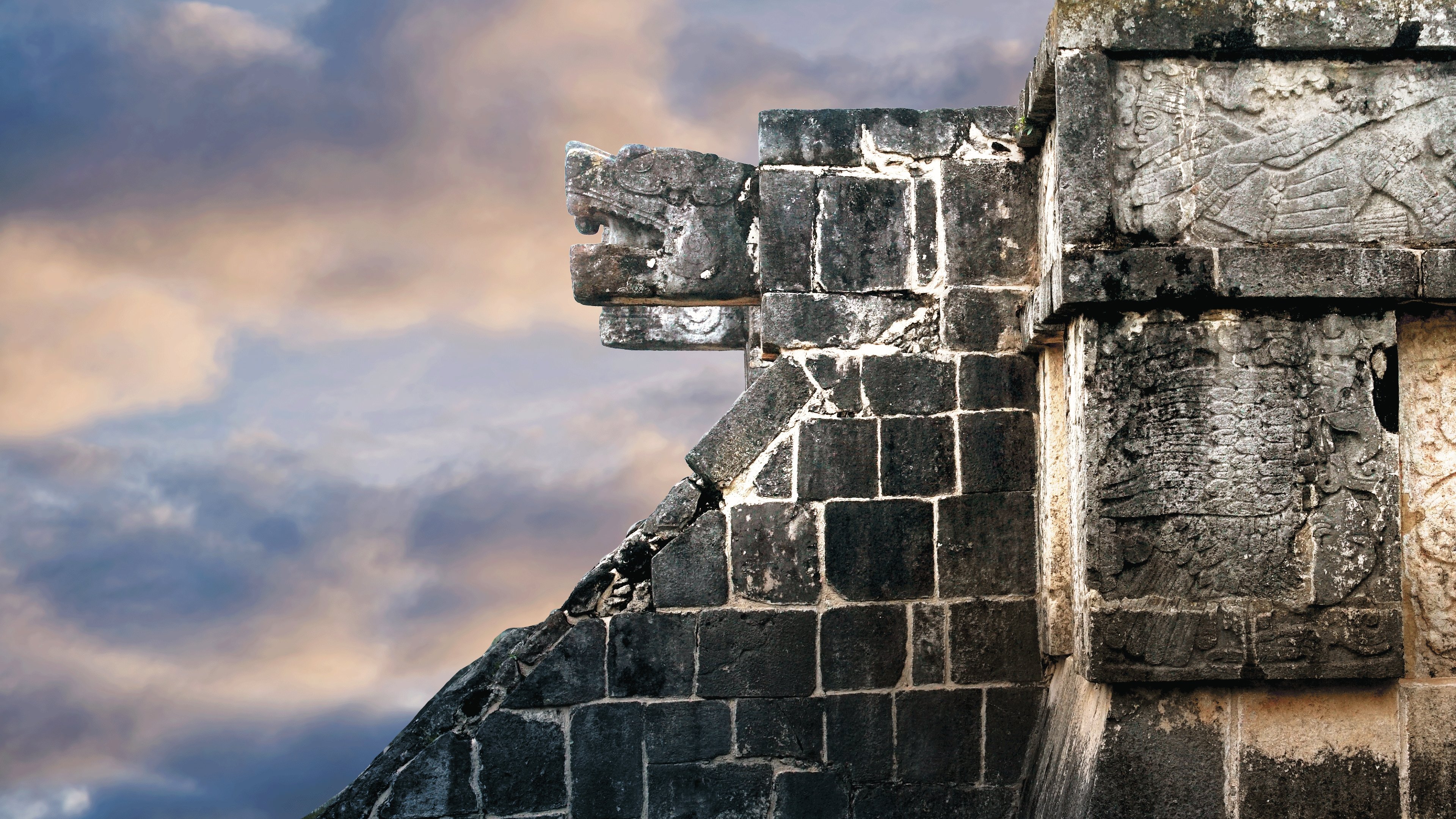
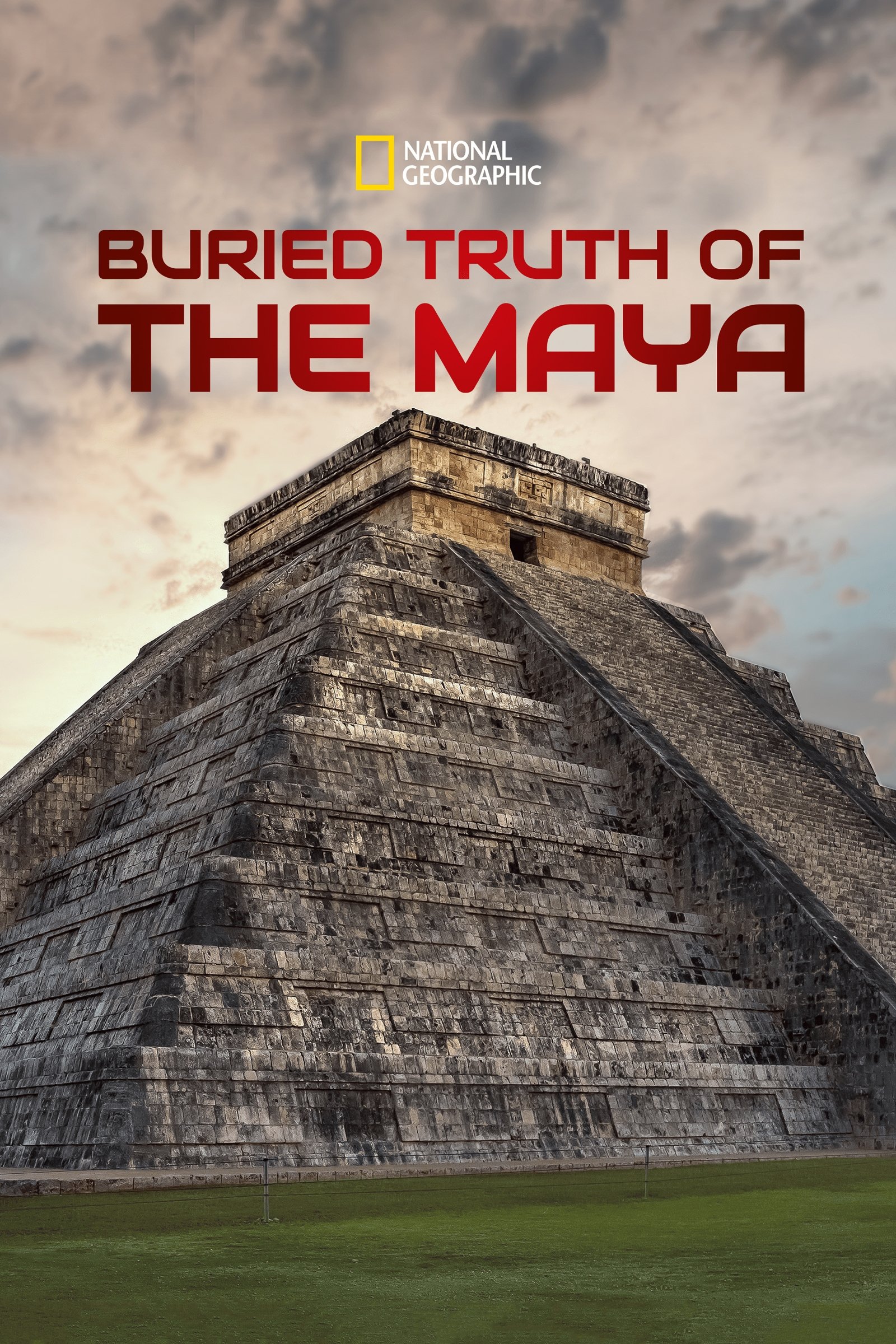

Maya legend tells us that there is a hidden underground cave below Chichen Itza, now high tech archaeologists are here to find the buried truth.
Social & External
Narrator
Self
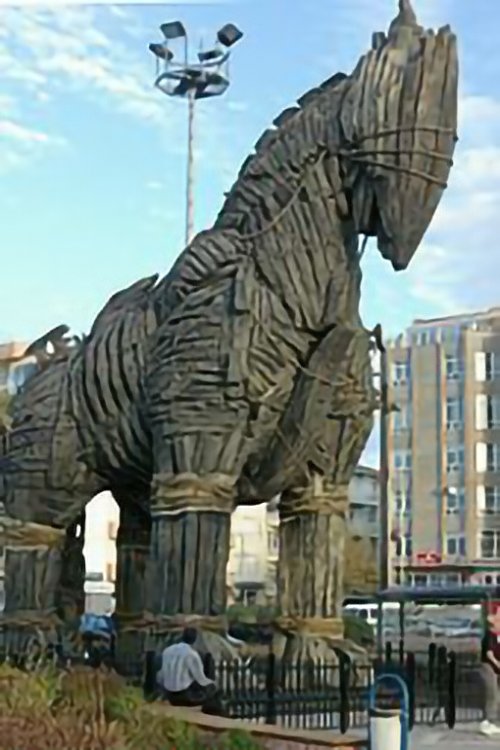
The story of the Trojan Horse is probably one of the most famous stories ever told: after ten years of bloody war, the Greek coalition decides to lift the siege and depart, but not before leaving at the gates a huge wooden horse, which the Trojans confidently lead into the city. A few hours later, the once invincible Troy goes up in flames. What exactly happened? Is this myth true or false?
Outside the Sudanese capital Khartoum, the remains of an ancient city stand in the desert. Are you ready to dive beneath the pyramids of Sudan's black pharaohs?
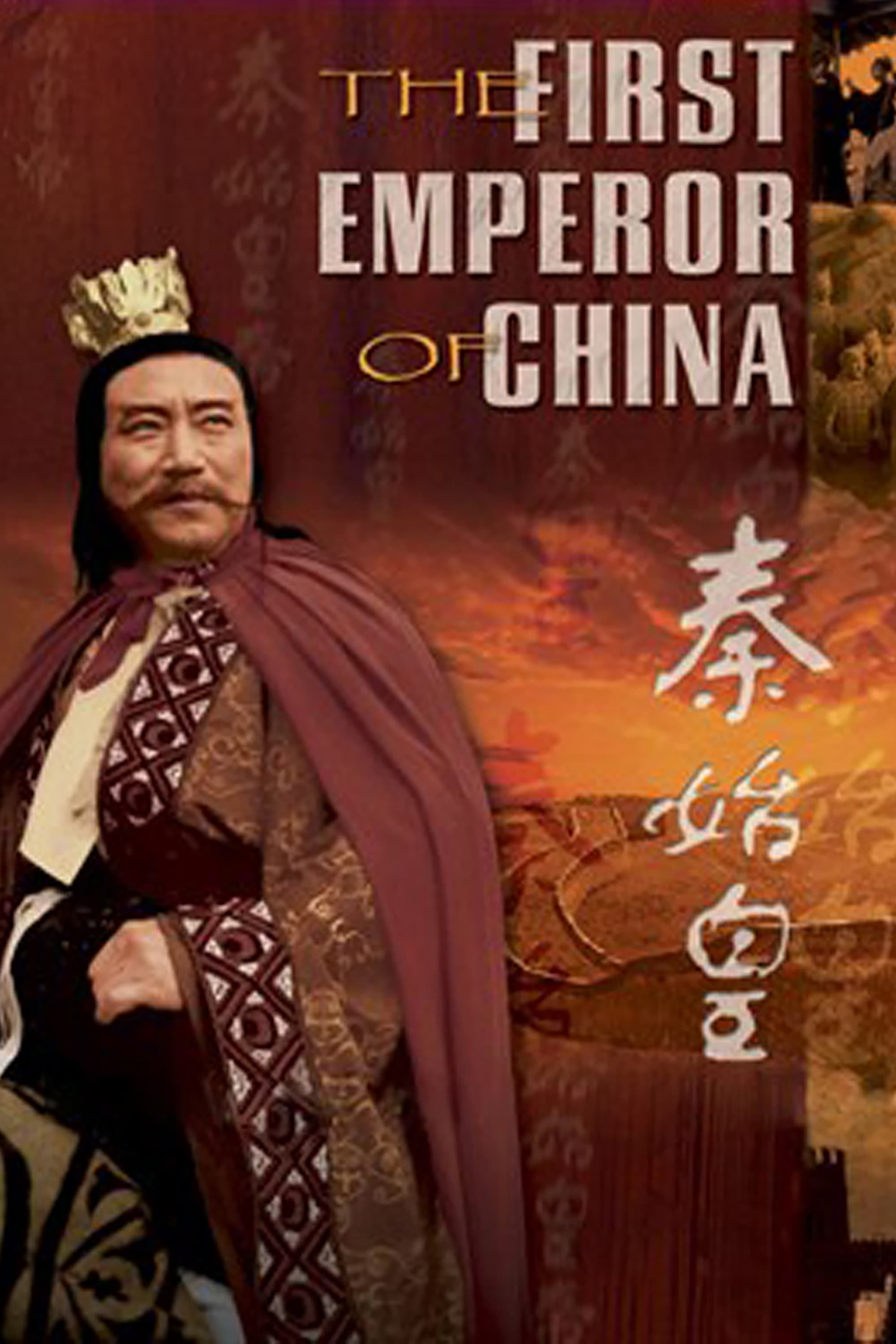
This historical drama tells the story of Qin Shihuang, who unified China's vast territory and declared himself emperor in 221 B.C. During his reign, he introduced sweeping reforms, built a vast network of roads and connected the Great Wall of China. From the grandiose inner sanctum of Emperor Qin's royal palace, to fierce battles with feudal kings, this film re-creates the glory and the terror of the Qin Dynasty, including footage of Qin's life-sized terra cotta army, constructed 2,200 years ago for his tomb.
In this gripping investigation, archaeologist Pepi Papakosta is on a hunt for Alexander the Great's lost tomb, and she makes an extraordinary discovery.
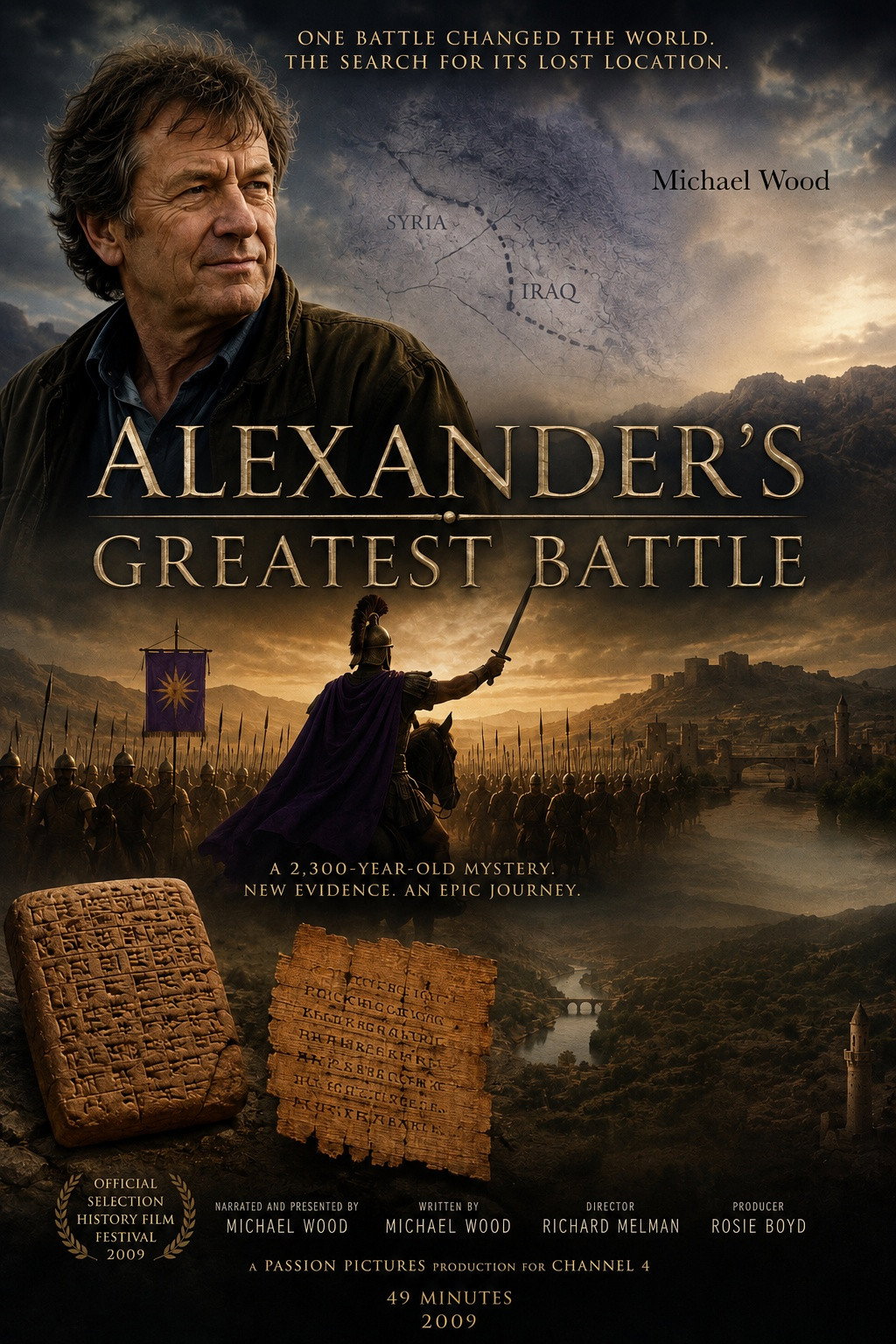
Michael Wood travels through Syria and Iraq to uncover the story of Alexander the Great's decisive battle against the might of the Persian Empire in 331 BCE. Ancient writers agreed that it was fought somewhere near the city of Irbil in northern Iraq, but the exact location has never been discovered. Using dramatic new finds in the UK - a cuneiform clay tablet in the British Museum and a papyrus dug up in Egypt - Michael sheds new light on the course of events. Then to reconstruct the campaign, he follows Alexander's route through Damascus and Aleppo to the river Euphrates in Syria and travels into Northern Iraq with the British and US military.
Come back with us to Ancient Greece, 2,500 Years ago to the original Olympic Games. The ancient Games, like our modern Olympics, included champions and cheaters, glory and scandals, bitter rivalries and contests of strength, speed and savage combat. Set in 448 BC when the pounding of horse's hooves and the brutal hand-to-hand combat could be heard and seen by the crowds that filled the Olympic stadium. This one-hour special event follows the glory and corruption of the arc of a single, five-day Olympiad. The competitions include chariot racing, running, jumping, discus, javelin and two man-to-man combat finals-boxing and pankration, a form of extreme fighting in which death was not uncommon. With the help of sports historians and great athletes such as George Chuvalo and Olympic medallists Donovan Bailey and Angela Schneider, viewers travel back to a very different life-in a very different world.
A documentary film about Ancient Thrace.
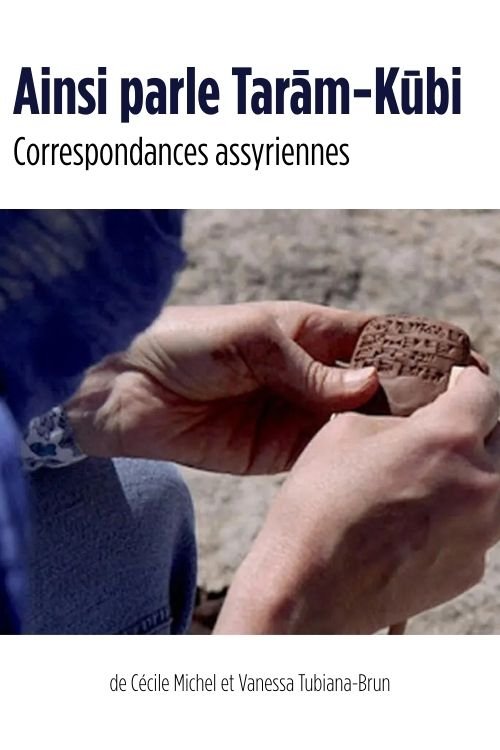
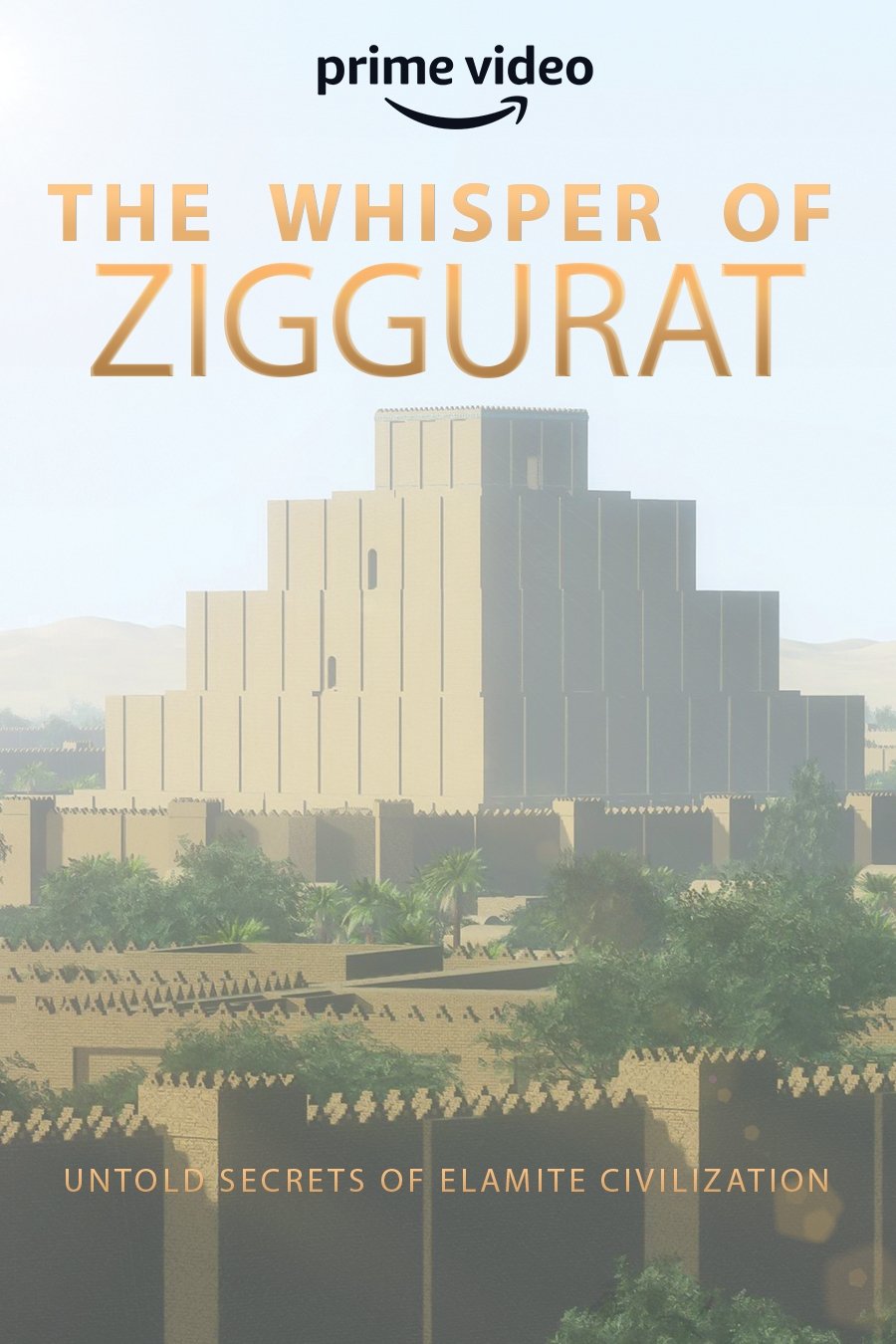
About 4 000 years ago, Assyrian merchants established a commercial settlement in the ancient city of Kaneš, within Central Anatolia. They came from Aššur, north of Mesopotamia. We have come to understand their history through their writings on clay tablets that have stood the test of time: more than 22 500 cuneiform tablets have been unearthed from the archaeological site of Kültepe. How did these Mesopotamian clay tablets arrived in Anatolia and what do they tell us? The voice of Tarām-Kūbi, an Assyrian woman who corresponded with her brother and her husband in Kaneš, takes us back in time.
The film chronicles the last 3 years of Akhenaten -called "the heretic pharaoh"- and his wife Queen Nefertiti, their mysterious and convulse reign in the context of the profound political and theological reform they promoted.
Ancient pharaoh Akhenaten was almost lost to history. Canadian archaeologist Donald Redford, who uncovered the foundation of one of the pharaoh’s many temples, attempts to finally piece together this great Egyptian ruler’s enigmatic story.
The ancient ancestors of today’s Maya people thrived in large sophisticated cities across Central America for centuries. Why, around 750 CE, did they begin to abandon many of their major cities? Archaeologists investigate dramatic new evidence of the catastrophic droughts and instability that pushed cities beyond their limits.
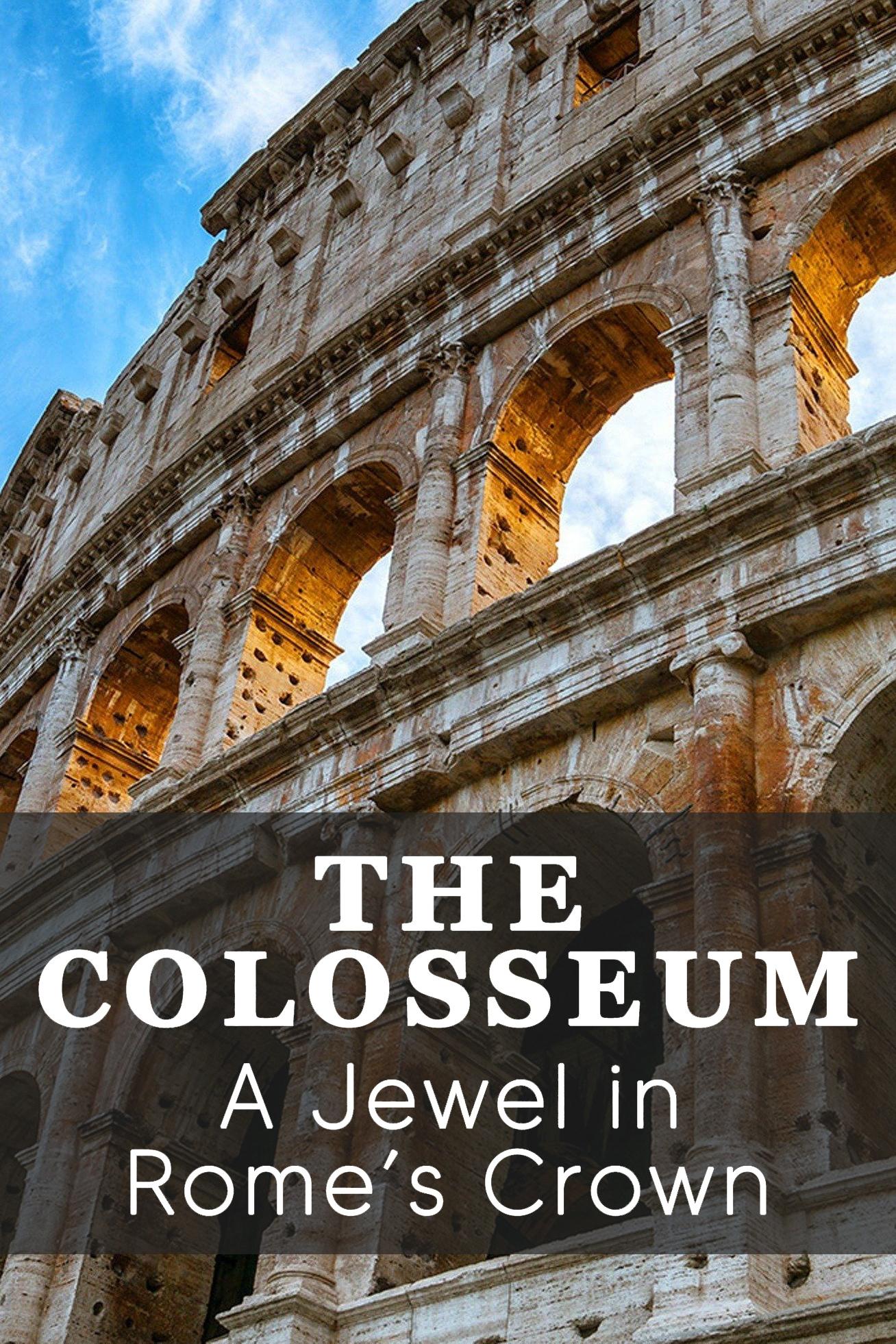
With more than seven million visitors a year, its massive structure and awesome architecture testify to the genius of ancient Roman building techniques, earning it a place not only among UNESCO's World Heritage sites but as one of the new seven wonders of the world. The Roman Colosseum is an emblem of the power of a bygone empire.
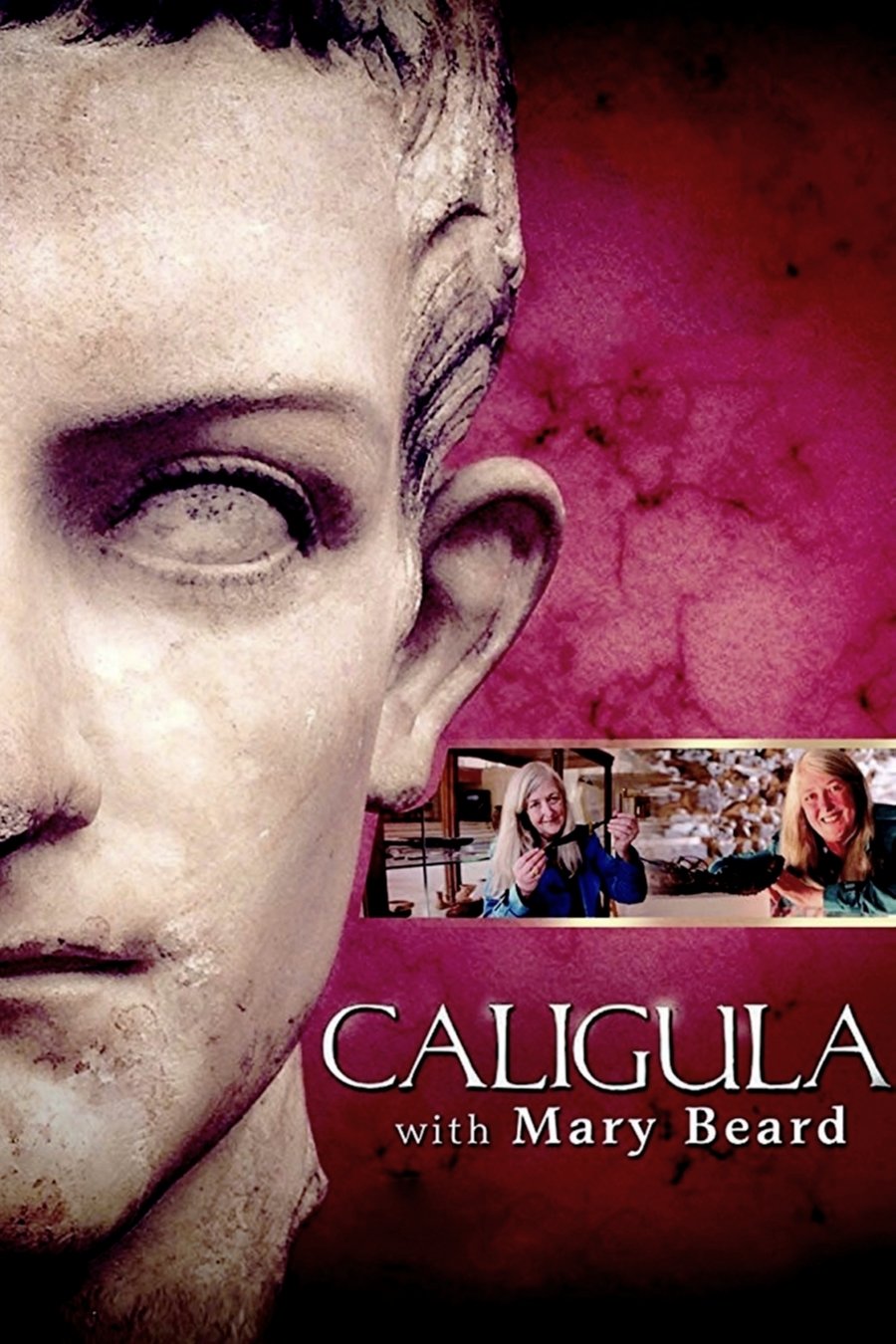
What is true and what is false in the hideous stories spread about the controversial figure of the Roman emperor Gaius Julius Caesar Augustus Germanicus (12-41), nicknamed Caligula? Professor Mary Beard explains what is accurate and what is mythical in the historical accounts that portray him as an unbalanced despot. Was he a sadistic tyrant, as Roman historians have told, or perhaps the truth about him was manipulated because of political interests?
The Scythians, skilled horsemen and nomadic conquerors, built a feared empire in the vast Eurasian steppe between the 9th and 3rd centuries B.C. All that remains are their graves: the Kourganes. In April 1999, a 2400 year-old Scythian tomb was discovered in Kazakhstan. It contained, among other treasures, twelve horses completely harnessed in gold, suggesting high social status.
Forensic experts scan Pompeii’s victims to investigate why they didn’t escape the eruption.
The 1st queen of the king dies in child birth, the prince survives. After the 2nd queen, gives birth to a new prince, she plots to kill the 1st prince, so that her son would get the crown after the king. A soldier senses this danger and ousts the prince to a rural village for survival. The village headman adopts the child without knowing the origin of the child. The prince gradually forgets his royalty, and grows up as a skillful and handsome farmer. After the death of the king, the soldier and religious leaders plan to bring the real prince to the crown.
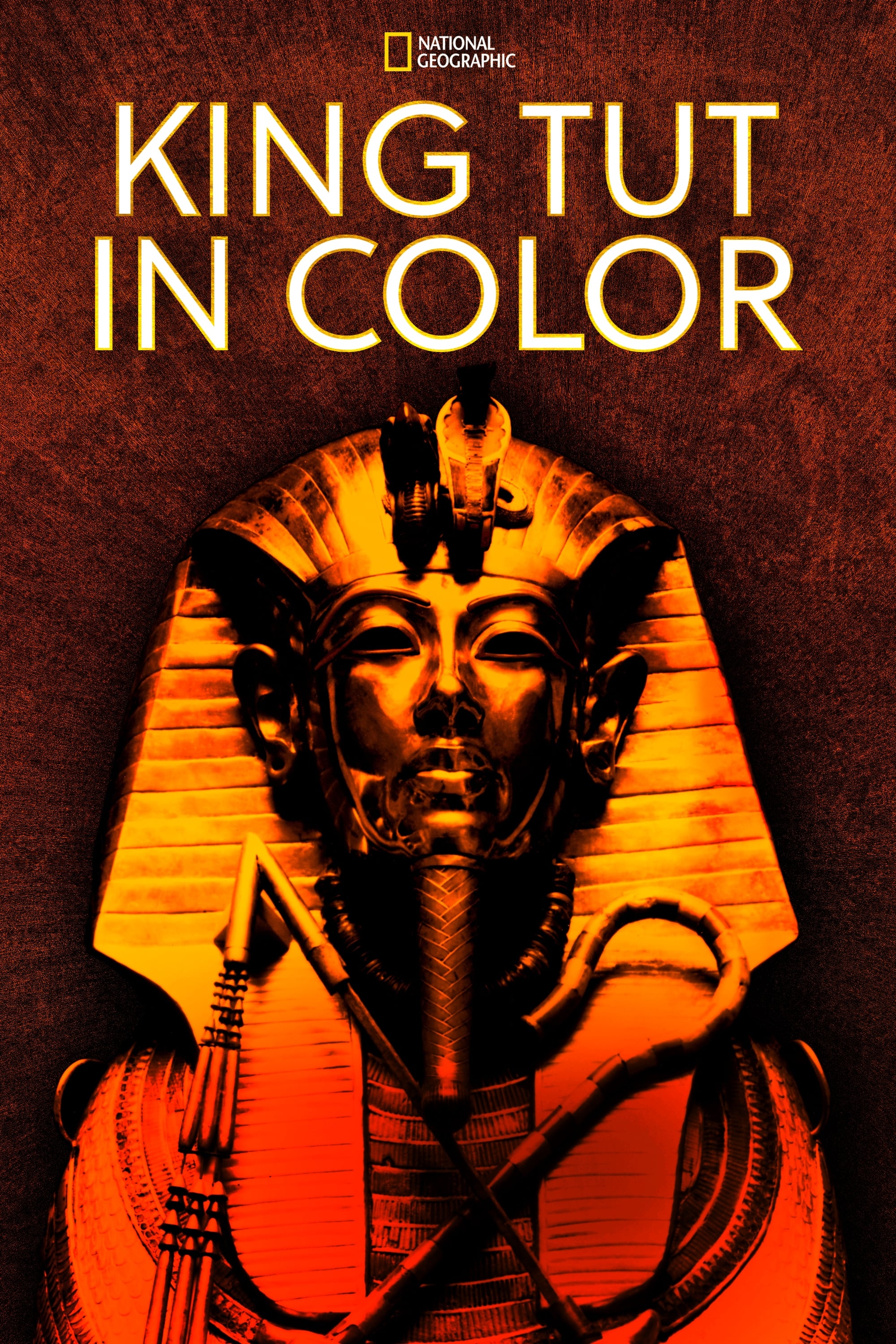
The discovery of Tutankhamun’s tomb is revealed for the first time in color, thanks to colorization of black-and-white newsreel and photographs.
In 16th century feudal Japan the war between the Iga clan and the Kouga clan continues unabated. Typically for such violent disputes it is the women who suffer the most – in this case lowly castrated Kouga clan ninjas are kidnapping woman from their rivals’ lands and transporting them back to their own, with the intent to use them as concubines. Unfortunately for a trio of inept Kouga ninjas, one of the women they’ve kidnapped is Kisaragi (Rina Takeda), a skilled ninja with a long standing vendetta since her mother was kidnapped when she was just a baby.
The Great Year is a compelling documentary that explores the possibility that the fall of ancient civilizations around the globe, and the rise of modern civilization, might be related to our Sun’s motion around a companion star. The film examines evidence that ancient civilizations may have known of this celestial cycle and that our Sun may indeed display the characteristics of binary motion. Just as the Earth’s spin on its axis causes day and night and our planet’s annual orbit around the Sun is responsible for the ongoing cycle of the seasons, what if there is some greater celestial cycle, lasting thousands of years, slowly influencing the rise and fall of civilization across the globe? Where is the evidence? What could be the cause?
Recent discoveries in archaeology are exploding the myth of the Amazon as a primeval wilderness, revealing traces of ancient civilizations that flourished for centuries, with populations numbering in the millions.
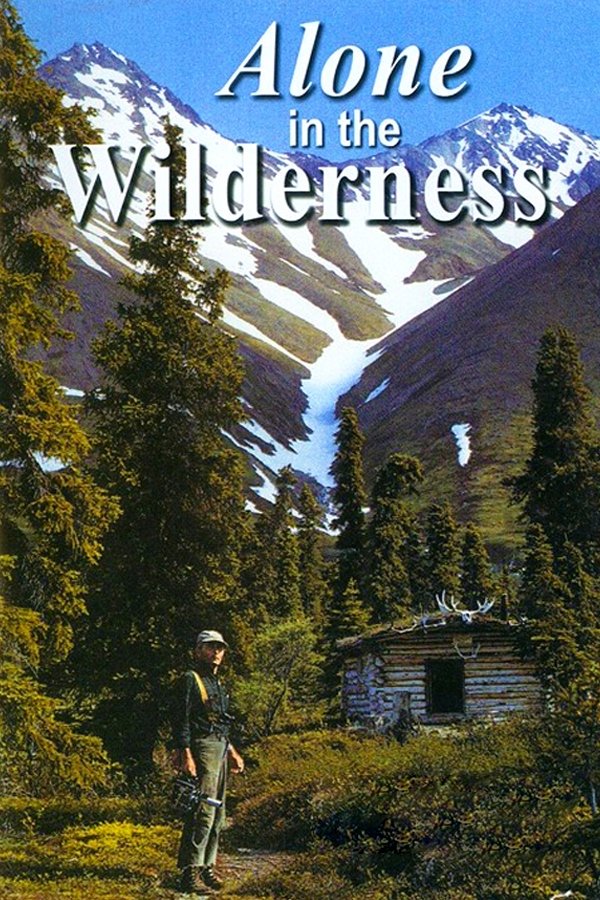
Dick Proenneke retired at age 50 in 1967 and decided to build his own cabin in the wilderness at the base of the Aleutian Peninsula, in what is now Lake Clark National Park. Using color footage he shot himself, Proenneke traces how he came to this remote area, selected a homestead site and built his log cabin completely by himself. The documentary covers his first year in-country, showing his day-to-day activities and the passing of the seasons as he sought to scratch out a living alone in the wilderness.
This documentary delves into the mysteries surrounding the Neanderthals and what their fossil record tells us about their lives and disappearance.
The history of cinematic sound, told by legendary sound designers and visionary filmmakers.
A documentary examining possible historical and modern conspiracies surrounding Christianity, the 9/11 terrorist attacks, and the Federal Reserve bank.
A woman’s Holocaust memoir takes the world by storm, but a fallout with her publisher-turned-detective reveals her story as an audacious deception created to hide a darker truth.
In a tiny Alabama town with the curious name of Muscle Shoals, something miraculous sprang from the mud of the Tennessee River. A group of unassuming, yet incredibly talented, locals came together and spawned some of the greatest music of all time: “Mustang Sally,” “I Never Loved a Man,” “Wild Horses,” and many more. During the most incendiary periods of racial hostility, white folks and black folks came together to create music that would last for generations and gave birth to the incomparable “Muscle Shoals sound.”
An unprecedented and intimate look at the life, work and enduring legacy of British actress Audrey Hepburn (1929-1993).
A behind-the-scenes documentary about the Clinton for President campaign, focusing on the adventures of spin doctors James Carville and George Stephanopoulos.
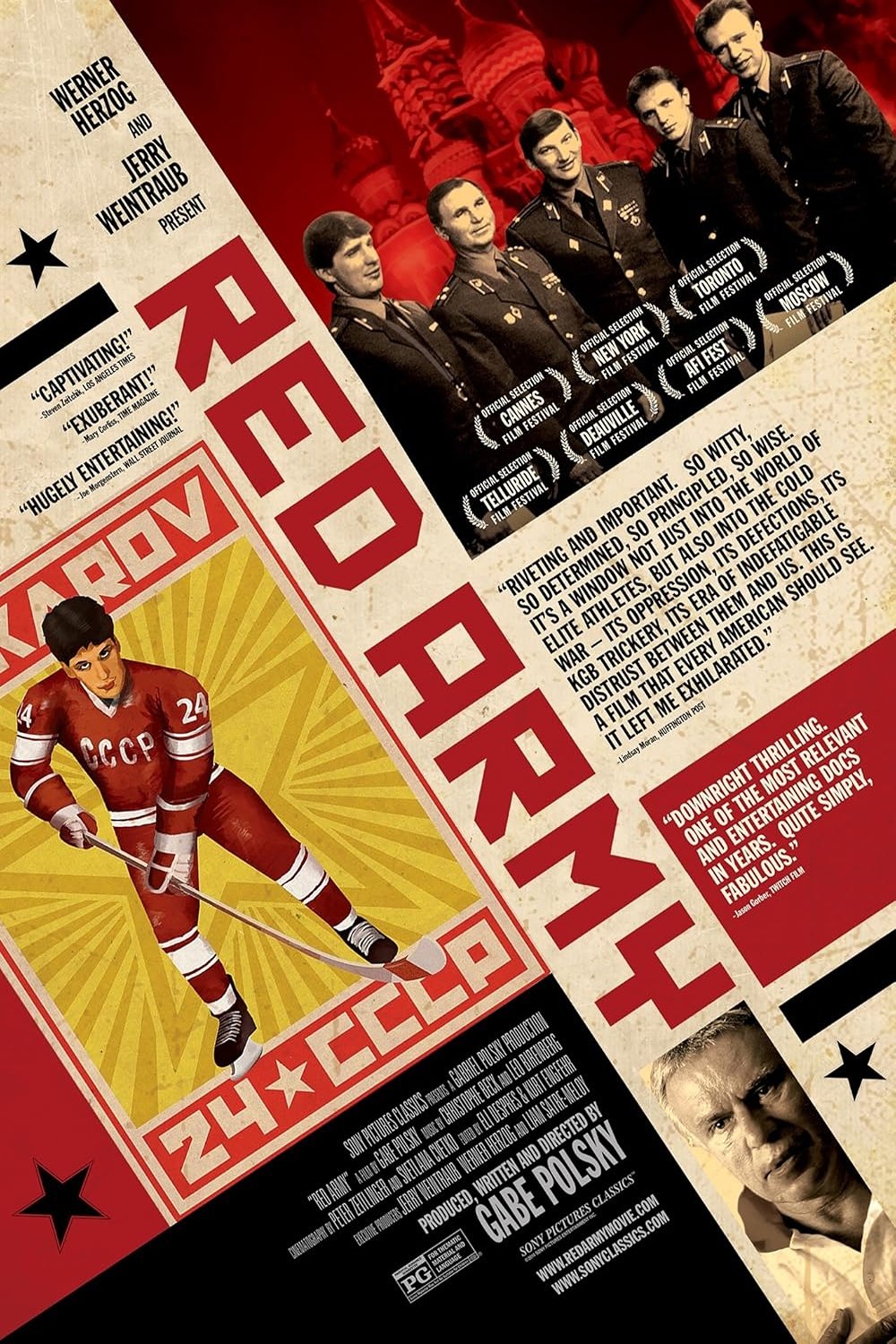
A documentary highlighting the Soviet Union's legendary and enigmatic hockey training culture and world-dominating team through the eyes of the team's Captain Slava Fetisov, following his shift from hockey star and celebrated national hero to political enemy.
Meet the real-life airmen who inspired Masters of the Air as they share the harrowing and transformative events of the 100th Bomb Group.
Using original footage and interviews, this documentary tells the nail-biting story of Apollo 13 and the struggle to bring its astronauts safely home.
Michael Moore comes home to the issue he's been examining throughout his career: the disastrous impact of corporate dominance on the everyday lives of Americans (and by default, the rest of the world).
Former United States Secretary of Defense, Donald Rumsfeld, discusses his career in Washington D.C. from his days as a congressman in the early 1960s to planning the invasion of Iraq in 2003.
This remarkable journey across our planet and universe explores how meteorites, shooting stars, and deep impacts have awoken our wonder about other realms—and make us rethink our destinies.
Archival material from the original NASA film footage – much of it seen for the first time – plus interviews with the surviving astronauts, including Jim Lovell, Dave Scott, John Young, Gene Cernan, Mike Collins, Buzz Aldrin, Alan Bean, Edgar Mitchell, Charlie Duke and Harrison Schmitt.
The story of Freda Kelly, a shy Liverpudlian teenager asked to work for a young local band hoping to make it big: The Beatles. Their loyal secretary from beginning to end, Freda tells her tales for the first time in 50 years.
Director Peter Joseph examines examples of economic subjugation and offers solutions based on alignment with nature.
Experience the events of September 11, 2001 through the eyes of President Bush and his closest advisors as they personally detail the crucial hours and key decisions from that historic day.
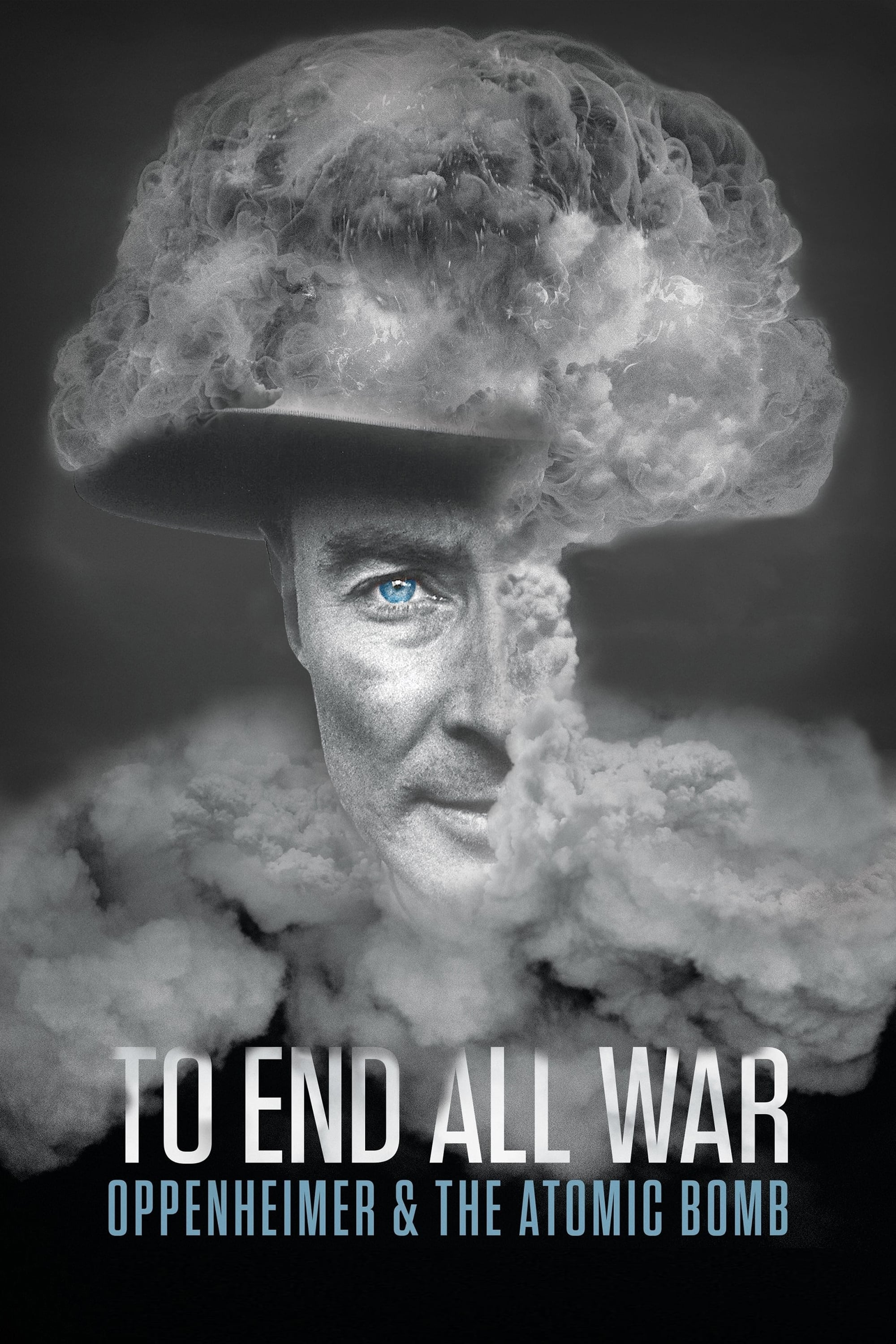
Explore how one man's relentless drive and invention of the atomic bomb changed the nature of war forever, led to the deaths of hundreds of thousands of people and unleashed mass hysteria.
For the 20th anniversary of "Titanic," James Cameron reopens the file on the disaster.