Social & External
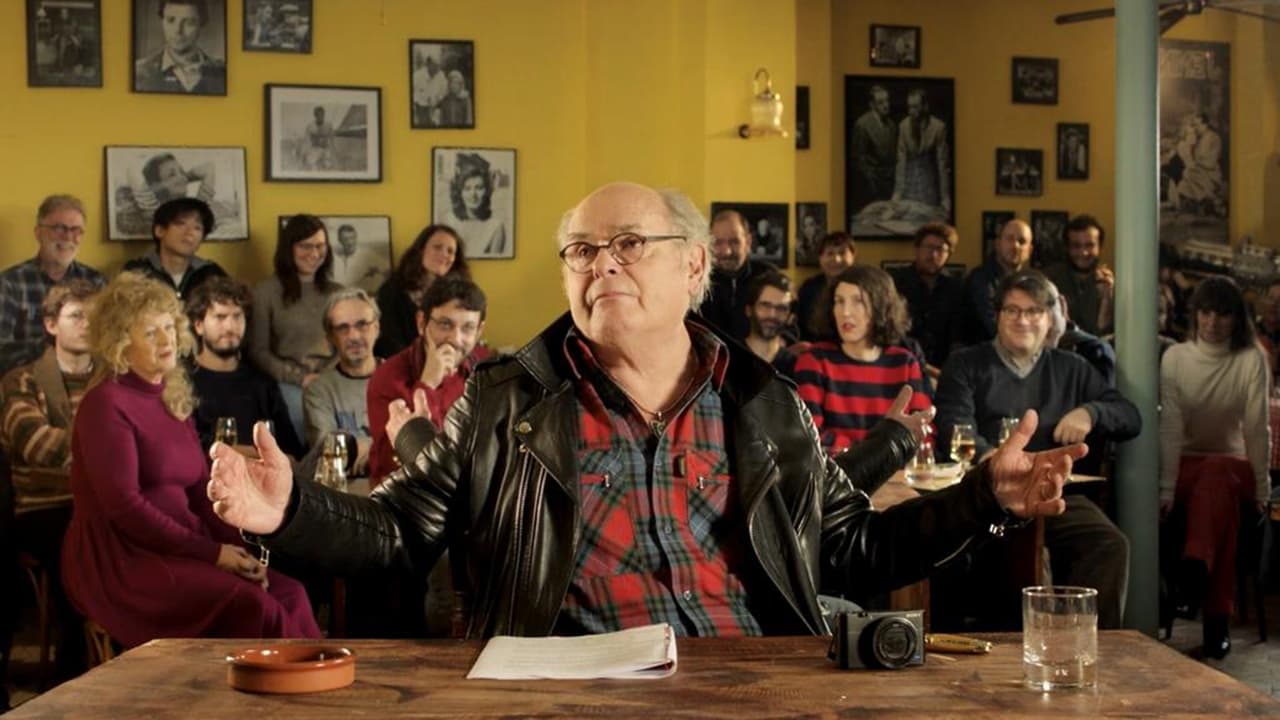
lui-même
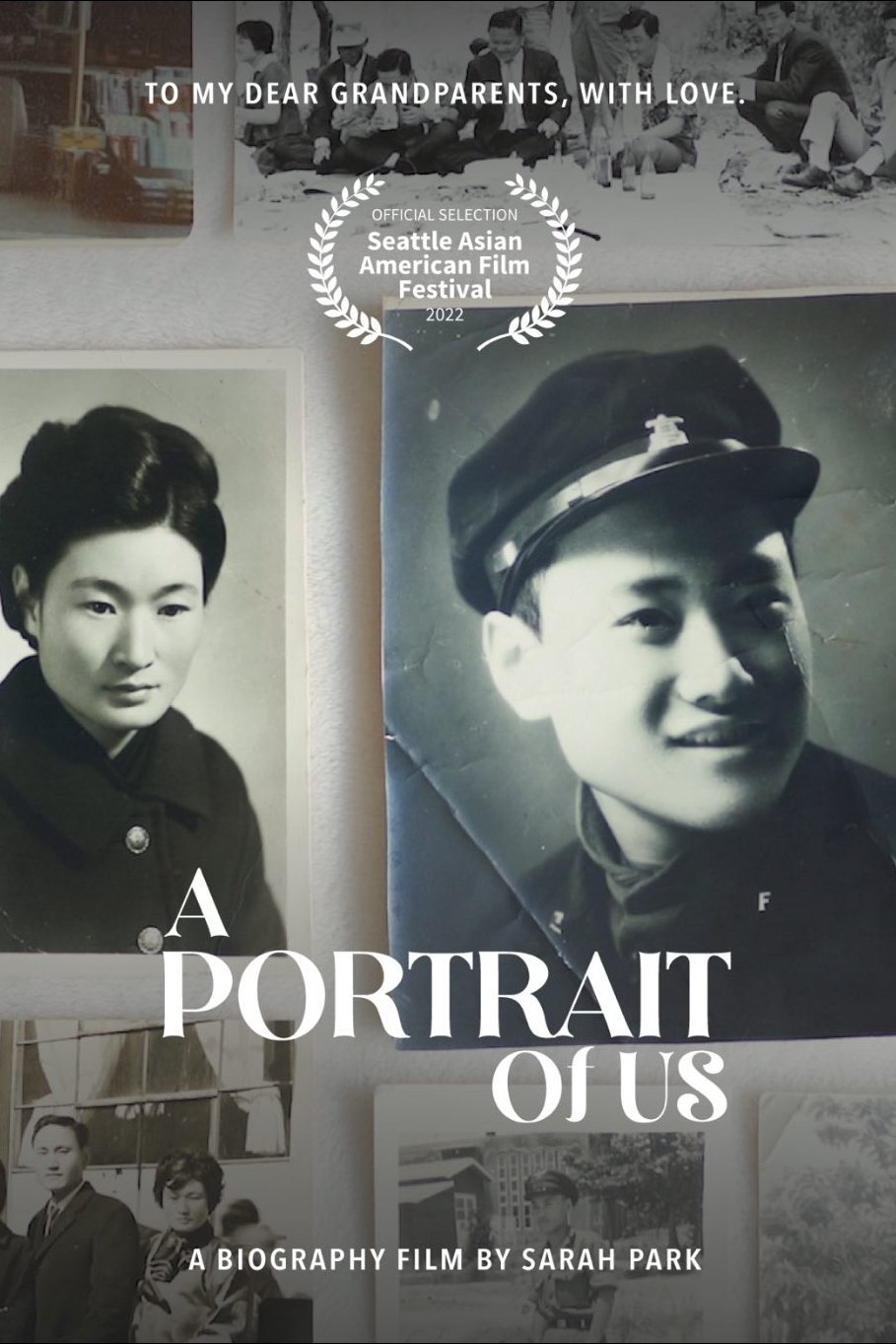
A short documentary that follows Korean grandparents as they share their modern-day reckoning of their immigration story and grandparenthood.
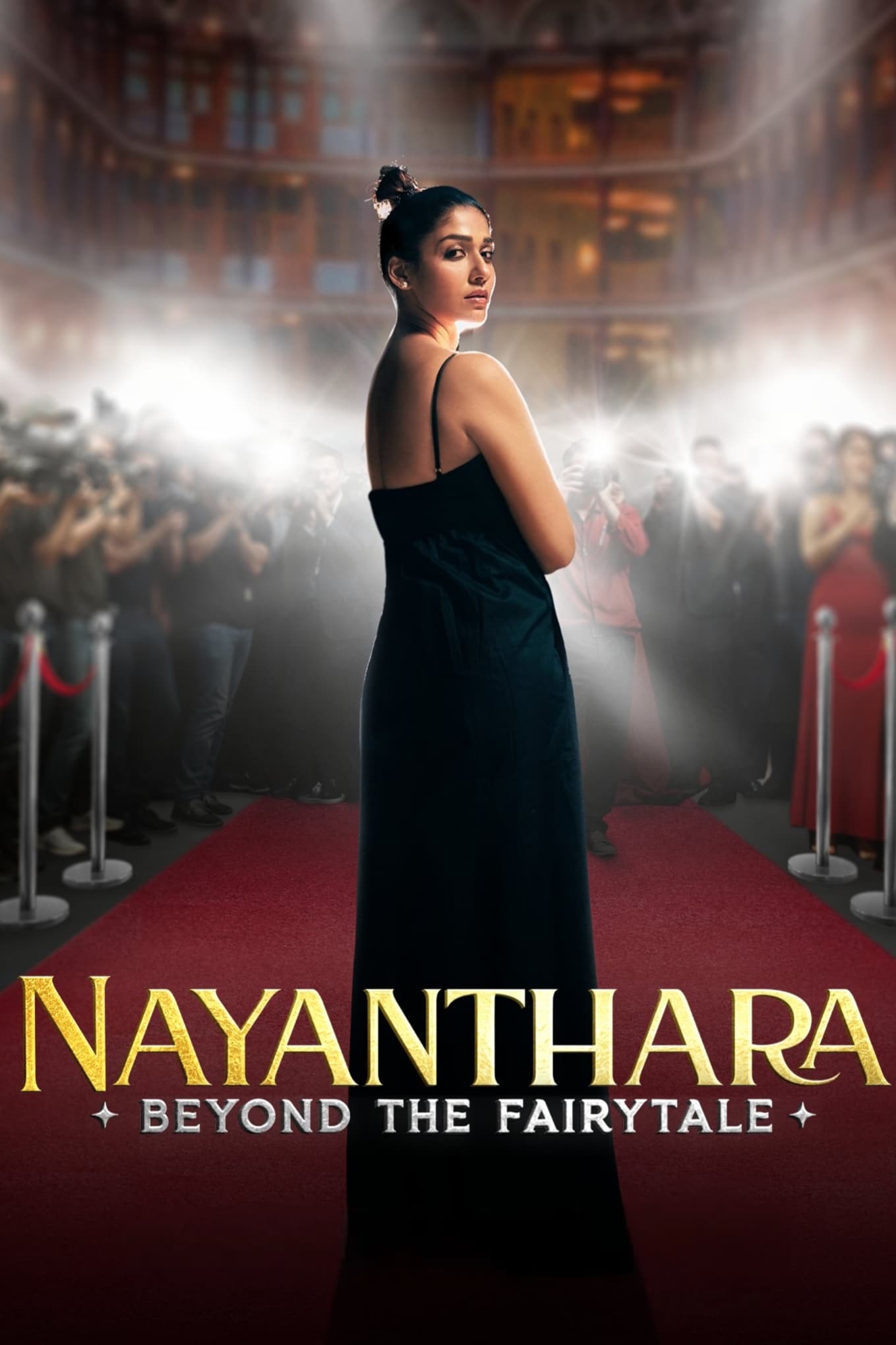
Celebrated actor Nayanthara looks back on her journey towards love and superstardom amidst personal struggles and triumphs in this intimate documentary.
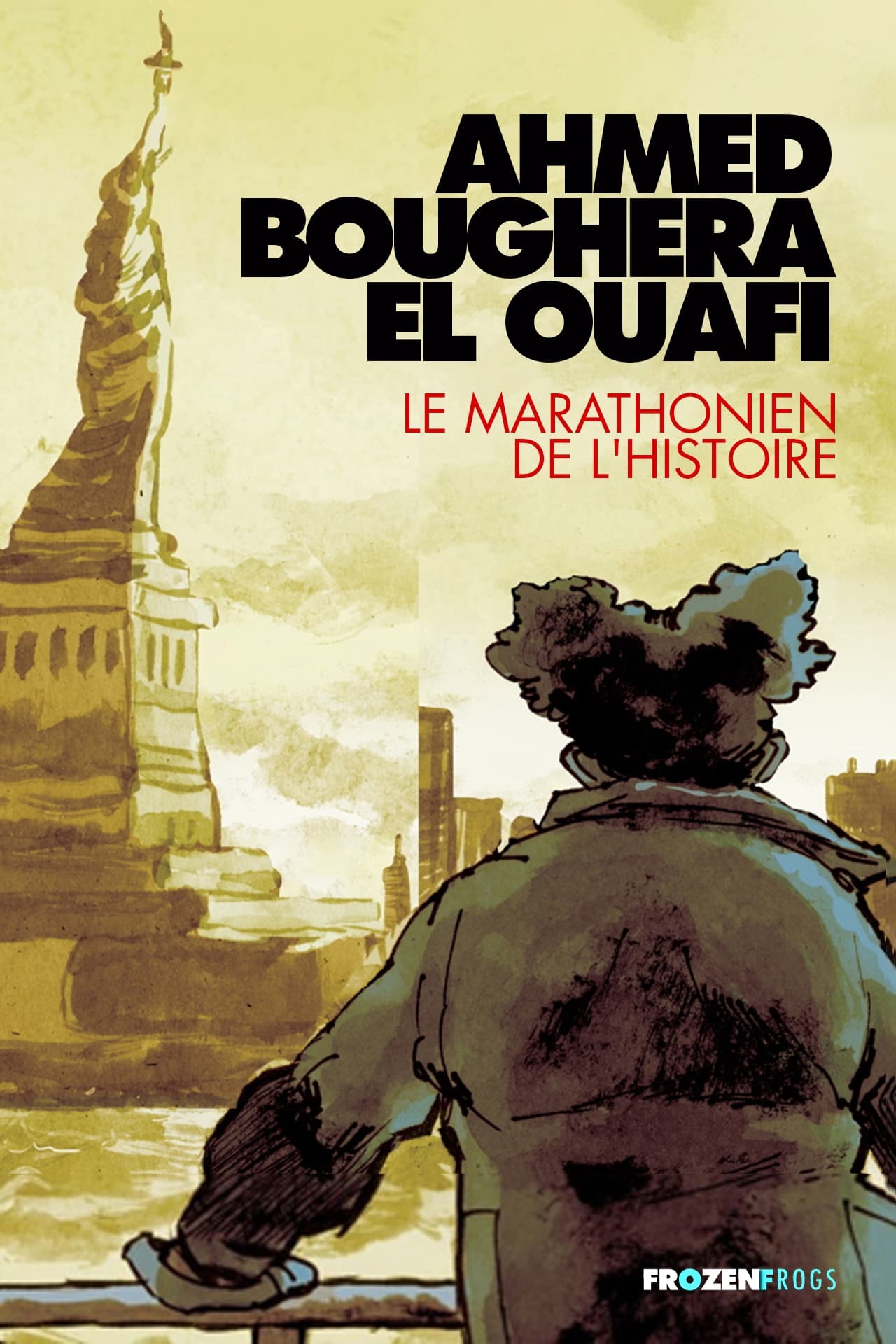
On August 5, 1928, after 2 hours and 32 minutes of racing, the 71st rooster wearing the bib entered the Olympic stadium in Amsterdam. Ahmed El Ouafi Bouguéra wins the gold medal and becomes the first Olympic champion from the African continent. He achieved his feat under the tricolor flag. The start of his real marathon is underway. The history of sport extends to the history of Algeria and France. This documentary retraces the different stages of the life of this great champion, not only the history of sport but also the great story. Archival photographs and interviews mingle with the painted paintings. The series thus once again gives voice to this forgotten hero, one of the great heroes of immigration who defended France for more than a century.
{ Auto-biography of all the video experience Gabriel had based on his childhood’s productions. }
For the first time, the true story of the mastermind behind World War II's Great Escape is told by his niece, Lindy Wilson. Squadron Leader Roger Bushell was a young London barrister, an auxiliary pilot and a champion skier when he was shot down and captured early in the war. He escaped three times and, in spite of the Gestapo's threat to shoot him if he ever escaped again, Bushell accepted the role of 'Big X' on his return to the top-security PoW camp, Stalag Luft 111. After 18 months of preparation, one of the greatest escapes of the war took place. Their aim to distract the enemy succeeded, as it was estimated that five million Germans were deployed to recapture the 76 escapees. However, Hitler's rage was uncontainable and he personally ordered a terrible reckoning. (Storyville)
Documentary about the life and career of Vittorio Mezzogiorno through the voice of his daughter Giovanna.
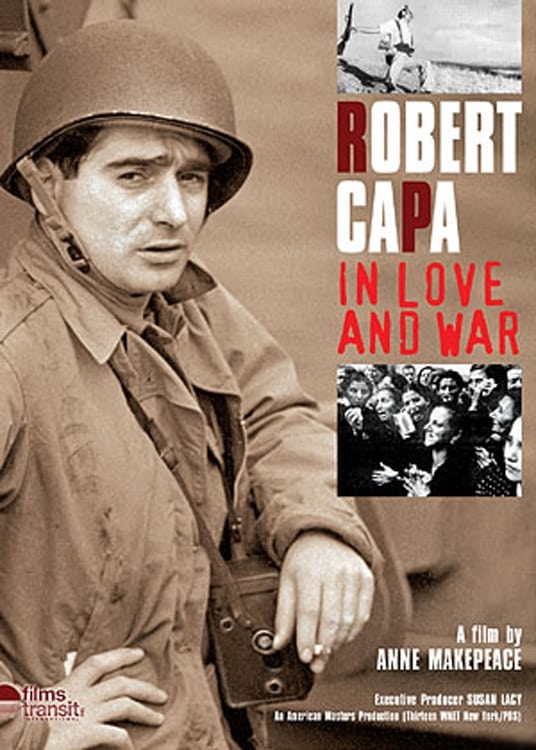
Profile of iconic war photographer Robert Capa, whose career spanned five epic conflicts across three continents before his untimely death at the age of 40. The film traces Endre Freidman's transformation from a young Jewish boy in Budapest to his becoming Robert Capa, the most famous war photographer in the world. (Storyville)
Sigmund Freud is one of the most important personalities of the 20th century and has not only left his imprint on psychology, his very own field of knowledge, but also on of science and cultural and intellectual history; indeed, he has shaped the twentieth century altogether. Otto Brusatti's film takes us to Vienna, New York, Rome, Paris and London and shows not only previously unknown material about Freud's life and environment but also takes a cautious look on Freud's doctrine.
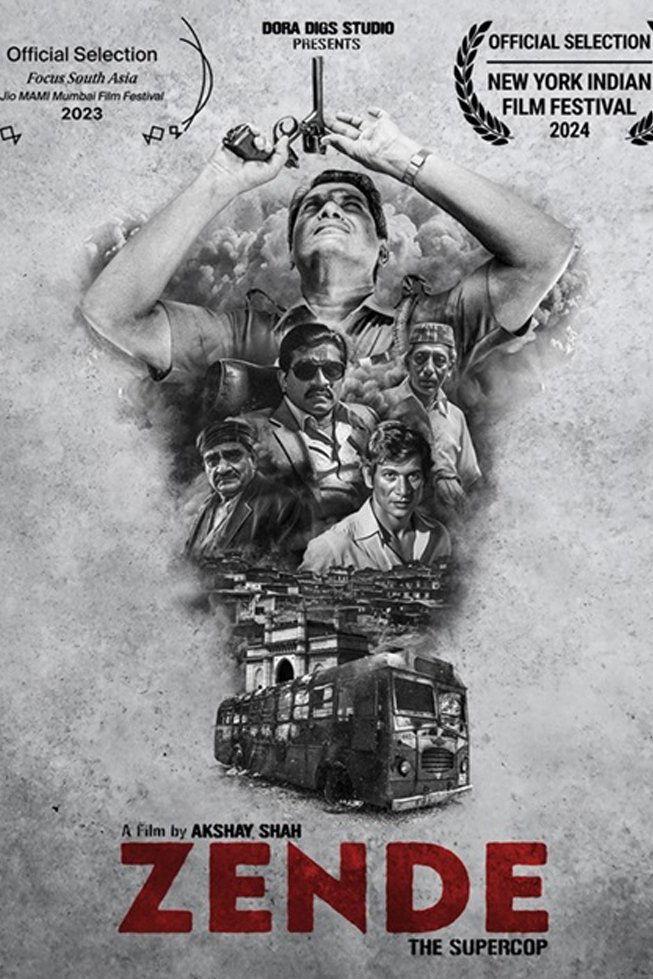
Zende follows the 82-year-old retired assistant commissioner of police in Mumbai, Madhukar Zende. The man who nabbed the infamous serial killer, Charles Sobhraj – twice. But Sobhraj is only a minor part of Zende’s colourful life. Through the eyes of this iconic cop, the film explores the history of Bombay and its various crimes spanning four decades.
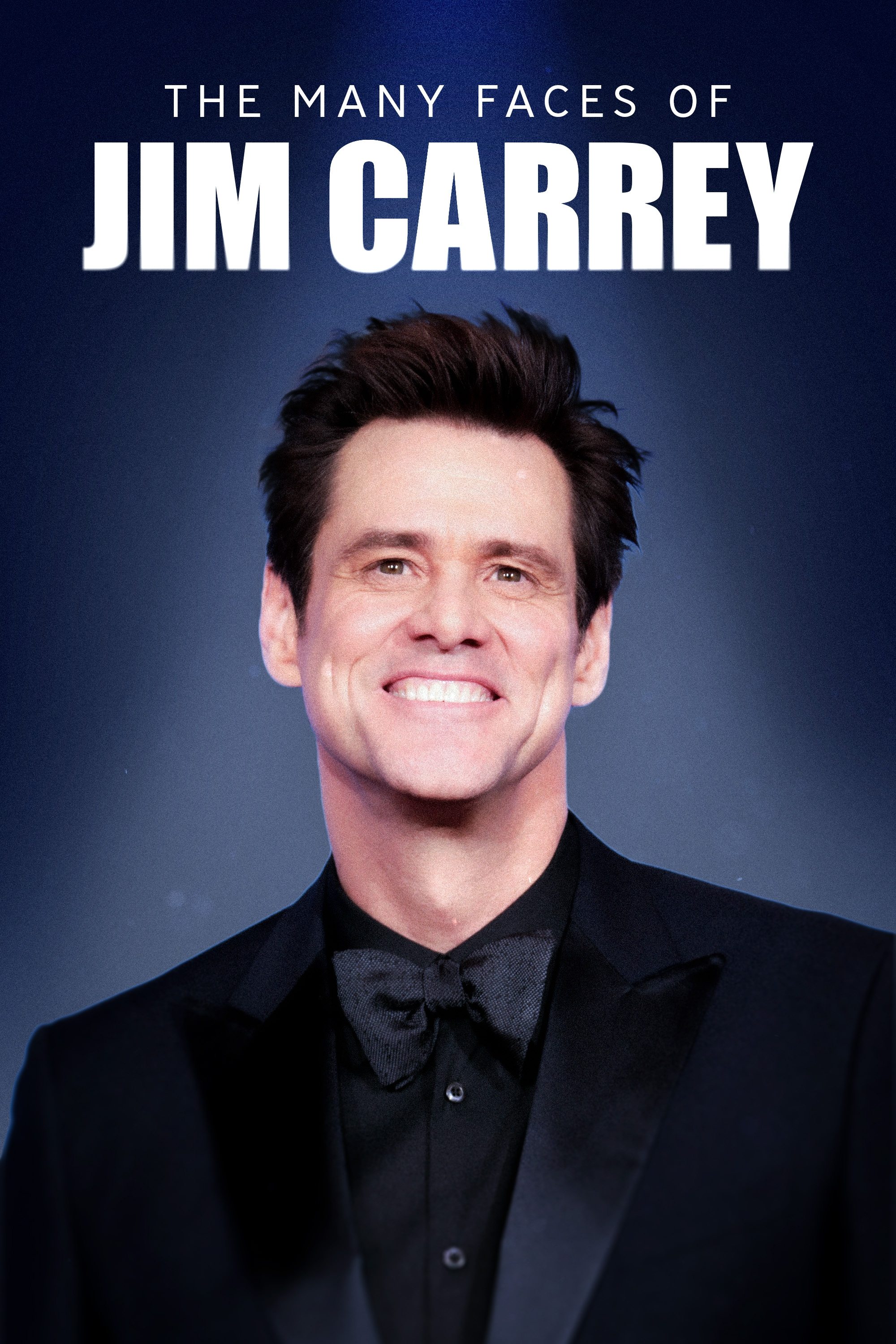
From his humble beginnings in Canada to becoming one of Hollywood's most beloved and successful stars, The Many Faces of Jim Carrey is an intimate and revealing documentary that delves into the extraordinary life of Jim Carrey. Through a blend of personal interviews, archival footage, and behind-the-scenes glimpses, the documentary explores Carrey's early struggles, his breakthrough in the entertainment industry with iconic roles in films like "Ace Ventura" and "The Mask," and the challenges he faced as he transitioned from comedic roles to more dramatic performances in movies like "Eternal Sunshine of the Spotless Mind" and "The Truman Show."
Jack L. Warner, Harry Warner, Albert Warner and Sam Warner were siblings who were born in Poland and emigrated to Canada near the turn of the century. In 1903, the brothers entered the budding motion picture business. In time, the Warner Brothers moved into film production and would open their own studio in 1923.
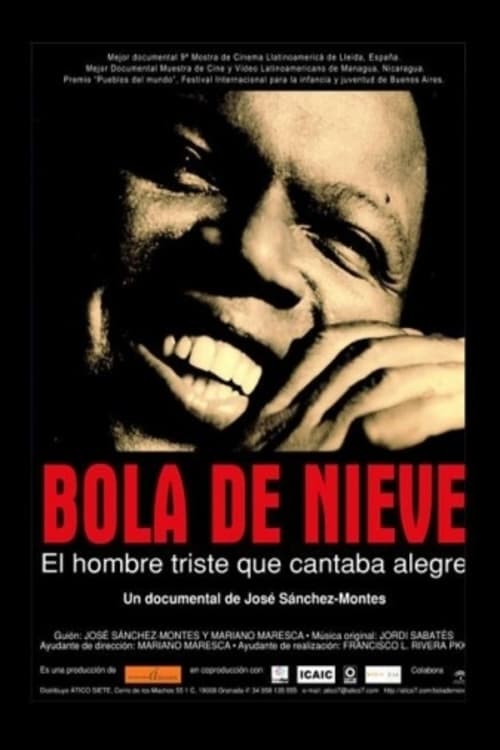
Documentarian Jose Sanchez-Montes turns his attention towards the late Cuban musician Ignacio Villa, known throughout the world as Bola de Nieve (Snowball), with this 2003 biographical documentary entitled simply Bola de Nieve. A master pianist, Bola de Nieve was a mainstay through the middle portion of the 20th century, with his music almost omnipresent in South America cinema throughout those formative decades. With Bola de Nieve's famous statement "I'm a sad person, but my songs sound happy" in mind, Sanchez-Montes also looks at the influence of the musician's African heritage and homosexuality upon Bola de Nieve's unique musical style.
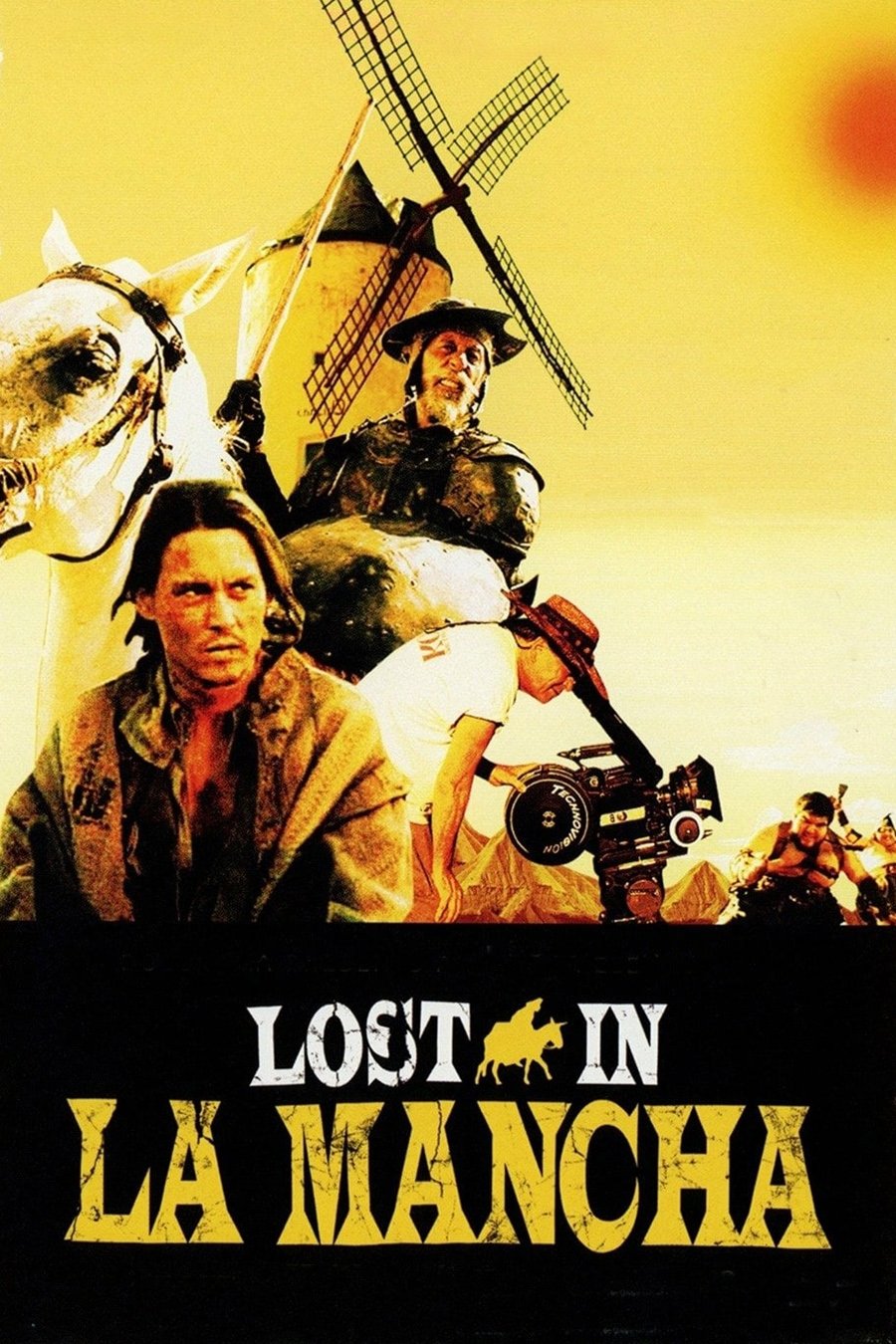
Fulton and Pepe's 2000 documentary captures Terry Gilliam's attempt to get The Man Who Killed Don Quixote off the ground. Back injuries, freakish storms, and more zoom in to sabotage the project.
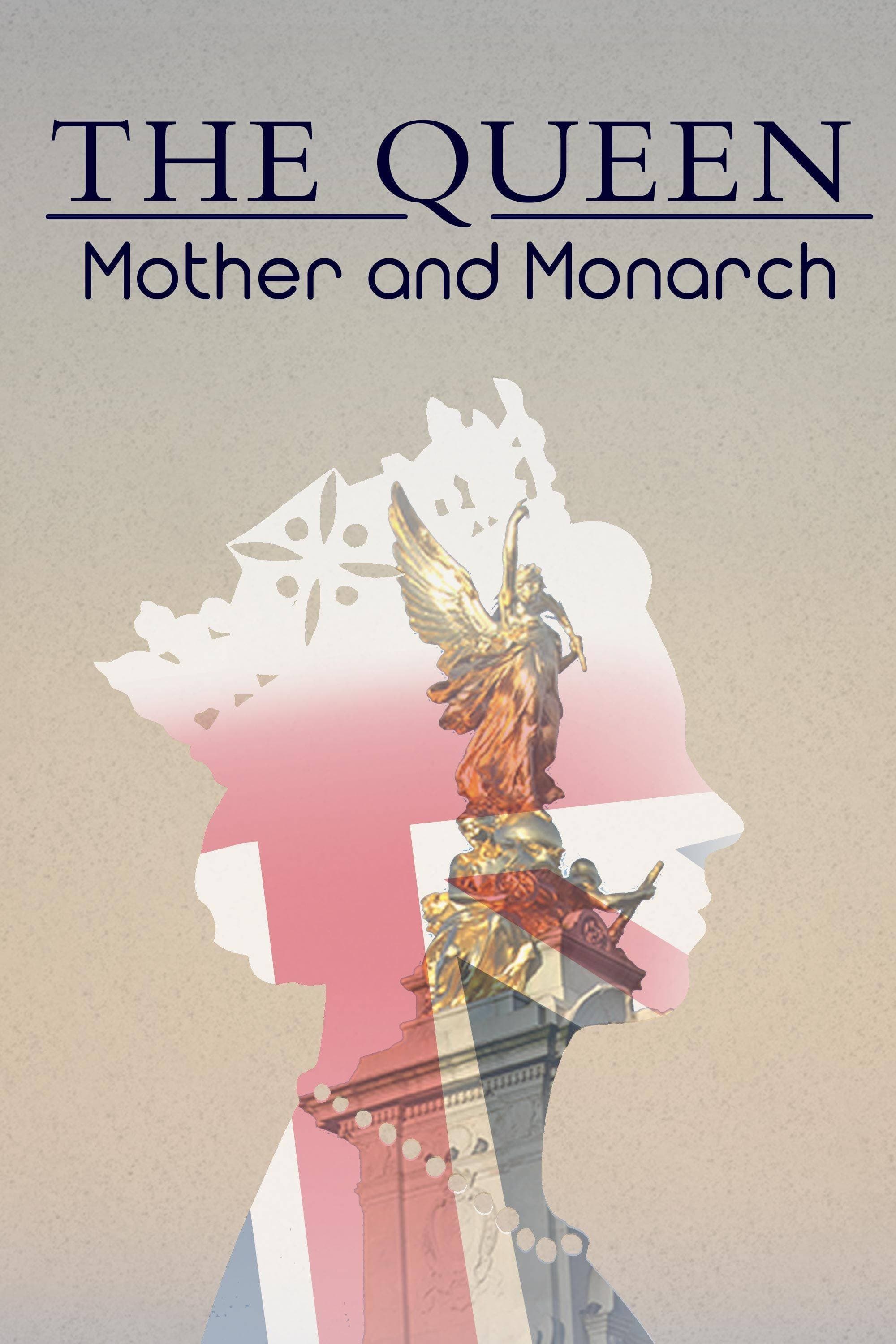
Following the announcement from Buckingham Palace of the death of Her Majesty The Queen, we examine how Queen Elizabeth II balanced her duties as head of both her family and her country
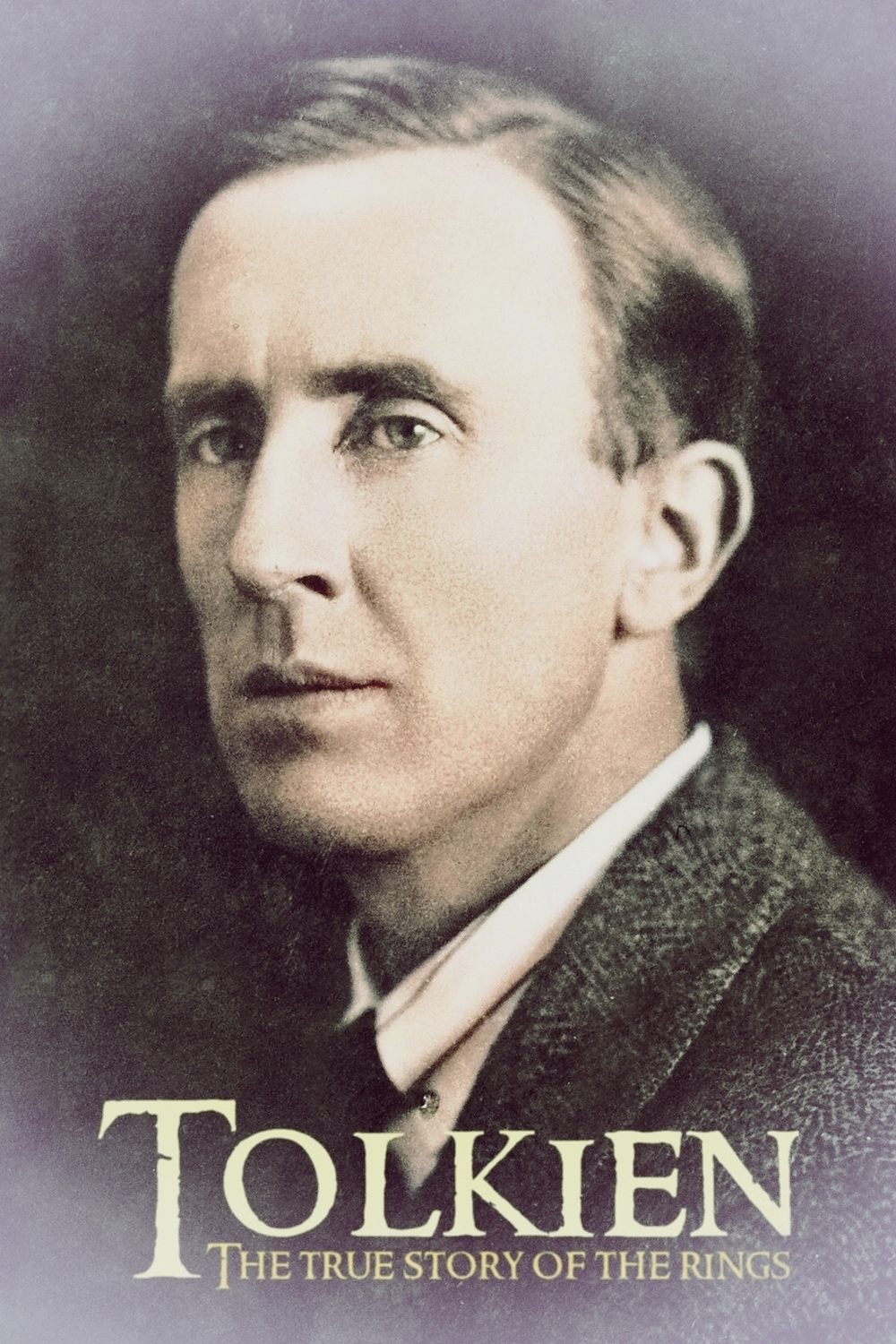
An analysis of the sources of inspiration that fed the imagination of the British writer, poet and philologist J. R. R. Tolkien (1892-1973), great master of epic fantasy.
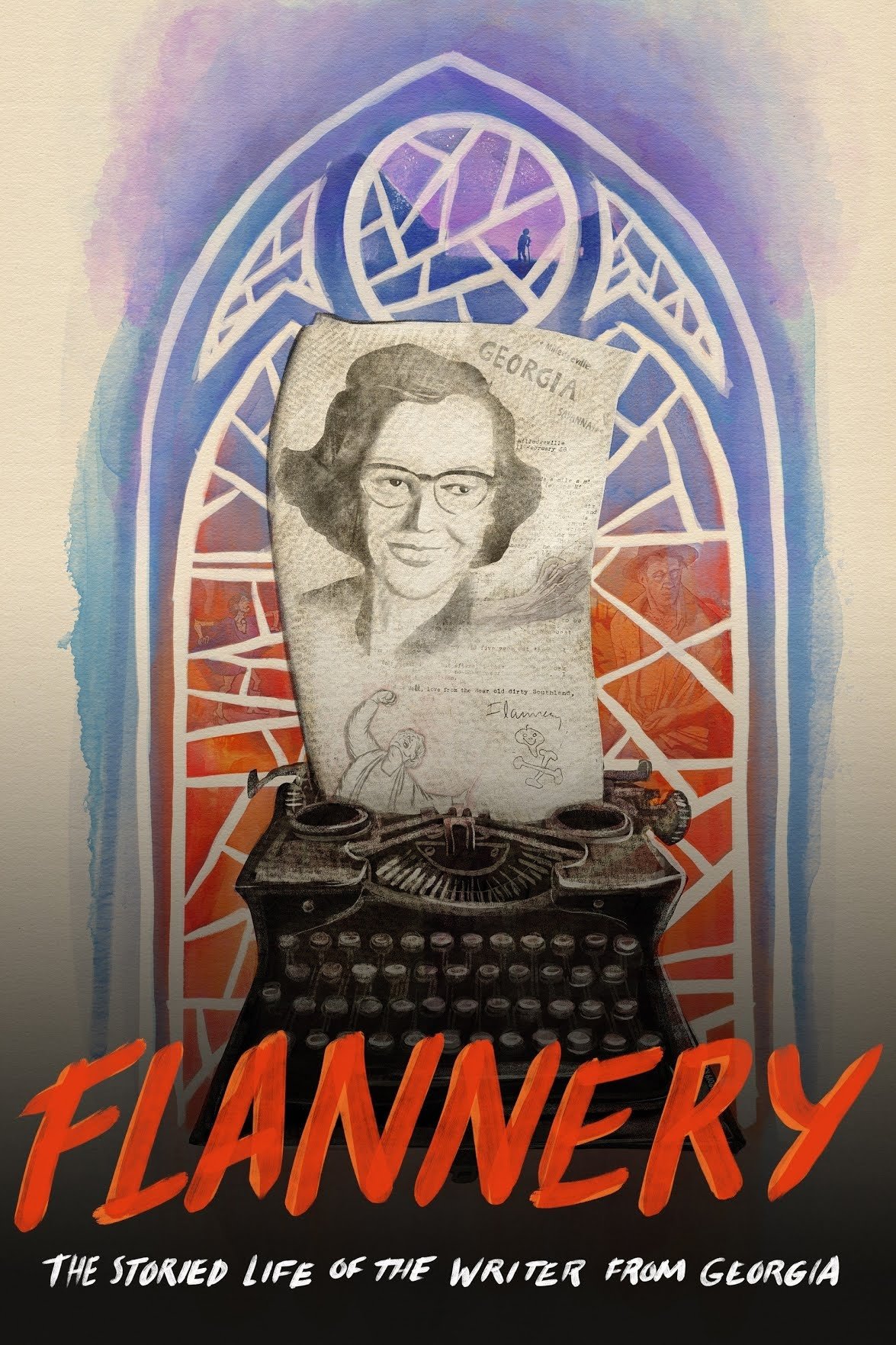
Explore the life of Flannery O’Connor whose provocative fiction was unlike anything published before. Featuring never-before-seen archival footage, newly discovered journals, and interviews with Mary Karr, Tommy Lee Jones, Hilton Als, and more.
At age 25, Olivier Rousteing was named the creative director of the French luxury fashion house, Balmain. At the time, Rousteing was a relatively unknown designer, but in the decade since, he’s proven his business prowess and artistic instinct by leading Balmain to new heights. Wonderboy gives the viewer the rare opportunity to experience the inner sanctum of the fashion world, as we stand shoulder-to-shoulder with this extraordinary individual while he works.
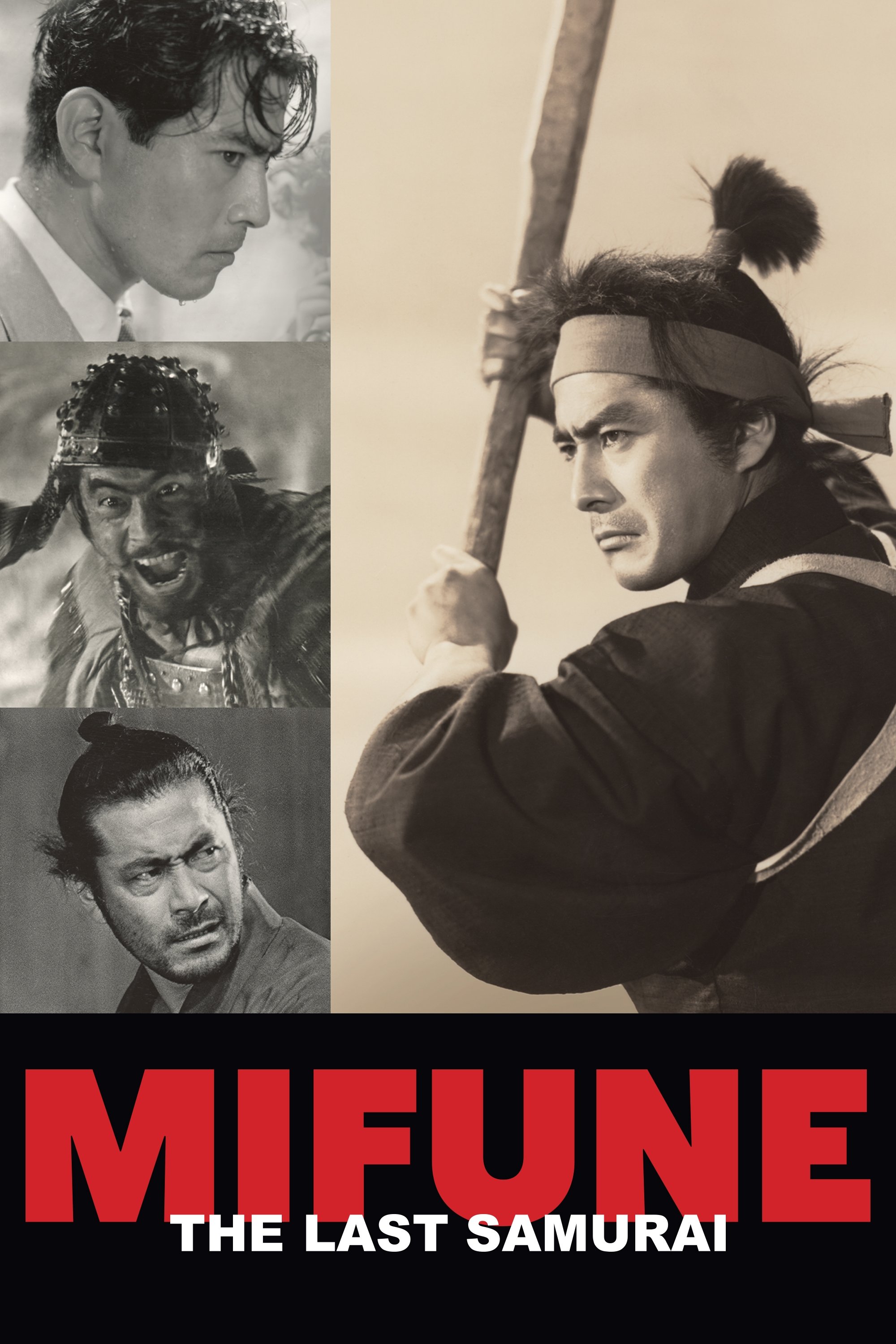
An account of the life and work of legendary Japanese actor Toshirō Mifune (1920-97), the most prominent actor of the Golden Age of Japanese cinema.
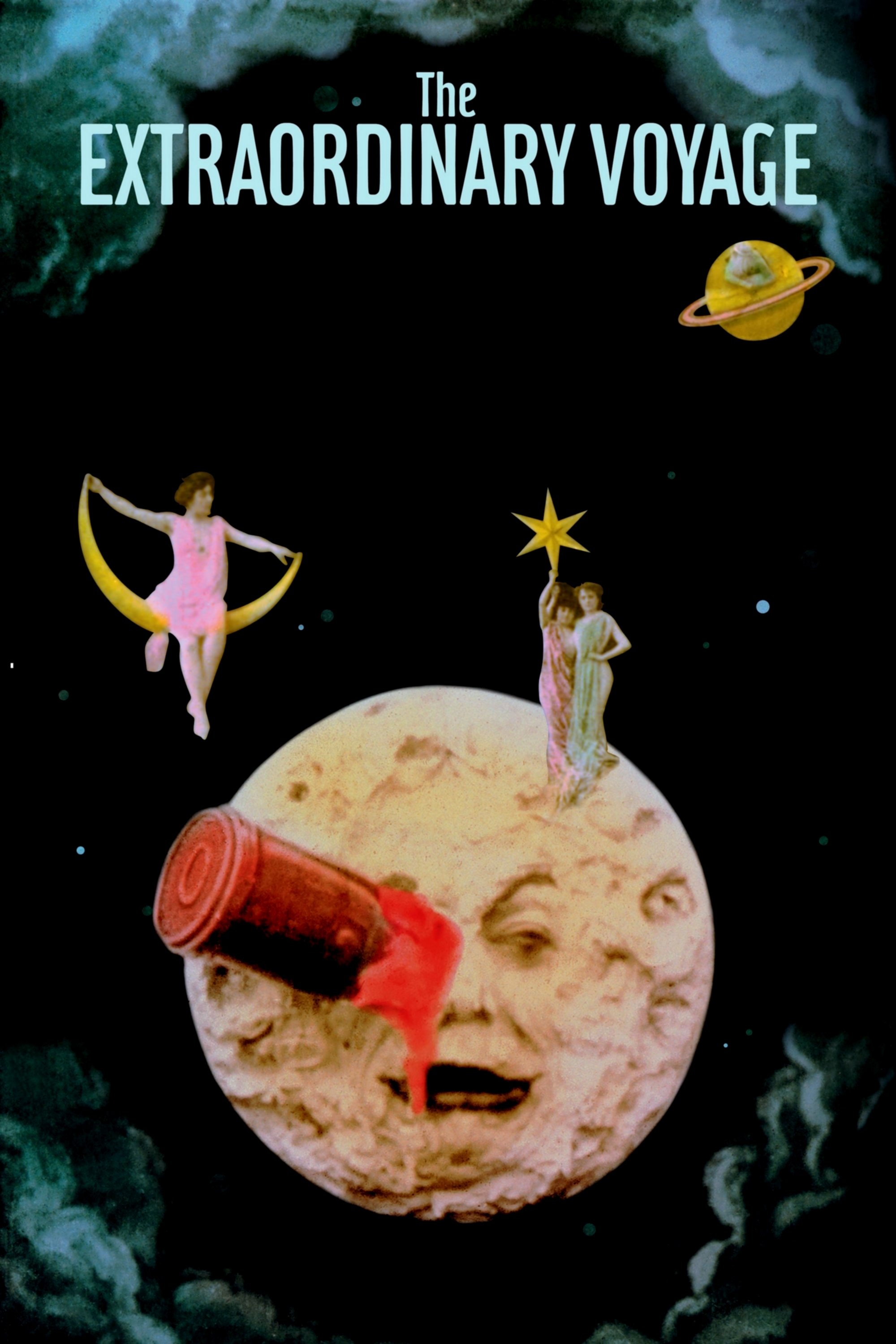
An account of the extraordinary life of film pioneer Georges Méliès (1861-1938) and the amazing story of the copy in color of his masterpiece A Trip to the Moon (1902), unexpectedly found in Spain and restored thanks to the heroic efforts of a group of true cinema lovers.
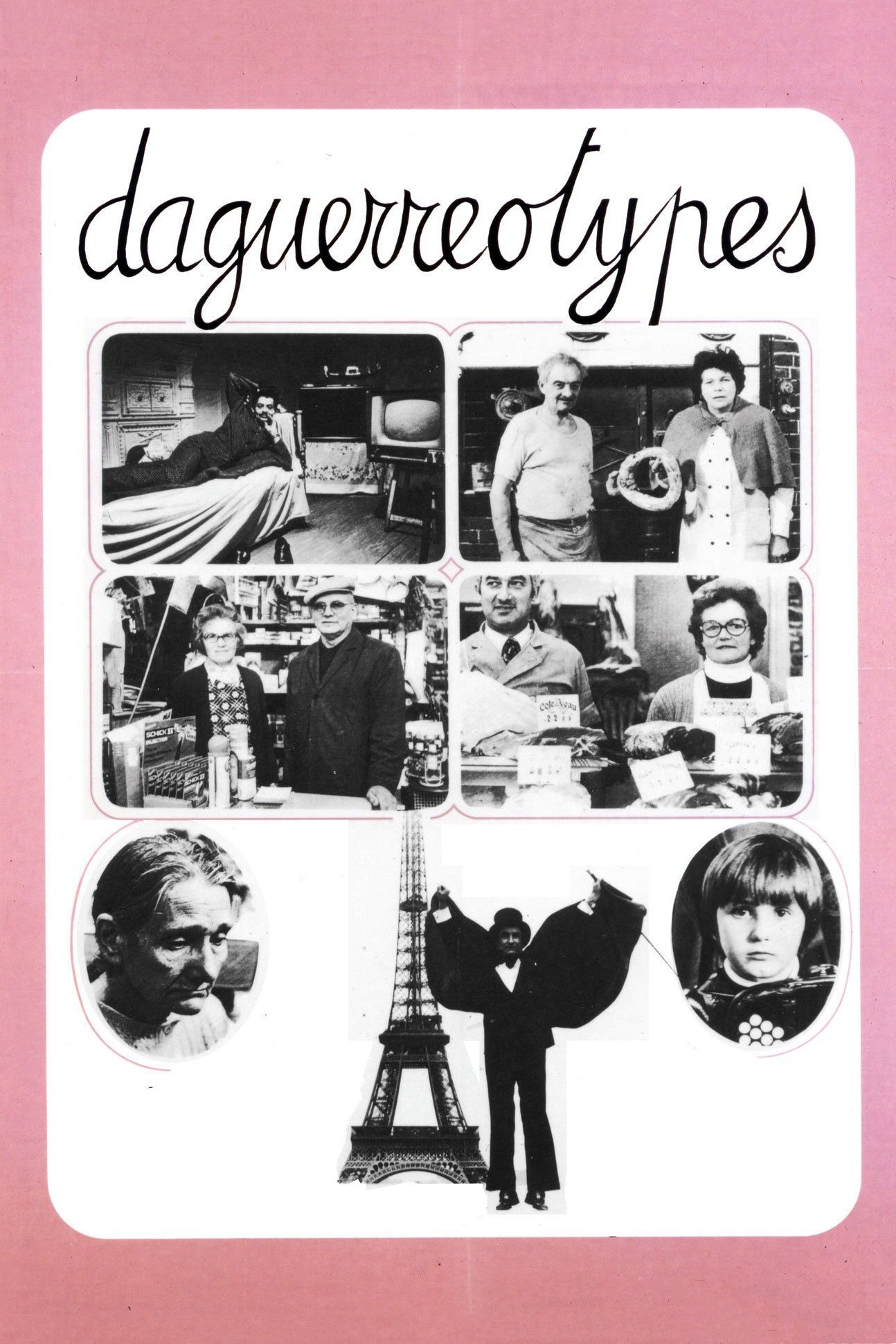
An intimate portrait of the small shops and shopkeepers of the Rue Daguerre in Paris, a picturesque street that has been the filmmaker’s home for more than 50 years.
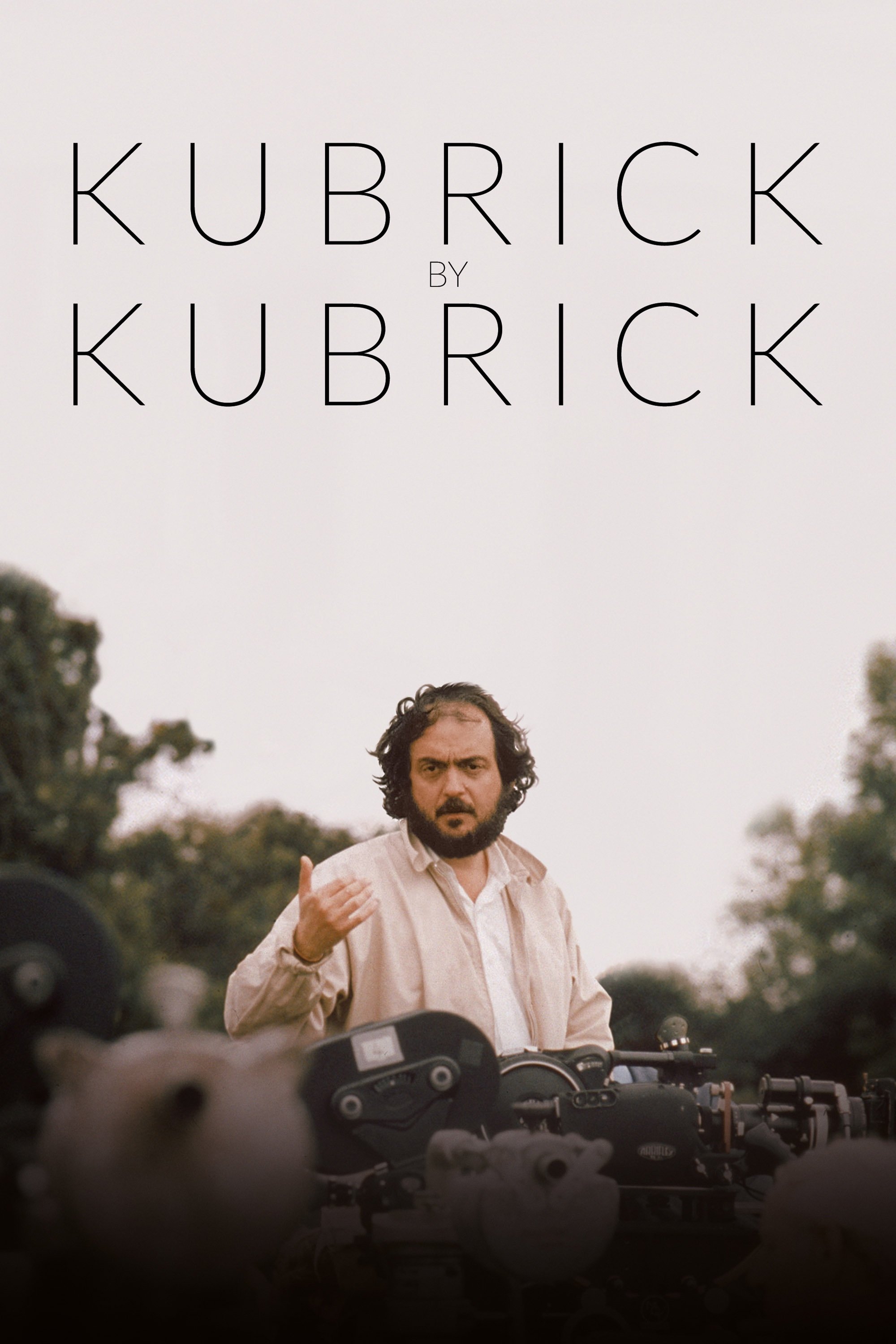
American filmmaker Stanley Kubrick (1928–1999), one of the greatest in history, but also one of the most reserved, gave few interviews throughout his long career, and none of them were filmed. A first-person journey through his life and work, based on a recorded conversation with French film critic Michel Climent.
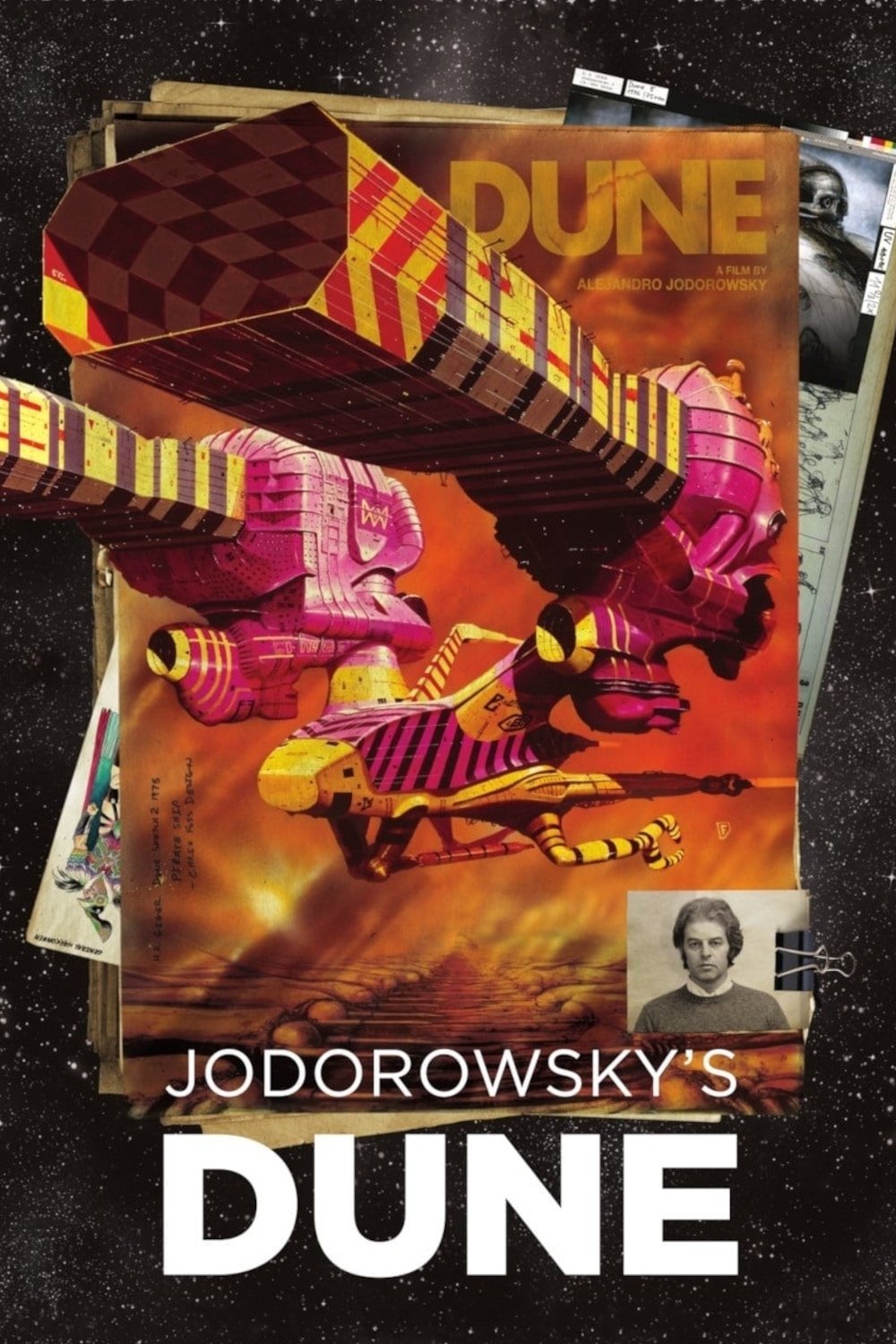
In 1974, Chilean-French director Alejandro Jodorowsky embarked on the quixotic project of adapting Frank Herbert's influential novel Dune (1969) for the big screen. After investing two years, and millions of dollars, the gigantic project ended in failure; but the artists Jodorowsky brought together to carry it out continued to work together, and ended up laying the foundations for modern science fiction cinema.
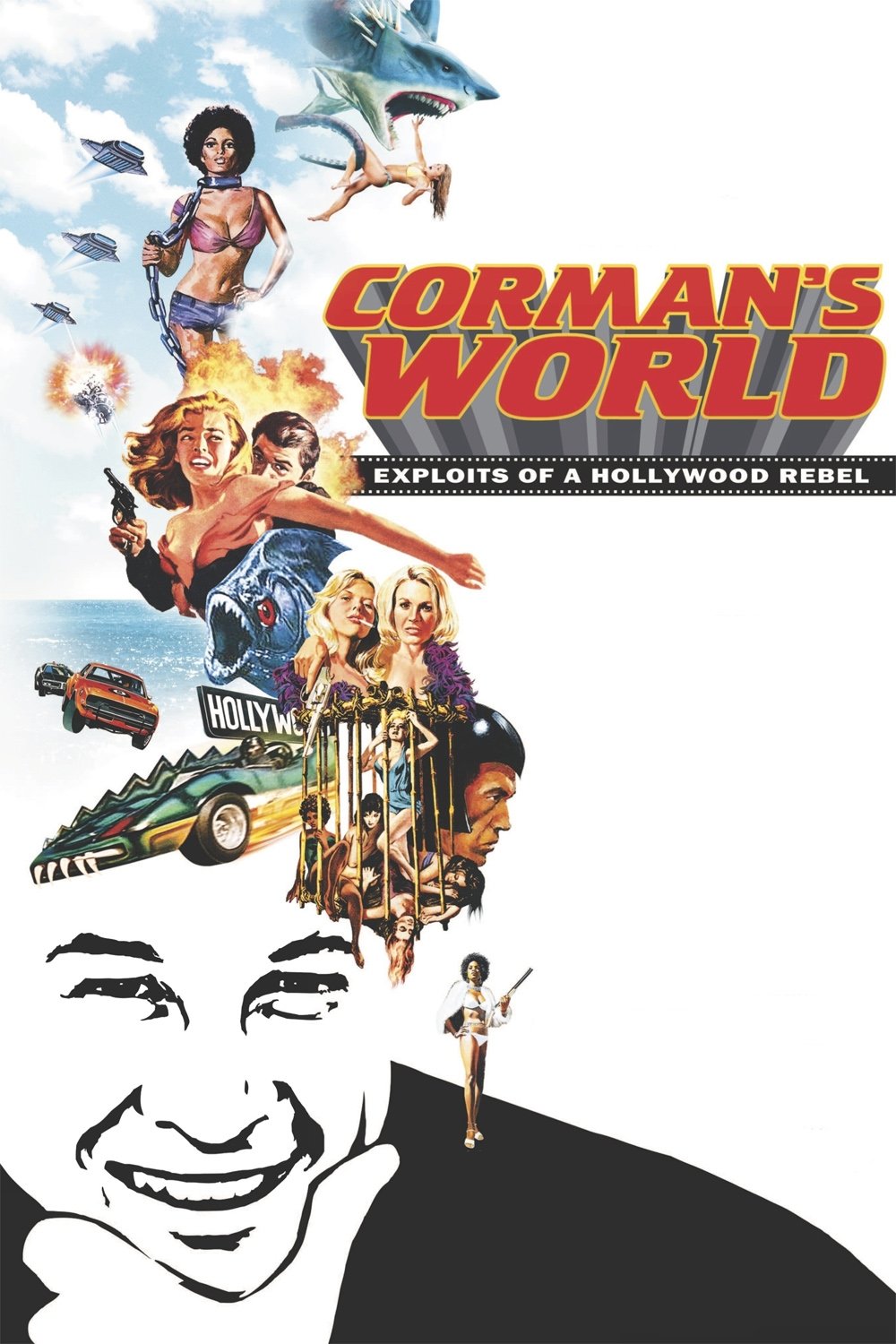
A chronicle of the long career of American filmmaker Roger Corman, the most tenacious and ingenious low-budget producer and director in the US film industry, a pioneer of independent filmmaking and discoverer of new talent.
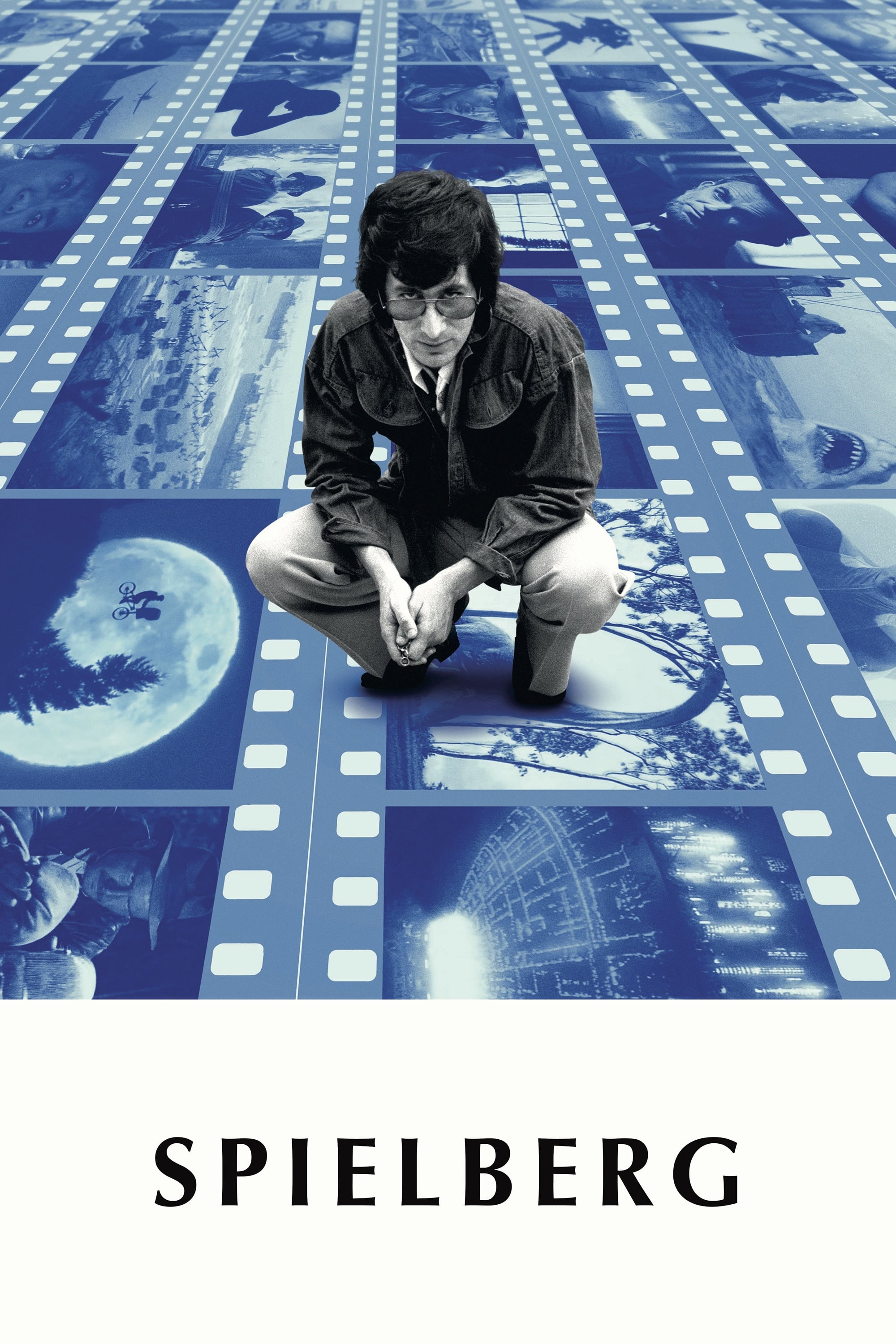
A documentary on the life and career of one of the most influential film directors of all time, Steven Spielberg.
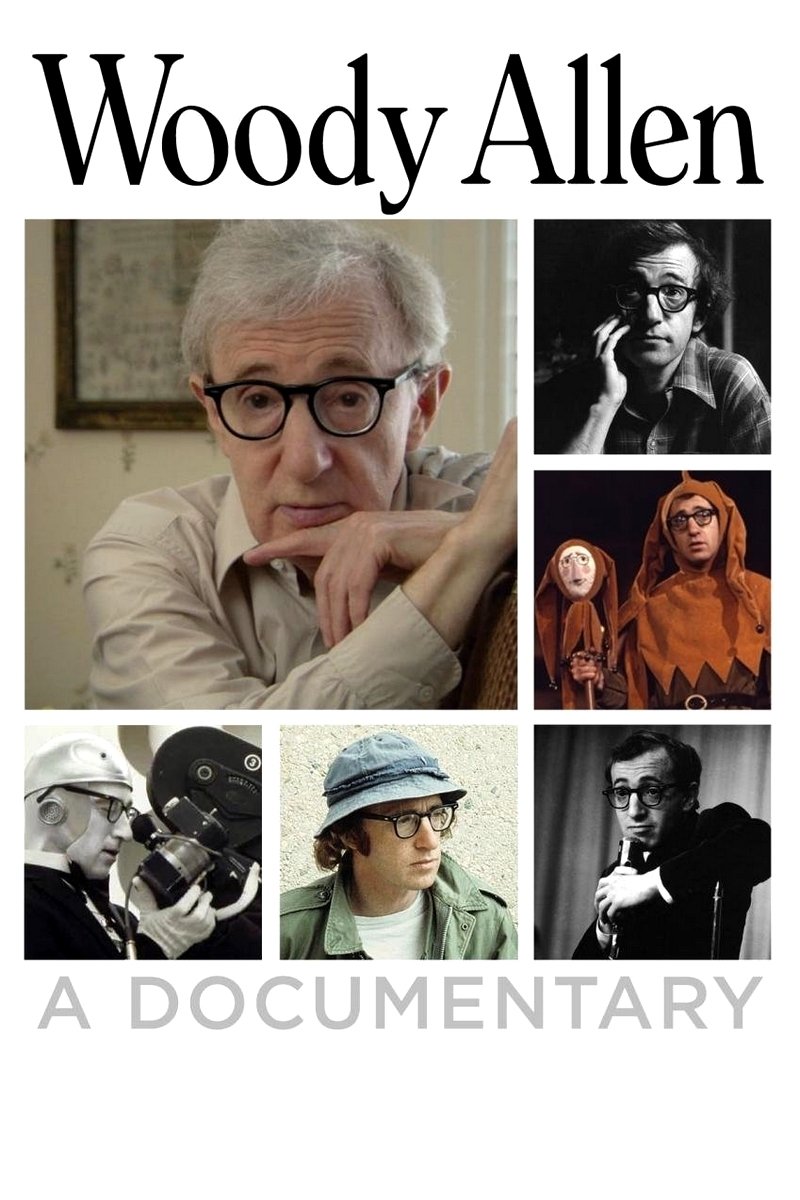
An intense portrait of the iconic filmmaker, writer, actor, comedian and musician Woody Allen: his life, family and friends; his writing and directing habits, and his relationship with performers.
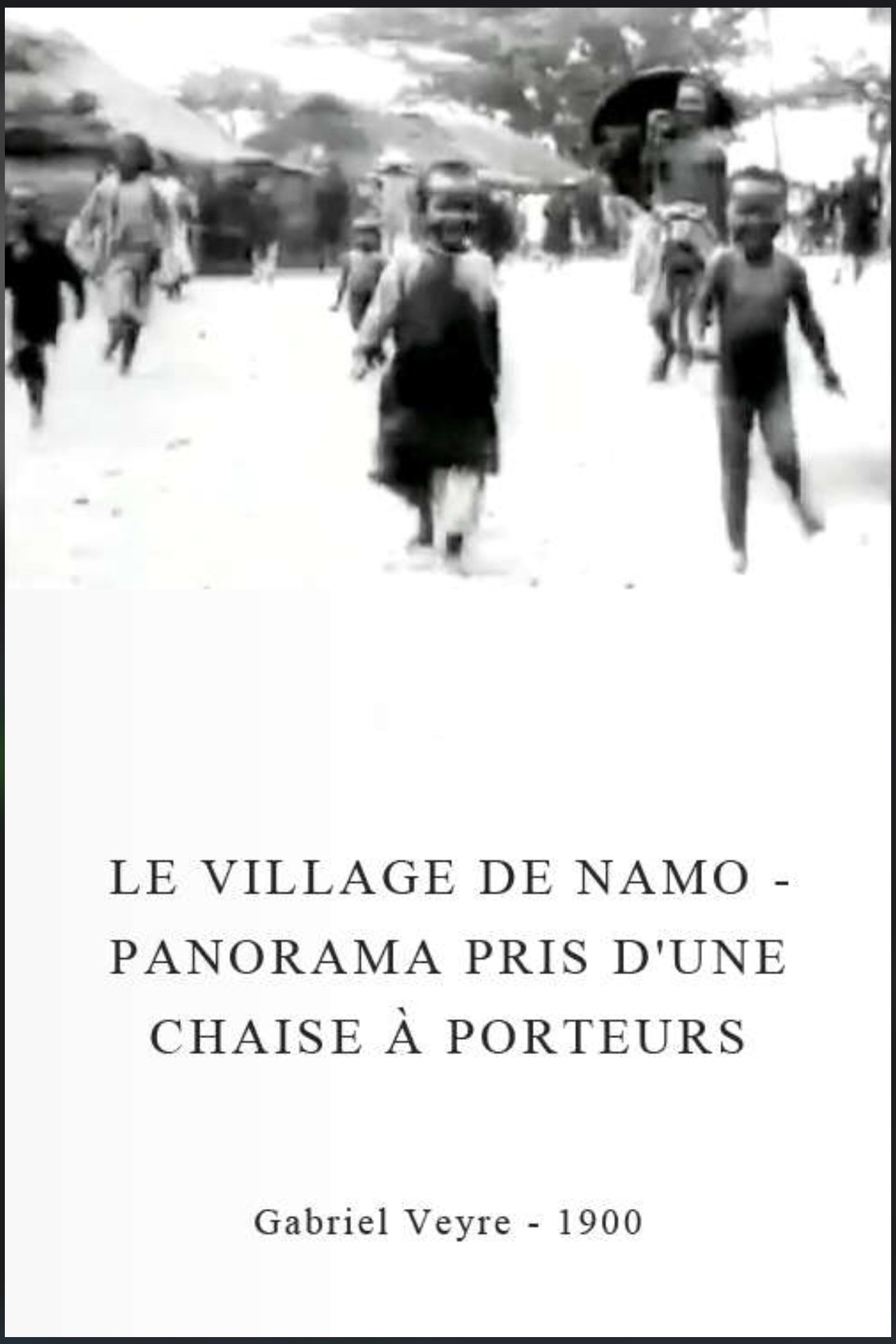
The film is a panorama shot-scene lasting just under a minute. The panorama film, as coined by Lumière, is a moving-camera shot--usually accomplished by placing the camera on a moving transport, such as a boat or train.
The life and career of an actor, artist, and icon. His own journey through his own camera.
From a prolific career in film and television, Anton Yelchin left an indelible legacy as an actor. Through his journals and other writings, his photography, the original music he wrote, and interviews with his family, friends, and colleagues, this film looks not just at Anton's impressive career, but at a broader portrait of the man.
A subjective documentary that explores various theories about hidden meanings in Stanley Kubrick's classic film The Shining. Five very different points of view are illuminated through voice over, film clips, animation and dramatic reenactments.
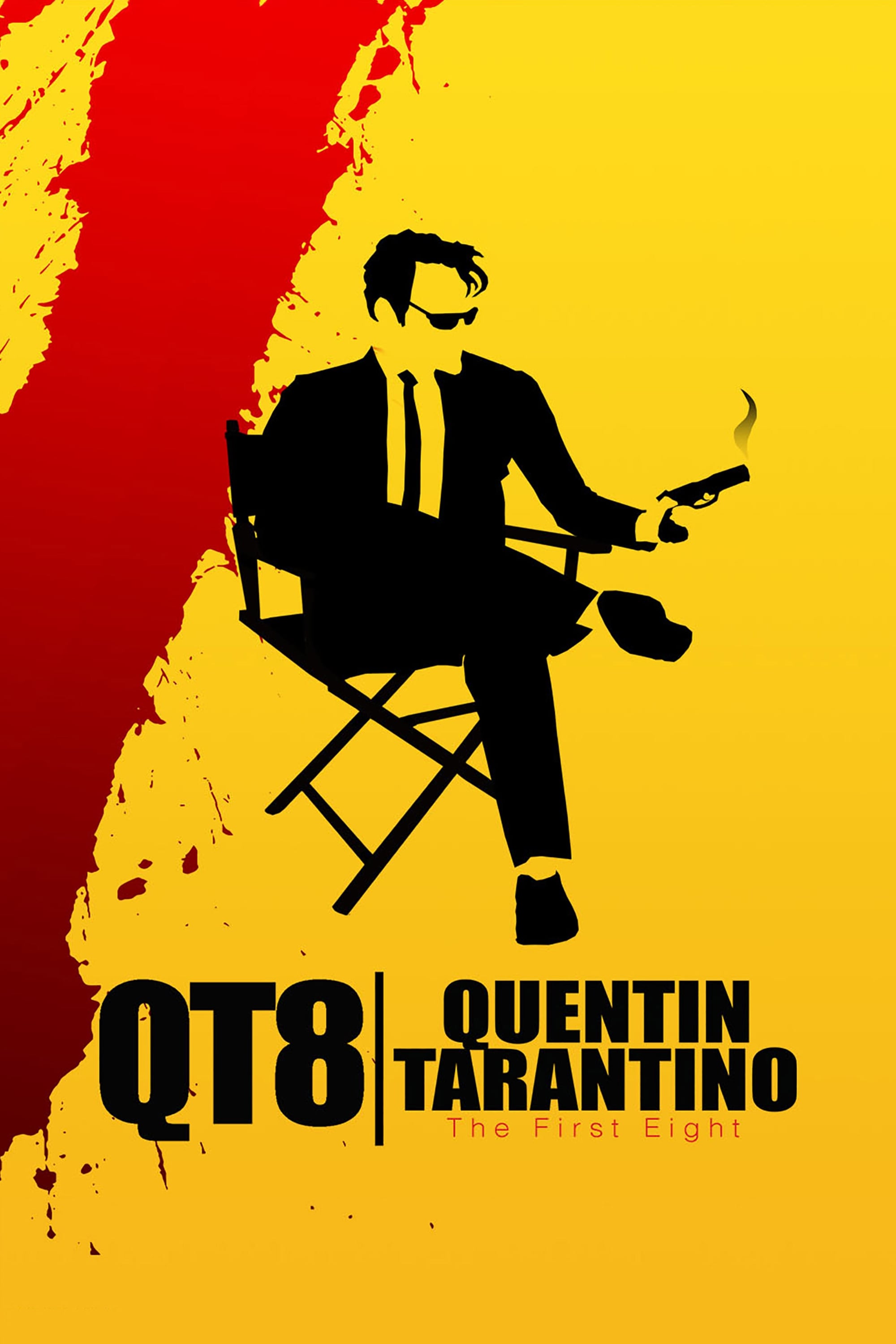
A detailed account of the life and artistic career of legendary filmmaker Quentin Tarantino, from his early days as a video club manager to the scandalous fall in disgrace of producer Harvey Weinstein. A story about how to shoot eight great movies and become an icon of modern pop culture.
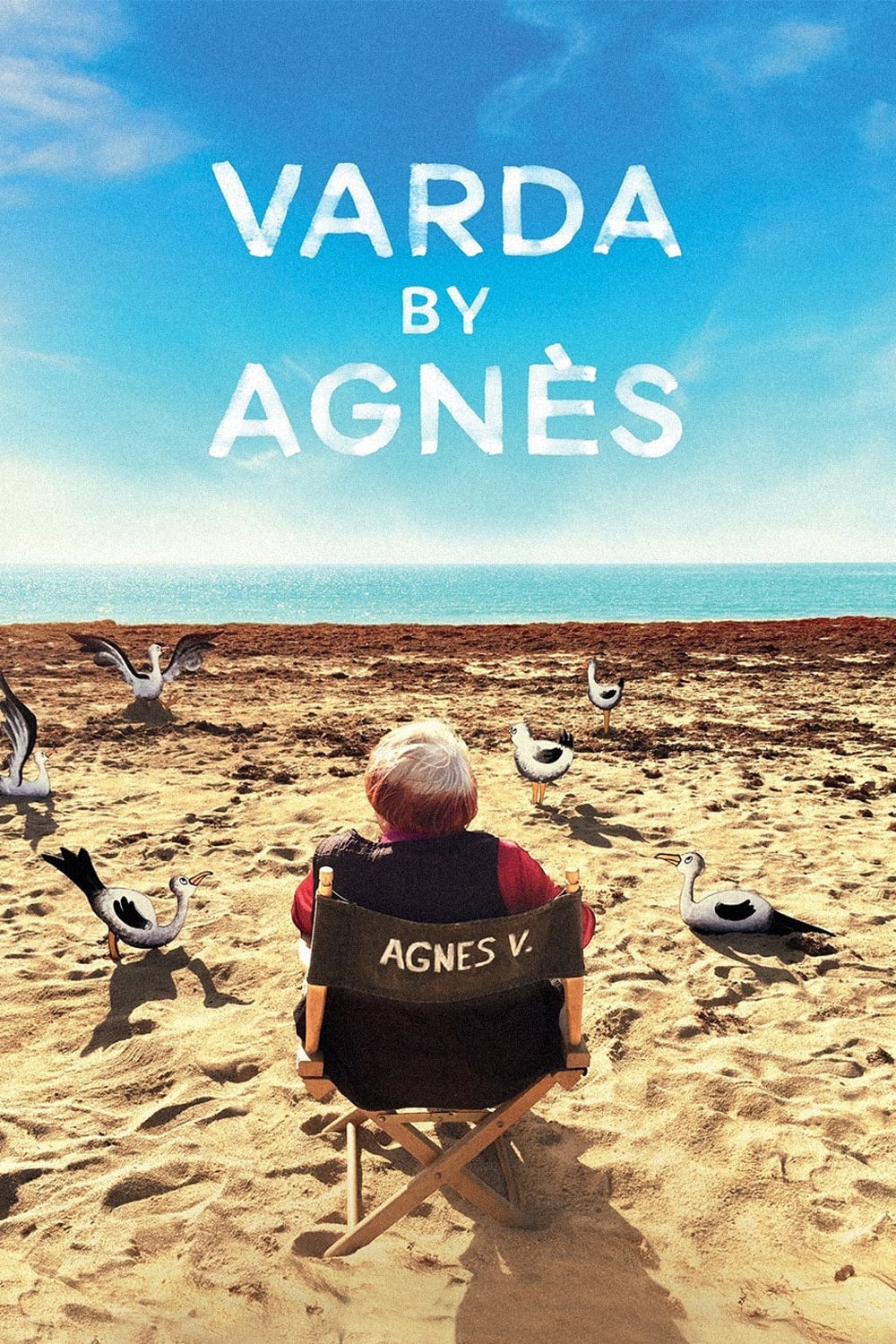
An unpredictable documentary from a fascinating storyteller, Agnès Varda’s last film sheds light on her experience as a director, bringing a personal insight to what she calls "cine-writing," traveling from Rue Daguerre in Paris to Los Angeles and Beijing.
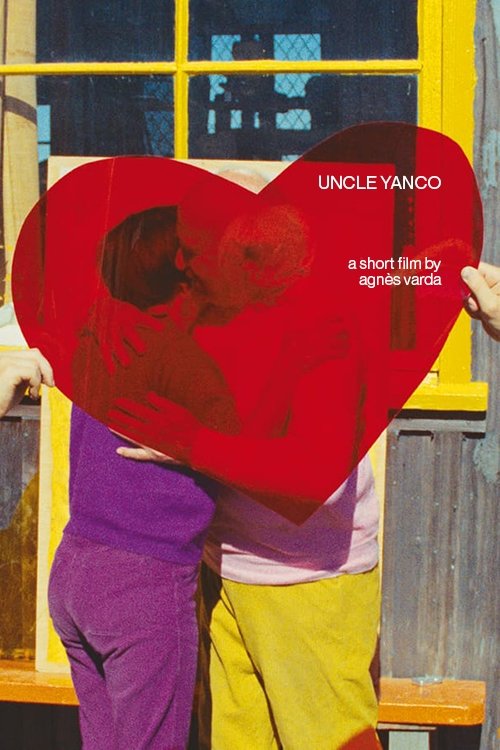
While in San Francisco for the promotion of her last film in October 1967, Agnès Varda, tipped by her friend Tom Luddy, gets to know a relative she had never heard of before, Jean Varda, nicknamed "Yanco". This hitherto unknown uncle lives on a boat in Sausalito, is a painter, has adopted a hippie lifestyle and loves life. The meeting is a very happy one.
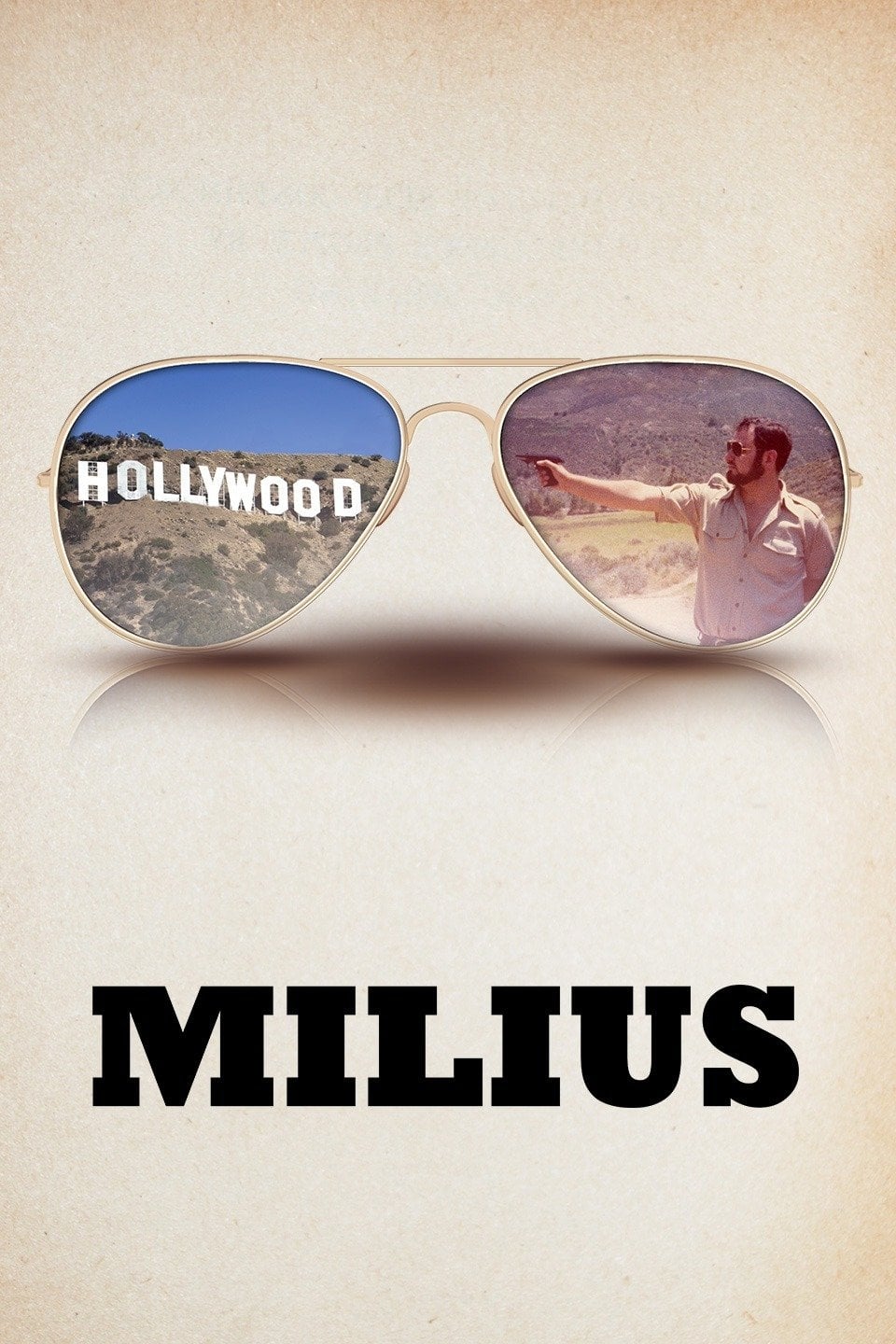
The life story of ‘Zen Anarchist’ filmmaker John Milius, one of the most influential storytellers of his generation.
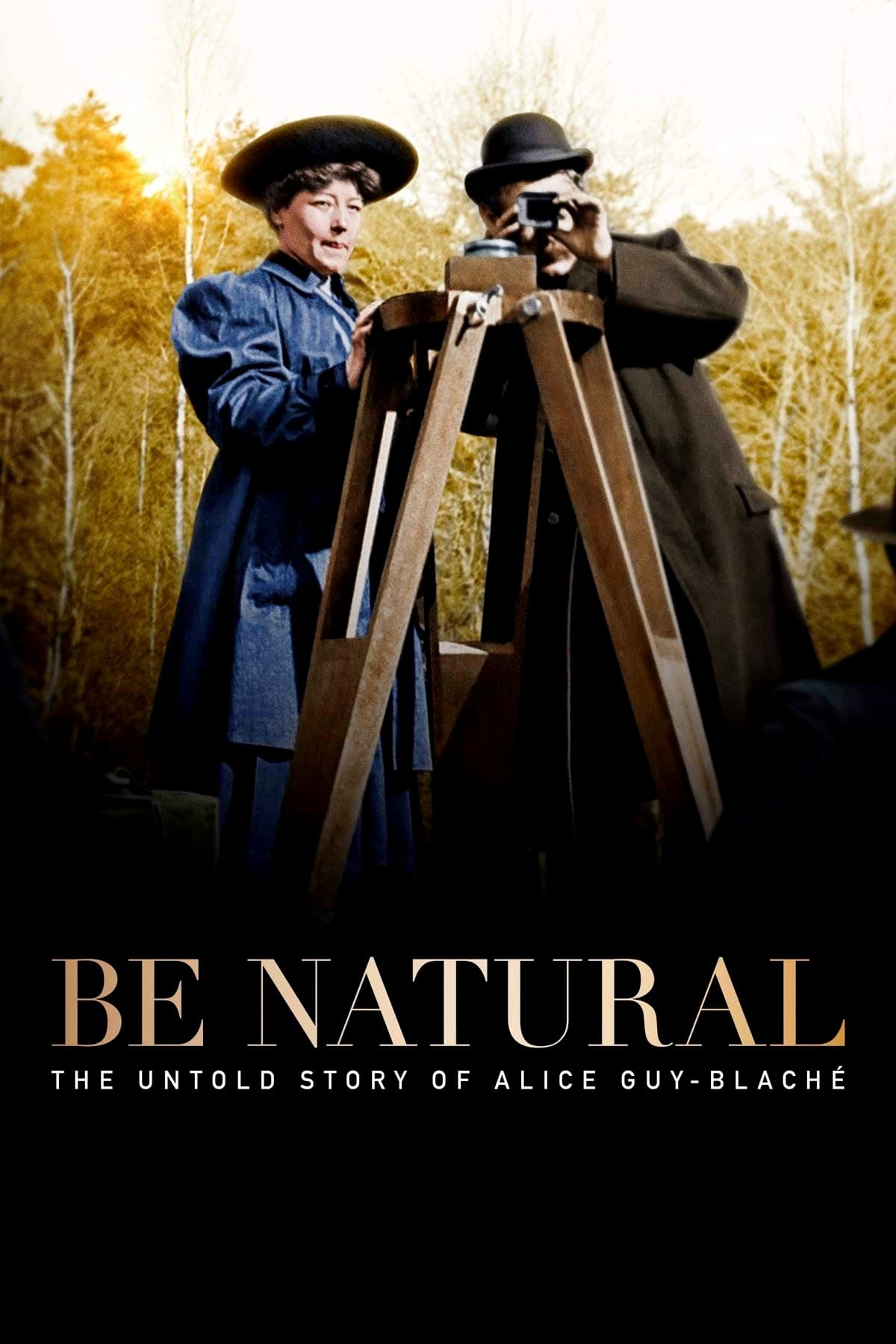
The epic life story of Alice Guy-Blaché (1873–1968), a French screenwriter, director and producer, true pioneer of cinema, the first person who made a narrative fiction film; author of hundreds of movies, but banished from history books. Ignored and forgotten. At last remembered.
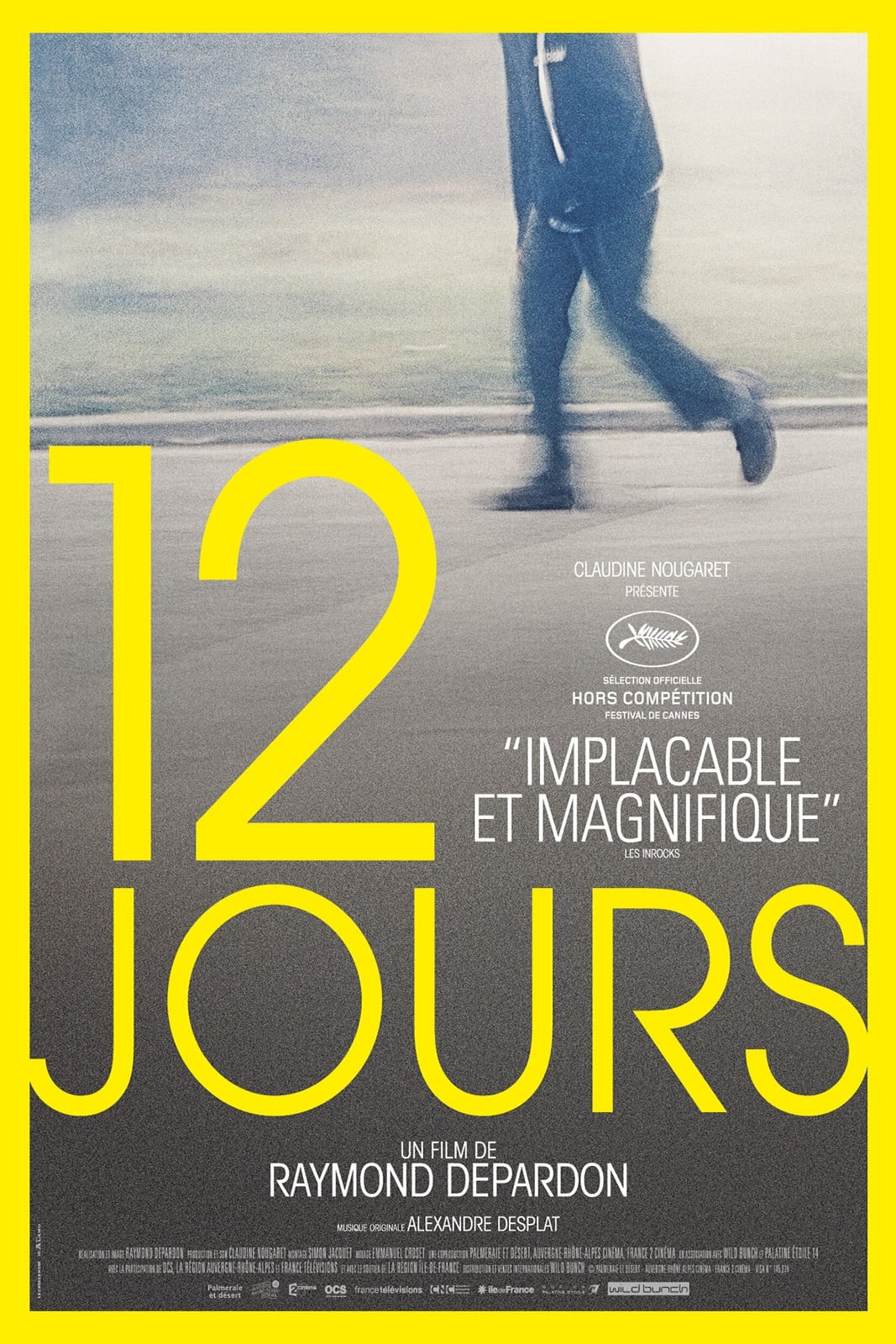
A new documentary by filmmaker-photographer Raymond Depardon – where justice and psychiatry meet.
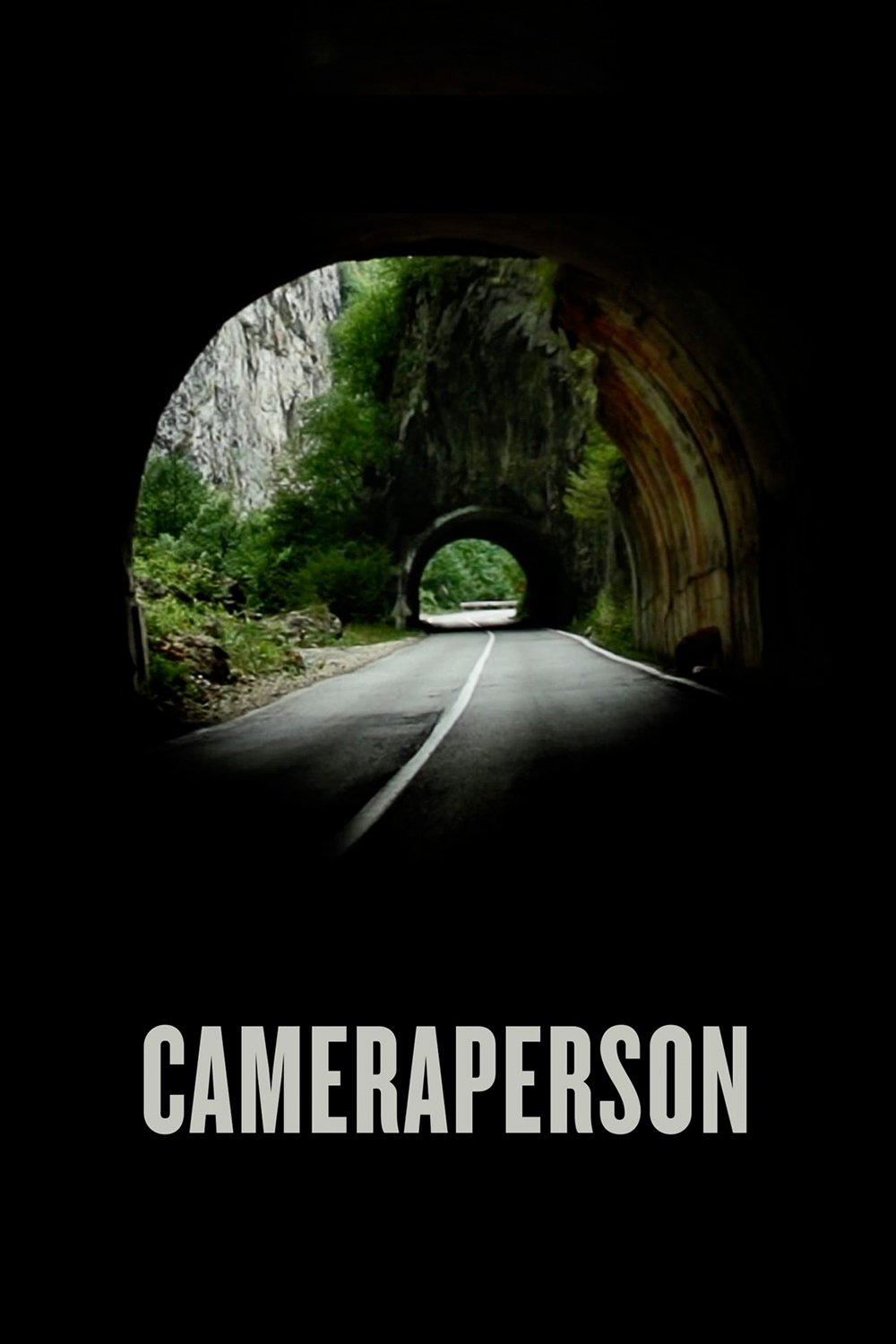
As a visually radical memoir, CAMERAPERSON draws on the remarkable footage that filmmaker Kirsten Johnson has shot and reframes it in ways that illuminate moments and situations that have personally affected her. What emerges is an elegant meditation on the relationship between truth and the camera frame, as Johnson transforms scenes that have been presented on Festival screens as one kind of truth into another kind of story—one about personal journey, craft, and direct human connection.
The history of cinematic sound, told by legendary sound designers and visionary filmmakers.