Social & External
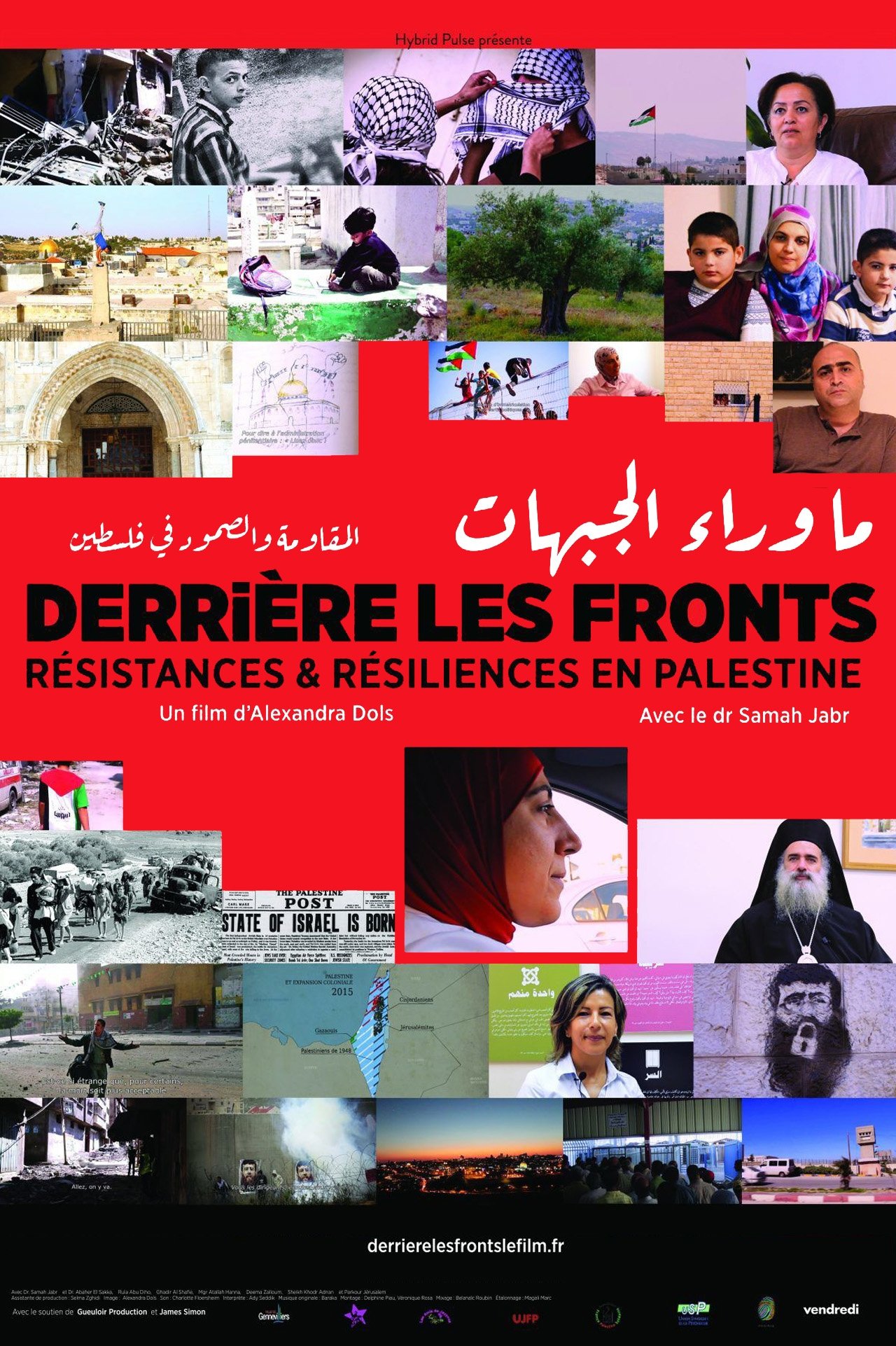
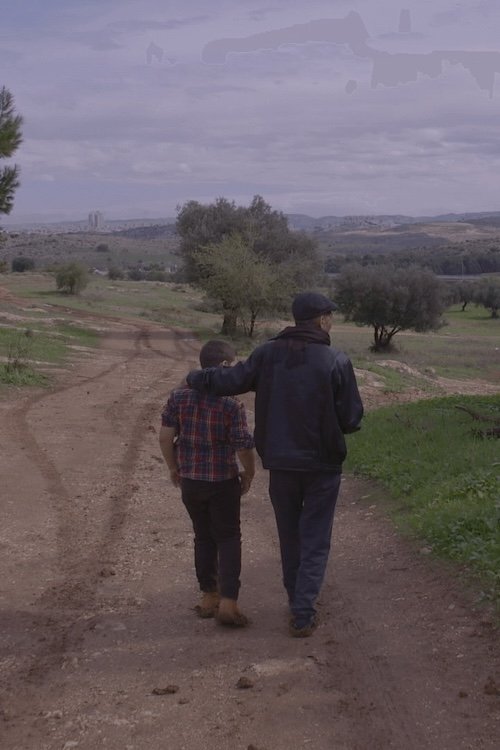
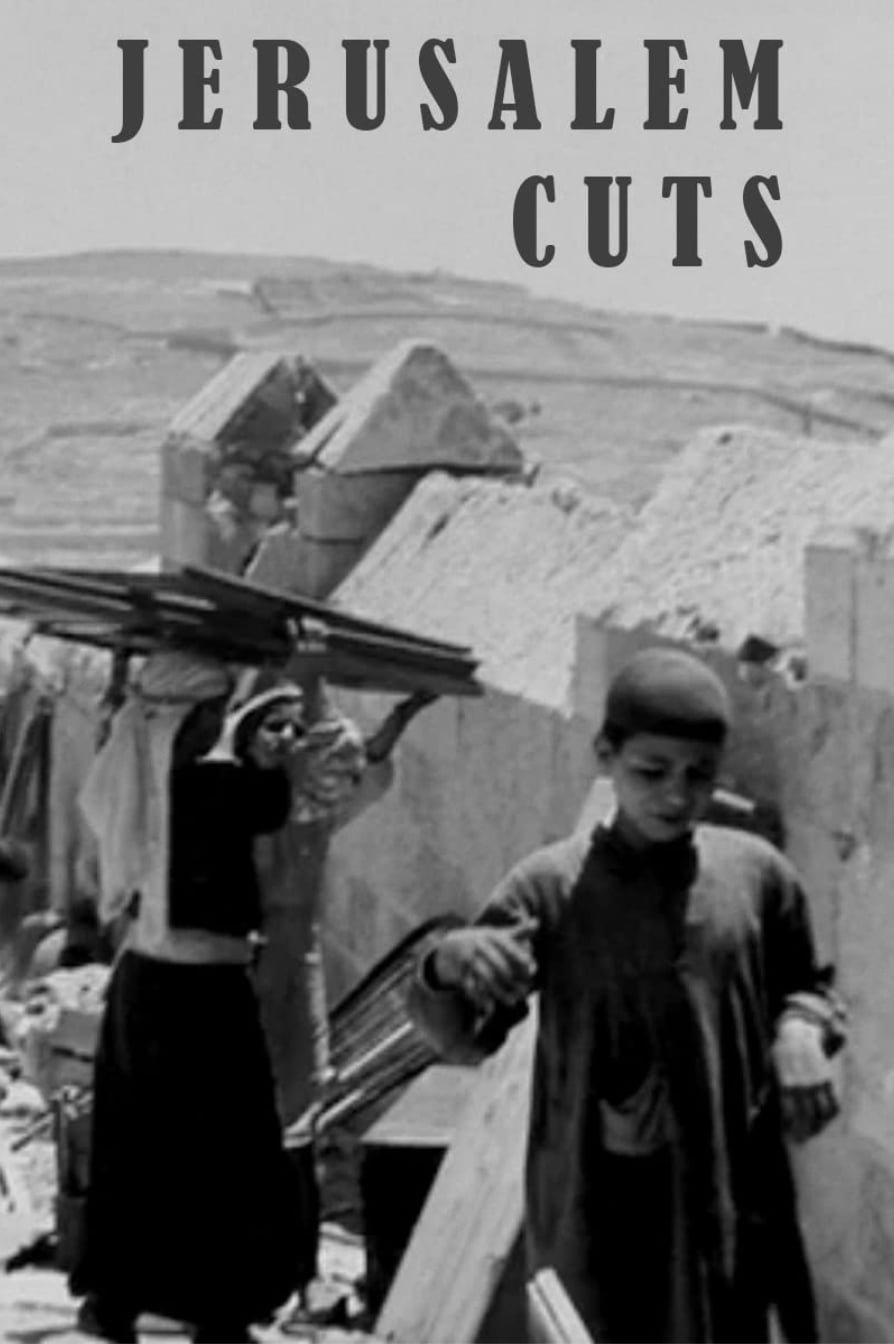
A Palestinian refugee visiting his ruined village is documented in an Israeli film. Amazingly, out of pure coincidence the same person is filmed again returning to his village in a different film, thirty years later. Will it be possible to film the return scene for the third time?
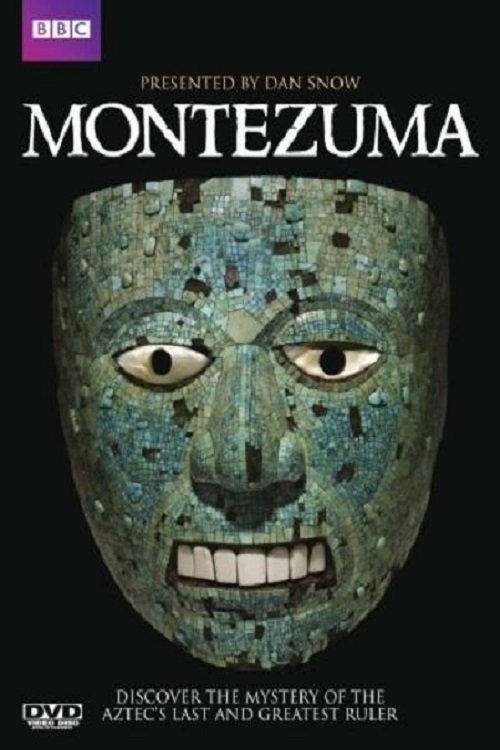
Montezuma is a 2009 BBC Television documentary film in which Dan Snow examines the reign of the Aztec Emperor Moctezuma II.
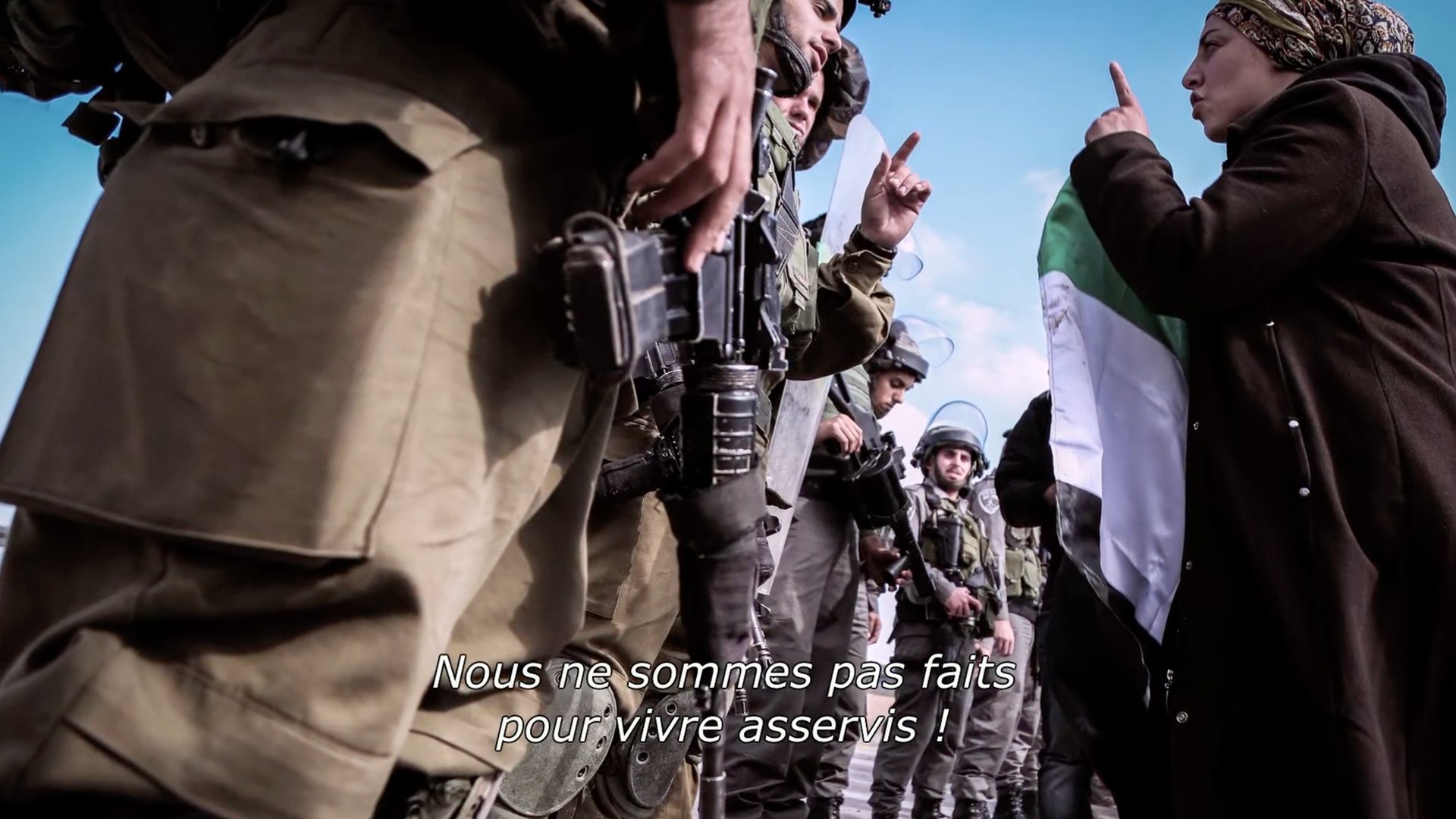
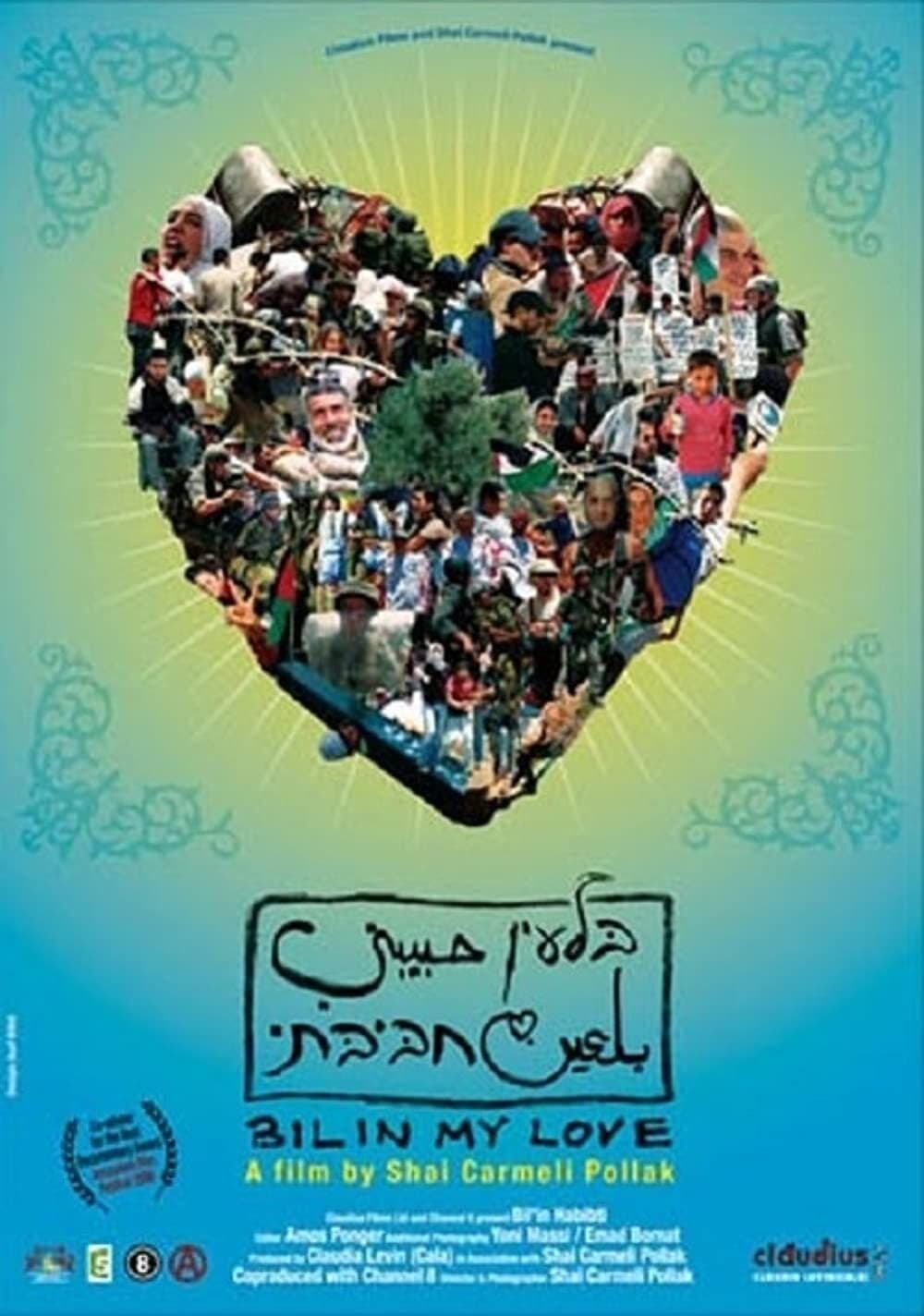
The Israeli filmmaker Shai Corneli Polak records the building of the 'security wall' through Palestinian territory at the village of Bil'in. The villagers protest mostly peacefully, while the Israeli army doesn't react peacefully. By now the Israeli High Court has ruled that the building of the wall was illegal.
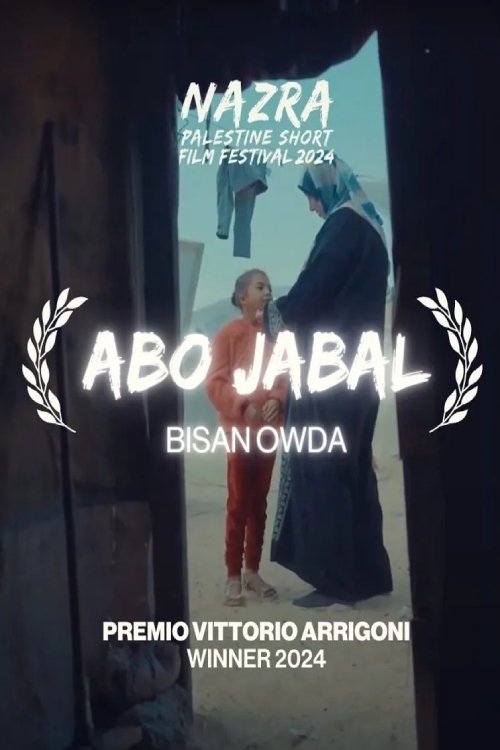
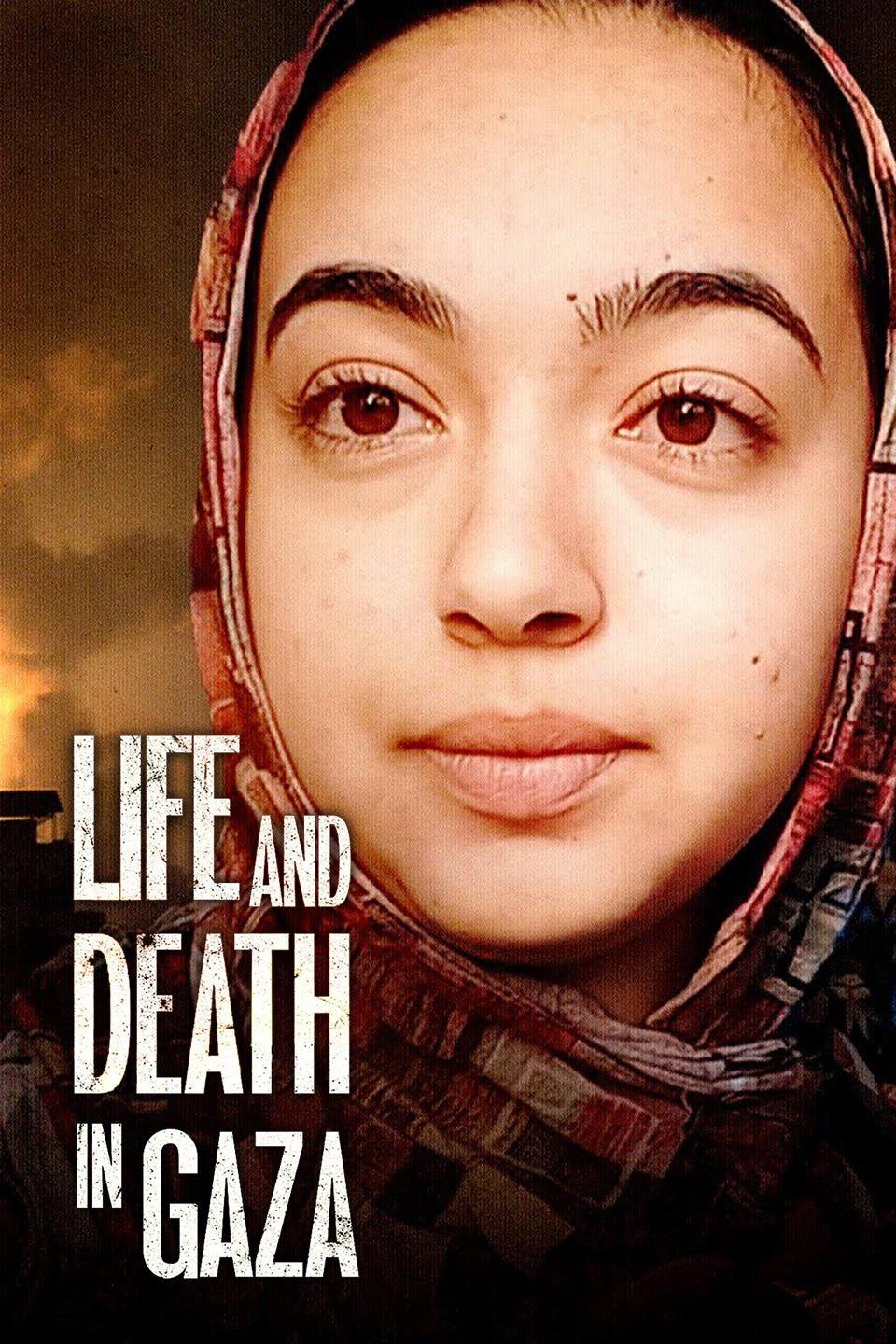
It is May 8, 2024, and Israel is preparing to launch a destructive military operation in Rafah. Tahani, a Palestinian woman who has been internally displaced multiple times since the beginning of the attacks on Gaza, wonders where she and her children can find refuge once again. The film provides a glimpse into her family’s life before and after October 7, depicting the anguish of a mother who, marked by a painful loss, struggles to find peace.
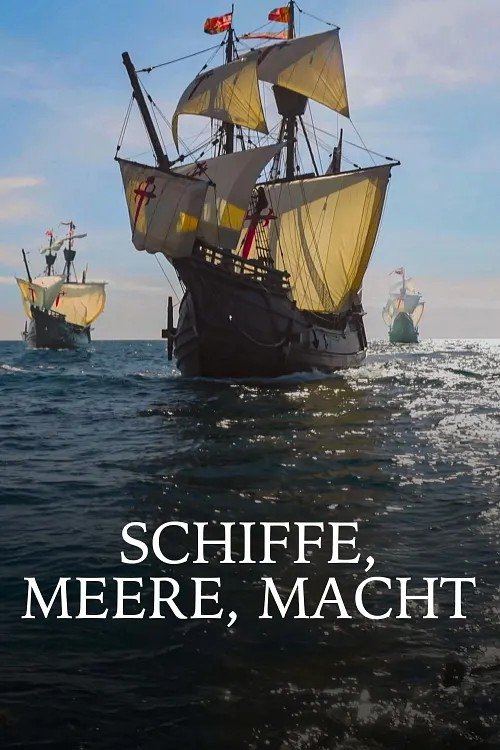
People have always wanted to reach the horizon and go beyond it. It wasn't and isn't just about discovering for the sake of discovering. Exotic goods, wealth and power were the driving forces of these people. The steamship ultimately brought the breakthrough for global mobility and trade. In the past, as now, shipping is the engine of globalization.
One war, ten days, three stories: the Old City of Jerusalem, at the dawn of a new Middle East. For the Brits, it’s the shameful end of 30 years Mandate. For the Jews, it’s the birthday of their State. And for the Palestinians, it’s a catastrophe. Only now, 60 years later, images can be shown from three opposing points of view, telling a whole new story.
What drives a young, well-educated Westerner to volunteer as a “peace activist” in the Middle East? Caiomhe Butterly is one of a growing number of volunteers who risk their own safety to intervene in the long-running and bloody conflict between Israel and Palestine. Several internationals, including her, have now been injured. Some have died. In this film, she describes witnessing the aftermath of the attack on Jenin in April 2002. The film follows her work, the main emphasis being “the accompaniment of communities at risk”. Despite being threatened, shot in the leg and deported later that year, she is determined to go back.
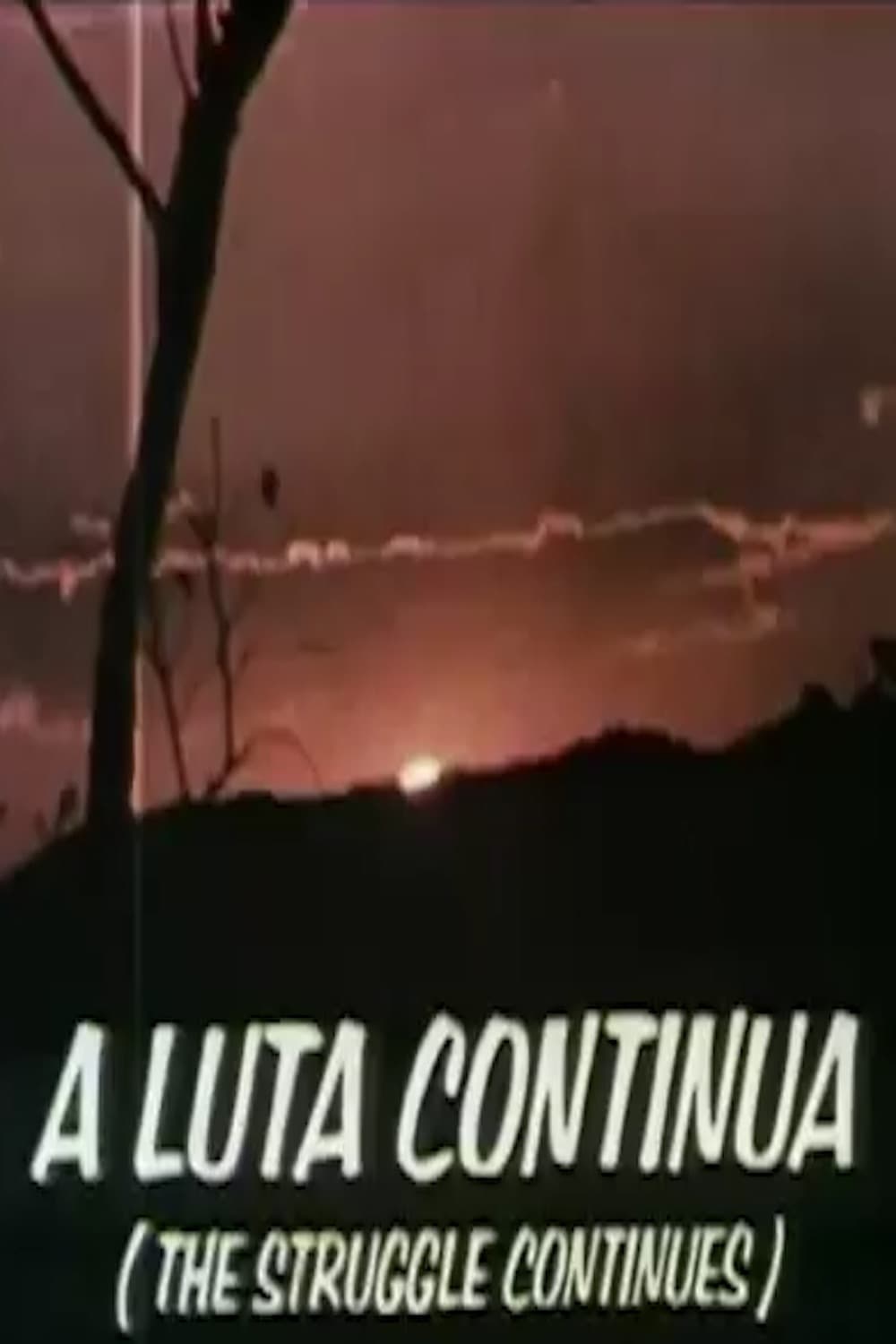
A Luta Continua explains the military struggle of the Liberation Front of Mozambique (FRELIMO) against the Portuguese. Produced and narrated by American activists Robert Van Lierop, it details the relationship of the liberation to the wider regional and continental demands for self-determination against minority rule. It notes the complicit roles of foreign governments and companies in supporting Portugal against the African nationalists. Footage from the front lines of the struggle helps contextualize FRELIMO's African socialist ideology, specifically the role of the military in building the new nation, a commitment to education, demands for sexual equality, the introduction of medical aid into the countryside, and the role of culture in creating a single national identity.
Embark on a journey of discovery in Madagascar with Alexandre and Sonia Poussin, Philaé, 10 years old, and Ulysse, 7 years old, along with their quirky cart pulled by zebu. Their mission was multi-faceted: to produce a documentary series, raise funds for NGOs encountered along the way, open their children's eyes to the beauty but also the fragility of the island's endemic nature, and finally to live a life of long-term, joyful simplicity. Challenges of crossing, encounters, and lessons learned will always be present in this slow-paced alternative learning journey.
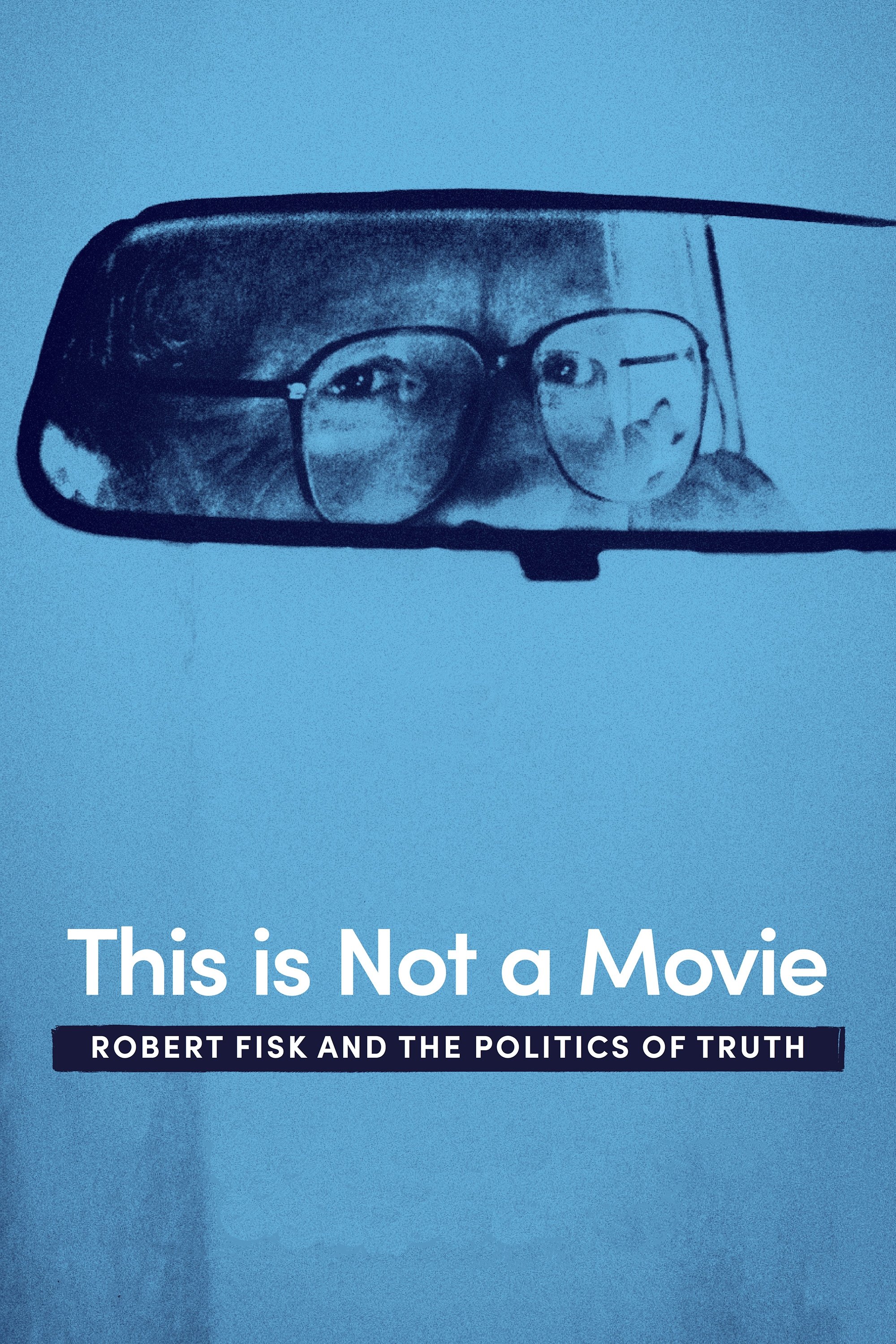
For more than forty years, British journalist Robert Fisk has reported on some of the most violent conflicts in the world, from Northern Ireland to the Middle East, always with his feet on the ground and a notebook in hand, travelling into landscapes devastated by war, ferreting out the facts and sending reports to the media he works for with the ambition of catching the interest of an audience of millions.
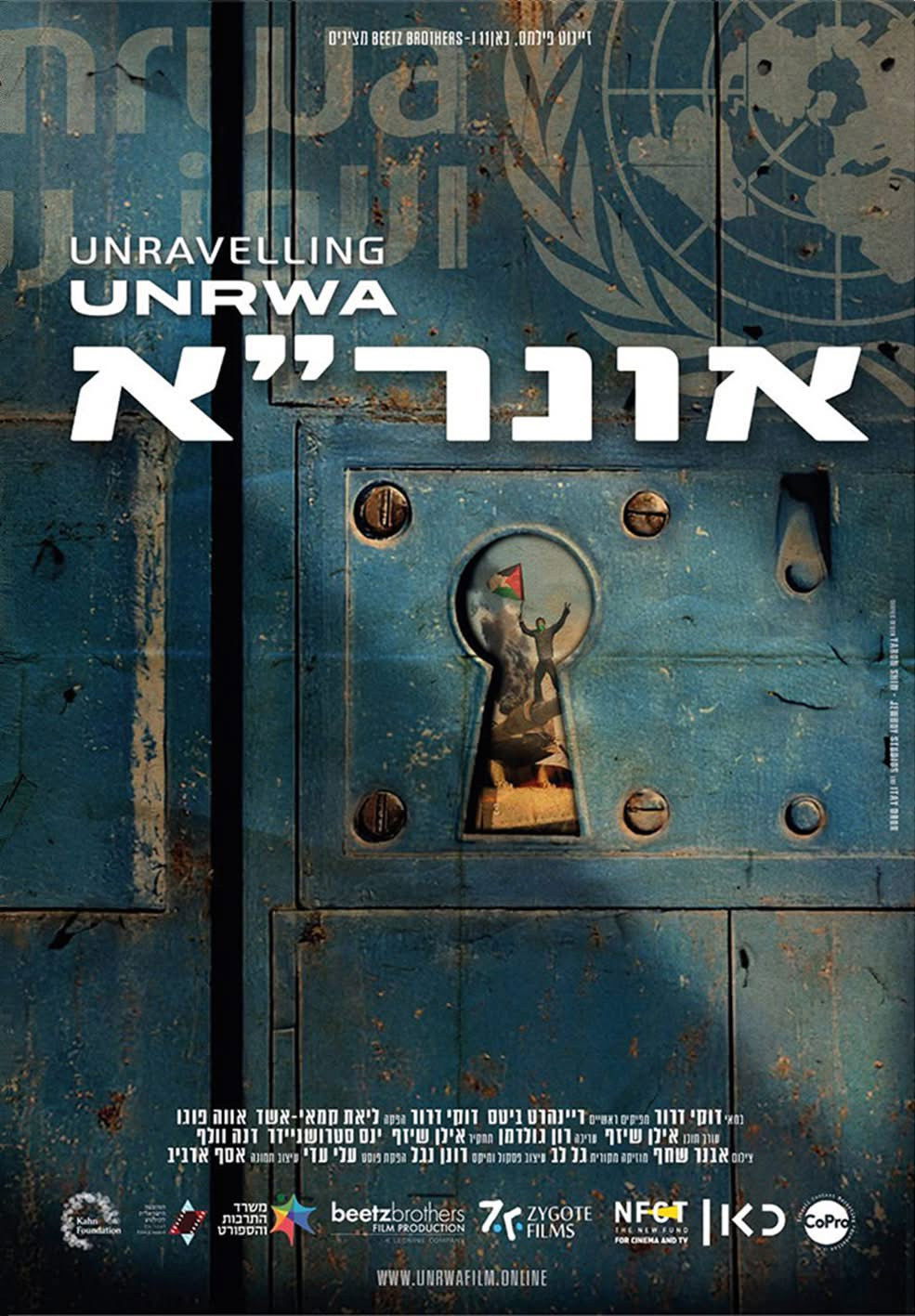
Following the October 7th massacre and allegations that UNRWA staff were involved in the kidnappings, the agency made headlines around the world. Israel enacted legislation to suspend cooperation with UNRWA, despite the ongoing humanitarian crisis in Gaza. The film presents a historical examination of UNRWA’s role—a temporary agency, initially mandated to resolve the refugee crisis following the 1948 war, which has never ceased its operations and, after 75 years, continues to perpetuate generations of refugees
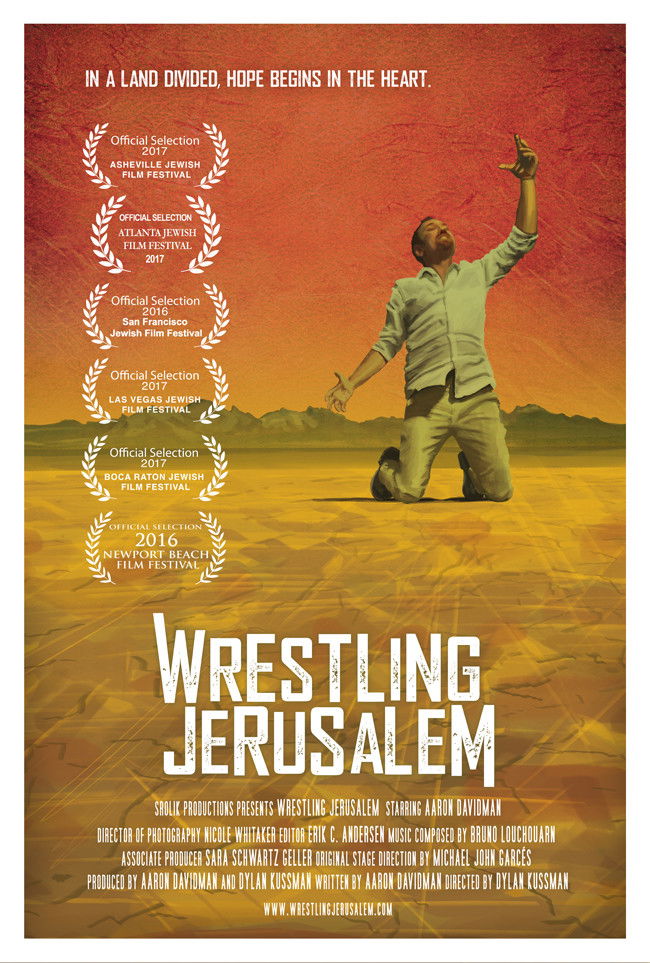
Writer-actor Aaron Davidman embodies seventeen different characters in and around the sacred city of Jerusalem as he takes us on an eye-opening journey into the heart of the Israeli-Palestinian story. Exploring universal questions of identity and human connection, the film is about one man's effort to embrace a multiplicity of conflicting viewpoints, chronicling a brave exploration of the complex humanity at the heart of one of the world's most troubling conflicts.
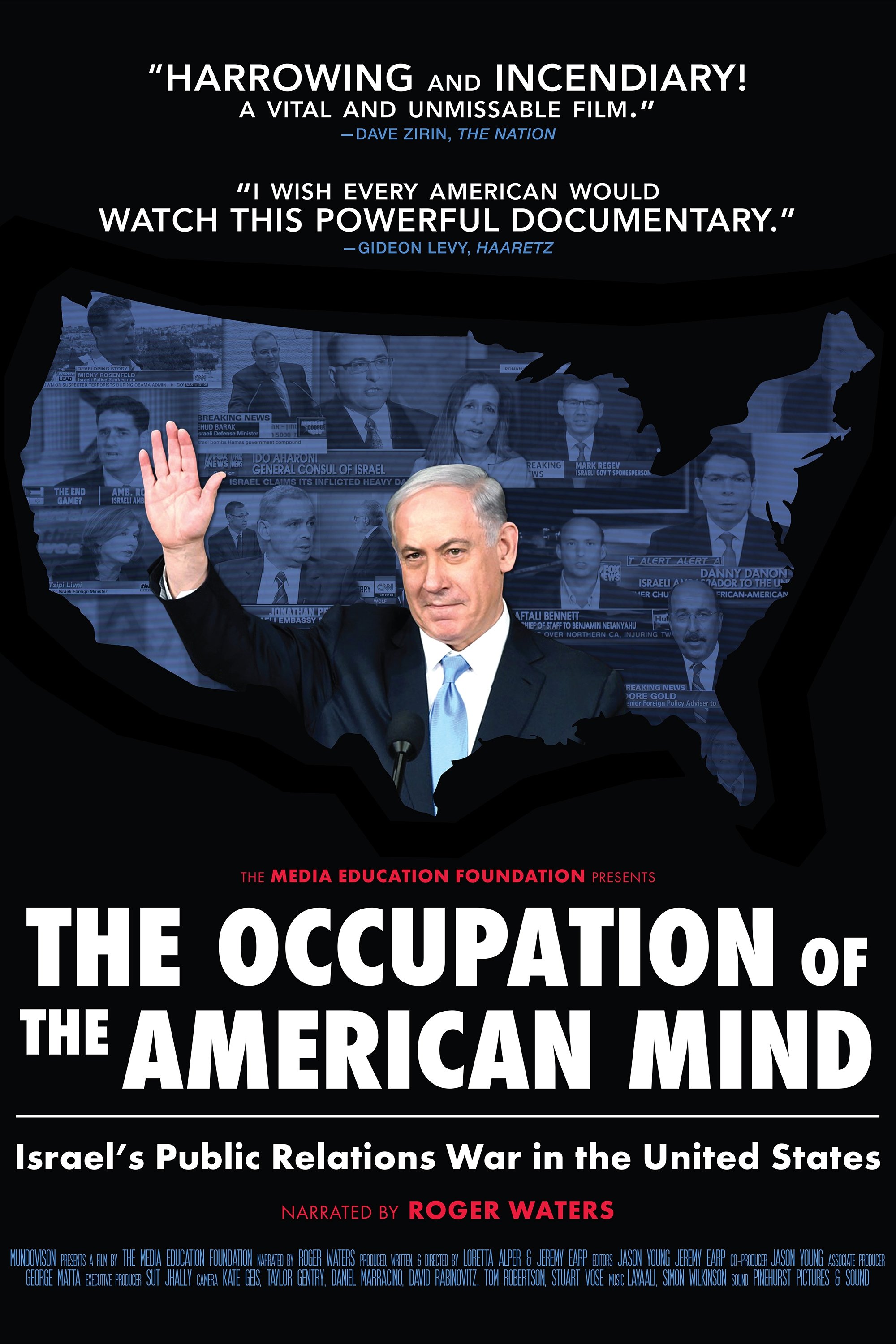
Over the past few years, Israel's ongoing military occupation of Palestinian territory and repeated invasions of the Gaza strip have triggered a fierce backlash against Israeli policies virtually everywhere in the world—except the United States. This documentary takes an eye-opening look at this critical exception, zeroing in on pro-Israel public relations efforts within the U.S.
A film made by four Palestinians living through extraordinary times. Filming from the first days of the war, Khalid, Aya, Adam and Aseel document their own lives as they endure bombing raids, multiple evacuations, family separations and reunions, deaths, and even the birth of a new life amidst the chaos.
Guillermo Gómez Álvarez explores the identity politics of Puerto Rico via archival footage from various sources that clash with nine original songs from local independent musicians and a thematic analysis from a psychoanalyst and a historian. From the juxtaposition the absurd becomes coherent and the coherent becomes absurd as Puerto Rican identity is defined and rejected almost simultaneously.
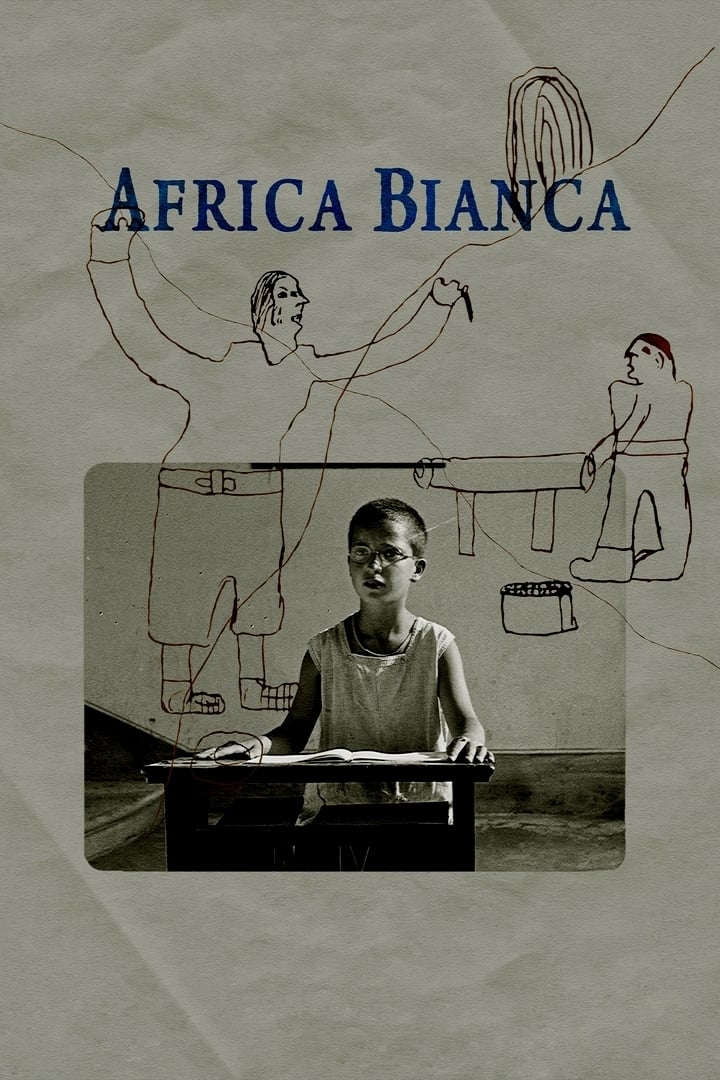
The armies of Fascist Italy conquered Addis Ababa, capital of Abyssinia, in May 1936, thus culminating the African colonial adventure of the ruthless dictator Benito Mussolini, by then lord of Libya, Eritrea and Somalia; a bloody and tragic story told through the naive drawings of Pietro Dall'Igna, an Italian schoolboy born in 1925.
Five broken cameras – and each one has a powerful tale to tell. Embedded in the bullet-ridden remains of digital technology is the story of Emad Burnat, a farmer from the Palestinian village of Bil’in, which famously chose nonviolent resistance when the Israeli army encroached upon its land to make room for Jewish colonists. Emad buys his first camera in 2005 to document the birth of his fourth son, Gibreel. Over the course of the film, he becomes the peaceful archivist of an escalating struggle as olive trees are bulldozed, lives are lost, and a wall is built to segregate burgeoning Israeli settlements.
Fourteen years after his first visit, Louis Theroux meets some of the growing community of religious-nationalist Israelis who have settled in the occupied West Bank.
When Allied forces liberated the Nazi concentration camps in 1944-45, their terrible discoveries were recorded by army and newsreel cameramen, revealing for the first time the full horror of what had happened. Making use of British, Soviet and American footage, the Ministry of Information’s Sidney Bernstein (later founder of Granada Television) aimed to create a documentary that would provide lasting, undeniable evidence of the Nazis’ unspeakable crimes. He commissioned a wealth of British talent, including editor Stewart McAllister, writer and future cabinet minister Richard Crossman – and, as treatment advisor, his friend Alfred Hitchcock. Yet, despite initial support from the British and US Governments, the film was shelved, and only now, 70 years on, has it been restored and completed by Imperial War Museums under its original title "German Concentration Camps Factual Survey".
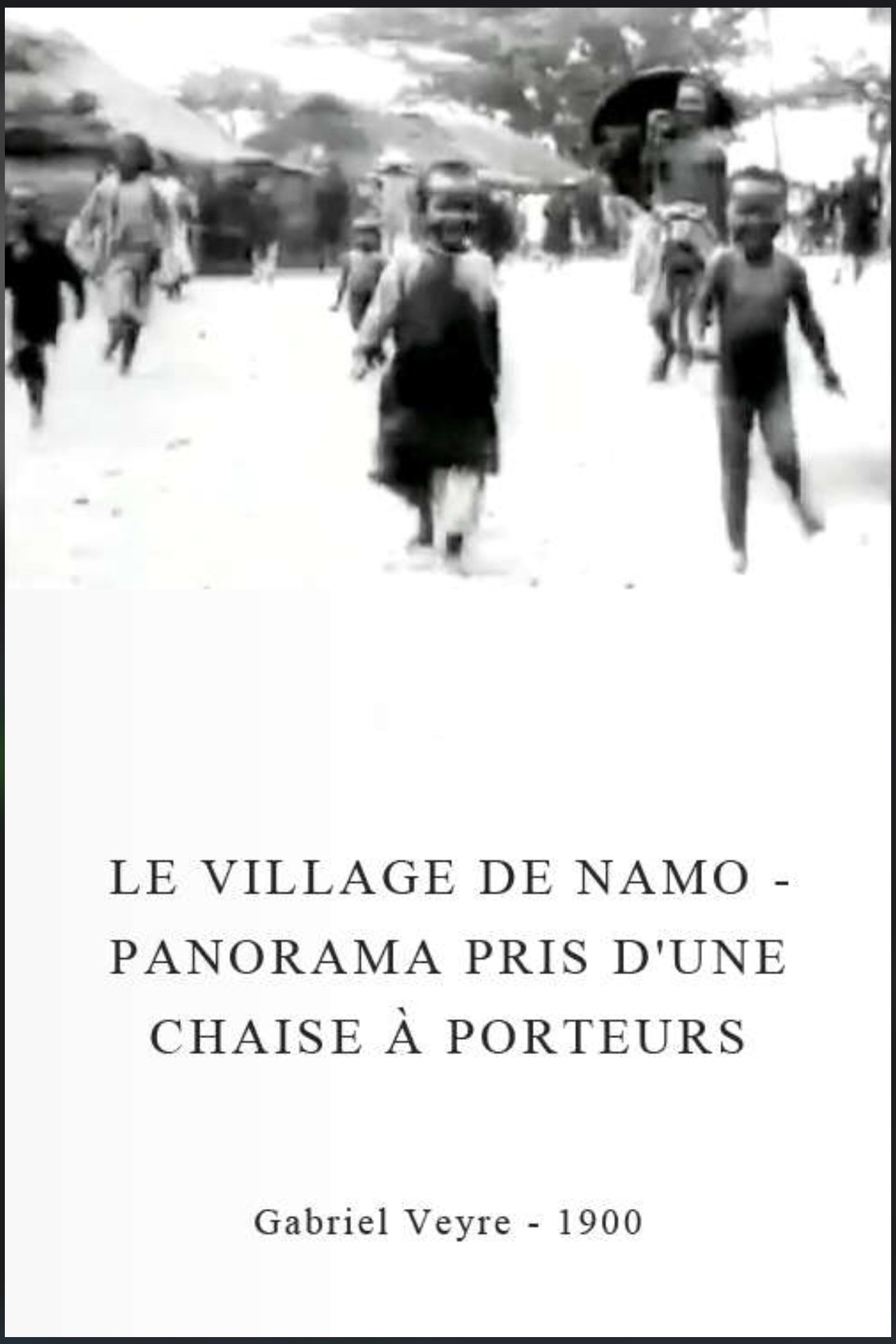
The film is a panorama shot-scene lasting just under a minute. The panorama film, as coined by Lumière, is a moving-camera shot--usually accomplished by placing the camera on a moving transport, such as a boat or train.
Al Pacino's deeply-felt rumination on Shakespeare's significance and relevance to the modern world through interviews and an in-depth analysis of "Richard III."
Those who knew iconic funnyman John Candy best share his story, in their own words, through never-before-seen archival footage, imagery, and interviews.
Filmmaker Alain Resnais documents the atrocities behind the walls of Hitler's concentration camps.
A subjective documentary that explores various theories about hidden meanings in Stanley Kubrick's classic film The Shining. Five very different points of view are illuminated through voice over, film clips, animation and dramatic reenactments.
In the early-morning hours of July 23, 2007, in Cheshire, Conn., ex-convicts Steven Hayes and Joshua Komisarjevsky broke into the family home of William Petit, his wife, Jennifer, and their daughters, Michaela, 11, and Hayley, 17. Dr. Petit was beaten and tied to a pole in the basement. The three women were bound in their bedrooms while the men ransacked the house. The brutal ordeal continued throughout the morning, ending with rape, arson and a horrific triple homicide.
A documentary about the life and films of director John Ford.
A new documentary by filmmaker-photographer Raymond Depardon – where justice and psychiatry meet.
In the Realms of the Unreal is a documentary about the reclusive Chicago-based artist Henry Darger. Henry Darger was so reclusive that when he died his neighbors were surprised to find a 15,145-page manuscript along with hundreds of paintings depicting The Story of the Vivian Girls, in What is Known as the Realms of the Unreal, of the Glodeco-Angelinnian War Storm, Cased by the Child Slave Rebellion.
A detailing of the rise to prominence and global sporting superstardom of six supremely talented young Manchester United football players (David Beckham, Nicky Butt, Ryan Giggs, Paul Scholes, Phil and Gary Neville). The film covers the period 1992-1999, culminating in Manchester United's European Cup triumph.
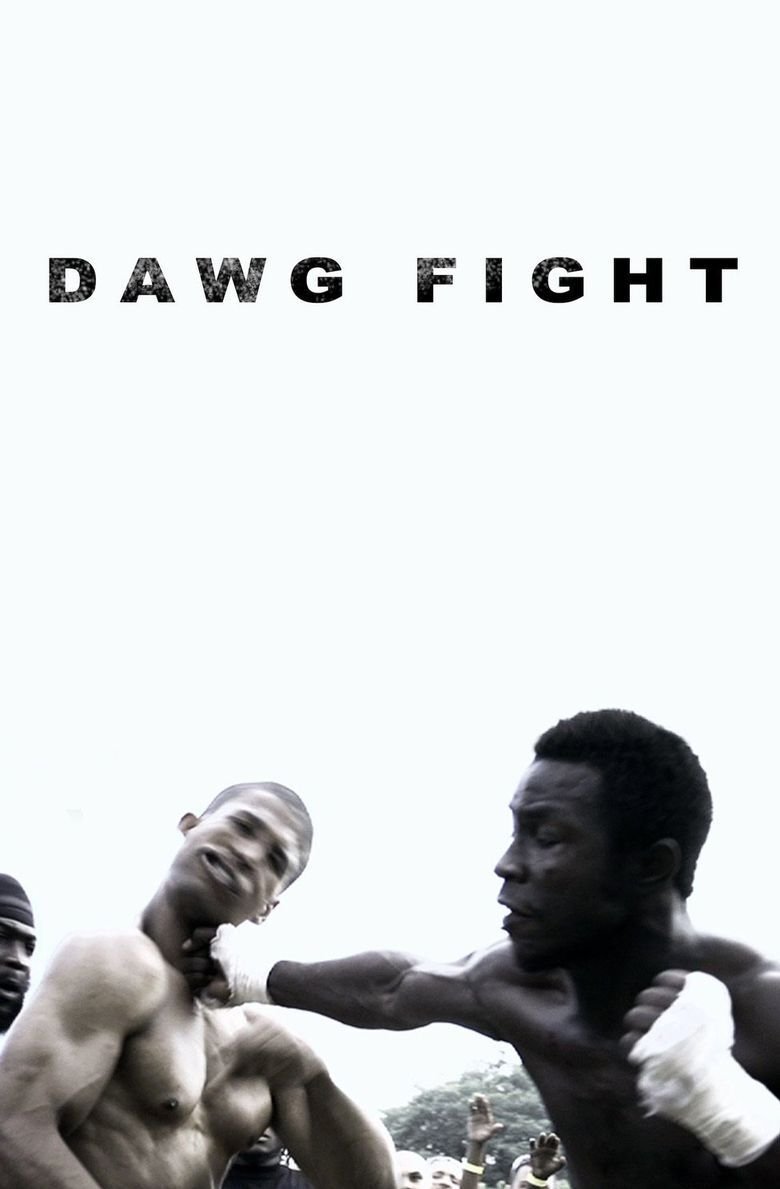
In a crime-plagued neighborhood near Miami, brutal, bare-knuckled backyard fights give young men a chance to earn money -- and self-respect.
“The Soviet Story” is a story of an Allied power, which helped the Nazis to fight Jews and which slaughtered its own people on an industrial scale. Assisted by the West, this power triumphed on May 9th, 1945. Its crimes were made taboo, and the complete story of Europe’s most murderous regime has never been told. Until now...
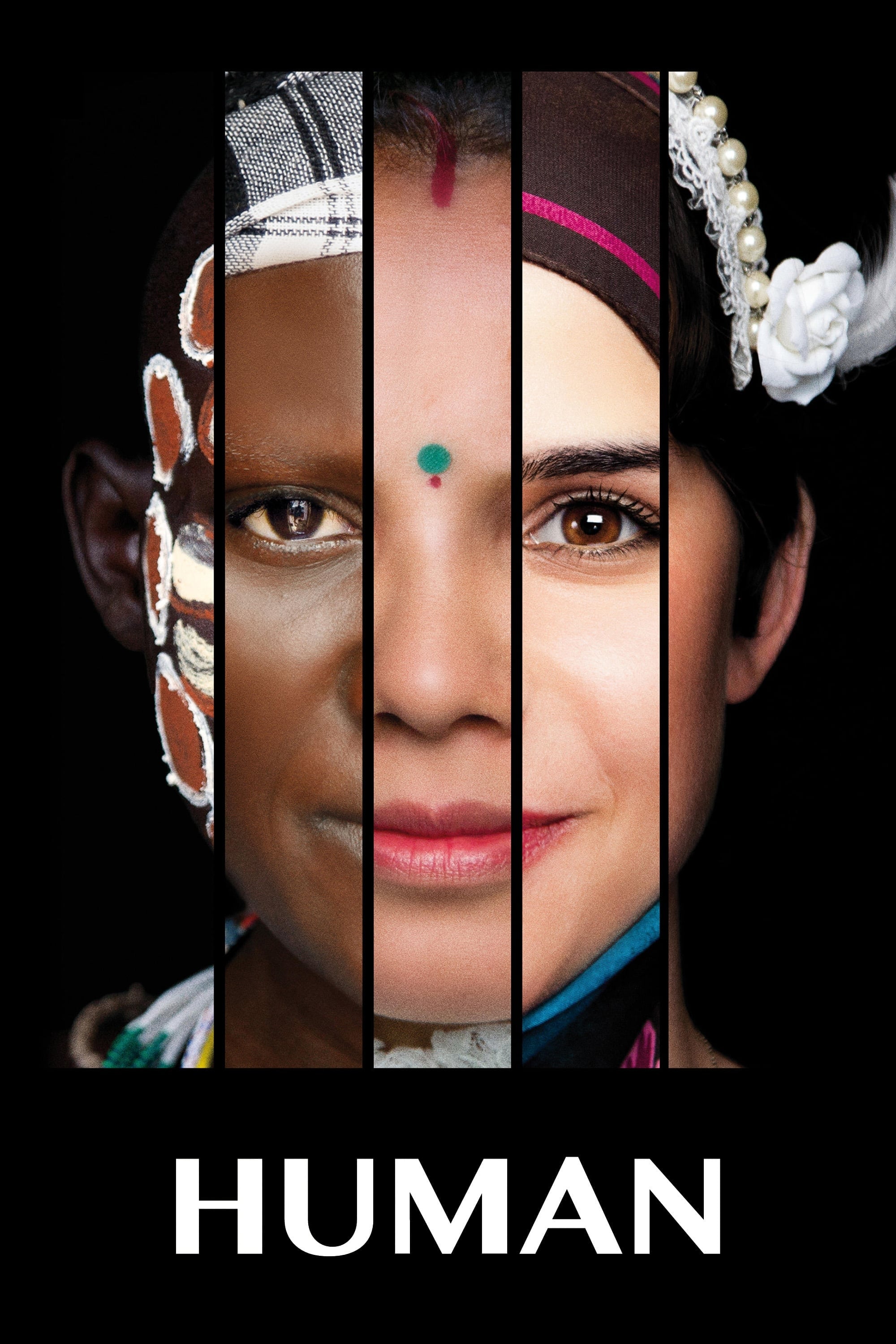
A collection of stories about and images of our world, offering an immersion to the core of what it means to be human. Through these stories full of love and happiness, as well as hatred and violence, it brings us face to face with the Other, making us reflect on our lives. From stories of everyday experiences to accounts of the most unbelievable lives, these poignant encounters share a rare sincerity and underline who we are – our darker side, but also what is most noble in us, and what is universal. Our Earth is shown at its most sublime through never-before-seen aerial images accompanied by soaring music, resulting in an ode to the beauty of the world, providing a moment to draw breath and for introspection. This film is a politically engaged work which allows us to embrace the human condition and to reflect on the meaning of our existence.
Alexander McQueen's rags-to-riches story is a modern-day fairy tale, laced with the gothic. Mirroring the savage beauty, boldness and vivacity of his design, this documentary is an intimate revelation of McQueen's own world, both tortured and inspired, which celebrates a radical and mesmerizing genius of profound influence.
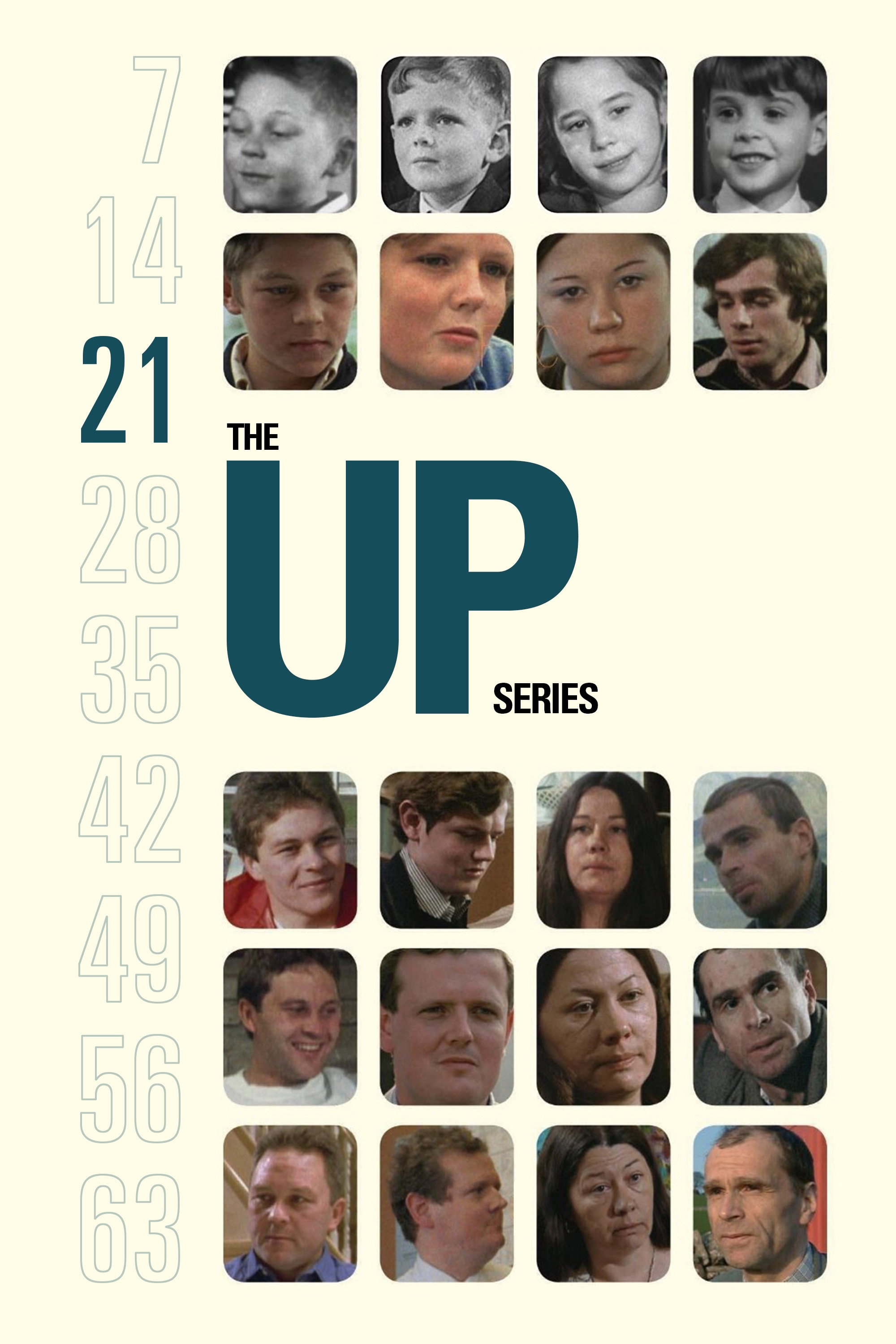
After another 7 year wait, director Michael Apted revisits the same group of British-born children from Seven Up! and 7 Plus Seven. The subjects are interviewed as to the changes that have occurred in their lives during the last seven years.
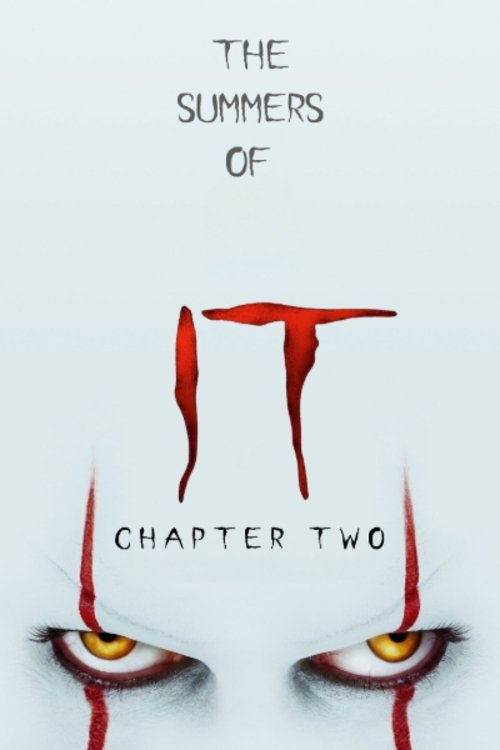
This documentary focuses on the actors and their journey over two summers to create the remake to the original IT, by Stephen King. The documentary originally released as bonus material, bundled with IT: Chapter Two.
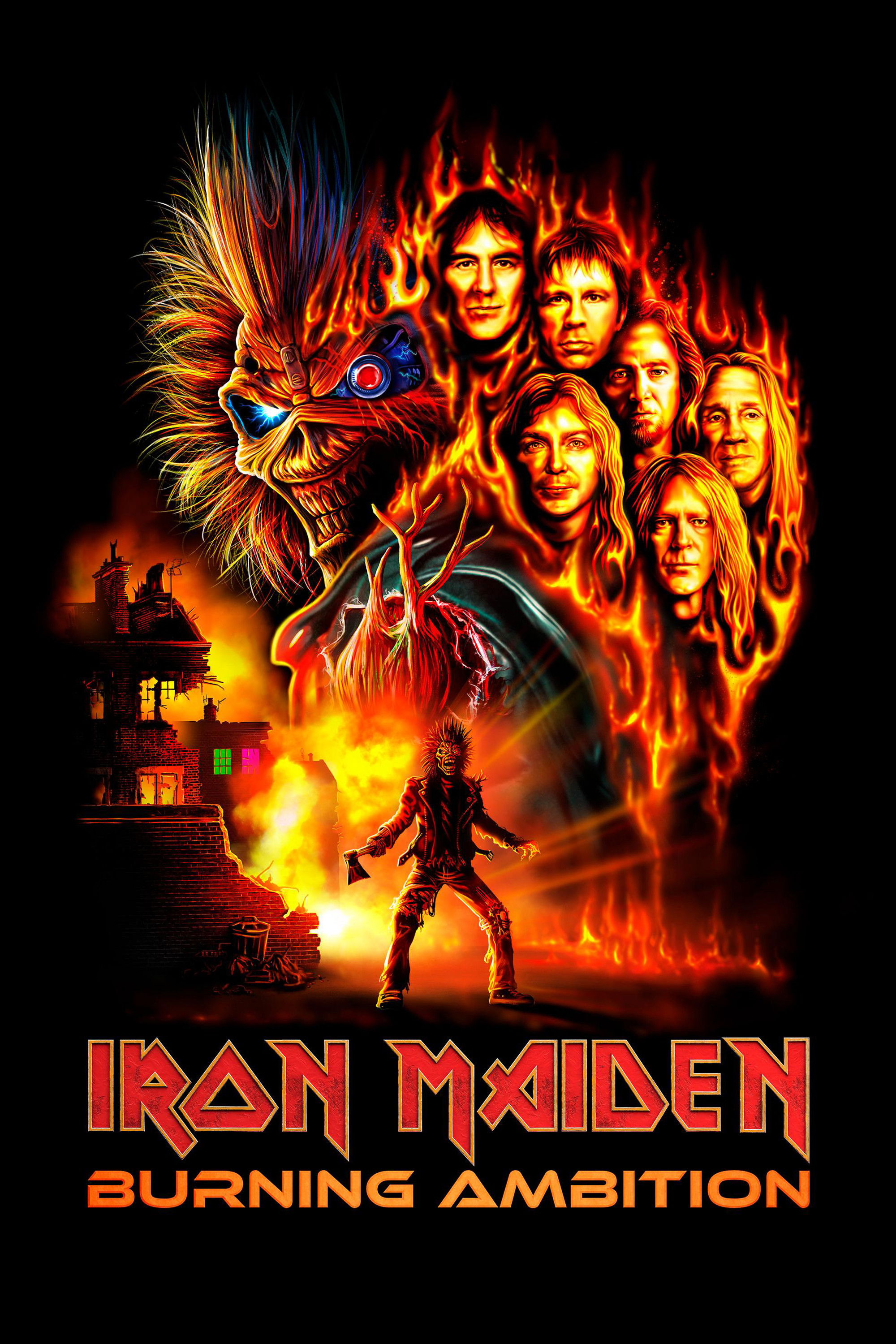
With unprecedented access to the official archives and intimate recollections from the band, both current and past, Iron Maiden: Burning Ambition invites fans to experience one of the most iconic journeys in music history. Spanning five decades, this electrifying documentary charts the band’s rise from the pubs of East London to the world’s biggest stadiums. Featuring exclusive interviews with band members and contributors such as Javier Bardem, Lars Ulrich and Chuck D, as well as all-new animated sequences of the band's legendary mascot, Eddie, the film offers a rare and intimate look at Iron Maiden’s uncompromising vision and unwavering connection with their truly global army of fans.