Hiroshima and Nagasaki: 75 Years Later is told entirely from the first-person perspective of leaders, physicists, soldiers and survivors.
Social & External
The people behind it
"Trinity and Beyond" is an unsettling yet visually fascinating documentary presenting the history of nuclear weapons development and testing between 1945-1963. Narrated by William Shatner and featuring an original score performed by the Moscow Symphony Orchestra, this award-winning documentary reveals previously unreleased and classified government footage from several countries.
You are about to enter the world of double-cross and triple-cross, of information and disinformation, of betrayal, blackmail, and murder. It is the world of international espionage with recently declassified and never before seen footage. A made-to-VHS documentary from the 1990s.
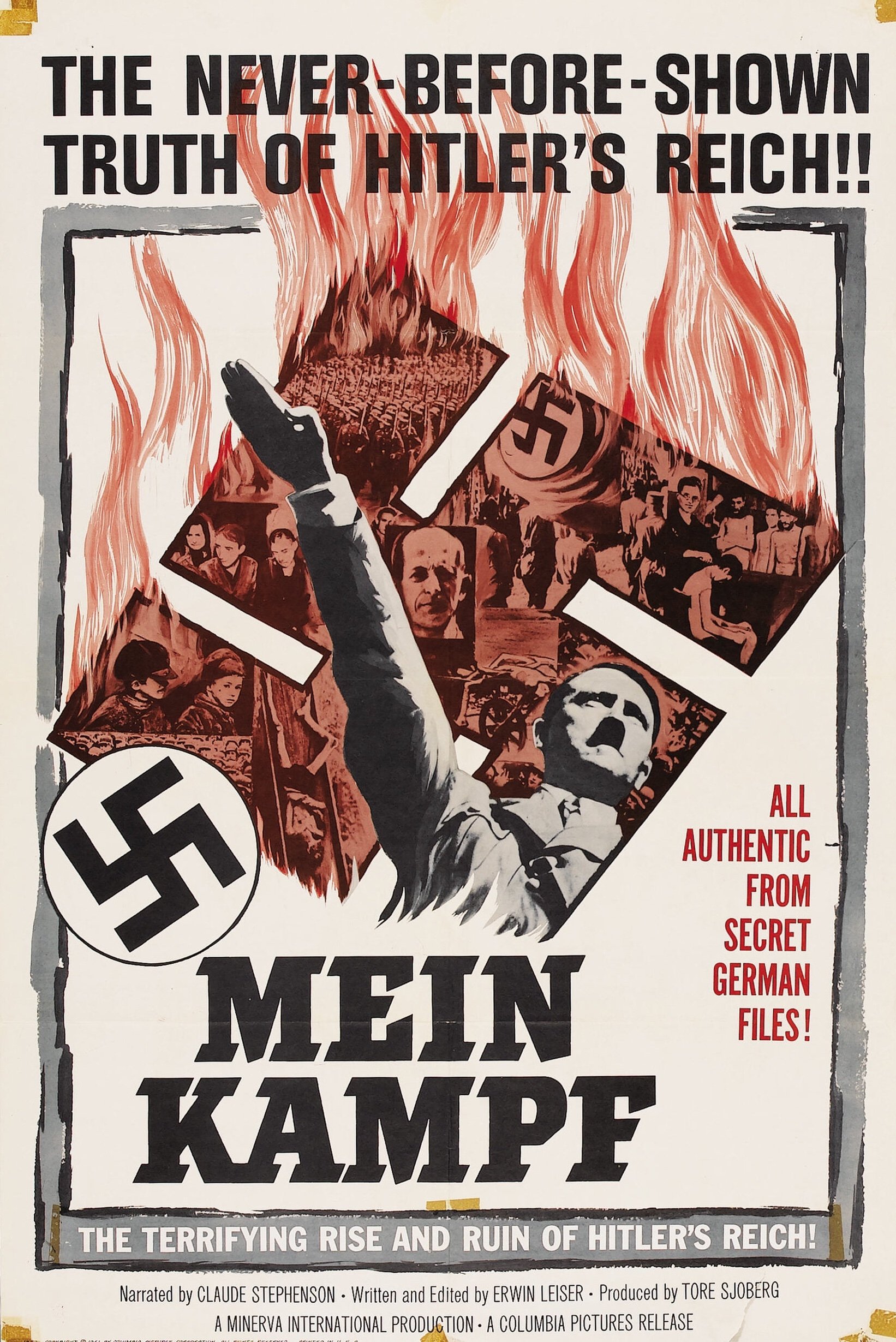
Using exclusively archival footage, Erwin Leiser traces the rise and collapse of the Third Reich, from Adolf Hitler’s early years to the devastation of Europe and his suicide in 1945. The film draws heavily on material produced and preserved by the Nazi propaganda apparatus to confront the mechanisms, imagery, and consequences of totalitarian power.
Historical movie set during the Japanese occupation of China during WWII. Jackie Chan is one of the good guys but has nothing much more than a supporting role.
This documentary explores the creation of the Holocaust Memorial in Berlin as designed by architect Peter Eisenman. Reaction of the German public to the completed memorial is also shown.
In September 1942, the German Afrika Korps under Rommel have successfully pushed the Allies back into Egypt. A counter-attack is planned, for which the fuel dumps at Tobruk are a critical impediment. In order to aid the attack, a group of British commandos and German Jews make their way undercover through 800 miles of desert, to destroy the fuel dumps starving the Germans of fuel.
The Mediterranean, 1941/42 - Axis forces are using frogmen and manned torpedoes to attack previously impregnable harbours. The Allied forces need to come up with something to answer this threat, which they find in the form of Lt. Lionel "Buster" Crabb.
The youngest protagonist of the documentary is Wartburg, an automobile over 50 years of age. The car is still on the road, driven by Bogdan, a 70-year-old who is taking his mother to visit the German factory where she was forced to work during WWII. In this road movie which takes place between Majdanpek and Germany, the trip becomes a journey into the past, retracing memories from the war and revealing a unique relationship between an old son and his elderly mother.
Using animated maps and real footage, the film shows how Hitler systematically invaded and occupied one European country after another in 1939 and 1941
He built the mightiest army in history and selected its leaders. Eisenhower, MacArthur and Patton all obeyed his commands. George Marshall was the only soldier ever to receive the Nobel Peace Prize.
A documentary focusing on American conscientious objectors during WWII.
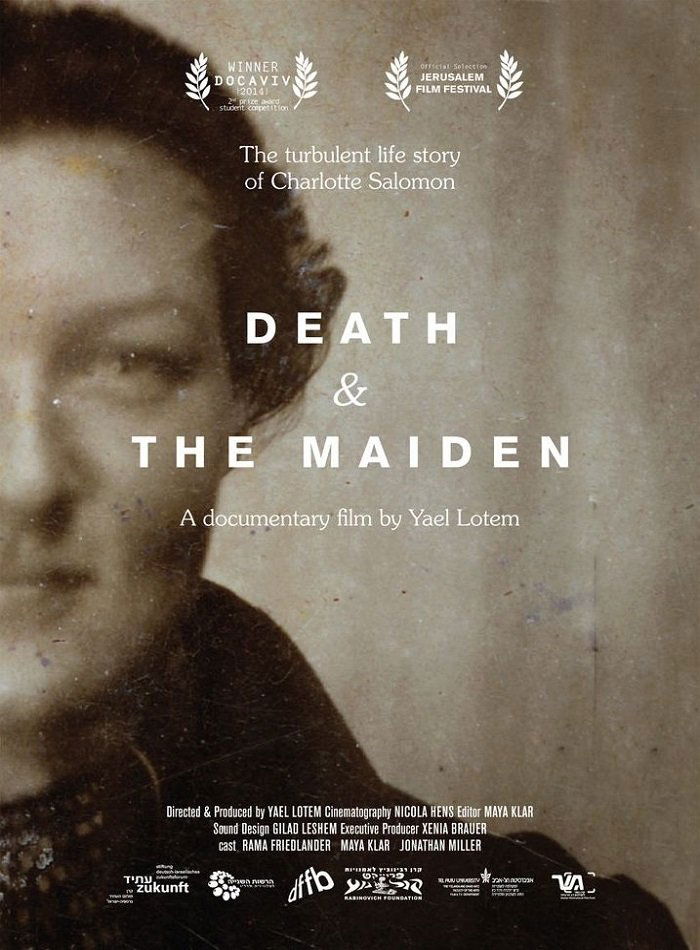
Shortly after World War II, over 1,000 paintings were found in a cellar in southern France. The paintings were created by a young Jewish woman named Charlotte Salomon. She painted her turbulent life story in a unique creation called: ‘Life? Or Theater? – A Tri-Colored Operetta.’ Death and the Maiden unravels the story behind her creation.
One famous day. Five heroes. Five key turning points that changed the course of World War II during the D-Day landings, told through the eyes of the people who made a difference. Using rarely seen archival footage dramatic reconstruction and written accounts from eye witnesses, and personal testimony from five heroes, this is D-Day as never seen before.
After WWII had ended, it was realized by the American Allies that there were children whom Hitler trained to be soldiers between the ages of 9-17. They were the "Hitler Youth". As the adult German soldiers were taken as prisoners of war, so were the children. These boys were taken to France and reeducated by being taught democracy and treated better than the adult POWs. This story recounted by a former "baby cage" prisoner at the age of 92.
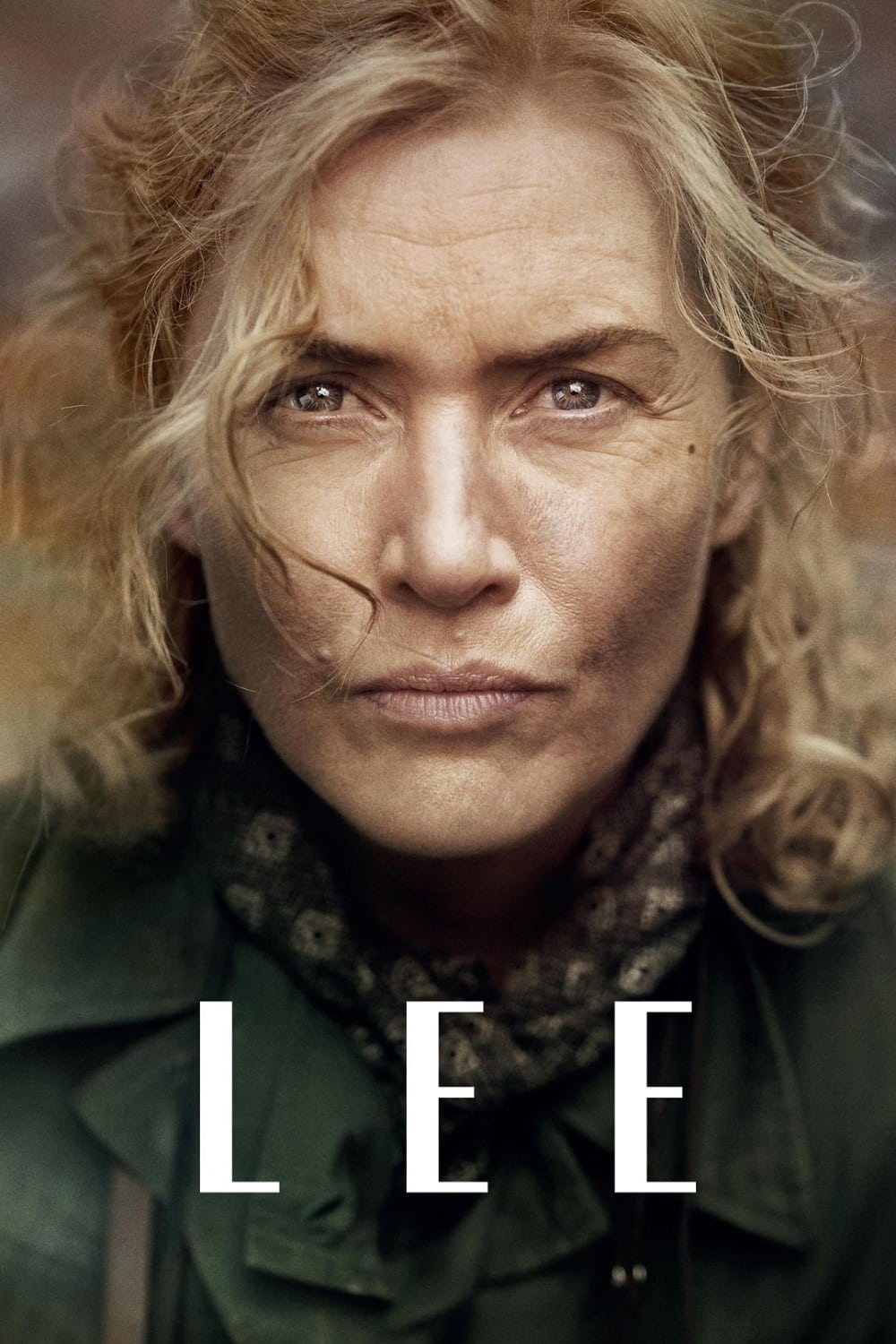
The true story of photographer Elizabeth "Lee" Miller, a fashion model who became an acclaimed war correspondent for Vogue magazine during World War II.
The lives of two French sisters are torn apart by the onset of World War II.
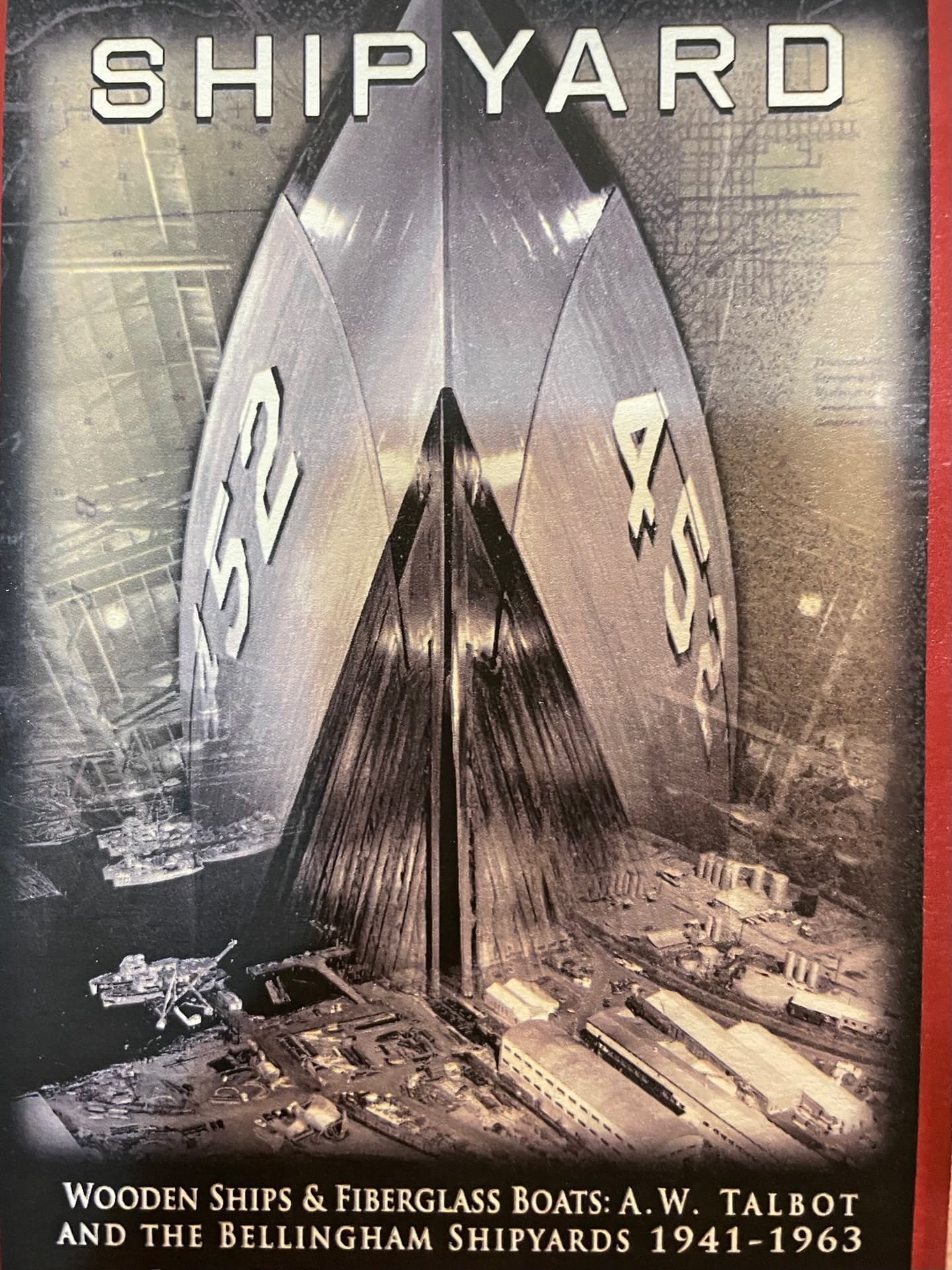
Shipyard is a landmark documentary covering the creation and life of Bellingham, Washington's wooden boat shipyard, which was built in response to the Axis threat of WWII, it's continued growth through the '50's and '60's, as well as it's innovative role in the development and production of fiberglass boats, including patrol riverboats for the Vietnam war.
Gaston Vandermeerssche is a young, resourceful Flemish action hero of the Belgian resistance during World War II: he coaches surviving allied pilots trough occupied Belgium and France to Spain so they can regain England, each time a dangerous adventure as their poor mastery of local languages and customs add to the ever-present risks of trying to outsmart the Nazi troops and Gestapo agents. After a mess-up in the coordination from London he himself gets caught by the dreaded secret police for ruthless interrogation...
On June 10, 1944, the SS murdered nearly the entire population of the French village of Oradour. The ruins still stand, the population is buried in the cemetery. Only one person has ever been convicted of this crime: the former SS-Obersturmführer Heinz Barth.
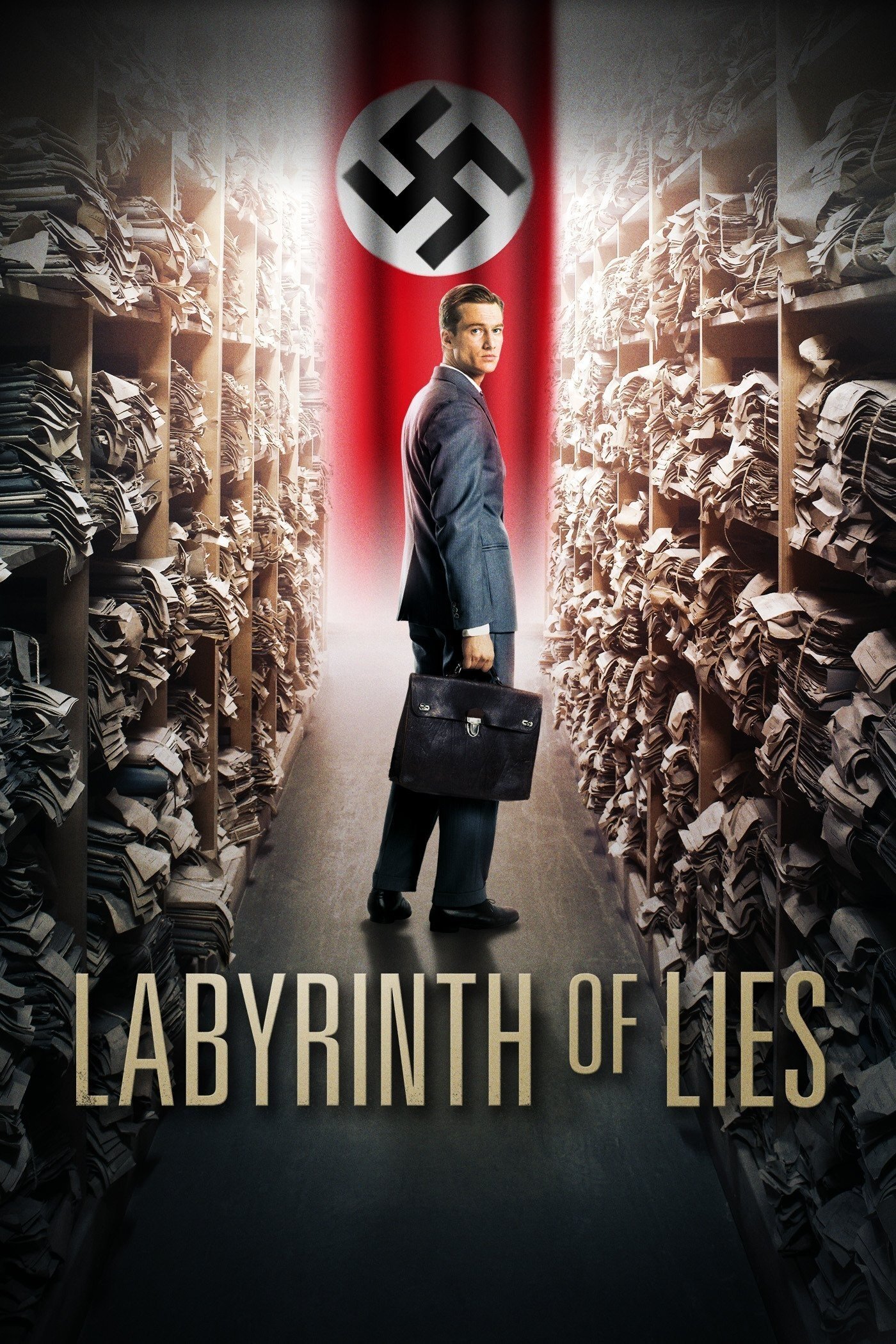
A young prosecutor in postwar West Germany investigates a massive conspiracy to cover up the Nazi pasts of prominent public figures.
A subjective documentary that explores various theories about hidden meanings in Stanley Kubrick's classic film The Shining. Five very different points of view are illuminated through voice over, film clips, animation and dramatic reenactments.
Legendary journalist Gay Talese unmasks a motel owner who spied on his guests for decades. But his bombshell story soon becomes a scandal of its own.
He's devoted his career to uncovering stories the powerful want buried. From My Lai to Abu Ghraib, dig into the life's work of journalist Seymour Hersh.
Stars of "The Walking Dead," Andrew Lincoln and Danai Gurira, walk down memory lane and visit iconic locations where pivotal moments between their characters, Rick and Michonne, were filmed.
Through deeply personal interviews with her siblings and an examination of the photographs, letters, and belongings left behind, Mariska assembles a new portrait of her mother Jayne Mansfield, an extraordinary and complex woman.
One-man armies, meet-cutes, casual strolls away from huge explosions — stars and industry insiders toast and roast these cinematic chestnuts and more.
Police pull over a woman who claims she just gave birth. But the baby — and the blood — aren't hers. Twisted lies unravel in this true-crime documentary.
Witness the never-before-seen footage and true story behind the John Wick phenomenon – from independent film to billion-dollar franchise.
Korengal picks up where Restrepo left off; the same men, the same valley, the same commanders, but a very different look at the experience of war.
Directors Hetherington and Junger spend a year with the 2nd Battalion of the United States Army located in one of Afghanistan's most dangerous valleys. The documentary provides insight and empathy on how to win the battle through hard work, deadly gunfights and mutual friendships while the unit must push back the Taliban.
A documentary examining the decade of the 1970s as a turning point in American cinema. Some of today's best filmmakers interview the influential directors of that time.
Documentary about legendary Paramount producer Robert Evans, based on his famous 1994 autobiography.
From a prolific career in film and television, Anton Yelchin left an indelible legacy as an actor. Through his journals and other writings, his photography, the original music he wrote, and interviews with his family, friends, and colleagues, this film looks not just at Anton's impressive career, but at a broader portrait of the man.
For a year, acclaimed British filmmaker Jeanie Finlay was embedded on the set of the hit HBO series “Game of Thrones,” chronicling the creation of the show’s most ambitious and complicated season. Debuting one week after the series 8 finale, GAME OF THRONES: THE LAST WATCH delves deep into the mud and blood to reveal the tears and triumphs involved in the challenge of bringing the fantasy world of Westeros to life in the very real studios, fields and car-parks of Northern Ireland. Made with unprecedented access, GAME OF THRONES: THE LAST WATCH is an up-close and personal portrait from the trenches of production, following the crew and the cast as they contend with extreme weather, punishing deadlines and an ever-excited fandom hungry for spoilers. Much more than a “making of” documentary, this is a funny, heartbreaking story, told with wit and intimacy, about the bittersweet pleasures of what it means to create a world – and then have to say goodbye to it.
After years in the limelight, Selena Gomez achieves unimaginable stardom. But just as she reaches a new peak, an unexpected turn pulls her into darkness. This uniquely raw and intimate documentary spans her six-year journey into a new light.
Unravel the case of Utah therapist Jodi Hildebrandt, whose child abuse arrest with parenting YouTuber Ruby Franke exposed a twisted tale of manipulation.
Vulgar, taunting texts blow up the phones of a teen and her boyfriend. Who's sending them — and why? This twisty documentary reveals the shocking answer.
Experience the iconic rock band's legacy in the first major documentary to tell their story. Directed with the era’s avant-garde spirit by Todd Haynes, this kaleidoscopic oral history combines exclusive interviews with dazzling archival footage.
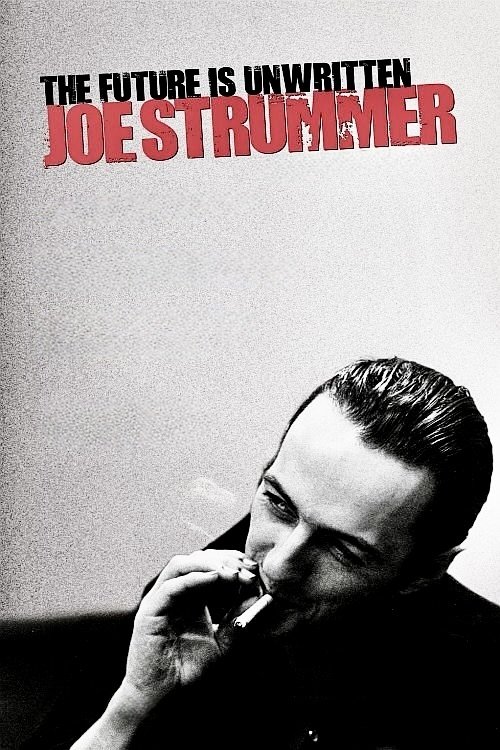
As the front man of the Clash from 1977 onwards, Joe Strummer changed people's lives forever. Four years after his death, his influence reaches out around the world, more strongly now than ever before. In "The Future Is Unwritten", from British film director Julien Temple, Joe Strummer is revealed not just as a legend or musician, but as a true communicator of our times. Drawing on both a shared punk history and the close personal friendship which developed over the last years of Joe's life, Julien Temple's film is a celebration of Joe Strummer - before, during and after the Clash.
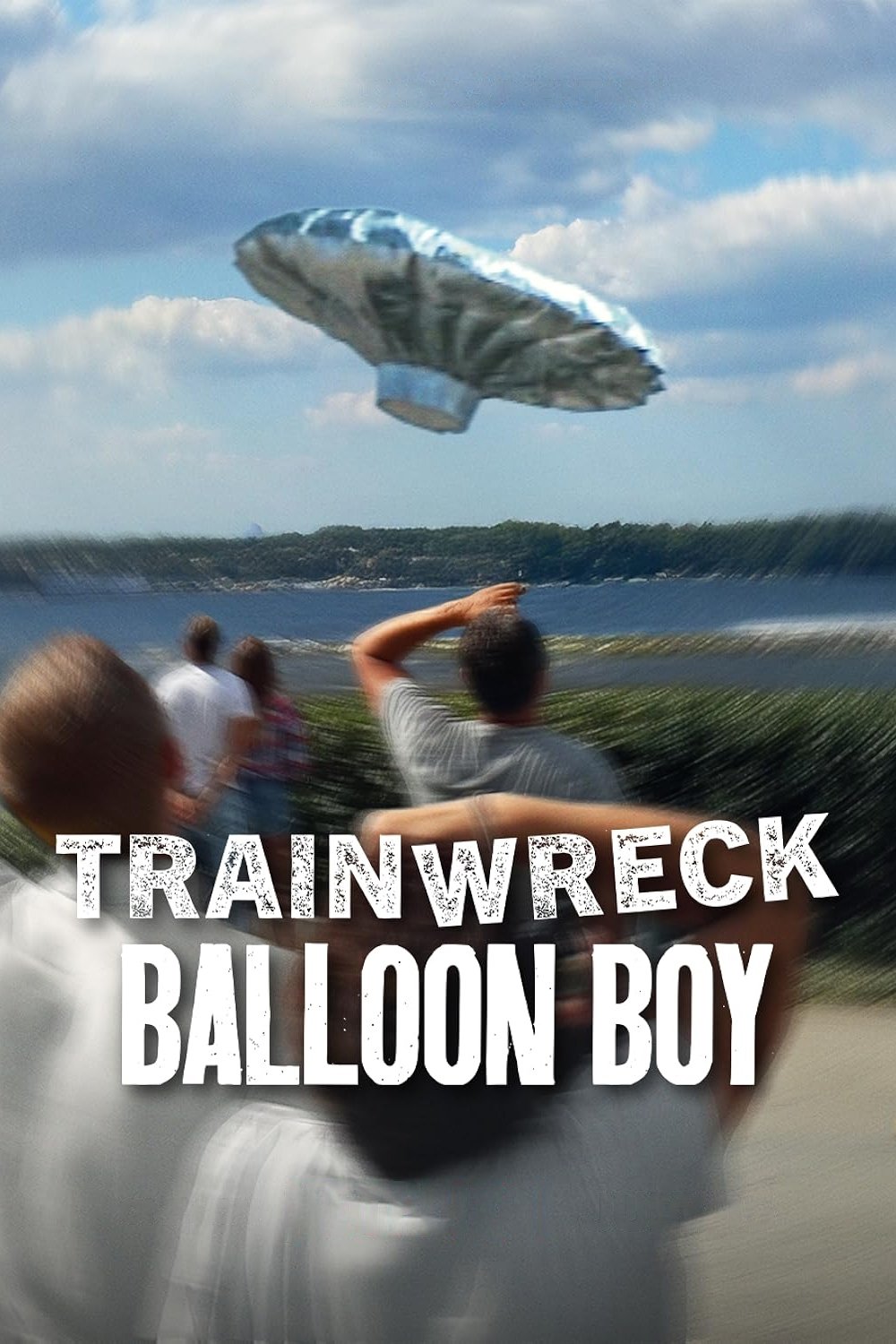
A homemade flying saucer lifts off, and a 6-year-old boy might be inside. National panic ensues — but what truly happened? This documentary investigates.