Social & External
On the island of Tanna, a part of Vanuatu, an archipelago in Melanesia, strange rites are enacted and time passes slowly while the inhabitants await the return of the mysterious John.
Stuart Cooper's short about the work of Spanish artist Juan Genovés is an inspired introduction to the works of this extraordinary artist, exploring its minimalist aesthetic and storytelling qualities through a variety of cinematic techniques, including rostrum, animation, news footage and live action recreations.
Jean-Claude Rousseau's Jeune femme à sa fenêtre lisant une lettre is not only his first medium-length film, but a chance to discover this filmmaker whom Jean-Marie Straub has called, along with Frans Van de Staak and Peter Nestler, the greatest working in Europe. With this newly restored print there is also a possibility to discover the relationship between Rousseau's art of filming and Jan Vermeer's famous painting. As Prosper Hillairet wrote in 1988, four years after Rousseau had finished Jeune femme ... (for the first time as we know today): «Without adopting the usual systematic spirit and form of cinéma structurel, Rousseau presents us with simple images and leaves it at that. Keeps the image in hand. A minimalist and ascetic expression of cinema: a shot that lasts.»
1 minute experimental film.
It shows Korea’s traditional colors and culture through the use of superimposing. It is an experimental film, which not only tries to show Korean traditional culture through the use of color, but also tries to show the modern history of Korea.
During the Feria of Nîmes, a bullfight is filmed from the perspective of the animal, relegating the matador and public to off-screen spectators. A ritual at the frontiers of mysticism, carried by the sacrificial figure of the bull, revealer of our humanity.
A journey into the hearts, minds and eyes of Georgia O’Keeffe, Emily Carr and Frida Kahlo - three of the 20th century’s most remarkable artists.
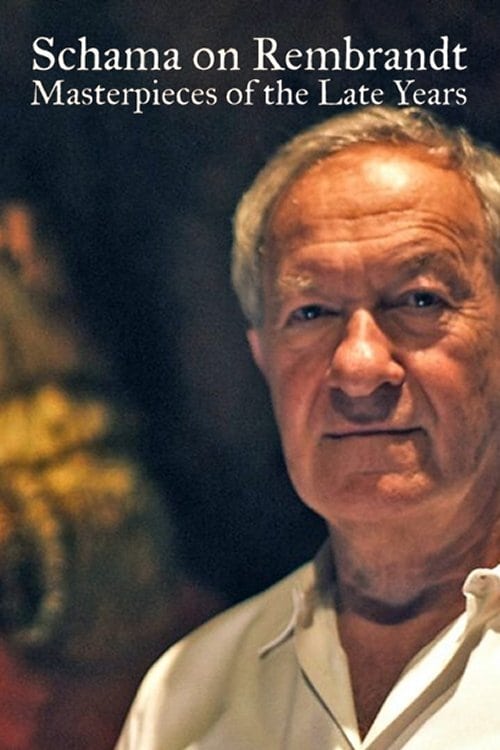
Simon Schama explains the style, theme and concept of Rembrandt's late masterpieces.
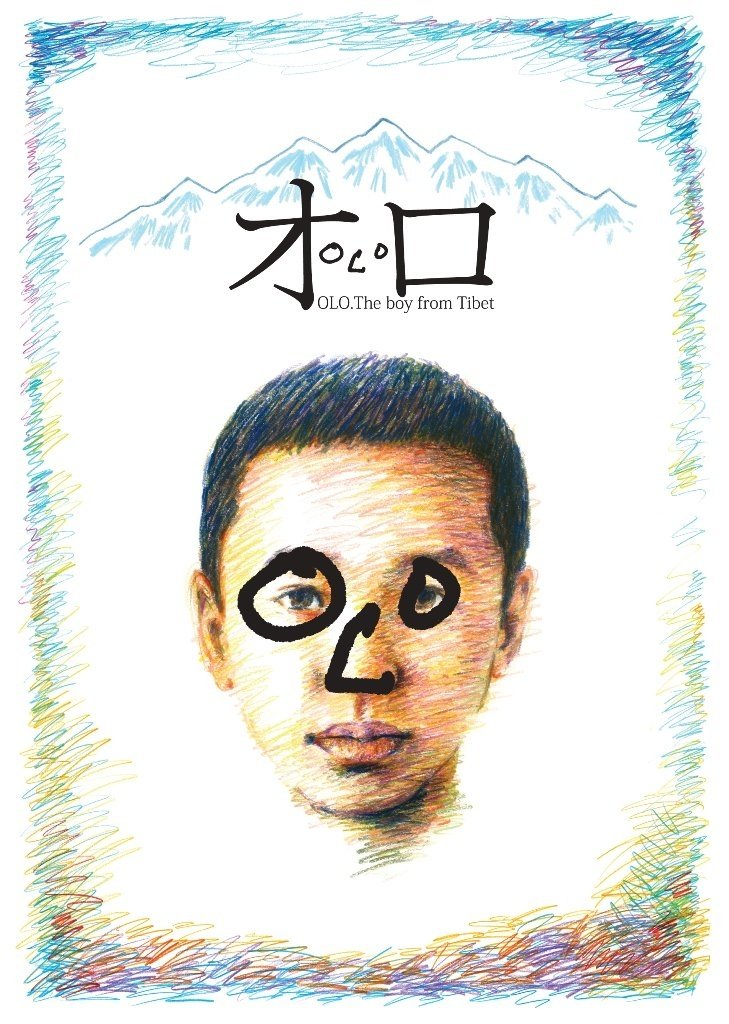
A 6-year-old Tibetan boy leaves his family and flees to a refugee camp in northern India.
shows visual and metaphorical representation using rope as a motif through various rope images and meanings.
The Kabul National Museum, once known as the "face of Afghanistan," was destroyed in 1993. We filmed the most important cultural treasures of the still-intact museum in 1988: ancient Greco-Roman art and antiquitied of Hellenistic civilization, as well as Buddhist sculpture that was said to have mythology--the art of Gandhara, Bamiyan, and Shotorak among them. After the fall of the Democratic Republic of Afghanistan in 1992, some seventy percent of the contents of the museum was destroyed, stolen, or smuggled overseas to Japan and other countries. The movement to return these items is also touched upon. The footage in this video represents that only film documentation of the Kabul Museum ever made.
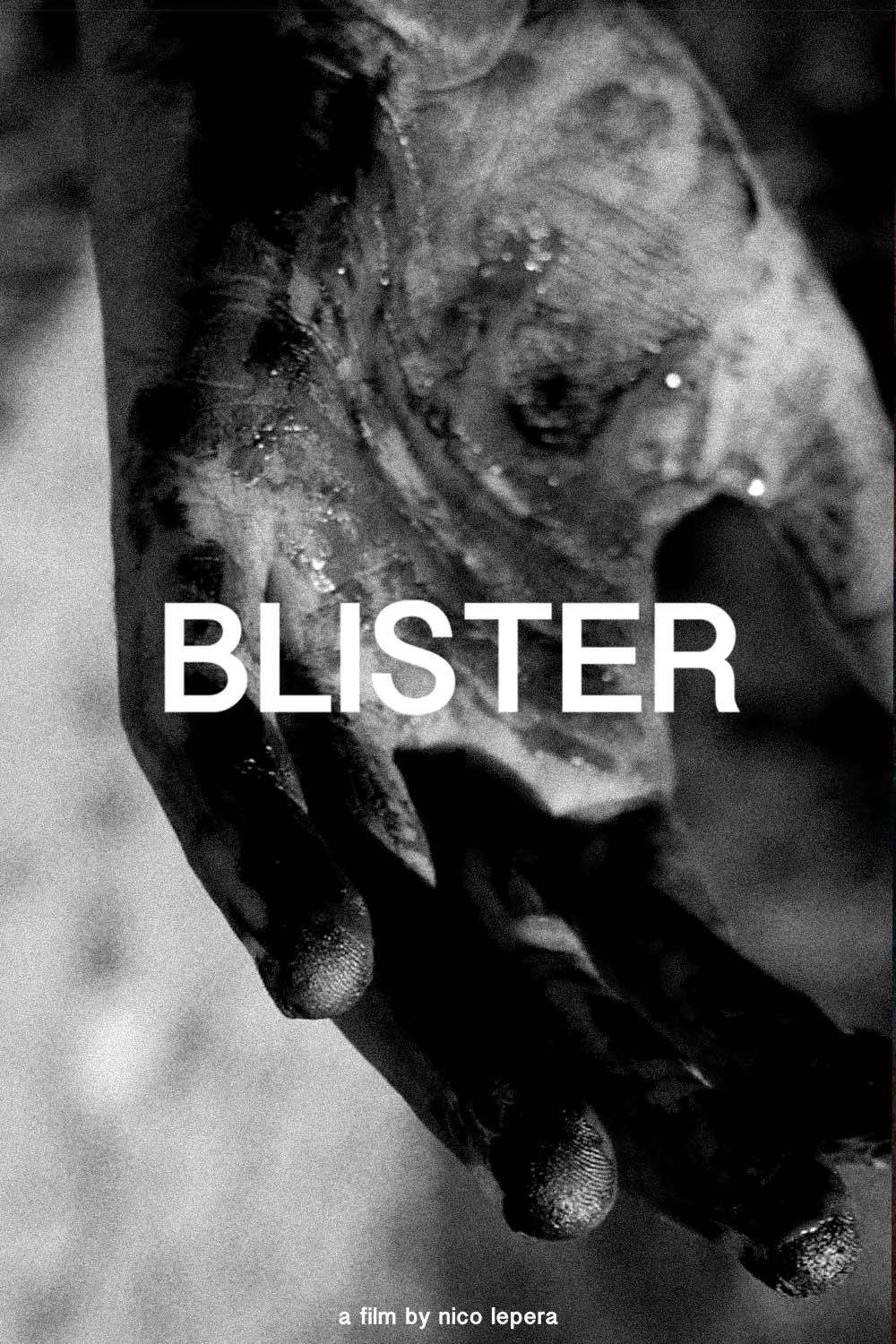
A kid's artistic expression turns to obsession as the paint blisters on a canvas.
The film documents the life and art of painter Jehangir Sabavala, capturing the intricate relationship between the artist’s vision and his environment. Khopkar describes the challenges of conveying Sabavala’s creative spirit through film, emphasizing the need to engage with the subtleties of colour, light, and composition.
Steadily reading while/becomes treading into murky waters.
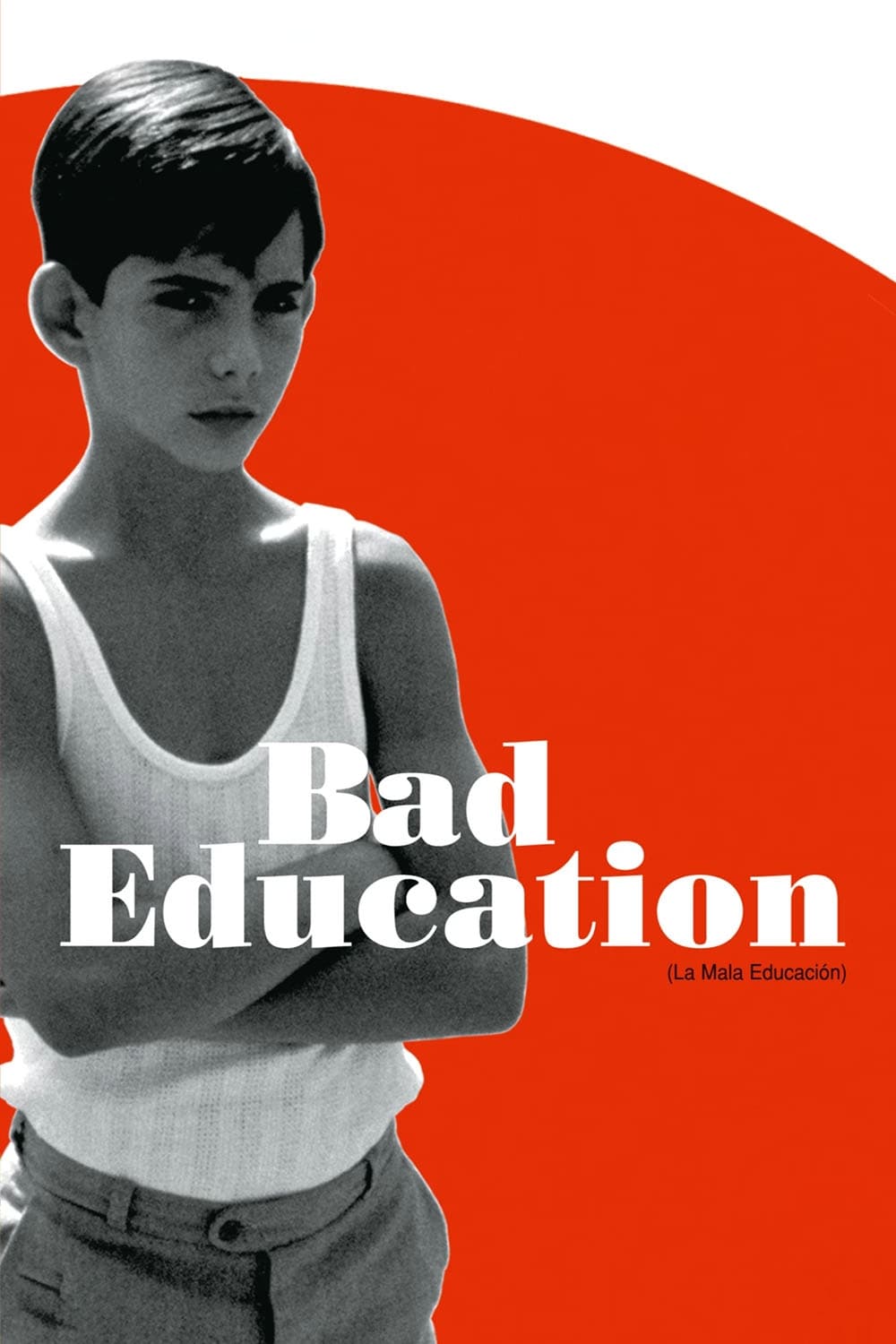
When an old friend brings filmmaker Enrique Goded a semi-autobiographical script chronicling their adolescence, Enrique is forced to relive his youth spent at a Catholic boarding school. Weaving through past and present, the script follows a transvestite performer who reconnects with a grade school sweetheart. Spurred on by this chance encounter, the character reflects on her childhood sexual victimization and the trauma of closeting her sexual orientation.
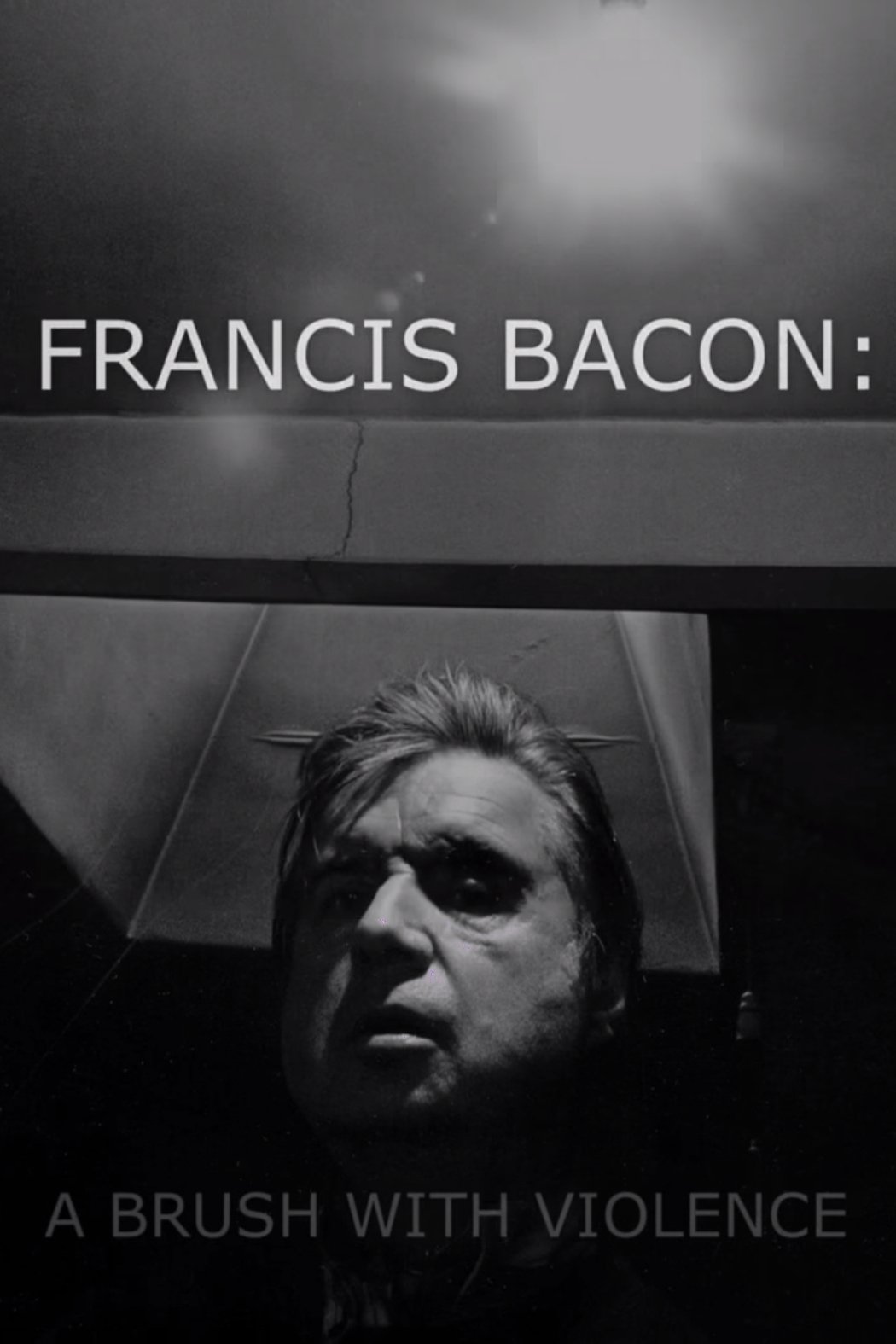
In this unique, compelling film, those who knew him speak freely, some for the first time, to reveal the many mysteries of Francis Bacon.
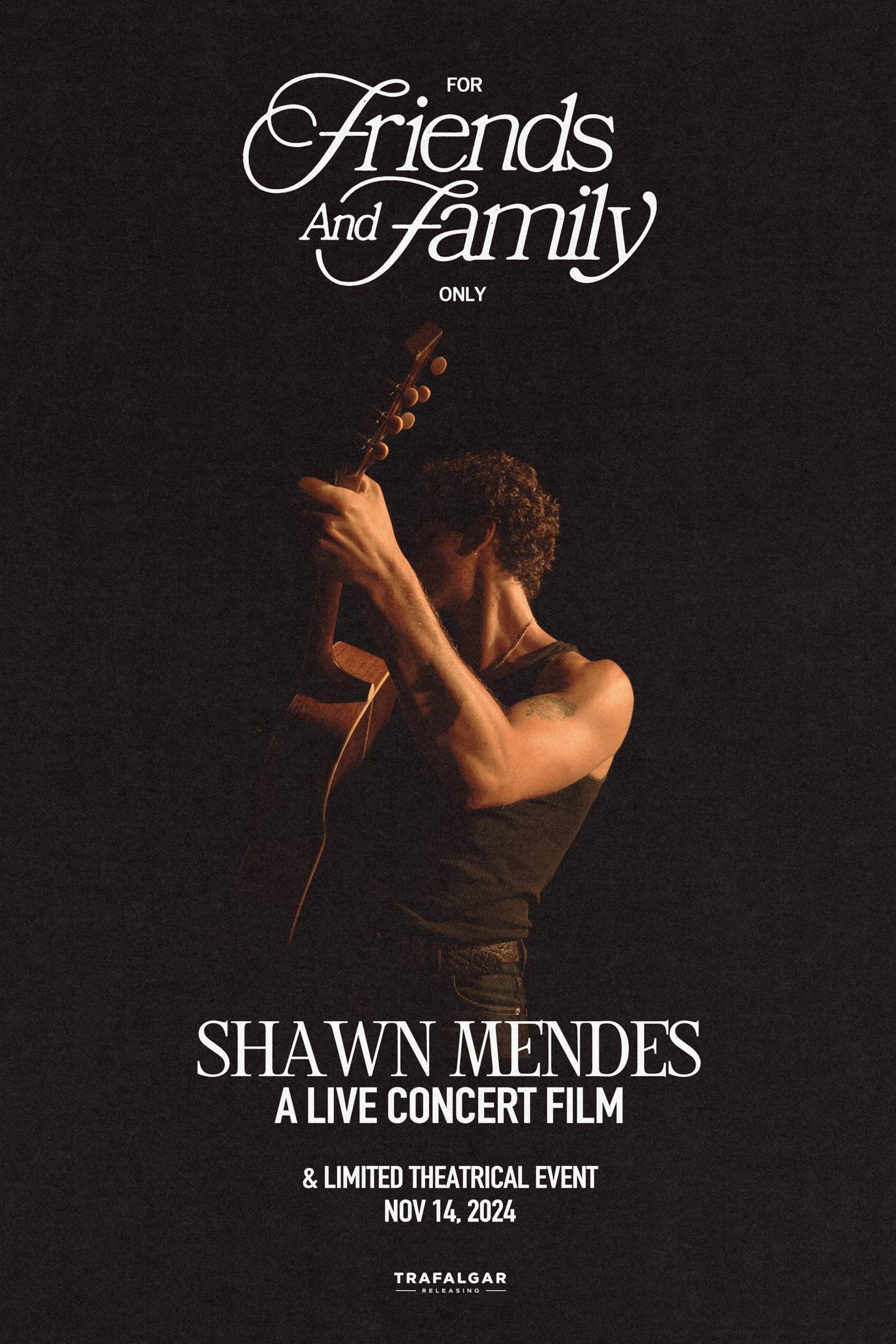
Filmed at the historic Bearsville Theater in Woodstock, NY, this exclusive event captures Shawn performing the album in full for the very first time. Throughout the show, Shawn shares personal stories and the inspiration behind each track, offering fans an intimate look at the creative journey that shaped the music.
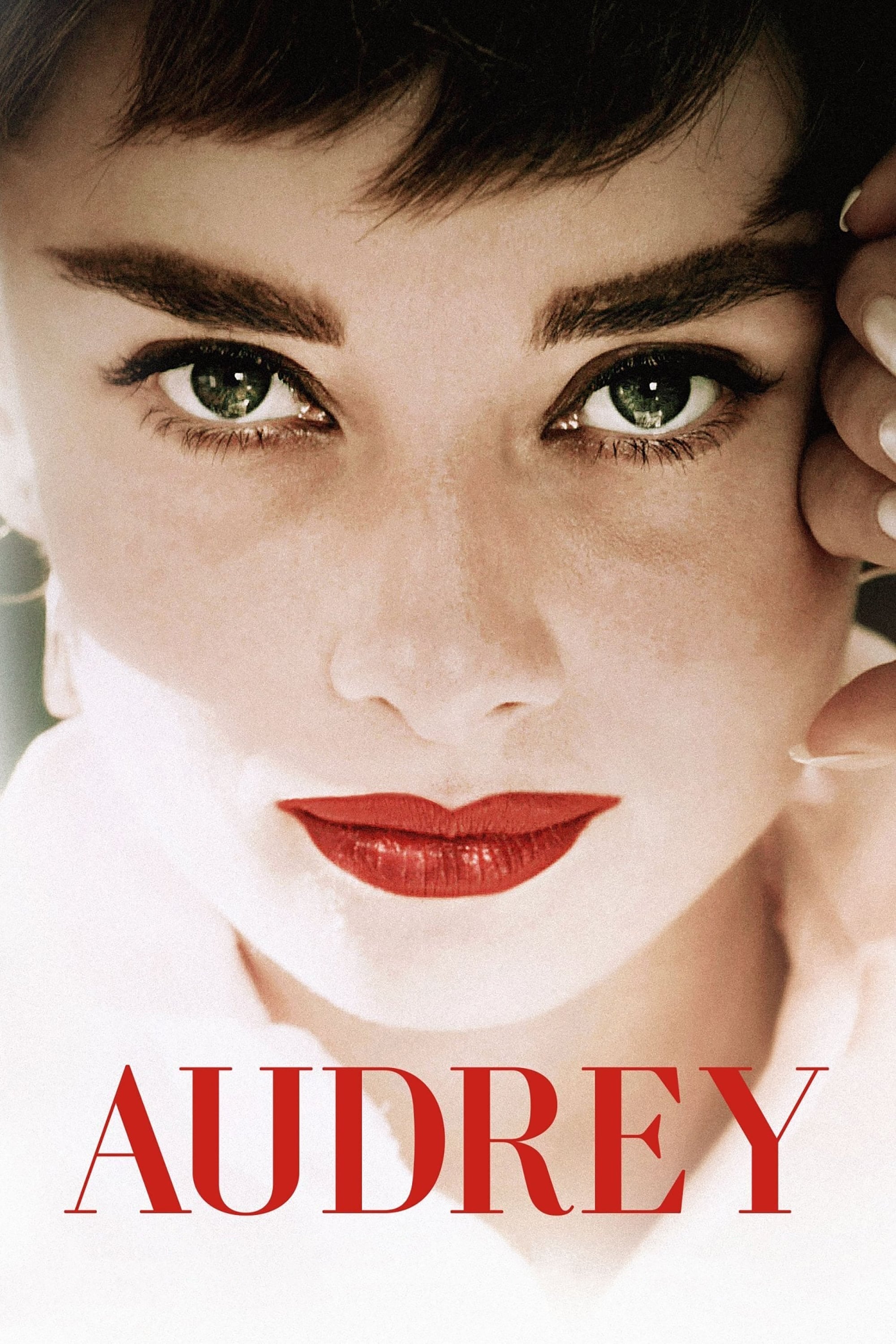
An unprecedented and intimate look at the life, work and enduring legacy of British actress Audrey Hepburn (1929-1993).
The history of cinematic sound, told by legendary sound designers and visionary filmmakers.
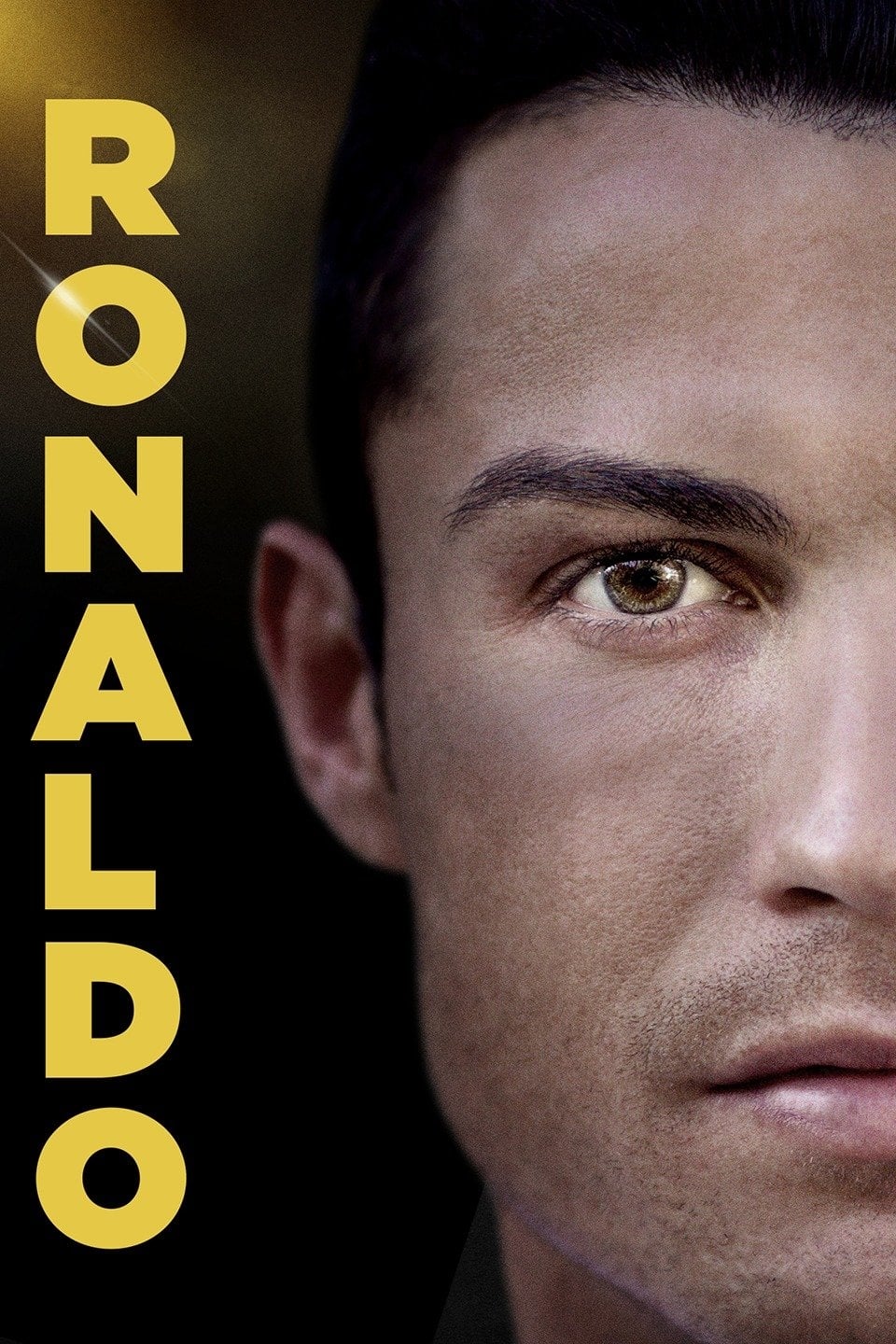
Filmed over 14 months with unprecedented access into the inner circle of the man and the sport, this is the first official and fully authorised film of one of the most celebrated figures in football. For the first time ever, the world gets vividly candid and un-paralleled, behind-closed-doors access to the footballer, father, family-man and friend in this moving & fascinating documentary. Through in-depth conversations, state of the art football footage and never before seen archival footage, the film gives an astonishing insight into the sporting and personal life of triple Ballon D'Or winner Cristiano Ronaldo at the peak of his career. From the makers of ‘Senna’ and ‘Amy’, Ronaldo takes audiences on an intimate and revealing journey of what it’s like to live as an iconic athlete in the eye of the storm.
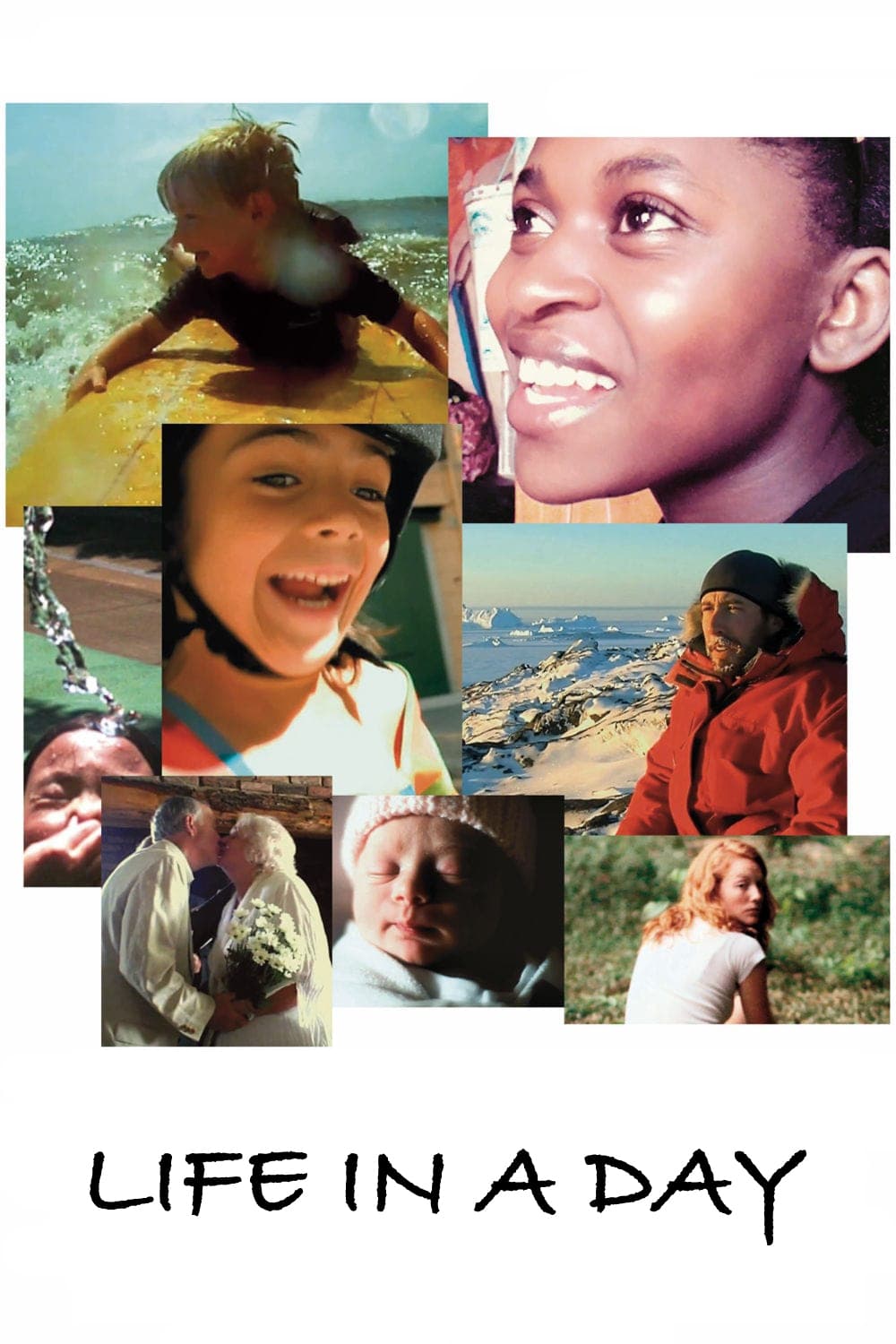
A documentary shot by filmmakers all over the world that serves as a time capsule to show future generations what it was like to be alive on the 24th of July, 2010.
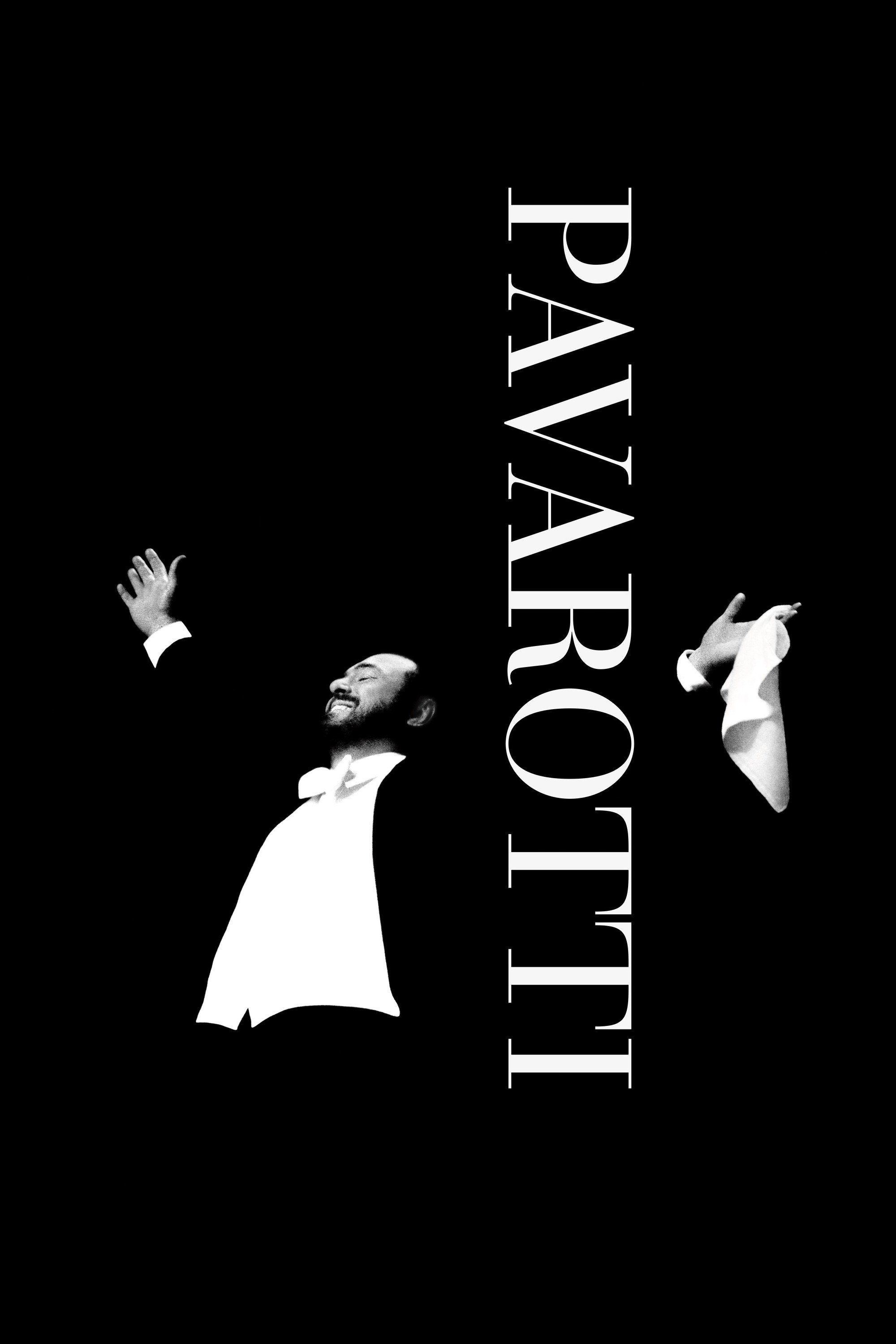
Featuring never-before-seen footage, concert performances and intimate interviews, filmmaker Ron Howard examines the life and career of famed opera tenor Luciano Pavarotti.
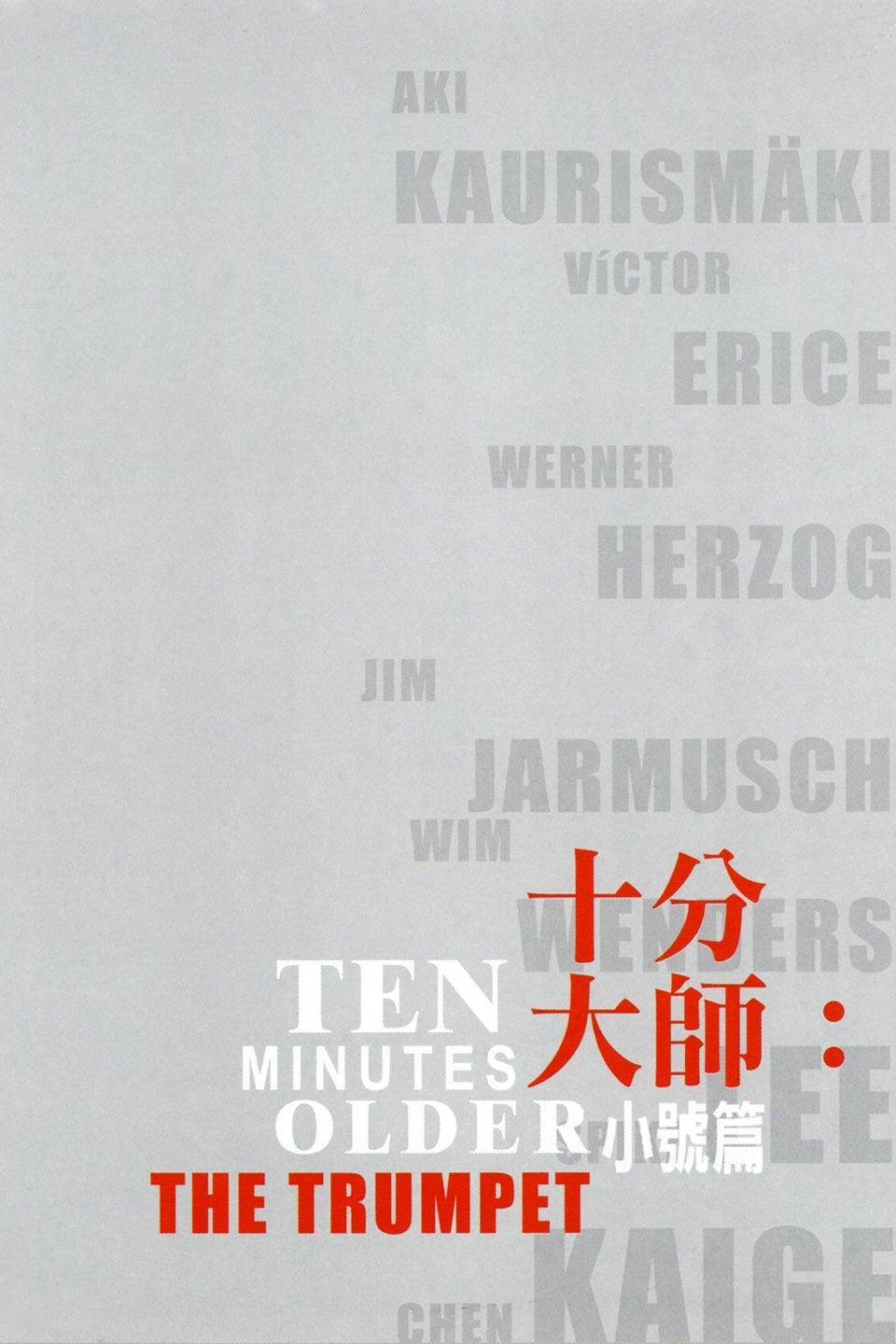
Ten Minutes Older is a 2002 film project consisting of two compilation feature films entitled The Trumpet and The Cello. The project was conceived by the producer Nicolas McClintock as a reflection on the theme of time at the turn of the Millennium. Fifteen celebrated film-makers were invited to create their own vision of what time means in ten minutes of film.
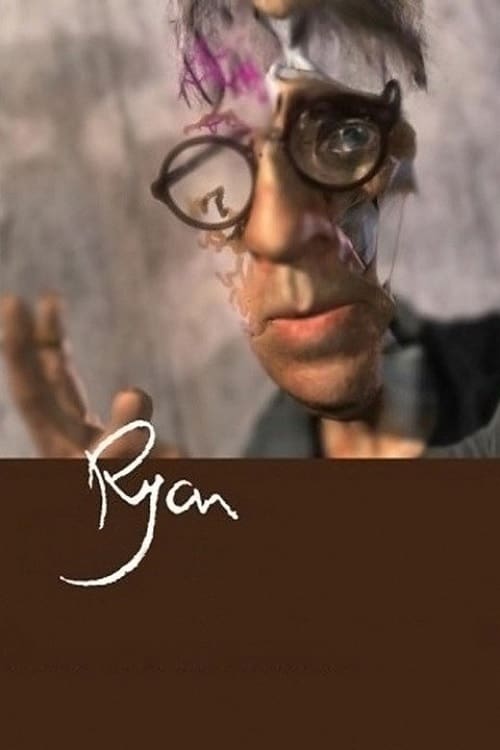
Centres on Canadian animator Ryan Larkin, who in later years lived on skid row in Montreal following a history of drug and alcohol abuse.
A documentary chronicling the shared experiences of prominent former child stars and the personal and professional price of fame and failure on a child.
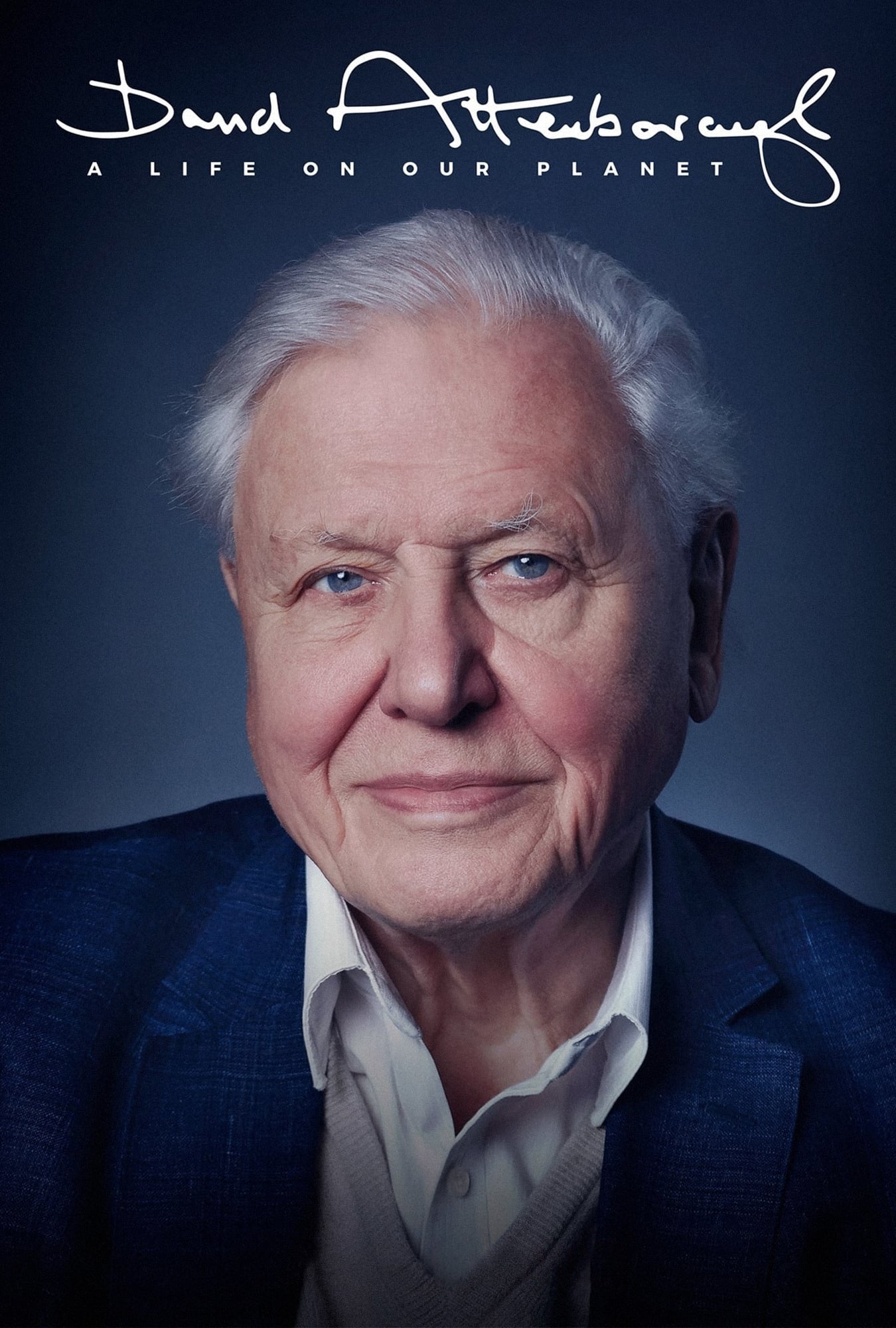
The story of life on our planet by the man who has seen more of the natural world than any other. In more than 90 years, Attenborough has visited every continent on the globe, exploring the wild places of our planet and documenting the living world in all its variety and wonder. Addressing the biggest challenges facing life on our planet, the film offers a powerful message of hope for future generations.
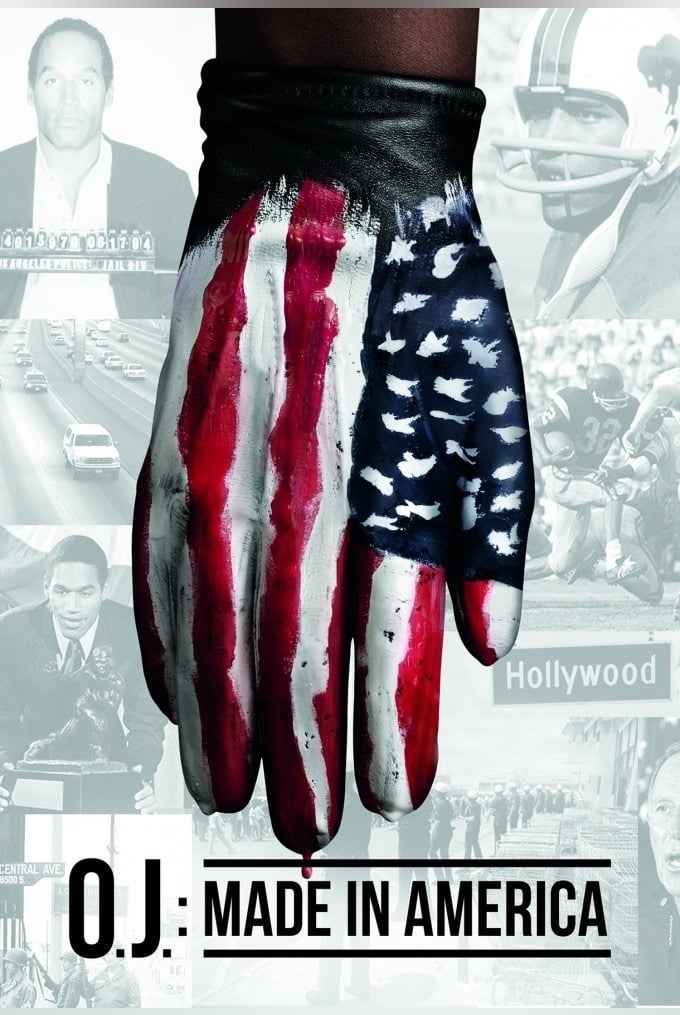
A chronicle of the rise and fall of O.J. Simpson, whose high-profile murder trial exposed the extent of American racial tensions, revealing a fractured and divided nation.
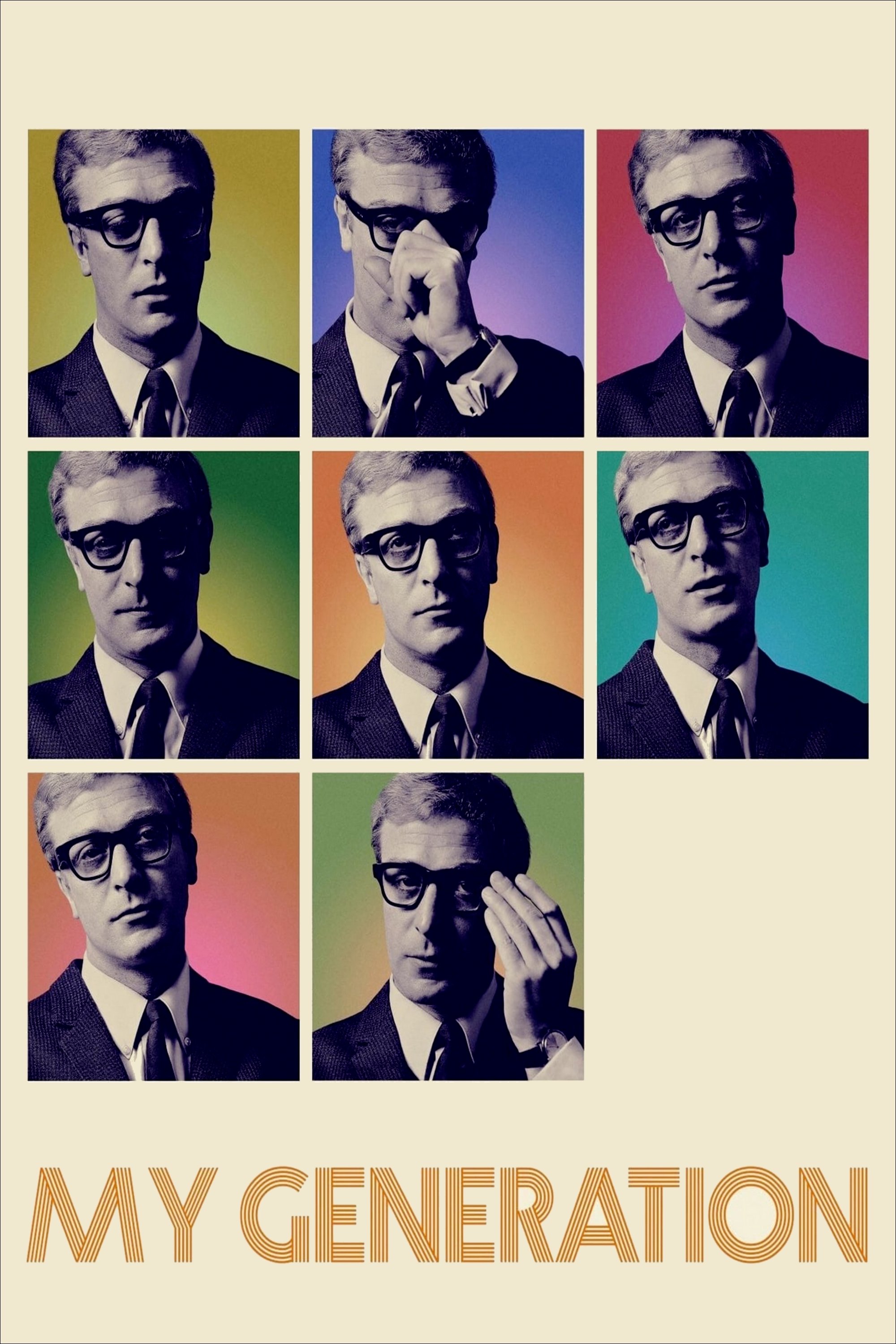
The vivid and inspiring story of British film icon Michael Caine's personal journey through 1960s swinging London.
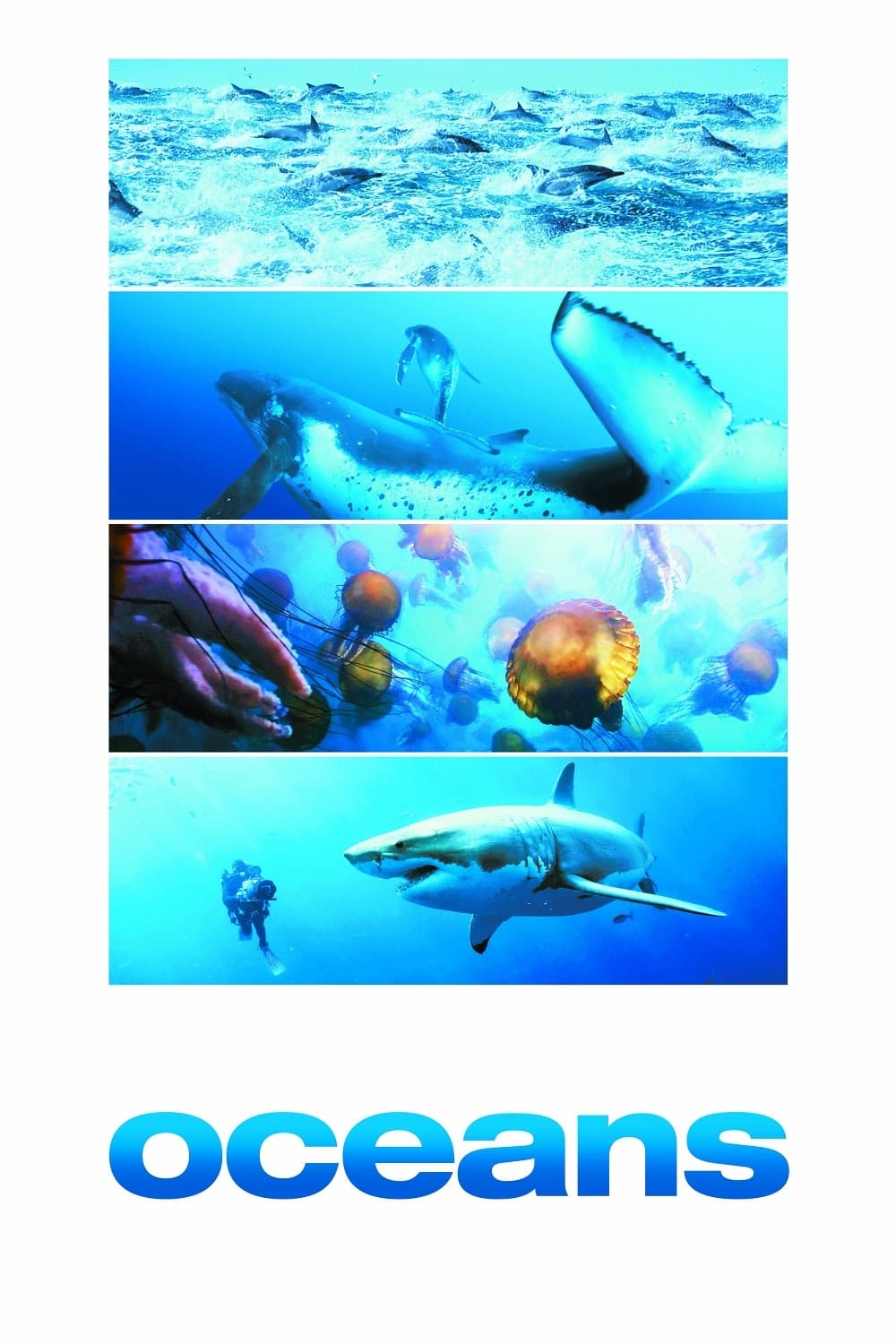
An ecological drama/documentary, filmed throughout the globe. Part thriller, part meditation on the vanishing wonders of the sub-aquatic world.
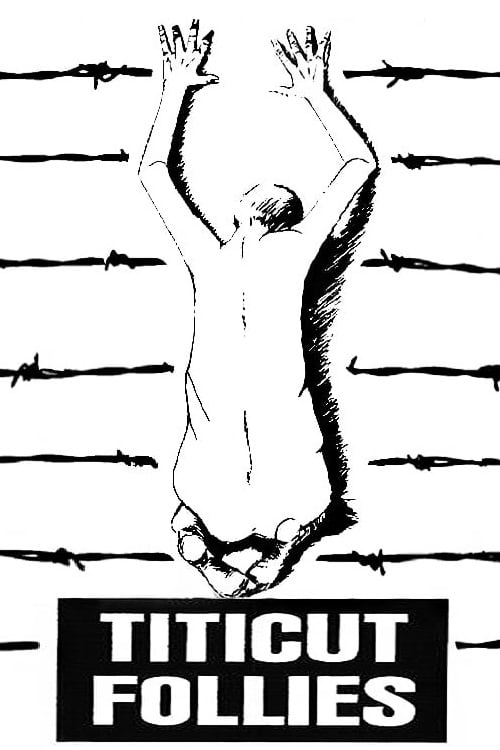
A stark and graphic portrayal of the conditions that existed at the State Prison for the Criminally Insane at Bridgewater, Massachusetts, and documents the various ways the inmates are treated by the guards, social workers, and psychiatrists.
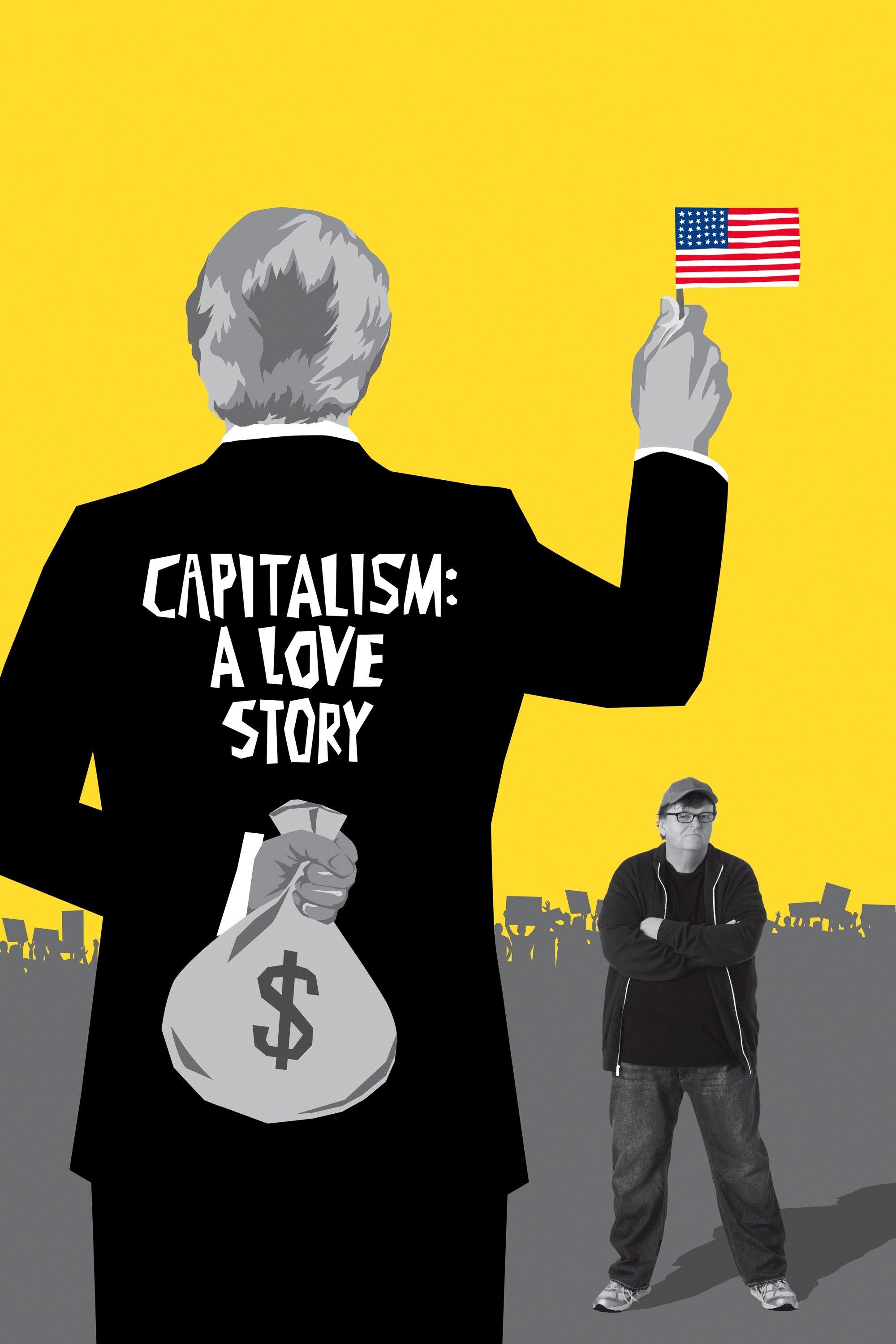
Michael Moore comes home to the issue he's been examining throughout his career: the disastrous impact of corporate dominance on the everyday lives of Americans (and by default, the rest of the world).
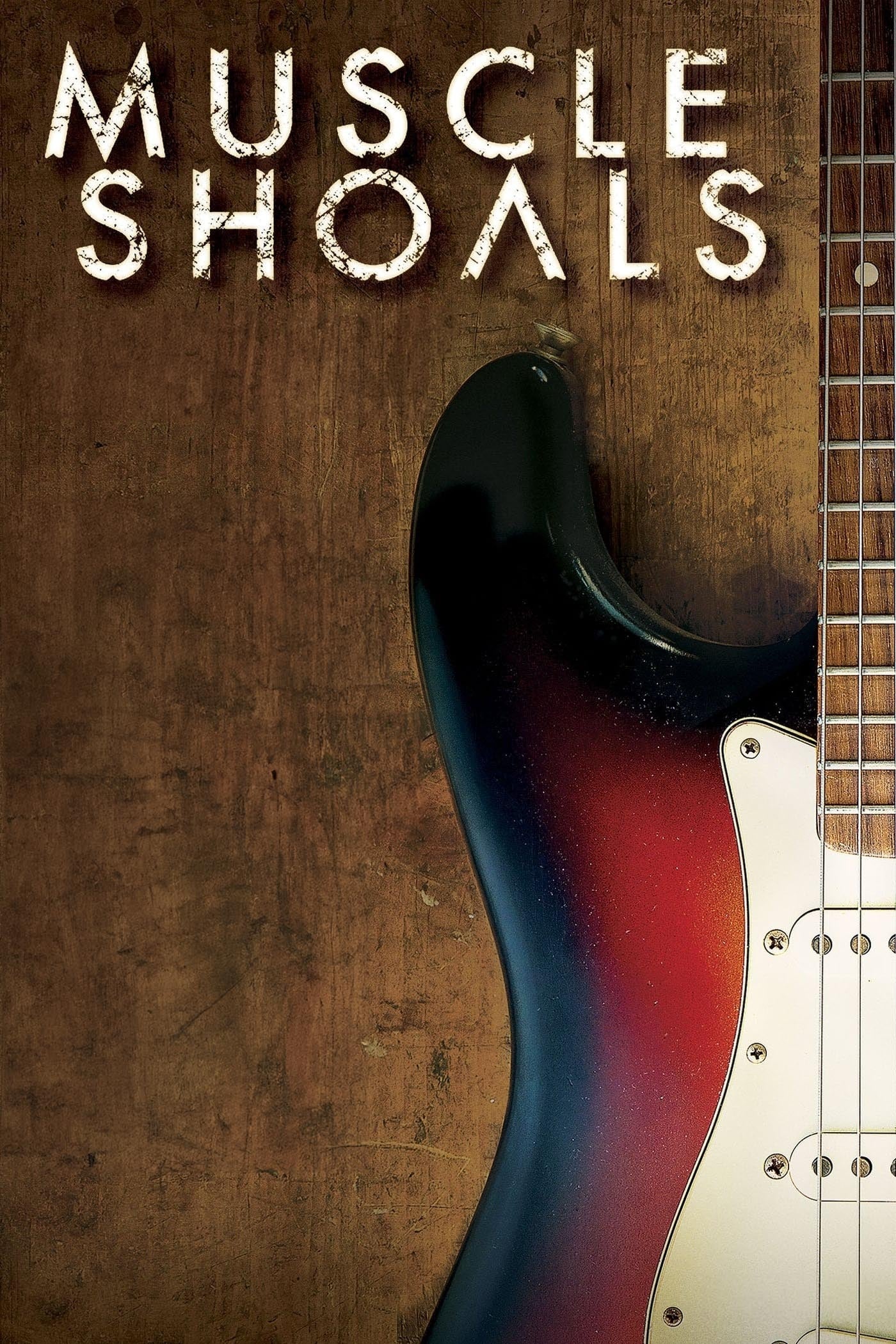
In a tiny Alabama town with the curious name of Muscle Shoals, something miraculous sprang from the mud of the Tennessee River. A group of unassuming, yet incredibly talented, locals came together and spawned some of the greatest music of all time: “Mustang Sally,” “I Never Loved a Man,” “Wild Horses,” and many more. During the most incendiary periods of racial hostility, white folks and black folks came together to create music that would last for generations and gave birth to the incomparable “Muscle Shoals sound.”
Follows the dramatic journeys of video game developers as they create and release their games to the world. It's about making video games, but at its core, it's about the creative process, and exposing yourself through your work.
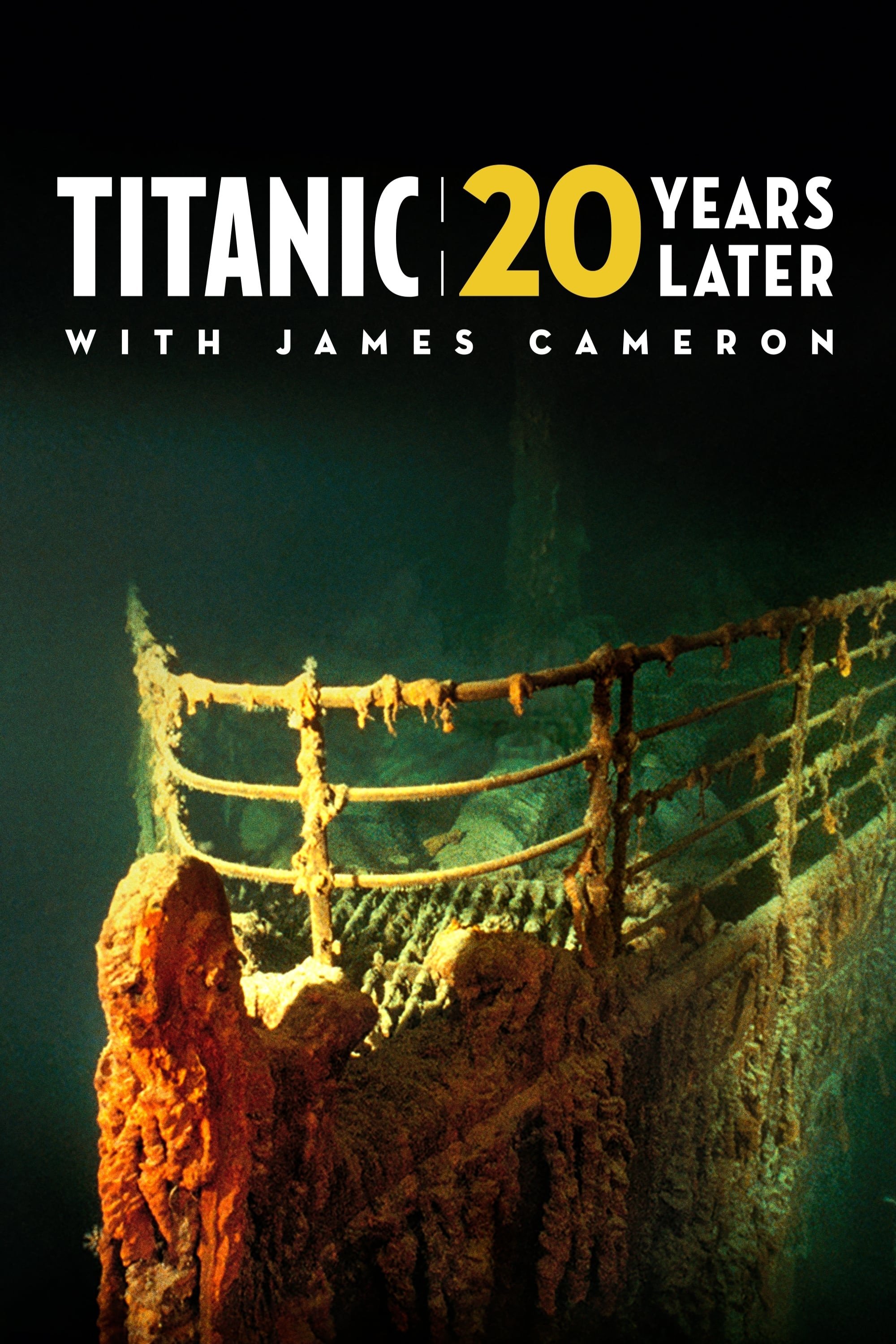
For the 20th anniversary of "Titanic," James Cameron reopens the file on the disaster.
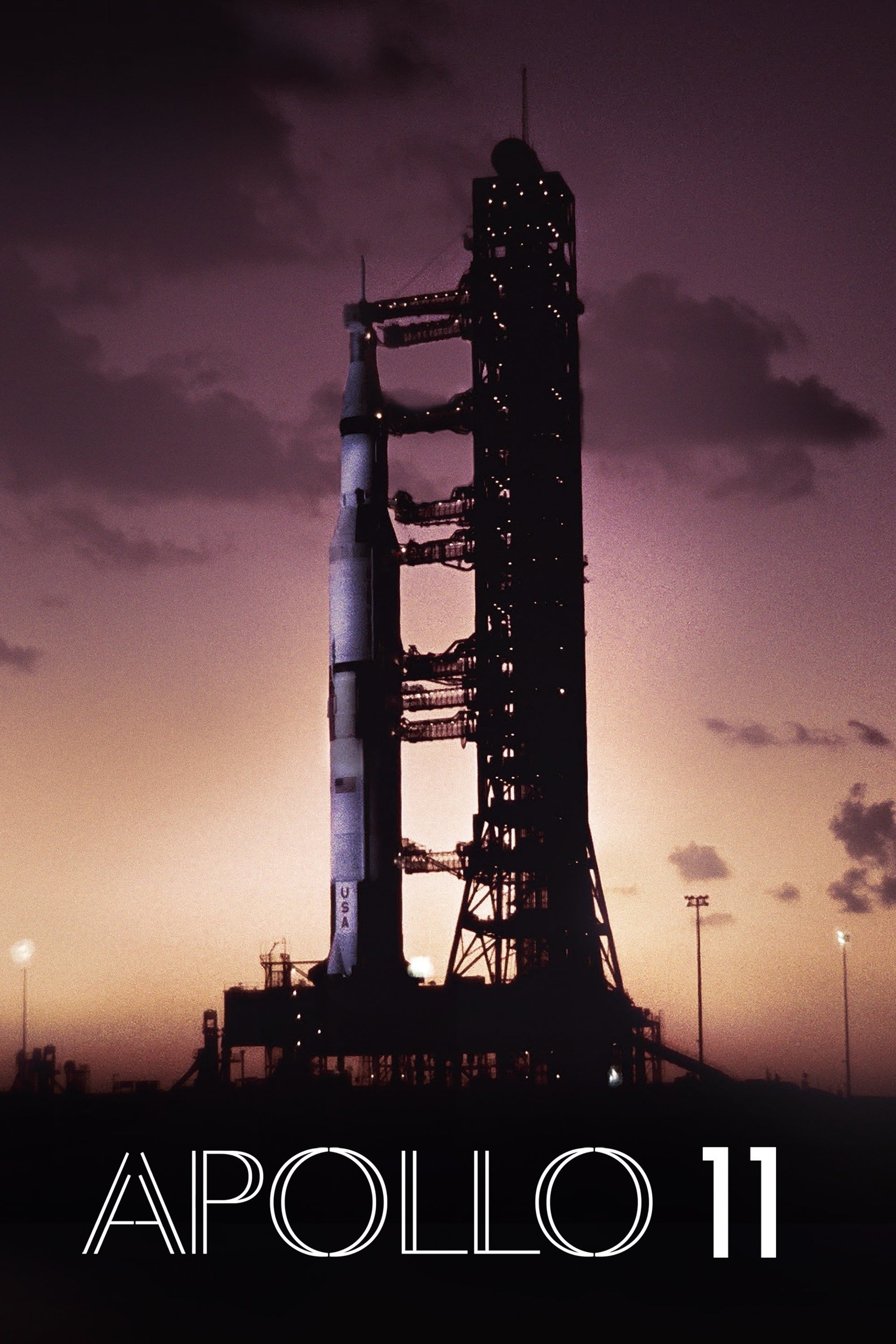
A look at the Apollo 11 mission to land on the moon led by commander Neil Armstrong and pilot Buzz Aldrin.
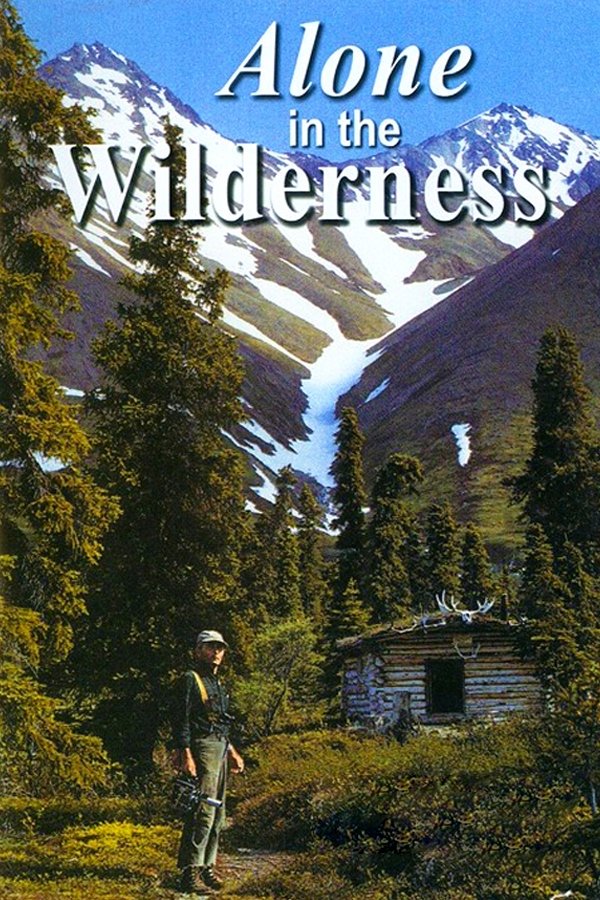
Dick Proenneke retired at age 50 in 1967 and decided to build his own cabin in the wilderness at the base of the Aleutian Peninsula, in what is now Lake Clark National Park. Using color footage he shot himself, Proenneke traces how he came to this remote area, selected a homestead site and built his log cabin completely by himself. The documentary covers his first year in-country, showing his day-to-day activities and the passing of the seasons as he sought to scratch out a living alone in the wilderness.
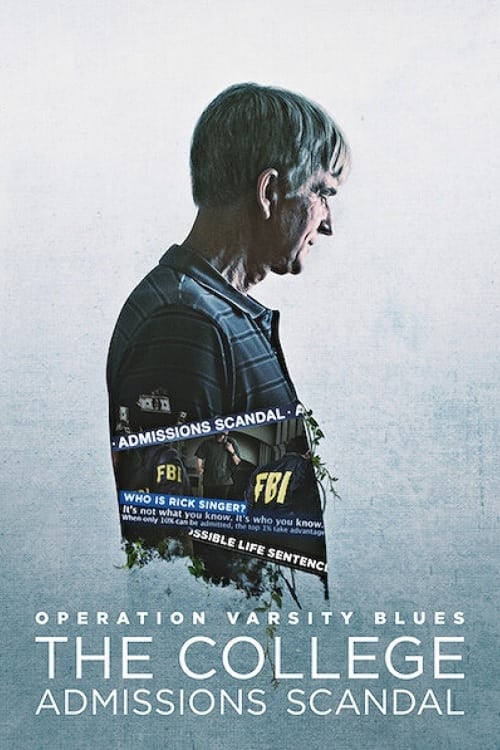
An examination that goes beyond the celebrity-driven headlines and dives into the methods used by Rick Singer, the man at the center of the shocking 2019 college admissions scandal, to persuade his wealthy clients to cheat an educational system already designed to benefit the privileged.