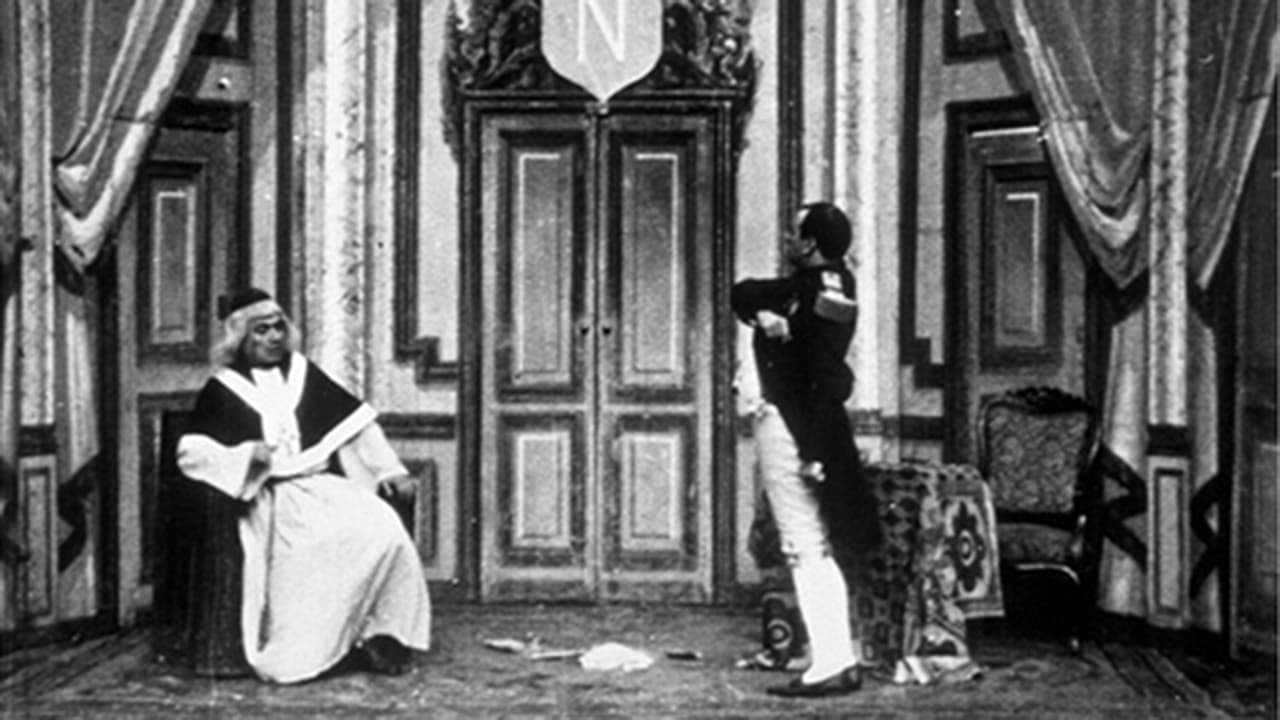
This reconstruction refers to a meeting that allegedly took place on 25 November 1804 at Fontainebleau between Pope Pius VII and Napoleon to discuss the coronation.
Social & External
The people behind it
A film that captures the memories and experiences of those who lived in the first independent state of Slovakia in modern history. This document is not an attempt to create an alternative history but an attempt to keep testimonies.
The truth about the million British horses that served in World War I is even more epic than Steven Spielberg’s War Horse feature film. This documentary tells their extraordinary, moving story, begining with the mass call-up of horses from every farm and country estate in the land. Racing commentator Brough Scott tells the tale of his aristocratic grandfather General Jack Seely and his beloved horse Warrior, who would become the most famous horse of the war. The British Army hoped its illustrious cavalry regiments would win a swift victory, but it would be years before they enjoyed their moment of glory. Instead, in a new era of mechanised trench warfare, the heavy horses transporting guns, ammunition and food to the front-line troops were most important. A quarter of a million of these horses died from shrapnel wounds and disease. But the deep bond that developed between man and horse helped both survive the hell of the Somme and Passchendaele.
Writer and historian Dr Helen Castor explores the life - and death - of Joan of Arc. Joan was an extraordinary figure - a female warrior in an age that believed women couldn't fight, let alone lead an army. But Joan was driven by faith and today, more than ever, we are acutely aware of the power of faith to drive actions for good or ill. Since her death, Joan has become an icon for almost everyone: the left and the right, Catholics and Protestants, traditionalists and feminists. But where, in all of this, is the real Joan - the experiences of a teenage peasant girl who achieved the seemingly impossible? Through an astonishing manuscript, we can hear Joan's own words at her trial and, as Helen unpicks Joan's story and places her back in the world that she inhabited, the real human Joan emerges.
Dars Films is happy to introduce a new project – “Legends of the Golden Warrior”, which was filmed during July – September 2017 in Kazakhstan. We have produced English and Russian versions for TV commercial (30 sec), short film (2 min) and TV documentary (23 minutes). Later on, TV commercial and the short film was produced in the Kazakh language as well. Legends of the Golden Warrior (30 sec and 2 min) were broadcasted on BBC World News, Euronews and National TV channels in Russia and Kazakhstan.
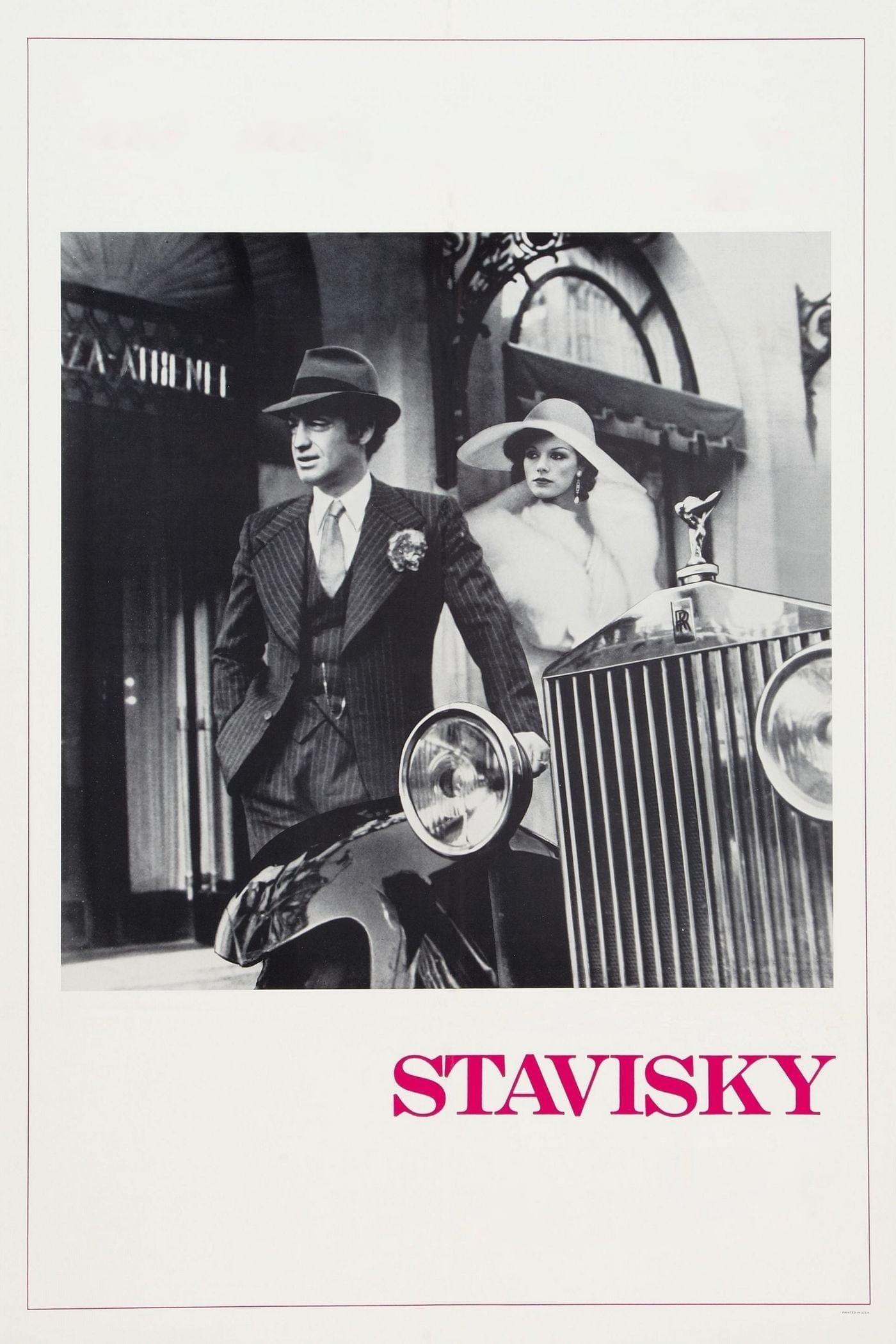
The story of the rise of Alexander Stravisky, a brilliant and seductive crook, in Paris of the roaring twenties. But unchecked greed and corruption does not go unpunished. The political decadence he feeds off will also cause his downfall.
A young American art student must decide whether to stay in Paris with her boyfriend or go back to the U.S. when her wealthy father arrives to bring her back.
Biopic of Louis Cyr, strongest man in the world at the end of the 19th Century.
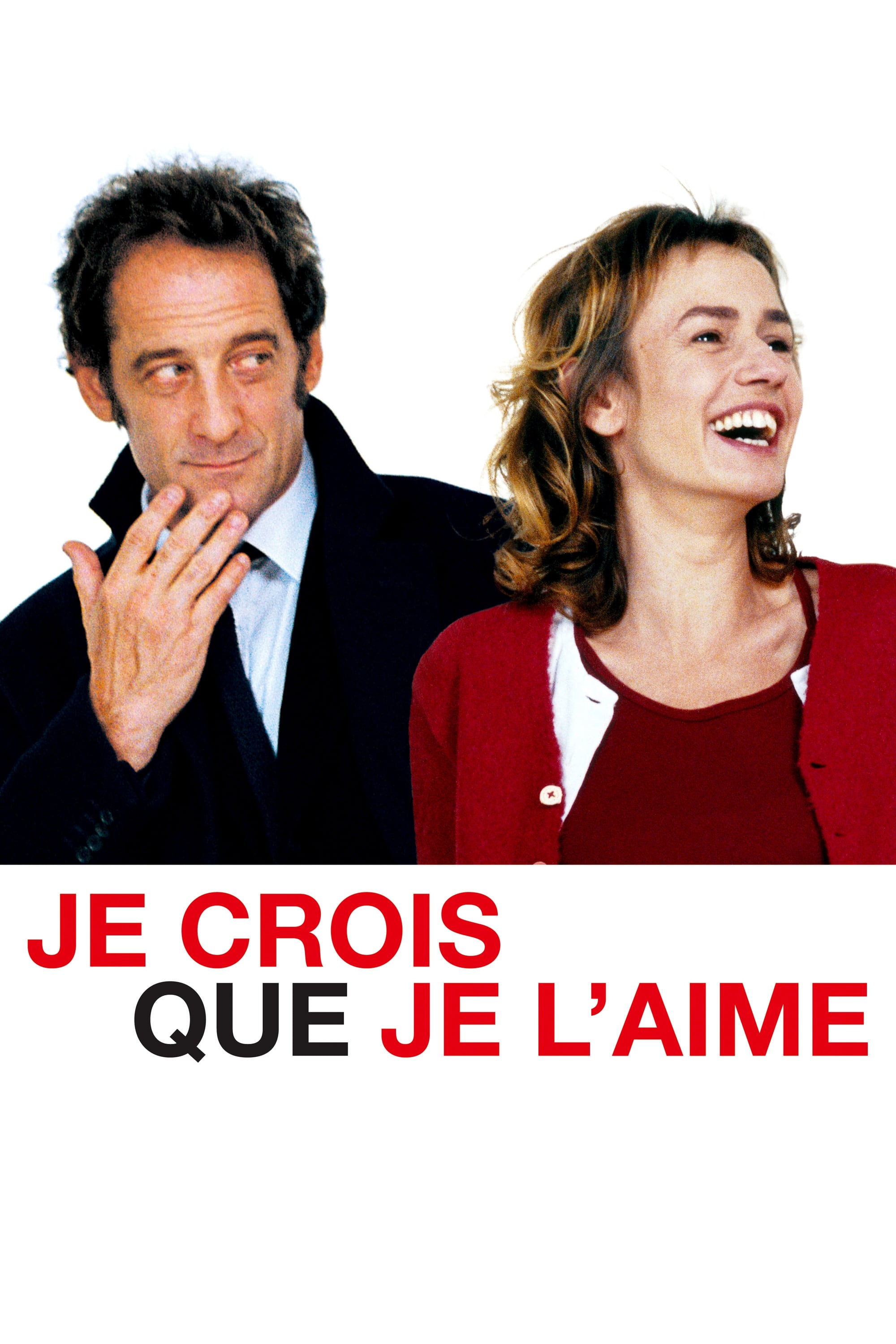
Lucas, a wealthy, 43 year-old divorced businessman, is irresistibly attracted to Elsa, a 38 year old renowned sculptor from whom he has commissioned a piece to decorate the reception at his office.
Eric and Sarah are detectives who are investigating the murder of a professor which it seems like a gay hate crime. Married Eric becomes attracted to the pathologist, Emmanuel.
Iranian Iradj Azimi directed this French historical drama re-creating events depicted in the famous 1819 painting The Raft of the Medusa by Jean Louis Andre Theodore Gericault (1791-1824). The ill-fated voyage of the frigate Medusa begins when it departs Rochefort for Senegal in 1816. After striking a sandbar off the African coast, 150 civilians row safely to shore, but Captain Chaumareys (Jean Yanne) orders 140 soldiers and sailors onto a raft (minus supplies) and has it cut loose. Only 14 survive from the 140, creating a scandal back in France. Gericault (Laurent Terzieff) later talks to three of the survivors while researching his painting. Work on this film began in 1987, but sets destroyed by Hurricane Hugo caused delays, so the film was not completed until 1990. However, it then remained undistributed until an incident in which writer-director Azimi slashed his wrists in front of French Ministry of Culture officials.
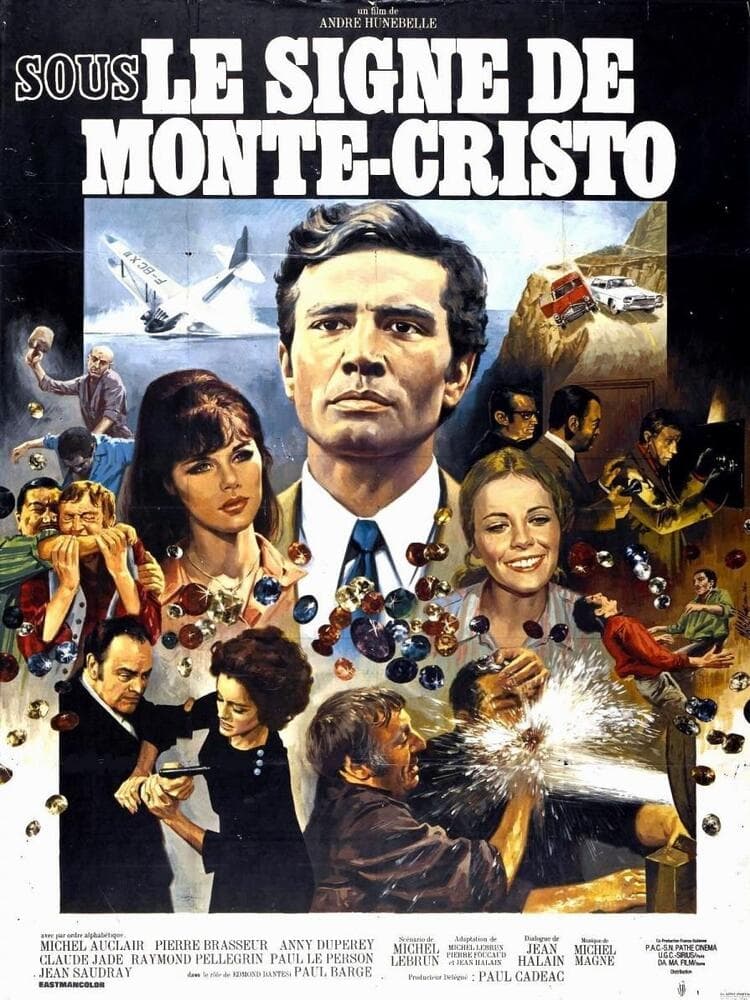
Edmond Dantès, who was active in the resistance against the Nazis, is accused for being a Nazi collaborator and is imprisoned in the fortress of Sisteron.
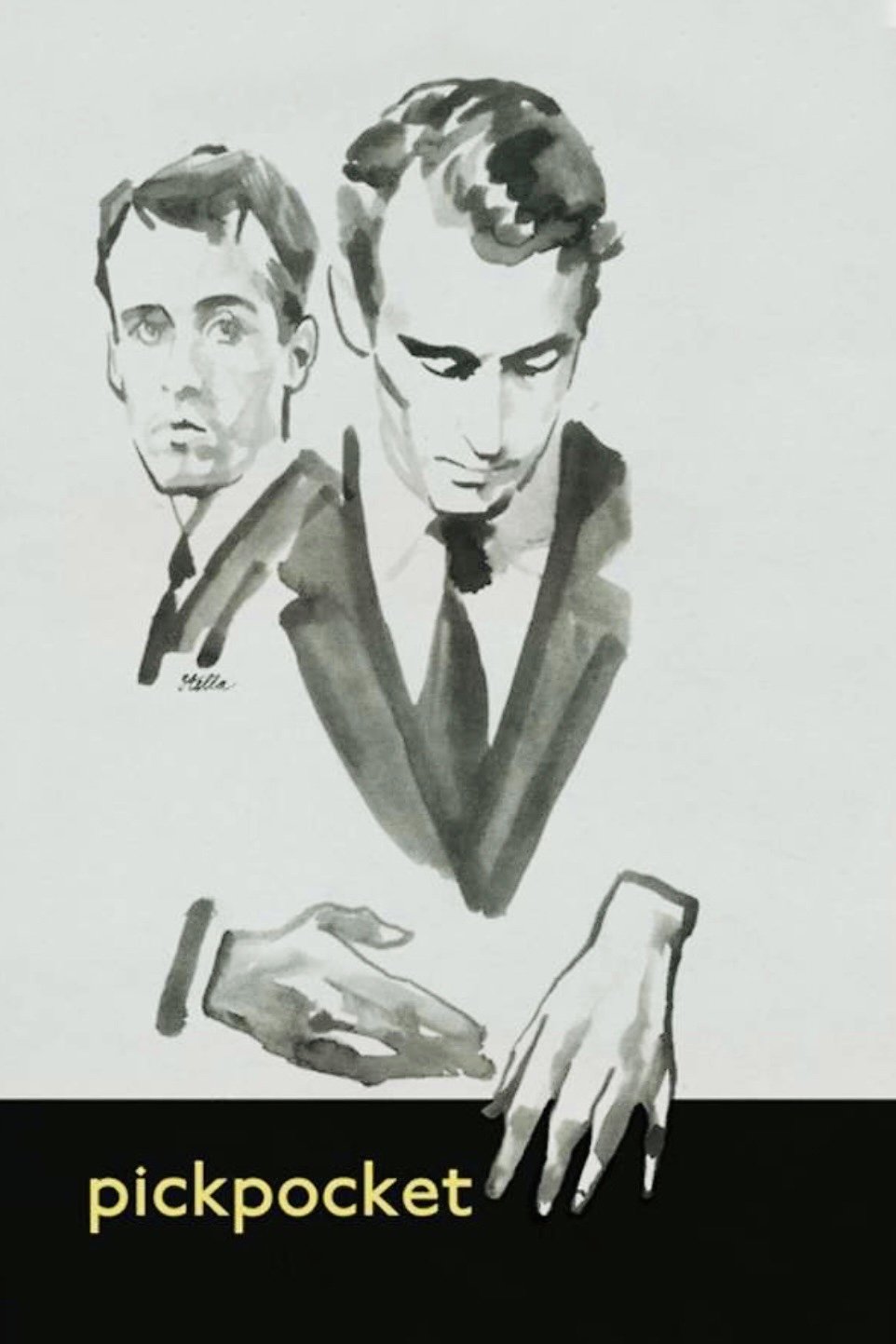
Michel takes up pickpocketing on a lark and is arrested soon after. His mother dies shortly after his release, and despite the objections of his only friend, Jacques, and his mother's neighbor Jeanne, Michel teams up with a couple of petty thieves in order to improve his craft. With a police inspector keeping an eye on him, Michel also tries to get a straight job, but the temptation to steal is hard to resist.
Working men and women leave through the main gate of the Lumière factory in Lyon, France. Filmed on 22 March 1895, it is often referred to as the first real motion picture ever made, although Louis Le Prince's 1888 Roundhay Garden Scene pre-dated it by seven years. Three separate versions of this film exist, which differ from one another in numerous ways. The first version features a carriage drawn by one horse, while in the second version the carriage is drawn by two horses, and there is no carriage at all in the third version. The clothing style is also different between the three versions, demonstrating the different seasons in which each was filmed. This film was made in the 35 mm format with an aspect ratio of 1.33:1, and at a speed of 16 frames per second. At that rate, the 17 meters of film length provided a duration of 46 seconds, holding a total of 800 frames.
Twenty Four year-old Corsican refugee Napoleon Bonaparte is a lowly artillery captain in the French army at the siege of Toulon. Destitute and relying on his success in the new and dangerous revolutionary society, his mother and siblings become embroiled in Napoleon's struggle. The opponents are the English but the enemy are the revolutionaries authorities who seek to keep him in his place. Using his astonishing tactical mind, his sheer audacity and extraordinary military bravery, Napoleon emerges victorious and sets out on a path that would one day lead him to the throne of France.
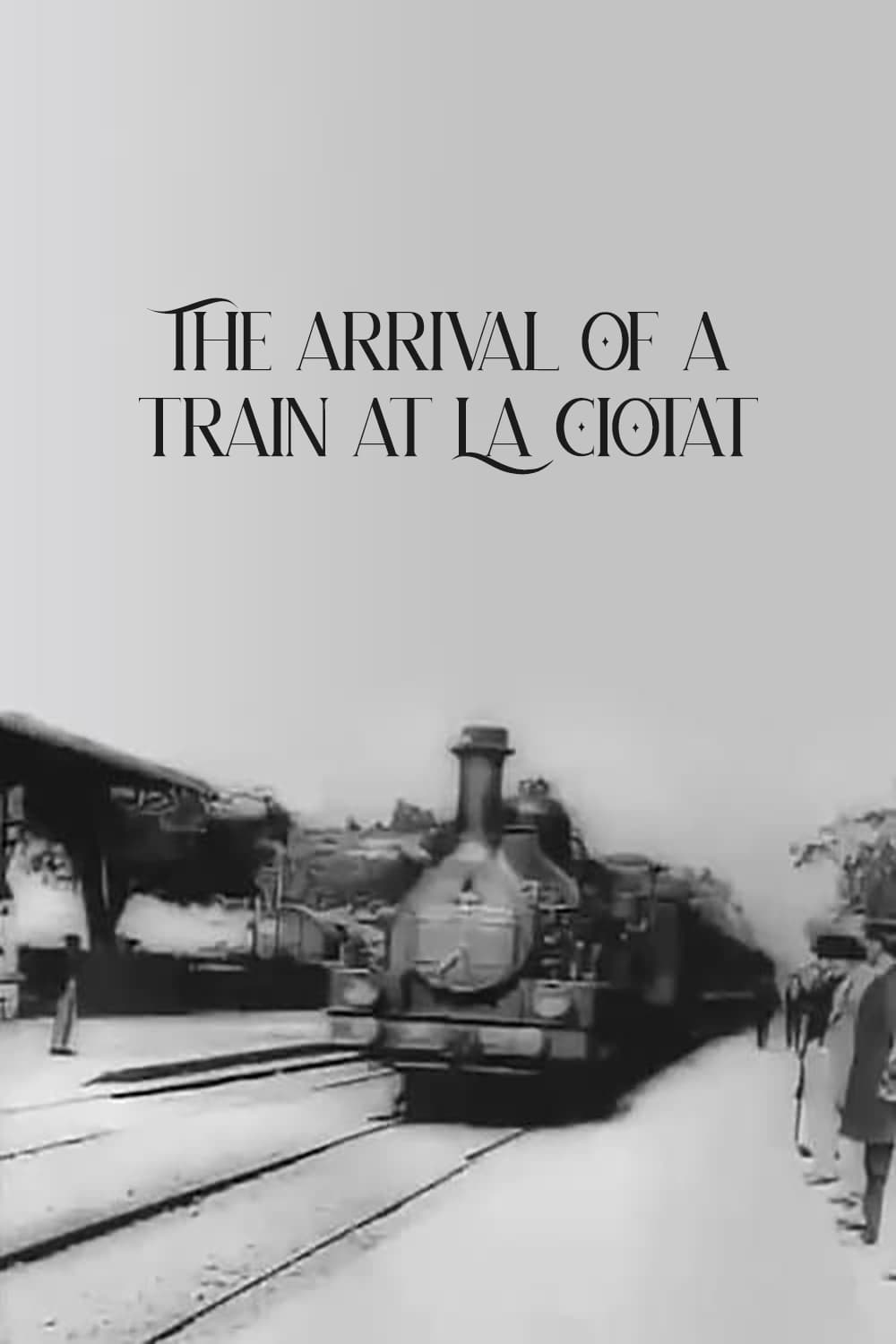
A group of people are standing along the platform of a railway station in La Ciotat, waiting for a train. One is seen coming, at some distance, and eventually stops at the platform. Doors of the railway-cars open and attendants help passengers off and on. Popular legend has it that, when this film was shown, the first-night audience fled the café in terror, fearing being run over by the "approaching" train. This legend has since been identified as promotional embellishment, though there is evidence to suggest that people were astounded at the capabilities of the Lumières' cinématographe.
In the winter of 1959, a single mother and her young daughter arrive in a rural French town, where they open an unusual chocolate shop that disrupts the moral fiber of the strictly Catholic townsfolk and mayor.
Set in one bedroom over six decades, The Bedroom explores the exciting changes to sex and sexuality in Australia.
A dramatisation of the workers' protests in June 1976 in Radom, seen from the perspective of the local Secretary of the Polish United Workers' Party.
Two angels, Damiel and Cassiel, glide through the streets of Berlin, observing the bustling population, providing invisible rays of hope to the distressed but never interacting with them. When Damiel falls in love with lonely trapeze artist Marion, the angel longs to experience life in the physical world, and finds — with some words of wisdom from actor Peter Falk — that it might be possible for him to take human form.
The wife of a famous composer survives a car accident that kills her husband and daughter. Now alone, she shakes off her old identity and explores her newfound freedom but finds that she is unbreakably bound to other humans, including her husband’s mistress, whose existence she never suspected.
Jean and Otto, a French newspaperman and a young German Francophile, are fighting for peace in Europe. Jean’s daughter, Corinne, is launching a brilliant acting career in the film world, but war breaks out and France is occupied. The two friends have a major role to play in this new France. Jean becomes a big press baron and an ardent advocate of collaboration with the occupying forces, while Otto becomes the Reich’s ambassador in Paris. Corinne, meanwhile, finds herself thrown into the lion’s pit.
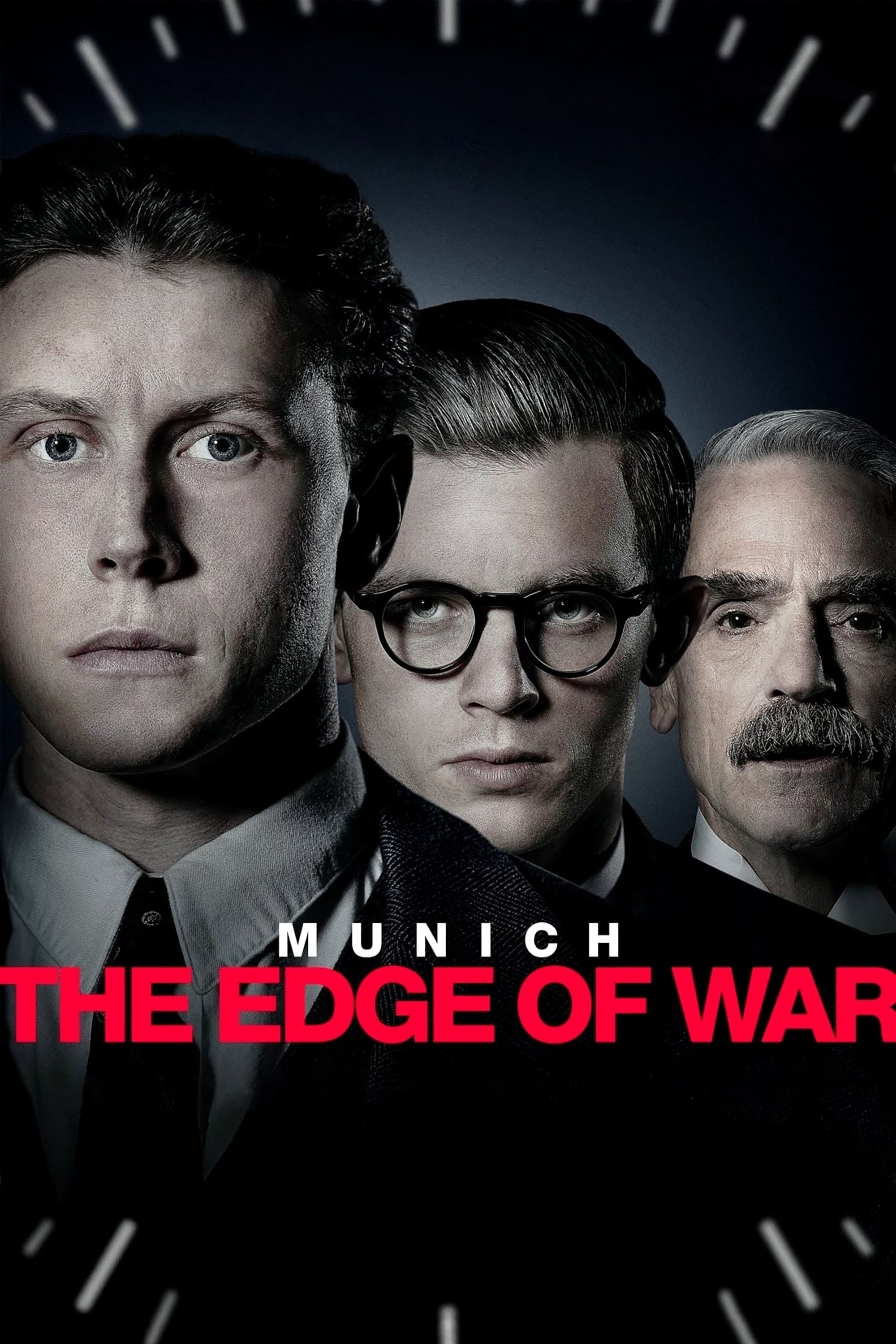
At the tense 1938 Munich Conference, former friends who now work for opposing governments become reluctant spies racing to expose a Nazi secret.
Napoleon Bonaparte crowns himself emperor and fights the English, Austrians and Russians in 1802.
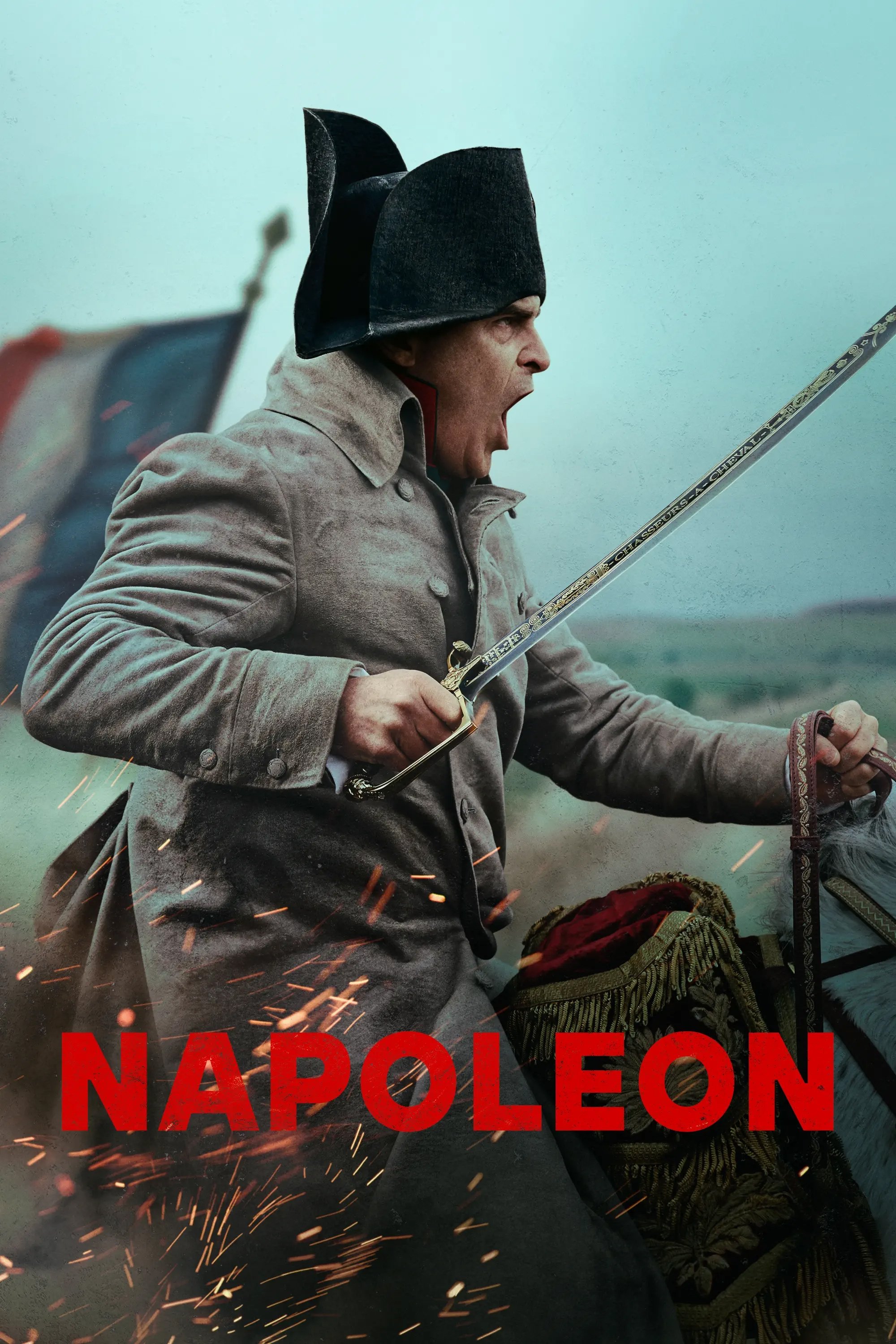
An epic that details the checkered rise and fall of French Emperor Napoleon Bonaparte and his relentless journey to power through the prism of his addictive, volatile relationship with his wife, Josephine.
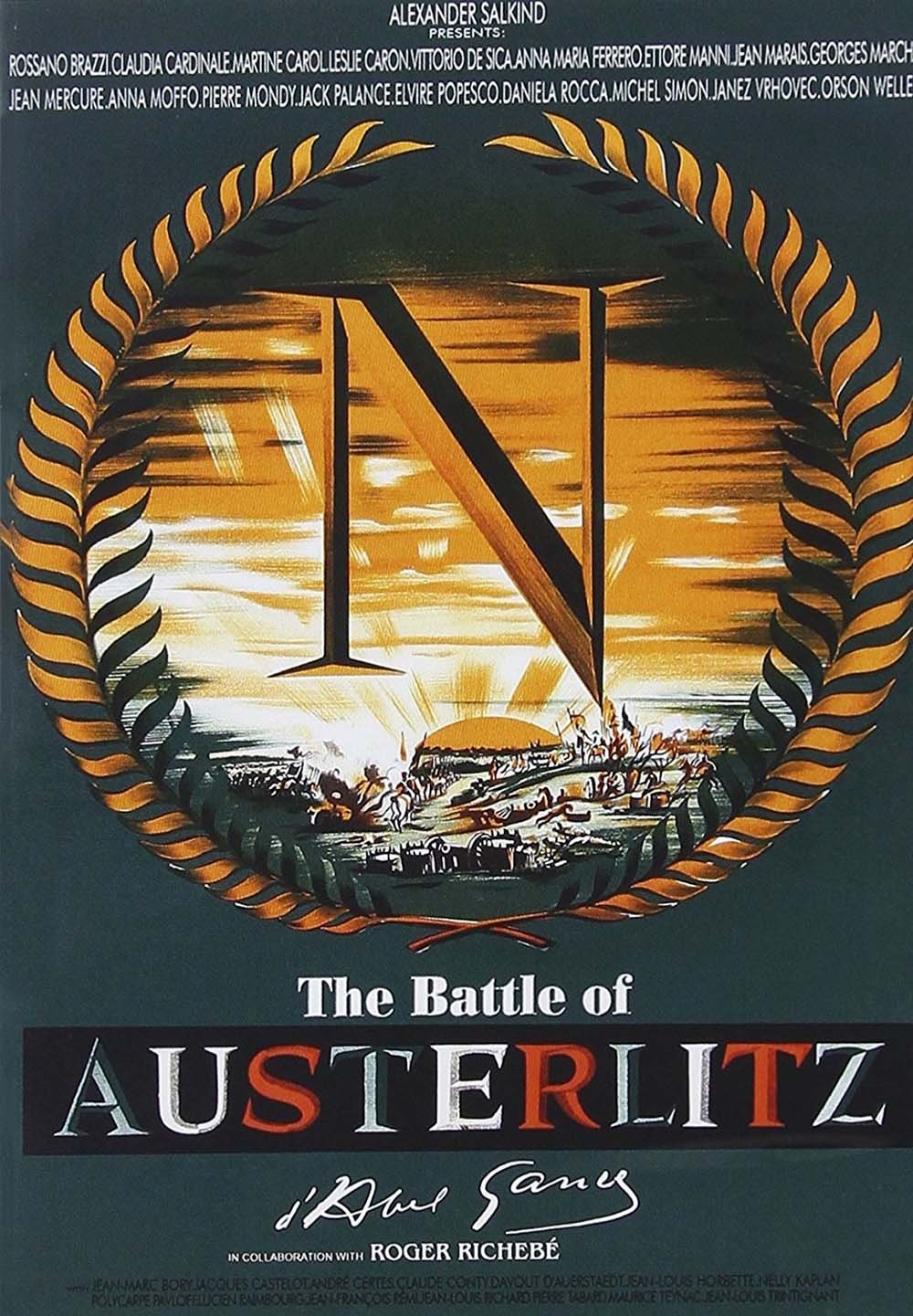
A biopic of Napoleon Bonaparte, tracing the Corsican's career from his schooldays (where a snowball fight is staged like a military campaign) to his flight from Corsica, through the French Revolution (where a real storm is intercut with a political storm) and the Terror, culminating in his triumphant invasion of Italy in 1797.
Part two of a two-part biopic following French army officer Charles De Gaulle's life and political commitment between 1940 and 1945, and trace his development towards a political career.
The warmhearted story of Polish immigrant and mathematician Stan Ulam, who moved to the U.S. in the 1930s. Stan deals with the difficult losses of family and friends all while helping to create the hydrogen bomb and the first computer.
Painter Francisco Goya becomes involved with the Spanish Inquisition after his muse, Inés, is arrested by the church for heresy. Her family turns to him, hoping that his connection with fanatical Inquisitor Lorenzo, whom he is painting, can secure her release.
1759, Mauritius Island, Indian Ocean. The island is controlled by French settlers and the deported slave population live in fear while toiling in the sugar cane plantations. Unlike her disillusioned father Massamba, 16-year-old Mati refuses to keep her head down and accept her fate.
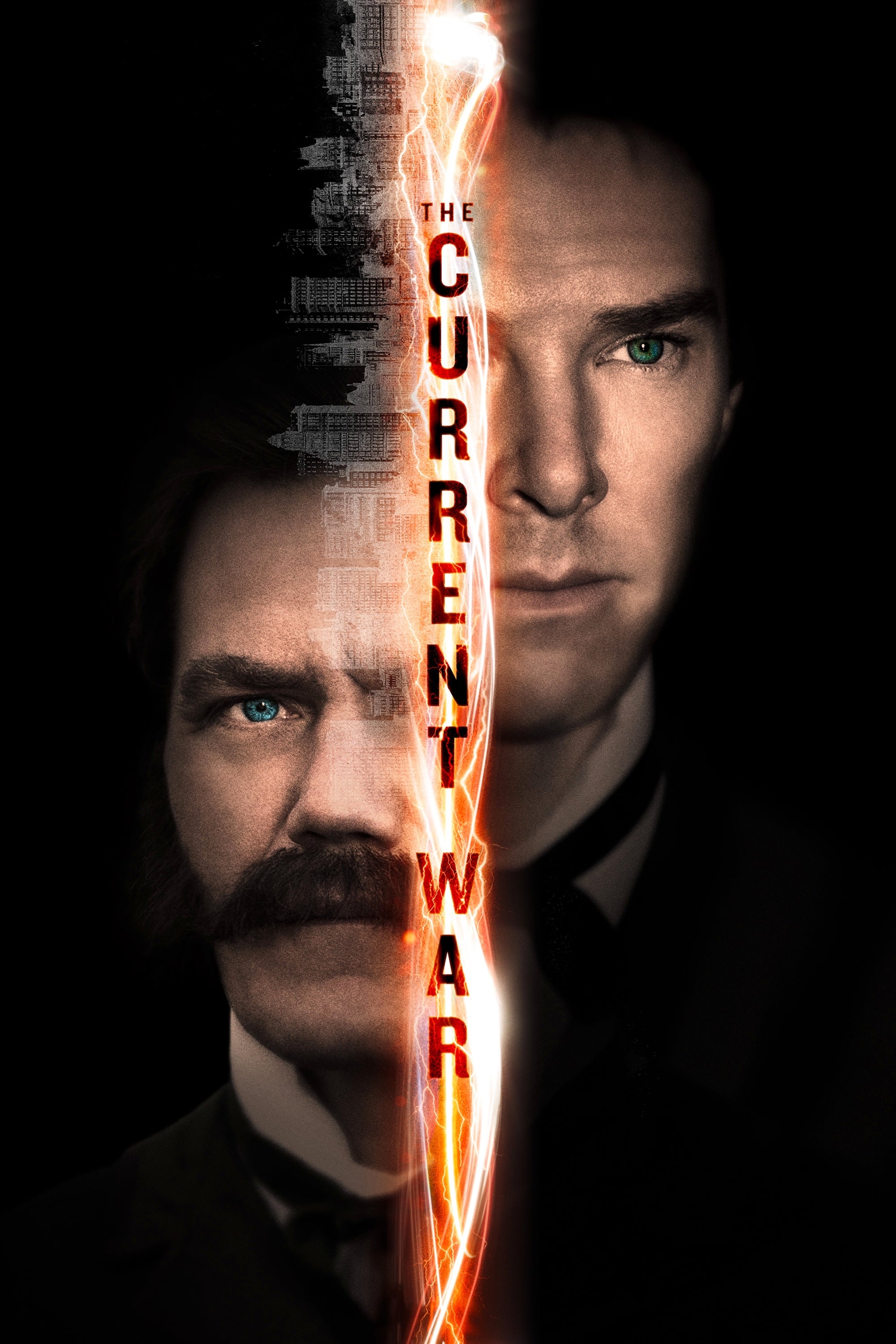
Electricity titans Thomas Edison and George Westinghouse compete to create a sustainable system and market it to the American people.
French-American artist Niki de Saint-Phalle, from the age of 23, is a model and an aspiring actor who is married and has a two year old daughter. Together, they flee the U.S. during the oppressive McCarthy era and come to France, where they experience a short-lived euphoria. Soon, distant and frightening memories begin to emerge in Niki’s mind. Her vocation as an artist will be her salvation.
Biarritz, 1933. Charm and talent assist small-time swindler Serge Alexandre, alias Stavisky, to bribe his way into the centre of French politics. But when his great scam involving millions is exposed, he brings the government to the verge of collapse and the country to the brink of civil war.
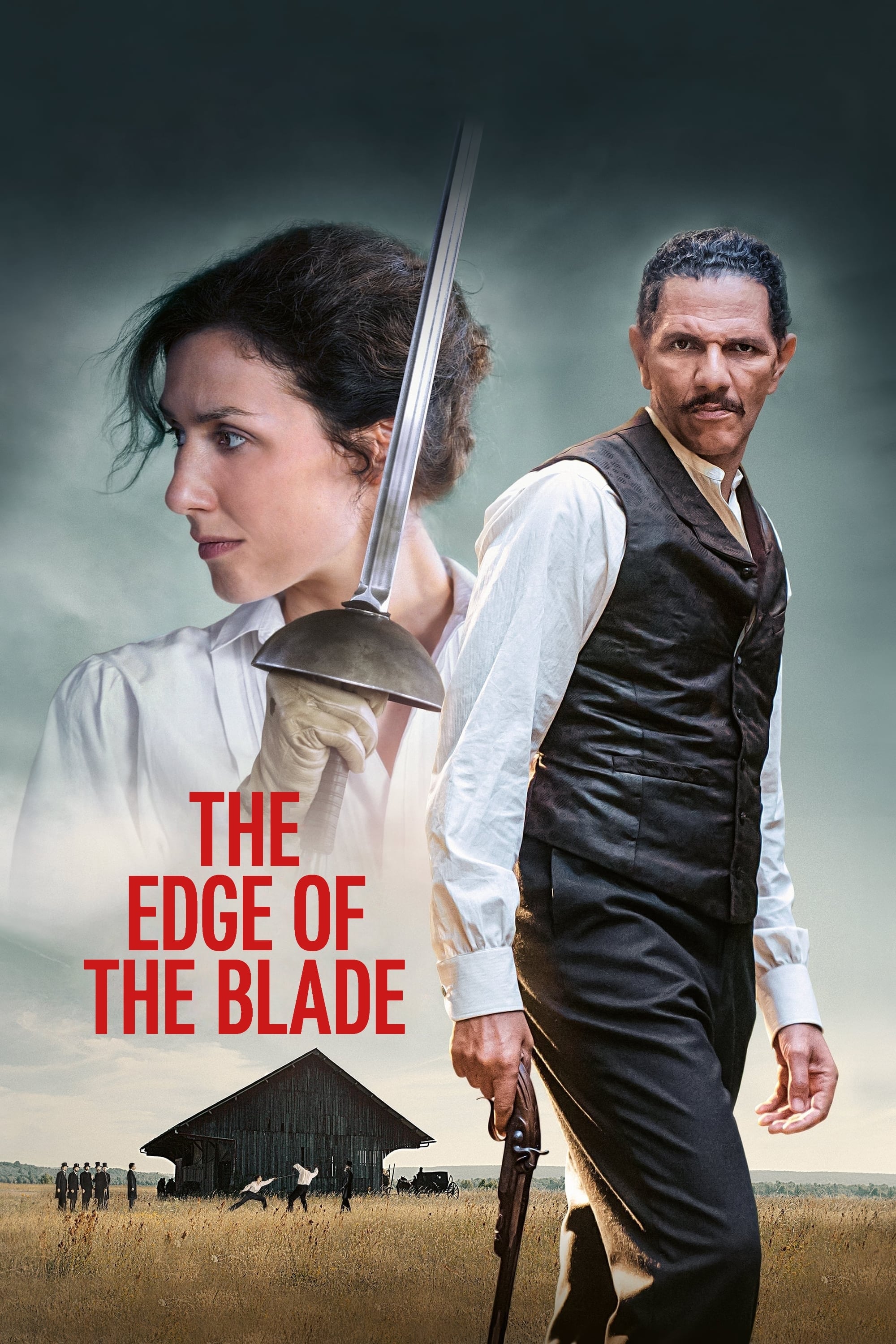
In 1887, at a time when duels are in vogue in Paris, Clément Lacaze and Marie-Rose Astié meet. He's a charismatic master of arms; she's a feminist, far ahead of her time. Clément gets caught in a spiral of violence and decides to initiate Marie-Rose in the art of dueling. The two must work together to save face. How far will they go to defend their honor?
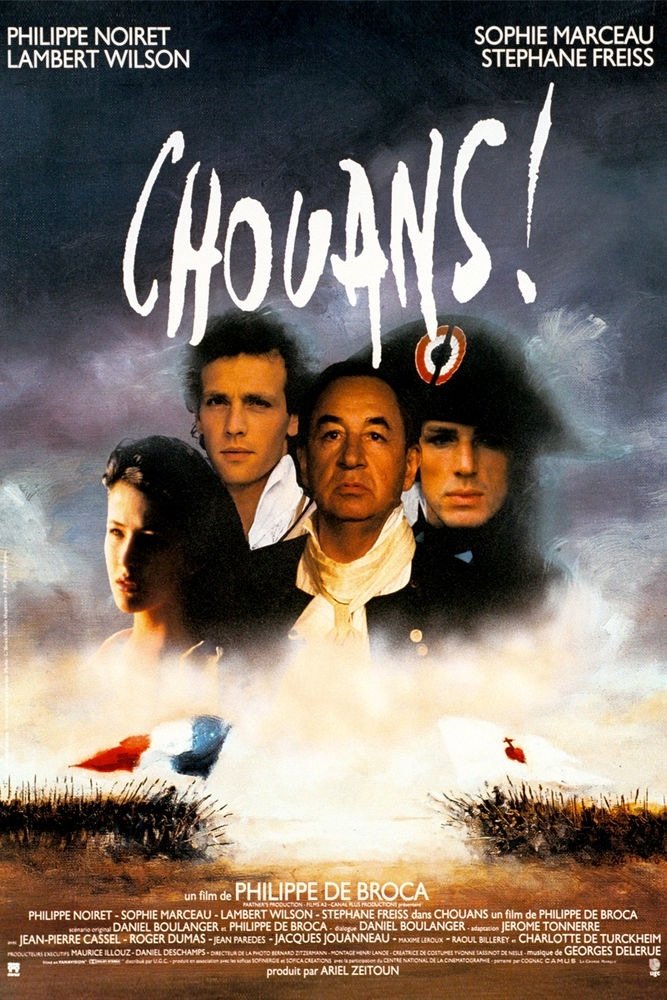
Directed by Philippe de Broca, the film recounts a bloody episode of the French Revolution. 1793, the Terror . In Vendée and in Bretagne, the chouans are revolting against the young Republic and fight for the monarchy restauration. The civil war divides also the family of the Count Savinien de Kerfadec, a liberal and generous noble and a flying machines inventor.
A passionate love story set against a backdrop of sexual freedom, loosely based on the relationship between 19th century authors Pierre Louÿs and Marie de Régnier.
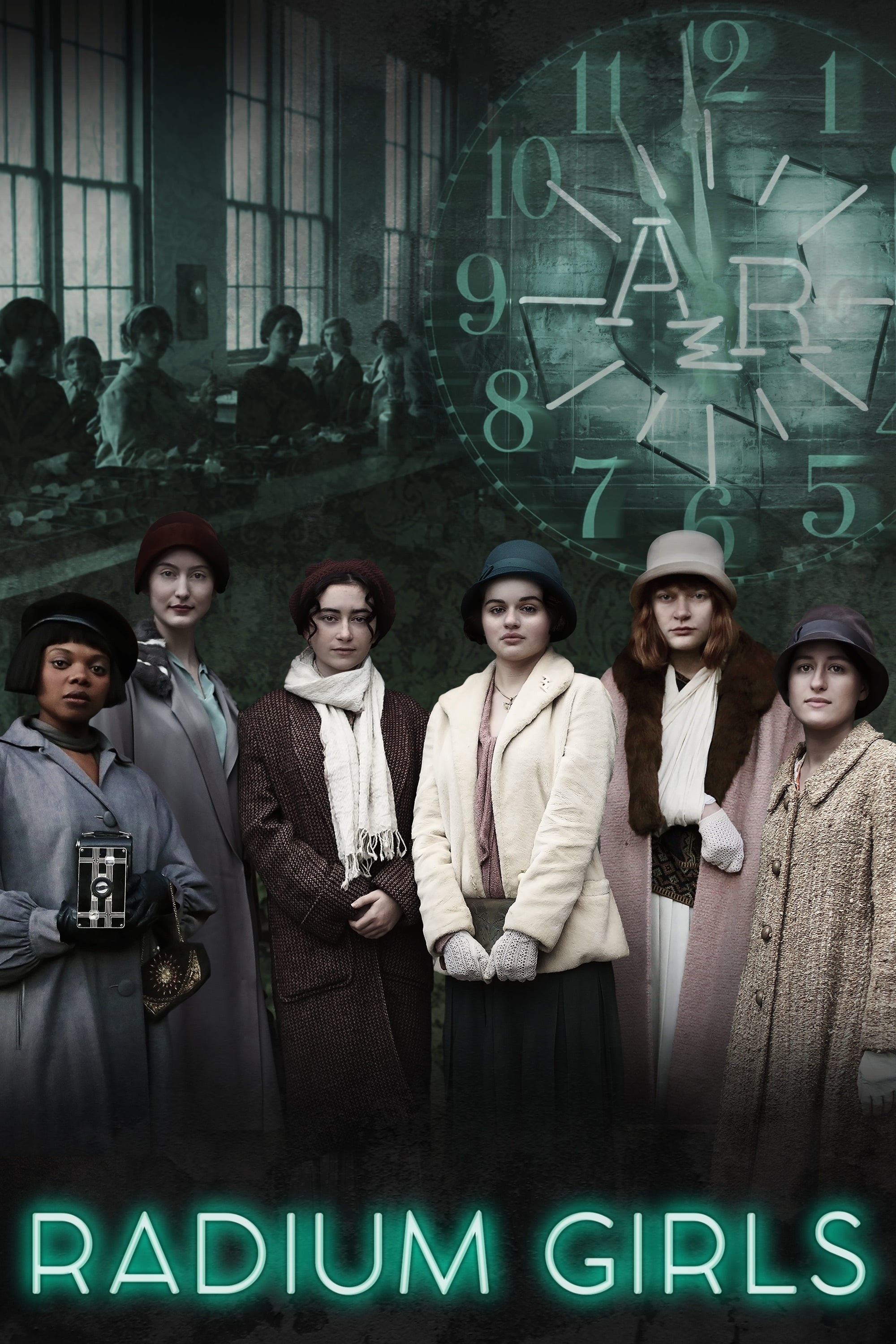
Young women toiling in a factory are exposed to hazardous material which takes a disastrous toll on their health.
In the 16th century in the Cévennes, a horse dealer by the name of Michael Kohlhaas leads a happy and prosperous family life. When a lord treats him unjustly, this pious, upstanding man raises an army and puts the country to fire and sword in order to have his rights restored.
June, 1940. France collapses and signs the armistice. In the midst of the chaos, one man refuses to give up. Alone against the odds, this unknown general flees to London to save what remains of freedom.
France, 1983. The biggest architectural competition in history is launched by the new socialist president, François Mitterrand. Coveted by all the biggest international architectural firms, the open-call competition is surprisingly won by an unknown: Johan Otto von Spreckelsen, an architecture teacher from Copenhagen. Until then, the fifty-year-old Dane had built only four buildings: his home, and three small chapels.
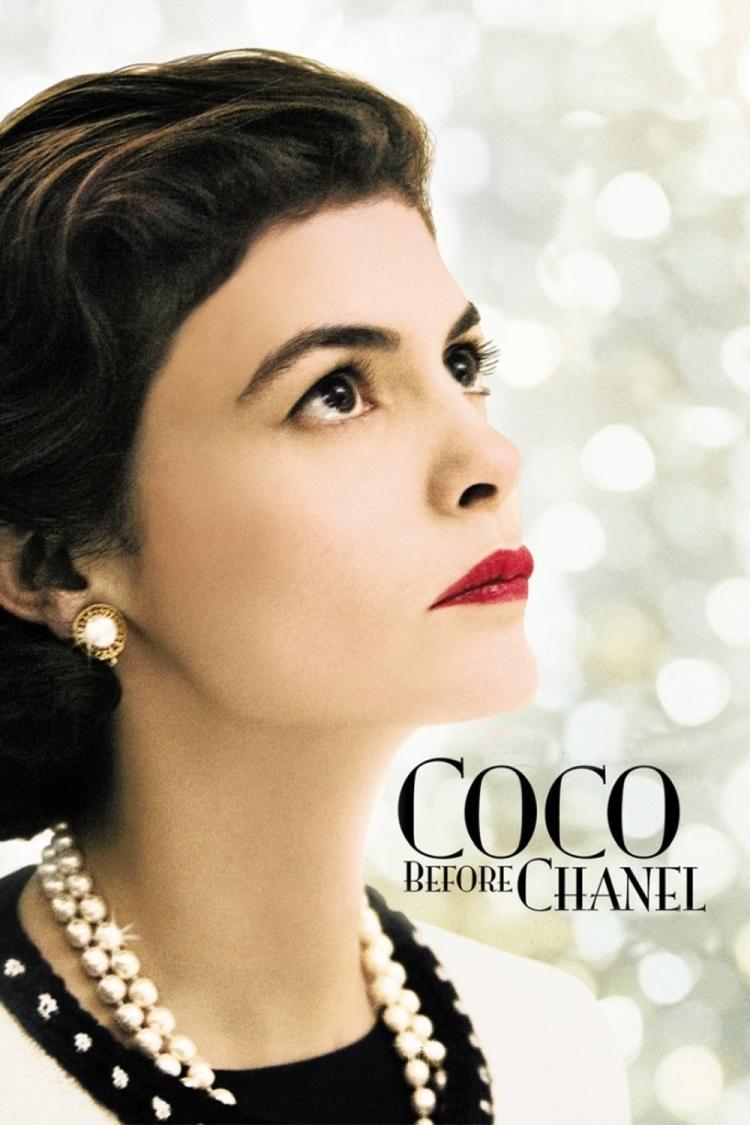
Several years after leaving the orphanage, to which her father never returned for her, Gabrielle Chanel finds herself working in a provincial bar. She's both a seamstress for the performers and a singer, earning the nickname Coco from the song she sings nightly with her sister. A liaison with Baron Balsan gives her an entree into French society and a chance to develop her gift for designing.