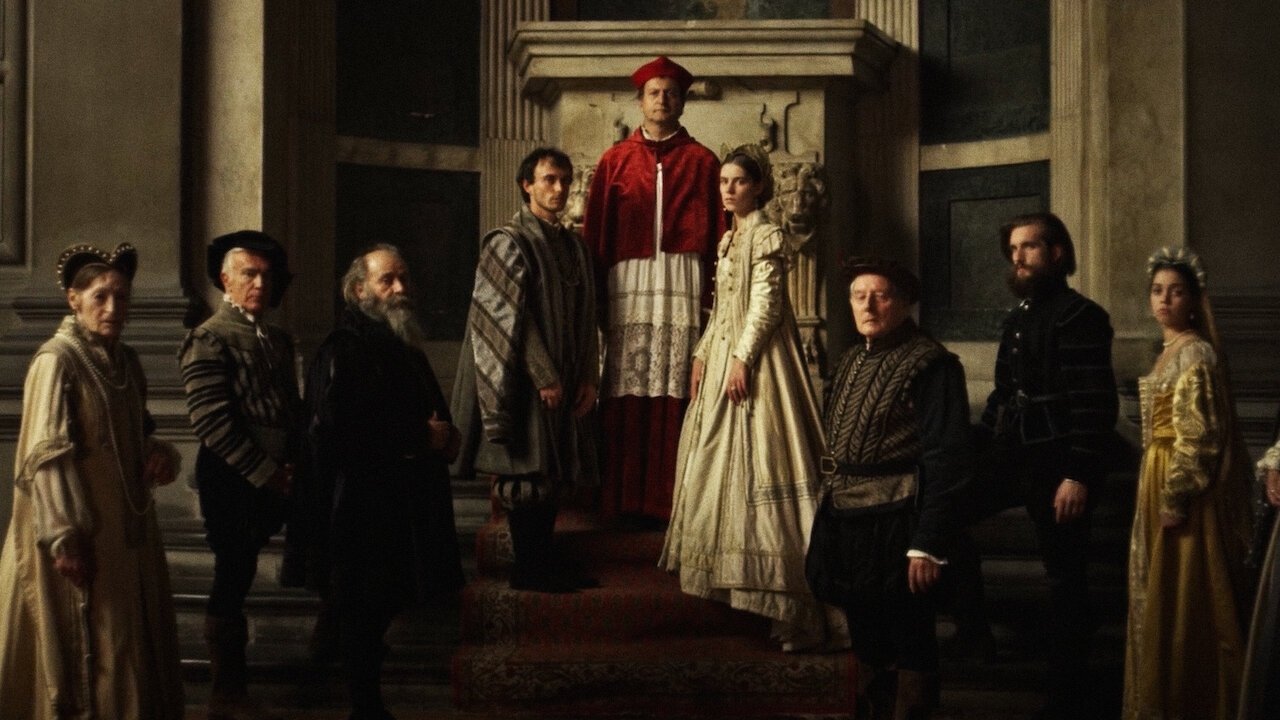
Palazzo Vecchio: a history of art and power. Directed by Piero Messina, through a clever movement of the narration between past and present, makes a real journey into the beauty of an ancient place that still retains its undisputed charm.
Social & External
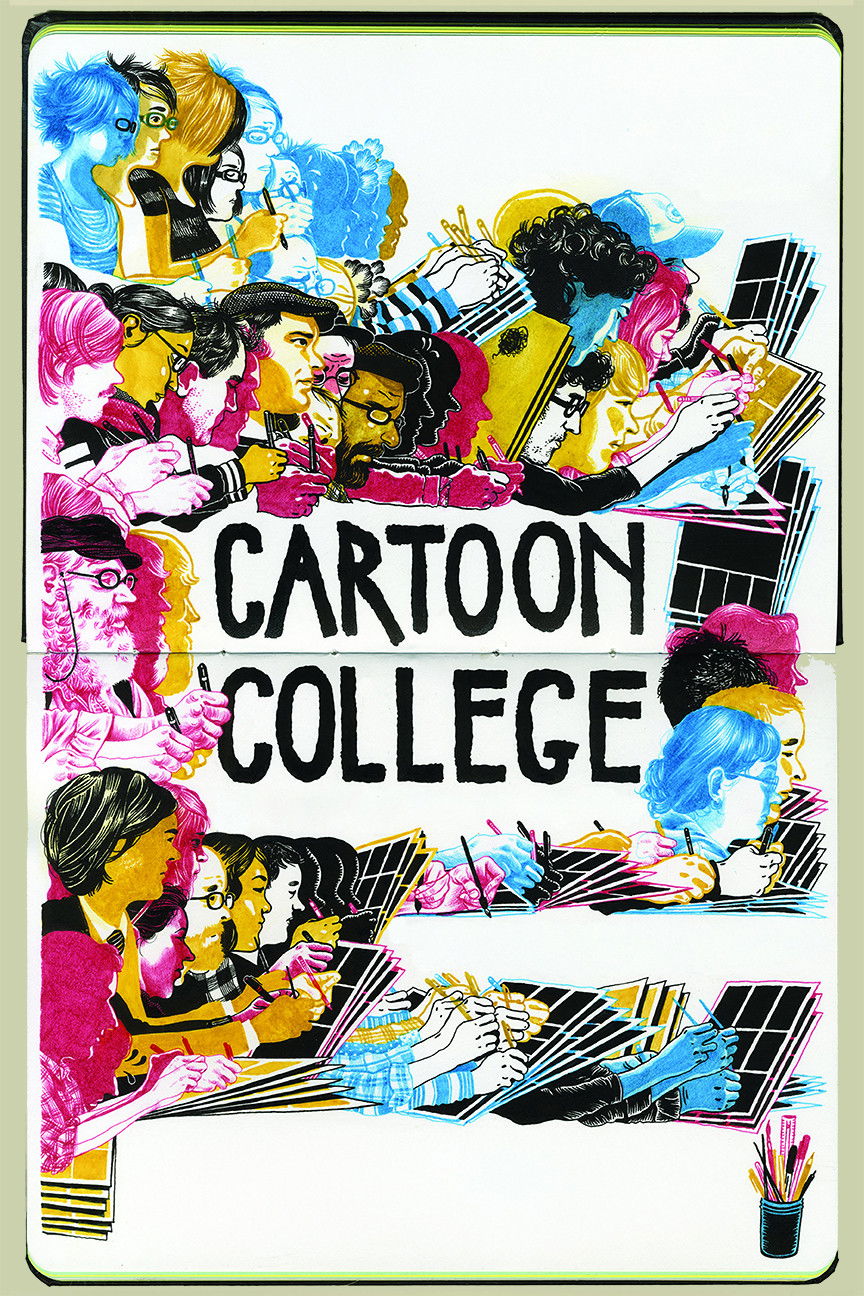
Every fall, The Center for Cartoon Studies invites 20 aspiring cartoonists to White River Junction, Vermont for a no-holds-barred education in comics. Those who complete the two-year program earn a Master of Fine Arts degree and are ready to face the hardship of a career in one of the world's most drudgery-inducing art forms. This is their story.
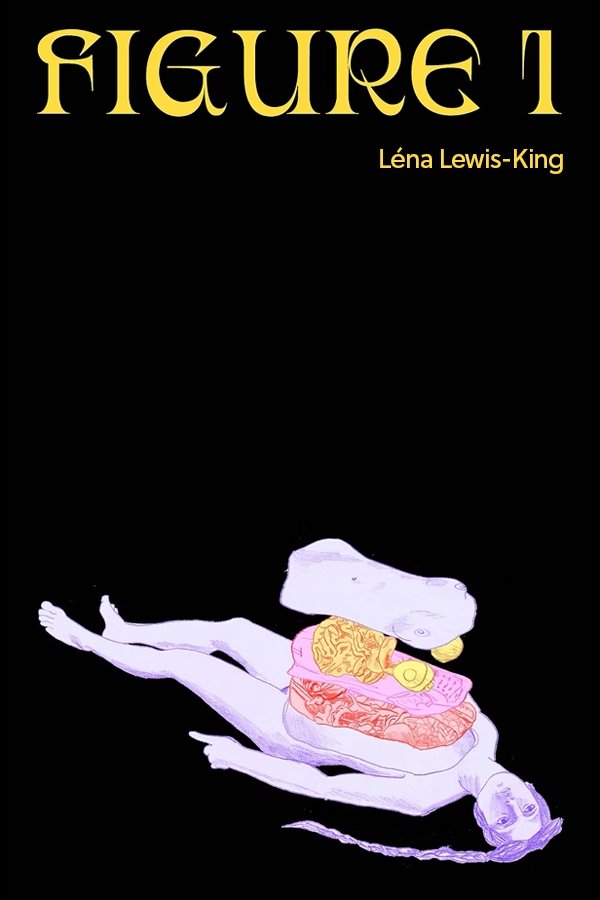
'Figure I' uses a feminist perspective to frame and deconstruct patriarchal techniques of control. This film asks: how was a patriarchal gaze construct-ed, and how has it come to effect biological processes? How have specific tools (like Dürer's Grid) come to shape our technological present and possible futures? Are modern Western scientif-ic/mathematic/technological/medical structures rooted in extractive patriarchal philosophies? 'Figure 1' is composed of re-drawn illustrations of allegorical art historical paintings and etchings, alongside archival footage, Obstetric photography, and rotoscoped animation.
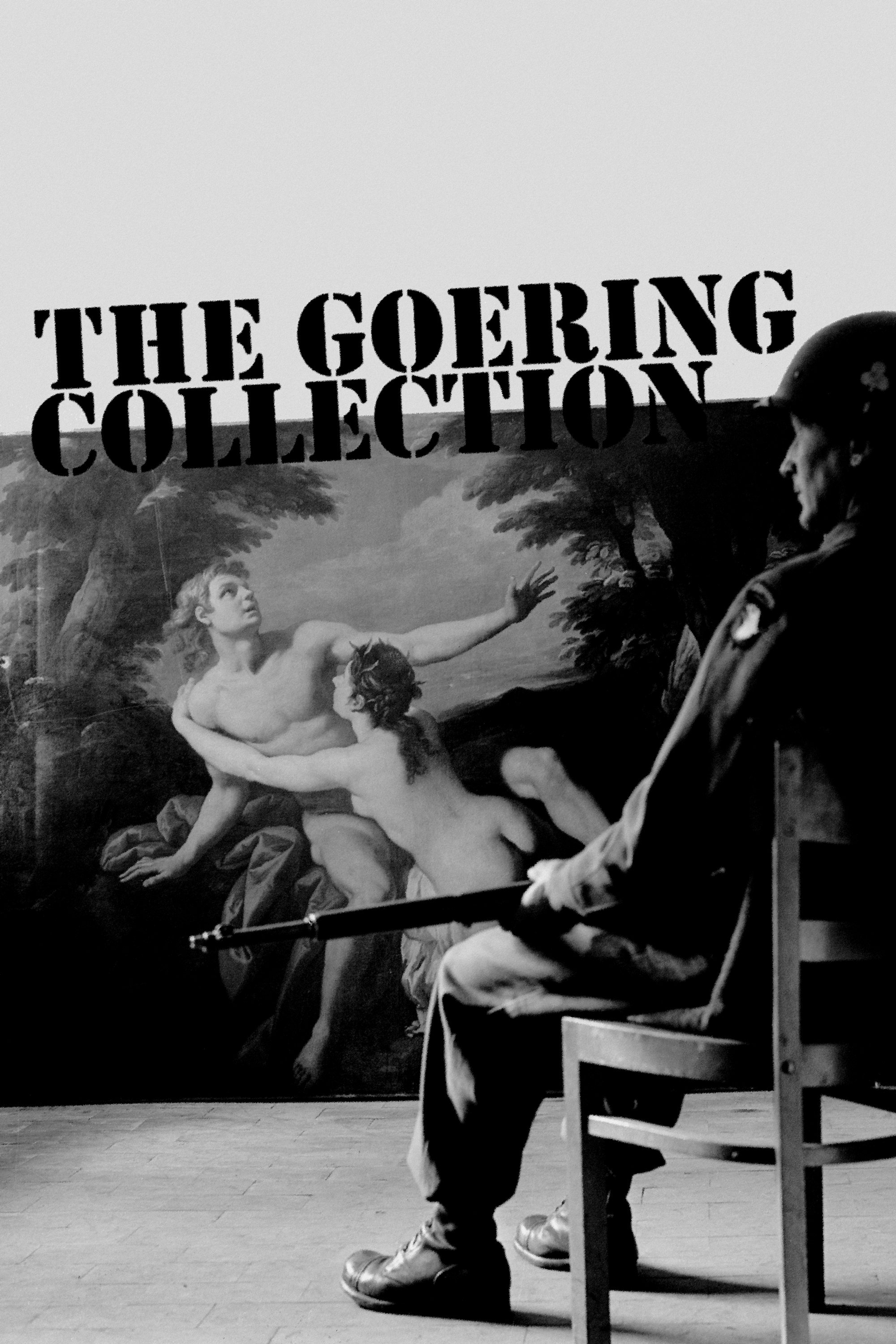
For more than a decade, Reichsmarschall Hermann Goering, Adolf Hitler's right-hand man during the infamous Third Reich, assembled a collection of thousands of works of art that were meticulously catalogued.
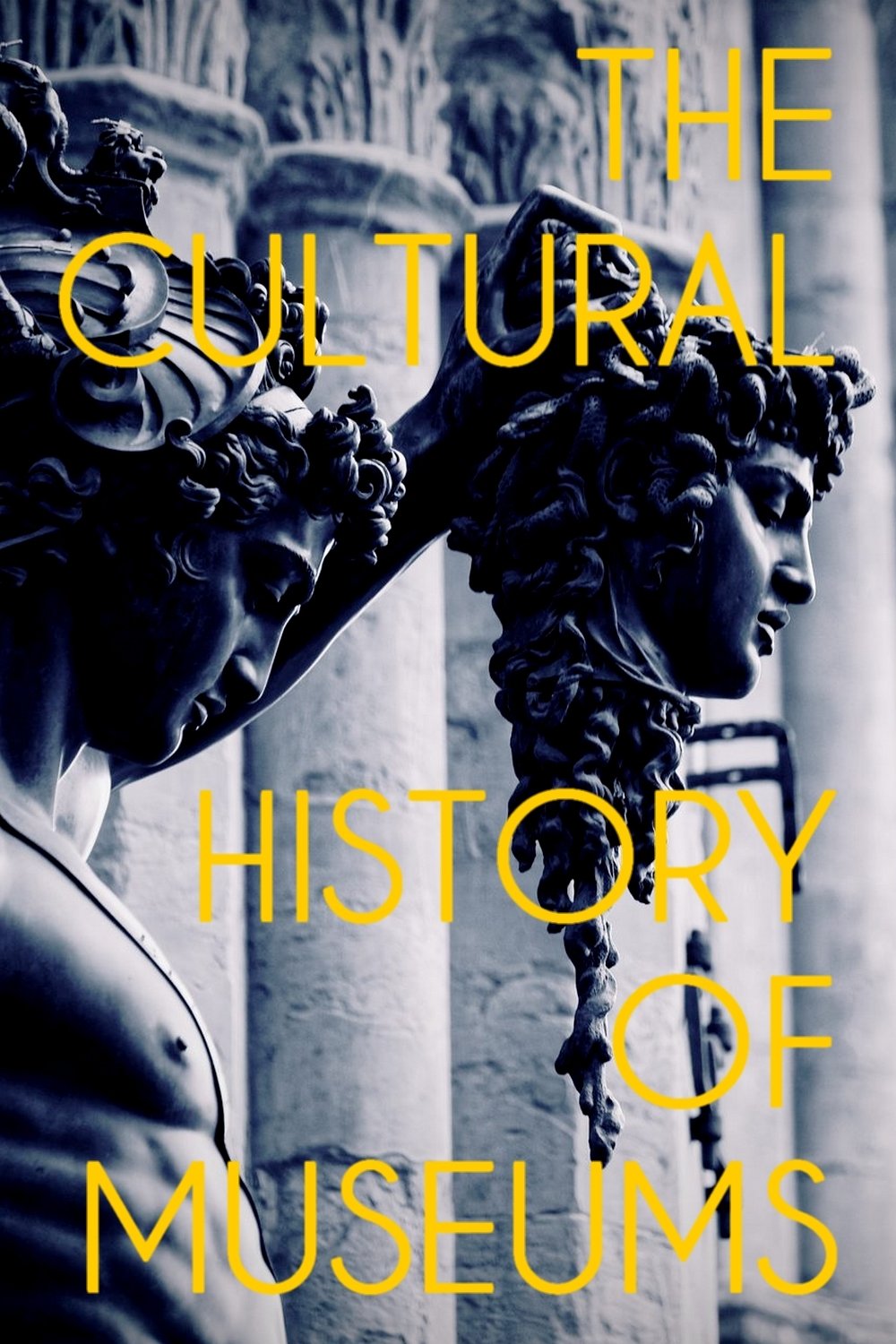
From the cabinets of curiosities created in Italy during the 16th century to the prestigious cultural institutions of today, a history of museums that analyzes the social and political changes that have taken place over the centuries.
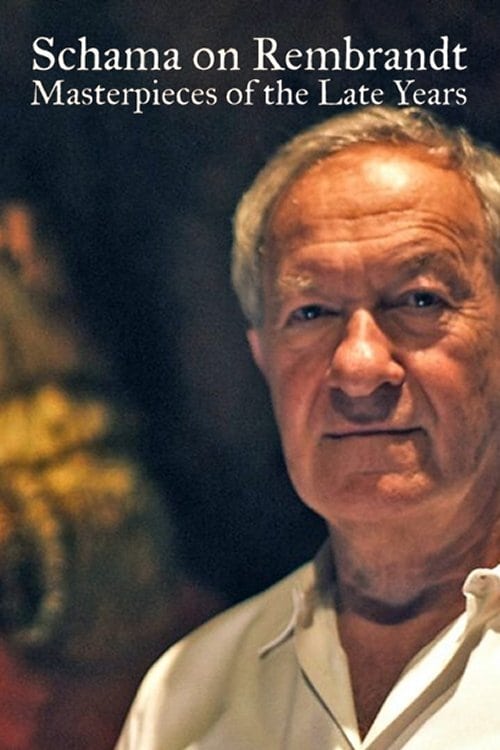
Simon Schama explains the style, theme and concept of Rembrandt's late masterpieces.
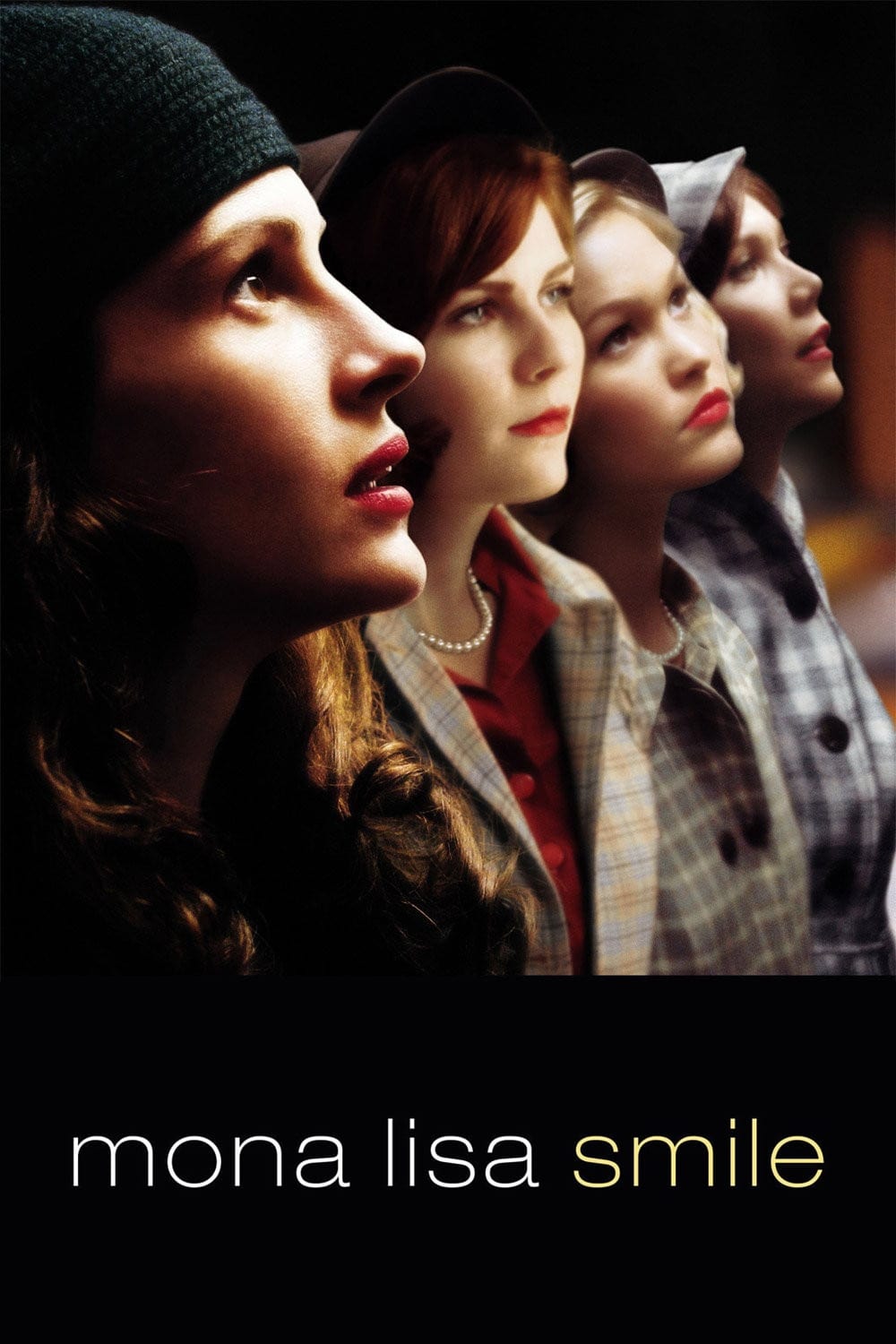
Katherine Watson is a recent UCLA graduate hired to teach art history at the prestigious all-female Wellesley College, in 1953. Determined to confront the outdated mores of society and the institution that embraces them, Katherine inspires her traditional students, including Betty and Joan, to challenge the lives they are expected to lead.
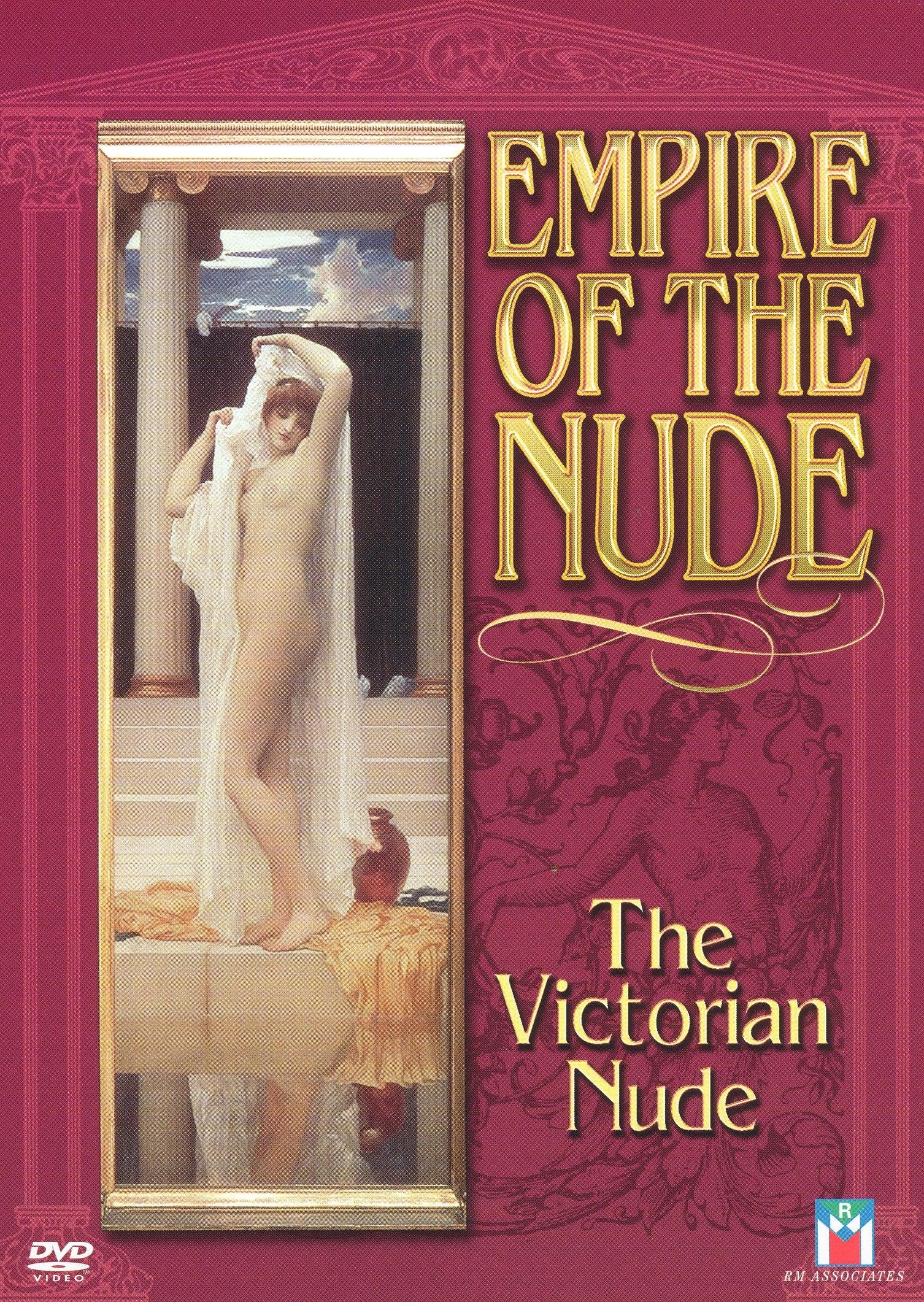
The Victorian era is often cited for its lack of sexuality, but as this documentary reveals, the period's artists created a strong tradition surrounding the classical nude figure, which spread from the fine arts to more common forms of expression. The film explains how 19th-century artists were inspired by ancient Greek and Roman works to highlight the naked form, and how that was reflected in the evolving cultural attitudes toward sex.
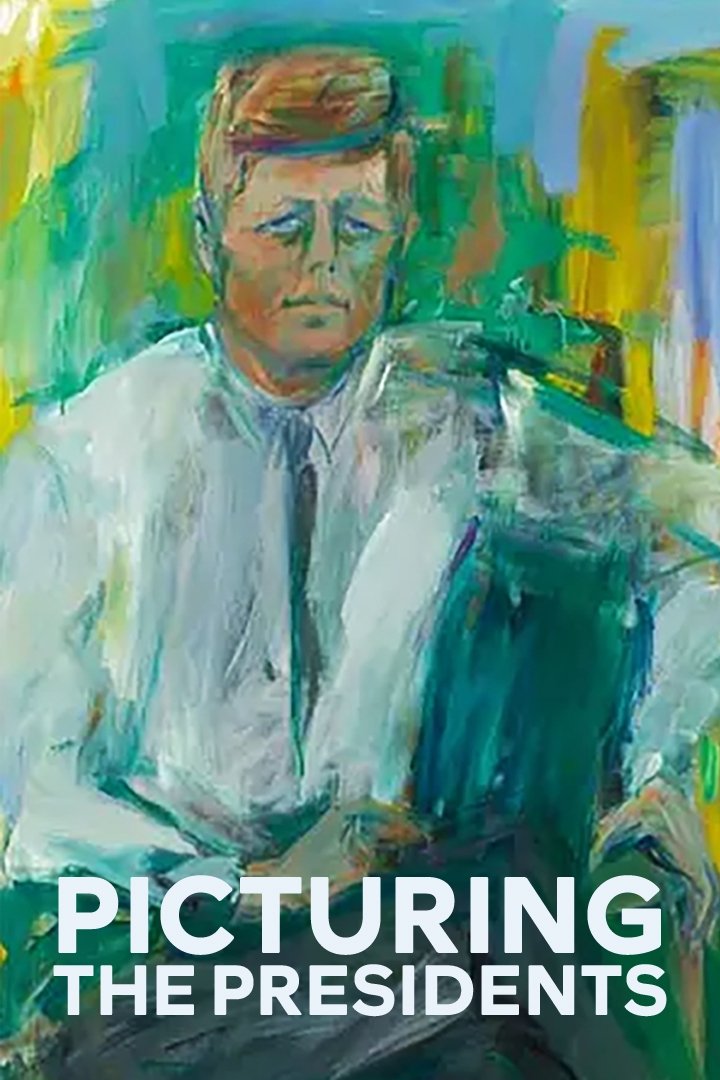
We go behind the scenes and into the minds of artists as they capture, commemorate, and, at times, condemn our presidents.
A daughter is constantly overshadowed by her famous father, but she is determined to make her own mark in the world.
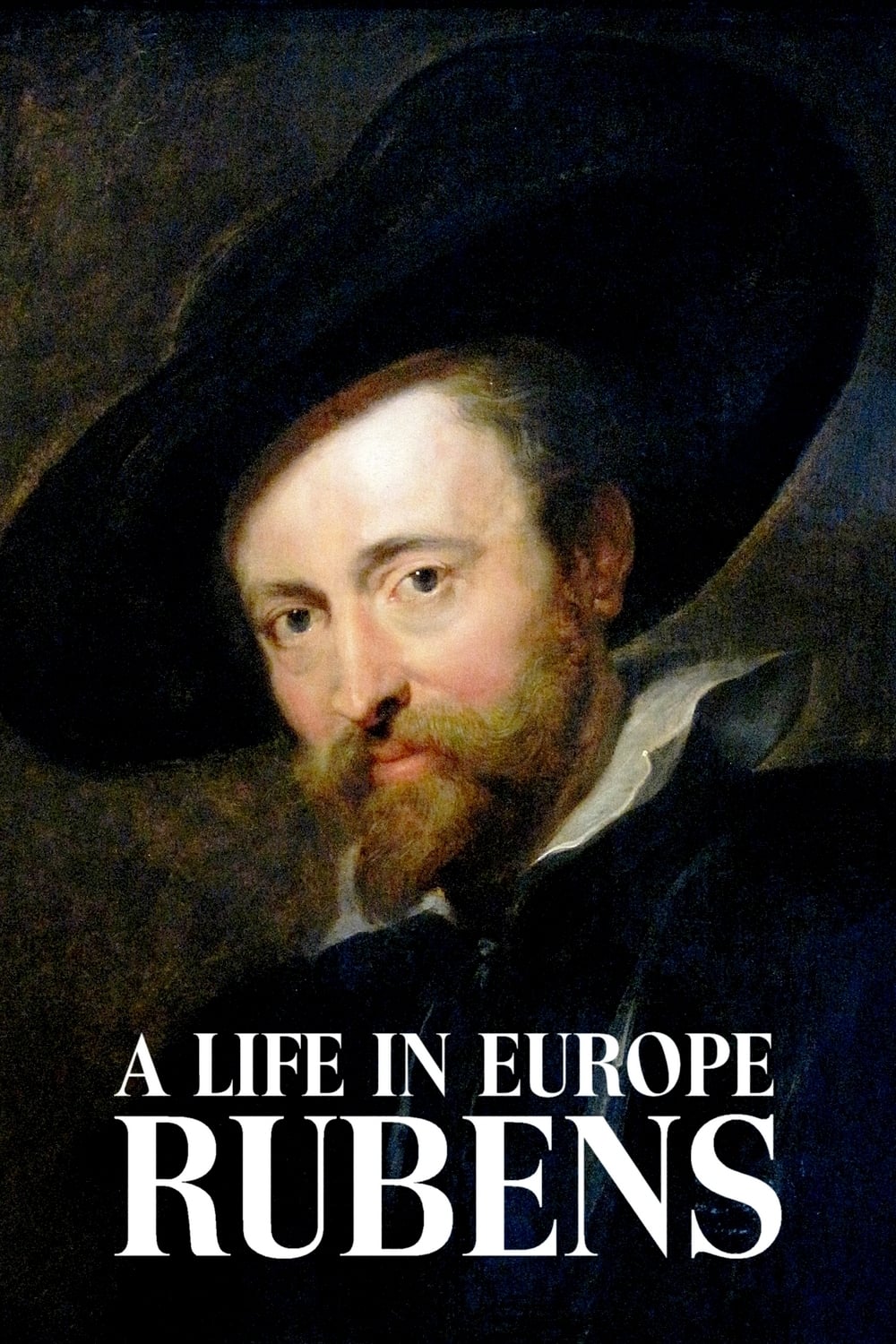
The Flemish painter, humanist and diplomat Peter Paul Rubens (1577-1640) was fortunate to be recognized during his lifetime as an artist of genius and one of the most prolific among his peers, making him a key figure of the Baroque.
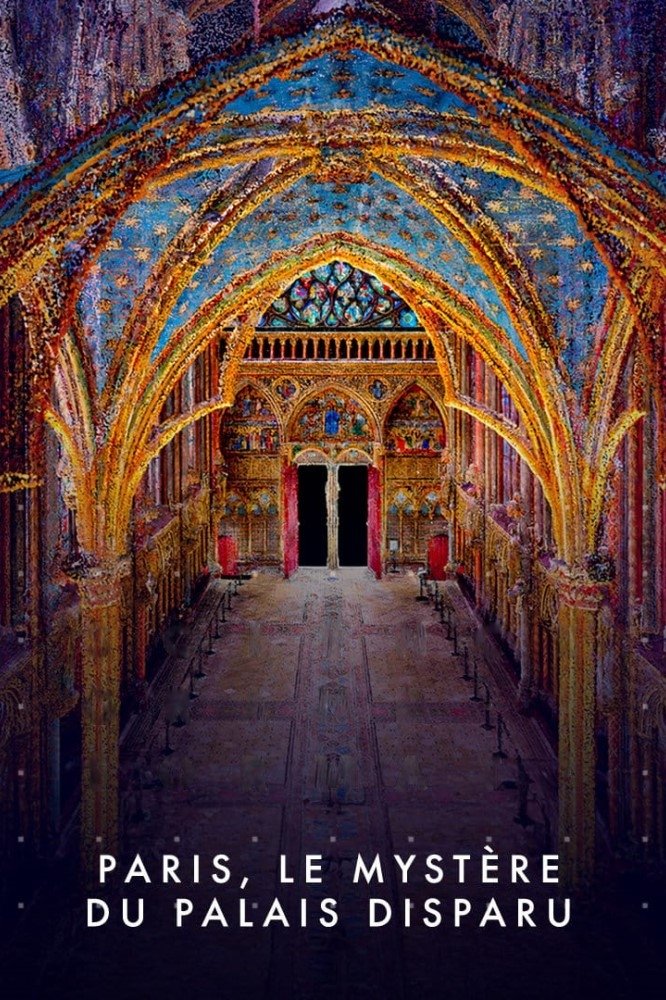
In the heart of Paris, an entire palace has disappeared. It was the very first residence of the kings of France. Long before Versailles, long before the Louvre, the Palais de la Cité stood on the most prestigious island in Paris, the historic cradle of France, facing Notre-Dame. So majestic in the Middle Ages, this palace has become a ghost of history. Over the centuries, this architectural masterpiece has almost completely disappeared. A trio of experts will resurrect it in 3D. Using science and unprecedented excavations, they will track down the pieces of the puzzle to reconstruct it at its peak in the 14th century, and bring back to life those who inhabited it. From the Romans to the Vikings, from Saint Louis to the cursed kings, all have left clues of this 'Versailles of the Middle Ages'.
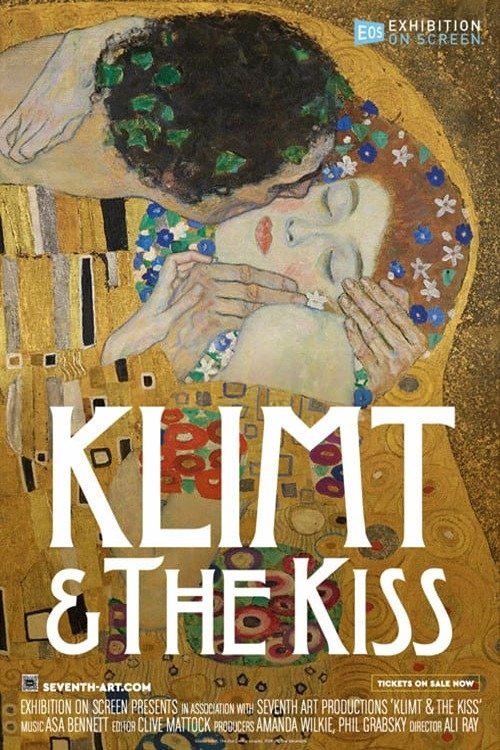
The Kiss by Gustav Klimt is one of the most recognised and reproduced paintings in the world. It is perhaps the most popular poster on student dorm walls from Beijing to Boston. Painted in Vienna around 1908, the evocative image of an unknown embracing couple has captivated viewers with its mystery, sensuality and dazzling materials ever since it was created. But just what lies behind the appeal of the painting – and just who was the artist that created it? Delving into the details of real gold, decorative designs, symbolism and simmering erotica, a close study of the painting takes us to the remarkable turn of the century Vienna when a new world was battling with the old.
In this unique, compelling film, those who knew him speak freely, some for the first time, to reveal the many mysteries of Francis Bacon.
At the turn of the sixteenth century, Michelangelo (Mark Frankel), Raphael (Andrea Prodan), and Leonardo Da Vinci (John Glover) create their masterpieces, while dealing with religious persecution, political turmoil, and the discovery of America.
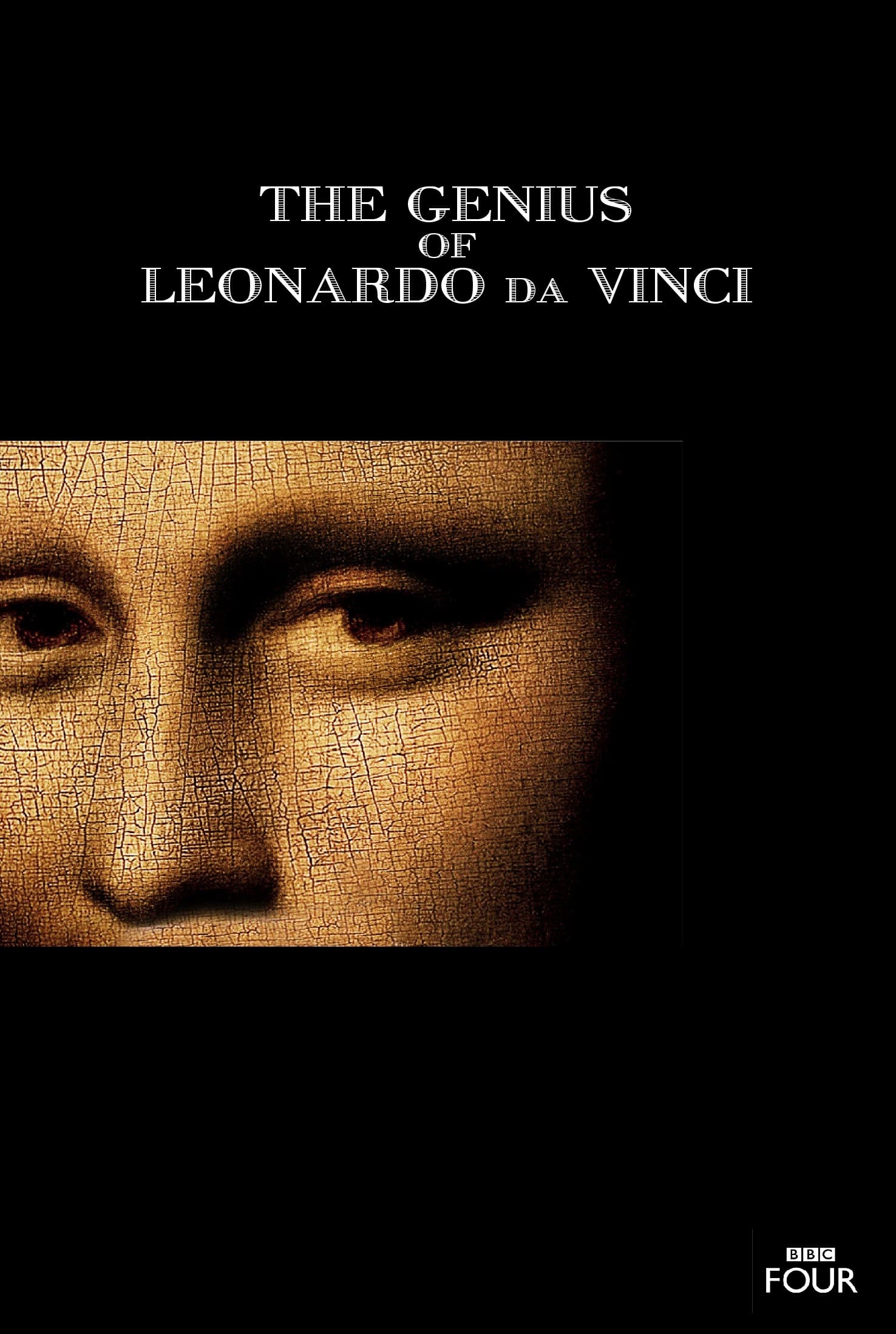
Janina Ramirez explores the BBC archives to create a TV history of Leonardo Da Vinci, discovering what lies beneath the Mona Lisa and even how he acquired his anatomical knowledge.
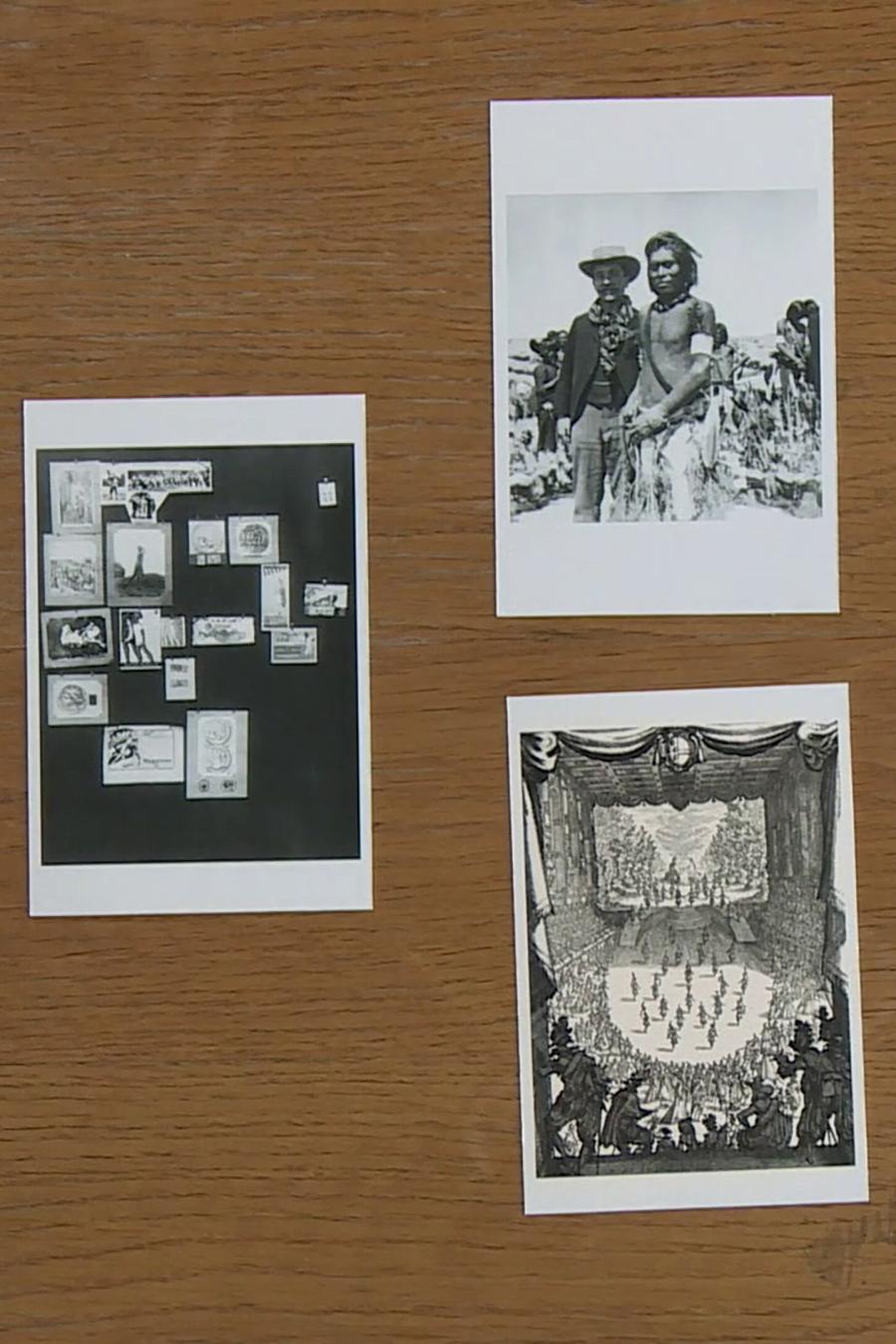
To be in Venice and see the architecture of New York, to perceive in a painting by Tintoretto the birth of animated images, to look at the burlesque Cretinetti as the ancestor of montage - so many shifts, displacements, and striking telescopings that Philippe-Alain Michaud proposes in this film dedicated to him. To follow this art historian, curator of the cinema collections at the Centre Pompidou, is to go from the oriental carpet to the film, or from the first fireworks to the cinema. And everywhere the animation of the images - projections of Antony McCall, or of Paul Sharits, Column without end of Brancusi, Pasolini's Accatone - everything moves! Under the tutelage of Aby Warburg, the great art historian of the early twentieth century, precursor of iconology and image comparison, to whom Philippe-Alain Michaud was the first in France to devote an important essay, eleven images are placed on the table to describe the singular journey of this art historian.
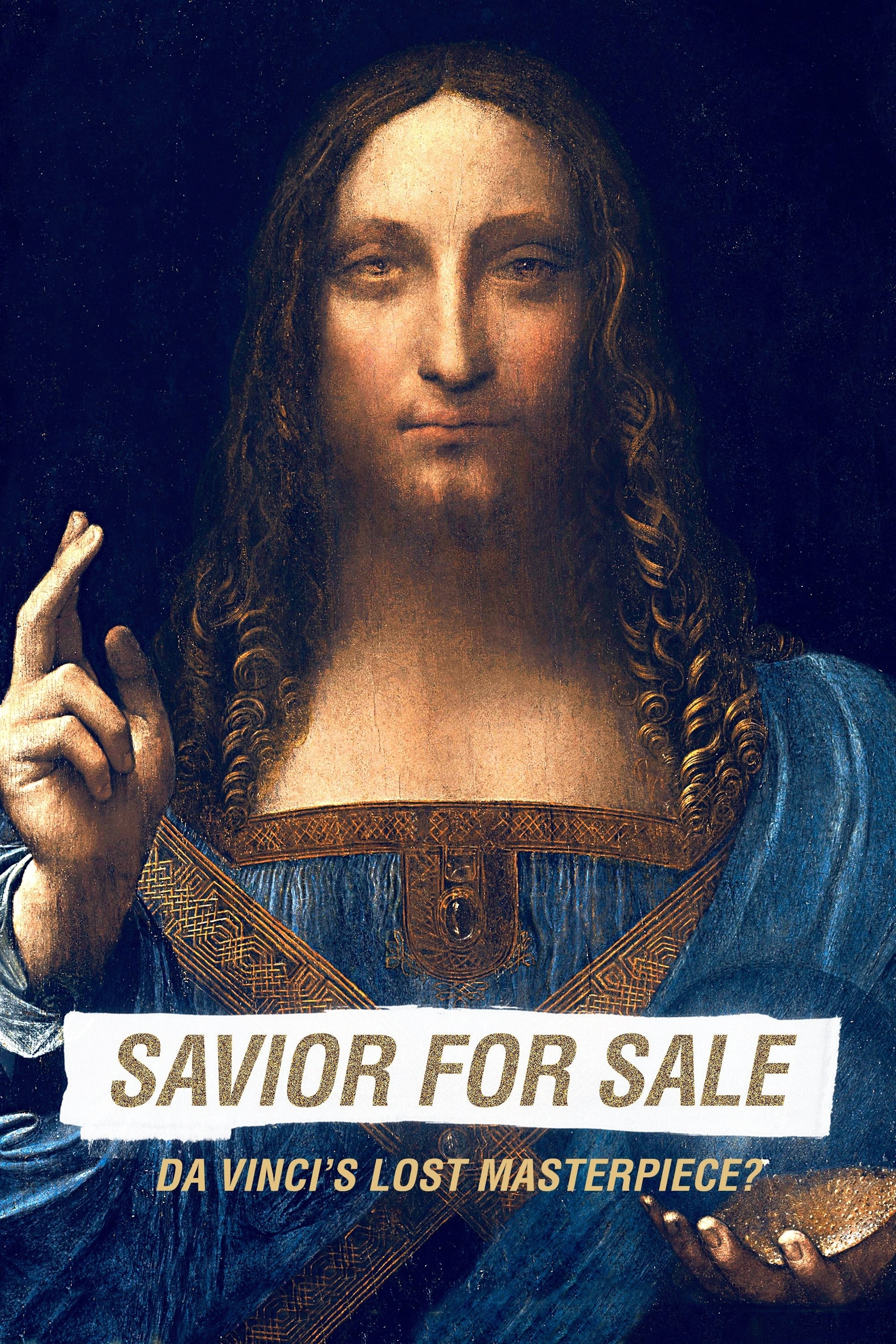
In November 15, 2017, the painting Salvator Mundi, attributed to Italian artist Leonardo da Vinci (1452-1519), was sold for an unprecedented $450 million. An examination of the dirty secrets of the art world and the surprising story of how a work of art is capable of upsetting both personal and geopolitical interests.
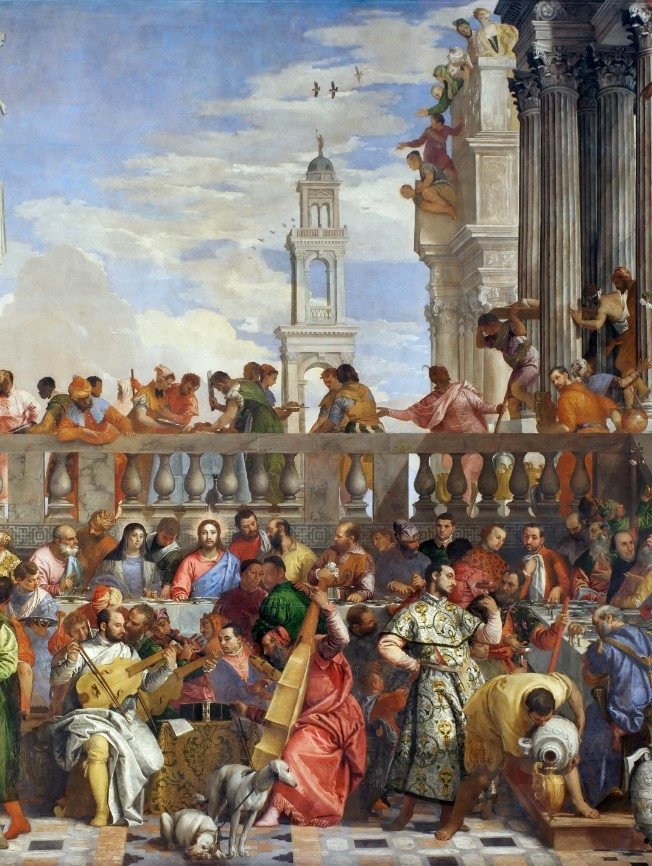
A short film by Peter Greenaway. It depicts the painting The Wedding Feast at Cana by Paolo Veronese, through mixed media and shows different perspectives.
During the Italian Renaissance, Pope Julius II contracts the influential artist Michelangelo to sculpt 40 statues for his tomb. When the pope changes his mind and asks the sculptor to paint a mural in the Sistine Chapel, Michelangelo doubts his painting skills and abandons the project. Divine inspiration returns Michelangelo to the mural, but his artistic vision clashes with the pope's demanding personality and threatens the success of the historic painting.
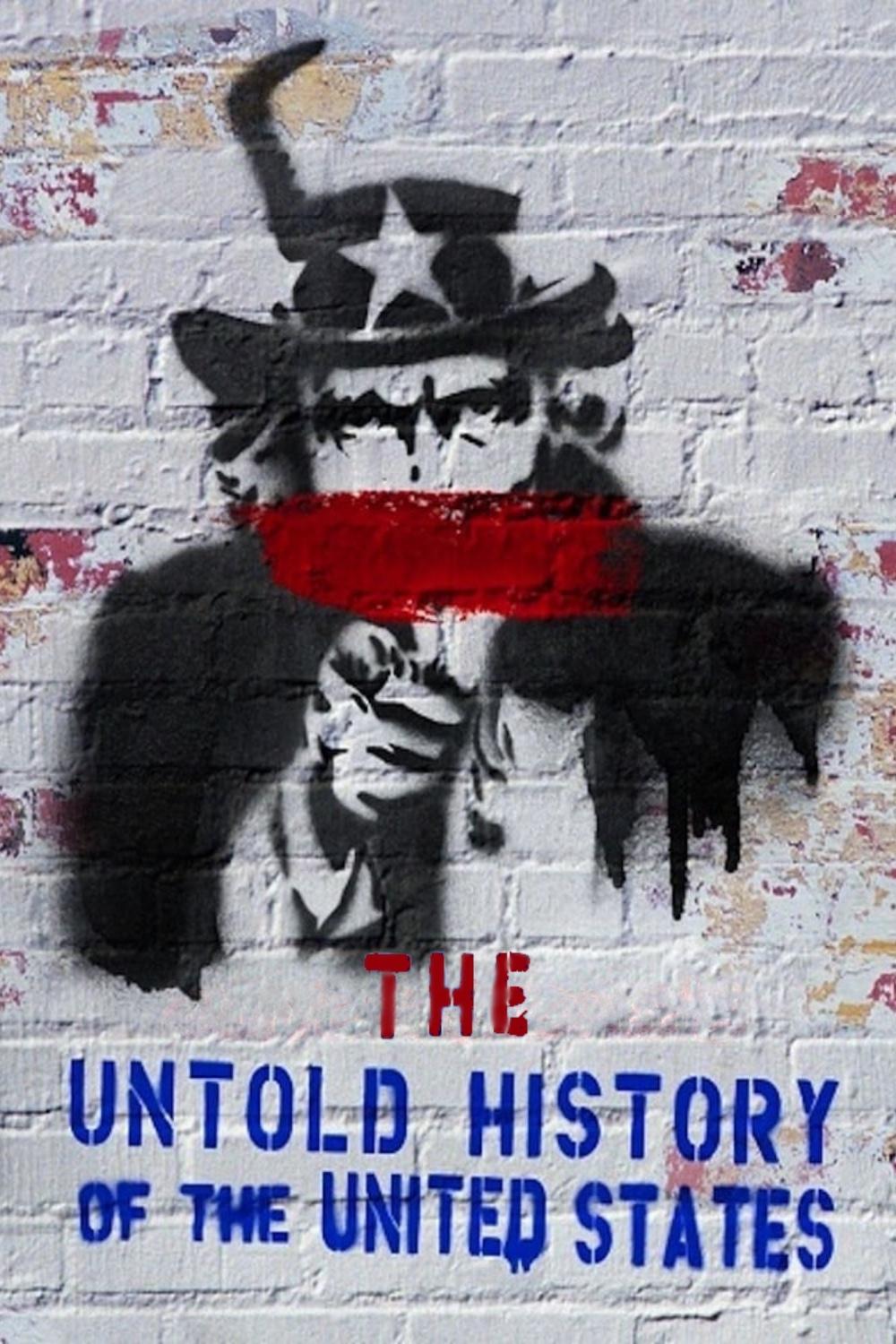
Oliver Stone charts the history of the United States from the Second World War to the present.
The history of cinematic sound, told by legendary sound designers and visionary filmmakers.
A documentary on the expletive's origin, why it offends some people so deeply, and what can be gained from its use.
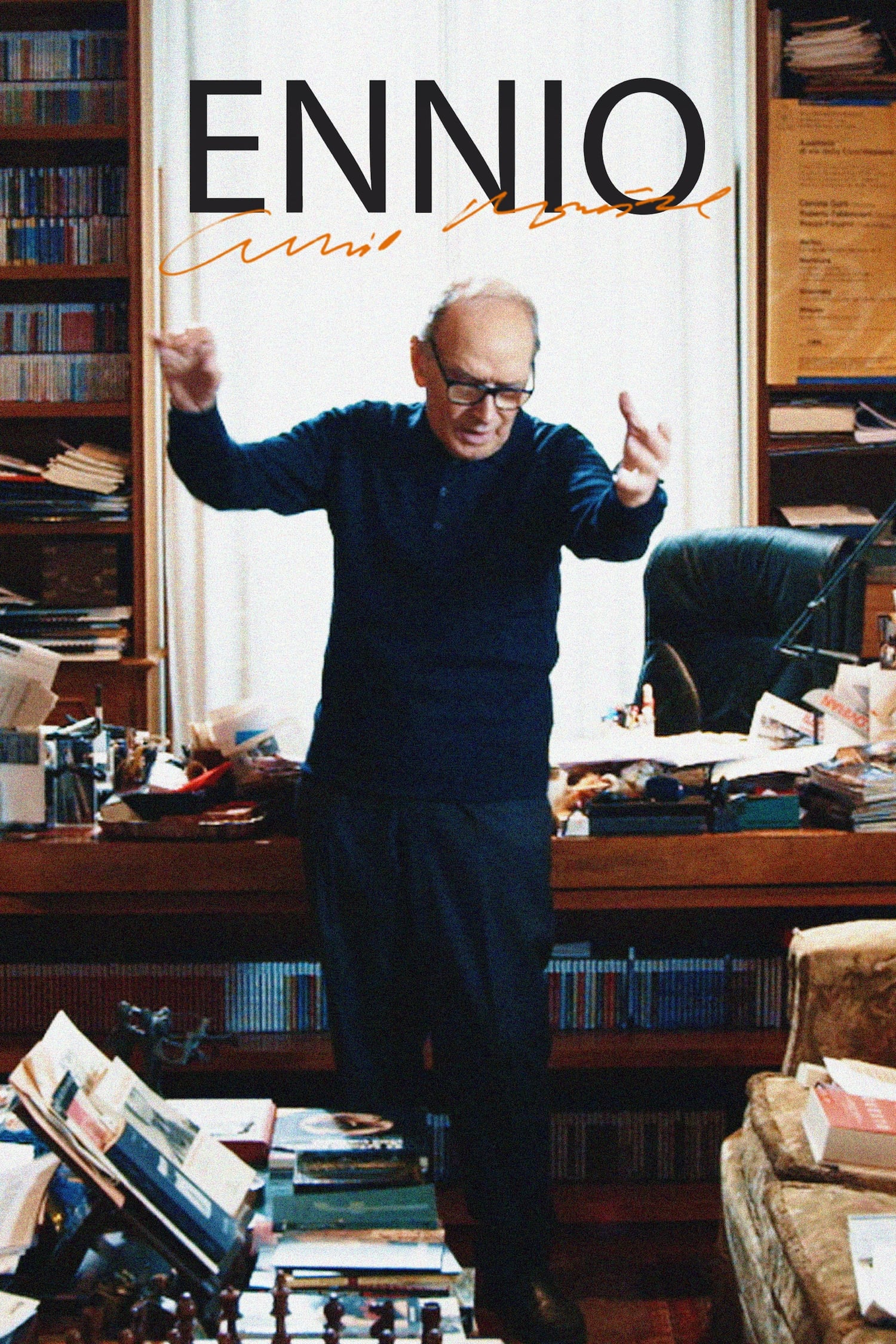
A portrait of Ennio Morricone, the most popular and prolific film composer of the 20th century, the one most loved by the international public, a two-time Oscar winner and the author of over five hundred unforgettable scores.
A visual montage portrait of our contemporary world dominated by globalized technology and violence.
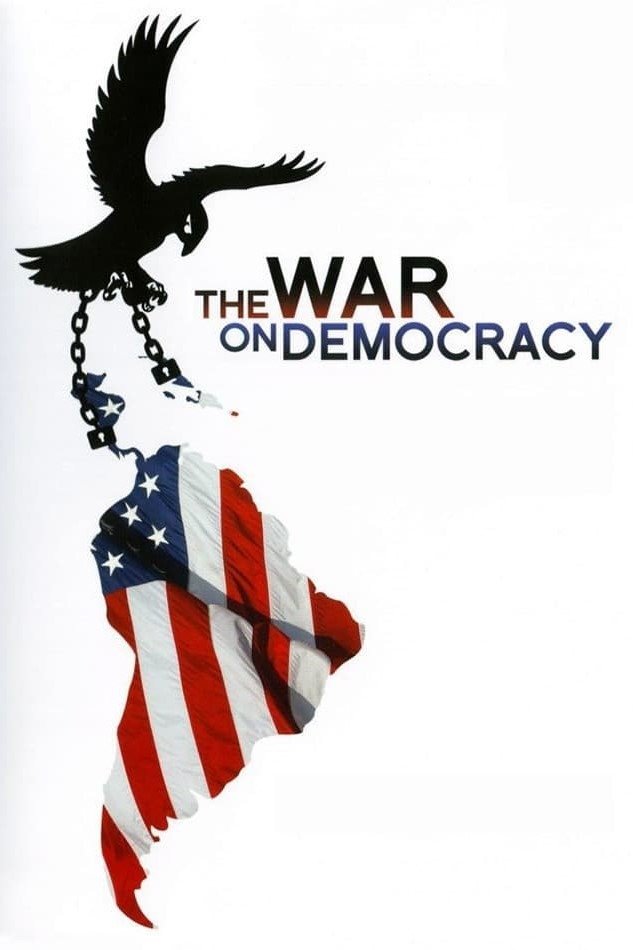
Set both in Latin America and the United States, the film explores the historic and current relationship of Washington with countries such as Venezuela, Bolivia and Chile. Pilger says that the film "...tells a universal story... analysing and revealing, through vivid testimony, the story of great power behind its venerable myths. It allows us to understand the true nature of the so-called "war on terror". According to Pilger, the film’s message is that the greed and power of empire is not invincible and that people power is always the "seed beneath the snow".
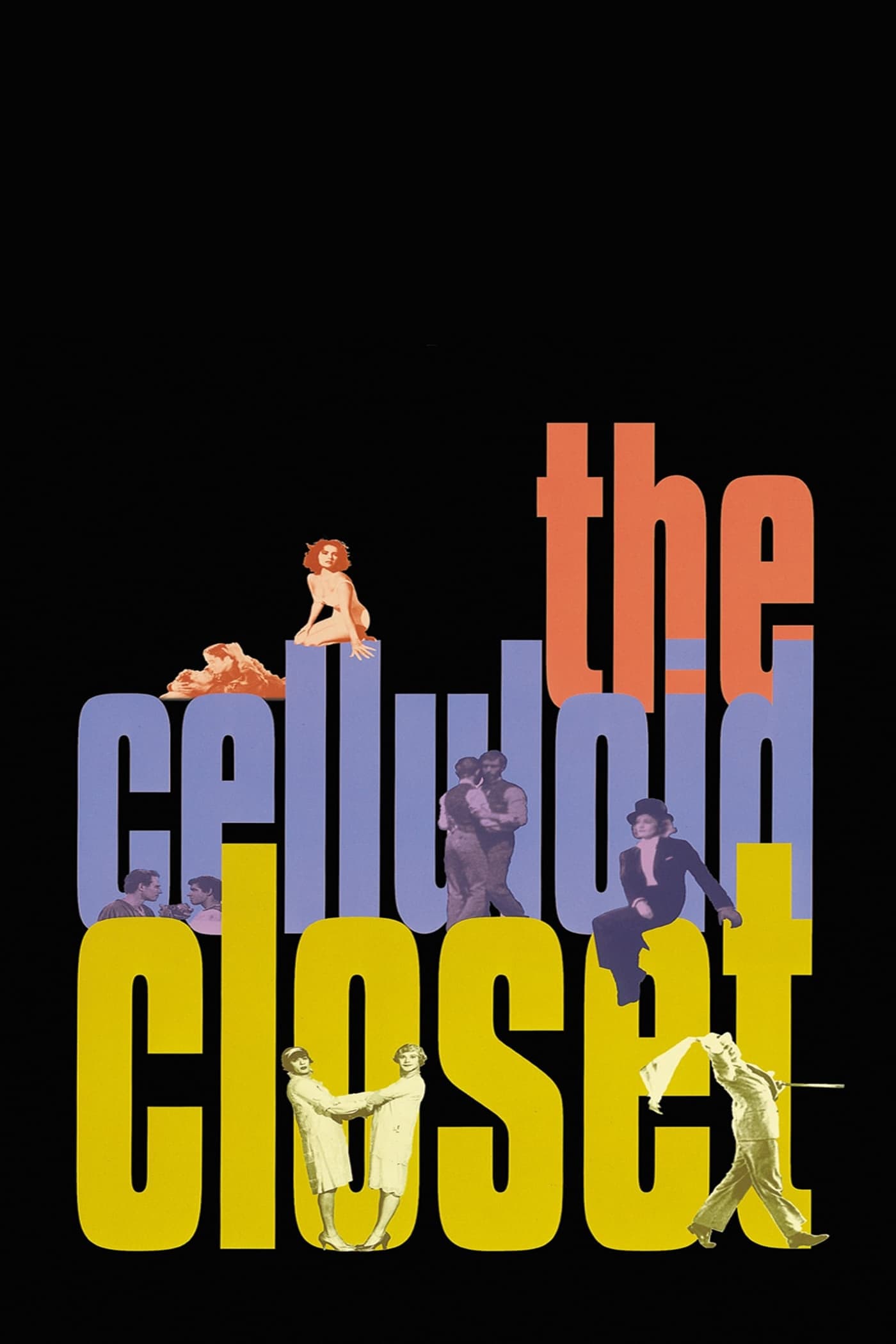
Exuberant, eye-opening movie that serves up a dazzling hundred-year history of the role of gay men and lesbians have had on the silver screen. Film contains fabulous footage from 120 films showing the changing face of cinema sexuality, from cruel stereotypes to covert love to the activist triumphs of the 1990s.
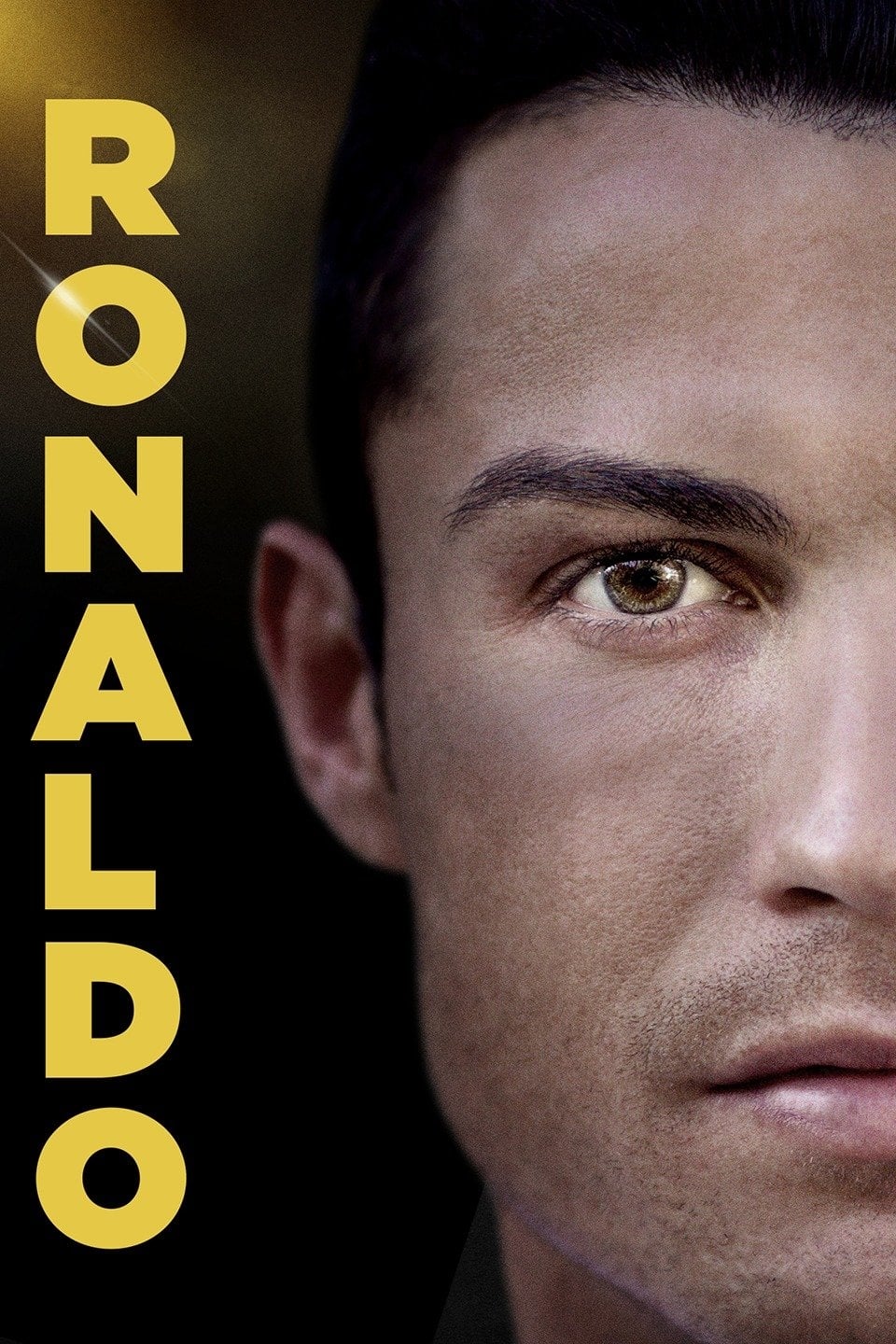
Filmed over 14 months with unprecedented access into the inner circle of the man and the sport, this is the first official and fully authorised film of one of the most celebrated figures in football. For the first time ever, the world gets vividly candid and un-paralleled, behind-closed-doors access to the footballer, father, family-man and friend in this moving & fascinating documentary. Through in-depth conversations, state of the art football footage and never before seen archival footage, the film gives an astonishing insight into the sporting and personal life of triple Ballon D'Or winner Cristiano Ronaldo at the peak of his career. From the makers of ‘Senna’ and ‘Amy’, Ronaldo takes audiences on an intimate and revealing journey of what it’s like to live as an iconic athlete in the eye of the storm.
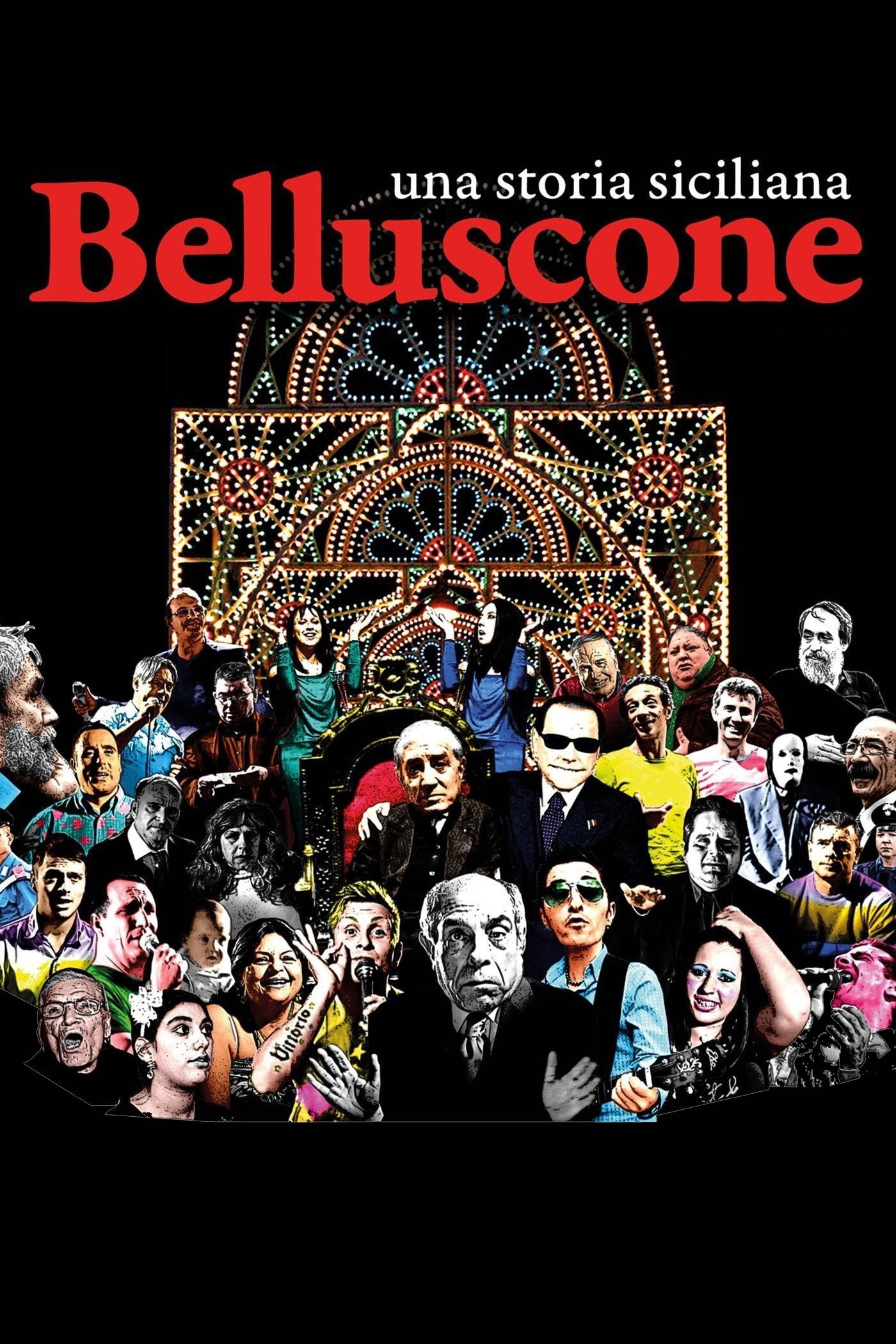
This film tells the story of three defeats: Berlusconi’s political and human defeat in his “twilight”, the one of Ciccio Mirra, Berlusconi’s unconditional supporter, deeply rooted in an ancient culture that dies hard, and the director’s artistic defeat in an Italy that recognised itself in this “Berlusconian culture” for a long time, and probably still does.
A compilation of over 30 years of private home movie footage shot by Lithuanian-American avant-garde director Jonas Mekas, assembled by Mekas "purely by chance", without concern for chronological order.
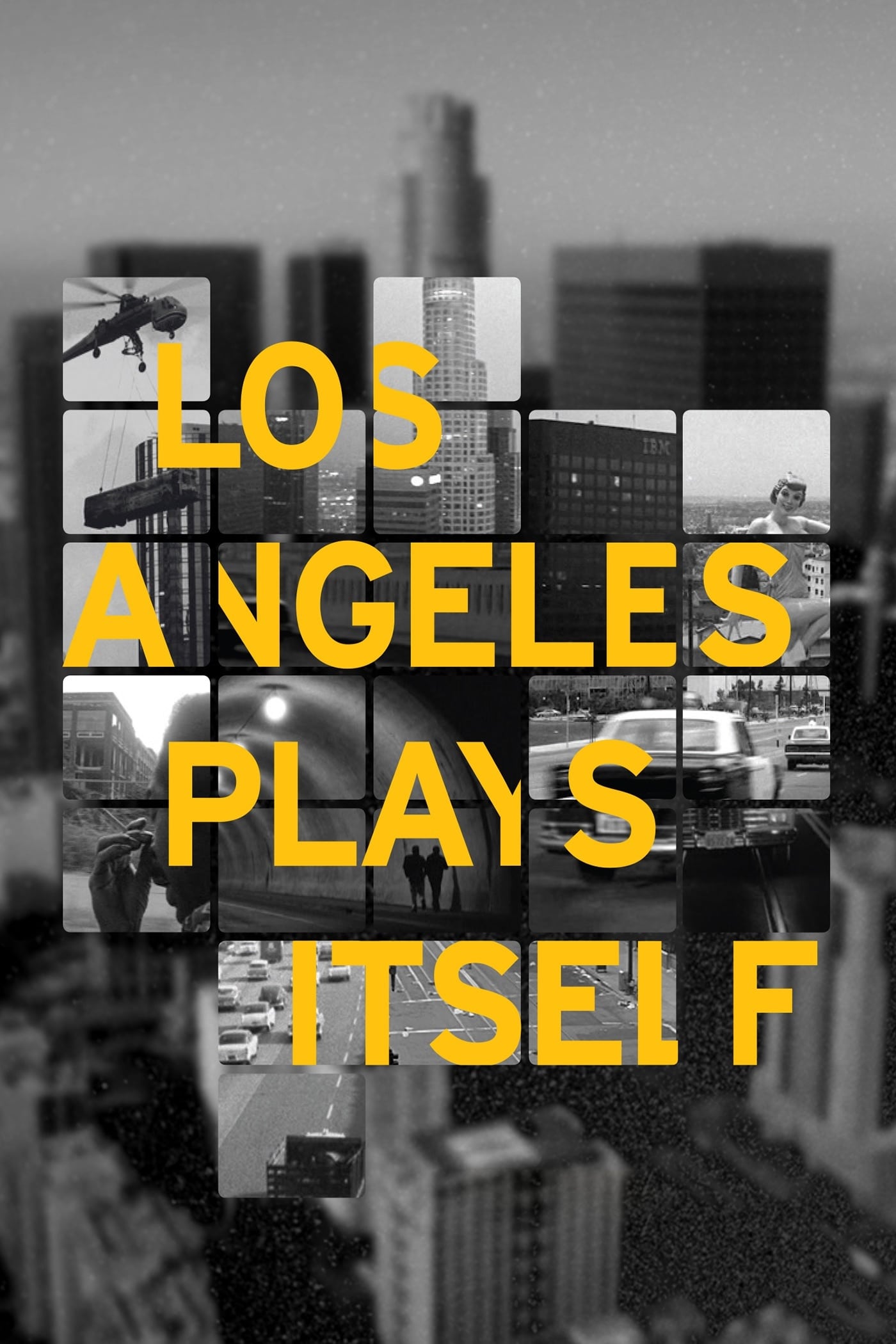
From its distinctive neighborhoods to its architectural homes, Los Angeles has been the backdrop to countless movies. In this dazzling work, Andersen takes viewers on a whirlwind tour through the metropolis' real and cinematic history, investigating the myriad stories and legends that have come to define it, and meticulously, judiciously revealing the real city that lives beneath.
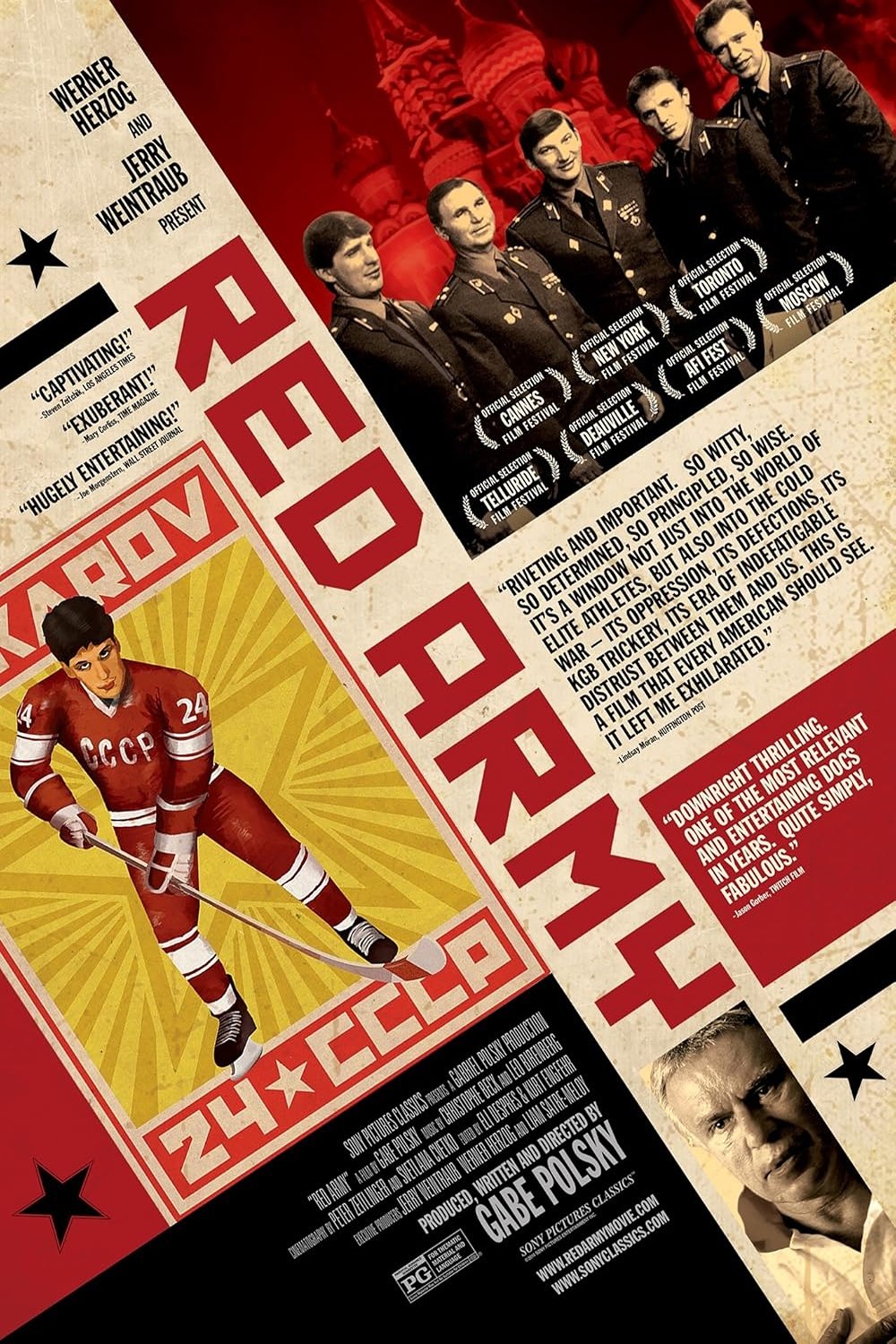
A documentary highlighting the Soviet Union's legendary and enigmatic hockey training culture and world-dominating team through the eyes of the team's Captain Slava Fetisov, following his shift from hockey star and celebrated national hero to political enemy.
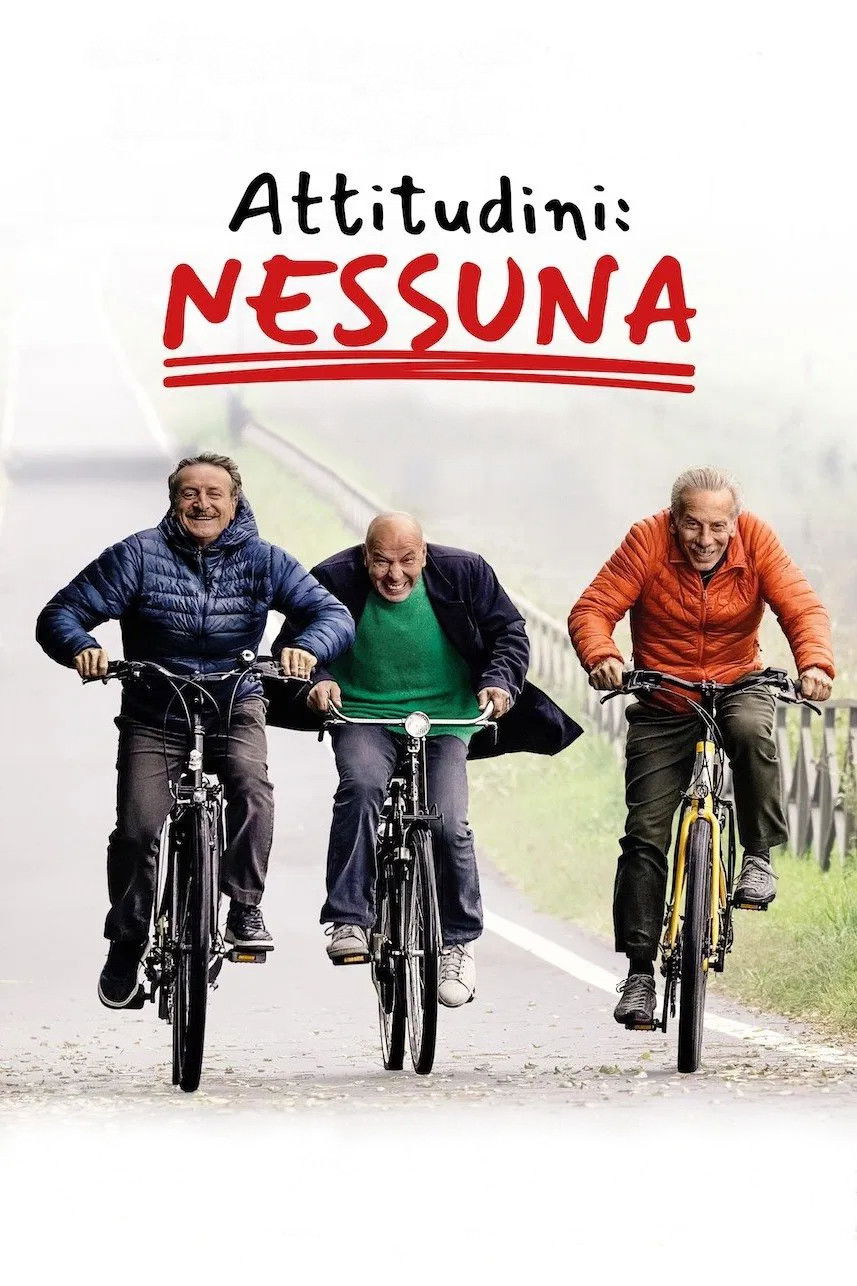
A portrait of the comic trio "Aldo, Giovanni e Giacomo".
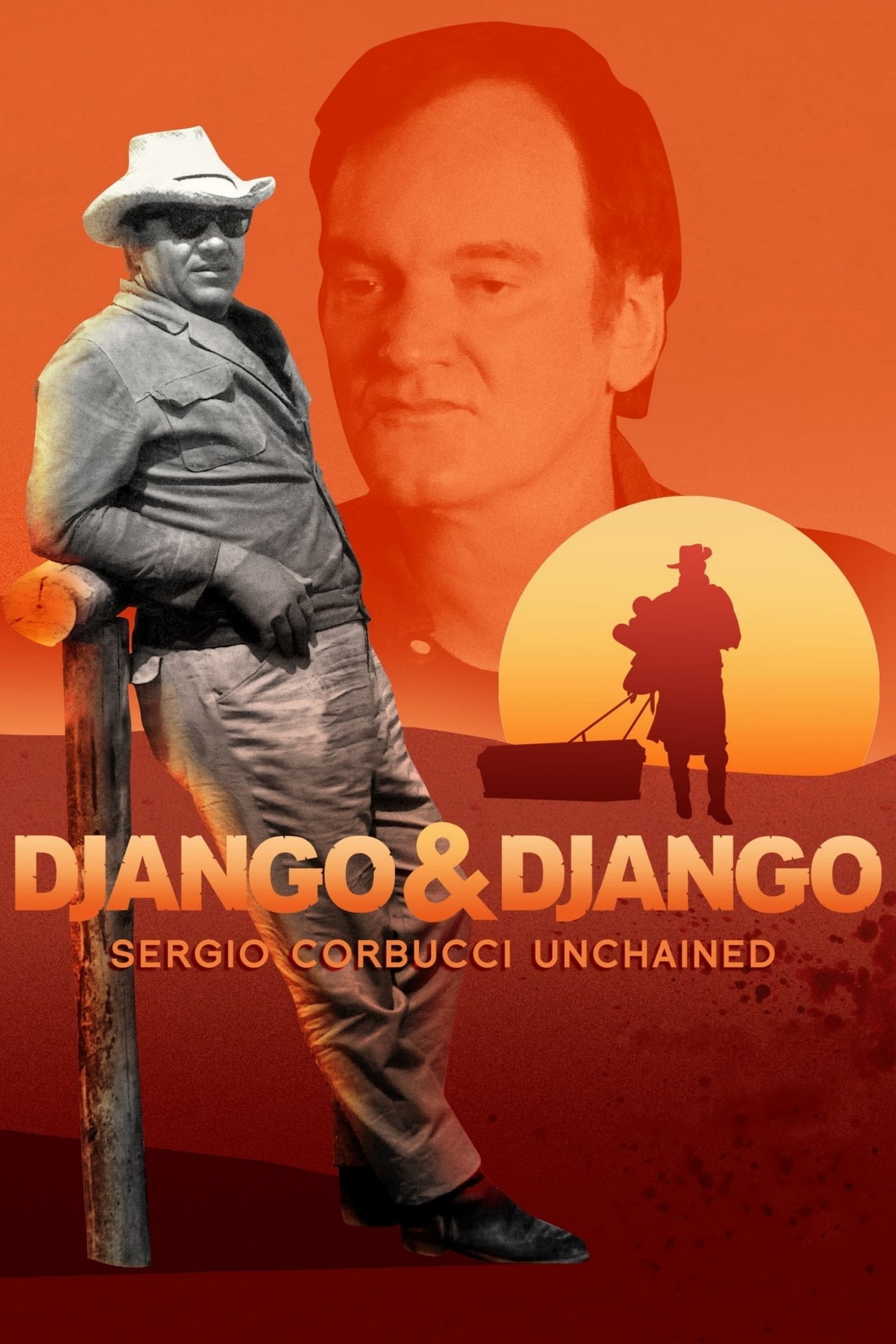
A tribute to Italian filmmaker Sergio Corbucci (1926-90), presented by American filmmaker Quentin Tarantino.
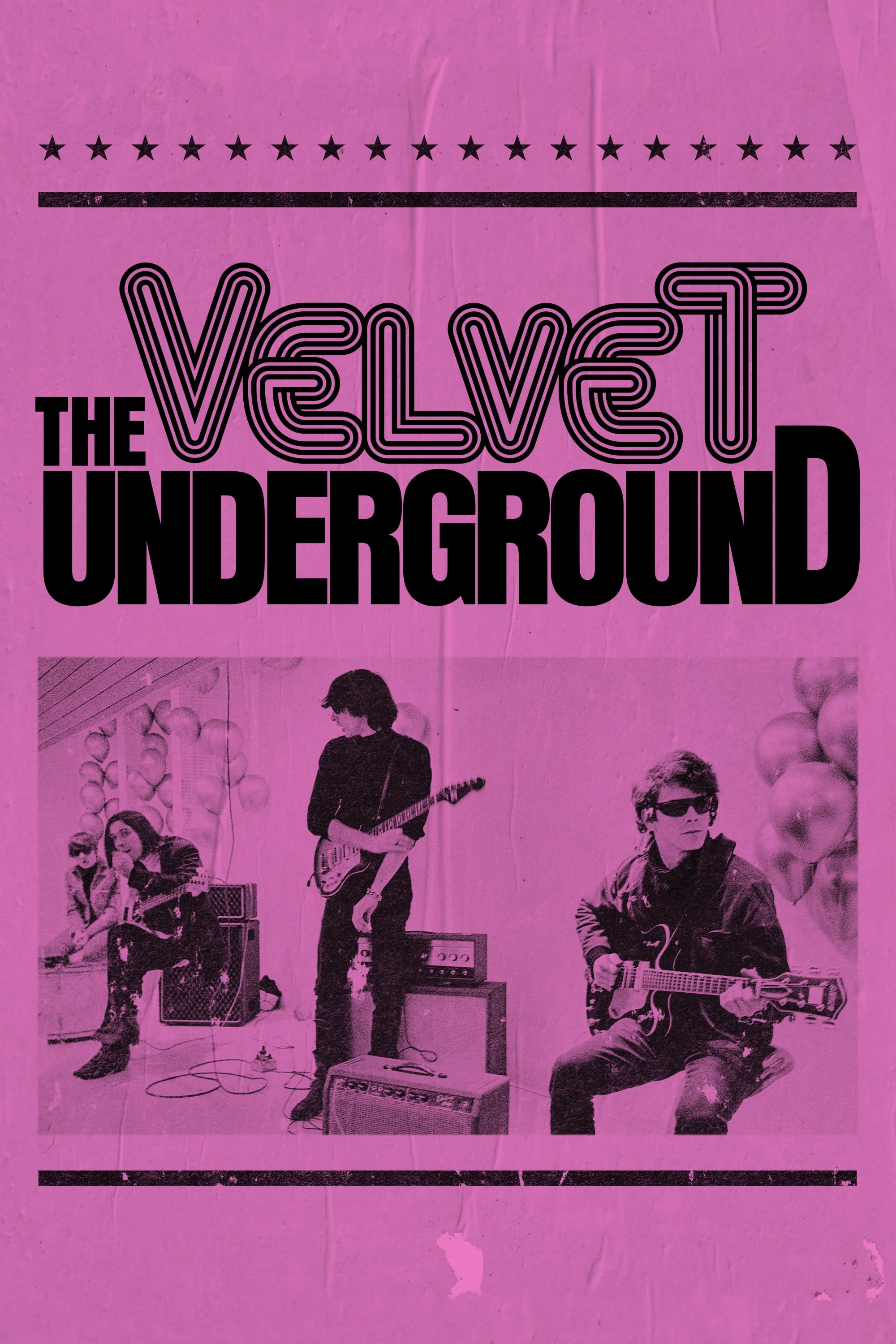
Experience the iconic rock band's legacy in the first major documentary to tell their story. Directed with the era’s avant-garde spirit by Todd Haynes, this kaleidoscopic oral history combines exclusive interviews with dazzling archival footage.
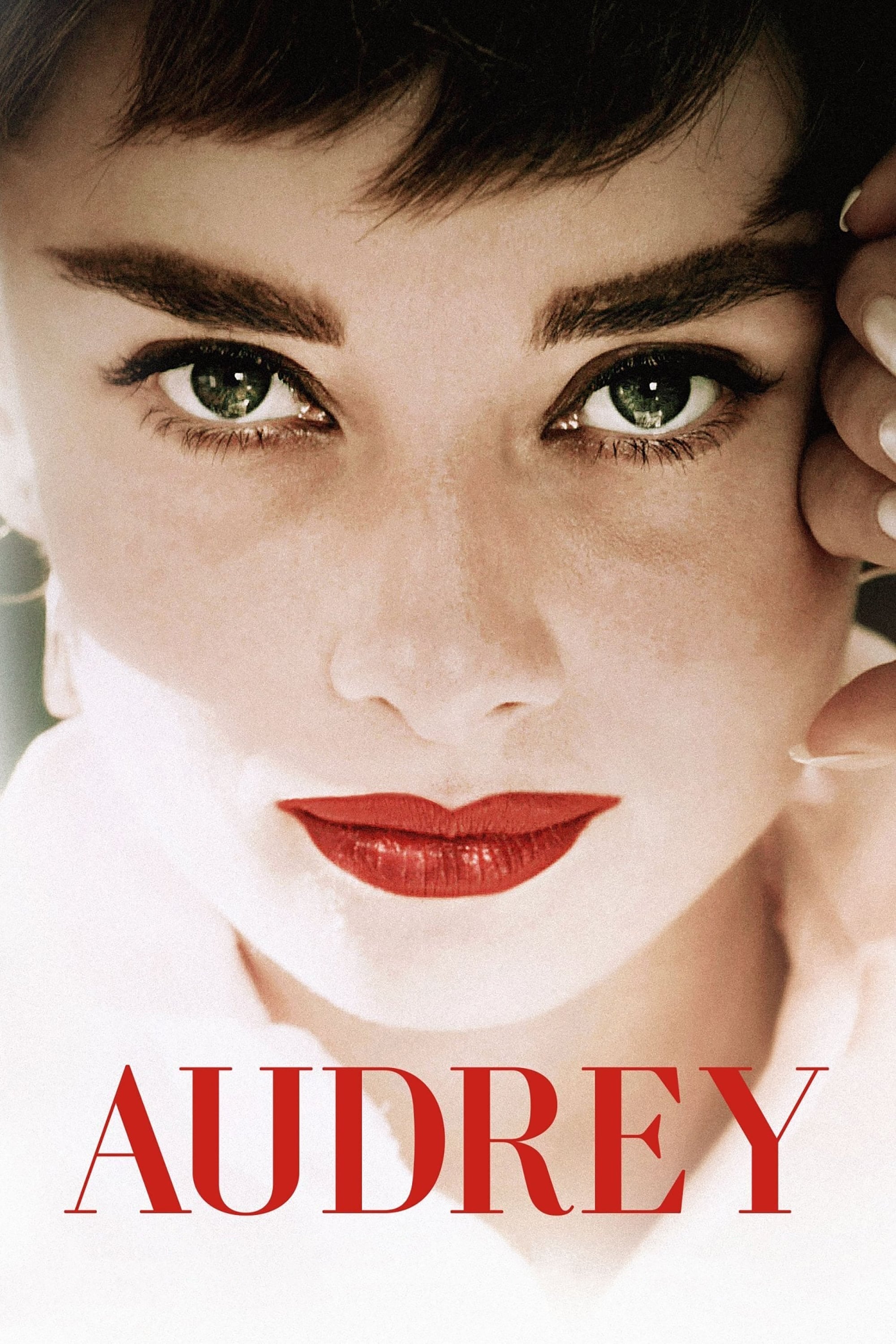
An unprecedented and intimate look at the life, work and enduring legacy of British actress Audrey Hepburn (1929-1993).
The life of a dying young man at the short age of only forty-one after playing the lead in Il postino. He was a brilliant stage actor before becoming an astonishing film director.
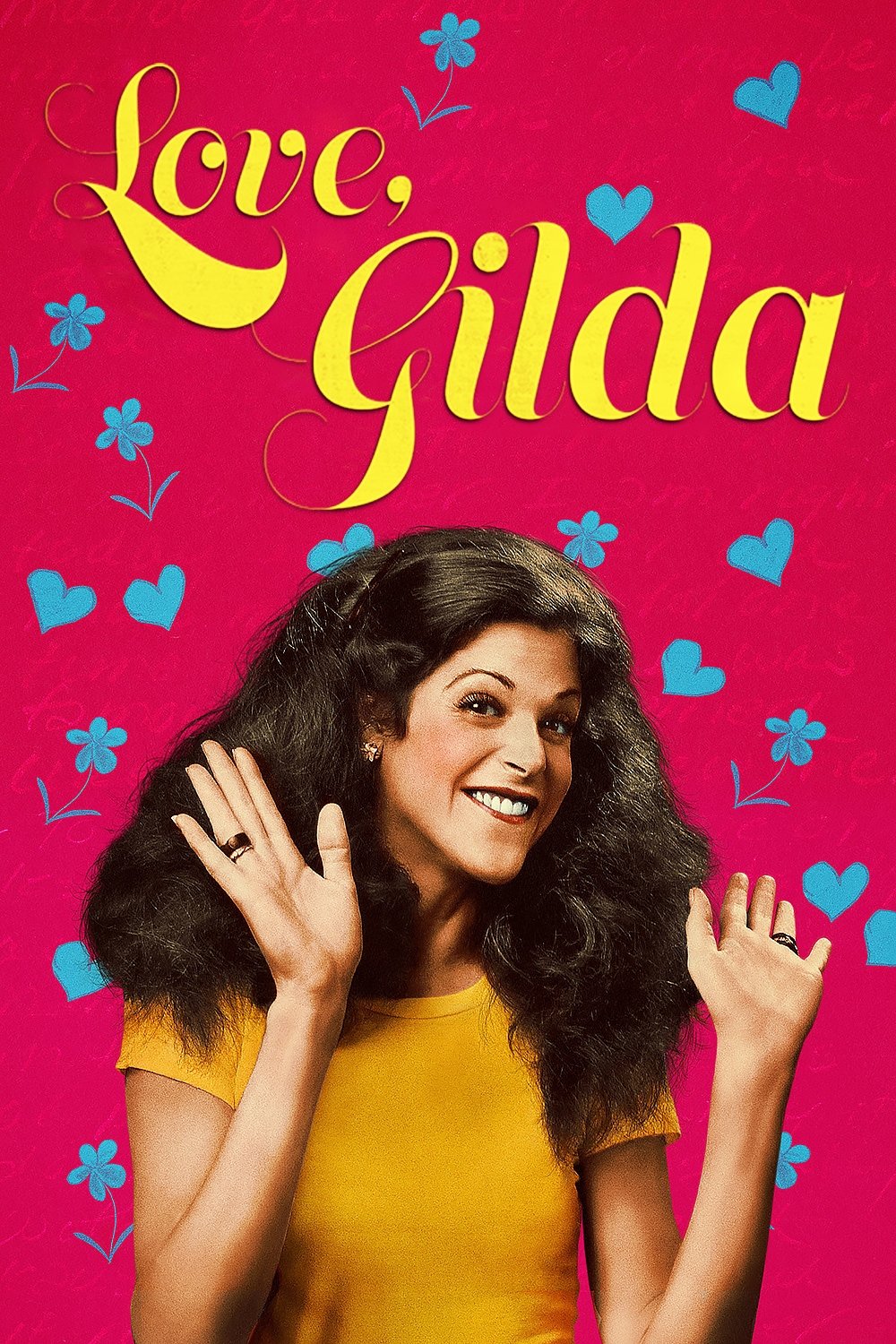
Diaries, audiotapes, videotapes and testimonials from friends and colleagues offer insight into the life and career of Gilda Radner -- the beloved comic and actress who became an icon on Saturday Night Live.
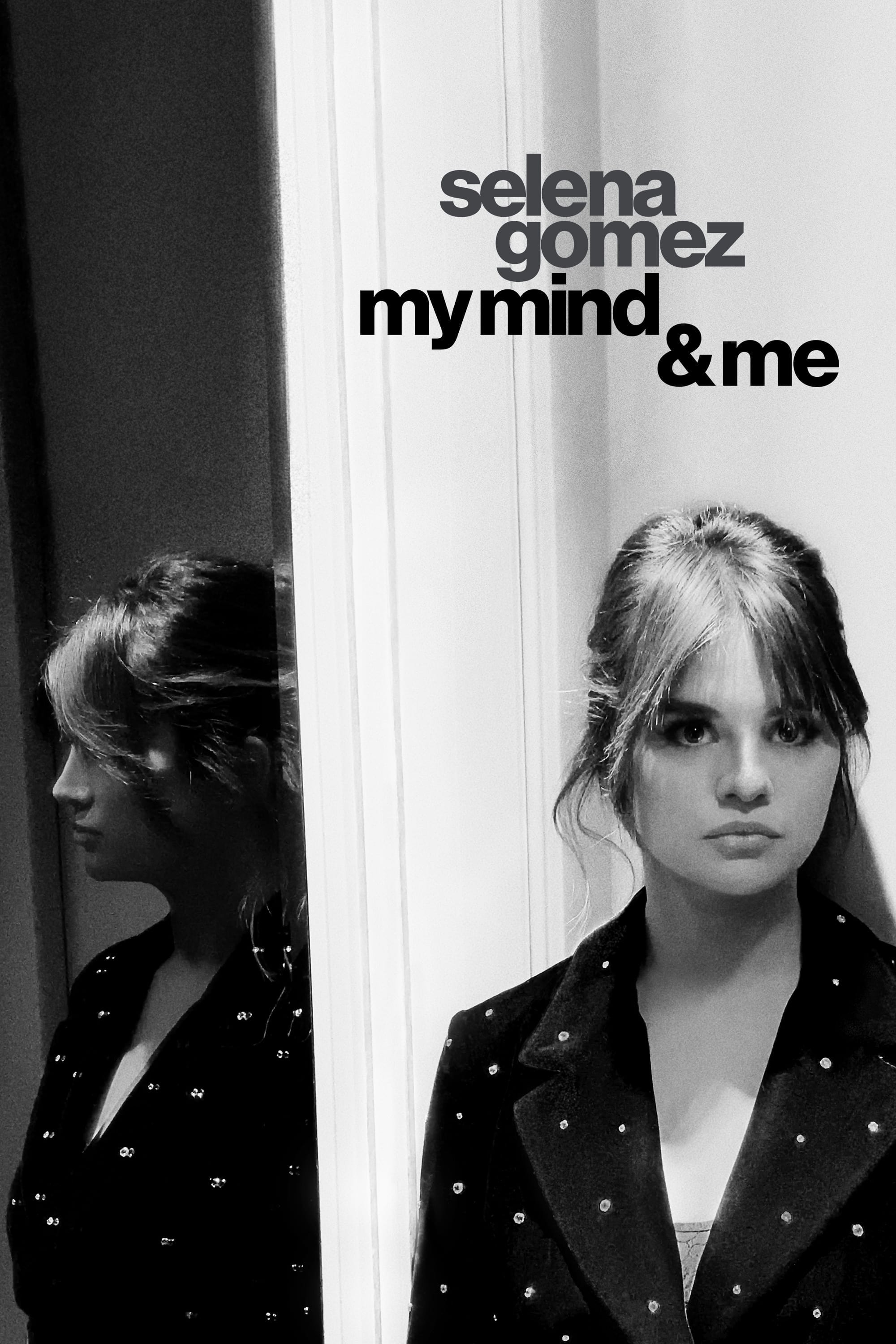
After years in the limelight, Selena Gomez achieves unimaginable stardom. But just as she reaches a new peak, an unexpected turn pulls her into darkness. This uniquely raw and intimate documentary spans her six-year journey into a new light.

In the Realms of the Unreal is a documentary about the reclusive Chicago-based artist Henry Darger. Henry Darger was so reclusive that when he died his neighbors were surprised to find a 15,145-page manuscript along with hundreds of paintings depicting The Story of the Vivian Girls, in What is Known as the Realms of the Unreal, of the Glodeco-Angelinnian War Storm, Cased by the Child Slave Rebellion.