Elders in the LGBTQ2+ community come together to navigate concerns around inclusion late in life, while learning how to support each other in a safe space that celebrates their sexuality.
Social & External
Puente de la Costa Sur, winner of the San Francisco Foundation 2004 Community Leadership Awards (John R. May Award) - for its creative, grassroots efforts to provide education, social justice advocacy, direct services, and community connections enabling immigrant men in rural San Mateo County to improve their living and working conditions
Honorable Ronald V. Dellums, winner of the San Francisco Foundation 2005 Community Leadership Awards (Robert C. Kirkwood Award) - for his decades of courage, leadership, and vision in championing peace, justice, diversity, and economic equality, both locally and globally, and for his impact in moving the AIDS pandemic and its solutions to the top of the global agenda.
Eva Paterson, winner of the San Francisco Foundation 2007 Community Leadership Awards (The San Francisco Foundation Award). Eva has empowered thousands of people to make their voices heard in the critical civil rights struggles of our times. Eva's passionate and longtime commitment to advancing social and racial justice through law and public policy, communications and the arts, and alliance building has had a profound local and national impact. Her vision, coalition building, and tenacity have not only won landmark cases, but have raised the visibility and impact of the justice movement to change the very fabric of our society.
Elizabeth "Betita" Martinez, winner of the San Francisco Foundation 2008 Community Leadership Awards (The San Francisco Foundation Award) - for building unity and alliances across traditional racial and gender lines, and for serving as a selfless and inspirational advocate for oppressed peoples around the world.
An archival documentary about the U.S. military’s response to the political and racial injustices of the late 1960s: take a military base, build a mock inner-city set, cast soldiers to play rioters, burn the place down, and film it all.
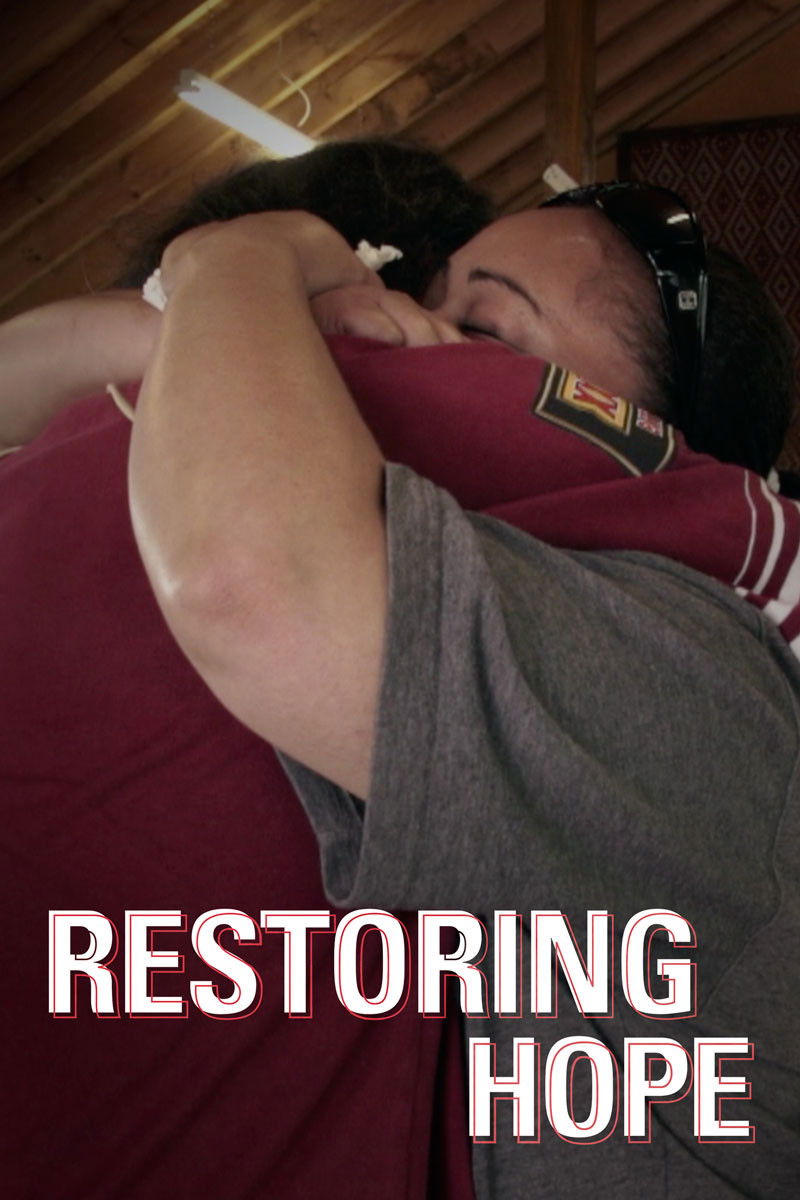
This often confronting documentary observes a Māori restorative justice model through the eyes of straight-talking Mike Hinton, manager of Restorative Justice at Manukau Urban Māori Authority. The bringing together of victims (including wider whānau) and offenders may offer an alternate way forward for "a criminal justice system failing too many and costing too much”. Restoring Hope kicked off Māori Television’s 2013 season of Sunday night documentaries. In a Herald On Sunday preview, Sarah Lang argued it was “enough to restore hope in local documentary-making.” I’m in an arena where people have high emotions, they get stressed and pressured. I’m reasonably confident that I can avoid situations where I’ll be unsafe. I don’t have any death wish — I’ve got a game of golf tomorrow. – Mike Hinton, on the dangers of the job
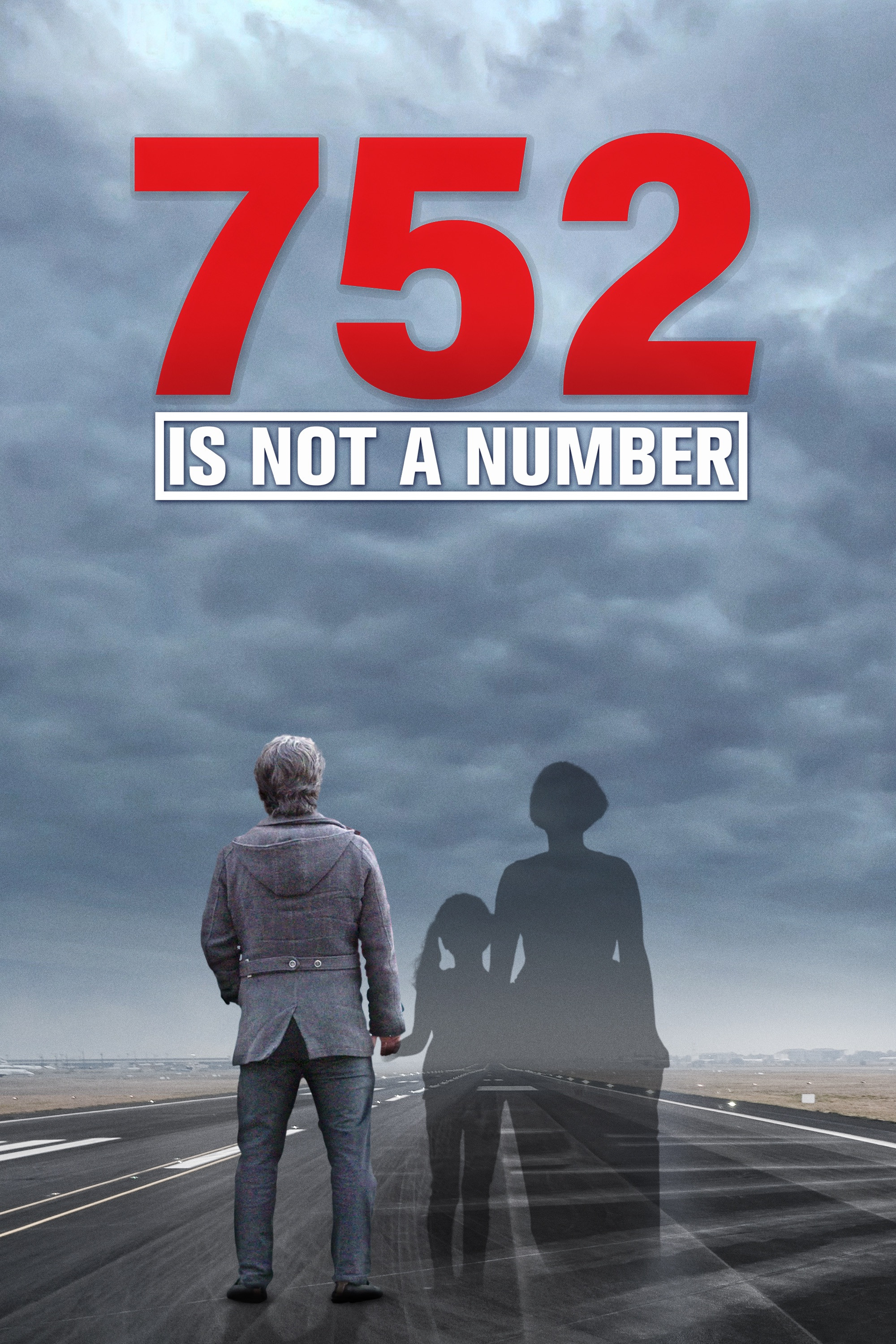
On January 8, 2020, Ukraine International Airlines Flight 752 went down as it was leaving Iranian air space. All 176 people on board were killed, many of them Iranian Canadians. For weeks Iranian authorities vociferously denied responsibility, but foreign governments and agencies were certain the plane was shot down by Iranian military, a fact Iran’s government eventually admitted. There were no answers as to why the plane was fired on or even why it was allowed to take off, since hostilities had broken out in the region in preceding days.



The world knows the image of the good Canadian. But what if there was a dark secret behind a national identity? THE GOOD CANADIAN exposes the truth behind the idea of a True North strong and free. In this unflinching and eye-opening documentary, directors Leena Minifie and David Paperny move us through the corridors of systemic inequity, from the Indian Act to residential schools, to modern-day family separation. Fusing shocking footage with detailed interviews with experts, advocates, whistleblowers and politicians, THE GOOD CANADIAN challenges national myth-making, while offering Canadians the chance to forge a new identity from the truth.
Journalist Catriona MacPhee goes undercover as a cleaner at Castlehill Care Home in the Scottish Highlands, spending around seven weeks in the role. The documentary reveals deeply troubling conditions: neglect of basic care tasks, inattention to residents, inadequately followed care plans, staff shortages, unsanitary conditions, emotional distress among residents, and instances of intimidation or mistreatment. The film aims not only to expose failings at Castlehill but to raise broader questions about care home regulation, staffing, dignity, and accountability in the care sector.
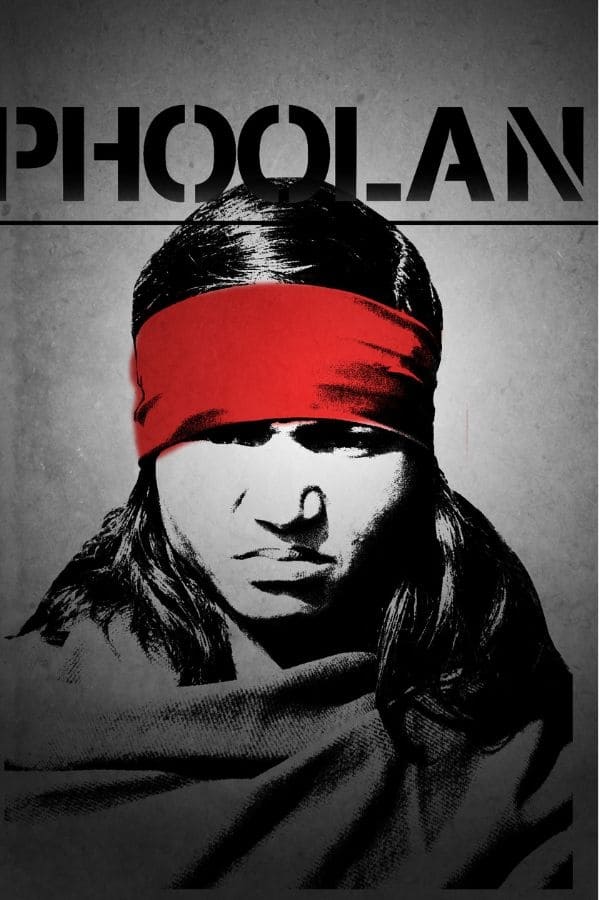
Phoolan is a documentary film about the extraordinary life of a village girl, gang-rape survivor, bandit leader, and finally parliamentarian. This is the story of one woman’s fight against incredible odds for justice and dignity. Known as India’s Bandit Queen, Phoolan Devi is considered by many to be one of the most extraordinary and controversial women of our time.
In Iraq 2003 Corporal Martin Webster filmed fellow soldiers beating Iraqi youths during rioting in Al Amara. Two years later, a British newspaper obtained his footage. The story that ran led to outrage across the world.
A Minneapolis high school football team, coached by dedicated police officers, battle for a championship amid COVID school closures, the death of George Floyd, and the resulting riots that set a community on edge.
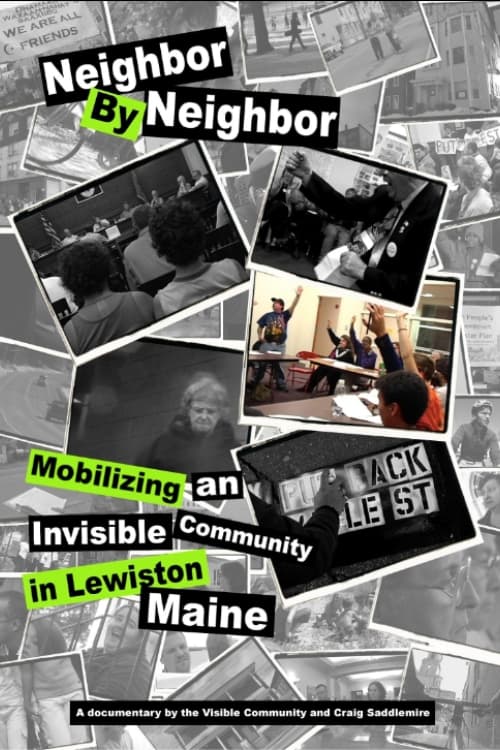
In the summer of 2004, the Mayor of Lewiston, Maine announced a plan to develop a four-lane boulevard across downtown's low-income neighborhood. This project was called "The Heritage Initiative." Contrary to its name, this plan was going to eliminate the downtown's heritage by displacing 850 people from their homes as well as destroy playgrounds, vegetable gardens, and historic buildings. Moving residents out of the city and improving traffic flow was at the heart of this proposal... It was 1960's Urban Renewal all over again. As tragic as the circumstances were, the threat of a road destroying the neighborhood required residents to rise to the challenge of becoming *community organizers. This movie documents 5 years of development and community organizing in Lewiston. It's an exceptional story about the people of Lewiston, but it's also a universal story about the challenges faced by many urban neighborhoods across the United States.
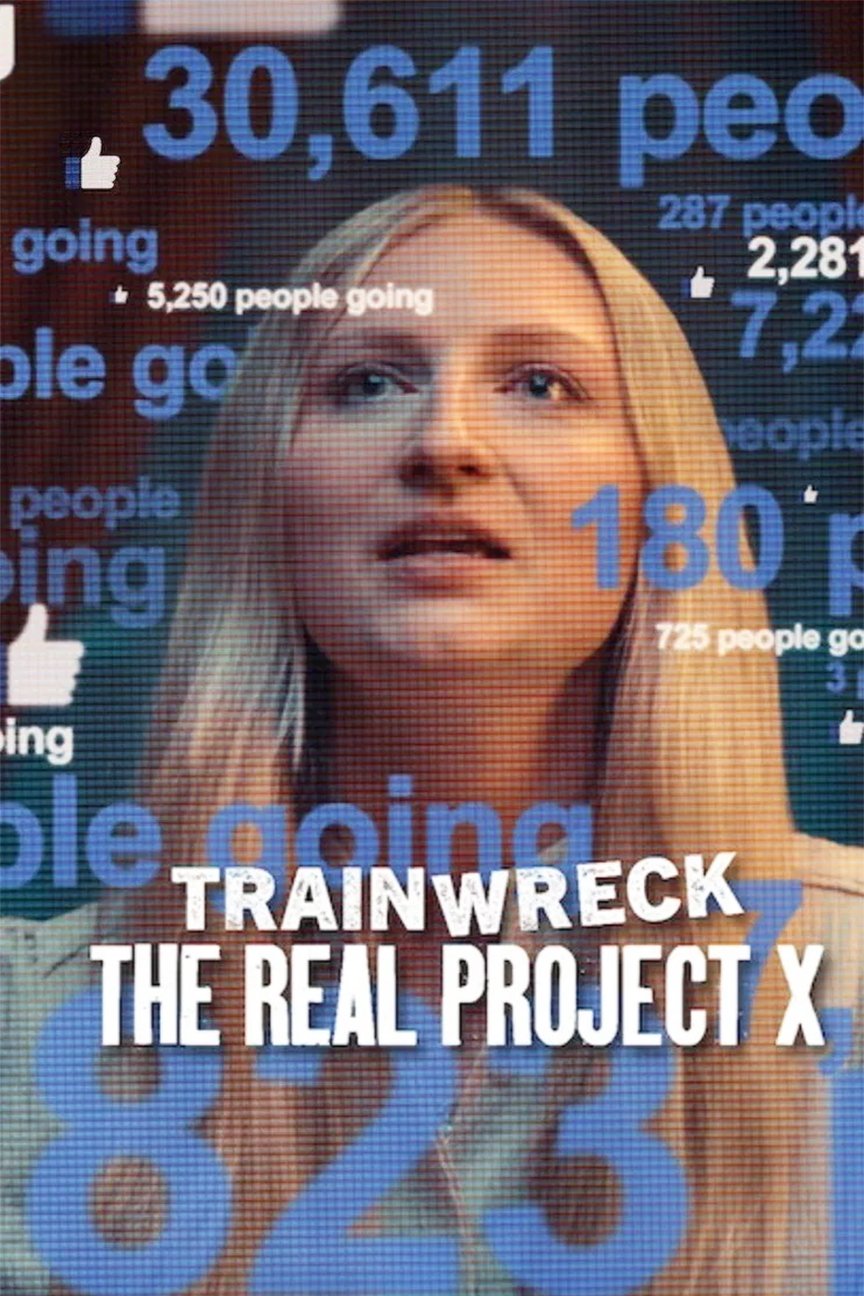
In a country that prides itself on democracy, a group of activists, known for chalking messages and holding signs, faces a terrifying escalation: repression so severe that their right to speak freely becomes their last, desperate stand.
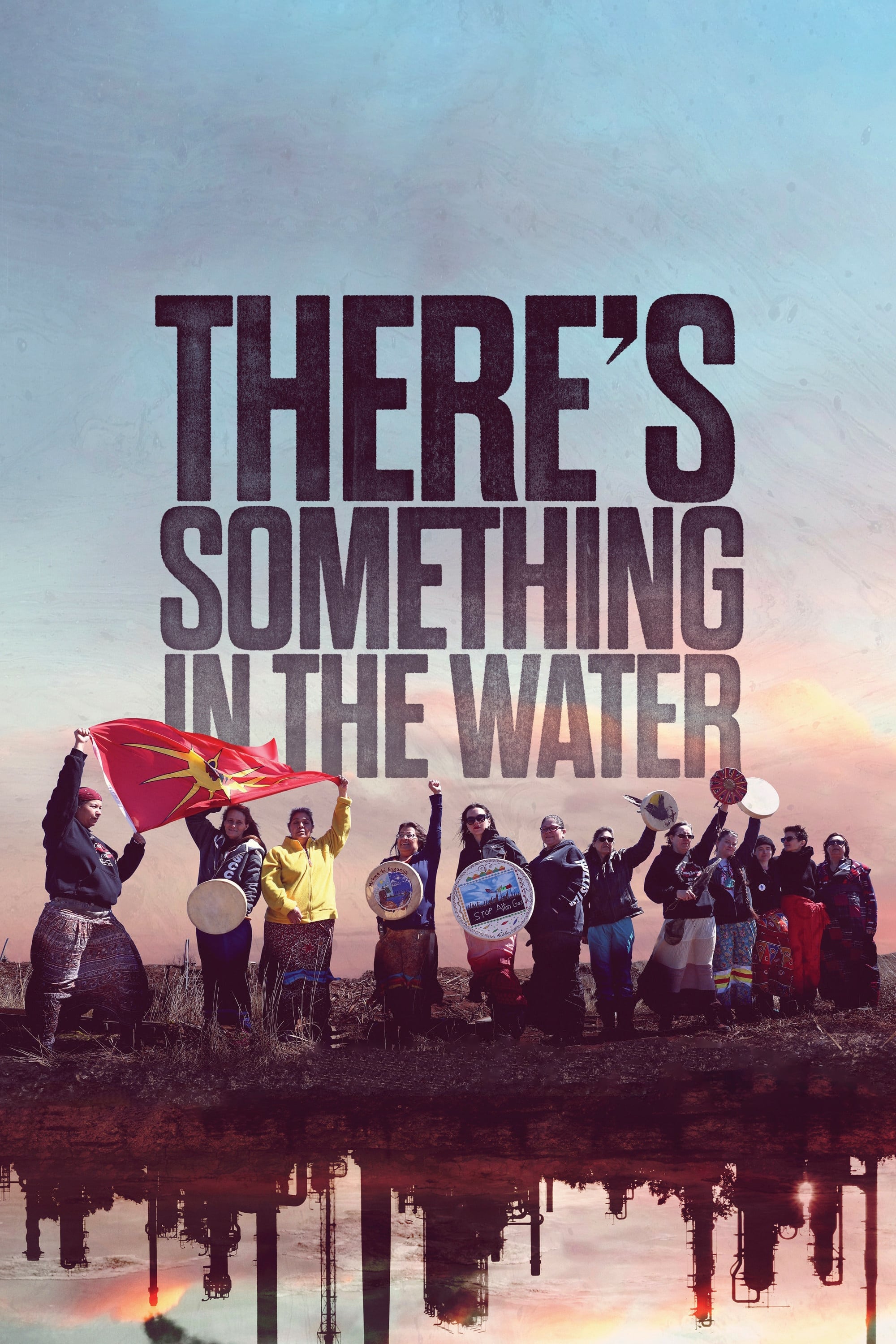
Elliot Page brings attention to the injustices and injuries caused by environmental racism in his home province, in this urgent documentary on Indigenous and African Nova Scotian women fighting to protect their communities, their land, and their futures.
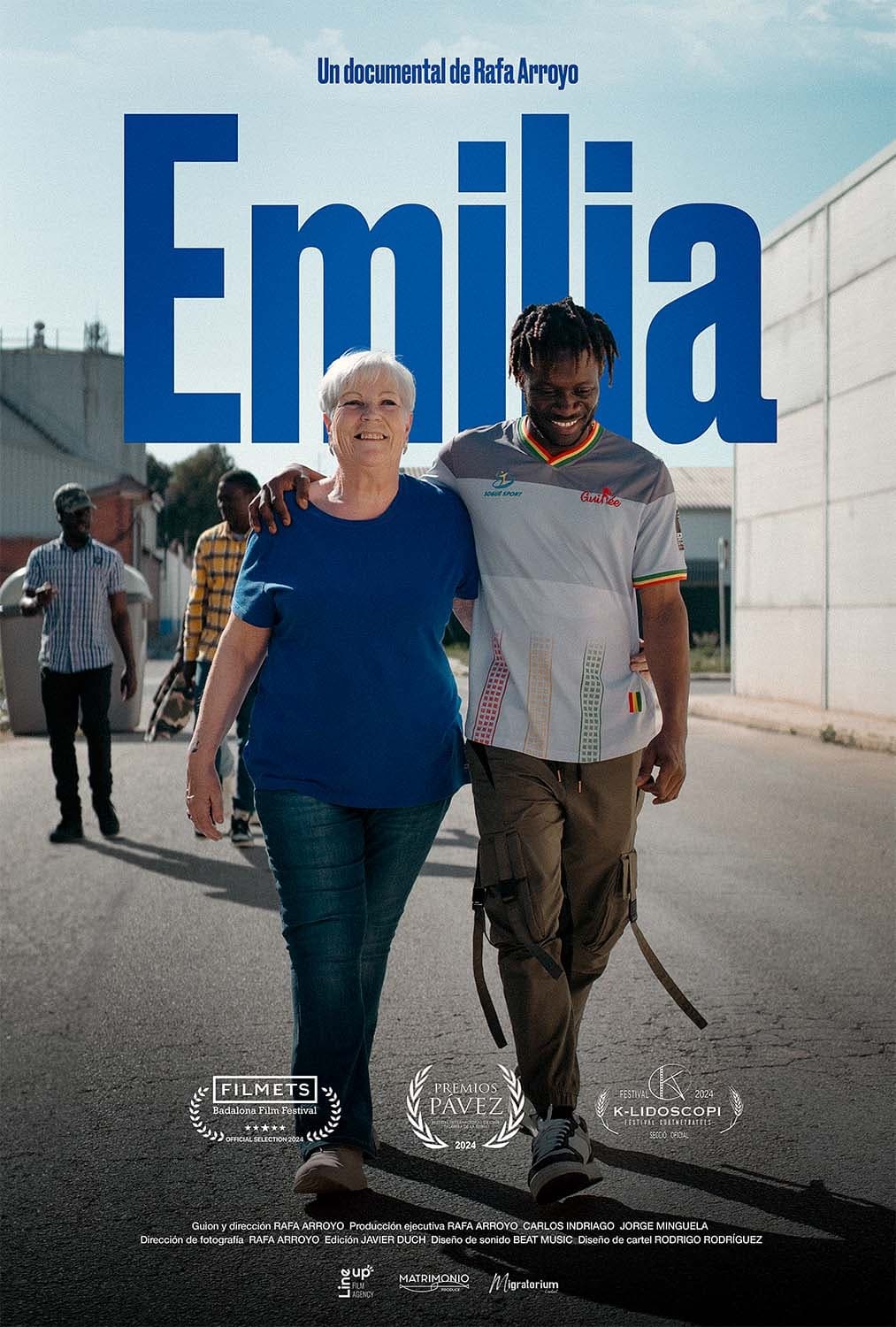
A young woman from Barcelona's La Mina neighborhood inquires into the past of the Roma people in this documentary about the persecution of the Roma people.
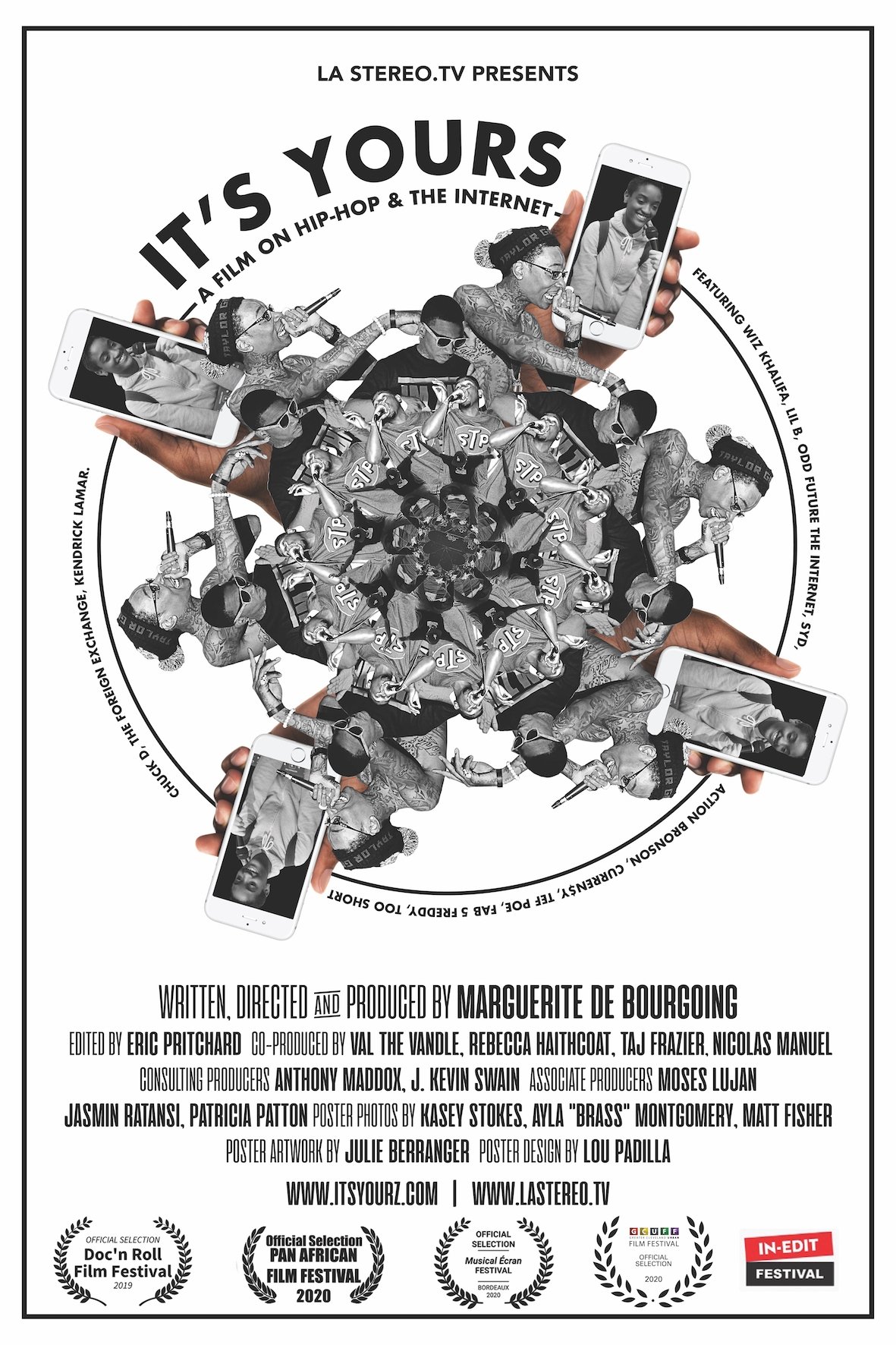
By the dawn of the 21st century, hip-hop sales had reached an all-time high, but one thing has remained the same. The doors were still locked, and the music industry held the keys. Young artists began to self-market on the Internet, ultimately helping to collapse the music industry as we knew it. It’s Yours explores how it became possible to become a rap star through a Twitter account, YouTube site or Myspace page. It tells this story through the unique perspectives of numerous artists, producers, record industry insiders, and music and cultural critics.
Benoît built his paradise hidden from view, emancipated in his own way, resolved to face the constraints of a space which, in imaginations, conflicts with his identity. The countryside. One day, he and other queers from the area decide to organize the first Pride of the Périgord vert, because it is time to come out, to take up space to celebrate, heal, and finally open a path.
Featuring unprecedented access inside the White House and State Department, The Final Year offers an uncompromising view of the inner workings of the Obama Administration as they prepare to leave power after eight years.
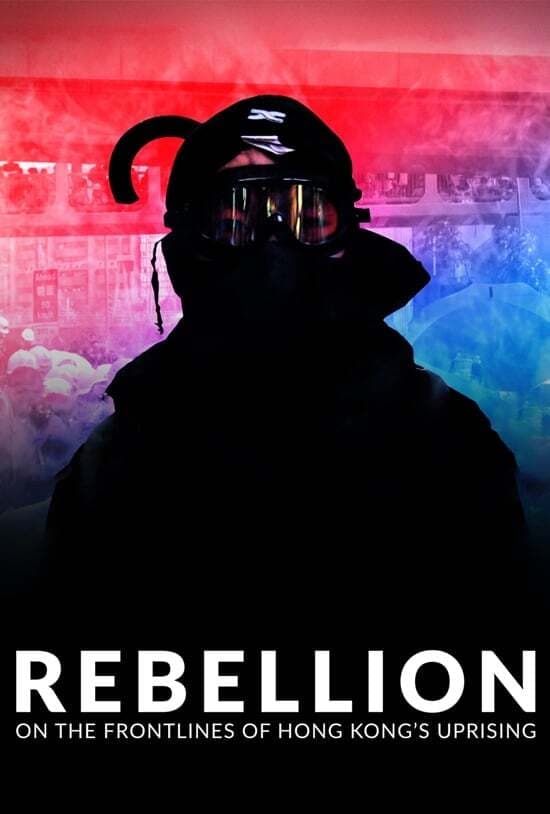
As the 'one country two systems' policy in Hong Kong has slowly eroded, resentment among the territory's citizens has steadily grown. What began as a series of spontaneous protests against an extradition law in March 2019 has now escalated in to a full-blown popular uprising that shows no signs of abating. ABC Four Corners reports from the frontline of the action, capturing extraordinary footage of the growing tension and violence.
This searing investigative work shadows a group of activists risking unimaginable peril to confront the ongoing anti-LGBTQ program raging in the repressive and closed Russian republic. Unfettered access and a remarkable approach to protecting anonymity exposes this under-reported atrocity–and an extraordinary group of people confronting evil.
Marlon Riggs, with assistance from other gay Black men, especially poet Essex Hemphill, celebrates Black men loving Black men as a revolutionary act. The film intercuts footage of Hemphill reciting his poetry, Riggs telling the story of his growing up, scenes of men in social intercourse and dance, and various comic riffs, including a visit to the "Institute of Snap!thology," where men take lessons in how to snap their fingers: the sling snap, the point snap, the diva snap.
Exuberant, eye-opening movie that serves up a dazzling hundred-year history of the role of gay men and lesbians have had on the silver screen. Film contains fabulous footage from 120 films showing the changing face of cinema sexuality, from cruel stereotypes to covert love to the activist triumphs of the 1990s.
Martin Scorsese’s portrait of writer and social commentator Fran Lebowitz, celebrated for her sharp wit and observations on modern life. Filmed at New York’s Waverly Inn and intercut with archival footage and interviews, the documentary captures Lebowitz’s distinctive worldview through her spontaneous monologues and public appearances.
An investigation of how Hollywood's fabled stories have deeply influenced how Americans feel about transgender people, and how transgender people have been taught to feel about themselves.
The life and career of one of comedy's most inimitable modern voices, Mr. Gilbert Gottfried.
When a feminist filmmaker sets out to document the mysterious and polarizing world of the Men’s Rights Movement, she begins to question her own beliefs. Chronicling Cassie Jaye’s journey exploring an alternate perspective on gender equality, power and privilege.
In the 1970s, five men struggling with being gay in their Evangelical church started a bible study to help each other leave the "homosexual lifestyle." They quickly received over 25,000 letters from people asking for help and formalized as Exodus International, the largest and most controversial conversion therapy organization in the world. But leaders struggled with a secret: their own “same-sex attractions” never went away. After years as Christian superstars in the religious right, many of these men and women have come out as LGBTQ, disavowing the very movement they helped start. Focusing on the dramatic journeys of former conversion therapy leaders, current members, and a survivor, PRAY AWAY chronicles the “ex gay" movement’s rise to power, persistent influence, and the profound harm it causes.
A documentary about how a dominant cultural and demographic institution both sustains their traditional activities and adapts to the digital revolution.
A deliciously scandalous portrait of unsung Hollywood legend Scotty Bowers, whose bestselling memoir chronicled his decades spent as sexual procurer to the stars.
Embrace follows body image activist Taryn Brumfitt's crusade as she explores the global issue of body loathing, inspiring us to change the way we feel about ourselves and think about our bodies.
Nude men in rubber suits, close-ups of erections, objects shoved in the most intimate of places—these are photographs taken by Robert Mapplethorpe, known by many as the most controversial photographer of the twentieth century. Openly gay, Mapplethorpe took images of male sex, nudity, and fetish to extremes that resulted in his work still being labelled by some as pornography masquerading as art. But less talked about are the more serene, yet striking portraits of flowers, sculptures, and perfectly framed human forms that are equally pioneering and powerful.
The film MISS REPRESENTATION exposes how American youth are being sold the concept that women and girls’ value lies in their youth, beauty and sexuality. Explores the under-representation of women in positions of power and influence in America, and challenges the media's limited portrayal of what it means to be a powerful woman. It’s time to break that cycle of mistruths.
A tribute to Chadwick Boseman, celebrating his life and legacy.
A documentary on the expletive's origin, why it offends some people so deeply, and what can be gained from its use.
Acclaimed for his unfiltered reporting and deadpan humor, Andrew Callaghan brings his gonzo style reporting to the undercurrents that led to the January 6 Capitol Riot. As one of the best-known and hardest working journalists of his generation, the 25-year-old ventures on a wild RV journey through America to take the pulse of a divided nation.
Though legendary lyricist Howard Ashman died far too young, his impact on Broadway, movies, and the culture at large were incalculable. Told entirely through rare archival footage and interviews with Ashman’s family, friends, associates, and longtime partner Bill Lauch, Howard is an intimate tribute to a once-in-a-generation talent and a rousing celebration of musical storytelling itself.
Interview with Jason Holliday aka Aaron Payne. House-boy, would-be cabaret performer, and self-proclaimed hustler giving one man's gin-soaked, pill-popped view of what it was like to be black and gay in 1960s United States. Preserved by the Academy Film Archive in partnership with Milestone Films in 2013.
Those who knew iconic funnyman John Candy best share his story, in their own words, through never-before-seen archival footage, imagery, and interviews.
Throughout the 1950s, Tab Hunter reigned as Hollywood’s ultimate male heartthrob. But throughout his years of stardom, Tab had a secret. Tab Hunter was gay, and spent his Hollywood years in a precarious closet that repeatedly threatened to implode and destroy him. Tab Hunter himself shares first hand, for the first time, what it was like to be a studio manufactured movie star during the Golden Age of Hollywood and the consequences of being someone totally different from his studio manufactured image.