The first part of the documentary about the work of the Czech painter Mikoláš Alš called "The Song of Life", which focuses on the part of his work that draws its themes from life in the village.
Social & External
With a pair of scissors and some paper, he turned his art into a weapon the Nazis feared. A look back at the eventful career of satirist John Heartfield (1891-1968), pioneer of photomontage and modern graphic design.
Narrated by Sir Derek Jacobi - star of the landmark television series "I, Claudius" - this documentary explores art and culture around the Bay of Naples before Mount Vesuvius erupted in AD 79. The bay was then the most fashionable destination for vacationing Romans. Julius Caesar, emperors, and senators were among those who owned sumptuous villas along its shores. Artists flocked to the region to create frescoes, sculpture, and luxurious objects in gold, silver, and glass for villa owners as well as residents of Pompeii and other towns in the shadow of Vesuvius. The film concludes with the story of the discovery of Pompeii and Herculaneum from the 18th century onward.
A short documentary on how people view art and its value in today's society.
At work on his Elegies and Windows series, Motherwell examines his place in the Abstract Expressionist movement, which he calls the first original American movement in the "mainstream," and its practitioners "the last romantics." He distinguishes between his large paintings and his intimate papier collée. Motherwell recollects the state of American art in the 1940s and the impact of European emigré painters on the younger generation of emerging artists. He discusses the significance of collage, or papier collée, as an artist's medium and explains how he first became involved with this process. Motherwell offers his interpretations of earlier directions in art and his response to the object oriented painting that emerged in America in the 1960s. A unique document of one of the founding members of the New York School. He died in 1991.
“Christo: Works in Progress” takes us around the world on a showcase of the artist’s grand environmental installations. With both critique and praise from members of the communities that have hosted Christo and his works, the film takes a deep look into the process and outcome of pieces such as Wrapped Coast, Running Fence, and Wrapped Walkways. While discussing his inspirations and motives, Christo states, “The work of art is not the fabric, steel poles and cable, the work of art is the hills and the ocean, the sky, the gates, the rocks, the people, the light- this is the work of art.” (Christo Vladimirov Javacheff) Though his work may appear to be visually distracting from the landscapes he creates in, Christo’s aim is to bring attention to the land itself and encourage people to take note of their surroundings.
Stuart Cooper's short about the work of Spanish artist Juan Genovés is an inspired introduction to the works of this extraordinary artist, exploring its minimalist aesthetic and storytelling qualities through a variety of cinematic techniques, including rostrum, animation, news footage and live action recreations.
The inner world of the great painter Max Ernst is the subject of this film. One of the principal founders of Surrealism, Max Ernst explores the nature of materials and the emotional significance of shapes to combine with his collages and netherworld canvases. The director and Ernst together use the film creatively as a medium to explain the artist's own development.
Light is a fascinating phenomenon. Without light, there would be no cinema, no film – and no life. So light is at the origin of everything, and yet it remains invisible to the eye until it hits matter. This moment is – quite literally – the starting point of Thomas Riedelsheimer’s latest work, for the springtime spectacle of rainbow shreds in the cinematographer and documentary filmmaker’s flat became the starting point of a search for the origin of the images we form of this world. For this quest he dived deep into two spheres that seem to follow different laws but always strive to fathom the magical: physics and art.
After World War II a group of young writers, outsiders and friends who were disillusioned by the pursuit of the American dream met in New York City. Associated through mutual friendships, these cultural dissidents looked for new ways and means to express themselves. Soon their writings found an audience and the American media took notice, dubbing them the Beat Generation. Members of this group included writers Jack Kerouac, William Burroughs, Allen Ginsberg. a trinity that would ultimately influence the works of others during that era, including the "hippie" movement of the '60s. In this 55-minute video narrated by Allen Ginsberg, members of the Beat Generation (including the aforementioned Burroughs, Anne Waldman, Peter Orlovsky, Amiri Baraka, Diane Di Prima, and Timothy Leary) are reunited at Naropa University in Boulder, CO during the late 1970's to share their works and influence a new generation of young American bohemians.
Andrew Marr interviews David Hockney about his exhibition A Bigger Picture at the Royal Academy, made up of works depicting the landscape of his native Yorkshire.
Director Philip Haas and artist David Hockney invite you to join them on a magical journey through China via a marvelous 72-foot long 17th-century Chinese scroll entitled The Kangxi Emperor's Southern Inspection Tour (1691-1698), scroll seven . As Hockney unrolls the beautiful and minutely detailed work of art, he traces the Emperor Kangxi’s second tour of his southern empire in 1689.
Cyprien Tokoudagba is from the city of Abomey in the Benin Republic of West Africa, where he paints the religious houses of the vodun. Haas and his film crew follow Cyprien as he first paints and then takes part in the ceremony to open a new temple. The paintings include three vodun figures and several emblems, including a pipe and a duck. Cyprien explains his work in the context of the religion and takes the crew to film two other local ceremonies, one where the dead are believed to come back to instruct the living through wild dancing and, another, where women warriors perform their war dances.
Hardly anyone knows the artist, but almost everyone knows her paintings: Tamara de Lempicka, icon of the 1920s. Her art deco paintings of women in cars or in evening dress adorn book covers and break auction records. But who was she? The ARTE documentary by Grimme Prize-winning author Sylvie Kürsten ventures a self-portrait of Lempicka, narrated and played by Nicole Heesters.
Encouraging visitors to engage and connect with on site artist's, Artpark provides a unique environment for those craving culture away from the whirring city. Located in Lewiston, New York the outdoor venue opens itself to artists, musicians and performers seeking a spot to reflect and create. During the summer seasons Artpark serves as an immersive experience, inviting the public to observe the artists as they work. Artpark People observes the vibrant scene and captures candid interactions between artist and onlookers. With a heavy emphasis on outdoor space and environmental influence, Artpark asserts itself as a cultural and communal haven for creatives.
The video revolution of the 1970s offered unprecedented access to the moving image for artists and performers. This Is Not a Dream explores the legacies of this revolution and its continued impact on contemporary art and performance. Charting a path across four decades of avant-garde experiment and radical escapism, This Is Not a Dream traces the influences of Andy Warhol, John Waters and Jack Smith to the perverted frontiers of YouTube and Chatroulette, taking in subverted talk shows and soap operas, streetwalker fashions and glittery magic penises along the way.
Simon Schama explains the style, theme and concept of Rembrandt's late masterpieces.
This feature documentary portrays one of the most important museums in the world, the Kunsthistorisches Museum Wien. It presents a unique look behind the scenes of this fascinating institution and encounters a number of charismatic protagonists and their working fields unfolding the museum’s special world – as an art institution as well a vehicle for state representation.
"I especially hope to inspire young women, because I often feel like so much emphasis is put on how beautiful you are, and how thin you are, and not a lot of emphasis is put on what you can do and how smart you are. I'd like to change the emphasis of what's important when looking at a woman." Filmed in San Francisco in 2000, Margaret Kilgallen (1967-2001) discusses the female figures she incorporated into many of her paintings and graffiti tags. Loosely based on women she discovered while listening to folk records, watching buck dance videos, or reading about the history of swimming, Kilgallen painted her heroines to inspire others and to change how society looks at women. Three of Kilgallen's heroines—Matokie Slaughter, Algia Mae Hinton, and Fanny Durack—are shown and heard through archival recordings. Kilgallen is shown tagging train cars with her husband, artist Barry McGee, in a Bay Area rail yard and painting in her studio at UC Berkeley (source: Art21).
A one-of-a-kind cinematographic experiment. A grotesque fairy tale, staged in the real lives of the characters. A completely self-produced movie, designed and directed by two visual artists, with the purpose of telling the tale of Artaserse, a retired worker, boxer, trainer and life-long painter. Everything is staged in an industrial, now decadent Terni; like a steel bay without the sea, here it's difficult to dream about becoming an artist. This movie is like a suburban western movie; the boxer and the painting dancing the communal square dance together, in life and death, the meeting-match between Artaserse and an allegorical and remorseless art world, and more generically, the battle of all the colorful characters, appearing throughout.
A compilation of over 30 years of private home movie footage shot by Lithuanian-American avant-garde director Jonas Mekas, assembled by Mekas "purely by chance", without concern for chronological order.
A documentary about the making of season five of the acclaimed AMC series Breaking Bad.
The most comprehensive retrospective of the '80s action film genre ever made.
Artists in LA discover the work of forgotten Polish sculptor Stanislav Szukalski, a mad genius whose true story unfolds chapter by astounding chapter.
Filmmakers discuss the legacy of Alfred Hitchcock and the book “Hitchcock/Truffaut” (“Le cinéma selon Hitchcock”), written by François Truffaut and published in 1966.
A visual montage portrait of our contemporary world dominated by globalized technology and violence.
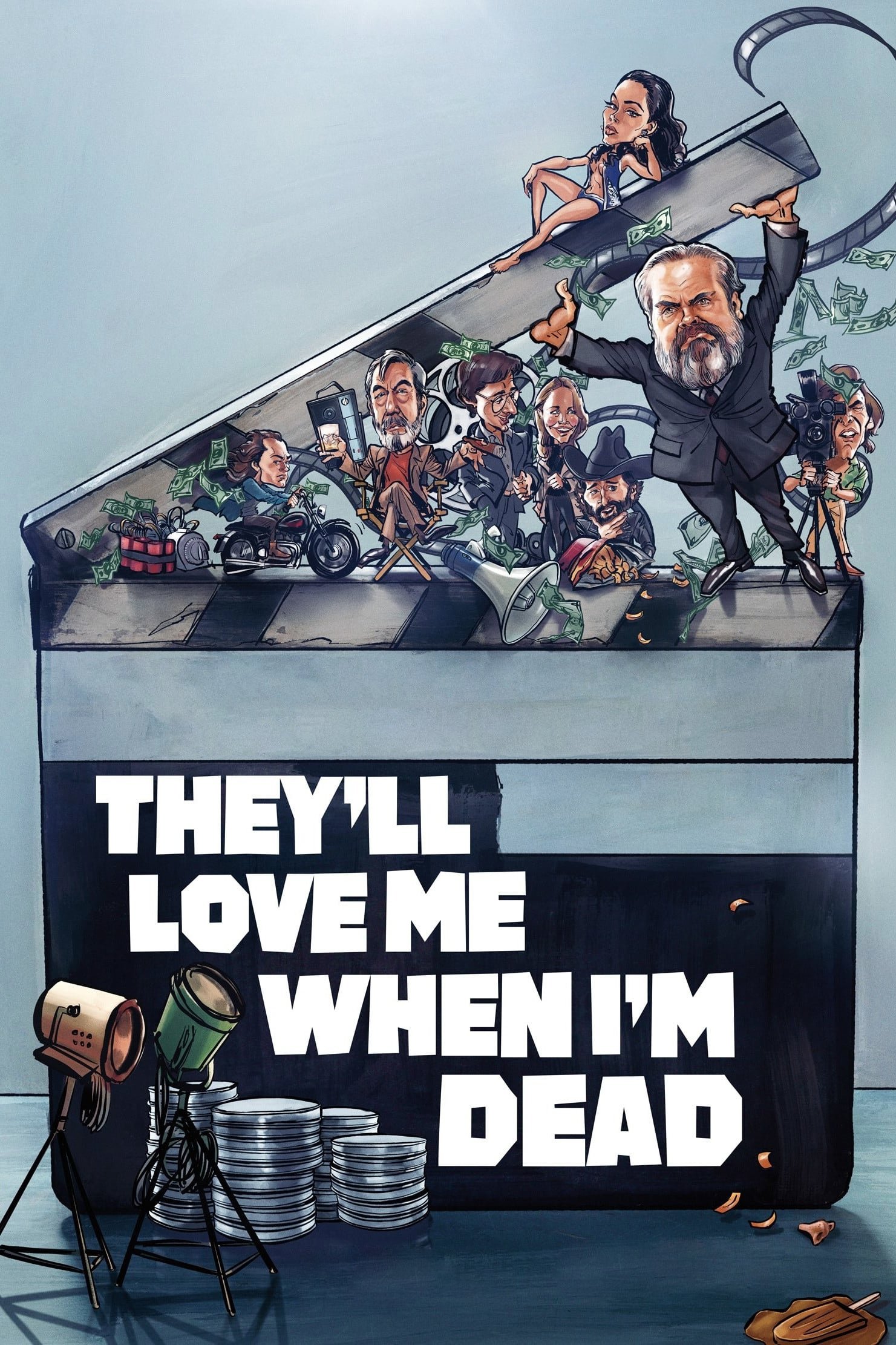
As his life comes to its end, famous Hollywood director Orson Welles puts it all on the line at the chance for renewed success with the film The Other Side of the Wind.
Al Pacino's deeply-felt rumination on Shakespeare's significance and relevance to the modern world through interviews and an in-depth analysis of "Richard III."
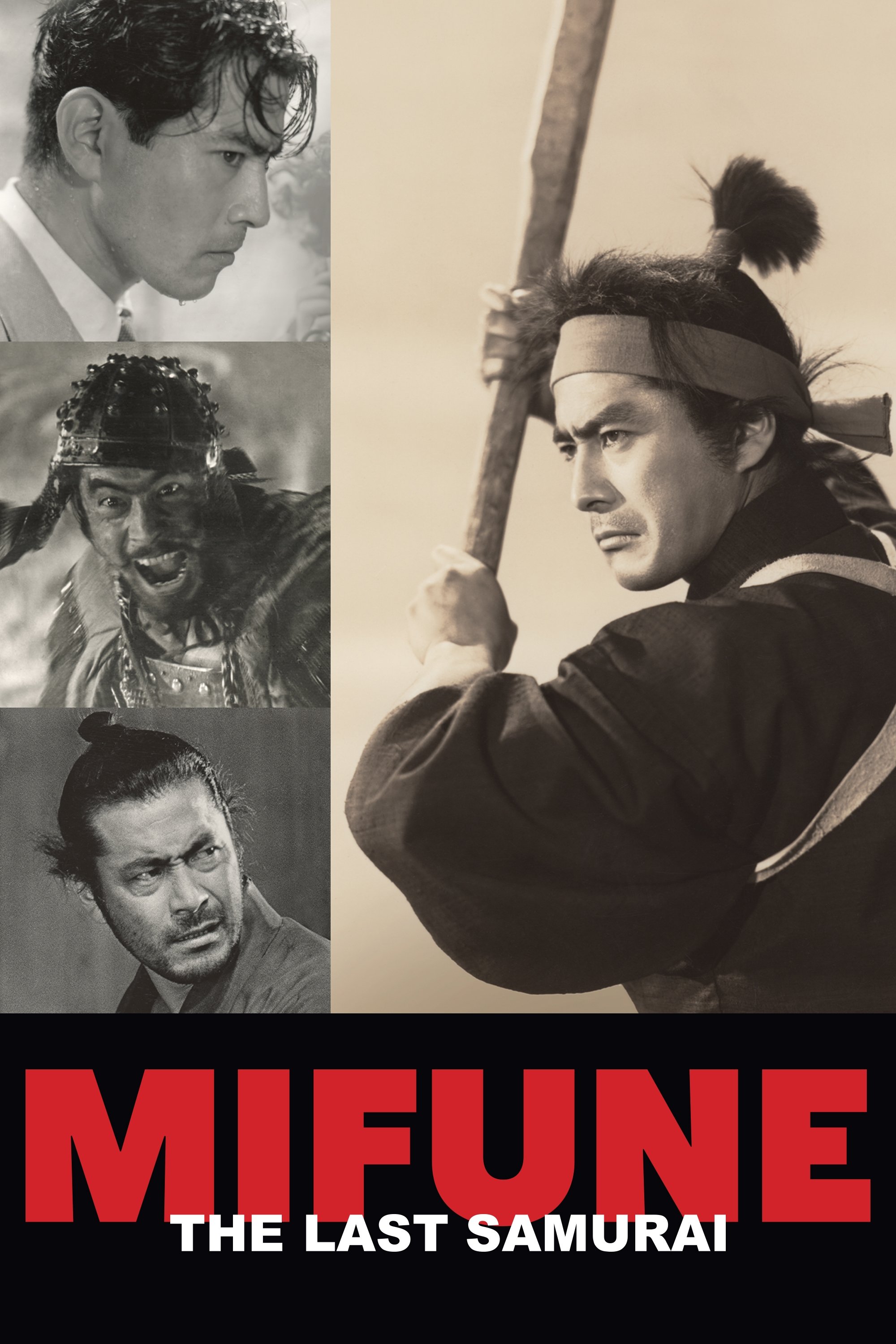
An account of the life and work of legendary Japanese actor Toshirō Mifune (1920-97), the most prominent actor of the Golden Age of Japanese cinema.
Those who knew iconic funnyman John Candy best share his story, in their own words, through never-before-seen archival footage, imagery, and interviews.
In the Realms of the Unreal is a documentary about the reclusive Chicago-based artist Henry Darger. Henry Darger was so reclusive that when he died his neighbors were surprised to find a 15,145-page manuscript along with hundreds of paintings depicting The Story of the Vivian Girls, in What is Known as the Realms of the Unreal, of the Glodeco-Angelinnian War Storm, Cased by the Child Slave Rebellion.
Retrospective documentary about the making of the horror cult classic "The Return of the Living Dead."
Journey into the extraordinary world of "The Witcher" — from casting the roles to Jaskier's catchy song — in this behind-the-scenes look at the series.
If you ever find yourself traveling down Interstate 49 through Missouri, try not to blink—you may miss Rich Hill, population 1,396. Rich Hill is easy to overlook, but its inhabitants are as woven into the fabric of America as those living in any small town in the country. This movie intimately chronicles the turbulent lives of three boys living in said Midwestern town and the fragile family bonds that sustain them.
The life and career of an actor, artist, and icon. His own journey through his own camera.
The story of the gold-plated statuette that became the film industry's most coveted prize, AND THE OSCAR GOES TO... traces the history of the Academy itself, which began in 1927 when Louis B. Mayer, then head of MGM, led other prominent members of the industry in forming this professional honorary organization. Two years later the Academy began bestowing awards, which were nicknamed "Oscar," and quickly came to represent the pinnacle of cinematic achievement.
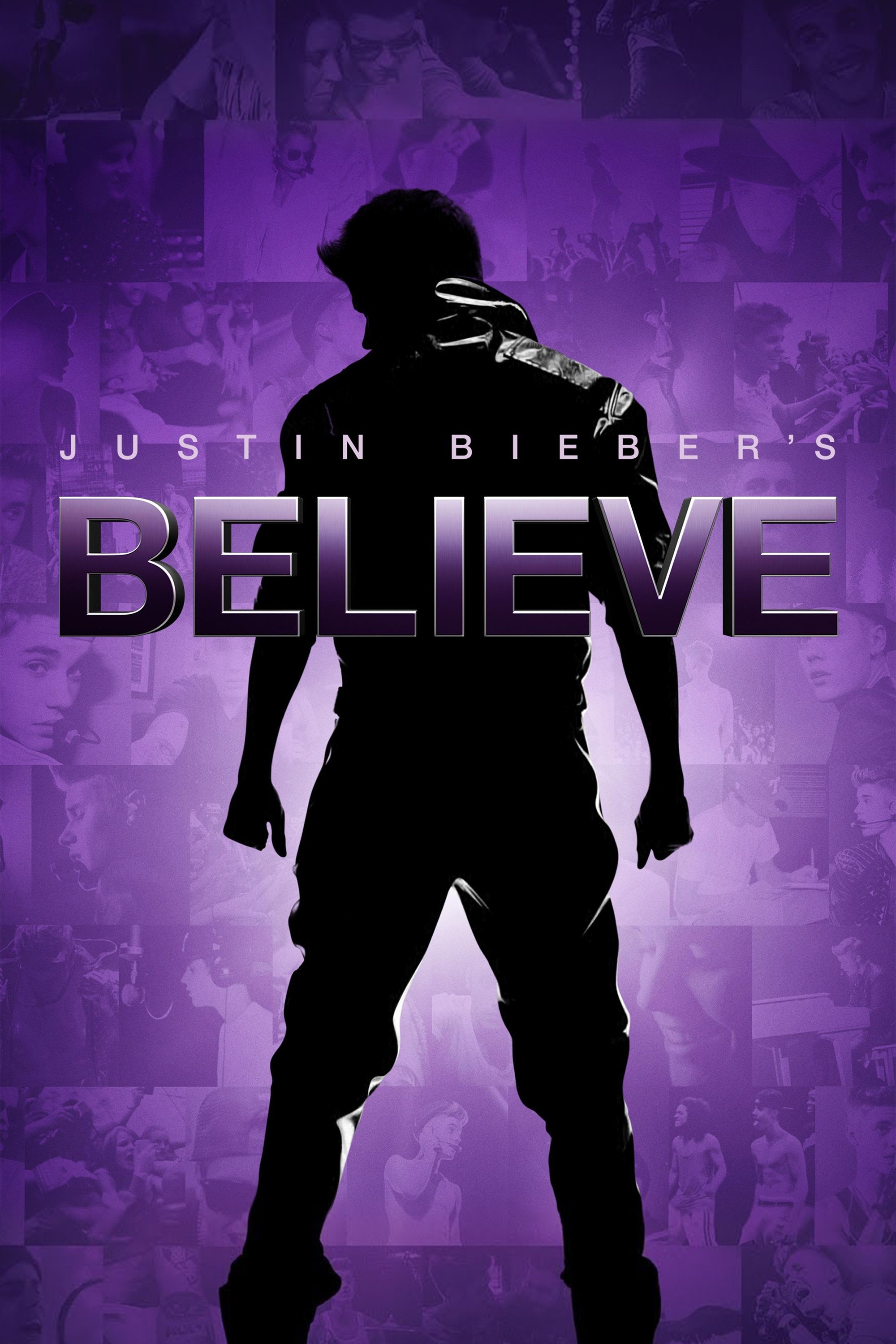
A backstage and on-stage look at Justin Bieber during his rise to super stardom.
A documentary on the making of the three Godfather films, with interviews and recollections from the film makers and cast. This feature also includes the original screen tests of some of the actors for "The Godfather" film, and some candid moments on the set of "The Godfather: Part III."
In 1997, Louis Theroux made a documentary about the world of male porn performers in Los Angeles. 15 years later, he returns to find a business struggling with the deluge of free porn on the internet. Louis revisits some of the original programme's contributors as well as meeting the latest crop of porn performers dreaming of porn stardom.
Lyrical and powerfully personal essay film that reflects on the deaths of her husband Lou Reed, her mother, her beloved dog, and such diverse subjects as family memories, surveillance, and Buddhist teachings.