Social & External
The people behind it
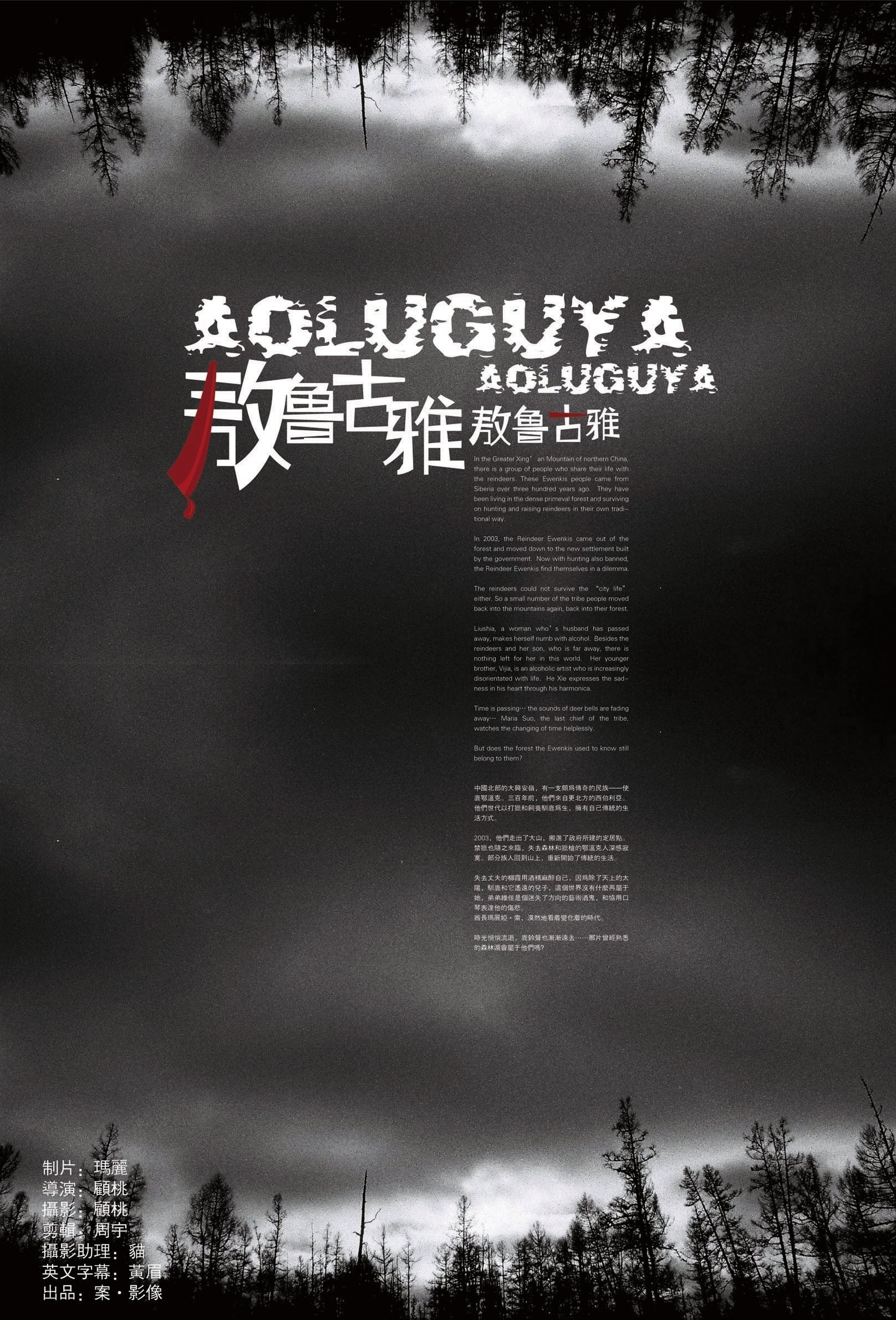
Aoluguya, Aoluguya is the first film in Gu Tao’s Ewenki Trilogy. A tale that unfolds in the Aoluguya forest, featuring such unique characters as a mother who dulls her sadness over the absence of her son, Yuguo, with alcohol; her brother; and Maria, the tribal chieftain who watches over them.
Yu Tian (played by Hu Tian) is a senior this year. He hasn't returned home for a few years while studying in a big city. The estrangement between him and his mother (Lin Jiehua) is somehow getting bigger and bigger. He is immersed in his artistic dreams and is not practical, but his mother, who has always been conservative, does not understand. His friends remained the same, still the same young people in the small town. Friends booed that he would be the most promising one among them, but he himself was convinced. He told his sister (played by Sun Nan) that he would go to the big city to make a fortune.
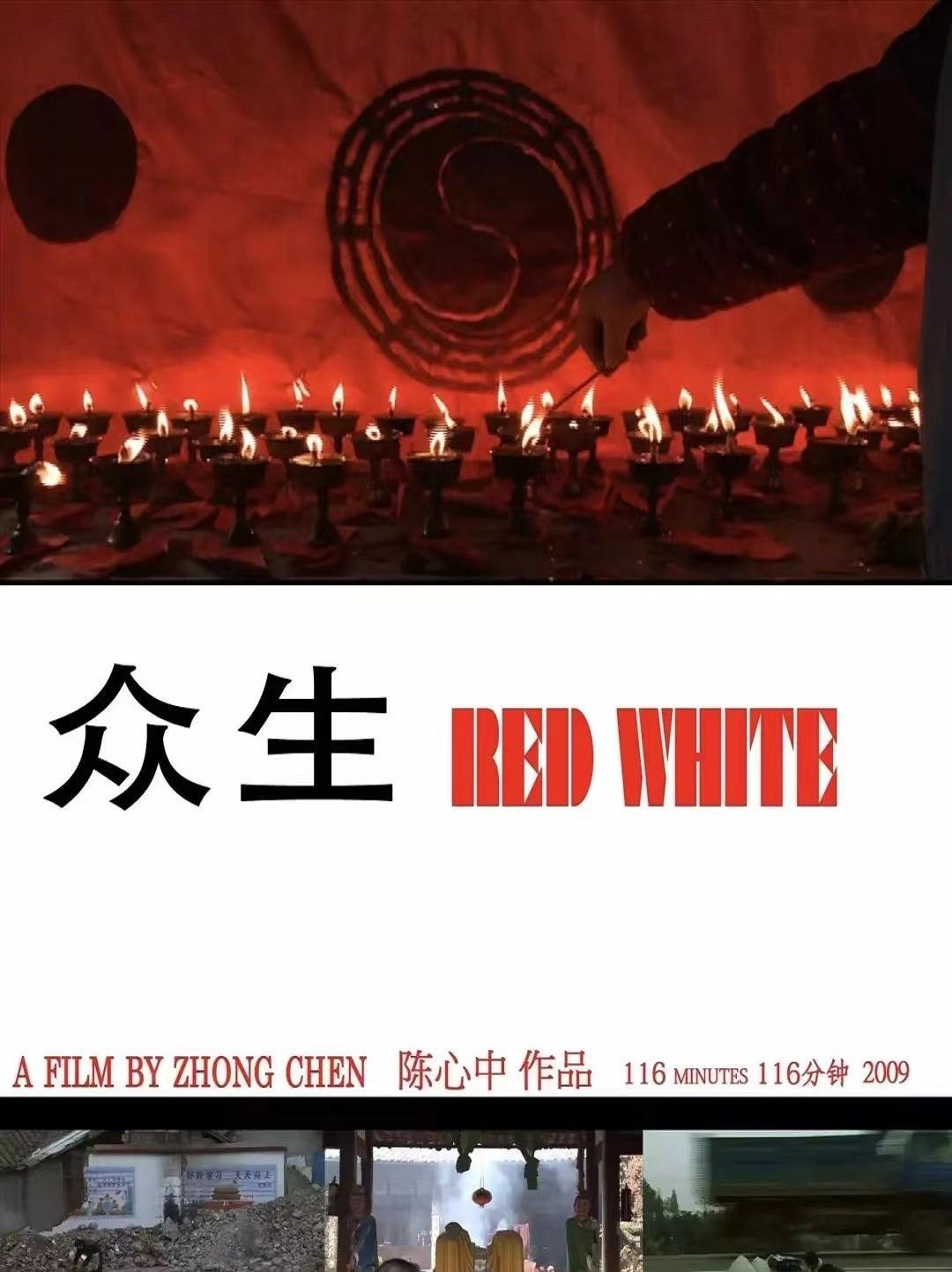
A small rural township called Red White was seriously devastated by the May 12th Earthquake in China 2008. A 62-year-old Taoist survived even though his temple was largely torn by the disaster. This documentary tells the story of how the Taoist practices the widely believed Chinese traditional religion and the local people’s daily life during the township’s post-quake reconstruction.
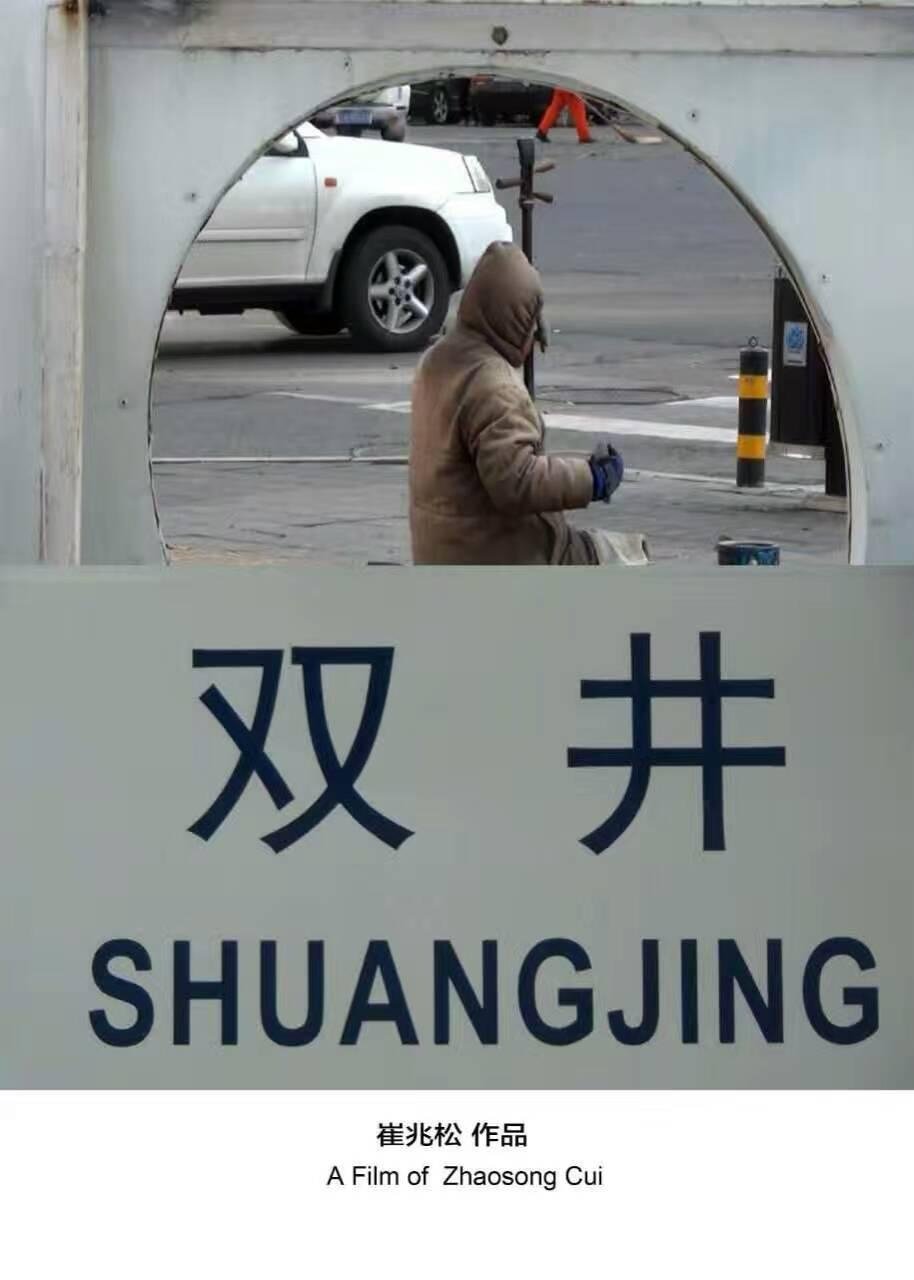
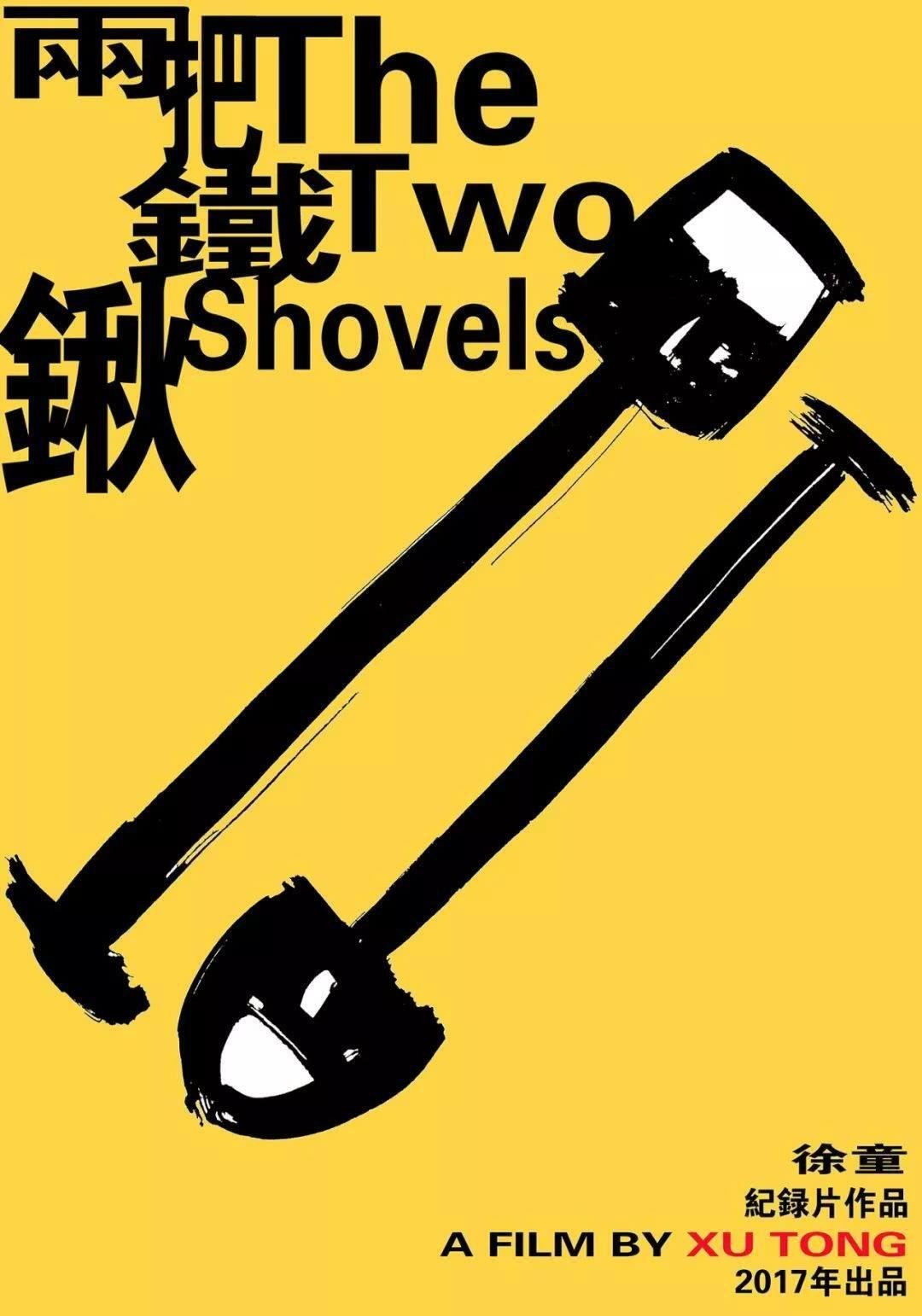
The story happened near the Shuangjing subway station in Beijing. The female stall owner was aggrieved by the selective enforcement of urban management and expressed that she would fight to the end for fairness. When the urban management team forced her to close, she burst into tears and complained of social injustice. Even in the urban management team, she had to ask for fairness. But in the face of institutional chaos, she finally chose to compromise and continue the cat and mouse game. The old man is a Christian, is he helpless in obedience to fate? How many people's melody played by the Huqin sounded in the smog of Beijing?
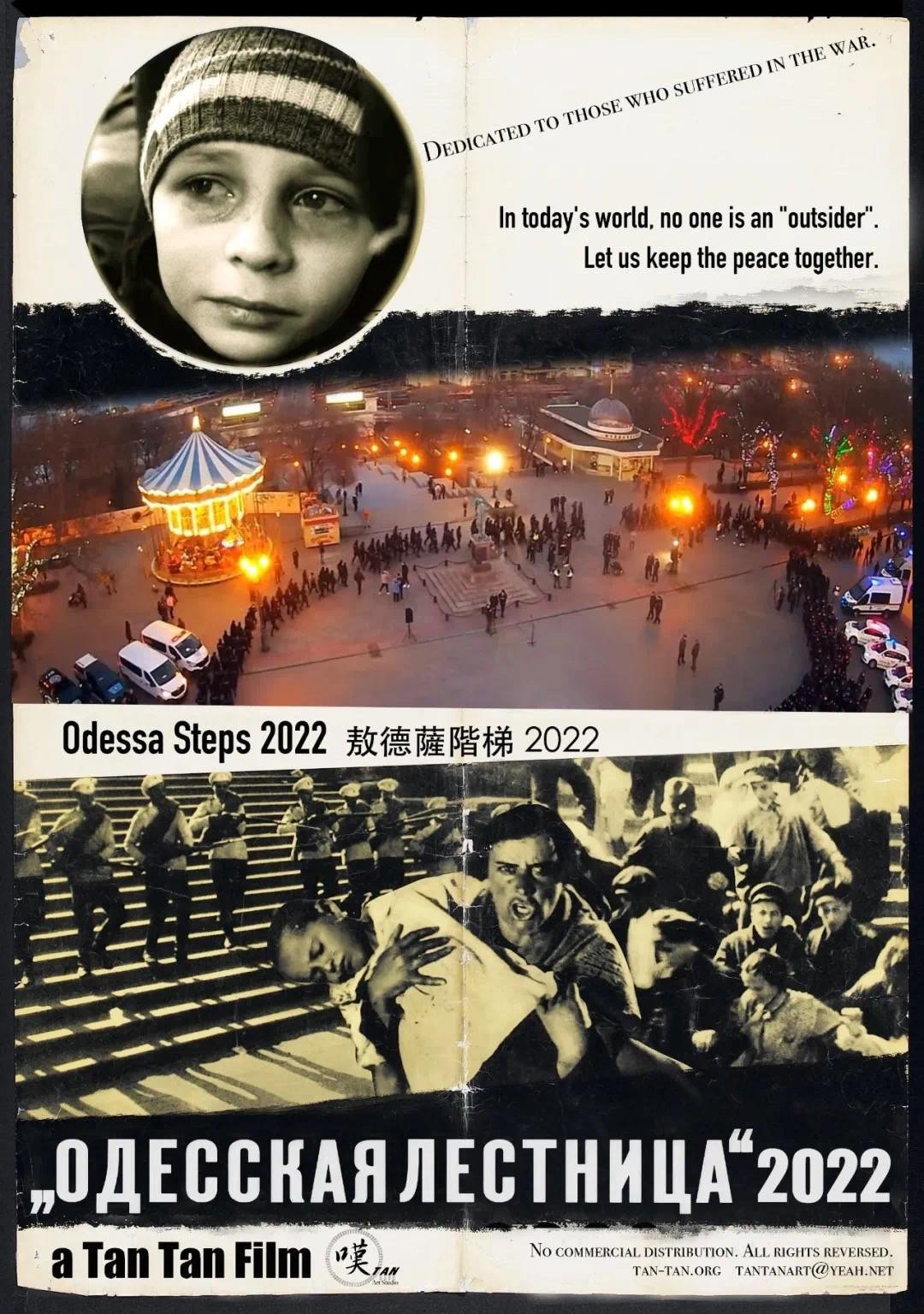
This film cross-cut the "Odessa Steps" chapter from the famous war movie "Battleship Potemkin" (1925) and the actual footage of the Russo-Ukrainian conflict in 2022. It uses a 21st-century "Montage d'Attraction" to explore The circle of history, the contradictions of civilization, and the crisis of life.
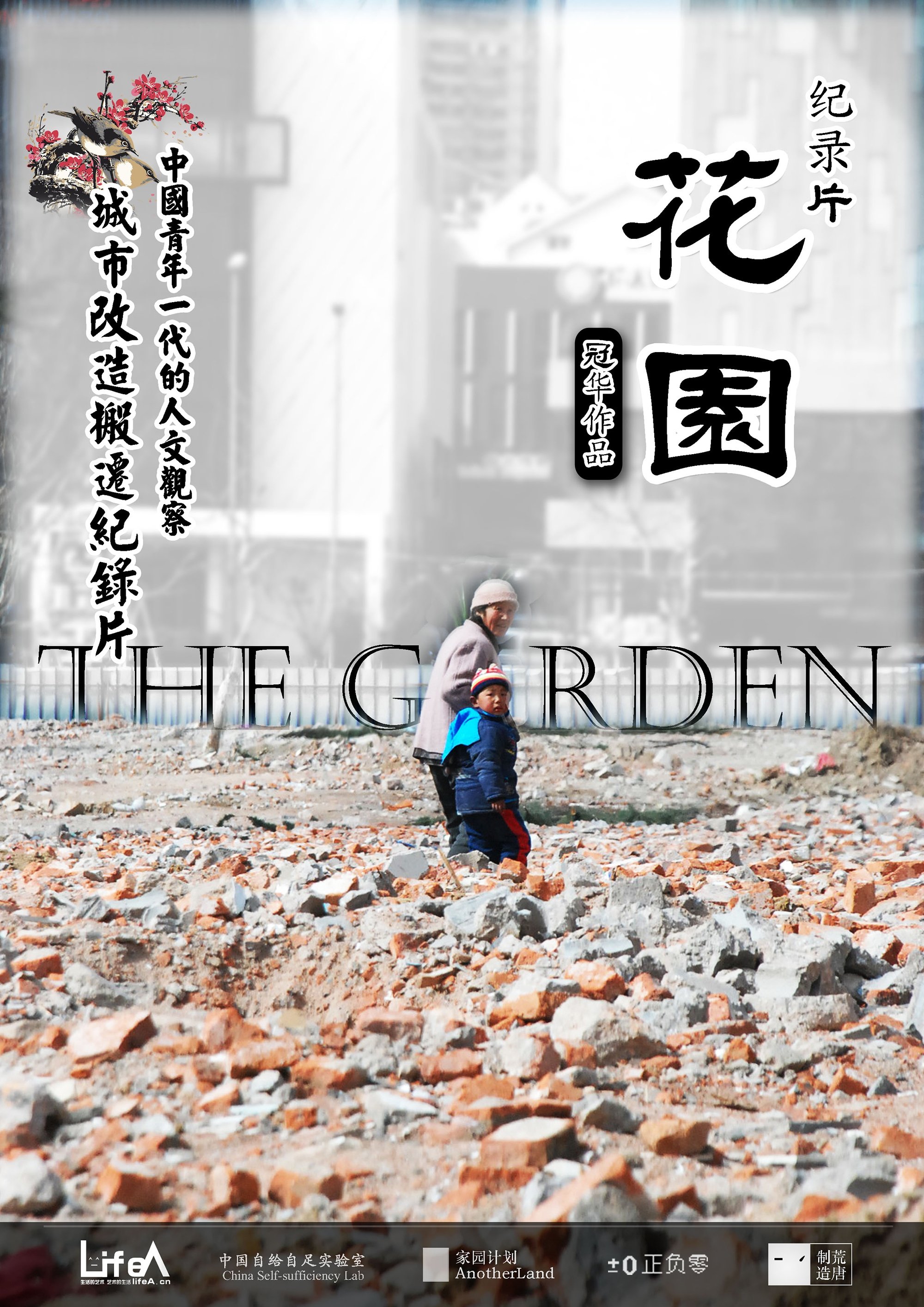
The documentary "The Garden" focuses on the "old city renovation" project of BaDaHu Residential area in Qingdao. After the film was released online, the renovation project of this residential area became the only illegal demolition activity that was stopped in China in 2010. A special report by China Central Television revealed that this project was demolished and built without government approval by impostor, fictitious official letter.
In the Chinese New Year of 2017, Solar and I went together to visit David Zhang who was practicing kung fu on Wudang Mountain. As the three of us interacted, we observed and looked after each other. We also filmed each other to document and reconstruct this experience of listening to each other and growing up.
A silent film by Vietnamese director Truong Minh Quy in collaboration with Belgian director Nicolas Graux, was shot on the set of a film by Graux. We Sit in Silence at the Memorial Table is inspired by Educational Objectives, a poem written by Aleksey Garipov and translated to English by Nicolas Graux.
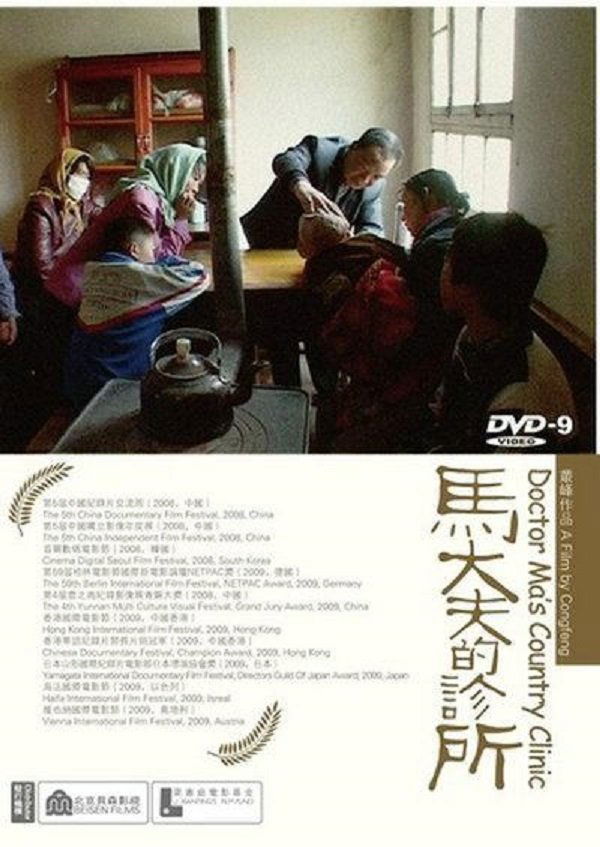
"Huangyangchuan, Gansu province, China. It's an arid mountain area with poor roads. Ma Bingcheng is well-respected local doctor, so many patients (most of them farmers) come to see him every day. In his small clinic, people chat with each other about their lives, local conditions, or the people they know. The clinic seems to open up like a microcosm, the information and experiences of different people intertwine, revealing the conditions of typical Chinese farmers, and the typical fates of both young and old--"
After "Old Tang Tou", Xu Tong continued to film the family of Old Tang Tou's son, Tang Laosan, in Northeast China. Tang Laosan was sent to prison for a murder case, and Tang Laosan's son, Xiaobao, unexpectedly encountered such a change in the year of his high school entrance exams, which made the fates of father and son both unpredictable.
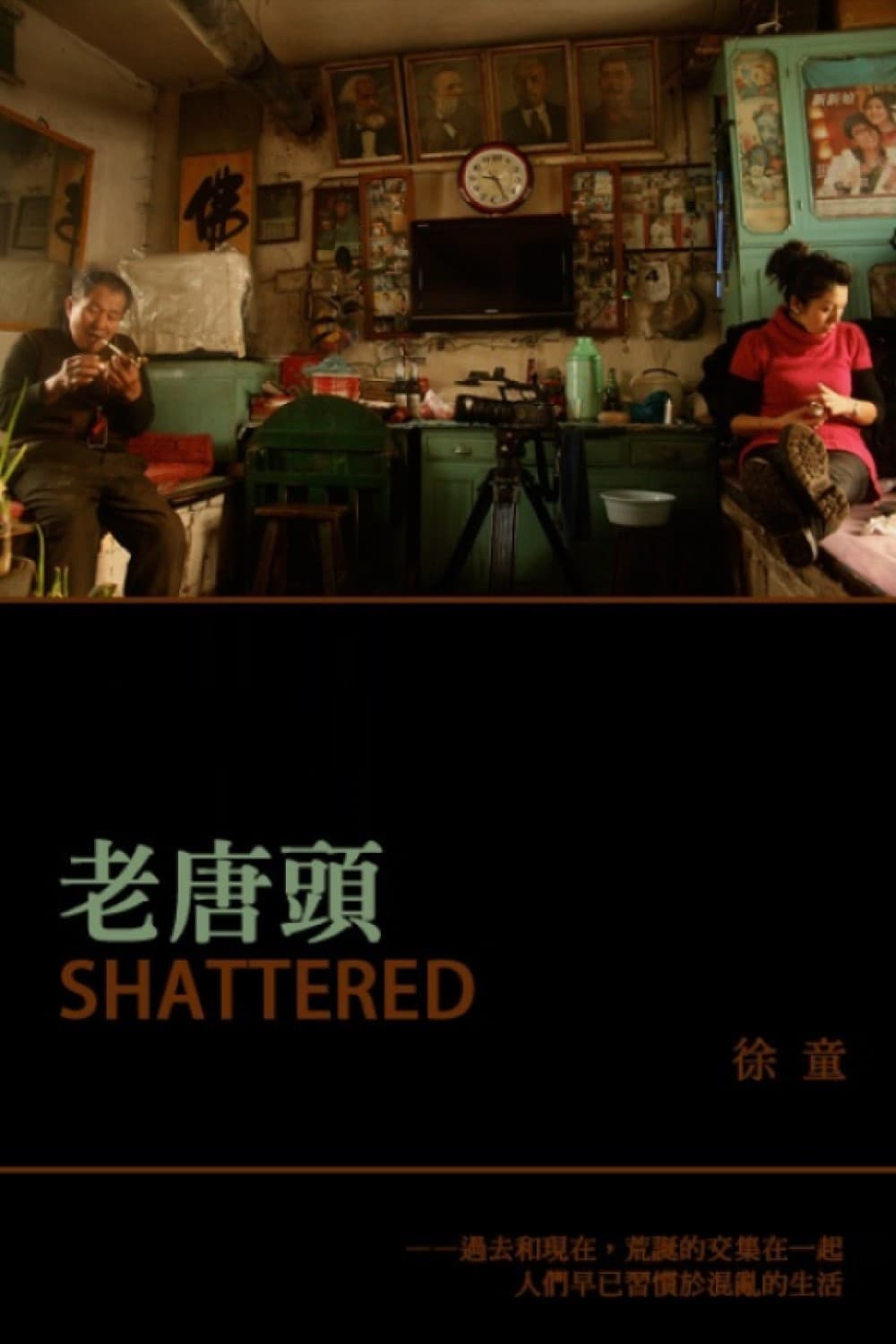
A microcosm of China past and present flows through Xu Tong’s intimate docu “Shattered,” in which the maverick indie filmmaker continues to refine his techniques and concerns shown in his previous “Wheat Harvest” and “Fortune Teller.”
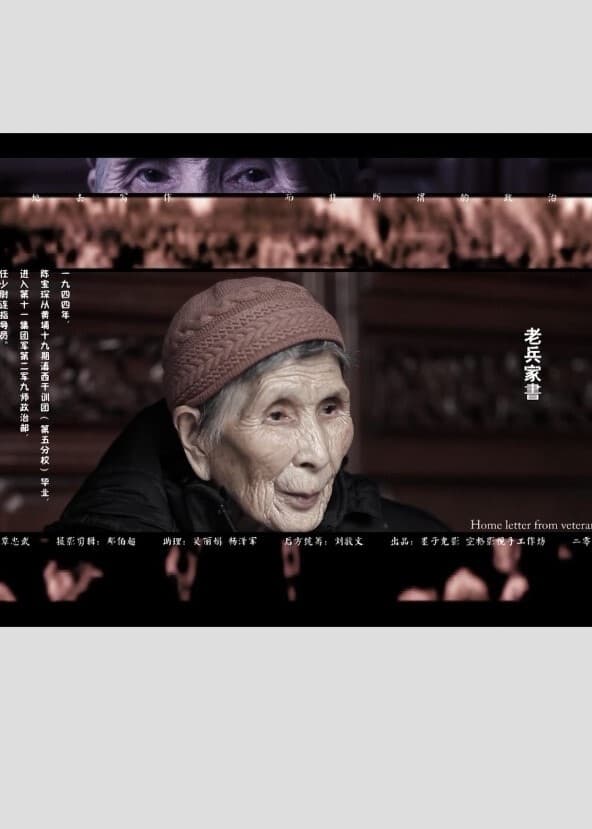
Two families' oral history of the Cultural Revolution and their current life.
Don't forget to have poetry when making a living. This is romance. Even if you live in a sheepfold, you have a holy smile like a baby. This is romance. Listening to folk songs from the workers' hometown at the construction site in Shenzhen is touching. Once the song stops, you become eager for it. This singing series is also called "Sharing Hometown" and “Lingering Songs". You see, the eyes of the singing workers are shining, because we are all close to the Buddha.
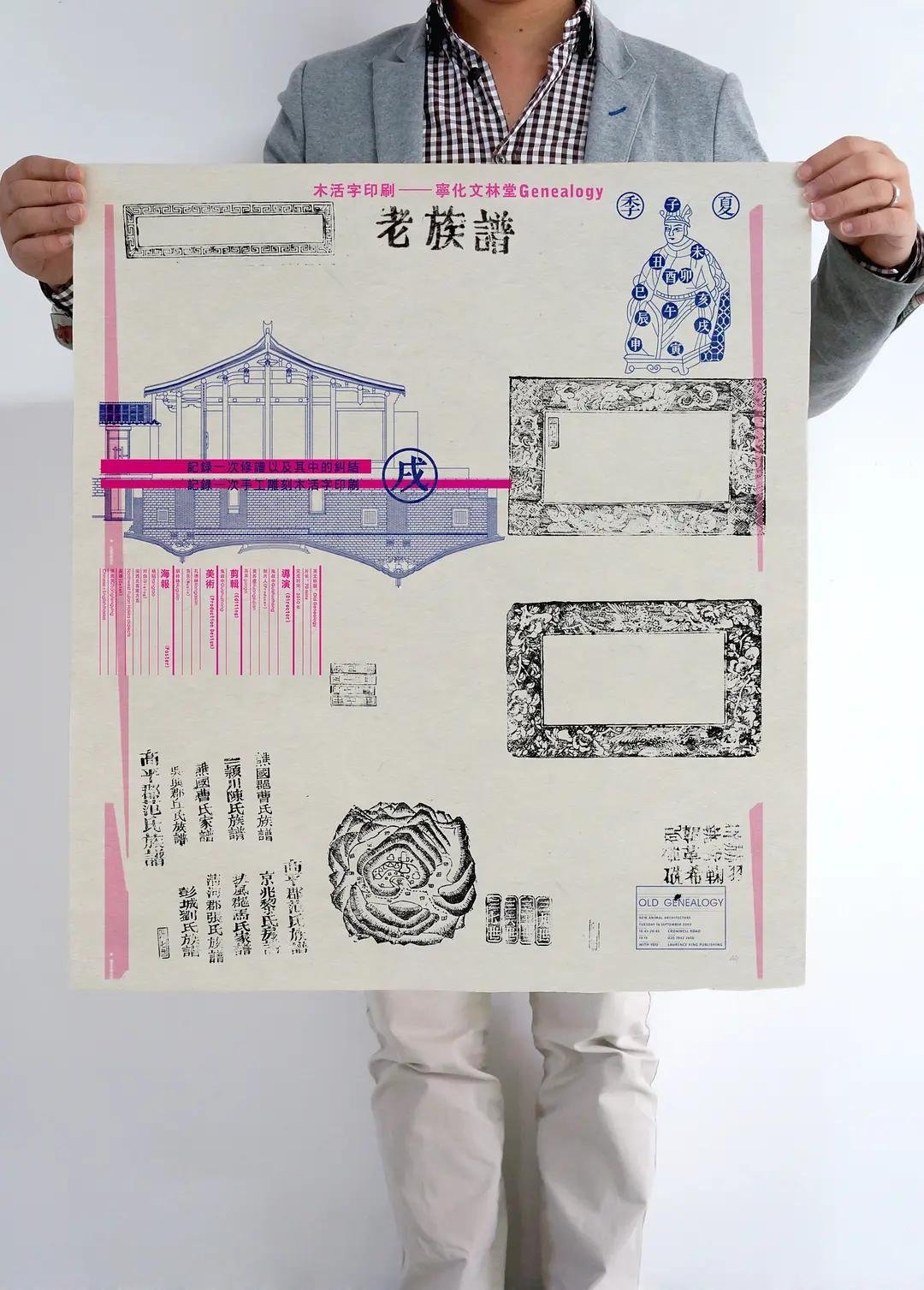
Record the entangled experience for changing the genealogy. Record the experience for engraving movable type, hand-printed.
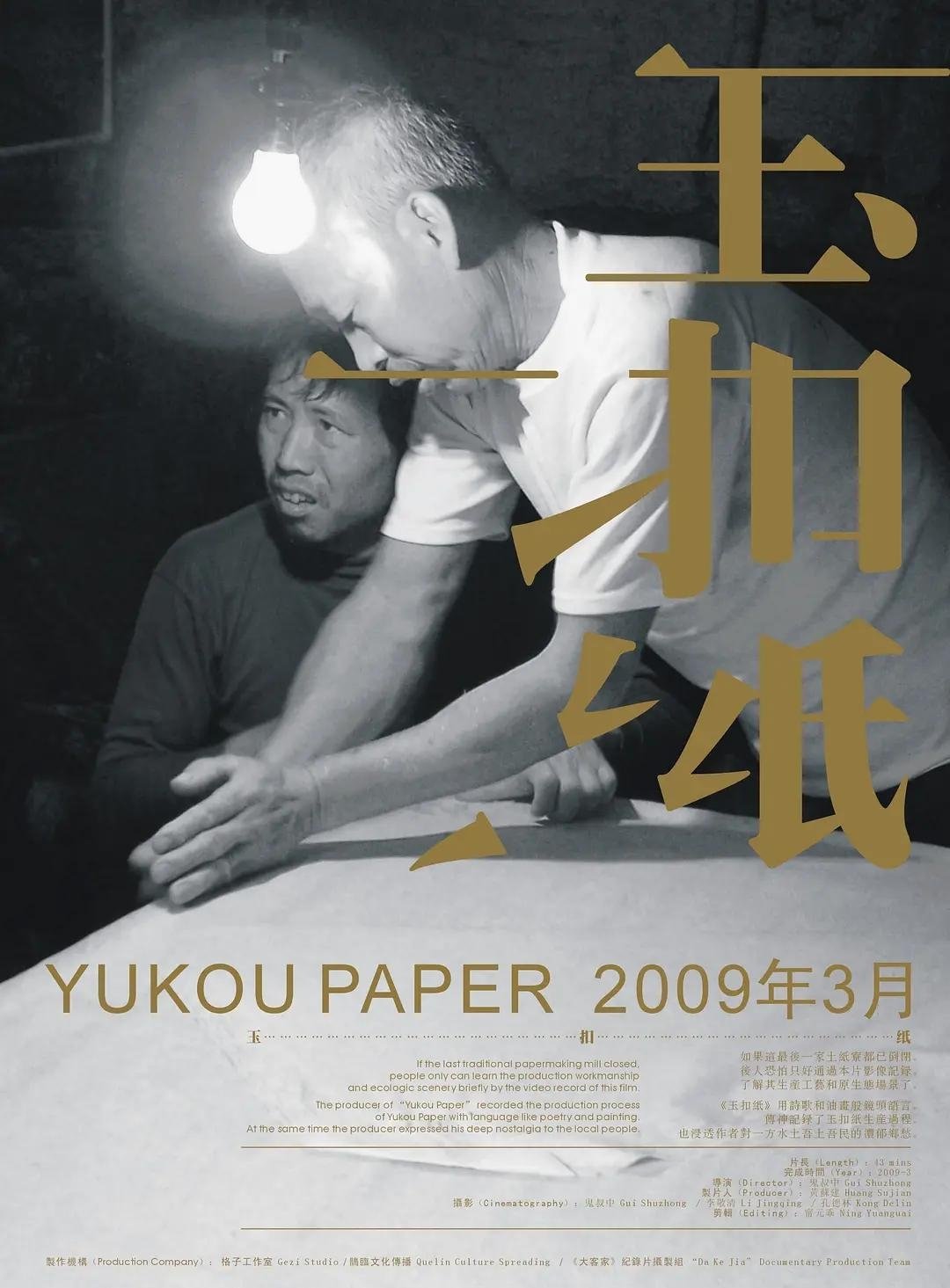
As a kind of traditional handmade paper in the area of Ninghua in western Fujian Province, Yukou paper is named after its soft and delicate quality as well as white and jade-like color. It is the best of handmade papers and needs to go through several complicated and elaborate processes. In a small village deep in the Wuyi Mountains, Xikeng, there were once more than five hundred paper mills, but now only one remains, still struggling to survive. The film crew focused their camera on the paper maker Hu Lanshan's family, quietly recording the process of making Yukou paper, the joys and sorrows of the paper maker’s family, and the changes of the whole era...
Geomancy is to say hinding winds to gain water. The earth is mother , burial brings peace to the deceased, symbolizing reincarnation. So the name of this story in English is “Revive”, which means getting into the cycle of reincarnation. The documentary is going to tell a story contains several elements such as Geomancy of compass, Hakka funeral and interment culture, General om teach, Seance. Moreover, it also porse deeply on the floating life with fleeting time- the sanguine life of a wise man in countryside. This is an old man whose life is full of hardships, he possesses real learning and stories, owns peace after overcoming severe difficulties, and has the special graciousness as being in such an age…
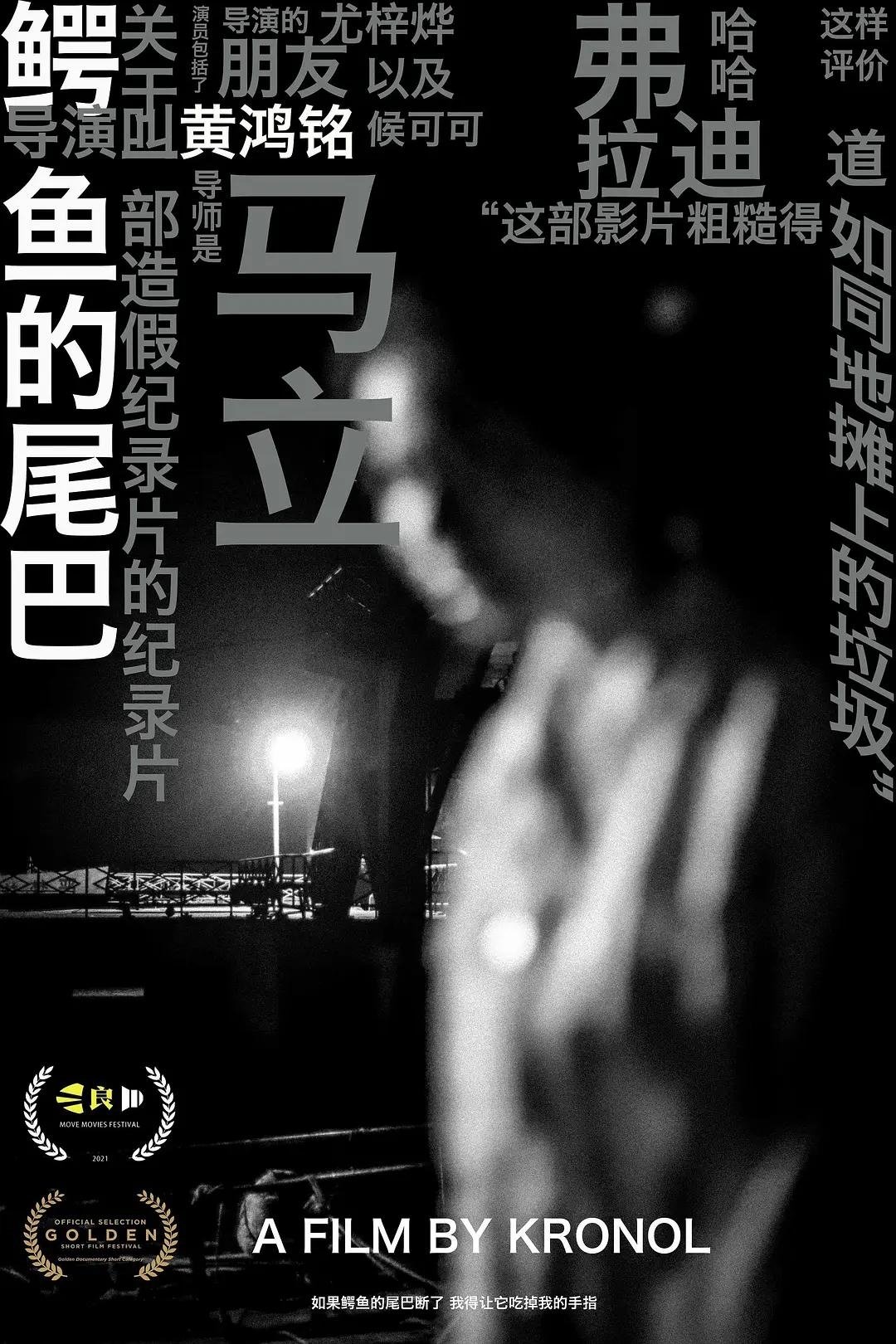
In order to finish her homework, the girl decided to shoot a fake documentary. In the process, she came closer to her grandmother's world and found herself.
The story of a girl attempted suicide for love and finally returned to religion.
In an intimate and joyful story of love in the face of loss, celebrated poets Andrea Gibson and Megan Falley find strength—and unexpected hilarity—in what might be their final year together.
Alexander McQueen's rags-to-riches story is a modern-day fairy tale, laced with the gothic. Mirroring the savage beauty, boldness and vivacity of his design, this documentary is an intimate revelation of McQueen's own world, both tortured and inspired, which celebrates a radical and mesmerizing genius of profound influence.
In a crime-plagued neighborhood near Miami, brutal, bare-knuckled backyard fights give young men a chance to earn money -- and self-respect.
Through deeply personal interviews with her siblings and an examination of the photographs, letters, and belongings left behind, Mariska assembles a new portrait of her mother Jayne Mansfield, an extraordinary and complex woman.
An inside look at one of the most anticipated movie sequels ever with James Cameron and cast.
Ranjit, a farmer in India, takes on the fight of his life when he demands justice for his 13-year-old daughter, the victim of a brutal gang rape. His decision to support his daughter is virtually unheard of, and his journey unprecedented.
A documentary about the life and films of director John Ford.
A documentary about how a dominant cultural and demographic institution both sustains their traditional activities and adapts to the digital revolution.
RETURN tells the story of a retired Green Beret who embarks on a healing journey from Montana to Vietnam. There he retraces his steps, shares his wartime experiences with his son, treats his Post-Traumatic Stress Disorder, and seeks out the mountain tribespeople he once lived with and fought alongside as a Special Forces officer.
Bruce Conner’s most celebrated film for a reason: it takes historical moments that were replayed over and over on television—chilling repetition of Kennedy assassination coverage—and repurposes them into a meditation on how the media tries to exert authority and apply a sense of order to the anarchic. And though it may sound perverse to say so, the film is also—not incidentally—a thrill to watch. -- The A.V. Club
A look at the origins, history and conspiracies behind the "Majestic 12", a clandestine group of military and corporate figureheads charged with reverse-engineering extraterrestrial technology.
Follow the evolution of the 'Halloween' movies over the past twenty-five years. It examines why the films are so popular and revisits many of the original locations used in the films - seeing the effects on the local community. For the first time, cast, crew, critics and fans join together in the ultimate 'Halloween' retrospective.
Over 35 years after Bob Lazar's revelations, this documentary exposes secrets of a facility the government still denies. Featuring Lazar's testimony, recreations, and new evidence, it reopens a case that continues to spark global curiosity
Rising musician Jeff Buckley had only released one album when he died suddenly in 1997. Now, never-before-seen footage, exclusive voice messages, and accounts from those closest to him offer a portrait of the captivating singer.
From the heights of her modeling fame to her tragic death, this documentary reveals Anna Nicole Smith through the eyes of the people closest to her.
The film follows adventurer Jeff Johnson as he retraces the epic 1968 journey of his heroes Yvon Chouinard and Doug Tompkins to Patagonia.
After the high-profile killing of Damilola Taylor, Cornelius' family move out of London. But when they discover their new town is run by racists, Cornelius takes a drastic step to survive.
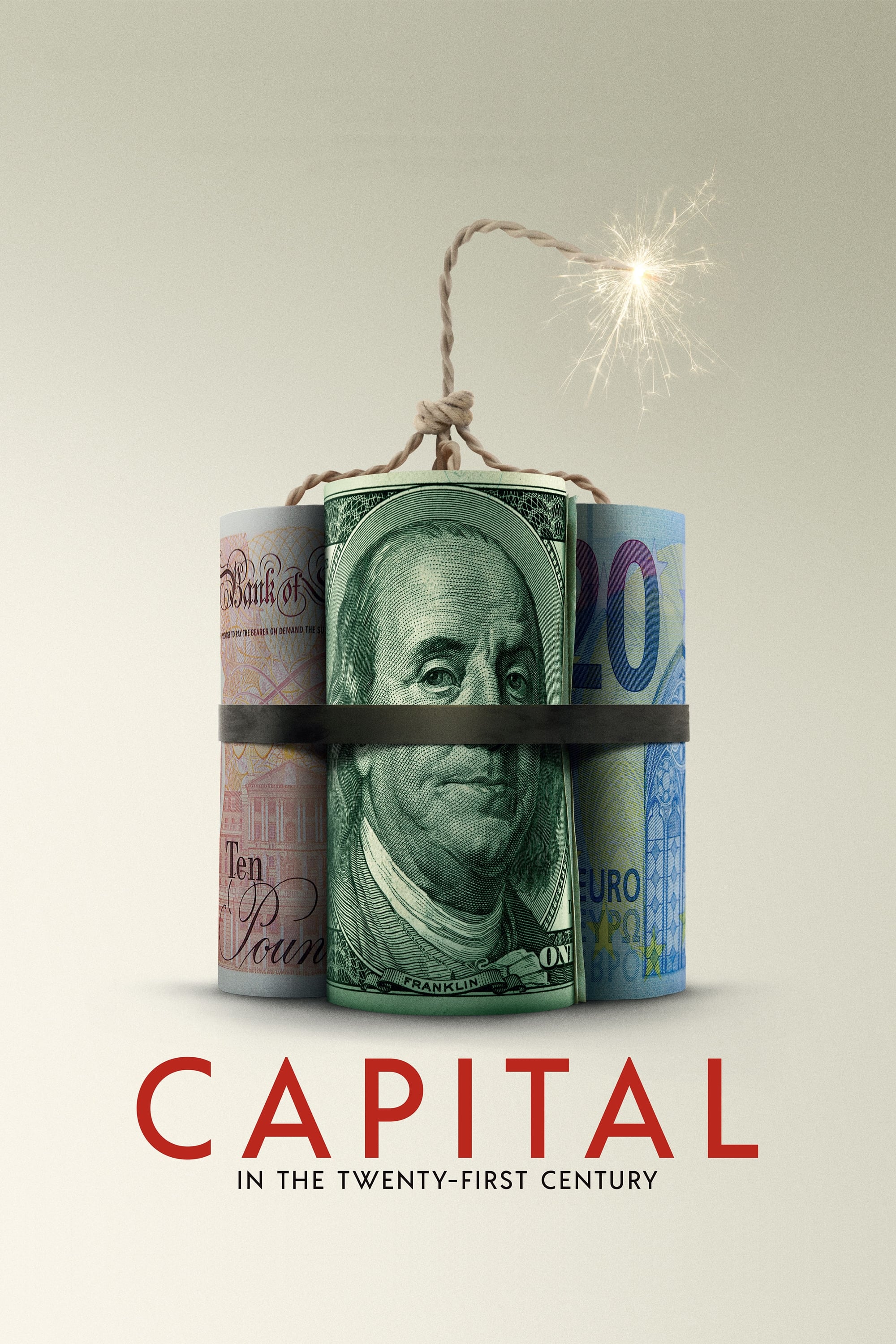
Film adaptation of French economist Thomas Piketty's ground-breaking global bestseller of the same name: an eye-opening journey through wealth and power.
This revealing documentary honors the legendary Sidney Poitier—iconic actor, filmmaker, and civil rights activist. Featuring interviews with Denzel Washington, Spike Lee, Halle Berry, and more.
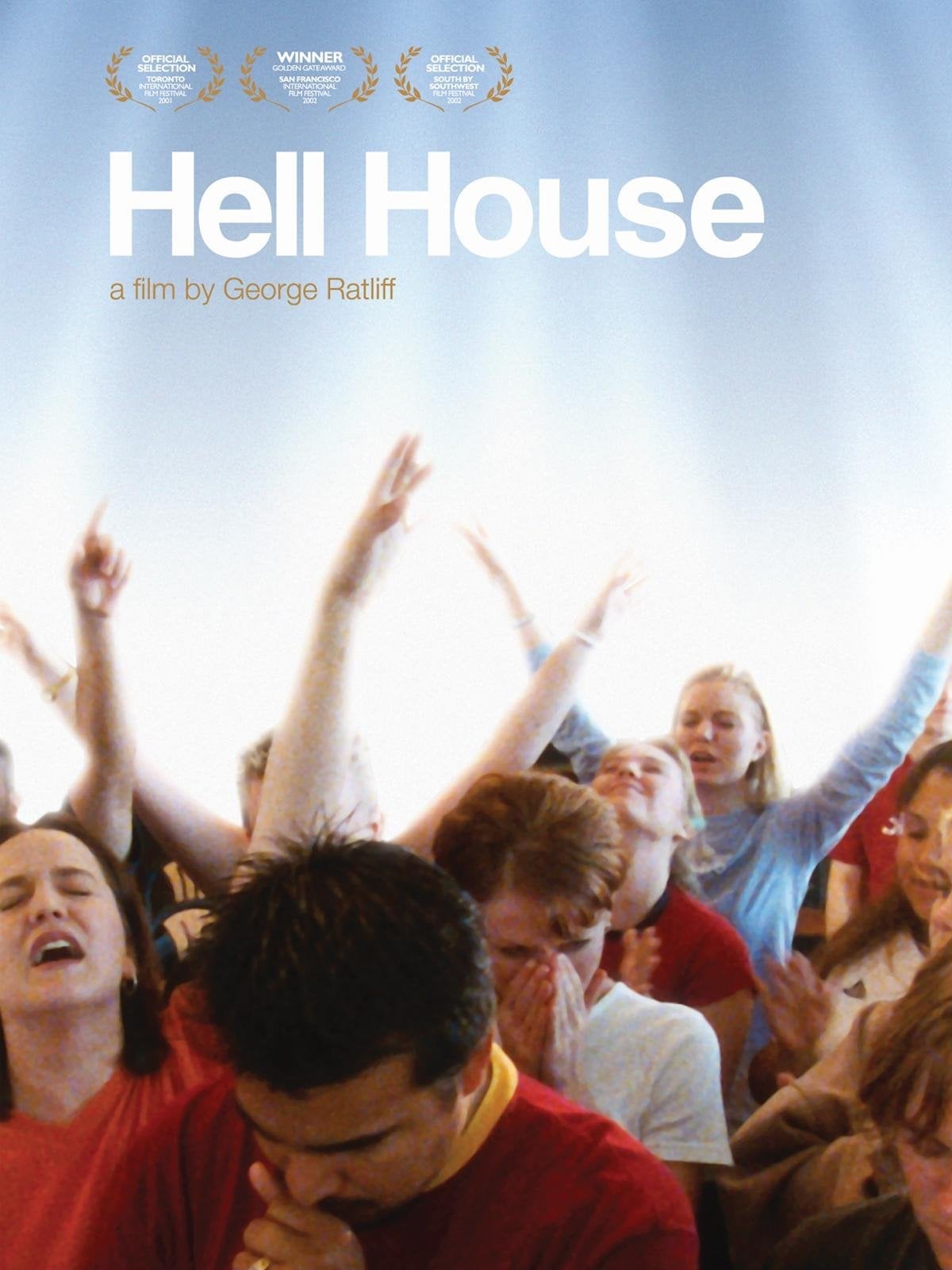
A look at the "Hell House" performed annually in October by the youth members of Trinity Church (Assemblies of God) in Cedar Hill, Texas (a Dallas suburb) — seen by over 10,000 visitors each year.