Social & External
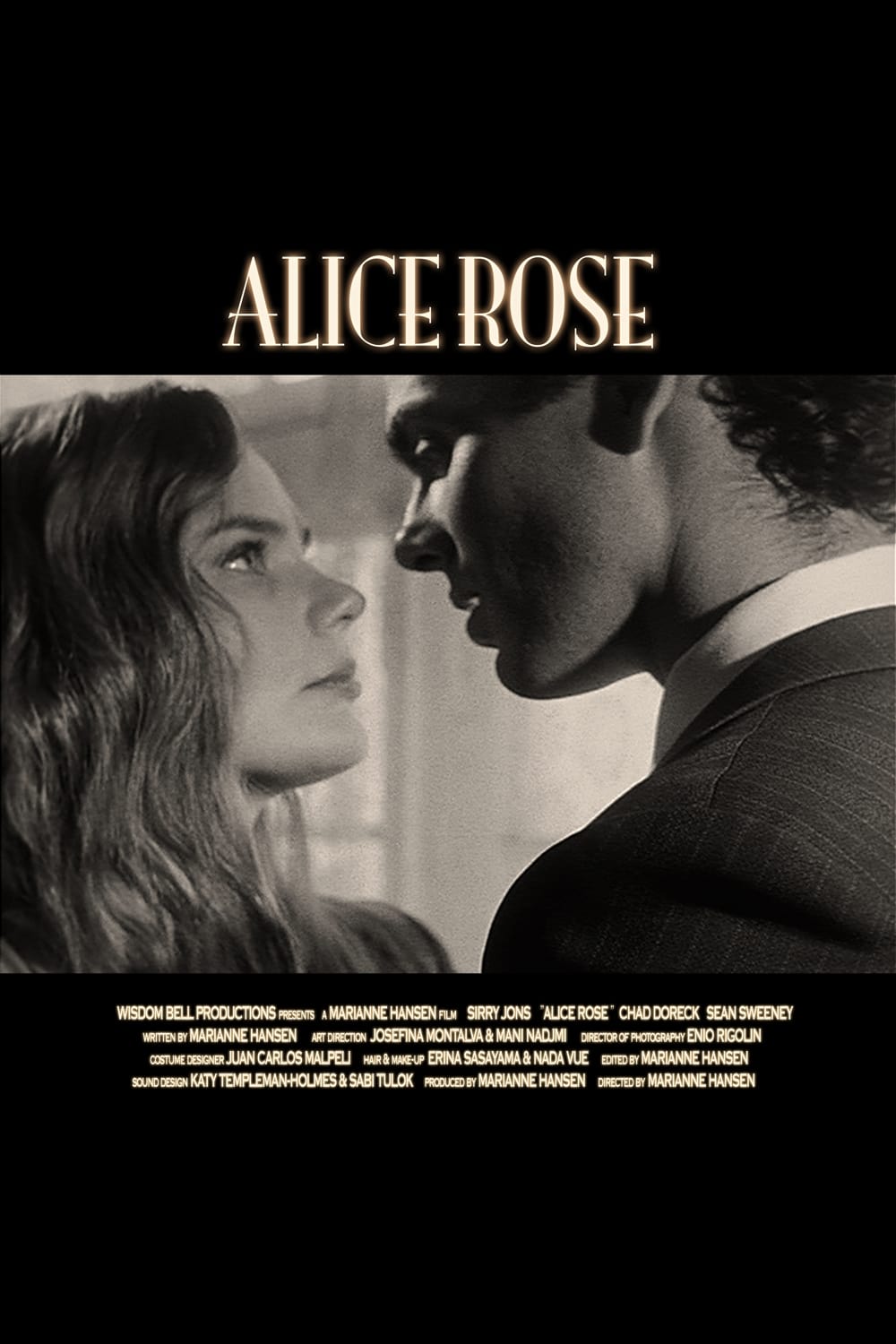
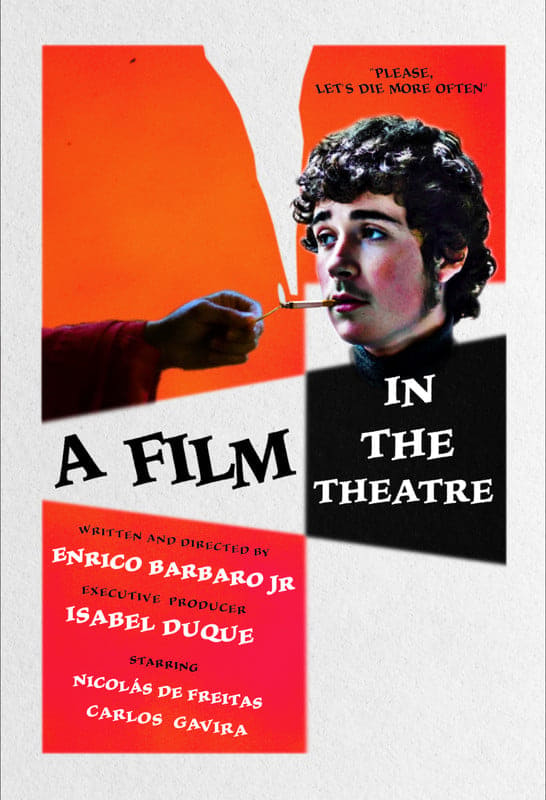
A damsel in distress agrees to run away with her wealthy lover in order to escape from her abusive husband. But all is not as it seems in this 1940s film noir.
The “Prophecy of the 7th Fire” says a “black snake” will bring destruction to the earth. For Winona LaDuke, the “black snake” is oil trains and pipelines. When she learns that Canadian-owned Enbridge plans to route a new pipeline through her tribe’s 1855 Treaty land, she and her community spring into action to save the sacred wild rice lakes and preserve their traditional indigenous way of life. Launching an annual spiritual horse ride along the proposed pipeline route, speaking at community meetings and regulatory hearings. Winona testifies that the pipeline route follows one of historical and present-day trauma. The tribe participates in the pipeline permitting process, asserting their treaty rights to protect their natural resources. LaDuke joins with her tribe and others to demand that the pipelines’ impact on tribal people’s resources be considered in the permitting process.
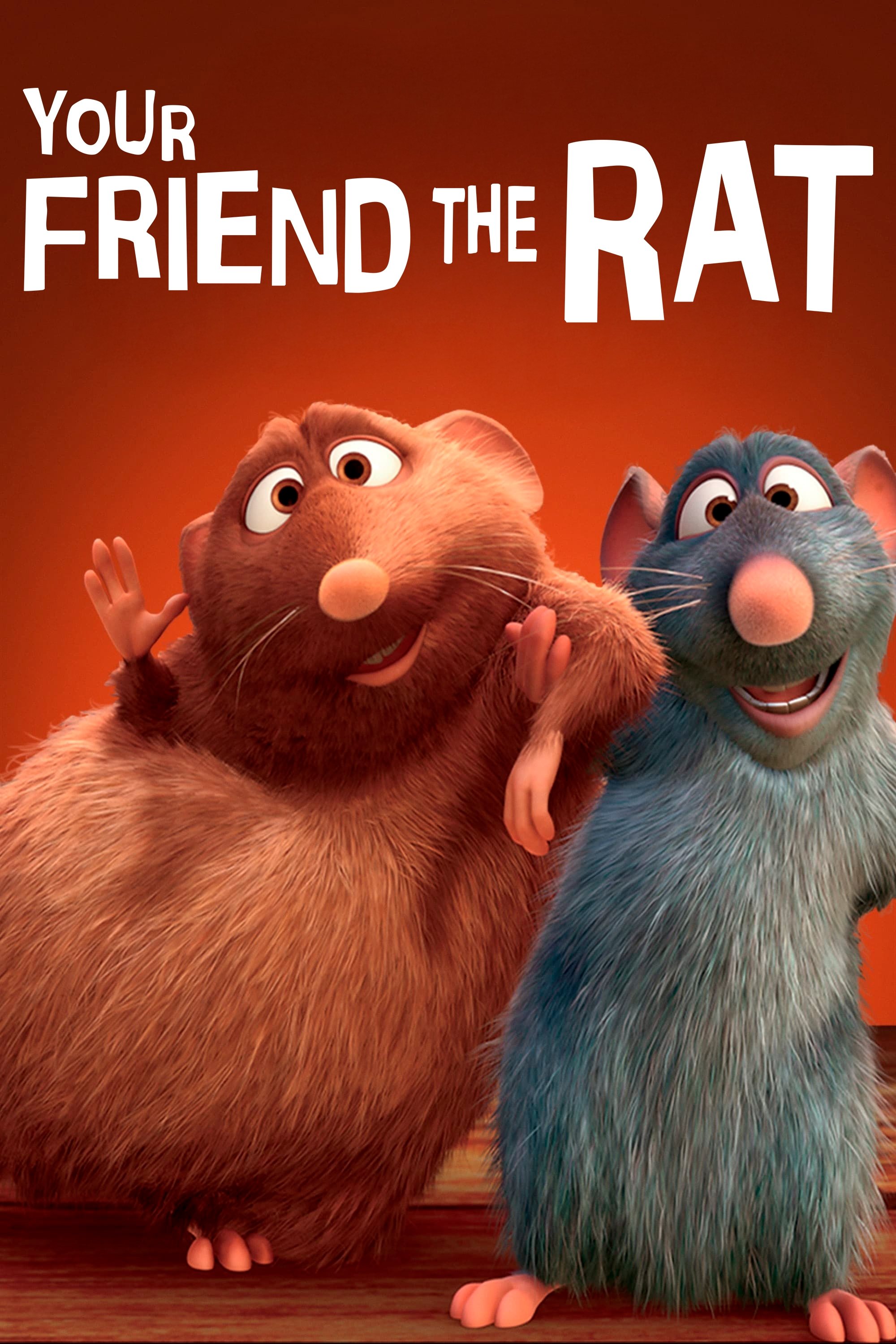
Let's face it, rats are not the most beloved creatures on earth. However, maybe this little tale about the history of human and rat interaction will change the world's tune. At least that is the hope of Remy, the star of Ratatouille, and his reluctant brother Emile as they guide us through world history from a rat's perspective. Why can't we all just get along?
The short documentary presents the difference between North and South China and also presents footage from several Chinese cities.
Aerial photographs and cityscapes by aviation pioneer Wulf-Dieter Graf zu Castell, who lived in China between 1933 and 1936 and was tasked with setting up an air traffic network for Eurasia.
Documentation of a journey along the Great Wall of China to the Ku-Pei-Kuo pass fortress.
Eusebio José Fernández López Reboredo Bergamín is a teenager in the 1960s whose dream is to be a movie director, but General Francisco Franco prohibited in 1964 all types of art. A coincidental encounter with another artist, named Antonio Mínguez, will change his life.
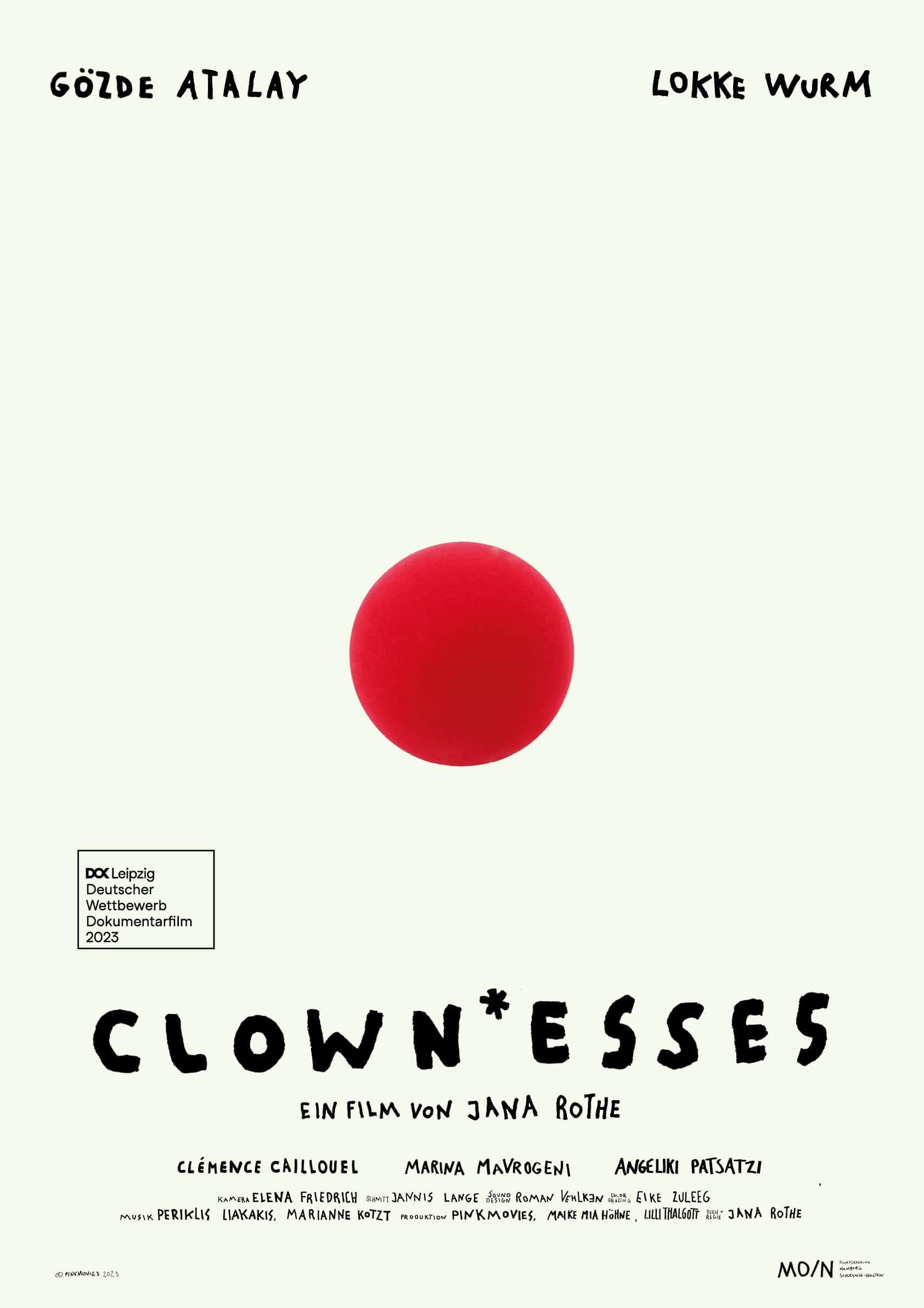
Clowns are more than jesters; they hold a mirror up to society. They move between the worlds and like to break rules, albeit with a wink. At the same time, clowns are contradiction experts by nature, because they know on the one hand that life is far too short to be sad, and on the other hand use their art not only to entertain us but to make oppression and violence visible and attackable.
This documentary is featured on the DVD for Captain Blood (1935), released in 2005.
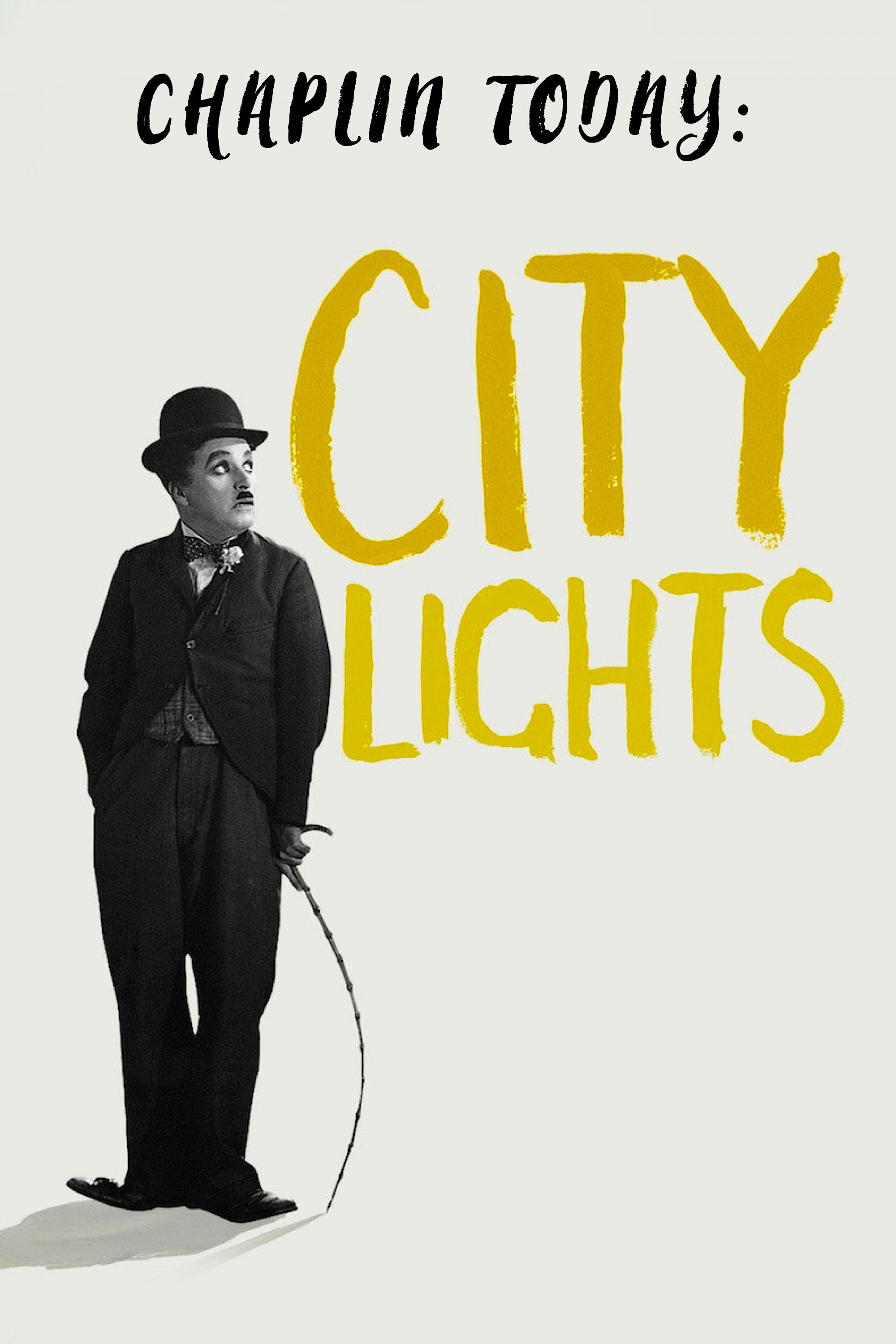
In 1928, as the talkies threw the film industry and film language into turmoil, Chaplin decided that his Tramp character would not be heard. City Lights would not be a talking picture, but it would have a soundtrack. Chaplin personally composed a musical score and sound effects for the picture. With Peter Lord, the famous co-creator of Chicken Run and Wallace & Gromit, we see how Chaplin became the king of slapstick comedy and the superstar of the movies.
1975: Alan Evans, aka the Rhondda Legend, was making decent money for playing darts.
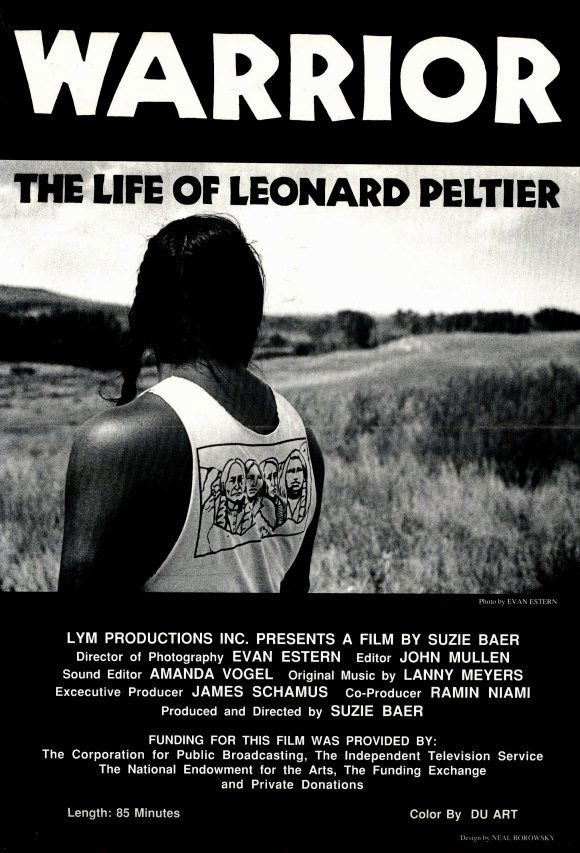
An intimate exploration of the circumstances surrounding the incarceration of Native American activist Leonard Peltier, convicted of murder in 1977, with commentary from those involved, including Peltier himself.
East German short film
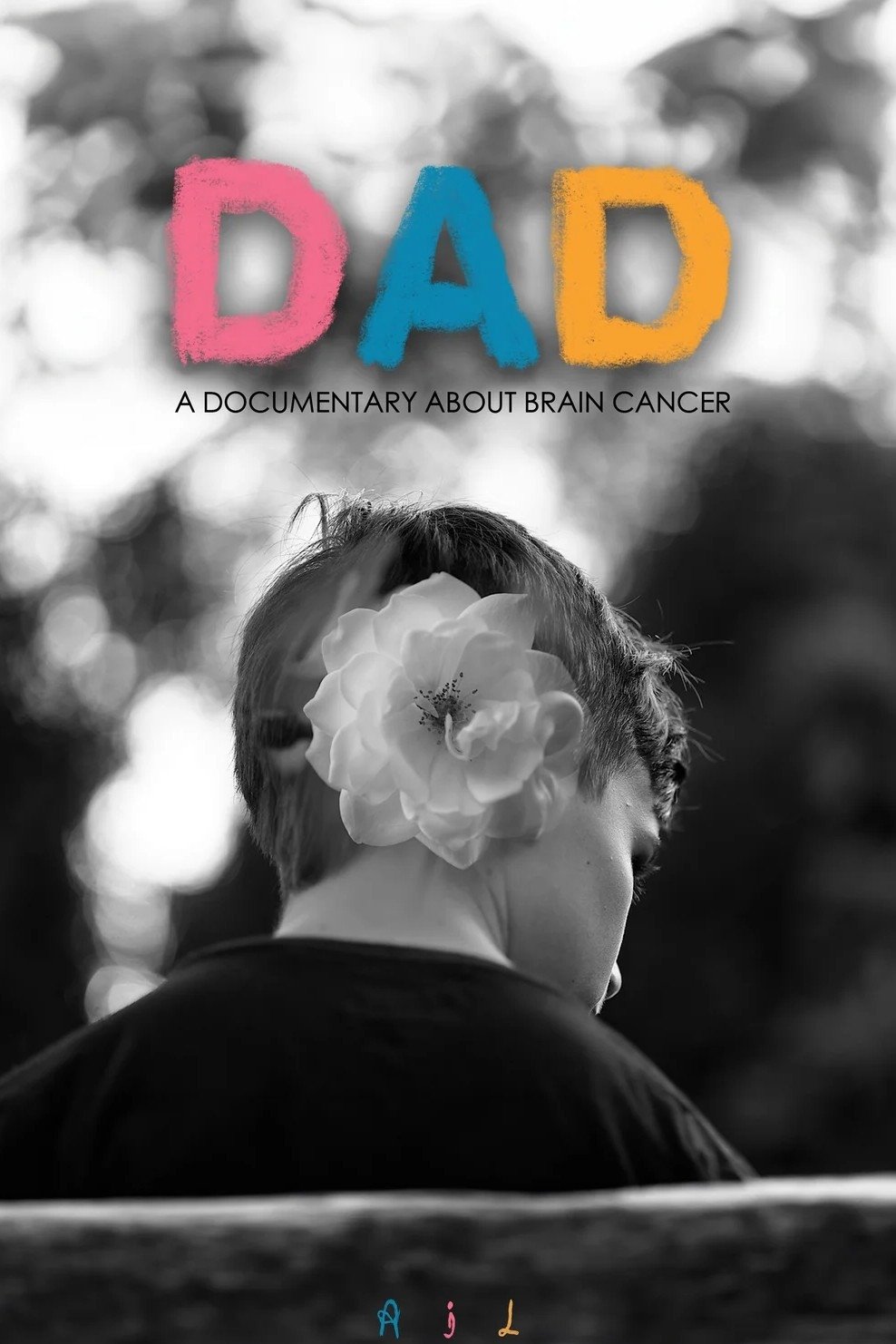
A poignant short documentary featuring three children as they reflect on a life-changing family tragedy: their father’s diagnosis with brain cancer. Told through their eyes, the film explores love, resilience, and the ways young people process illness and uncertainty within a family.
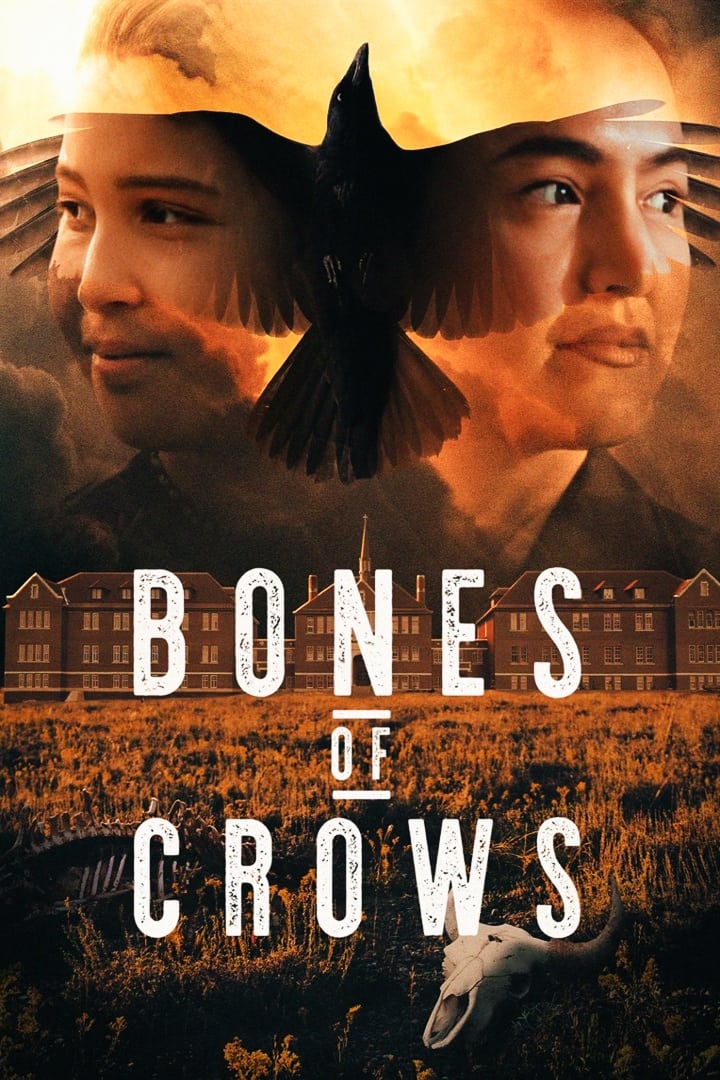
Cree matriarch Aline Spears survives a childhood in Canada’s residential school system to continue her family’s generational fight in the face of systemic starvation, racism, and sexual abuse. She uses her uncanny ability to understand and translate codes into working for a special division of the Canadian Air Force as a Cree code talker in World War II. The story unfolds over 100 years with a cumulative force that propels us into the future.
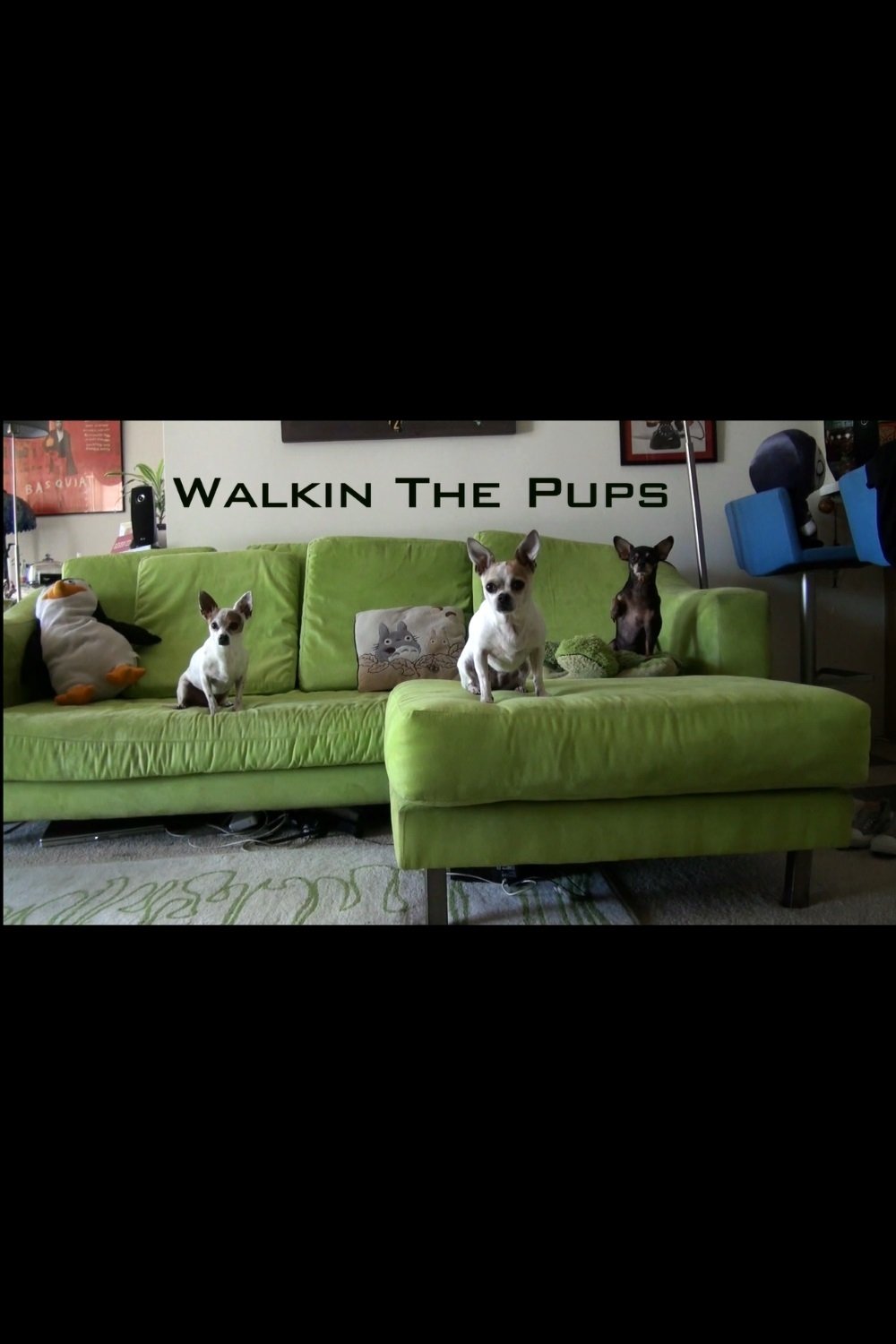
A heavily edited look at a routine dog walk with 3 small pups.
A short documentary that follows Korean grandparents as they share their modern-day reckoning of their immigration story and grandparenthood.
A documentary about a grumpy old man with an incredible collection of over 2000 masterpieces of world cinema rotting in a dusty warehouse of a provincial Italian town.
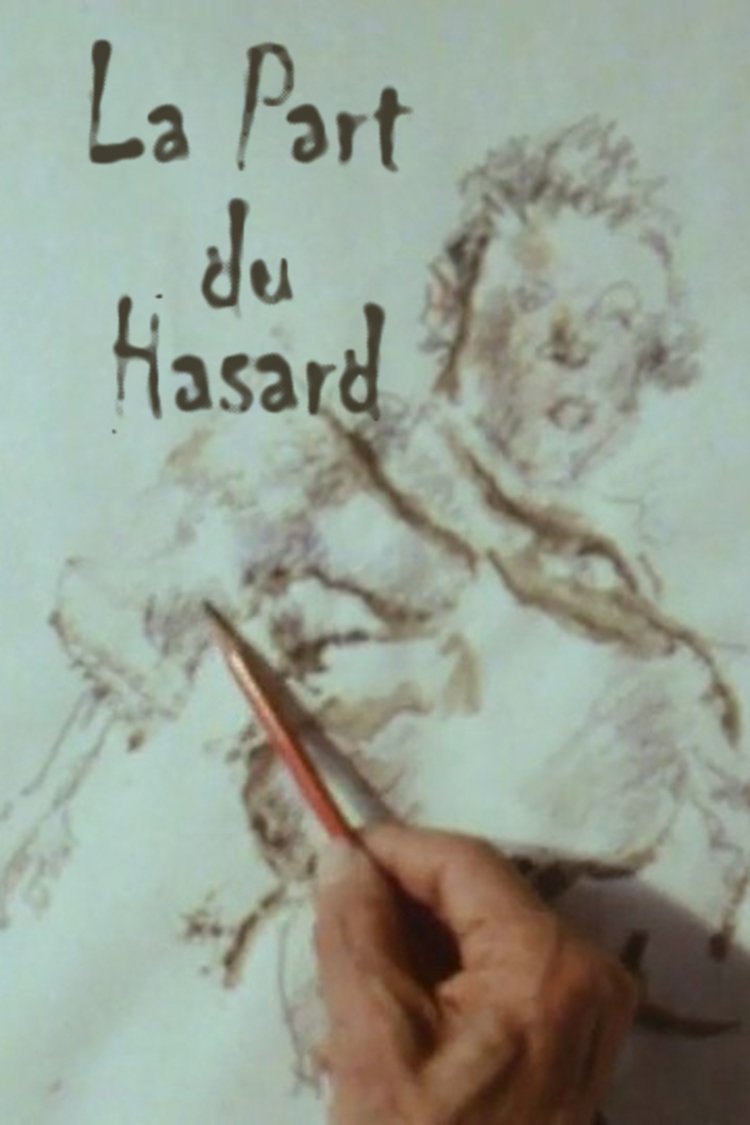
"The Role of Chance" ("La part du hasard") focuses exclusively on drawing and painting techniques used by the painter Henri Dimier. Shot over several weeks in the same artist's studio, the film shows works in their different phases, processes rarely explained or little known. It also addresses many practical issues (choice of paper, pigment grinding, reports drawings, put the tiles, cliches, etc) as well as broader questions of method and inspiration (use of space, the role of contours, power of suggestion perspectives, use of random processes). Patrick Bokanowski sought with this film to restore the spirit of this teaching, showing how to bend a note or sometimes revealing an essential mystery of creation.
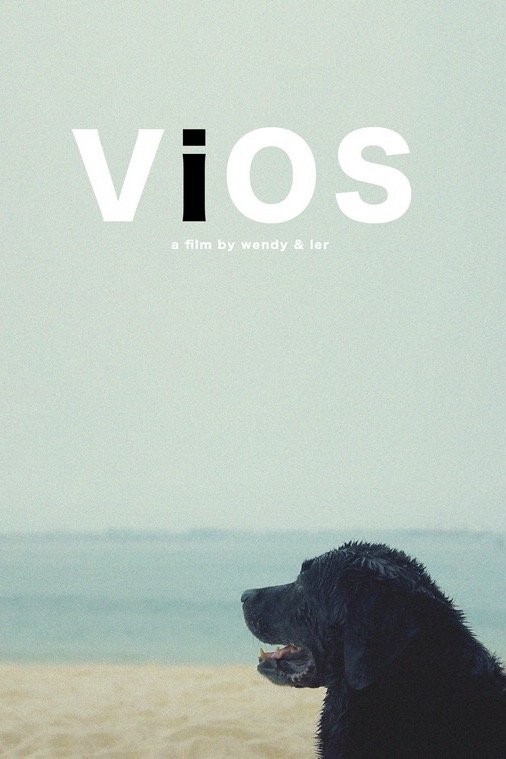
“At which point do you let go?…” – This is the central question of “Vios”, a short documentary that tracks the last days of a dog suffering from terminal cancer and how its owners struggle with the critical decision: whether or not to euthanise her. Shot over a 6-month period by the owners, Wendy and Ler, this intimate documentary is an unfettered access into the lives of the flmmakers, exposing their deepest vulnerabilities in face of this crisis, which had crushed their fnances and strained their relationship. Through their personal story, Wendy and Ler hope to create more awareness for dogs with cancer in Singapore and around the world.
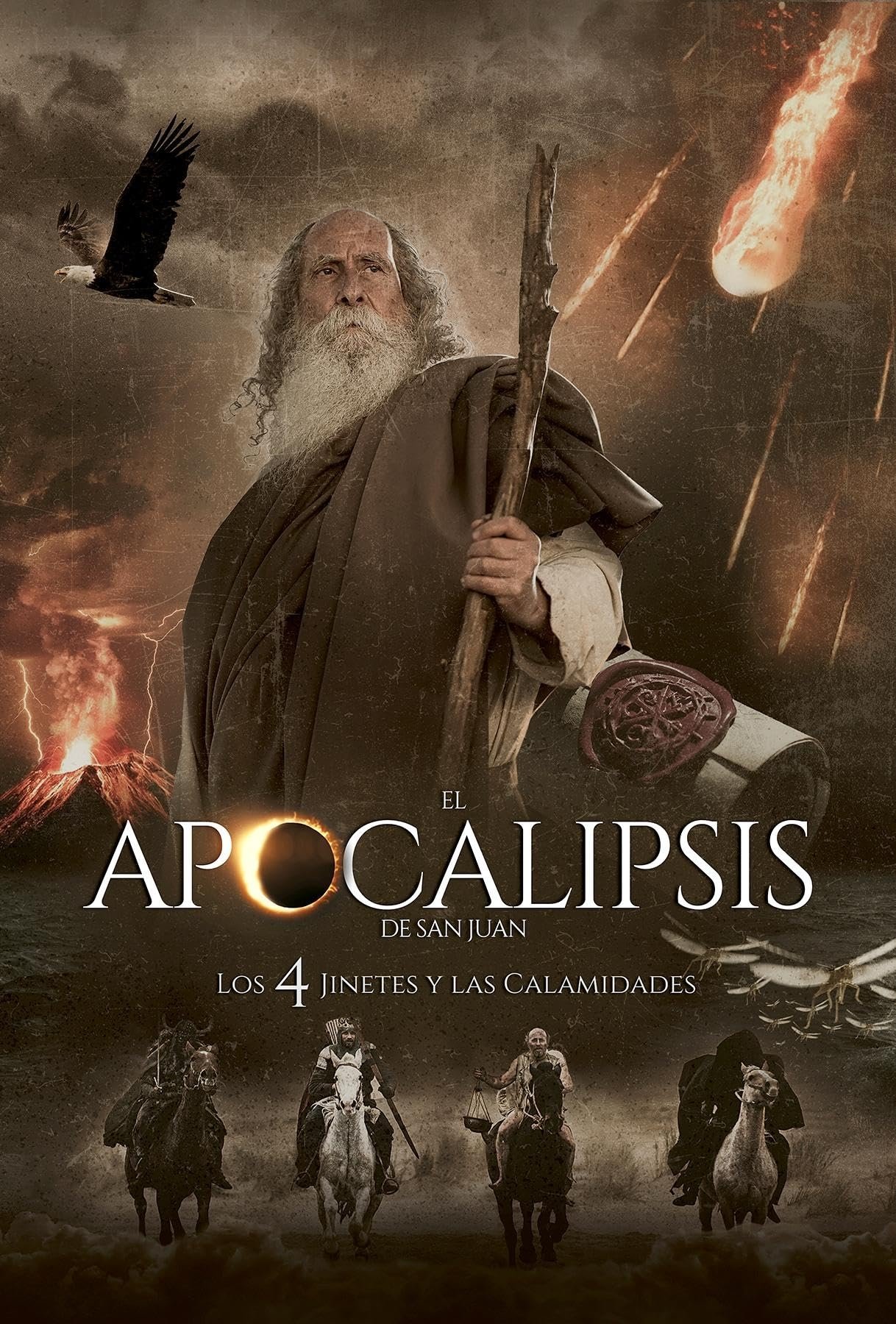
Embark on an epic journey through time and faith with 'The Apocalypse of Saint John.' Join the Apostle John in a stunning visual narrative that unravels the visions of the End Times. Experience each vision like never before, with striking visual effects and epic scenes that immerse you in the apocalyptic narrative.
Amber Heard and Nicole Kidman discuss their characters Mera and Atlanna.
Bryan Konietzko and Michael Dante DiMartino, co-creators of the hit television series, Avatar: The Last Airbender, reflect on the creation of the masterful series.
A visual montage portrait of our contemporary world dominated by globalized technology and violence.
Daniel Craig candidly reflects on his 15 year adventure as James Bond. Including never-before-seen archival footage from Casino Royale to the upcoming 25th film No Time To Die, Craig shares his personal memories in conversation with 007 producers, Michael G Wilson and Barbara Broccoli.
In celebration of Asian Heritage Month, HBO presents a collection of perspectives from a diverse group of Asian Americans.
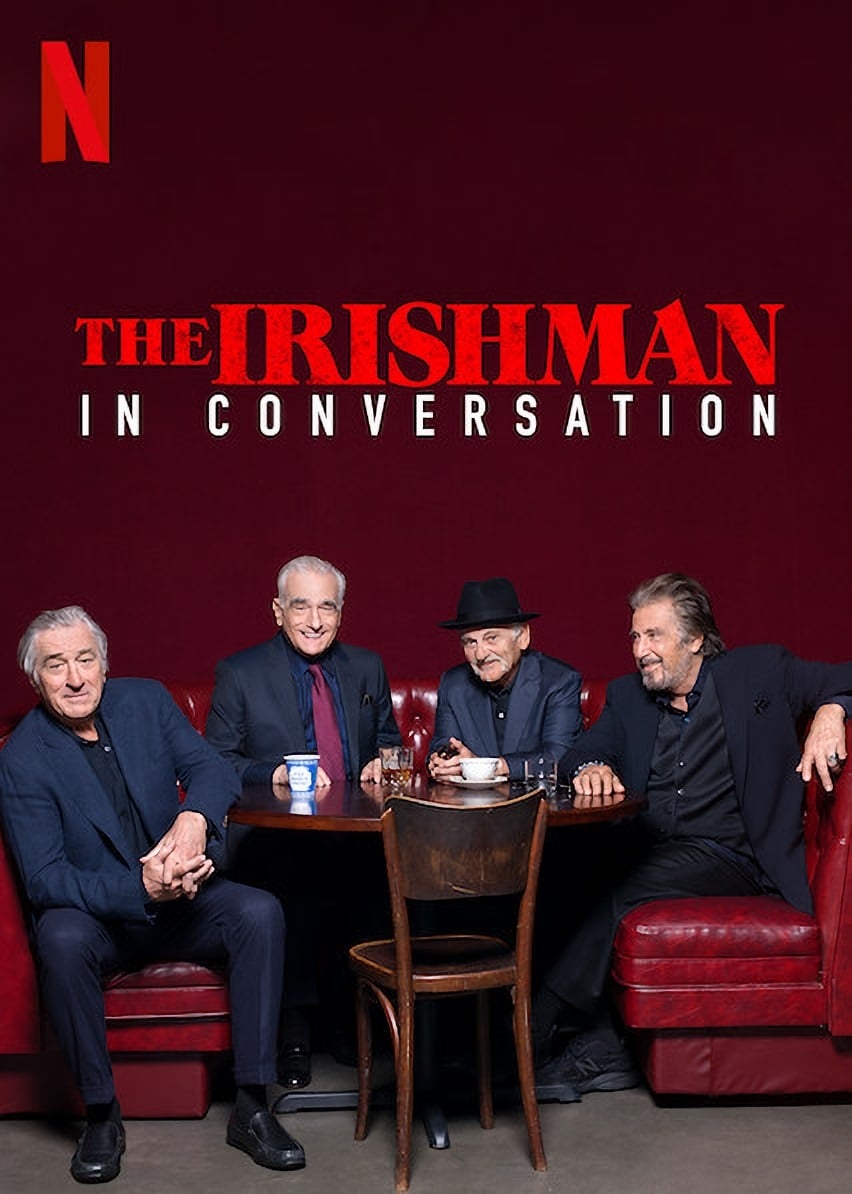
Martin Scorsese, Robert De Niro, Joe Pesci, and Al Pacino in conversation about The Irishman.
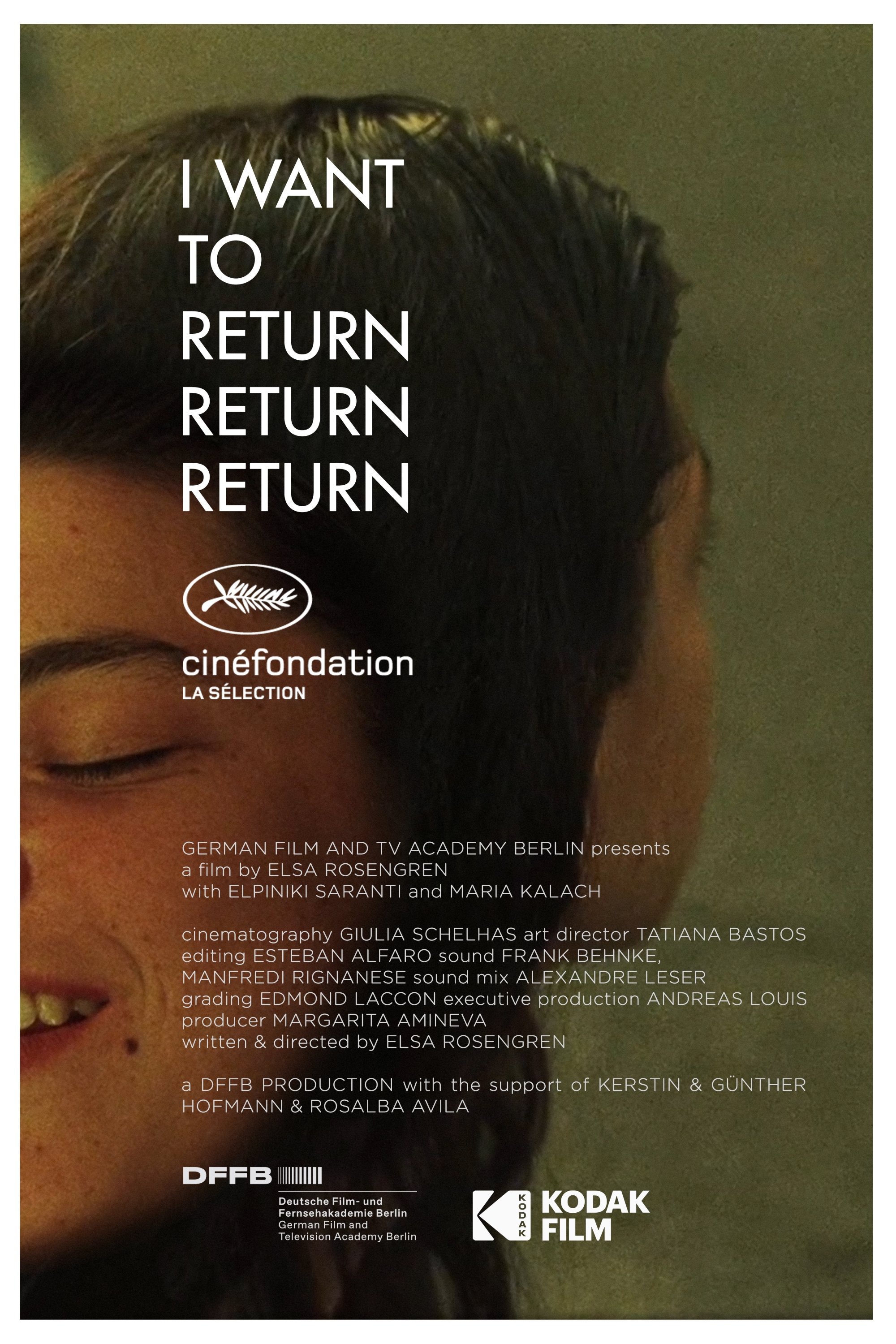
A depiction of the Wrangelkiez neighbourhood in Berlin. The people portrayed tell their life stories. One woman came to the neighbourhood a decade ago to work in Berlin’s still unfinished Brandenburger Airport, one man reminisces his childhood on a Tobacco farm in Kentucky, another speaks of an exceptional day in an otherwise monotonous workplace. These portraits are interwoven with the story of Elpi, a Greek woman who is waiting for the long overdue visit of an old important friend. The outcome of this mixture is a film which captures the lives and perspectives of some of Wrangelkiez’s most commanding citizens, while at the same time evoking the loss that change and time passing means for places and for people.
Filmed and edited in intimate vérité style, this movie follows visionary medical practitioners who are working on the cutting edge of life and death and are dedicated to changing our thinking about both.
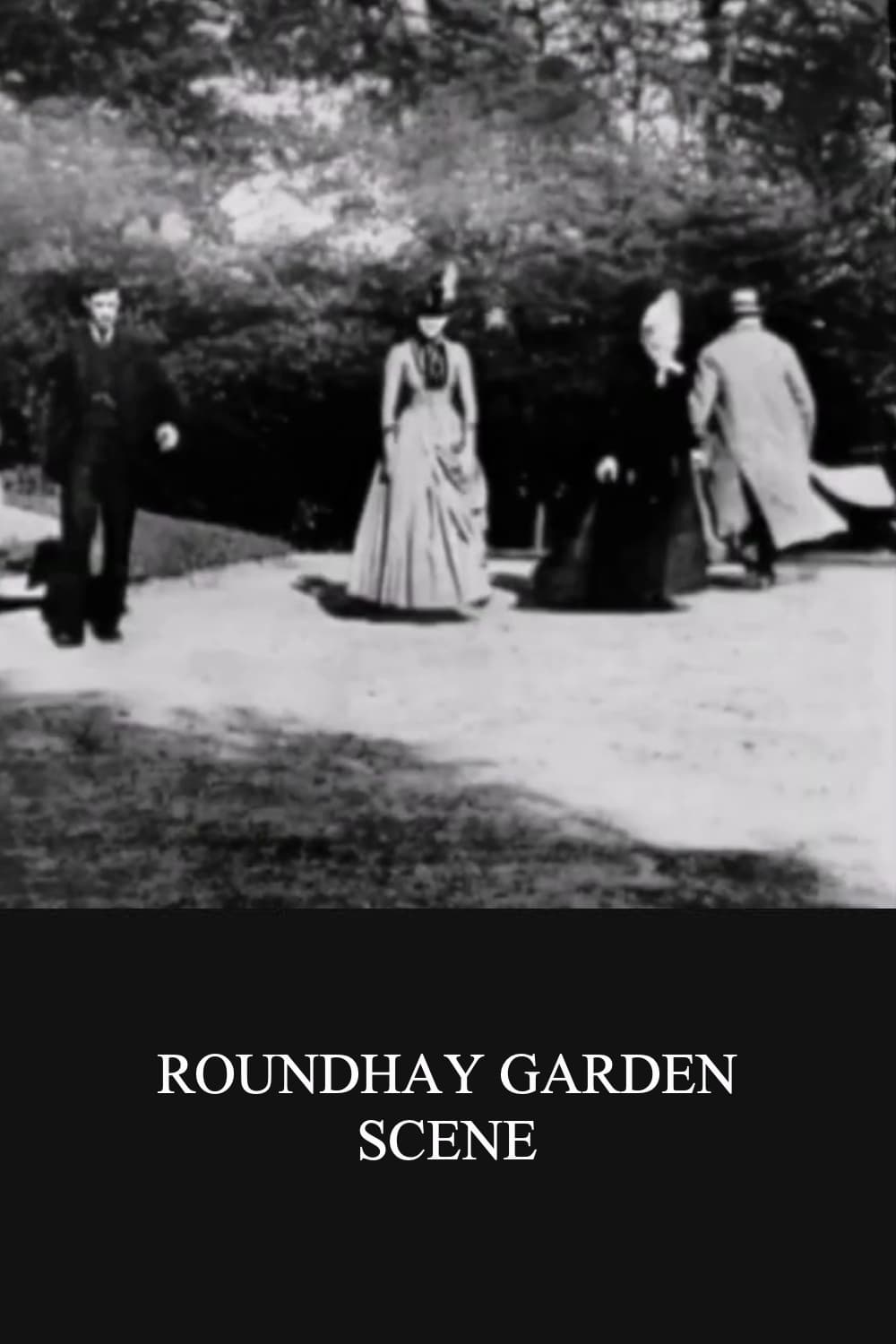
The earliest surviving motion-picture film, and believed to be one of the very first moving images ever created, was shot by Louis Aimé Augustin Le Prince using the LPCCP Type-1 MkII single-lens camera. It was taken on paper-based photographic film in the garden of Oakwood Grange, the Whitley family house in Roundhay, Leeds, West Riding of Yorkshire (UK), on 14 October 1888. The film shows Adolphe Le Prince (Le Prince’s son), Mrs. Sarah Whitley (Le Prince’s mother-in-law), Joseph Whitley, and Miss Harriet Hartley walking around in circles, laughing to themselves, and staying within the area framed by the camera. Roundhay Garden Scene is often associated with a recording speed of around 12 frames per second and runs for about 2 to 3 seconds.
Lyrical and powerfully personal essay film that reflects on the deaths of her husband Lou Reed, her mother, her beloved dog, and such diverse subjects as family memories, surveillance, and Buddhist teachings.
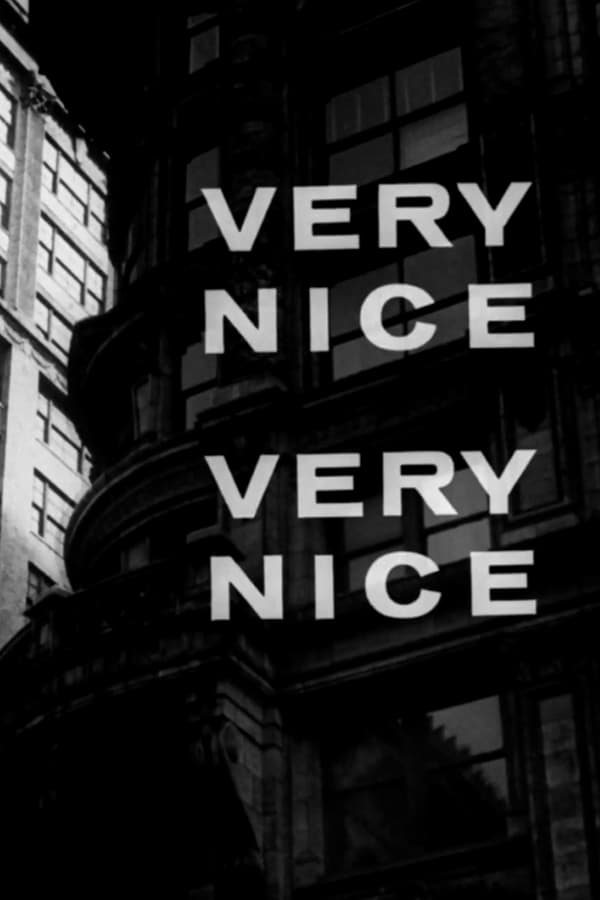
Arthur Lipsett's first film is an avant-garde blend of photography and sound. It looks behind the business-as-usual face we put on life and shows anxieties we want to forget. It is made of dozens of pictures that seem familiar, with fragments of speech heard in passing and, between times, a voice saying, "Very nice, very nice." The film was nominated for an Oscar for Best Live Action Short Film.
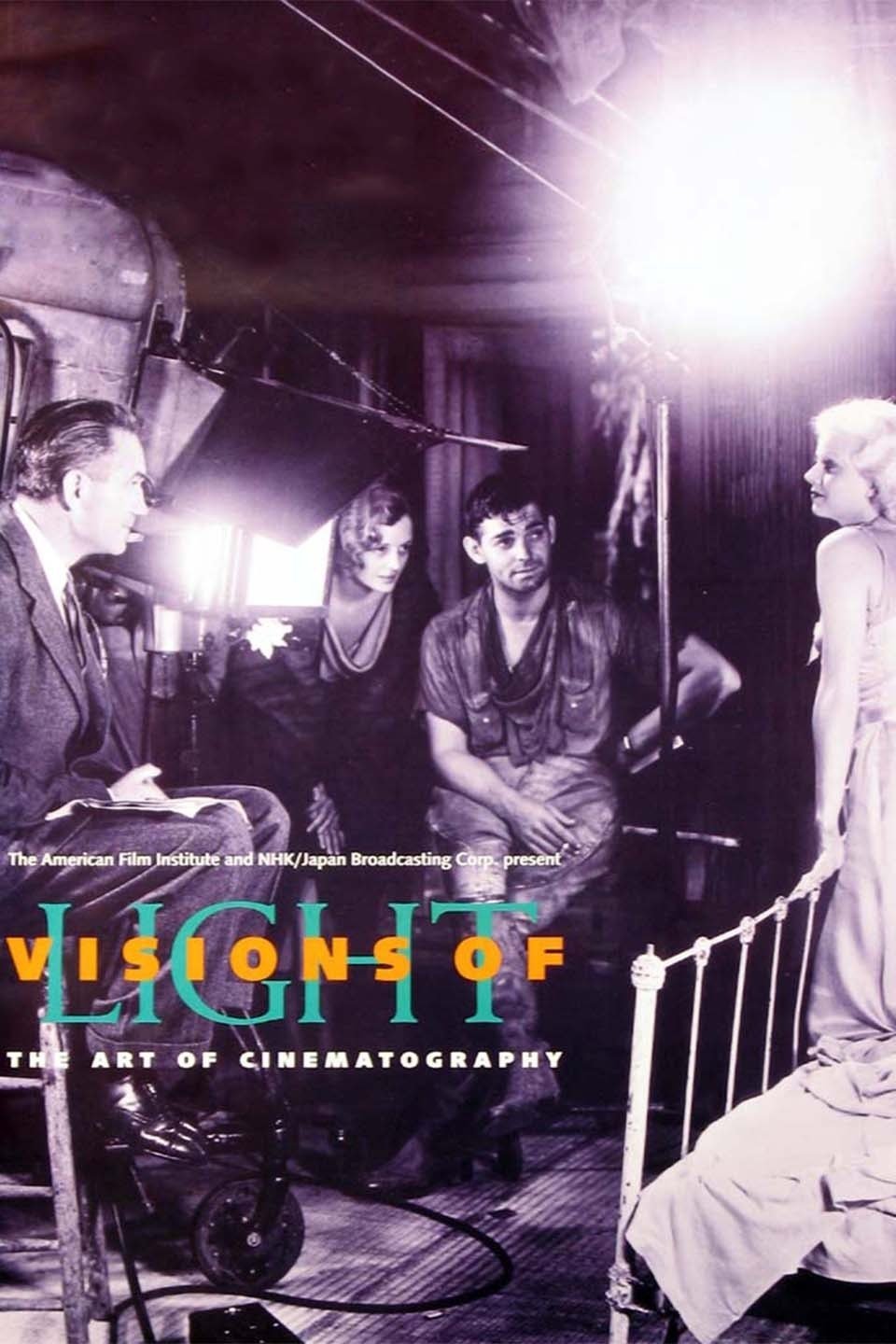
Cameramen and women discuss the craft and art of cinematography and of the "DP" (the director of photography), illustrating their points with clips from 100 films, from Birth of a Nation to Do the Right Thing. Themes: the DP tells people where to look; changes in movies (the arrival of sound, color, and wide screens) required creative responses from DPs; and, these artisans constantly invent new equipment and try new things, with wonderful results. The narration takes us through the identifiable studio styles of the 30s, the emergence of noir, the New York look, and the impact of Europeans. Citizen Kane, The Conformist, and Gordon Willis get special attention.
A documentary on the expletive's origin, why it offends some people so deeply, and what can be gained from its use.
A documentary about how a dominant cultural and demographic institution both sustains their traditional activities and adapts to the digital revolution.
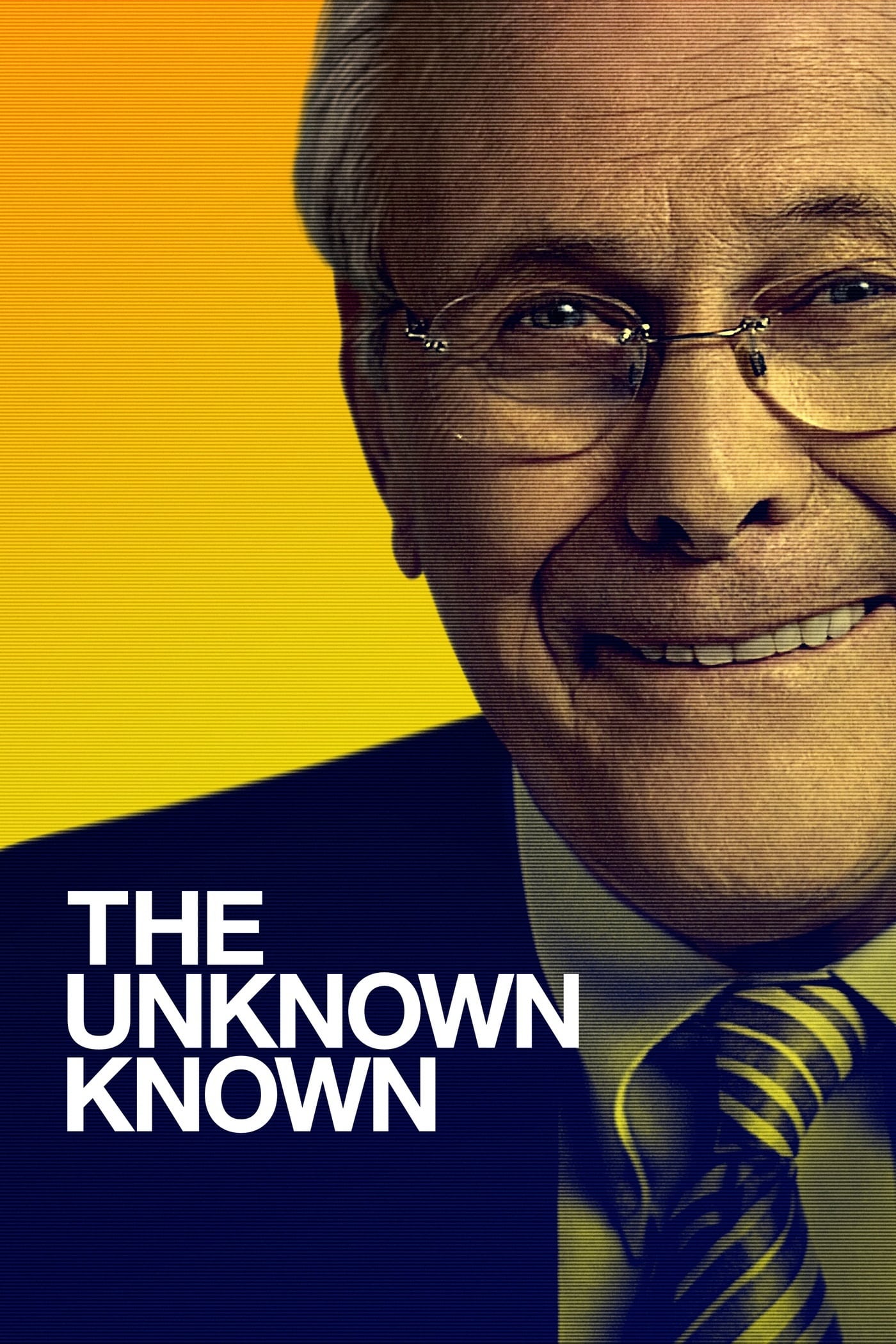
Former United States Secretary of Defense, Donald Rumsfeld, discusses his career in Washington D.C. from his days as a congressman in the early 1960s to planning the invasion of Iraq in 2003.
A compilation of over 30 years of private home movie footage shot by Lithuanian-American avant-garde director Jonas Mekas, assembled by Mekas "purely by chance", without concern for chronological order.
The history of cinematic sound, told by legendary sound designers and visionary filmmakers.
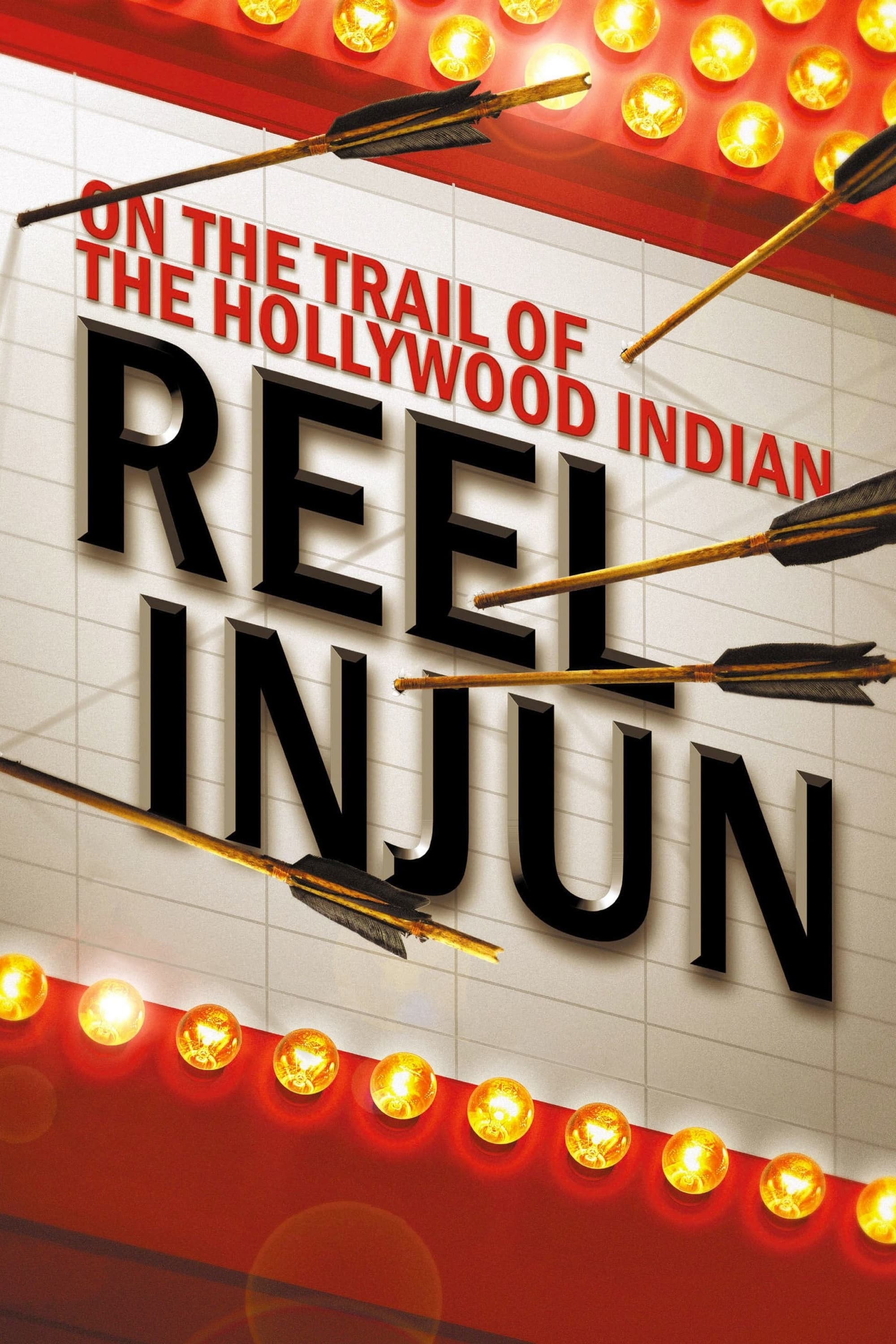
The evolution of the depiction of the various Native American peoples in cinema, from the silent era to the present day: how their image on the screen has changed the way to understand their history and culture.
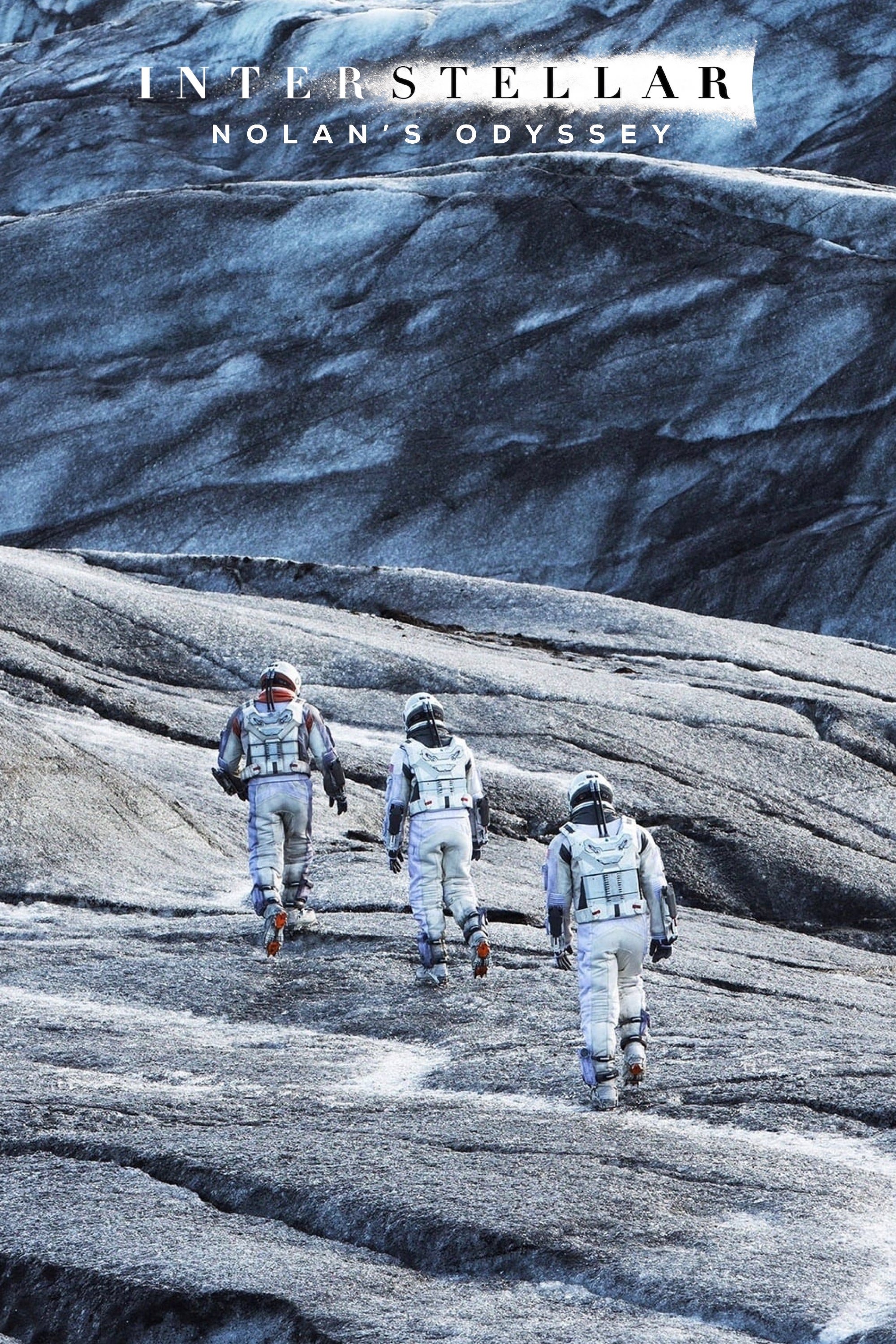
A look behind the lens of Christopher Nolan's space epic.