It was a foundational myth of the GDR that it was anti-fascist and free of Nazis. But was that really the case? The film takes a critical look on the actual way the brown heritage was dealt with in the GDR.
Social & External
Narrator (voice)
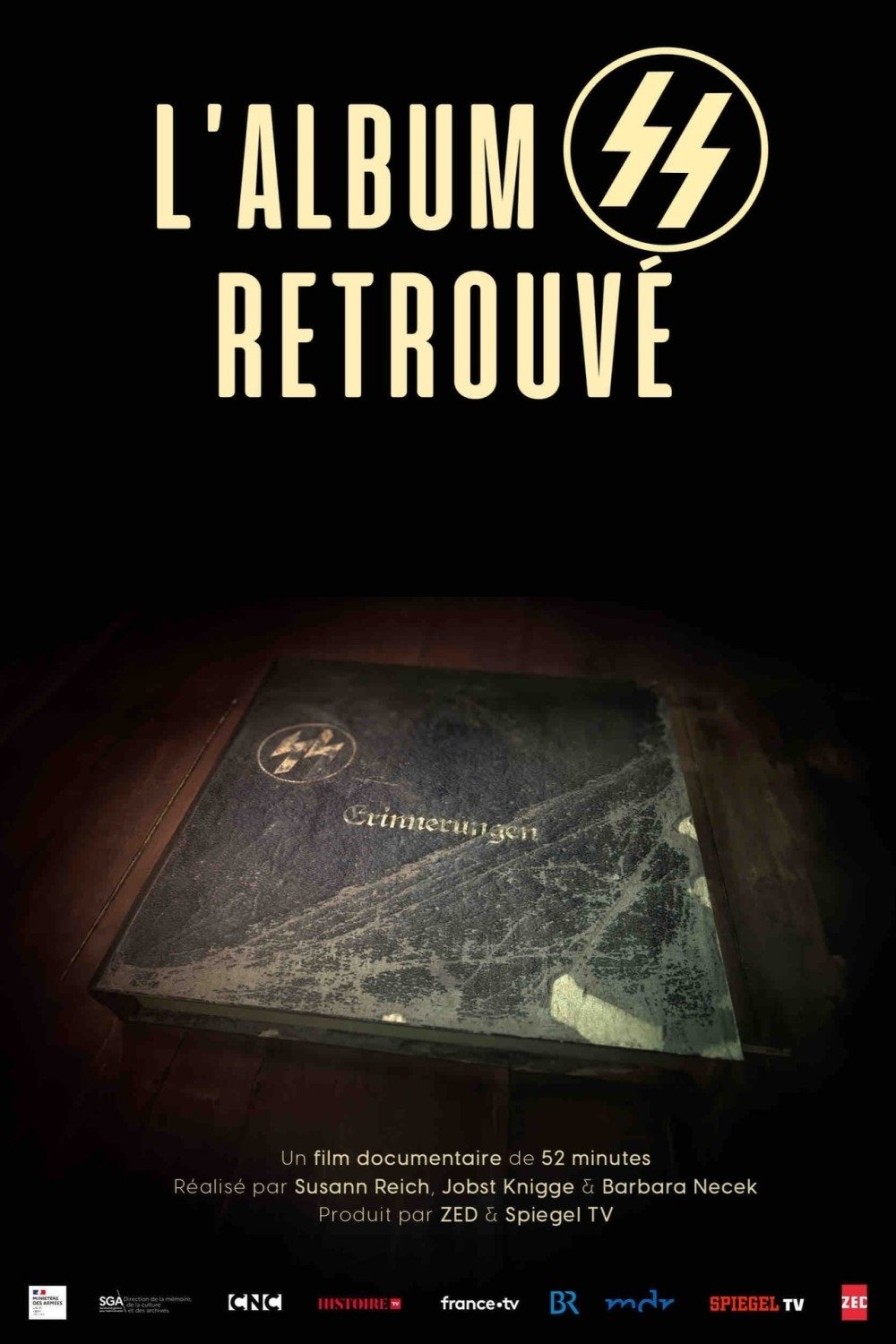
In 2016, an album containing 250 previously unseen photos of Nazi officials was discovered in the USA by Stephan Hördler, a prominent Holocaust historian, who immediately understood the album's inestimable value. The album brings together photographs of a "group of friends," all from the same region of Germany, all of whom became SS men. From 1928 to 1943, the photo album allows us to follow their journey. Hördler conducted the investigation, comparing the photos in the album with other, better-known ones, the faces of these men with those of concentration camp officials, and ultimately revealed that it was at Lichtencburg that these young men were trained, a "school" for future camp executioners, and the bonds of camaraderie and informal network that would allow them to help each other, even after the war.
Every year, the most beautiful, best and proudest representatives of German youth meet in Dresden to take to the streets together.
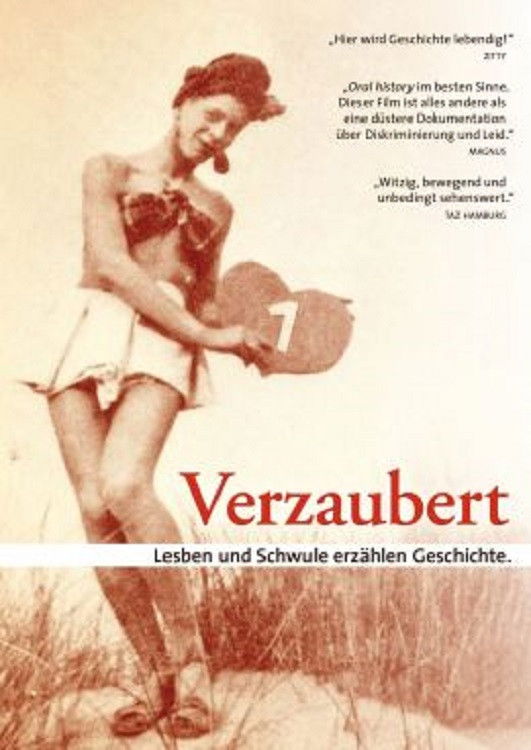
Stories of 12 gay and lesbian survivors of Nazism and the Holocaust.
The documentary accompanies a group of soccer fans twice on a train ride to a soccer match - first in 1991 and then again in 2006. Have the fans learned something or are they still hooligans?
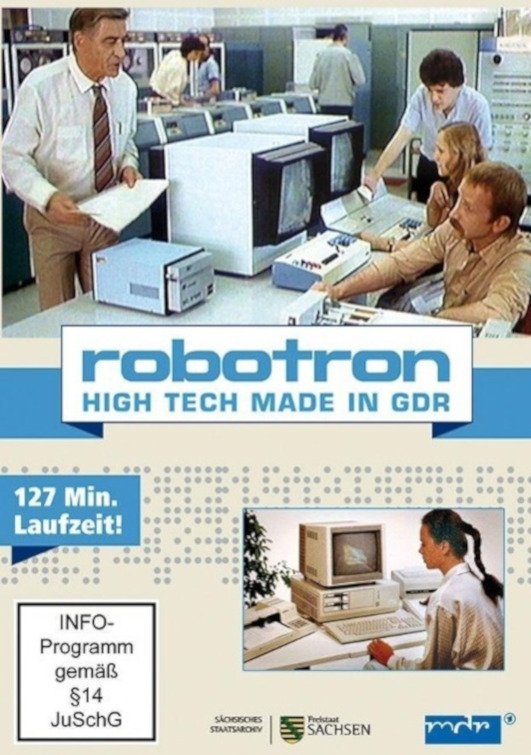
In a world divided by the Iron Curtain, East Germany sought to carve its niche in the technological race. Enter "Robotron" - a name that seamlessly blended "robot" and "electronics." This wasn't just a brand; it was an ambitious answer to the West's technological advancements, a testament to the GDR’s drive to match, if not surpass, Western innovation. Drawing inspiration from the corporate giants of the West, the GDR‘s government merged various businesses to form this tech behemoth. With 16 major hubs in Central Germany alone, it was clear: "Robotron" was to be the DDR's technological crown jewel. But what was the Socialist Unity Party (SED), the GDR's ruling party, envisioning with this grand venture? How did "Robotron" navigate the challenges of operating within a socialist planned economy, while striving for global excellence? And as it grew to dominate East Germany's tech landscape, why did it always seem to be one step behind the leading global tech powers?
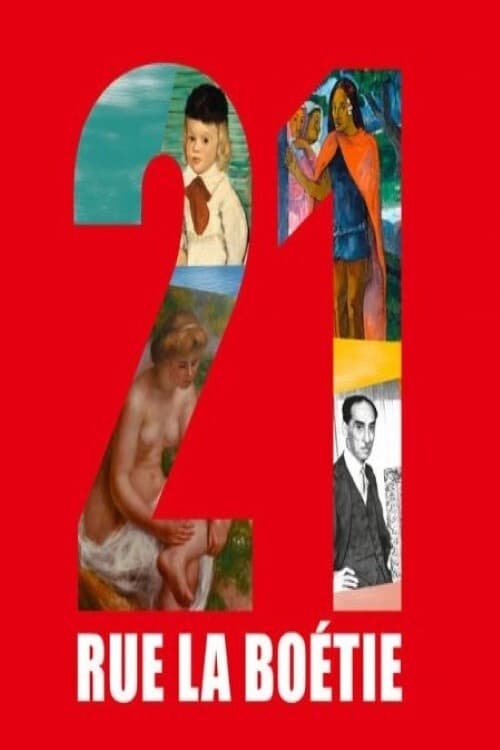
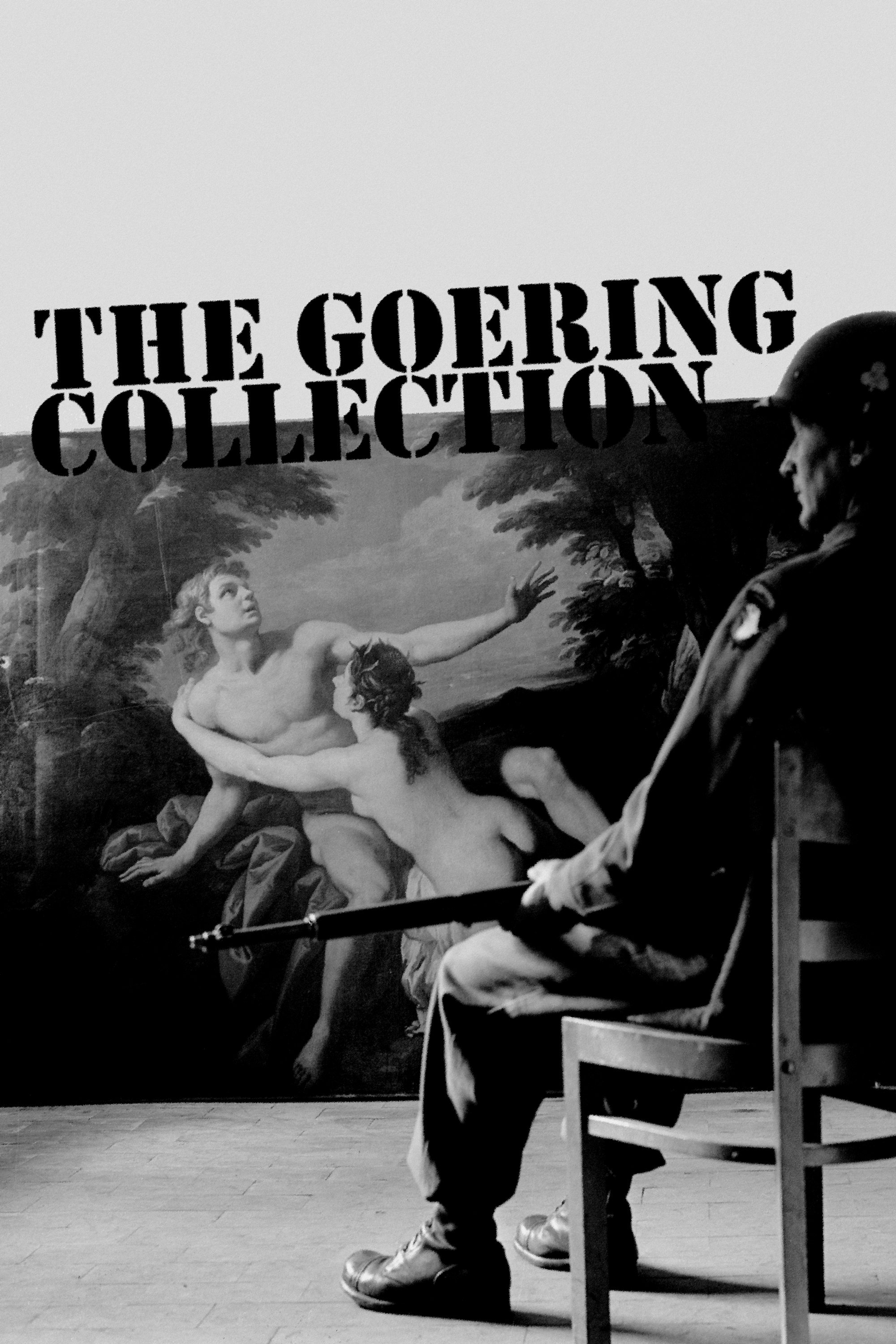
For more than a decade, Reichsmarschall Hermann Goering, Adolf Hitler's right-hand man during the infamous Third Reich, assembled a collection of thousands of works of art that were meticulously catalogued.
Even high Nazi leaders like Joseph Goebbels and Hermann Göring were almost contemptuous of this party comrad, and yet he was one of the most influential figures in the Third Reich: Julius Streicher, publisher of the anti-Semitic weekly "Der Stürmer", responsible for the worst propaganda and infamous for his corrupt and violent regime as Gauleiter of Franconia. By the Allies he was considered a symbol of Nazi hatred of the Jews. In 1946 he was sentenced to death in Nuremberg and executed.
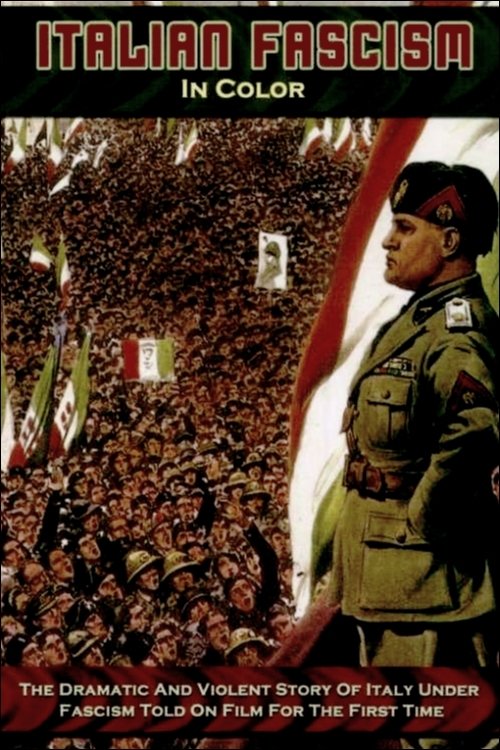
After the World War I, Mussolini's perspective on life is severely altered; once a willful socialist reformer, now obsessed with the idea of power, he founds the National Fascist Party in 1921 and assumes political power in 1922, becoming the Duce, dictator of Italy. His success encourages Hitler to take power in Germany in 1933, opening the dark road to World War II. (Originally released as a two-part miniseries. Includes colorized archival footage.)
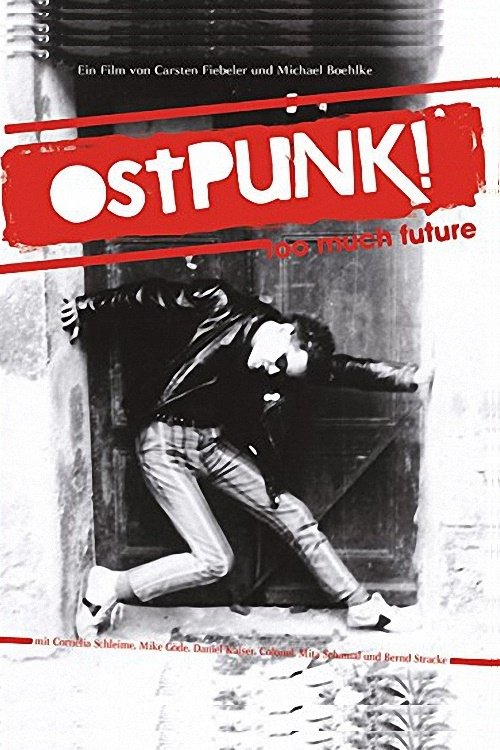
Tells the story of punk in the GDR.
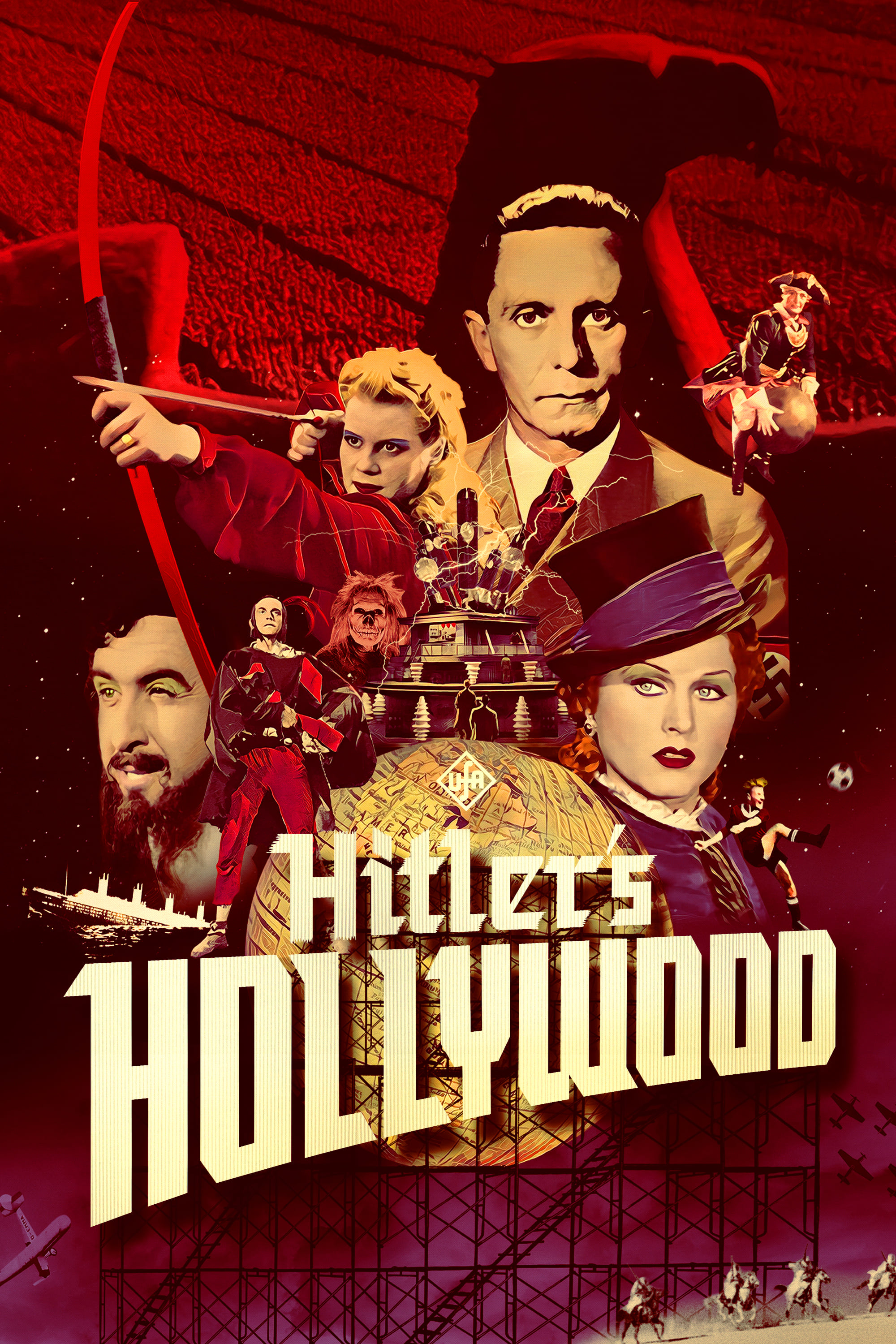
Film journalist and critic Rüdiger Suchsland examines German cinema from 1933, when the Nazis came into power, until 1945, when the Third Reich collapsed. (A sequel to From Caligari to Hitler, 2015.)
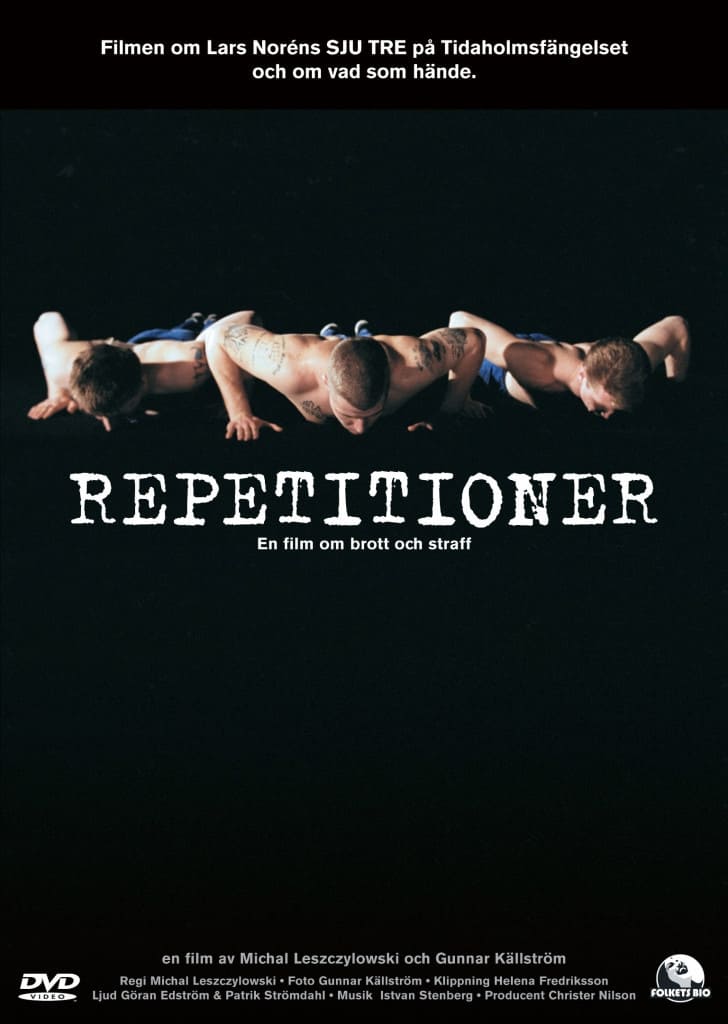
The theatre 7:3 project was conducted at the Tidaholm prison 1998-1999. What started as an artistic experiment, ended up in police killings at Malexander. The process in the prison were filmed during 6 months.
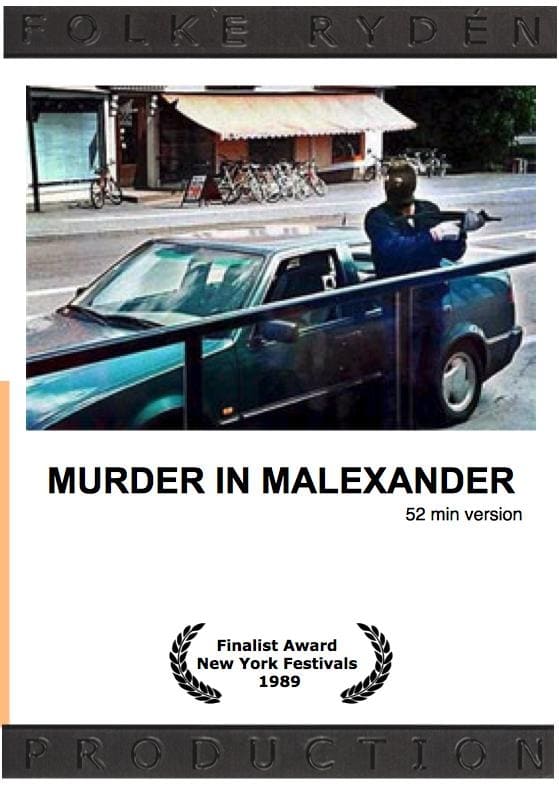
Depicts the controversial double police murder, involving neo-nazism and a theatre project by one of Scandinavia's most celebrated playwrights. The film traces a complex and fascinating chain of events leading up to the fatal climax in the picturesque small town of Malexander, Sweden.
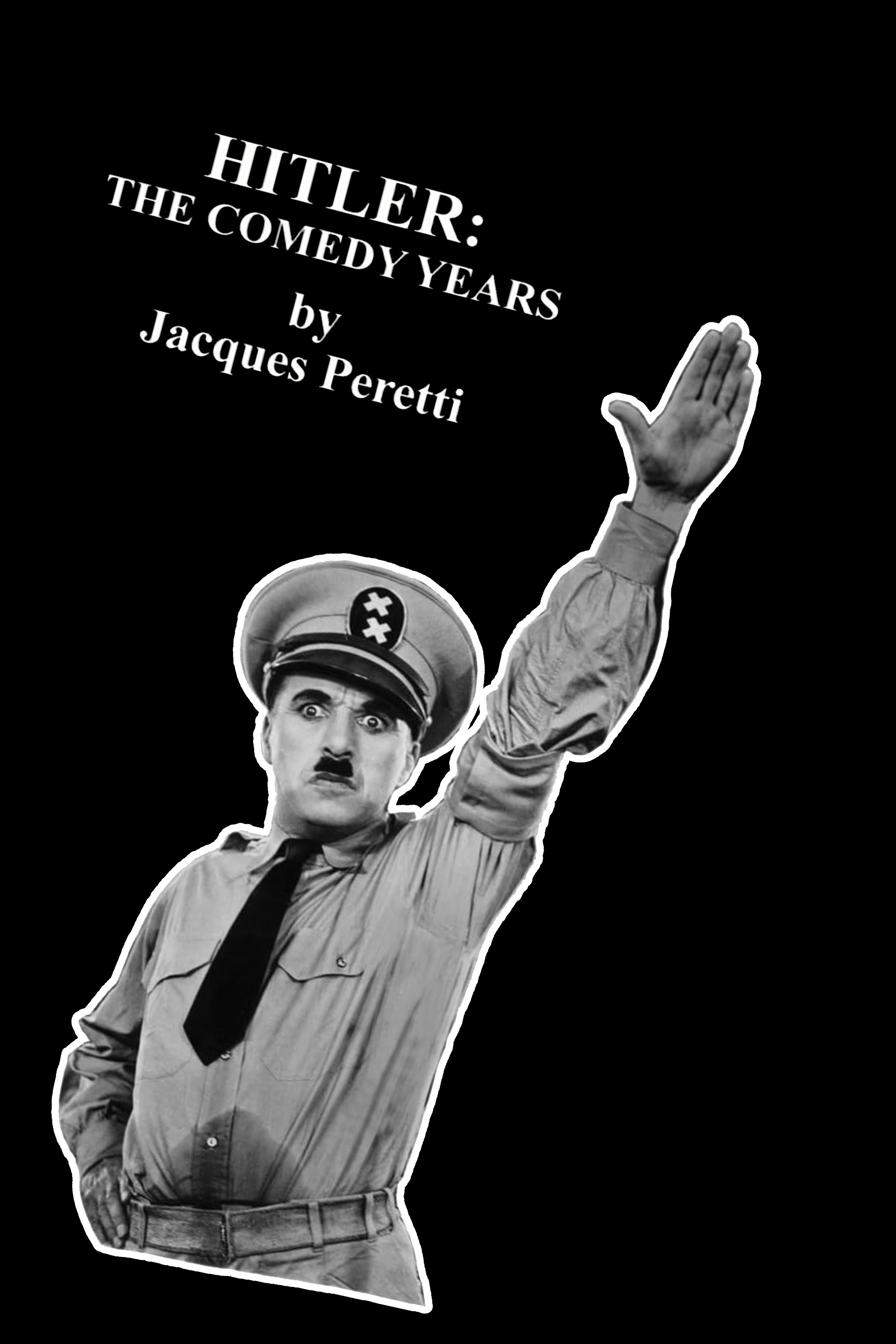
A documentary about the portrayal of Adolf Hitler in popular culture.
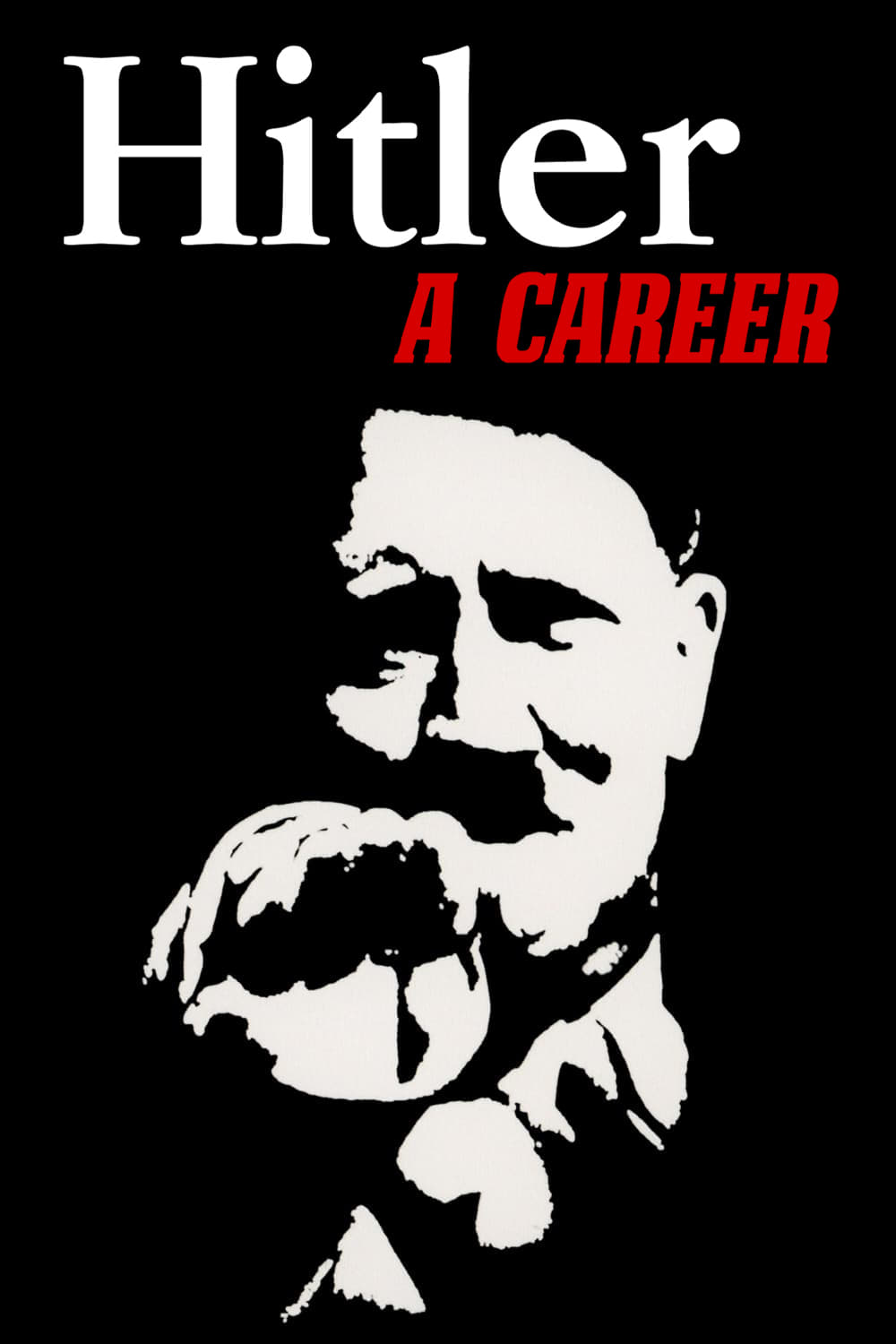
Hitler's biography told like never before. Besides brief historical localizations by a narrator, only contemporaries and Hitler himself speak: no interviews, no reenactment, no illustrative graphics and no technical gadgets. The testimonies from diaries, letters, speeches and autobiographies are assembled with new, often unpublished archive material. Hitler's life and work are thus reflected in a unique way in interaction with the image of the society in the years 1889 to 1945.
Located in former West Berlin, Tempelhof Airport reflects the dramatic history of the 20th century. Once a Nazi showpiece, it later became a symbol of freedom during the Berlin Airlift and the Cold War. In 1978, East German citizen Constanze Glien unexpectedly arrived here after her flight was hijacked, changing the course of her life.
Driven by extensive archive material and interviews with those who know her, this is the astonishing story of how a triple outsider – a woman, a scientist, and an East German – became the de facto leader of the “Free World”, told for the first time for an international audience.
"Himmlers Kantele Player" - about Finnish student, who decides to leave University of Sorbonne and walk from Paris to Helsinki in the spring of 1935. On his way, in Germany, he meets Heinrich Himmler, who is attracted by a traditional Finnish instrument, kantele. Himmler employs Yrjö as researcher to the Ahnenerbe institute to find the Aryan roots from the runic singing culture of Finnish Carelia.
Report on the four historic days from June 24 to June 27, 1963, during which the President of the United States visited the Federal Republic of Germany.
A keen chronicle of the unlikely rise to power of Adolf Hitler (1889-1945) and a dissection of the Third Reich (1933-1945), but also an analysis of mass psychology and how the desperate crowd can be deceived and shepherded to the slaughterhouse.
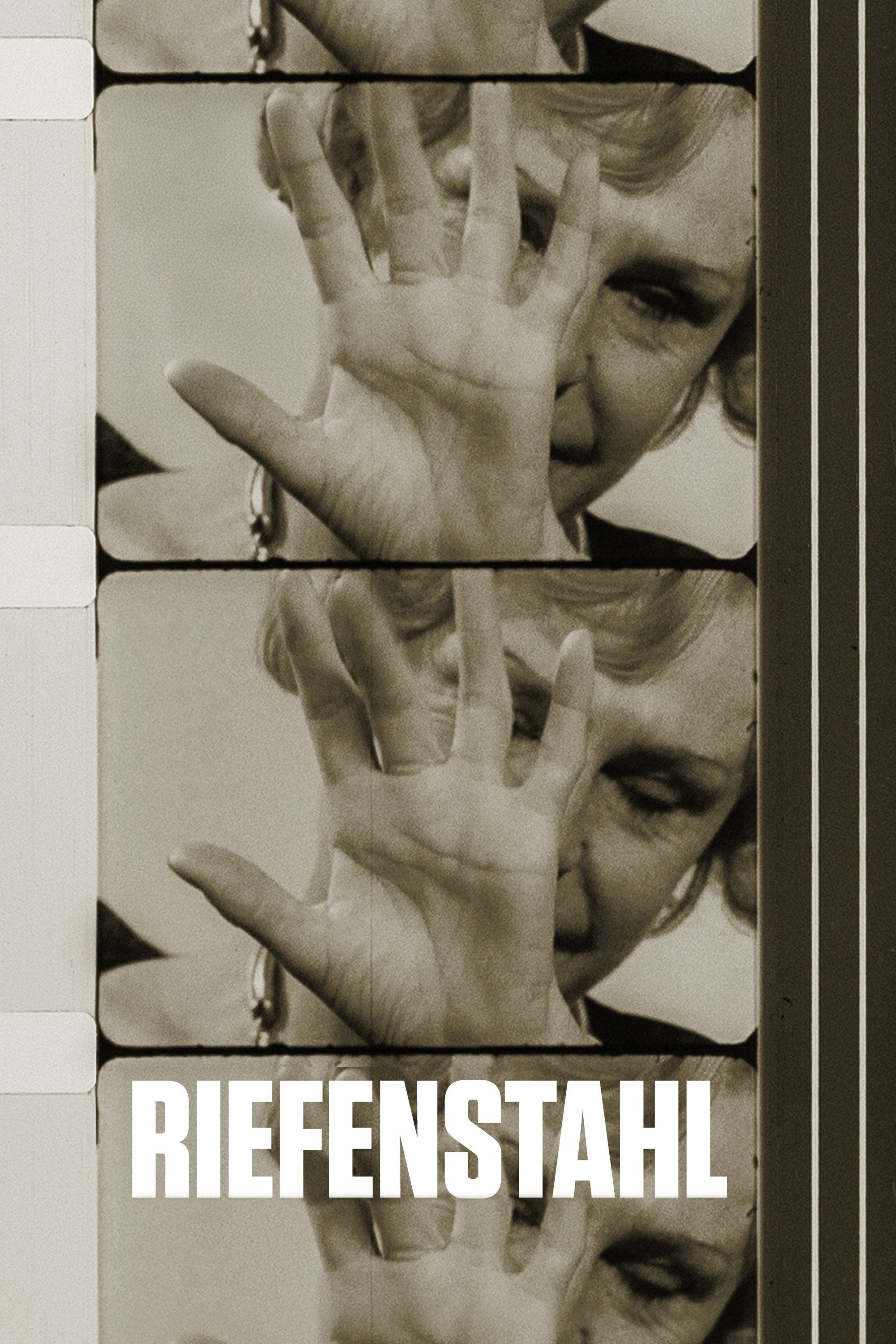
Explores Leni Riefenstahl's artistic legacy and her complex ties to the Nazi regime, juxtaposing her self-portrayal with evidence suggesting awareness of the regime's atrocities.
In the Realms of the Unreal is a documentary about the reclusive Chicago-based artist Henry Darger. Henry Darger was so reclusive that when he died his neighbors were surprised to find a 15,145-page manuscript along with hundreds of paintings depicting The Story of the Vivian Girls, in What is Known as the Realms of the Unreal, of the Glodeco-Angelinnian War Storm, Cased by the Child Slave Rebellion.
When Allied forces liberated the Nazi concentration camps in 1944-45, their terrible discoveries were recorded by army and newsreel cameramen, revealing for the first time the full horror of what had happened. Making use of British, Soviet and American footage, the Ministry of Information’s Sidney Bernstein (later founder of Granada Television) aimed to create a documentary that would provide lasting, undeniable evidence of the Nazis’ unspeakable crimes. He commissioned a wealth of British talent, including editor Stewart McAllister, writer and future cabinet minister Richard Crossman – and, as treatment advisor, his friend Alfred Hitchcock. Yet, despite initial support from the British and US Governments, the film was shelved, and only now, 70 years on, has it been restored and completed by Imperial War Museums under its original title "German Concentration Camps Factual Survey".
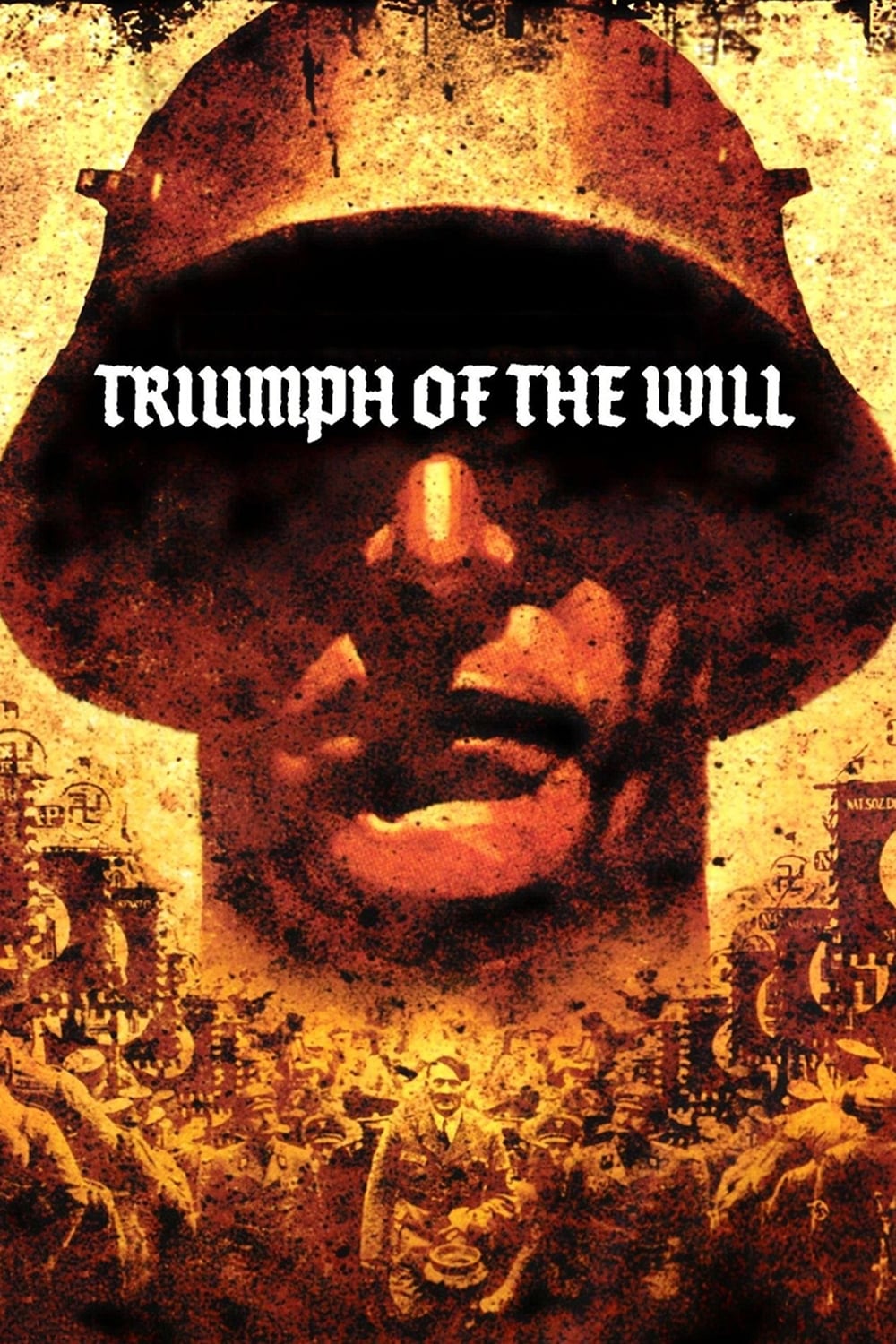
A showcase of German chancellor and Nazi Party leader Adolf Hitler at the 1934 Nuremberg Rally.
Louis Theroux travels to California to meet the man dubbed "the most dangerous racist in America"; Tom Metzger. Louis meets him, his family and his publicity manager as well as following him to skinhead rallies and on a visit to Mexico.
A documentary on the expletive's origin, why it offends some people so deeply, and what can be gained from its use.
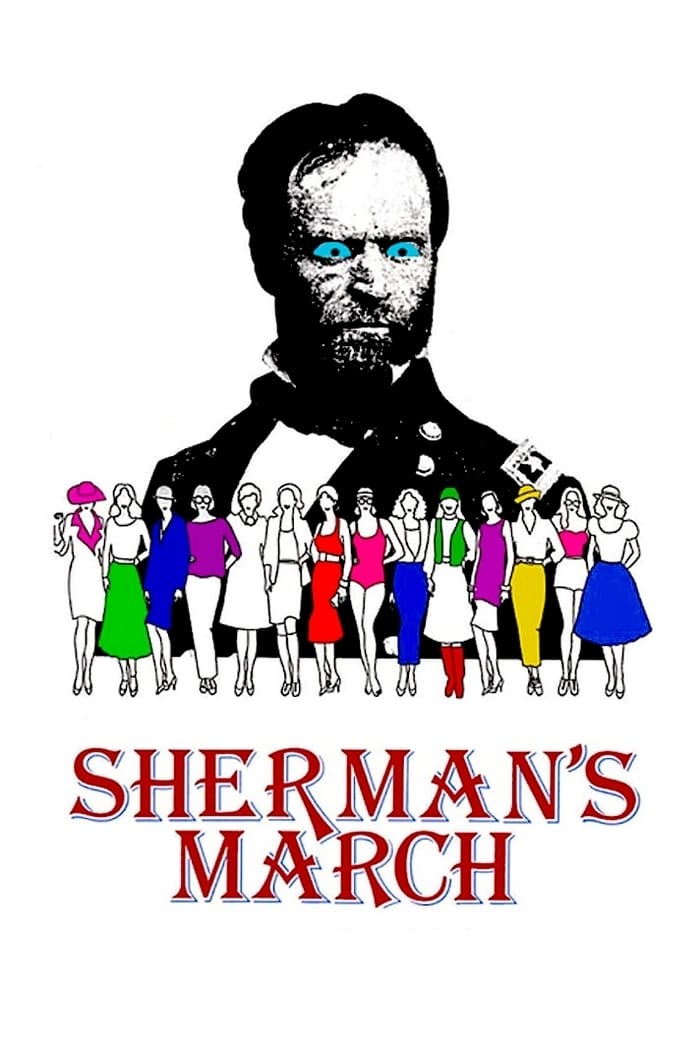
Ross McElwee sets out to make a documentary about the lingering effects of General Sherman's march of destruction through the South during the Civil War, but is continually sidetracked by women who come and go in his life, his recurring dreams of nuclear holocaust, and Burt Reynolds.
A subjective documentary that explores various theories about hidden meanings in Stanley Kubrick's classic film The Shining. Five very different points of view are illuminated through voice over, film clips, animation and dramatic reenactments.
A documentary about the life and films of director John Ford.
A detailing of the rise to prominence and global sporting superstardom of six supremely talented young Manchester United football players (David Beckham, Nicky Butt, Ryan Giggs, Paul Scholes, Phil and Gary Neville). The film covers the period 1992-1999, culminating in Manchester United's European Cup triumph.
This documentary examines the 1999 London bombings that targeted Black, Bangladeshi and gay communities, and the race to find the far-right perpetrator. He terrorized a city, seeking to ignite a race war but justice was served by those who wouldn't let his hate win.
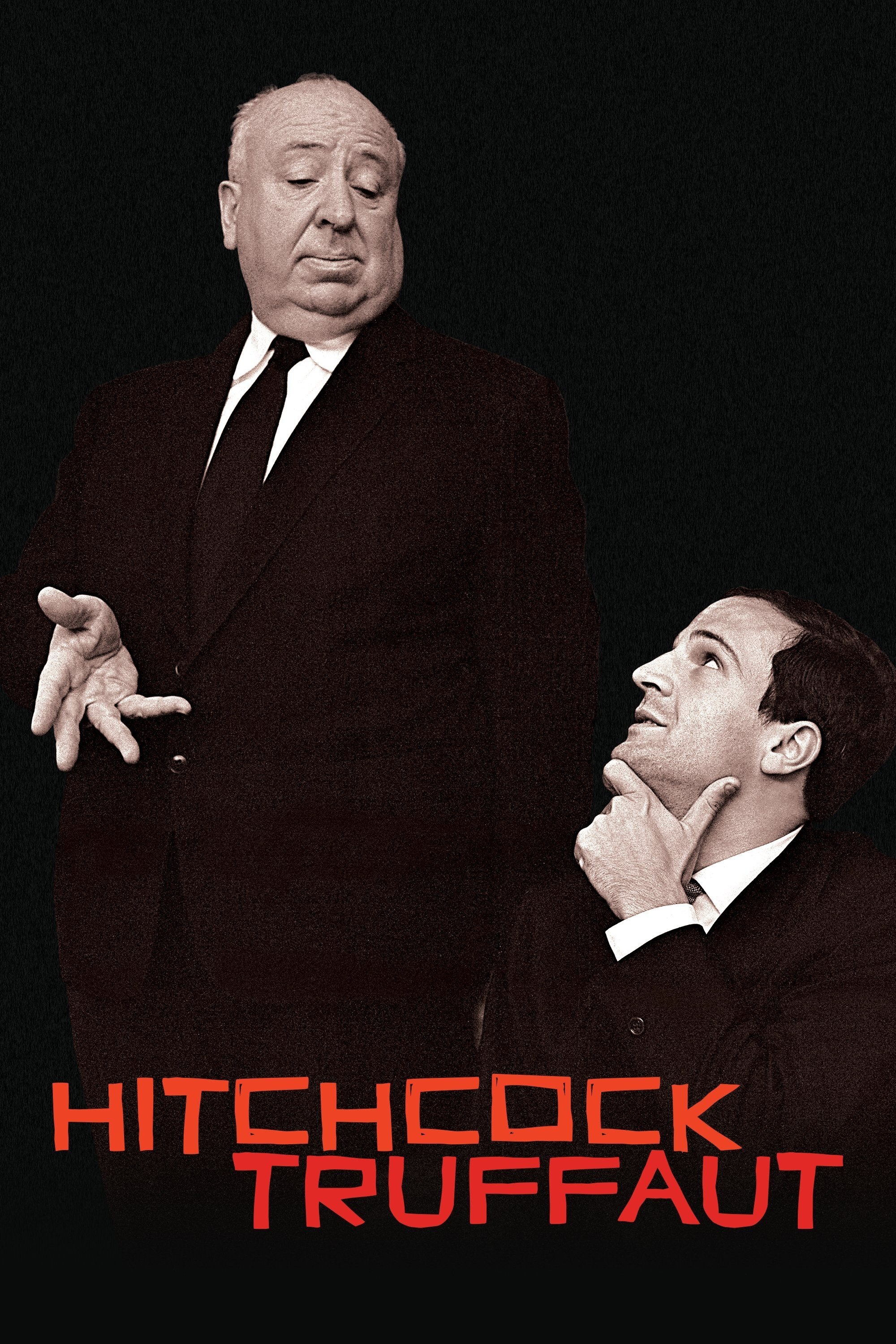
Filmmakers discuss the legacy of Alfred Hitchcock and the book “Hitchcock/Truffaut” (“Le cinéma selon Hitchcock”), written by François Truffaut and published in 1966.
Using the book 'Fragments', which collects Marilyn Monroe's poems, notes and letters, and with participation from the Arthur Miller and Truman Capote estates who have contributed more material, each of the actresses will embody the legend at various stages in her life.
Al Pacino's deeply-felt rumination on Shakespeare's significance and relevance to the modern world through interviews and an in-depth analysis of "Richard III."
“The Soviet Story” is a story of an Allied power, which helped the Nazis to fight Jews and which slaughtered its own people on an industrial scale. Assisted by the West, this power triumphed on May 9th, 1945. Its crimes were made taboo, and the complete story of Europe’s most murderous regime has never been told. Until now...
This revealing documentary honors the legendary Sidney Poitier—iconic actor, filmmaker, and civil rights activist. Featuring interviews with Denzel Washington, Spike Lee, Halle Berry, and more.
An in-depth look at the prison system in the United States and how it reveals the nation's history of racial inequality.
This unique cinematic experience dives deep into an artist’s work and reveals his life path, inspiration, and creative process. It explores his fascination with myth and history. Past and present are interwoven to diffuse the line between film and painting, allowing the audience to be completely immersed in the remarkable world of one of the greatest contemporary artists, Anselm Kiefer. Wim Wenders shot this unique portrait over the course of two years in stunning 3D.
Shot under extreme conditions and inspired by Mayan creation theory, the film contemplates the illusion of reality and the possibility of capturing for the camera something which is not there. It is about the mirages of nature—and the nature of mirage.