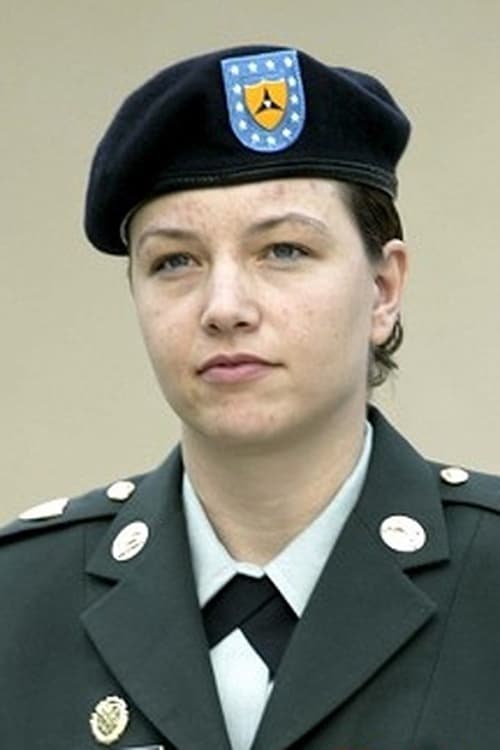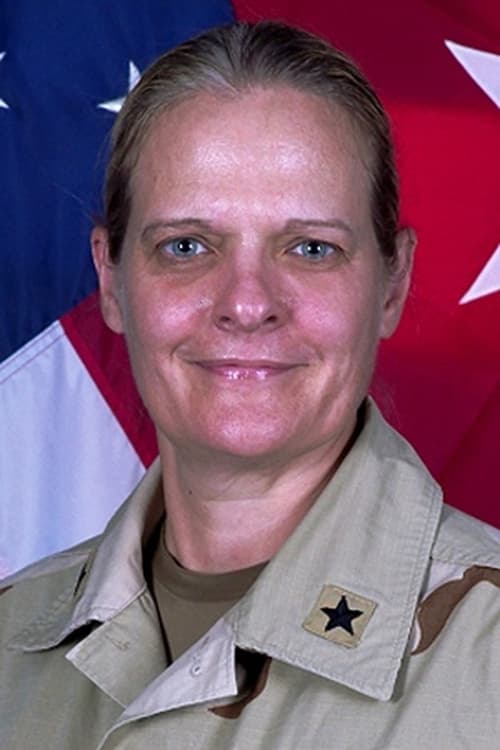




Errol Morris examines the incidents of abuse and torture of suspected terrorists at the hands of U.S. forces at the Abu Ghraib prison.
Buy
Rent
Social & External
The people behind it
Javal Davis
Self
Ken Davis
Tony Diaz
Tim Dugan
Lynndie England
Jefferey Frost
Megan Ambuhl Graner
Sabrina Harman
Janis Karpinski
Roman Krol
On 3 April 2004, during the holiday of Ashura, Iraqi rebels loyal to Shiite leader Muktada As-Sadr, launched an insurgency in the Polish zone. The Poles, together with Bulgarian soldiers and Iraqi police, were given the task of defending City Hall, led by Lieutenant colonel Grzegorz Kaliciak. The clash developed into the biggest Polish engagement since World War II. Not a single allied soldier died, although about 80 insurgents were killed in a counter-attack.
A film about the youth prison in Uppsala, which focuses on one intern's alienation and anxiety.
Filmmaker Mark Cousins, who was brought up in a Northern Irish war zone, travels to Goptapa, a Kurdish-Iraqi village of just seven hundred people on a tributary of the Tigris river, and tries to make a dream film about a place that is normally only portrayed in current affairs programmes. He gives the kids cameras, and they make their own little movies about war, love, a fish that goes to a magical place, and a chicken who debates justice.
For two weeks, Theroux visits the San Quentin State Prison.
Ragnar Alexsson, a.k.a. RAX, is among the most celebrated photographers in the world. His series Faces of the North are a living document of the dying cultures of the far northern reaches of the planet. His photo essays of farmers and fishermen in Icleand, and of the great hunters of Greenland give an amazing insight into everyday life of people who struggle a daily battle with the Arctic nature. A celebration of the photographer and his subjects, Last Days of the Arctic is an elegy for a disappearing landscape and the people who inhabit it.
The city of Lambèse is the scene of torture, both physical and moral, for the resistance fighters of the Algerian War. In the form of a fictional account adapted from the novel "Le camp" by Abdelhamid Benzine, the conditions in the special camps of the colonial army, where we accompany a group of detainees, in their daily life animated by violence are depicted. are former Nazi officers, whose mission is to abandon all resistance, and all ideological faith, through humiliation and drudgery.
A veritable city within a city, La Santé—as it is known—is an unworthy old lady: unworthy of housing human beings. Located in the heart of Paris, it needs to get back on its feet, and its closure for renovations in early July 2014 provides an opportunity to reflect on its past. Here is a non-exhaustive portrait of this Parisian prison, whose very architecture sheds light on its history and how it operates.
Incarcerated participants in a mental health experiment watch videos of sunset-soaked beaches, wildflowers and forests on loop, prompting them to reflect on isolation and wilderness. Equal parts meditation and provocation, Blue Room identifies the damage done by withholding access to the outdoors and how we are all prisoners when the essential human need for communion with nature is denied.
A journalist receives 32 new photos of 9/11 from a camera found in the rubble of the World Trade Center — and uses clues in each frame to ID the photographer.
“Fresh Start: A Marcus Harvin Story” presents an intimate portrayal of Marcus Harvin’s journey as he transcends his past to make a profound impact on the lives of those around him. The documentary offers a rare glimpse into Marcus’s daily life, capturing his heartfelt mission to share not only food but also compassion through his innovative non-profit organization, Fresh Start. Through candid interviews with key figures in Marcus’s life, including Stephanie Harvin, Babatunde Akinjobi, and Bradley Woodworth, the film illuminates Marcus’s unwavering determination and the vital support system that has helped him achieve his dreams. Viewers are invited to follow Marcus for a day, witnessing his dream project in action—an extraordinary restaurant concept where the only payment required is one’s presence.
A film about fragility; about a man obsessed with photographing the accident who discovered that the fate of others was his way of connecting to life. When does the image of the accident become the object of desire? Following the footsteps of Metinides and the work of contemporary tabloid photographers, we discover Mexico City through a narrative of crime scenes and accidents; rubbernecking though Metinides’ Gaze.
The love story of sixteen-year-old Arturs is interrupted by the First World War. After losing his mother and his home, he finds some consolation in joining the army, because this is the first time national battalions are allowed in the Russian Empire. But war is nothing like Arturs imagined – no glory, no fairness. It is brutal and painful. Arturs is now completely alone as war takes the lives of his father and brother. Also, no progress is made in the promised quick resolution of the war and timely return home. Within the notion that only he alone cares about returning home and that his homeland is just a playground for other nations, Arturs finds strength for the final battle and eventually returns home to start everything from scratch, just like his newly born country.
The film dramatizes November 11, 1919- a crucial date in the battle for Latvian independence. A year after the end of the official hostilities of WWI, a renegade German general and troops remain outside the Latvian capital. Latvian riflemen, most of them inexperienced volunteers, somehow managed to defeat a larger, better-armed force of German and Russian mercenaries.
Short documentary of Stefan Nadelman's road trip across America, focusing on other tourists and their compulsions and desires to photograph. The film won the Perrier Across America short film contest and earned a spot in the national ResFest touring digital film festival.
This film without words is composed of Pamela Bone's unique photograhic transparencies. Her talent has been said to 'push photography beyond its own limits, liberating it to the status of an entirely creative art form.' Inspired by nature, and being more responsive to feeling than to thought, Miss Bone has sought to express the mystery and beauty of the inner vision through photographic means alone: landscape has the quality of a dream; children on the sea-shore have a sense of their own enchantment, trees are forboding and strange when night moves in their arms. It took Miss Bone twenty years to find the right technique and so overcome the limitations that photography would impose.
Over a period of six years, director James Bluemel and producer Gordon Wilson followed epileptic alcoholic Nigel (37) from Oxford, England, who managed to slip through the net of the welfare system for 66 months. Self-mutilation, alcohol, and childlike delusions mean Nigel is a vulnerable man. In the words of his social worker, "Nigel has been abused financially, sexually, and emotionally for years." She's referring to the days when, while out "in the wild," a man named Robbie took Nigel under his wings. He was like a father to Nigel, while at the same time absolutely unfit for the role of caregiver, especially because he couldn't keep his hands to himself.
When an amusement park is built on the grounds of an old cemetery, the dead rise to take revenge.
Shot over five years. A unique document of the creative work of the most representative artist of her generation. She is a painter (she creates a 240 m mural in the film), and a photographer of icons, which reflect everything human that the spirit contains. Life and thought of an essential artist, creator over three decades of an internationally recognized work and deserving of the National Photography Award. “The Look of Ouka Lele” is the story of how the creativity of a genius develops, his passion and his struggle in thought, painting and photography. Art and existence, united by the effort, talent and beauty of a creator in eternal struggle.
A love letter from a young mother to her daughter, the film tells the story of Waad al-Kateab’s life through five years of the uprising in Aleppo, Syria as she falls in love, gets married and gives birth to Sama, all while cataclysmic conflict rises around her. Her camera captures incredible stories of loss, laughter and survival as Waad wrestles with an impossible choice– whether or not to flee the city to protect her daughter’s life, when leaving means abandoning the struggle for freedom for which she has already sacrificed so much.
In 1972, a seemingly typical shoestring budget pornographic film was made in a Florida hotel: "Deep Throat," starring Linda Lovelace. This film would surpass the wildest expectation of everyone involved to become one of the most successful independent films of all time. It caught the public imagination which met the spirit of the times, even as the self-appointed guardians of public morality struggled to suppress it, and created, for a brief moment, a possible future where sexuality in film had a bold artistic potential. This film covers the story of the making of this controversial film, its stunning success, its hysterical opposition along with its dark side of mob influence and allegations of the on set mistreatment of the film's star.
This searing investigative work shadows a group of activists risking unimaginable peril to confront the ongoing anti-LGBTQ program raging in the repressive and closed Russian republic. Unfettered access and a remarkable approach to protecting anonymity exposes this under-reported atrocity–and an extraordinary group of people confronting evil.
An investigation of how Hollywood's fabled stories have deeply influenced how Americans feel about transgender people, and how transgender people have been taught to feel about themselves.
Alex Gibney explores the phenomenon of Stuxnet, a self-replicating computer virus discovered in 2010 by international IT experts. Evidently commissioned by the US and Israeli governments, this malware was designed to specifically sabotage Iran’s nuclear programme. However, the complex computer worm ended up not only infecting its intended target but also spreading uncontrollably.
A detailed account of the life and artistic career of legendary filmmaker Quentin Tarantino, from his early days as a video club manager to the scandalous fall in disgrace of producer Harvey Weinstein. A story about how to shoot eight great movies and become an icon of modern pop culture.
The most famous murder scene in movie history comprises 78 camera settings and 52 cuts: the shower scene in Alfred Hitchcock's Psycho. 78/52 tells the story of the man behind the curtain and his greatest obsession.
A funny, intimate and heartbreaking portrait of one of the world’s most beloved and inventive comedians, Robin Williams, told largely through his own words. Celebrates what he brought to comedy and to the culture at large, from the wild days of late-1970s L.A. to his death in 2014.
A subjective documentary that explores various theories about hidden meanings in Stanley Kubrick's classic film The Shining. Five very different points of view are illuminated through voice over, film clips, animation and dramatic reenactments.
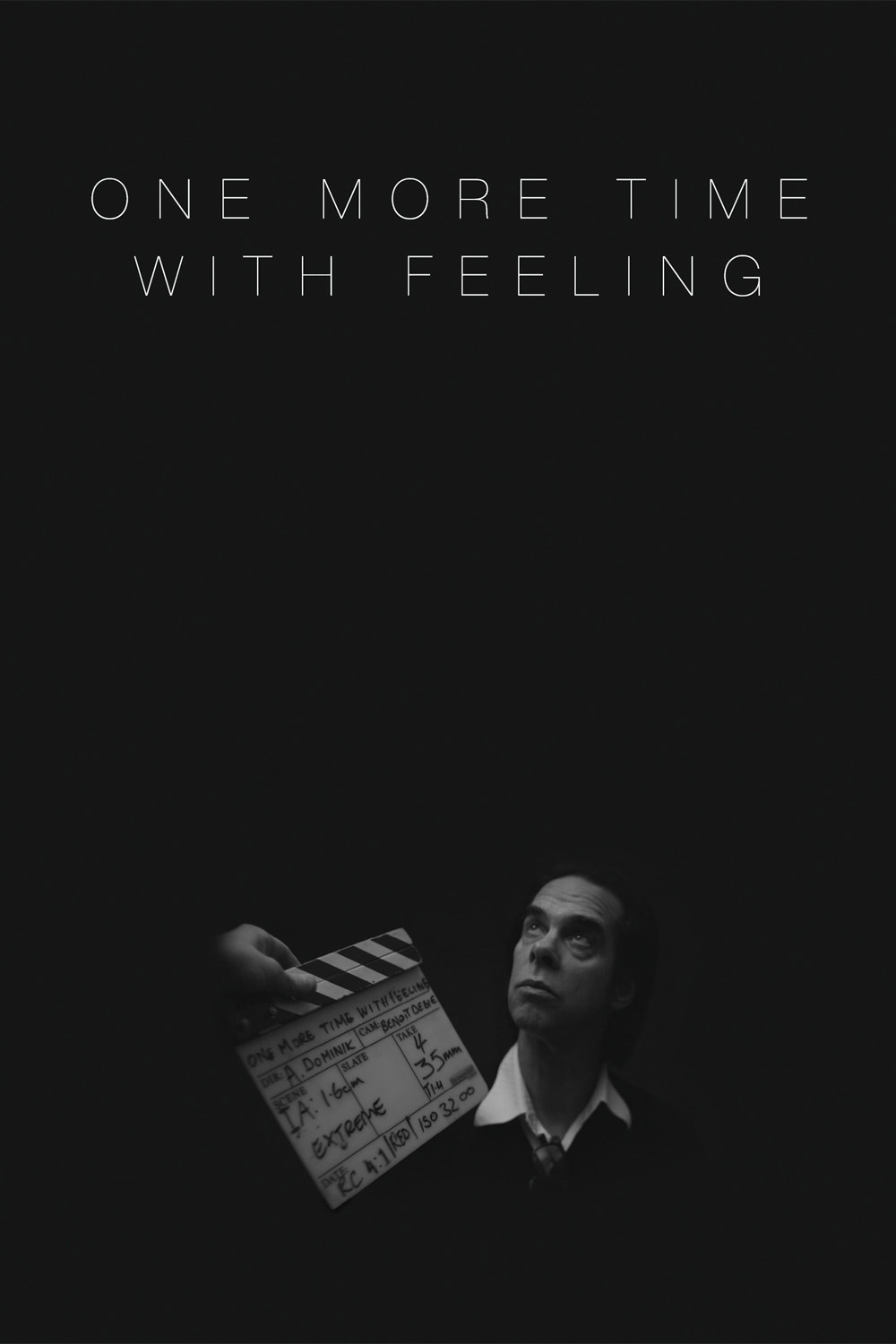
Andrew Dominik's One More Time With Feeling is a remarkable black and white documentary which chronicles the creation of Nick Cave & The Bad Seeds' album Skeleton Tree. Originally a performance based concept, the film evolved into something much more significant as Dominik delved into the tragic backdrop of the writing and recording of the album. The result is stark, fragile and raw, and a true testament to an artist trying to find his way through the darkness. It documents the writing, recording and performing of Nick Cave & the Bad Seeds’ sixteenth studio album, Skeleton Tree.
Documentary about legendary Paramount producer Robert Evans, based on his famous 1994 autobiography.
Over the past 25 years, Lauren Greenfield's documentary photography and film projects have explored youth culture, gender, body image, and affluence. Underscoring the ever-increasing gap between the haves and the have-nots, portraits reveal a focus on cultivating image over substance, where subjects unable to attain actual wealth instead settle for its trappings, no matter their ability to pay for it.
Fueled by a raging libido, Wild Turkey, and superhuman doses of drugs, Thompson was a true "free lance, " goring sacred cows with impunity, hilarity, and a steel-eyed conviction for writing wrongs. Focusing on the good doctor's heyday, 1965 to 1975, the film includes clips of never-before-seen (nor heard) home movies, audiotapes, and passages from unpublished manuscripts.
Using previously unheard audiotapes recorded shortly after John Belushi’s death, director R.J. Cutler’s documentary feature examines the too-short life of the once-in-a-generation talent who captured the hearts and funny bones of devoted audiences.
Using archival footage, cabinet conversation recordings, and an interview of the 85-year-old Robert McNamara, The Fog of War depicts his life, from working as a WWII whiz-kid military officer, to being the Ford Motor Company's president, to managing the Vietnam War as defense secretary for presidents Kennedy and Johnson.
While crafting his Grammy-nominated album "Astroworld," Travis Scott juggles controversy, fatherhood and career highs in this intimate documentary.
50 years after the legendary fest, Barak Goodman’s electric retelling of Woodstock, from the point of view of those who were on the ground, evokes the freedom, passion, community, and joy the three-day music festival created.
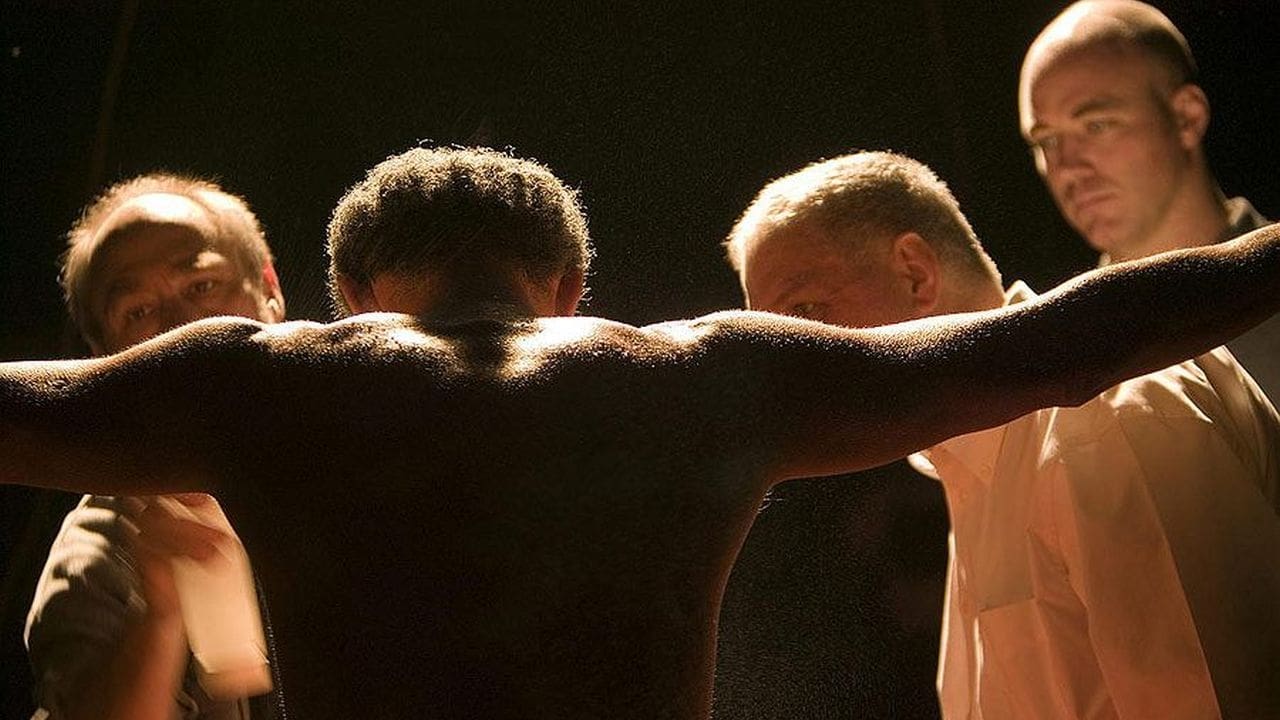
Ten of Muhammad Ali's former rivals pay tribute to the three-time world heavyweight champion.
Drawn from a never before seen cache of personal footage spanning decades, this is an intimate portrait of the Sri Lankan artist and musician who continues to shatter conventions.
An investigation of "disaster capitalism", based on Naomi Klein's proposition that neo-liberal capitalism feeds on natural disasters, war and terror to establish its dominance.