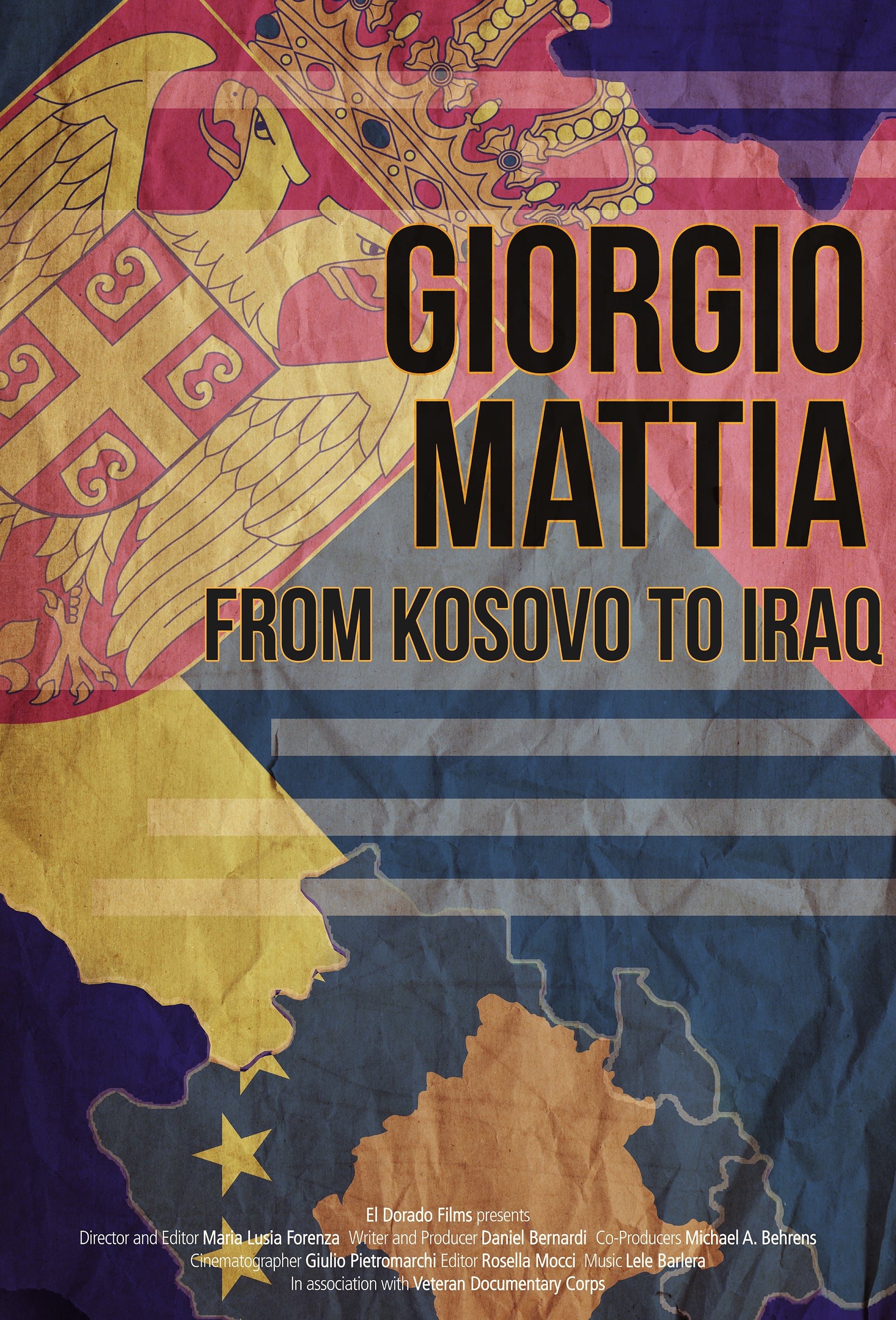
"Even the most experienced of soldiers are horrified by war."
Giorgio Mattia describes his experiences during the second attack on the Italian Army in Nasiriya, Iraq 2006.
Social & External
Giorgio Mattia
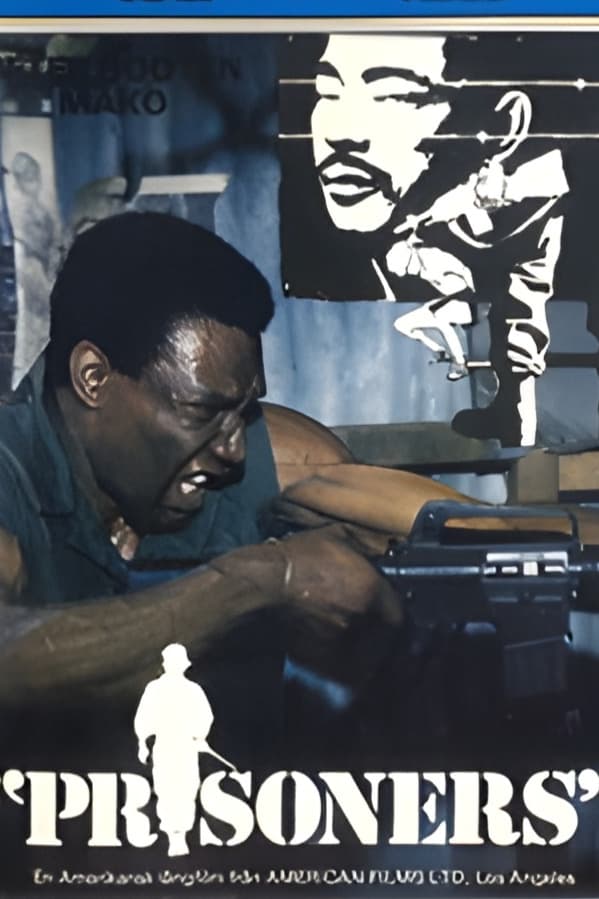
Melodrama set in South Vietnam in the 1960s. Krueger (Bramhall), a former infantry lieutenant, is imprisoned at Quai Dong, on the South China Sea, for refusing to fight. After a year at hard labor, he is told to use his Vietnamese language skills to question a Viet Cong suspect. The prisoner is drugged and tortured during the interrogation. Krueger eventually stops the torture by pretending that the prisoner has disclosed the location of a supply dump.
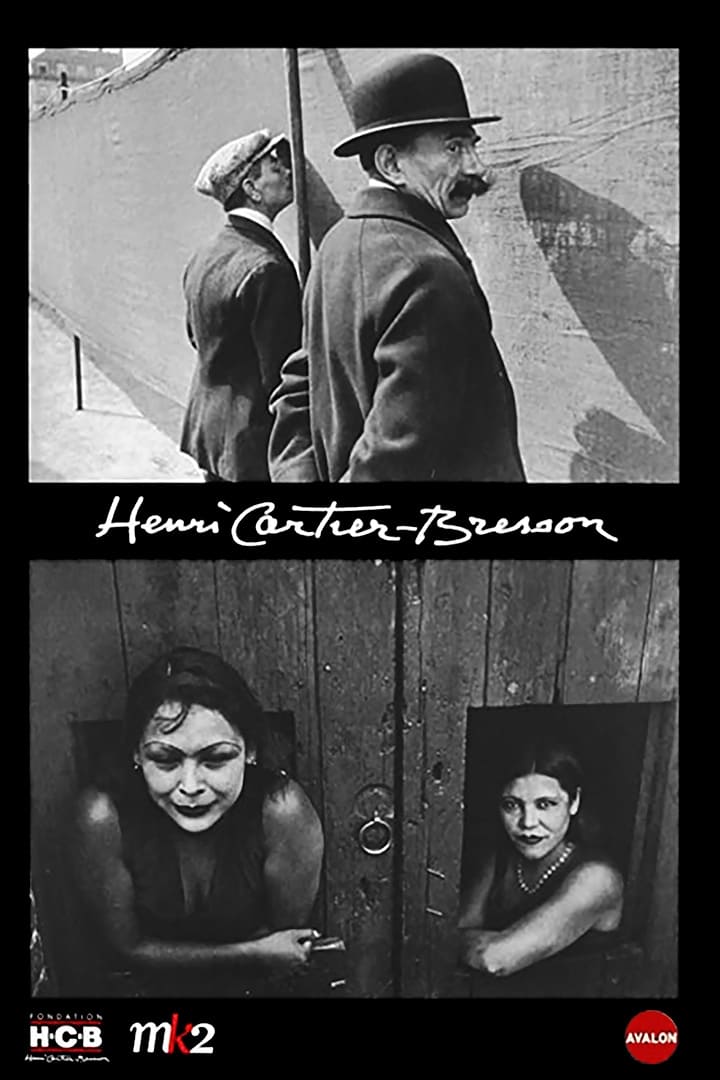
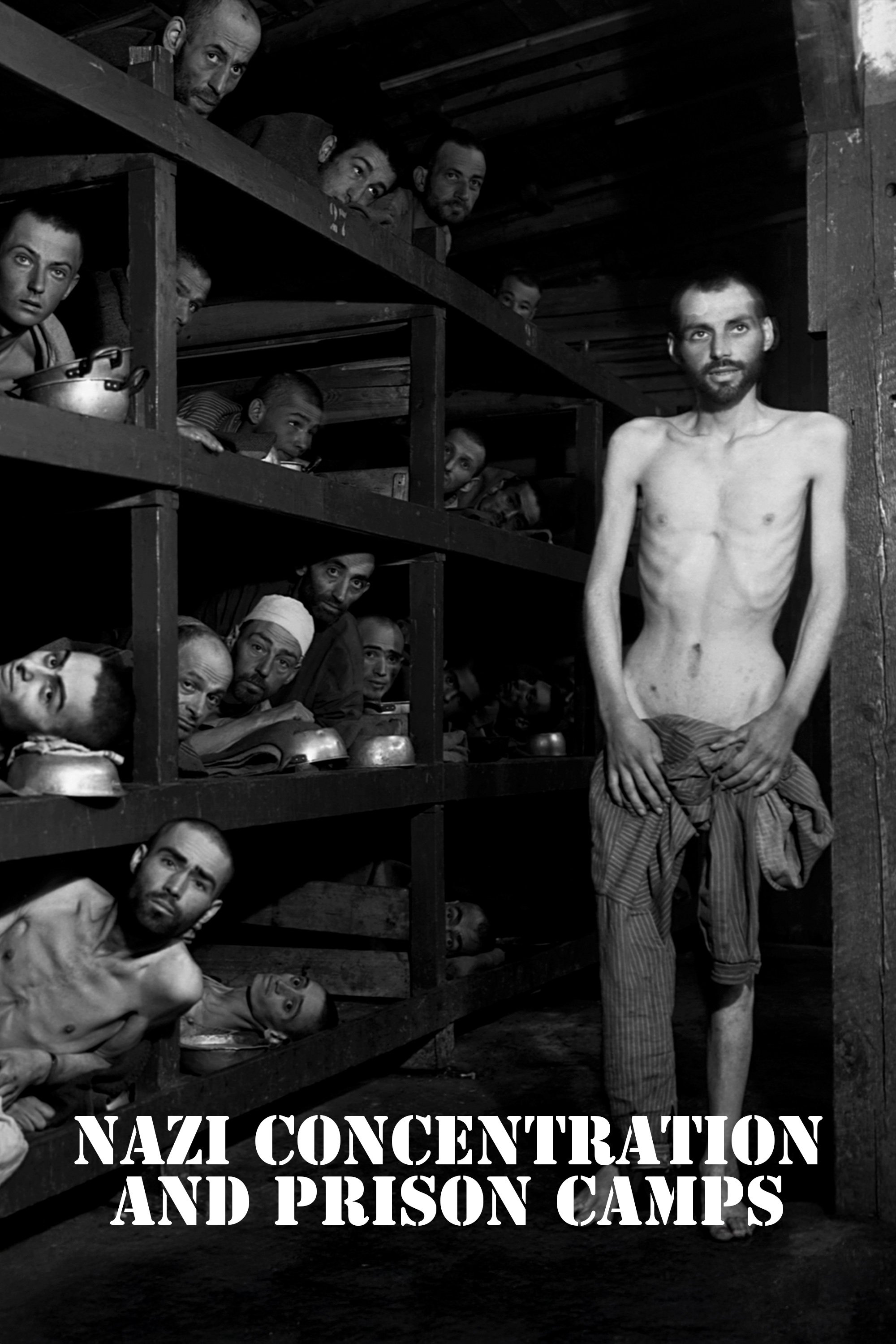
Live footage from concentration camps after the liberation, and the complex transport and lodging of masses of prisoners of war and other deported people back to their home countries, at the end of World War II. A 45min 35mm print also exists (shown at Cinémathèque française in 2023).
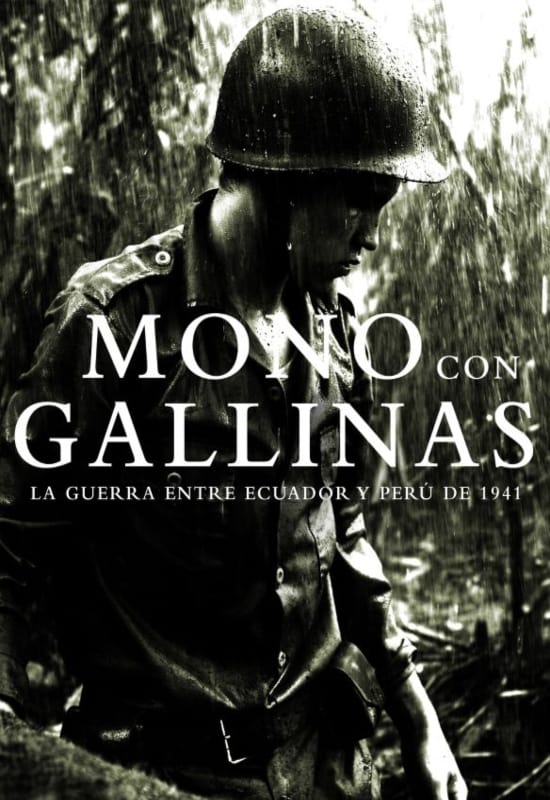
Jorge, a young Ecuadorian, is unexpectedly in the middle of the jungle as an inexperienced soldier. At first, Jorge is confident that military experience makes you a recognized and respected man. But he finds out that the reality is very different; as the private may face neglect, hunger, death and nature, especially human nature. Captive in an enemy camp, Jorge must discover who he has become as he recovers from his injuries and struggles to escape with his fellow prisoner Hugo or stay there under the care of the Peruvian nurse Dolores. Difficult decisions ... beyond the target and border that divides them are abound.
In search of the lucrative matsutake mushroom, two former soldiers discover the means to gradually heal their wounds of war. Roger, a self-described 'fall-down drunk' and sniper in Vietnam, and Kouy, a Cambodian refugee who fought the Khmer Rouge, bonded in the bustling tent-city known as Mushroom Camp, which pops up each autumn in the Oregon woods. Their friendship became an adoptive family; according to a Cambodian custom, if you lose your family like Kouy, you must rebuilt it anew. Now, however, this new family could be lost. Roger's health is declining and trauma flashbacks rack his mind; Kouy gently aids his family before the snow falls and the hunting season ends, signaling his time to leave.
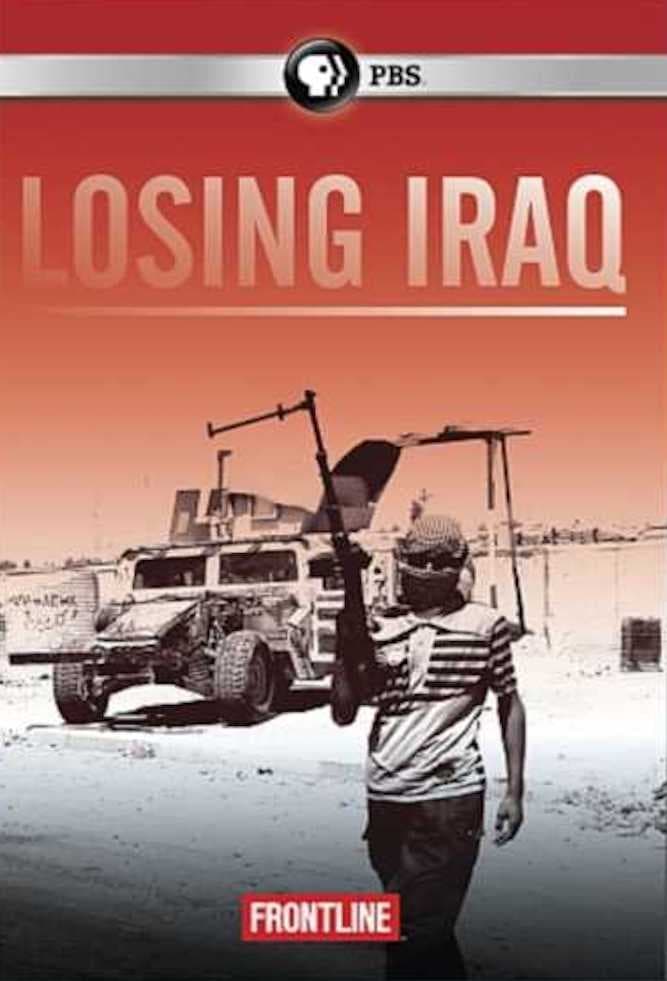
Examines the unfolding chaos in Iraq and how the U.S. is being pulled back into the conflict. Drawing on interviews with policymakers and military leaders, the film traces the U.S. role from the 2003 invasion to the current violence, showing how Iraq itself is coming undone, how we got here, what went wrong, and what happens next.
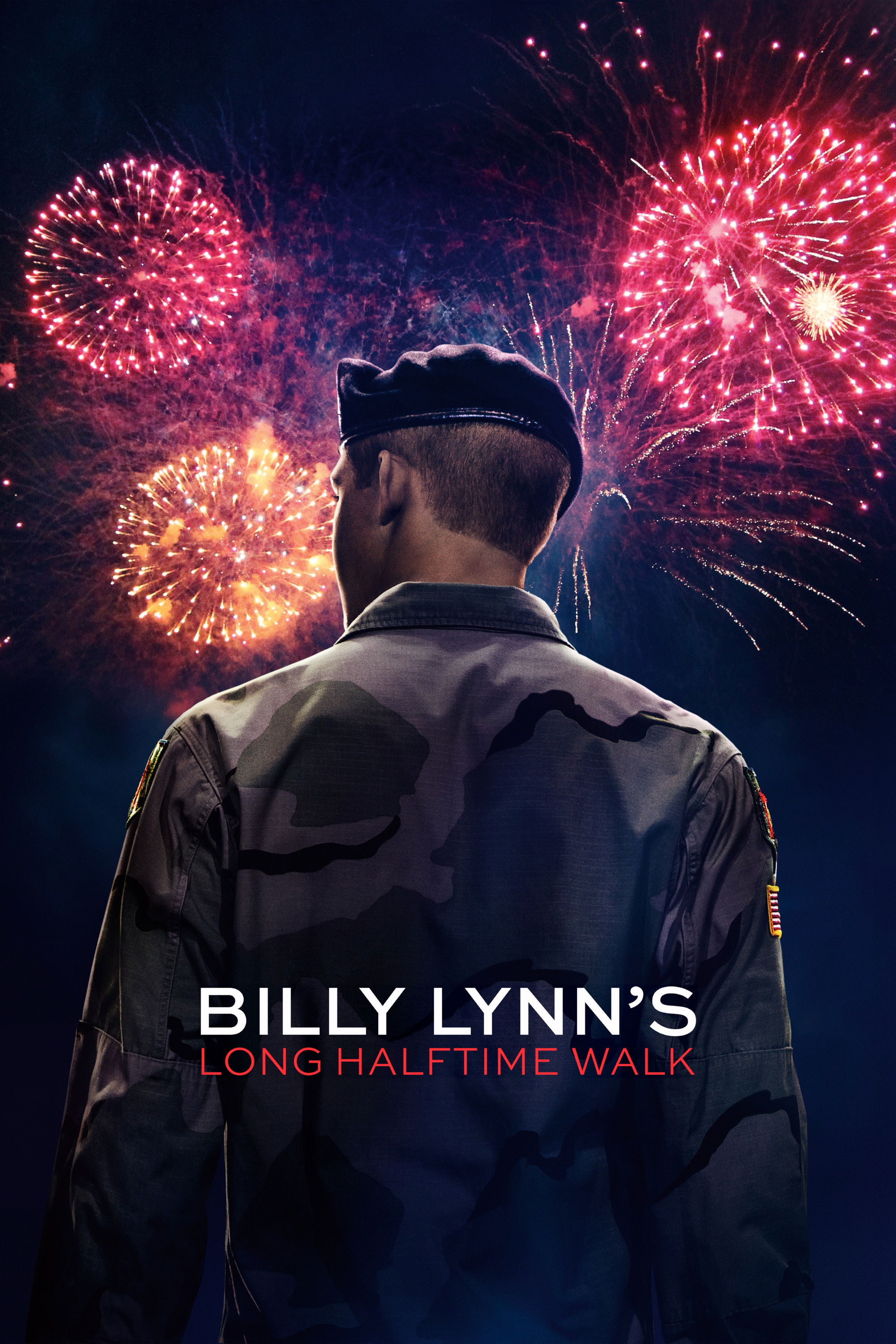
19-year-old Billy Lynn is brought home for a victory tour after a harrowing Iraq battle. Through flashbacks the film shows what really happened to his squad – contrasting the realities of war with America's perceptions.
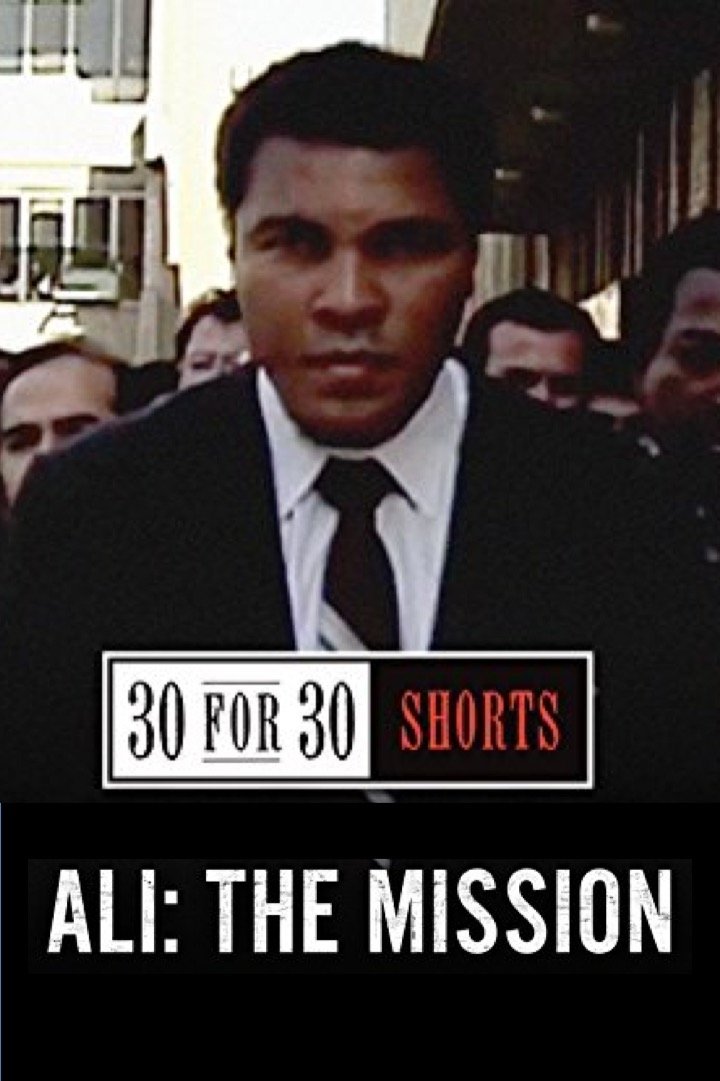
The feats of Muhammad Ali's remarkable life. In 1990, the boxing legend traveled to Iraq to press a plea for peace and negotiate with Saddam Hussein for the release of U.S. civilians taken hostage after Iraq's invasion of Kuwait. Ali risked his reputation, health and safety for the freedom of prisoners held by Hussein as "human shields" to deter U.S. military strikes. Only six weeks after Ali brought 15 hostages back home to their relieved families, Operation Desert Storm bombarded Iraq.
Journey to the heart of the conflict between Kurdistan and the armed group Islamic State. This region that has been neglected and ignored for ages is now one of the key destinations for refugees in the region. This medium-length documentary show the spectator the different groups and communities that are either fighting or residing in the Kurd area.
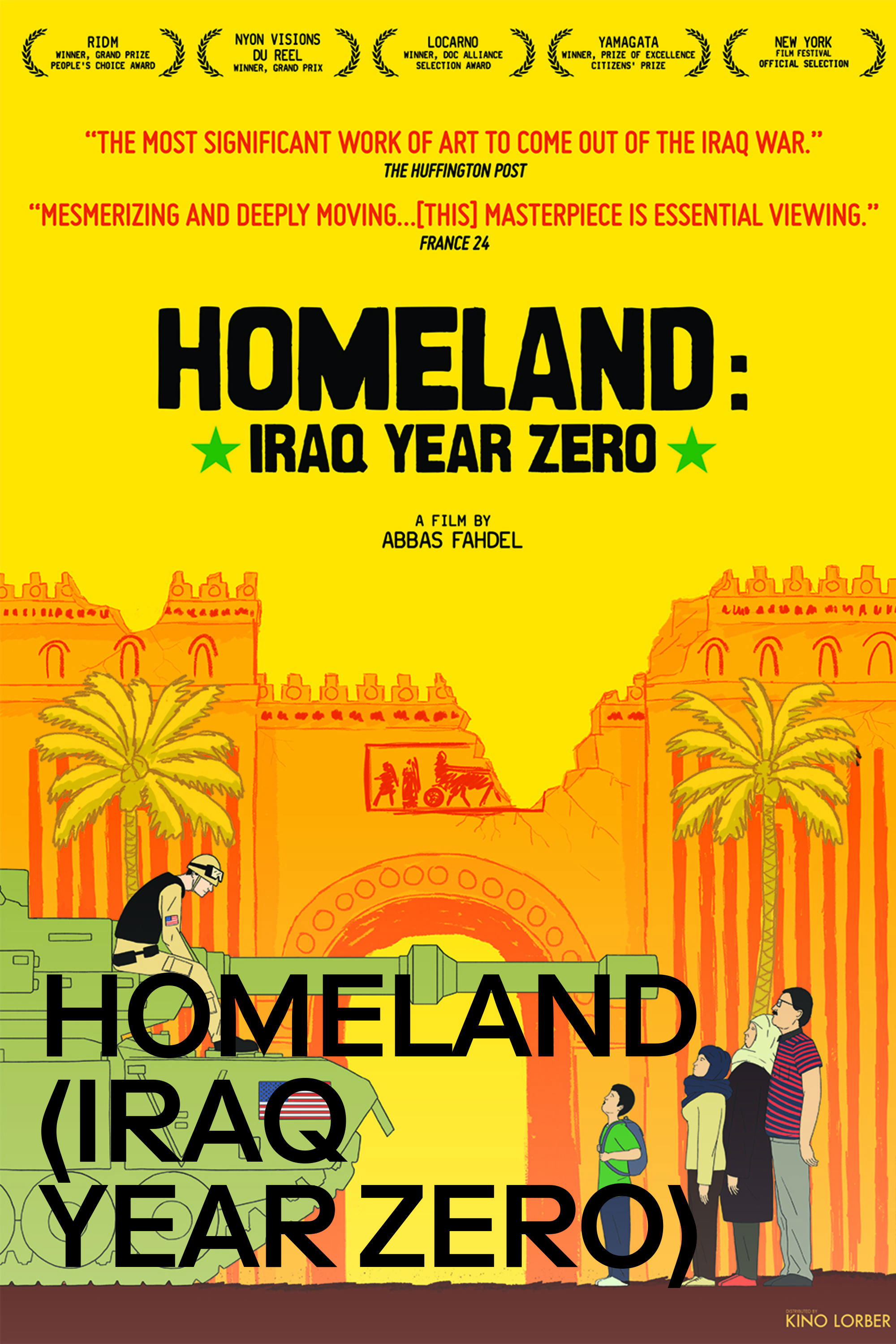
Chronicles of everyday life in Iraq before and after the U.S. invasion.
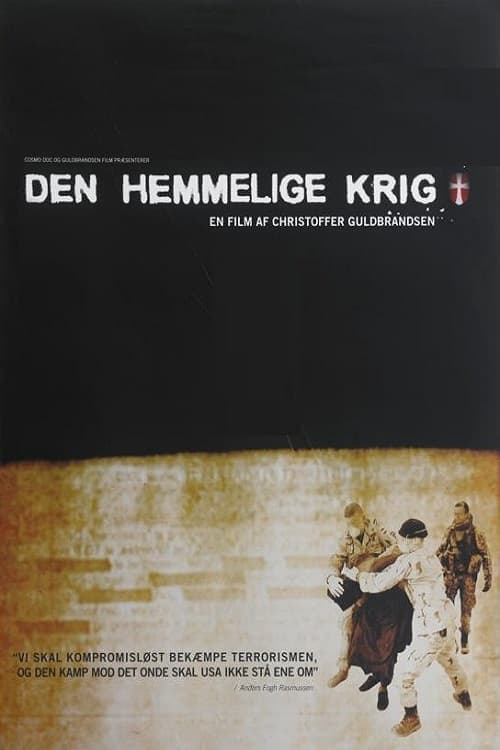
Controversal documentary focusing on events in Afghanistan in 2002 in which Danish soldiers handed over prisoners to the US Army even though USA no longer treated prisoners of war according to the Geneva Convention. Further, the film questions the Danish Prime Minister's reasons for getting Denmark involved in the so-called War Against Terrorism in Afghanistan in the first place.
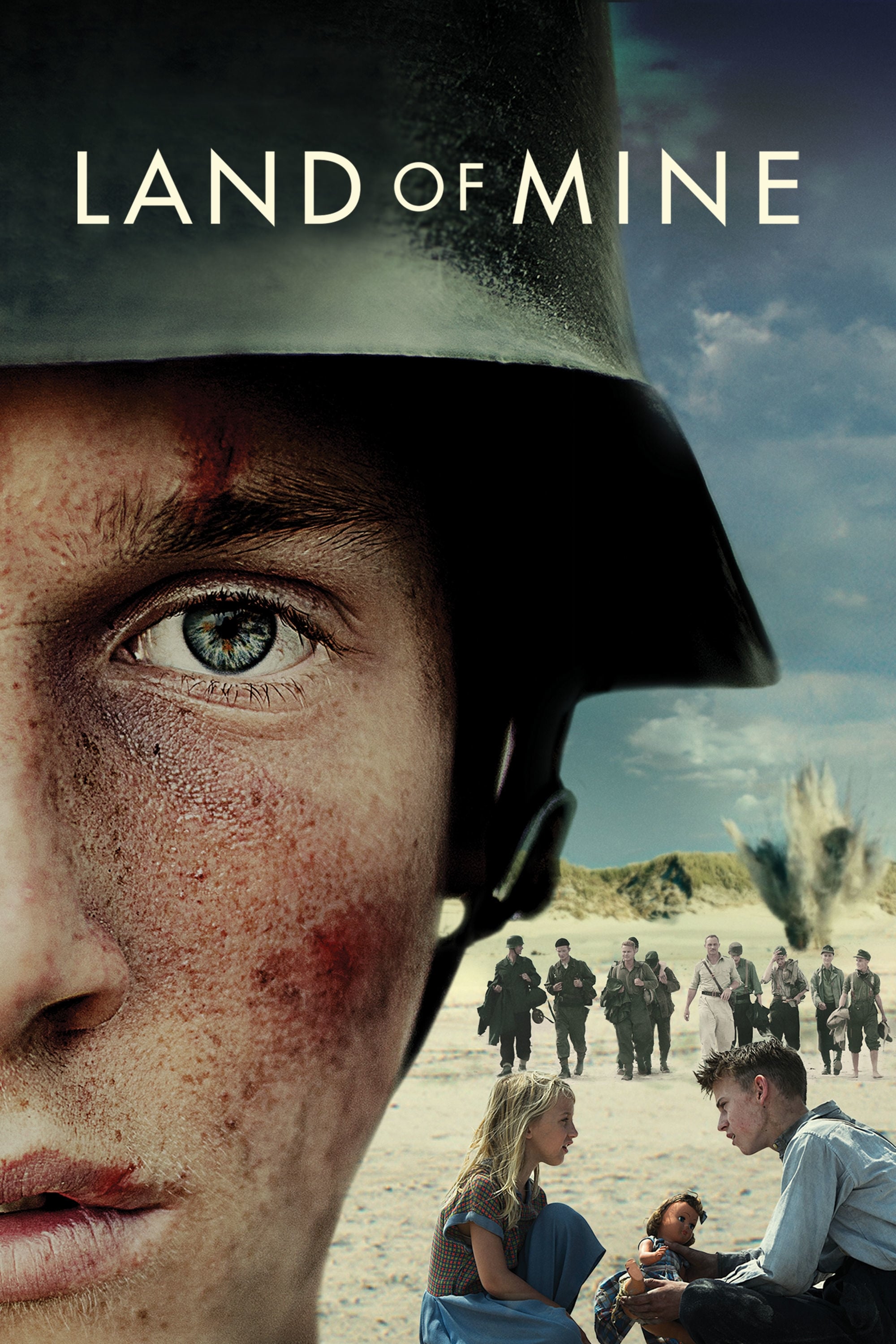
In the days following the surrender of Germany in May 1945, a group of young German prisoners of war is handed over to the Danish authorities and subsequently sent to the West Coast, where they are ordered to remove the more than two million mines that the Germans had placed in the sand along the coast. With their bare hands, crawling around in the sand, the boys are forced to perform the dangerous work under the leadership of a Danish sergeant.
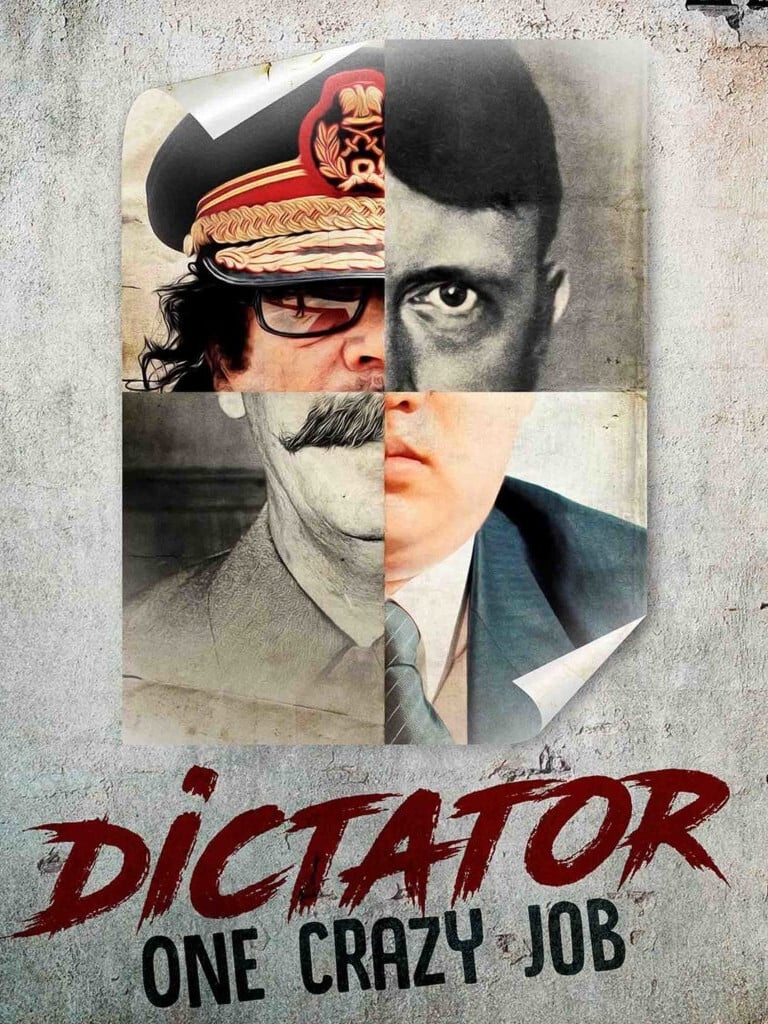
They’ve become the human face of inhuman barbarity. Leaders like Hitler, Idi Amin Dada, Stalin, Kim Jong Il, Saddam Hussein, Nicolae Ceausescu, Bokassa, Muammar Kadhafi, Khomeini, Mussolini and Franco governed their countries completely cut off from reality. These paranoid leaders were driven to abuse their power by the pathology of power itself. Dictators are driven by a relentless, thought-out determination to impose themselves as infallible, all-knowing and all-powerful beings. But they are also men ruled by their caprices, uncontrollable impulses, and reckless fits of frenzy, which paradoxically render them as human as anyone else. The abuses they committed were clearly atrocious, yet some of them were as outlandish as the characters portrayed in the film The Dictator. They sunk to depths worthy of Kafka: so incredibly absurd, they are outrageously funny.
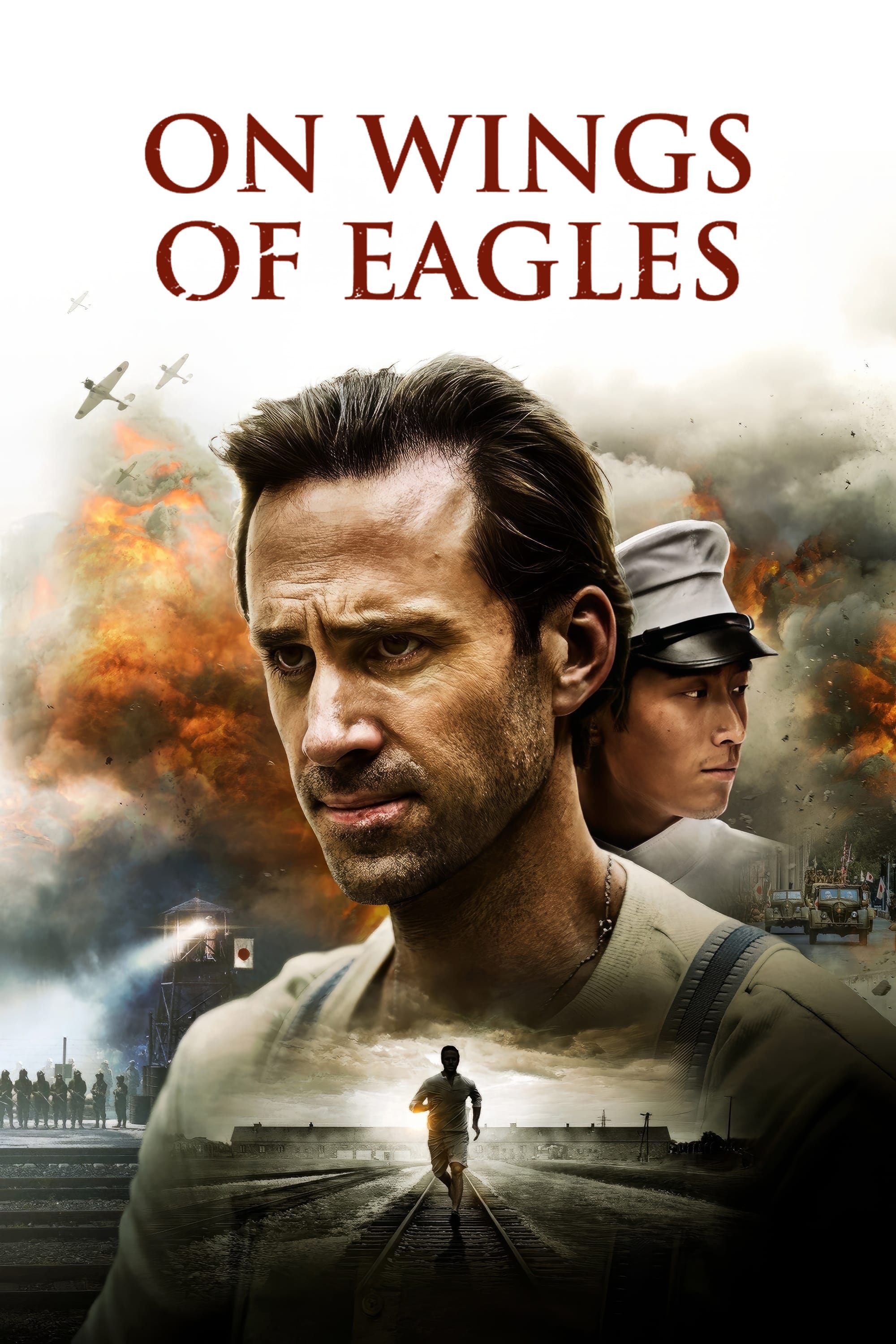
Eric Liddell - China's first gold medalist and one of Scotland's greatest athletes - returns to war-torn China.
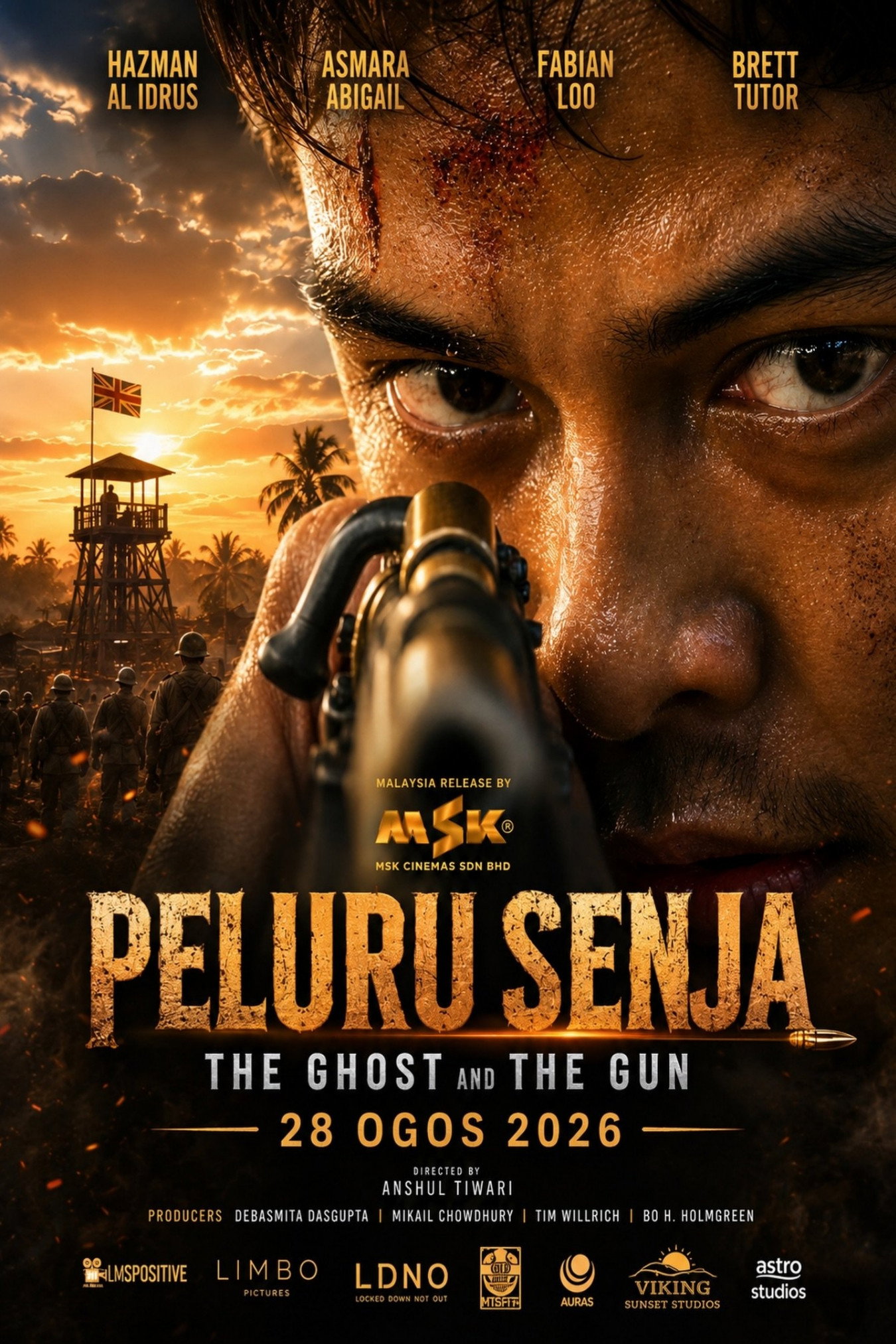
In 1948 Malaya, WWII vets Iz and Abe face vengeful ex-ally Chin Liu, who betrayed them during the war and now leads terrorists to their village. Haunted by past trauma, Iz must confront both his demons and Chin Liu's deadly advance.
A look at the War on Terror and the threat it's causing to our civil liberties and political discourse. Academy Award nominee James Cromwell presents Janek Ambros' directorial debut. The feature doc tackles the War on Terror's impact on civil liberties and the strange coalition it's creating between the progressive left and libertarian right. The doc examines the NSA, drones, the war on journalism and other encroachments on civil liberties started by the Bush era and expanded by the Democratic establishment.
The real-life adventure of a dashing Italian soldier who escapes a British prisoner-of-war camp because he dreams of climbing 17,000-foot Mt. Kenya and planting the Italian flag at the summit. The obsessive British camp commander pursues him, and the two men are locked in a battle of wills, fuelled by honor and their love for the same woman.
Michael Moore's view on how the Bush administration allegedly used the tragic events on 9/11 to push forward its agenda for unjust wars in Afghanistan and Iraq.
When a fisherman leaves to fight with the Greek army during World War II, his fiancée falls in love with the local Italian commander.
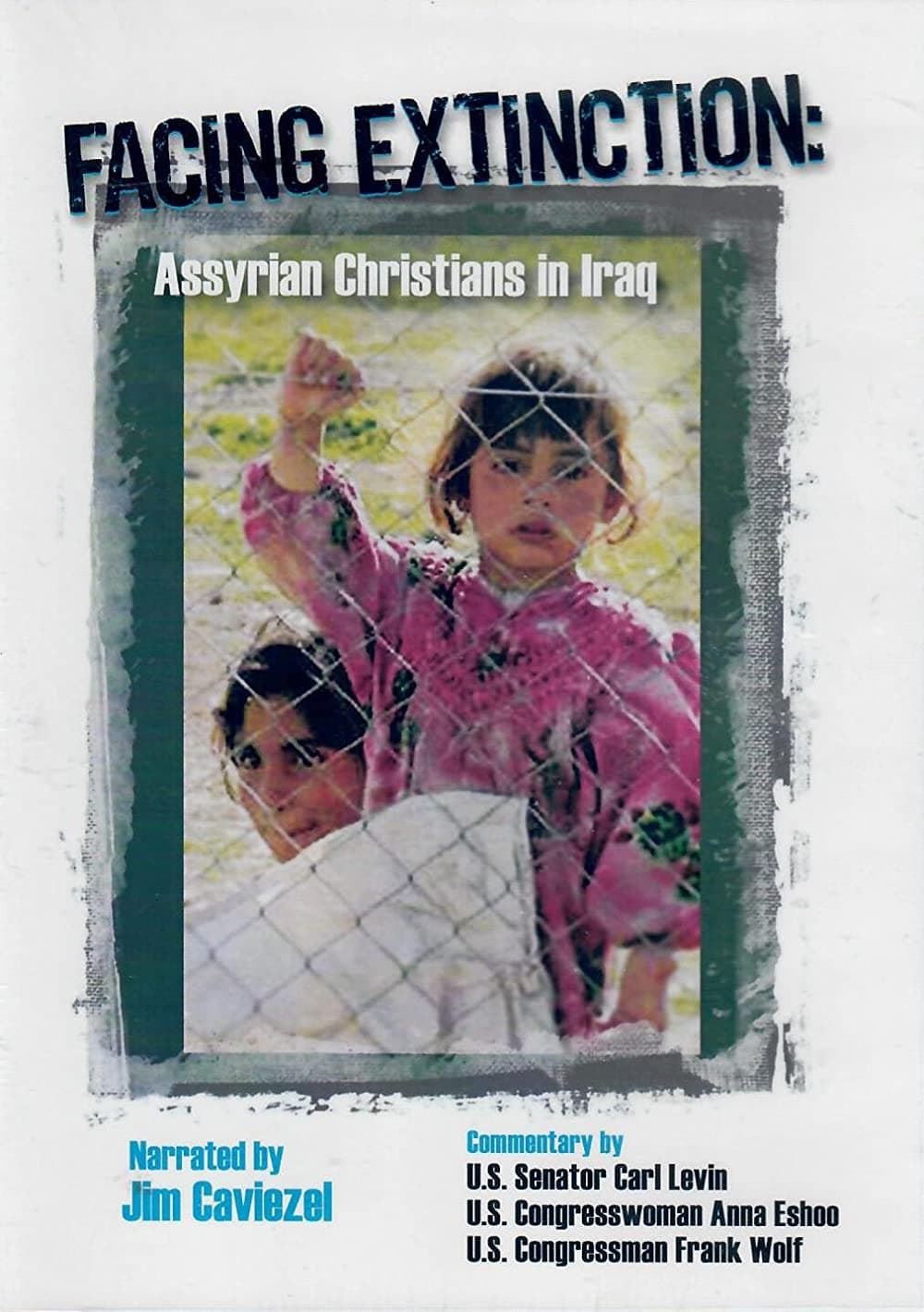
The persecution, kidnapping and murder of Assyrian Christians in Iraq is tragically increasing!
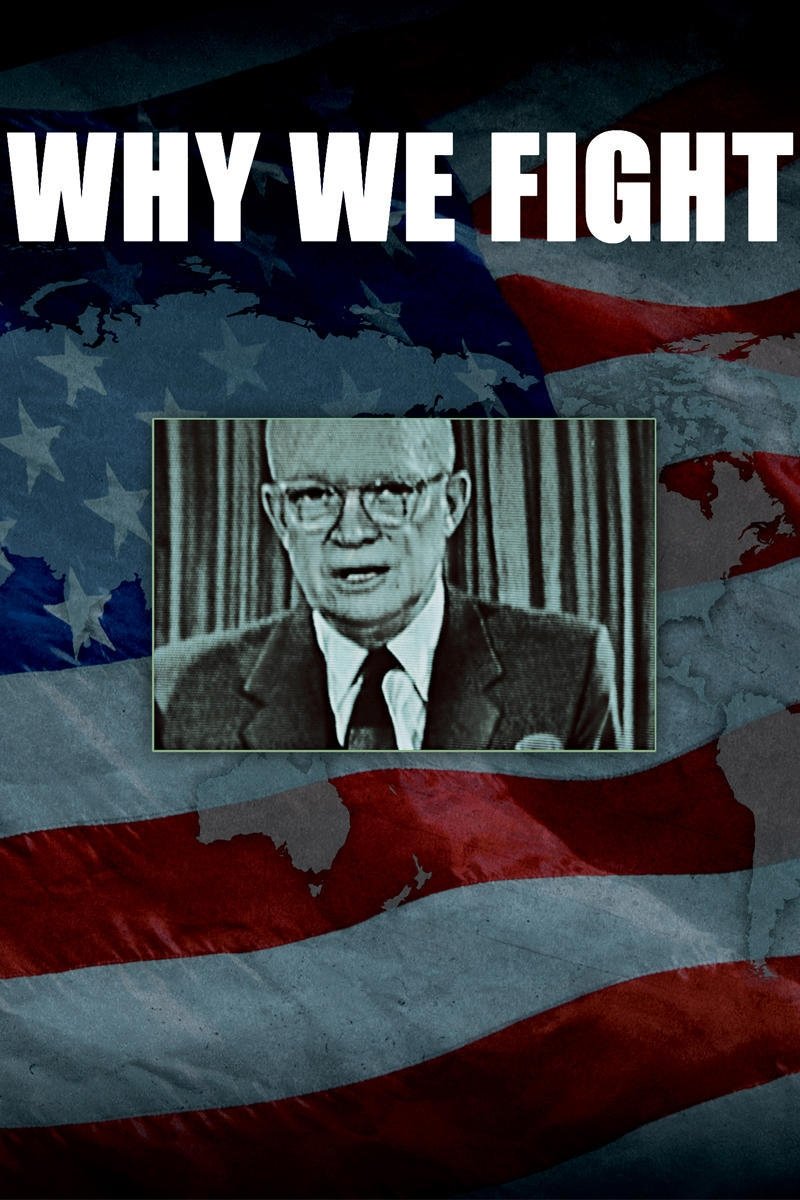
Prelude to War was the first film of Frank Capra's Why We Fight propaganda film series, commissioned by the Pentagon and George C. Marshall. It was made to convince American troops of the necessity of combating the Axis Powers during World War II. This film examines the differences between democratic and fascist states.
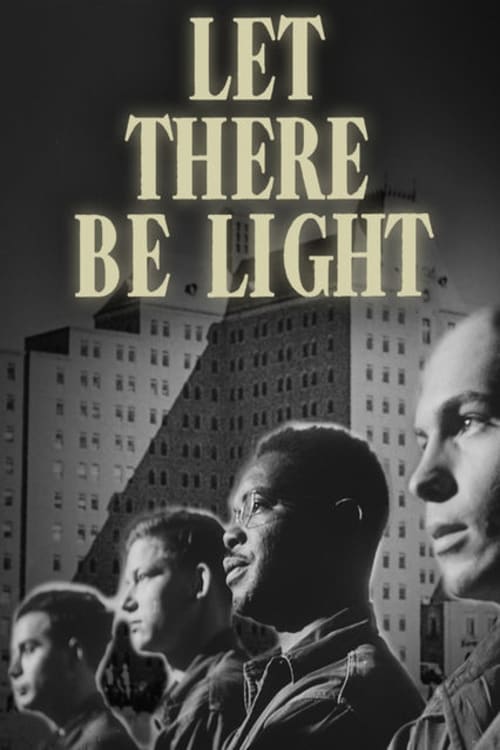
The final entry in a trilogy of films produced for the U.S. government by John Huston. Some returning combat veterans suffer scars that are more psychological than physical. This film follows patients and staff during their treatment. It deals with what would now be called PTSD, but at the time was categorised as psychoneurosis or shell-shock. Government officials deemed this 1946 film counterproductive to postwar efforts; it was not shown publicly until 1981.
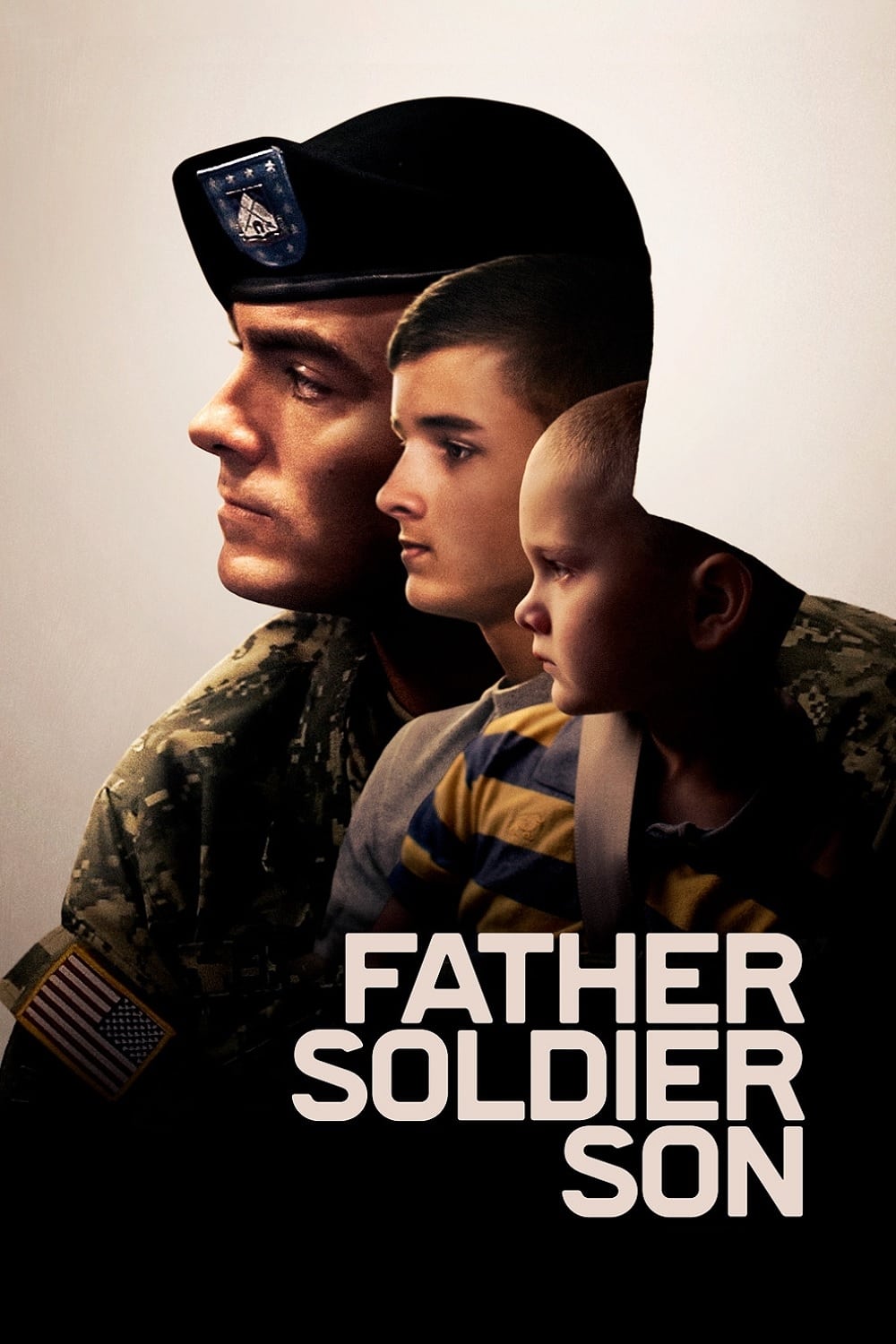
When Sgt. First Class Brian Eisch is critically wounded in Afghanistan, it sets him and his sons on a journey of love, loss, redemption and legacy.
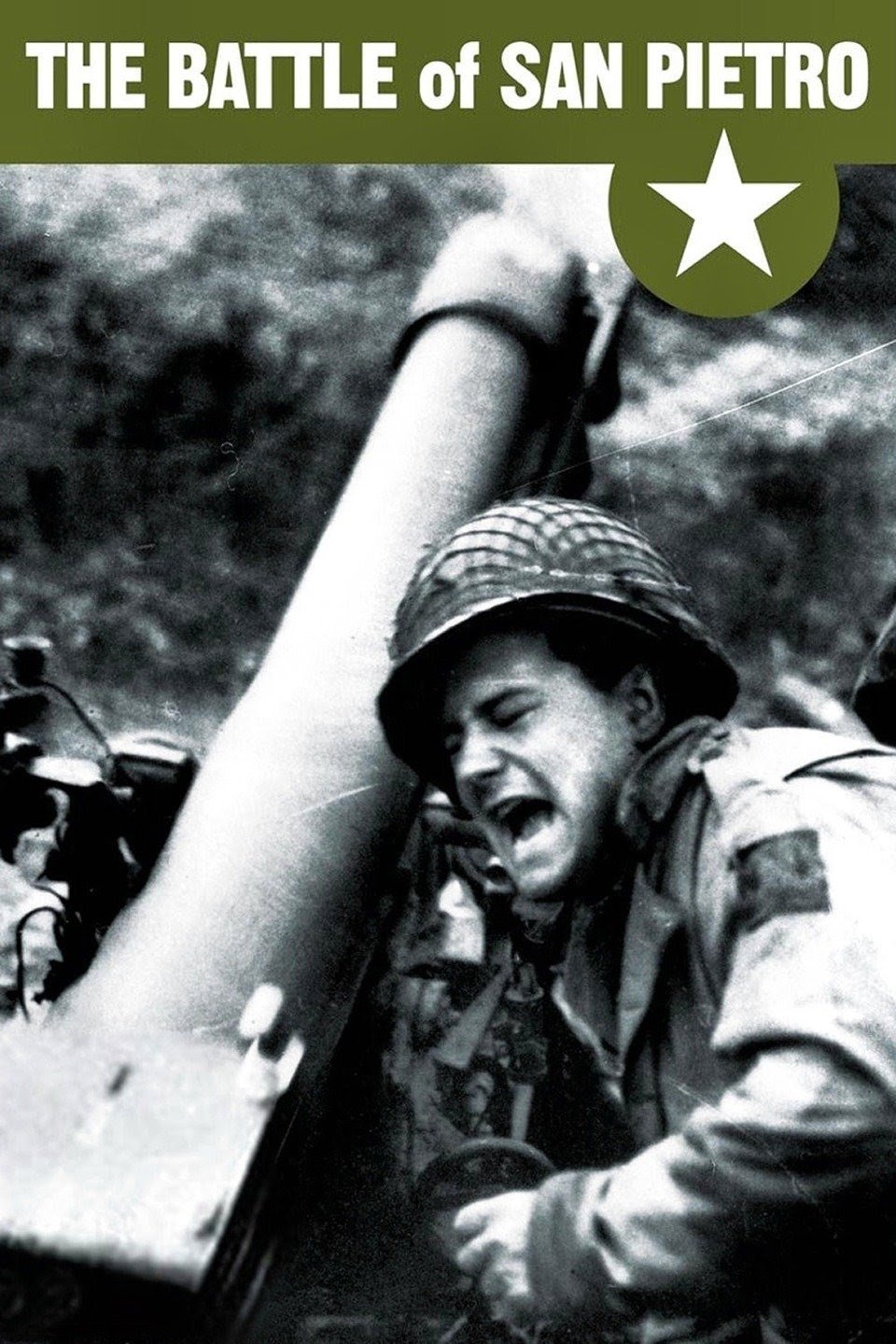
This documentary movie is about the battle of San Pietro, a small village in Italy. Over 1,100 US soldiers were killed while trying to take this location, that blocked the way for the Allied forces from the Germans. Preserved by the Academy Film Archive in 2005.
Amid the failing counteroffensive, a journalist follows a Ukrainian platoon on their mission to traverse one mile of heavily fortified forest and liberate a strategic village from Russian occupation. But the farther they advance through their destroyed homeland, the more they realize that this war may never end.
The extraordinary story of how Hollywood changed World War II – and how World War II changed Hollywood, through the interwoven experiences of five legendary filmmakers who went to war to serve their country and bring the truth to the American people: John Ford, William Wyler, John Huston, Frank Capra, and George Stevens. Based on Mark Harris’ best-selling book, “Five Came Back: A Story of Hollywood and the Second World War.”
With unprecedented access, this documentary follows the extraordinary journey of “Raqqa is Being Slaughtered Silently”—a group of anonymous citizen journalists who banded together after their homeland was overtaken by ISIS—as they risk their lives to stand up against one of the greatest evils in the world today.
Virunga in the Democratic Republic of the Congo is Africa’s oldest national park, a UNESCO world heritage site, and a contested ground among insurgencies seeking to topple the government that see untold profits in the land. Among this ongoing power struggle, Virunga also happens to be the last natural habitat for the critically endangered mountain gorilla. The only thing standing in the way of the forces closing in around the gorillas: a handful of passionate park rangers and journalists fighting to secure the park’s borders and expose the corruption of its enemies. Filled with shocking footage, and anchored by the surprisingly deep and gentle characters of the gorillas themselves, Virunga is a galvanizing call to action around an ongoing political and environmental crisis in the Congo.
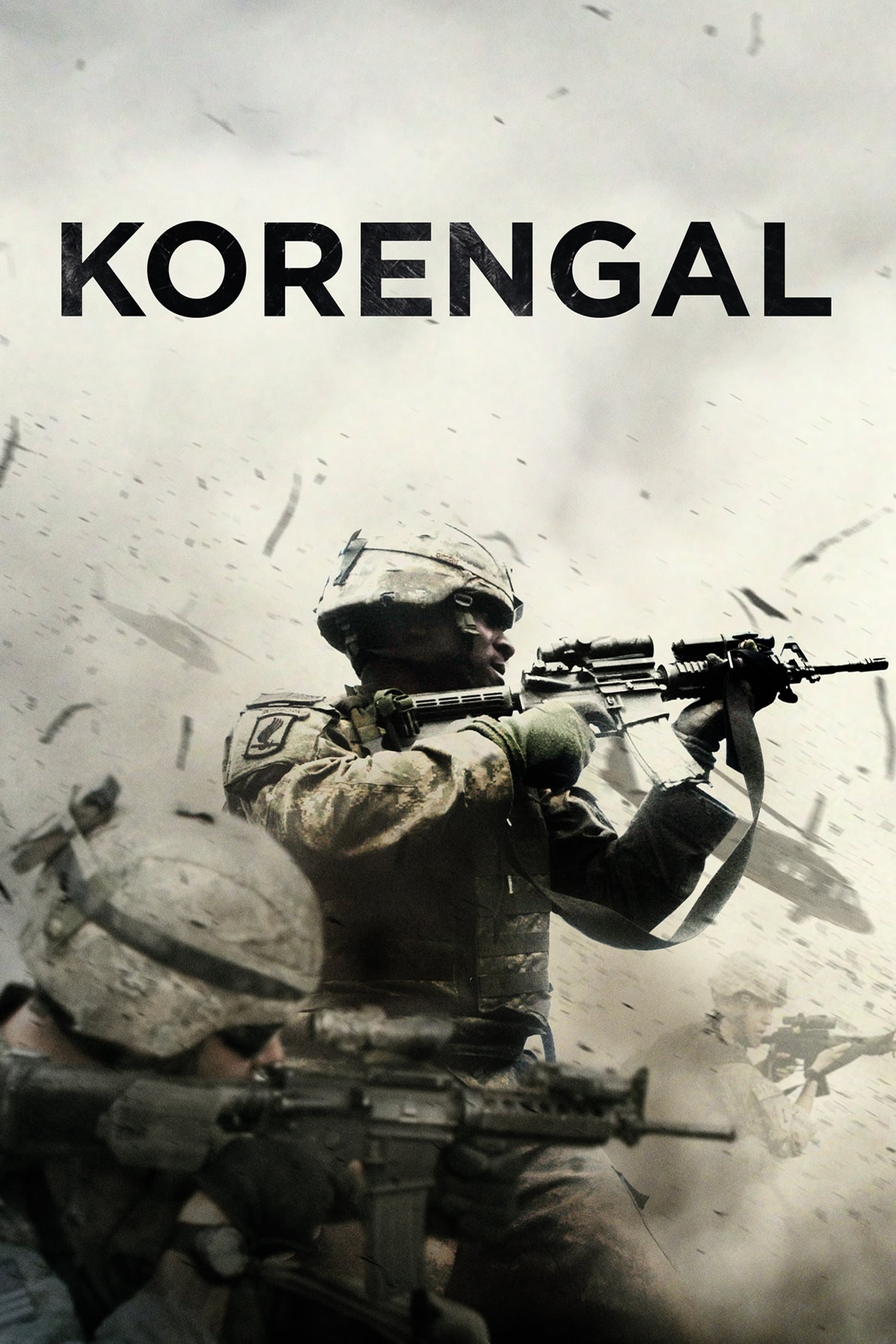
Korengal picks up where Restrepo left off; the same men, the same valley, the same commanders, but a very different look at the experience of war.
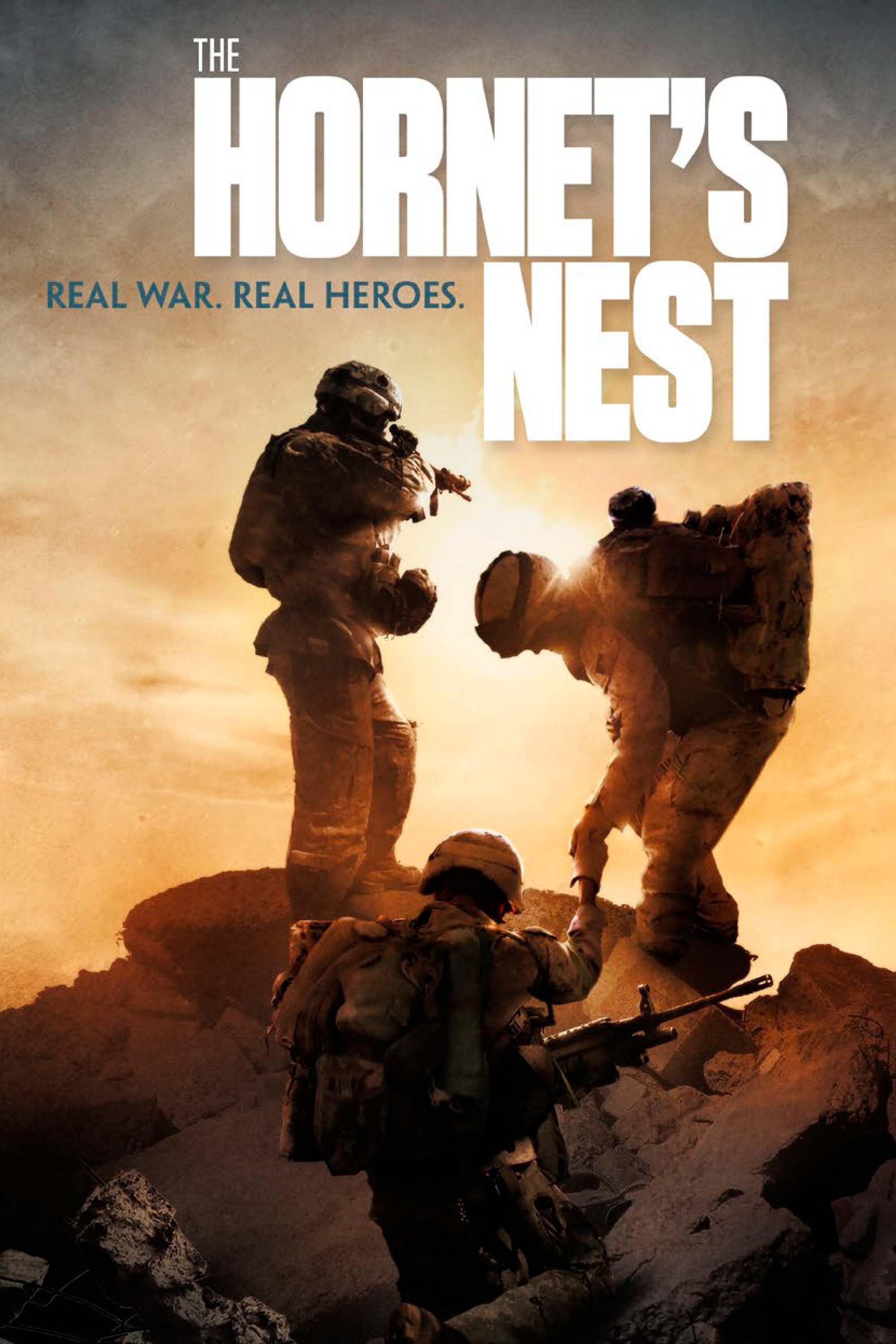
Armed only with their cameras, Peabody and Emmy Award-winning conflict Journalist Mike Boettcher, and his son, Carlos, provide unprecedented access into the longest war in U.S. history: they are embed with U.S. troops during nine days of intense combat in Afghanistan.
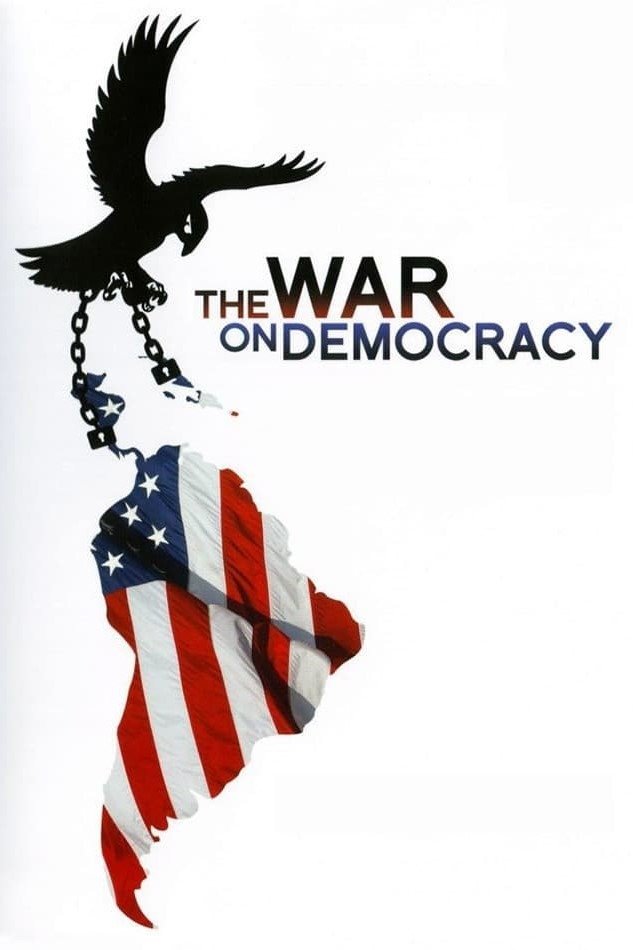
Set both in Latin America and the United States, the film explores the historic and current relationship of Washington with countries such as Venezuela, Bolivia and Chile. Pilger says that the film "...tells a universal story... analysing and revealing, through vivid testimony, the story of great power behind its venerable myths. It allows us to understand the true nature of the so-called "war on terror". According to Pilger, the film’s message is that the greed and power of empire is not invincible and that people power is always the "seed beneath the snow".
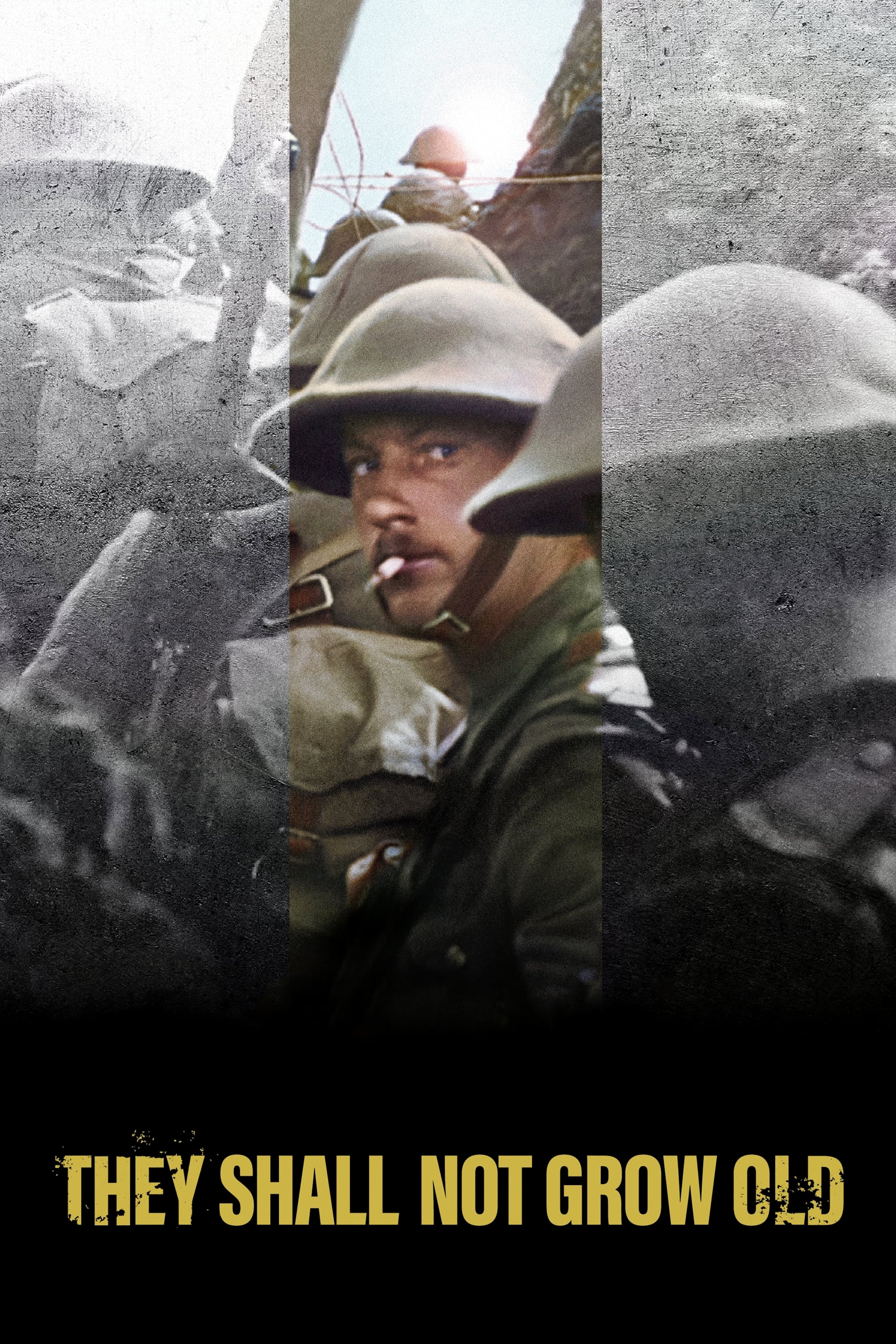
A documentary about World War I with never-before-seen footage to commemorate the centennial of Armistice Day, and the end of the war.
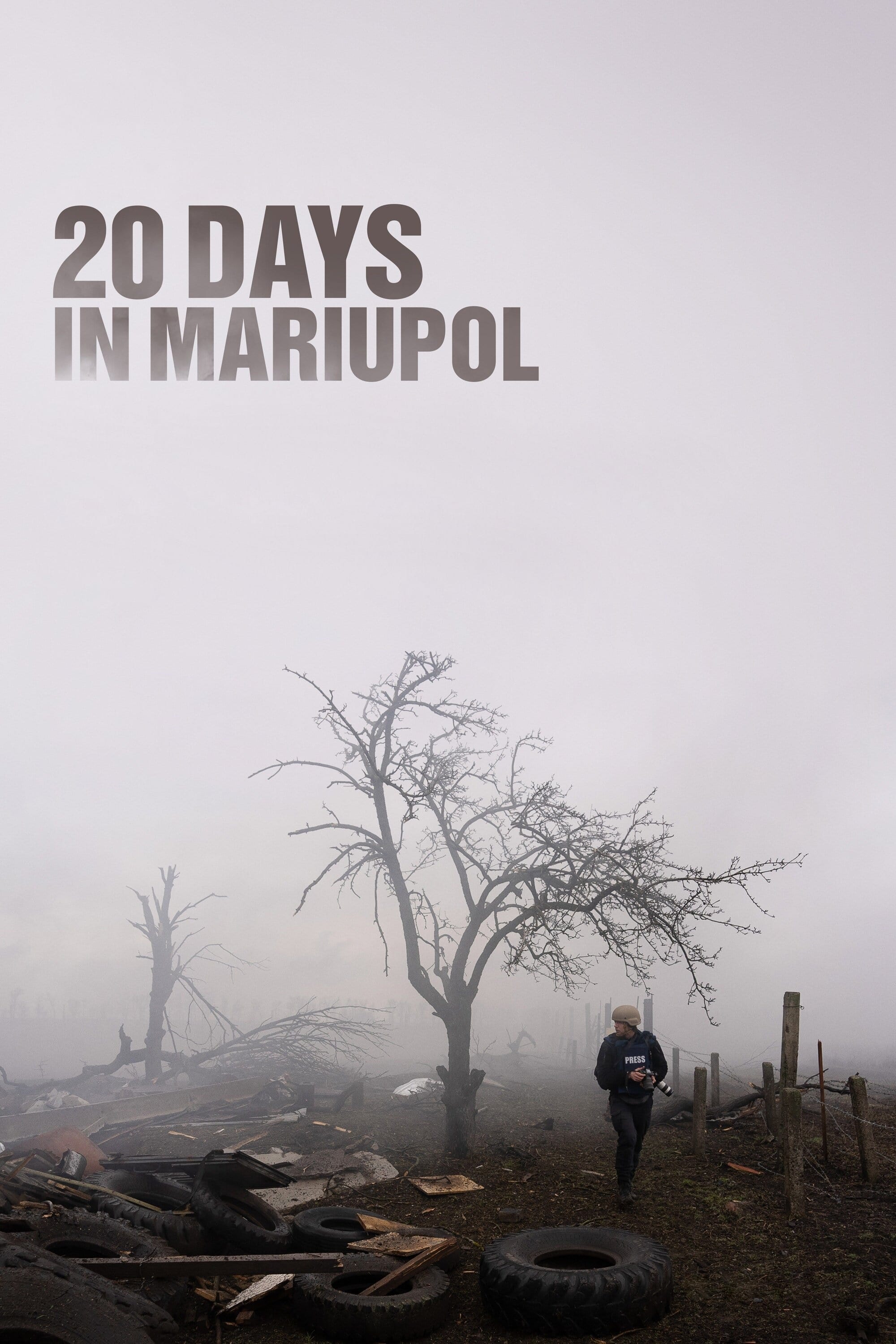
As the Russian invasion begins, a team of Ukrainian journalists trapped in the besieged city of Mariupol struggle to continue their work documenting the war's atrocities.
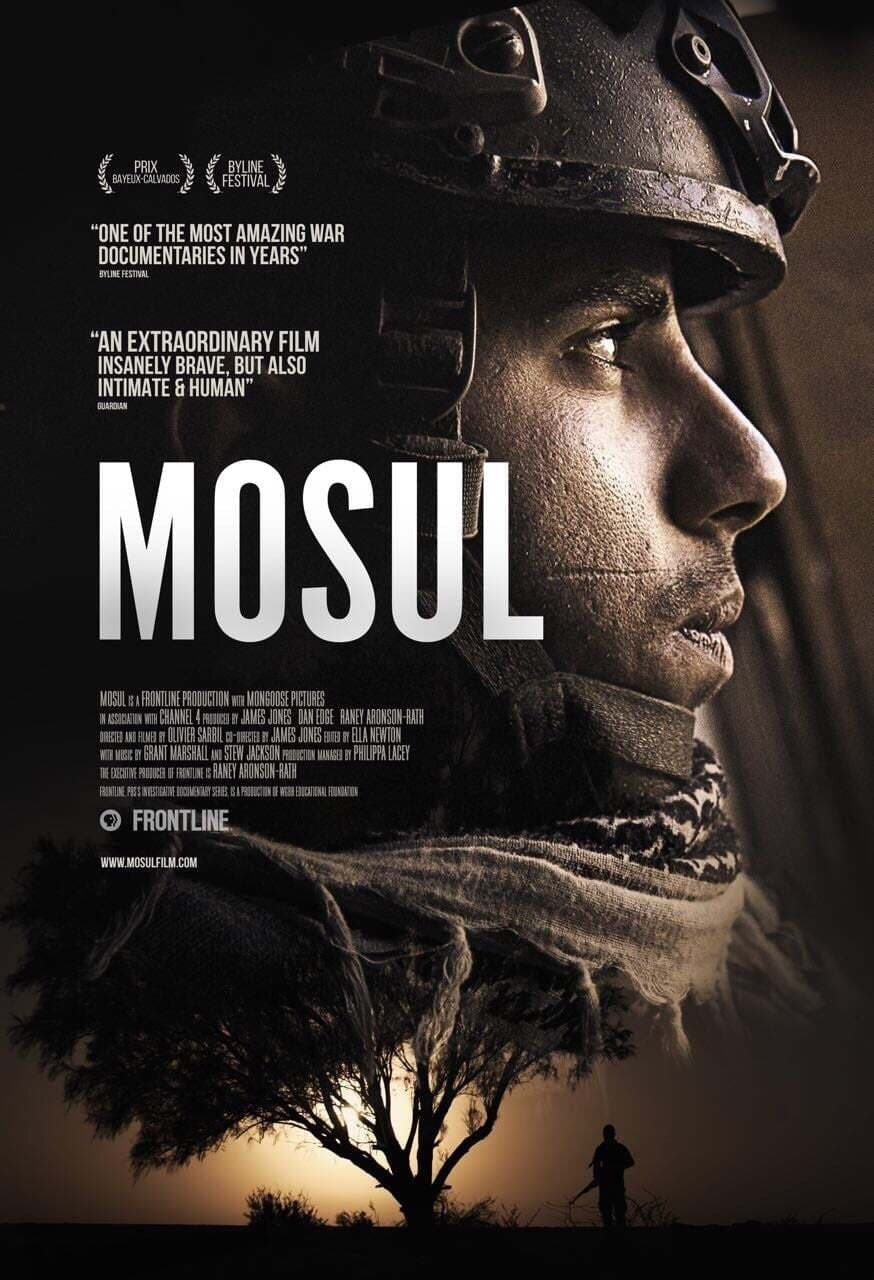
An Iraqi journalist joins an army of uneasy allies and unforgettable characters in the epic battle to liberate the city of Mosul from the Islamic State.
A love letter from a young mother to her daughter, the film tells the story of Waad al-Kateab’s life through five years of the uprising in Aleppo, Syria as she falls in love, gets married and gives birth to Sama, all while cataclysmic conflict rises around her. Her camera captures incredible stories of loss, laughter and survival as Waad wrestles with an impossible choice– whether or not to flee the city to protect her daughter’s life, when leaving means abandoning the struggle for freedom for which she has already sacrificed so much.
A searing account of war correspondent Michael Ware's seven years reporting in Iraq--an extraordinary journey that takes him into the darkest recesses of the Iraq War and the human soul.
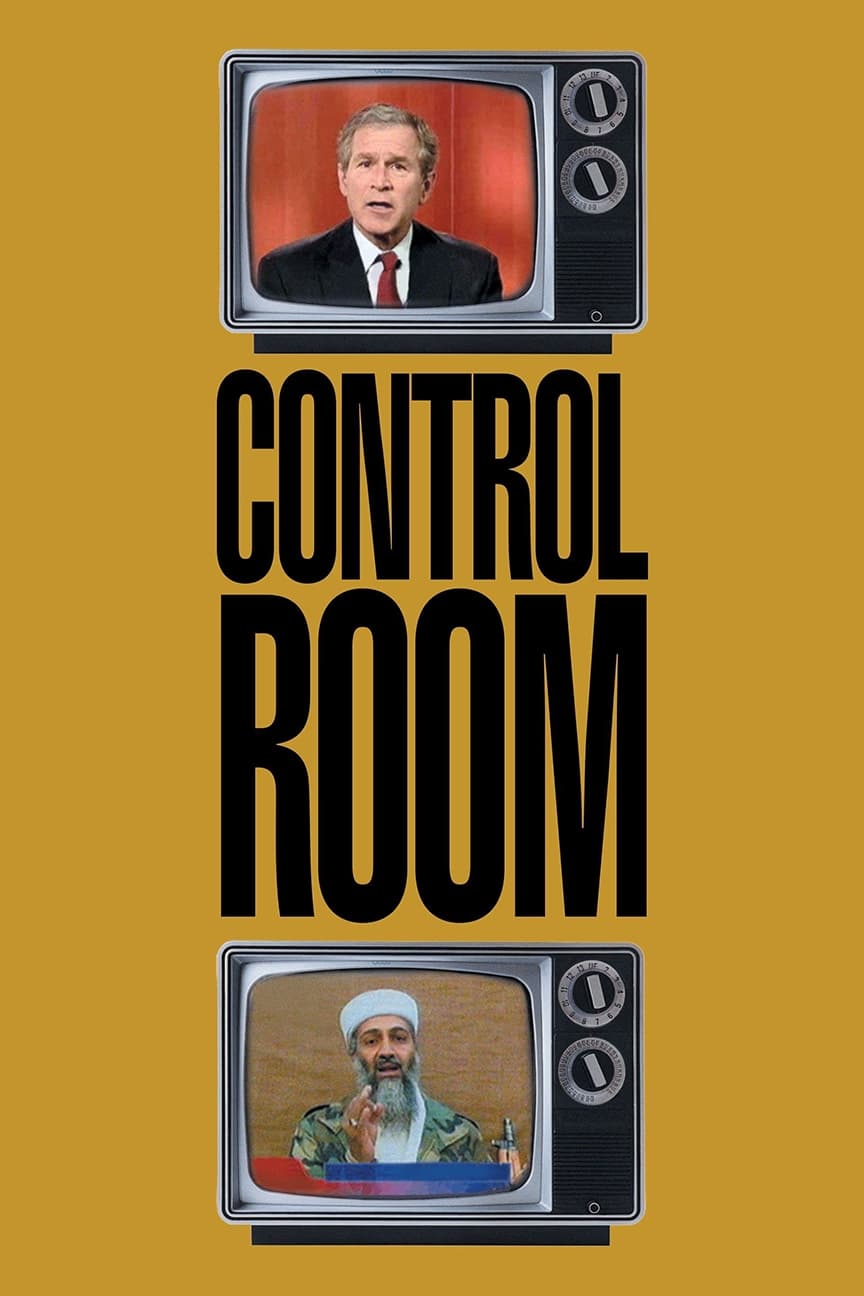
A chronicle which provides a rare window into the international perception of the Iraq War, courtesy of Al Jazeera, the Arab world's most popular news outlet. Roundly criticized by Cabinet members and Pentagon officials for reporting with a pro-Iraqi bias, and strongly condemned for frequently airing civilian causalities as well as footage of American POWs, the station has revealed (and continues to show the world) everything about the Iraq War that the Bush administration did not want it to see.
Is American foreign policy dominated by the idea of military supremacy? Has the military become too important in American life? Jarecki's shrewd and intelligent polemic would seem to give an affirmative answer to each of these questions.
Produced and presented as evidence at the Nuremberg war crimes trial of Hermann Göring and twenty other Nazi leaders, this film consists primarily of dead and surviving prisoners and of facilities used to kill and torture during the World War II.
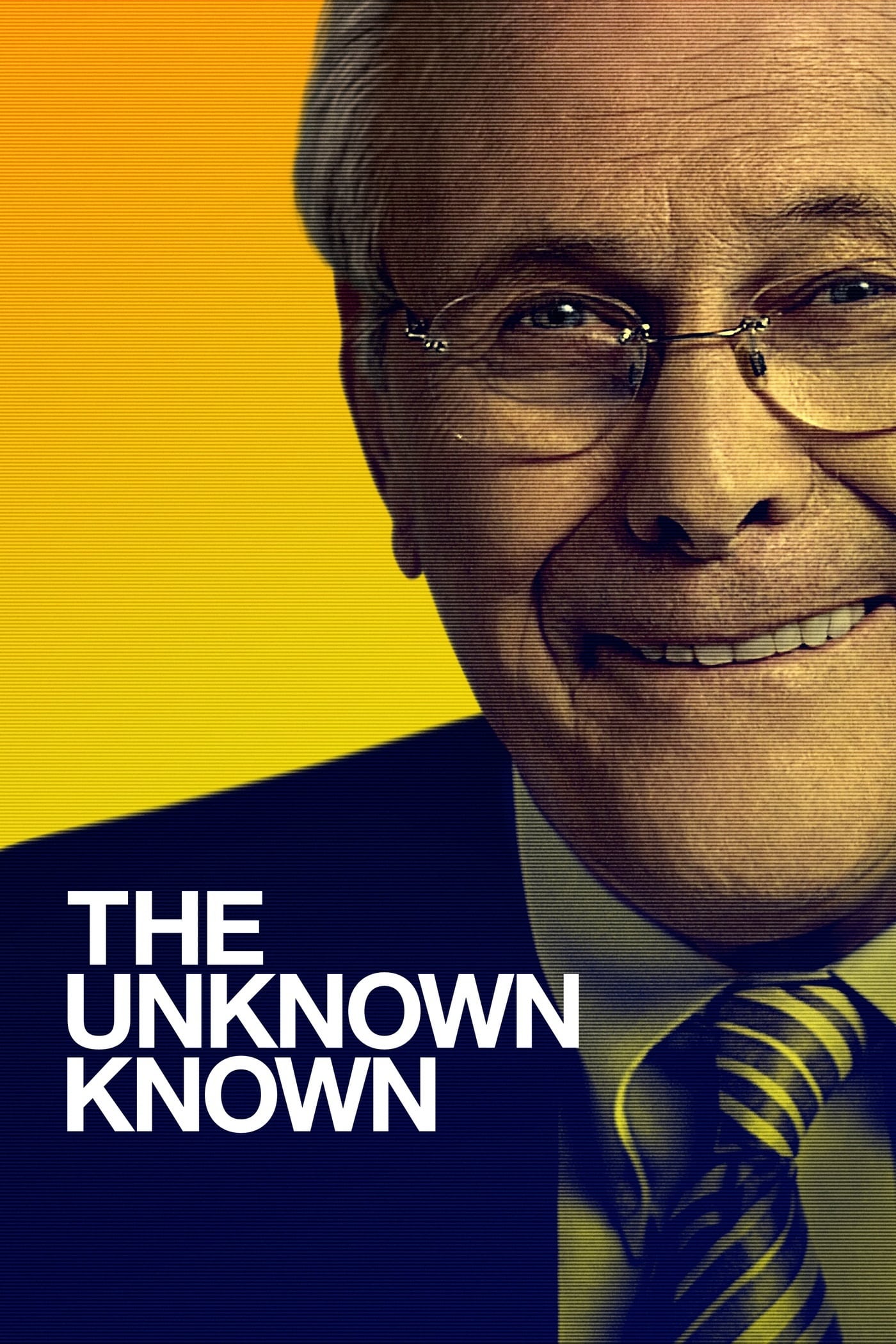
Former United States Secretary of Defense, Donald Rumsfeld, discusses his career in Washington D.C. from his days as a congressman in the early 1960s to planning the invasion of Iraq in 2003.