Social & External
Self
On the evening of April 30, 1971, a standing room only audience of local literati and feminists packed New York City’s Town Hall to watch Norman Mailer, who had just written “The Prisoner of Sex,” grapple with a panel of passionate feminists. The subject was Women’s Liberation, an issue on which Mailer seemed like the devil’s own advocate.
In 1944, two prisoners miraculously escaped from Auschwitz. They told the world of the horror of the Holocaust and raised one of the greatest moral questions of the 20th century.
The joys of 1960s modern education - as seen at a not-exactly-typical local comp.
A comic, biting and revelatory documentary following a small group of prankster activists as they gain worldwide notoriety for impersonating the World Trade Organization (WTO) on television and at business conferences around the world.
Through intimate stories and day-to-day routines we get a naturalistic glimpse into the lives of individuals with disabilities in the bustling urban landscape of São Paulo. The film captures personal moments and how modern societies confront (or fail to confront) ableism and inclusion.
A documentary about the making of the controversial Life of Brian and the surrounding accusations of blasphemy.
A documentary about the legendary series of nationally televised debates in 1968 between two great public intellectuals, the liberal Gore Vidal and the conservative William F. Buckley Jr. Intended as commentary on the issues of their day, these vitriolic and explosive encounters came to define the modern era of public discourse in the media, marking the big bang moment of our contemporary media landscape when spectacle trumped content and argument replaced substance. Best of Enemies delves into the entangled biographies of these two great thinkers, and luxuriates in the language and the theater of their debates, begging the question, "What has television done to the way we discuss politics in our democracy today?"
Pope Francis responds to questions from around the world, discussing topics including ecology, immigration, consumerism and social justice.
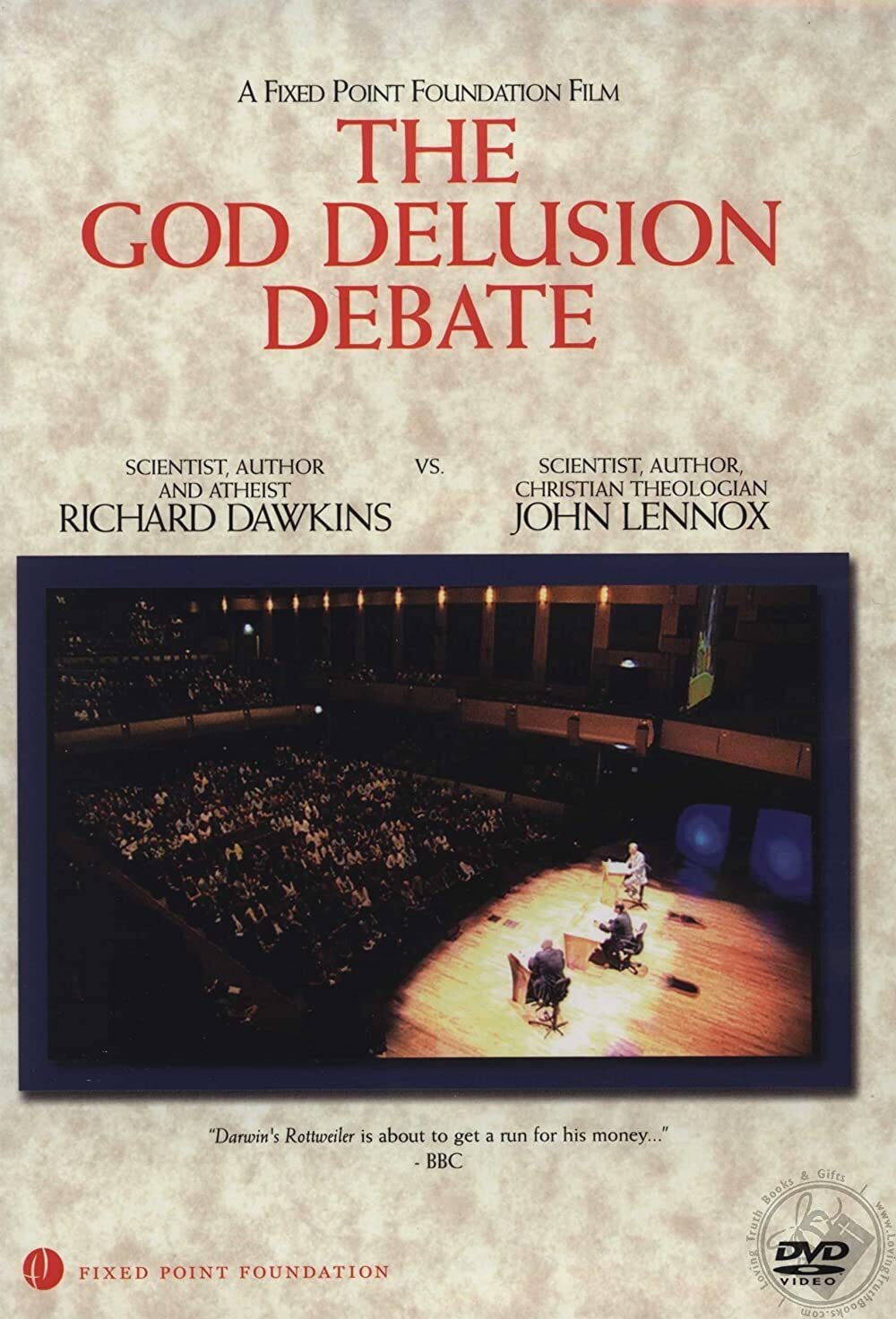
On October 3rd of 2007 in Birmingham, Alabama, Professor Richard Dawkins and his Oxford University colleague Professor John Lennox engaged in a lively debate over what is arguably the most critical question of our time: the existence of God. The debate centered on Dawkins's views as expressed in his best-seller, The God Delusion, and their validity over and against the Christian faith. Both presenters agreed to the format and topics of discussion. It was one of the great debates of the last 100 years and is well worth watching and studying.
From: Symposium sur la sécurité des technologies de l'information et des communications. French conference on information security. It took place in à Rennes from the 7th to the 9th of June 2017.
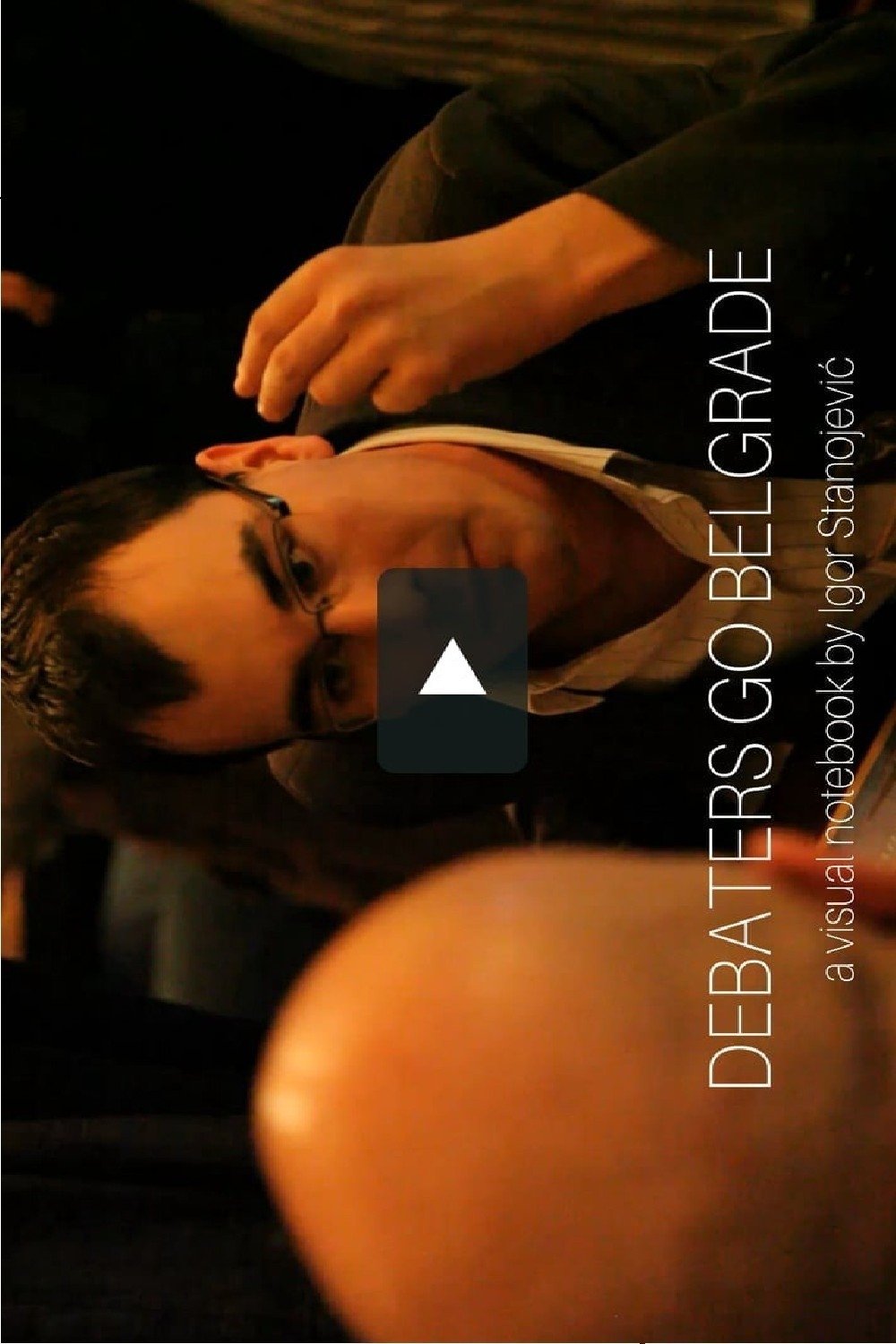
A visual notebook created during the international debate tournament Belgrade Open 2010 in Belgrade, Serbia.
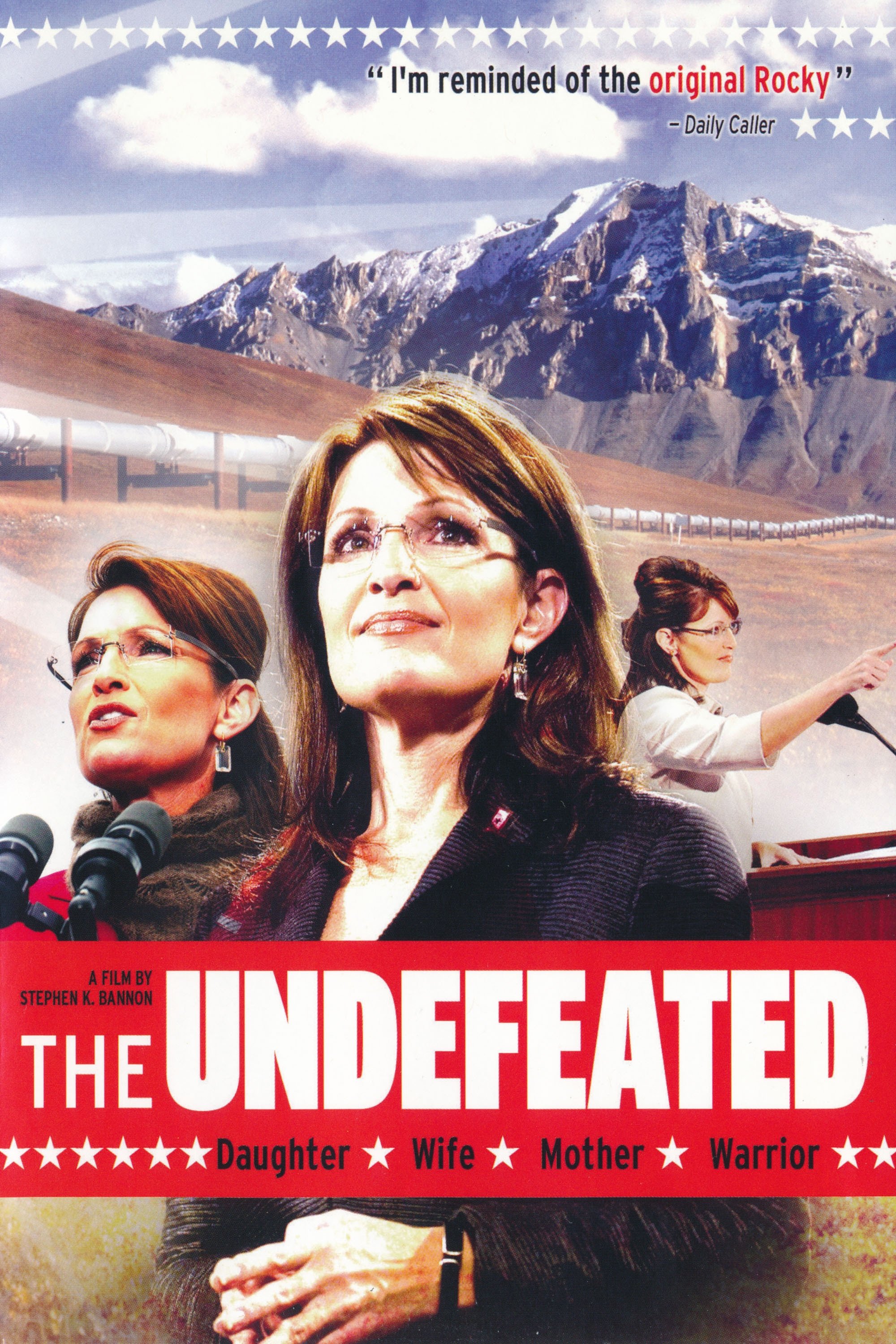
A documentary that chronicles Sarah Palin's pre-political life; her tenure as Governor of Alaska, and her time spent as John McCain's running mate.
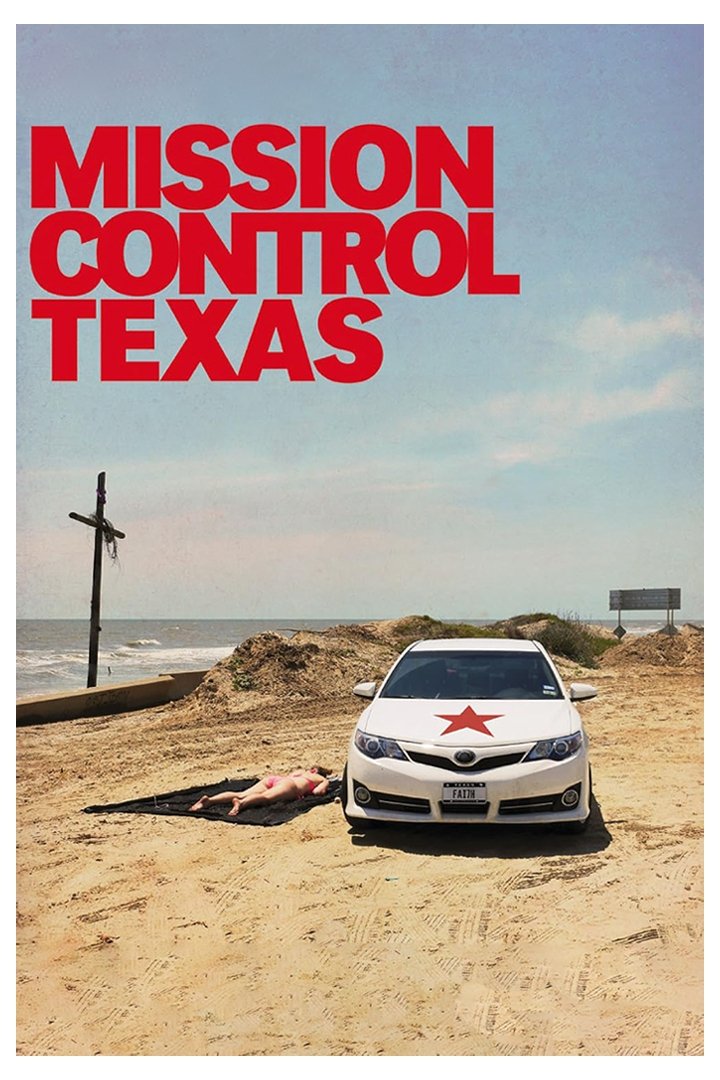
"The Atheist Experience," produced in Austin, Texas, is the only atheist TV show in the United States. Every Sunday afternoon, two atheists debate callers for one hour, on camera. "Mission Control Texas" portrays the show, its protagonists, and the discussions between the hosts and callers. The debates between believers and skeptics are funny, touching, and shocking in turn, and they're interspersed with footage of the very public religious displays common in the state of Texas. The film is an intimate, concentrated, and entertaining insight into the culture wars, and is sure to provoke inspiration as well as frustration, no matter which side of the divide you fall on.

"Jacobin founding editor, Socialist Manifesto author, and former co-chair of the Democratic Socialists for America Bhaskar Sunkara squares off with Libertarian Nick Gillespie, editor at large of Reason and host of the podcast, The Reason Interview, to determine whether capitalism is the best economic system for the country, or are we in dire need of revamp. Michael Moynihan Moderates" (Vice News).
Journalist Alvaro Alvarez travels with former porn-star and men’s rights activist Philipp Tanzer to a Conference on Men’s Issues, shedding light on the controversial movement.
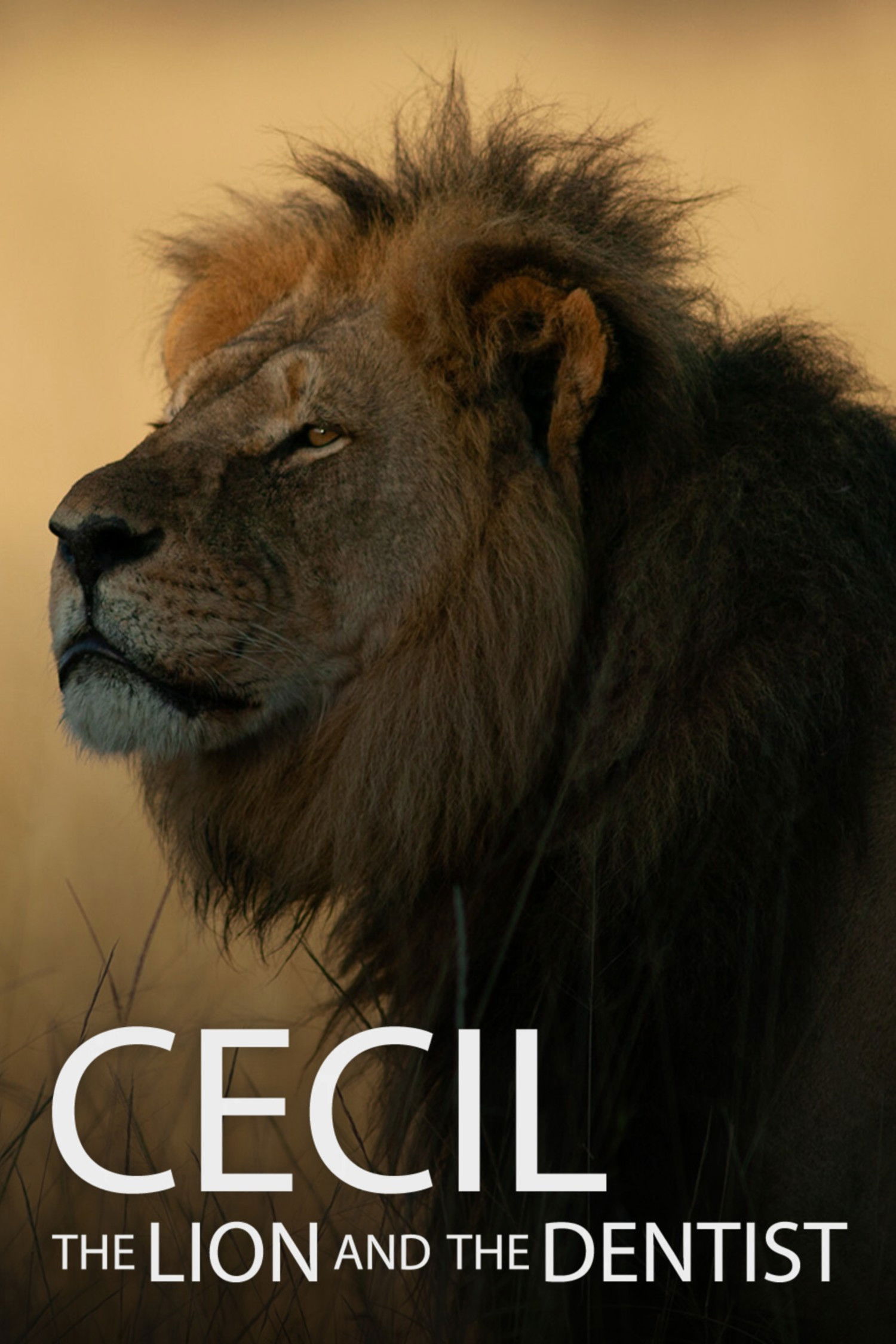
In 2015 a lion in Zimbabwe named Cecil was killed by Walter Palmer, an American dentist, provoking a global outcry. The story of Cecil’s death turns the gaze back on to us and our behaviour. The simplicity of the outrage is a stark contrast to the complexity of the reality.
Social experiment hosted by journalist and presenter Ben Zand in which a group of people come together to try to understand what constitutes sexual harassment.
Ross McElwee sets out to make a documentary about the lingering effects of General Sherman's march of destruction through the South during the Civil War, but is continually sidetracked by women who come and go in his life, his recurring dreams of nuclear holocaust, and Burt Reynolds.
A presentation of a case for a needed transition out of the current socioeconomic monetary paradigm which governs the entire world society. This subject matter will transcend the issues of cultural relativism and traditional ideology and move to relate the core, empirical 'life ground' attributes of human and social survival, extrapolating those immutable natural laws into a new sustainable social paradigm called a 'Resource-Based Economy'.
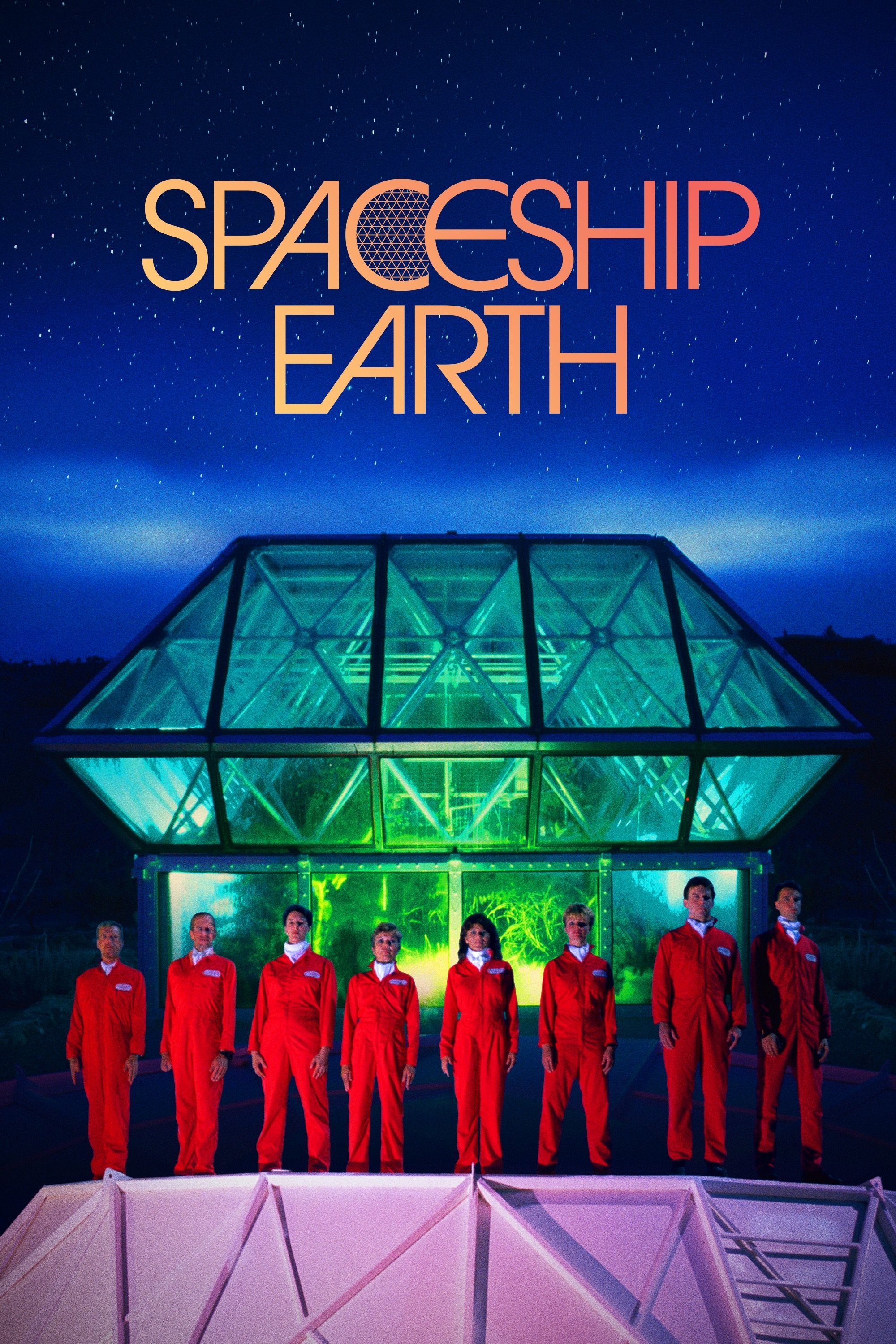
In 1991 a group of countercultural visionaries built an enormous replica of earth’s ecosystem called Biosphere 2. When eight “biospherians” lived sealed inside, they faced ecological calamities and cult accusations. Their epic adventure is a cautionary tale but also a testament to the power of small groups reimagining the world.
An exploration of technologically developing nations and the effect the transition to Western-style modernization has had on them.
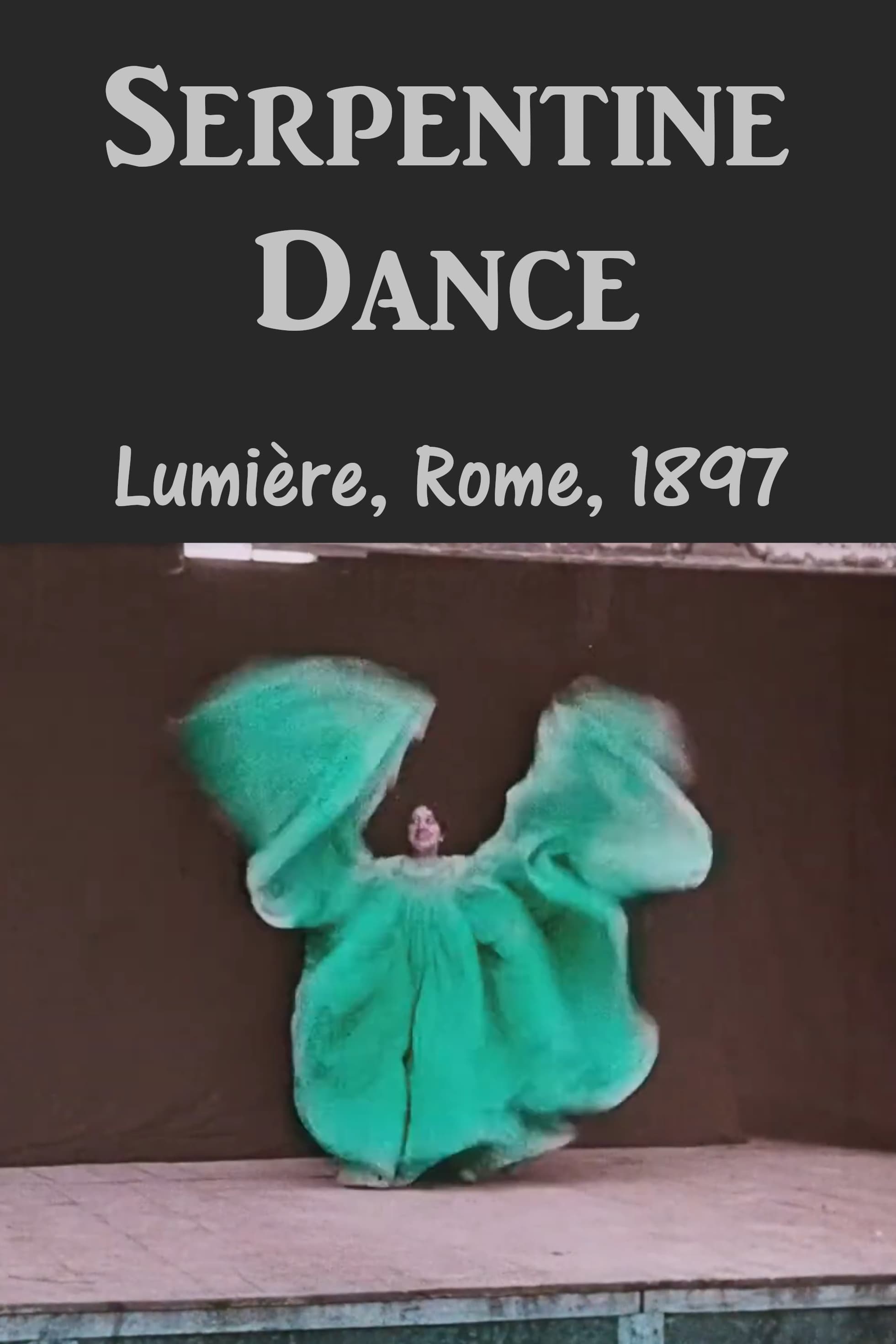
Angelic and demonic serpentine dance from dawn of cinema. Hand-colored frame by frame. Lumière no. 765 or 765.1 (colorized, different dancer?).
A decade after An Inconvenient Truth brought climate change into the heart of popular culture comes the riveting and rousing follow-up that shows just how close we are to a real energy revolution. Vice President Al Gore continues his tireless fight, traveling around the world training an army of climate champions and influencing international climate policy. Cameras follow him behind the scenes—in moments private and public, funny and poignant—as he pursues the empowering notion that while the stakes have never been higher, the perils of climate change can be overcome with human ingenuity and passion.
A visual montage portrait of our contemporary world dominated by globalized technology and violence.
An epic documentary film that sends nine scientists to extraordinary parts of the world to uncover unexpected answers to some of humanity’s biggest questions. How did life begin? What is time? What is consciousness? How much do we really know? By introducing researchers from diverse backgrounds for the first time, then dropping them into new, immersive field work they previously hadn’t tackled, the film pushes the boundaries of how science storytelling is approached. What emerges is a deeply human trip to the foundations of discovery and a powerful reminder that the unanswered questions are the most crucial ones to pose. Directed by Emmy-nominated and Peabody Award-winning filmmaker Ian Cheney and advised by world-renowned filmmaker Werner Herzog, The Most Unknown is an ambitious look at a side of science never before shown on screen.
A cinematic tone poem, showcasing the dynamic nature of water through its various forms.
A purely observational non-fiction film that takes viewers into the ethically murky world of end-of-life decision making in a public hospital.
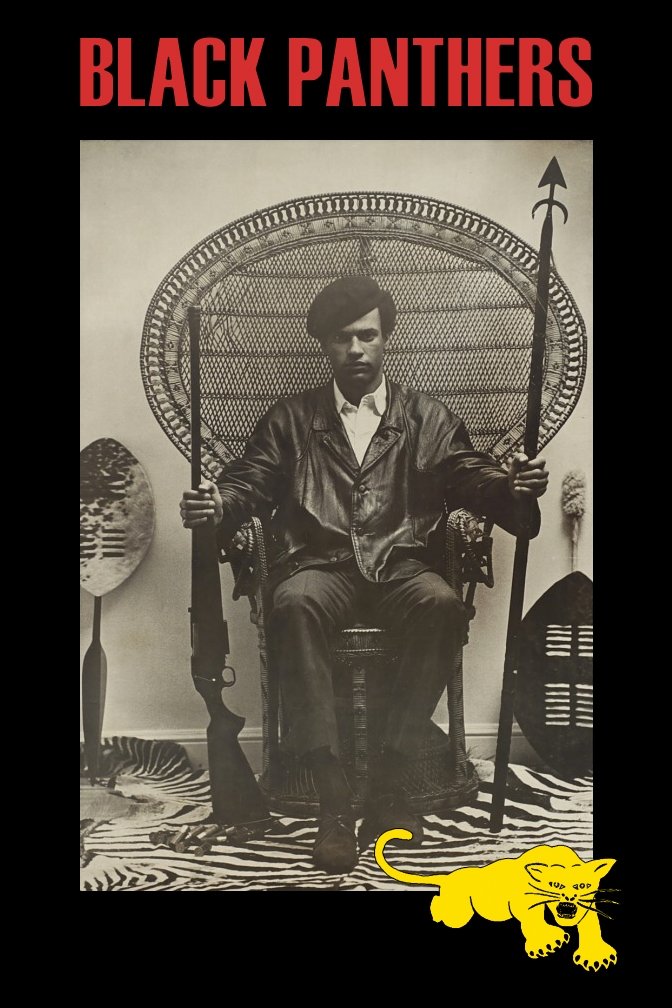
A film shot during the summer of 1968 in Oakland, California around the meetings organised by the Black Panthers Party to free Huey Newton, one of their leaders, and to turn his trial into a political debate. They tried and succeeded in catching America’s attention.
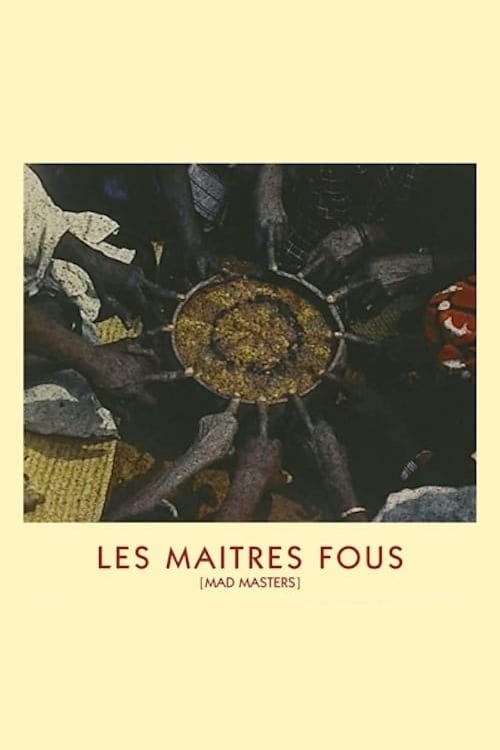
The subject of the film was the Hauka movement. The Hauka movement consisted of mimicry and dancing to become possessed by French Colonial administrators. The participants performed the same elaborate military ceremonies of their colonial occupiers, but in more of a trance than true recreation.
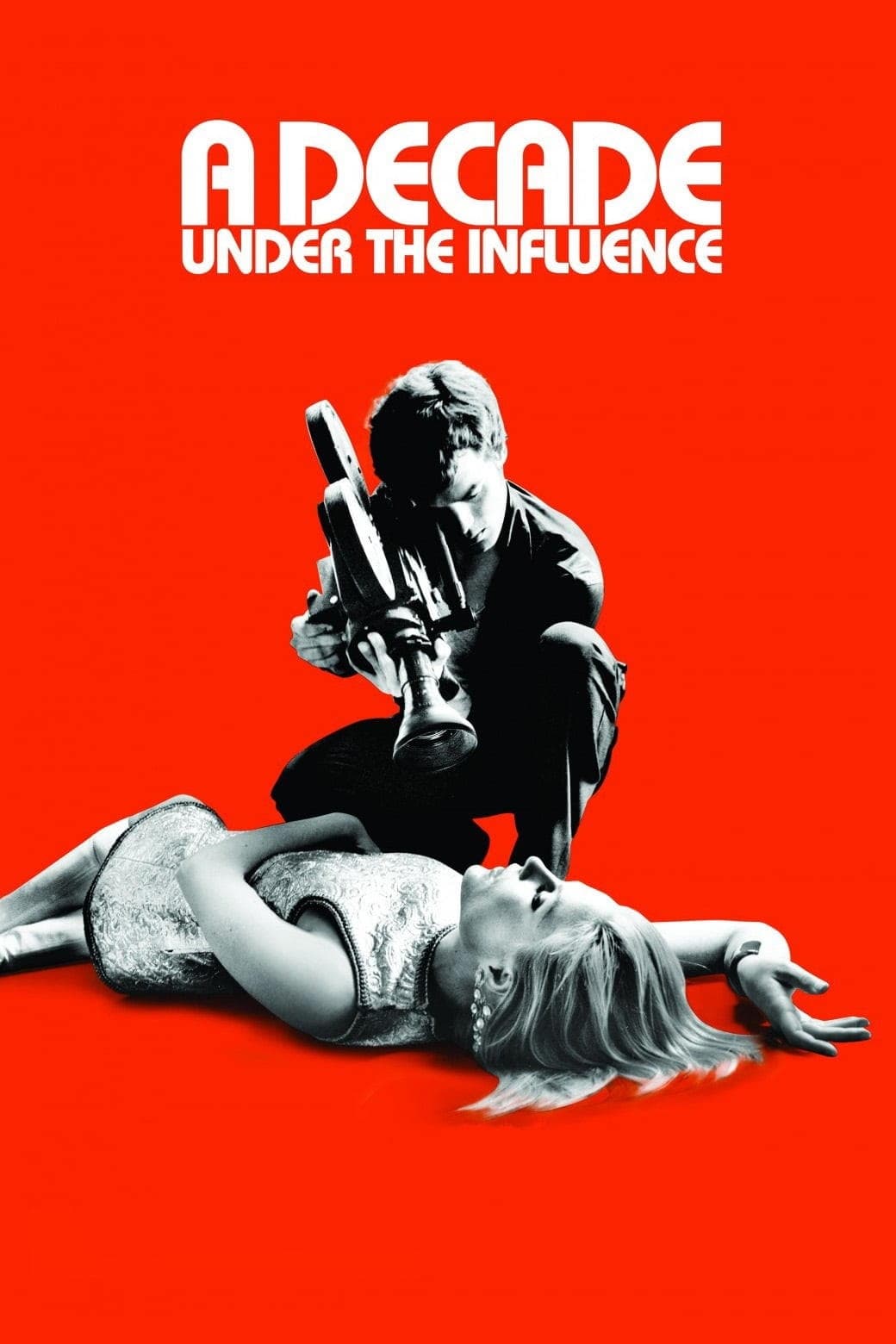
A documentary examining the decade of the 1970s as a turning point in American cinema. Some of today's best filmmakers interview the influential directors of that time.
An unflinching look at the how the battle over abortion rights has played out in the United States over the last 15 years.
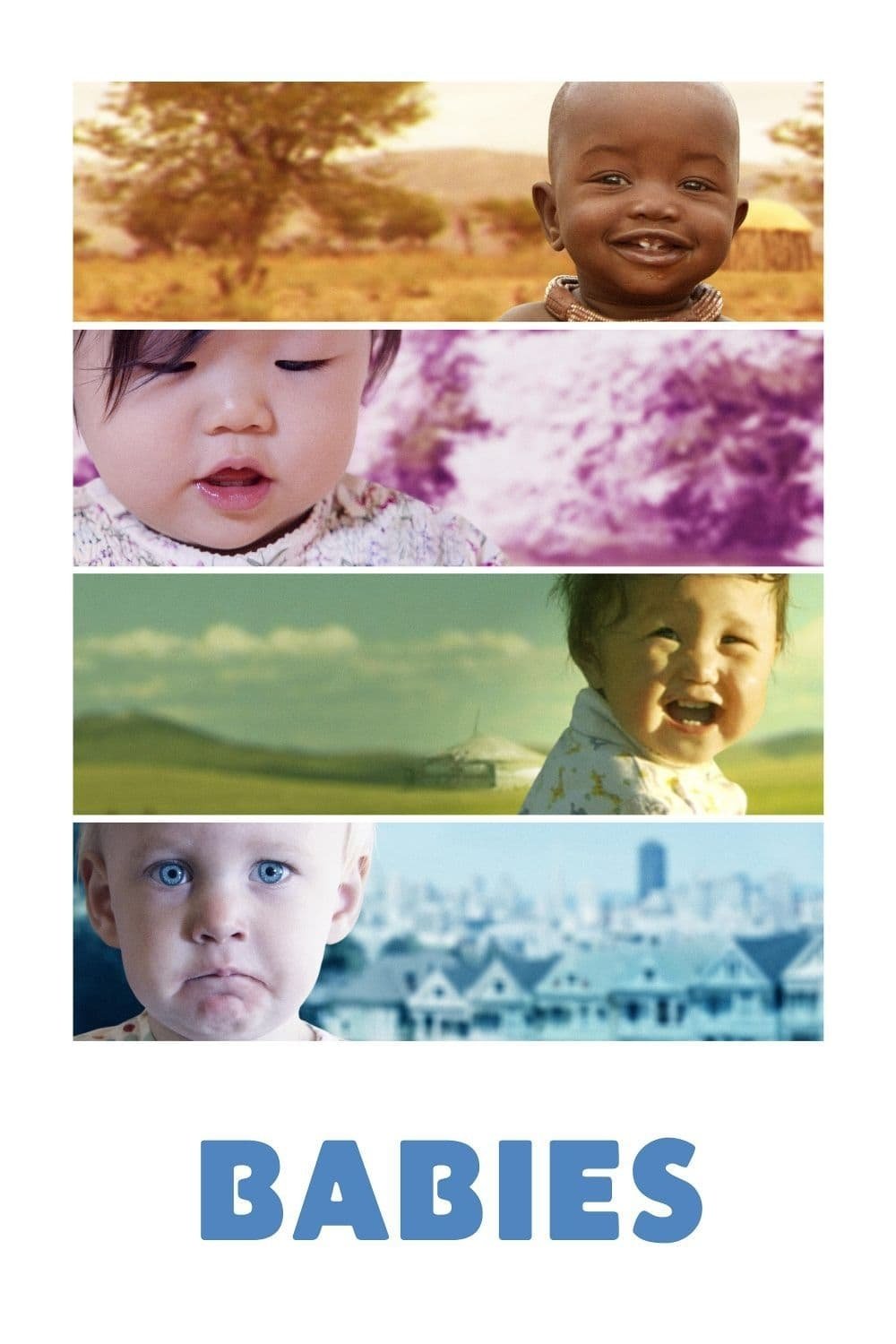
A non-narrated documentary following the lovesome lives of four infants from birth to their first birthday. The babies featured are two from rural areas: Ponijao from Opuwo, Namibia, and Bayar from Bayanchandmani, Mongolia, as well as two from urban areas: Mari from Tokyo, Japan, and Hattie from San Francisco, USA.
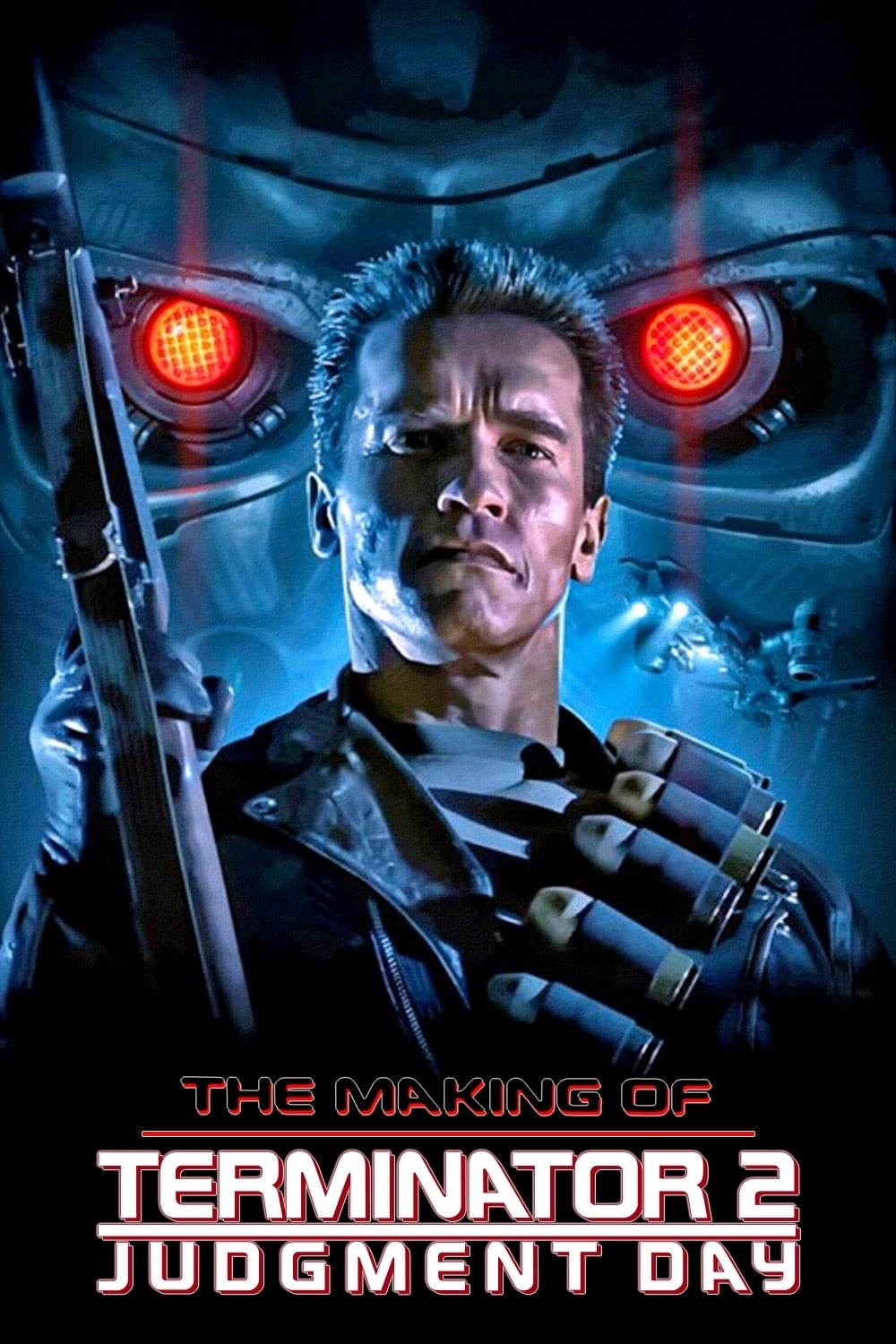
Documentary of the making of the sequel to the popular Schwarzenegger film, The Terminator.
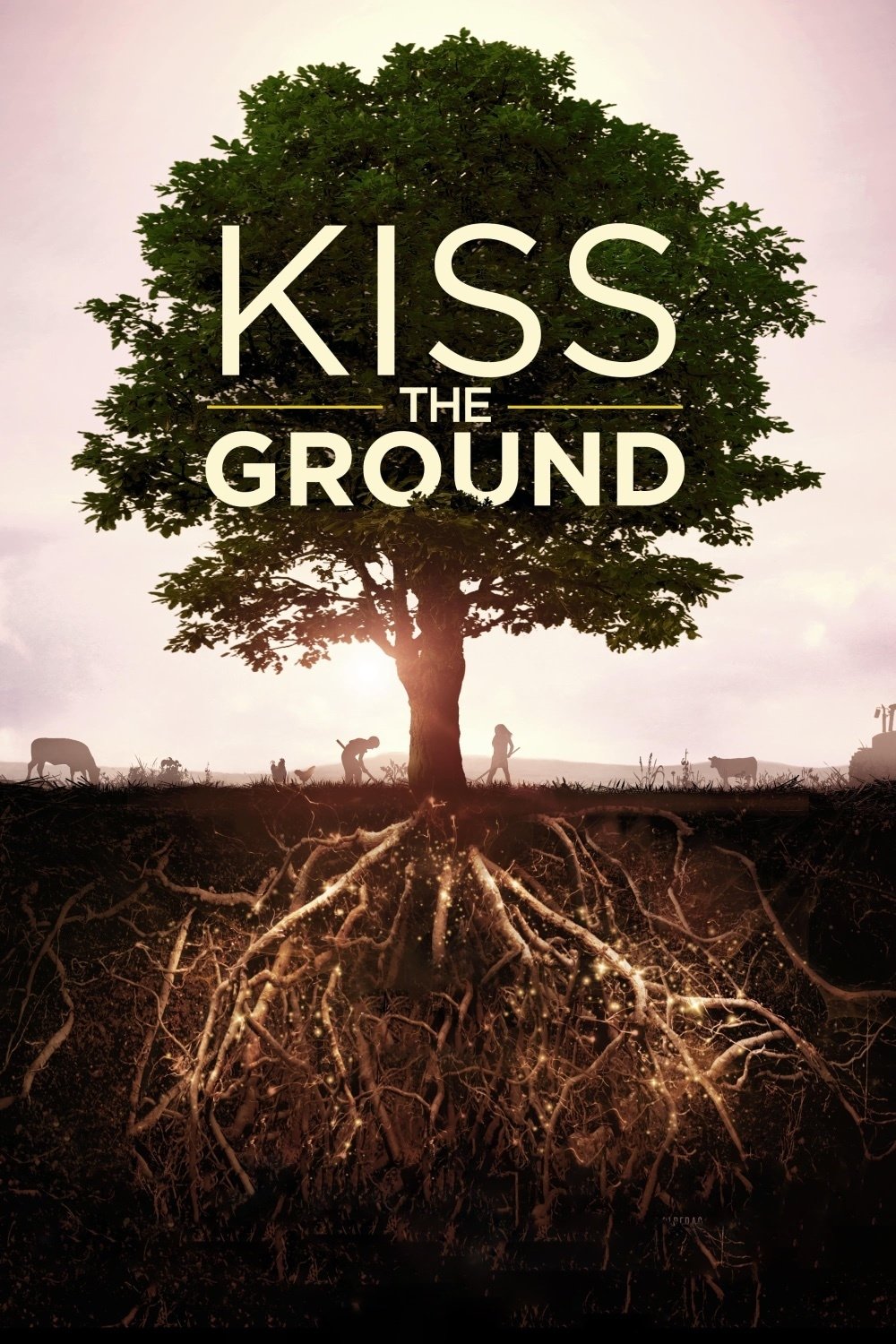
Sheds light on an alternative approach to farming called “regenerative agriculture” that could balance our climate, replenish our vast water supplies, and feed the world.
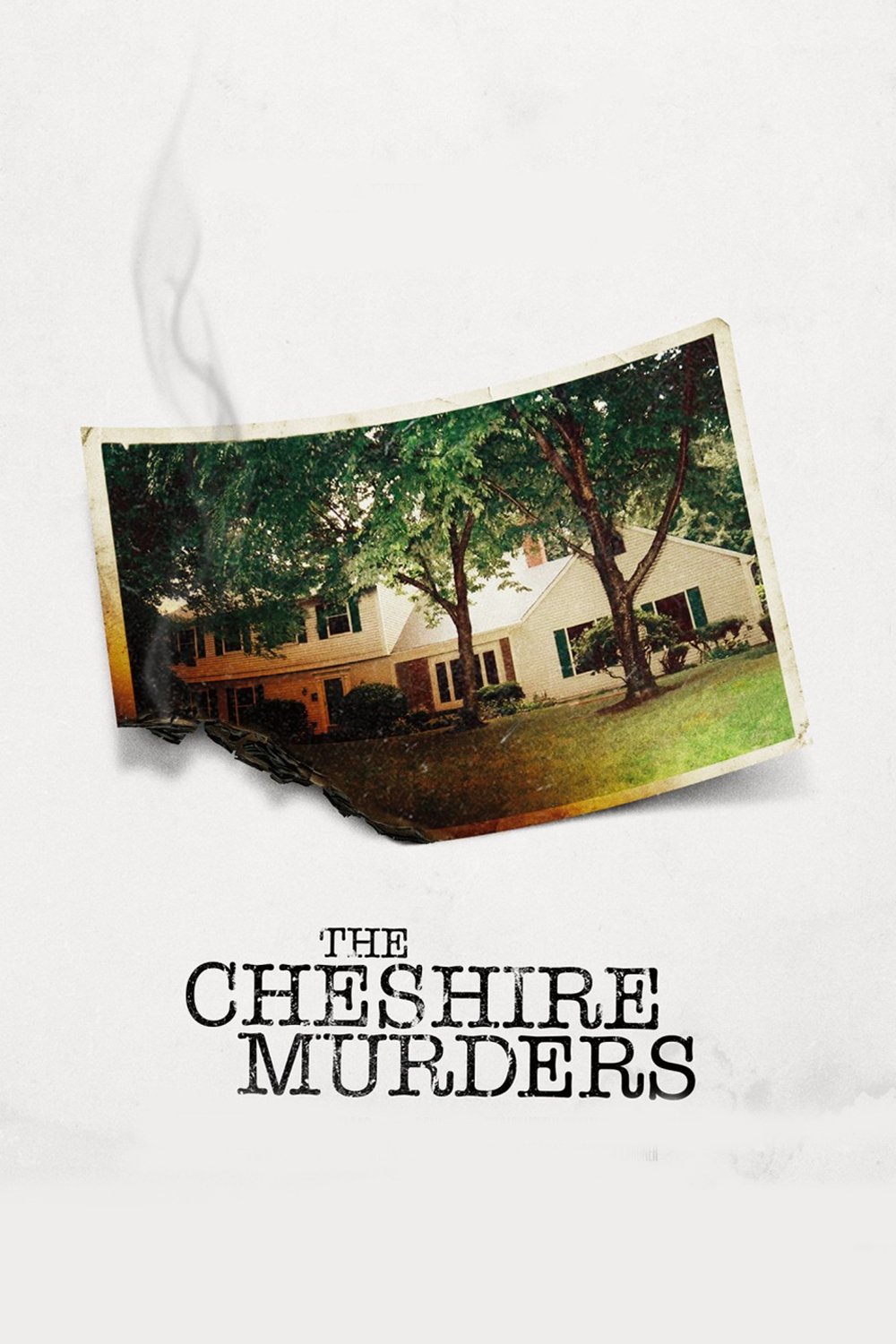
In the early-morning hours of July 23, 2007, in Cheshire, Conn., ex-convicts Steven Hayes and Joshua Komisarjevsky broke into the family home of William Petit, his wife, Jennifer, and their daughters, Michaela, 11, and Hayley, 17. Dr. Petit was beaten and tied to a pole in the basement. The three women were bound in their bedrooms while the men ransacked the house. The brutal ordeal continued throughout the morning, ending with rape, arson and a horrific triple homicide.
The film follows adventurer Jeff Johnson as he retraces the epic 1968 journey of his heroes Yvon Chouinard and Doug Tompkins to Patagonia.
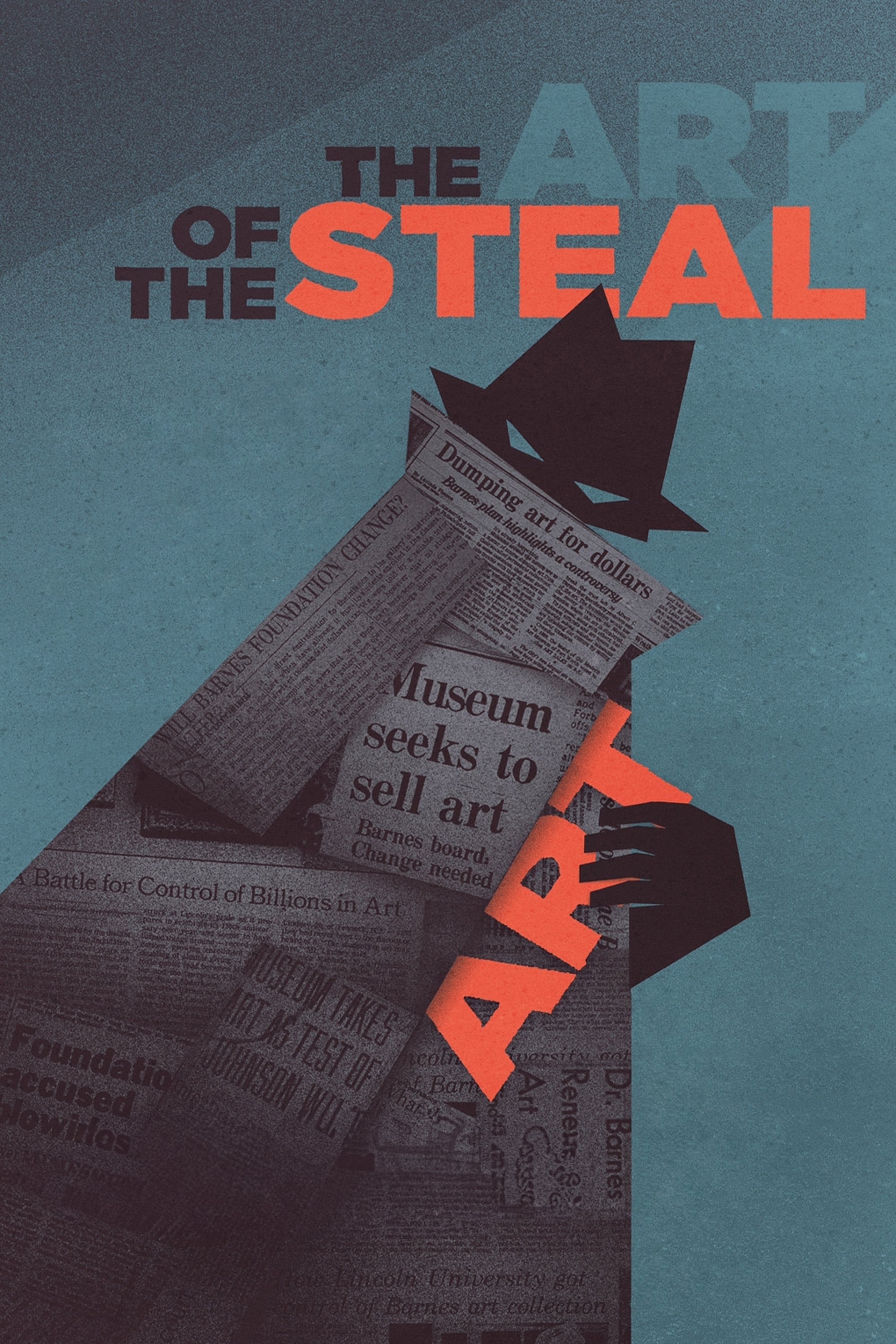
A gripping tale of intrigue and mystery in the art world, this film traces the history of a collection of Post-Impressionist paintings - worth billions - which became the subject of a power struggle after the death of its owner. Dr. Albert Barnes.