Social & External
The people behind it
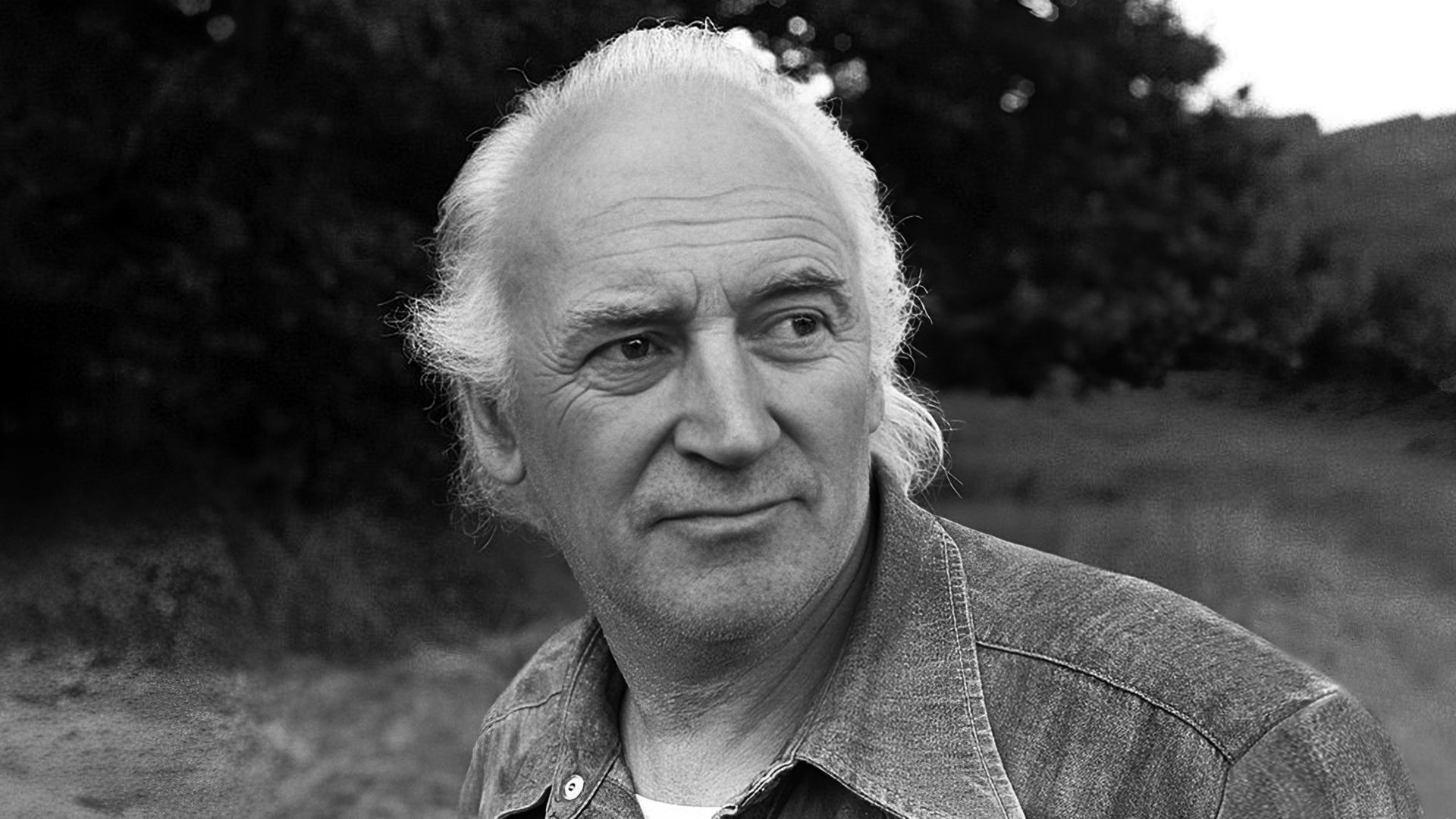
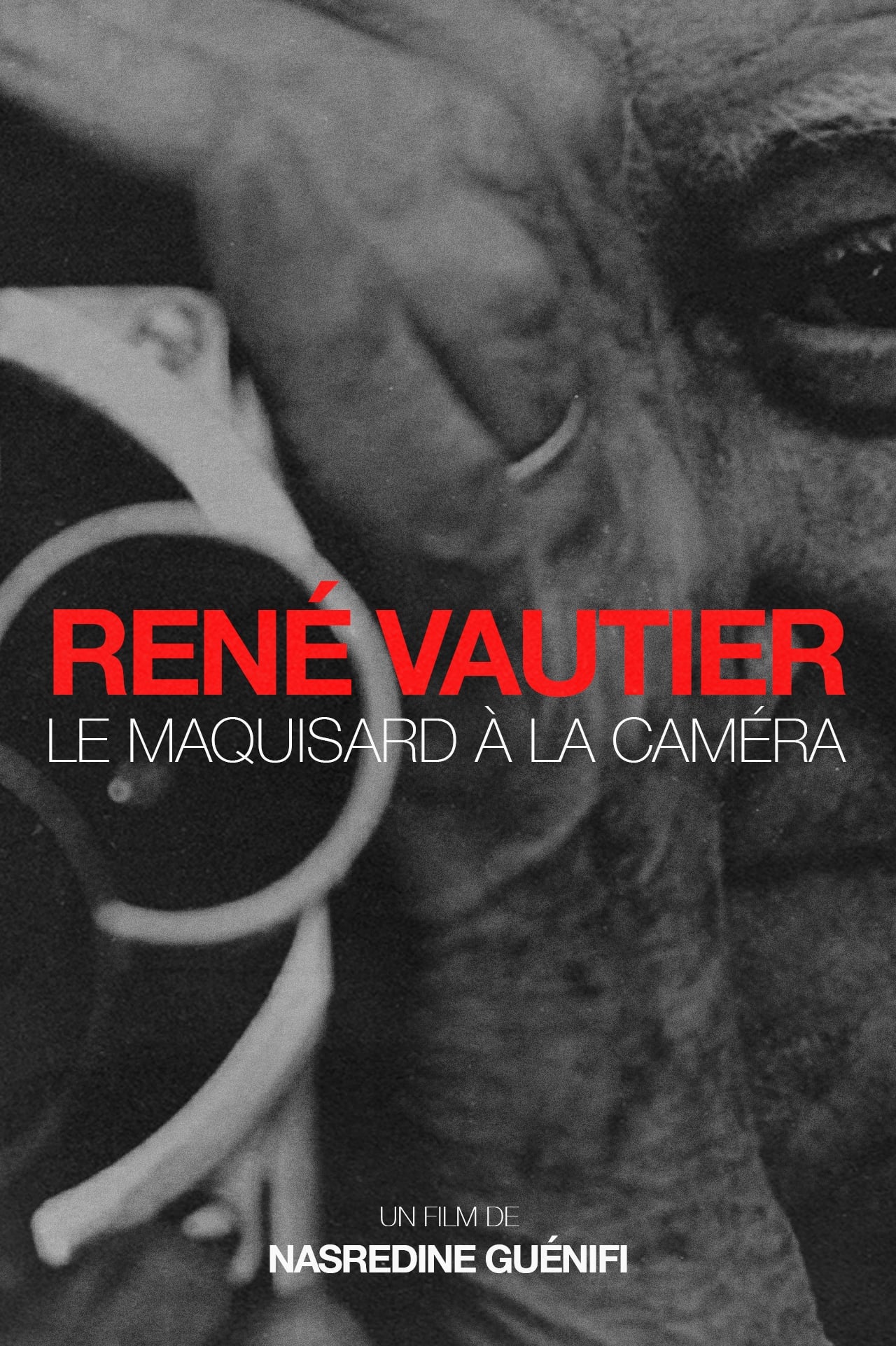
René Vautier
Self
Nasredine Guénifi
Self - Interviewer
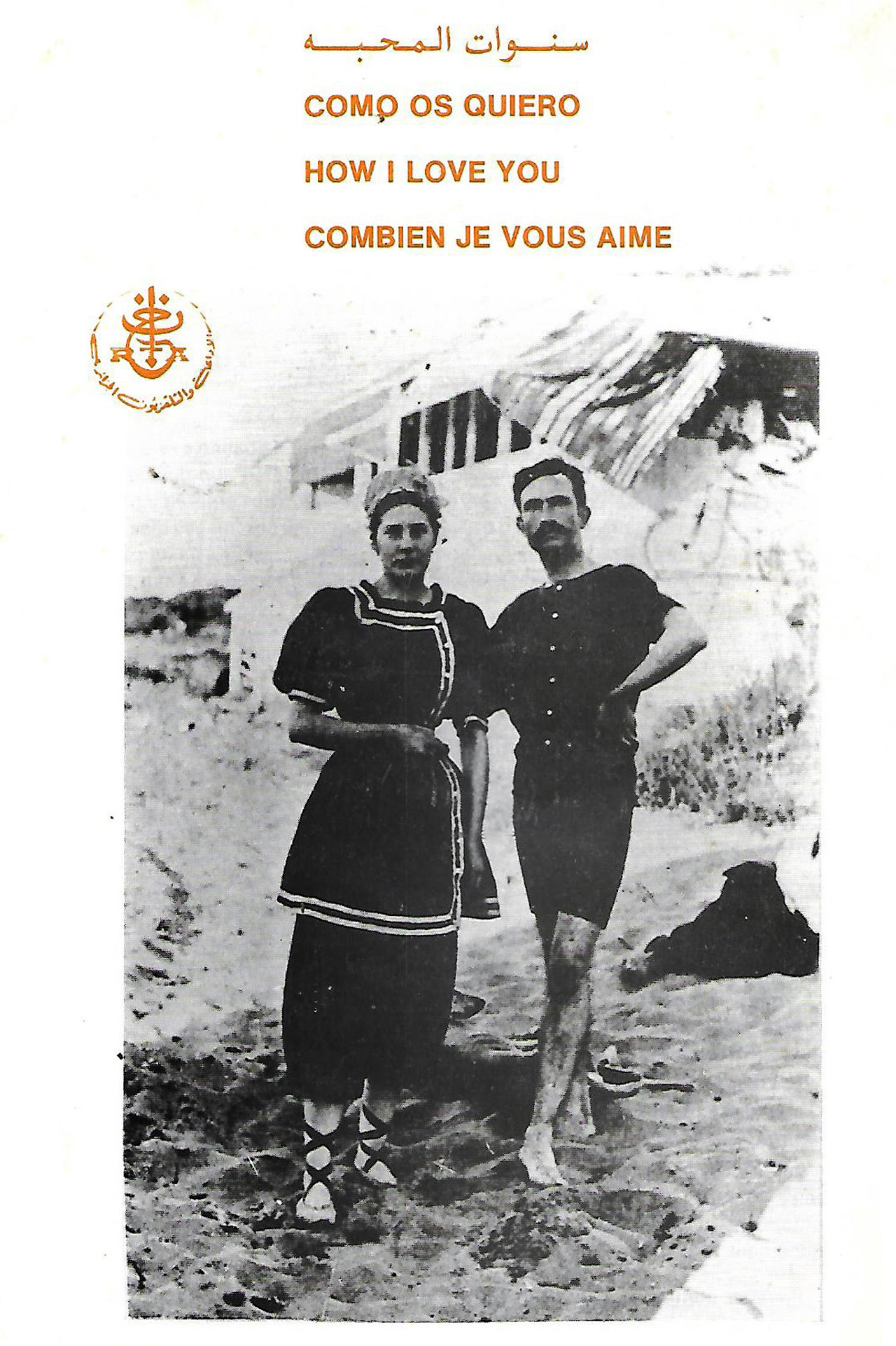
Beginning with a promotional reel encouraging farming investments in Algeria and ending with the secret 1950s nuclear tests that France conducted using Algerian prisoners, How Much I Love You appropriates archival footage produced by the French colonial powers in Algeria. Meddour’s approach is disarmingly simple and yet awe-inspiring—his caustic undoing of colonial discourse is underscored by a liberating release of humor.
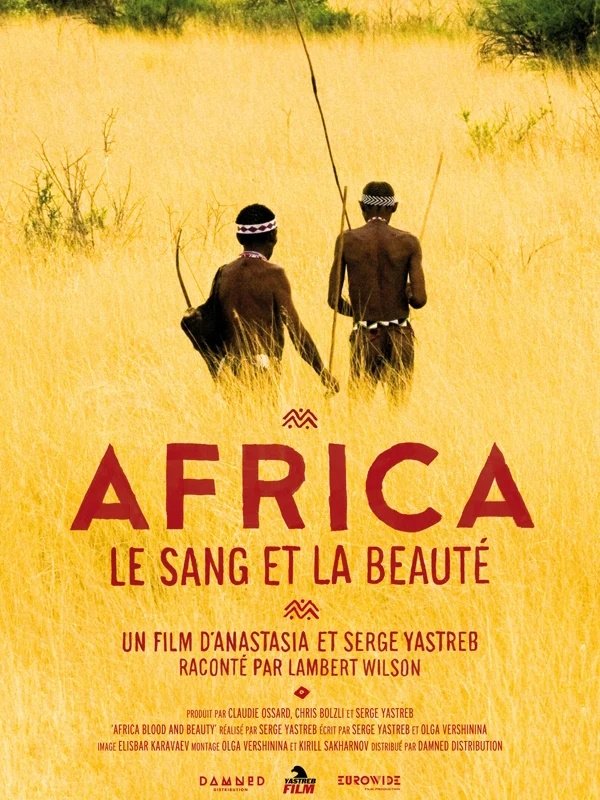
This film speaks of archaic peoples, their customs and mores, in an attempt to make the last snapshots of their traditional lifestyles before they are gone for good.
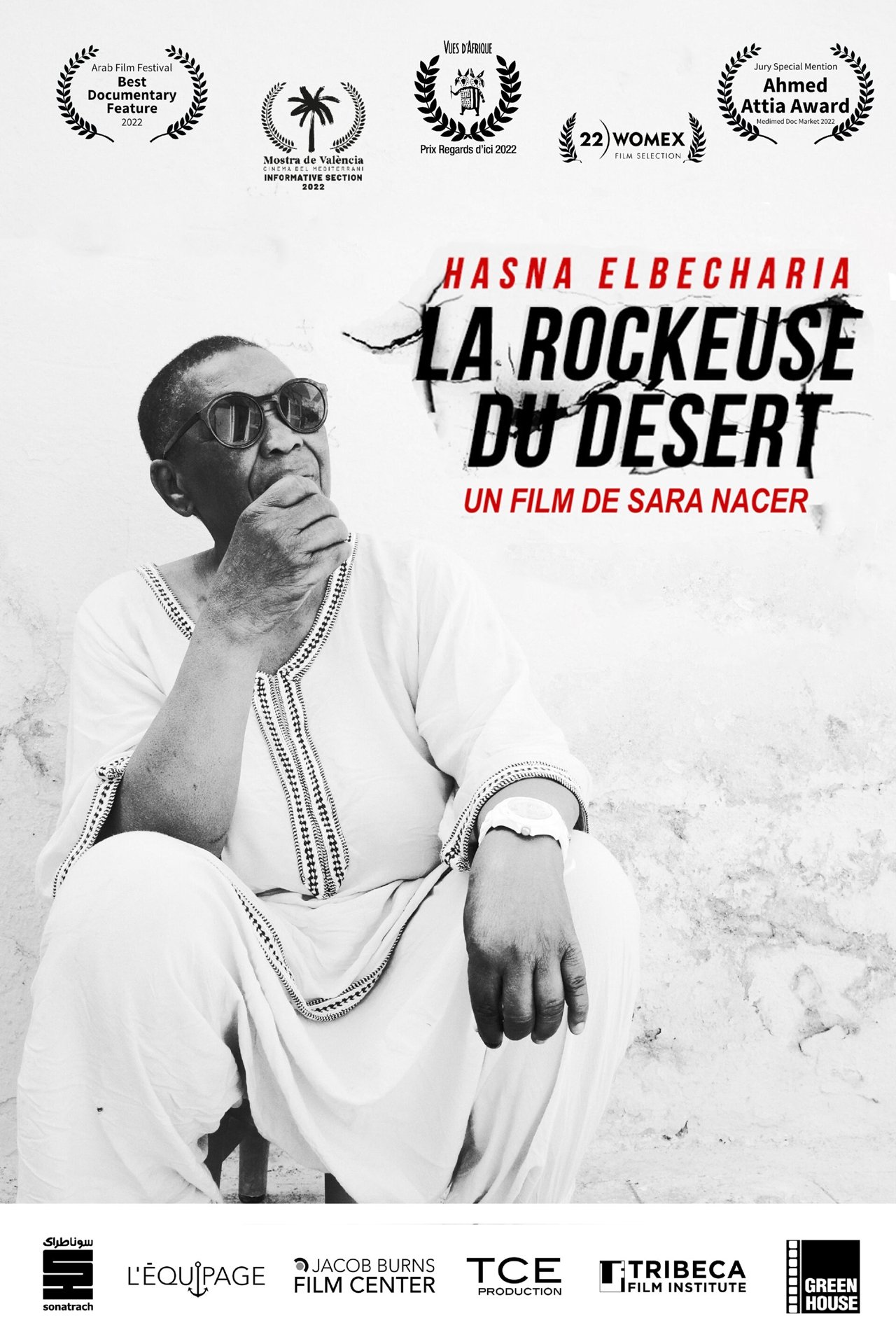
The Desert Rocker is an intimate, witty and profound portrait of the extraordinary Hasna El Becharia, a pioneer Gnawa artist. The first musician to break through the social barrier of this culture, she empowers and inspires women of all ages by reclaiming a musical tradition reserved for men for centuries . A singularly talented artist, she leads women to redefine their roles and challenge cultural norms , one musical performance at a time.
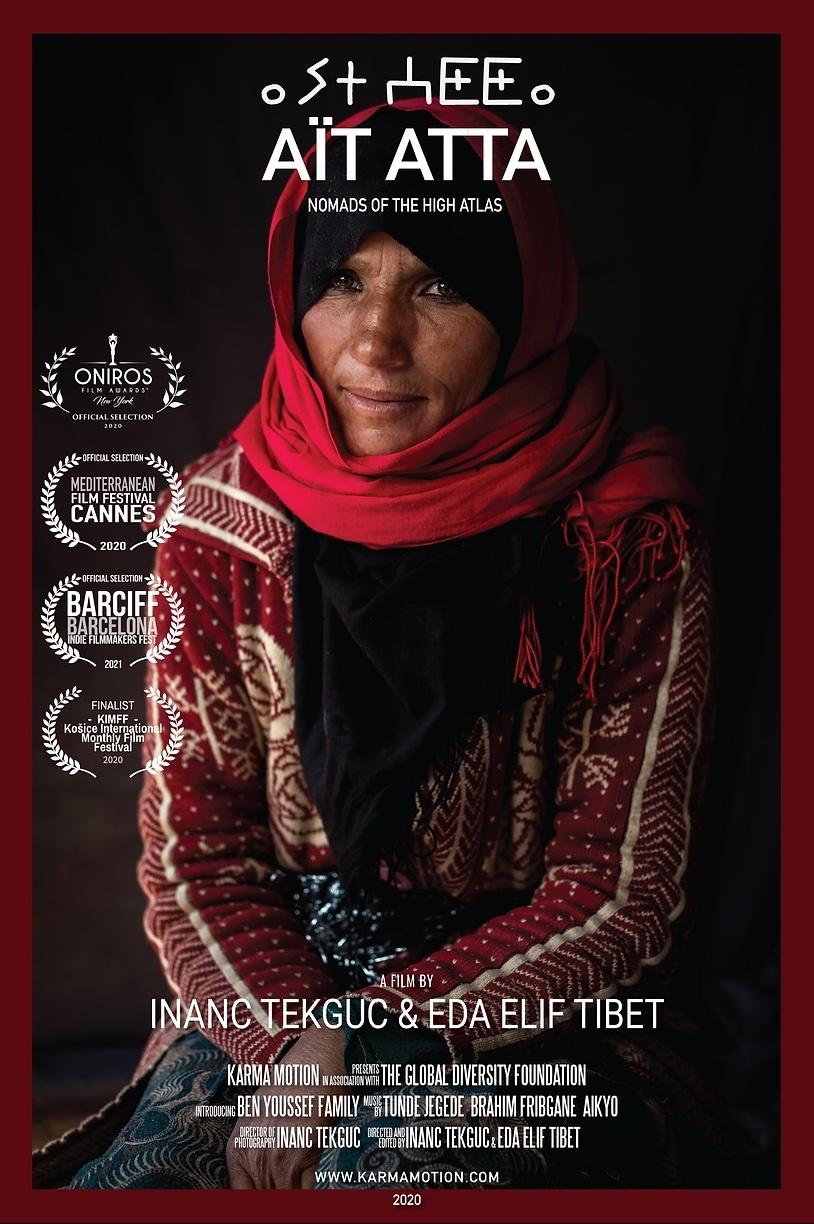
The Aït Atta tribe of the High Atlas mountain range in Morocco preserves their ancestral right of access to the agdal, a communal land management system that dates back hundreds of years. The film follows Ben Youssef family’s arduous transhumance journey from the desert-like landscape of Nkob to the green pastures of Agdal Igourdane, throughout uneven terrain of steep climbs and descents of these High Atlas mountains. They migrate each summer with their 800 goats, donkeys, mules, camels and dogs, as they embark on this formidable journey on foot.
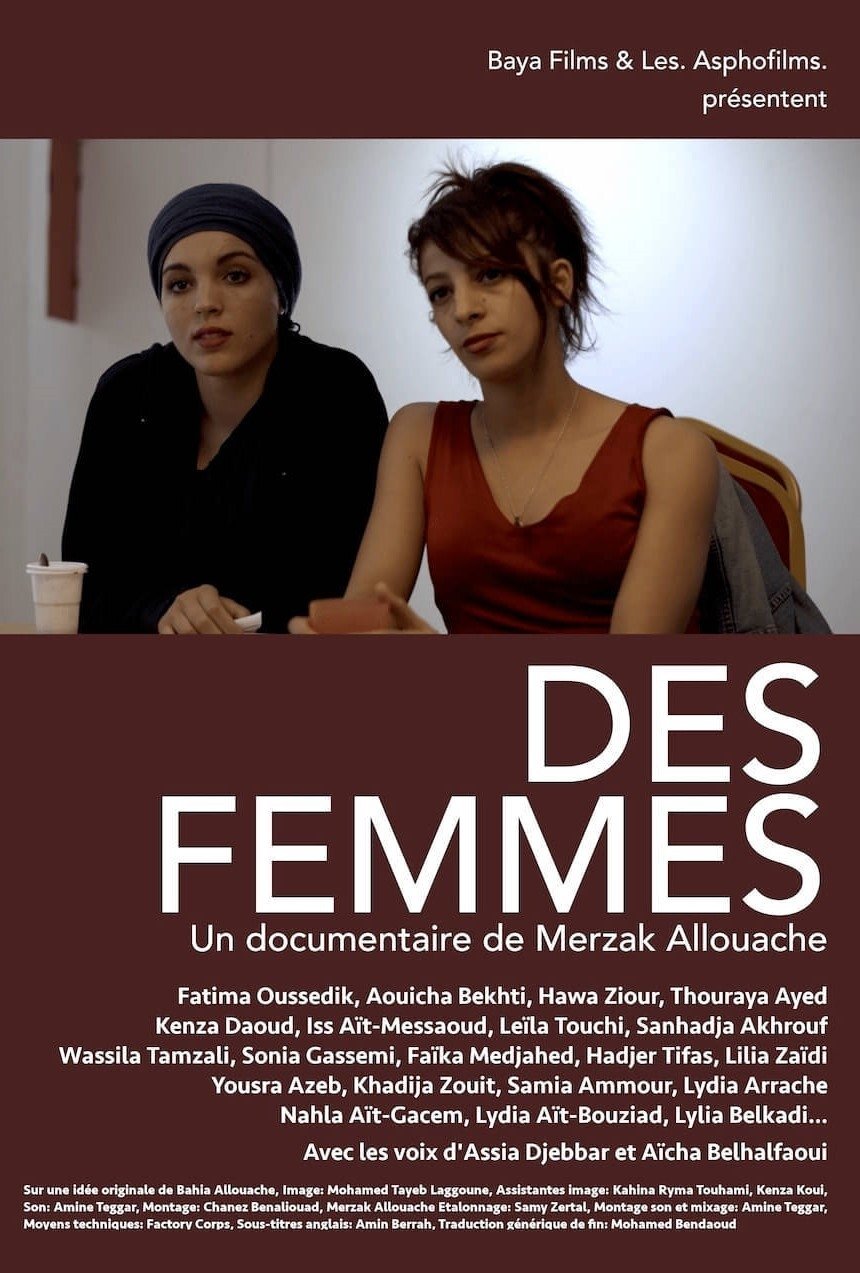
As the peaceful and determined Hirak movement gathers momentum and hopes for profound political change sweep across Algeria, women are combining femininity and feminism in the past, present, and future.
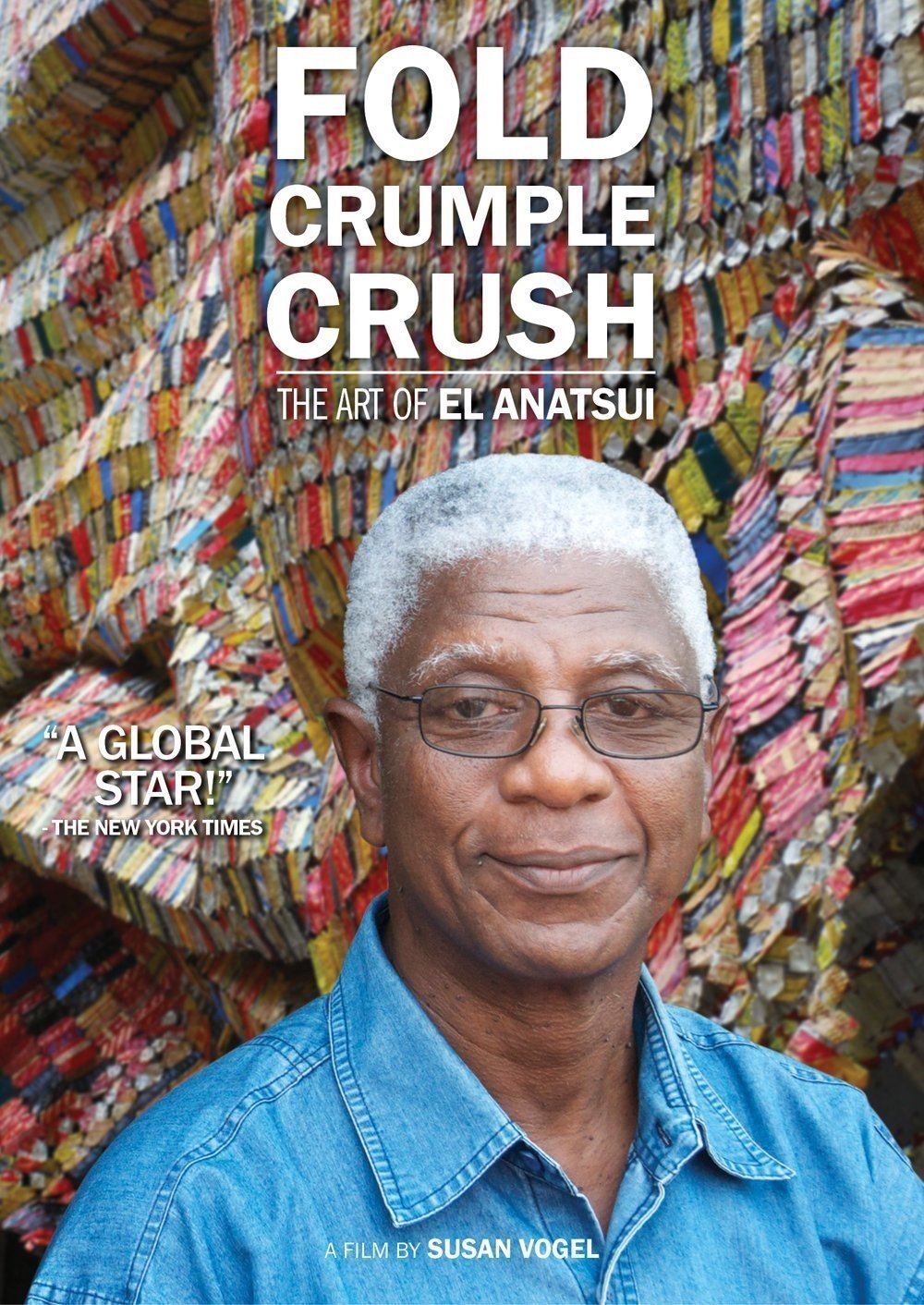
A powerful portrait of Africa's most widely acclaimed contemporary artist El Anatsui. It gives an insider's view of the artist's practice, the ingenious steps and thousands of hours of labor that convert used bottle tops into huge, opulent wall hangings.
A Luta Continua explains the military struggle of the Liberation Front of Mozambique (FRELIMO) against the Portuguese. Produced and narrated by American activists Robert Van Lierop, it details the relationship of the liberation to the wider regional and continental demands for self-determination against minority rule. It notes the complicit roles of foreign governments and companies in supporting Portugal against the African nationalists. Footage from the front lines of the struggle helps contextualize FRELIMO's African socialist ideology, specifically the role of the military in building the new nation, a commitment to education, demands for sexual equality, the introduction of medical aid into the countryside, and the role of culture in creating a single national identity.
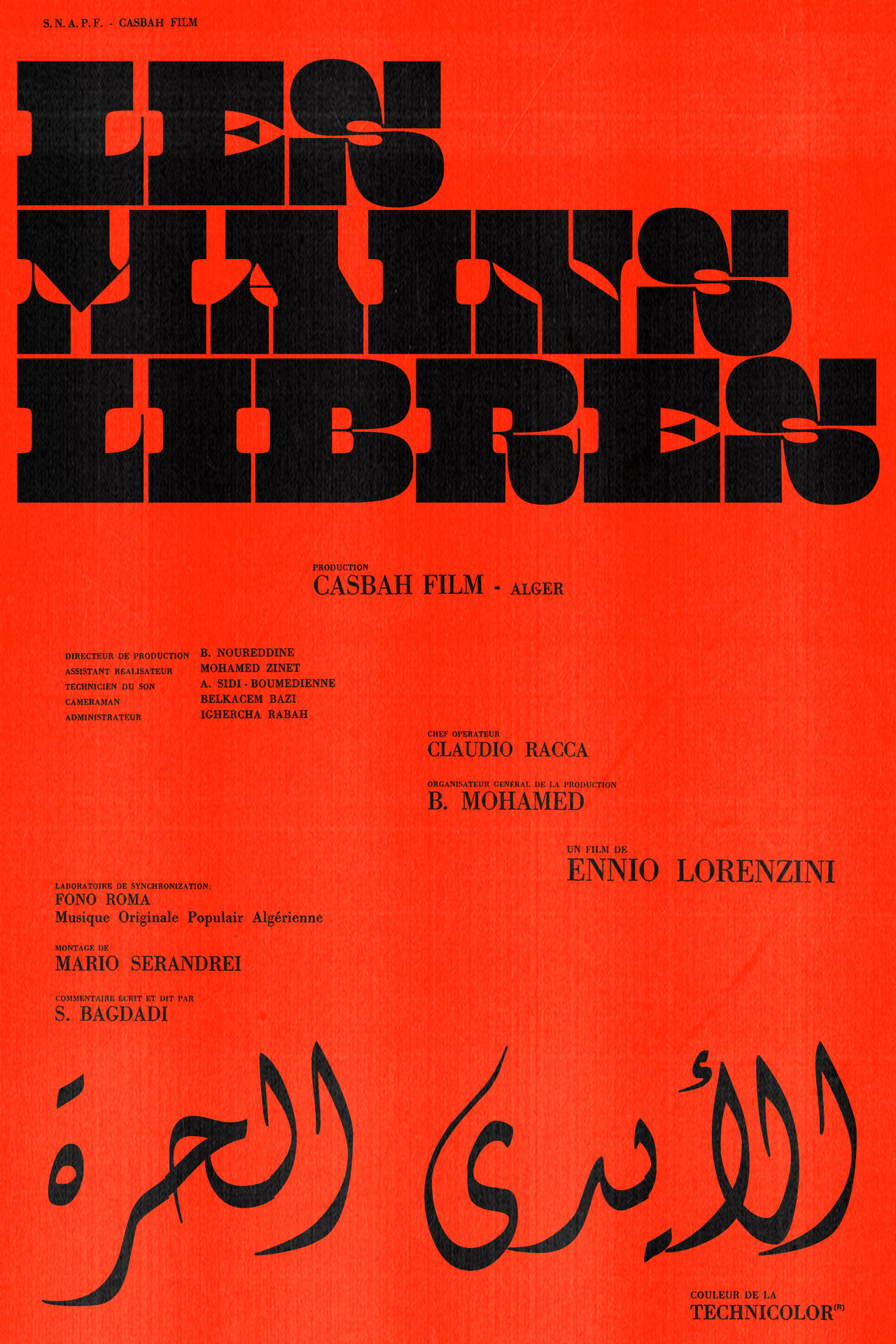
In 1964, Algeria, just two years after the end of the war of independence, found itself catapulted into new contradictions, a still rural territory which responded to the modernity brought by the revolution. Filmed during the winter of 1964-1965 by the young director Ennio Lorenzini, it is the first international Algerian production which paints a rare portrait in color of a multifaceted nation, far from the simplistic vision created by the press and the French army. Produced by Casbah Film, Les Mains Libres (initially titled Tronc De Figuier) bears witness to the stigmata of colonization and the future of free Algeria throughout the Algerian territory and reveals the richness of its landscapes and the diversity of its traditions . The documentary, using the aesthetics of militant cinema of the time, is made up of four scenes: Sea and Desert, The Struggle, The Earth, Freedom.
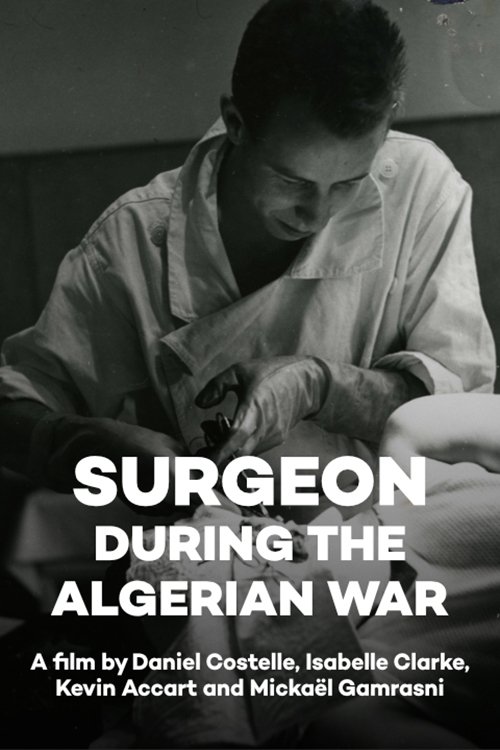
Has everything really been said about the Algerian war? Although the archives are opening up, almost fifty years after the signing of the Evian Agreements (March 18, 1962), direct witnesses are beginning to disappear. They are, however, unique bearers of history, often the only ones able to illustrate the harsh reality of a long-hidden period. Gérard Zwang, surgeon of the contingent between May 1956 and June 1958, is one of these essential witnesses who help us discover an original history of the Algerian War. During his service, in charge of treating the most atrocious wounds of his fellow soldiers, he sees the war from the side of its victims. He did not fight with a machine pistol in his hand, but behind the closed doors of an operating room where life gives way to death in a matter of seconds.
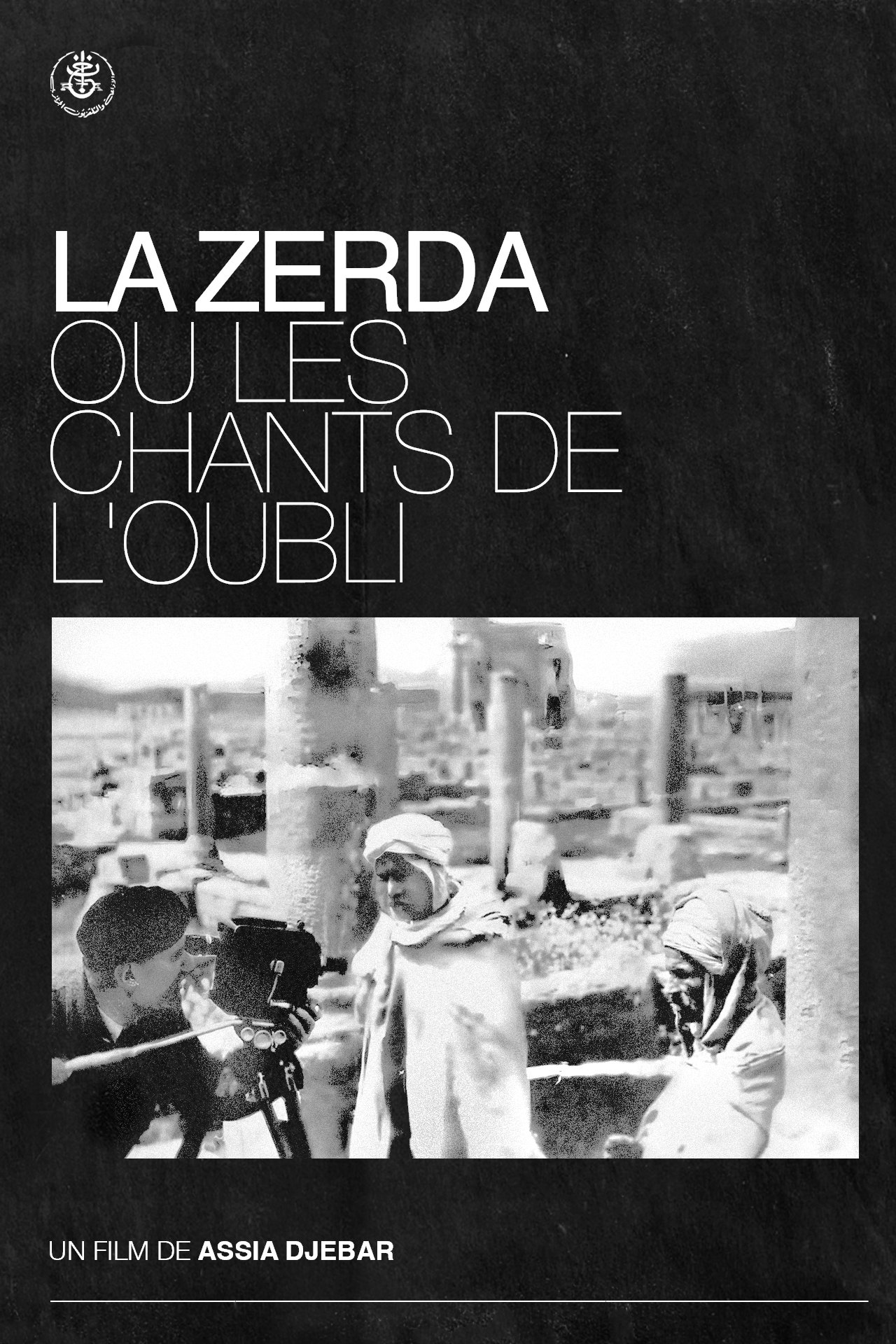
“La Zerda and the songs of oblivion” (1982) is one of only two films made by the Algerian novelist Assia Djebar, with “La Nouba des femmes du mont Chenoua” (1977). Powerful poetic essay based on archives, in which Assia Djebar – in collaboration with the poet Malek Alloula and the composer Ahmed Essyad – deconstructs the French colonial propaganda of the Pathé-Gaumont newsreels from 1912 to 1942, to reveal the signs of revolt among the subjugated North African population. Through the reassembly of these propaganda images, Djebar recovers the history of the Zerda ceremonies, suggesting that the power and mysticism of this tradition were obliterated and erased by the predatory voyeurism of the colonial gaze. This very gaze is thus subverted and a hidden tradition of resistance and struggle is revealed, against any exoticizing and orientalist temptation.
Part of Zineb Sedira's art installation for the French Pavilion at the 59th Venice Biennale. A piece where Sedira explores her passion for the militant cinema of the 60s and 70s.
Peter Westerveld, artist and visionary, doesn’t want institutions to resolve the problems linked to earth’s problems. Growing up in Africa, he witnessed the advance of the desert and dedicated himself to finding solutions for the ongoing erosion and desertification of the land. The film follows Peter and the NGO working with him to realise his project; to build contour trenches that capture and store rain water under the surface and replenish the desert land.
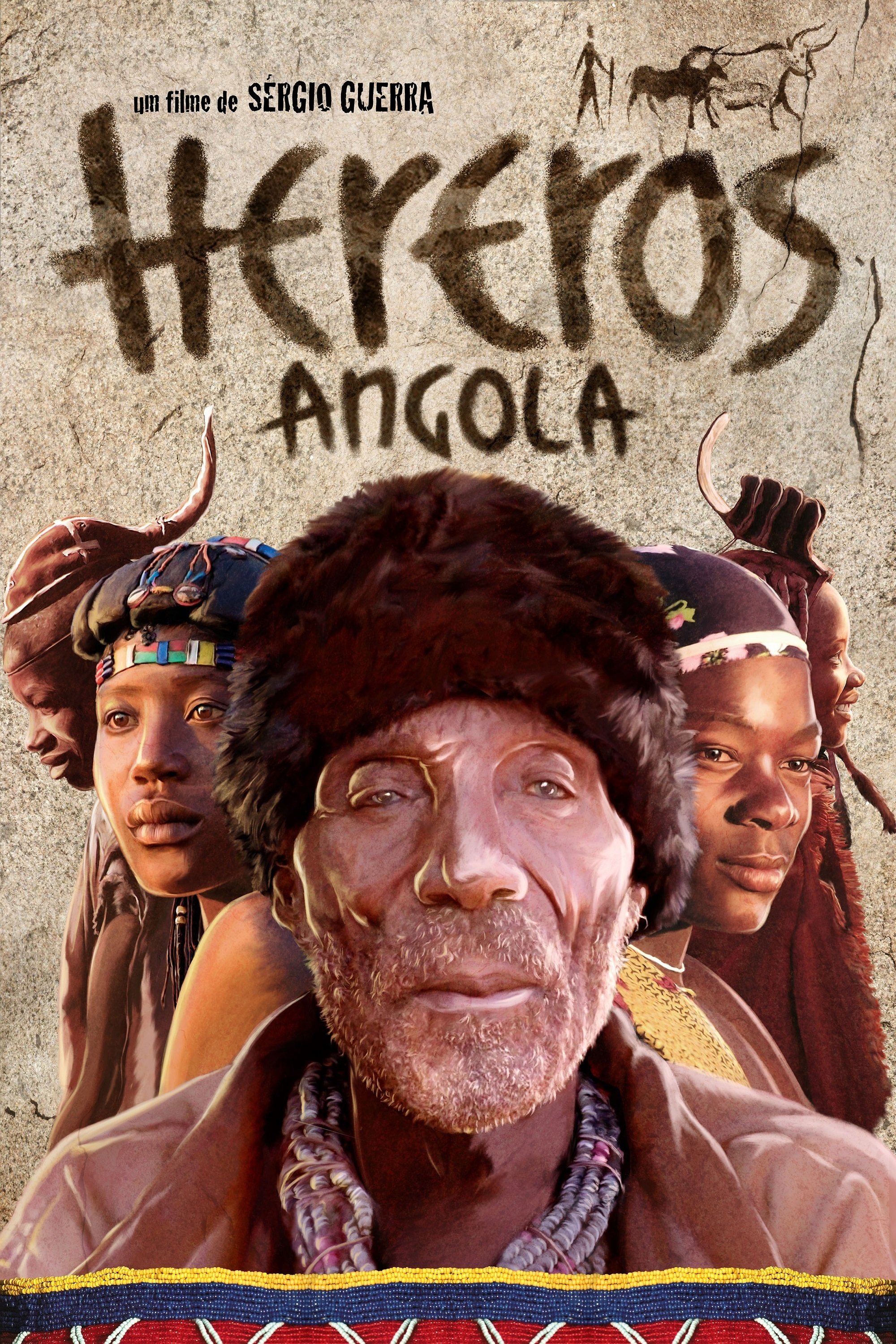
Hereros Angola is a documentary film on the ethnic group of the same name. Originated from Bantu peoples, they maintain their millennial culture which gains new senses through the camera.
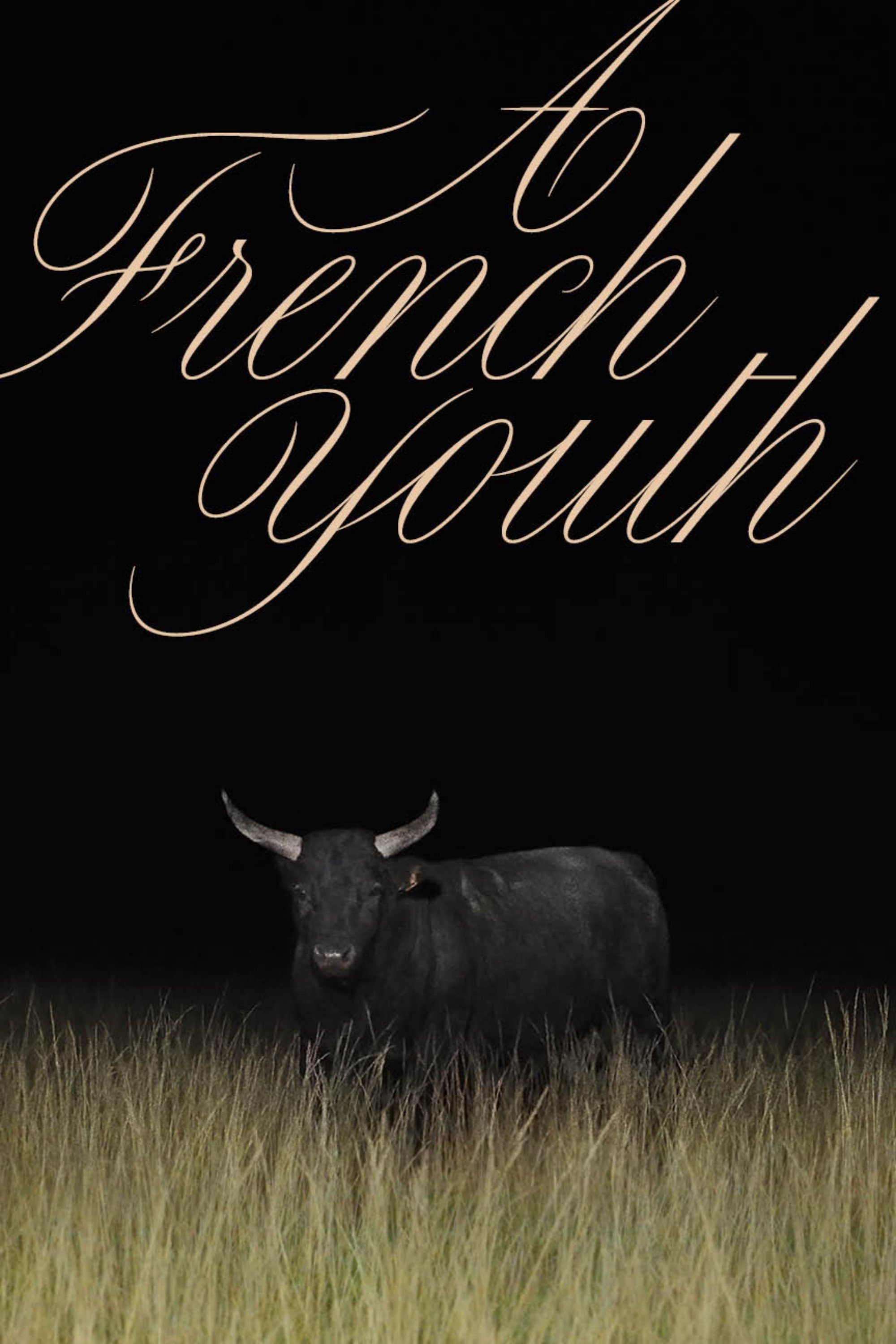
In the heart of the Camargue region, in the south of France, Jawad and Belka find freedom in their love of Camargue races. For these young Maghrebi men, the event is more than a simple tradition. Facing off with a bull is an opportunity to establish their place in the arena—and in French society. But at what cost?
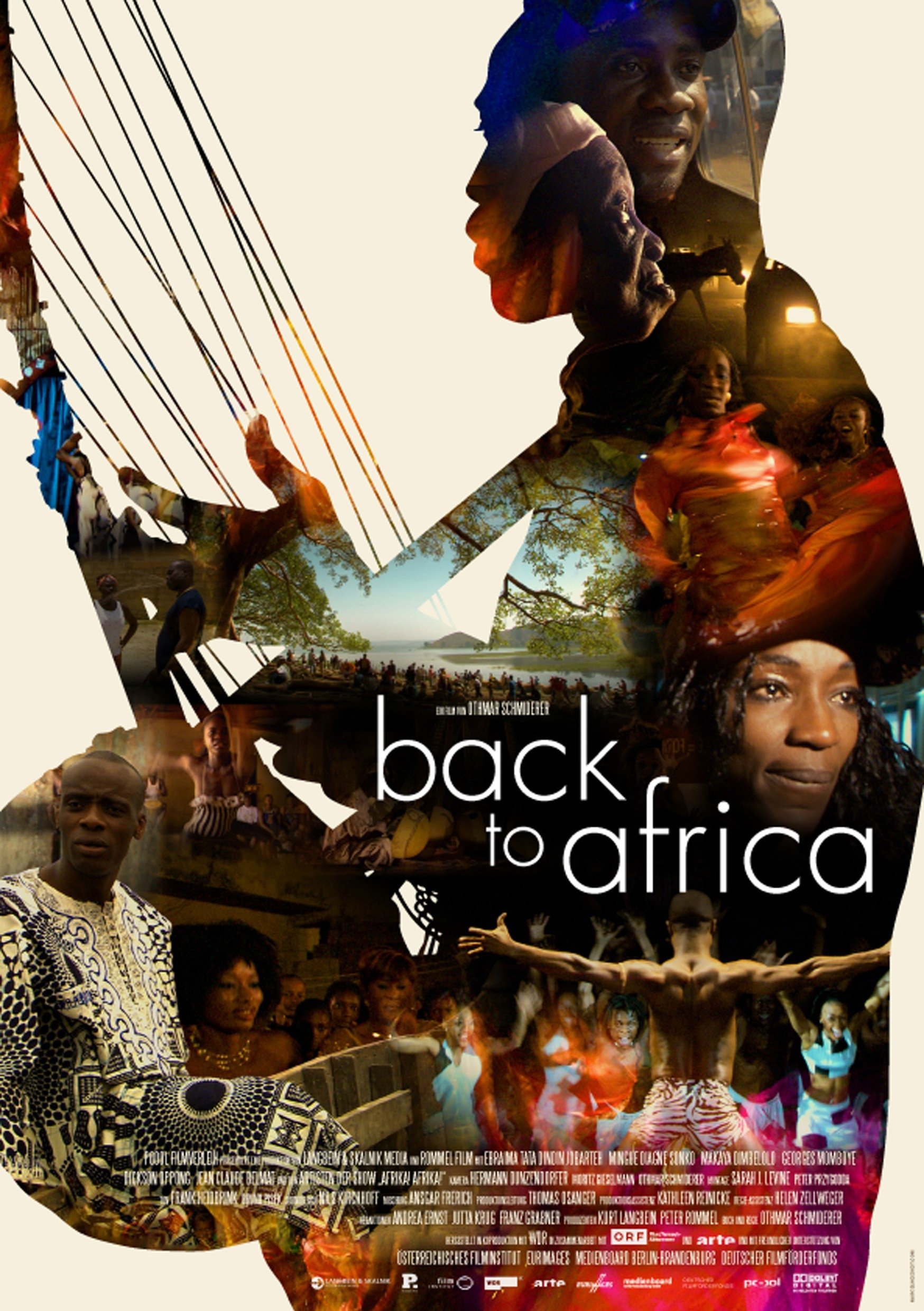
An Austrian director followed five successful African music and dance artists with his camera and followed their lives for a year. The artists, from villages in Ghana, Gambia and Congo, were the subjects of Africa! Africa! touring across Europe, but they have unbreakable roots to their homeland and their families. Schmiderer lovingly portrays his heroes, who tell their stories about themselves, their art and what it means to them to be African with captivating honesty. The interviews are interwoven with dance scenes and colourful vignettes set to authentic music.
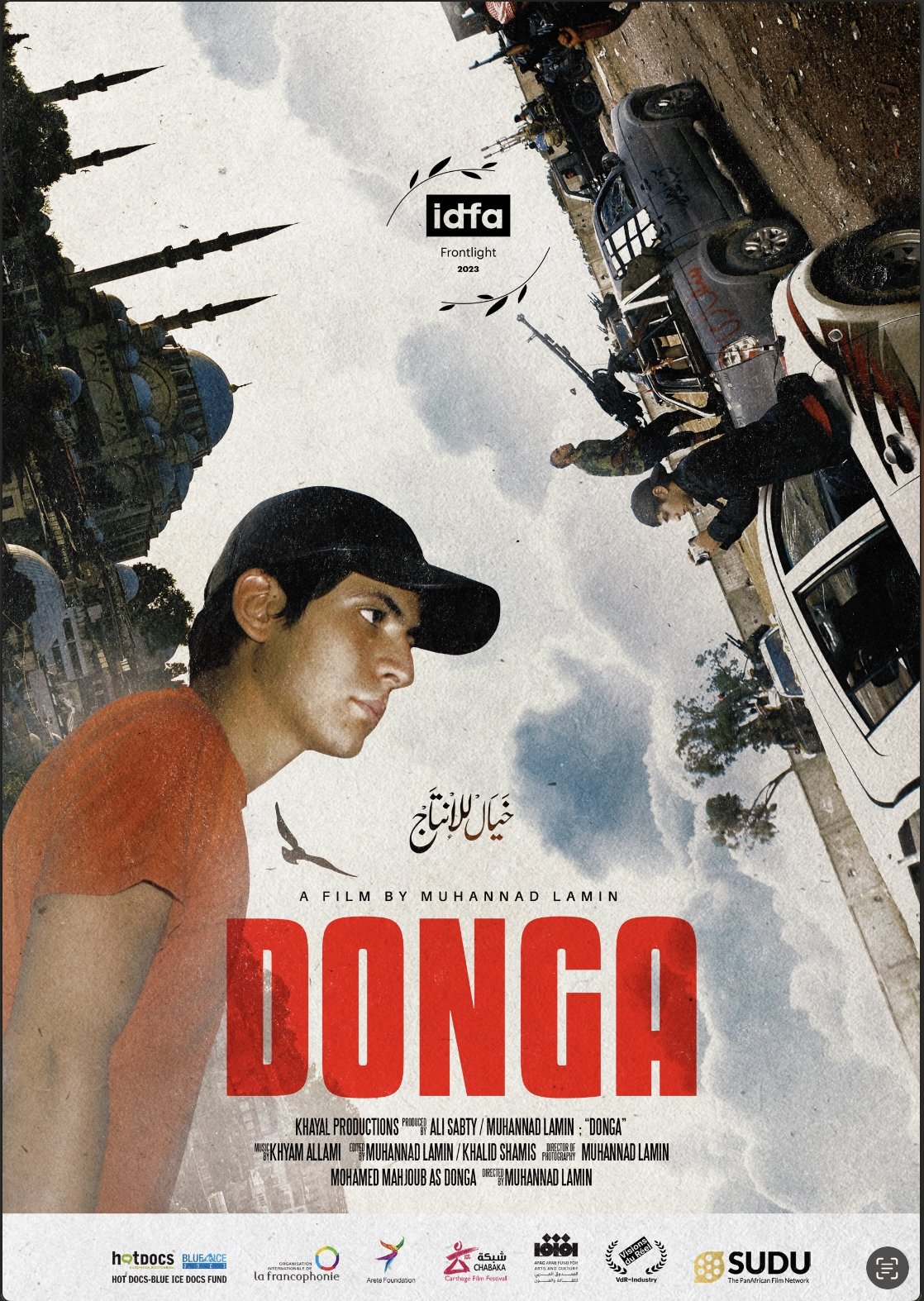
“There was excitement in the air,” says Donga, now in his late twenties, describing his feelings when the uprising against Muammar Gaddafi’s rule broke out in 2011. He was 19, living in Misrata, and boldly went to film the fighting with a friend. A decade later, in a hotel in Istanbul, where he has been living since he was wounded in battle, he looks back on the past ten years through excerpts from his videos. And he reflects on how that period has affected him.
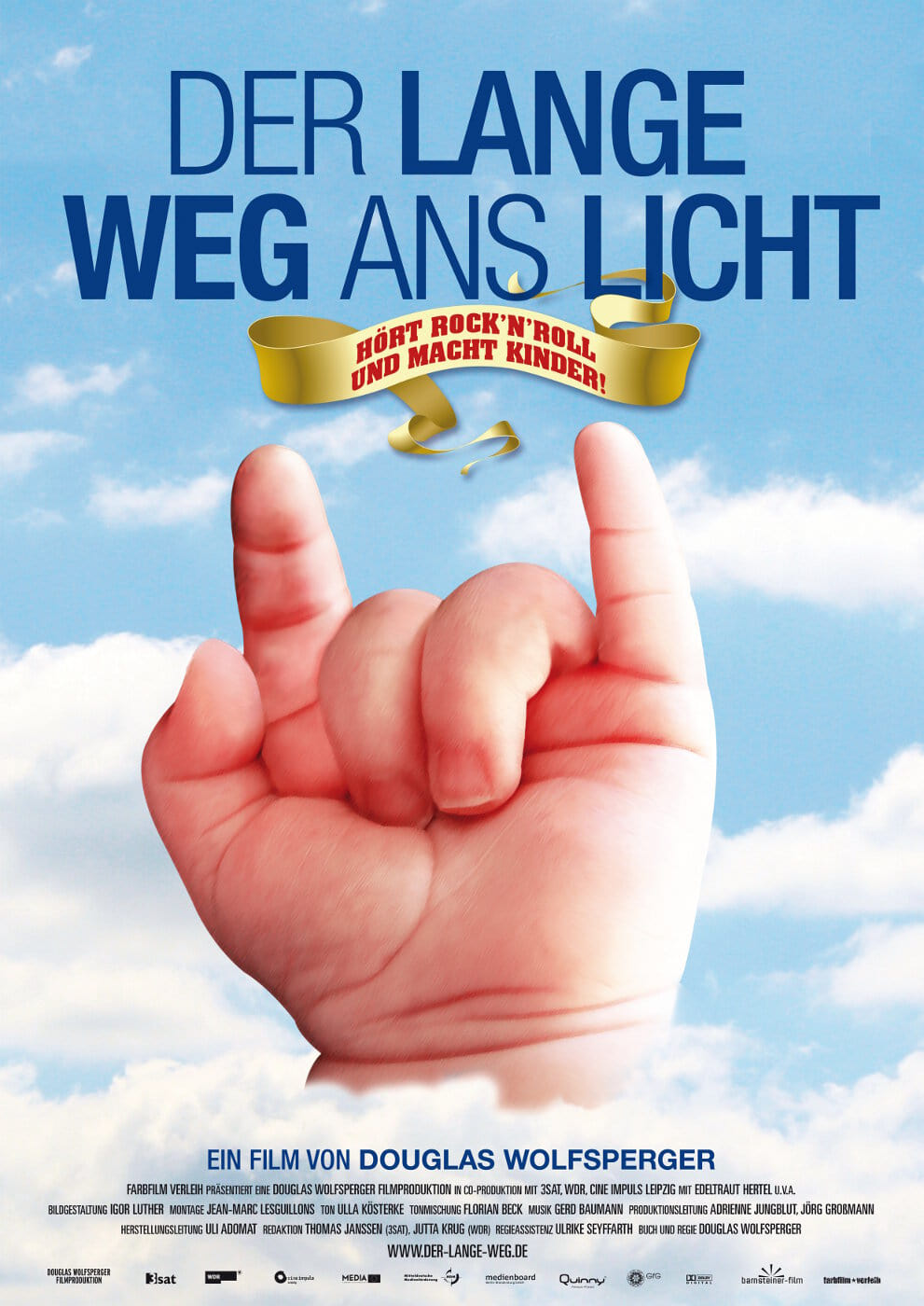
Edeltraut Hertel - a midwife caught between two worlds. She has been working as a midwife in a small village near Chemnitz for almost 20 years, supporting expectant mothers before, during and after the birth of their offspring. However, working as a midwife brings with it social problems such as a decline in birth rates and migration from the provinces. Competition for babies between birthing centers has become fierce, particularly in financial terms. Obstetrics in Tanzania, Africa, Edeltraud's second place of work, is completely different. Here, the midwife not only delivers babies, she also trains successors, carries out educational and development work and struggles with the country's cultural and social problems.
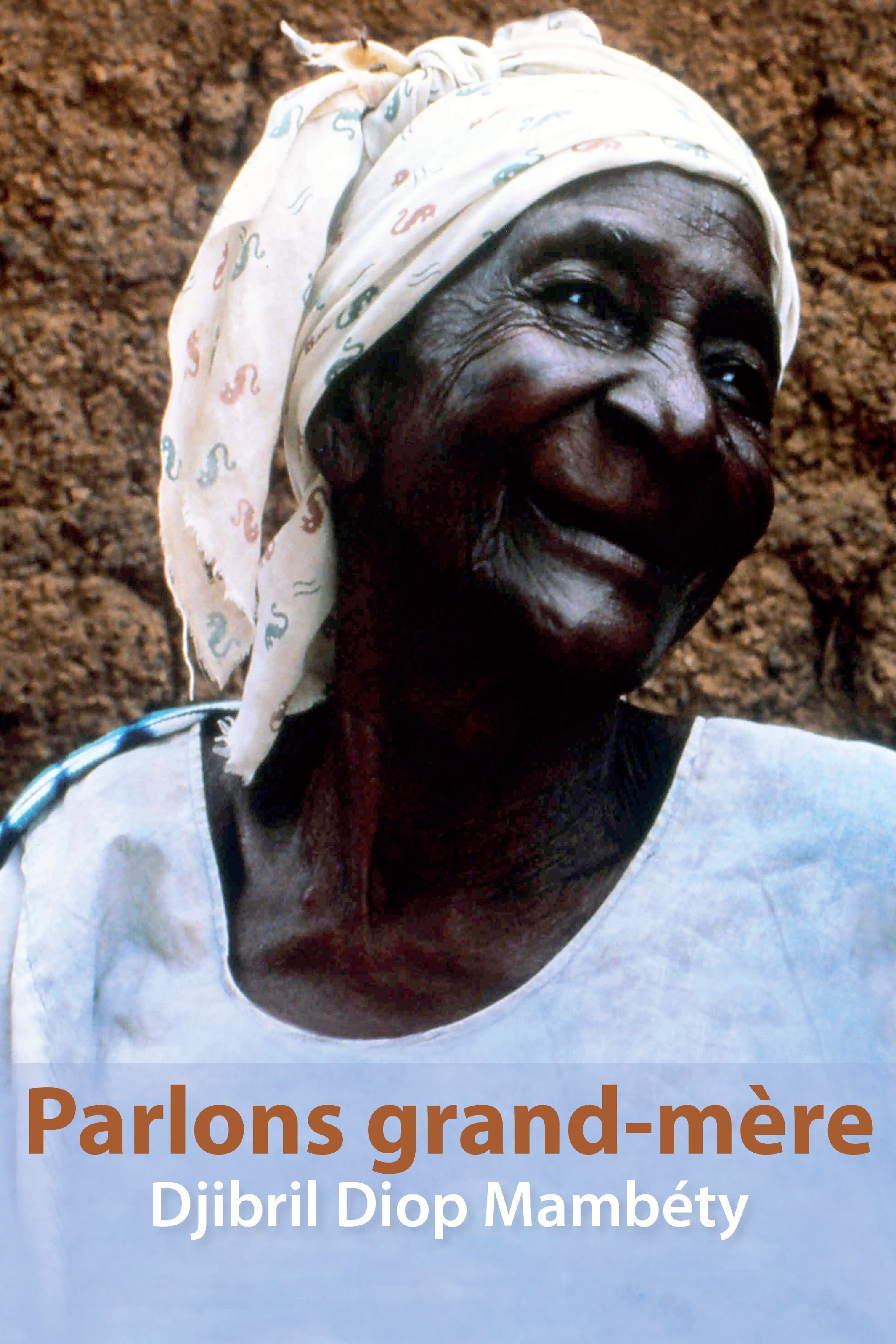
Djibril Diop Mambéty followed and filmed the shooting of Yaaba, Idrissa Ouédraogo's second feature film. A documentary full of humorous anecdotes regarding the dangers of shooting in Burkina Faso.
In an intimate and joyful story of love in the face of loss, celebrated poets Andrea Gibson and Megan Falley find strength—and unexpected hilarity—in what might be their final year together.
A feature length documentary about the all-women team at the helm of Pixar's original feature, Turning Red. With unprecedented behind-the-scenes access to Director Domee Shi and her core leadership crew, this story shines a light on the powerful professional and personal journeys that brought this incredibly comical, utterly relatable, and deeply heartfelt story to the screen.
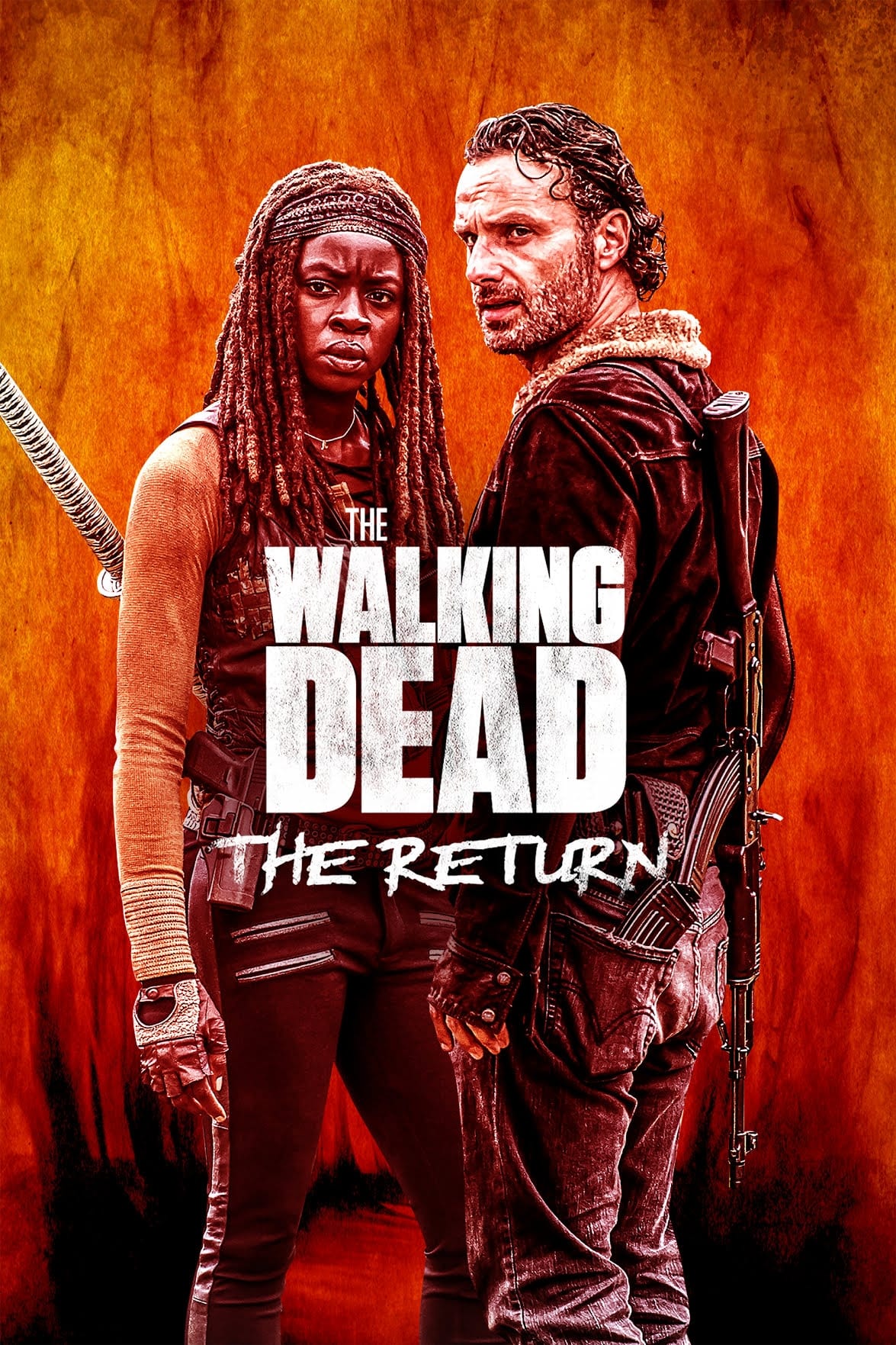
Stars of "The Walking Dead," Andrew Lincoln and Danai Gurira, walk down memory lane and visit iconic locations where pivotal moments between their characters, Rick and Michonne, were filmed.
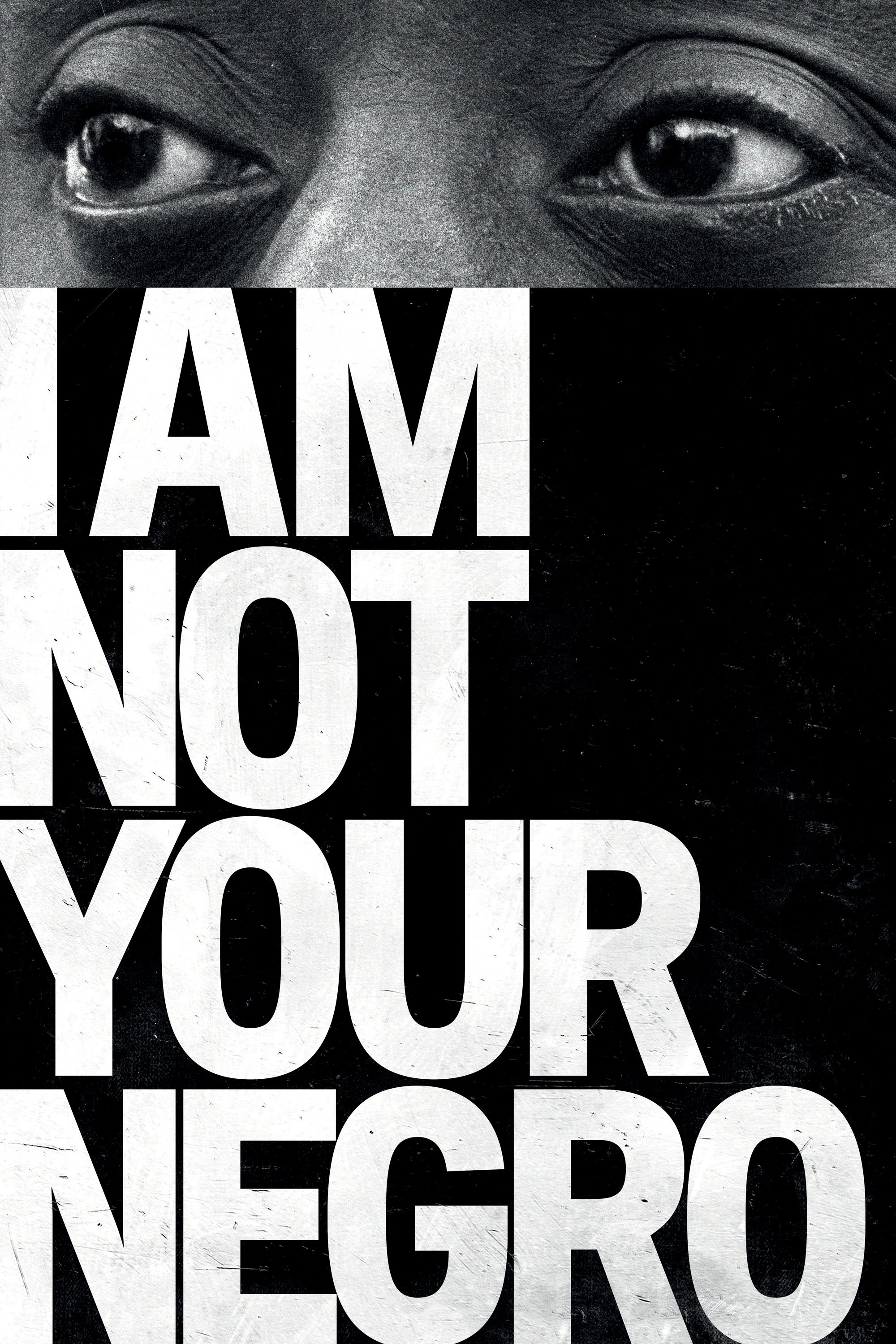
Working from the text of James Baldwin’s unfinished final novel, director Raoul Peck creates a meditation on what it means to be Black in the United States.
Alexander McQueen's rags-to-riches story is a modern-day fairy tale, laced with the gothic. Mirroring the savage beauty, boldness and vivacity of his design, this documentary is an intimate revelation of McQueen's own world, both tortured and inspired, which celebrates a radical and mesmerizing genius of profound influence.
This revealing documentary honors the legendary Sidney Poitier—iconic actor, filmmaker, and civil rights activist. Featuring interviews with Denzel Washington, Spike Lee, Halle Berry, and more.
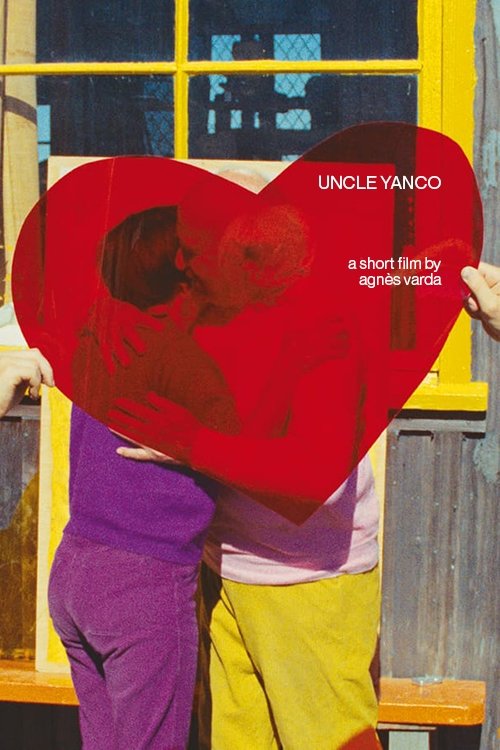
While in San Francisco for the promotion of her last film in October 1967, Agnès Varda, tipped by her friend Tom Luddy, gets to know a relative she had never heard of before, Jean Varda, nicknamed "Yanco". This hitherto unknown uncle lives on a boat in Sausalito, is a painter, has adopted a hippie lifestyle and loves life. The meeting is a very happy one.
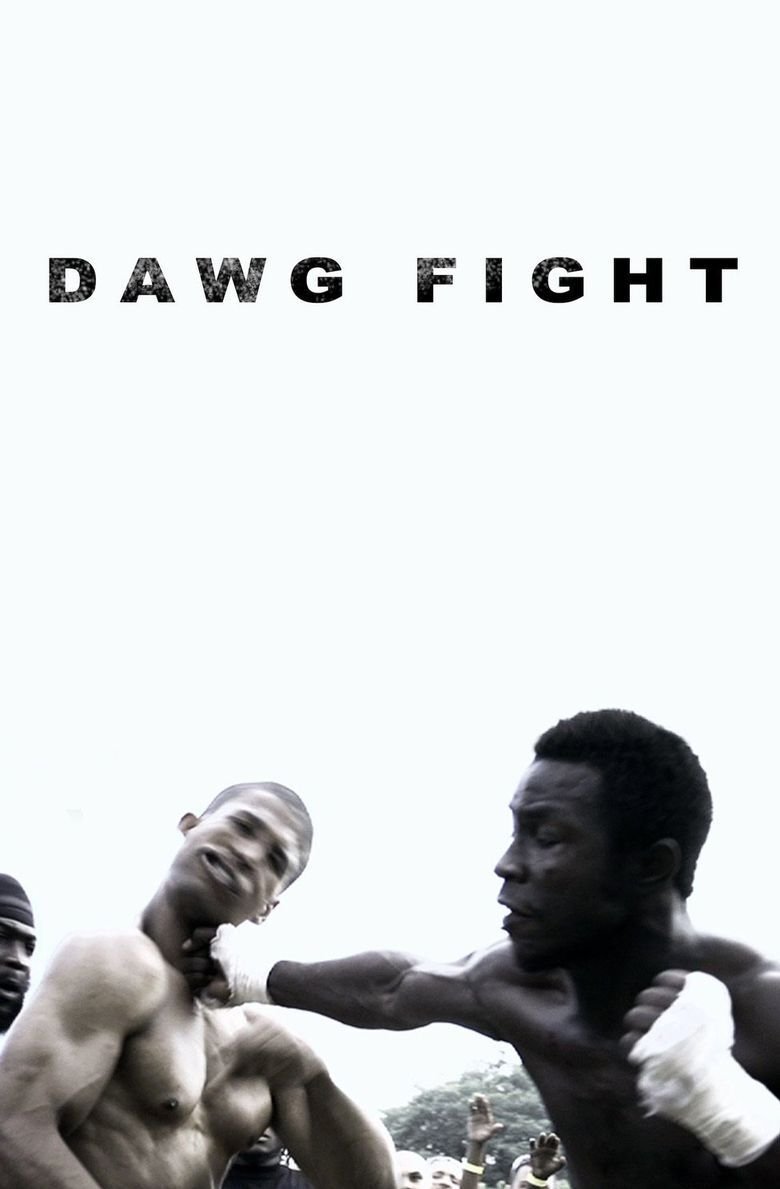
In a crime-plagued neighborhood near Miami, brutal, bare-knuckled backyard fights give young men a chance to earn money -- and self-respect.
Using the book 'Fragments', which collects Marilyn Monroe's poems, notes and letters, and with participation from the Arthur Miller and Truman Capote estates who have contributed more material, each of the actresses will embody the legend at various stages in her life.
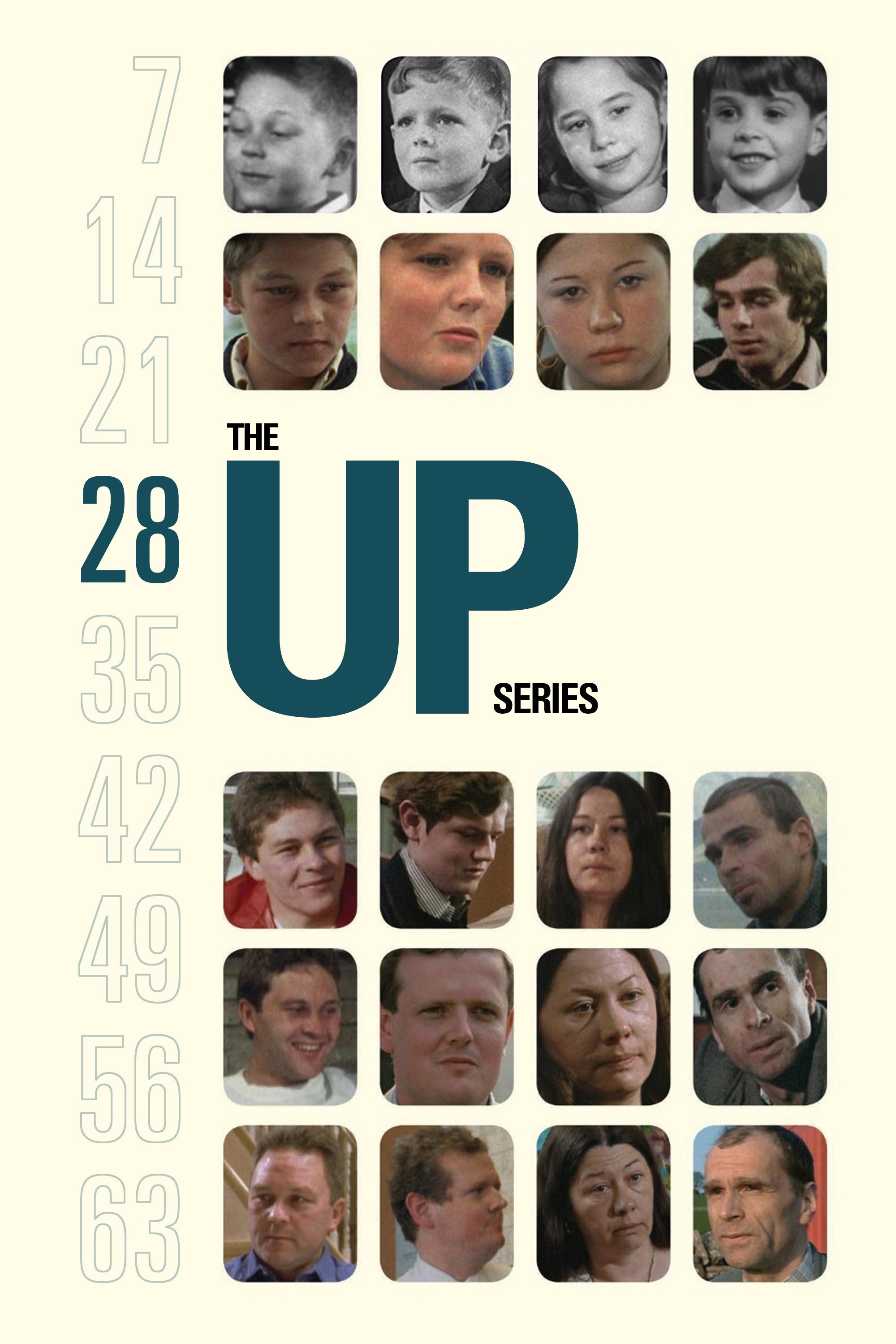
Just two years away from turning 30, participants in Michael Apted's documentary series are facing serious questions of identity and purpose, wondering whether they've found their place in the world.
Through deeply personal interviews with her siblings and an examination of the photographs, letters, and belongings left behind, Mariska assembles a new portrait of her mother Jayne Mansfield, an extraordinary and complex woman.
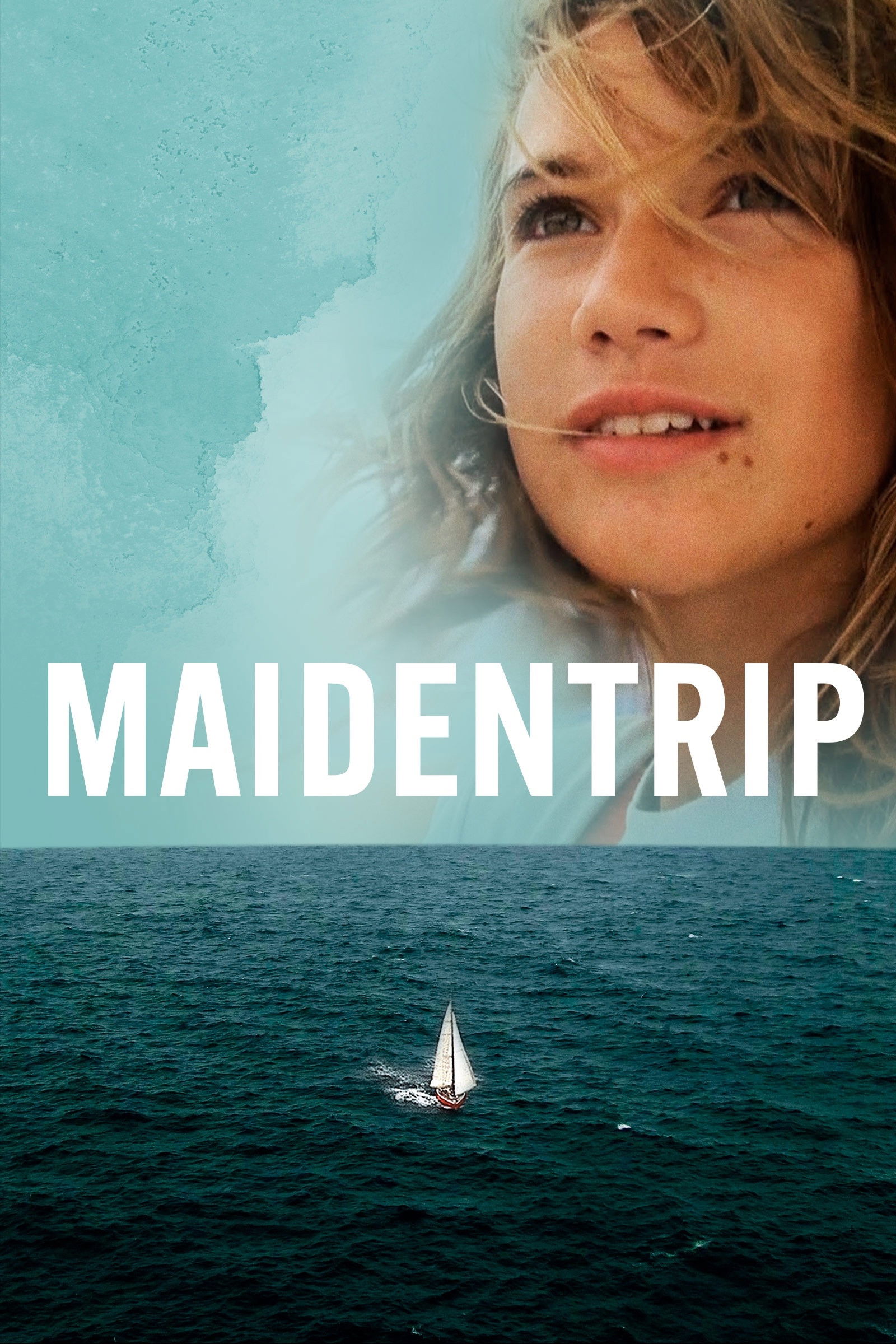
14-year-old Laura Dekker sets out on a two-year voyage in pursuit of her dream to become the youngest person ever to sail around the world alone.
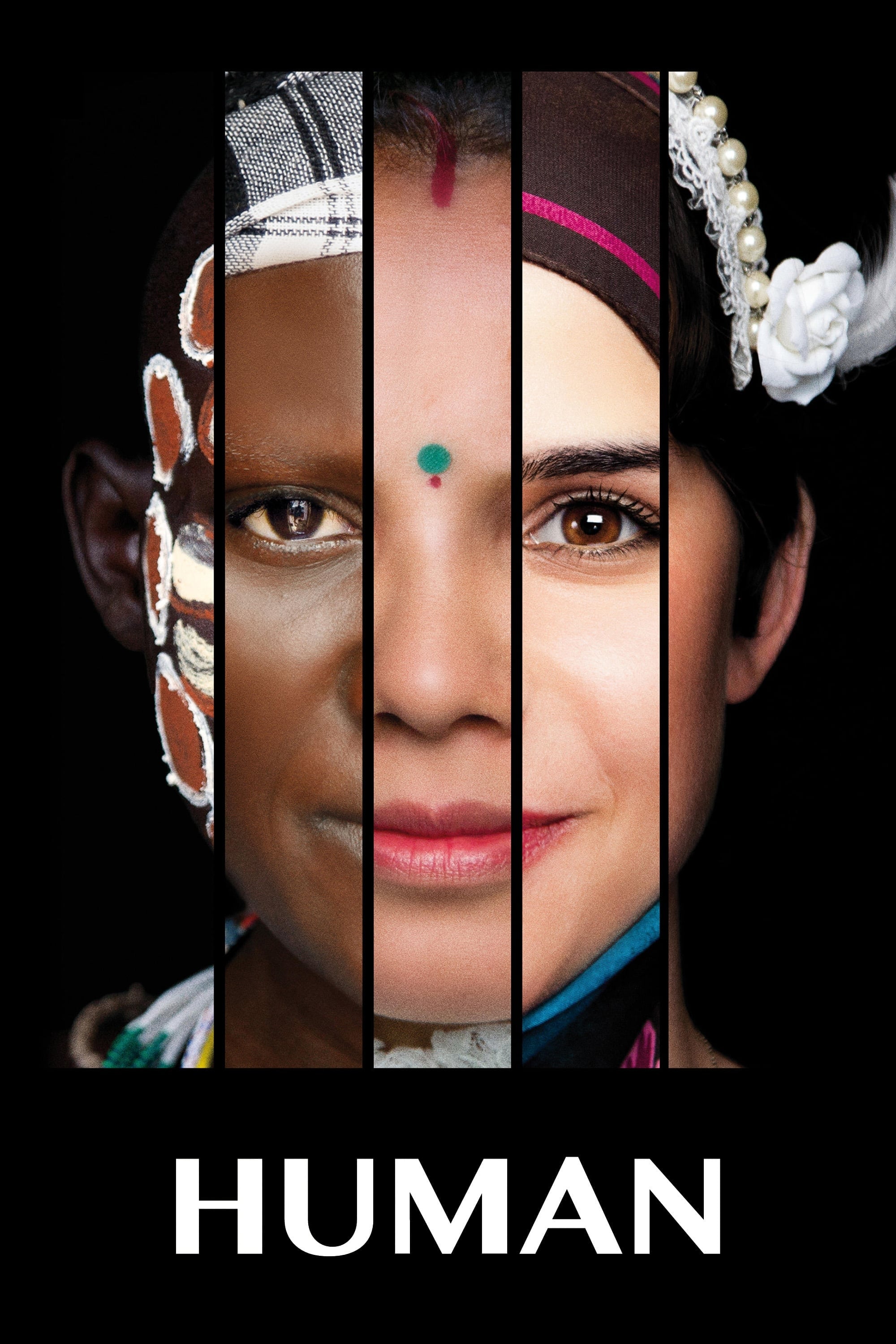
A collection of stories about and images of our world, offering an immersion to the core of what it means to be human. Through these stories full of love and happiness, as well as hatred and violence, it brings us face to face with the Other, making us reflect on our lives. From stories of everyday experiences to accounts of the most unbelievable lives, these poignant encounters share a rare sincerity and underline who we are – our darker side, but also what is most noble in us, and what is universal. Our Earth is shown at its most sublime through never-before-seen aerial images accompanied by soaring music, resulting in an ode to the beauty of the world, providing a moment to draw breath and for introspection. This film is a politically engaged work which allows us to embrace the human condition and to reflect on the meaning of our existence.
Al Pacino's deeply-felt rumination on Shakespeare's significance and relevance to the modern world through interviews and an in-depth analysis of "Richard III."
Documentarian Ross McElwee originally set out to make a travelogue of sorts tracing General William T. Sherman's infamous scorched-earth march through the Confederacy in the latter stages of the Civil War. Instead, haunted by a recent breakup with a girlfriend, McElwee ends up documenting his progress -- or lack thereof -- in starting a new relationship. His journey then becomes one of self-reflection and self-discovery rather than a historical/sociological exploration.
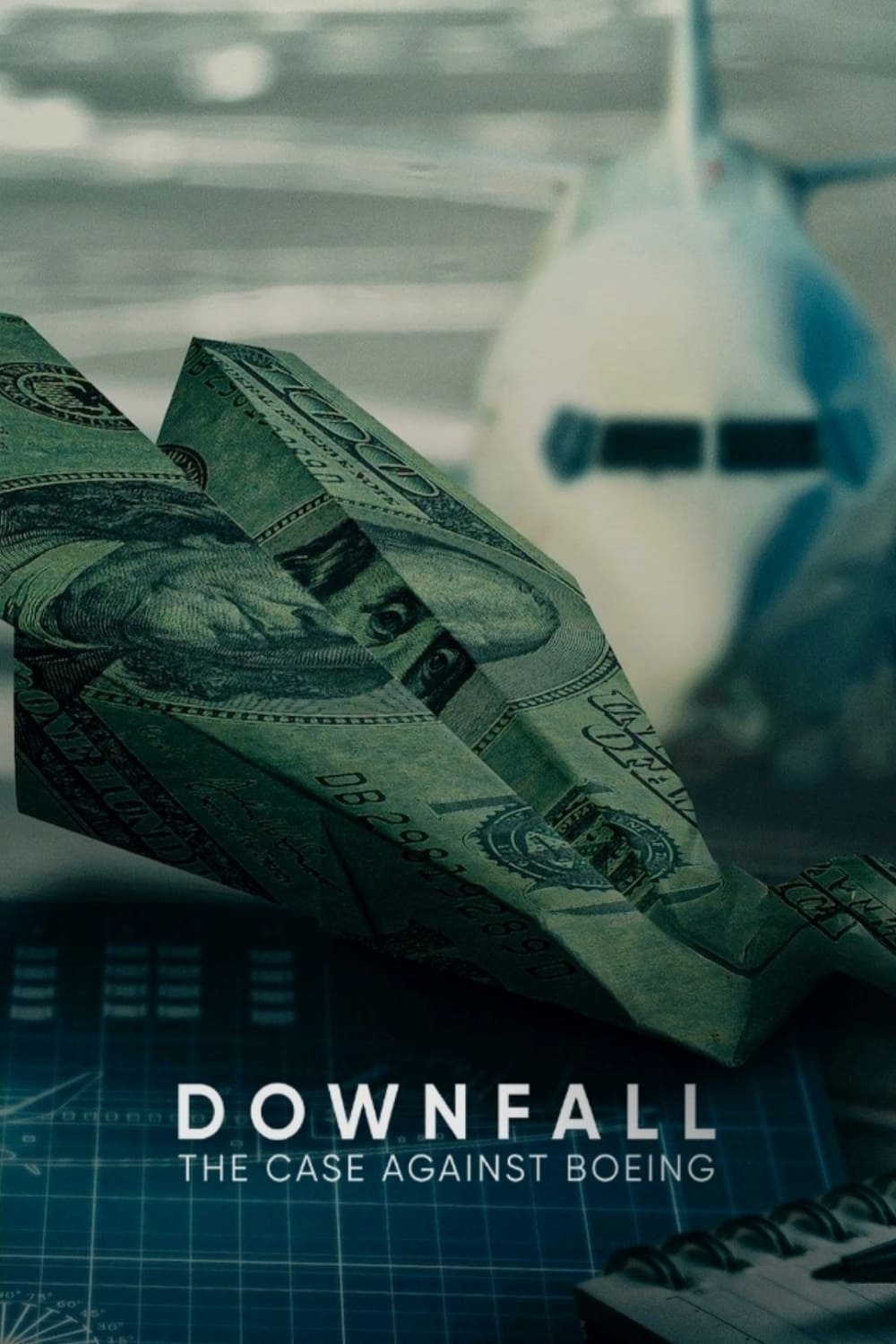
Investigators reveal how Boeing’s alleged priority of profit over safety could have contributed to two catastrophic crashes within months of each other.
Those who knew iconic funnyman John Candy best share his story, in their own words, through never-before-seen archival footage, imagery, and interviews.
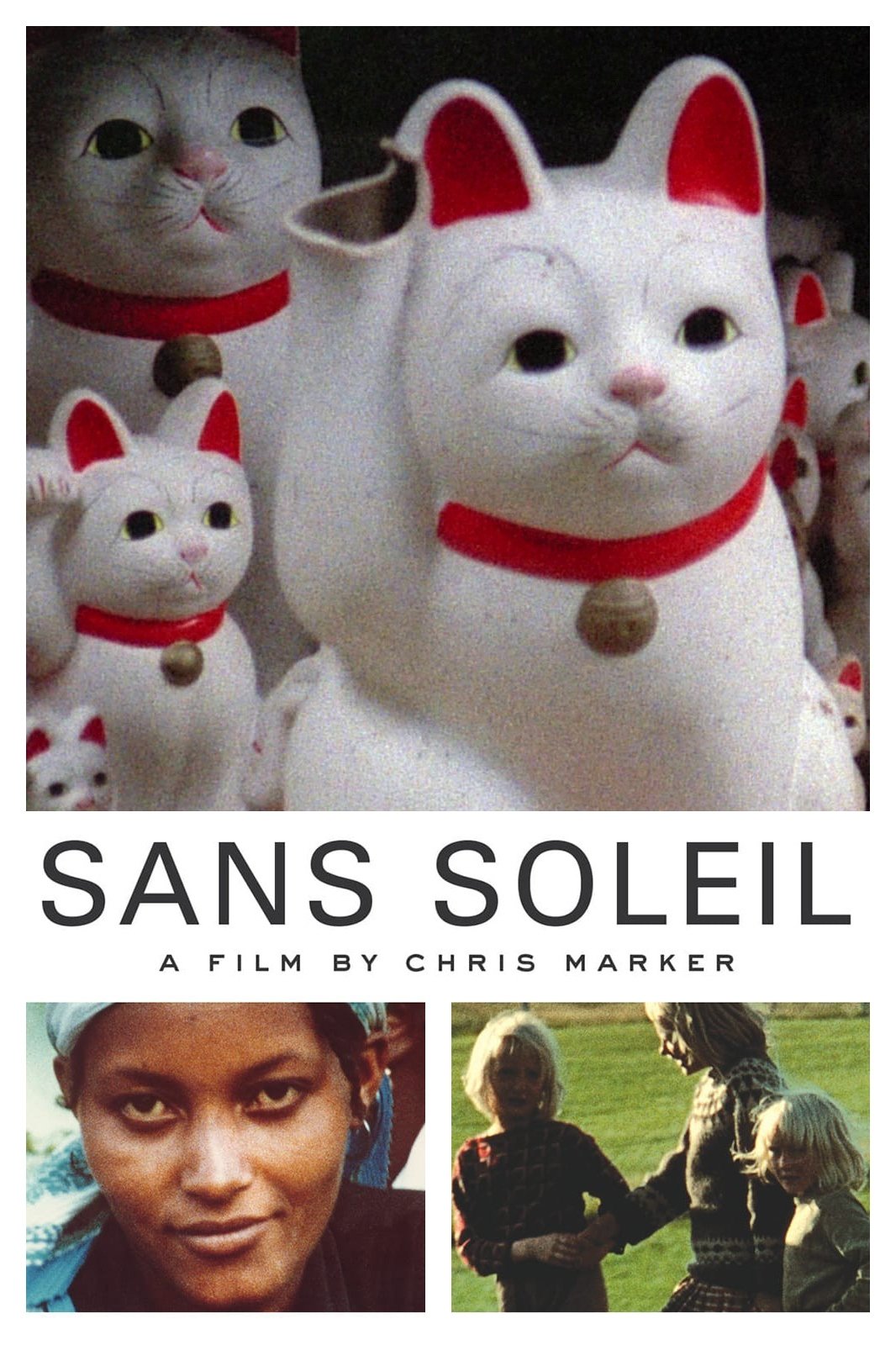
A woman narrates the thoughts of a world traveler, meditations on time and memory expressed in words and images from places as far-flung as Japan, Guinea-Bissau, Iceland, and San Francisco.
Prelude to War was the first film of Frank Capra's Why We Fight propaganda film series, commissioned by the Pentagon and George C. Marshall. It was made to convince American troops of the necessity of combating the Axis Powers during World War II. This film examines the differences between democratic and fascist states.
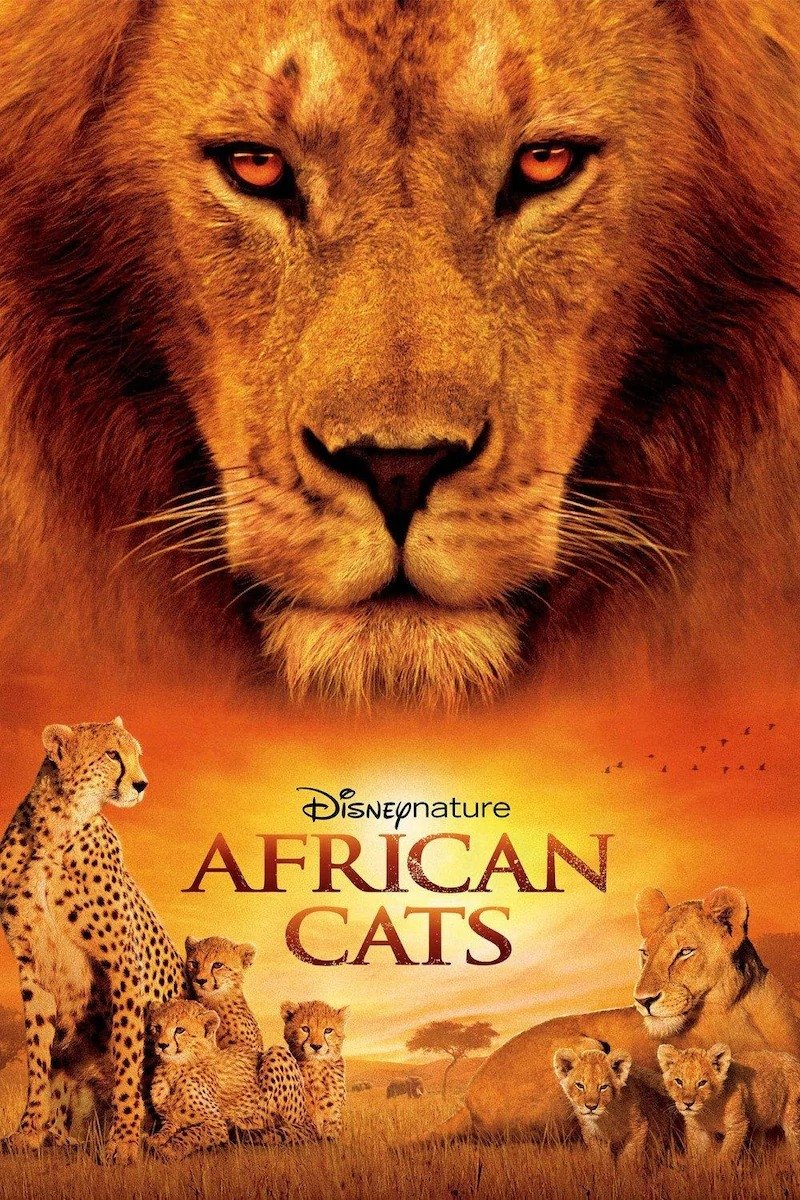
African Cats captures the real-life love, humor and determination of the majestic kings of the savanna. The story features Mara, an endearing lion cub who strives to grow up with her mother’s strength, spirit and wisdom; Sita, a fearless cheetah and single mother of five mischievous newborns; and Fang, a proud leader of the pride who must defend his family from a once banished lion.