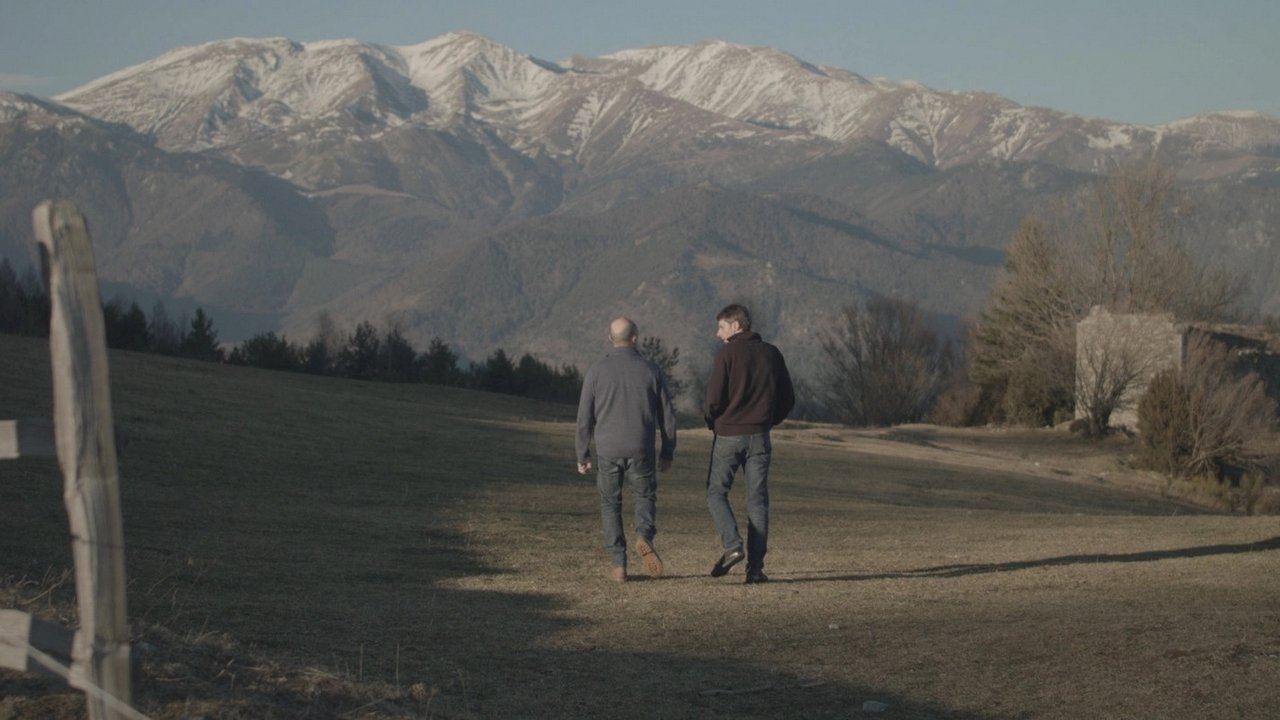
Spanish actor Pepe Viyuela embarks on a personal journey on the trail of his grandfather Gervasio, a soldier in the Republican Army during the Spanish Civil War.
Social & External
Self
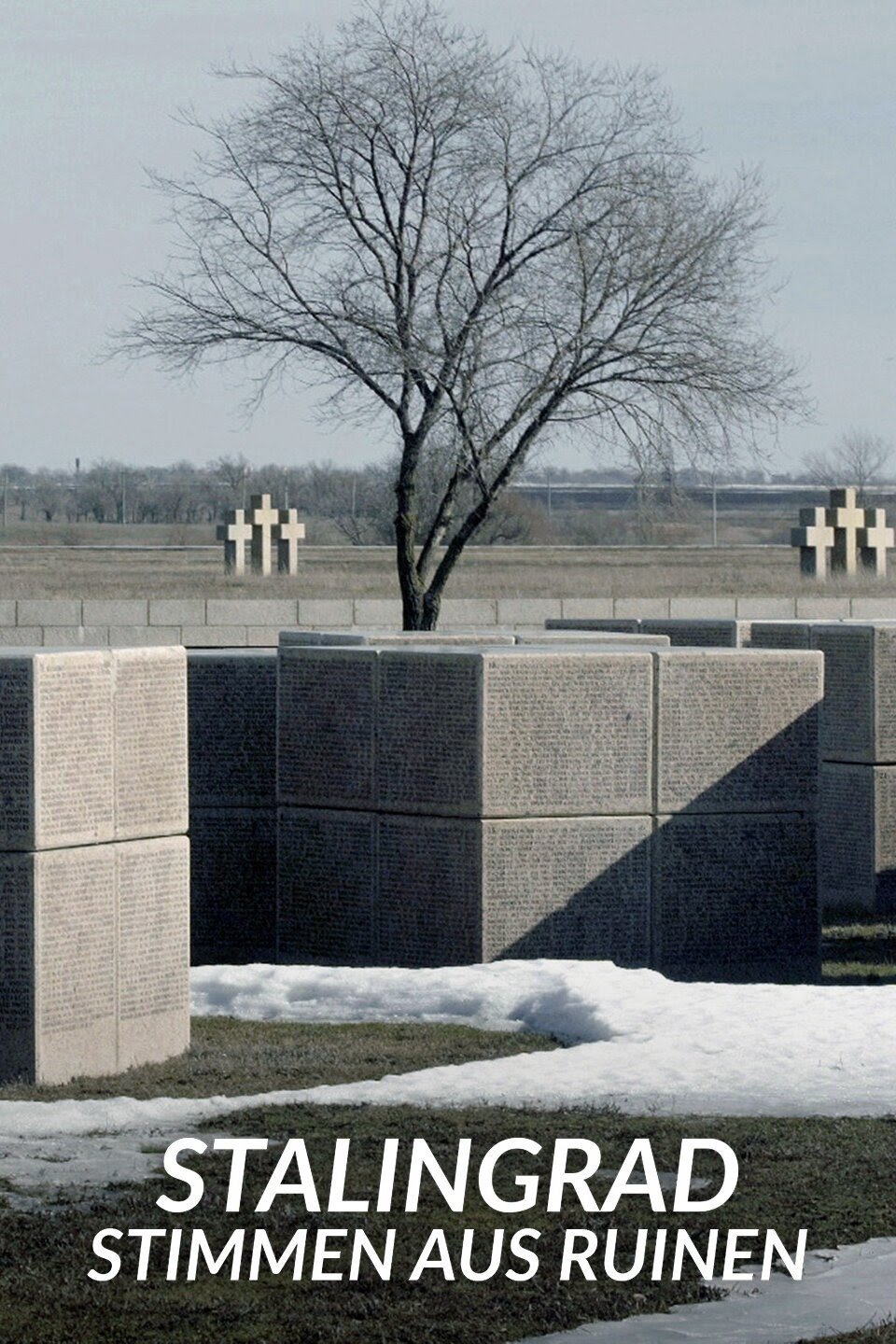
Featuring excerpts from diaries and letters written by local residents and soldiers from both sides, the documentary tells the story of the Battle of Stalingrad through the voices of those who lived it.
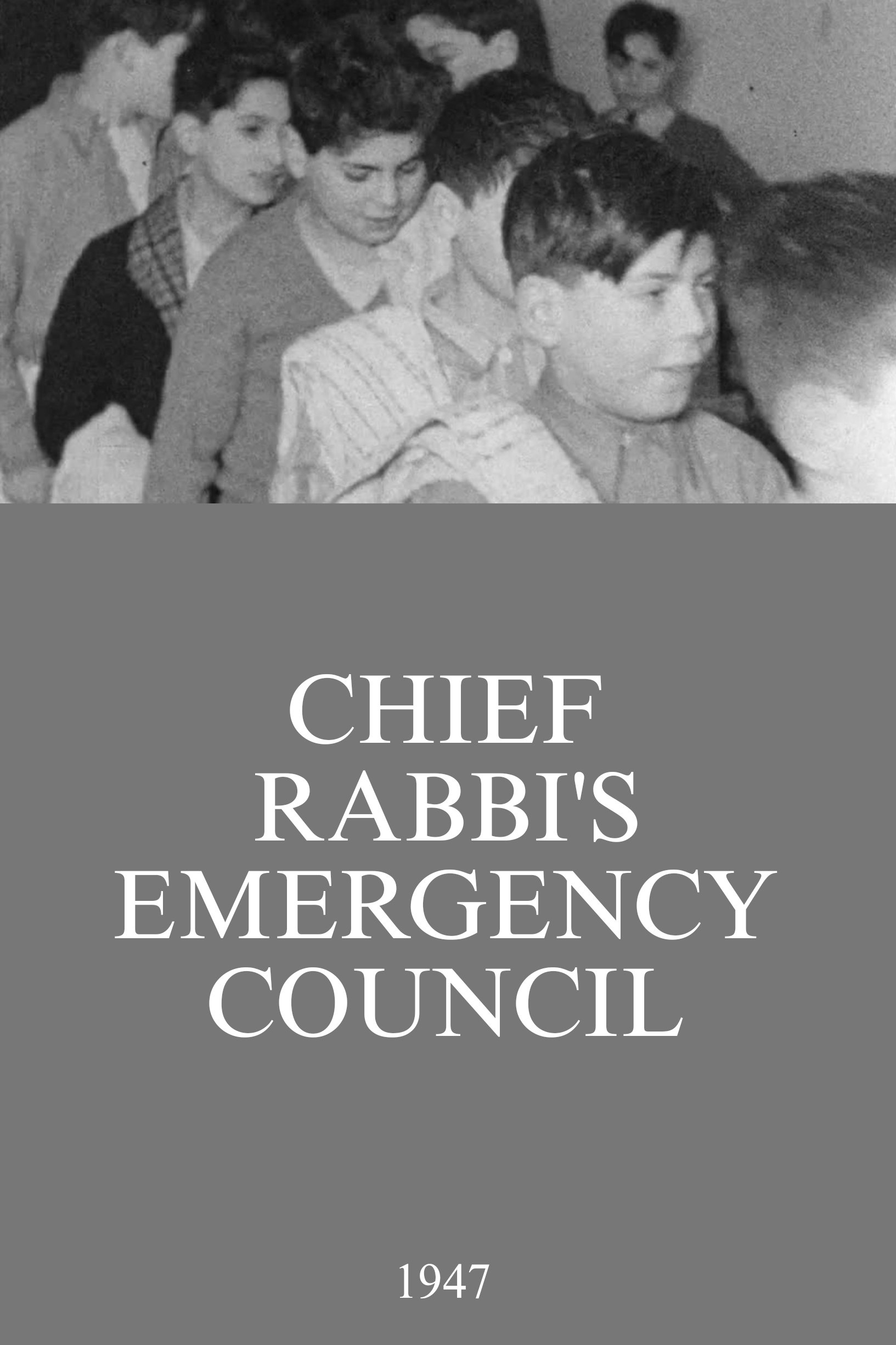
Poignant postwar appeal for Britain’s Jewry to support orphaned Jewish children rescued from Europe.
In 1945, beneath the oppressive shadow of the Francoist dictatorship, Juan, a university teacher assistant, meets Manuel during a chance encounter at night in a park. With their initial reservations, a complex love story unfolds between them, shaped by the turbulent political climate and the misunderstanding of those around them.
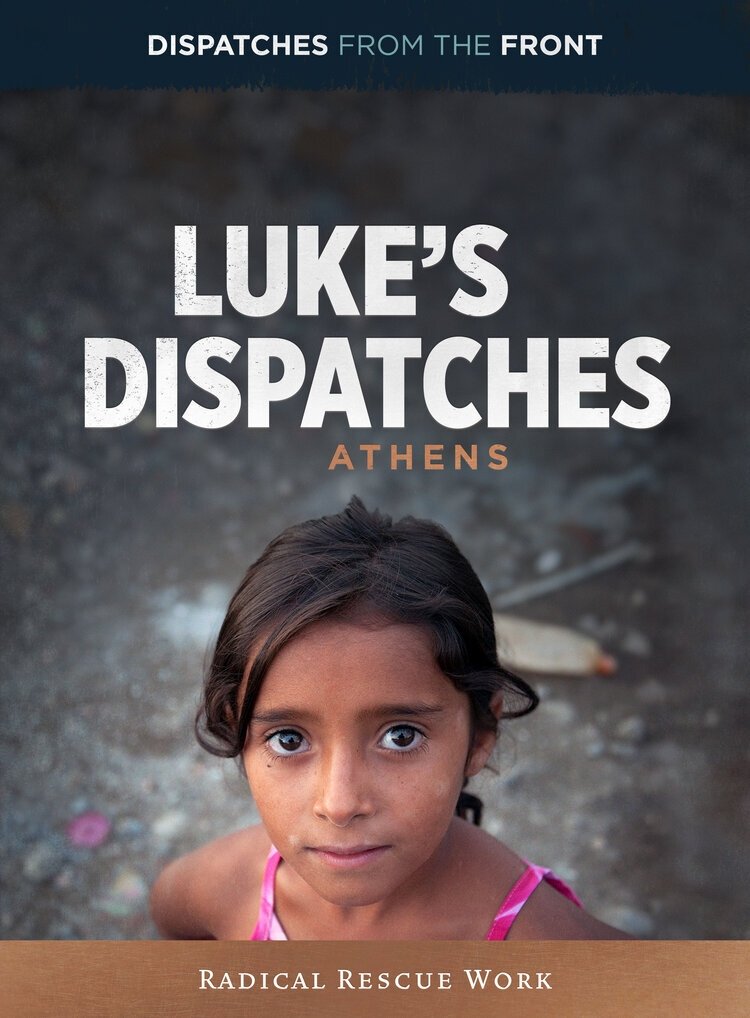
Journey with us to Athens, where the same Gospel that Paul preached here in the first century is still mighty to save. The Athens of Paul’s day was a city full of idols and empty philosophies. In our day—beyond the postcard scenes of the ancient Acropolis—Athens is a city roiled with a flood of desperately needy refugees, street violence, and trafficking in human misery. Into this maw of need, God has sent His people to serve with compassion and to speak the Gospel with clarity and courage—whether in a mosque or a crack house. “Radical Rescue Work” opens a window into the lives of these faithful servants of the Risen Christ as they run to—not from—the cries in the darkness.
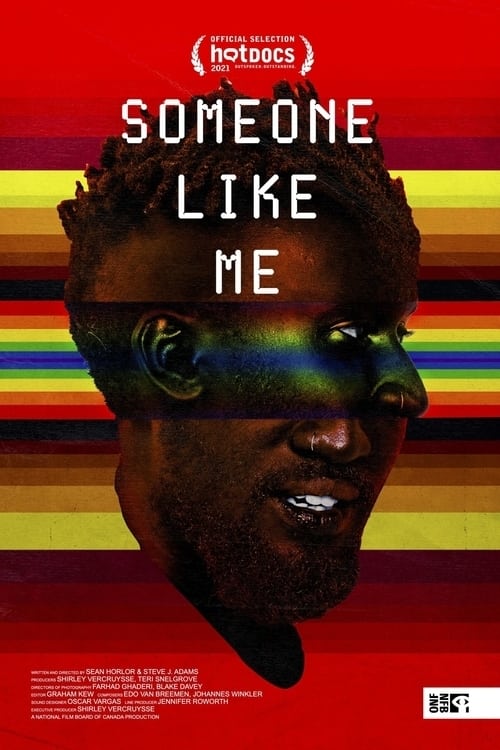
After 11 strangers unite to help a gay youth escape life-threatening violence in Uganda, the unexpected pandemic and conflicting opinions over his best interests test the limits of their commitment and jeopardize his fresh start in Canada.
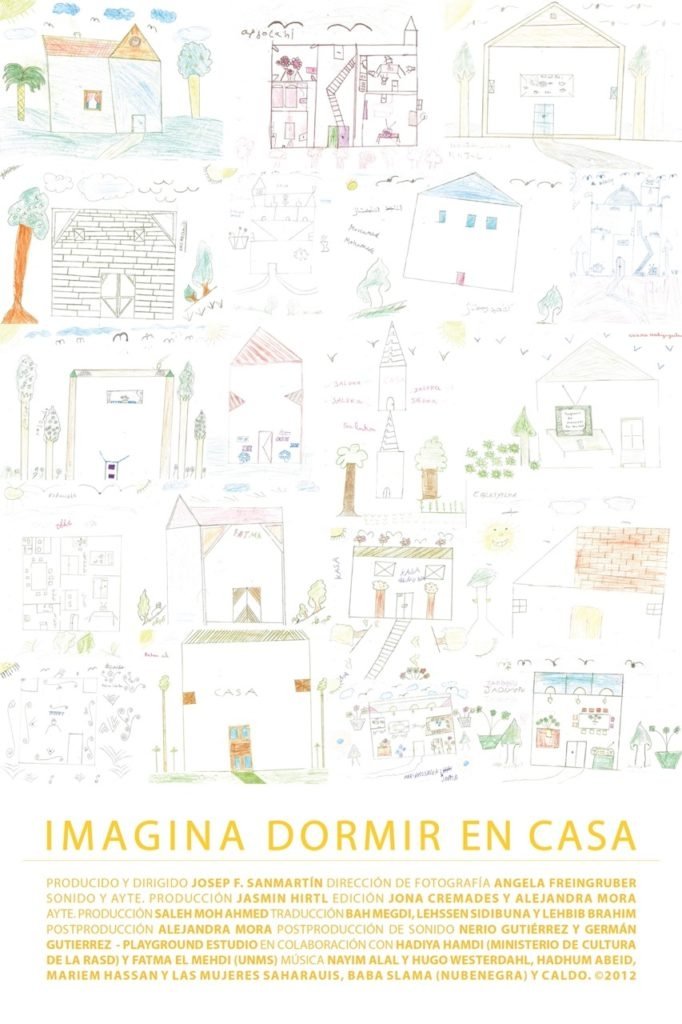
"Imagine sleeping at home" follows the story of several children who guide us to understand the conflict and the problems that they face, but also pay attention of small groups of friends who spontaneously comes to camera to tell what are their concerns. In the documentary we can also find the testimony of the director of a school for disabled children, the story of how a mother had to escape from the occupied territories when the Moroccan police detained for a week her ten years old son, or the analysis of a Sahrawi soldier about the situation of their children.
Millions of Muslims flee to Lahore in the newly created state of Pakistan, prompted by the partition of British India.
The Saharawi women face the thirst of the hamada, the curse of the desert, every day. They’ve built their refuge in a land where no one could survive before. For more than forty years they’ve been holding out and taking care of their people there. They ensure every drop of water is distributed according to the needs of each family … and they wait. But there’s an even more terrible thirst in their throats, for which they find no relief.
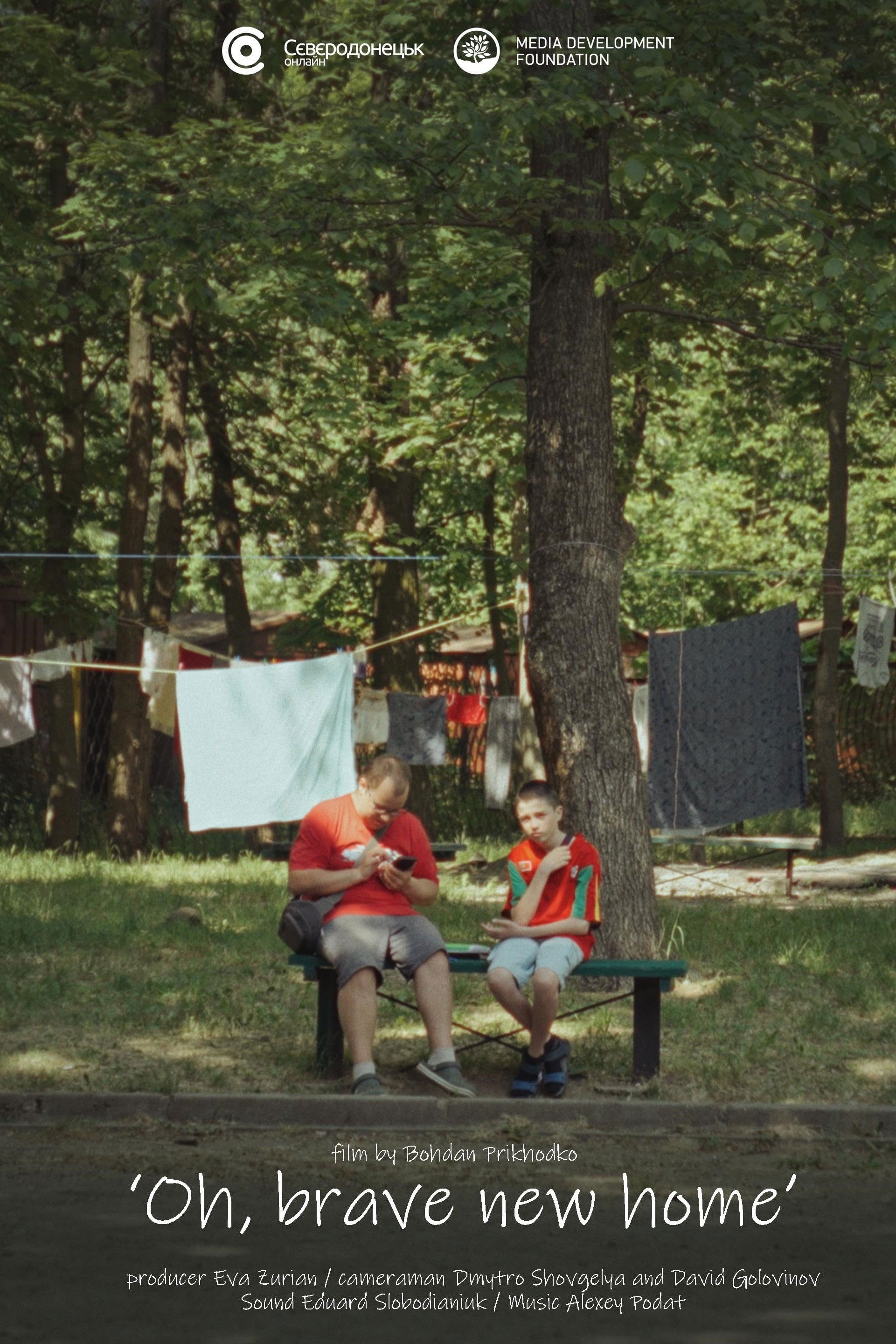
A story about children and adults who migrated from eastern Ukraine because of the war and found themselves far from home in a hostel for displaced people. This is a film about the everyday life and pain of refugees, about the search for small details that give strength to live and about adults who are tired of war. It is a self-reflection of refugees who believe that they will soon return home, without a clear understanding of when this will be possible and what awaits them there.
The relevant NGOs and the Spanish film industry have organized the First International Sahara Film Festival, with the official objective of bringing films to refugee camps for the first time for a few days. With a humorous tone and a self-critical intention, the aim is to include a range of shades of gray in a world dominated by black, white, and slogans.
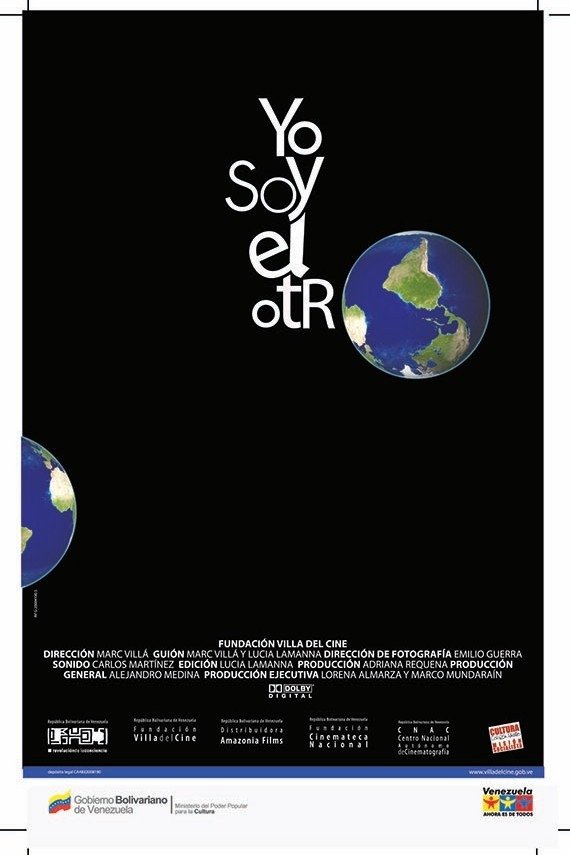
It happens in Ecuador and South Korea, in Italy, in Venezuela and also in Western Sahara. Three men and two women live every day acting against the global corporate order. Their actions are the voices of others, of individuals, of crowds, of many. Those who seek another world.
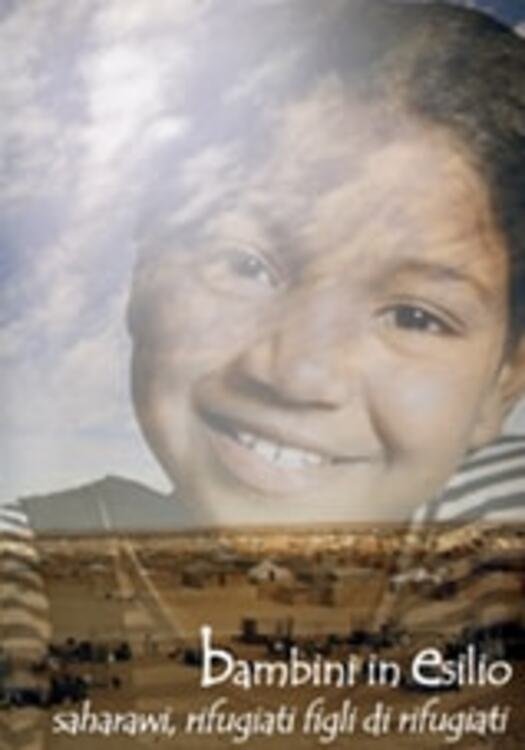
Refugees in Algeria since 1975, the Saharawi have had to forge another life path, fighting to return home. Their children, a generation born in exile to parents born in exile, tell the story and struggle of their people, the Saharawi, through their dreams, hopes, and strength.
When a group of Eritrean refugees arrive in the small town of Härnösand there is a growing sentiment against them from the locals. 17-year old Sara Westin decides to found an anti-racist group to combat these feelings but when Sara and her best friend are murdered by Sara's Eritrean ex-boyfriend the feelings in the city reach a boiling point.
Aïcha is 59. She's been through some hard times. She decided to turn to helping others. Seeing firsthand the government's lack of support, she tries in her own way to remedy the lack of care for refugees. She dedicates the majority of her time to helping refugees in the greater Paris area, first as part of the "Solidarité Migrants Wilson" organization operating in the suburbs north of Paris, then in the nonprofit she founded, "la Team du Coeur", with the help of one of her daughters, her son-in-law, a Sudanese refugee himself, and a friend. Together, they offer on-street support and enter refugee camps daily to talk, provide material support and a listening ear.
In May 1974, the Israeli Air Force carried out an extermination operation against the Palestinian refugee camp Nabatiyeh. With this as a starting point, it is reviewed how the last 50 years of Zionist colonization of Palestine have partly led to the establishment of the state of Israel, partly to the expulsion of a people, the Palestinians, from their land. The film shows scenes of daily life in Palestinian refugee camps. We hear various of the inhabitants talk about their desire to return to their country, and we follow how the resistance movement works to free women from their traditional backward role. At the same time, the emergence of the armed resistance struggle is analysed, and the significance of the latest military technological developments for guerilla wars in the 3rd world is explained.
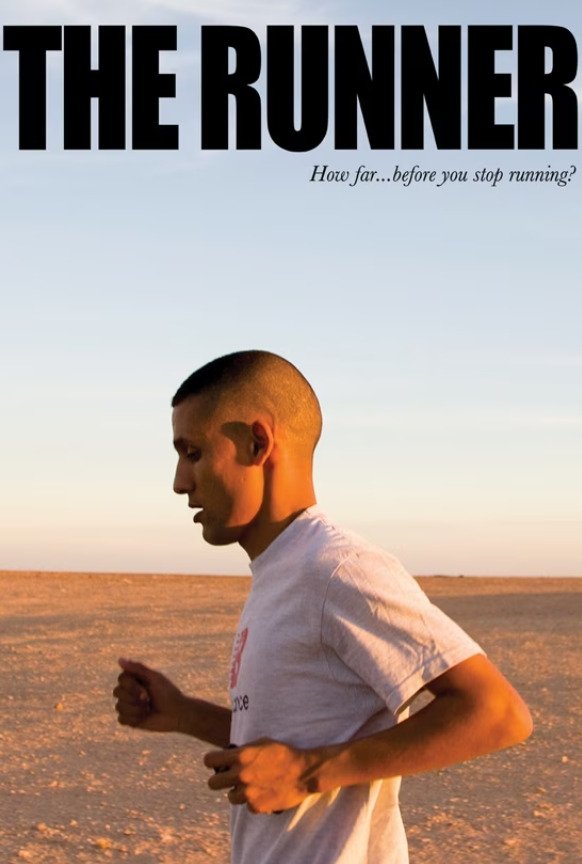
The Runner is a film about endurance. It is the story of a champion long-distance runner whose journey transformed him from an athlete into the symbol of a national liberation movement. Salah Hmatou Ameidan is willing to risk his life, his career, his family and his nationality to run for a country that doesn't exist. He is from Western Sahara, officially Africa's last colony and under Moroccan occupation since 1975.
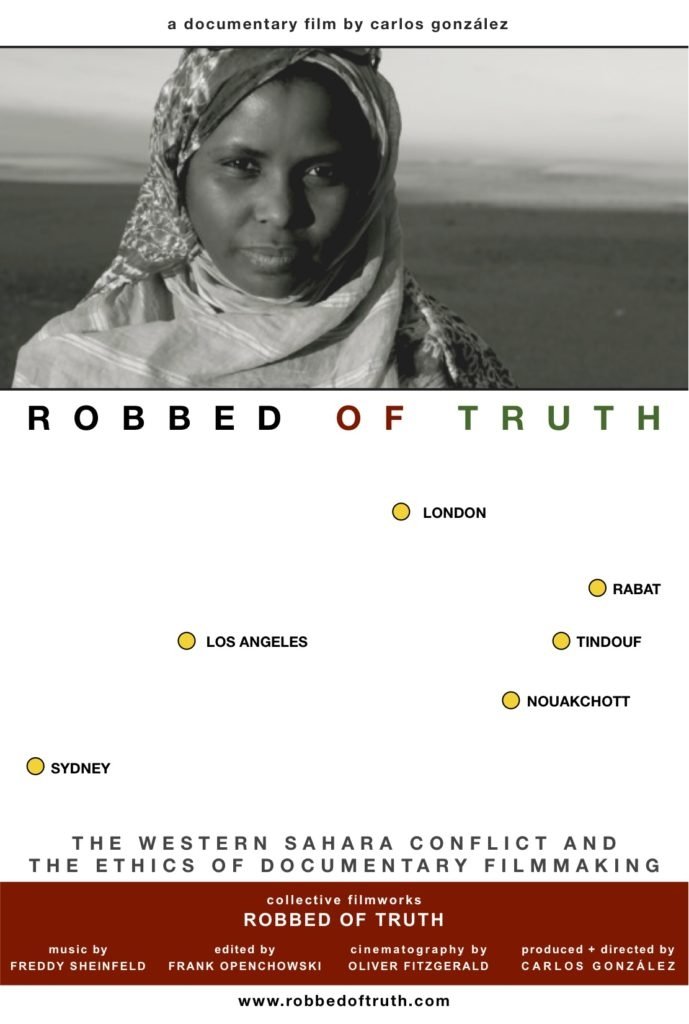
This is the true story of Fetim Salam, a Saharawi refugee falsely portrayed as a slave in the Australian documentary 'Stolen'. Australian filmmakers, Violeta Ayala and Daniel Fallshaw, travel to the Saharawi refugee camps in Tindouf, Algeria in 2007 and claim to discover 20,000 slaves in the camps run by the independence movement Polisario Front. Refugees are outraged for being portrayed as slaves, and humanitarian aid workers are incredulous about these allegations as they know the camps intimately. Filmmaker Carlos Gonzalez retraces their steps in search of the truth and finds a web of lies, misinformation and Moroccan operatives reshaping the truth.
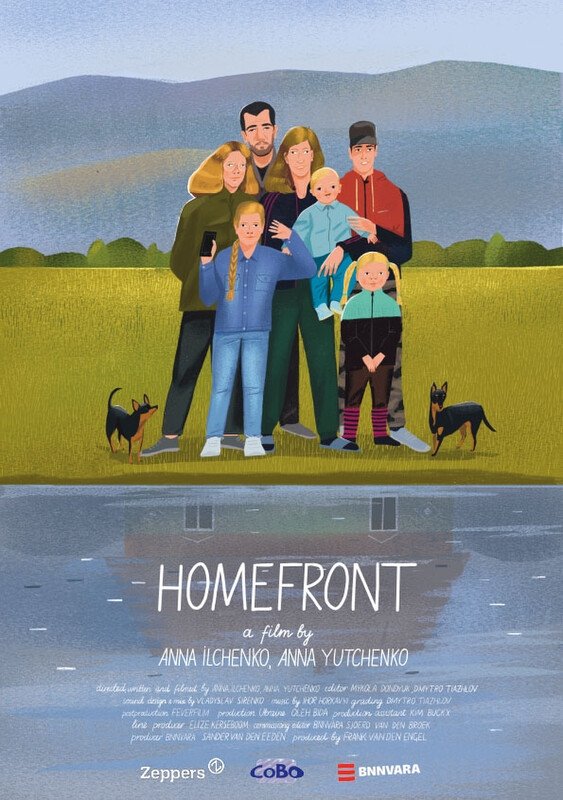
A family with five children flees the war raging in their home village on the Russian border. They end up in Mshanets, a farming village on the other side of the country, remote and unknown. Here the family starts building a new home. At the same time, two documentary makers come to the village, looking for a story. In the Lymar family they find the ideal characters for their film. But one day, when the renovation of their house is almost finished, the family disappears. The filmmakers go in search of their characters and along the way they try to find an answer to the question: what does a person need to feel at home?
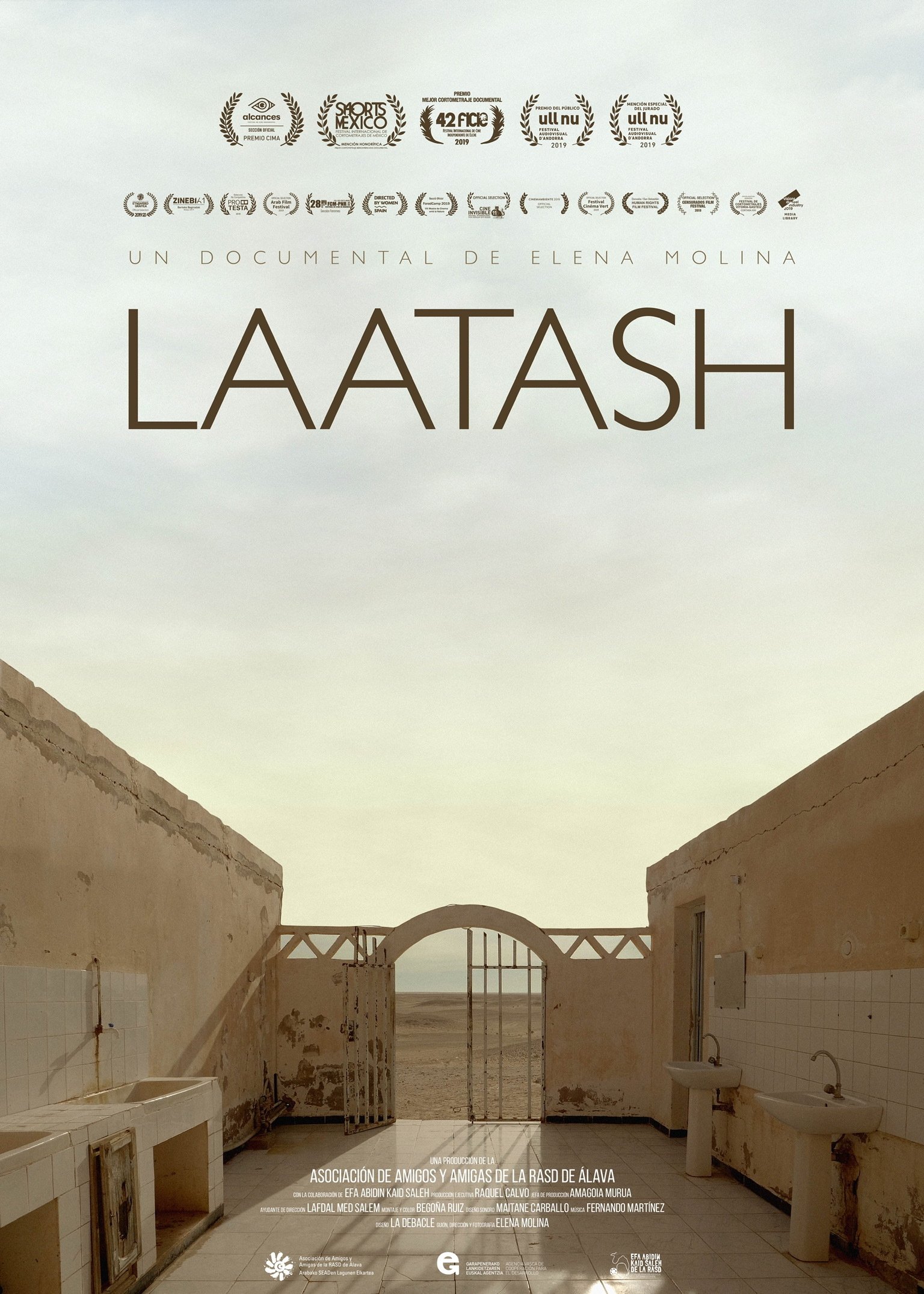
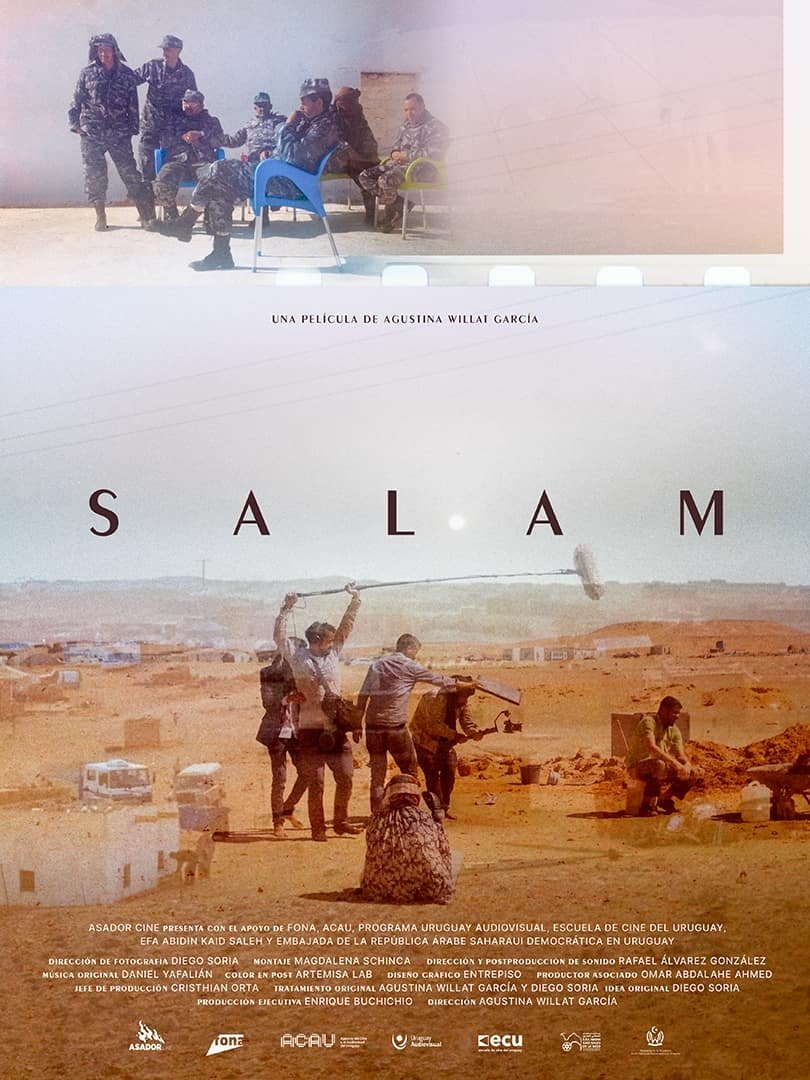
The Sahrawi people have lived in exile for almost half a century in the driest desert of the African continent. There, where basic resources such as water are scarce, there is a film school. As the world looks the other way, a group of young filmmakers carries out a battle against oblivion.
An unprecedented and intimate look at the life, work and enduring legacy of British actress Audrey Hepburn (1929-1993).
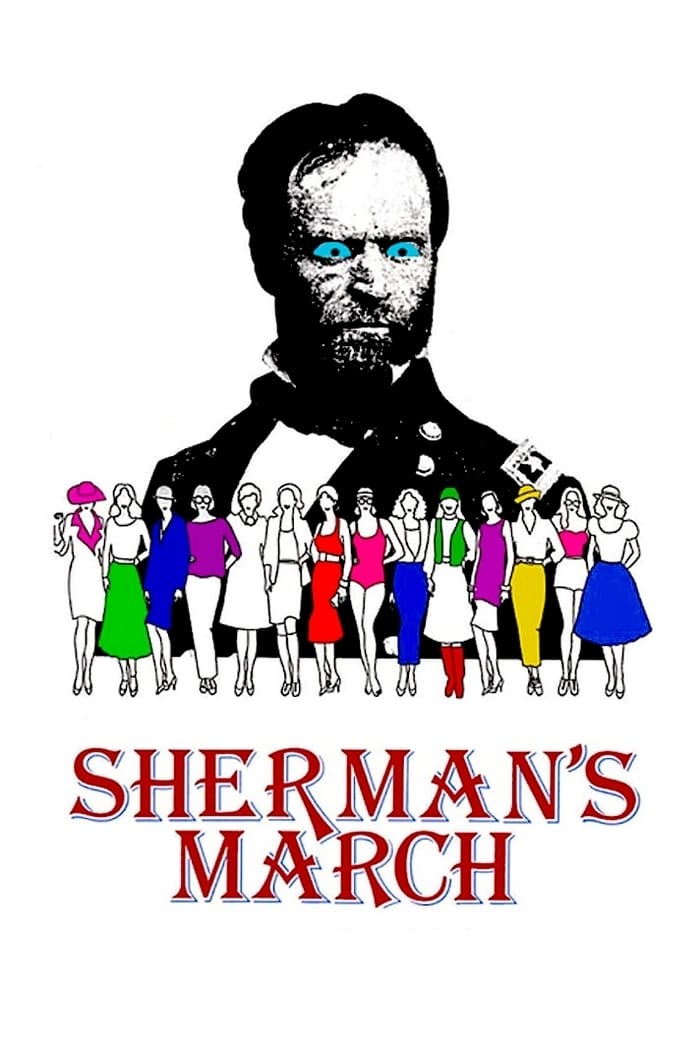
Ross McElwee sets out to make a documentary about the lingering effects of General Sherman's march of destruction through the South during the Civil War, but is continually sidetracked by women who come and go in his life, his recurring dreams of nuclear holocaust, and Burt Reynolds.
The film follows adventurer Jeff Johnson as he retraces the epic 1968 journey of his heroes Yvon Chouinard and Doug Tompkins to Patagonia.
When Allied forces liberated the Nazi concentration camps in 1944-45, their terrible discoveries were recorded by army and newsreel cameramen, revealing for the first time the full horror of what had happened. Making use of British, Soviet and American footage, the Ministry of Information’s Sidney Bernstein (later founder of Granada Television) aimed to create a documentary that would provide lasting, undeniable evidence of the Nazis’ unspeakable crimes. He commissioned a wealth of British talent, including editor Stewart McAllister, writer and future cabinet minister Richard Crossman – and, as treatment advisor, his friend Alfred Hitchcock. Yet, despite initial support from the British and US Governments, the film was shelved, and only now, 70 years on, has it been restored and completed by Imperial War Museums under its original title "German Concentration Camps Factual Survey".
A detailing of the rise to prominence and global sporting superstardom of six supremely talented young Manchester United football players (David Beckham, Nicky Butt, Ryan Giggs, Paul Scholes, Phil and Gary Neville). The film covers the period 1992-1999, culminating in Manchester United's European Cup triumph.
A documentary about the life and films of director John Ford.
This revealing documentary honors the legendary Sidney Poitier—iconic actor, filmmaker, and civil rights activist. Featuring interviews with Denzel Washington, Spike Lee, Halle Berry, and more.
From a prolific career in film and television, Anton Yelchin left an indelible legacy as an actor. Through his journals and other writings, his photography, the original music he wrote, and interviews with his family, friends, and colleagues, this film looks not just at Anton's impressive career, but at a broader portrait of the man.
Various MGM stars from yesterday present their favorite musical moments from the studio's 50 year history.
In the Realms of the Unreal is a documentary about the reclusive Chicago-based artist Henry Darger. Henry Darger was so reclusive that when he died his neighbors were surprised to find a 15,145-page manuscript along with hundreds of paintings depicting The Story of the Vivian Girls, in What is Known as the Realms of the Unreal, of the Glodeco-Angelinnian War Storm, Cased by the Child Slave Rebellion.
The history of cinematic sound, told by legendary sound designers and visionary filmmakers.
“The Soviet Story” is a story of an Allied power, which helped the Nazis to fight Jews and which slaughtered its own people on an industrial scale. Assisted by the West, this power triumphed on May 9th, 1945. Its crimes were made taboo, and the complete story of Europe’s most murderous regime has never been told. Until now...
He's devoted his career to uncovering stories the powerful want buried. From My Lai to Abu Ghraib, dig into the life's work of journalist Seymour Hersh.
A documentary on the expletive's origin, why it offends some people so deeply, and what can be gained from its use.
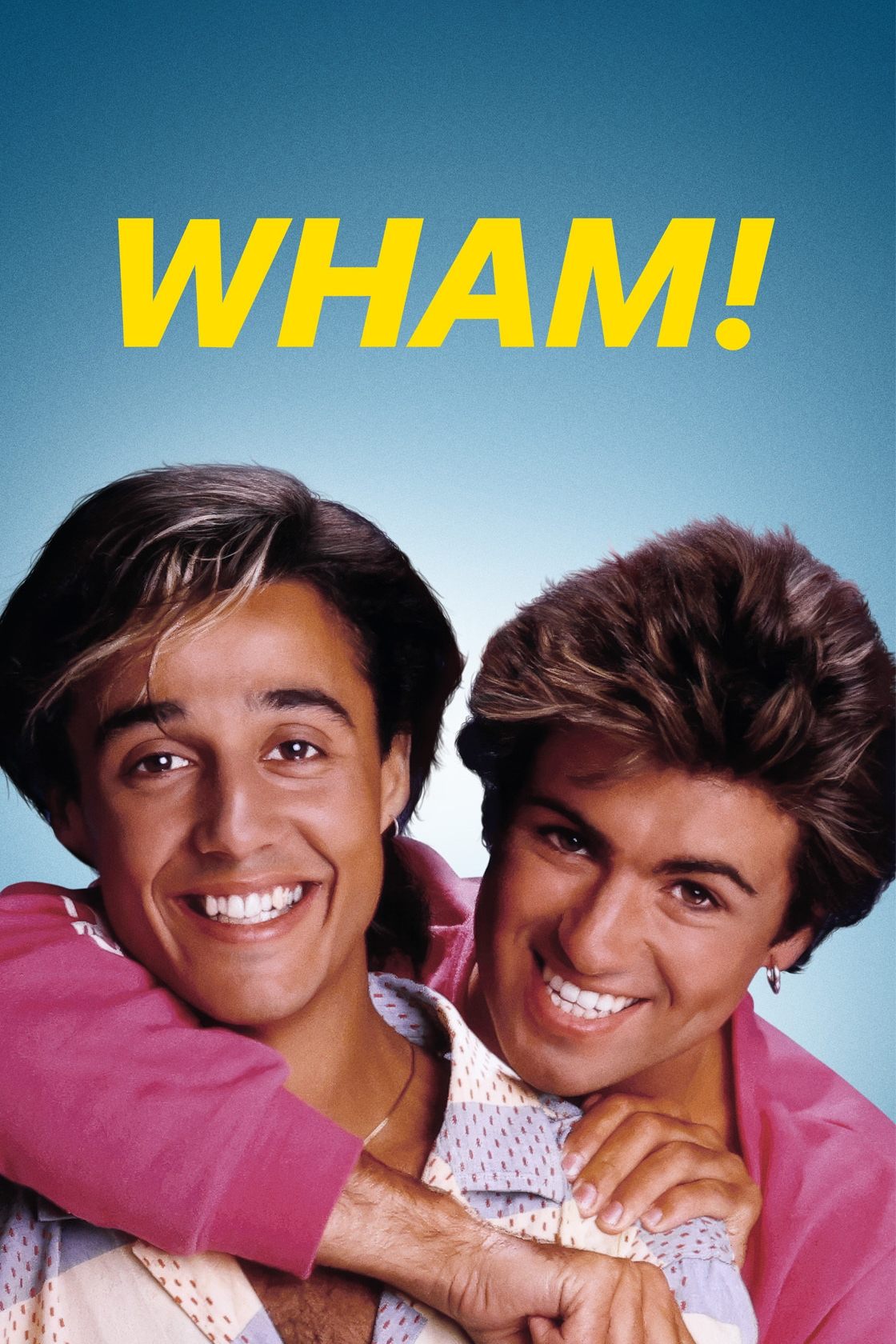
Through archival interviews and footage, George Michael and Andrew Ridgeley relive the arc of their Wham! career, from 70s best buds to 80s pop icons.
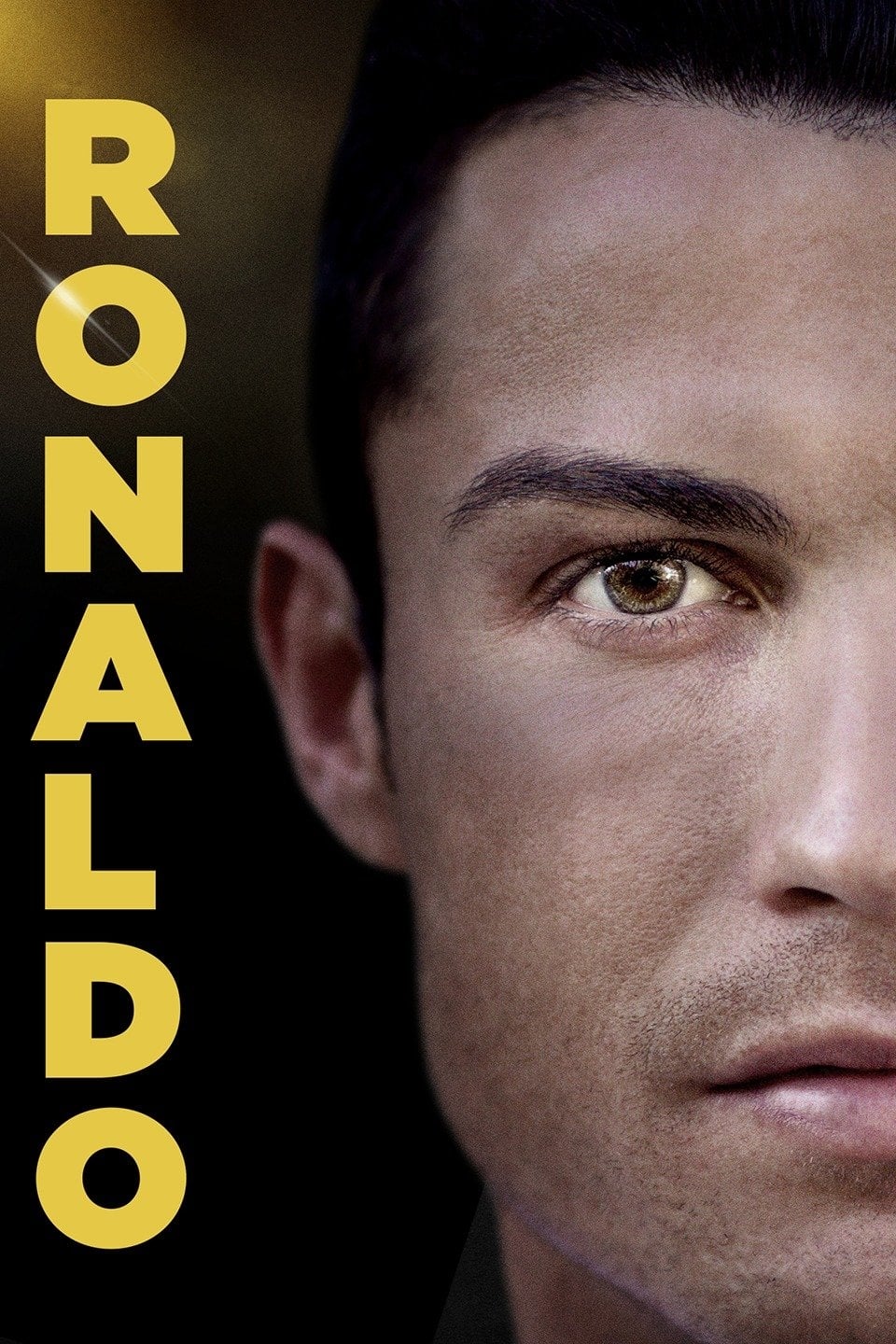
Filmed over 14 months with unprecedented access into the inner circle of the man and the sport, this is the first official and fully authorised film of one of the most celebrated figures in football. For the first time ever, the world gets vividly candid and un-paralleled, behind-closed-doors access to the footballer, father, family-man and friend in this moving & fascinating documentary. Through in-depth conversations, state of the art football footage and never before seen archival footage, the film gives an astonishing insight into the sporting and personal life of triple Ballon D'Or winner Cristiano Ronaldo at the peak of his career. From the makers of ‘Senna’ and ‘Amy’, Ronaldo takes audiences on an intimate and revealing journey of what it’s like to live as an iconic athlete in the eye of the storm.
A love letter from a young mother to her daughter, the film tells the story of Waad al-Kateab’s life through five years of the uprising in Aleppo, Syria as she falls in love, gets married and gives birth to Sama, all while cataclysmic conflict rises around her. Her camera captures incredible stories of loss, laughter and survival as Waad wrestles with an impossible choice– whether or not to flee the city to protect her daughter’s life, when leaving means abandoning the struggle for freedom for which she has already sacrificed so much.
Those who knew iconic funnyman John Candy best share his story, in their own words, through never-before-seen archival footage, imagery, and interviews.
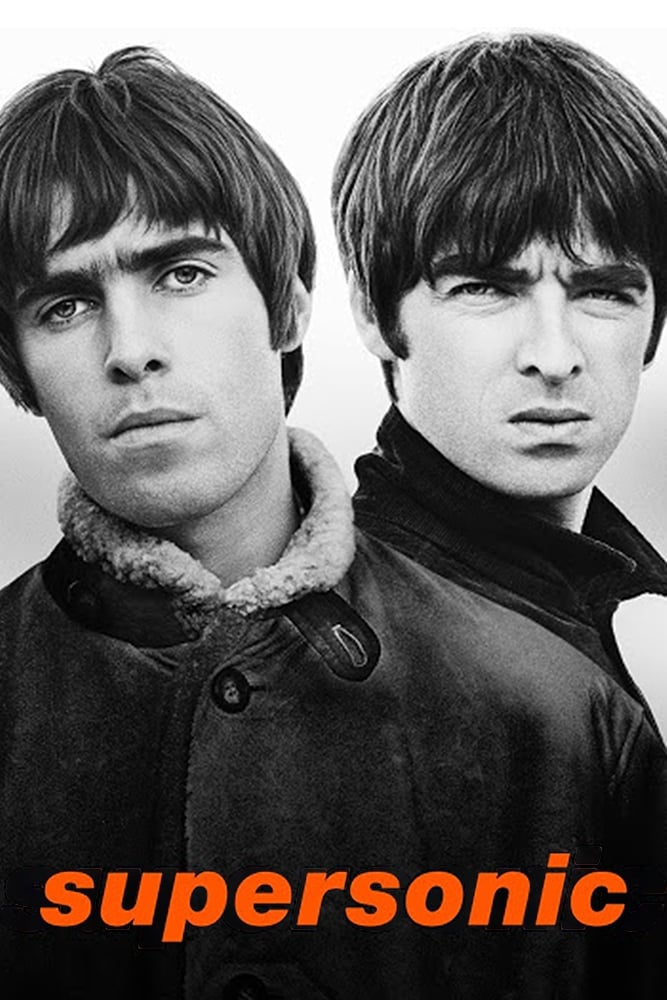
Supersonic charts the meteoric rise of Oasis from the council estates of Manchester to some of the biggest concerts of all time in just three short years. This palpable, raw and moving film shines a light on one of the most genre and generation-defining British bands that has ever existed and features candid new interviews with Noel and Liam Gallagher, their mother, and members of the band and road crew.
Behind-the-scenes documentary about how Lionel Messi succeeded in lifting the World Cup – the only trophy to have eluded him in an incredible career.