Social & External
The people behind it
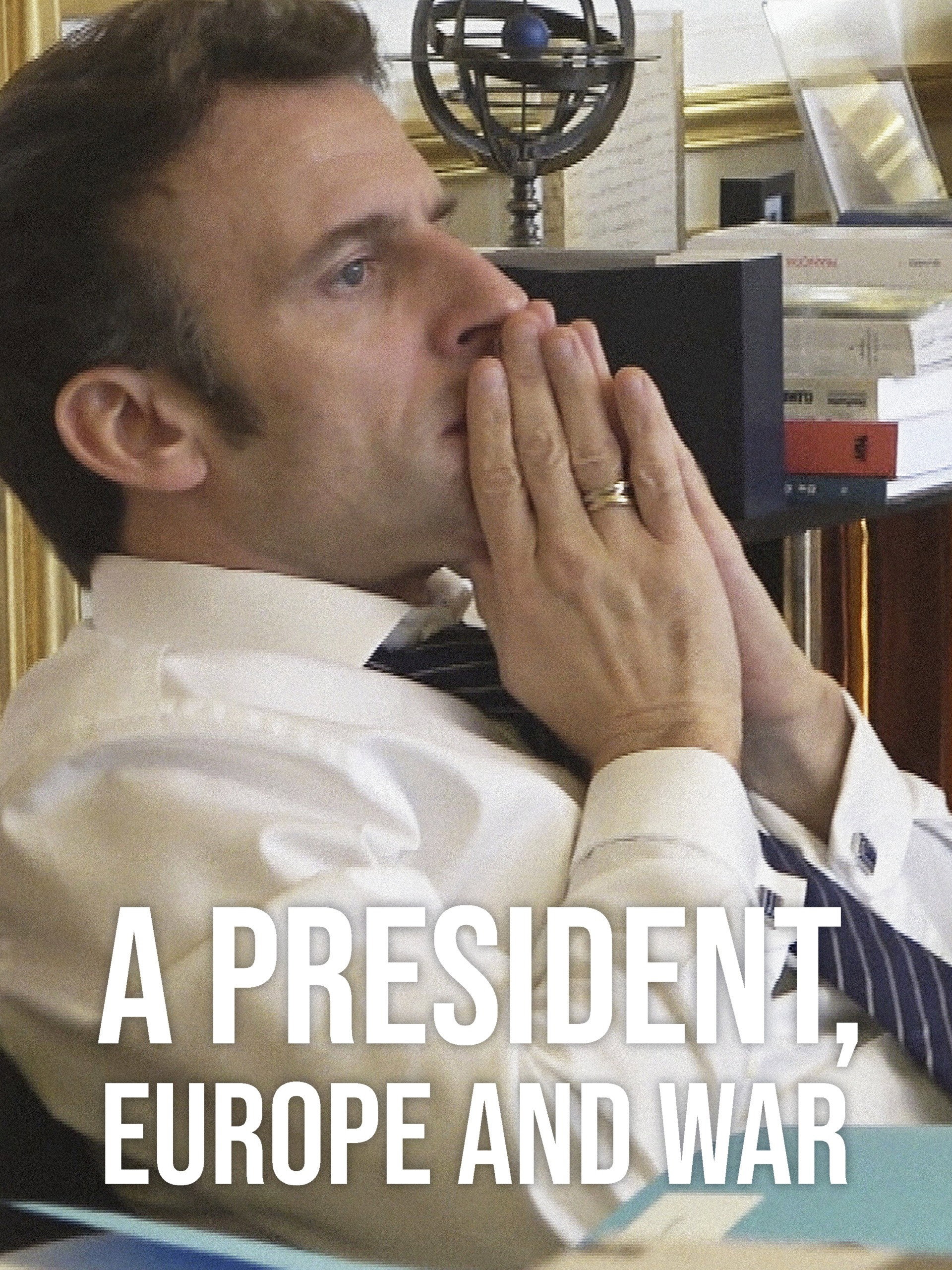
They call each other Emmanuel and Vladimir - but despite the informal tone, a fateful negotiation is taking place. During France's presidency of the EU, President Macron takes on the task of negotiating with President Putin in an attempt to prevent an invasion of Ukraine. For the first time, we get to follow the diplomatic game behind the scenes and hear parts of their phone conversations.
This black-and-white archival film outlines the importance of Canada's forests in the national war effort during the Second World War.
Everyone knows his name. The novels on the life and crimes of Hannibal Lecter are a worldwide phenomenon, and so are the movies and the TV show. Not mentionning the parodies, the plays... and even a wine named after him! He has become an icon of evil, but also of intelligence and refinement. Let's look back on the incredible Hannibal Lecter phenomenon.
Marina Carrère d'Encausse lifts the veil on the intimate questions that preoccupy her as well as society at large: those related to the end of life. The doctor-journalist introduces Antoine, her partner, who is suffering from Charcot's disease, an incurable illness, and who wishes to choose how he ends his life. Is the current law in France sufficient? Should it simply be better enforced, allowing better access to palliative care? Should assisted suicide and euthanasia be legalized? Marina meets with patients concerned about the end of life, caregivers, and politicians in France, as well as in Belgium, Switzerland, and Canada, countries where euthanasia and assisted suicide are legal.
Near the end of World War II, the survivors of a torpedoed hospital ship cling to life aboard a crowded lifeboat. With no food, water, or shelter, all seems lost – until an eerily silent German minesweeper drifts ominously towards them, giving them one last chance at survival. As our motley crew explores the ship, it becomes all too clear that some diabolical fate has befallen its German crew. The mystery only deepens when they encounter a young Romanian girl, apparently the sole survivor, who leads them to a locked room in the bowels of the vessel.
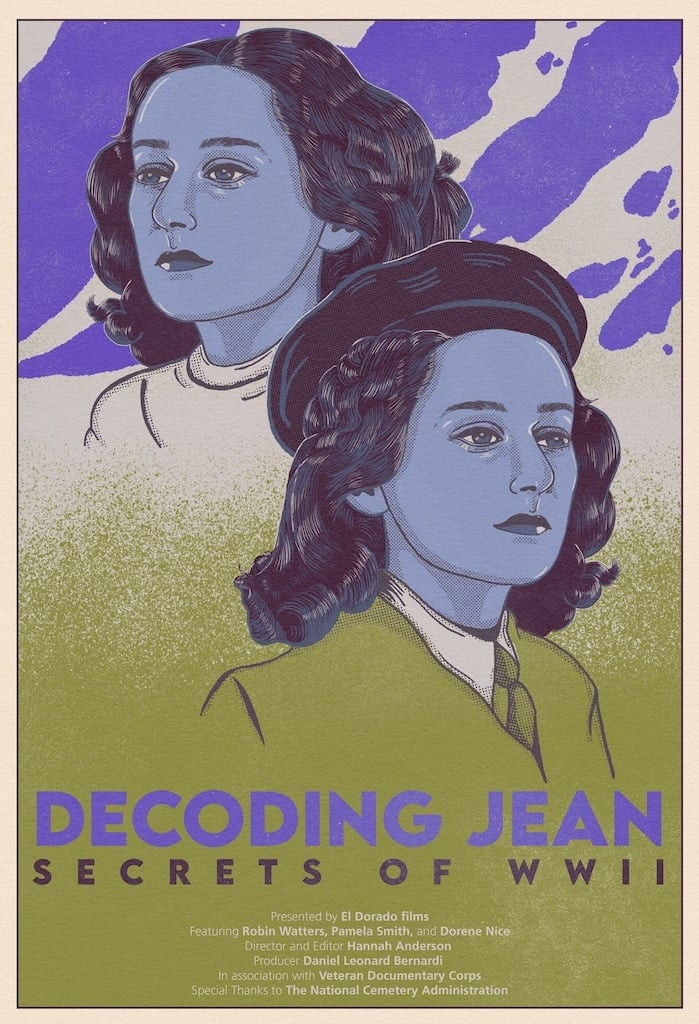
In the midst of World War II's turmoil, the quaint British town of Bury St. Edmonds becomes a focal point where lives intersect and secrets unravel. An 18-year-old woman finds herself caught in the throes of a great wartime secret – the breaking of the German Enigma code. Her recruitment into the "Ultra" program brings her to the heart of Bletchley Park's most clandestine operations, where Alan Turing and his team forge the world's first computer in a bid to crack the ever-changing German codes. Every day, she grapples with the weight of the secret, so profound that even her family is oblivious to her covert role. Meanwhile, she captures the heart of an assertive American soldier and their whirlwind wartime romance culminates in a heartwarming union, facing the challenges of the Official Secrets Act. The soldier, persistent and deeply in love, goes to great lengths, in order to secure her release from the program and to solidify their commitment to one another.
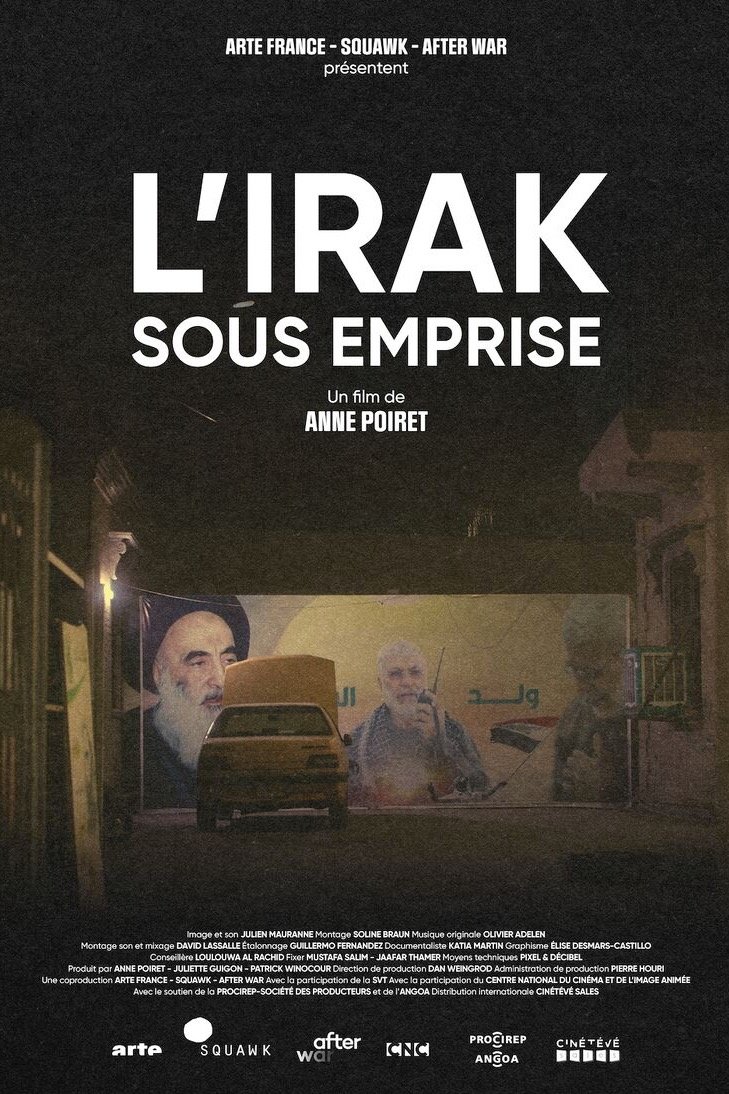
In 2014, when Mosul, Iraq's second largest city, fell to the Islamic State, the creation of dozens of factions was seen as the solution to organize the Shiite youth who had risen up en masse to fight Daesh and protect Baghdad, which was under threat. These factions were supposed to be a temporary force. In reality, they have never been demobilized, leading the Iraqi state into ever greater instability. How did they become so strategically important in post-Daesh Iraq?
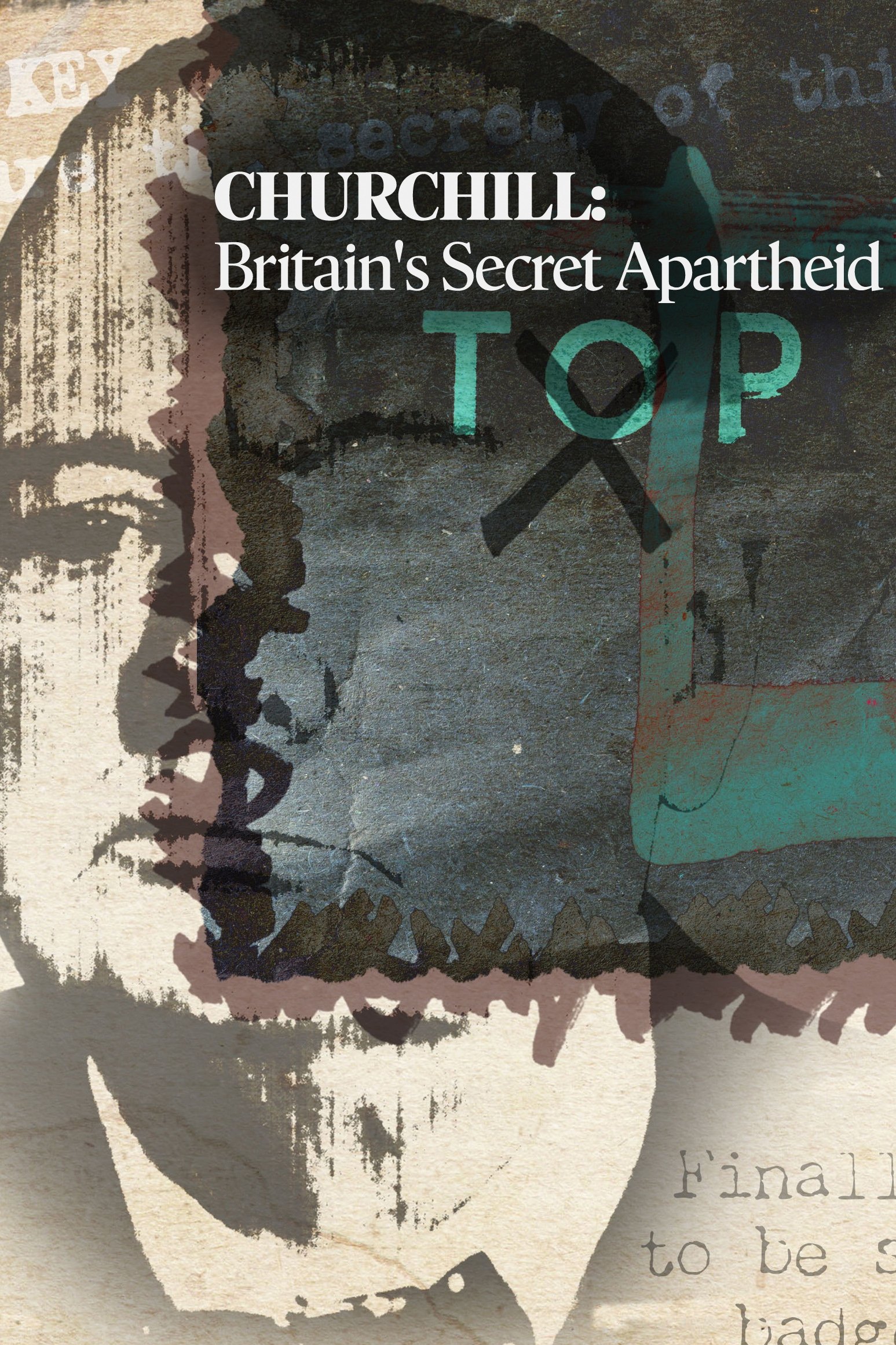
When Winston Churchill needed the help of the US Army to defeat Hitler, he made a controversial decision to allow America to bring its segregated Army to the UK. Racial tension between black and white American soldiers spilled out onto the streets of Britain, resulting in shoot-outs, riots and murders. Searching for people alive today directly impacted by the violence, the program examines its lingering impact.
An American soldier helps his wounded comrade take refuge in a nearby farmhouse, where they encounter an unlikely resident.
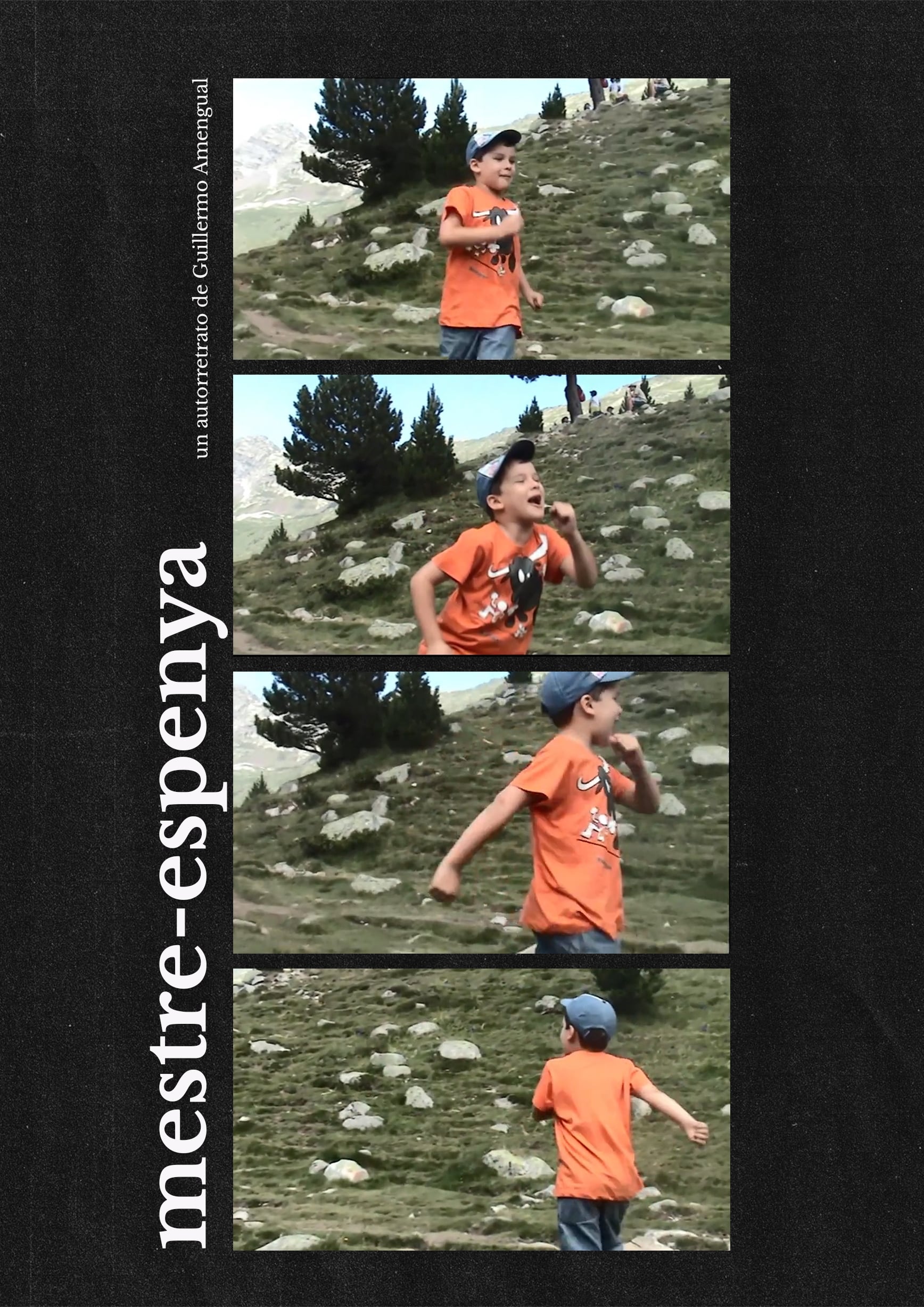
"Mestre-espenya" is a self-portrait of Guillermo Amengual where he talks and thinks about his childhood and all the themes that have always been present in his life and films: death, family and innocence.
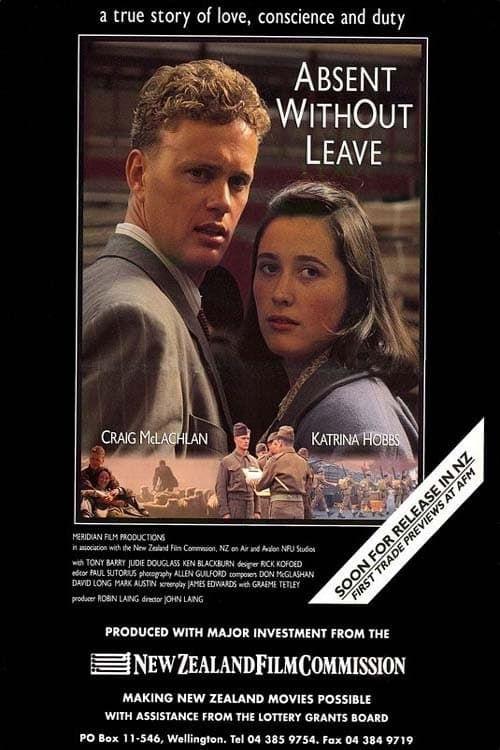
In 1942 Wellington, Daisy Edwards, 16 and pregnant, relies totally on her just-wed husband, Ed, who is little older than she. Ed is suddenly drafted into the army and is to be sent overseas to battle while Daisy is sent to her father in Auckland. When Ed's leave is cancelled at the last minute he takes the dangerous decision to go absent without leave to be with Daisy on her journey home. As a deserter, Ed is hunted, captured and imprisoned. Life inside is bad enought without the worry of what is going on outside. The film is based upon a true story.
A history of the bridges of Paris, through modern views and historical engravings.
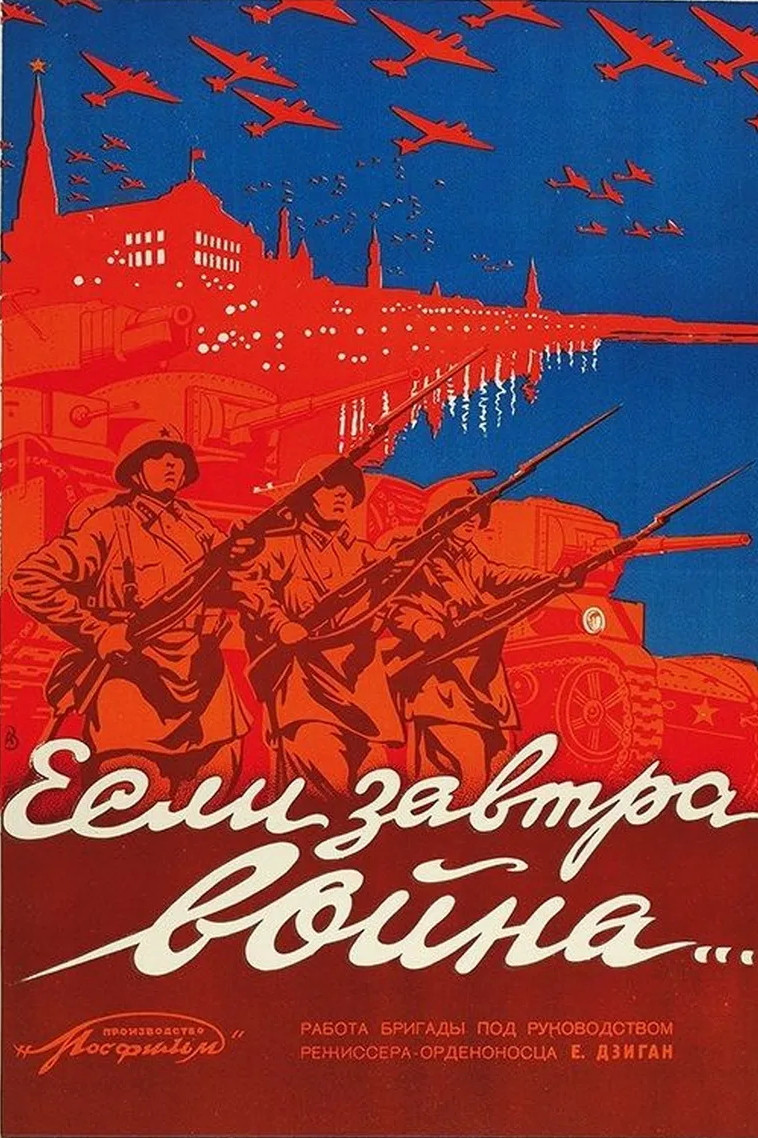
The propaganda documentary about the readiness of the Red Army to repulse any enemy is based on documentary shots taken during the real maneuvers of the Red Army. Armadas of tanks, immense columns of infantry, dozens of fighters and bombers, thousands of cavalry, legendary divisions of the Civil War. The film glorifies Soviet military power and shows the Soviet people what the war will be like when the imperialists attack the USSR — quick, victorious, almost bloodless.
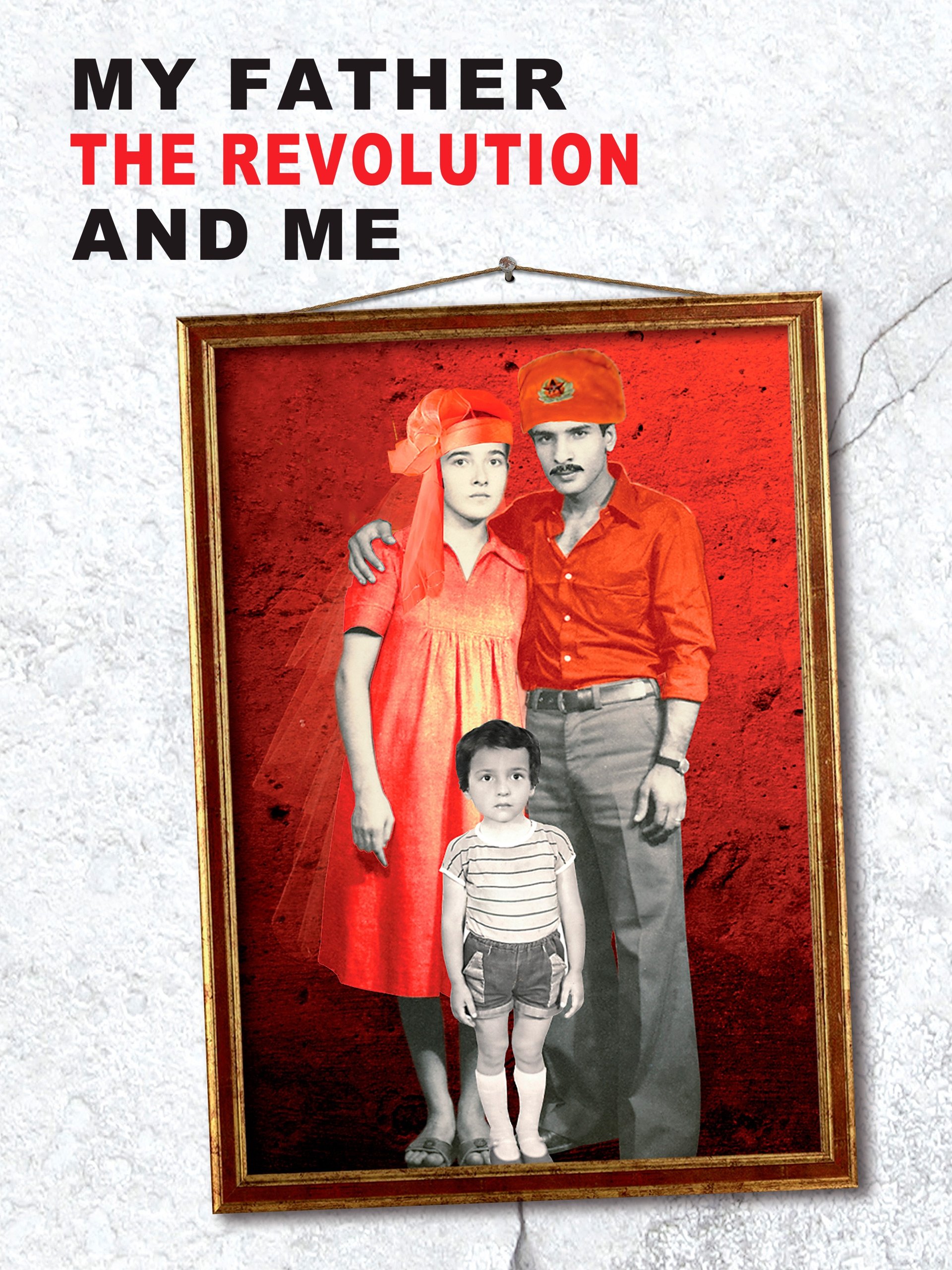
A documentary tragicomedy of a father-daughter relationship, told by the subjective perspective of the young director. She tries to understand how a revolutionary could have become a criminal and an alcoholic, and why he abandoned his family. Freely juggling between documentary, fiction and animation, the director takes us on a journey around the world. The daughter of a former communists visits the ports of the revolt, where communities are trying to realize the concrete utopia.
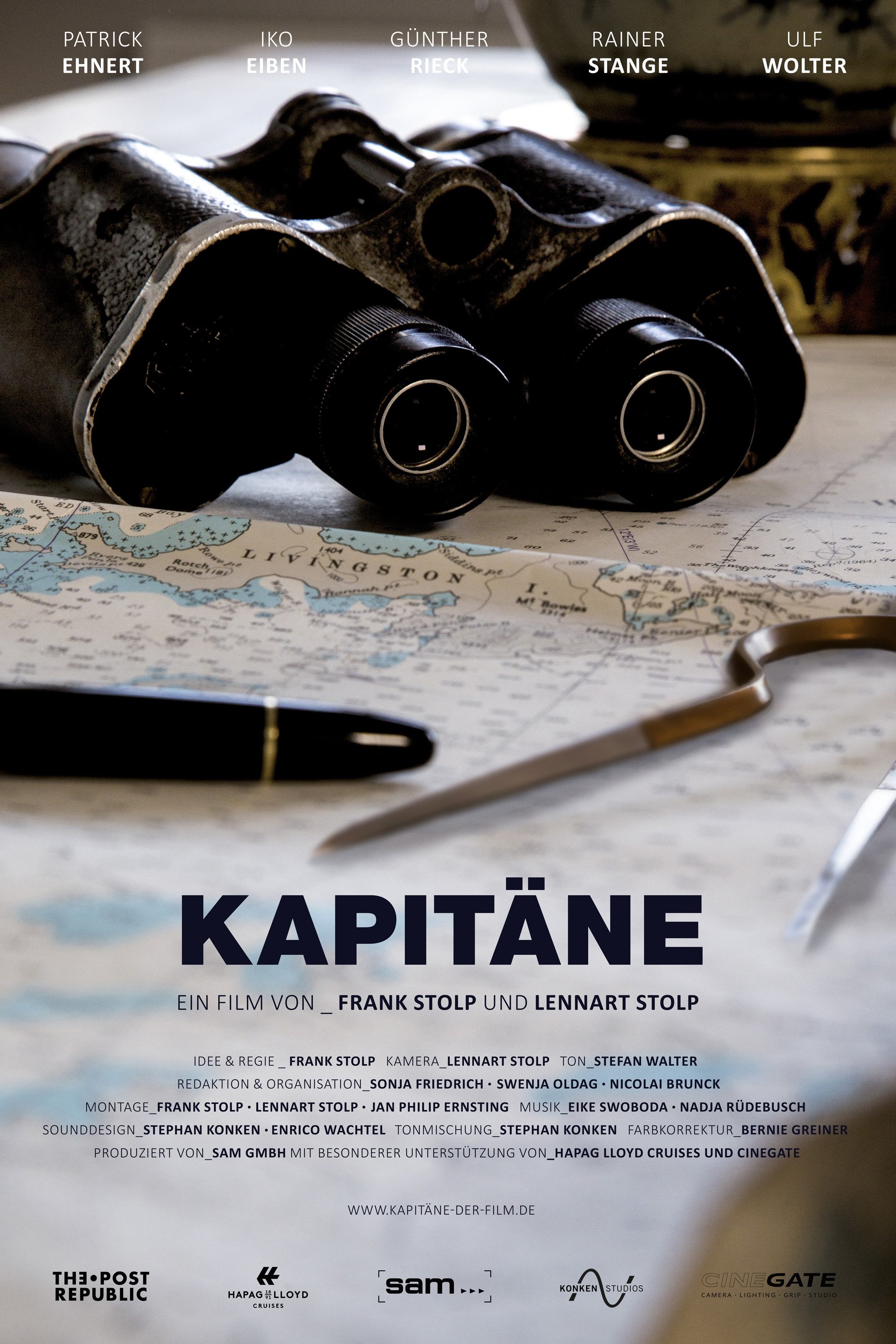
This documentary film portrays five captains. It shows their everyday life on board, and how they fulfill their duties and make decisions. But it goes far beyond: Viewers get to know the captains as people with values, as human beings that also deal with topics such as family and home. The captains' stories tell a lot more than about life at sea. The narrative style is documentary in the classical sense: It is only the captains who speak, there is no voiceover. Their own words and the pictures let viewers gain a very close insight into the captains' lives. Hamburg, the German port known as "gate to the world", creates the cinematic parenthesis of this documentary. All captains portrayed have a close relation to Hamburg - they live or work there or come to Hamburg with their ships every now and then.
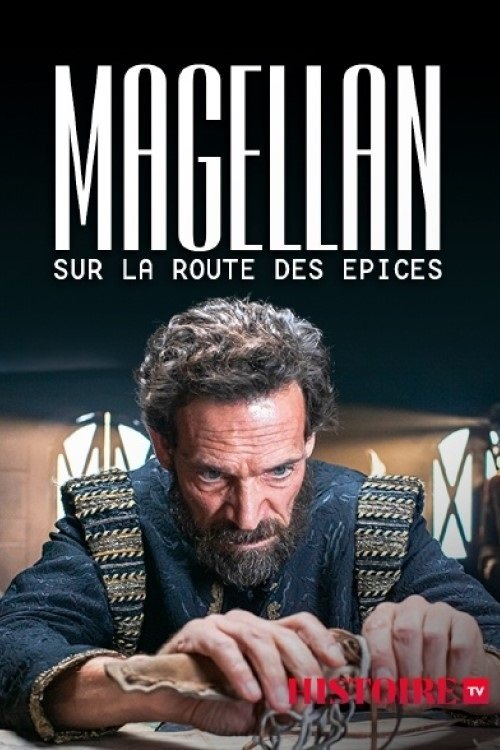
In 1519, Portuguese explorer Fernand de Magellan and his men embarked on an expedition that would forever change the way we see the world. Like Christopher Columbus before him, he set out in search of a western sea route to Asia's legendary Moluccan archipelago.
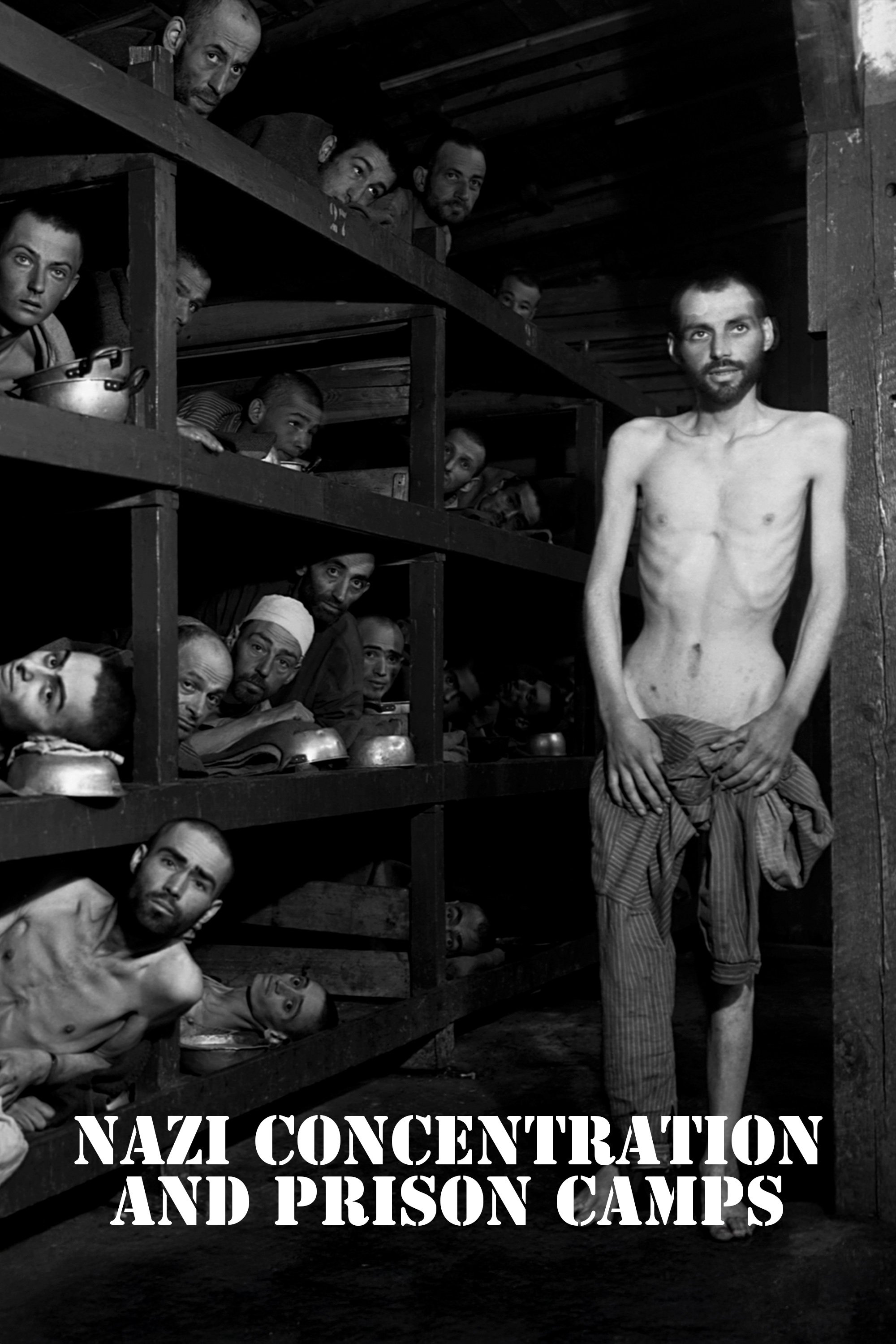
Filmmaker Alain Resnais documents the atrocities behind the walls of Hitler's concentration camps.
Director Claude Lanzmann spent 11 years on this sprawling documentary about the Holocaust, conducting his own interviews and refusing to use a single frame of archival footage. Dividing Holocaust witnesses into three categories – survivors, bystanders, and perpetrators – Lanzmann presents testimonies from survivors of the Chelmno concentration camp, an Auschwitz escapee, and witnesses of the Warsaw Ghetto Uprising, as well as a chilling report of gas chambers from an SS officer at Treblinka.
“The Soviet Story” is a story of an Allied power, which helped the Nazis to fight Jews and which slaughtered its own people on an industrial scale. Assisted by the West, this power triumphed on May 9th, 1945. Its crimes were made taboo, and the complete story of Europe’s most murderous regime has never been told. Until now...
A love letter from a young mother to her daughter, the film tells the story of Waad al-Kateab’s life through five years of the uprising in Aleppo, Syria as she falls in love, gets married and gives birth to Sama, all while cataclysmic conflict rises around her. Her camera captures incredible stories of loss, laughter and survival as Waad wrestles with an impossible choice– whether or not to flee the city to protect her daughter’s life, when leaving means abandoning the struggle for freedom for which she has already sacrificed so much.
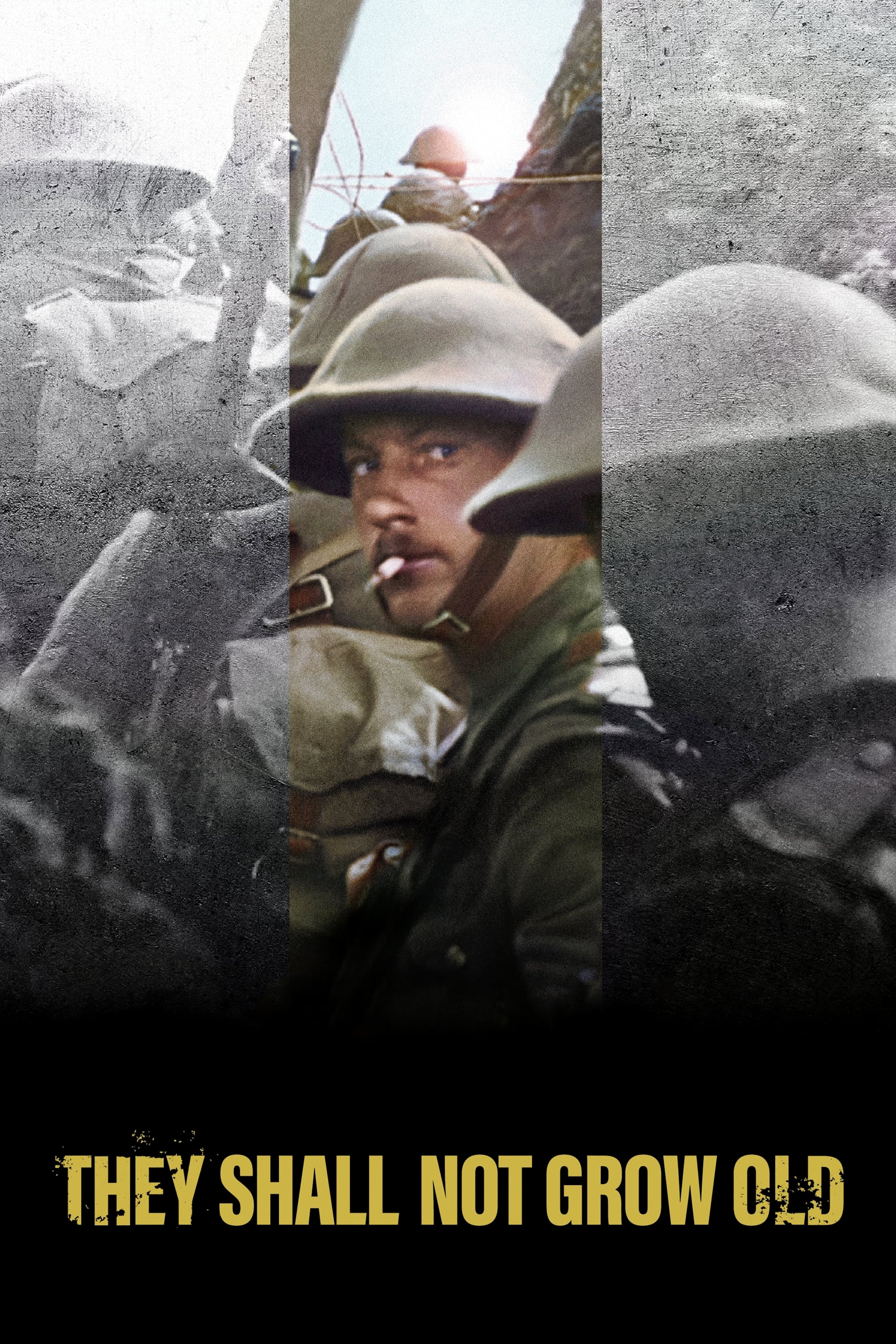
A documentary about World War I with never-before-seen footage to commemorate the centennial of Armistice Day, and the end of the war.
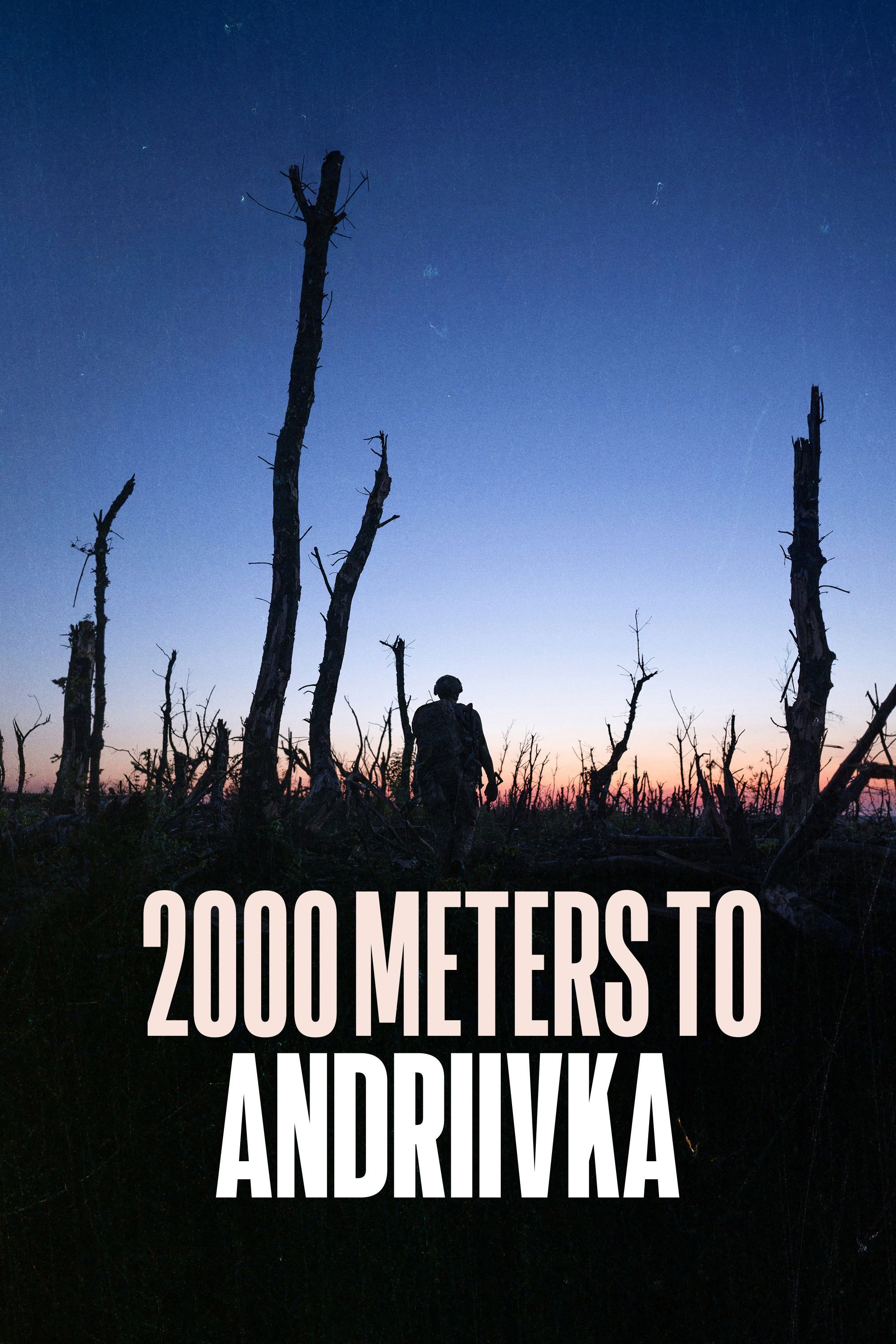
Amid the failing counteroffensive, a journalist follows a Ukrainian platoon on their mission to traverse one mile of heavily fortified forest and liberate a strategic village from Russian occupation. But the farther they advance through their destroyed homeland, the more they realize that this war may never end.
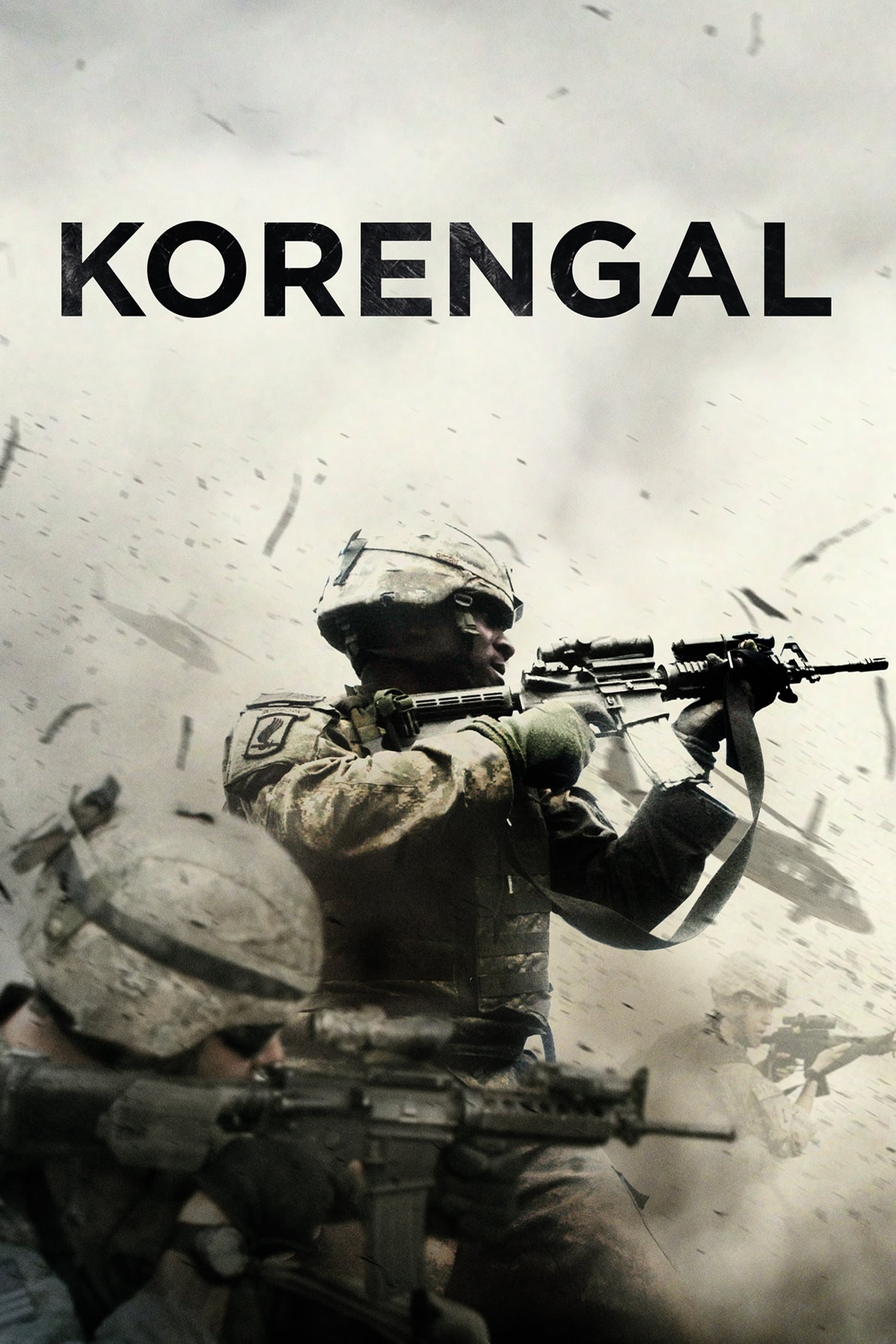
Korengal picks up where Restrepo left off; the same men, the same valley, the same commanders, but a very different look at the experience of war.
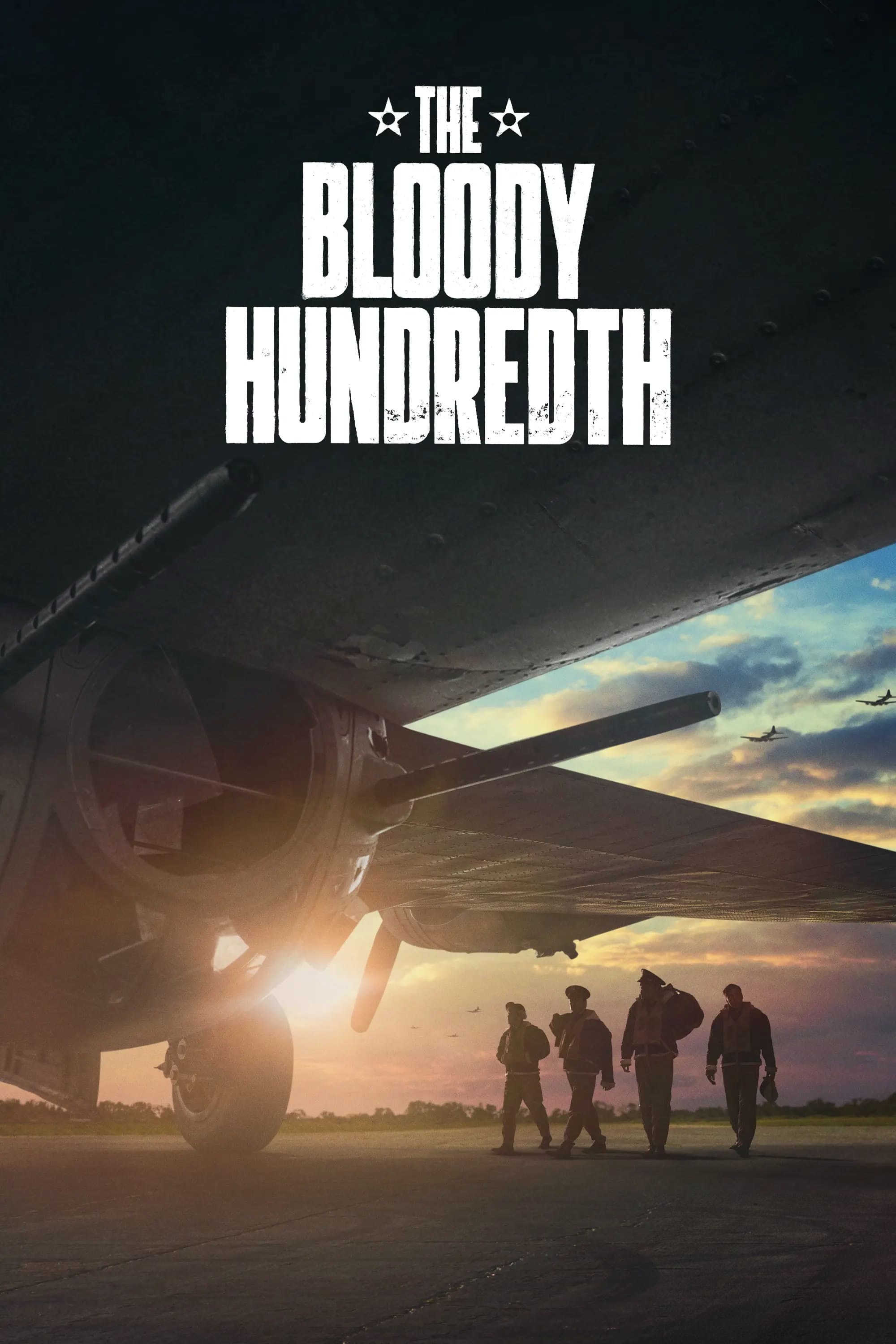
Meet the real-life airmen who inspired Masters of the Air as they share the harrowing and transformative events of the 100th Bomb Group.
Produced and presented as evidence at the Nuremberg war crimes trial of Hermann Göring and twenty other Nazi leaders, this film consists primarily of dead and surviving prisoners and of facilities used to kill and torture during the World War II.
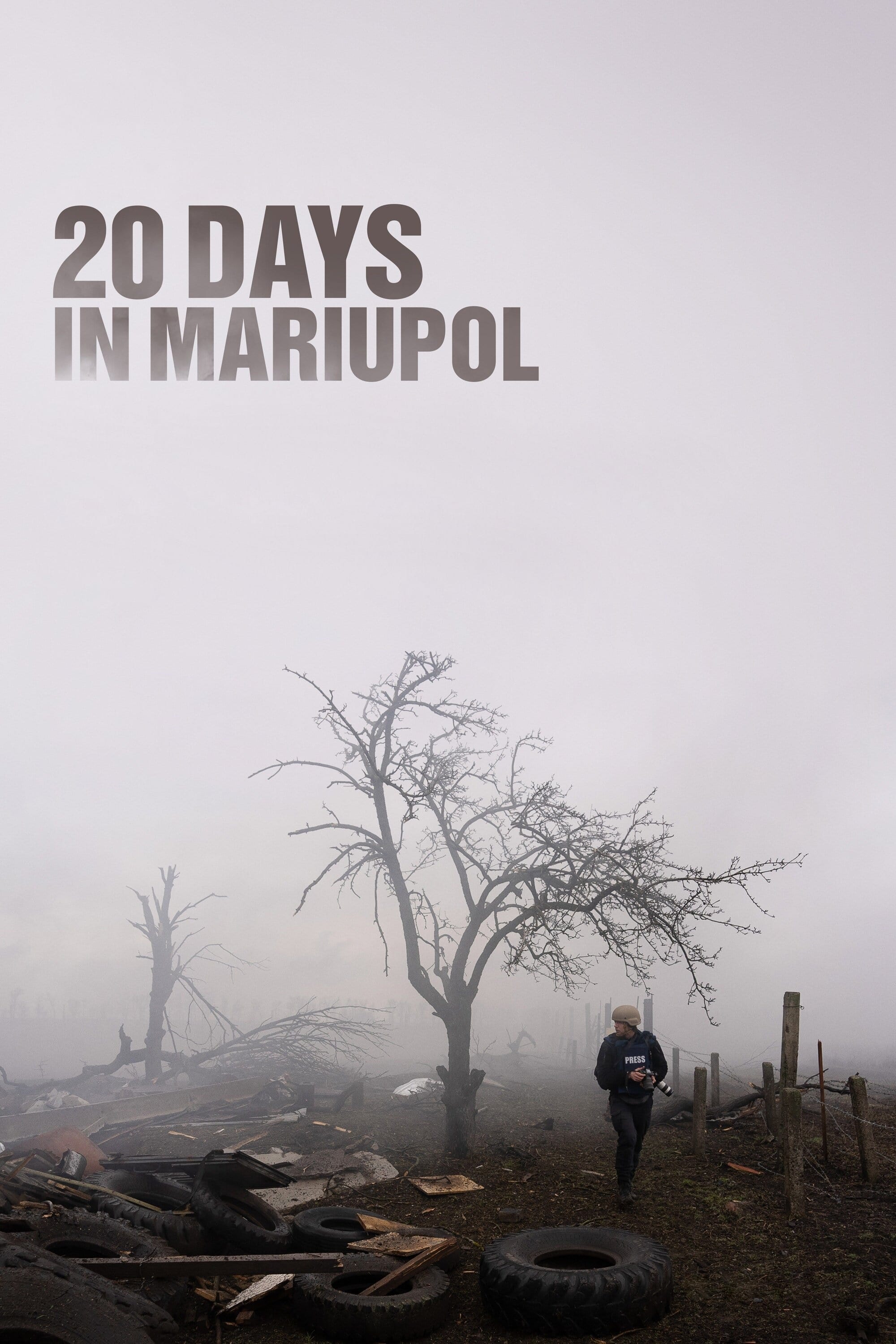
As the Russian invasion begins, a team of Ukrainian journalists trapped in the besieged city of Mariupol struggle to continue their work documenting the war's atrocities.
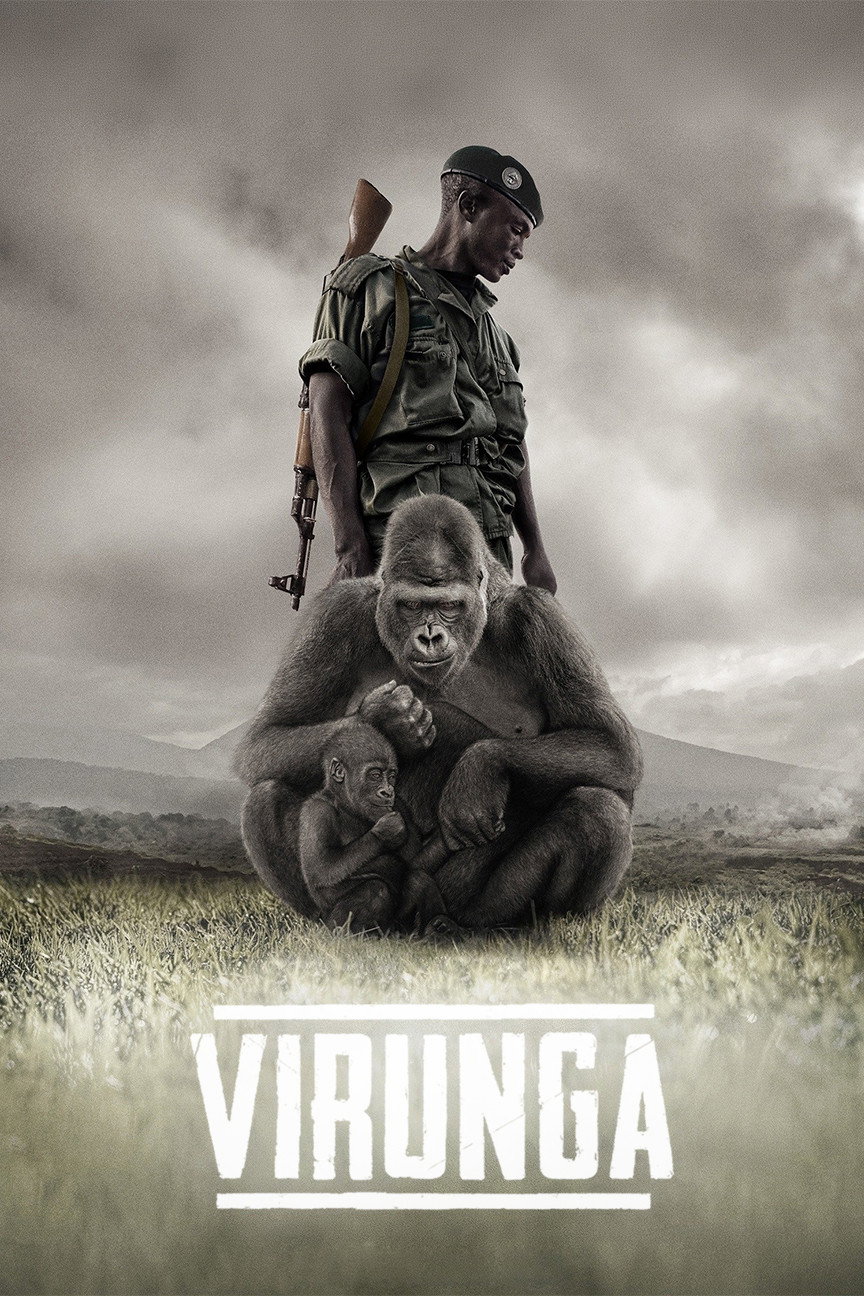
Virunga in the Democratic Republic of the Congo is Africa’s oldest national park, a UNESCO world heritage site, and a contested ground among insurgencies seeking to topple the government that see untold profits in the land. Among this ongoing power struggle, Virunga also happens to be the last natural habitat for the critically endangered mountain gorilla. The only thing standing in the way of the forces closing in around the gorillas: a handful of passionate park rangers and journalists fighting to secure the park’s borders and expose the corruption of its enemies. Filled with shocking footage, and anchored by the surprisingly deep and gentle characters of the gorillas themselves, Virunga is a galvanizing call to action around an ongoing political and environmental crisis in the Congo.
Prelude to War was the first film of Frank Capra's Why We Fight propaganda film series, commissioned by the Pentagon and George C. Marshall. It was made to convince American troops of the necessity of combating the Axis Powers during World War II. This film examines the differences between democratic and fascist states.
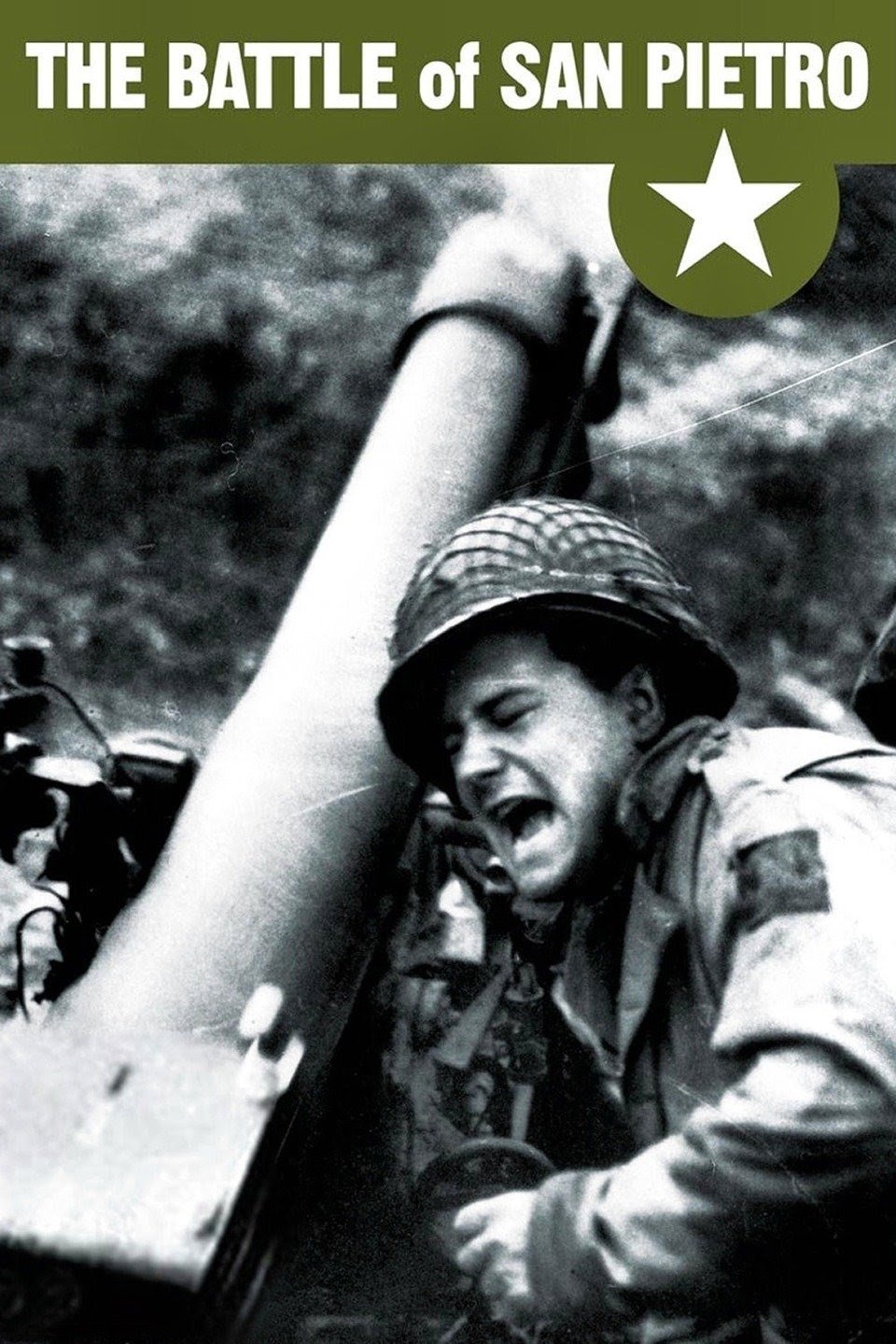
This documentary movie is about the battle of San Pietro, a small village in Italy. Over 1,100 US soldiers were killed while trying to take this location, that blocked the way for the Allied forces from the Germans. Preserved by the Academy Film Archive in 2005.
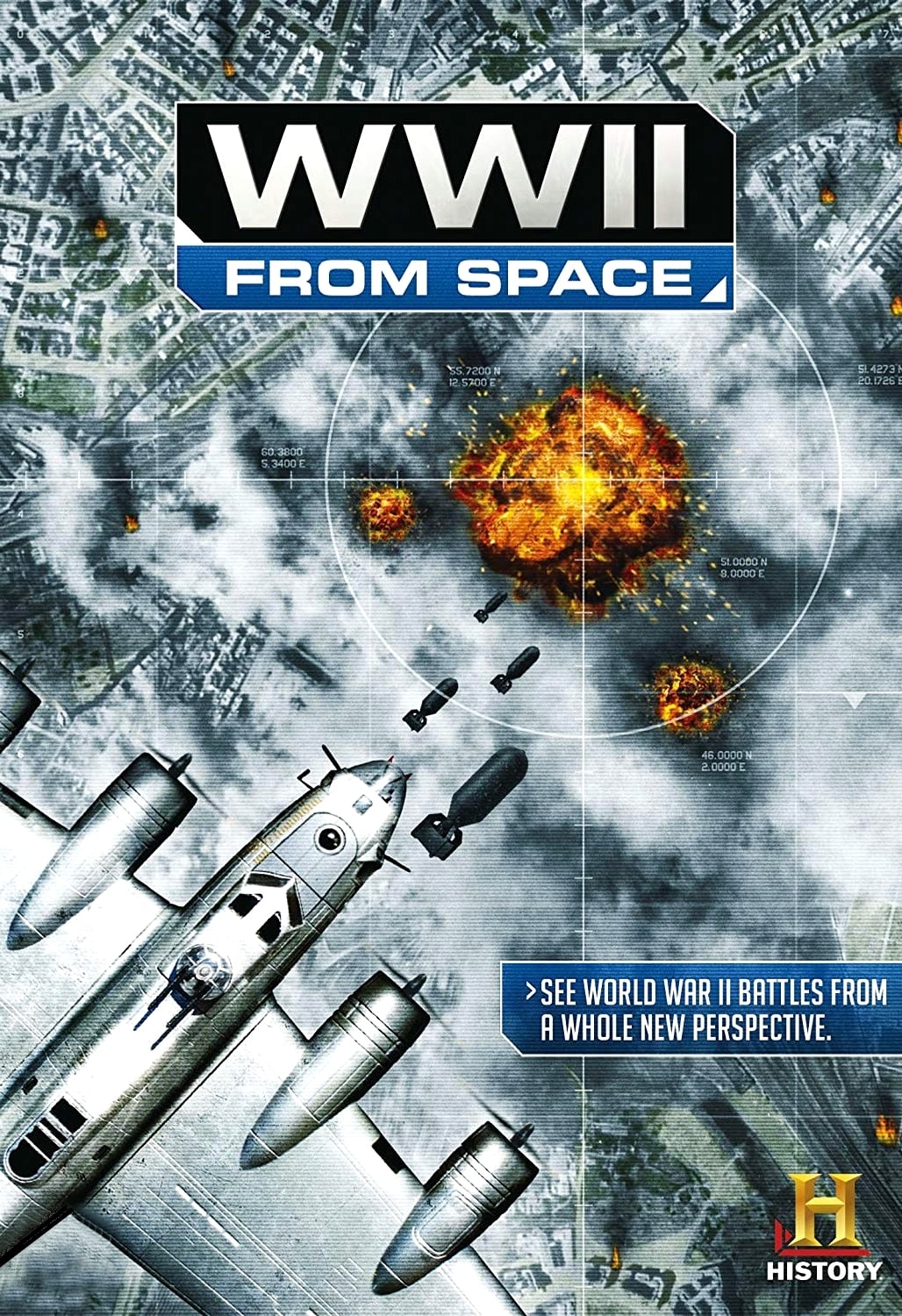
WWII from Space delivers World War II in a way you've never experienced it before. This HISTORY special uses an all-seeing CGI eye that offers a satellite view of the conflict, allowing you to experience it in a way that puts key events and tipping points in a global perspective. By re-creating groundbreaking moments that could never have been captured on camera, and by illustrating the importance of simultaneity and the hidden effects of crucial incidents, HISTORY presents the war's monumental moments in a never-before-seen context. And with new information brought to the forefront, you'll better understand how a nation ranked 19th in the world's militaries in 1939 emerged six years later as the planet's only atomic superpower.
"Trinity and Beyond" is an unsettling yet visually fascinating documentary presenting the history of nuclear weapons development and testing between 1945-1963. Narrated by William Shatner and featuring an original score performed by the Moscow Symphony Orchestra, this award-winning documentary reveals previously unreleased and classified government footage from several countries.
When Sgt. First Class Brian Eisch is critically wounded in Afghanistan, it sets him and his sons on a journey of love, loss, redemption and legacy.
The extraordinary story of how Hollywood changed World War II – and how World War II changed Hollywood, through the interwoven experiences of five legendary filmmakers who went to war to serve their country and bring the truth to the American people: John Ford, William Wyler, John Huston, Frank Capra, and George Stevens. Based on Mark Harris’ best-selling book, “Five Came Back: A Story of Hollywood and the Second World War.”
Michael Moore comes home to the issue he's been examining throughout his career: the disastrous impact of corporate dominance on the everyday lives of Americans (and by default, the rest of the world).
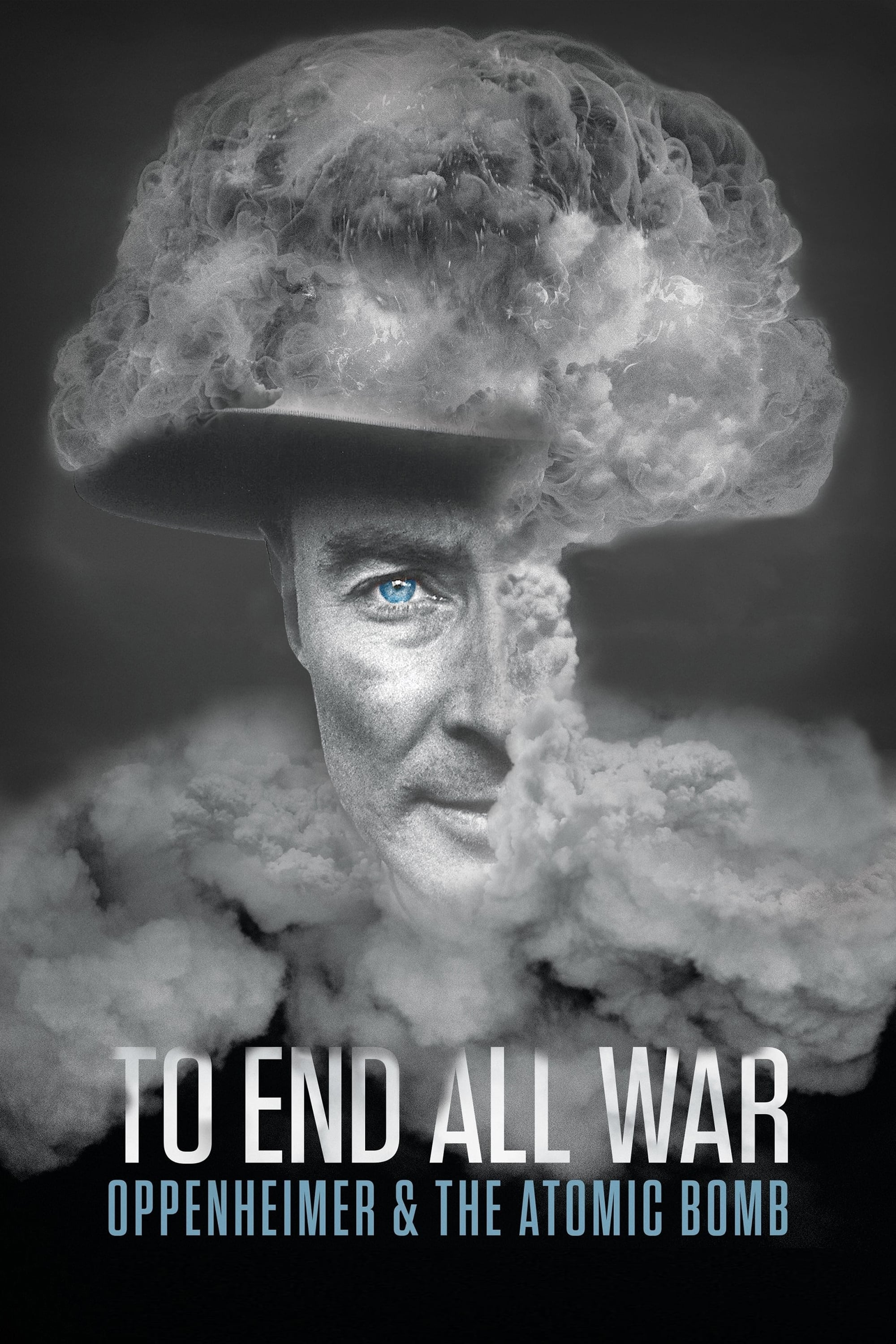
Explore how one man's relentless drive and invention of the atomic bomb changed the nature of war forever, led to the deaths of hundreds of thousands of people and unleashed mass hysteria.
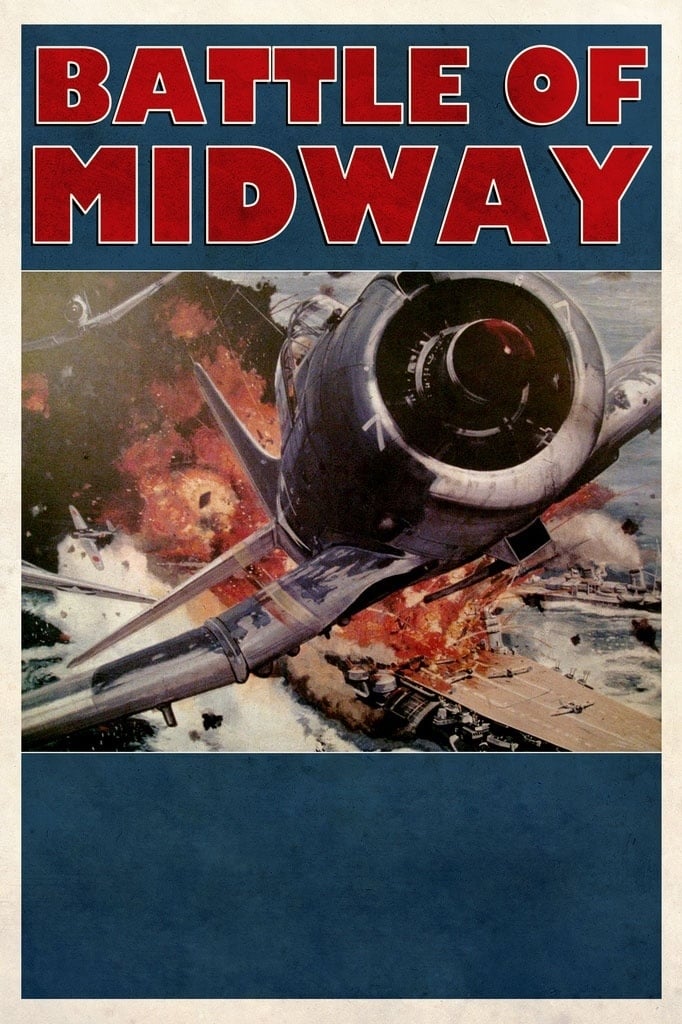
The Japanese attack on Midway in June 1942, filmed as it happened. Preserved by the Academy Film Archive, in partnership with Twentieth Century Fox Film Corporation, in 2006.