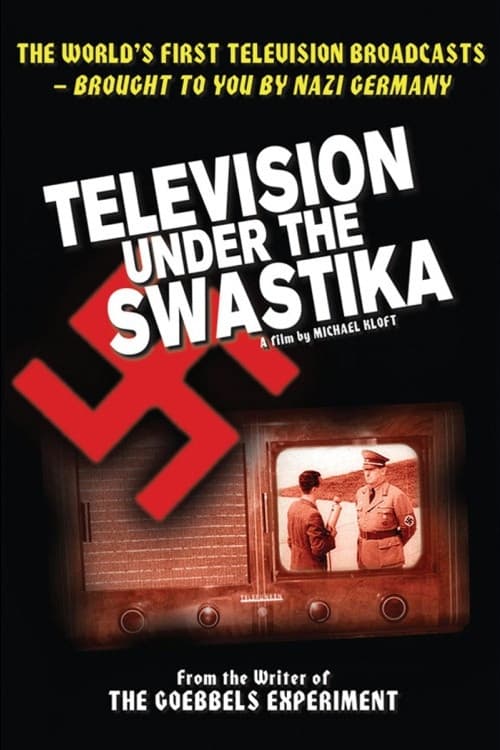
A history of Nazi television programming and technology, from 1935 to 1944.
Social & External
Self - Narrator (voice)
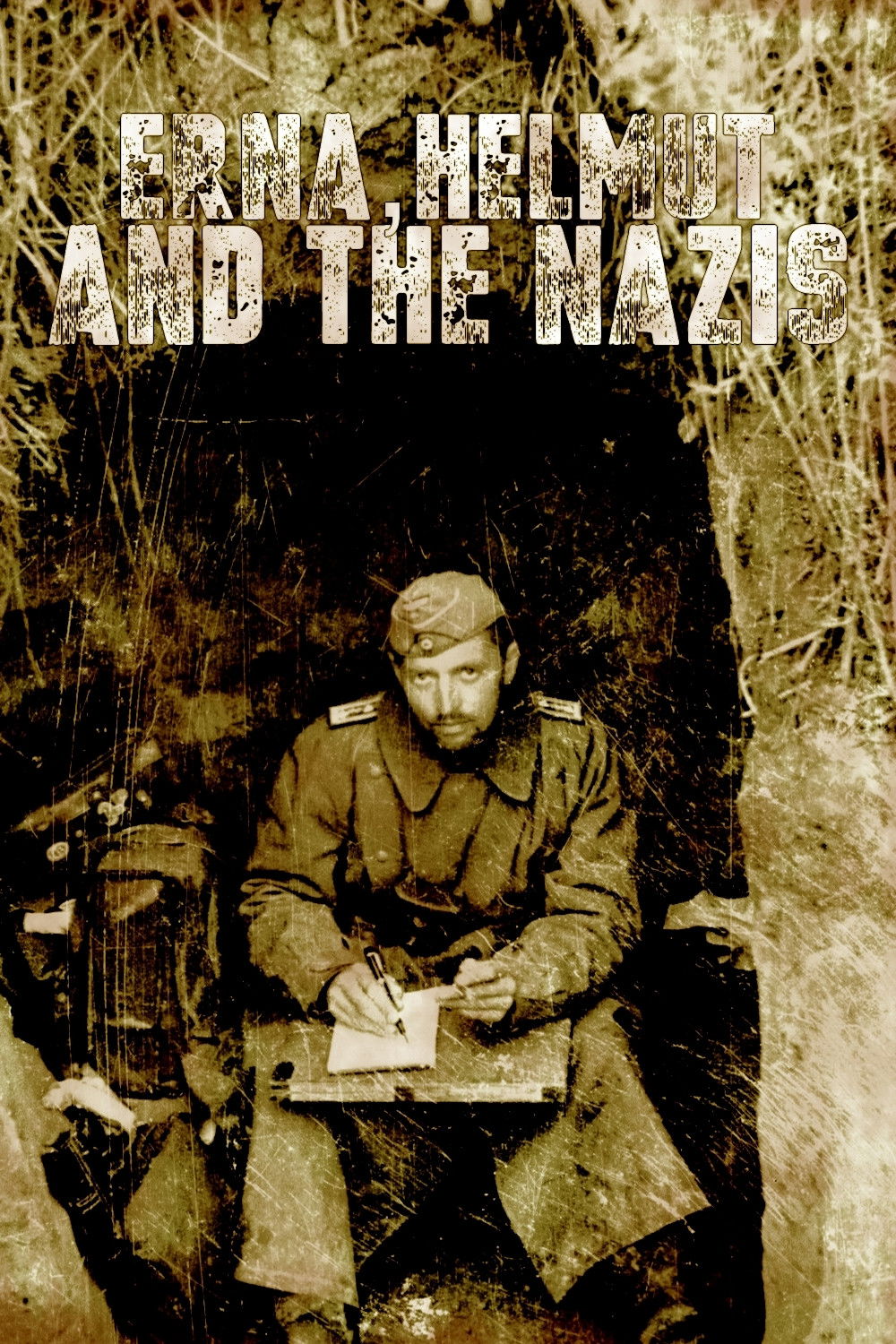
Germany, 1929. Helmut Machemer and Erna Schwalbe fall madly in love and marry in 1932. Everything indicates that a bright future awaits them; but then, in 1933, Adolf Hitler and the Nazi Party rise to power and their lives are suddenly put in danger because of Erna's Jewish ancestry.
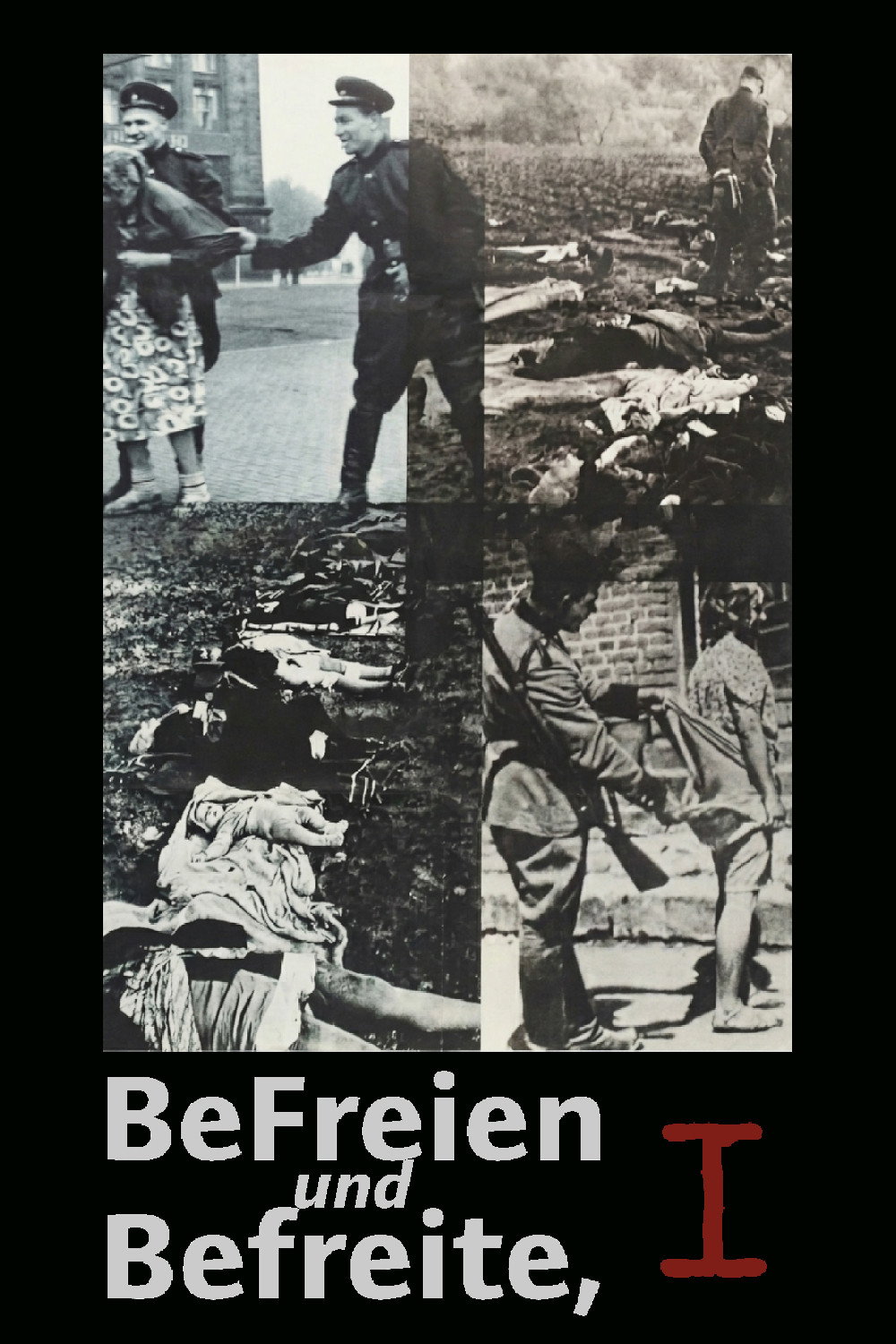
Based on years of research into the mass rapes committed by the Red Army at the end of the Second World War. In the first part of the documentary Helke Sander interviews multiple German women who were raped in Berlin by Soviet soldiers in May 1945. Most women never spoke of their experience to anyone, after 46 years of silence they talk for the first time publicly about their violent experiences that have left such a mark.
This Shiver (ITV Studios) documentary reveals what happened behind-the-scenes on some of the most momentous breaking news events in our lifetime - as told by those caught up in the real-life drama, those in the newsrooms and those responsible for delivering these newsflashes into millions of people's homes. News stories covered include the death of Diana, Princess of Wales (1997); the assassination of President Kennedy in Dallas (1963); the coal-tip landslide in Aberfan (1966); the Lockerbie Air Disaster (1988); the terrorist attacks on the World Trade Center in New York (2001); the start of Operation Desert Storm during the Gulf War (1991); the dramatic end of the Iranian Embassy siege in London (1980); and the announcement of the death of the Queen Elizabeth, the Queen Mother (2002).
Located in former West Berlin, Tempelhof Airport reflects the dramatic history of the 20th century. Once a Nazi showpiece, it later became a symbol of freedom during the Berlin Airlift and the Cold War. In 1978, East German citizen Constanze Glien unexpectedly arrived here after her flight was hijacked, changing the course of her life.
A look-behind-the-scenes at a television development that could be in everyone's home in just a few years' time. Reporter Angela Rippon tells the story of CEEFAX - the BBC's latest form of broadcasting. She visits Kingswood Warren where BBC Research Department 'boffins' developed it; and looks at some of its uses: News, weather, travel, sports results, farm prices and business information.
Shifting Paths explores one family's resilience during the 1933 boycott of Jewish businesses in Frankfurt, Germany. This film traces the loss of a family-owned pharmaceutical company and how a once banned chamomile product, Kamillosan, has survived today with few knowing anything of its history.
A brief look at the history of "Homicide: Life on the Street", one of the best shows on television and its ratings history as well as some of the people on the show, as well as behind the camera. The primary focus of this PBS documentary is the "Subway" episode which aired on December 5, 1997 on NBC. This two-hour documentary follows the "Subway" episode from conception to award nominations.
Boston's V66 music video station came and went in the mid-1980s but in the 18 months on the air, it was one of the only over-the-air music video channels ever created. But even popular success didn't mean it was going to last...
This documentary takes us back to... ...the troubled days of 1943. A team of young airmen, of the allied forces, is being shot down out the coast of Sifnos. They manage to reach the island and get rescued by the locals. We will get to know our heroes, through the eyes of their descendants and know about their actions that echo to our days.
Shari Lewis was a dancer, singer, and magician but is best known as the ventriloquist behind sock puppets Charlie Horse, Hush Puppy and, of course, Lamb Chop. This lively doc charts the life, loves, and career hits and misses of this spunky perfectionist, who forever changed the face of children’s television.
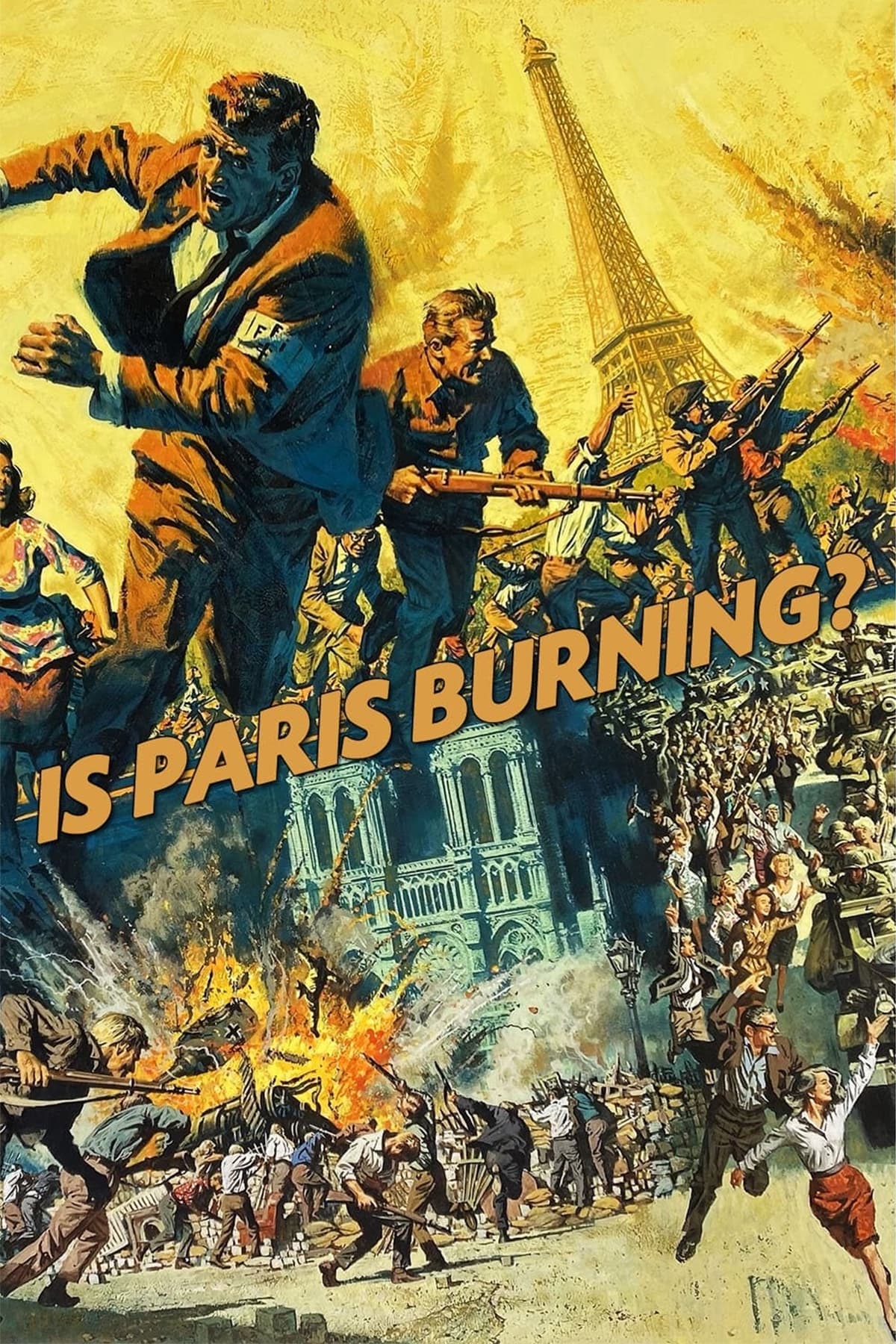
Near the end of World War II, General Dietrich von Choltitz receives orders to burn down Paris if it becomes clear the Allies are going to invade, or if he's unable to maintain control of the city. After much contemplation, Choltitz ignores orders, enraging the Germans and giving hope to various resistance factions that the city will be liberated. Choltitz, alongside Swedish diplomat Raoul Nordling, helps a leader organise his forces.
West Germany underwent a period of rapid and extraordinary growth after the Second World War with rising wages and living standards. This economic miracle is often credited to Economics Minister Ludwig Erhard and the hard work of ordinary Germans. But on closer inspection, some hard truths and injustices from the Nazi era casts a shadow on this postwar rosy picture.
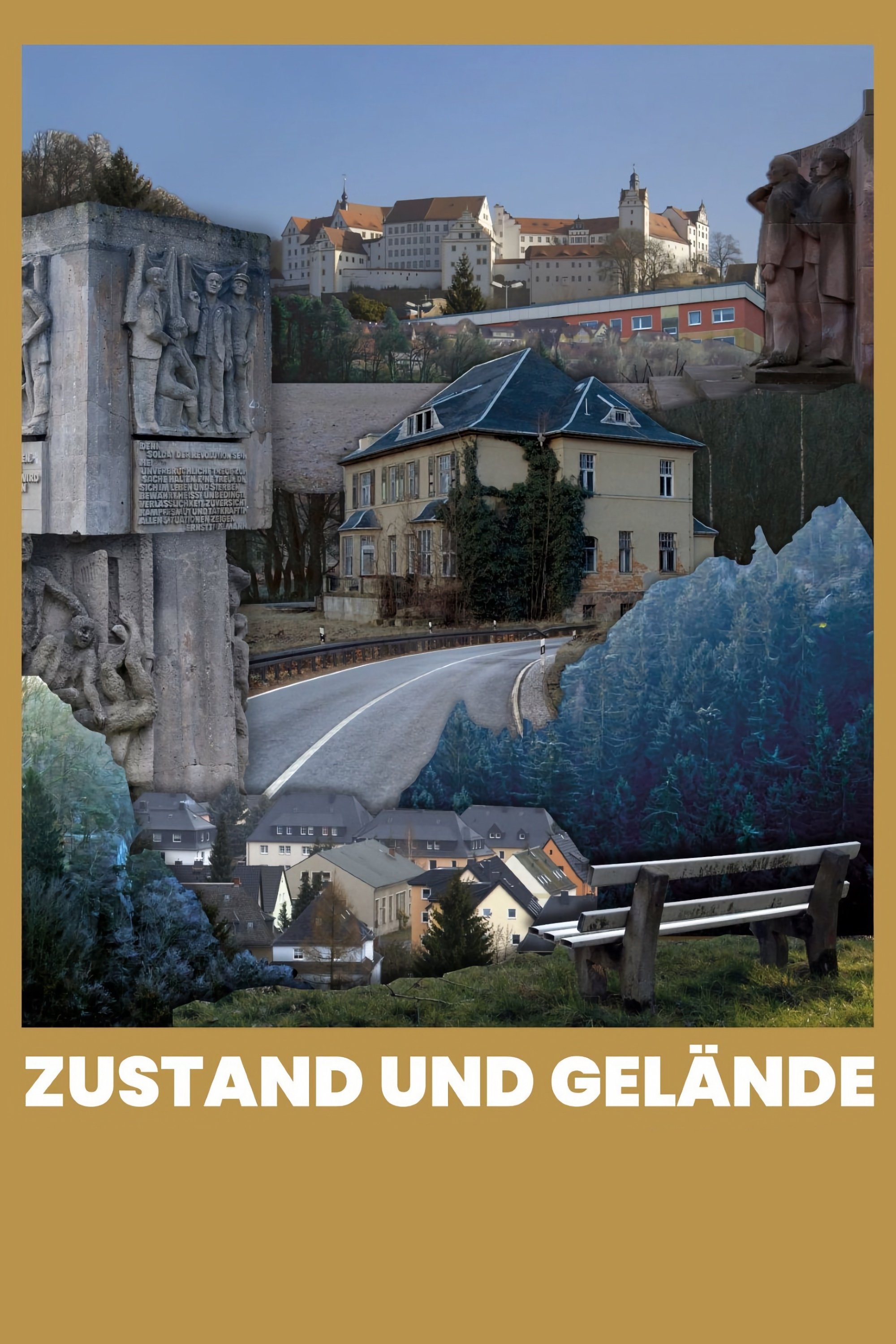
Exploring the mechanisms of the Nazi seizure of power and focusing on forgotten sites in Saxony and Thuringia, the film investigates early "wild" concentration camps established after 1933 for the suppression of political opponents.
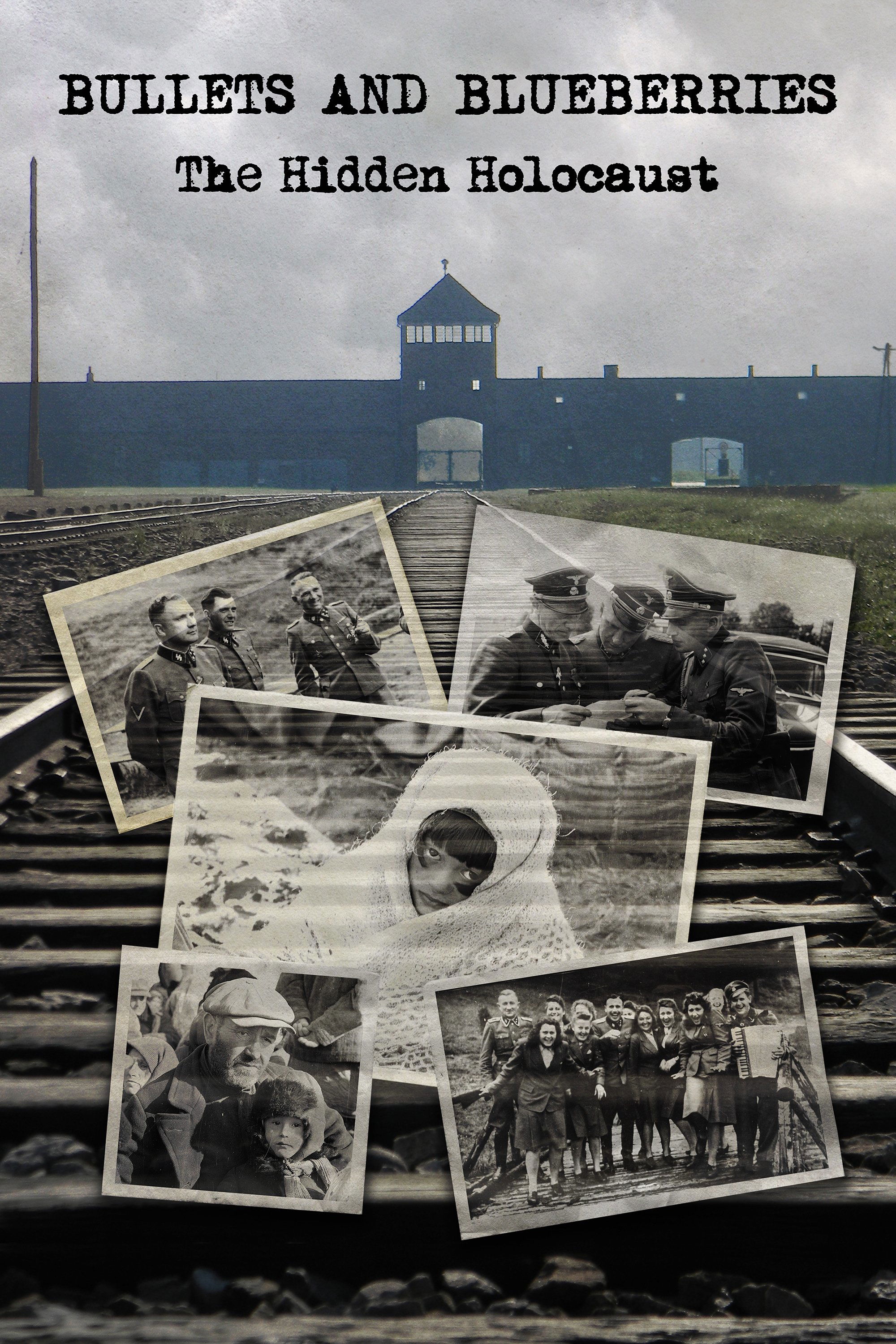
The Holocaust began with the indiscriminate mass shootings by the Einsatzgruppen in the bloodlands of Eastern Europe and was perfected in the gas chambers at Auschwitz. “Bullets And Blueberries” explores the motives, methods and madness of the perpetrators, using never-before-seen images captured by the killers themselves — images that fully capture the banality of evil.
A feast of old chestnuts from the glory days of Christmasses past with this look at the rise and demise of the Christmas light-entertainment spectacular, from Christmas Night with the Stars to Val Doonican and Christmas Snowtime Special.
The history and enduring legacy of one of the world's biggest and most influential radio stations.
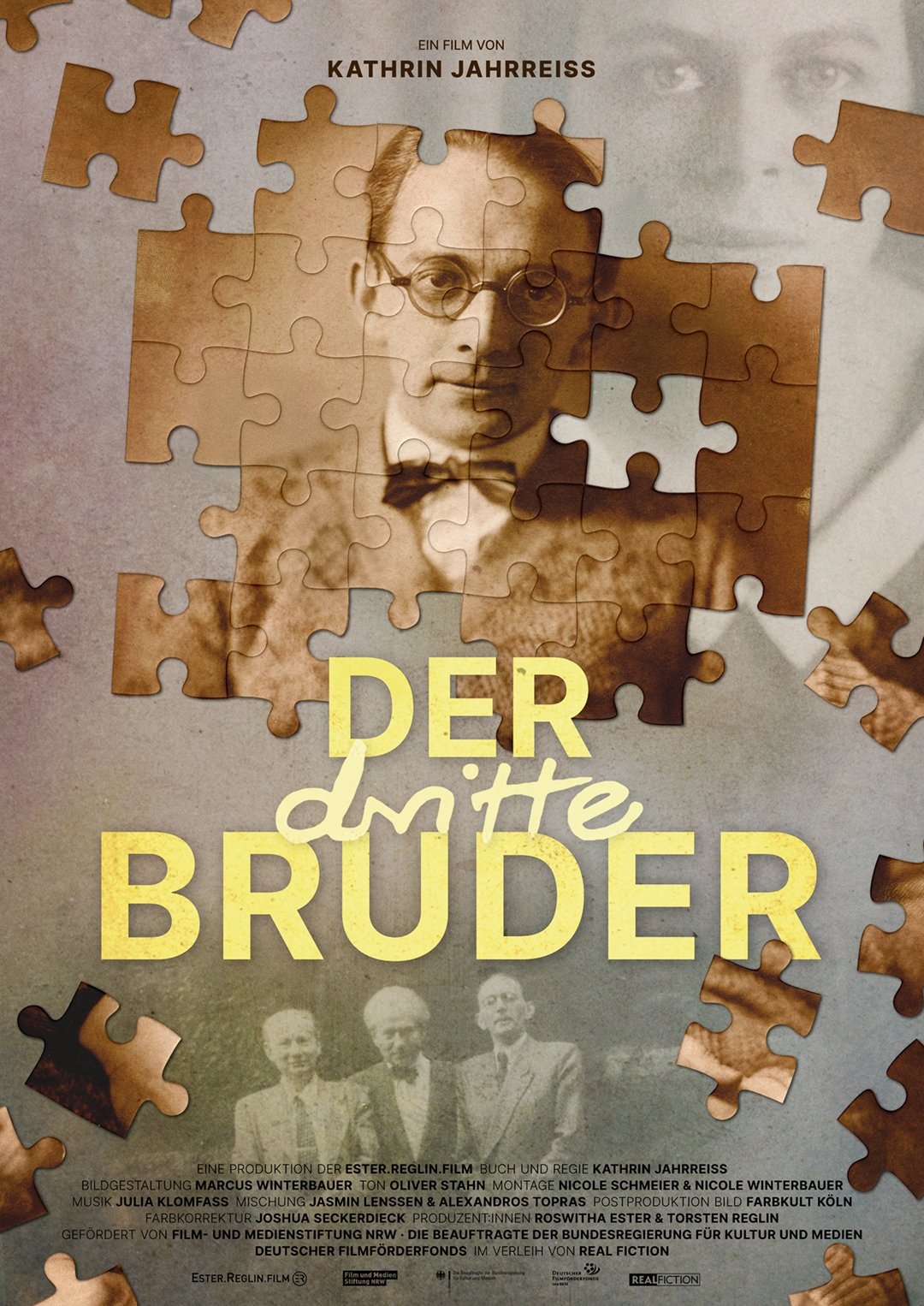
While searching for her grandmother, the director comes across the story of three brothers who are torn between the fronts of political ideologies in the Third Reich and divided Germany: "the third brother" is the filmmaker's grandfather, who, in confronting her father, tries to overcome decades of speechlessness and, in the process, to understand where in the past her father's sense of family fell by the wayside.
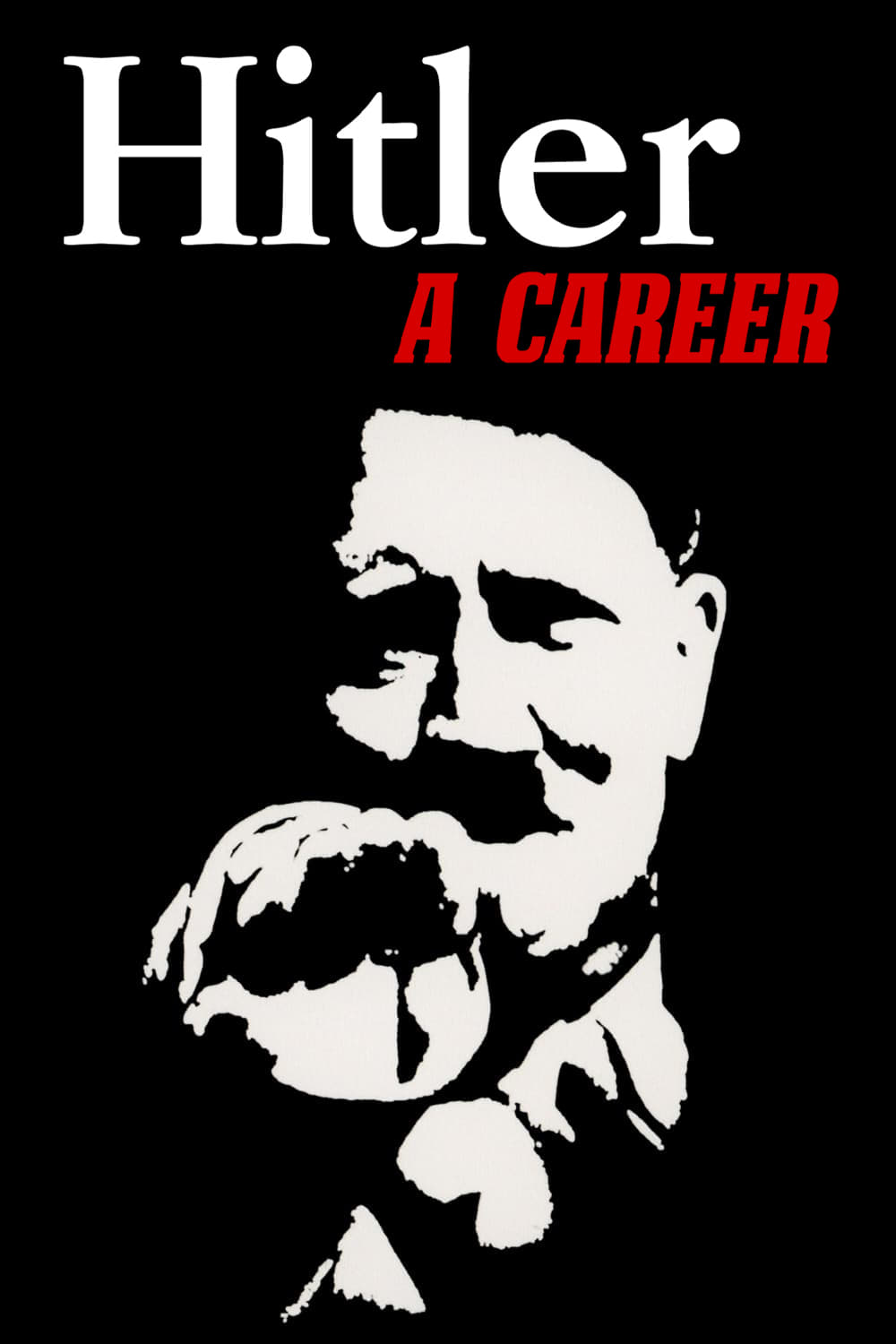
A keen chronicle of the unlikely rise to power of Adolf Hitler (1889-1945) and a dissection of the Third Reich (1933-1945), but also an analysis of mass psychology and how the desperate crowd can be deceived and shepherded to the slaughterhouse.
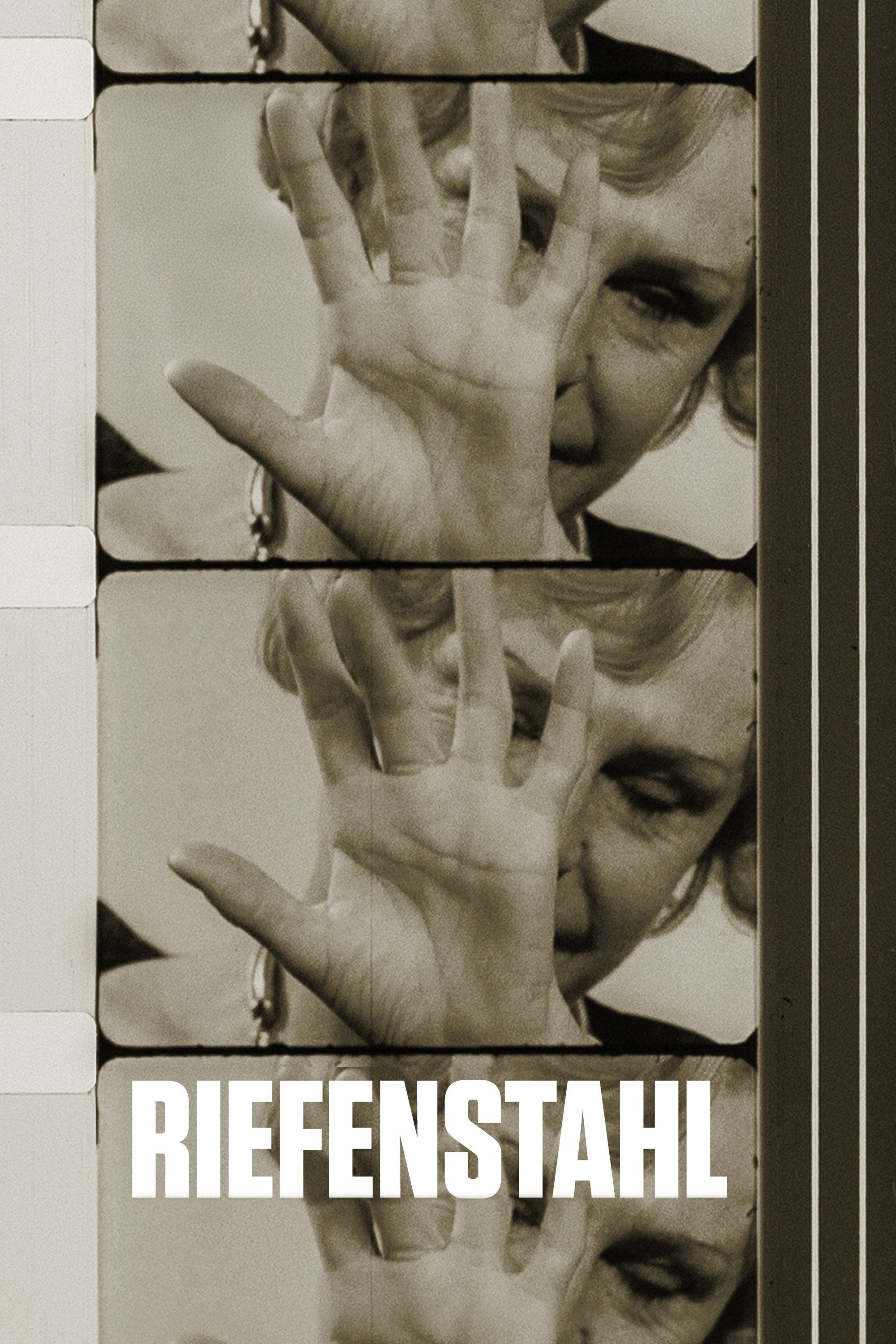
Explores Leni Riefenstahl's artistic legacy and her complex ties to the Nazi regime, juxtaposing her self-portrayal with evidence suggesting awareness of the regime's atrocities.
The history of cinematic sound, told by legendary sound designers and visionary filmmakers.
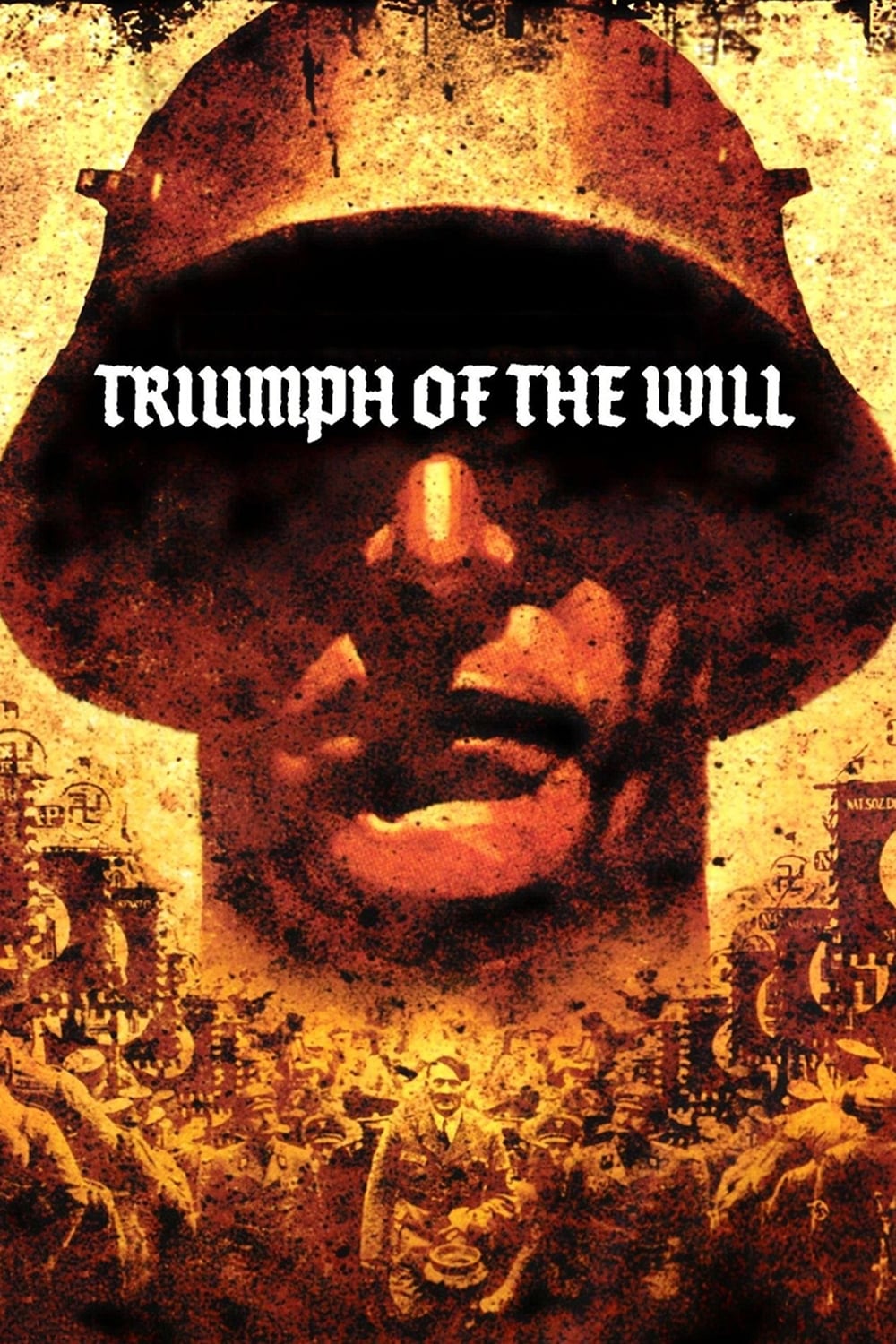
A showcase of German chancellor and Nazi Party leader Adolf Hitler at the 1934 Nuremberg Rally.
“The Soviet Story” is a story of an Allied power, which helped the Nazis to fight Jews and which slaughtered its own people on an industrial scale. Assisted by the West, this power triumphed on May 9th, 1945. Its crimes were made taboo, and the complete story of Europe’s most murderous regime has never been told. Until now...
When Allied forces liberated the Nazi concentration camps in 1944-45, their terrible discoveries were recorded by army and newsreel cameramen, revealing for the first time the full horror of what had happened. Making use of British, Soviet and American footage, the Ministry of Information’s Sidney Bernstein (later founder of Granada Television) aimed to create a documentary that would provide lasting, undeniable evidence of the Nazis’ unspeakable crimes. He commissioned a wealth of British talent, including editor Stewart McAllister, writer and future cabinet minister Richard Crossman – and, as treatment advisor, his friend Alfred Hitchcock. Yet, despite initial support from the British and US Governments, the film was shelved, and only now, 70 years on, has it been restored and completed by Imperial War Museums under its original title "German Concentration Camps Factual Survey".
A documentary examining possible historical and modern conspiracies surrounding Christianity, the 9/11 terrorist attacks, and the Federal Reserve bank.
Filmed over 14 months with unprecedented access into the inner circle of the man and the sport, this is the first official and fully authorised film of one of the most celebrated figures in football. For the first time ever, the world gets vividly candid and un-paralleled, behind-closed-doors access to the footballer, father, family-man and friend in this moving & fascinating documentary. Through in-depth conversations, state of the art football footage and never before seen archival footage, the film gives an astonishing insight into the sporting and personal life of triple Ballon D'Or winner Cristiano Ronaldo at the peak of his career. From the makers of ‘Senna’ and ‘Amy’, Ronaldo takes audiences on an intimate and revealing journey of what it’s like to live as an iconic athlete in the eye of the storm.
A documentary about the life and films of director John Ford.
A look at the origins, history and conspiracies behind the "Majestic 12", a clandestine group of military and corporate figureheads charged with reverse-engineering extraterrestrial technology.
A documentary about the legendary series of nationally televised debates in 1968 between two great public intellectuals, the liberal Gore Vidal and the conservative William F. Buckley Jr. Intended as commentary on the issues of their day, these vitriolic and explosive encounters came to define the modern era of public discourse in the media, marking the big bang moment of our contemporary media landscape when spectacle trumped content and argument replaced substance. Best of Enemies delves into the entangled biographies of these two great thinkers, and luxuriates in the language and the theater of their debates, begging the question, "What has television done to the way we discuss politics in our democracy today?"
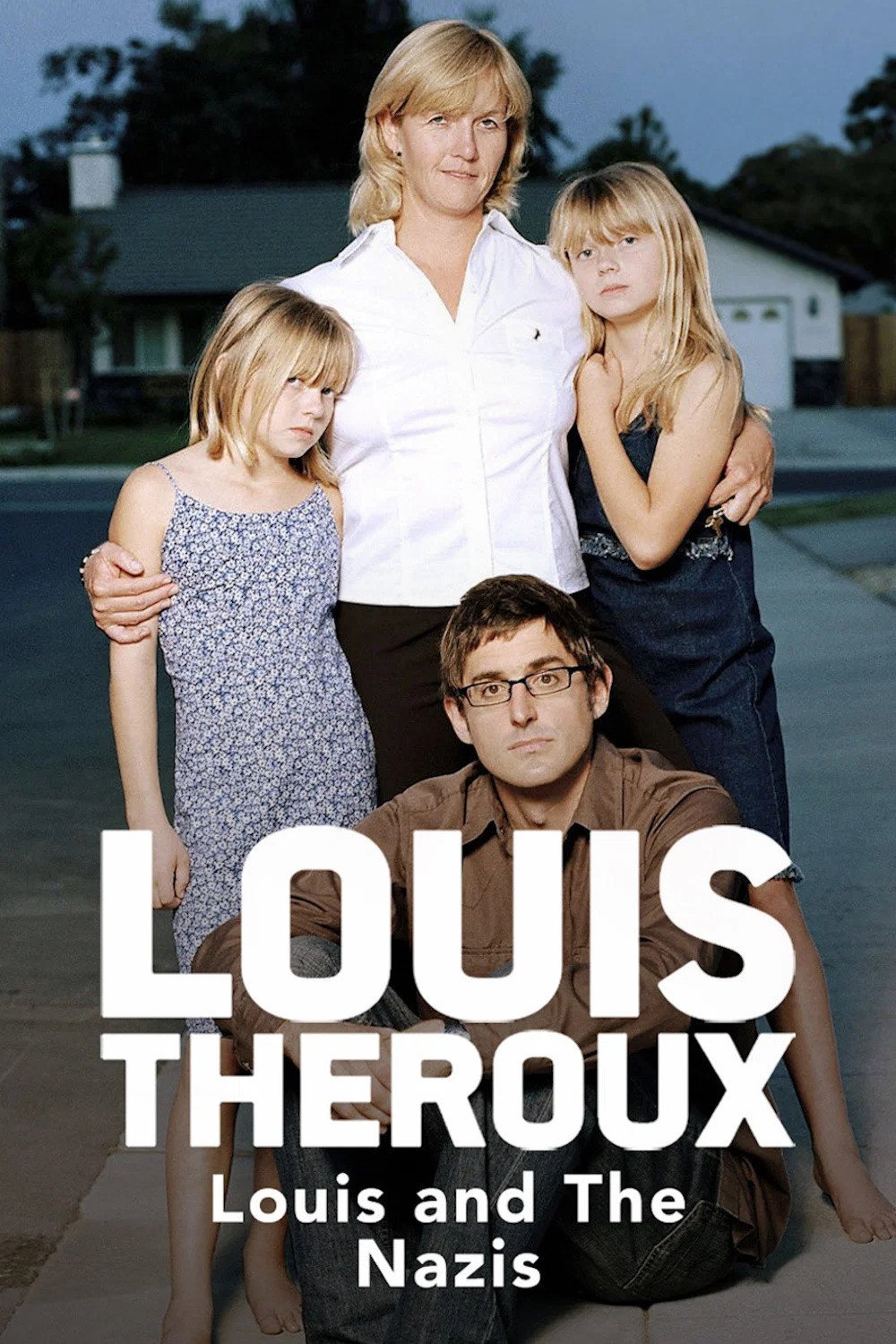
Louis Theroux travels to California to meet the man dubbed "the most dangerous racist in America"; Tom Metzger. Louis meets him, his family and his publicity manager as well as following him to skinhead rallies and on a visit to Mexico.
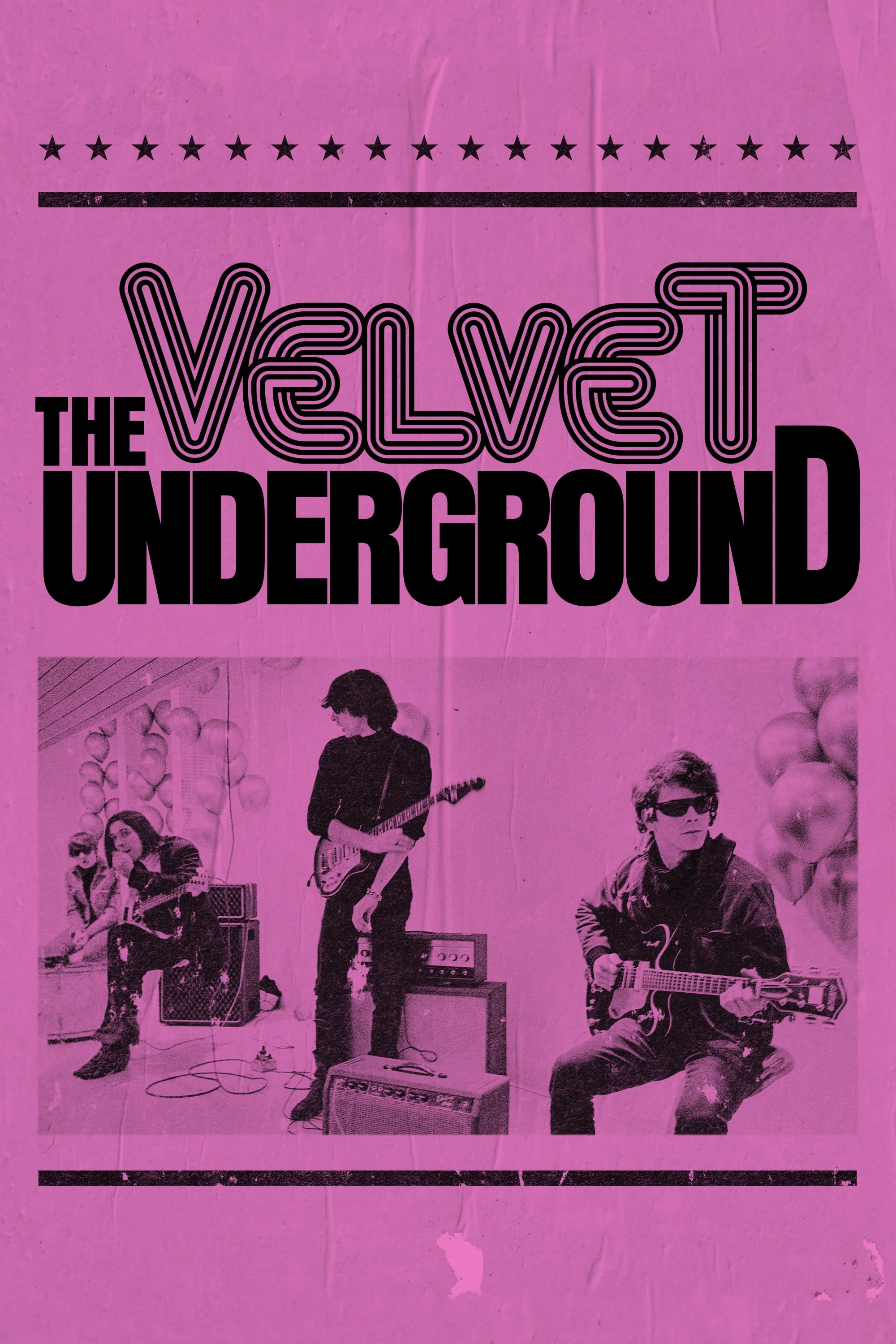
Experience the iconic rock band's legacy in the first major documentary to tell their story. Directed with the era’s avant-garde spirit by Todd Haynes, this kaleidoscopic oral history combines exclusive interviews with dazzling archival footage.
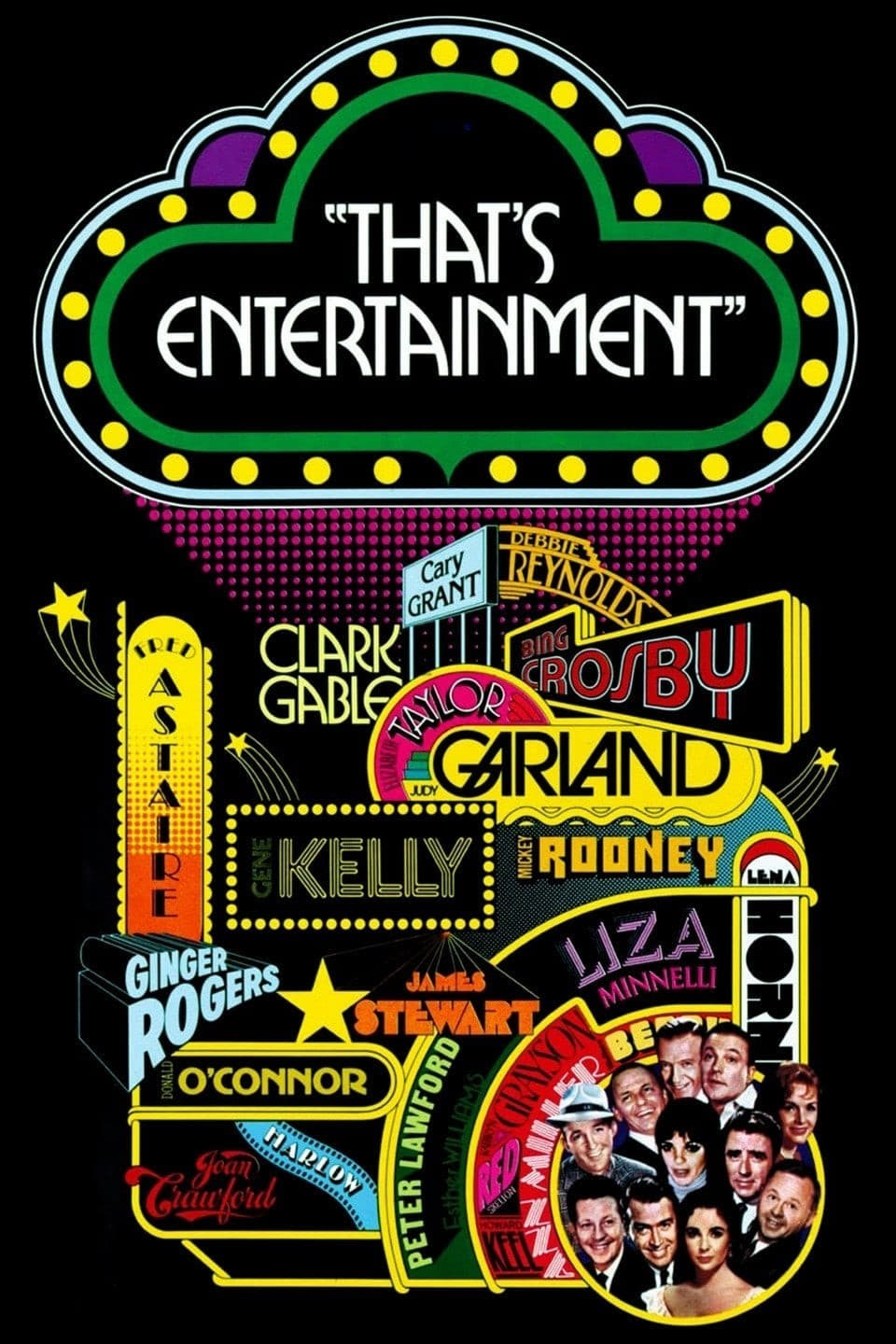
Various MGM stars from yesterday present their favorite musical moments from the studio's 50 year history.
An unprecedented and intimate look at the life, work and enduring legacy of British actress Audrey Hepburn (1929-1993).
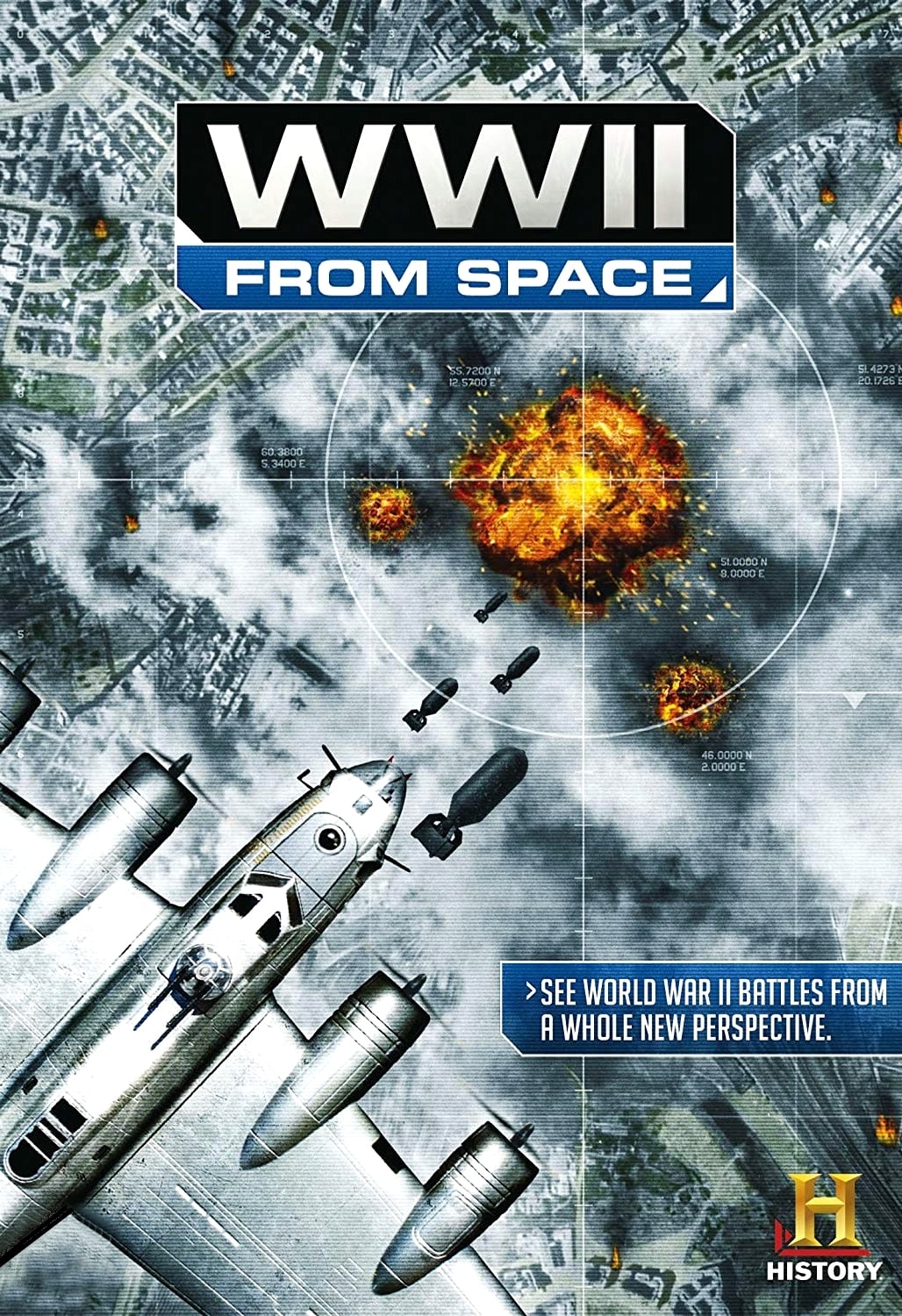
WWII from Space delivers World War II in a way you've never experienced it before. This HISTORY special uses an all-seeing CGI eye that offers a satellite view of the conflict, allowing you to experience it in a way that puts key events and tipping points in a global perspective. By re-creating groundbreaking moments that could never have been captured on camera, and by illustrating the importance of simultaneity and the hidden effects of crucial incidents, HISTORY presents the war's monumental moments in a never-before-seen context. And with new information brought to the forefront, you'll better understand how a nation ranked 19th in the world's militaries in 1939 emerged six years later as the planet's only atomic superpower.
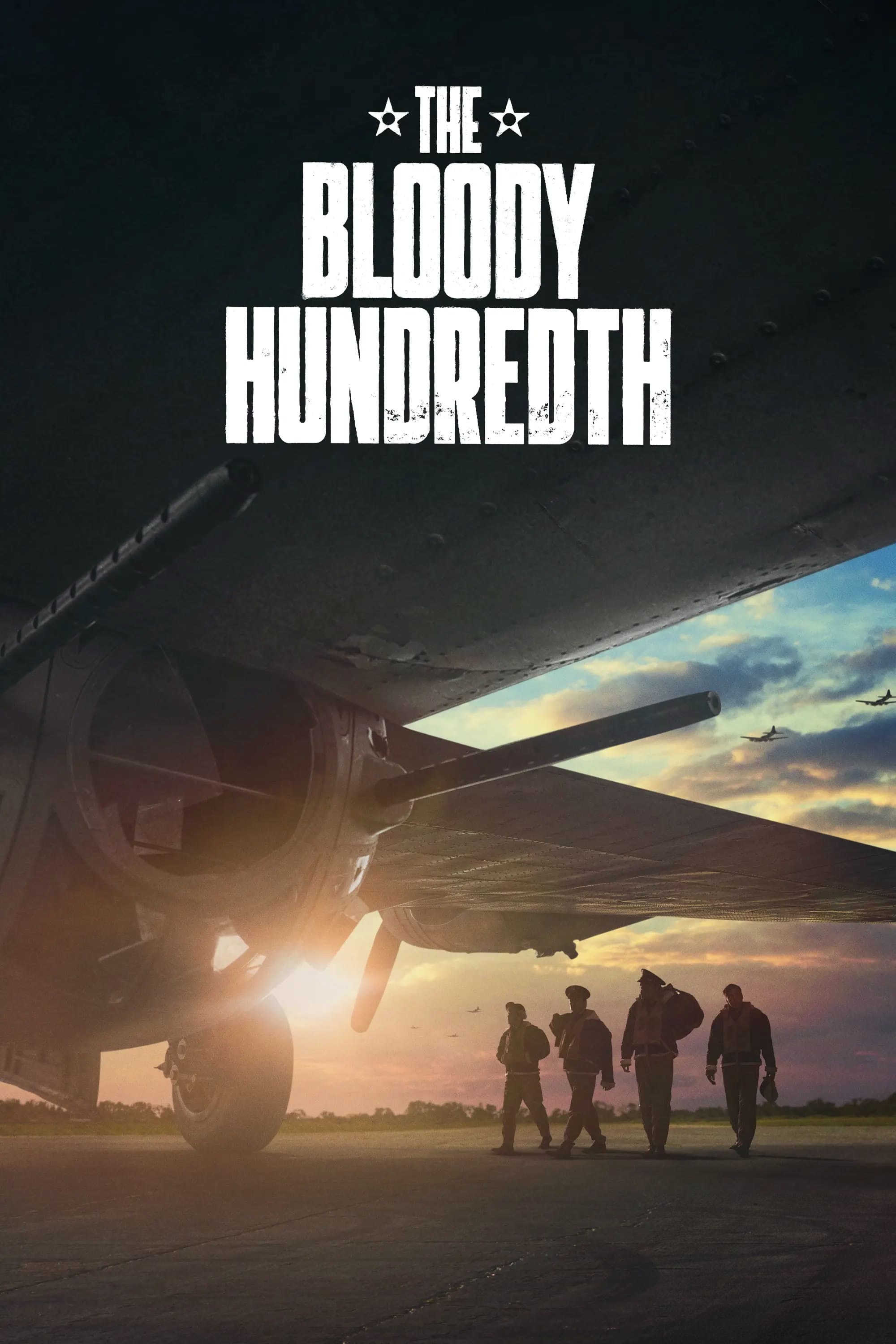
Meet the real-life airmen who inspired Masters of the Air as they share the harrowing and transformative events of the 100th Bomb Group.
A detailing of the rise to prominence and global sporting superstardom of six supremely talented young Manchester United football players (David Beckham, Nicky Butt, Ryan Giggs, Paul Scholes, Phil and Gary Neville). The film covers the period 1992-1999, culminating in Manchester United's European Cup triumph.
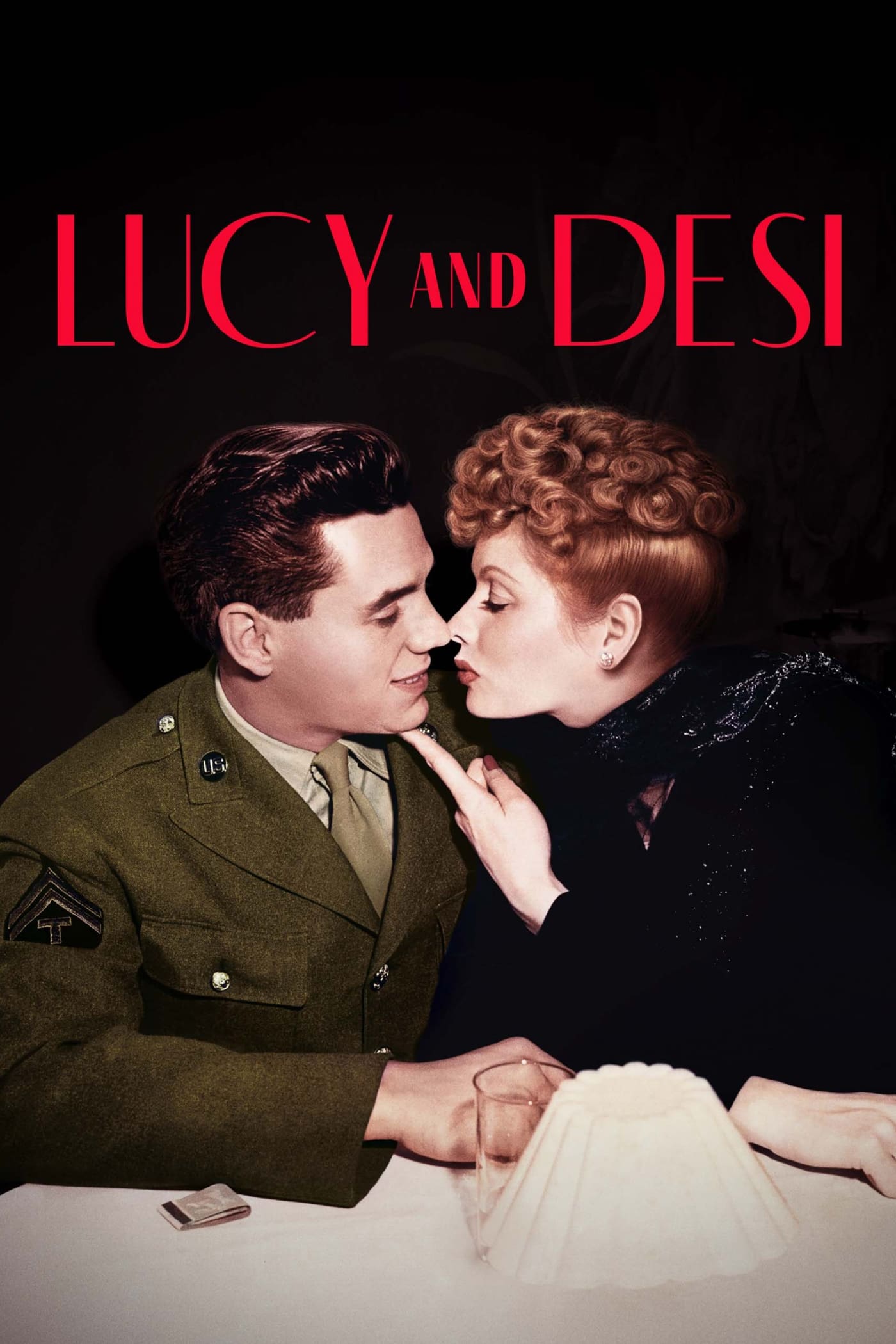
Explore the unlikely partnership and enduring legacy of one of the most prolific power couples in entertainment history. Lucille Ball and Desi Arnaz risked everything to be together.
A documentary focused on plastic pollution in the world's oceans.