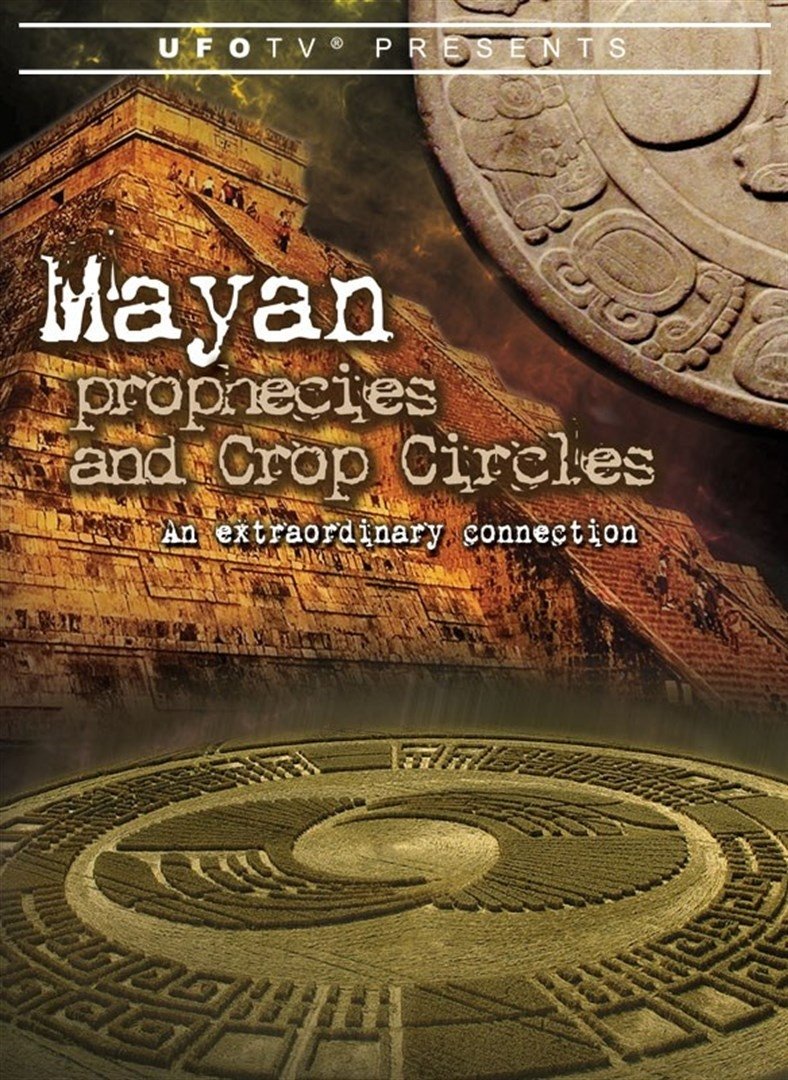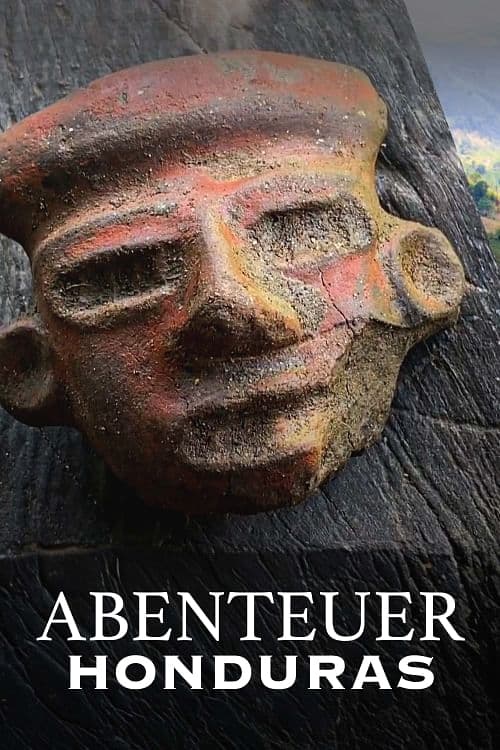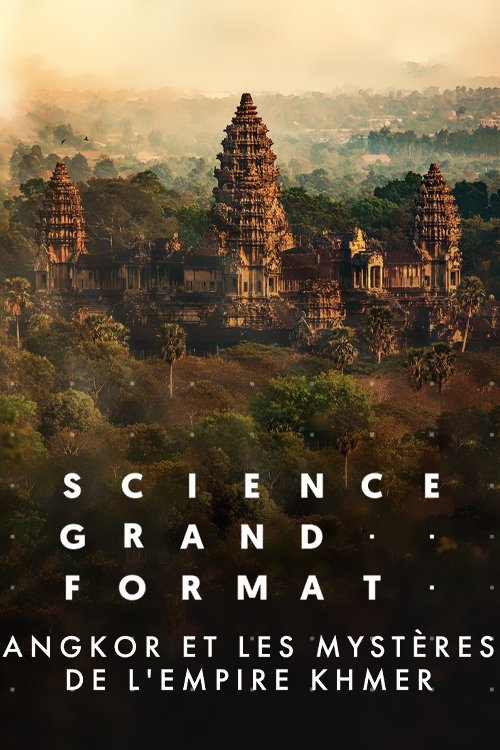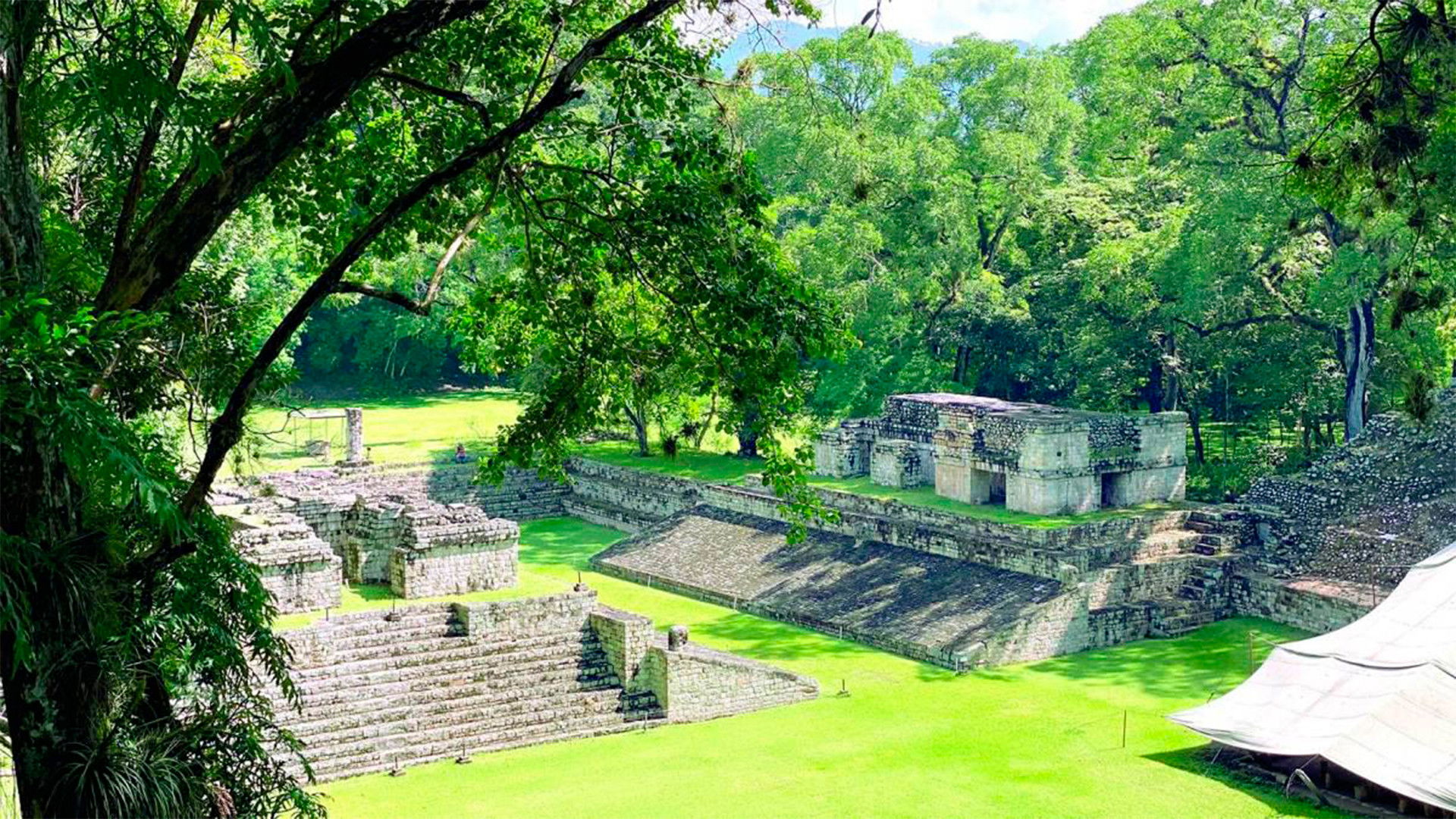
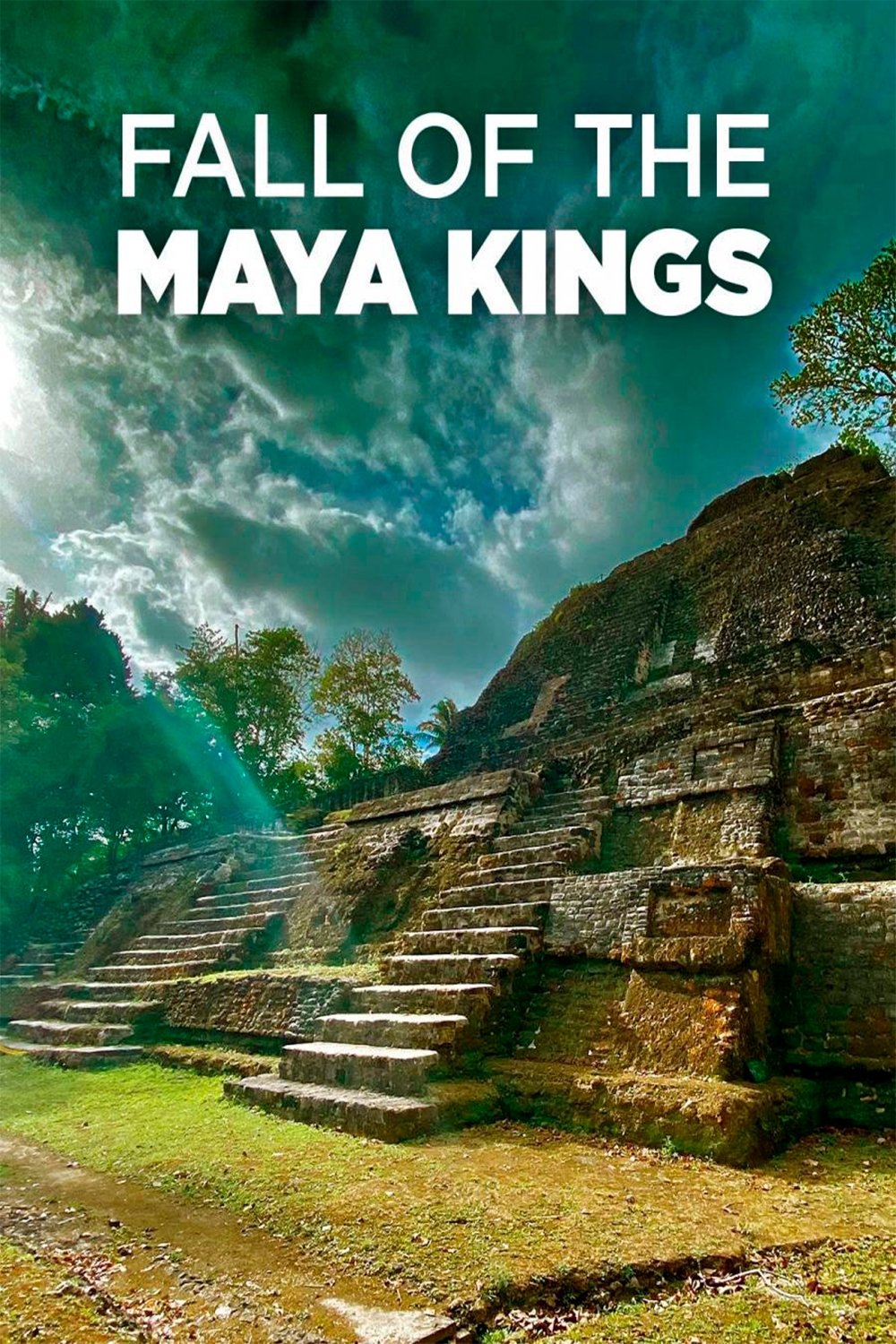
One of the great mysteries of history is how the ancient Maya built such an incredible society in a tropical rainforest over two thousand years - and then vanished. How? Why? New discoveries and new science can now tell the story.
Social & External
Narrador
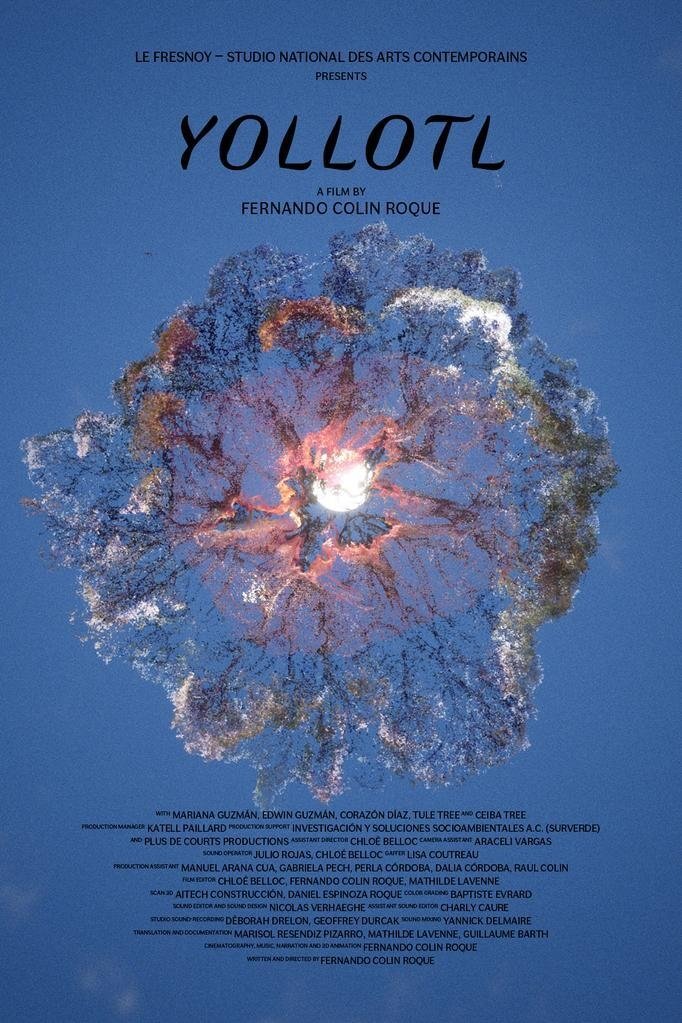
During the 2020 pandemic summer, El Colegio de la Desextinción infiltrated into the holidays of four Divine Caste’s descendants. This elite built its wealth on slavery in the sisal plantations of Yucatán, Mexico, at the end of the 19th and beginning of the 20th century. Every year these families move to their opulent summer houses at Chicxulub Puerto, built at the same place where the asteroid that killed the dinosaurs hit. In these apocalyptic beaches, seducers of asteroids and conquistadors, we proposed the young heirs to write and star in a film about Chicxulub’s crater, in which they staged their entrepreneur fantasies.This documentary is the result of the political unconsciousness of this peninsular ethnic group.
For eight centuries, between the 9th and 1st century BC, the Etruscans, inhabitants of the Italian peninsula, were one of the most powerful peoples of the Mediterranean basin, and when they disappeared they left behind impressive necropolises, vestiges of sanctuaries and even entire cities. How did they attain such power? How far did they extend their dominion and influence? What were the causes of their decline?
Documentary on the Mayan culture.
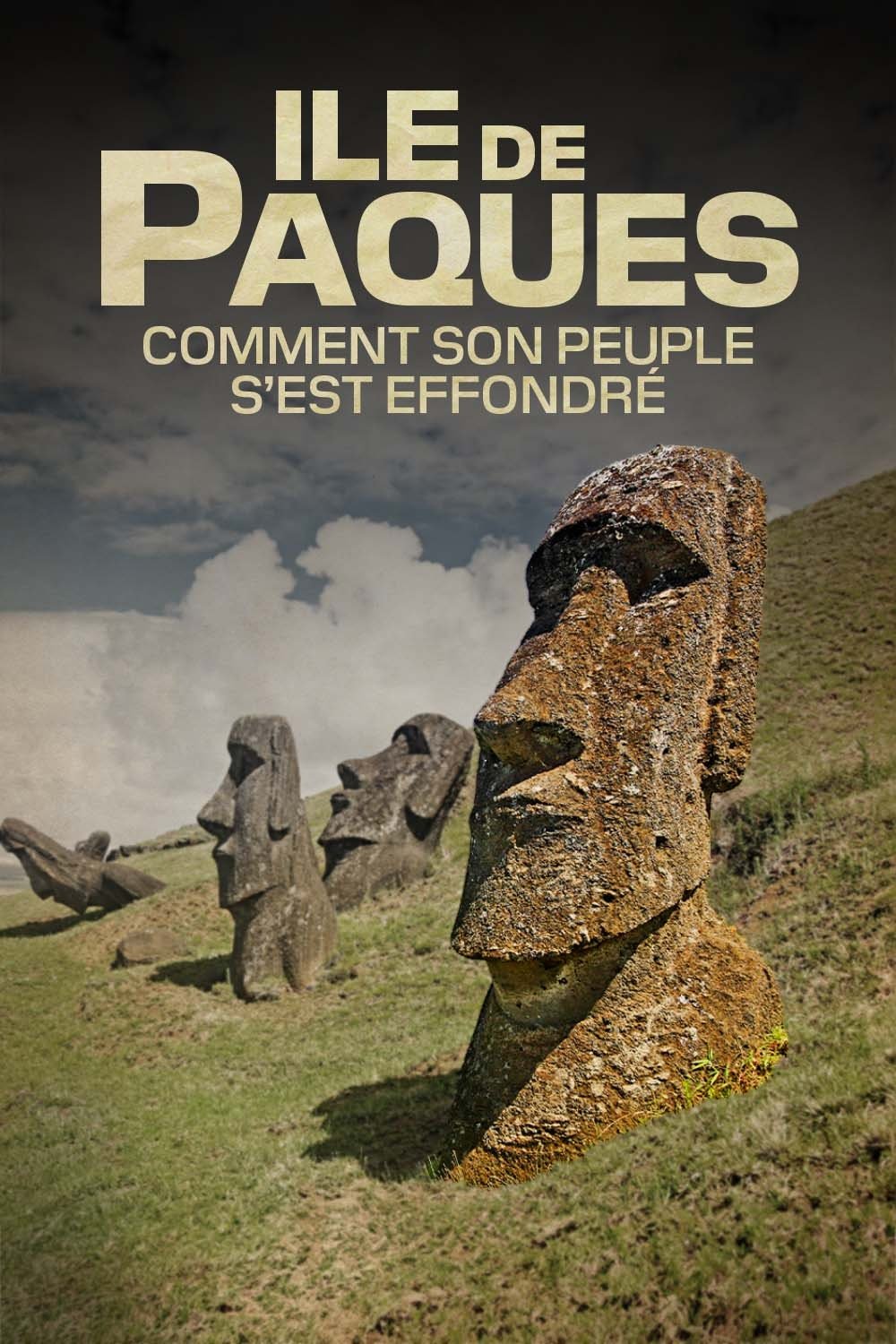
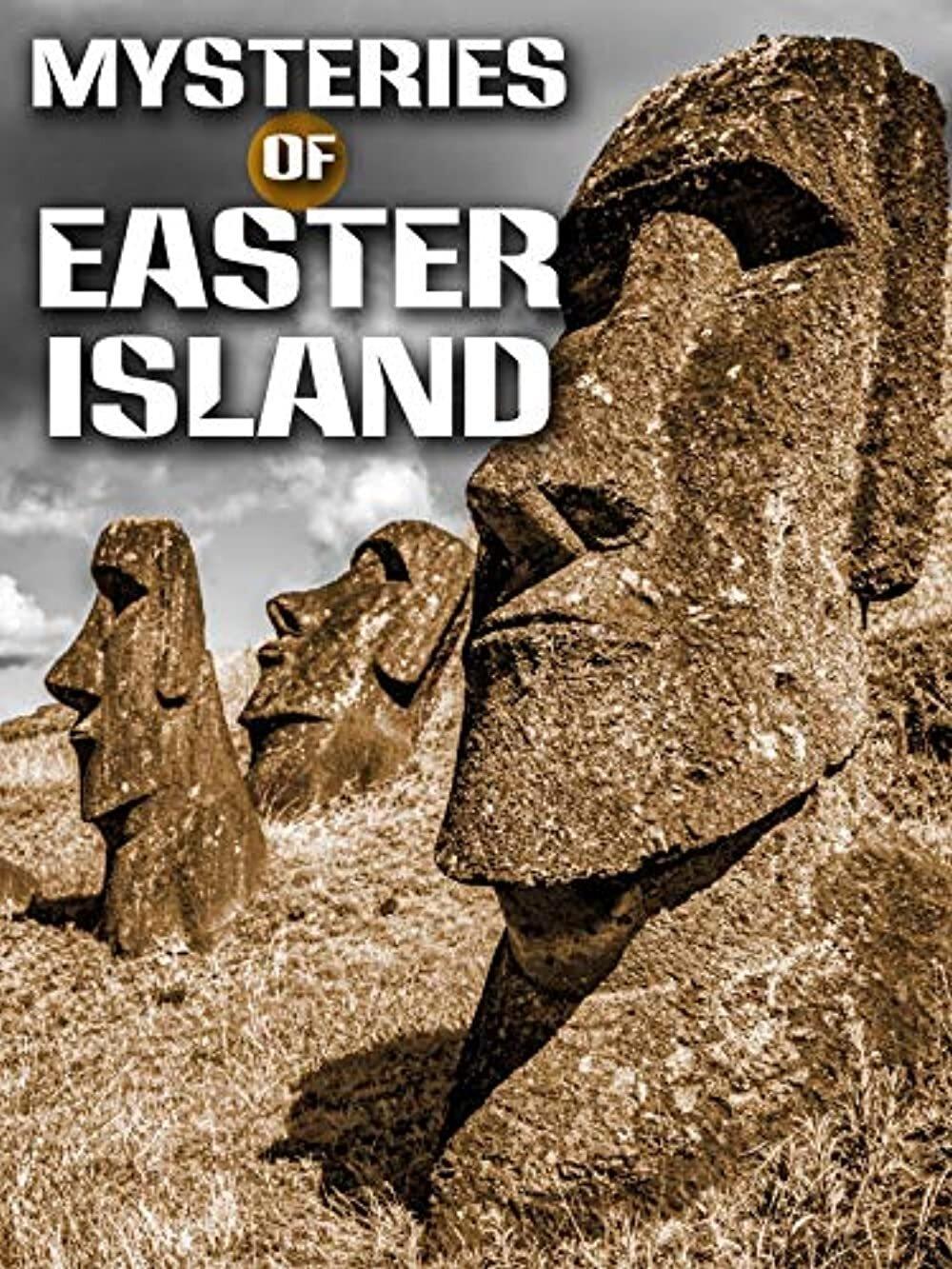
Easter Island has long been the subject of curiosity and speculation. A triangle of volcanic rock in the South Pacific, Easter Island is over 2000 miles away from the nearest population center, making it one of the most isolated spots on Earth. It is best known for the giant stone statues, known as the Moai, that dot the coastline.
Ben is worried. Overwhelmed by the world's encroaching crises, he travels from Brandenburg to London to Kansas to the Yucatan peninsula and many places in between, to find out how to cope with social and ecological collapse.
A documentary on the war between the Guatemalan military and the Mayan population, with first hand accounts by Nobel Peace Prize winner Rigoberta Menchú.
This animated documentary outlines the history and importance of corn in North America.
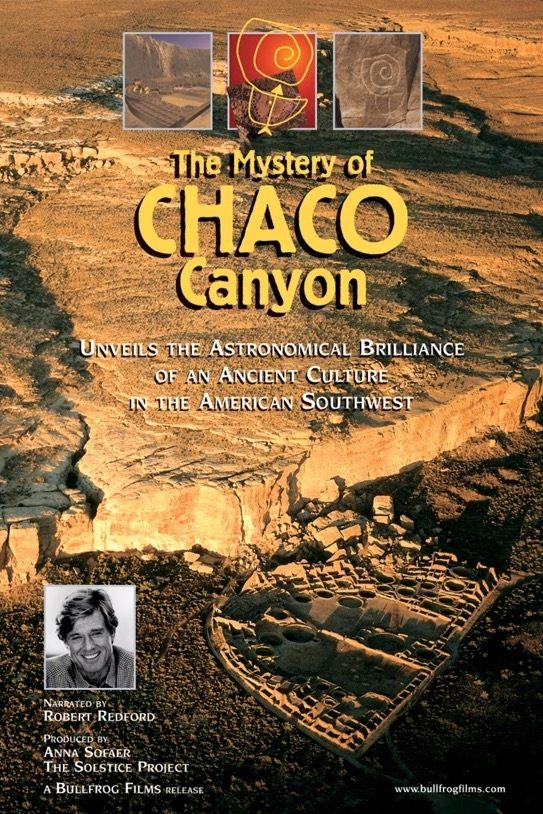
Chaco Canyon, located in northwest New Mexico, is perhaps the only site in the world constructed in an elaborate pattern that mirrors the yearly cycle of the sun and the 19-year cycle of the moon. How did an ancient civilization, with no known written language, arrange its buildings into a virtual celestial calendar, spanning an area roughly the size of Ireland?
"Zapatista" is the definitive look at the uprising in Chiapas. It is the story of a Mayan peasant rebellion armed with sticks and their word against a first world military. It is the story of a global movement that has fought 175,000 federal troops to a stand still and transformed Mexican and international political culture forever.
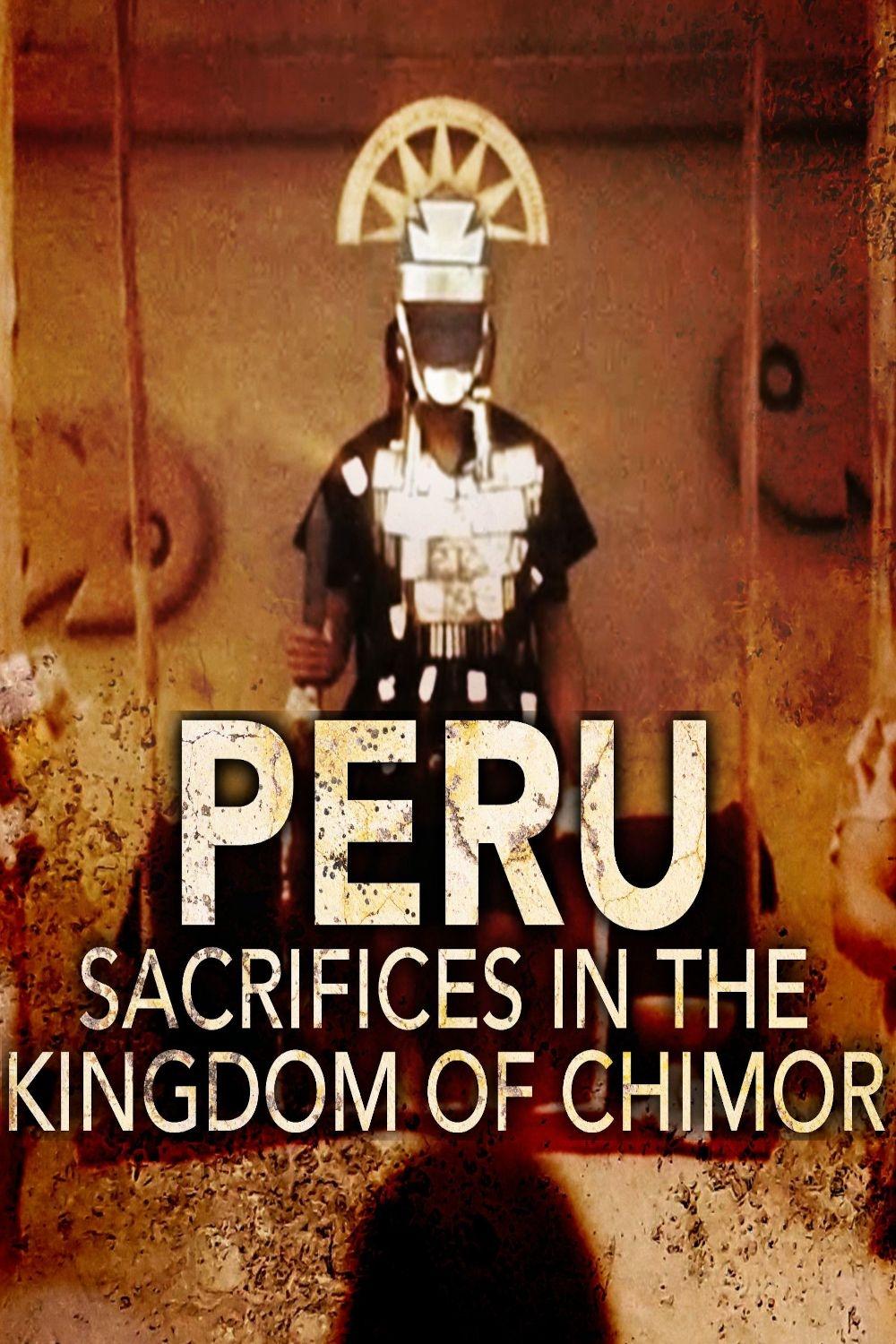
In northern Peru, the unprecedented archaeological discovery of the largest known mass child sacrifice in the world opens the doors to the kingdom of Chimor. This international archaeological investigation carried out like a criminal investigation reveals the mysteries of the last civilization of the Andes before the arrival of the Incas.
The ancients hid the secrets of their incredible knowledge of astronomy in their temples and palaces, built to align with the sun, on the same day, all over the world. Revealing our species' obsession with the sun, across thousands of years and every continent, this is architectural magic on a cosmic scale.
The Sacred City of Caral or Caral-Supe is the capital of the Norte Chico Civilization of Supe located in the Supe Valley, 200 km (124 miles) north of Lima. The Sacred City of Caral is the earliest known civilization in the Americas, it dates to the Late Archaic period. Radiocarbon analysis performed by the Caral-Supe Special Archaeological Project (PEACS) dates its development between 3000 to 1800 B.C.. It is believed that this civilization started by the merging of small villages based on trade of agricultural and fishing products. Its importance rests on the success of techniques of domestication of cotton, beans, potatoes, chilis, squash among other products. Success in agriculture was due to the development of water canals, reservoirs and terraces. They used guano, bird excrement, and anchovies as fertilizer.
From Sierra de las Minas to Esquipulas, explore Guatemala's cultural and geological wealth, including ancient Mayan cities and other natural wonders.
How were the giant stone heads of Rapa Nui – also known as Easter Island – carved and raised, and why? Since Europeans arrived on this remote Pacific island over 300 years ago, controversy has swirled around the iconic ancient statues and the history of the people who created them. Now, a new generation of researchers is overturning old theories, revealing the rich history, innovation, and resilience of the Rapanui people, and uncovering intriguing new evidence about where they – and their practice of monumental stone building – came from.
It is possible that only one per cent of the wonders of ancient Egypt have been discovered, but now, thanks to a pioneering approach to archaeology, that is about to change. Dr. Sarah Parcak uses satellites to probe beneath the sands, where she has found cities, temples and pyramids. Now, with Dallas Campbell and Liz Bonnin, she heads to Egypt to discover if these magnificent buildings are really there.
In a feast of colours and sounds, Mayan Archaeoastronomy: Observers of the Universe makes a tour of 6 Mayan temples: San Gervasio, Chichen Itzá, Uxmal, Edzná, Palenque and Bonampak where the spectator dives into a Mayan world of knowledge about the importance of the orientations of its temples in relation to the movement of some stars like the Sun, the Moon and Venus.
This explores the mysterious and catastrophic collapse of ancient civilizations during the late Bronze Age, from the Hittites to the Mycenaeans and the Egyptians, revealing the tumultuous events that brought an end to a thriving era of human history, and warns we may be facing similar threats today.
Mesopotamia was the site of the Sumerian civilisation, which flourished at the confluence of the rivers Tigris and Euphrates. From 5000 to 2000 BC, the Sumerians flourished in a hostile environment by developing agriculture and irrigation and they opened up the trade routes of the ancient world. It was the Sumerians who invented writing and the wheel, and they first divided time into minutes and seconds. In the end however the Babylonian civilisation took the place of the Sumerians. However their heritage and myths live on in the Mediterranean and Western worlds to this day.

This documentary tries to unveil where the first Americans originated from.
Dr. Adrian Helmsley, part of a worldwide geophysical team investigating the effect on the earth of radiation from unprecedented solar storms, learns that the earth's core is heating up. He warns U.S. President Thomas Wilson that the crust of the earth is becoming unstable and that without proper preparations for saving a fraction of the world's population, the entire race is doomed. Meanwhile, writer Jackson Curtis stumbles on the same information. While the world's leaders race to build "arks" to escape the impending cataclysm, Curtis struggles to find a way to save his family. Meanwhile, volcanic eruptions and earthquakes of unprecedented strength wreak havoc around the world.
This documentary delves into the mysteries surrounding the Neanderthals and what their fossil record tells us about their lives and disappearance.
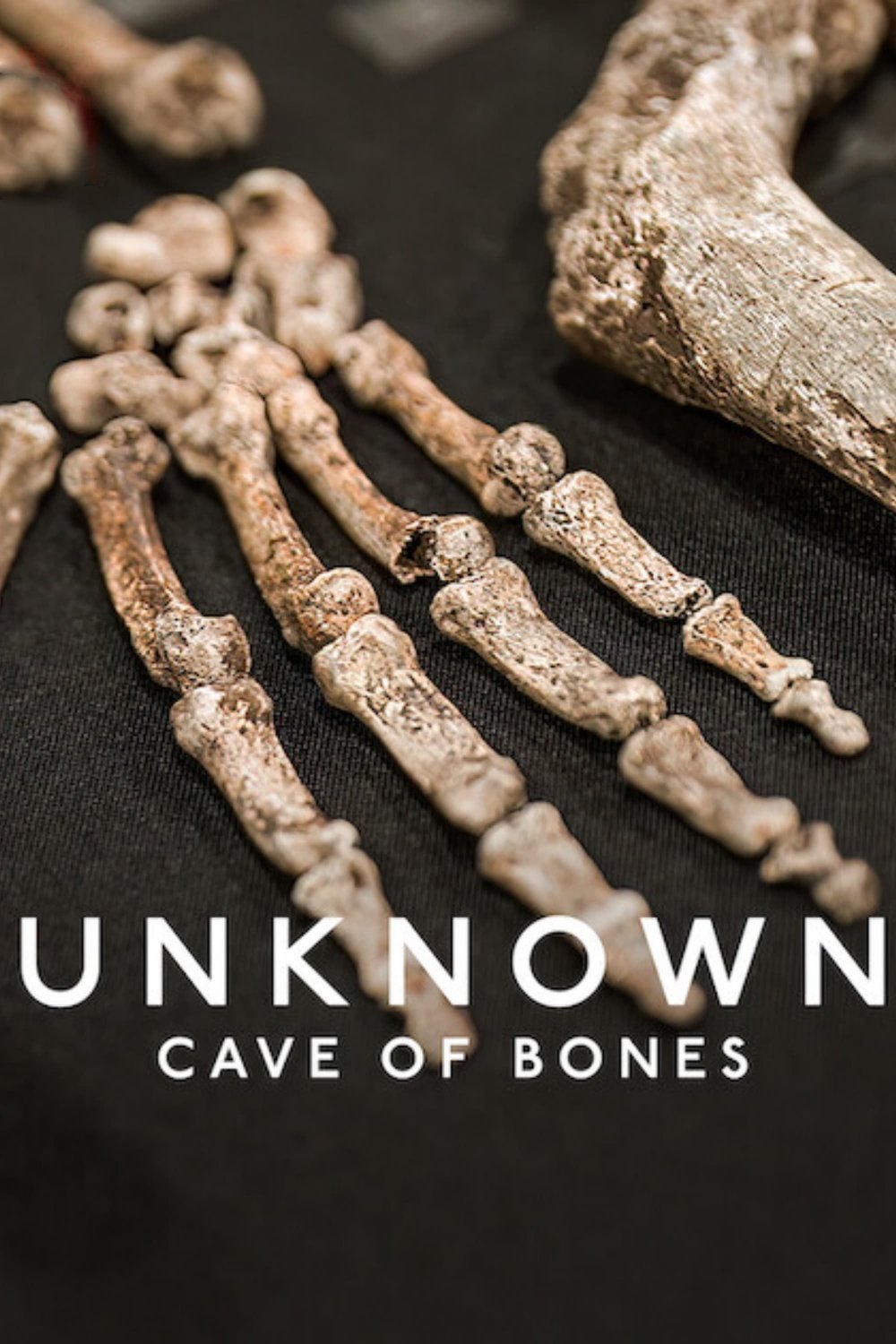
Scientists examine underground clues from over 250,000 years ago that raise questions about our early relatives — and what it truly means to be human.
Documentary on psychedelic potash mines, expansive concrete seawalls, mammoth industrial machines, and other examples of humanity’s massive, destructive reengineering of the planet.
Mikhail Gorbachev, former president of the Soviet Union, sits down with filmmaker Werner Herzog to discuss his many achievements. Topics include the talks to reduce nuclear weapons, the reunification of Germany and the dissolution of his country.
Takes us to locations all around the US and shows us the heavy toll that modern technology is having on humans and the earth. The visual tone poem contains neither dialogue nor a vocalized narration: its tone is set by the juxtaposition of images and the exceptional music by Philip Glass.
An eye-opening documentary that asks the question: Are we going to let climate change destroy civilization, or will we act on technologies that can reverse it? Featuring never-before-seen solutions on the many ways we can reduce carbon in the atmosphere thus paving the way for temperatures to go down, saving civilization.
Artists in LA discover the work of forgotten Polish sculptor Stanislav Szukalski, a mad genius whose true story unfolds chapter by astounding chapter.
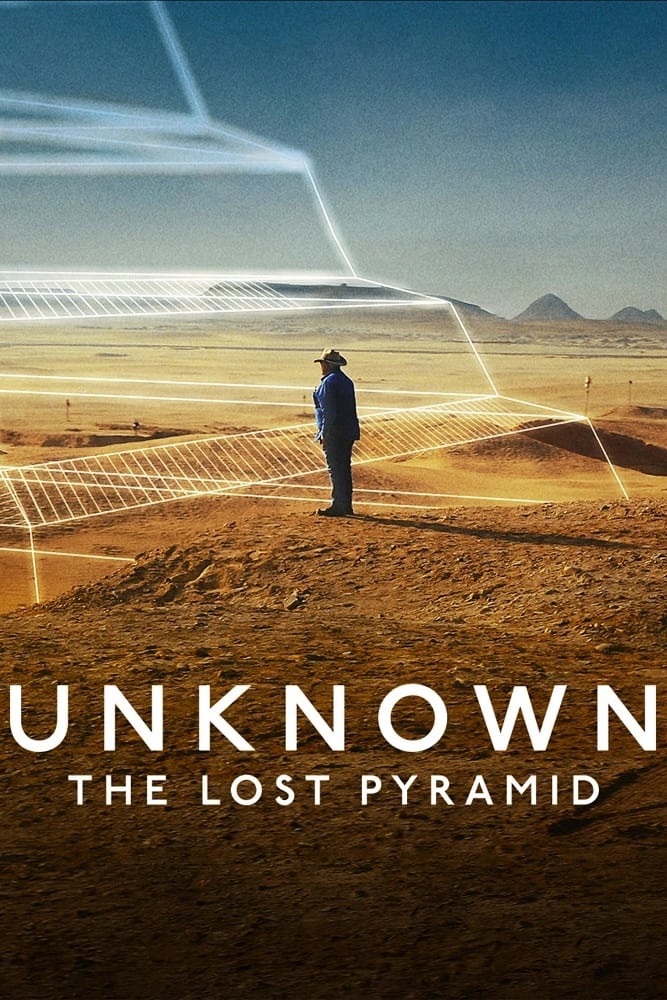
Egyptian archaeologists dig into history, discovering tombs and artifacts over 4,000 years old as they search for a buried pyramid in this documentary.
A look at the origins, history and conspiracies behind the "Majestic 12", a clandestine group of military and corporate figureheads charged with reverse-engineering extraterrestrial technology.
Ten of Muhammad Ali's former rivals pay tribute to the three-time world heavyweight champion.
An astonishing journey revealing the awesome power of the natural world. Over the course of one single day, we track the sun from the highest mountains to the remotest islands to exotic jungles.
David Attenborough and scientist Johan Rockström examine Earth's biodiversity collapse and how this crisis can still be averted.
An epic documentary film that sends nine scientists to extraordinary parts of the world to uncover unexpected answers to some of humanity’s biggest questions. How did life begin? What is time? What is consciousness? How much do we really know? By introducing researchers from diverse backgrounds for the first time, then dropping them into new, immersive field work they previously hadn’t tackled, the film pushes the boundaries of how science storytelling is approached. What emerges is a deeply human trip to the foundations of discovery and a powerful reminder that the unanswered questions are the most crucial ones to pose. Directed by Emmy-nominated and Peabody Award-winning filmmaker Ian Cheney and advised by world-renowned filmmaker Werner Herzog, The Most Unknown is an ambitious look at a side of science never before shown on screen.
JB Smoove and Martin Starr host a celebration of 20 years of "Spider-Man" movies, from the Sam Raimi trilogy to Marc Webb's movies and the trio from Jon Watts.
Several generations following Caesar's reign, apes – now the dominant species – live harmoniously while humans have been reduced to living in the shadows. As a new tyrannical ape leader builds his empire, one young ape undertakes a harrowing journey that will cause him to question all he's known about the past and to make choices that will define a future for apes and humans alike.
In the year 2022, overcrowding, pollution, and resource depletion have reduced society’s leaders to finding food for the teeming masses. The answer is Soylent Green.
A subjective documentary that explores various theories about hidden meanings in Stanley Kubrick's classic film The Shining. Five very different points of view are illuminated through voice over, film clips, animation and dramatic reenactments.
Ba'al travels back in time and prevents the Stargate program from being started. SG-1 must somehow restore history.
Delve into the digestive system with this lighthearted and informative documentary that demystifies the role gut health plays in our overall well-being.