Social & External
narrator
What compels a man to push the limits of what is attainable ever higher? After thirty years of relentless struggle with the highest peaks on earth, Marc Batard has finally found the answers to these questions. He had to reach the summit of Everest twice, once shattering the record for fastest time in 24 hours without oxygen, and climb the most difficult faces of the Alps to glimpse the path to inner healing. It was through physical suffering that he was able to confront the pain of his soul. He was finally able to talk about the violence of his childhood, the shock he carried like a ball and chain for decades. Having completed his summit therapy, Marc Batard tells his story in this documentary by Gilles Perret.
President Kennedy's birthday celebration was held at the third Madison Square Garden on May 19, 1962, and more than 15,000 people attended, including numerous celebrities. The event was a fundraising gala for the Democratic Party. Features Marilyn Monroe singing to JFK.
This first part focuses on the party's road to the watershed 2011 General Election, where for the first time ever in Singapore's history, Low led an opposition party of five (including single-term Non-Constituency MP Sylvia Lim and now-recognisable WP MPs Pritam Singh, Chen Show Mao and Muhd Faisal Manap) to win a group representation constituency — Aljunied GRC. It also dwells on Low's beginnings and career as a teacher, as well as what brought him into politics.
Bordeaux-Paris was the best bike race you’ve never heard of: a midnight start, 550km-long, and ridden behind motorised ‘dernys’, with winners including Jacques Anquetil and Tom Simpson. More than thirty years since Bordeaux-Paris was last raced, pro cyclists Mitch Docker and Sam Bewley are aiming to recreate the infamous 1965 edition. How will they fare at the ‘Derby of the Road’?
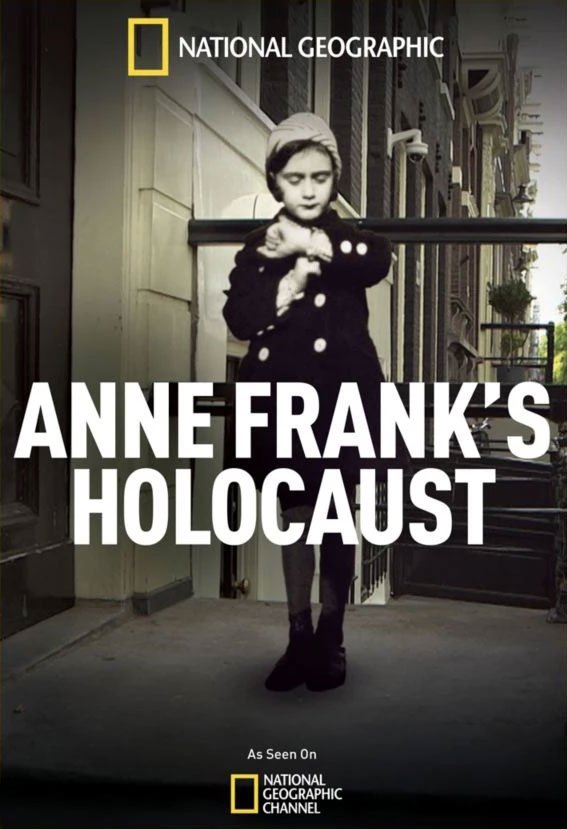
Anne Frank's world famous diary came to an abrupt end shortly before she and her family were discovered hiding from the Nazis in a secret annex at the top of Otto Frank's office building, on August 4, 1944. While her diary tells the story of Anne's life, the story of her death reveals the atrocities encountered by millions of Jews during the Holocaust. In a solemn remembrance of the horrors that Anne Frank and these millions of others suffered during the dark days of World War II, National Geographic Channel (NGC) takes viewers inside the concentration camps in a two-hour special. In keeping with NGC's tradition of unparalleled storytelling, Anne Frank's Holocaust incorporates new findings and rarely seen photographs to reintroduce the story of the massacre of Jews in one of the most comprehensive documentaries on the subject to date.
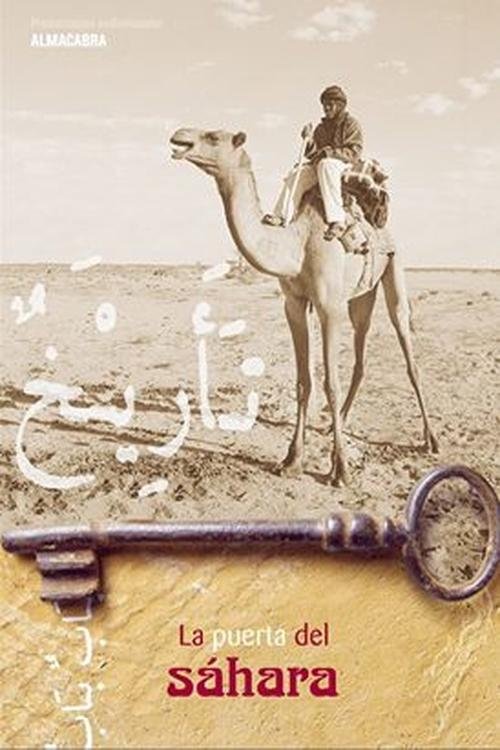
In December 2004, 120 years after it was built by the Spanish, Fort Villa Cisneros, a unifying symbol of tradition and modernity in the history of the Sahrawi people, was destroyed by Morocco, ignoring the voices of those who pleaded for its preservation in favour of respect for the community’s past.
National Center for Lesbian Rights, winner of the San Francisco Foundation 2009 Community Leadership Awards (the John R. May Award), for its pioneering spirit and unwavering commitment to advancing the civil and human rights of LGBT people. Its precedent-setting case victories have rewritten laws to change the legal landscape for all LGBT people and families across the nation. Through litigation, public policy advocacy, and public education, NCLR advocates on behalf of LGBT people and their families nationwide. For 30 years, NCLR has been at the forefront of pursuing justice, fairness, and legal protections for all LGBT people.
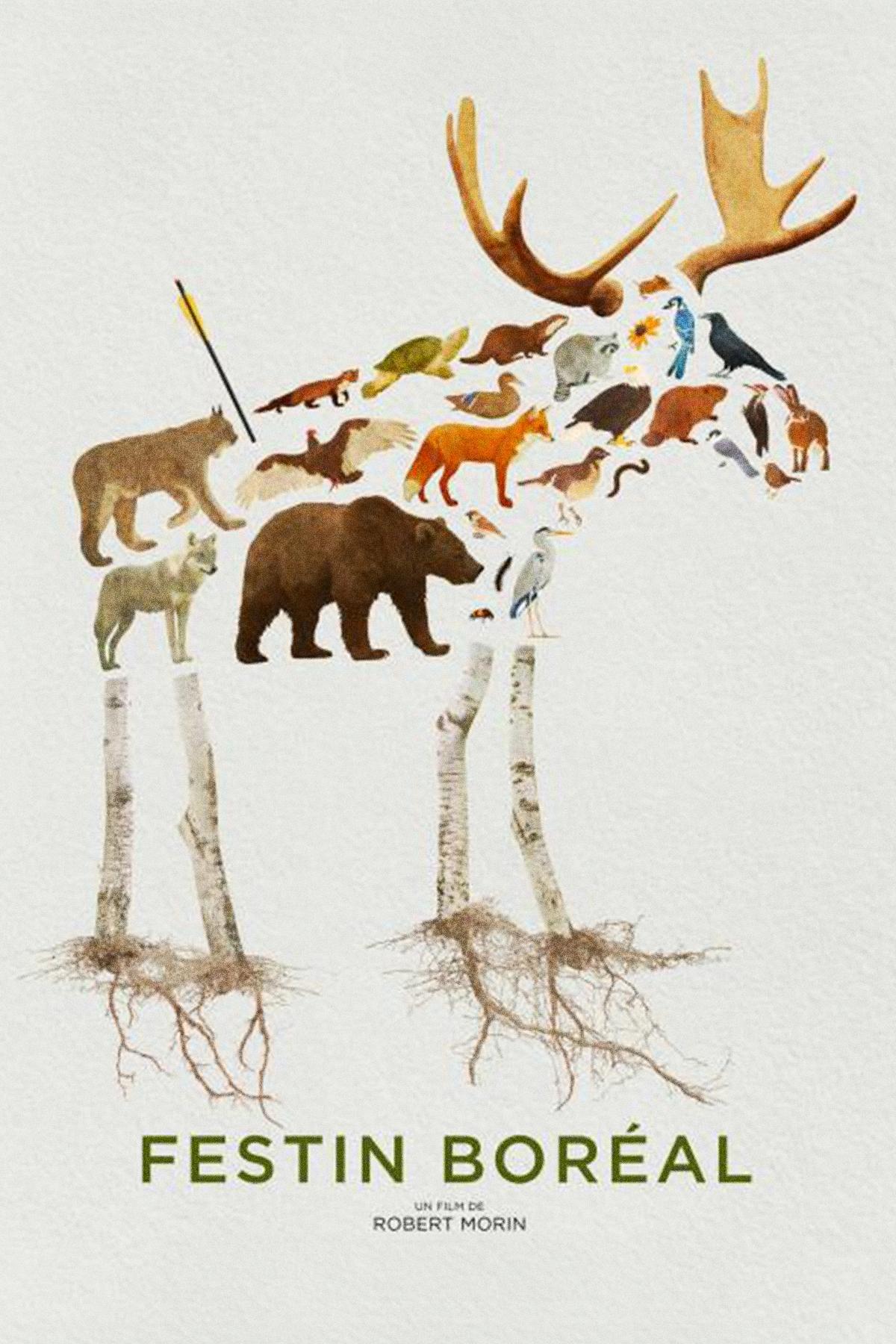
A wounded moose escapes its hunters, later dying deep in the forest and becoming... a communal feast. As the seasons go by, mammals, birds and insects invite themselves to the banquet - multiplying ensuing games, rituals and conflicts. In exploring and occasionally foiling nature's wildlife codes, our story becomes a simple yet poignant reflection on death, on its natural place in this world and, by extension, on its deeper meaning and purpose - important lessons to explore at this time when the glorious paradises offered by religions tend to feel less and less credible.
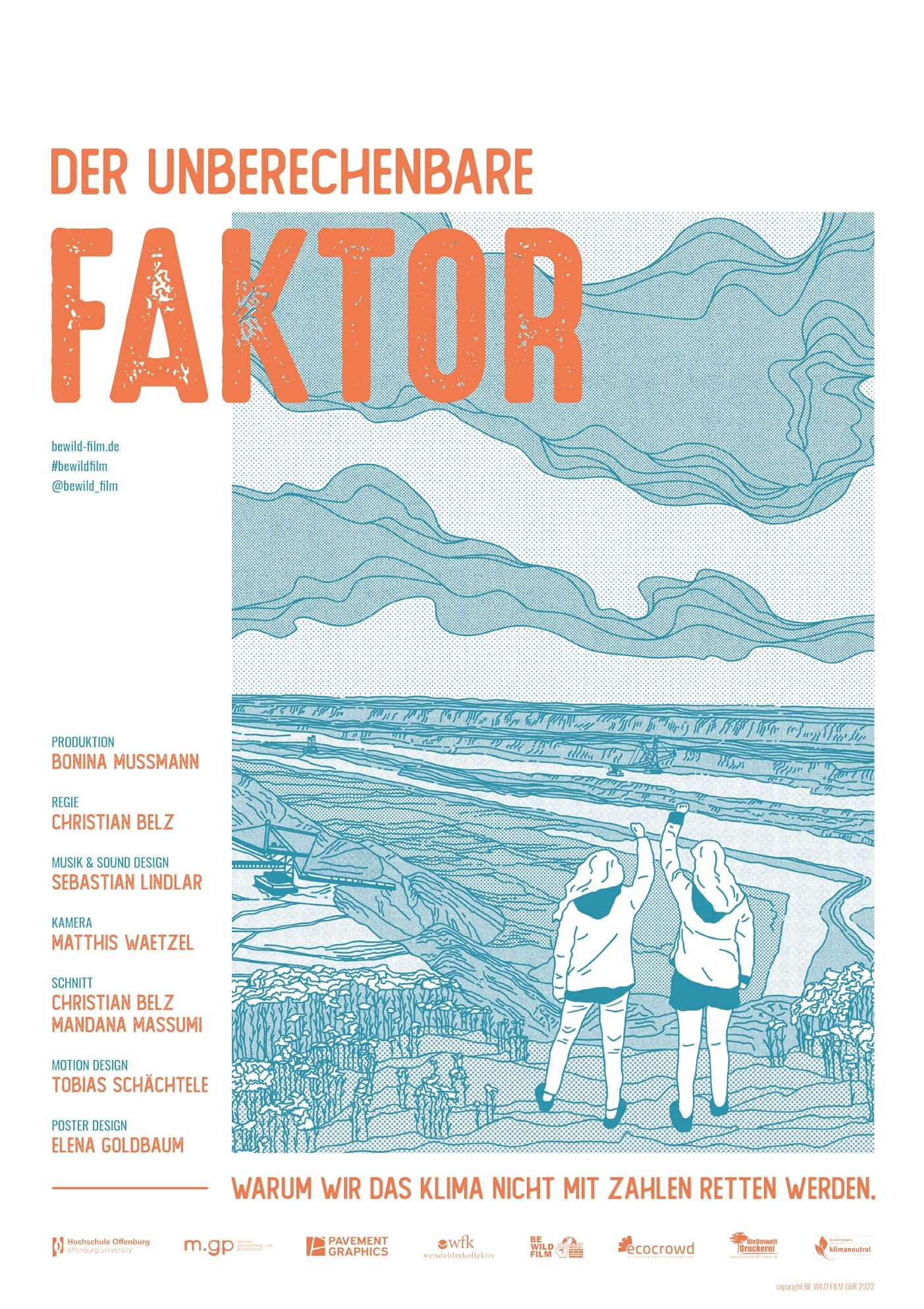
In today's climate debate, there is only one factor that cannot be calculated in climate models - humans. How can we nevertheless understand our role in the climate system and manage the crisis? Climate change is a complex global problem. Increasingly extreme weather events, rising sea levels, and more difficult living conditions - including for us humans - are already the order of the day. Global society has never faced such a complex challenge. For young people in particular, the frightening climate scenarios will be a reality in the future. For the global south, it is already today. To overcome this crisis, different perspectives are needed. "THE UNPREDICTABLE FACTOR" goes back to the origins of the German environmental movement, accompanies today's activists in the Rhineland in their fight against the coal industry and gives a voice to scientists from climate research, ethnology and psychology.
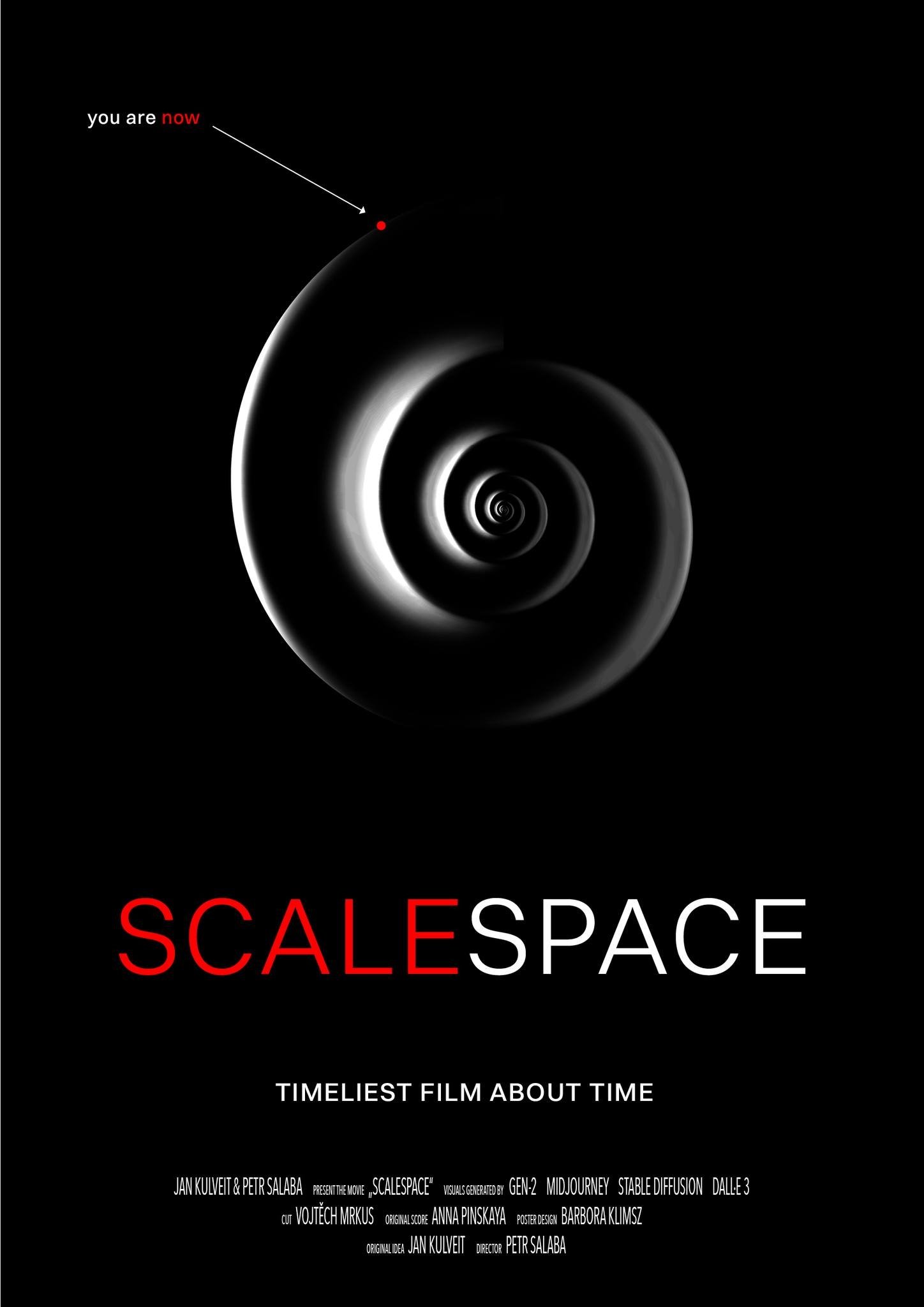
Get ready for an AI-generated journey through the space of scales.
Through archival footage of his parents' wedding, the filmmaker reflects on love and marriage in contemporary Serbia. Observing traditional Balkan rituals, he questions his own place as an LGBT individual in a society resistant to equality. The film explores the tension between tradition and modern love, and the hope for a future where everyone can experience love freely. Through his personal journey, he confronts family expectations and dreams of acceptance.
"Before I left today, I almost forgot to answer a lot of e-mails."
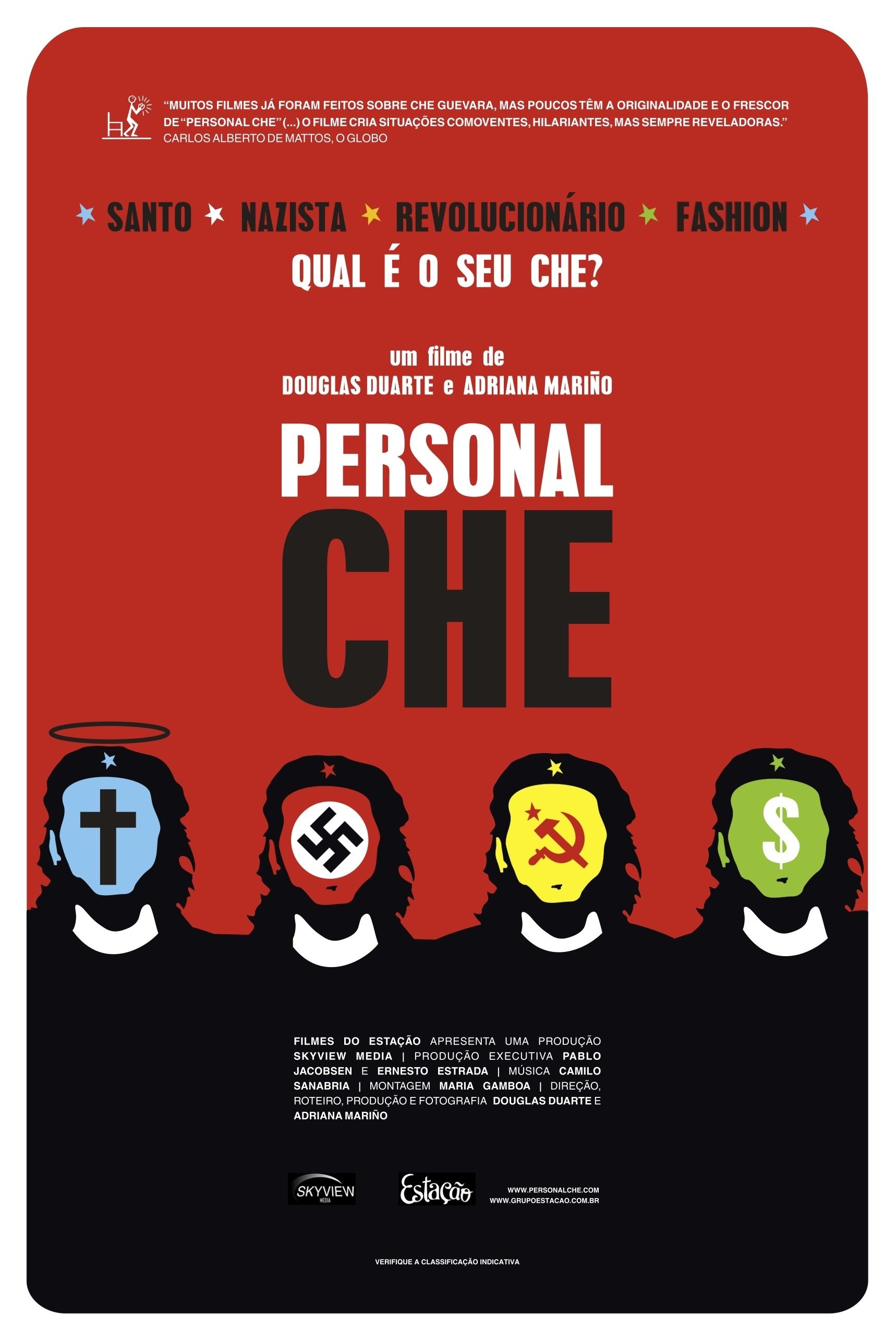
A documentary that explores the myth behind the truth. Different people around the globe reinterpret the legend of Che Guevara at will: from the rebel living in Hong Kong fighting Chinese domination, to the German neonazi preaching revolution and the Castro-hating Cuban. Their testimonies prove that the Argentinian revolutionary's historical impact reverberates still. But like with all legends, each sees what he will, in often contradictory perspectives.
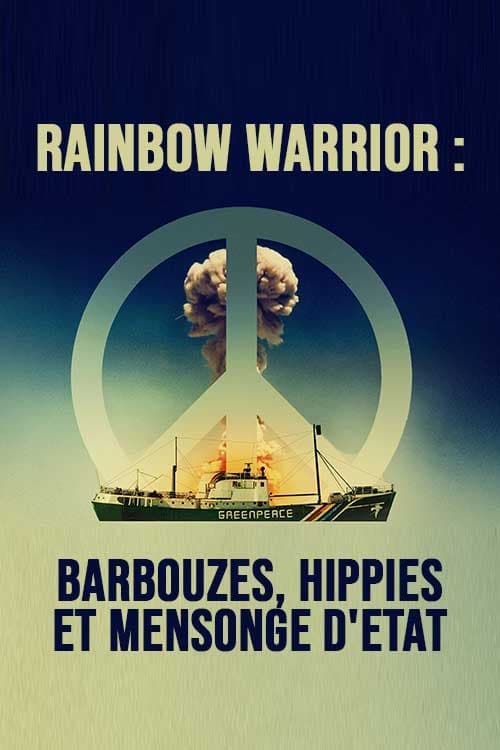
The Rainbow Warrior was a Greenpeace ship that was bombed by operatives of the French government, in New Zealand in 1985, while heading to a protest against nuclear testing, tragically taking the life of photographer Fernando Pereira. Edward McGurn’s enlightening and exciting documentary uncovers a tangled tale of nuclear weapons, geopolitical coverups, and attempts to take action against impending environmental collapse. Was Pereira’s death an accident or part of a larger political plot?
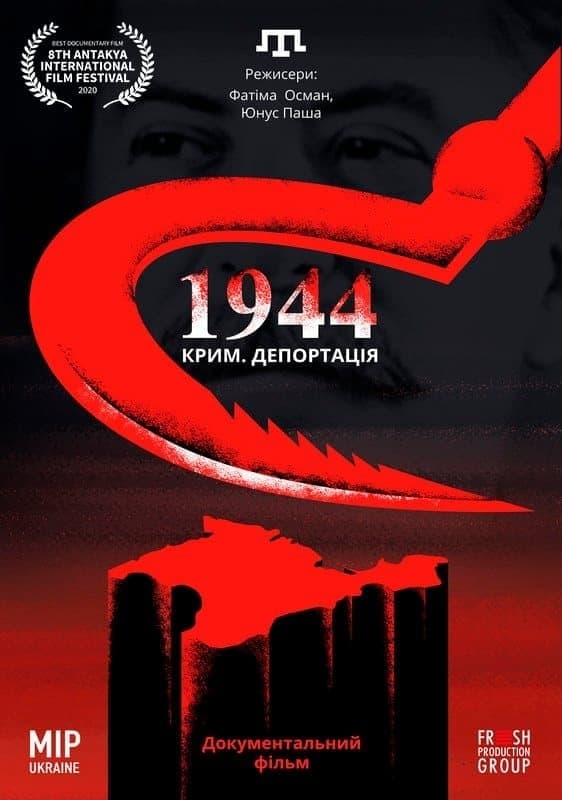
In 1944 Crimean Tatars has suffered a long road in exile. It was accompanied by famine, illness and loss. In the first years of exile, almost half of deported Crimean Tatars died. But those, who survived, dreamed of only one thing - to return to Crimea. The documentary 1944 tells about the tragedy of all Crimean Tatars through several separate life stories. They are cherished by each Crimean Tatar family and must be remembered by all generations to come.
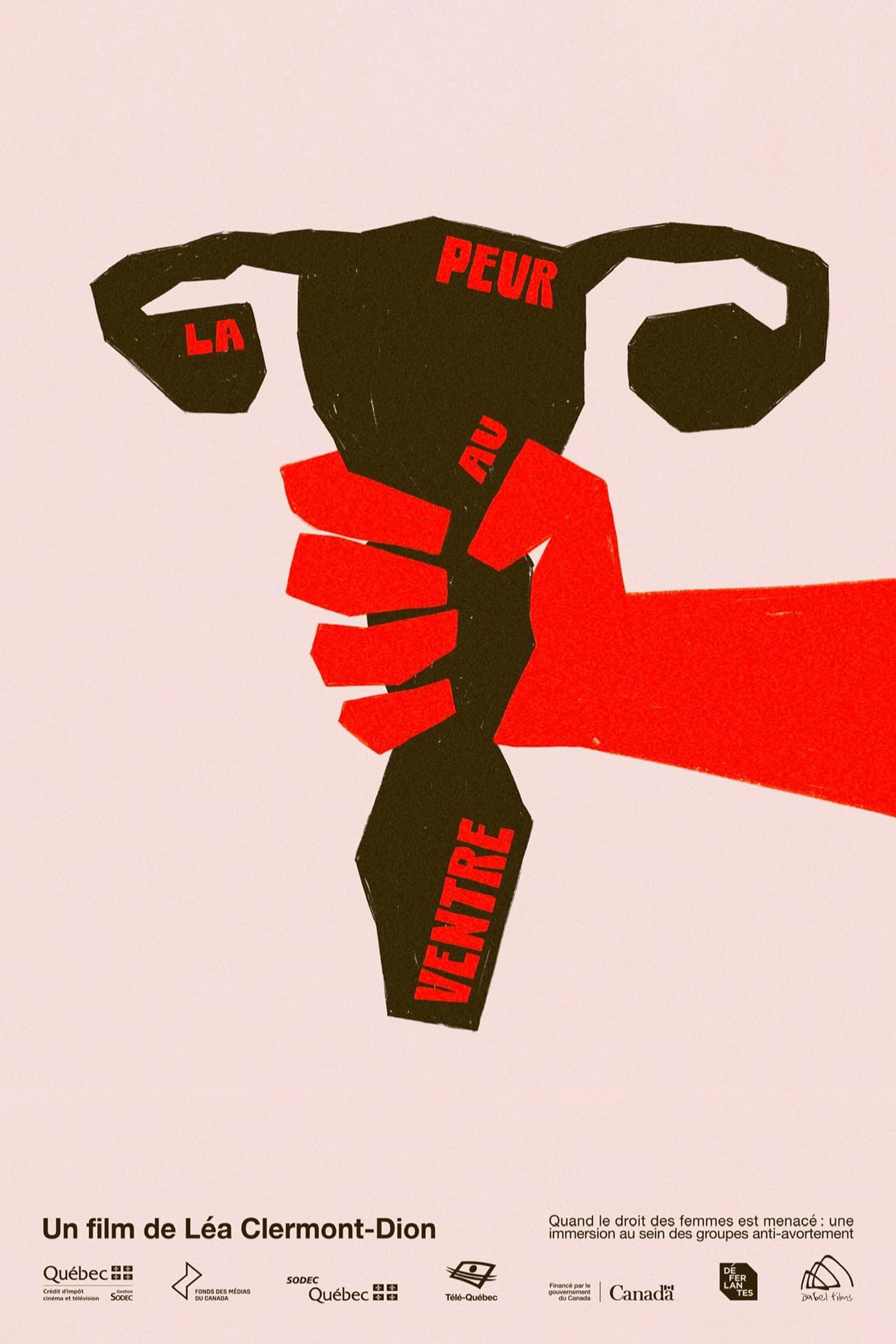
Exploring the rise of anti-abortion groups in Canada, the filmmaker also presents the feminist and pro-choice response that is being organized across the country.
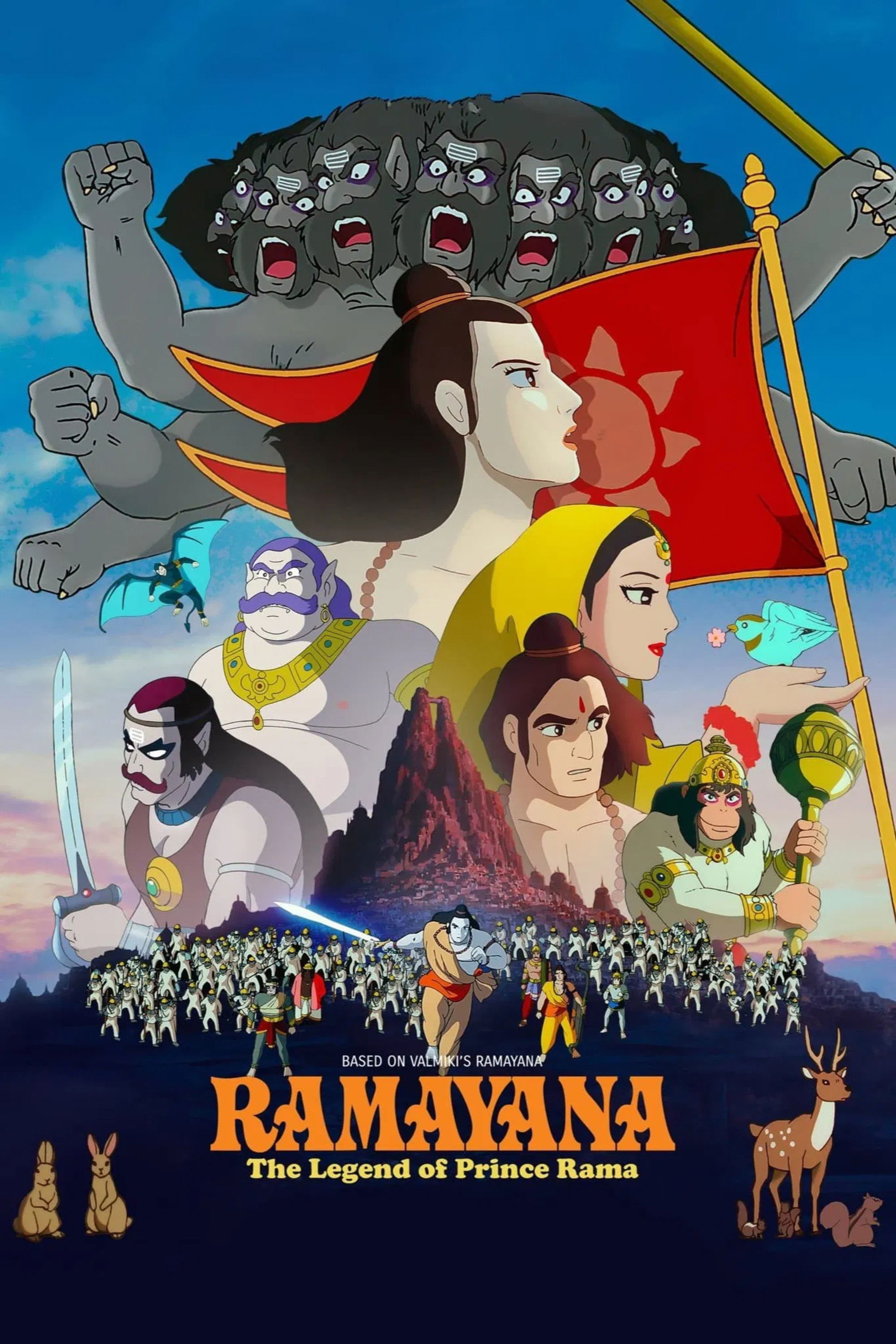
In Ayodhya, the royal palace of Kosala Kingdom in Ancient India, four princes were born to three queens, each of whom grew to great stature. Banished for 14 years due to court intrigue, Prince Rama retreated to the forest with his beautiful wife Sita. When Rama vanquishes the demons of the forest, he invites the wrath of the demon king Ravana, who kidnaps Sita. Based on the Indian epic the Ramayana.
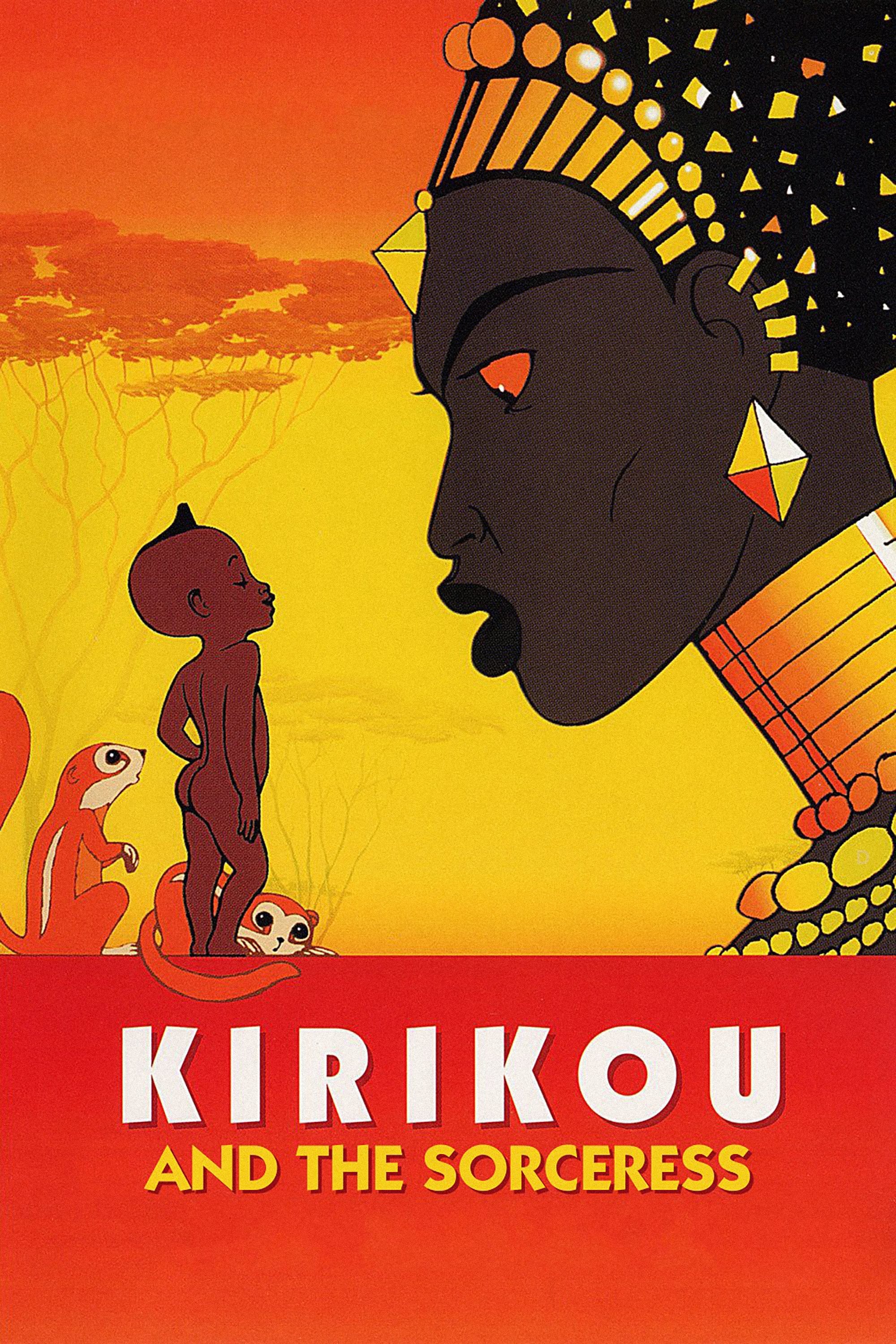
Drawn from elements of West African folk tales, it depicts how a newborn boy, Kirikou, saves his village from the evil witch Karaba.
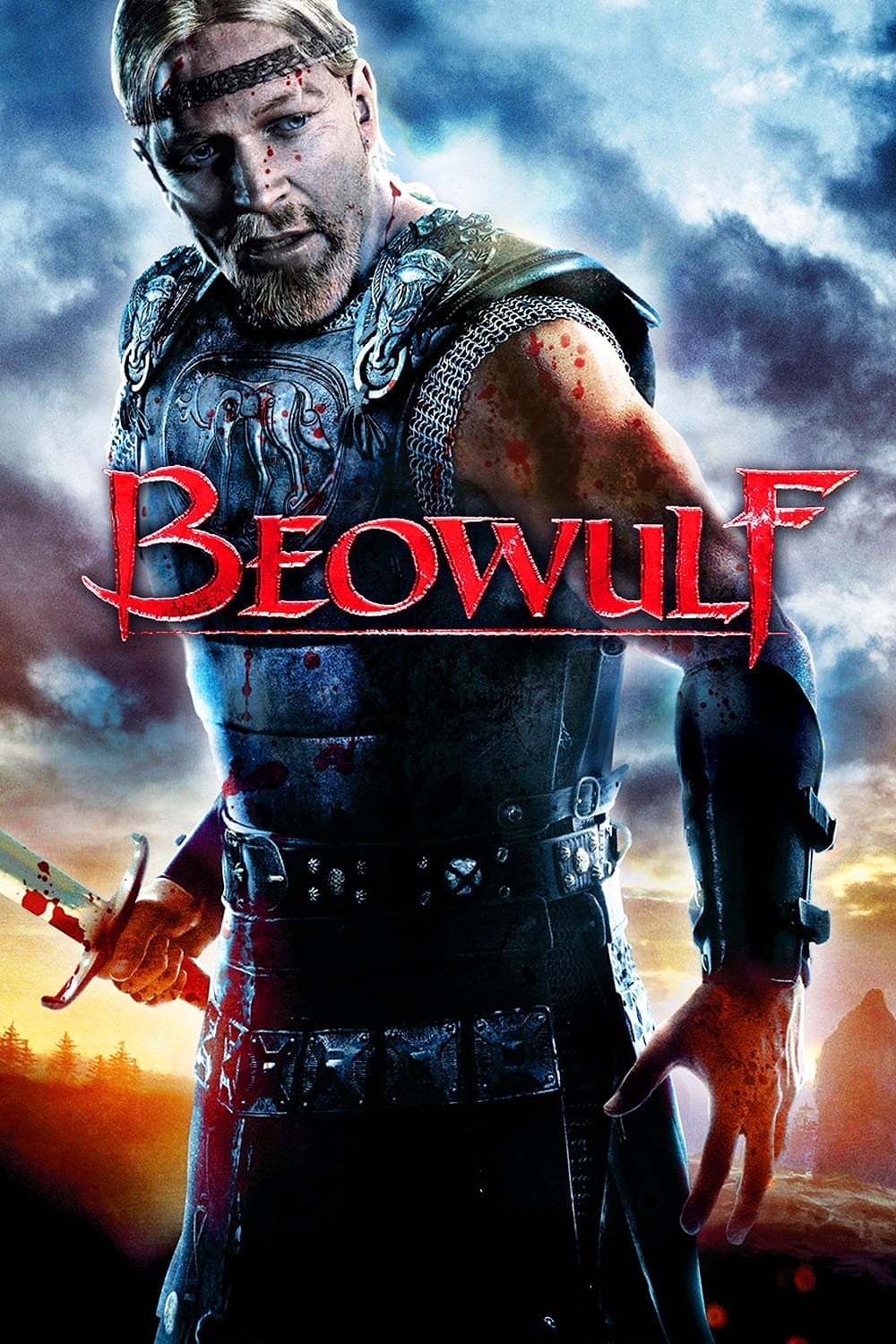
A 6th-century Scandinavian warrior named Beowulf embarks on a mission to slay the man-like ogre, Grendel.
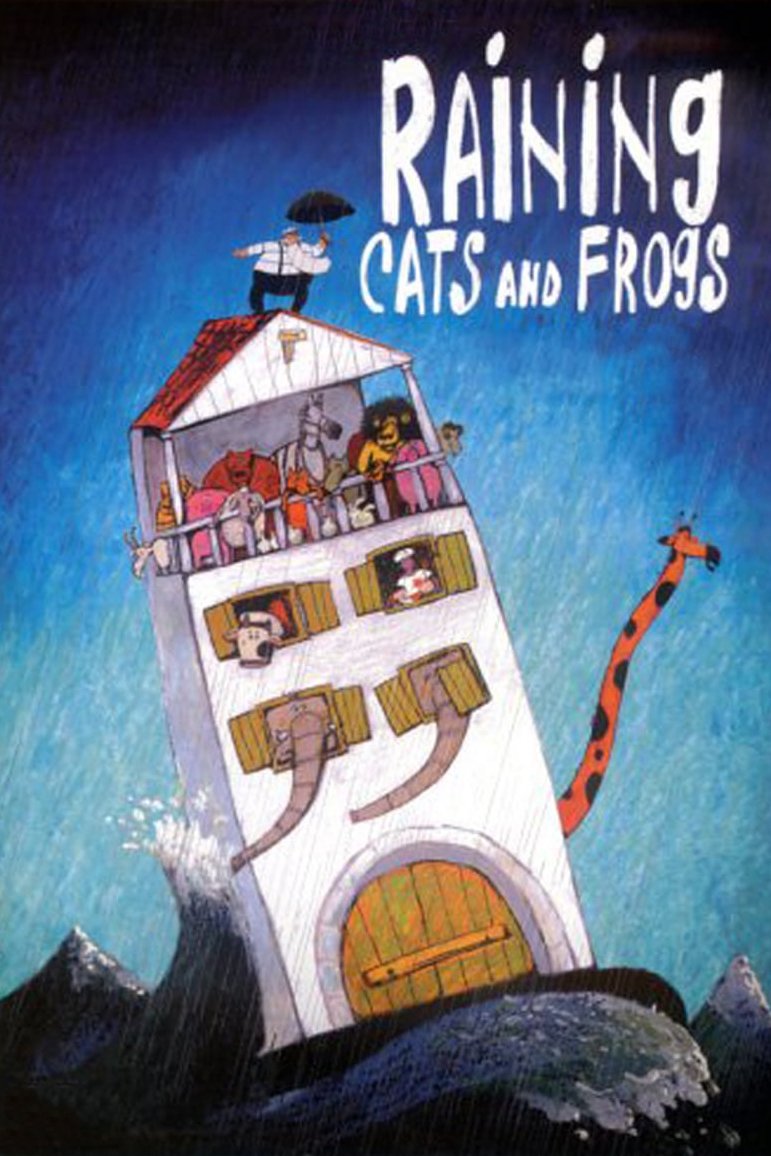
It's a catastrophe! A flood has hit our planet and an unusual group of people are all that remains. Led by Ferdinand, a modern day Noah, this little group have managed to defy the furiously raging elements. People and animals alike are dragged through this incredible whirlpool of an adventure.
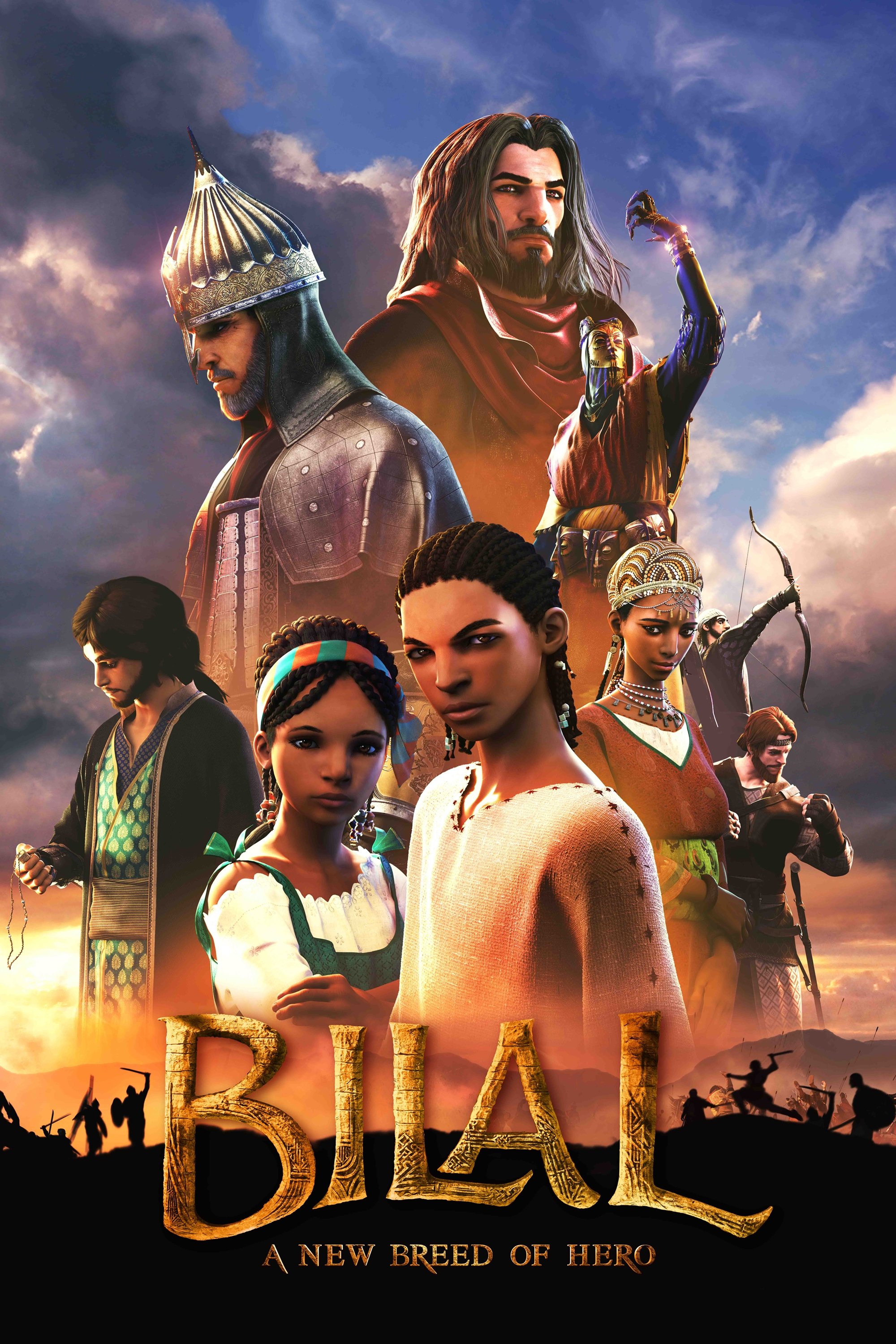
A thousand years ago, one boy with a dream of becoming a great warrior is abducted with his sister and taken to a land far away from home. Thrown into a world where greed and injustice rule all, Bilal finds the courage to raise his voice and make a change. Inspired by true events, this is a story of a real hero who earned his remembrance in time and history.
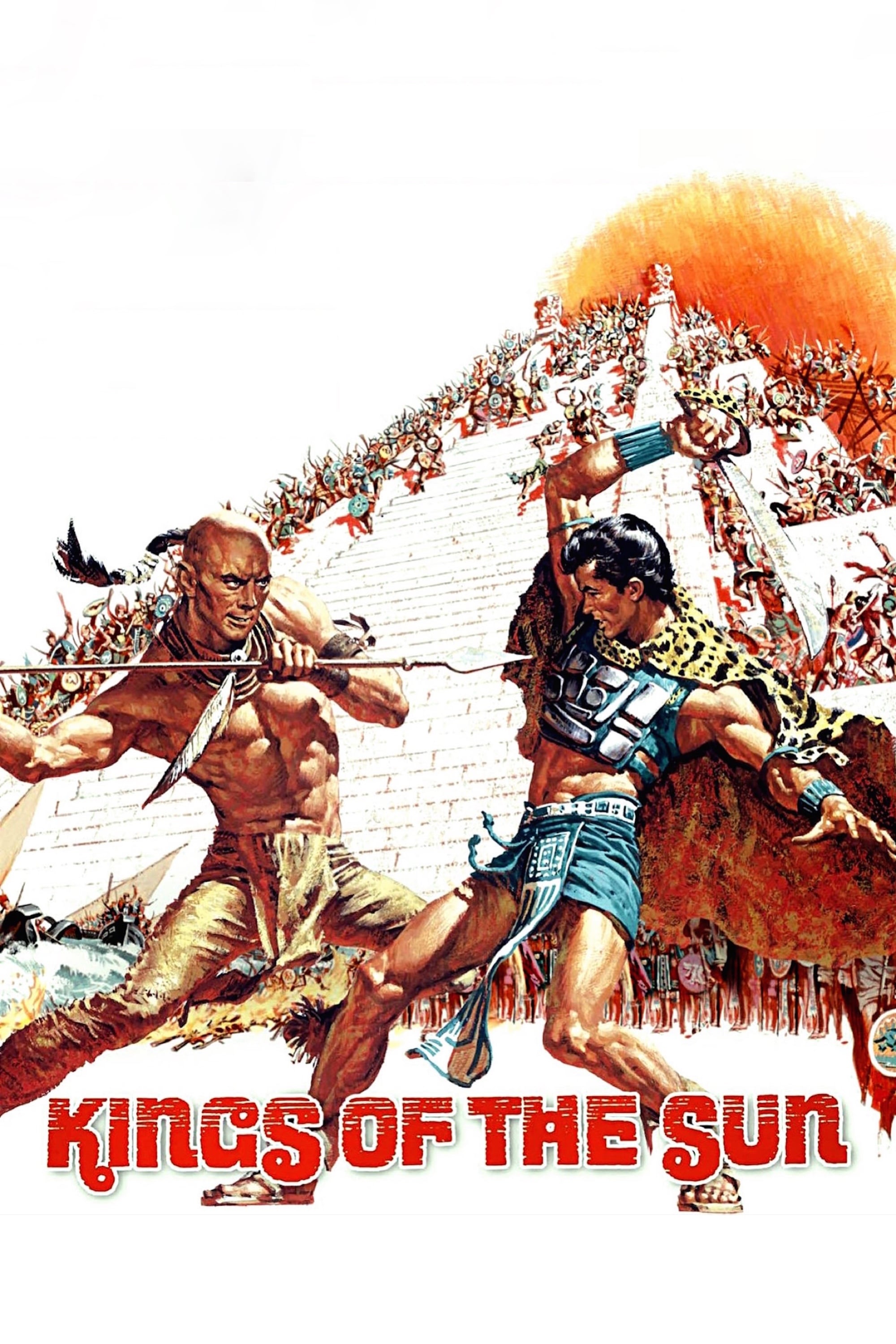
In order to flee from powerful enemies, young Mayan king Balam leads his people north across the Gulf of Mexico to the coast of what will become the United States. They build a home in the new land but come into conflict with a tribe of Native Americans led by their chief, Black Eagle, while both Balam and Black Eagle fall in love the beautiful Mayan princess Ixchel.
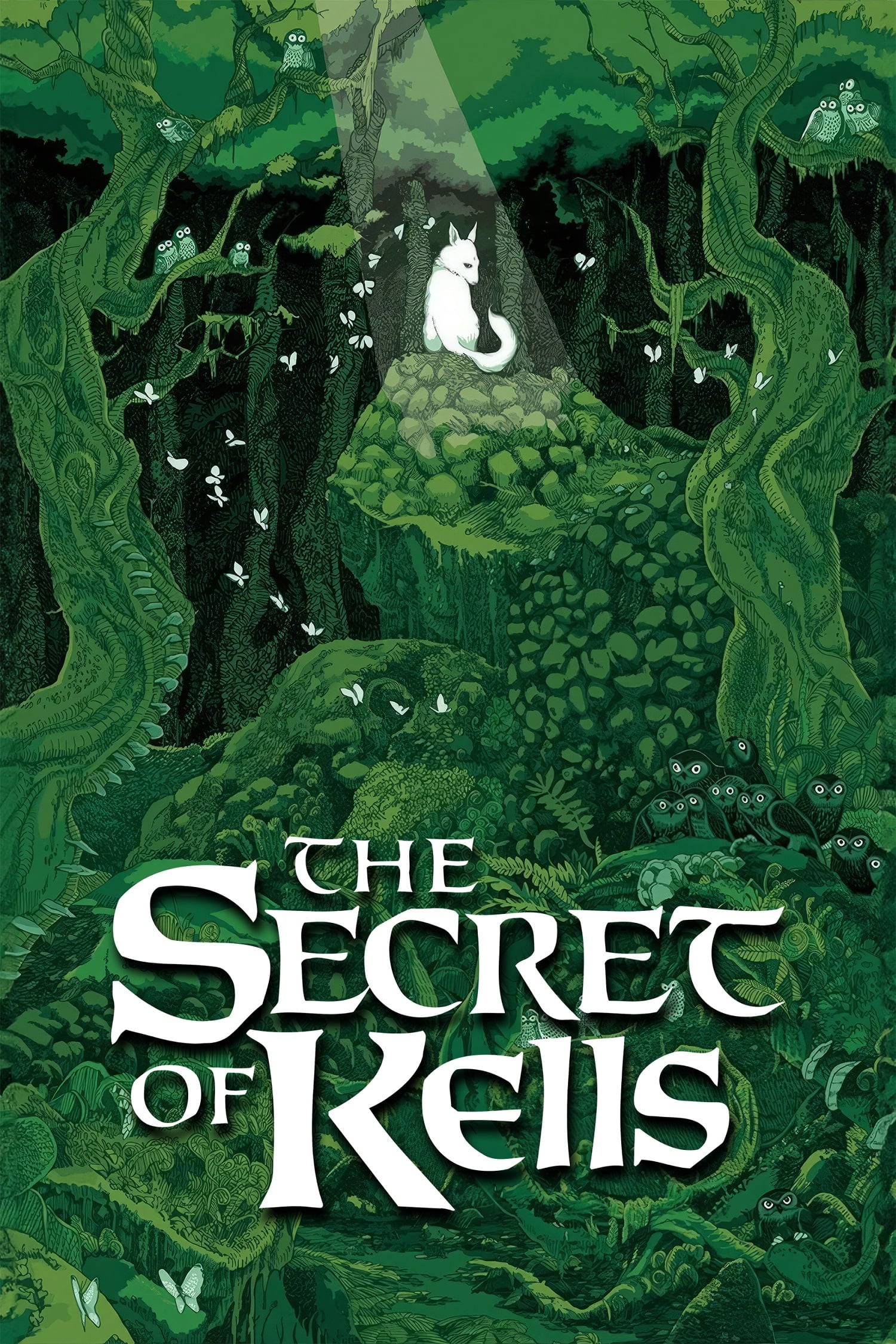
Adventure awaits 12 year old Brendan who must fight Vikings and a serpent god to find a crystal and complete the legendary Book of Kells. In order to finish Brother Aiden's book, Brendan must overcome his deepest fears on a secret quest that will take him beyond the abbey walls and into the enchanted forest where dangerous mythical creatures hide. Will Brendan succeed in his quest?
A paralysingly beautiful documentary with a global vision—an odyssey through landscape and time—that attempts to capture the essence of life.
It's the 17th century, and Native American Squanto roams free in the New World until he's captured by visiting sailors who take him back to England. Monk Brother Daniel teaches him social customs, but other Englishmen aren't as kind. Squanto becomes the unwilling star of performances that highlight his fighting skills, but he eventually engineers a return trip to America. He finds that his home has changed forever, and he must chart a new path for his people.
As the Earth wrestles with its agonizing birth, the peoples of this barren and desolate world struggle to survive. Driven by animal instinct they compete against the harsh conditions, their giant predators, and warring tribes. When two people from opposing clans fall in love, existing conventions are shattered forever as each tribe struggles for supremacy and Man embarks on his tortuous voyage of civilization.
The life of Bambi, a male roe deer, from his birth through childhood, the loss of his mother, the finding of a mate, the lessons he learns from his father, and the experience he gains about the dangers posed by human hunters in the forest.
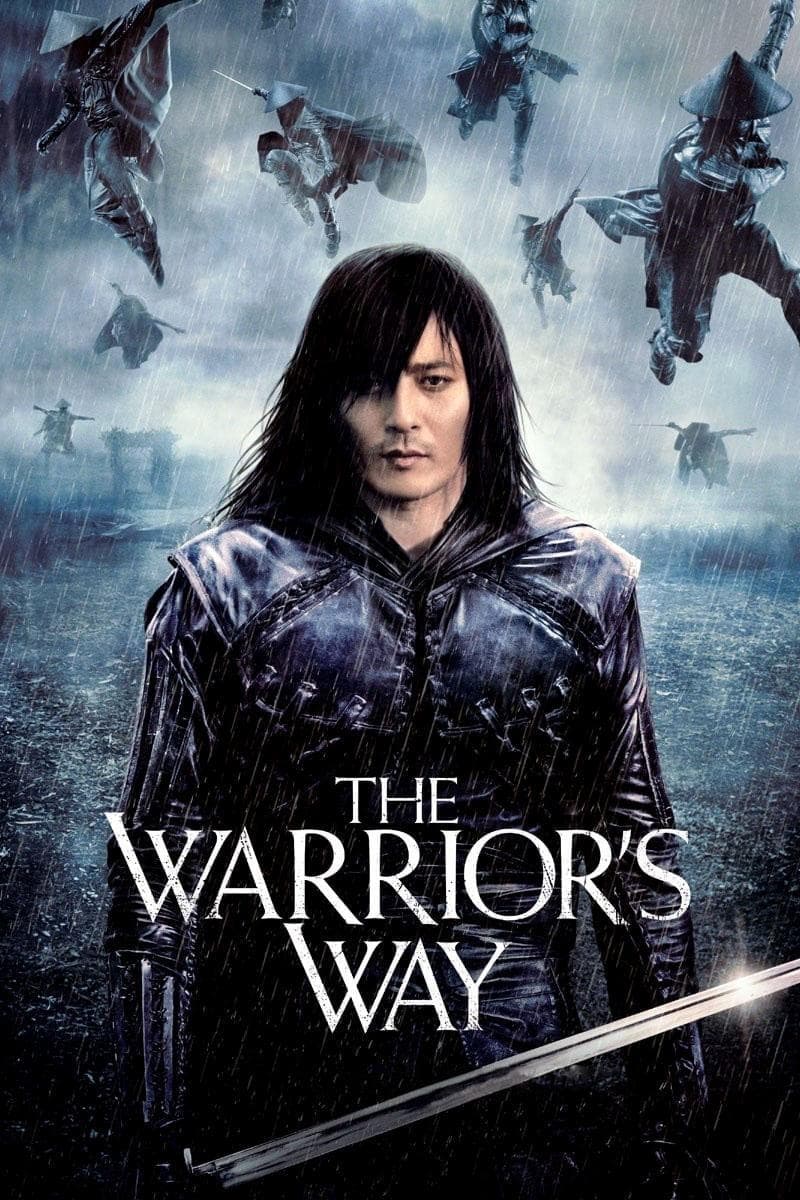
A warrior-assassin is forced to hide in a small town in the American Badlands after refusing a mission.
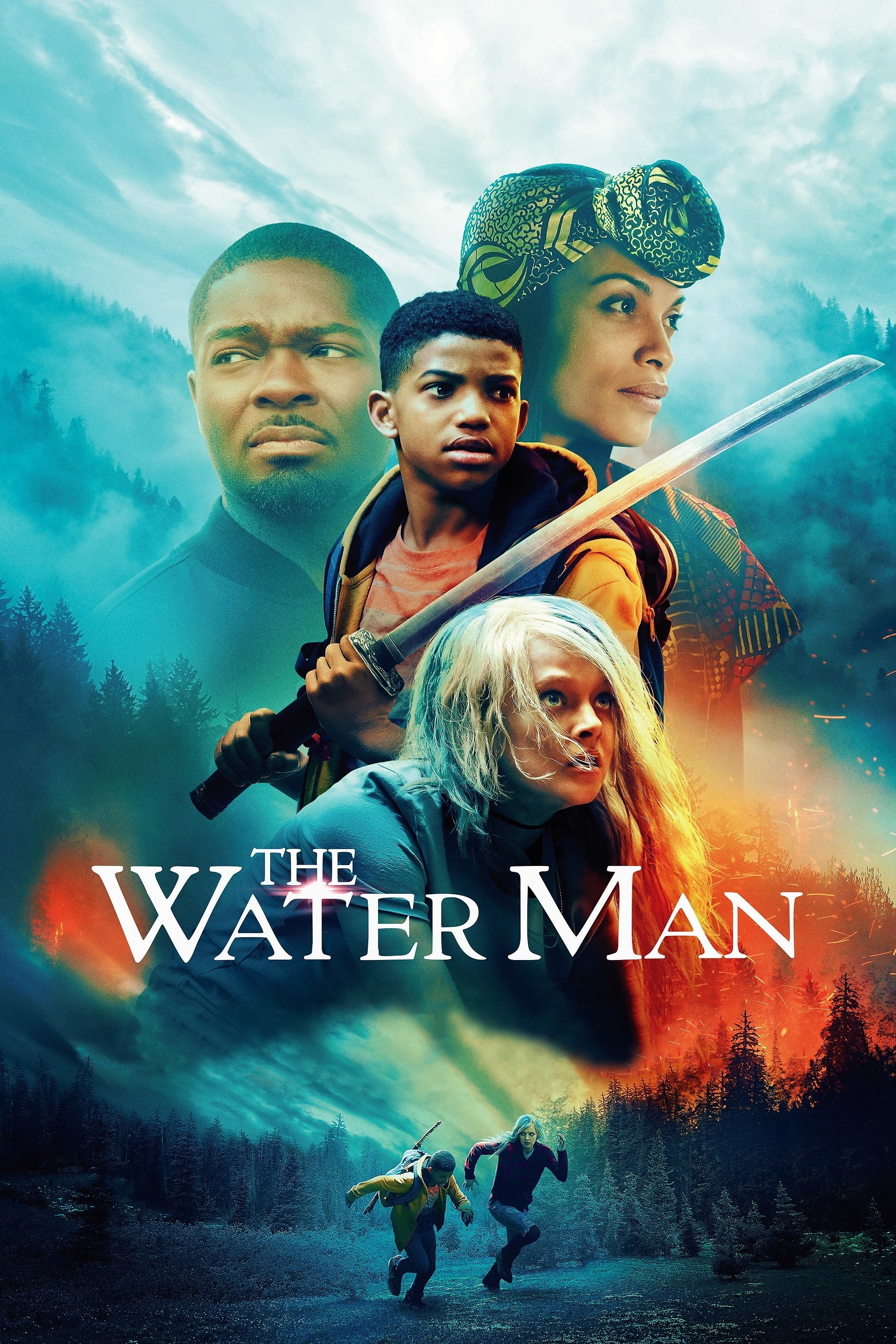
Hoping to save his sick mother, a boy named Gunner and his friend Jo venture into the remote Wild Horse forest to search for a mythical figure who possesses the secret to immortality. When they go missing, Gunner's father Amos must immerse himself in his son's world to find them.
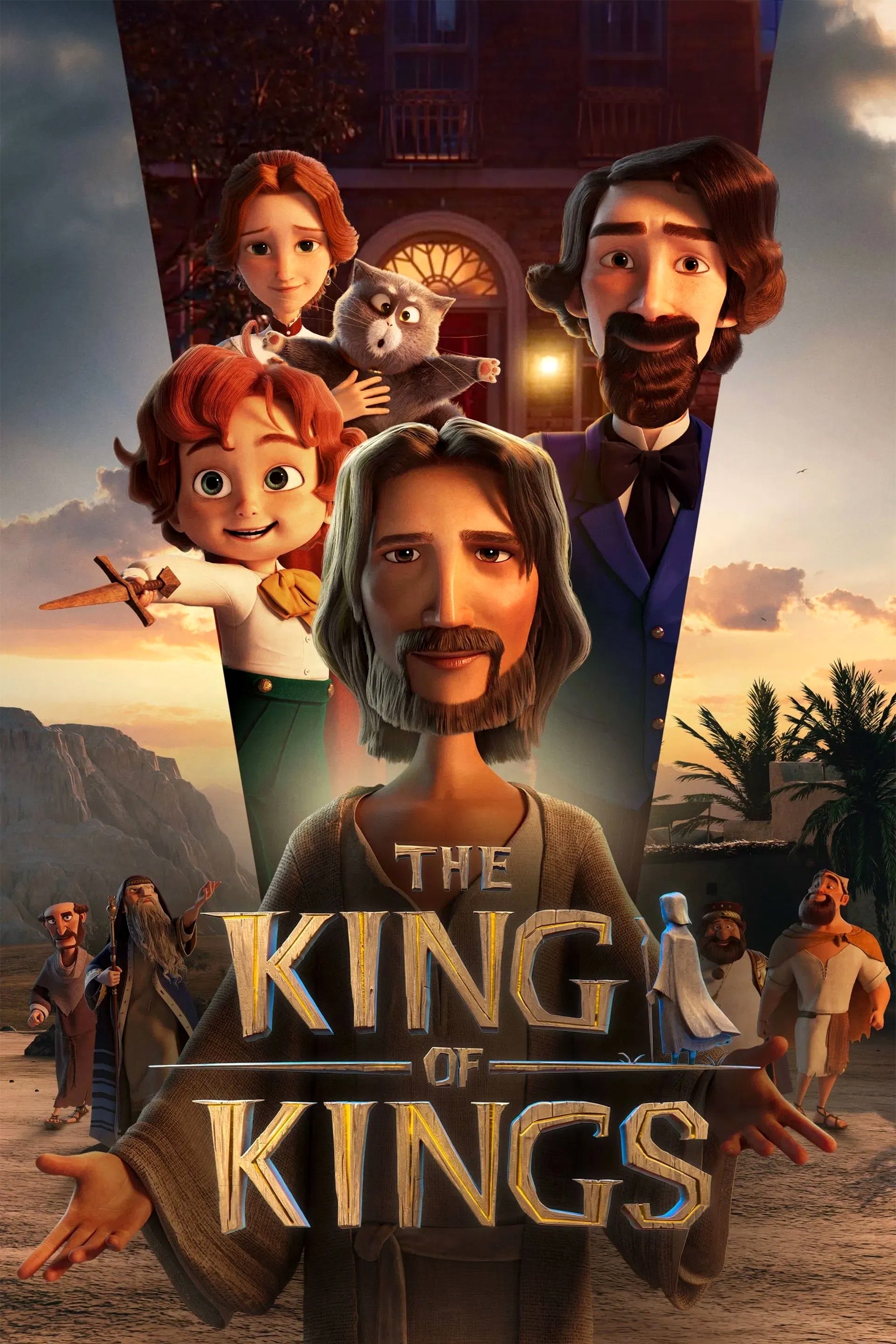
Charles Dickens tells his young son Walter the greatest story ever told, and what begins as a bedtime tale becomes a life-changing journey. Through vivid imagination, the boy walks alongside Jesus, witnessing His miracles, facing His trials, and understanding His ultimate sacrifice.
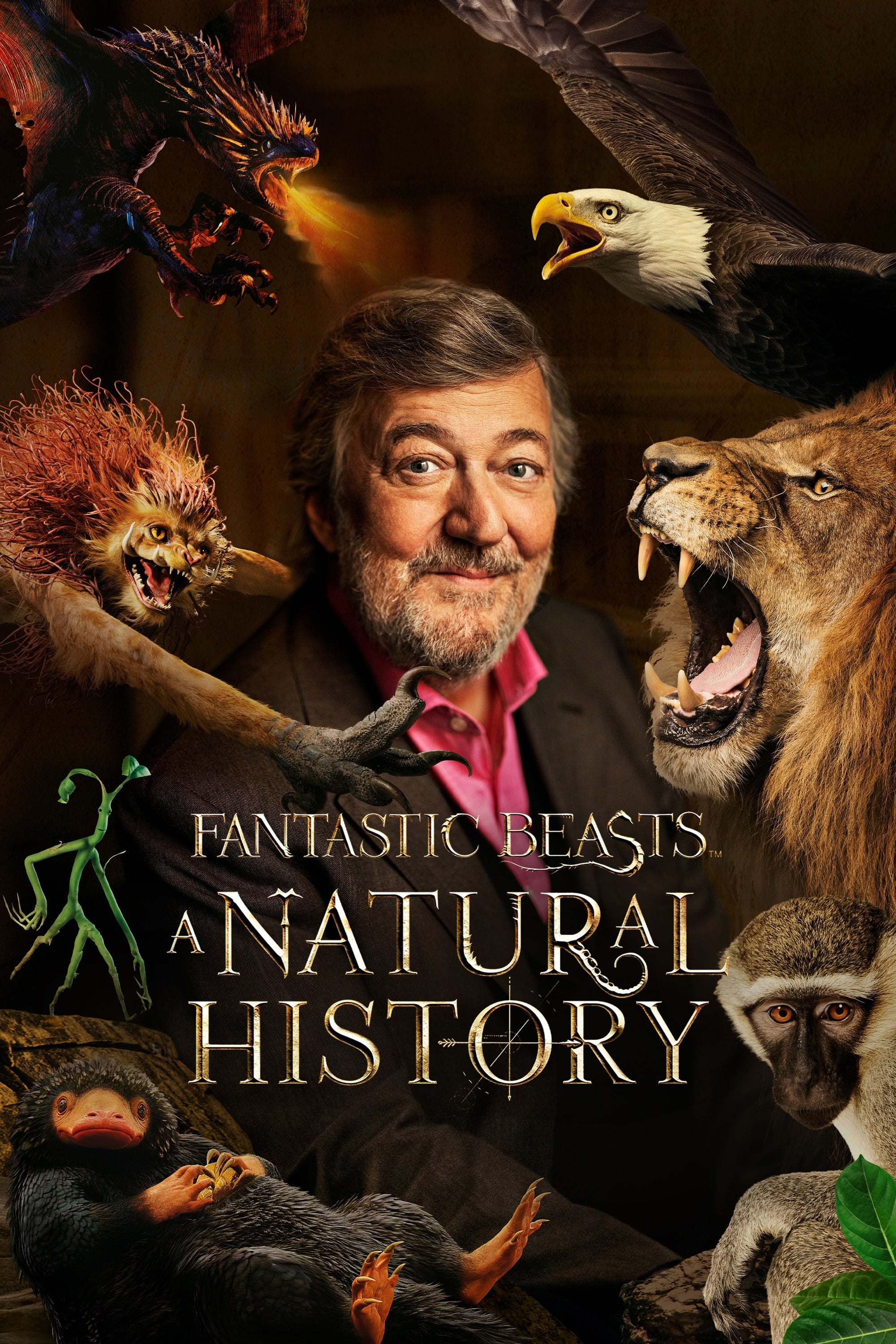
Stephen Fry embarks on a journey to discover the stories behind some of the world's most fantastic beasts that have inspired myths and legends in history, story-telling and film.
In the Realms of the Unreal is a documentary about the reclusive Chicago-based artist Henry Darger. Henry Darger was so reclusive that when he died his neighbors were surprised to find a 15,145-page manuscript along with hundreds of paintings depicting The Story of the Vivian Girls, in What is Known as the Realms of the Unreal, of the Glodeco-Angelinnian War Storm, Cased by the Child Slave Rebellion.
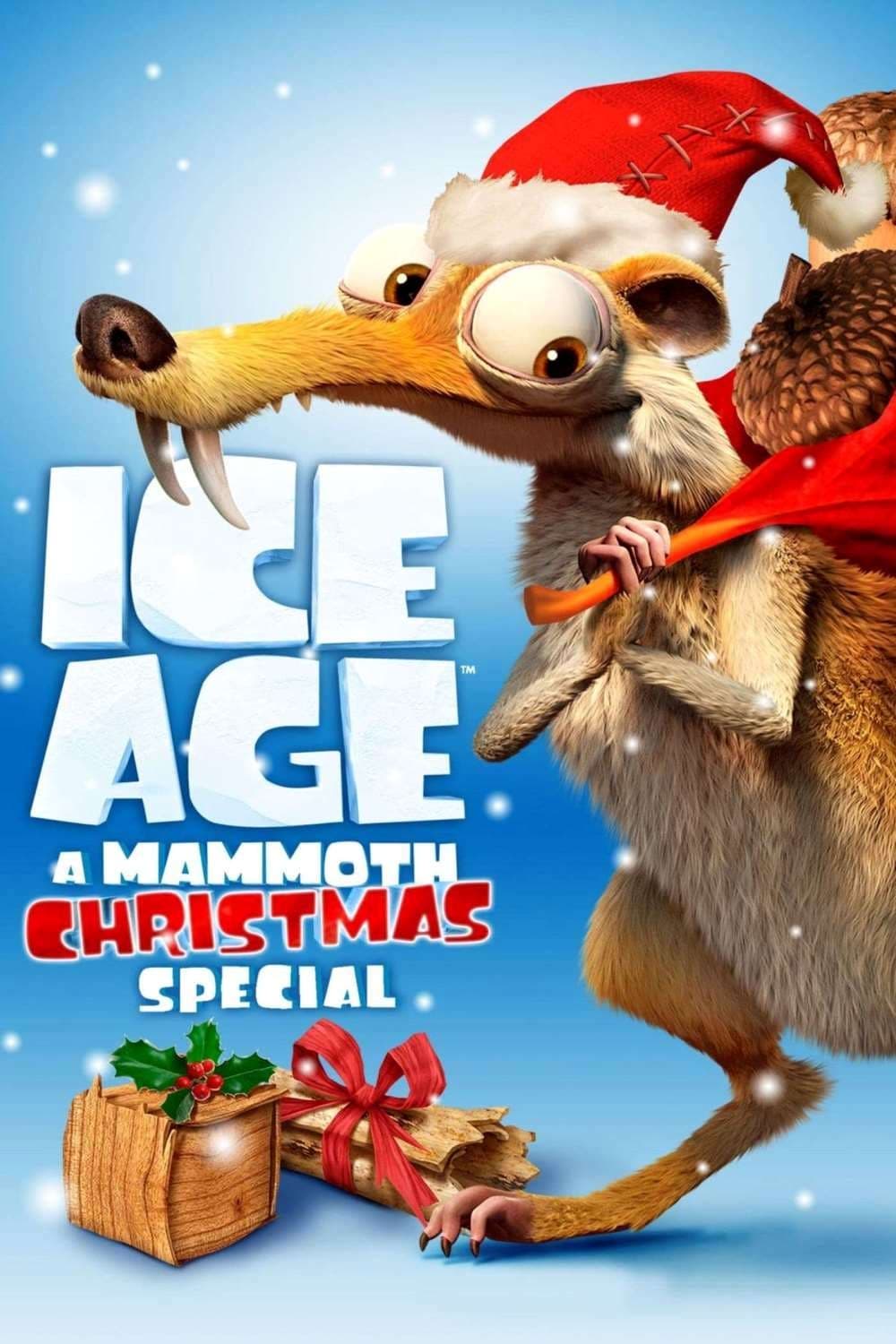
When Sid accidentally destroys Manny's heirloom Christmas rock and ends up on Santa's naughty list, he leads a hilarious quest to the North Pole to make things right and ends up making things much worse. Now it's up to Manny and his prehistoric posse to band together and save Christmas for the entire world!
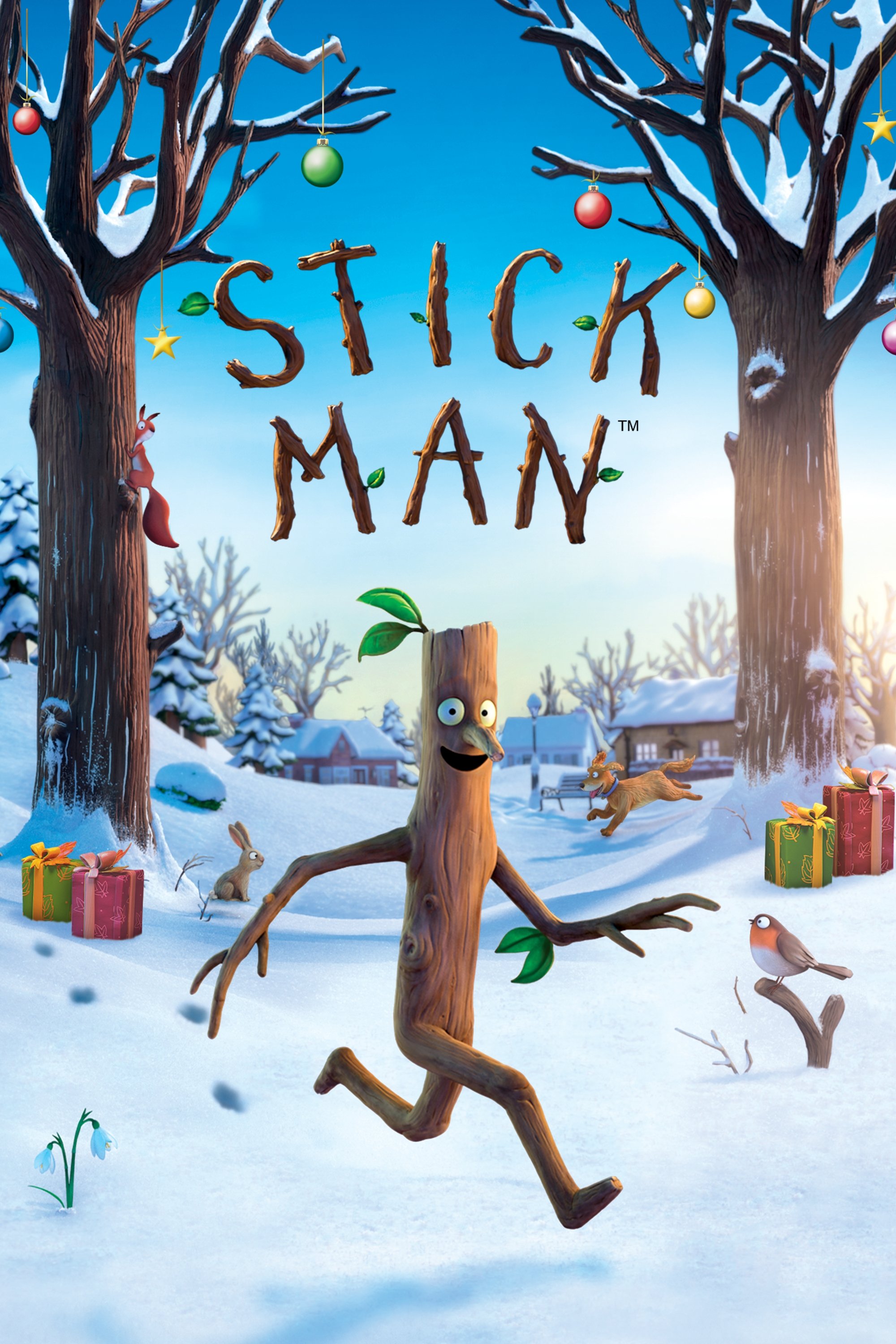
Stick Man lives in the family tree with his Stick Lady Love and their stick children three, and he's heading on an epic adventure across the seasons. Will he get back to his family in time for Christmas?
Cumberland, 1348. The plague is spreading in medieval England. The remote village of little Griffin is also threatened. But the 9-year-old boy has a recurring dream that holds the key to a tiny hope of survival: a lake with a coffin floating on it. A white church with an iron cross. A falling glove. A falling silhouette. A torch tumble through a dark shaft into infinity. With his brother he recognizes in it a prophecy to escape the Black Death. So they embark with a few men on a journey to a distant cathedral, where they want to set up an iron cross as an offering to God. Her path leads them through a deep and dark mine shaft into an unknown land and completely outlandish time - into the present-day New Zealand of the 1980s.
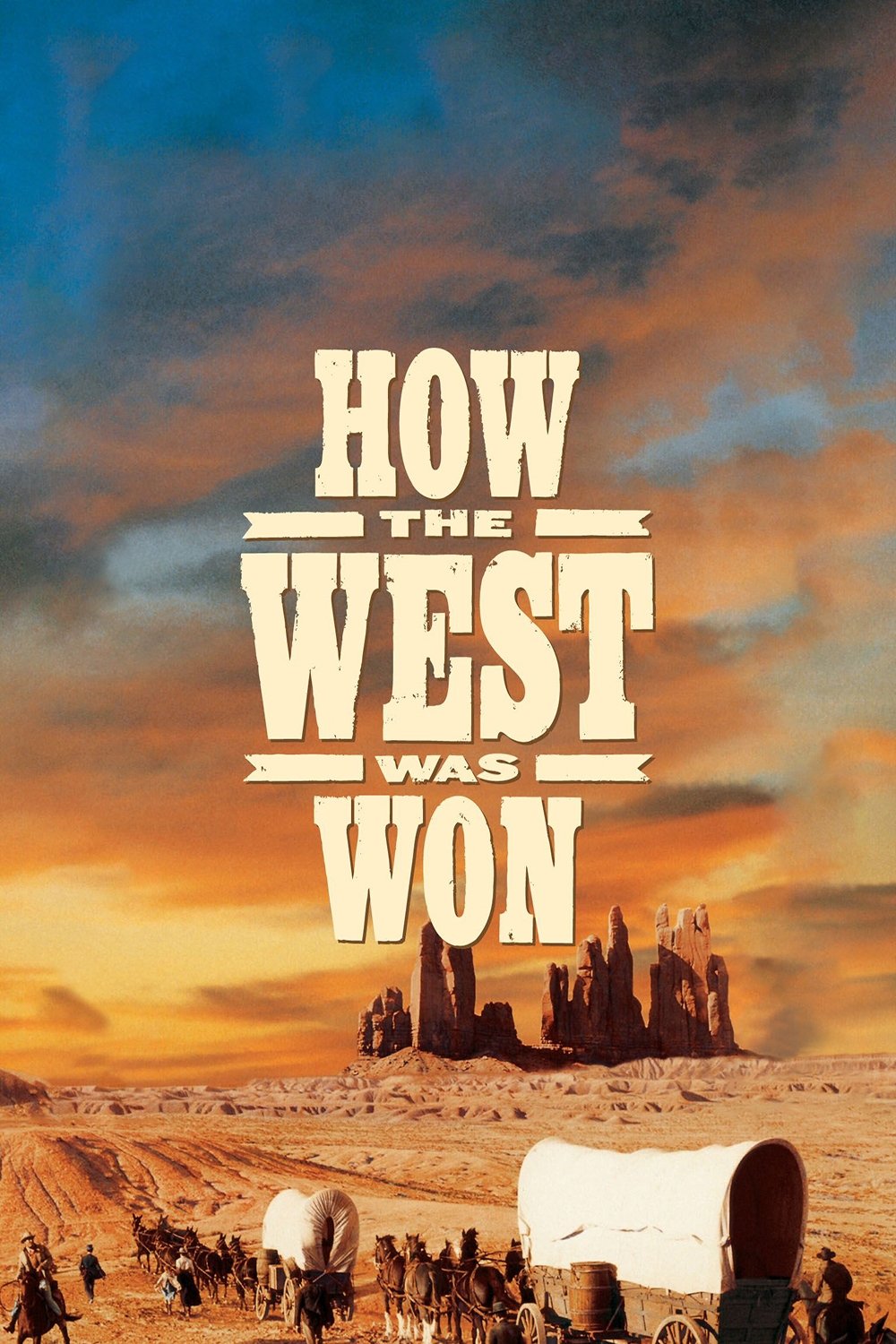
The epic tale of the development of the American West from the 1830s through the Civil War to the end of the century, as seen through the eyes of one pioneer family.