Social & External
The people behind it
Louisette Ighilahriz
Self
The Kabyle people define themselves first and foremost through the spoken word. Every gesture, every moment of their daily lives can give rise to a language of verse, metaphors, and proverbs. After all, isn't it said that in the mountain foothills they call home, verbal dueling was a common pastime? It is a reality difficult to visualize when one looks at the immigrant society where these men and women—often illiterate—are relegated solely to the roles of manual laborers and housewives; one can hardly imagine the eloquent orators they become when they return to their native tongue.
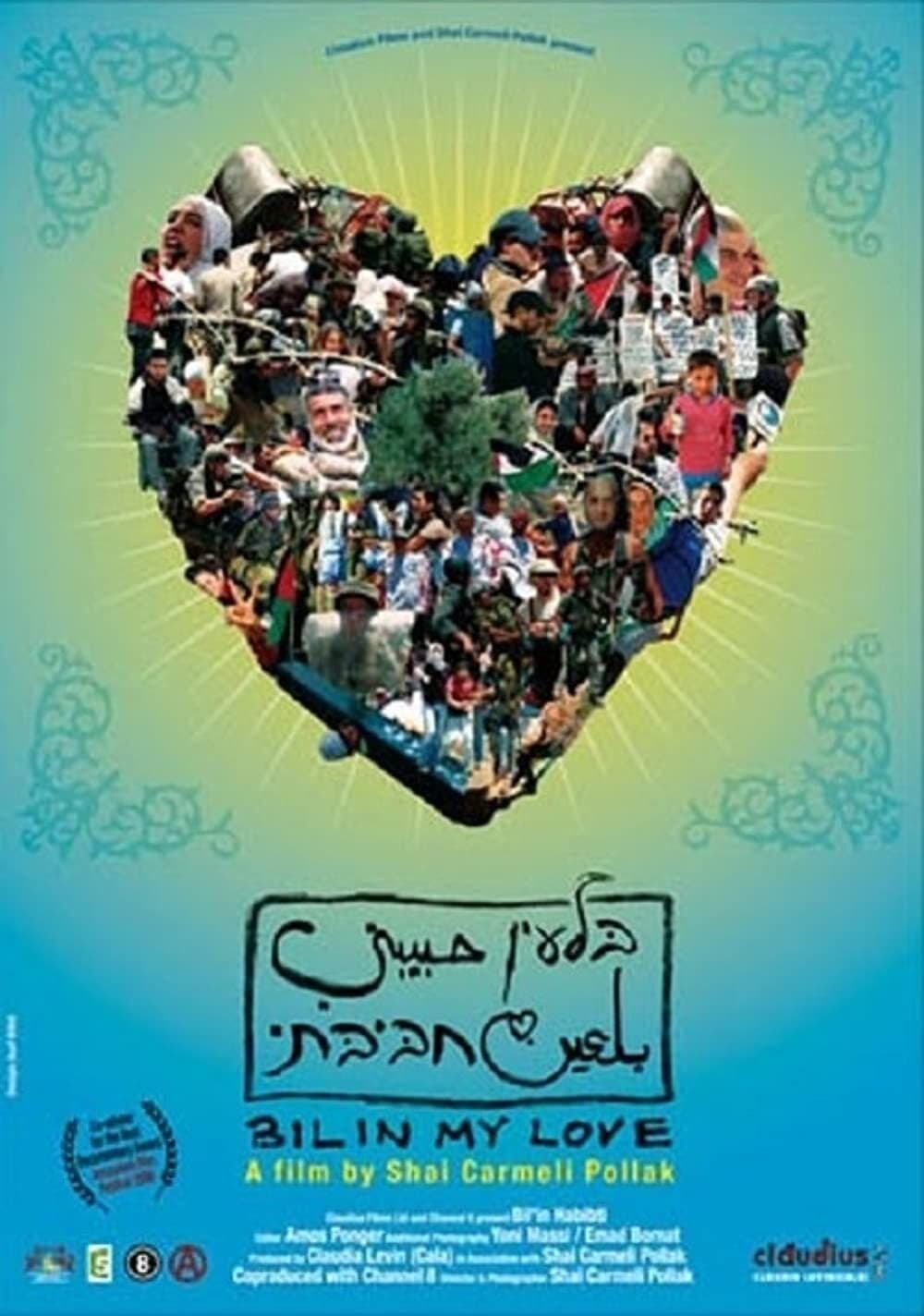
The Israeli filmmaker Shai Corneli Polak records the building of the 'security wall' through Palestinian territory at the village of Bil'in. The villagers protest mostly peacefully, while the Israeli army doesn't react peacefully. By now the Israeli High Court has ruled that the building of the wall was illegal.
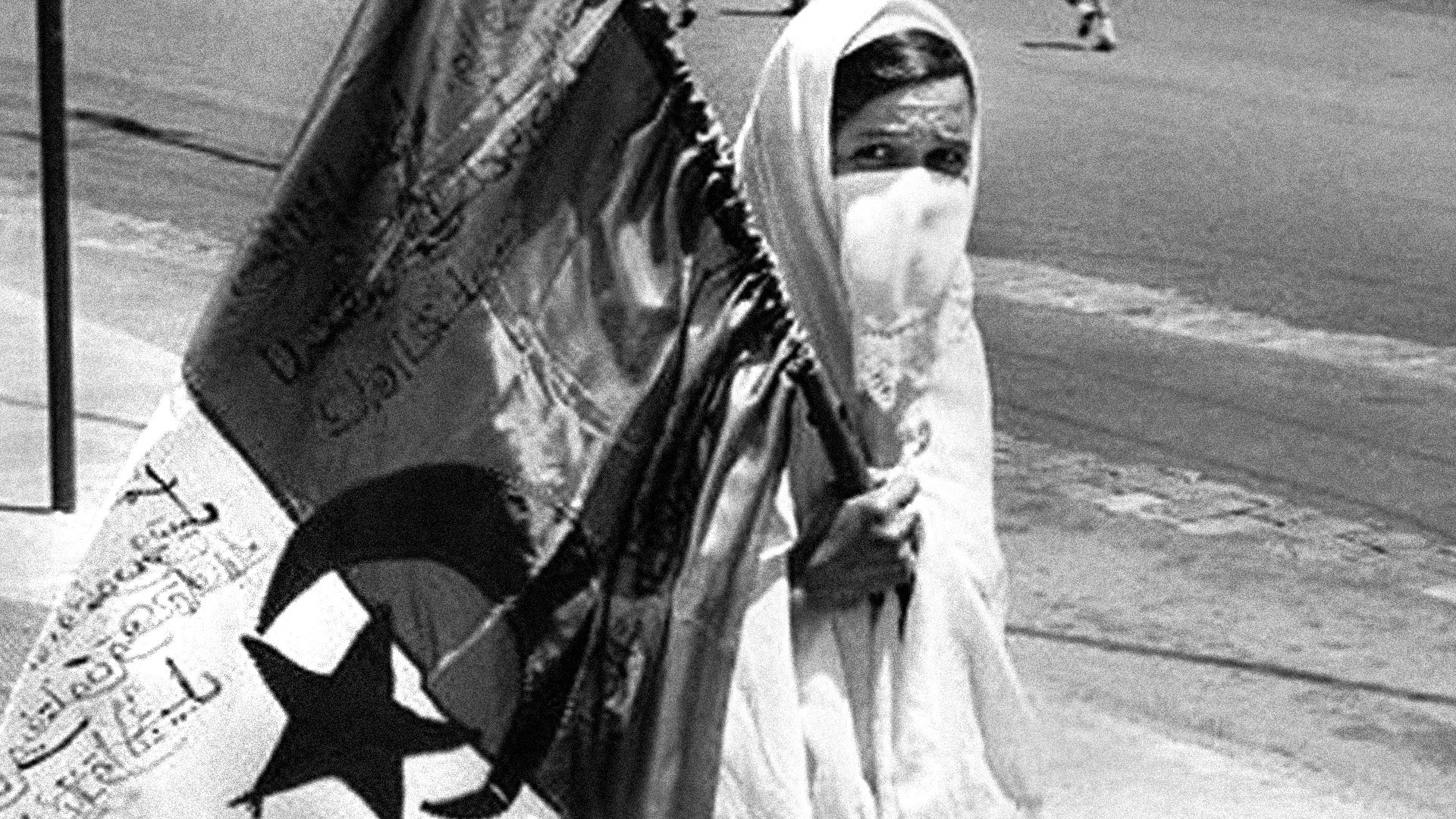
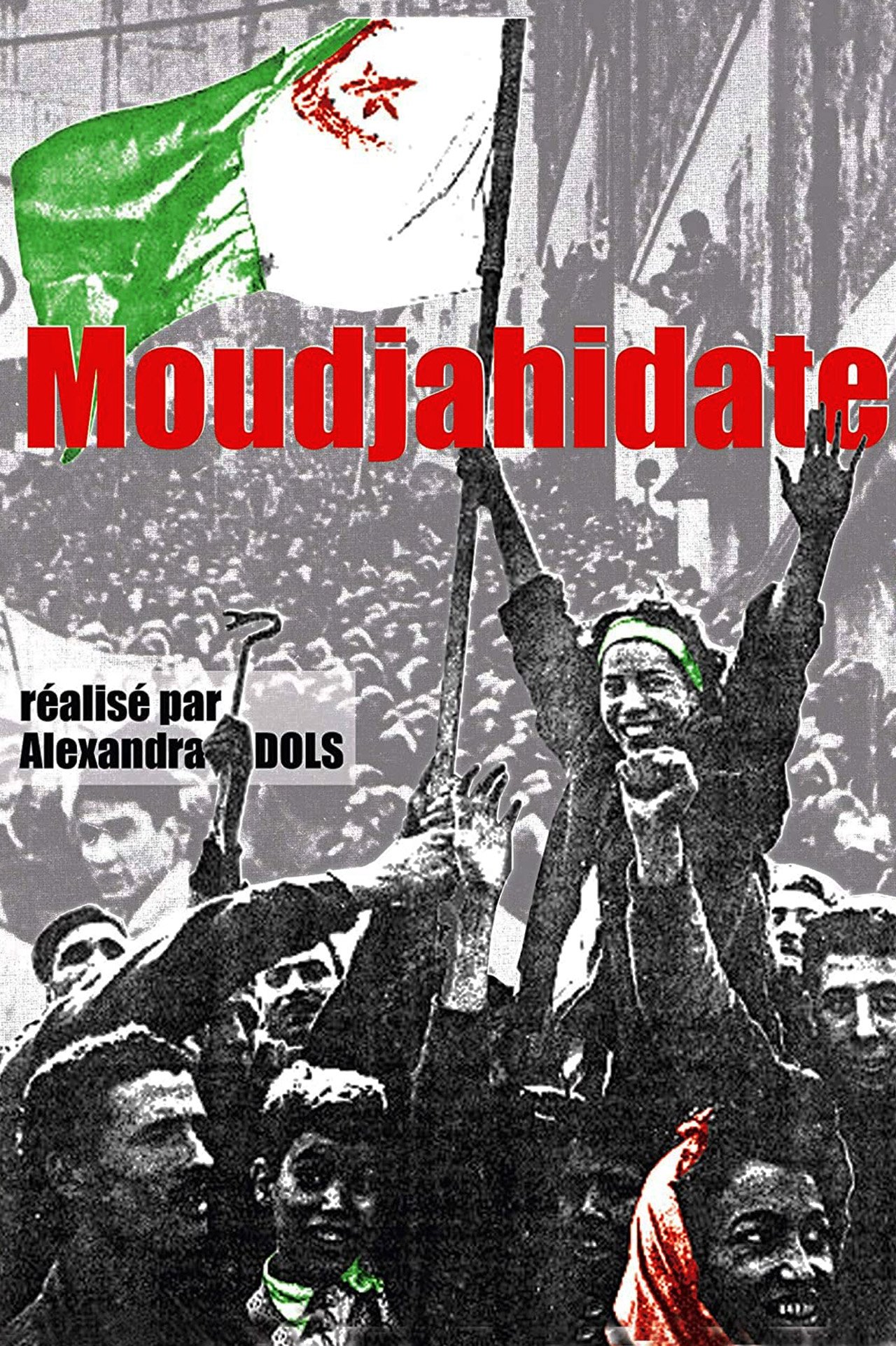
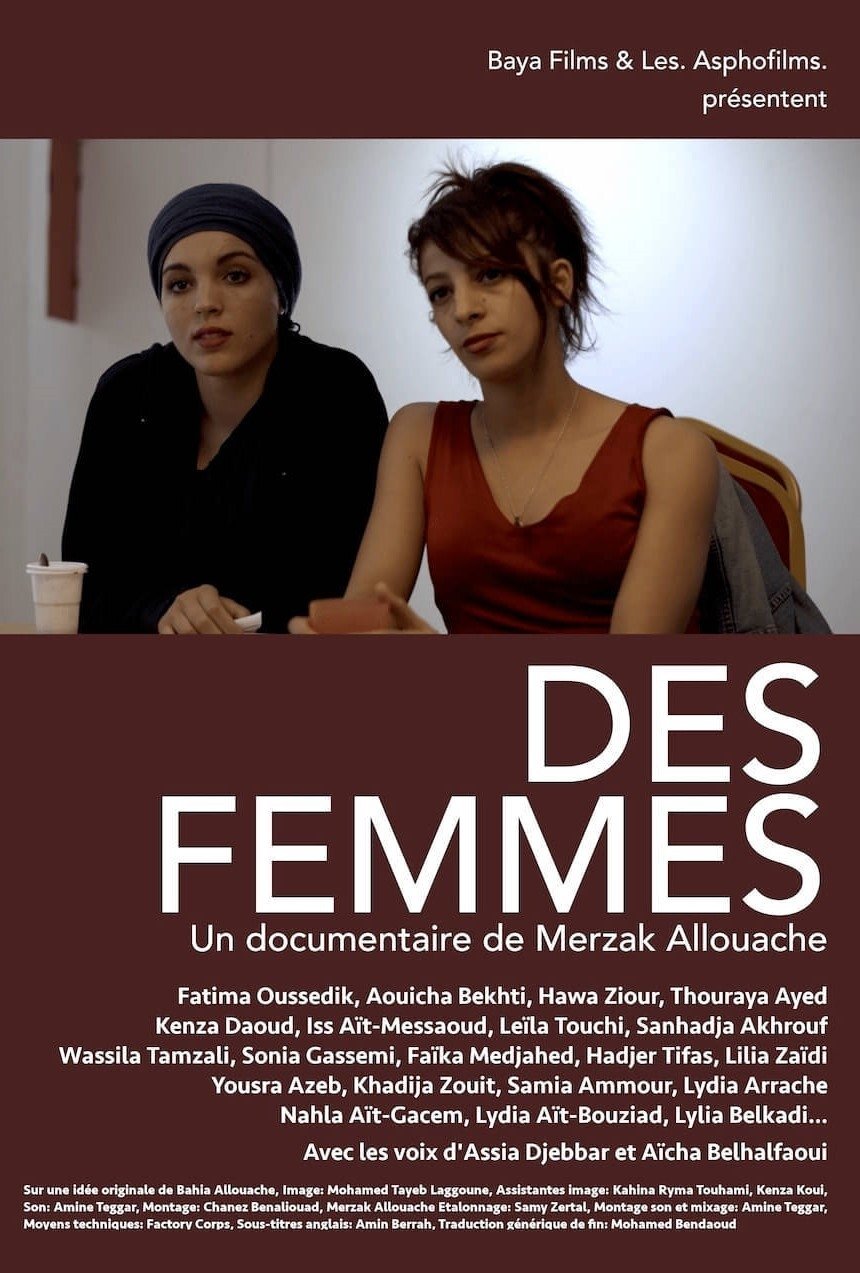
As the peaceful and determined Hirak movement gathers momentum and hopes for profound political change sweep across Algeria, women are combining femininity and feminism in the past, present, and future.
Since August 2024, in Martinique, a popular protest movement against the high cost of living has been reemerging under the leadership of the RPPRAC (Rassemblement Pour La Protection Des Peuples Et Des Ressources Afro-Caribéens – Gathering for the Protection of Afro-Caribbean Peoples and Resources). On the island, food prices are on average 54% higher than in mainland France.* Through various cultural figures, the people of Martinique are expressing their anger and seeking concrete solutions. *Source: Kiprix, Price comparison between supermarkets in the French overseas territories and mainland France.
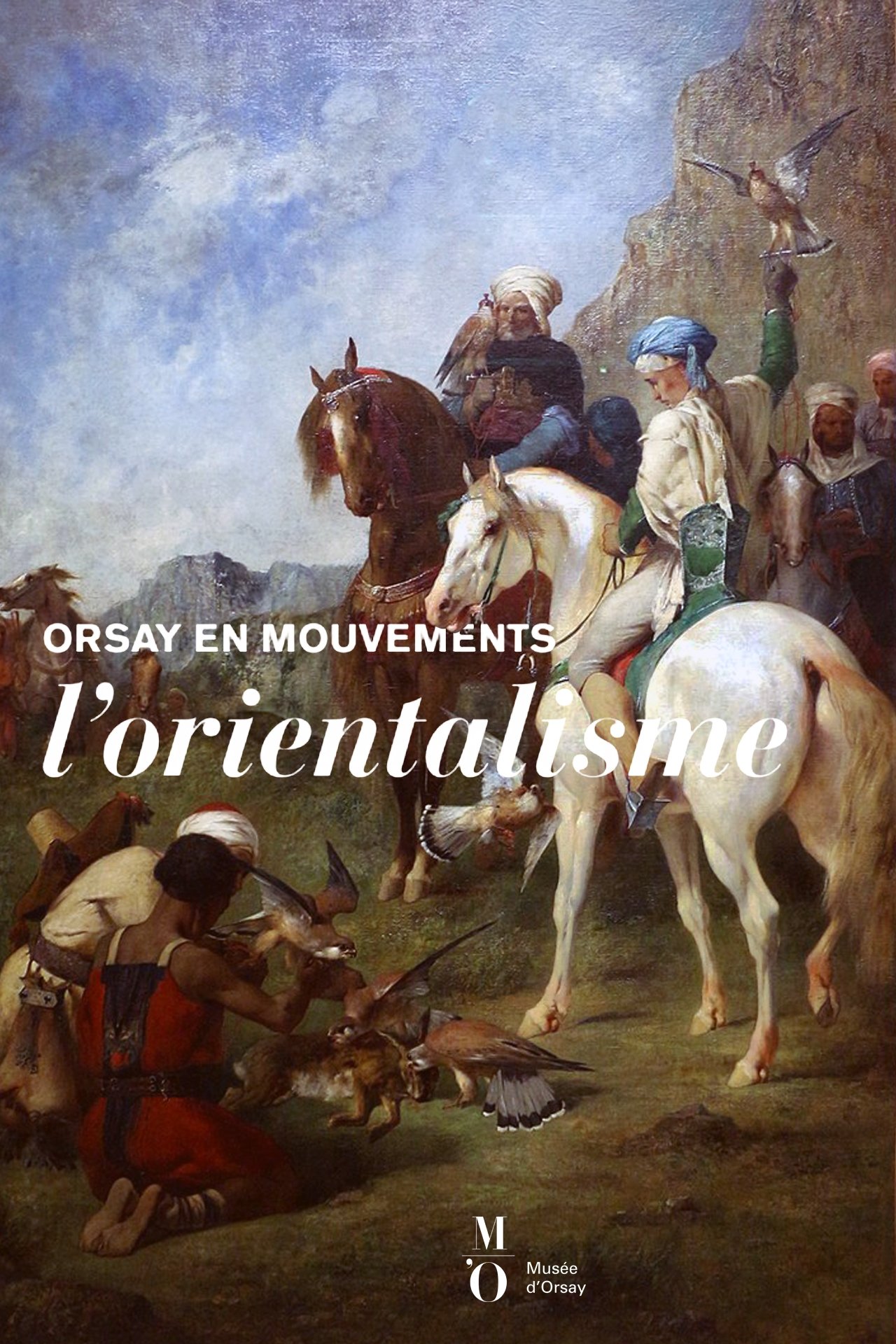
Orientalism is a literary and artistic movement born in Western Europe in the 18th century. Through its scale and popularity, throughout the 19th century, it marked the interest and curiosity of artists and writers for the countries of the West (the Maghreb) or the Levant (the Middle East). Orientalism was born from the fascination of the Ottoman Empire and followed its slow disintegration and the progression of European colonizations. This exotic trend is associated with all the artistic movements of the 19th century, academic, romantic, realistic or even impressionist. It is present in architecture, music, painting, literature, poetry... Picturesque aesthetics, confusing styles, civilizations and eras, orientalism has created numerous clichés and clichés that we still find today in literature or cinema.
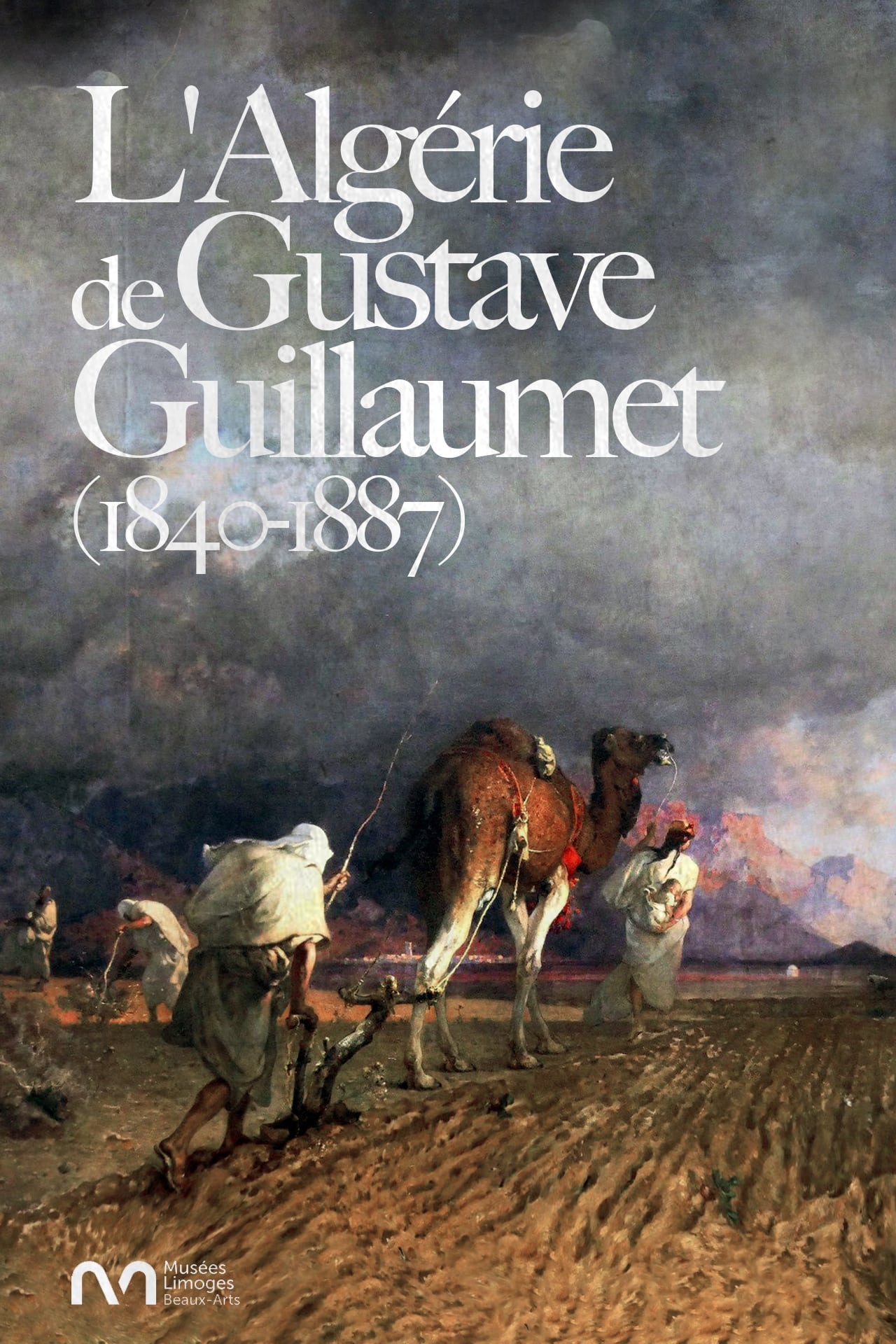
Born on March 25, 1840, Gustave Guillaumet discovered Algeria by chance when he was about to embark for Italy. Over the course of his ten or eleven trips and extended stays, he established a familiarity with this space. Traveling through the different regions from north to south, he never ceases to note the differences. He is also the first artist, apart from Delacroix's Women of Algiers, to penetrate into female interiors and reveal the reality, far removed from the harem fantasies that reigned in his time. Fascinated by the country, its deserts and its inhabitants , going so far as to live like the Algerians, Gustave Guillaumet devoted his life and his painting to this country, breaking with the colorful and exotic representations of the time. The painting The Famine in Algeria, restored thanks to exceptional fundraising, was dictated by the events of the years 1865-1868, and well illustrates his knowledge of the country, in a manner that is at once demanding, sensitive and serious.
TOMBOY explores the obstacles that young girls encounter on the recreational stage, the stereotypes, language issues and cultural disparities that follow, and ultimately the insufficient media coverage and compensation that afflicts elite professional athletes seeking full recognition for their talents. The journey of the female athlete is often discouraging, and despite progress achieved during the Title IX era, gender equity in athletics has a long way to go.
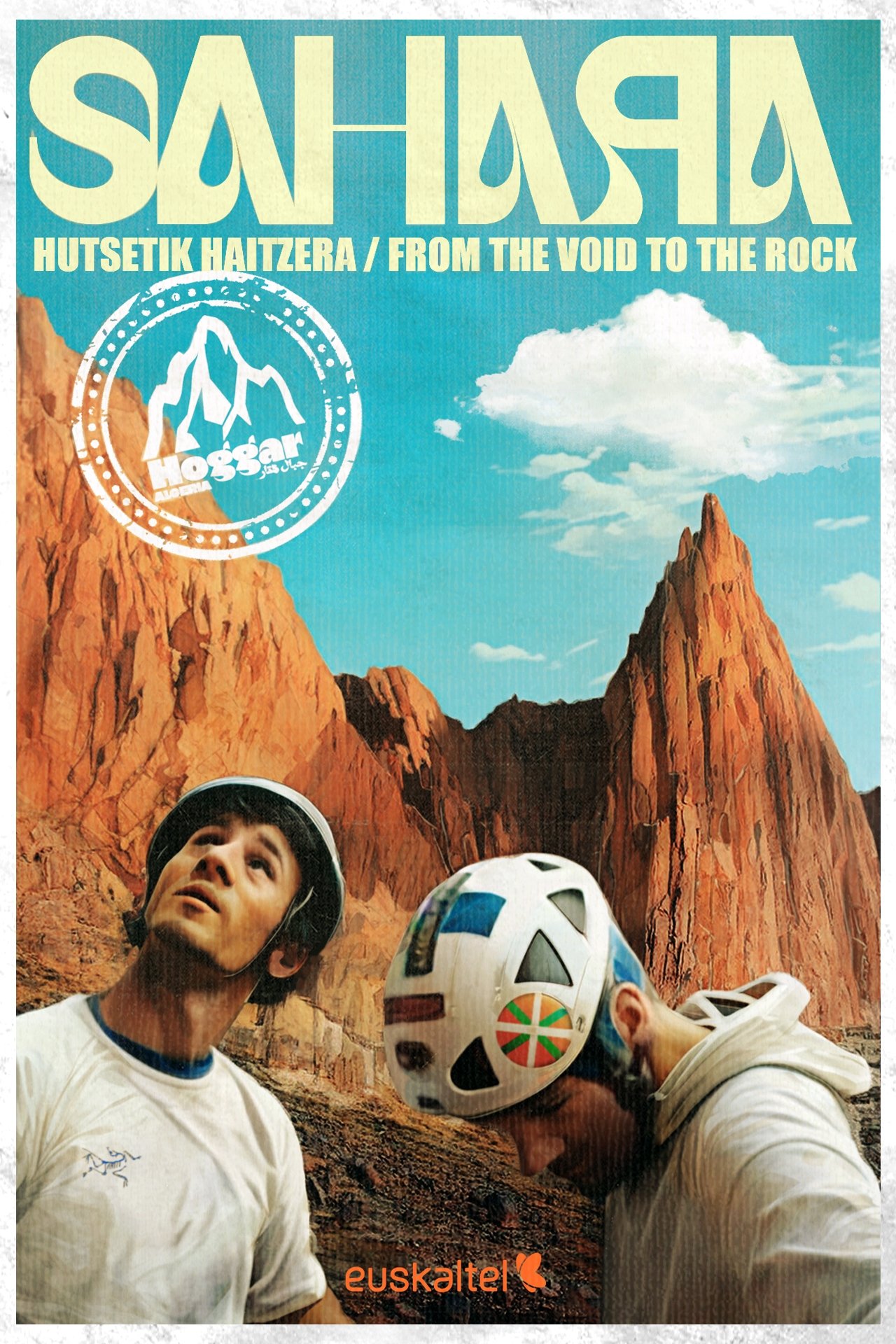
Sahara - Hutsetik Haitzera is a mountain documentary about the climbing of Tizouyag Nord in the Hoggar Desert in Algeria by the Spanish Basque team composed of Alberto Iñurrategi, Jon Lazkano, Juanjo San Sebastián, Jon Beloki and Asier Aranguren. Made by climber Alberto Iñurrategi in 2002 and produced by Iñurrategi Anaiak, it is part of the Oinak Izarretan series.
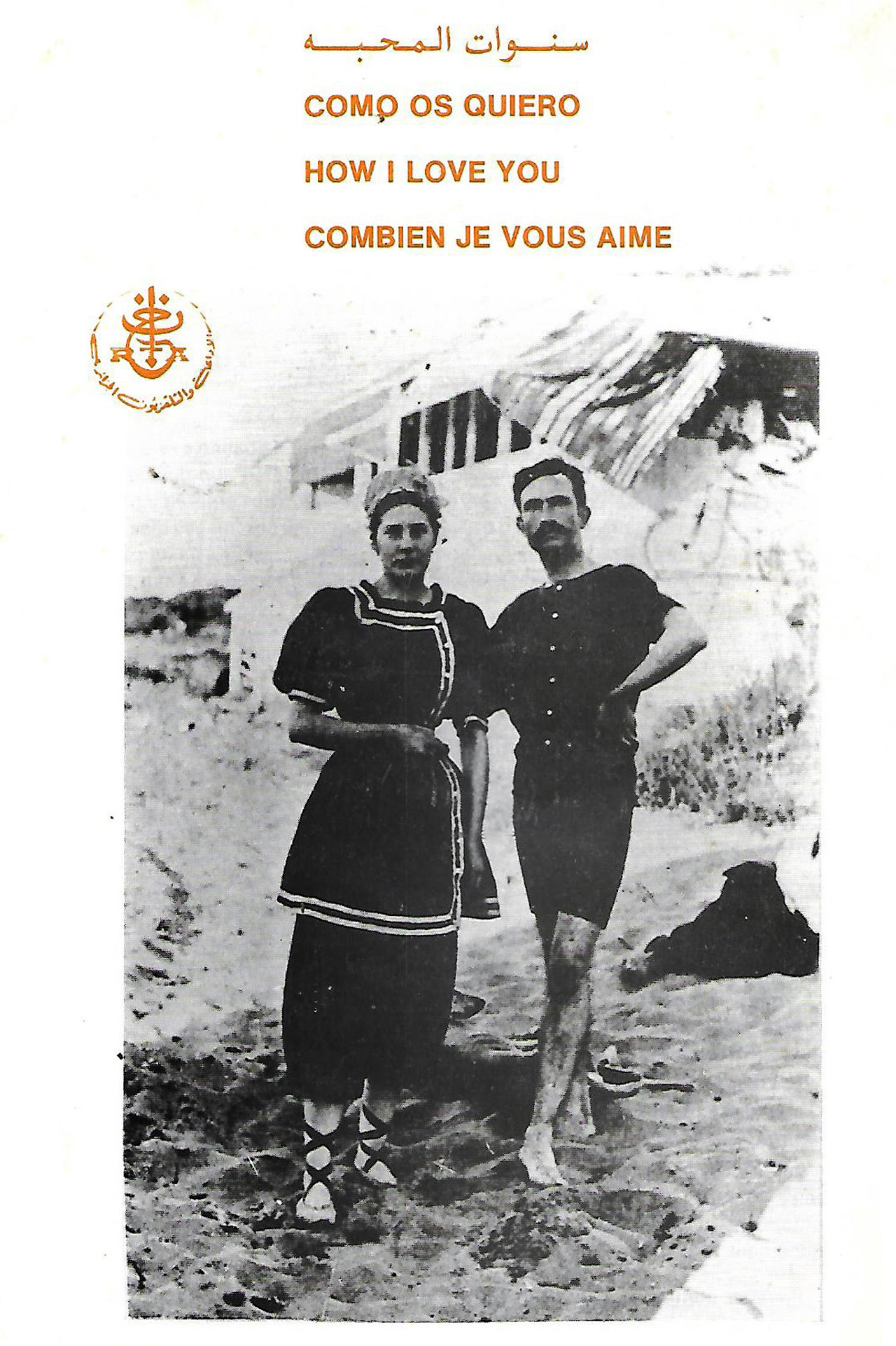
Beginning with a promotional reel encouraging farming investments in Algeria and ending with the secret 1950s nuclear tests that France conducted using Algerian prisoners, How Much I Love You appropriates archival footage produced by the French colonial powers in Algeria. Meddour’s approach is disarmingly simple and yet awe-inspiring—his caustic undoing of colonial discourse is underscored by a liberating release of humor.
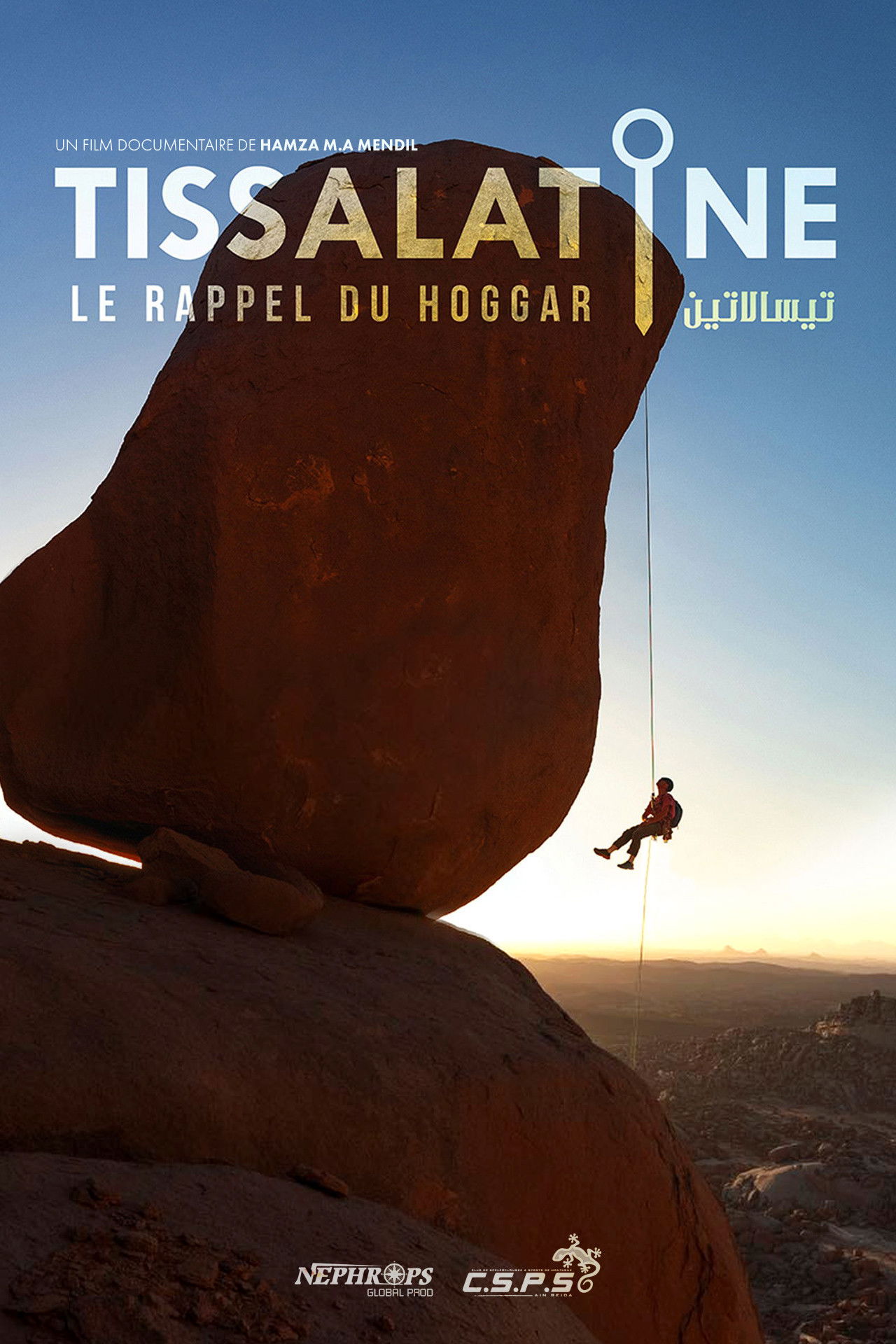
In the heart of the Hoggar Mountains, Algerian and French climbers meet on the legendary walls of the central Sahara. More than just an ascent, Tissalatine tells the story of an encounter with oneself, with the land, and with history. The film also retraces Thomas Dulac's return, ten years later, to a site he helped to open up. Driven by the profound voice of singer Djam and the vision of director Hamza Mendil, Tissalatine unveils a living, vibrant Sahara, far removed from clichés, in a sweeping epic of adventure, brotherhood, and spiritual elevation.
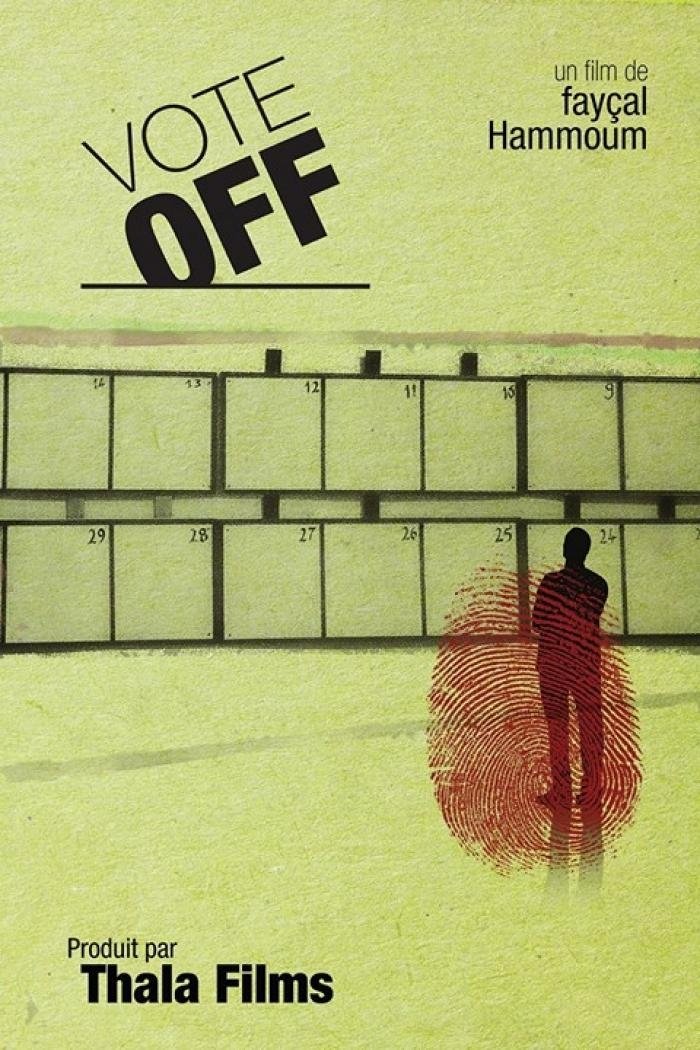
Fayçal Hammoum recounts the 2014 presidential election through non-voting inhabitants of Algiers who, like him, are in their thirties. Be it Bilel, a grocer by default exposed to his customers’ political babbling, or the more politically-charged comments of Younes, a militant FM radio journalist opposed to President Bouteflika’s fourth term, the variety of conversational scenes in no way changes the determination not to vote for an old man who has been invisible for almost two years. The rappers Omar and Brahim are as bereft of hope and voter’s cards as the Tellek webradio DJ, since “the match is fixed”. Moving away from his focus on this subject to film their daily life, the filmmaker draws the portrait of a generation who, as Bilal says with poignant simplicity, “just wants to live
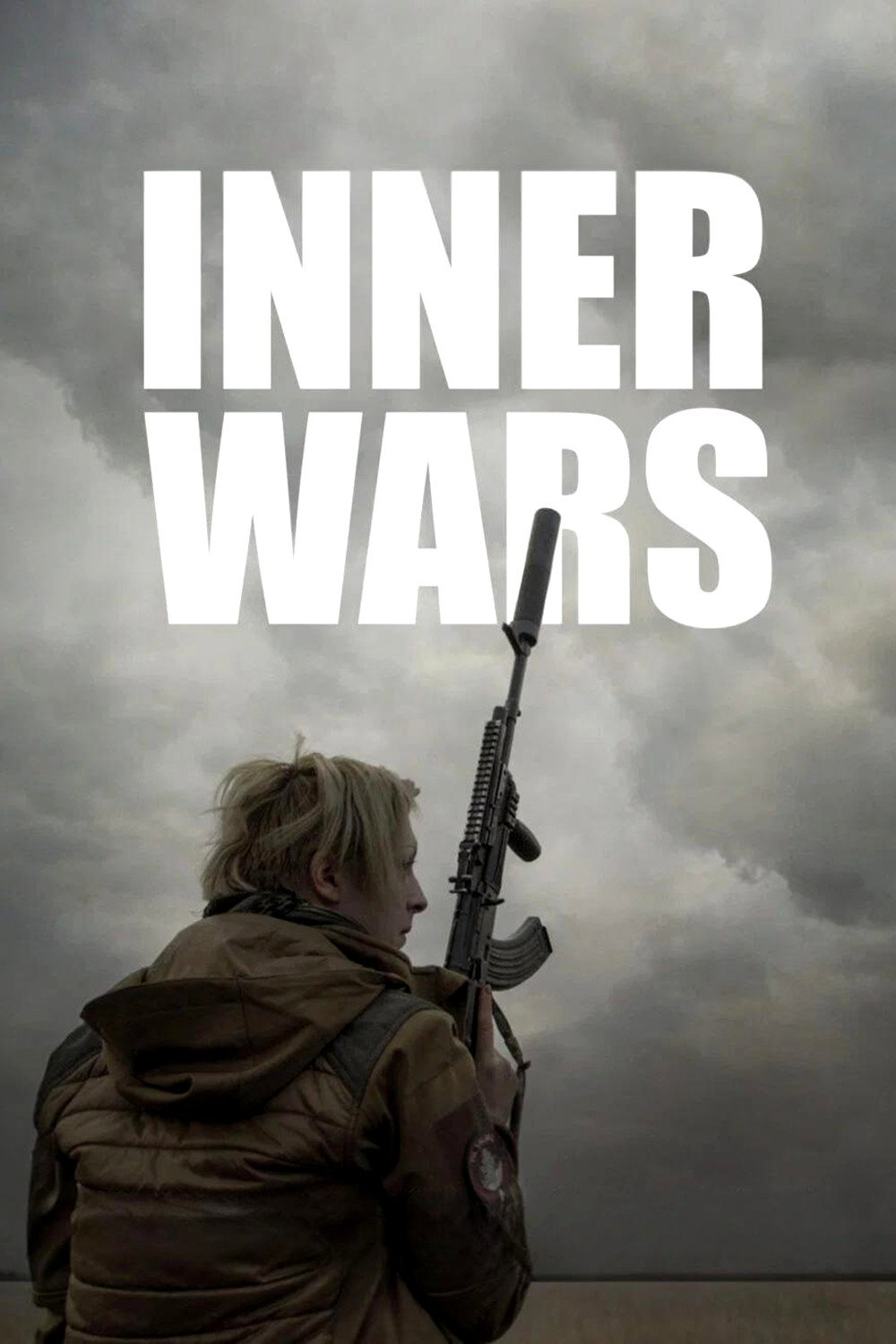
Since the uprising of a pro Russian insurgency in eastern Ukraine in 2014, hundreds of women joined the army. Only a few made it to the front line. Filmmaker Masha embeds herself in the war zone to follow the daily life of three of them. By sharing the intimacy of these fighters, Masha soon becomes a victim of this brotherhood conflict jeopardizing this film and her life.
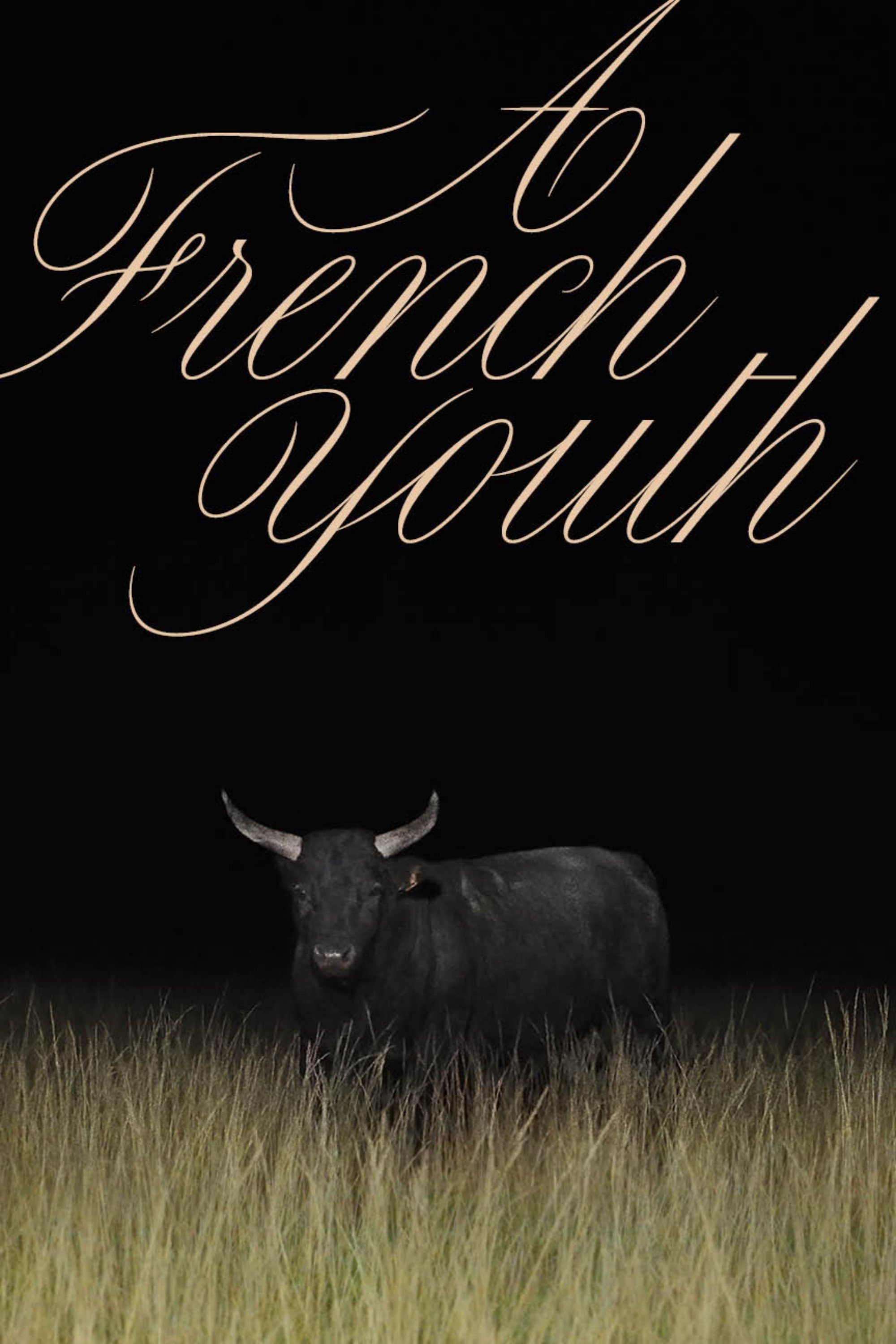
In the heart of the Camargue region, in the south of France, Jawad and Belka find freedom in their love of Camargue races. For these young Maghrebi men, the event is more than a simple tradition. Facing off with a bull is an opportunity to establish their place in the arena—and in French society. But at what cost?
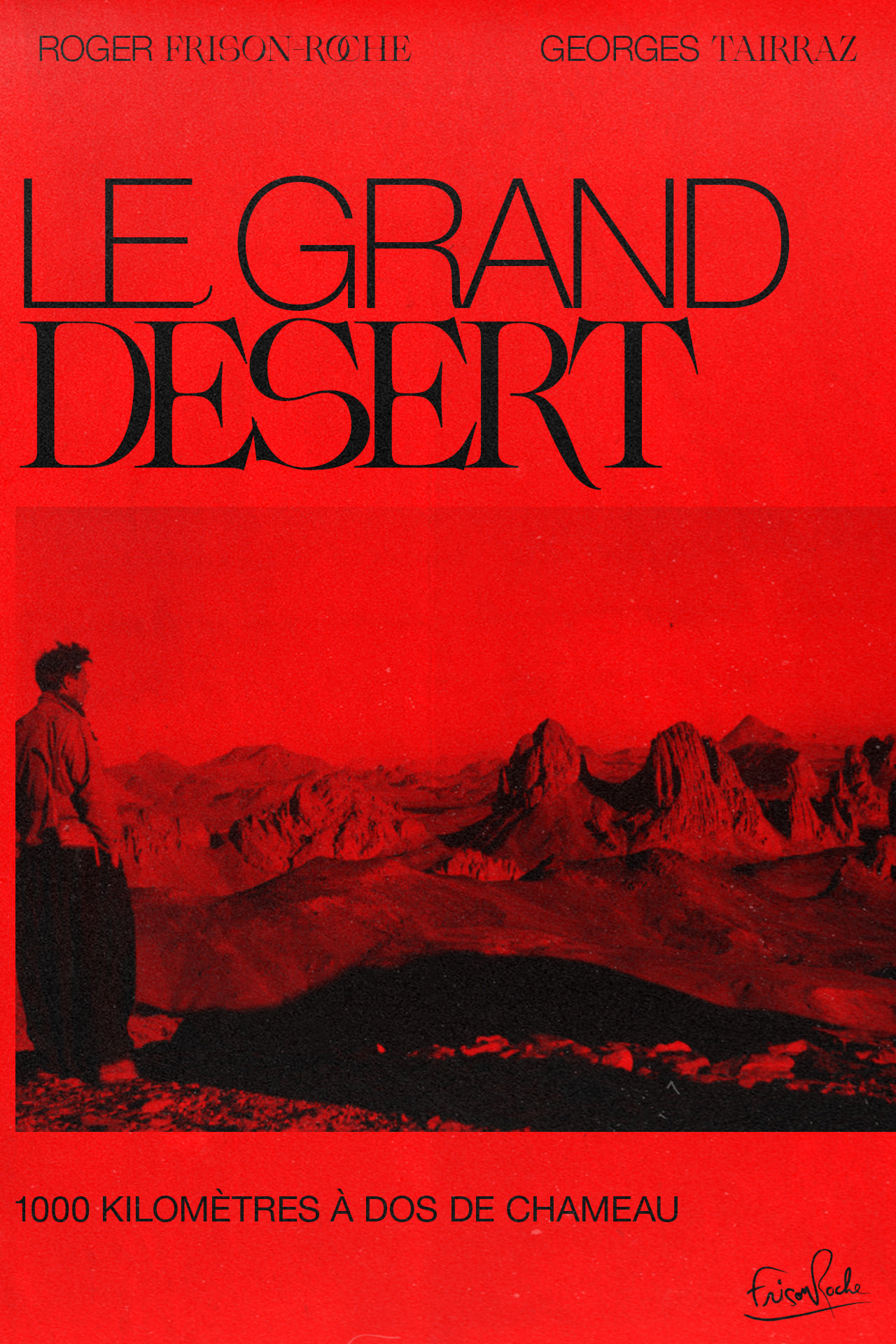
In 1950, the explorer Roger Frison-Roche made a crossing of more than a thousand kilometers on the back of a camel with the photographer Georges Tairraz II, in the heart of the Sahara, from Hoggar then Djanet in Algeria to Ghat in Libya. From their journey they brought back a large number of color films and documents. Among thousands of photos, they selected 47 images which reflect the various aspects of these immense spaces which occupy a third of Africa in the book "The Great Desert". “The Great Desert, 1000 kilometers on camelback” is the eponymous 85-minute documentary of this epic, released in 1950.
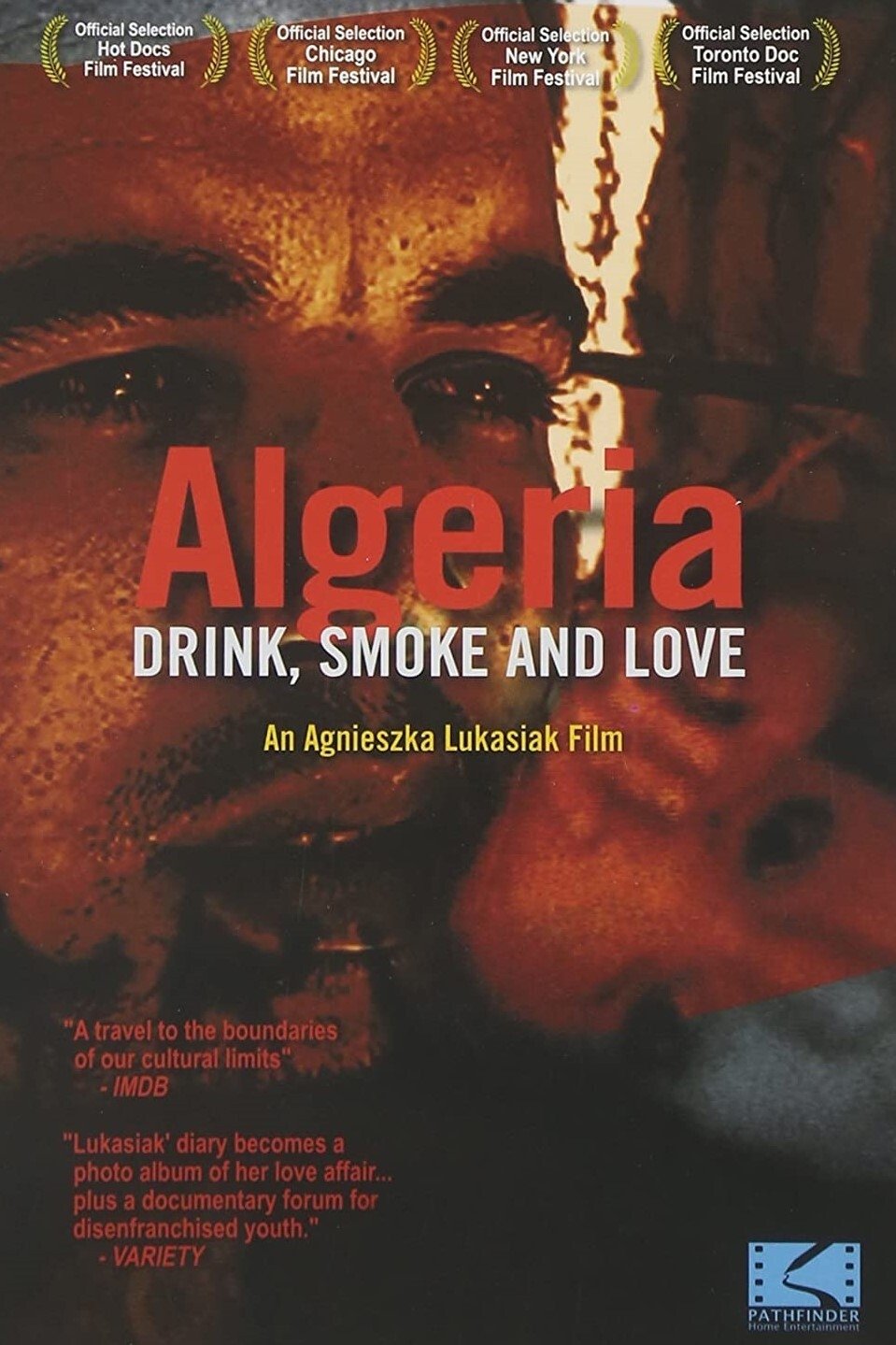
Agnieszka Lukasiak travels to Algeria to capture it's conflict on camera. When she arrives, she's immediately sidetracked by romance with her host, Habib. She turns the camera on herself as she falls in love with him. the atmosphere quickly diminishes when Habib's family steps in and kicks her out. Not to be deterred, on her second visite to Algeria to seek Habib's love, she begins her real journey to expose the underside of the country.
Béatrice Dalle, Lio, Brigitte Fontaine, Corinne Masiero, Aïssa Maïga, Virginie Despentes, Maria Schneider, Gisèle Halimi, Juliette Gréco, and Adèle Haenel—these women lived on their own terms, defying conventions and embracing lives often deemed "scandalous." Labeled frivolous, hysterical, or simply too free and too loud, they faced criticism yet used controversy as a force for change, challenging norms and advancing women's rights. This documentary retraces seventy years of their bold and unconventional journeys, telling the story of the fearless women who shaped history and fought for a more equal world.
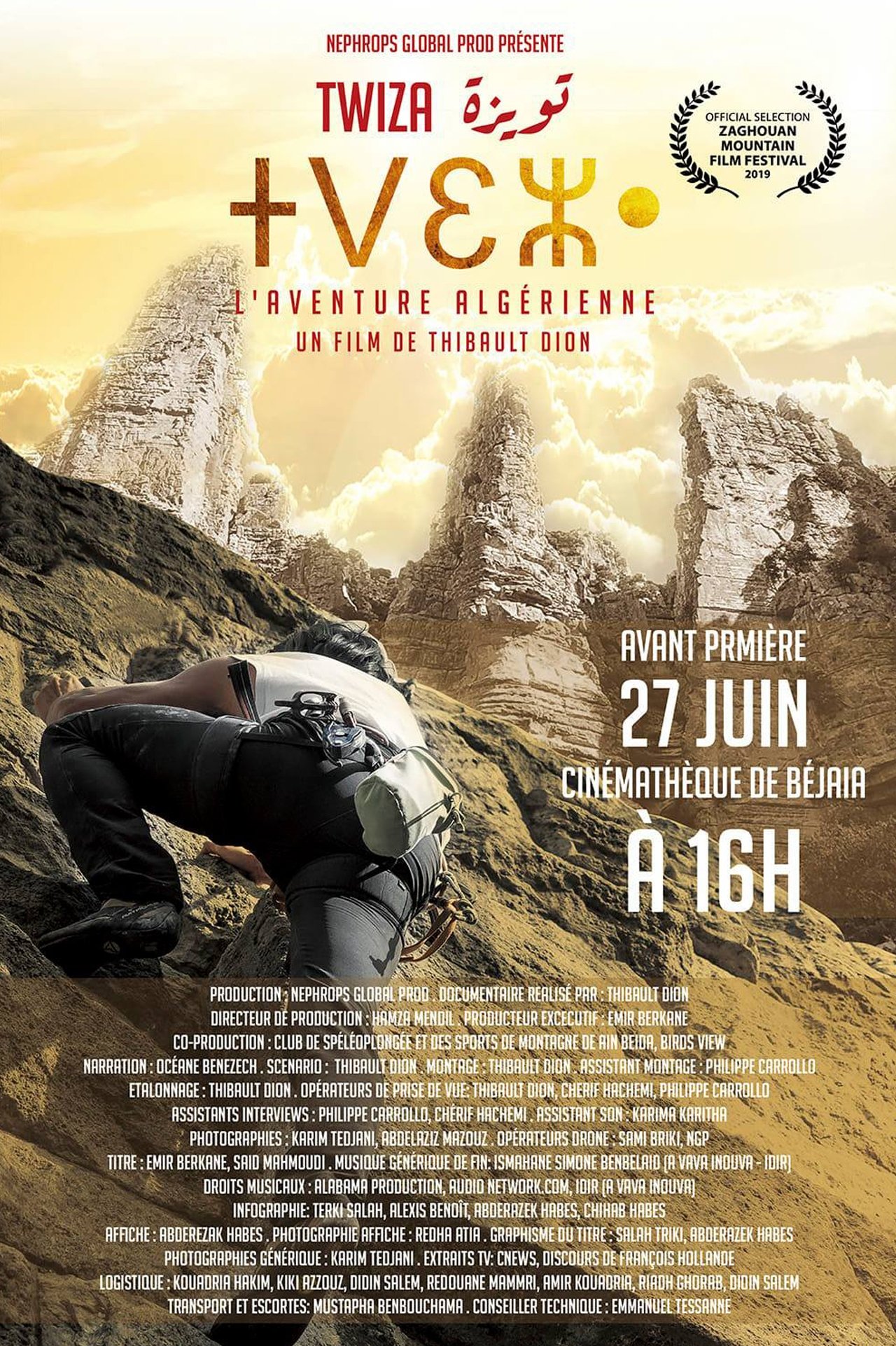
In Tamazight culture, "Twïza" symbolizes a gathering for sharing and mutual support. This is precisely what Thibault Dion's film explores – January 2019 – as five French climbers land at Constantine airport. While they initially thought they would simply be opening climbing routes in eastern Algeria, this group of climbers from Grenoble discovers much more. Their initial apprehension about exploring this isolated region, coupled with the warm welcome, good humor, and rich culture, transforms their journey into an unexpected human adventure. Fabulous landscapes, thrilling experiences, unforgettable moments, smiles – beyond borders, in the land of friendship and hospitality... Algeria.
This excellent feature-length documentary - the story of the imperialist colonization of Africa - is a film about death. Its most shocking sequences derive from the captured French film archives in Algeria containing - unbelievably - masses of French-shot documentary footage of their tortures, massacres and executions of Algerians. The real death of children, passers-by, resistance fighters, one after the other, becomes unbearable. Rather than be blatant propaganda, the film convinces entirely by its visual evidence, constituting an object lesson for revolutionary cinema.
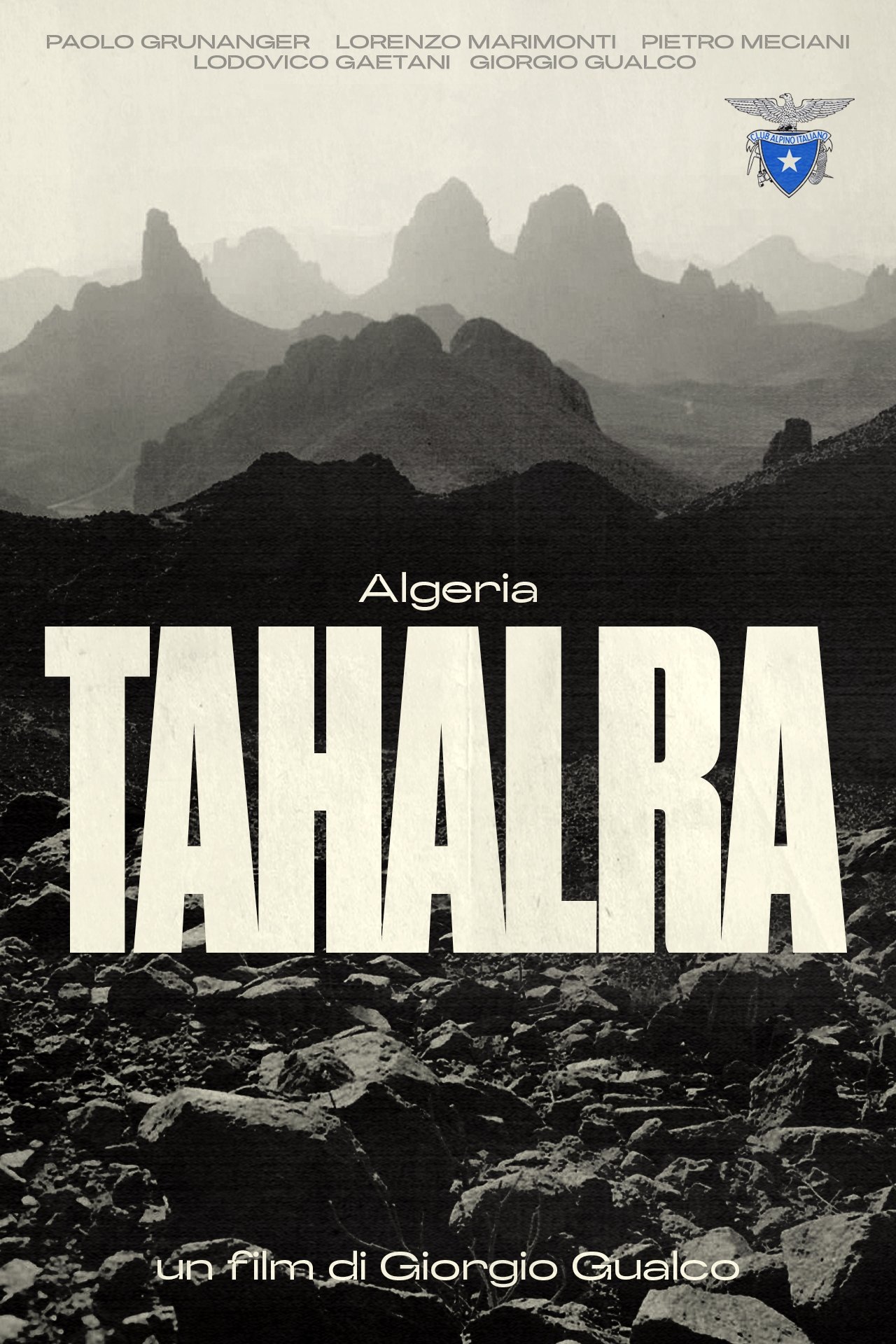
Five young Italian climbers, Paolo Grunanger, Lorenzo Marimonti, Pietro Meciani, Lodovico Gaetani and Giorgio Gualco, members of the expedition organized under the patronage of the Milanese section of the Italian Alpine Club, reached Tamanrasset, in Hoggar, the Tuareg kingdom. From there, with a caravan of camels, they head towards the mountainous volcanic chain of Tahalra, little known to Westerners. During the exploration, climbers will climb seven virgin peaks via very difficult routes and at the same time carry out topographical surveys.
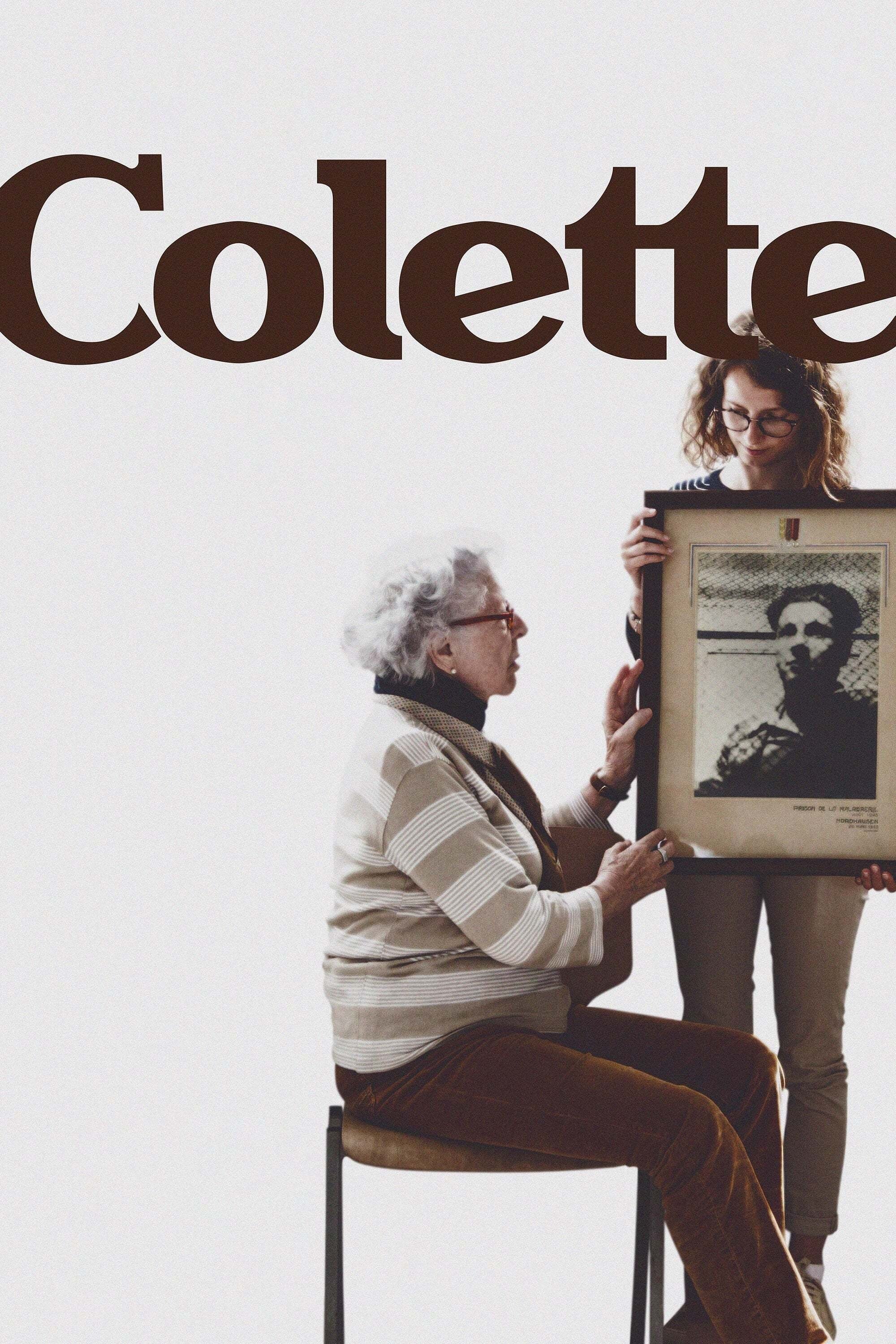
World War II. Not all warriors wore uniforms. Not all warriors were men. Meet ninety-year-old Colette Catherine who, as a young girl, fought the Nazis as a member of the French Resistance. Now she’s about to re-open old wounds, re-visting the terrors of that time. Some nightmares are too terrible to remember. But also, too dangerous to forget.
This revealing documentary honors the legendary Sidney Poitier—iconic actor, filmmaker, and civil rights activist. Featuring interviews with Denzel Washington, Spike Lee, Halle Berry, and more.
In an intimate and joyful story of love in the face of loss, celebrated poets Andrea Gibson and Megan Falley find strength—and unexpected hilarity—in what might be their final year together.
A love letter from a young mother to her daughter, the film tells the story of Waad al-Kateab’s life through five years of the uprising in Aleppo, Syria as she falls in love, gets married and gives birth to Sama, all while cataclysmic conflict rises around her. Her camera captures incredible stories of loss, laughter and survival as Waad wrestles with an impossible choice– whether or not to flee the city to protect her daughter’s life, when leaving means abandoning the struggle for freedom for which she has already sacrificed so much.
Prelude to War was the first film of Frank Capra's Why We Fight propaganda film series, commissioned by the Pentagon and George C. Marshall. It was made to convince American troops of the necessity of combating the Axis Powers during World War II. This film examines the differences between democratic and fascist states.
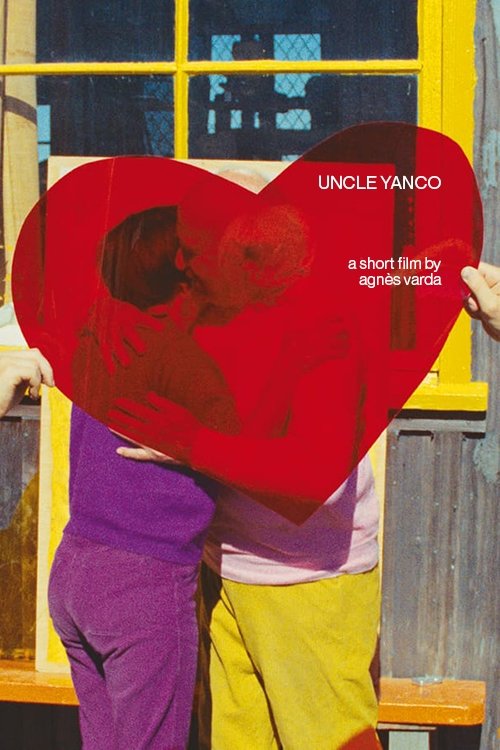
While in San Francisco for the promotion of her last film in October 1967, Agnès Varda, tipped by her friend Tom Luddy, gets to know a relative she had never heard of before, Jean Varda, nicknamed "Yanco". This hitherto unknown uncle lives on a boat in Sausalito, is a painter, has adopted a hippie lifestyle and loves life. The meeting is a very happy one.
Using the book 'Fragments', which collects Marilyn Monroe's poems, notes and letters, and with participation from the Arthur Miller and Truman Capote estates who have contributed more material, each of the actresses will embody the legend at various stages in her life.
Alexander McQueen's rags-to-riches story is a modern-day fairy tale, laced with the gothic. Mirroring the savage beauty, boldness and vivacity of his design, this documentary is an intimate revelation of McQueen's own world, both tortured and inspired, which celebrates a radical and mesmerizing genius of profound influence.
Bastien is twenty years old and has been an activist for five years in the main extreme right party. When the presidential campaign begins, he's invited by his superior to commit even further. Initiated into the art of decking himself out like a politician, he starts to dream of a career, but old demons surge forth...
When Allied forces liberated the Nazi concentration camps in 1944-45, their terrible discoveries were recorded by army and newsreel cameramen, revealing for the first time the full horror of what had happened. Making use of British, Soviet and American footage, the Ministry of Information’s Sidney Bernstein (later founder of Granada Television) aimed to create a documentary that would provide lasting, undeniable evidence of the Nazis’ unspeakable crimes. He commissioned a wealth of British talent, including editor Stewart McAllister, writer and future cabinet minister Richard Crossman – and, as treatment advisor, his friend Alfred Hitchcock. Yet, despite initial support from the British and US Governments, the film was shelved, and only now, 70 years on, has it been restored and completed by Imperial War Museums under its original title "German Concentration Camps Factual Survey".
Through deeply personal interviews with her siblings and an examination of the photographs, letters, and belongings left behind, Mariska assembles a new portrait of her mother Jayne Mansfield, an extraordinary and complex woman.
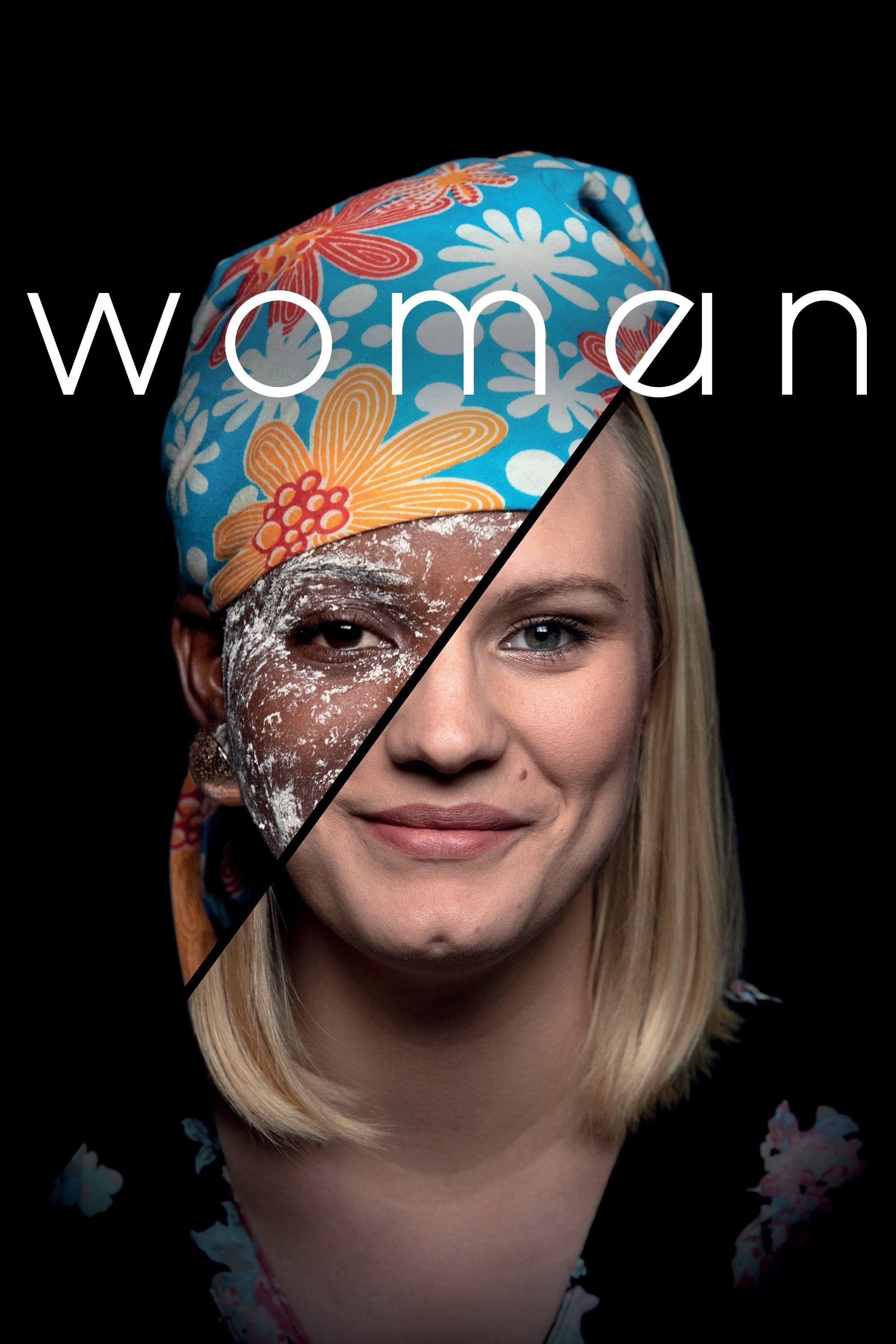
The film is based on interviews with 2,000 women from 50 countries, and covers the status of women all over the world. The topics covered include forced marriages, sexual assault, female genital mutilation, acid attacks, motherhood, sexuality, menstruation, education and the professional success of women.
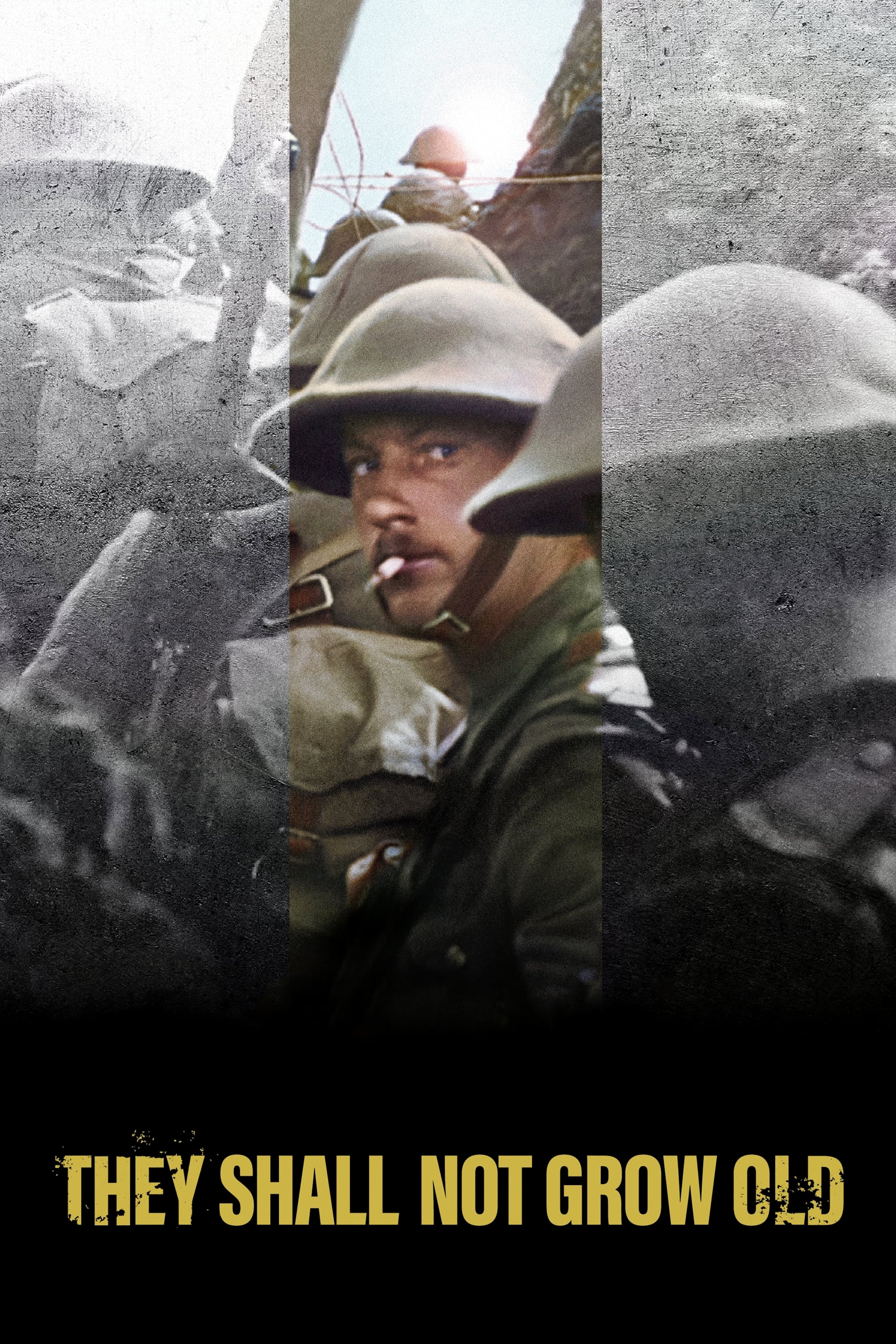
A documentary about World War I with never-before-seen footage to commemorate the centennial of Armistice Day, and the end of the war.
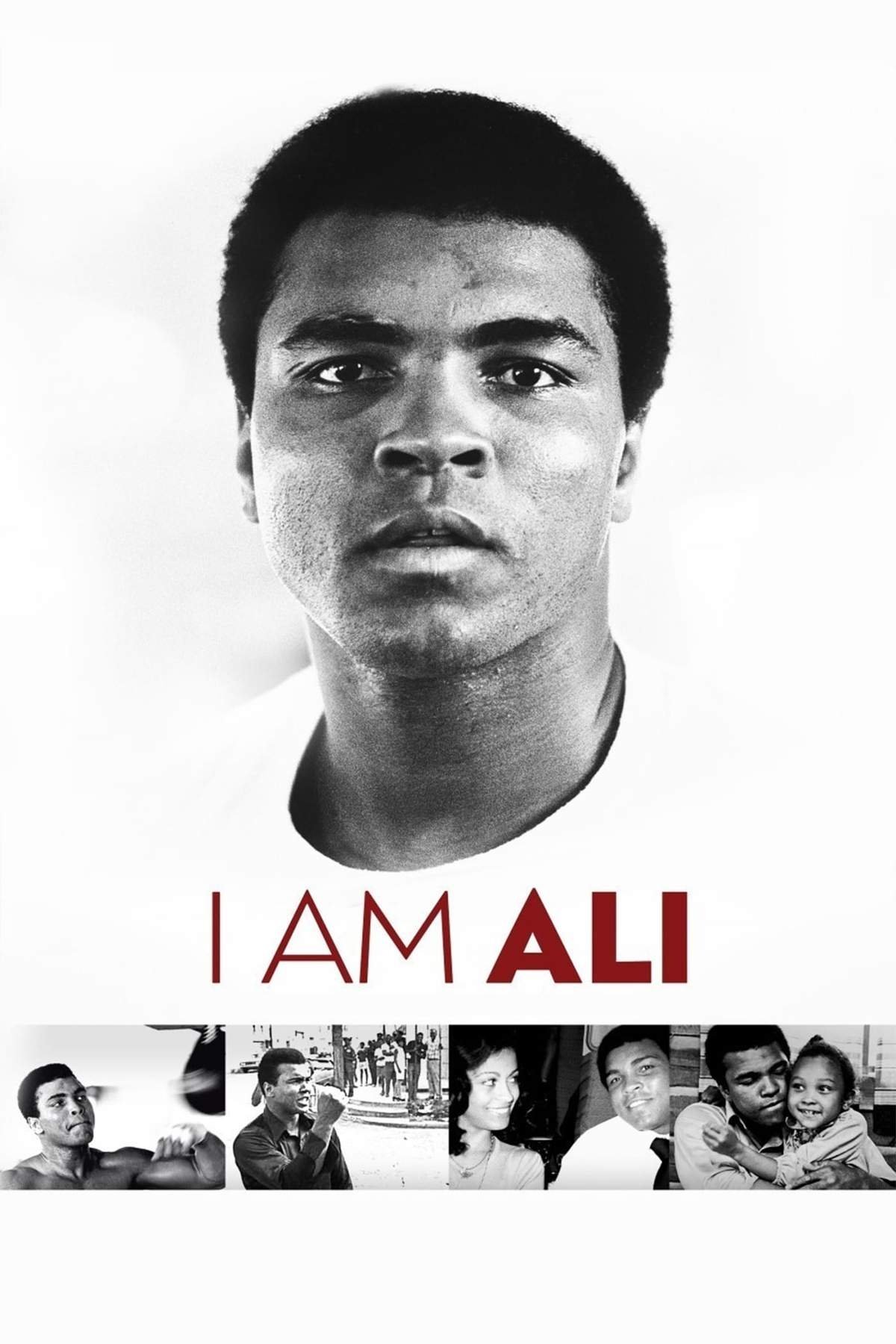
Unprecedented access to Muhammad Ali's personal archive of "audio journals" as well as interviews and testimonials from his inner circle of family and friends are used to tell the legend's life story.
Those who knew iconic funnyman John Candy best share his story, in their own words, through never-before-seen archival footage, imagery, and interviews.
Stars of "The Walking Dead," Andrew Lincoln and Danai Gurira, walk down memory lane and visit iconic locations where pivotal moments between their characters, Rick and Michonne, were filmed.
Daniel Craig candidly reflects on his 15 year adventure as James Bond. Including never-before-seen archival footage from Casino Royale to the upcoming 25th film No Time To Die, Craig shares his personal memories in conversation with 007 producers, Michael G Wilson and Barbara Broccoli.
“The Soviet Story” is a story of an Allied power, which helped the Nazis to fight Jews and which slaughtered its own people on an industrial scale. Assisted by the West, this power triumphed on May 9th, 1945. Its crimes were made taboo, and the complete story of Europe’s most murderous regime has never been told. Until now...
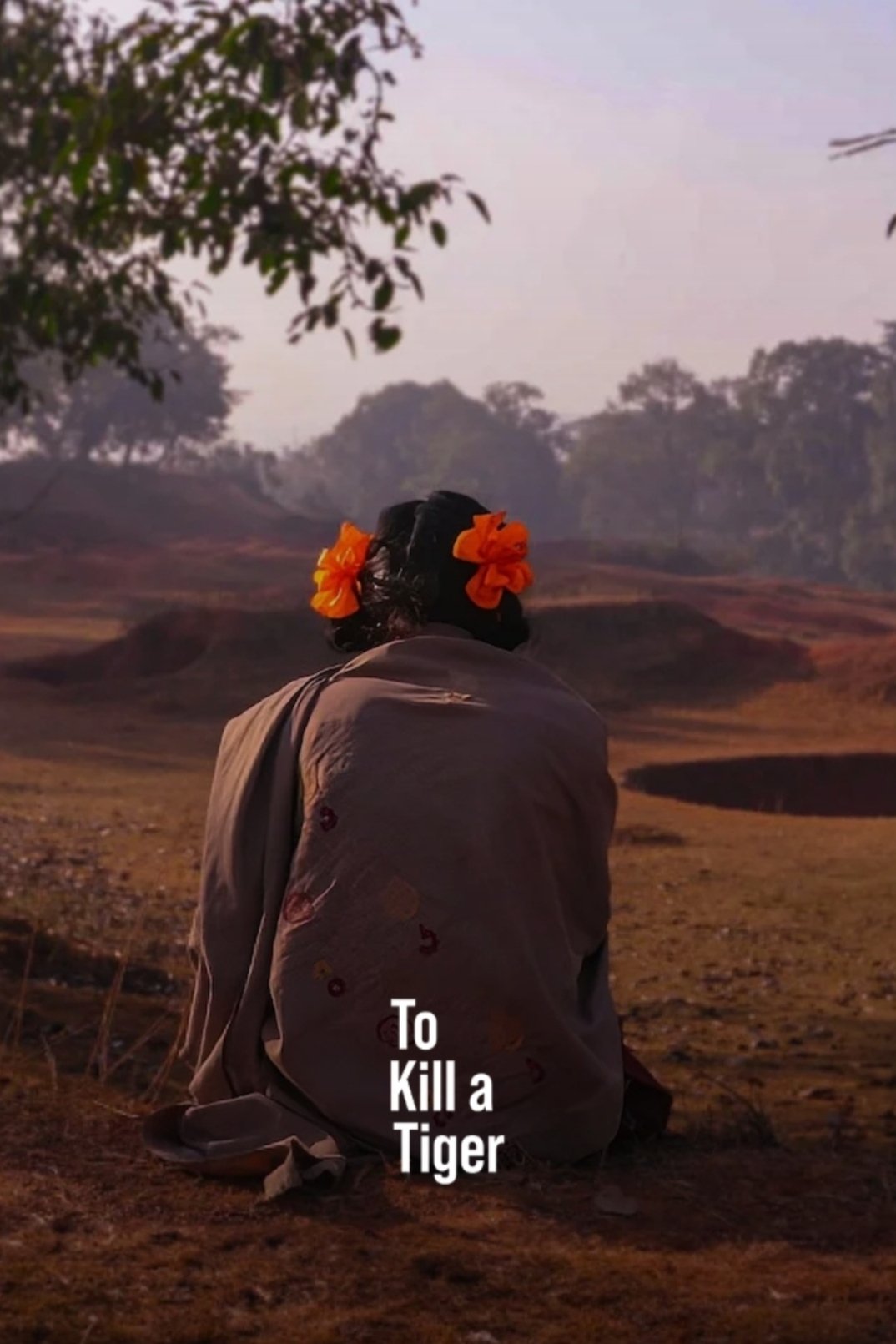
Ranjit, a farmer in India, takes on the fight of his life when he demands justice for his 13-year-old daughter, the victim of a brutal gang rape. His decision to support his daughter is virtually unheard of, and his journey unprecedented.
An unprecedented and intimate look at the life, work and enduring legacy of British actress Audrey Hepburn (1929-1993).