Social & External
Unknown Role
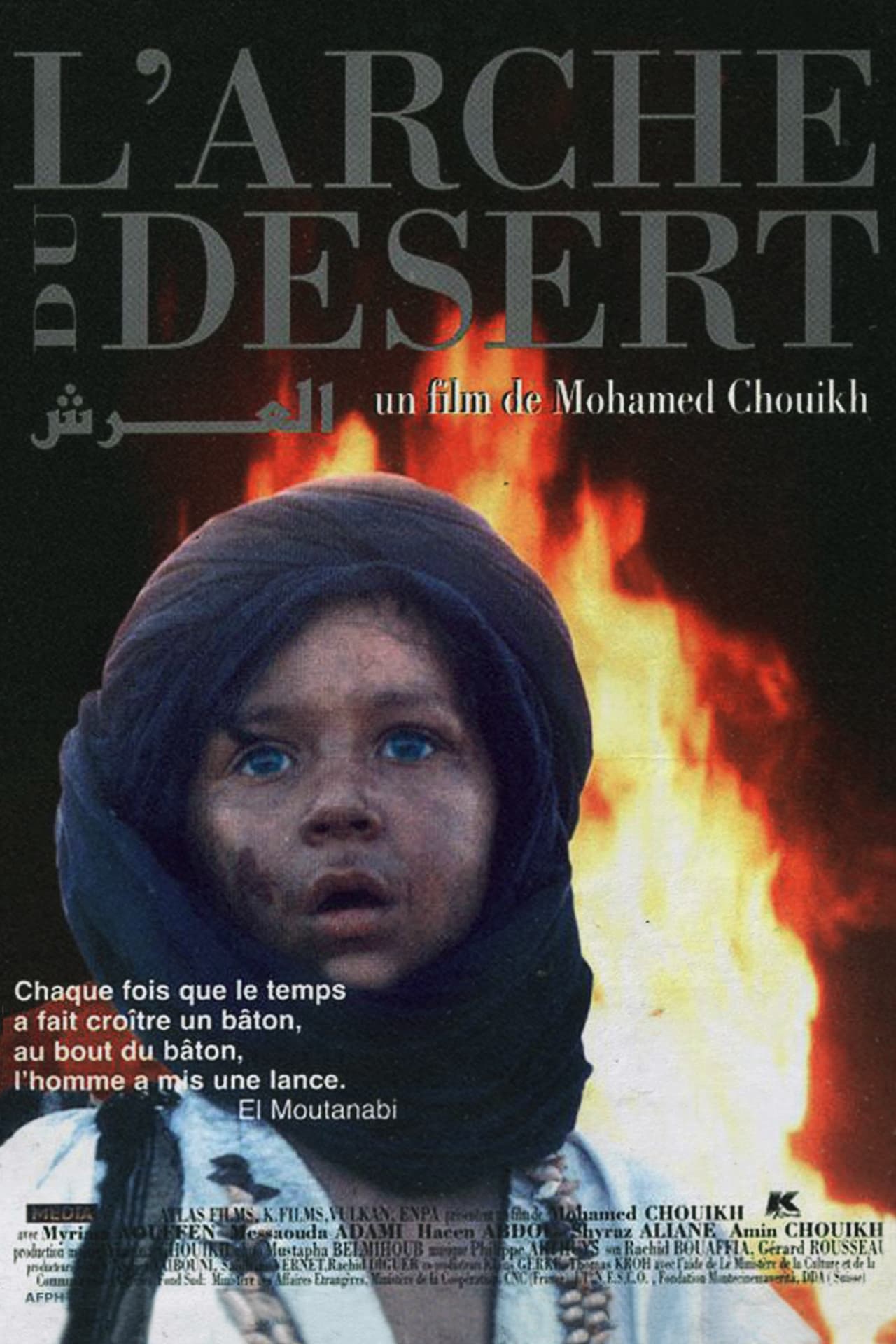
The Desert Ark (L'Arche du Desert), a variation on Romeo and Juliet set in the Algerian desert. A young couple must face inevitable conflict when their rival families discover their secret love. Taking refuge in a cave, they listen to the sounds of a senseless campaign of violence and murder, which is the culmination of the extremism that has long divided their two communities. Nominated for the Golden Leopard at the 1997 Locarno Film Festival.
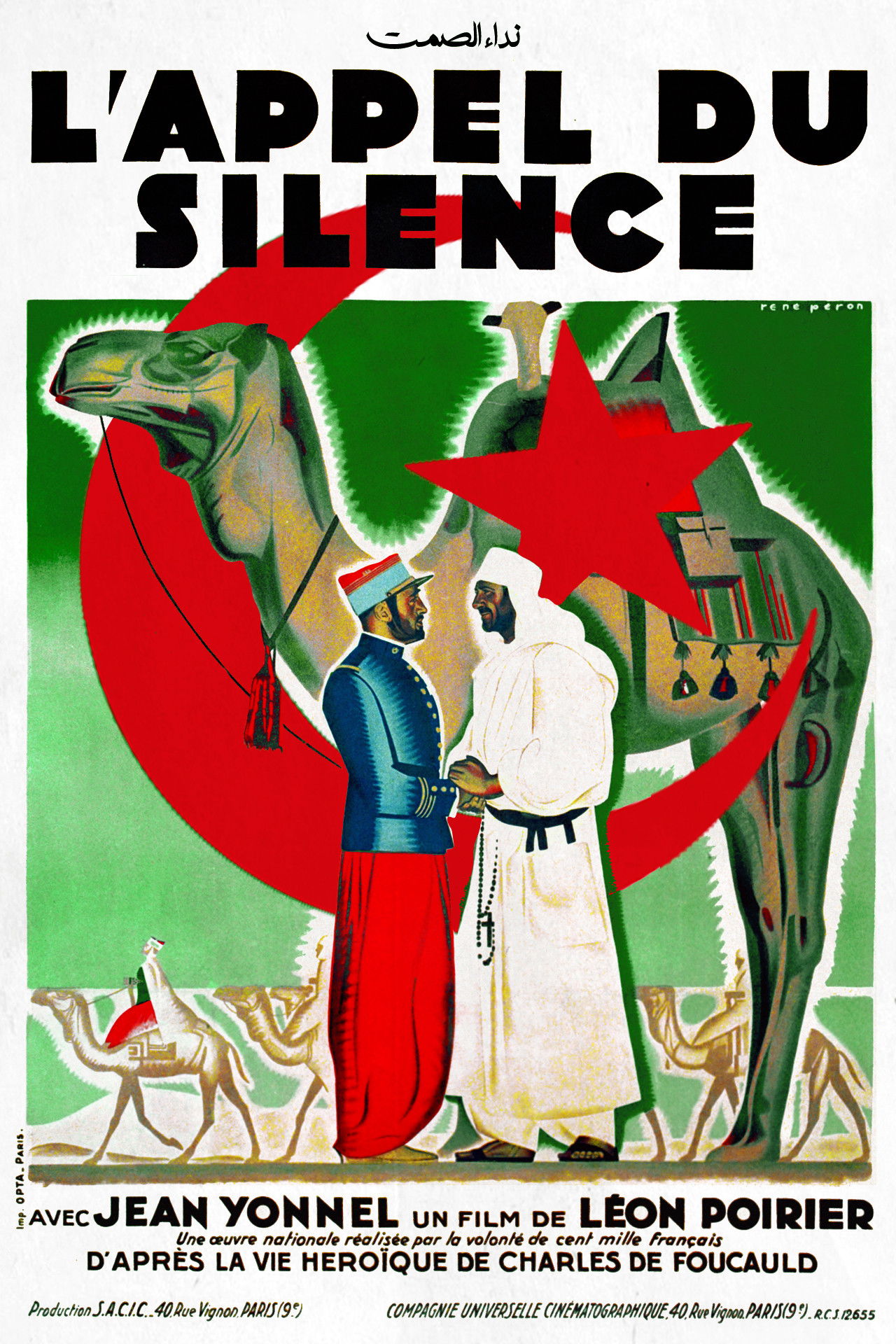
The story of Charles de Foucauld, born September 15, 1858 in Strasbourg (France) and died December 1, 1916 in Tamanrasset in Algeria during the French colonial period, was a cavalry officer of the French army who became an explorer and geographer, then Catholic religious, priest, linguist and hermit in the Hoggar desert in Algeria.
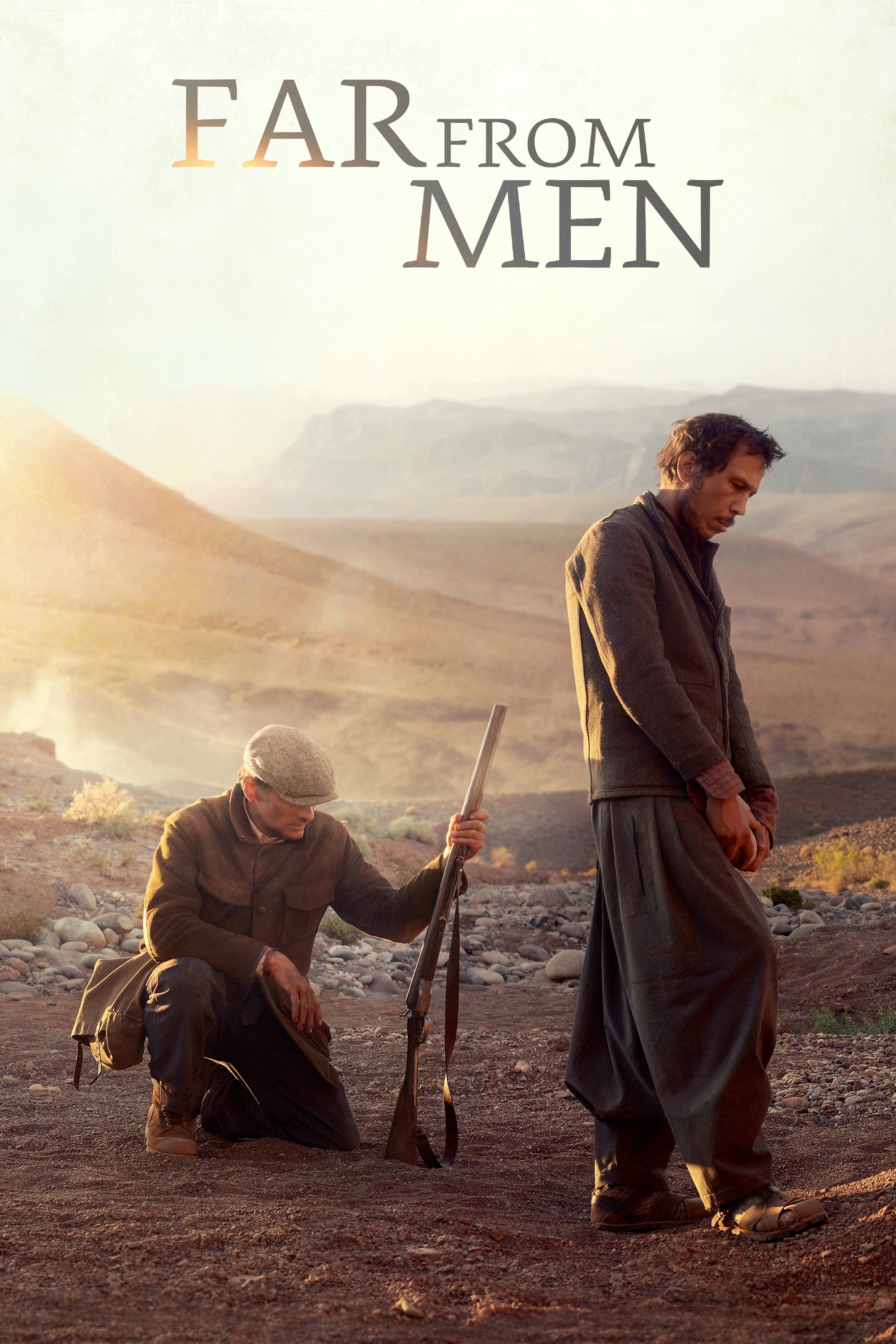
A French teacher in a small Algerian village during the Algerian War forms an unexpected bond with a dissident who is ordered to be turned in to the authorities.
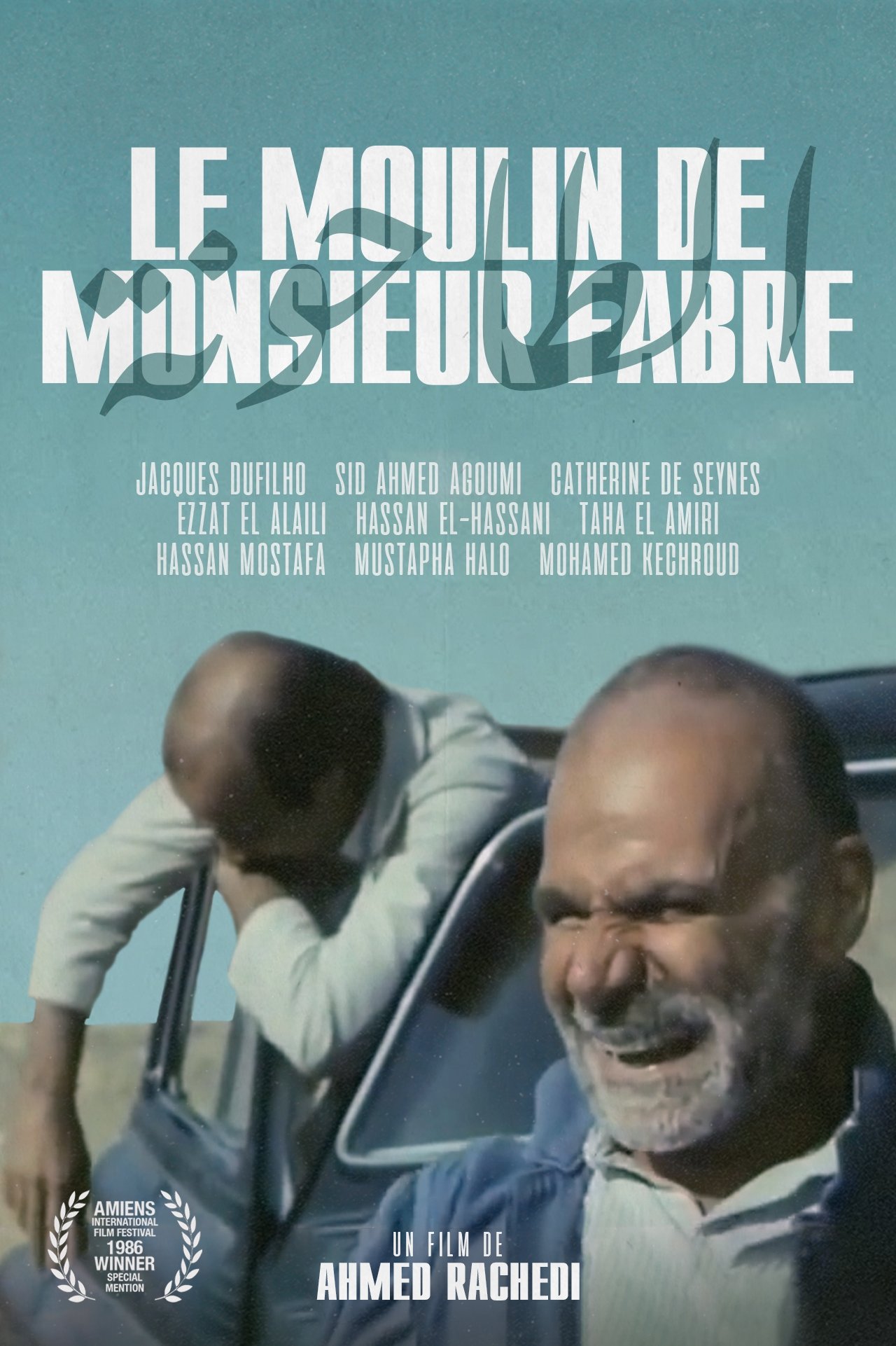
The story of the post-independence nationalization of the mill of Monsieur Fabre, an old man attached to the land of Algeria where he was born. In this small town in eastern Algeria, there was nothing else to nationalize and they were actively preparing for the arrival of high dignitaries who would elevate the mill to the rank of an industrial flour mill even though it was threatened with ruin. The comedy gets worse when the football player from the local team withdraws for love, the officials' visit is canceled and Mr. Fabre returns.
This excellent feature-length documentary - the story of the imperialist colonization of Africa - is a film about death. Its most shocking sequences derive from the captured French film archives in Algeria containing - unbelievably - masses of French-shot documentary footage of their tortures, massacres and executions of Algerians. The real death of children, passers-by, resistance fighters, one after the other, becomes unbearable. Rather than be blatant propaganda, the film convinces entirely by its visual evidence, constituting an object lesson for revolutionary cinema.

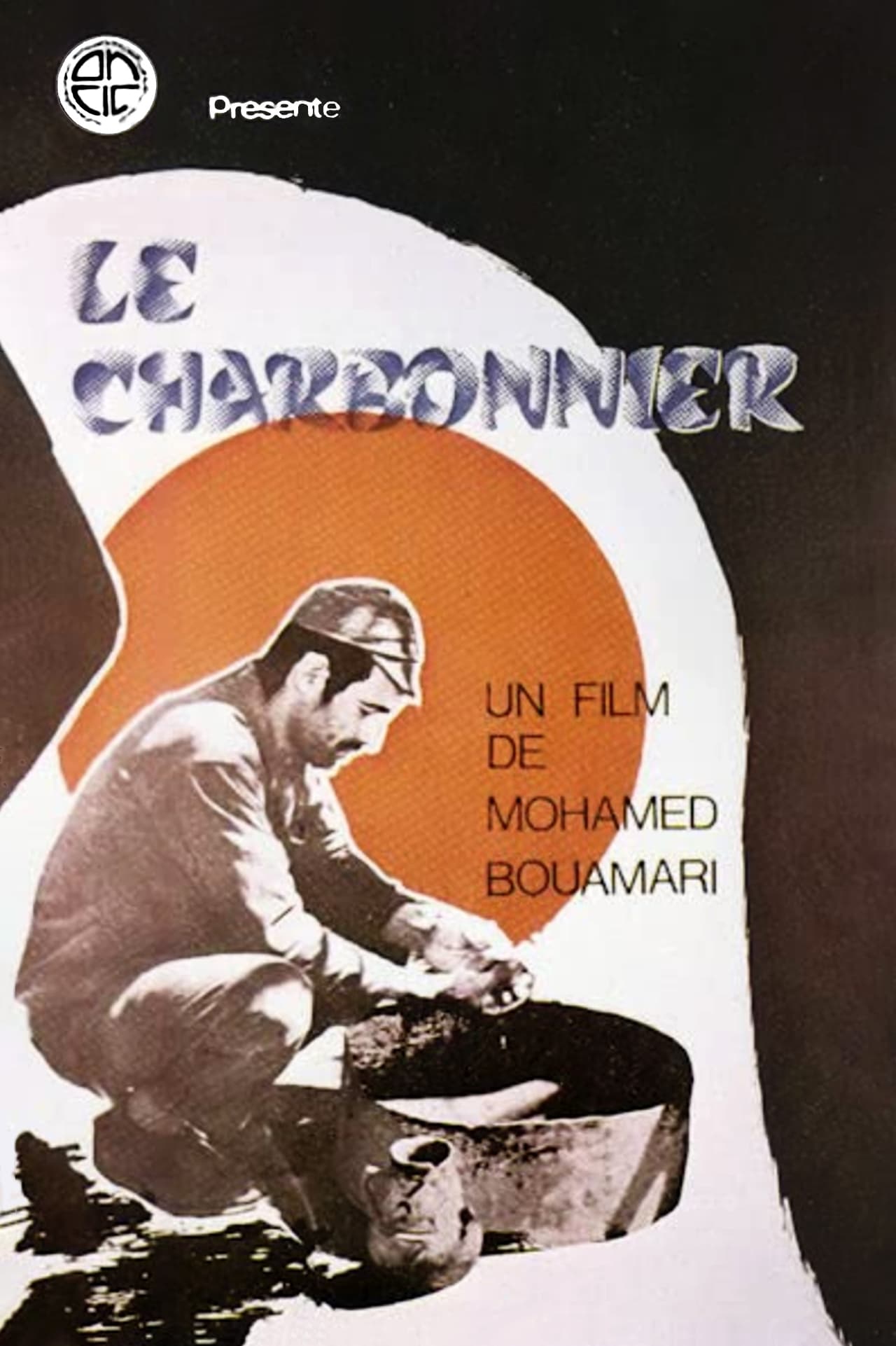
Film describes the miserable existence of a charcoal-burner who is barely able to feed his family. His search for work in town ends in failure and he is forced to return to his village.
Djamila, a young Algerian woman living with her brother Hadi and her uncle Mustafa in the Casbah district of Algiers under the French occupation of Algeria, sees the full extent of injustice, tyranny and cruelty on his compatriots by French soldiers. Jamila's nationalist spirit will be strengthened when French forces invade her university to arrest her classmate Amina who commits suicide by ingesting poison. Shortly after the prominent Algerian guerrilla leader Youssef takes refuge with her, she realizes that her uncle Mustafa is part of this network of anti-colonial rebel fighters. Her uncle linked her to the National Liberation Front (FLN). A series of events illustrate Jamila's participation in resistance operations against the occupier before she was finally captured and tortured. Finally, despite the efforts of her French lawyer, Jamila is sentenced to death...
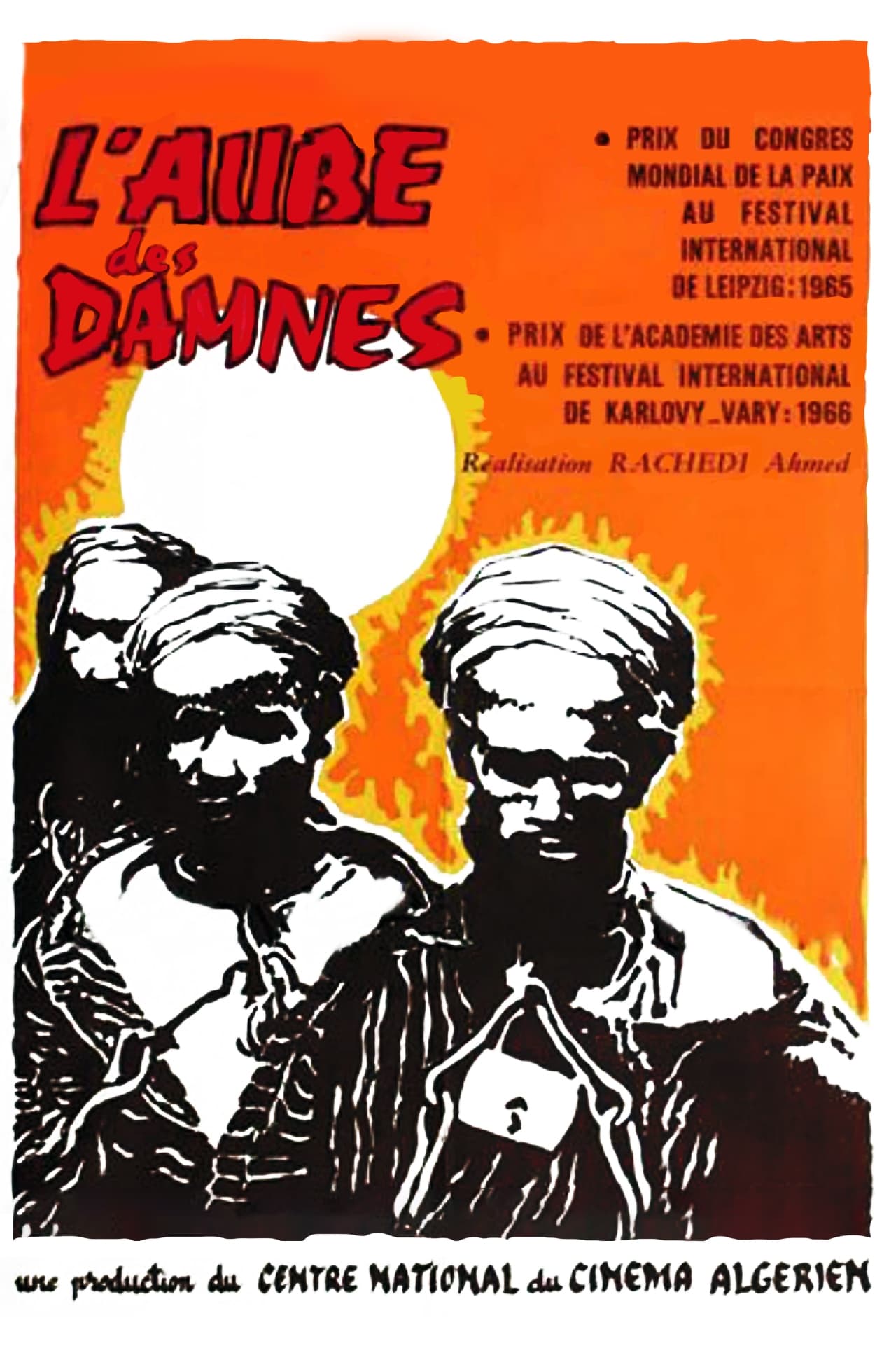
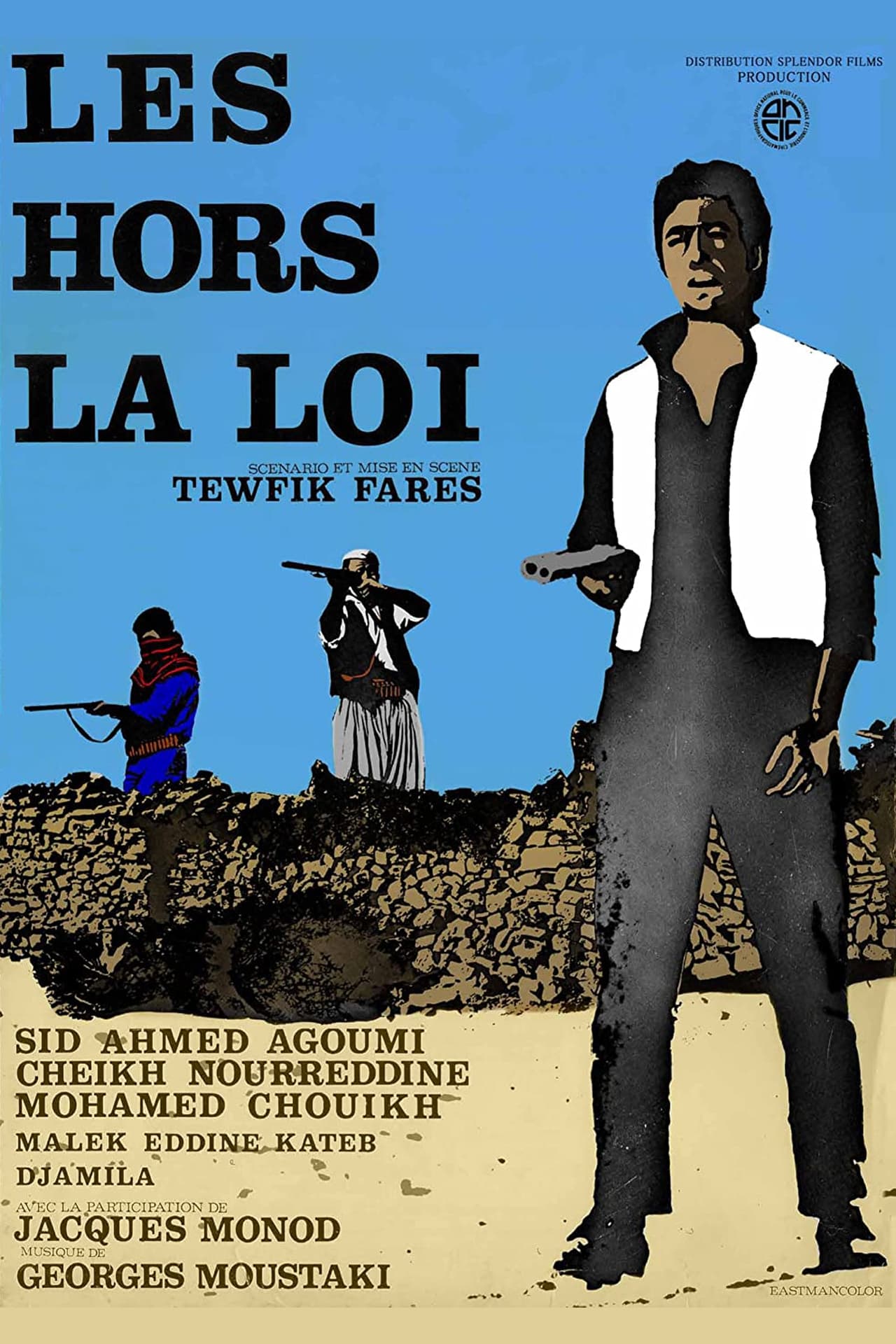
In prison in colonial Algeria, shortly after the end of the Second World War, three indigenous cellmates make out. Once free, they attack the authority represented by the triad of the boss, the gendarme and the administrator. “Living the colonial condition,” confided Tewfik Farès, “is something! It’s not sociologically or historically speaking. It’s life. And I think that’s all there in it. [...] For a hundred and thirty years, we wait. We hold back. We push back. We hope. At the same time, on different occasions, there are skirmishes, unrest.
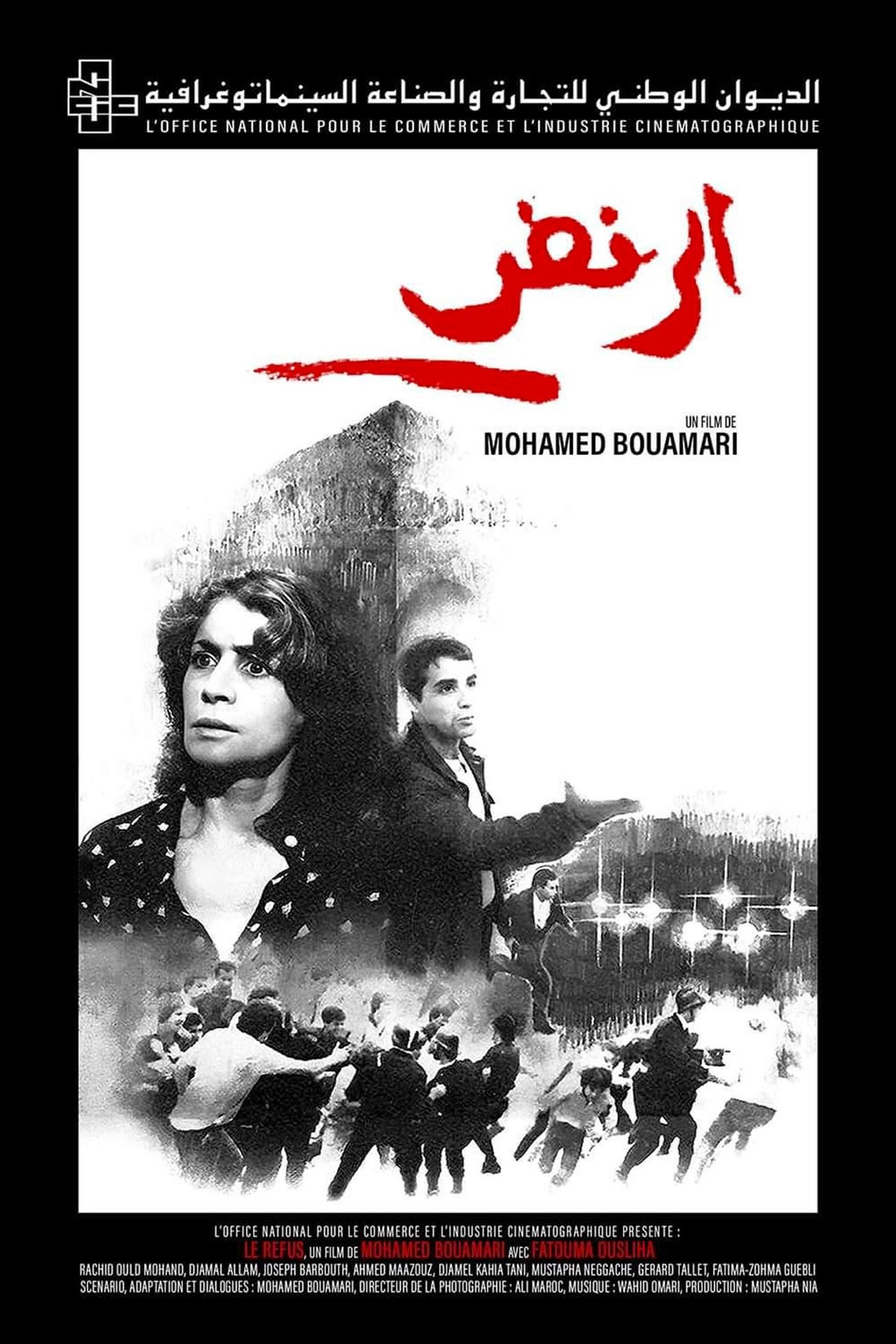
In 1971, the Algerian government nationalized hydrocarbons. The consequences of this decision on the community of Algerians in France are numerous. The Galti family is prey to these economic problems. The father, Khaled, former member of the F.L.N. in France, does not escape the sentence. Sharazade, his wife and comrade in combat, finds herself torn between her role as wife, mother and nostalgia for a country and a bygone past. As for his son Karim, a victim of socio-cultural division, all he has left is refusal.
Algeria. Benjamin, Kateb and Antoine are three teenagers from three religious backgrounds who never should have met. But they share the same passion for football and the same disregard for the disapproving looks which their unusual friendship draws.
Depicts the life of Sidi Lakhdar Ben Khlouf, an eminent symbolic figure who is part of the memory of Algerian poetry and popular fight. Sidi Lakhdar Ben Khelouf became famous thanks to his poems about the Prophet Muhammad (earning him the nickname "praiser of the Prophet") and the epic he dedicates to the Battle of Mazagran on August 26, 1558, against the Spaniards. Counted among the patron saints of the Mostaganem region, his poems are often interpreted by chaâbi singers.
In a single static shot a man is threatened with death at another's gunpoint.
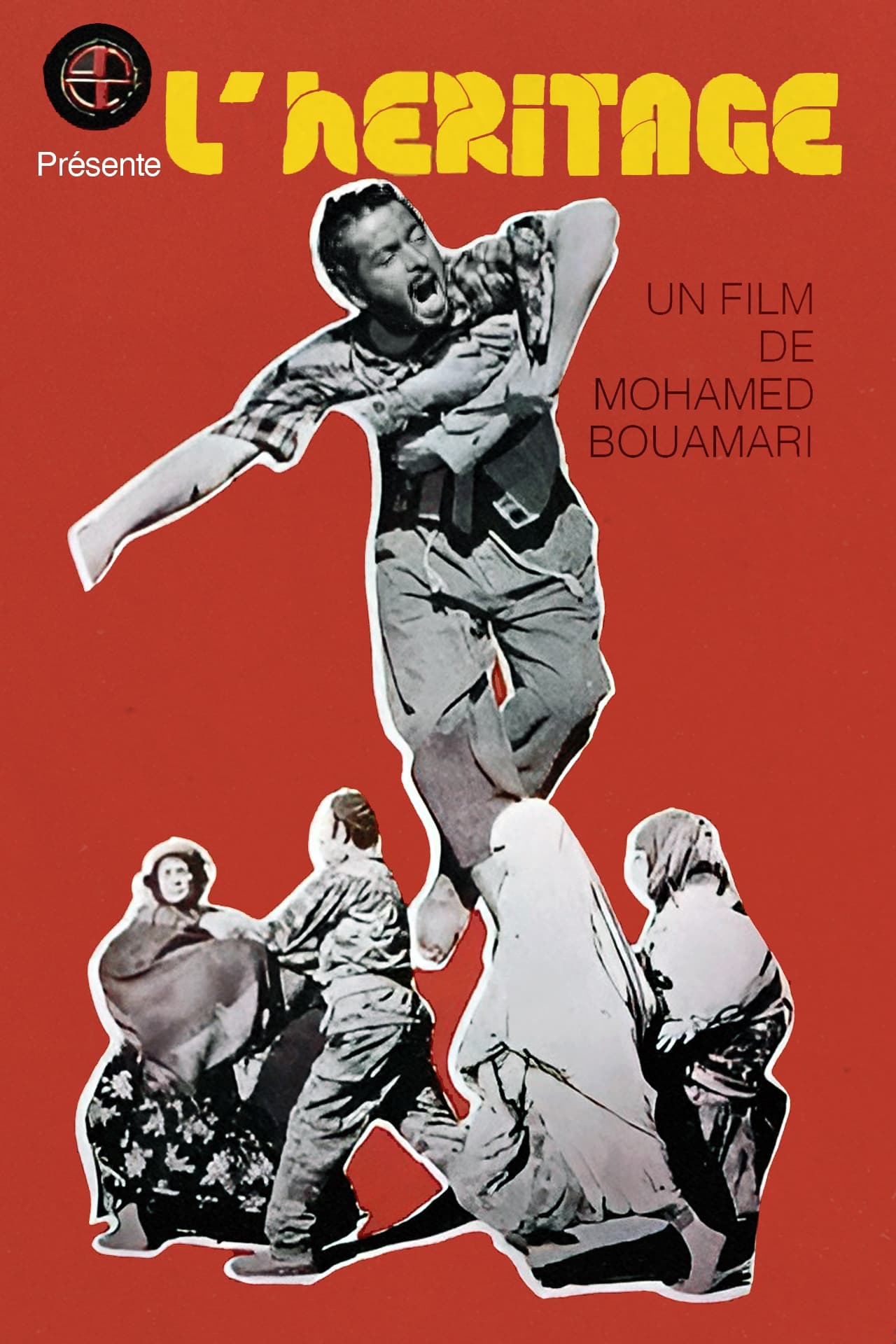
A harrowing picture of the heritage of colonialism, focusing on a man driven mad by torture but saved by his wife, who restores his sanity and leads the progressive forces to rebuild the village.
The son of a French colonialist in Algeria returns to Algeria after learning that his father is ill. Memories from childhood return. He also must deal with some problems involving the Algerian fight for independence.
The film dialectically explores the phenomena of family alliances in urban and rural areas, technocracy, and the Algerian landed bourgeoisie. The film was completed but apparently never distributed by the ONCIC.
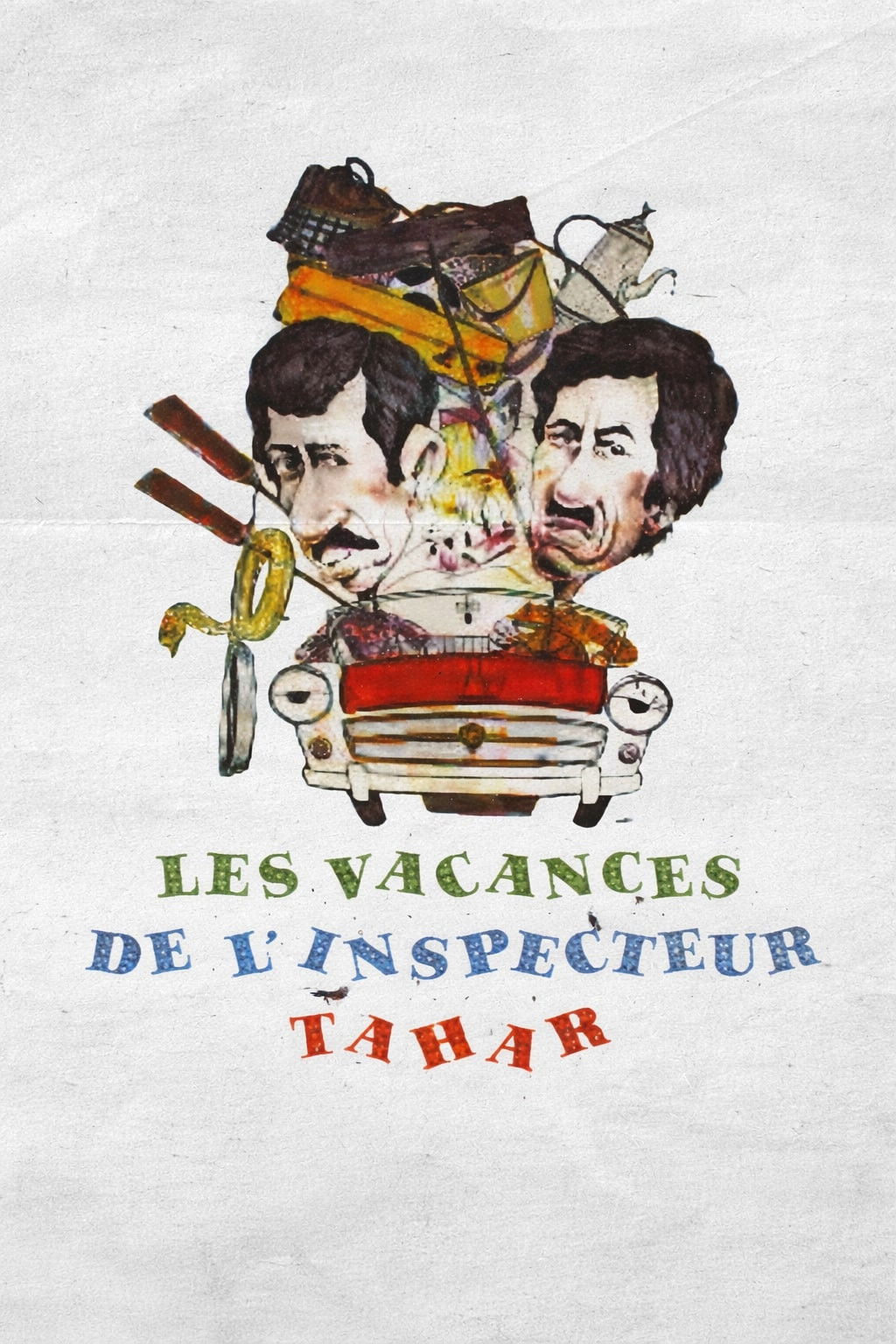
Inspector Tahar and his apprentice are invited by Mama Traki, a popular Tunisian heroine, to spend their vacation in Tunis. Before leaving Algiers, they stop at a tourist complex where a murder has just been committed. The investigation full of surprises and twists and turns will take them to Tunis where they will find Ommi Traki and his family...
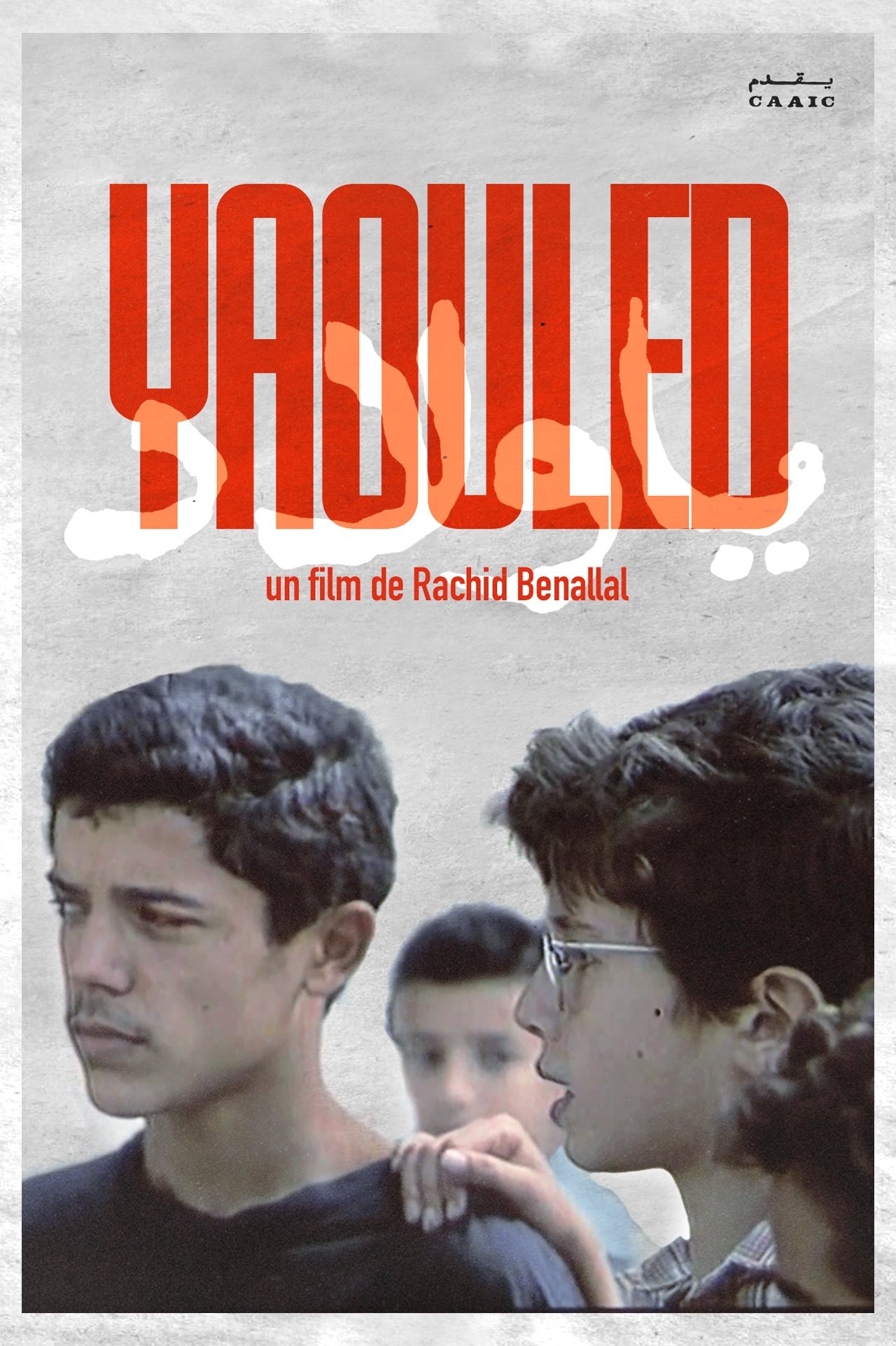
A young Arab boy, a teenager "Yaouled", who lives on the streets and scrapes by doing odd jobs: shoe shining, street vending, etc. The film tells the story of a group of yaouleds from the Bab-el-Oued neighborhood, caught in the crossfire between the French settlers on one side and the Algerians on the other during the events of July 1962 in Algeria.
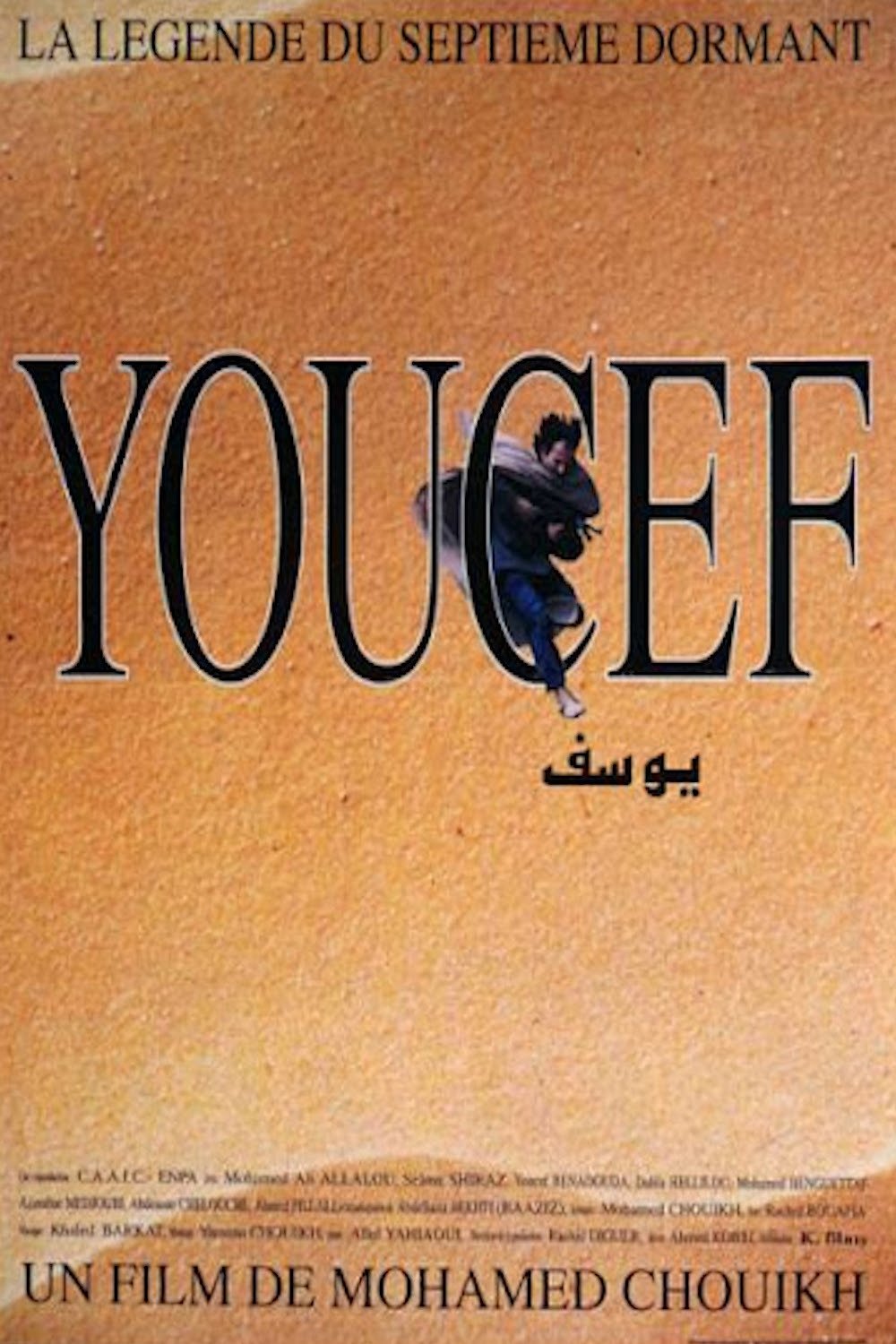
In Algeria, Youcef escapes from a psychiatric asylum located at the edge of the desert. He was a fighter and, years later, he still believes himself to be a prisoner of the French army. He rejoins what he thinks is his resistance group. He finds the bones of his comrades, buries them, and promises himself that he will visit their families, one after the other, to honor their memory. He goes underground and makes quick forays into the villages. He is struck by what he sees there. Young people queuing for bread, former FLN leaders living in the villas of the colonists, and farm workers mistreated by their Algerian foremen. As for the women, although they played a decisive role in the liberation of the country, they are now cloistered or forced to go out in public wearing masks. When he is discovered by the authorities, Youcef cannot believe that thirty years have passed. This nuisance must be eliminated...
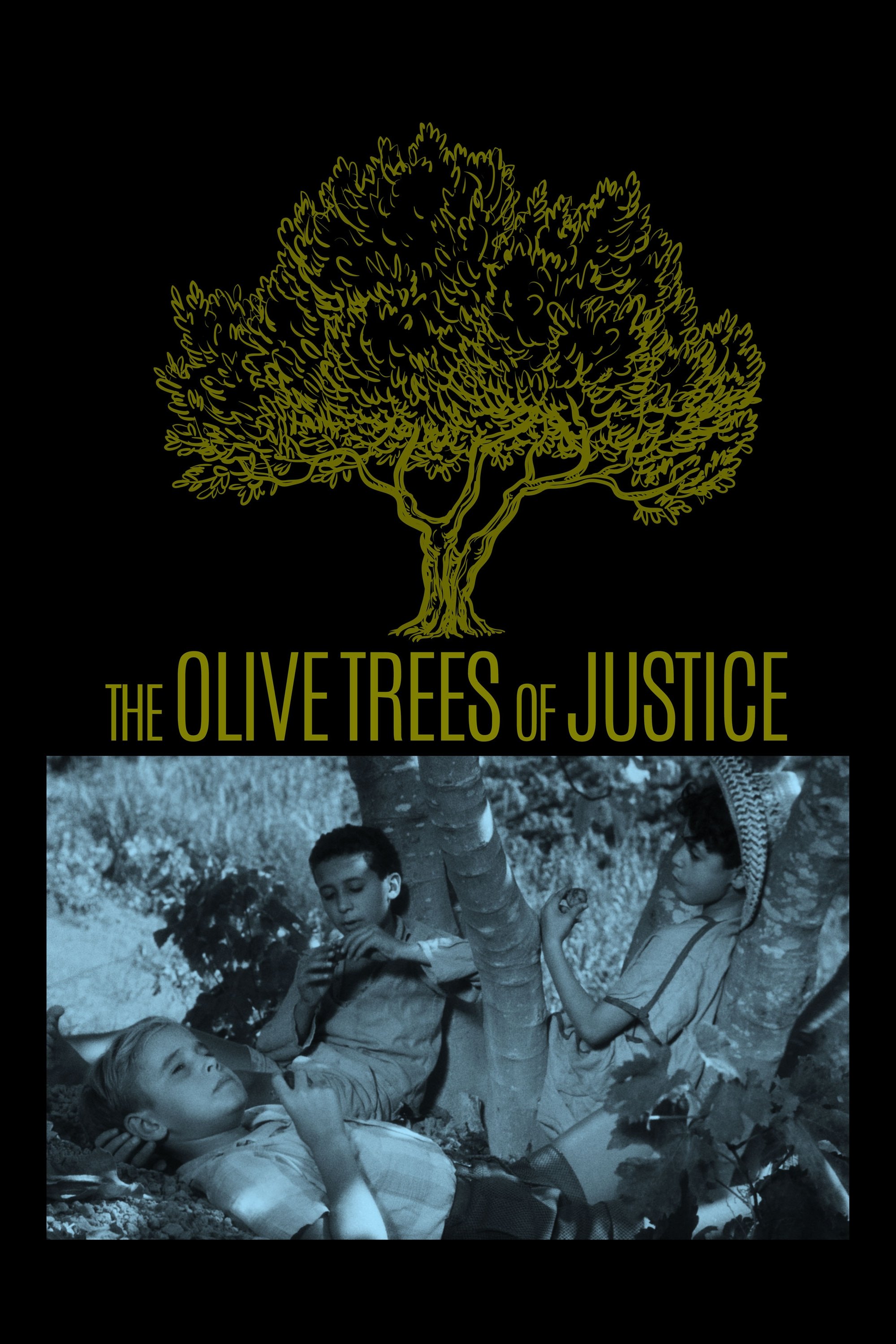
The first fictional feature film produced in Algeria after independence, this film addresses one of the most worrying problems: that of childhood. Children, freedom regained, do not yet know how to play “at peace”, they naturally play “at war”.
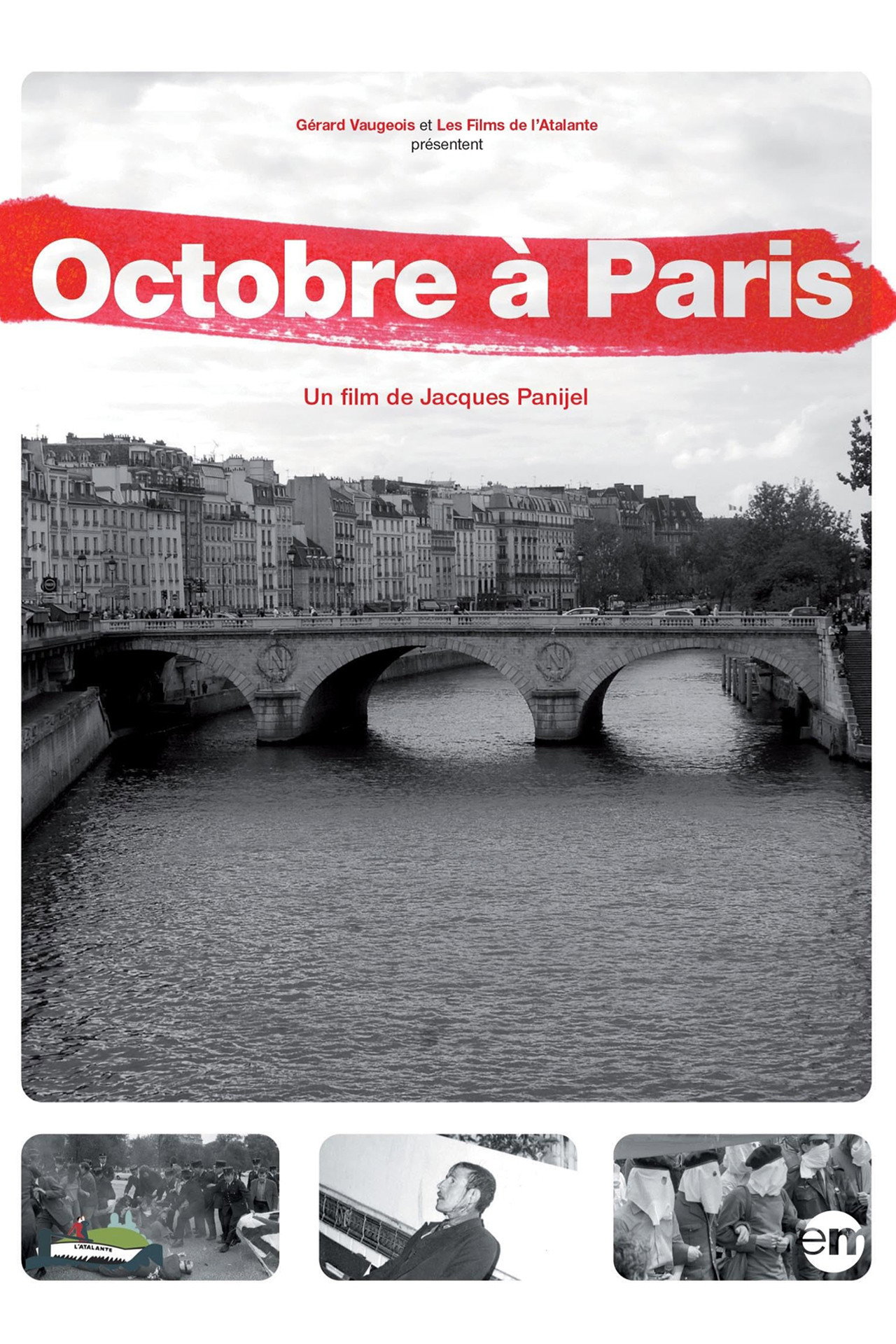
On October 17, 1961, 30,000 Algerians demonstrated peacefully in Paris to protest the discriminatory curfew imposed upon them and to demand Algerian independence. Under the authority of the then Prefect of Police, Maurice Papon, the demonstration was brutally repressed, resulting in the deaths of dozens of Algerians. Historians cite eleven thousand arrests, dozens of murders, demonstrators thrown into the Seine, hundreds of expulsions, and just as many complaints that went unanswered; all for a night that would become a blind spot in the national narrative. No investigation, no trial, and certainly no commemoration. The day after the demonstration, Jacques Panijel began filming *October in Paris* to alert the public to the massacre that had just taken place in the streets of Paris. The film was banned by the French authorities. It obtained a distribution license in 1973. It was first shown in theaters in October 2011.
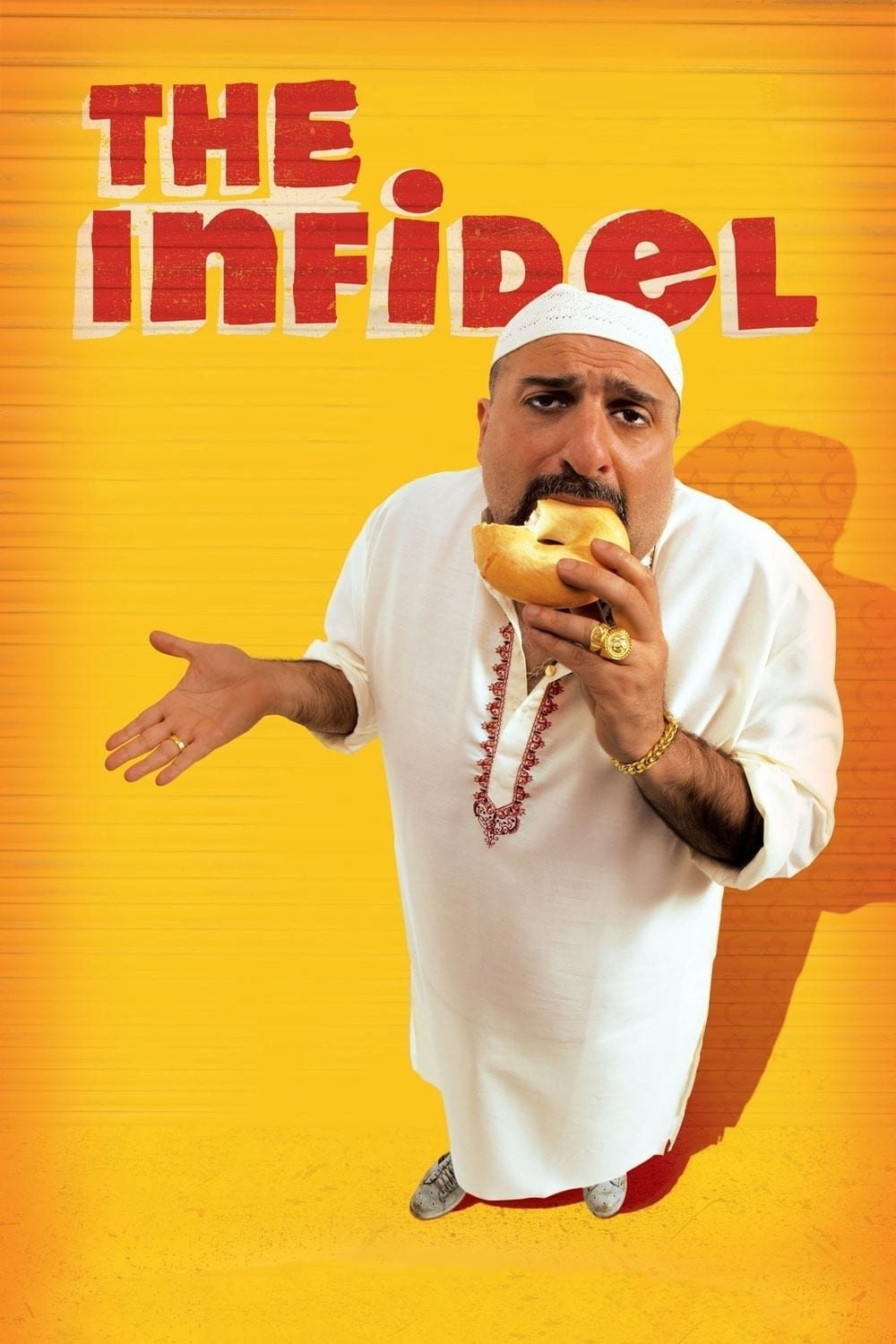
Based in a London suburb Mahmud Nasir lives with his wife, Saamiya, and two children, Rashid and Nabi. His son plans to marry Uzma, the step-daughter of Egyptian-born Arshad Al-Masri, a so-called 'Hate Cleric' from Waziristan, Pakistan. Mahmud, who is not exactly a devout Muslim, he drinks alcohol, and does not pray five times, but does agree that he will appease Arshad, without whose approval the marriage cannot take place. Shortly thereafter Mahmud, while going over his recently deceased mother's documents, will find out that he was adopted, his birth parents were Jewish, and his name is actually Solly Shimshillewitz.
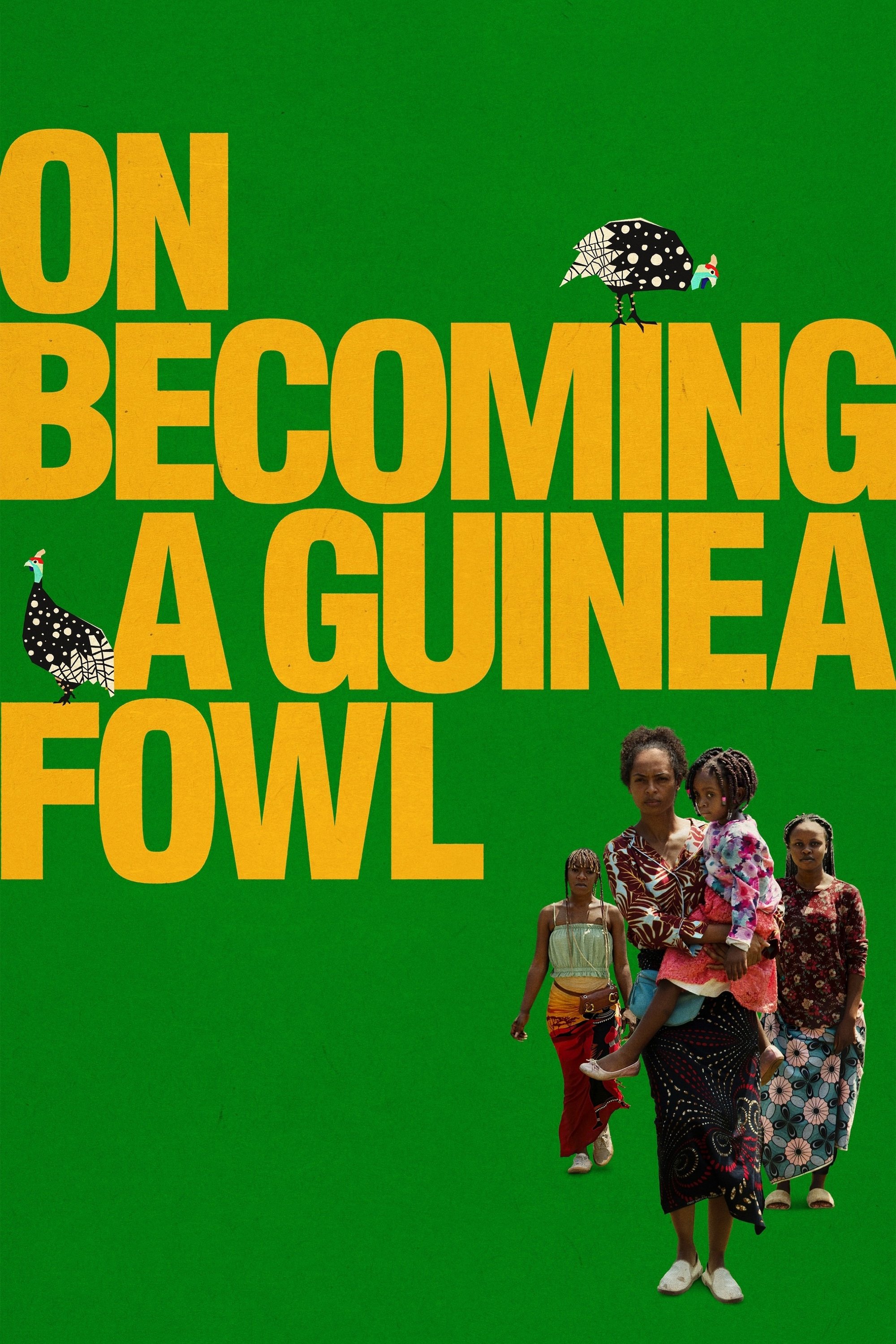
On an empty road in the middle of the night, Shula stumbles across the body of her uncle. As funeral proceedings begin around them, she and her cousins bring to light the buried secrets of their middle-class Zambian family.
Α tragi-comedy about 9 women of different ages and various backgrounds that gather in an Algerian hammam to talk about their lives.
At the age of twenty-nine, Elgar Enders "runs away" from home. This running away consists of buying a building in a black ghetto in the Park Slope section of Brooklyn. Initially, his intention is to evict the black tenants and convert the building into a posh flat. But Elgar is not one to be bound by yesterday's urges, and soon he has other thoughts on his mind.
A society woman believes her husband is having an affair, a misconception which may have dire personal consequences for all involved.
When a self-destructive teenager is suspended from school and asked to look after his feisty alcoholic grandmother as a punishment, the crazy time they spend together turns his life around.
Sometimes first love is found in the most unlikely of places, like in the carpark outside the Te Kaha pub.
A wheelchair-bound singer and her best friend embark on a roadtrip to Memphis.
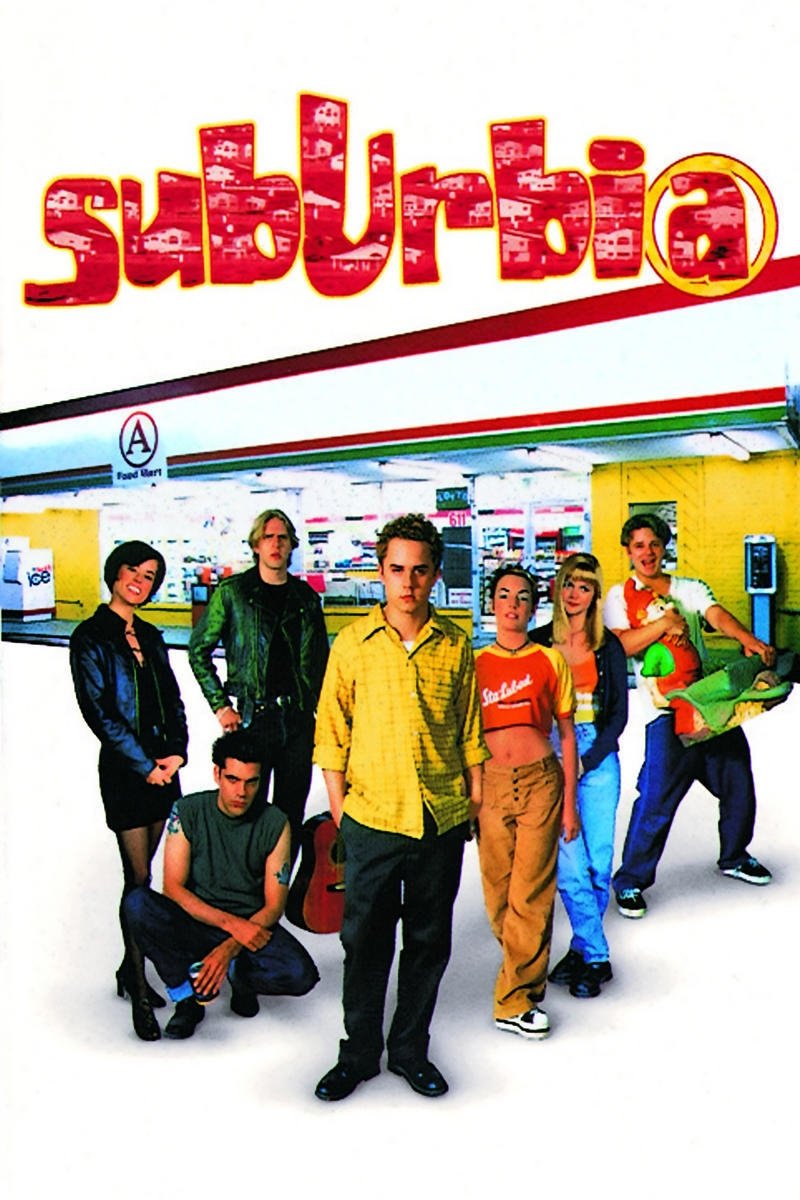
A group of suburban teenagers try to support each other through the difficult task of becoming adults.
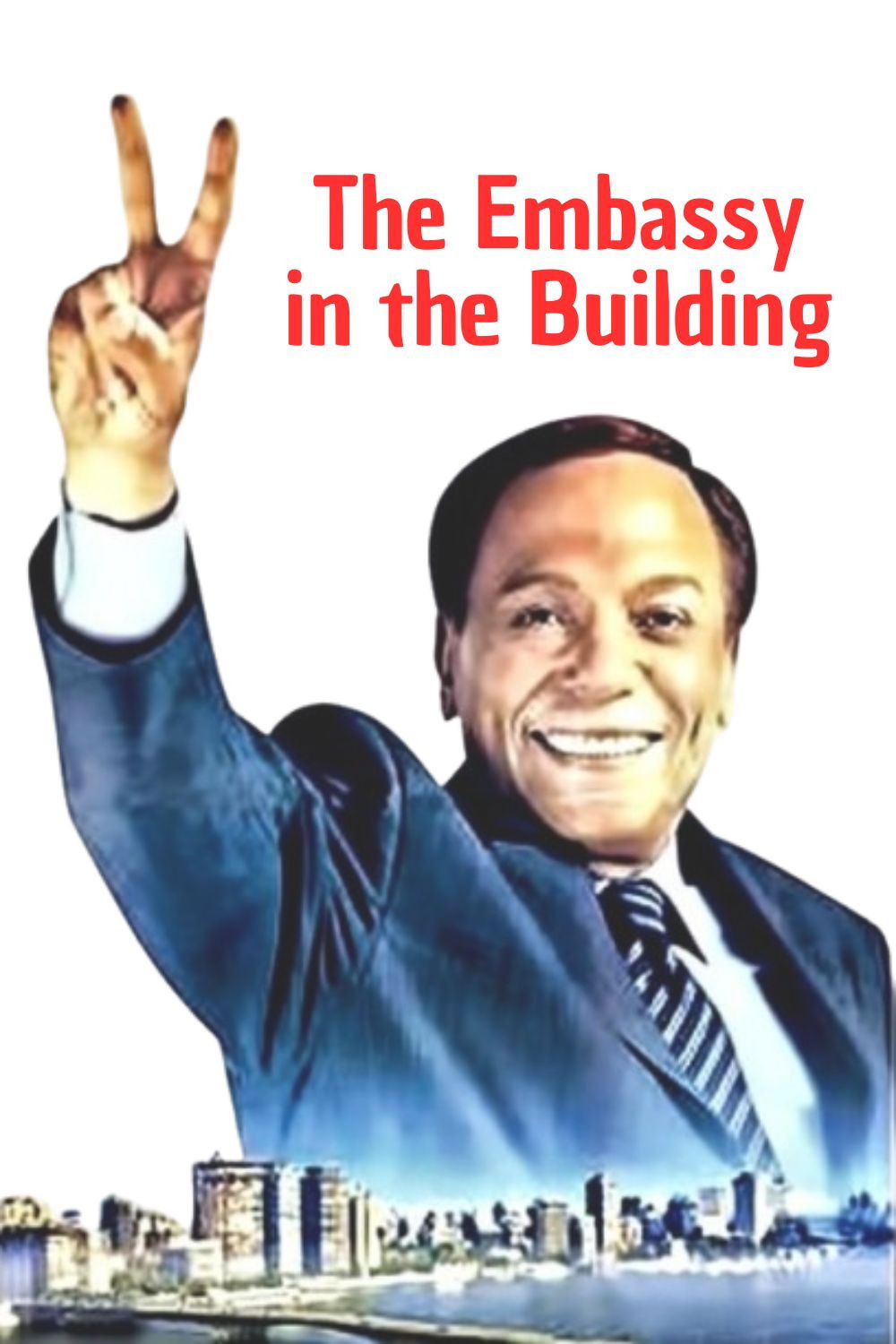
The film revolves around an engineer working for an oil company in Dubai. He had to return to Egypt after twenty years. He was surprised that the Israeli Embassy was next to his apartment and was trying hard to sell the apartment at first.
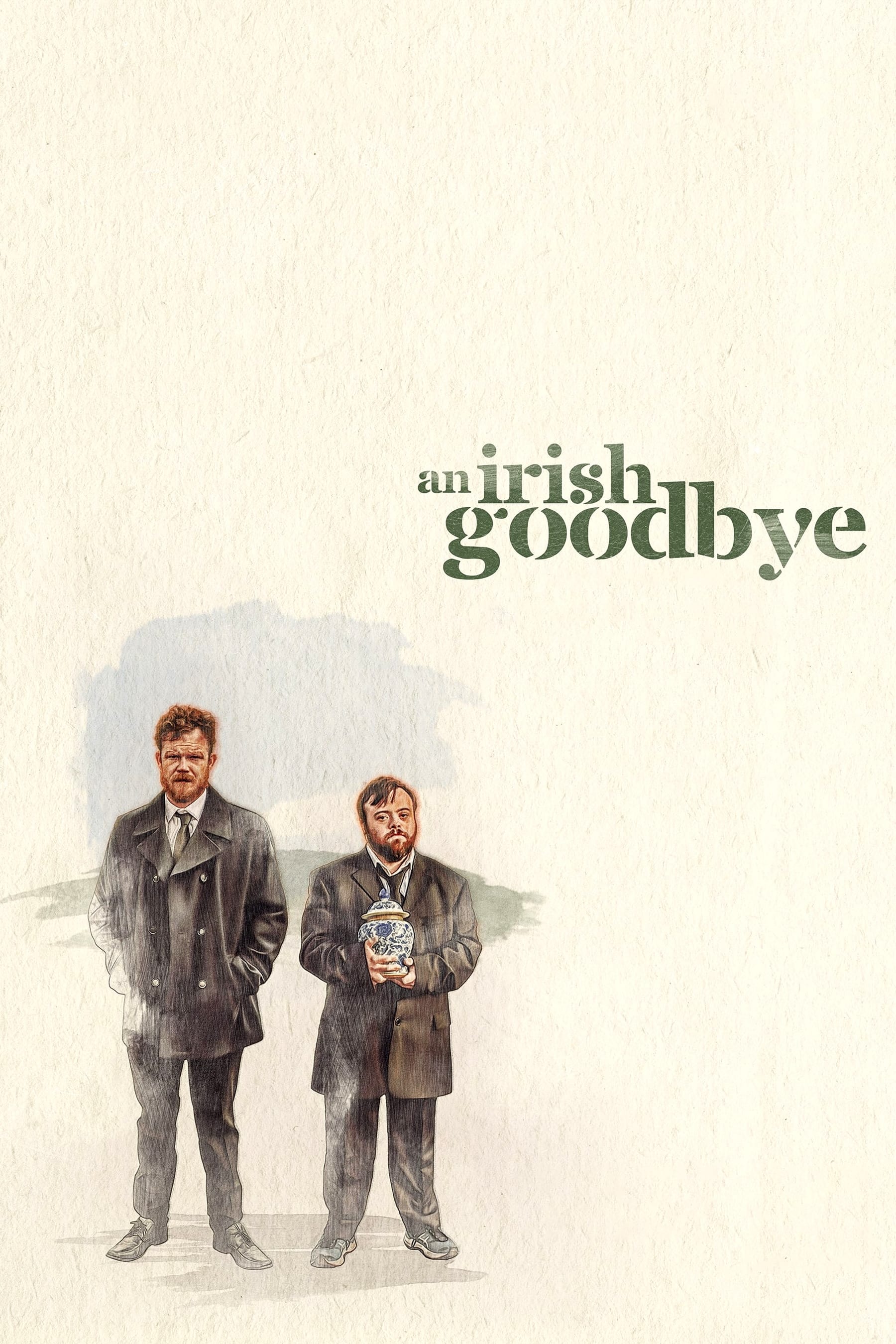
In rural Northern Ireland, following the untimely death of their mother, a young man with Down syndrome and his estranged brother discover her unfulfilled bucket list.
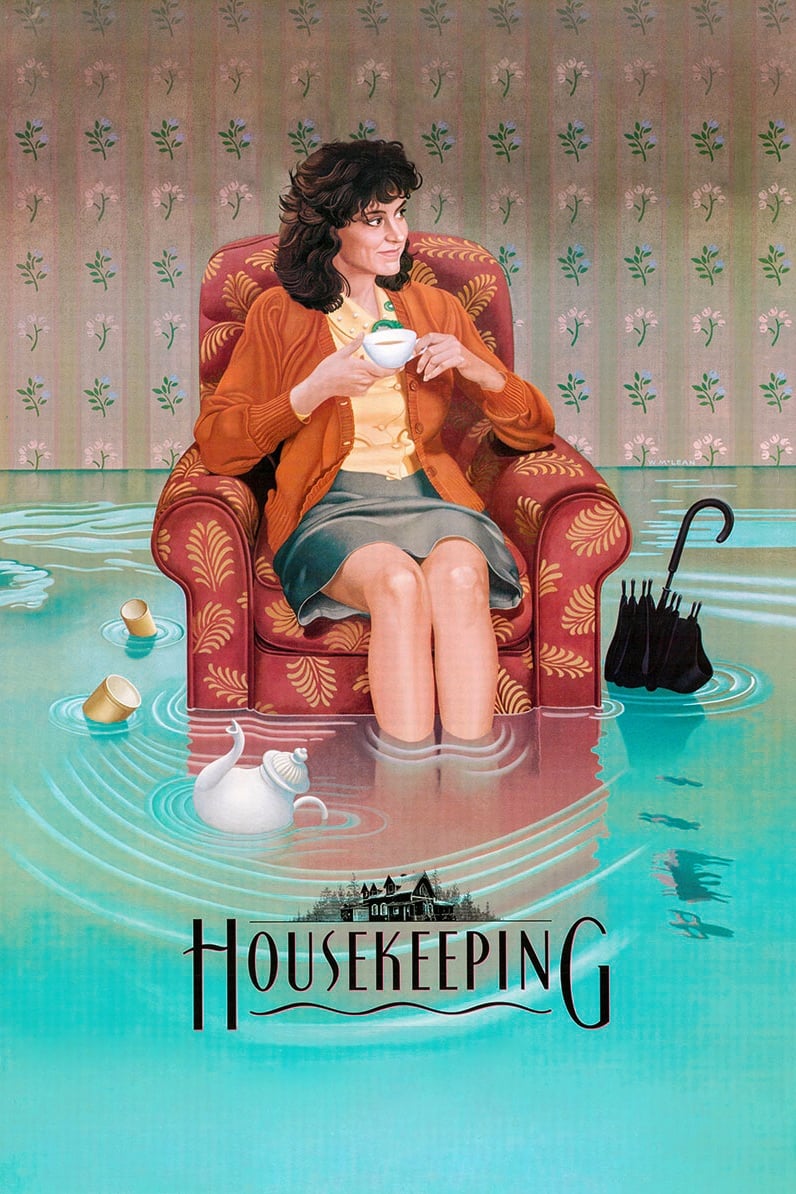
In the Pacific Northwest during the 1950s, two young sisters whose mother has abandoned them wind up living with their Aunt Sylvie, whose views of the world and its conventions don't quite live up to most people's expectations.
In trouble with the local authorities, Mabel Simmons, notoriously known as Madea, is on the run from the law. With no place to turn, she moves in with her friend Bam who is recovering from surgery. Unbeknownst to Bam however, Madea is only using the "concerned friend" gag as a way to hide out from the police.
When a group of old college friends reunite over a long weekend after one of them attempts suicide, old crushes and resentments shine light on their life decisions, and ultimately push friendships and relationships to the brink.
A music journalist accompanies her father, a charmingly stubborn Holocaust survivor, on a journey to his homeland. While she's eager to make sense of her family's past, her dad has an agenda of his own.
The film tells the story of two boys who become friends at the start of the Troubles in 1970. The boys share an obsession with Butch Cassidy and the Sundance Kid, with the consequence that they run away to Australia.
Ali G travels throughout Britain, interviewing unsuspecting leaders and politicians.
A dropout comes to the aid of a chubby and suicidal high-school kid by recruiting him as the drummer for his upstart punk-rock band.
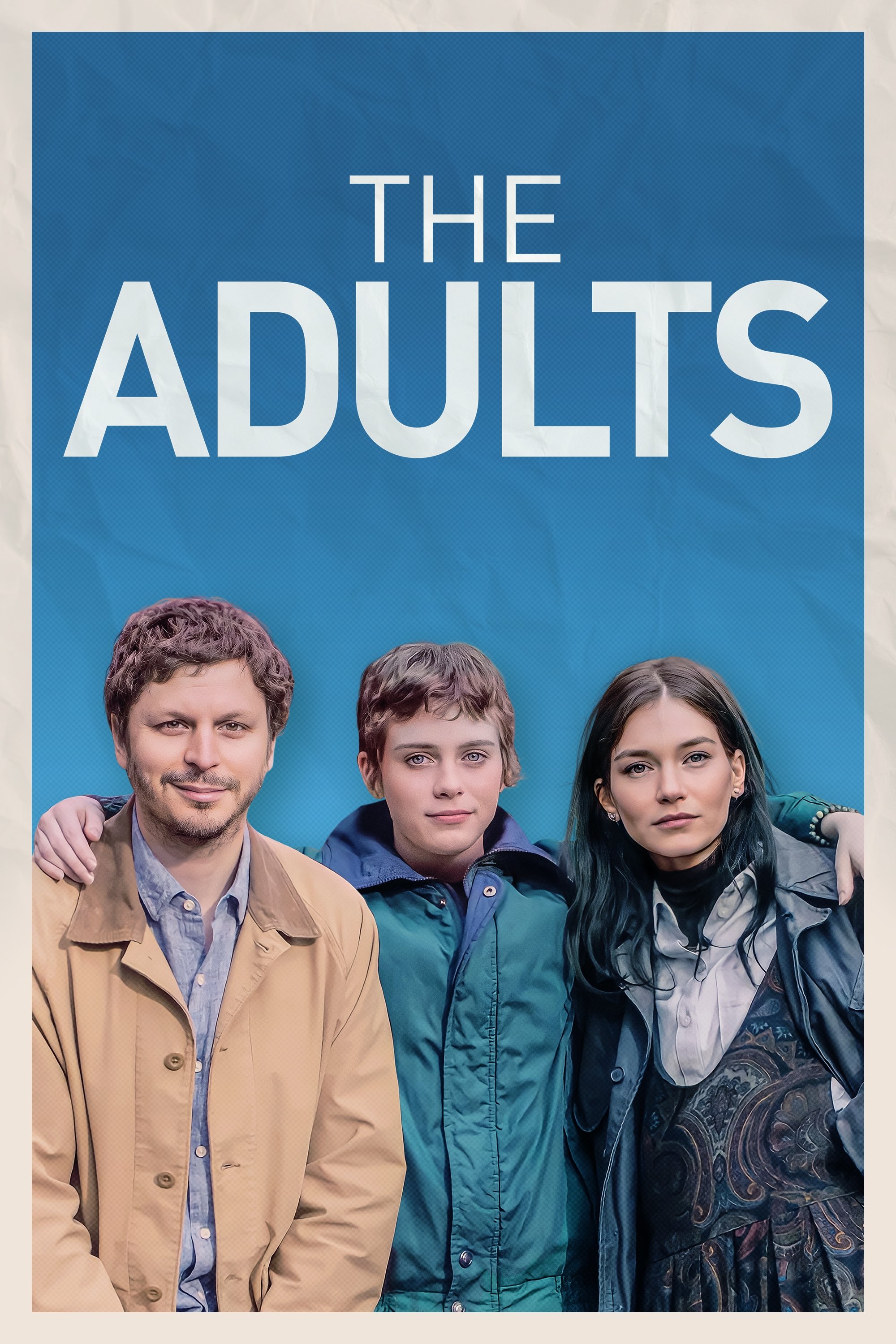
Eric returns home for a short visit and finds himself caught between reuniting with his sisters and chasing a victory with his old poker group. As the trip extends, Eric finds it increasingly difficult to avoid confrontations and revelations as his carefully constructed façade of his adulthood gives way to old childhood conflicts.
Bailey and Darla embark upon a misguided and mutually deceitful form of therapy, one in which they must drive across the country, re-enacting Darla's colorful history as a sex addict. As their true motivations for the road trip come to light, the unlikely pair force one another to confront their issues, discovering that there might actually be more to love than just sex.