Social & External
The series follows the bittersweet relationship between a banchan shop owner whose daughter enters the war of Korea's college entrance exams, and a top hagwon instructor.
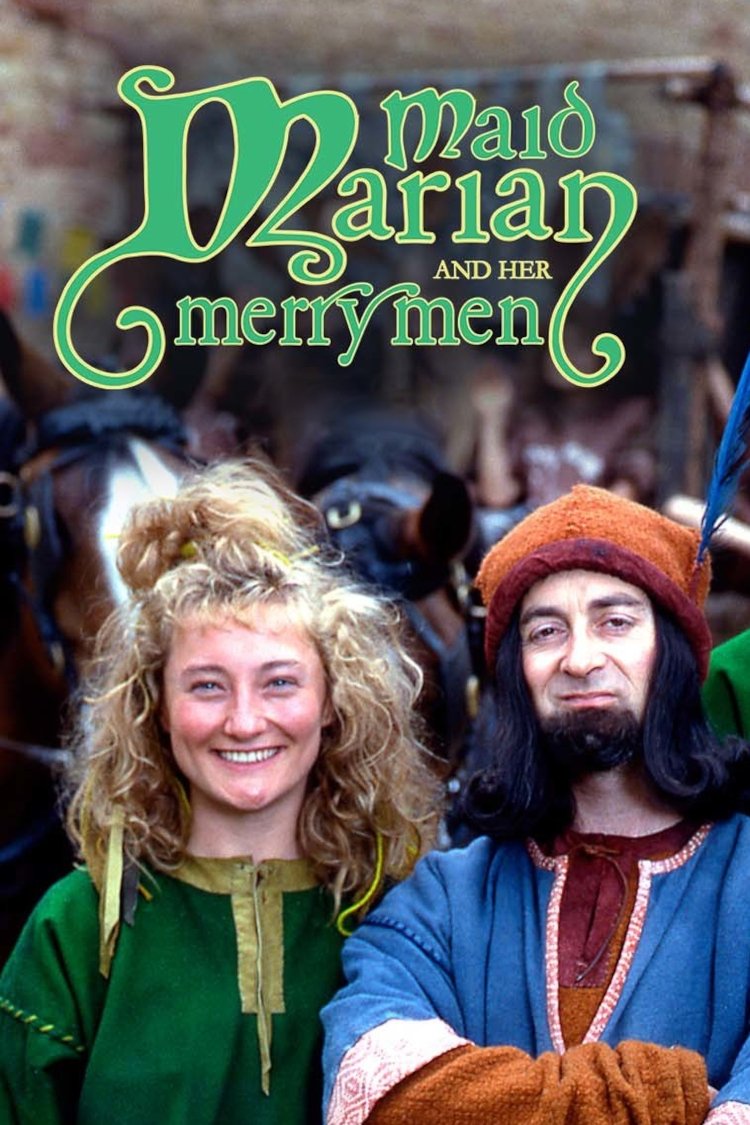
Maid Marian and her Merry Men is a British children's sitcom created and written by Tony Robinson and directed by David Bell. It began in 1989 on BBC One and ran for four series, with the last episode shown in 1994. The show was a partially musical comic retelling of the legend of Robin Hood, placing Maid Marian in the role of leader of the Merry Men, and reducing Robin to an incompetent ex-tailor. The programme was much appreciated by children and adults alike, and has been likened to Blackadder, not only for its historical setting and the presence of Tony Robinson, but also for its comic style. It is more surreal than Blackadder, however, and drops even more anachronisms. Many of the show's cast such as Howard Lew Lewis, Forbes Collins, Ramsay Gilderdale and Patsy Byrne had previously appeared in various episodes of Blackadder alongside Robinson. Like many British children's programmes, there is a lot of social commentary sneakily inserted, as well as witty asides about the Royal family, buses running on time, etc. Many of the plots spoofed or referenced film and television shows including other incarnations of Robin Hood in those mediums.
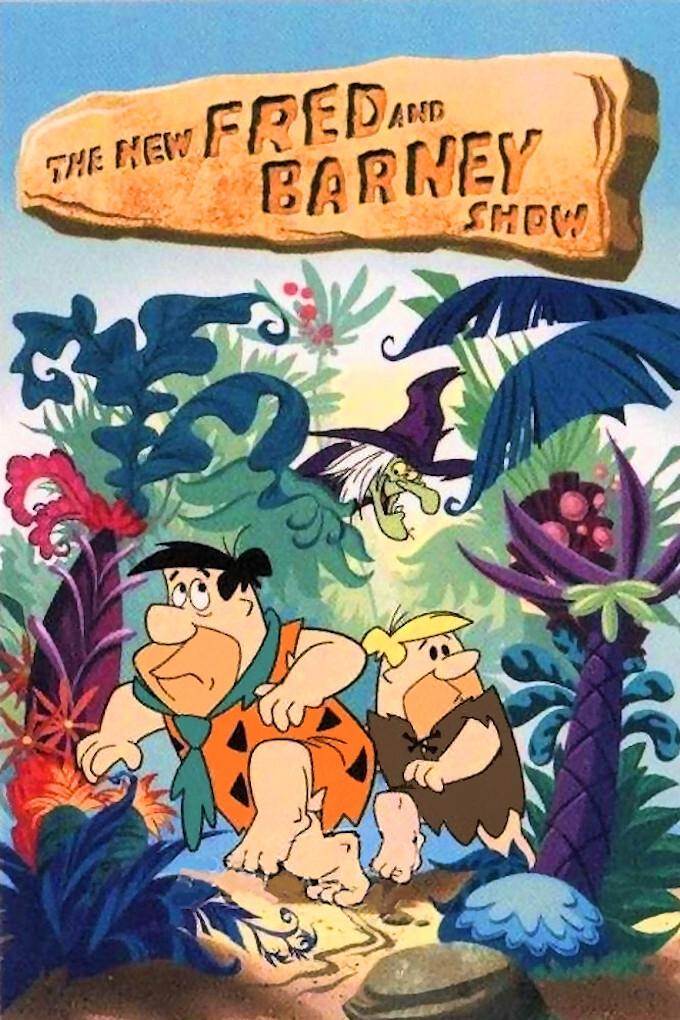
The New Fred and Barney Show is a 30-minute Saturday morning cartoon produced by Hanna-Barbera as a 1979 series revival of The Flintstones from February 3 to October 20, 1979 on NBC. The series marked the first time Henry Corden performed the voice of Fred Flintstone for a regular series. These new episodes were composed of the traditional Flintstones cast of characters such as Fred and Barney's children Pebbles and Bamm-Bamm as toddlers, after having been depicted as teenagers on The Pebbles and Bamm-Bamm Show on CBS in 1972; they returned to the form of teenagers on The Flintstone Comedy Show in 1980 on NBC. Some plots were familiar Flintstones stories while others consisted of new misadventures with witches and werewolves, as well as spoofs of late 1970s fads. Seven new episodes combined with reruns of The New Fred and Barney Show were broadcast on the package program Fred and Barney Meet the Thing and later on Fred and Barney Meet the Shmoo.
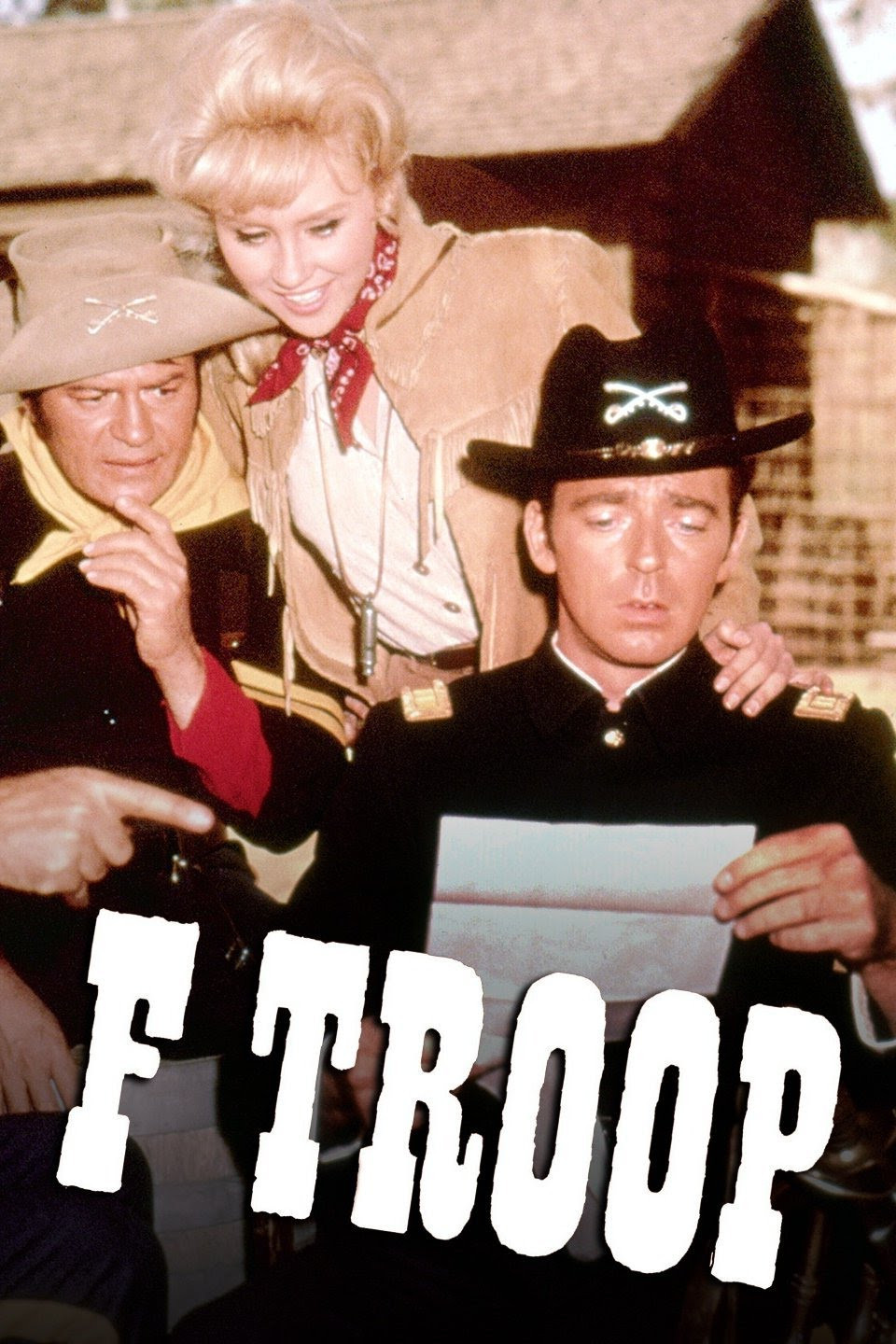
F Troop is a satirical American television sitcom that originally aired for two seasons on ABC-TV. It debuted in the United States on September 14, 1965 and concluded its run on April 6, 1967 with a total of 65 episodes. The first season of 34 episodes was filmed in black-and-white, but the show switched to color for its second season.
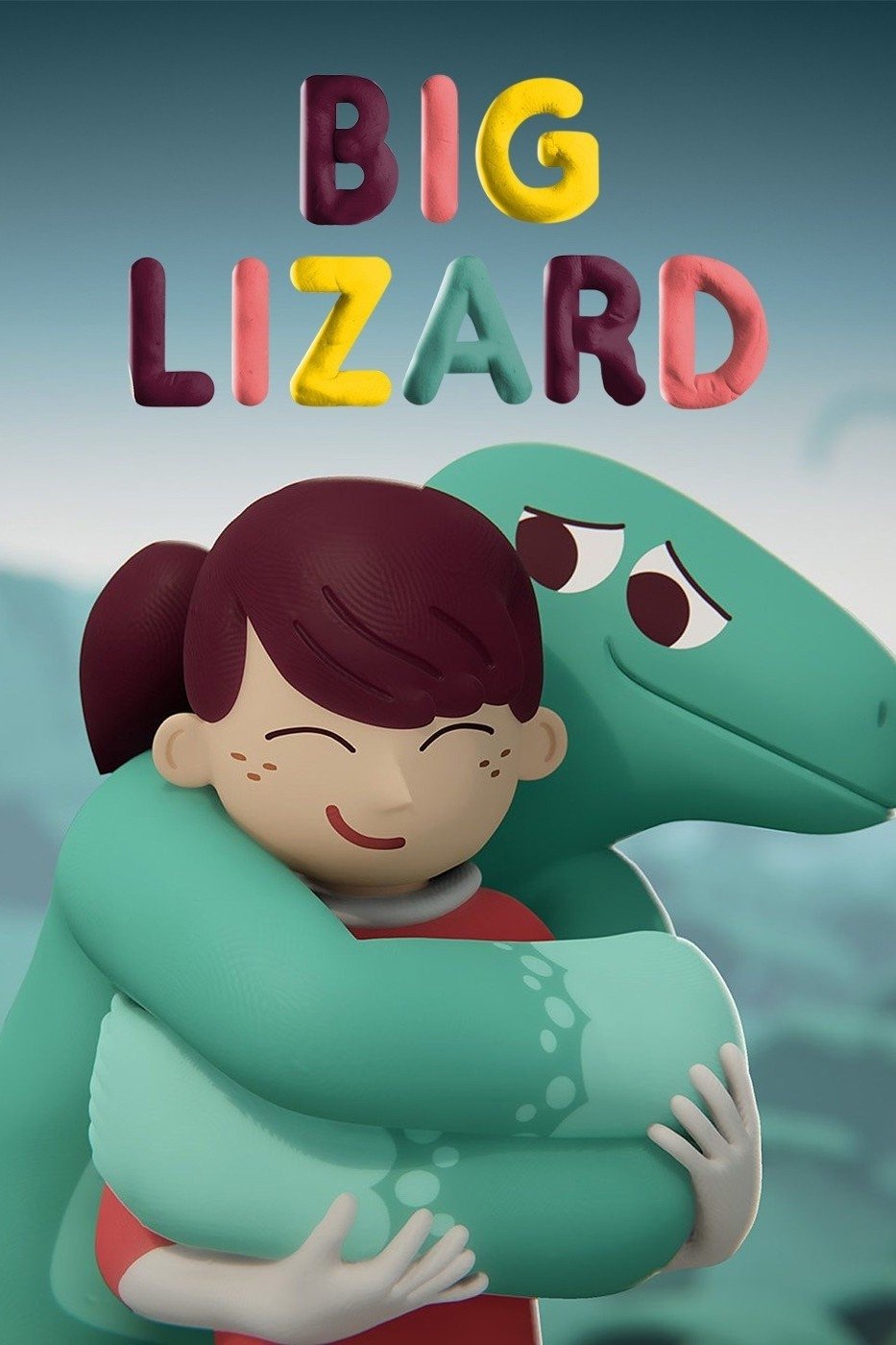
The cosmic adventures of astronauts Cosima and Dad on Proxima B, where they meet larger-than-life Big Lizard!
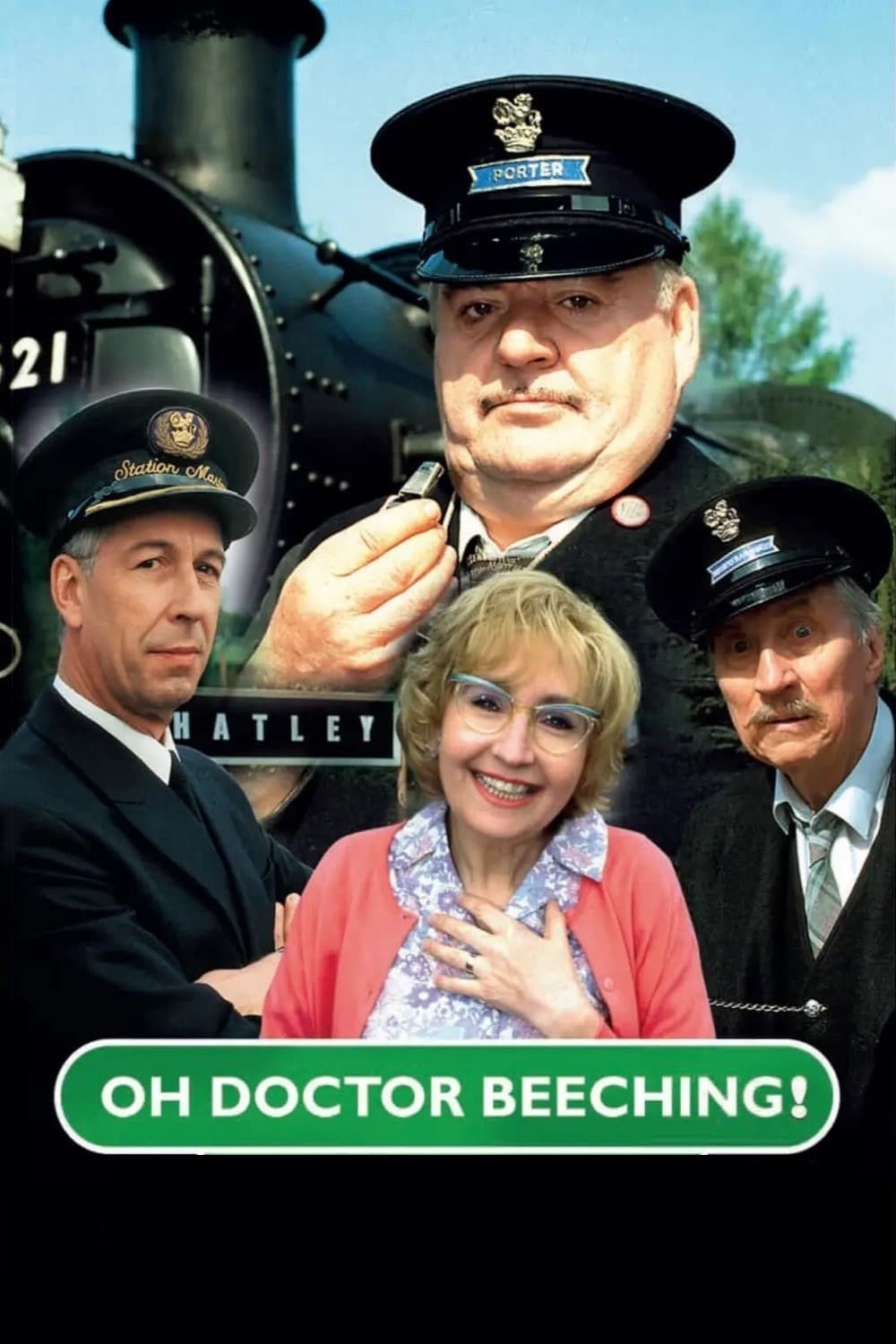
The trials and tribulations of the staff at Hatley railway station, who are all wondering if Dr Beeching will close them down.
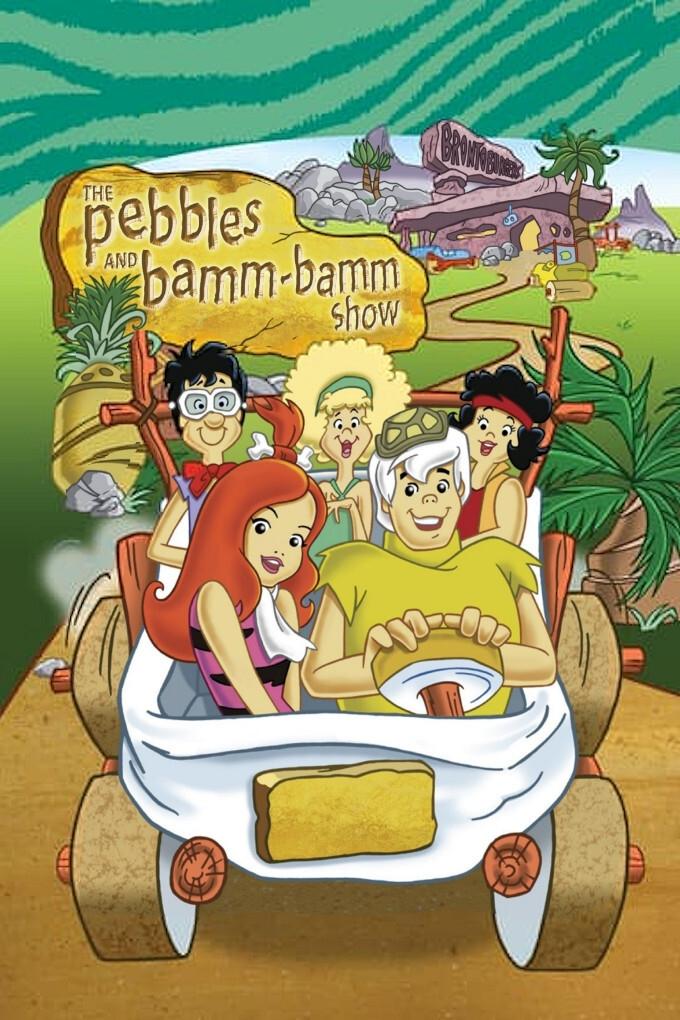
The Pebbles and Bamm-Bamm Show is a 30-minute Saturday morning animated series spin-off of The Flintstones produced by Hanna-Barbera Productions, which ran for 16 half-hour episodes from September 11, 1971, to September 2, 1972, and four 8-minute episodes from September 9, 1972, to September 1, 1973, on CBS.
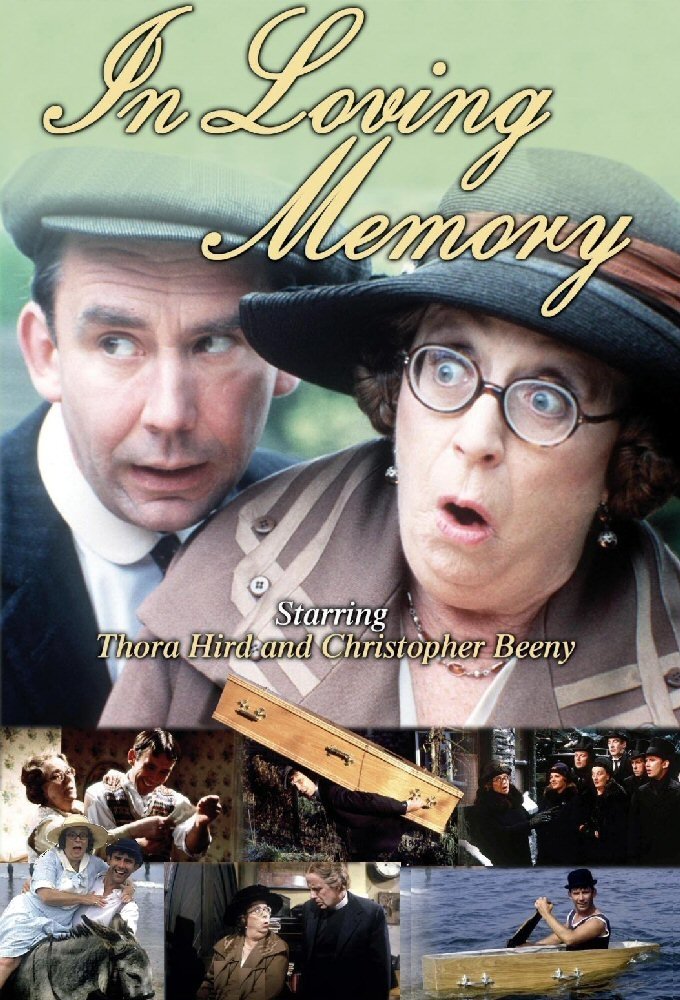
In Loving Memory is a British period sitcom set in an undertakers business that starred Thora Hird and Christopher Beeny. A pilot was transmitted in 1969 by Thames Television who rejected the idea before it was finally accepted by Yorkshire Television in 1979 where it further ran for five series between until 1986.
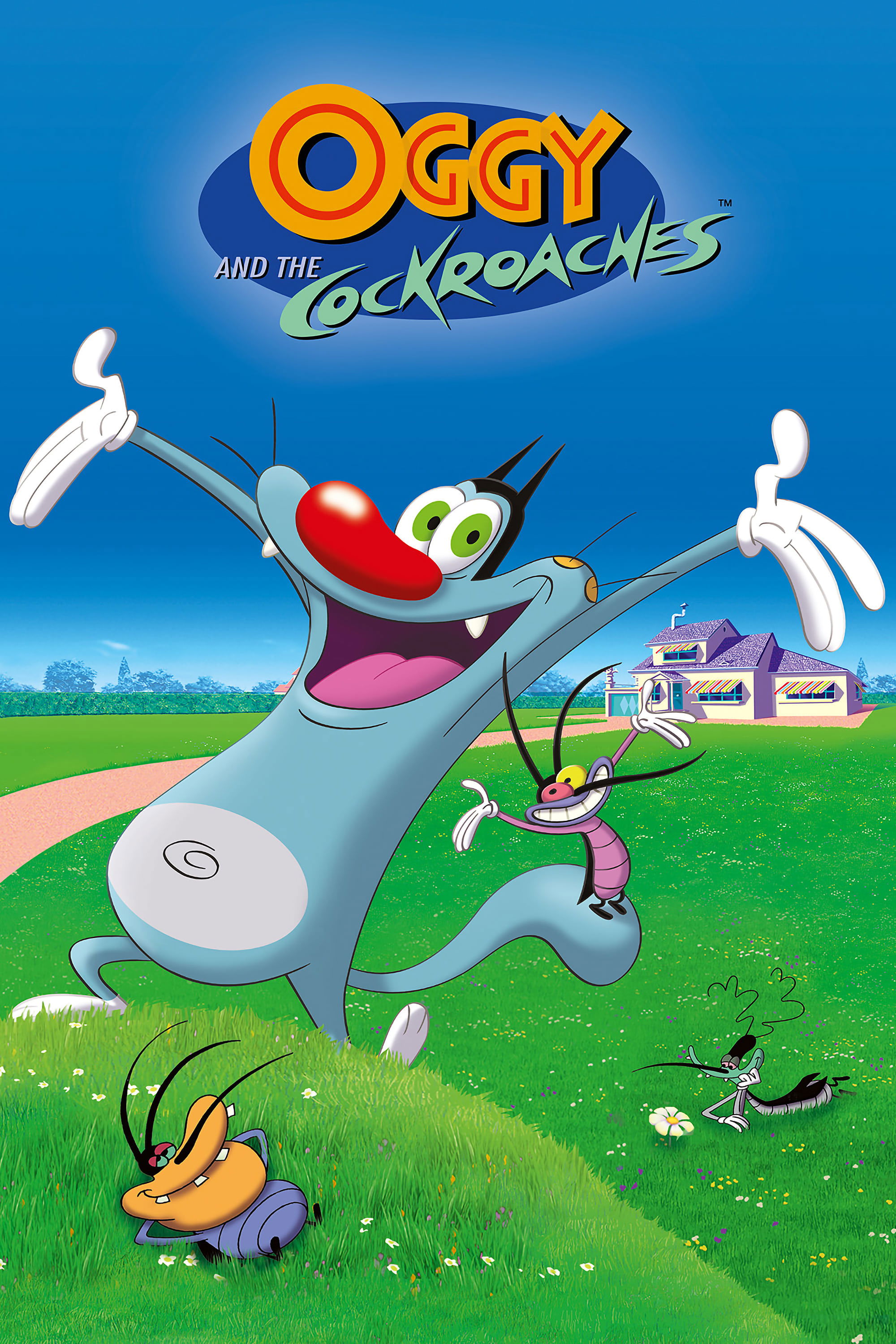
Oggy, an anthropomorphic cat, would prefer to spend his days watching television and eating, but is continuously pestered by three roaches: Joey, Marky and Dee Dee. The cockroaches' slapstick mischief ranges from plundering Oggy's refrigerator to hijacking the train he just boarded. In many situations Oggy is also helped by Jack, who is more violent and short-tempered than him and is also annoyed by the cockroaches. Bob, a short-tempered bulldog, also appears in the show, and is Oggy's neighbor.
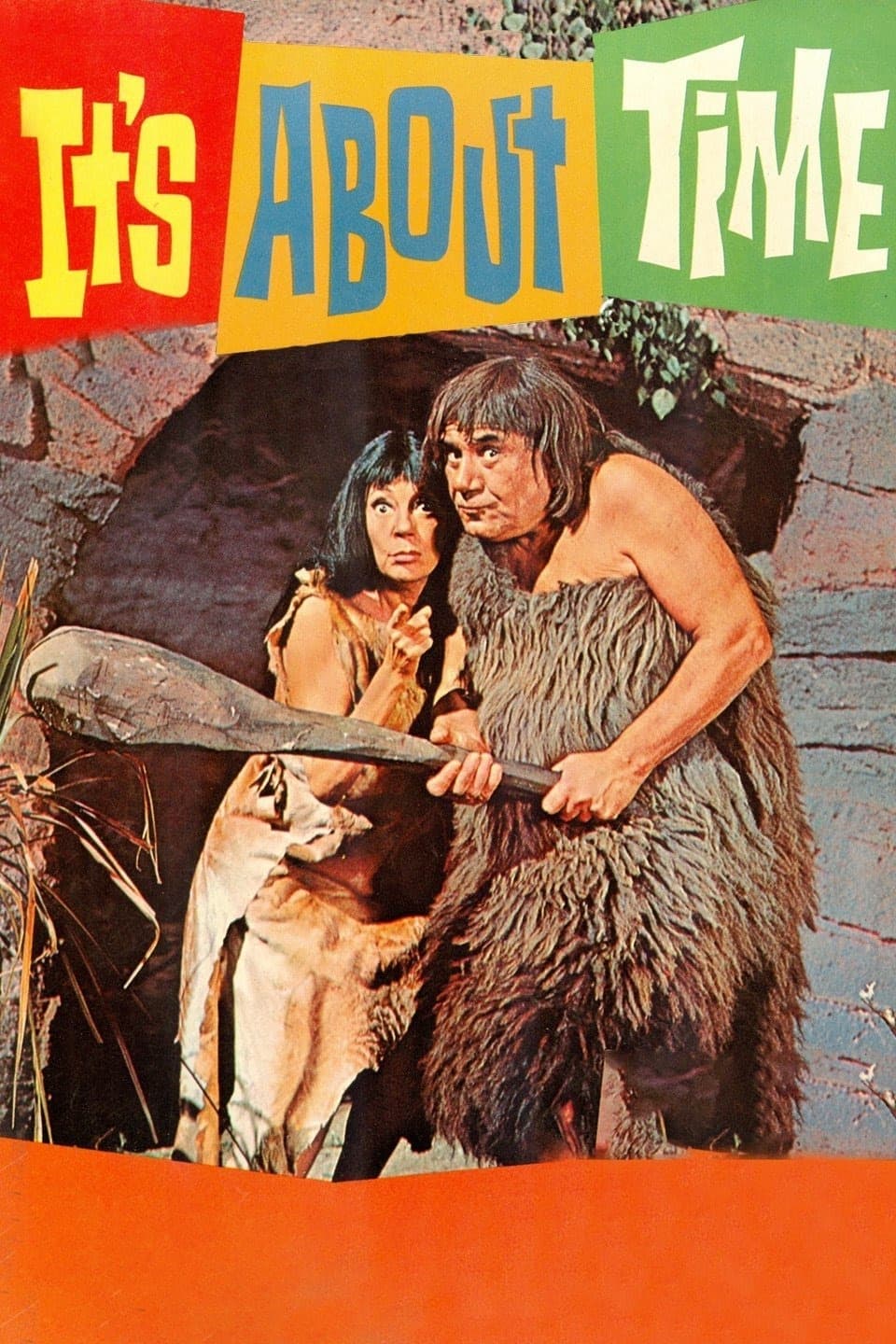
It's About Time is an American fantasy/science-fiction comedy TV series that aired on CBS for one season of 26 episodes in 1966–1967. The series was created by Sherwood Schwartz, and used sets, props and incidental music from Schwartz's other television series in production at the time, Gilligan's Island.
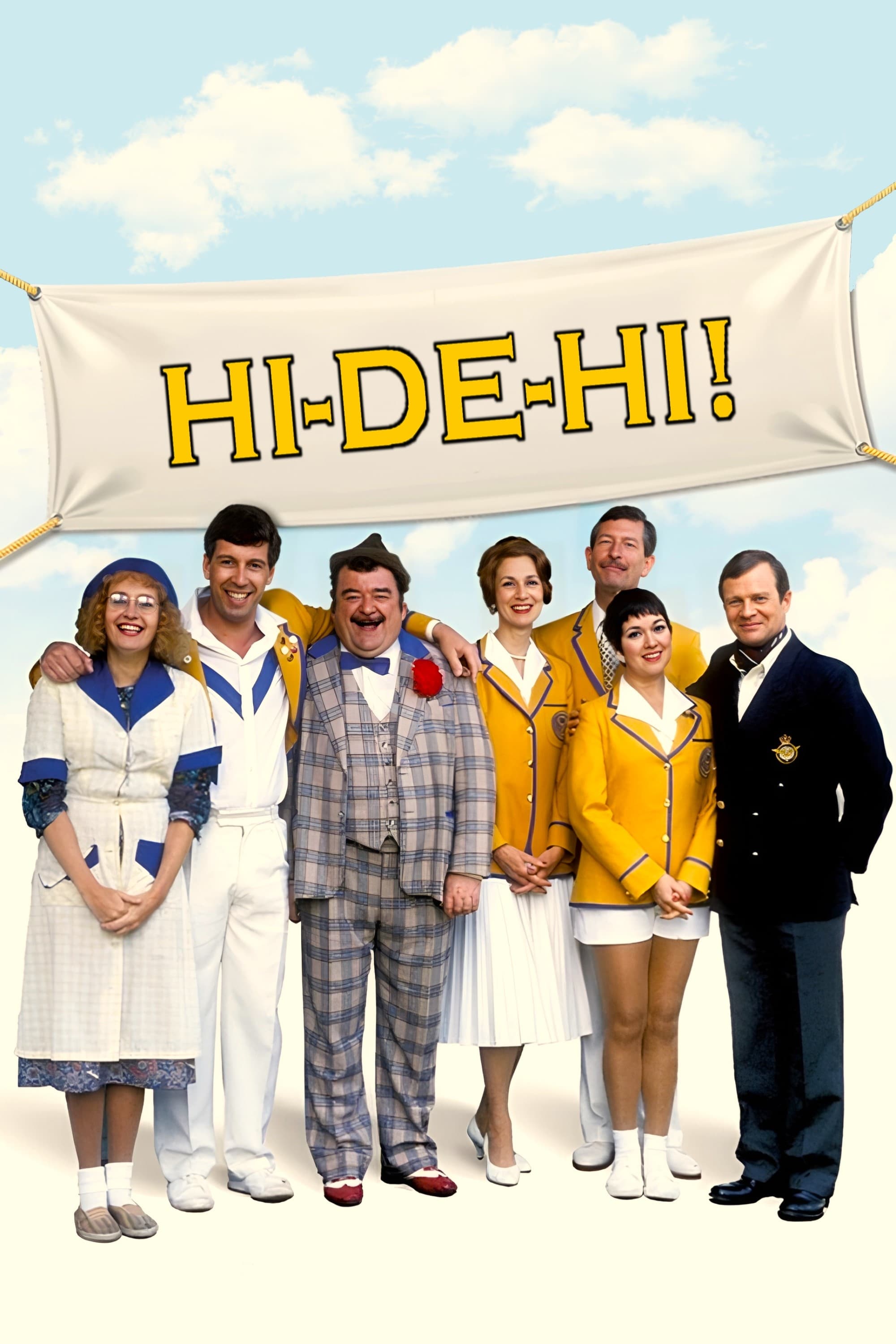
Hi-de-Hi! is a British sitcom set in Maplins, a fictional holiday camp, during 1959 and 1960, and was written by Jimmy Perry and David Croft, who also wrote Dad's Army and It Ain't Half Hot Mum amongst others. It aired on the BBC from 1980 to 1988. The series revolved around the lives of the camp's management and entertainers, most of them struggling actors or has-beens. The inspiration was the experience of writers Perry and Croft: after being demobilised from the army, Perry was a Redcoat at Butlin's, Pwllheli during the holiday season. The series gained large audiences and won a BAFTA as Best Comedy Series in 1984. In 2004, it came 40th in Britain's Best Sitcom and in a 2008 poll on Channel 4, 'Hi-de-Hi!" was voted the 35th most popular comedy catchphrase.
Knight & Daye is an NBC television sitcom that ran for only seven episodes in the summer of 1989. The show was about Hank and Everett, two former friends that hadn't spoken to each other in years after Everett married the woman they were both interested in, but are reunited for a radio talk show. Their bickering proves to be a ratings bonanza.
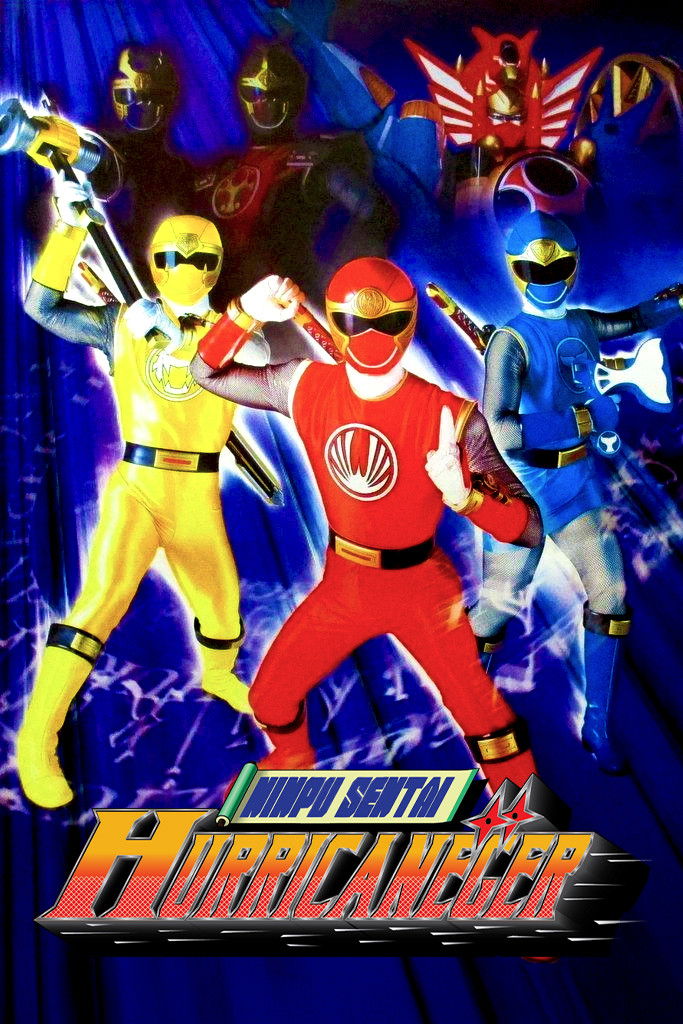
When a tragedy befalls their fellow students on graduation day, three pupils of the Hayate Way's Ninja Academy must take on the Jakanja — a clan of evil space warriors. But they can't do it alone. Can they find the help they need? And can the young warriors act swiftly enough to defeat the Jakanja before they destroy the known universe?
At university, two young men raised to hate each other find music and love instead, forcing them to question family legacies and choose their own path.
Ping An is an autistic teenager who gains recognition for being a badminton prodigy. Zihao is his younger brother and a fellow badminton player. Xiao Na is a bright and cheery young woman who helps out at her grandpa's badminton court for the summer. She gets close to both brothers and becomes attracted to Zihao. However, their journey is not as smooth-sailing as they'd hope and the two brothers are pushed to a difficult crossroad.
Thanks is an American television sitcom that debuted on CBS television network and ran for six episodes from 8:30 to 9:00pm ET on Monday nights. The program explores the trials and tribulations of the Winthrops, a 17th century Puritan family, in Plymouth, Massachusetts. Characters take their names from John Winthrop, the famed governor of the original Bostonian Puritan community, and John Cotton, another prominent Puritan religious leader.
You Rang, M'Lord? is a British comedy series written by Jimmy Perry and David Croft, the creators of Dad's Army, It Ain't Half Hot Mum and Hi-de-Hi! It was broadcast between 1990 and 1993 on the BBC. The show was a comedy set in the house of an aristocratic family in the 1920s, contrasting the upper-class family and their servants in a house in London, along the same lines as the popular drama Upstairs, Downstairs. The series featured many actors who had also appeared in their earlier series, notably Paul Shane, Jeffrey Holland and Su Pollard, all of whom had previously been in Perry and Croft's holiday camp sitcom, Hi-de-Hi!. Also featured were Donald Hewlett and Michael Knowles from Perry and Croft's It Ain't Half Hot Mum, and Bill Pertwee and occasionally Frank Williams from Dad's Army. The memorable 1920s-style theme tune was sung by Bob Monkhouse.
Talented pipa player Li Sasa is mysteriously transported to the Sheng Dynasty, inhabiting the body of Li Ru Niang. Lost in this new world, she meets Lu Jingnian, head of the Right Sect Fang. Joining his musical group, Sasa helps form an innovative all-women's ensemble. As they bond over their shared passion for music, their relationship faces challenges that test their connection.
Up Pompeii! is a British television comedy series broadcast between 1969 and 1970, starring Frankie Howerd. The first series was written by Talbot Rothwell, a scriptwriter for the Carry On films, and the second series by Rothwell and Sid Colin. Two further specials were transmitted in 1975 and 1991. In ancient Pompeii, much-put-upon slave Lurcio navigates the chaotic lives of his owner's family
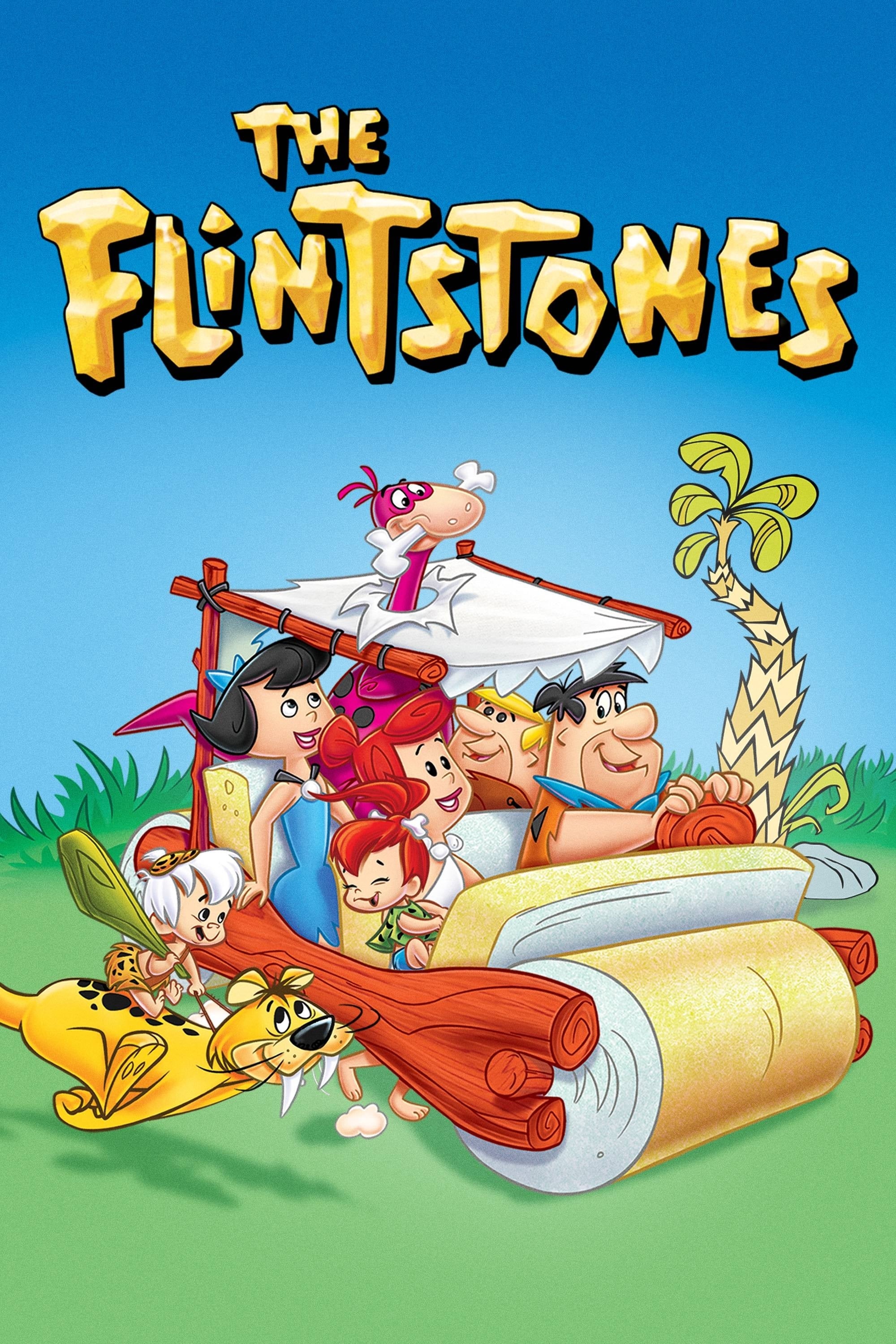
The misadventures of two modern-day Stone Age families, the Flintstones and the Rubbles.
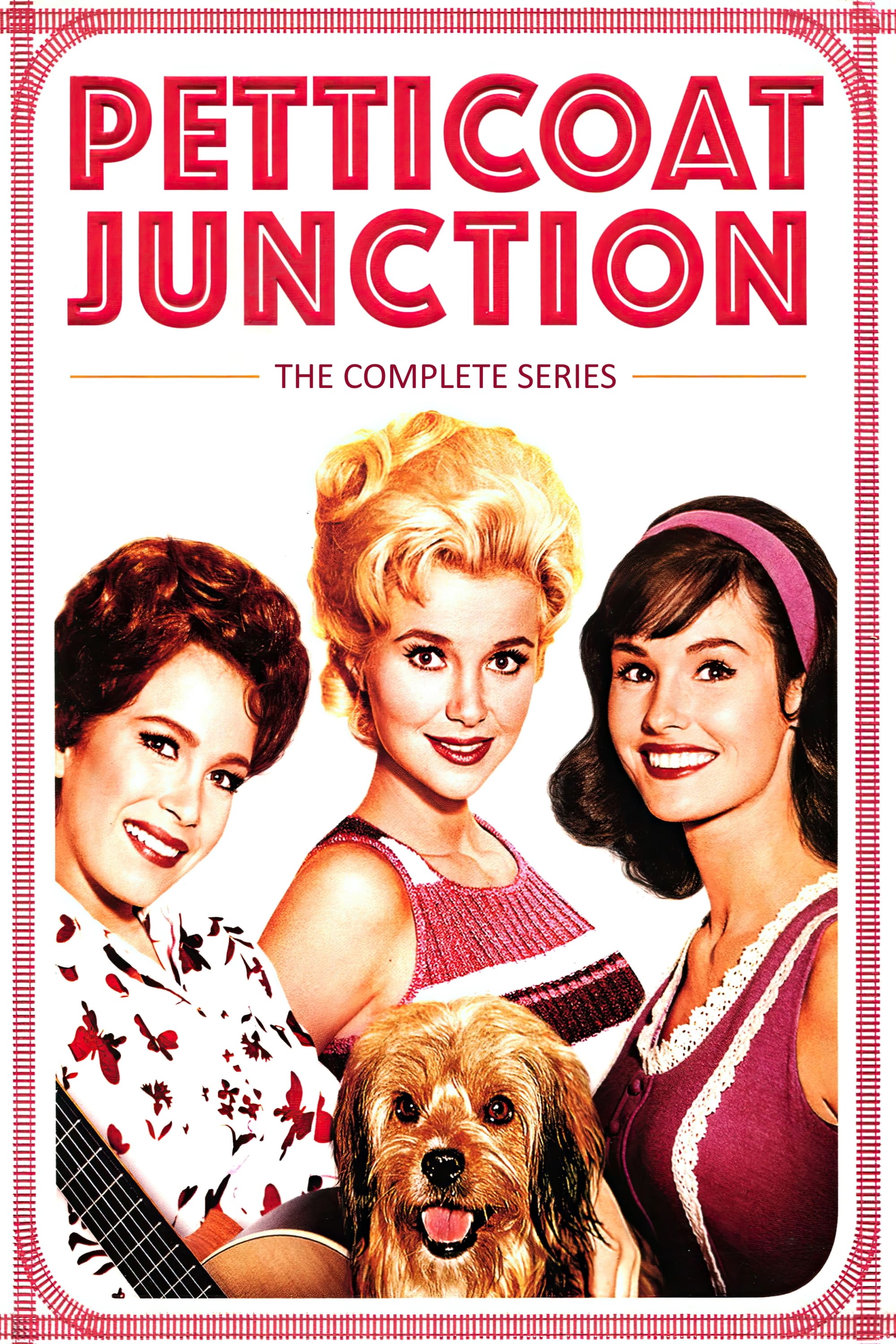
The Bradley family are proud owners of the Shady Rest Hotel. Kate and her three young daughters do the job of running the hotel.
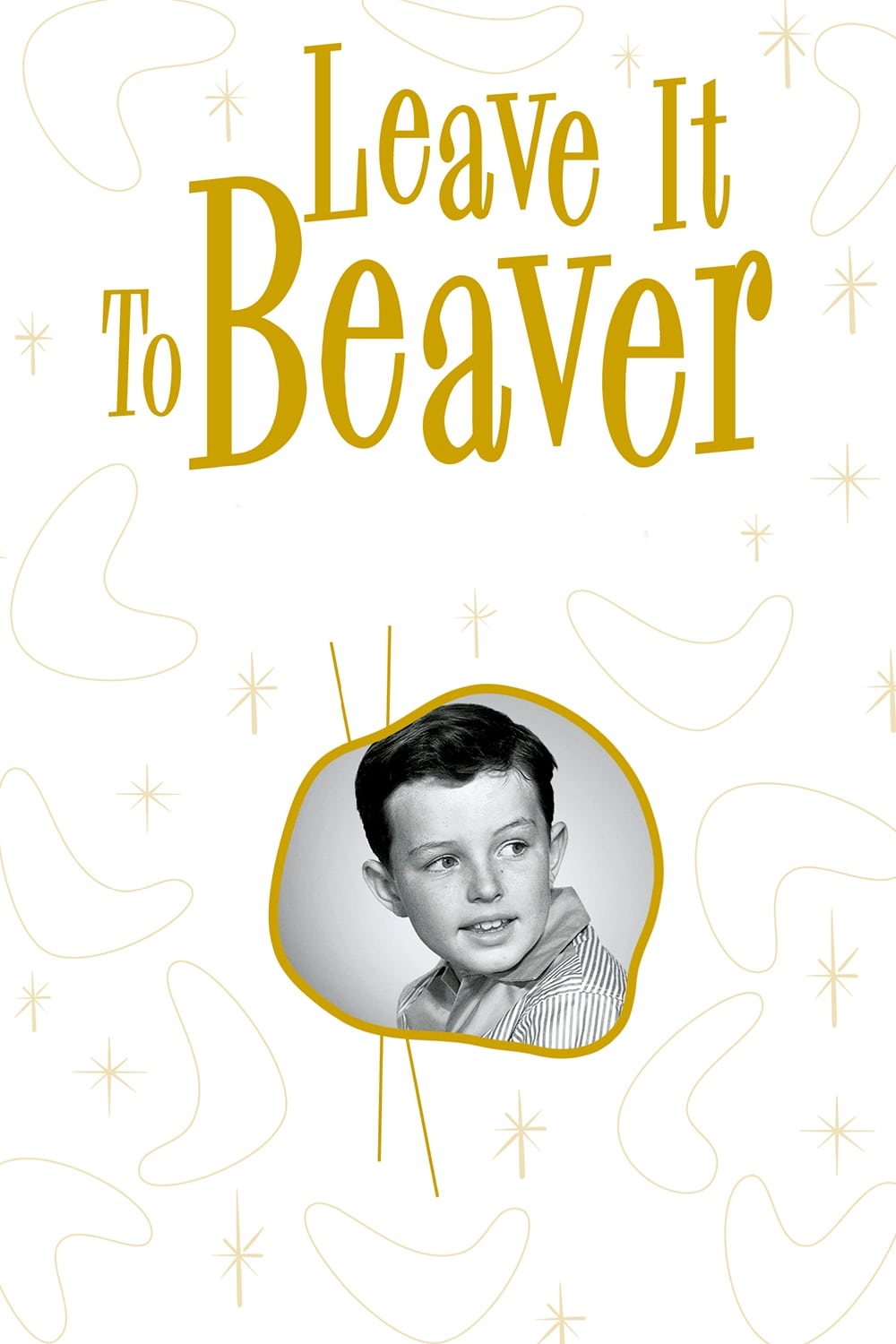
An inquisitive and often naïve boy, Theodore 'The Beaver' Cleaver, has adventures at home, in school, and around his suburban neighborhood. The show also starred Barbara Billingsley and Hugh Beaumont as Beaver's parents, June and Ward Cleaver, and Tony Dow as Beaver's brother Wally. The show has attained an iconic status in the US, with the Cleavers exemplifying the idealized suburban family of the mid-20th century.
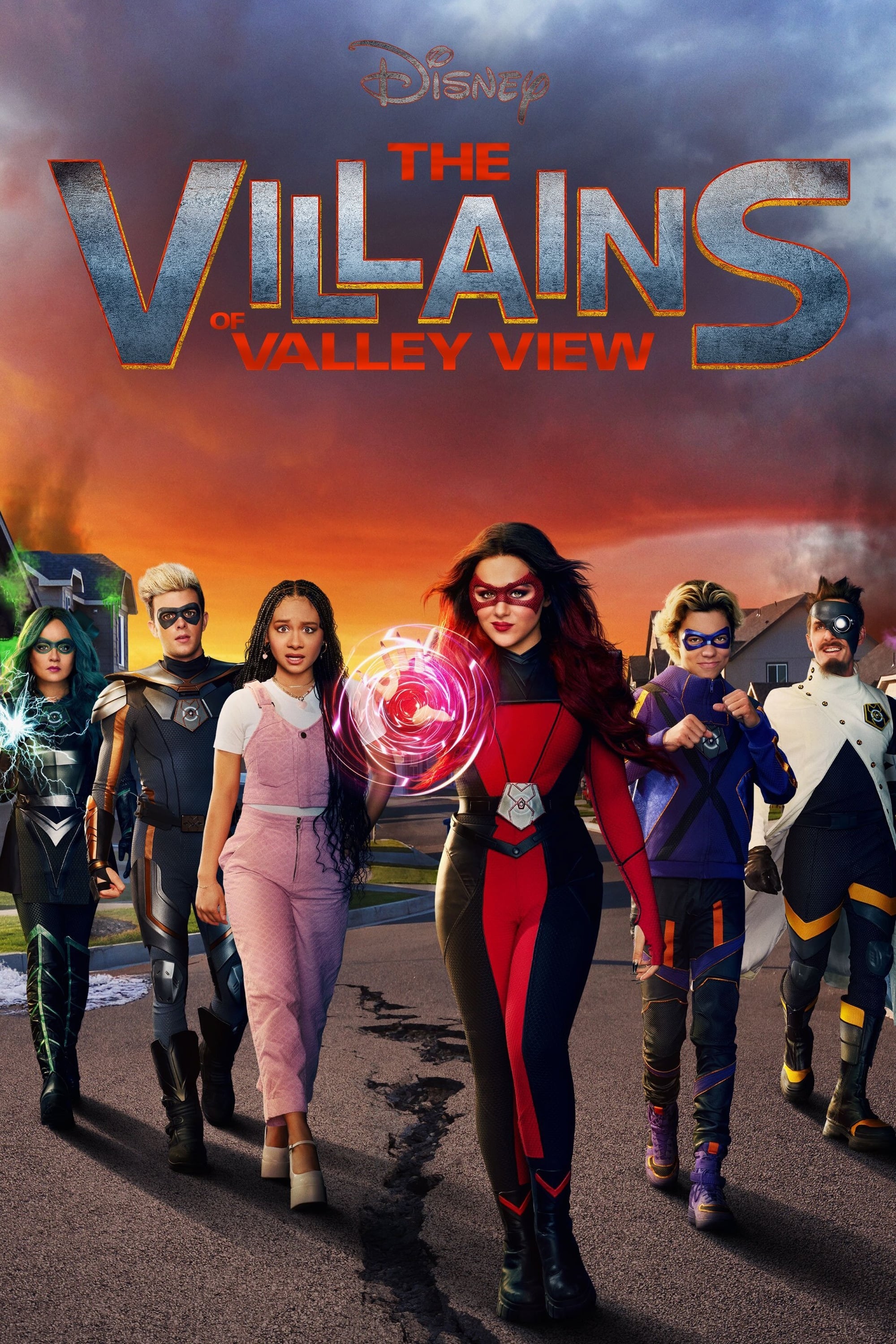
A family of raucous supervillains who recently ran afoul of the League of Villains and now must somehow beat a path to normalcy in a small Texas town.
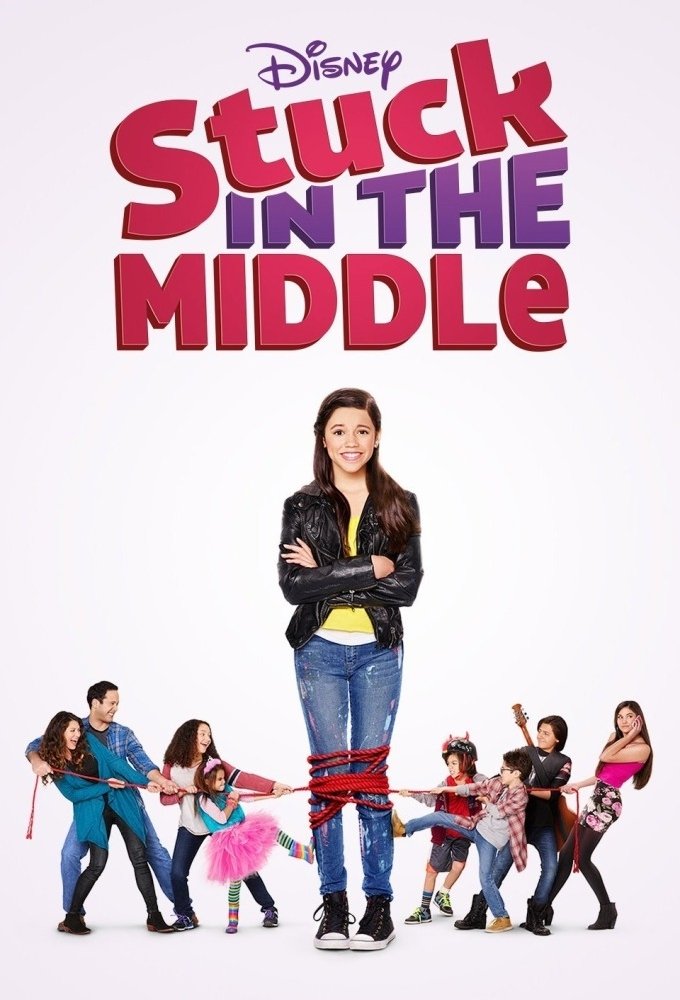
Harley is an engineering whiz who uses her inventions to navigate life as the middle child in a large family of seven kids.
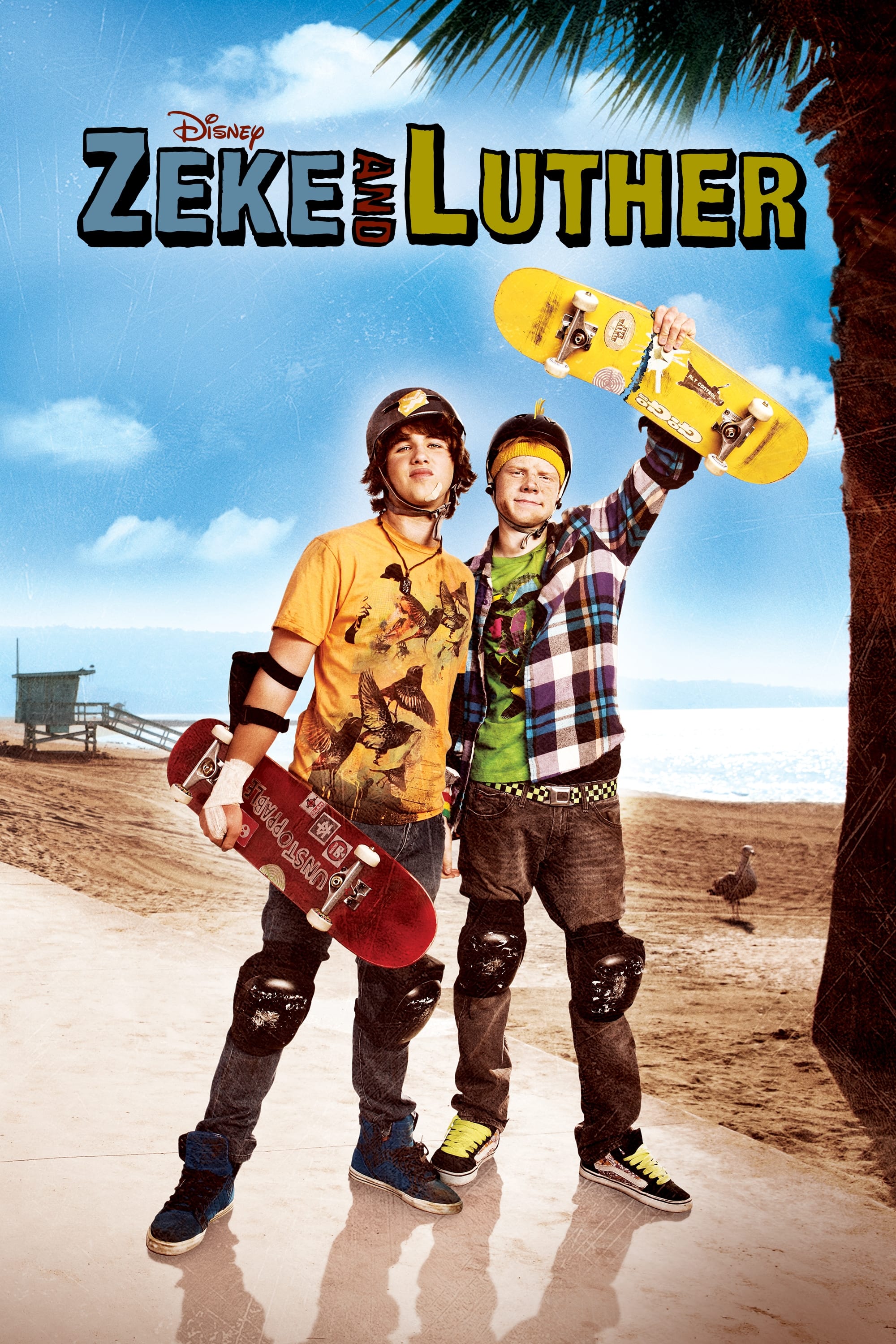
Zeke and Luther want nothing more in the world than to become world-famous skateboarders. Together with their friends, skating rivals, and family, Zeke & Luther find themselves always busy getting into mischief.
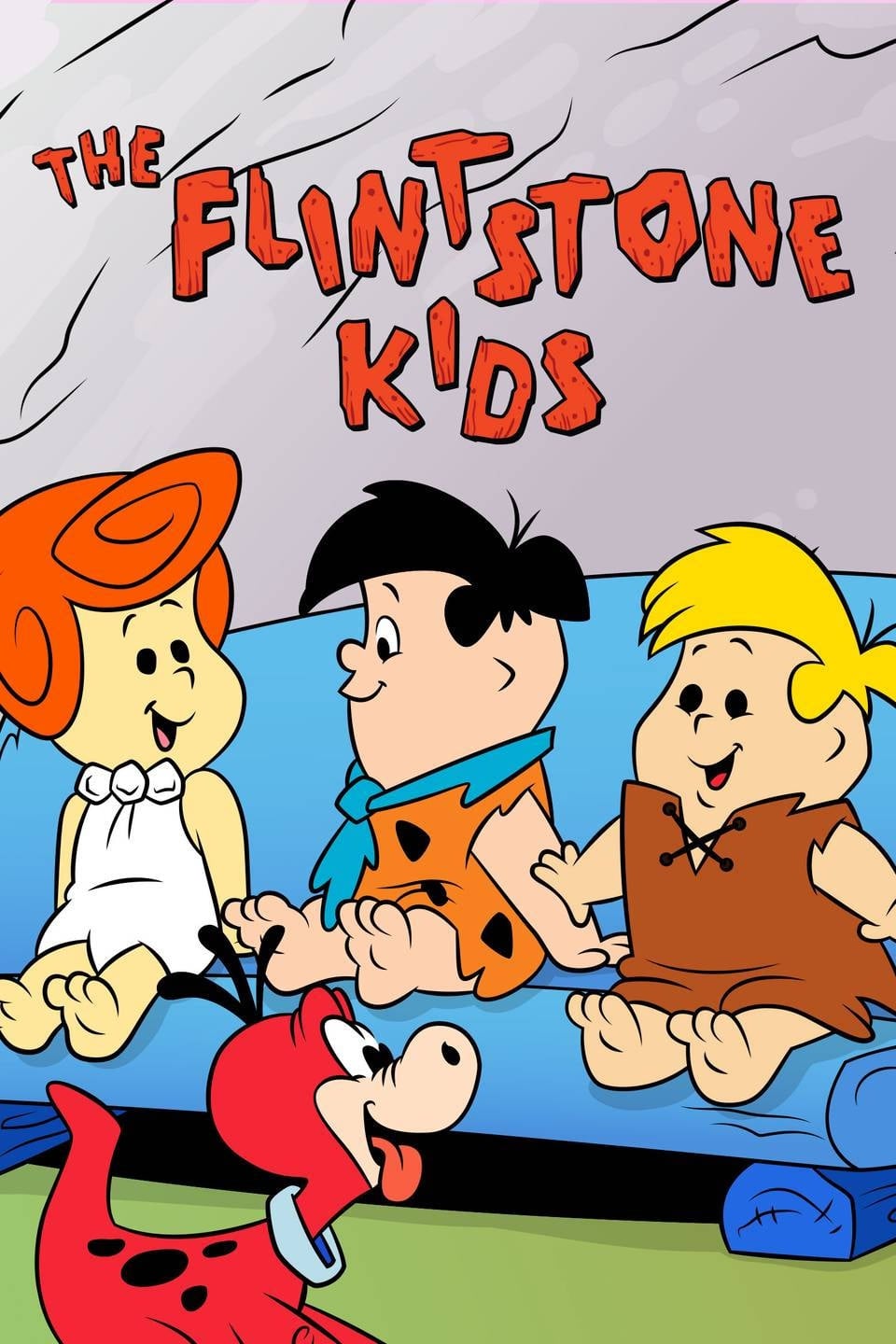
Join Fred, Wilma, Dino, Barney and Betty in their formative years when they were precocious prehistoric preteens. Whether they’re riding to school on a brontosaurus’ back, skating down the street on wriggling dino boards or just rockin’ out, these kids are growing up the Bedrock way.
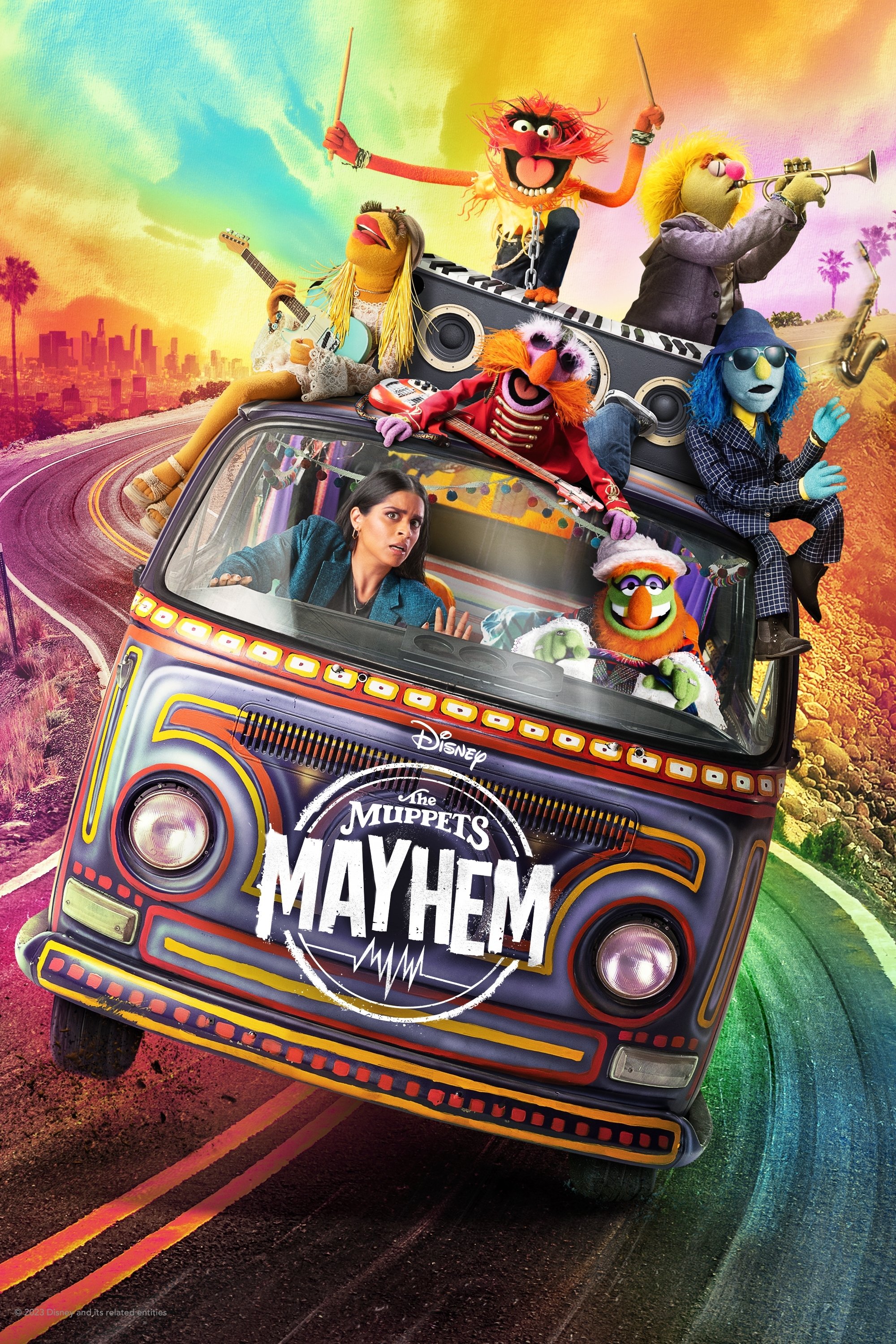
The Electric Mayhem Band goes on an epic musical journey to finally record their first studio album. With the help of a driven young music executive, Nora, the old-school Muppet band comes face to face with the current day music scene as they try to finally go platinum.
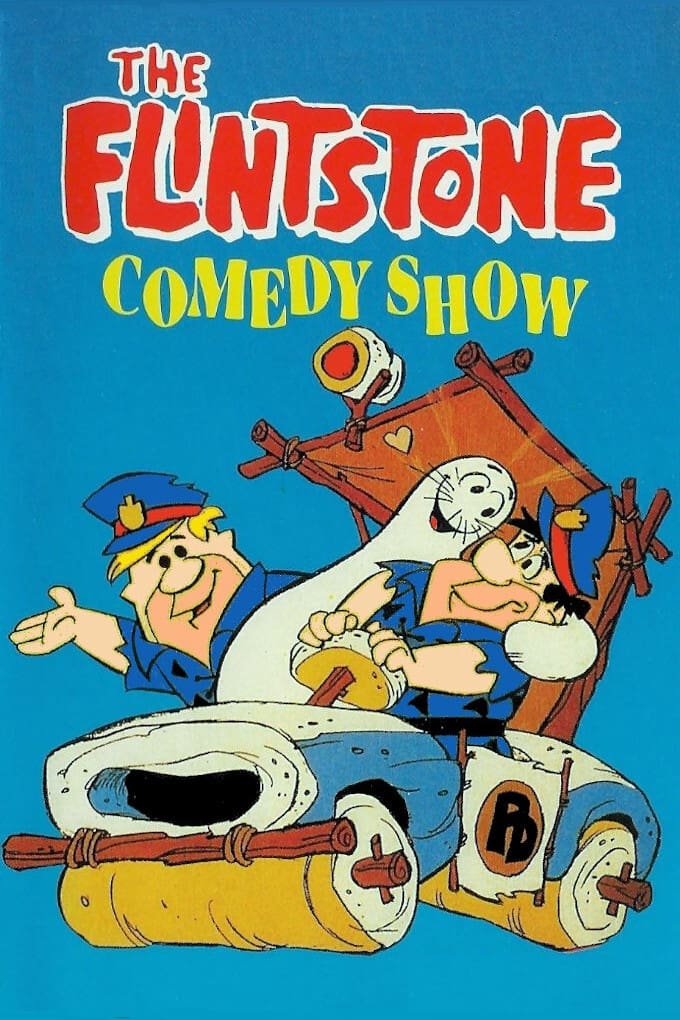
The Flintstone Comedy Show is a 90-minute Saturday morning animated series revival of The Flintstones produced by Hanna-Barbera and aired from November 22, 1980 to September 11, 1982 on NBC. Outside North America, the show was released under title of Flintstone Frolics. The show contained six segments: The Flintstone Family Adventures, Bedrock Cops, Pebbles, Dino and Bamm-Bamm, Captain Caveman, Dino and Cavemouse, and The Frankenstones.
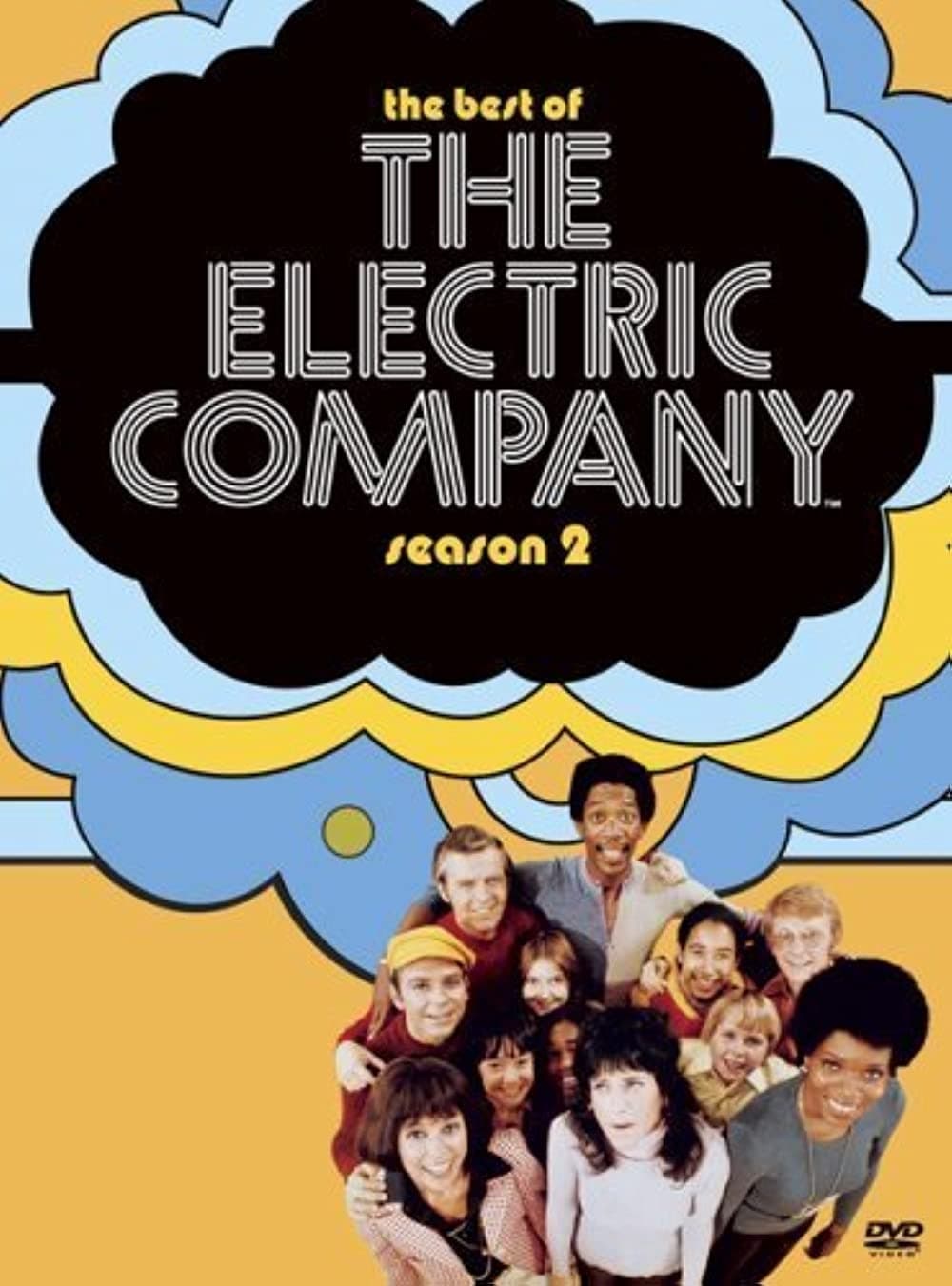
The Electric Company is an educational American children's television series that was produced by the Children's Television Workshop for PBS in the United States. PBS broadcast 780 episodes over the course of its six seasons from October 25, 1971 to April 15, 1977. After it ceased production that year, the program continued in reruns from 1977 to 1985, the result of a decision made in 1975 to produce two final seasons for perpetual use. CTW produced the show at Teletape Studios Second Stage in Manhattan, the first home of Sesame Street. The Electric Company employed sketch comedy and other devices to provide an entertaining program to help elementary school children develop their grammar and reading skills. It was intended for children who had graduated from CTW's flagship program, Sesame Street. Appropriately, the humor was more mature than what was seen there.
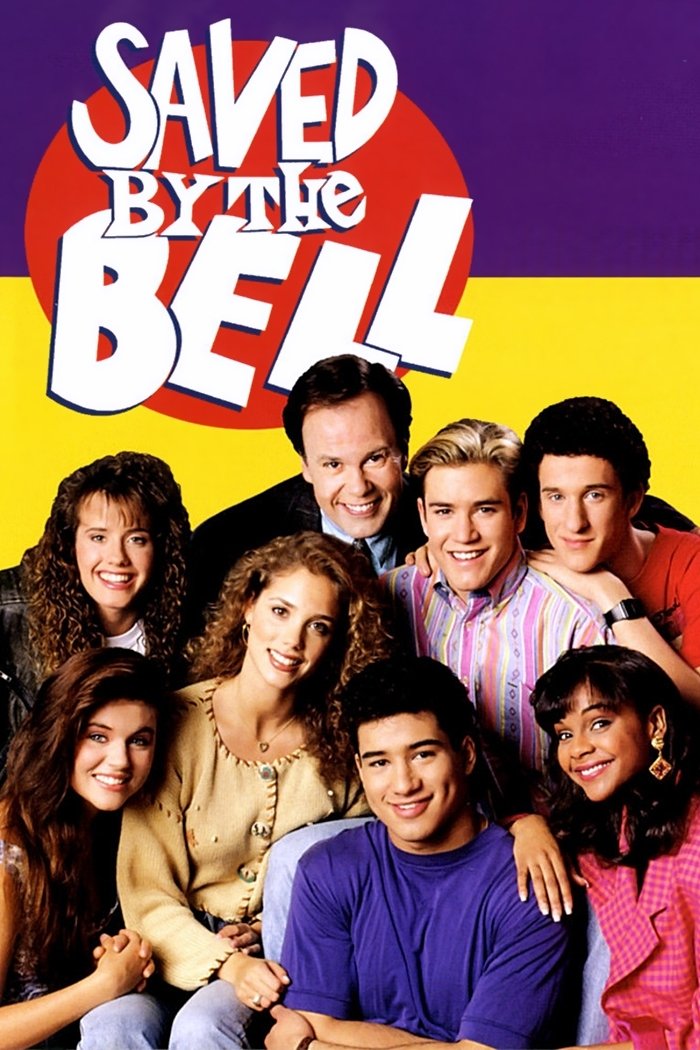
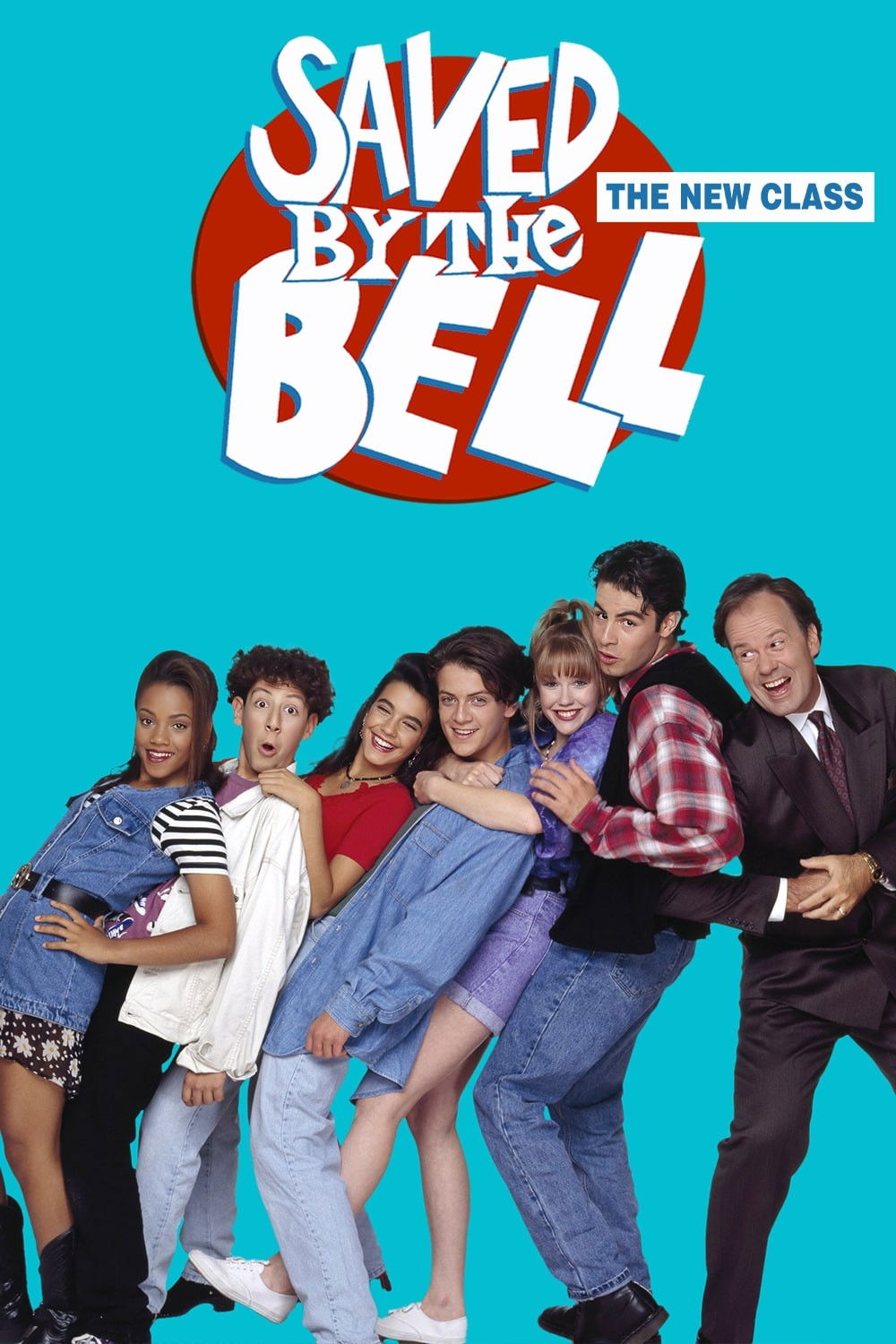
Lovable schemer Zack Morris leads his pals on adventures at California's Bayside High School. The friends navigate relationships, final exams, school dances, breakups and more while frequently frustrating their principal, Mr. Richard Belding, who does his best to keep them in check.
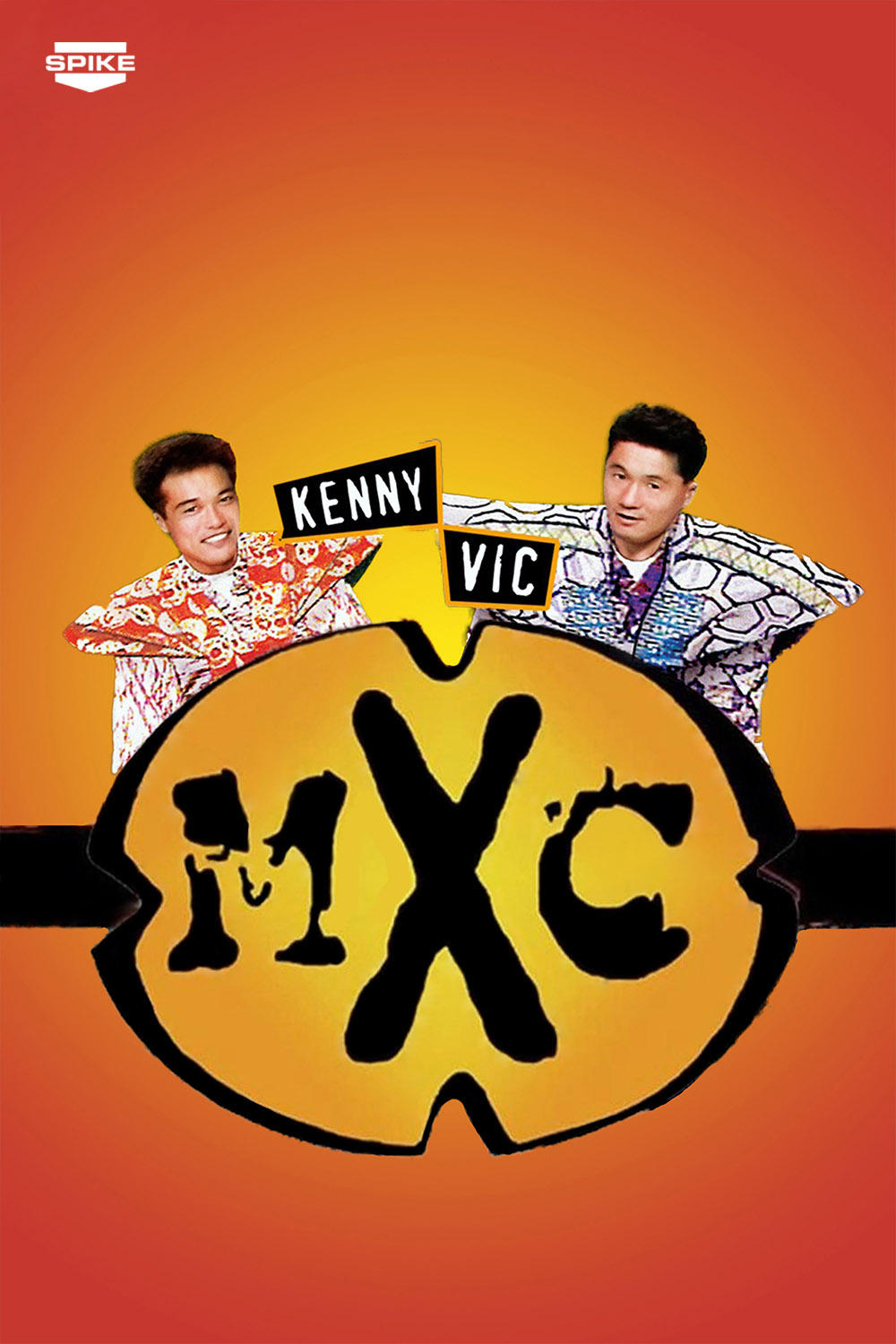
Footage from the popular game show, Takeshi's Castle has been re-edited, re-written and re-voiced into a hilarious, intentionally over-produced, modern "action/X-treme" sports show.
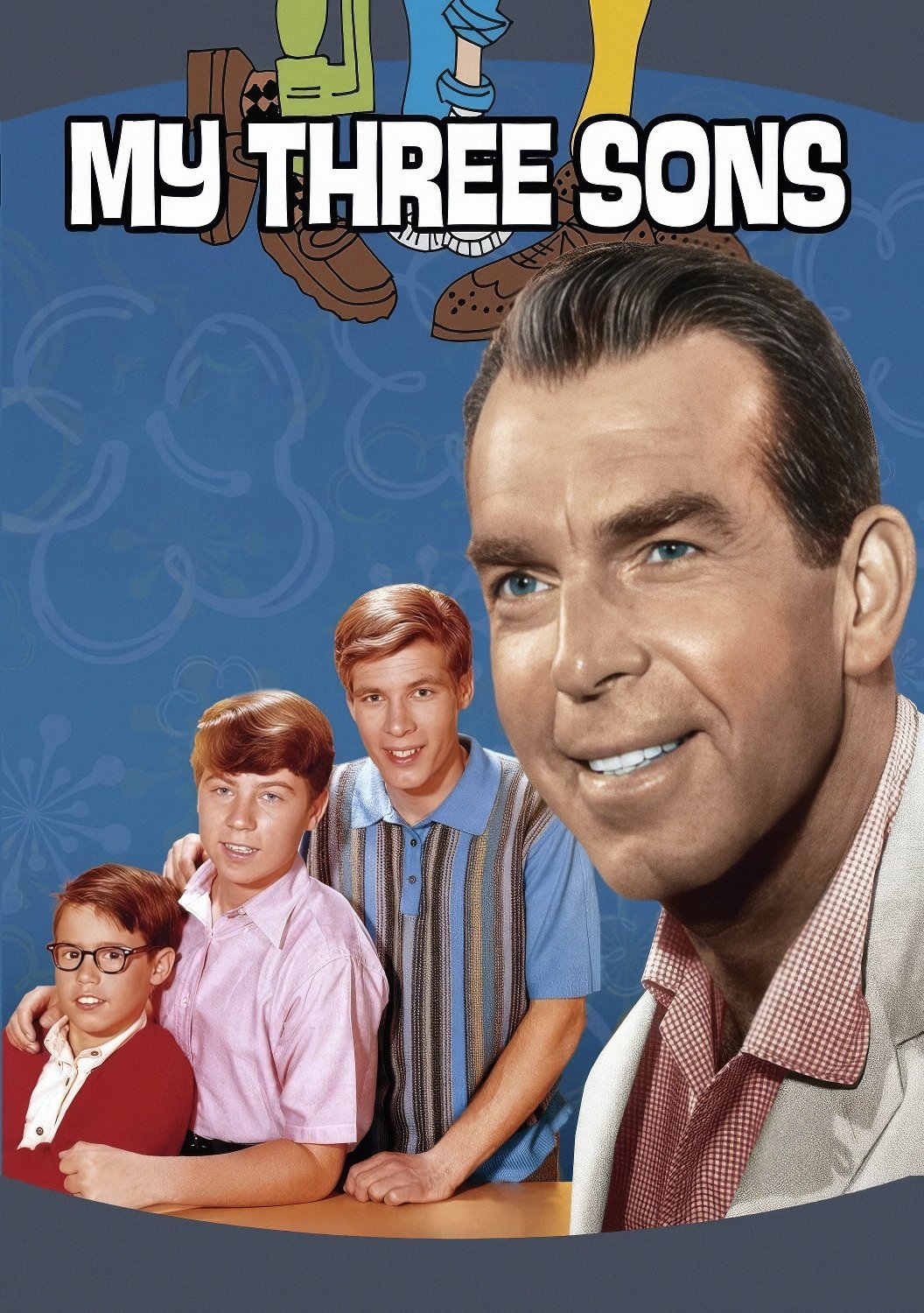
A widower and aeronautical engineer named Steven Douglas raises three sons with the help of his father-in-law, and later the boys' great-uncle. An adopted son, a stepdaughter, wives, and another generation of sons join the loving family in later seasons.
A French humorous game show taking place in a burger restaurant which is managed by the TV host.
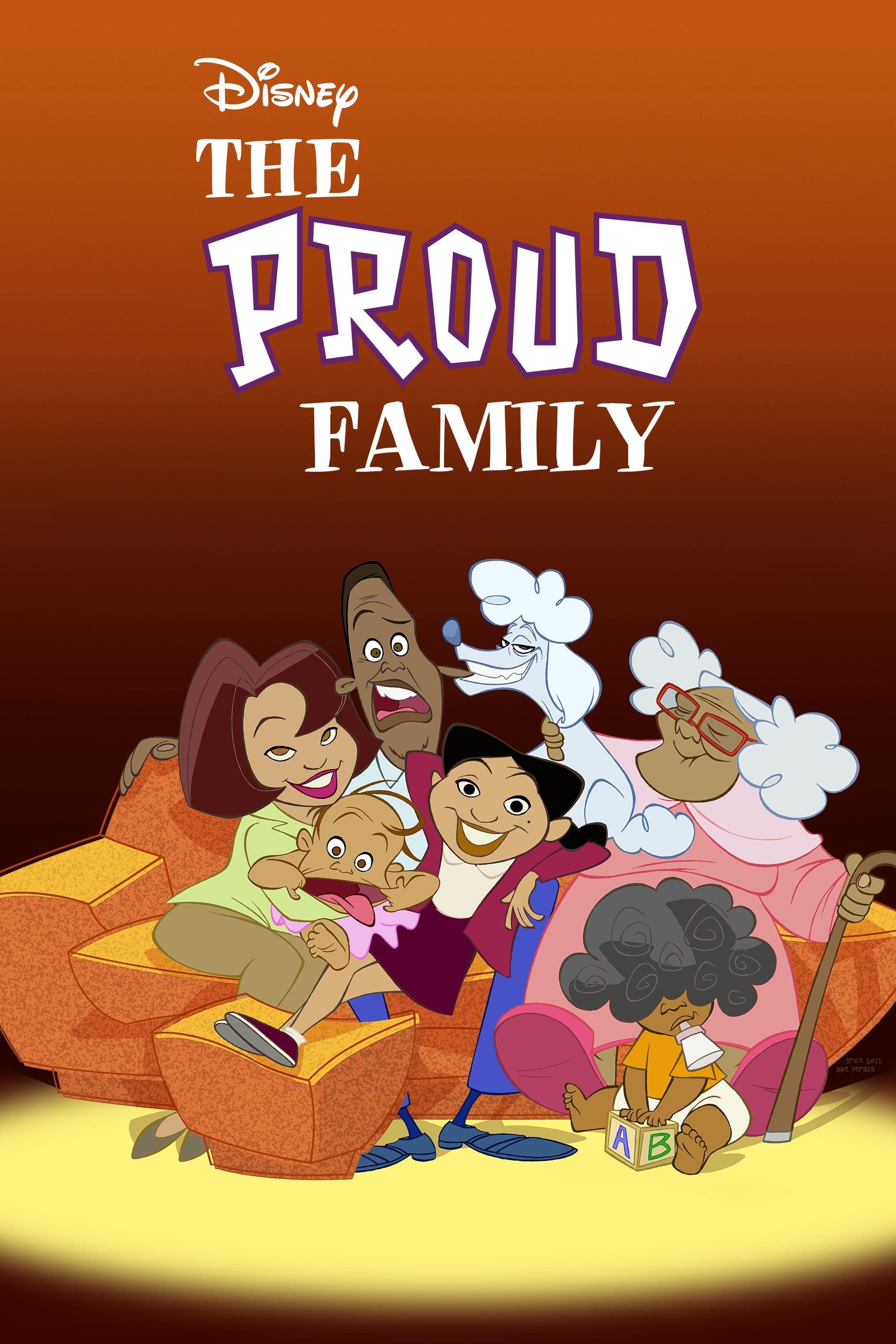
Follow the adventures and misadventures of Penny, a 14-year-old African American girl who's doing her best to navigate through the early years of teen-dom. Penny's every encounter inevitably spirals into bigger than life situations filled with hi-jinks, hilarity and heart. Her quest to balance her home, school and social lives are further complicated by friends like the sassy Dijonay, Penny's nemesis LaCienega Boulevardez, her loving, if not over-protective parents and her hip-to-the-groove-granny, Suga Mama.
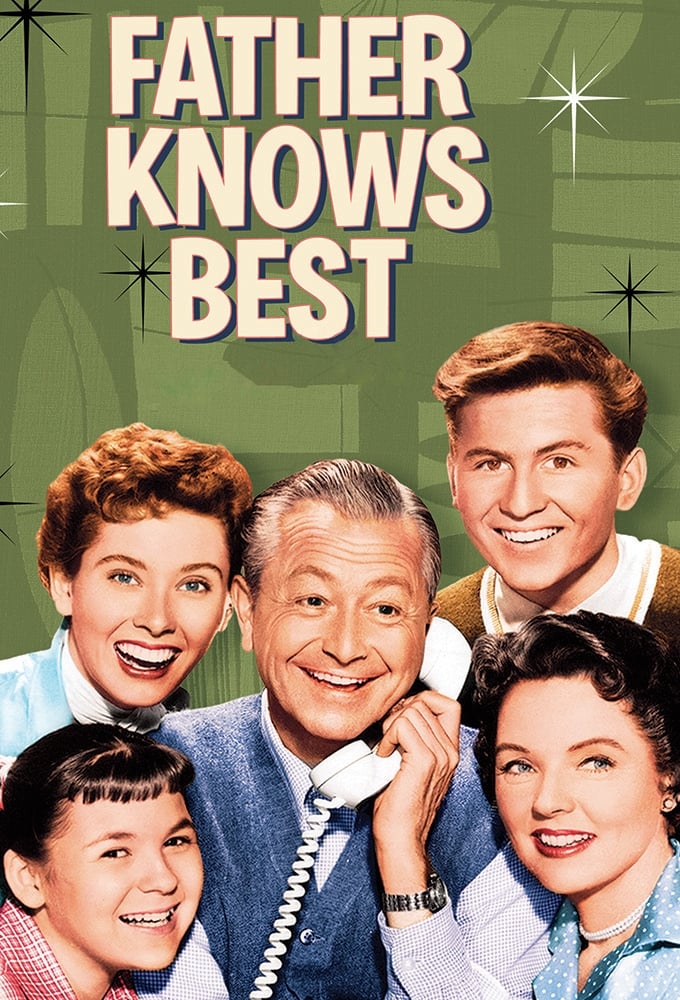
Family man Jim Anderson copes with the everyday problems among his wife Margaret and their three children as they experience day-to-day changes.
Six friends grow and learn at Bayside High.
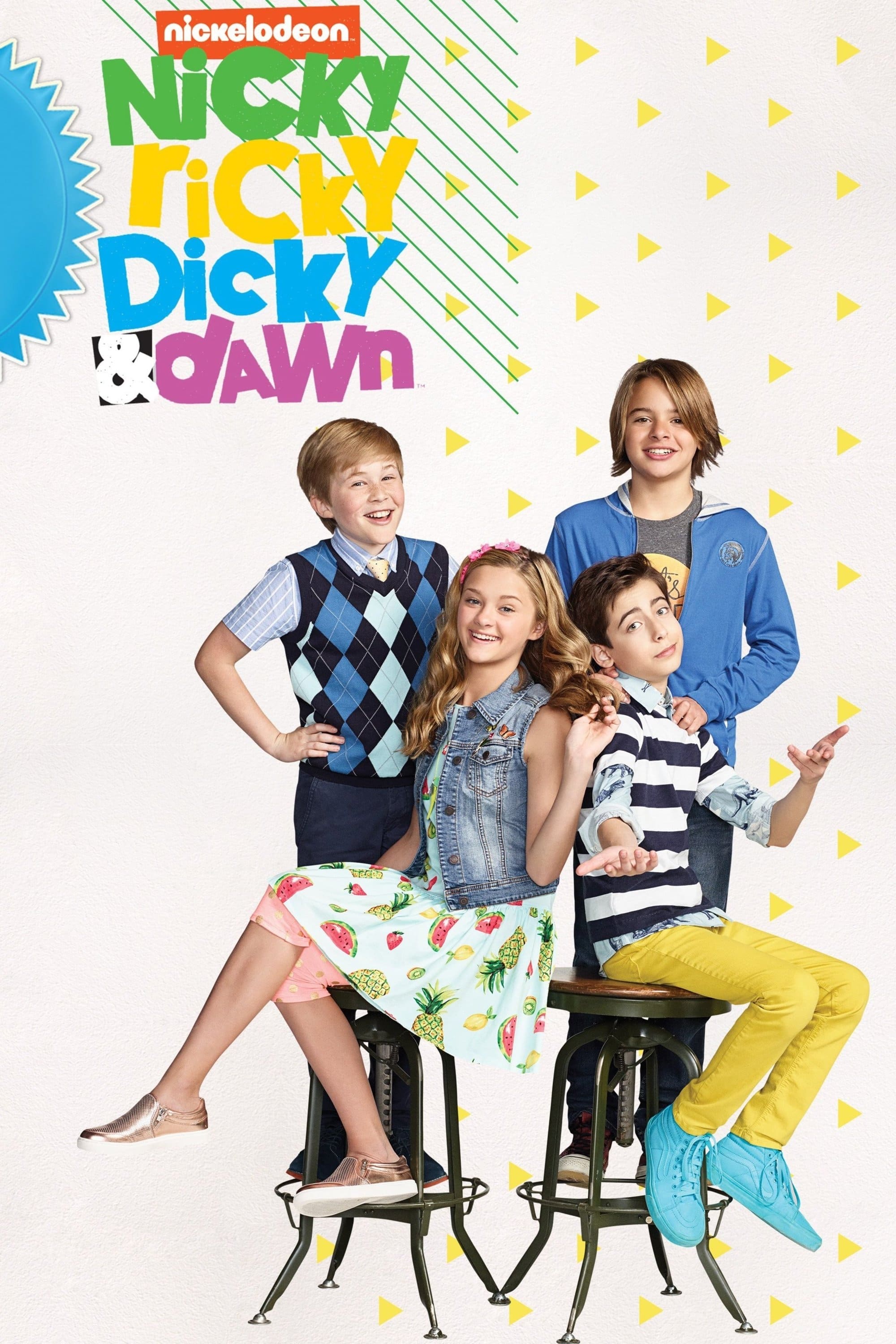
The story of a 10-year-old girl Dawn Haley whose sibling rivalry with her three brothers is heightened by the fact that they are quadruplets.
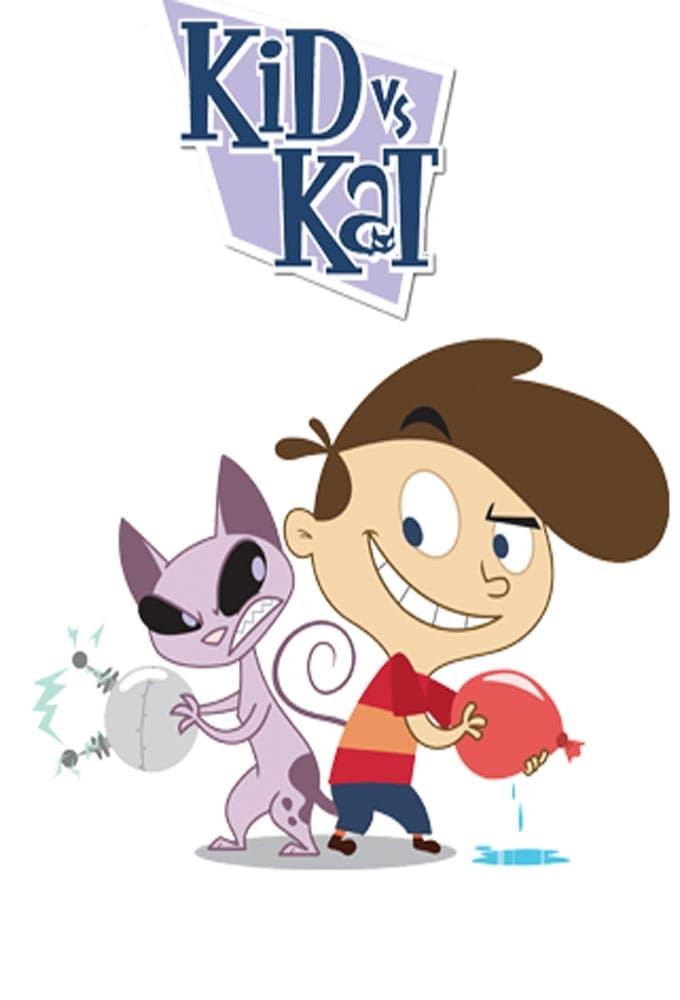
Ten-year-old Coop Burtonburger's life takes a turn for the worse when his little sister, Millie, brings home a mysterious stray cat who, in reality, is an evil cybernetic alien in disguise. To make matters worse, neither his family nor anyone else believes him, except for his best friend, Dennis. Now, Coop risks his life every day as he attempts to foil the cat's diabolical schemes and prove to the world that the family pet is an evil mastermind.
Nick Cannon and an A-list celebrity lead a team of improv comedians as they compete against each other.