Social & External
Unknown Role
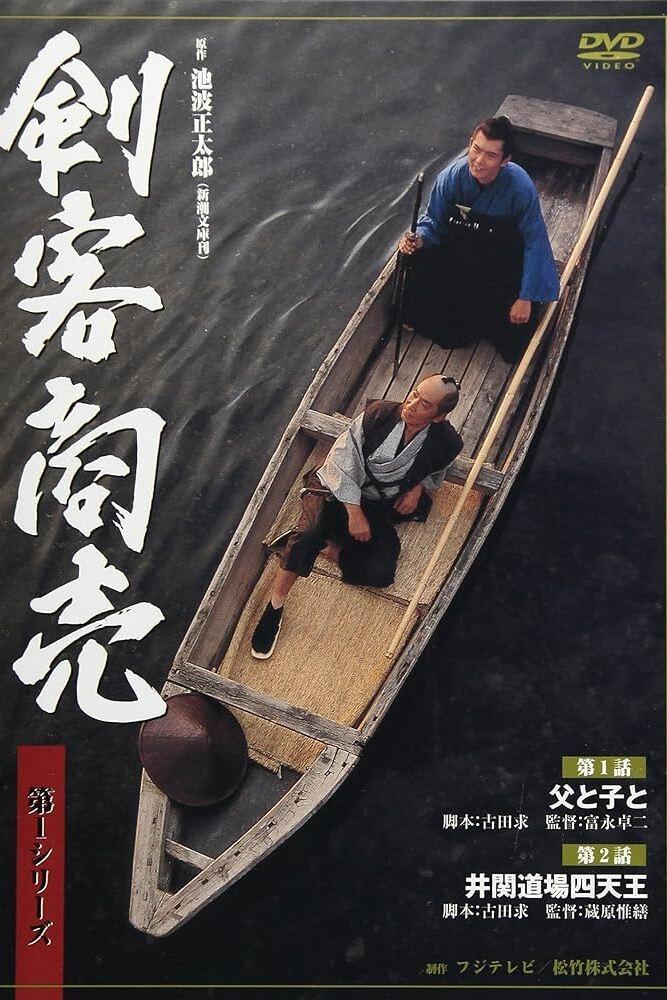
Kohei Akiyama, a popular master swordsman, and his son Daijiro live in the town of Edo in good faith. While running a dojo, Daijiro and his father find themselves wrapped up in a series of events with the town's people.
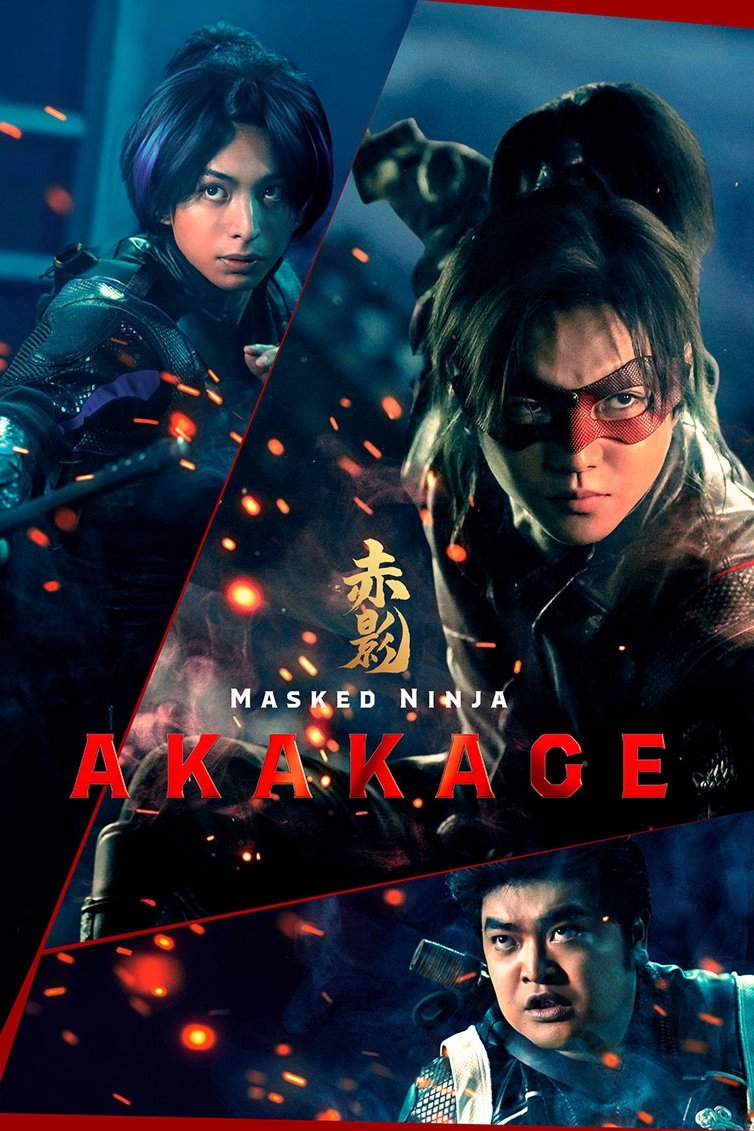
Amidst Oda Nobunaga's impending unification of Japan, the mysterious Kinketsu Cult spreads fear through curses on nonbelievers, forcing the shogun to deploy a secret masked ninja to infiltrate and dismantle its sinister conspiracy from the shadows.
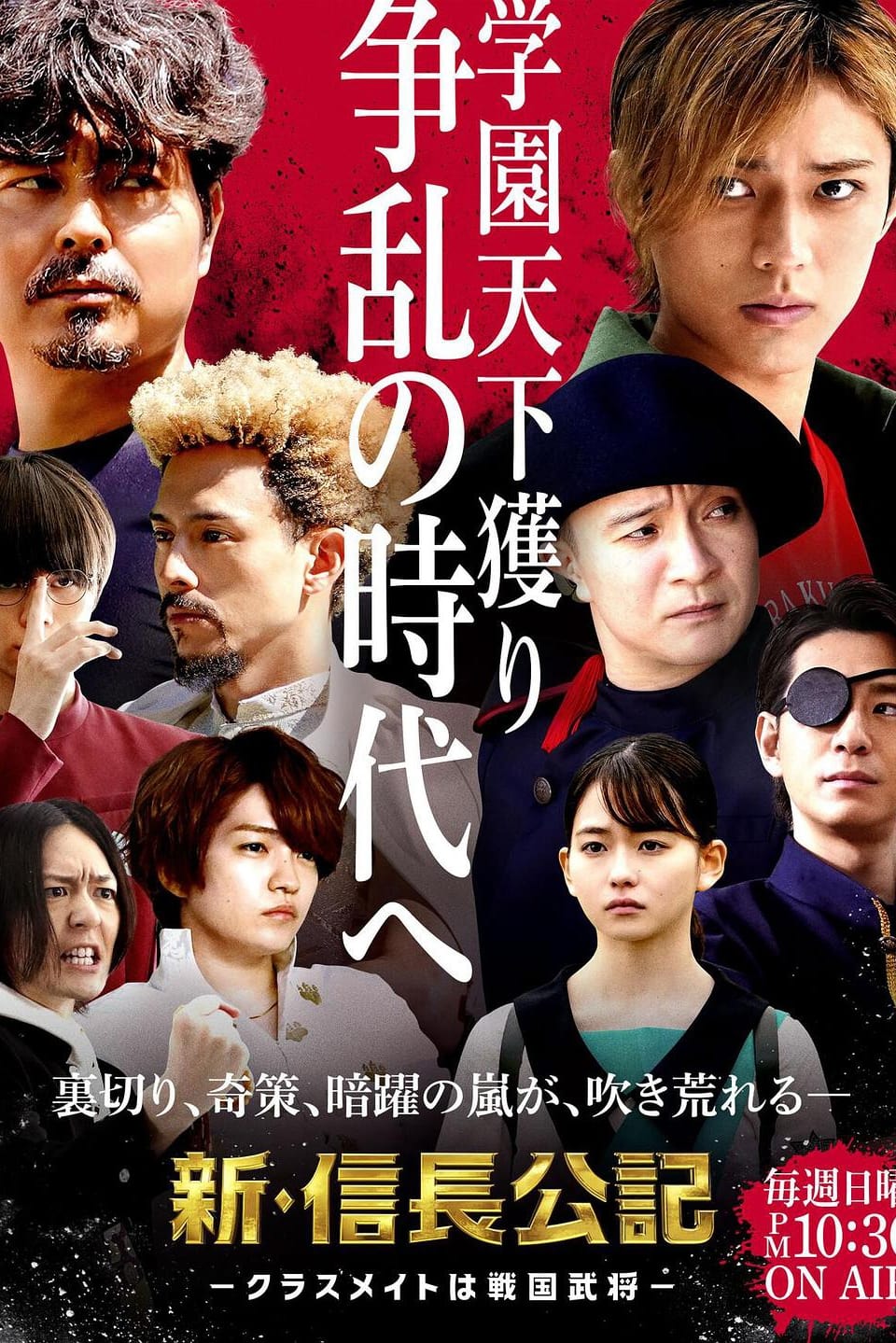
A story about a high school full of delinquents, and its elite class that has clones of famous warlords from Japan's Warring States period fighting it out.
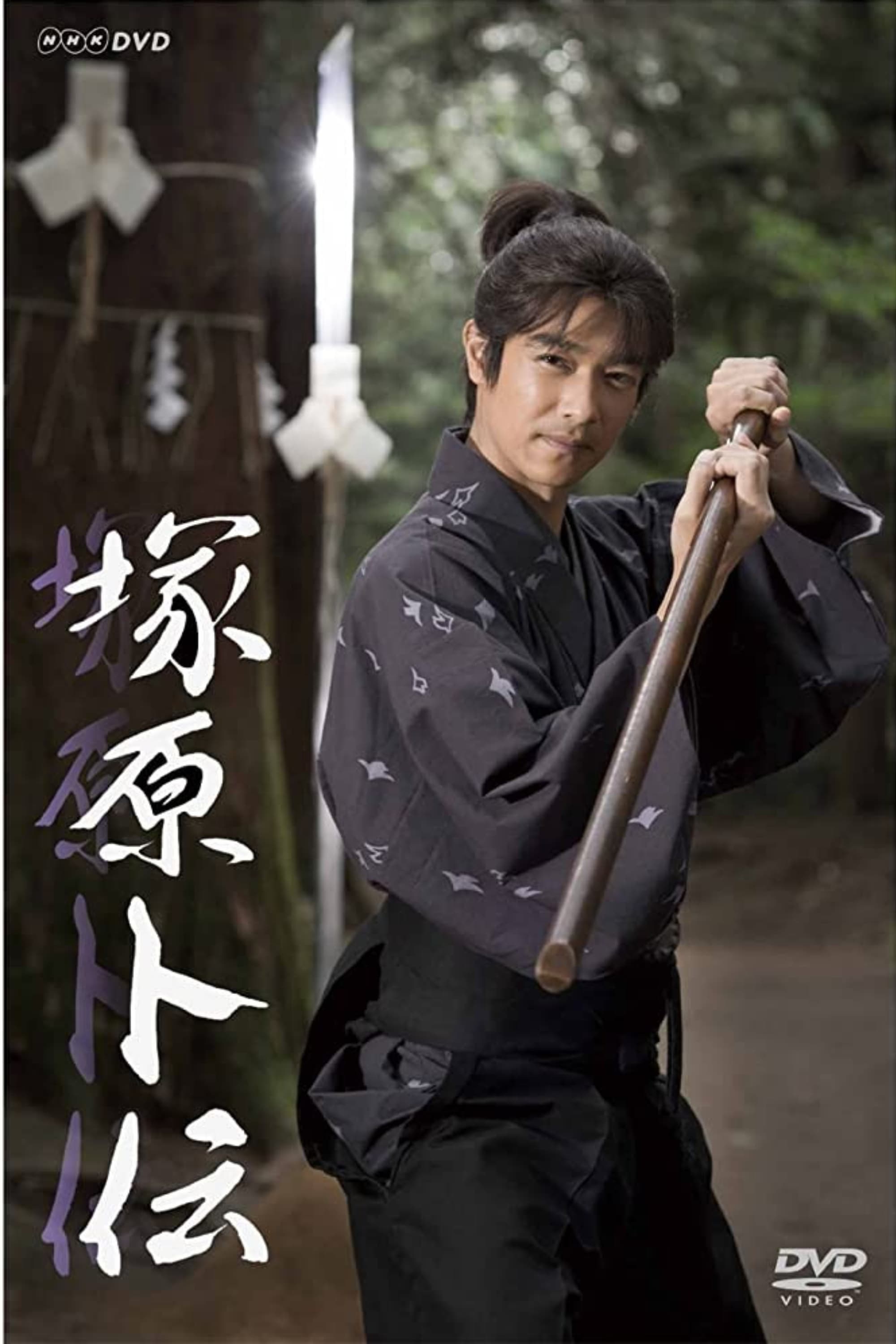
Takahara is a legendary figure in the Warring States Period of Japan. He was born in Kagoshima, the sacred place of sword. He learned the art of Taidao in Kagoshima from childhood. He had faced many life-and-death battles in his life, but he had never been injured at one time. In this new play, the story will be unfolded centering on the youth period of Sakahara, which has never been shown on the big screen before.
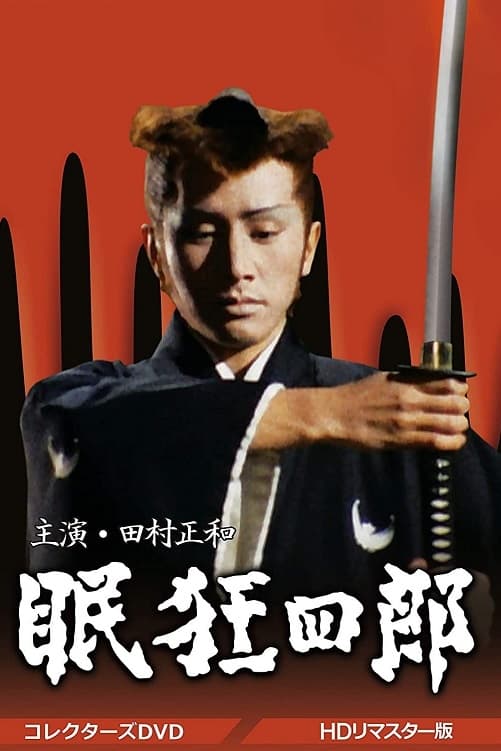
Thirteen years after his mother took her own life as a ritual sacrifice for the Black Mass, samurai Kyoshiro (Masakazu Tamura), who lives his life with his eyes turned away from happiness, uses his beloved sword to slay his enemies who come at him.....
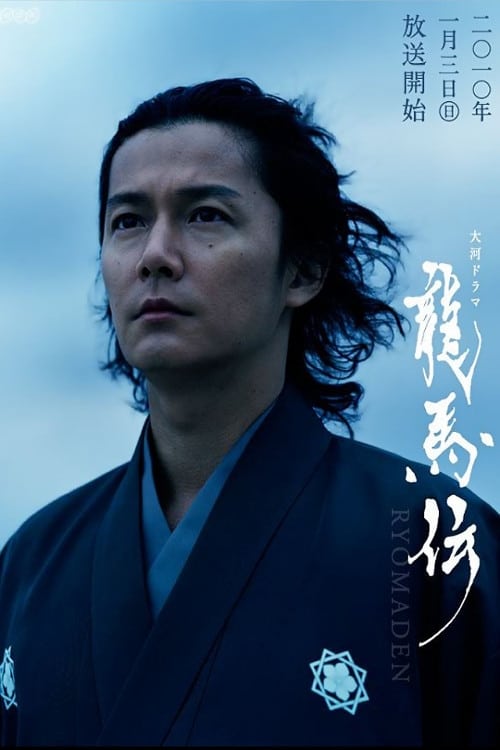
Ryōmaden is the 49th NHK Taiga drama. It was shown on NHK from January 3 to November 28, 2010 spanning 48 episodes. The story centers on the life of 19th-century Japanese historical figures Iwasaki Yatarō and Sakamoto Ryōma. It has been announced that the series will be aired in several other countries, for example Hong Kong, South Korea, Taiwan and Thailand.
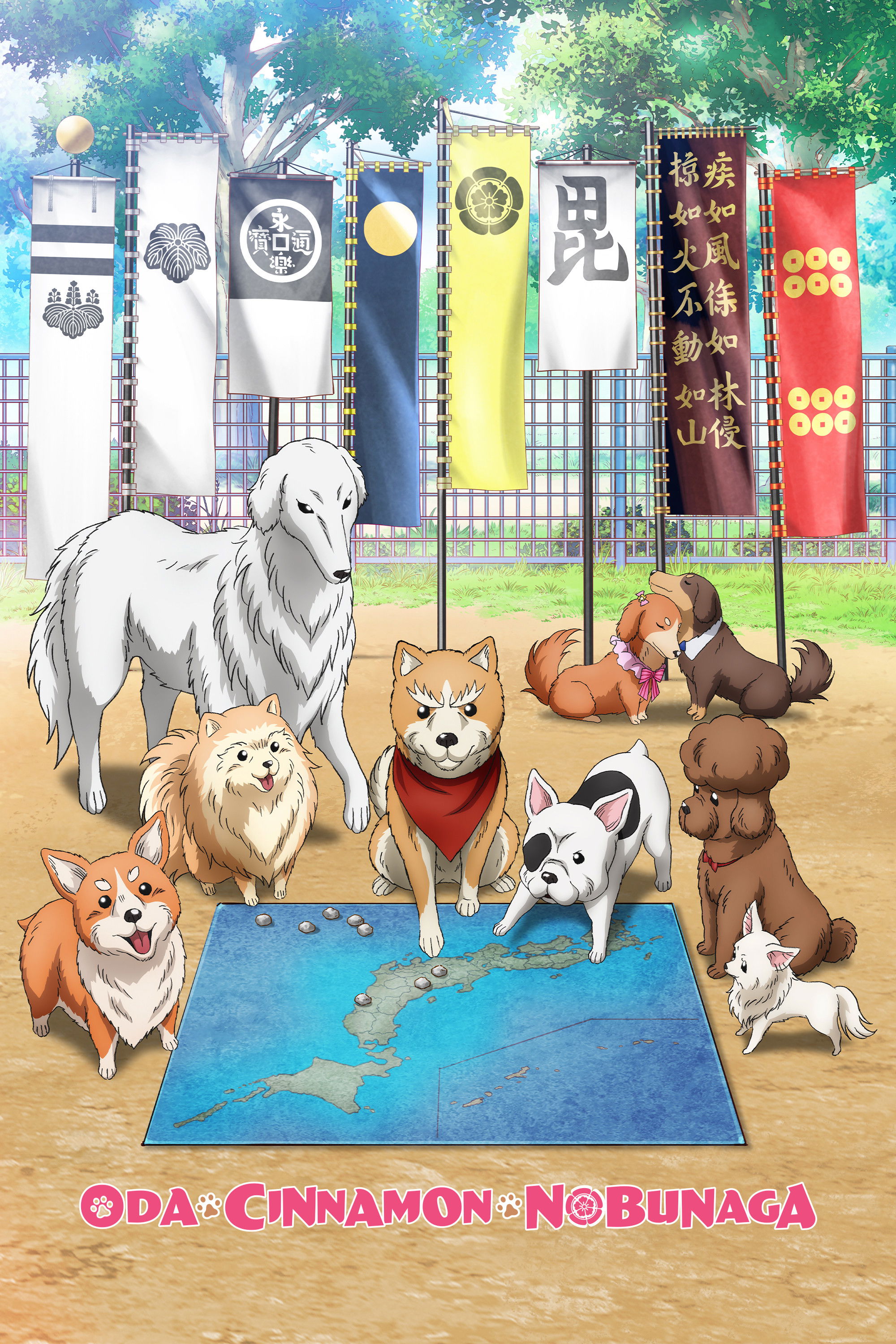
Before he died at Honnouji in 1582, the great warlord Oda Nobunaga stood before a statue of Buddha and thought to himself that he'd committed so many sins that he'd very likely be reborn as a dog. He never expected that Buddha would take his words literally, however, but the next thing he's aware of, he's in the body of a Shiba Inu named Shinamon in modern Japan! Less than thrilled at the fact that his human warlord consciousness is trapped in the instinct-bound body of an adorable house pet, Nobunaga struggles between making the best of it (he can have that ruff all the Europeans were wearing!) and being frustrated with his reality (the ruff turns out to be a bath hat and now he has to have a bath). Is it better or worse that many of his fellow warriors also seem to have been reincarnated in canine form – and that his enemy looks like he lucked out and got to be a human?
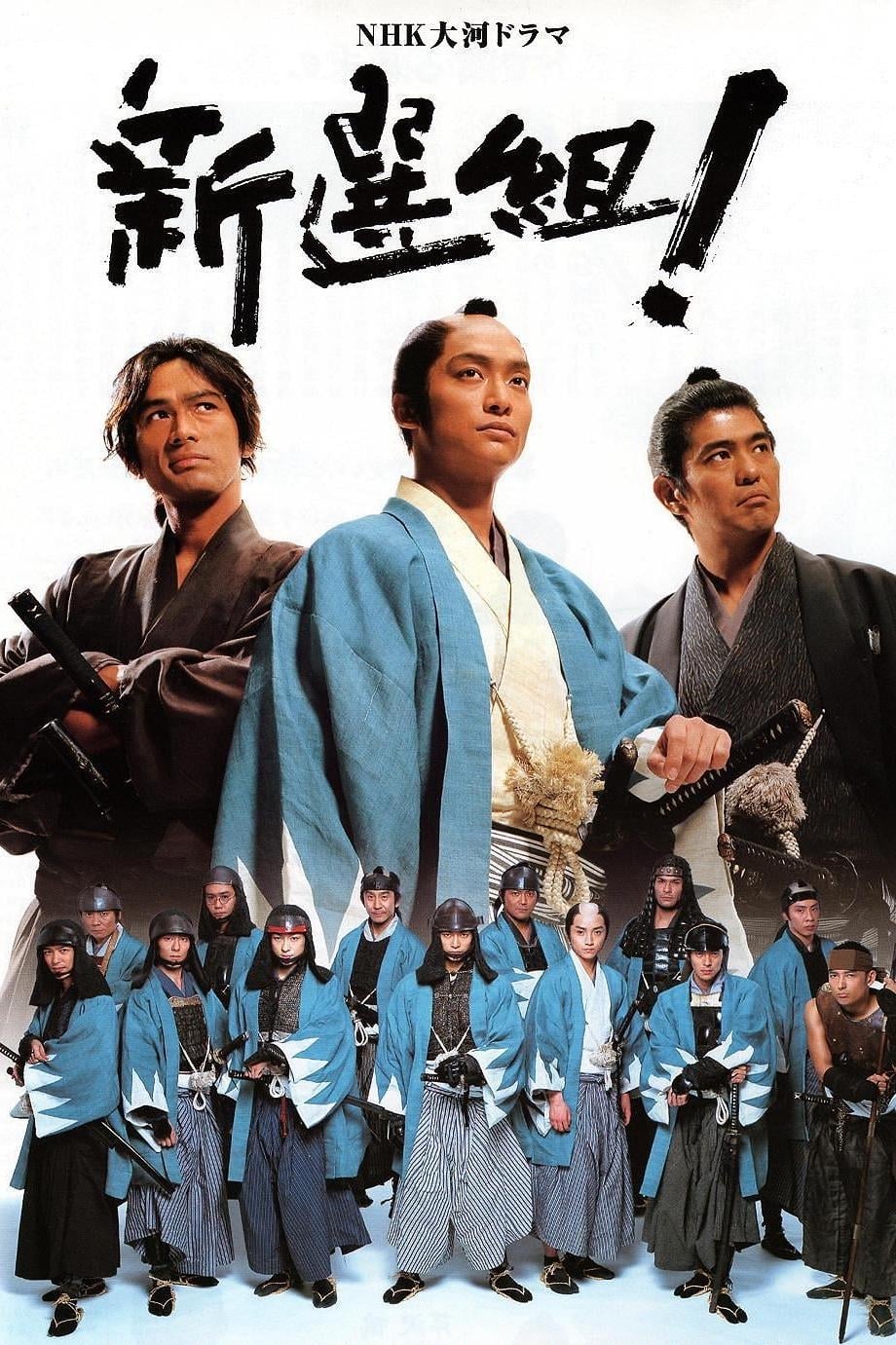
Shinsengumi! is a Taiga drama television series produced by Japanese broadcaster NHK. It was a popular drama about the Shinsengumi, a Japanese special police force from the Bakumatsu period.
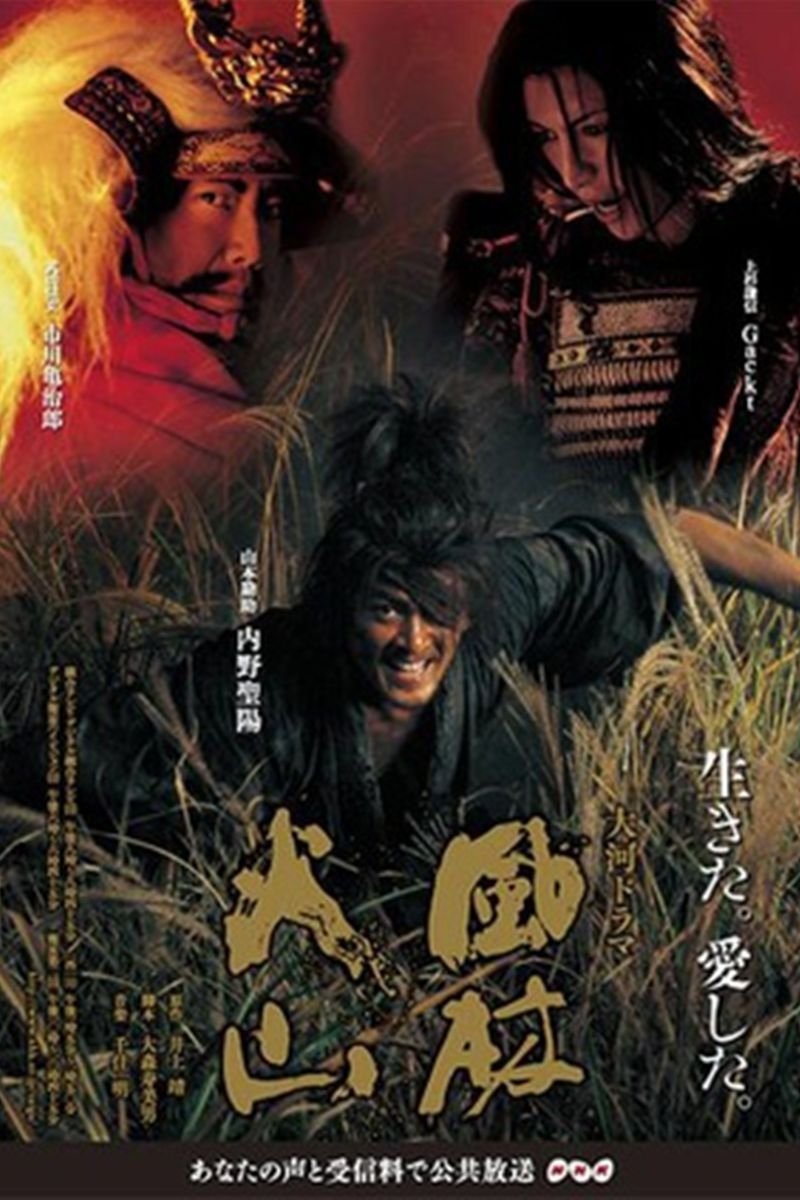
Fūrin Kazan was the 46th NHK Taiga drama beginning on January 7, 2007. It was aired throughout 2007. The four characters from left to right are wind, woods, fire, and mountain. The title is a reference to the war banner used by Takeda Shingen, which in turn was taken from Sun Tzu's The Art of War. It means "Swift as the Wind, Silent as a Forest, Fierce as Fire and Immovable as a Mountain."
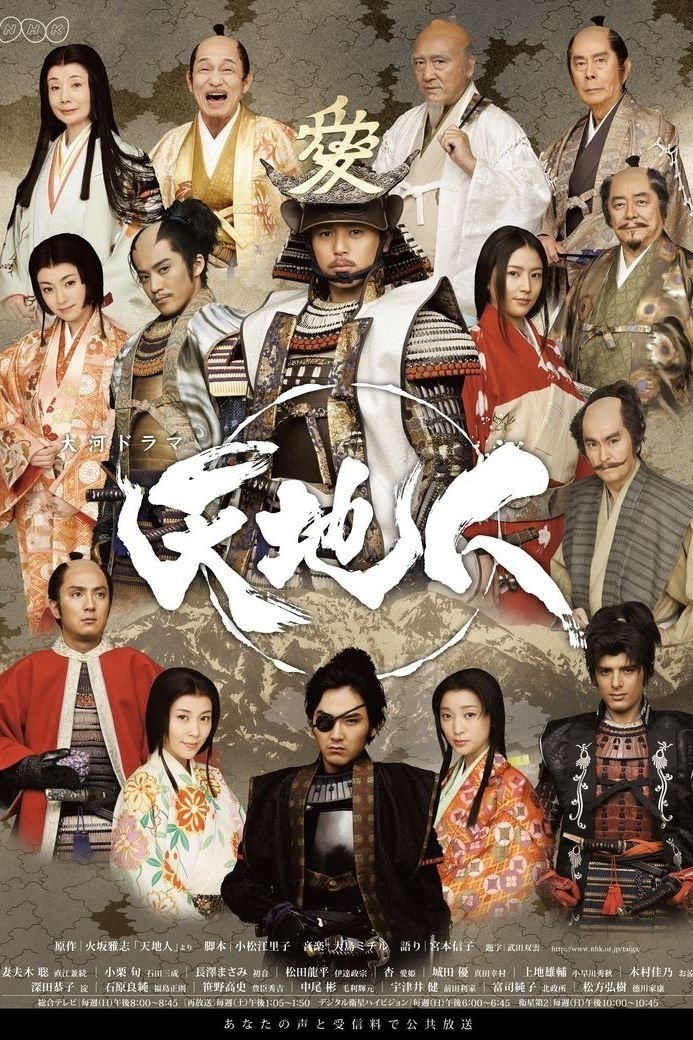
Tenchijin is the 48th NHK Taiga drama. It airs on NHK from January 4, 2009 every Sunday from 20:00 to 20:44 JST to November 22, 2009 spanning 47 episodes. The story centers on the life of the 16th century samurai Naoe Kanetsugu. Production began on April 27, 2007. The story is based on the novel Tenchijin by Masashi Hisaka and was adapted for screen by scriptwriter Eriko Komatsu. The series' music composer was Michiru Oshima. The protagonist of the drama, Naoe Kanetsugu, was taught by Uesugi Kenshin in his youth that to conquer the world is a trifling matter, but what matters is to live one's life with righteousness. After Uesugi's death, Naoe supports Uesugi Kagekatsu, who holds the destiny of Echigo province.
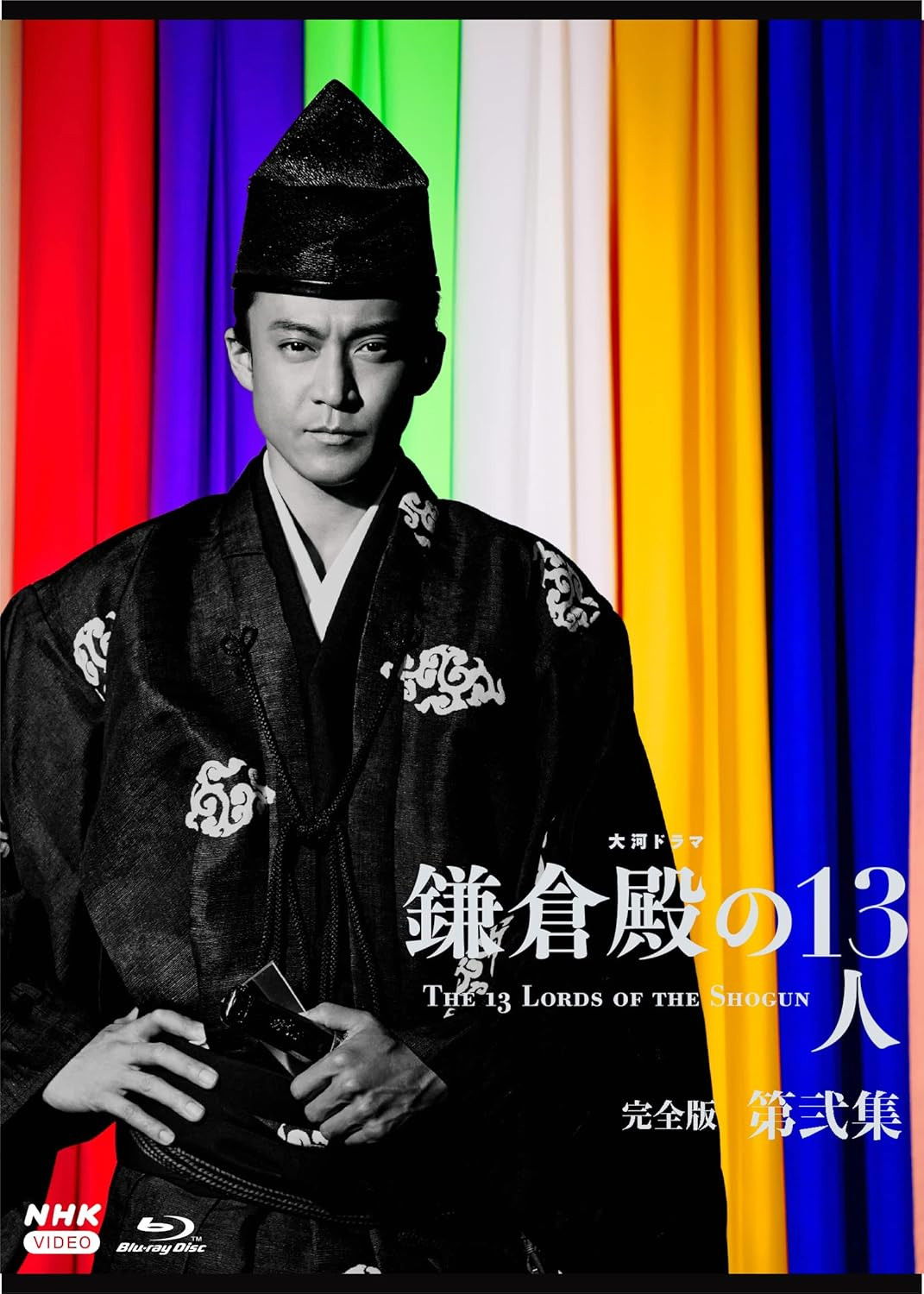
Following the ascension to power of Taira no Kiyomori, the Minamoto clan is exiled. Minamoto no Yoritomo meets Masako, the sister of Hōjō Yoshitoki and later marries her. Following this marriage, the gears of Yoshitoki's destiny begin to turn.
Collection of short stories about women in various periods of Japanese history. Based on famous Japanese novels.
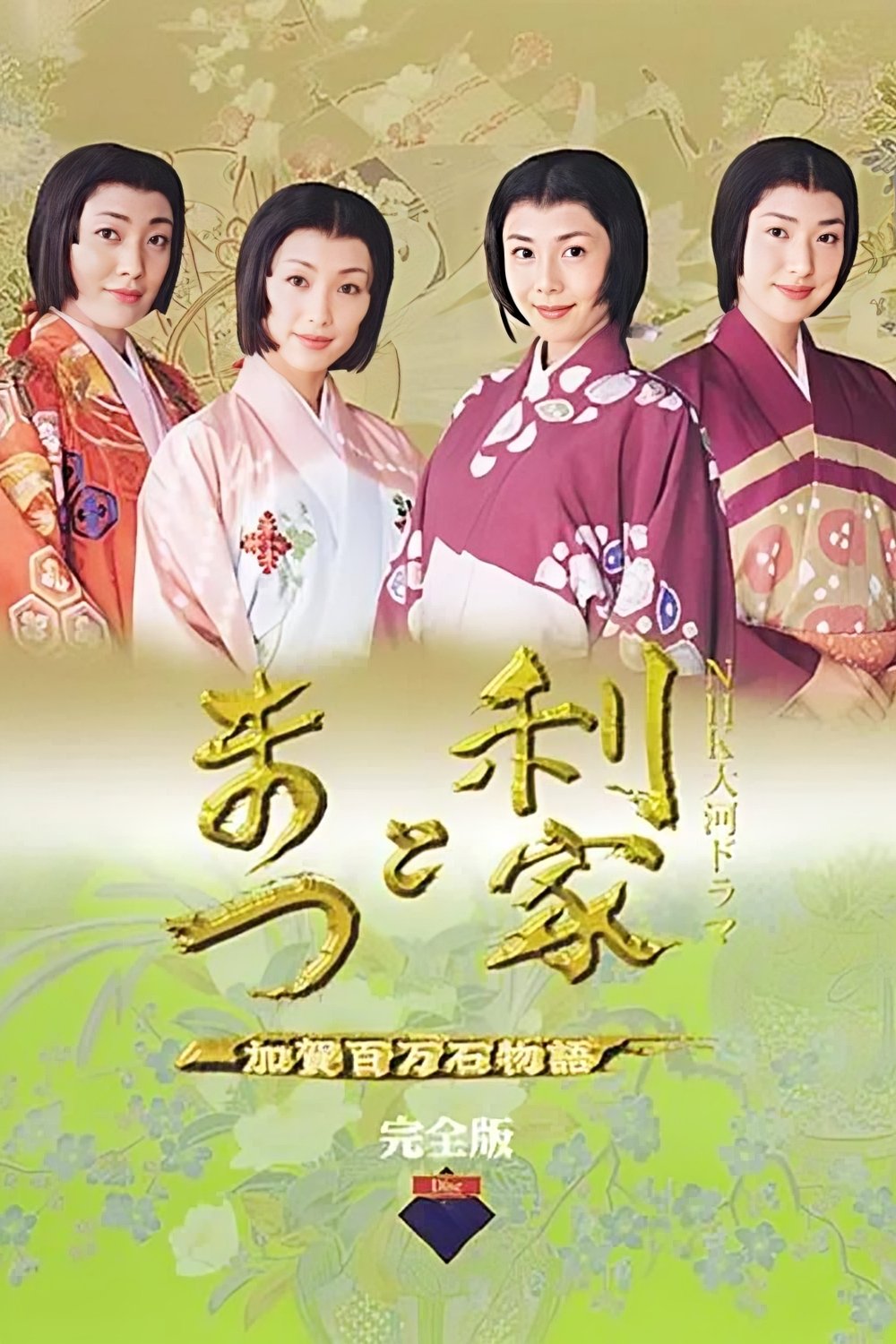
The 41st NHK Taiga Drama is Toshiie to Matsu. During the turbulent Warring States Era, one man's life and career intertwined with the three great generals of Japanese history-Nobunaga, Hideyoshi, and Ieyasu. With political savvy and the support of his fiercely loyal wife, Maeda Toshiie rose to second in power in the shogunate and built up a fiefdom that encompassed Echizen, Noto and Kaga.
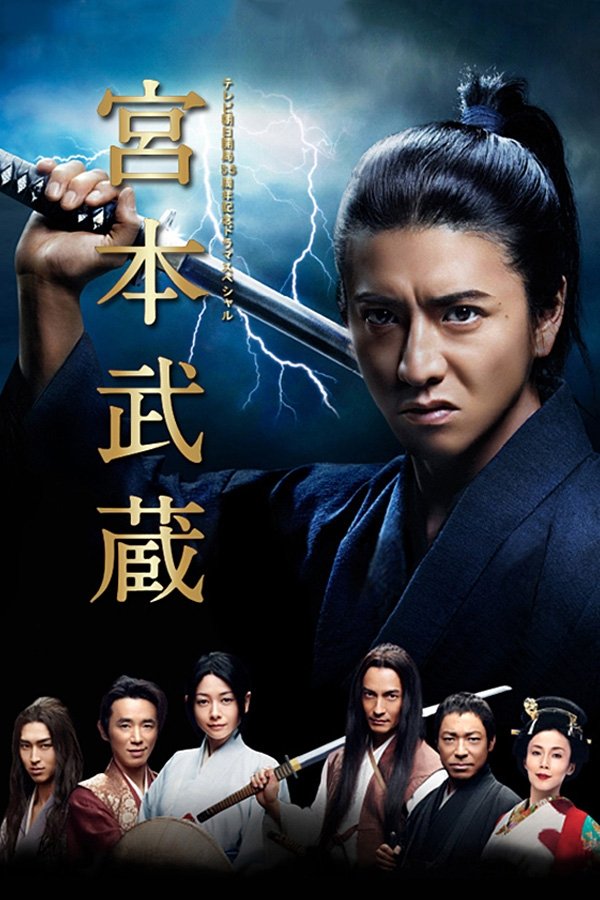
Musashi Miyamoto left his village and ended up fighting in the battle of Sekigahara with his friend Matahachi, but Musashi Miyamoto lost Matahachi. He goes back to the village to inform Matahachi's family about what happened. At the village, he is persecuted by people there. Musashi Miyamoto becomes worn down physically and mentally. At this time, Soho Takuan appears in front of Musashi Miyamoto. He then rebuilds his life with his sword. Musashi begins to travel for warrior training. He meets many masters of the sword and grows as a person.
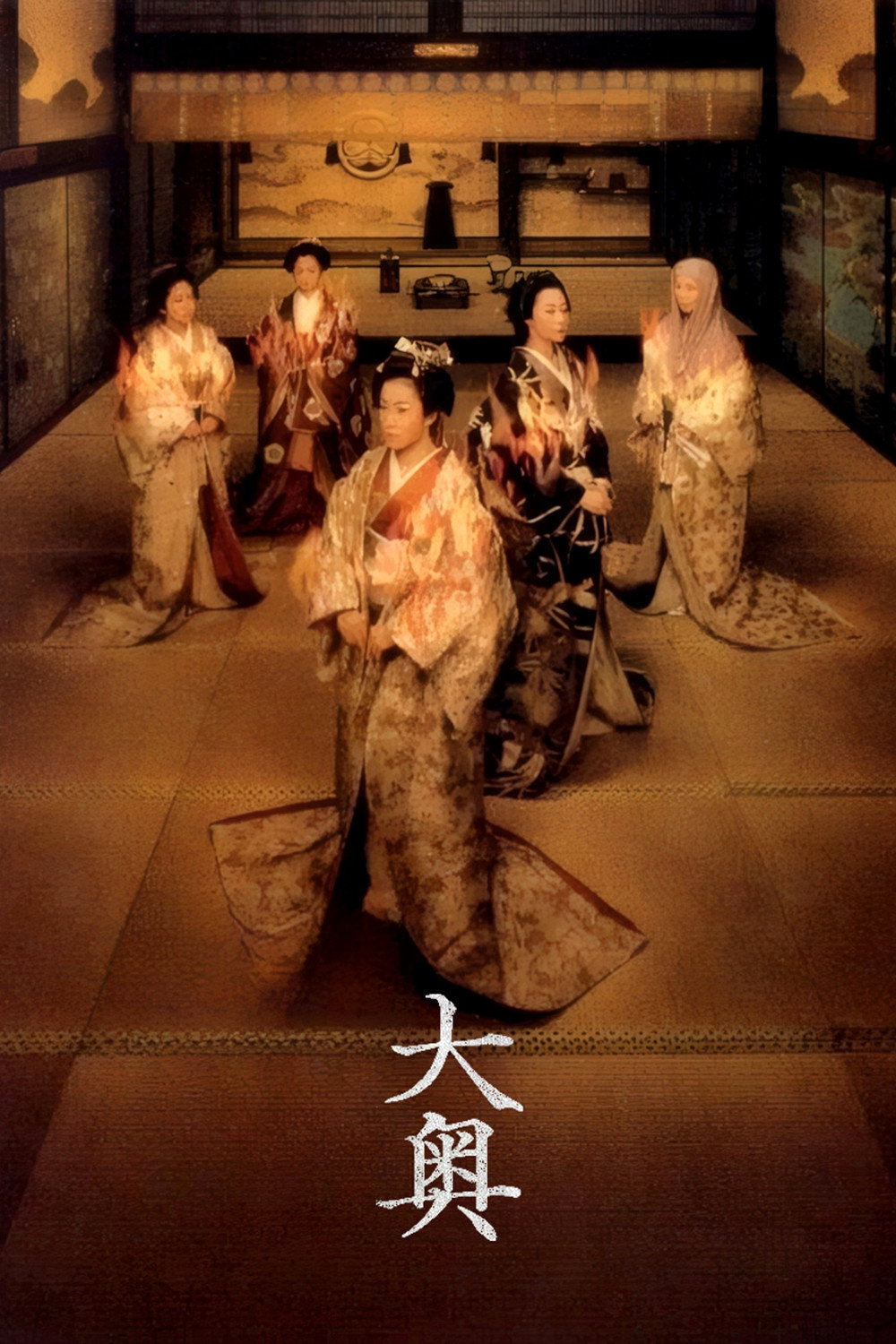
The mini-series revolves around the harem of a shogun in the Edo Period in Japan. The women jostle and compete with one another and with their lord and on occasion even wield more power than their master.
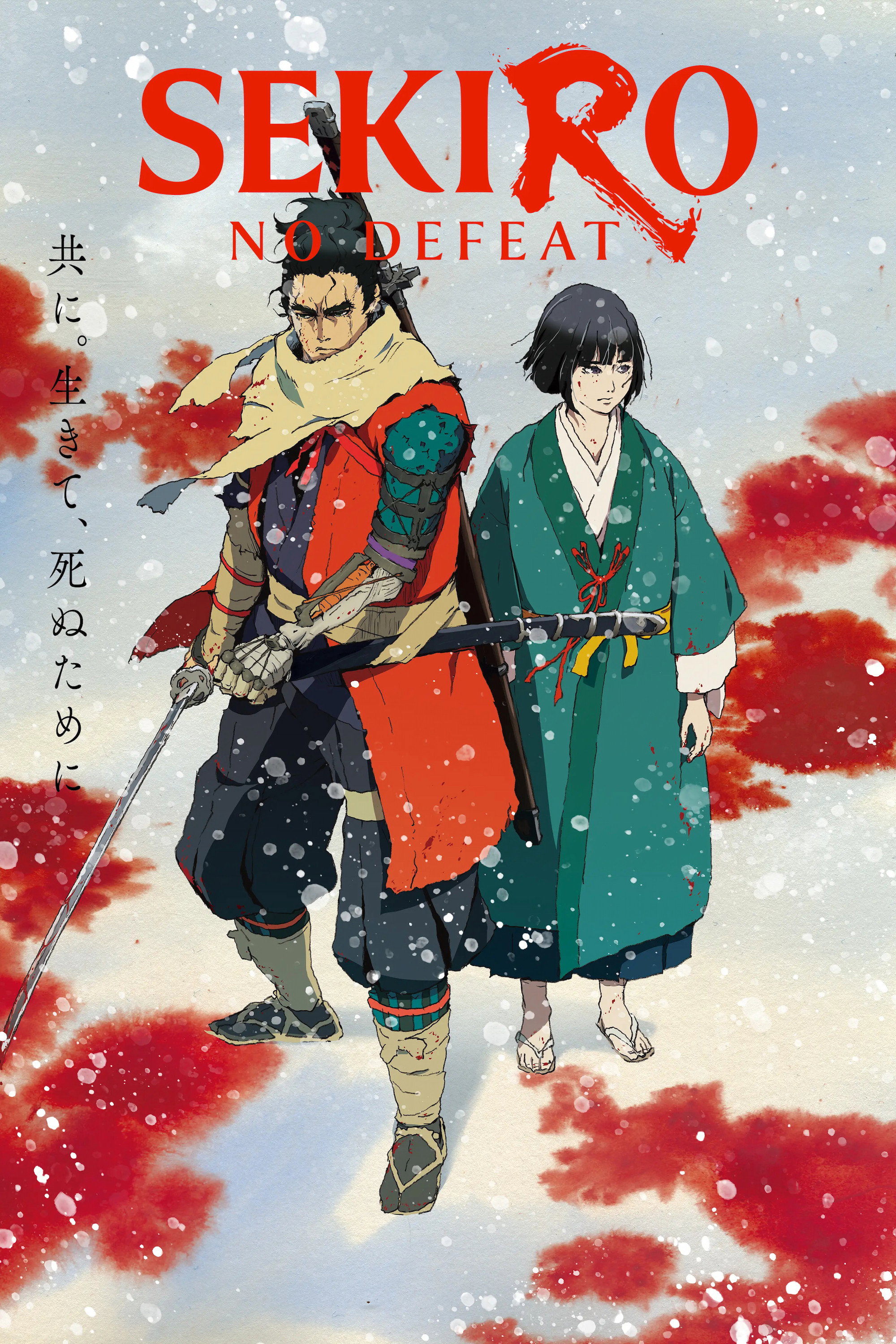
The time is Sengoku. Japan is fractured into many independent nations entangled in ceaseless war. At the center lies Ashina, a land of sacred earth and ancient mystery. Two decades after Sword Saint Isshin Ashina reclaimed the region in a brutal coup, a new threat emerges from within: The Interior Ministry. Desperate to protect his homeland, Isshin's grandson Genichiro turns to forbidden powers. The only hope lies in a kidnapped boy — the Divine Heir — and his silent protector: a loyal shinobi known only as Sekiro. This is the story of a lord and his retainer — and their quest to restore balance to a nation on the edge.
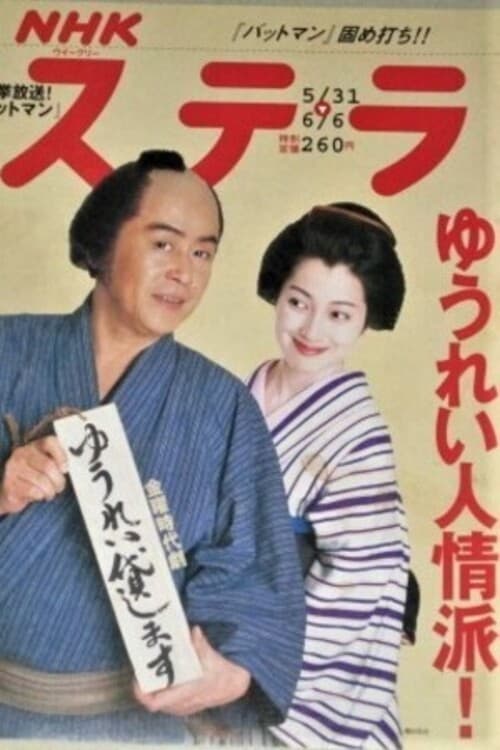
One hundred years ago, the two died untimely deaths, although they had a strong bond. In the Edo period, the reincarnated man met a geisha named Osome, a wandering spirit who could not attain Buddhahood.
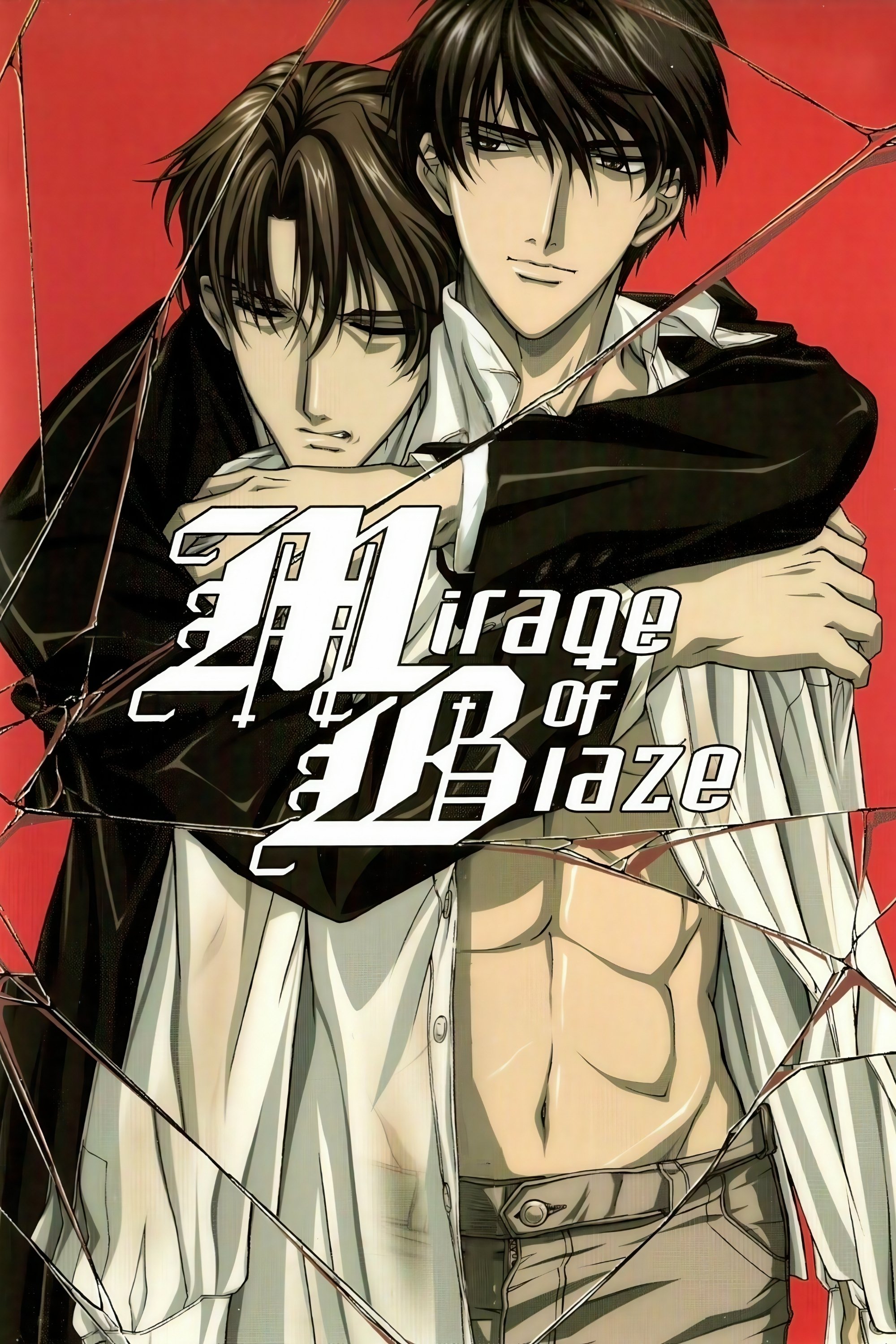
Takaya, an ordinary high school boy, gets drawn into an ancient war of darkness and tragedy when he discovers that he is the reincarnation of a feudal lord from Japan's Warring States Period
Saburo is a high school student good in sports, but not very good with his studies. One day, Saburo travels back in time and arrives in the Sengoku period of 1549. There, Saburo meets Nobunaga Oda who looks and sounds just like Saburo. Nobunaga Oda is the son of a warlord and magistrate of the lower Owari Province. Nobunaga Oda though is physically weak and he asks Saburo to take his place. Then, Saburo as Nobunaga Oda attempts to unify the country of Japan.
During the Sengoku period, there are many factions constantly at war. One of these is led by a one-eyed man named Date Masamune and another by the imposing Takeda Shingen. The latter has a fiercely loyal subordinate named Sanada Yukimura who goes head to head against Date Masamune multiple times, but the battles between them tend to get interrupted. One such battle occurs when both men try to go after another leader named Imagawa, and they’re forced to break off their heated duel when Imagawa attempts to flee the scene with his body doubles. Yukimura and Masamune go after separate Imagawas, but all of the doubles are killed by a third party, and when their paths cross again, they are in front of the menacing Oda Nobunaga and his army. It was Nobunaga’s subordinates that killed those body doubles, and Nobunaga himself proceeds to kill the real Imagawa with a shotgun blast to the head.
In the early Meiji era, Shujiro, once known as an undefeated samurai, decides to participate in a deadly survival game to save his family and villagers.
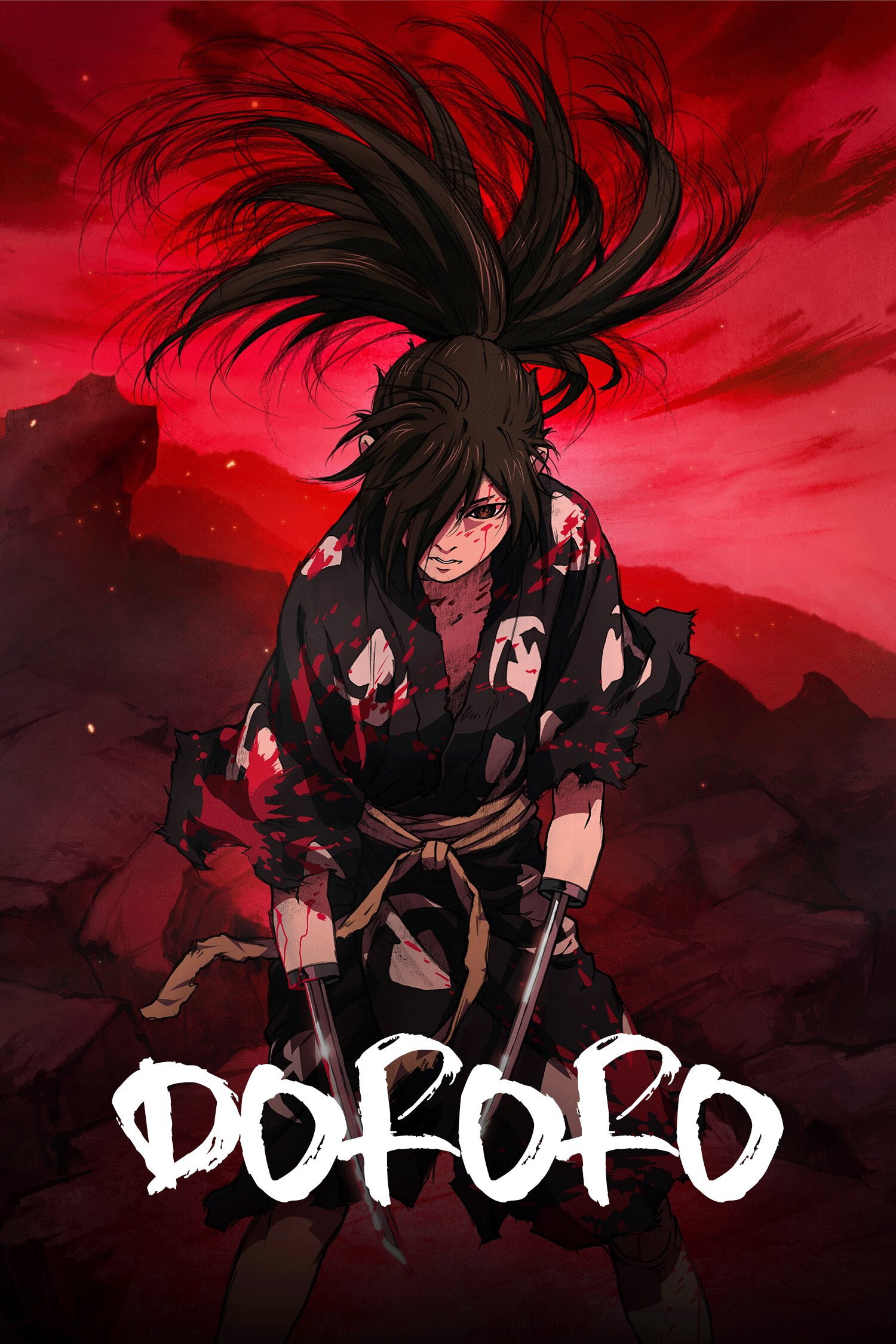
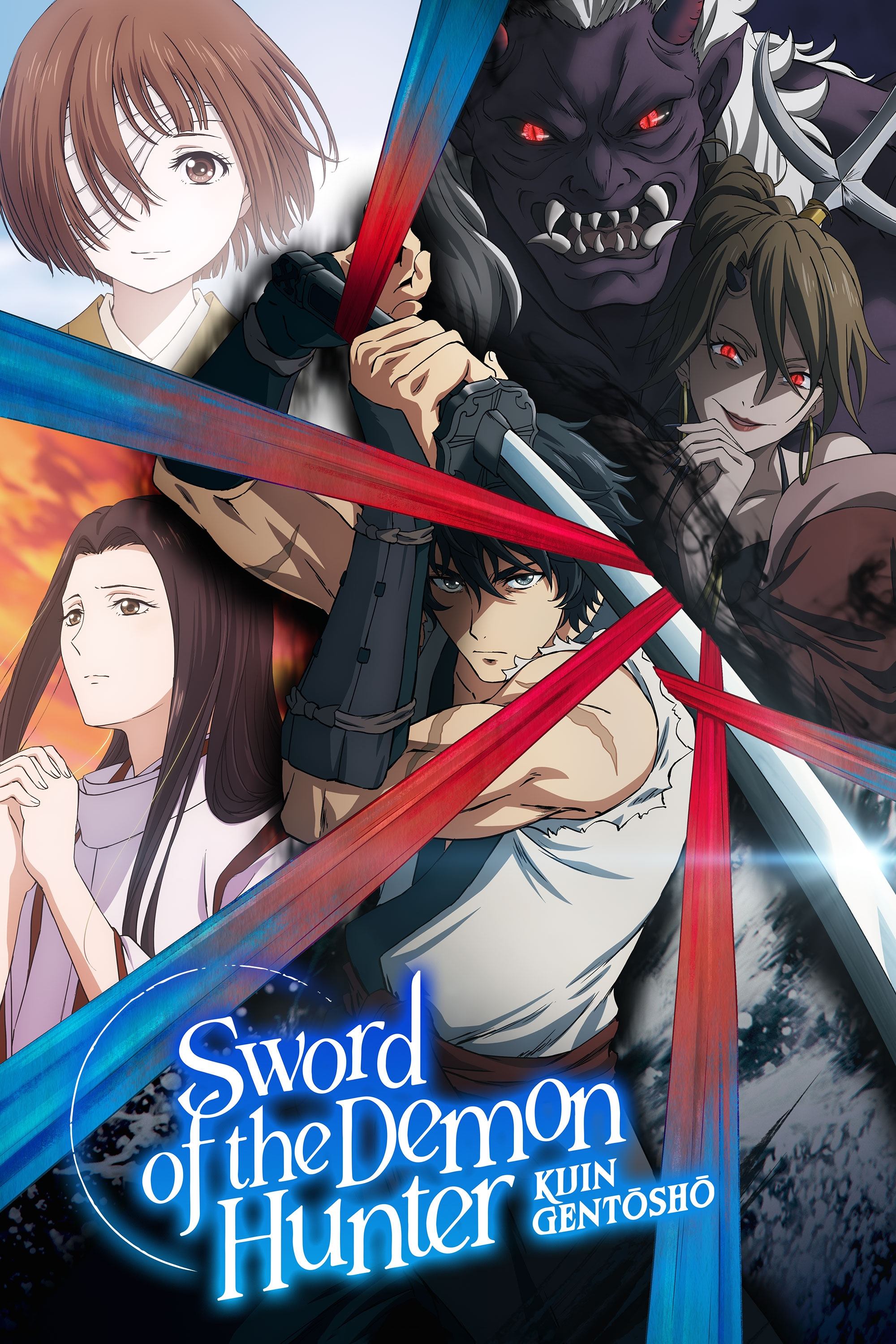
During the Warring States period, the young thief Dororo encounters Hyakkimaru, a strange, sightless boy who wields fearsome prosthetics in place of his missing limbs. Parts of Hyakkimaru’s body were traded to a group of 12 demons by his father in exchange for power, but thanks to a kindly medicine man, Hyakkimaru survived his horrifying ordeal. Now he roams the land in search of his missing body, and together he and Dororo will fight to survive in an unforgiving, demon-plagued world.
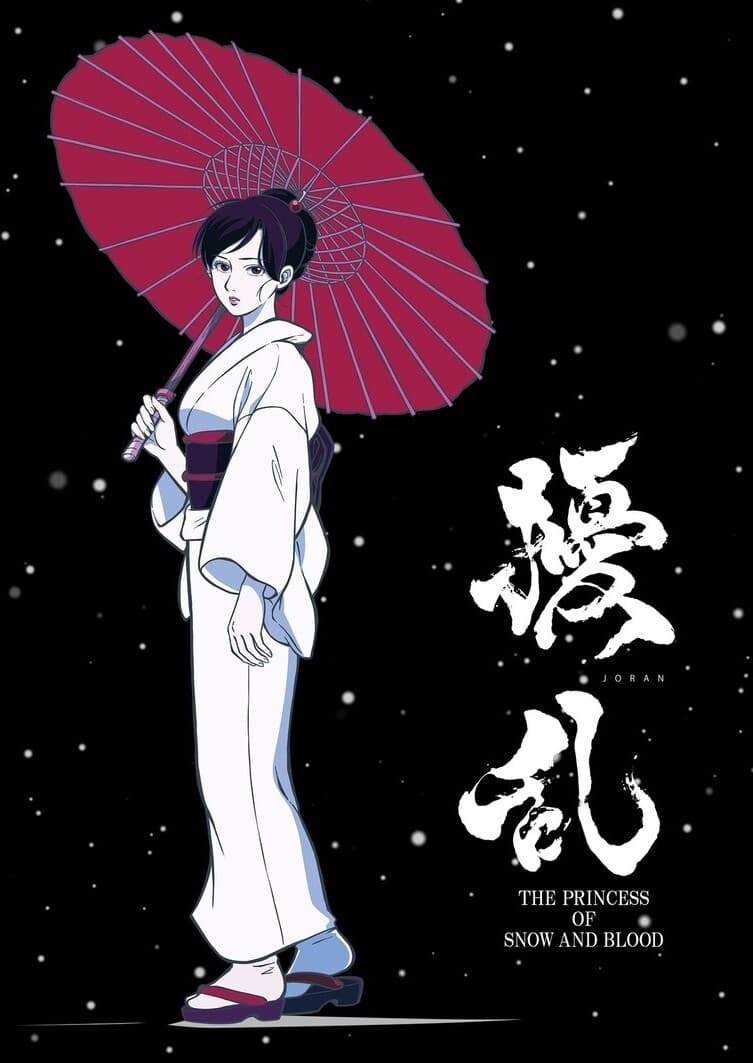
The year is 1931. Prince Tokugawa Yoshinobu holds absolute control over Japan. Remnants of the Meiji era’s culture can be seen around the city, but scientific technology and Japanese esoteric cosmology Onmyodo are also developing. Yet lurking behind the glitz is Kuchinawa, a dissident group planning the assassination of the prince. Tasked to extinguish these dissidents is Nue, the government’s secret executioner group. Sawa Yukimura, who works for this organization, suffered at the hands of the Kuchinawa boss. Her entire family was murdered and she dedicated her life to avenging their death.
An English navigator becomes both a player and pawn in complex political games in feudal Japan.
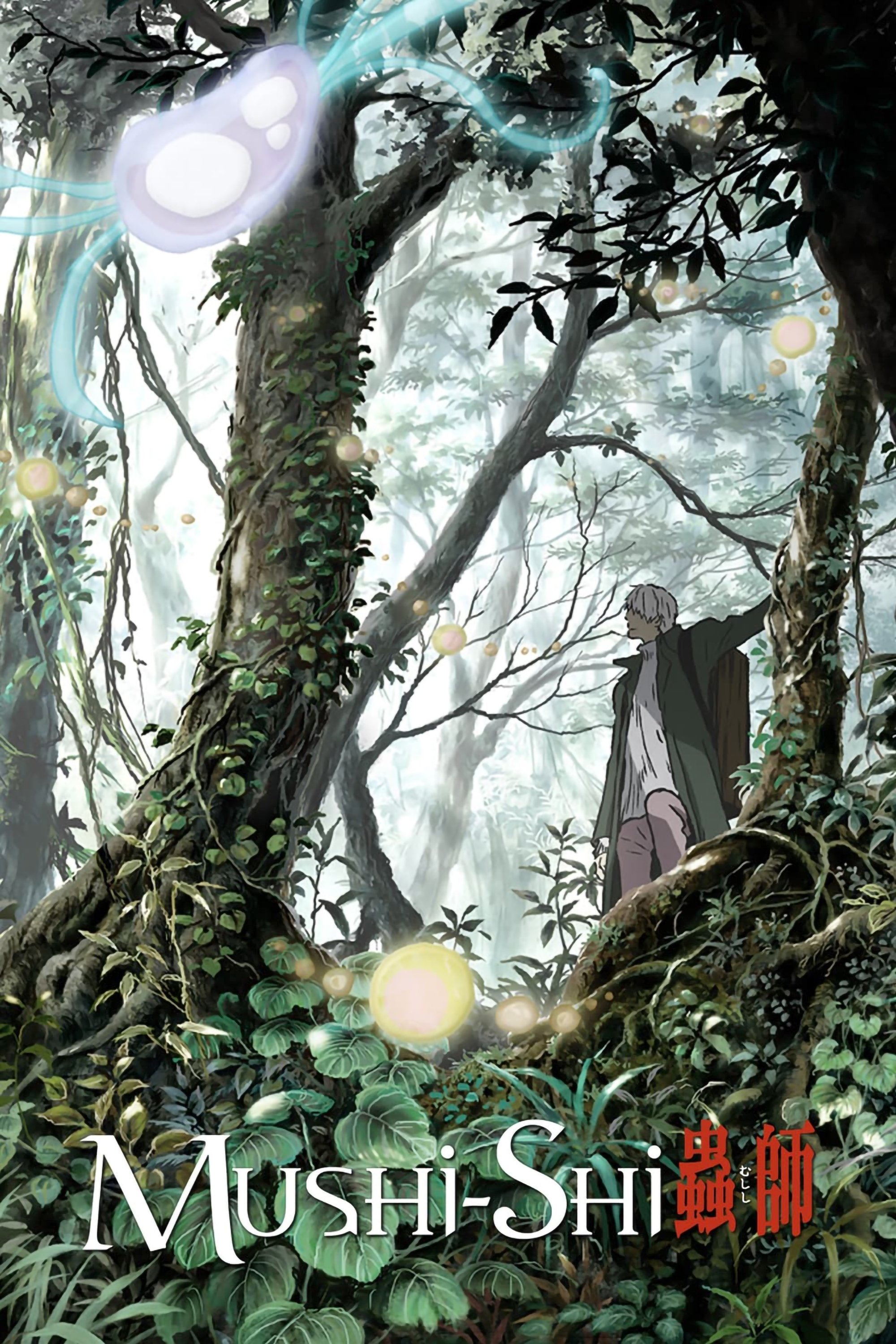
Ginko, a Mushi master, travels from place to place researching the Mushi and helping people who are suffering because of it.
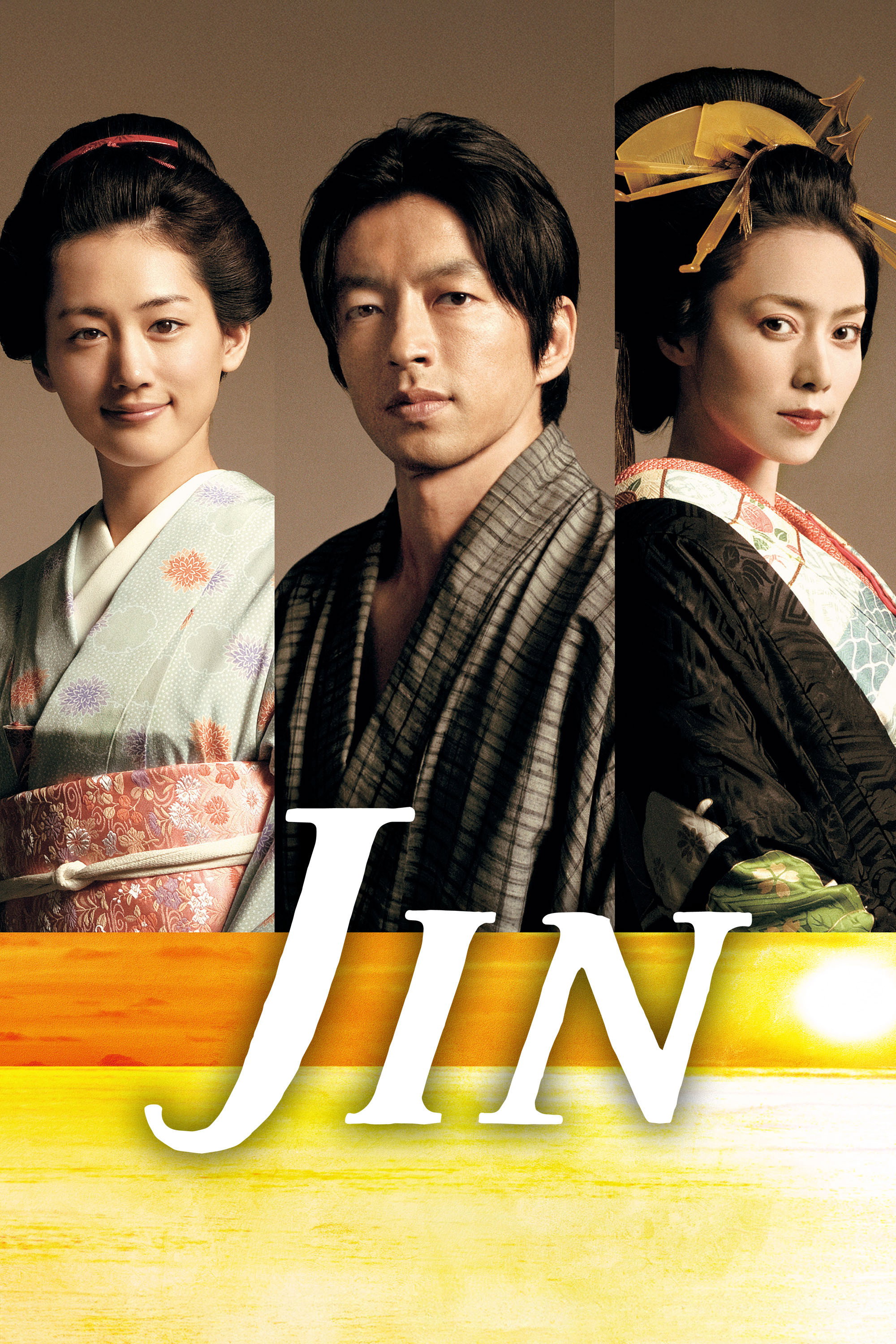
After awakening in the Edo era, a neurosurgeon uses his medical knowledge to help those around him while searching for a way back to the present day.
Kindaichi Hajime may look dumb, but he is one of the smartest you will ever see. He encounters mysteries after mysteries with his good friend, Miyuki, and he swears to solve them in the name of his grandfather, which was a great detective.
In this world, creatures like vampires and werewolves still walk about, but Aya Rindo can’t say the same for herself. This beautiful disembodied head, carried by her maid Shizuku Hasei, is a detective in search of her stolen body. One evening, they meet half-human Oni Slayer Tsugaru Shunichi, who offers a lending hand. Now, the trio is traveling through Europe, solving mysteries along the way.
A live-action adaptation that translates this deep legacy to the screen. Set in Kyoto at the end of the Edo period, the story depicts the intense and passionate lives of the Shinsengumi - the iconic samurai force that defended Kyoto in the final years of Japan's shogunate - through spectacular action and a bold interpretation based on historical facts. The story follows street brawler Toshizo Hijikata (Yuki Yamada), who finds a new kind of family in Isami Kondo and Soji Okita. Hijikata and his comrades in the Shinsengumi forge a bond of loyalty - tested by betrayal, illness, and war - as they fight not only their enemies but their own ideals.
Furuhata Ninzaburō is a Japanese television series that ran periodically on Fuji Television from 1994 until its final episodes in 2006. It was written by Japanese playwright Kōki Mitani and is often referred to as the Japanese version of Columbo. The series is a police detective drama starring actor Masakazu Tamura as Furuhata Ninzaburo and Masahiko Nishimura as his stereotypically bumbling sidekick, Shintaro Imaizumi. The program aired weekly and featured a guest villain each time, usually a famous talent in Japan. Pop-stars like SMAP, television hosts like Sanma Akashiya and even sports figures like Ichiro Suzuki have been featured on this program. It was one of the most popular television dramas in the history of Japanese television, having spawned several seasons and TV specials.
Ten years have passed since the end of Bakumatsu, an era of war that saw the uprising of citizens against the Tokugawa shogunate. The revolutionaries wanted to create a time of peace, and a thriving country free from oppression. The new age of Meiji has come, but peace has not yet been achieved. Swords are banned but people are still murdered in the streets. Orphans of war veterans are left with nowhere to go, while the government seems content to just line their pockets with money.
Freelance programmer Sakagami is paralyzed in the lower half of his body and confined to a wheelchair. He sets up a company called dele.LIFE in partnership with a law firm established by his late father. At the request of clients, Sakagami works together with a freelance jack-of-all-trades Mashiba to delete all unfavorable digital records of their clients left in their computers and smartphones after they die. They are not supposed to see inside the files but when they feel something strange in the client’s death, they cannot help getting involved.
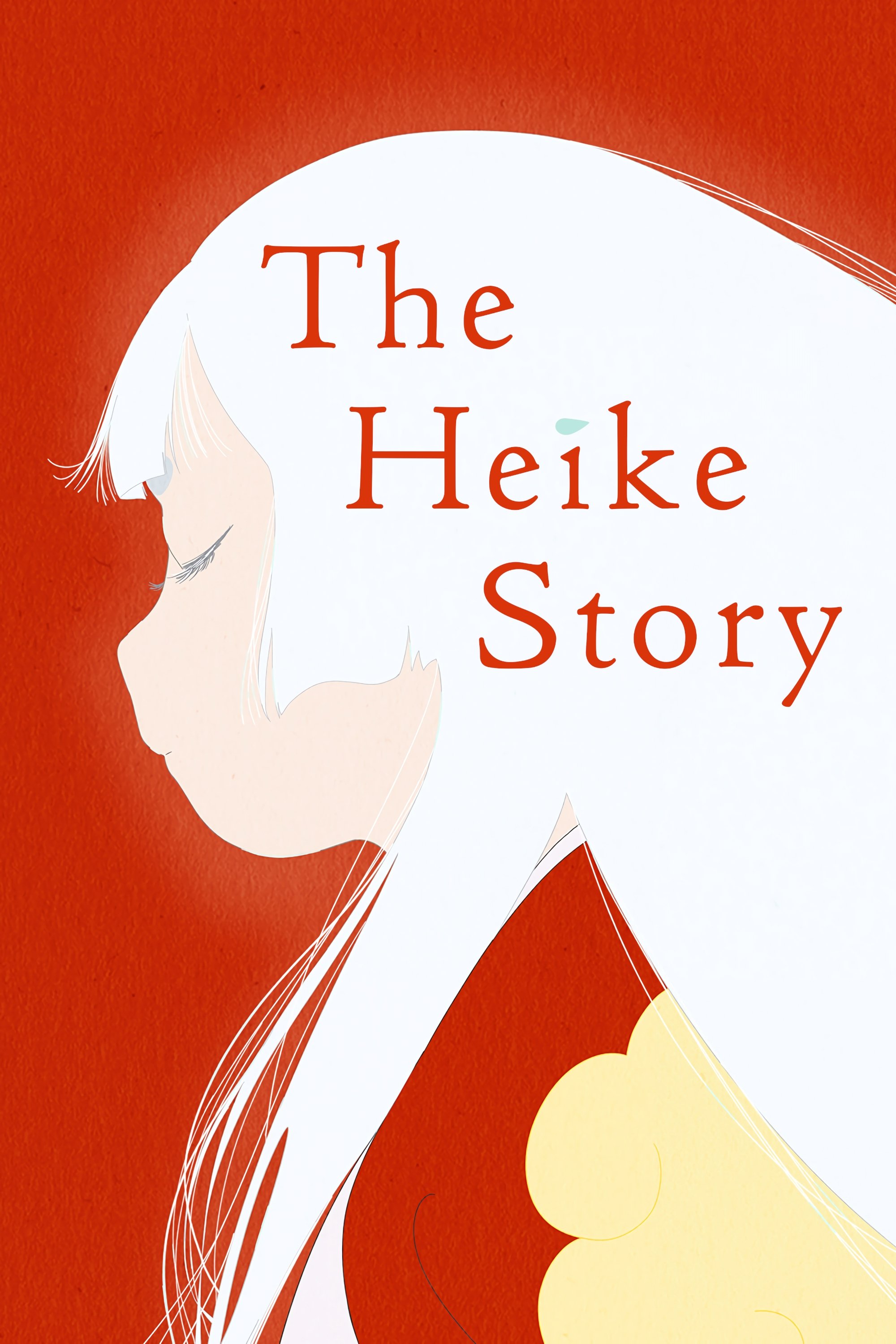
A young orphan named Biwa is taken in by the powerful Taira Clan—also known as the Heike—after their leader witnesses her extraordinary psychic abilities. Unfortunately, what she predicts is a future of bloodshed, violence, and civil war. Inspired by the 12th-century epic tale Heike Monogatari.
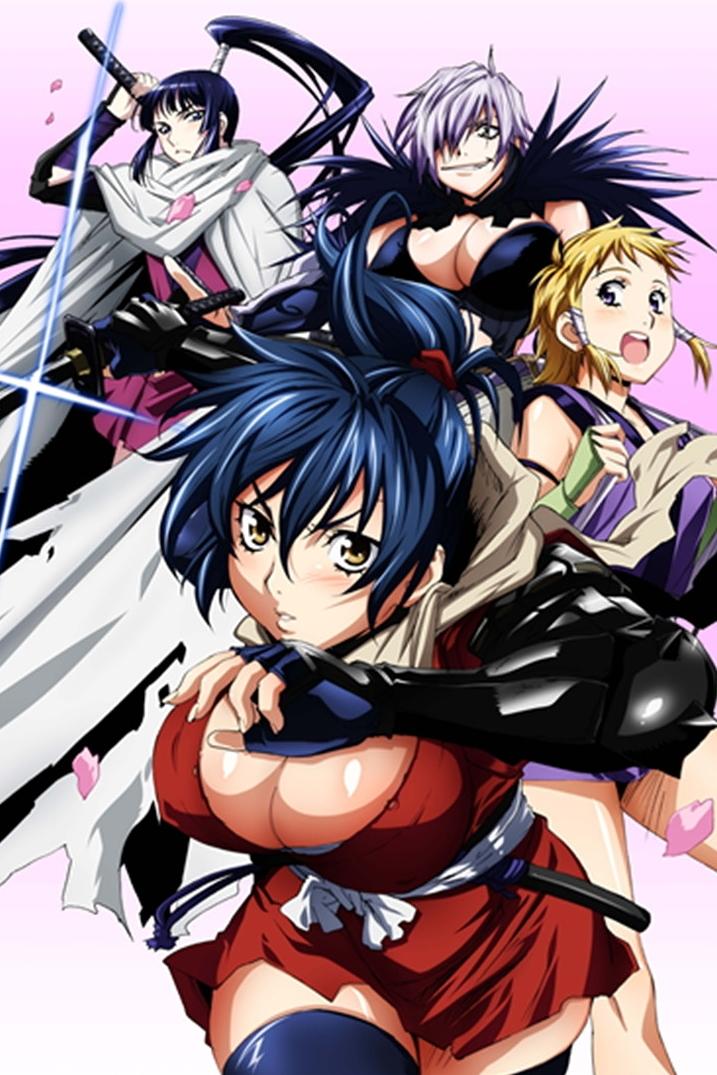
In the Taiheimeji era, the Tokugawa shogunate values breasts highly, equating them with wealth and status. The Manyu Clan, government allies, know secret techniques for breast enhancement, detailed in a scroll. Chifusa, the clan's heir, flees with this scroll, rebelling against the oppressive norms set by her clan.
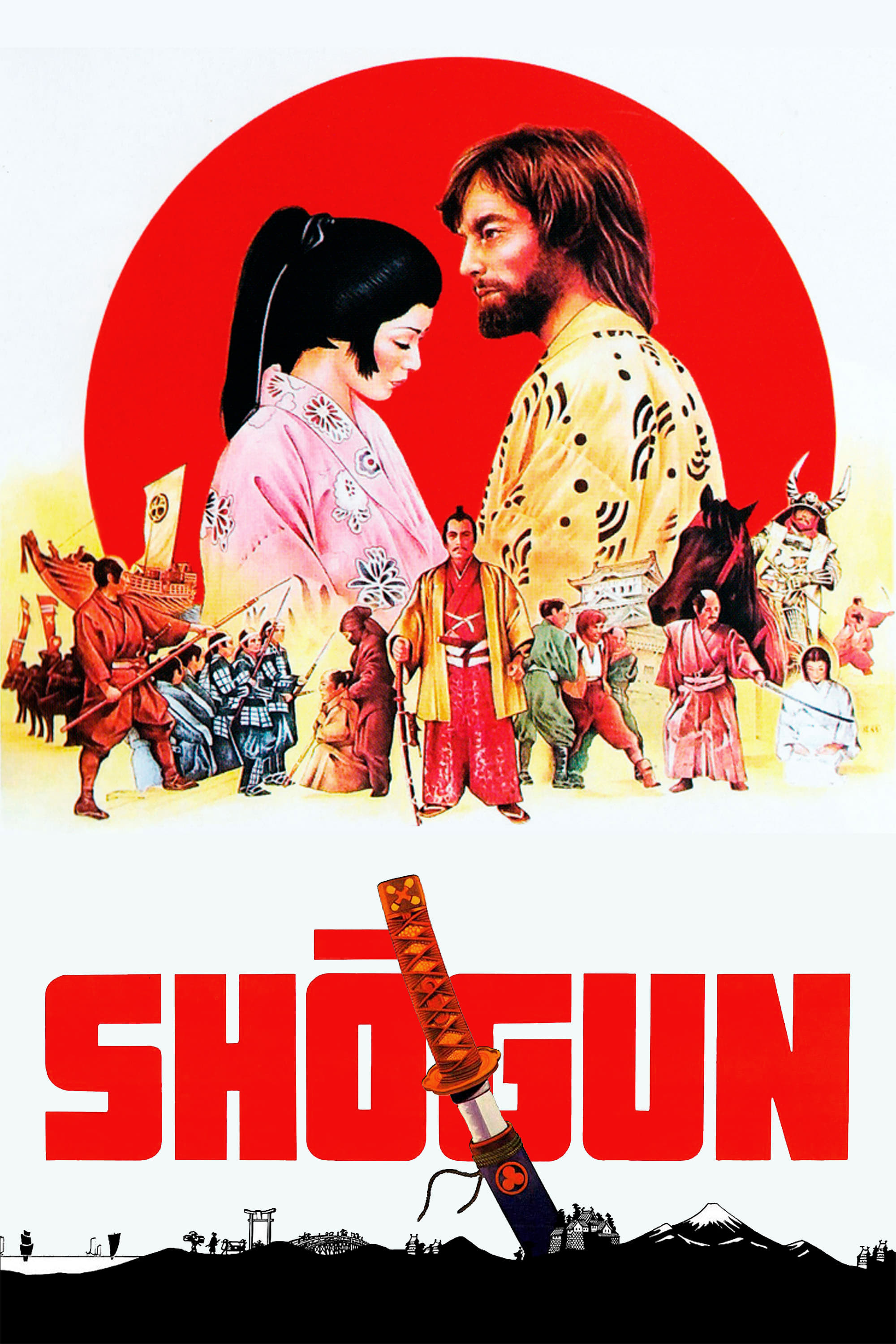
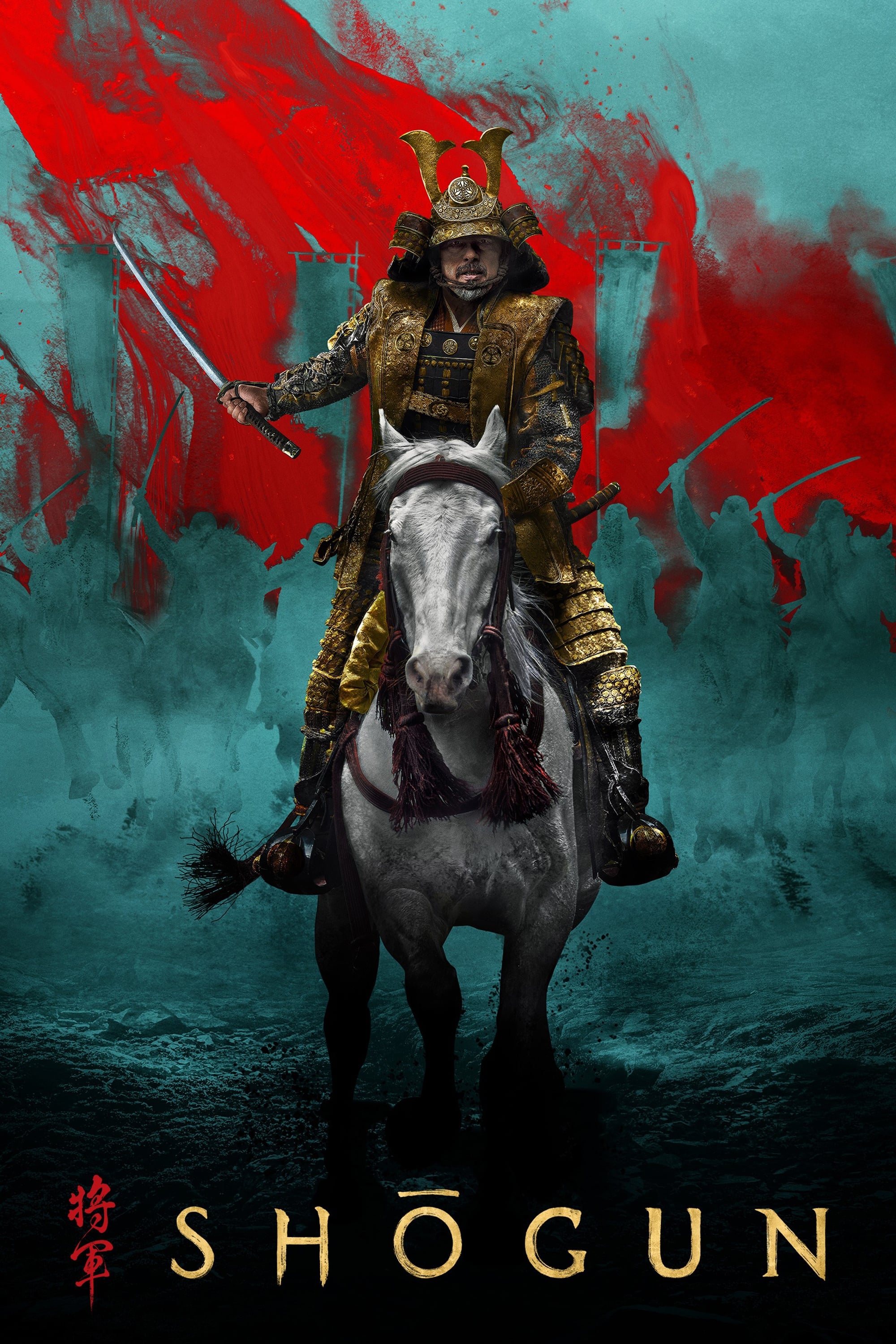
In Japan in the year 1600, at the dawn of a century-defining civil war, Lord Yoshii Toranaga is fighting for his life as his enemies on the Council of Regents unite against him, when a mysterious European ship is found marooned in a nearby fishing village.
Jinta journeys through a century-spanning epic, all while questioning why he wields a sword.
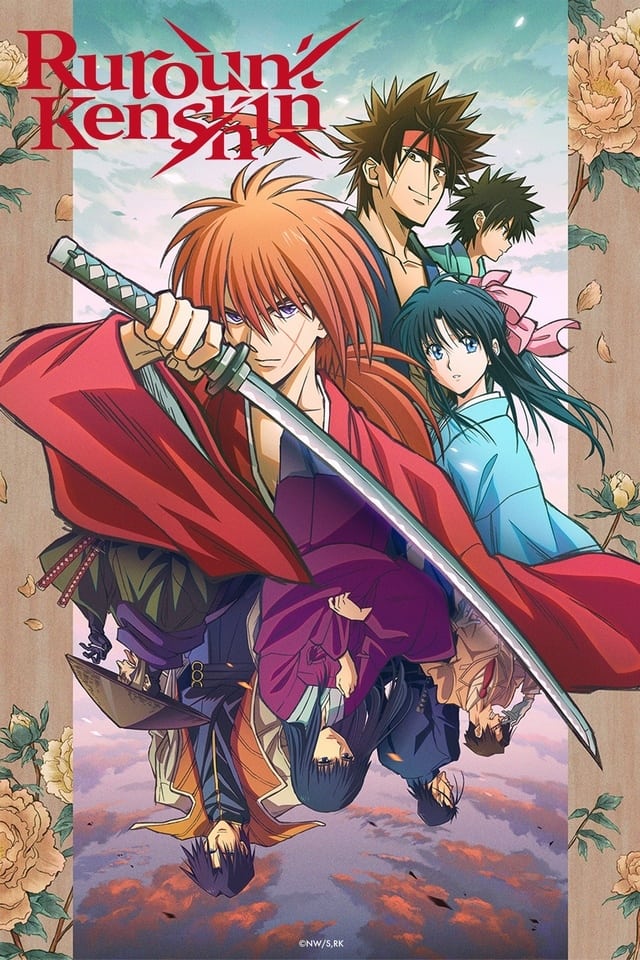
The Meiji Era was one of great renewal for Japan, where swords and killing were outlawed. However, many survivors from the time of Revolution still live, lurking in the shadows and waiting for a chance to use their killing blades again. Only Kenshin Himura, formerly one of the most brutal of killers, hopes to keep his swordsman's honor and still live in the new era.
Kagome Higurashi is a modern day young girl who lives with her family by the old Higure shrine. Unbeknownst to Kagome, she is the reincarnation of priestess Kikyo and posseses the "Jewel of Four Souls" (the Shikon jewel). One ill-fated day, Kagome locates an ancient well near her home and is abruptly transported through the well and into a feudal Japan, inhabited by demons. There, she encounters Inuyasha, son of a powerful demon father and a human mother, who is pinned to a tree by an enchanted arrow.