Social & External
Self - Host
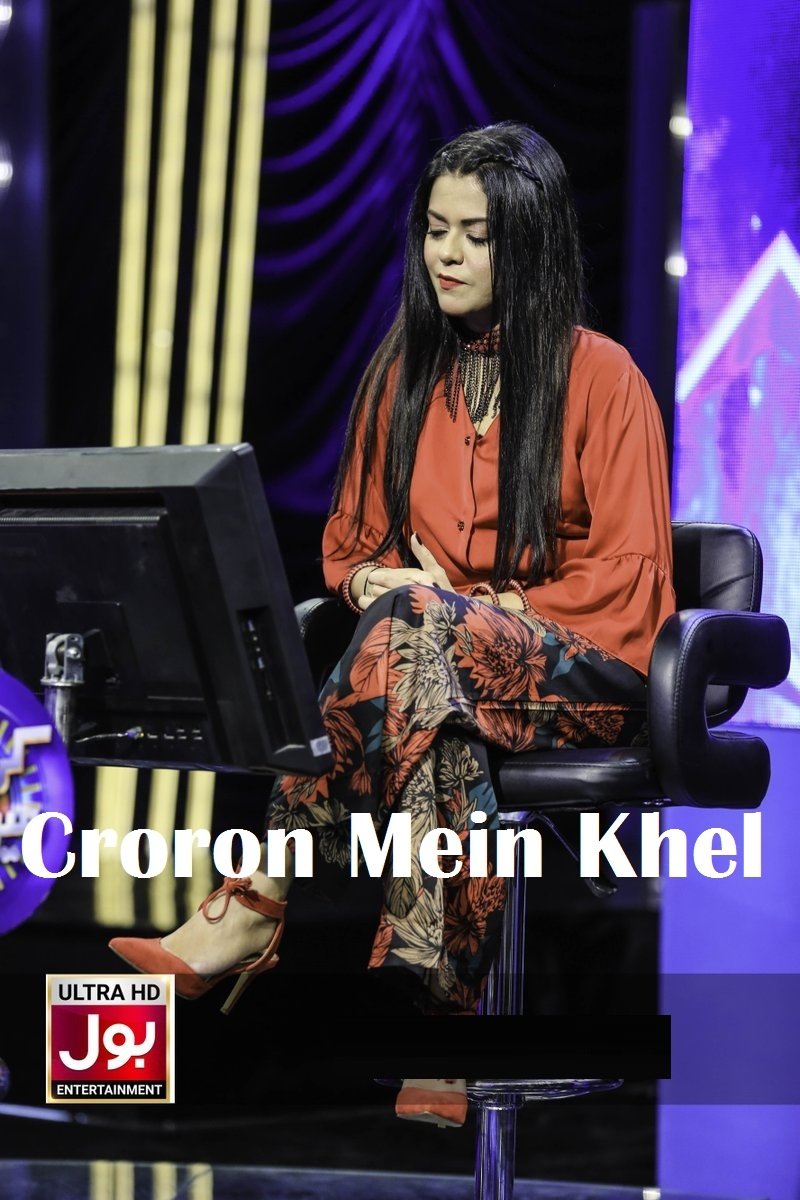
Croron Mein Khel is a Pakistani gameshow aired on BOL Entertainment.[1][2] Its first host was Nadia Khan.[3][4] It is one of the most famous gameshows in Pakistan. It is also known as CMK. Its slogan is "Kyunke yeh khel hai croron ka" (English: Because This Game is of Millions). It is now hosted by Maria Wasti.
Bamzooki is a mixed reality television gameshow on the BBC which features a toolkit developed by Gameware Development. The first series aired in March 2004 on CBBC. The show was presented by Jake Humphrey. It has occasionally featured specials with Sophie McDonnell. In July 2008, it was announced on CBBC on BBC One that Bamzooki was returning. A new thirteen part series began in November 2009 and was now hosted by Barney Harwood and Gemma Hunt.
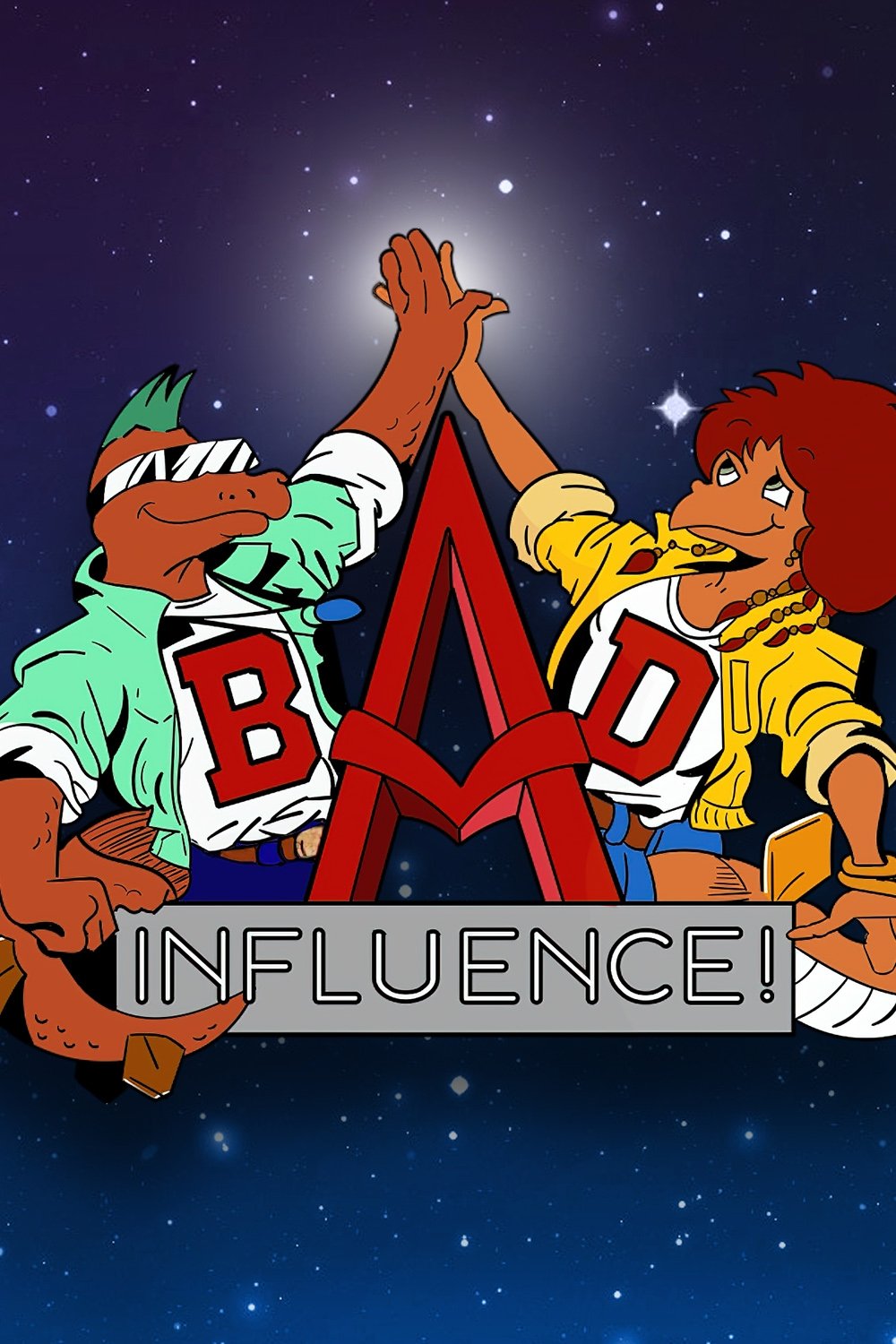
Bad Influence! is an early to mid-1990s British factual television programme broadcast on CITV between 1992 and 1996, and was produced in Leeds by Yorkshire Television. It looked at video games and computer technology, and was described as a "kid’s Tomorrow's World". It was shown on Thursday afternoons and had a run of four series of between 13 and 15 shows, each of 20 minutes duration. For three of the four series, it had the highest ratings of any CITV programme at the time. Its working title was Deep Techies, a colloquial term derived from 'techies' basically meaning technology-obsessed individuals.
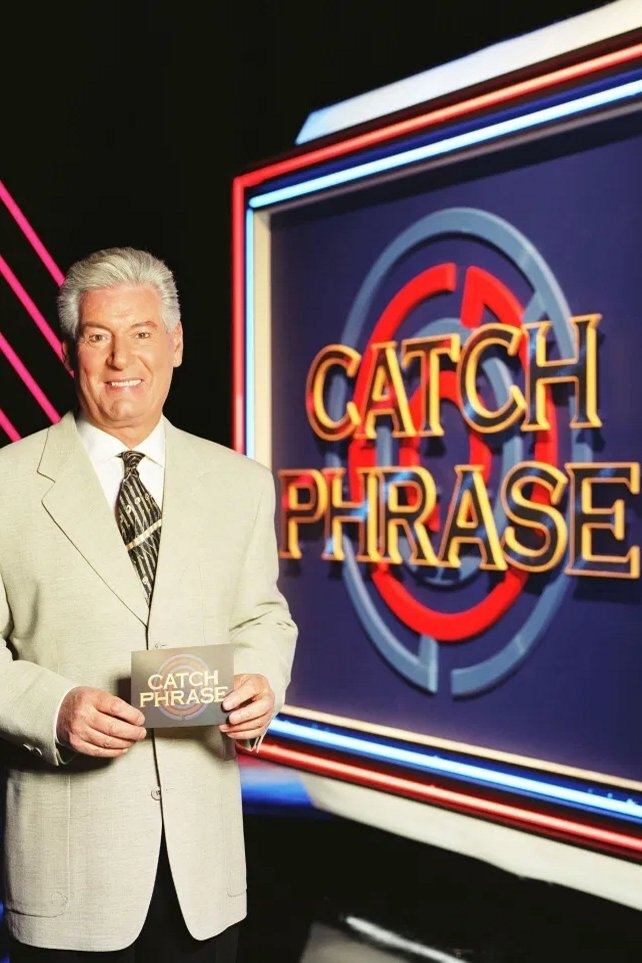
Catchphrase is a British game show based on the short-lived U.S. game show of the same name. It originally aired on ITV in the United Kingdom between 12 January 1986 and 19 December 2002. It was presented by Northern Irish comedian Roy Walker from 1986–1999; followed by Nick Weir from 2000–2002, and Mark Curry in 2002. In the original series, two contestants, one male and one female would have to identify the familiar phrase represented by a piece of animation accompanied by background music. The show's mascot, a golden robot called "Mr. Chips", appears in many of the animations. In the revived version of the show, the same format remains, but there are three contestants. In August 2012, it was announced that Stephen Mulhern would host a revived version of the show beginning on 7 April 2013. On 21 August 2013, it was confirmed that Catchphrase has been re-commissioned for a second series, following the success of the first.
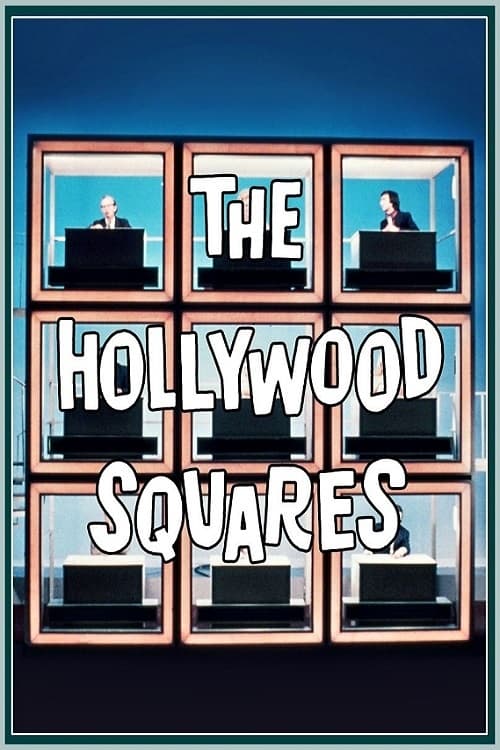
Hollywood Squares is an American panel game show, in which two contestants play tic-tac-toe to win cash and prizes. The "board" for the game is a 3 × 3 vertical stack of open-faced cubes, each occupied by a celebrity seated at a desk and facing the contestants. The stars are asked questions by the host, or "Square-Master", and the contestants judge the veracity of their answers in order to win the game. Although Hollywood Squares was a legitimate game show, the game largely acted as the background for the show's comedy in the form of joke answers, often given by the stars prior to their "real" answer. The show's writers usually supplied the jokes. In addition, the stars were given question subjects and plausible incorrect answers prior to the show. The show was scripted in this sense, but the gameplay was not. In any case, as host Peter Marshall, the best-known "Square-Master" and the man in whose honor the show's first announcer, Kenny Williams, actually "coined" the term, would explain at the beginning of the Secret Square game, the celebrities were briefed prior to show to help them with bluff answers, but they otherwise heard the actual questions for the first time as they were asked on air.
A game show based on the Carmen Sandiego computer game series created by Brøderbund Software.
A Swedish quiz show with general knowledge questions, ranging from popular culture to biology and sports. Every week eight contestants compete for 10 000 kr and a place in the final rounds held in spring.
In every episode, a couple plays with a giant roulette to win money answering questions
The second version of the American television game show.
In a Temple filled with lost treasures and protected by mysterious Mayan temple guards, six teams of two children compete to retrieve one of the historical artifacts in the Temple by performing physical stunts and answering questions based on history, mythology, and geography. After three elimination rounds, only one team remains, who then earns the right to go through the Temple to retrieve the artifact within three minutes and win a grand prize.
Masked Singer Suomi
In this family-friendly game show, two teams face off to guess Americans' responses to questions covering a variety of topics.
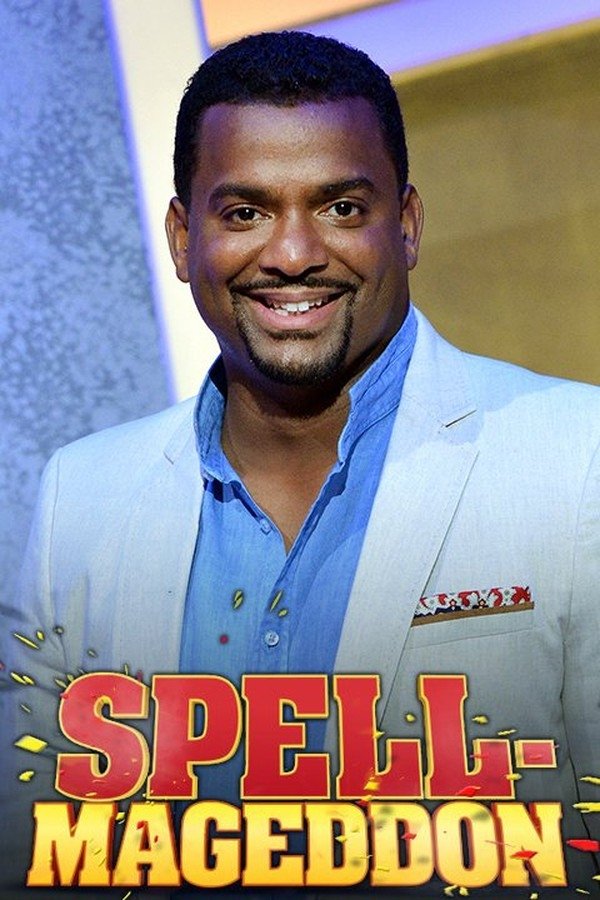
Spell-Mageddon is an American spelling bee game show on ABC Family and is hosted by Alfonso Ribeiro. It premiered on July 24, 2013. Its season finale aired on September 11, 2013.
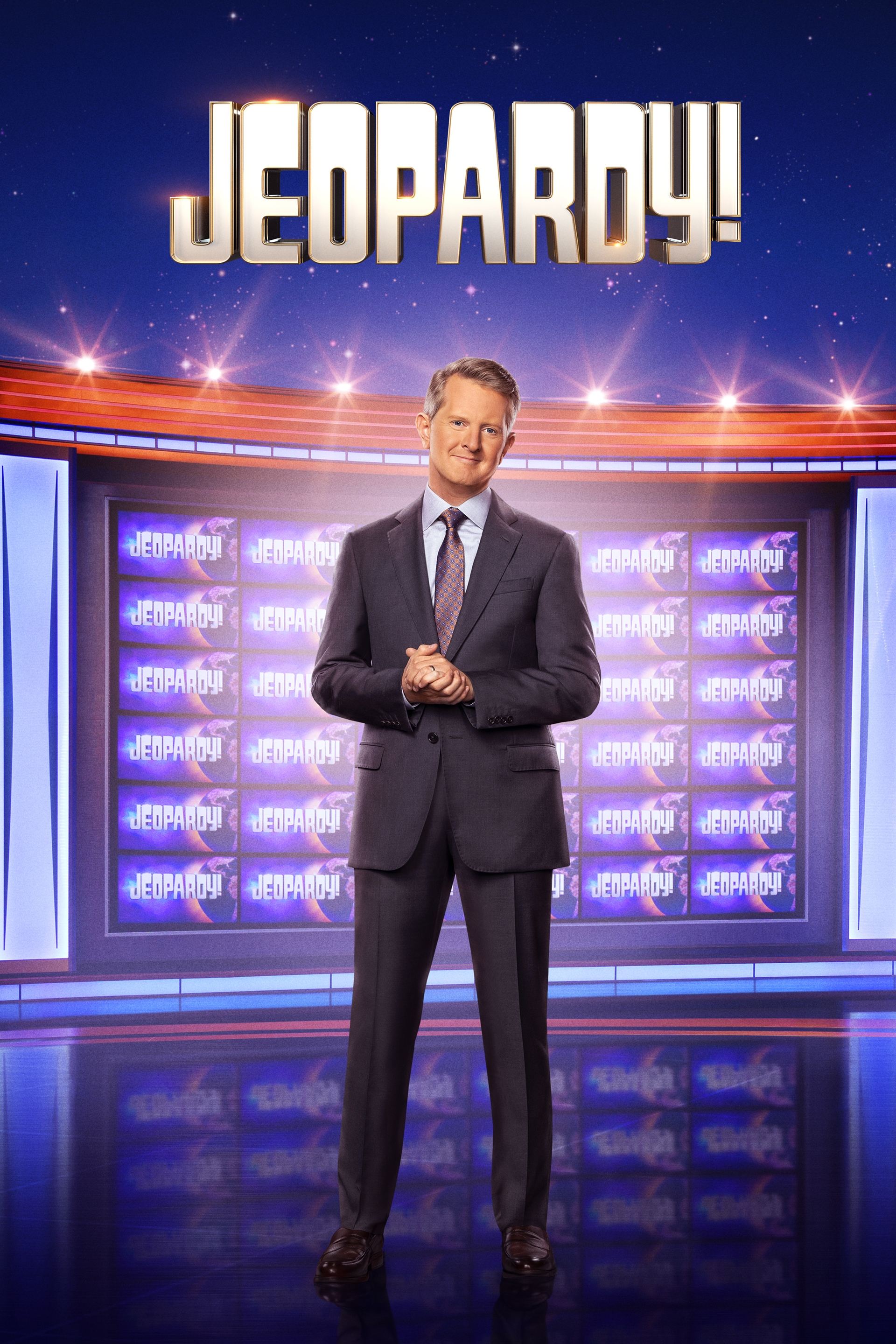
America's favorite quiz show where contestants are presented with general knowledge clues in the form of answers, and must phrase their responses in question form.
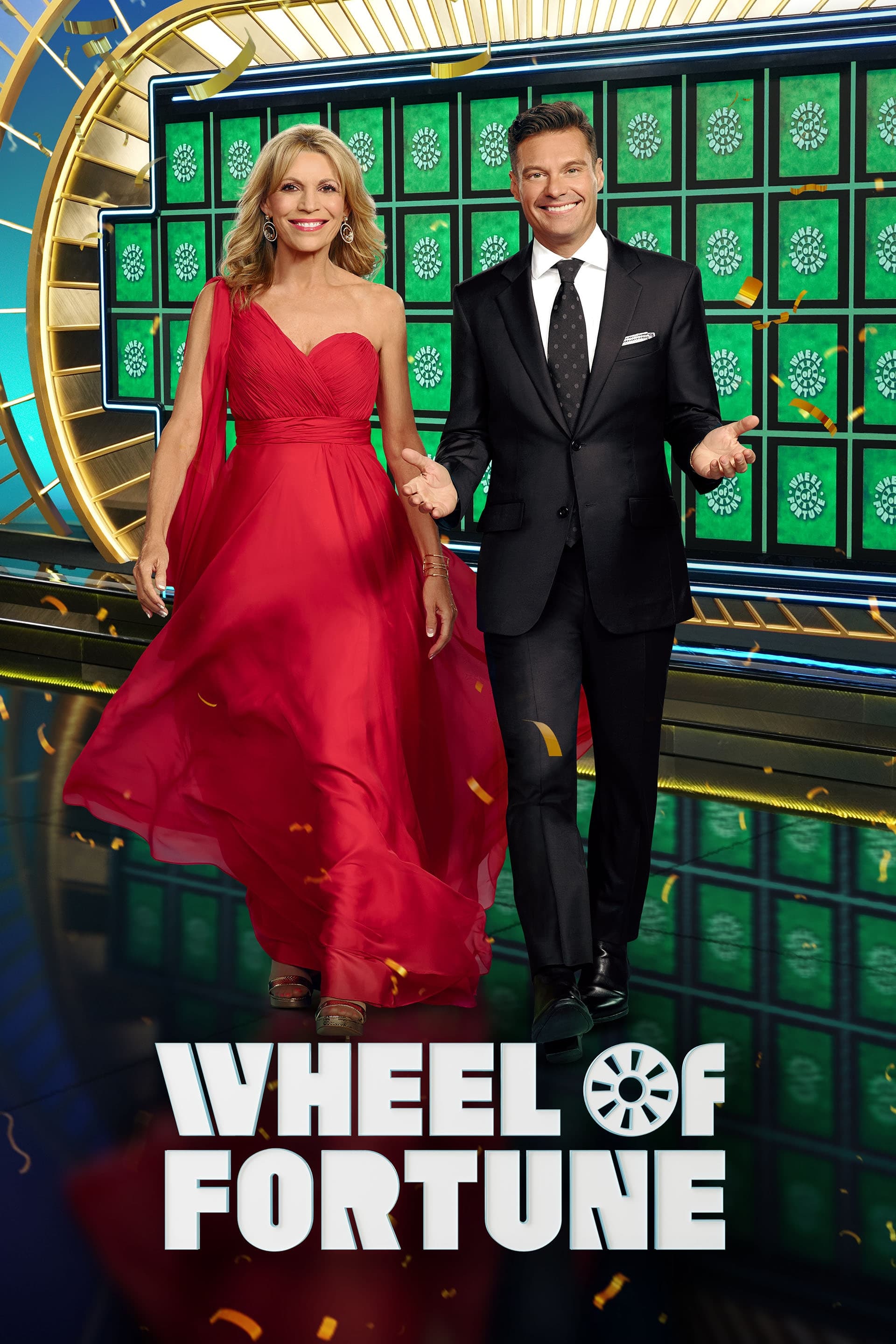
This game show sees contestants solve word puzzles, similar to those used in Hangman, to win cash and prizes determined by spinning a giant carnival wheel.
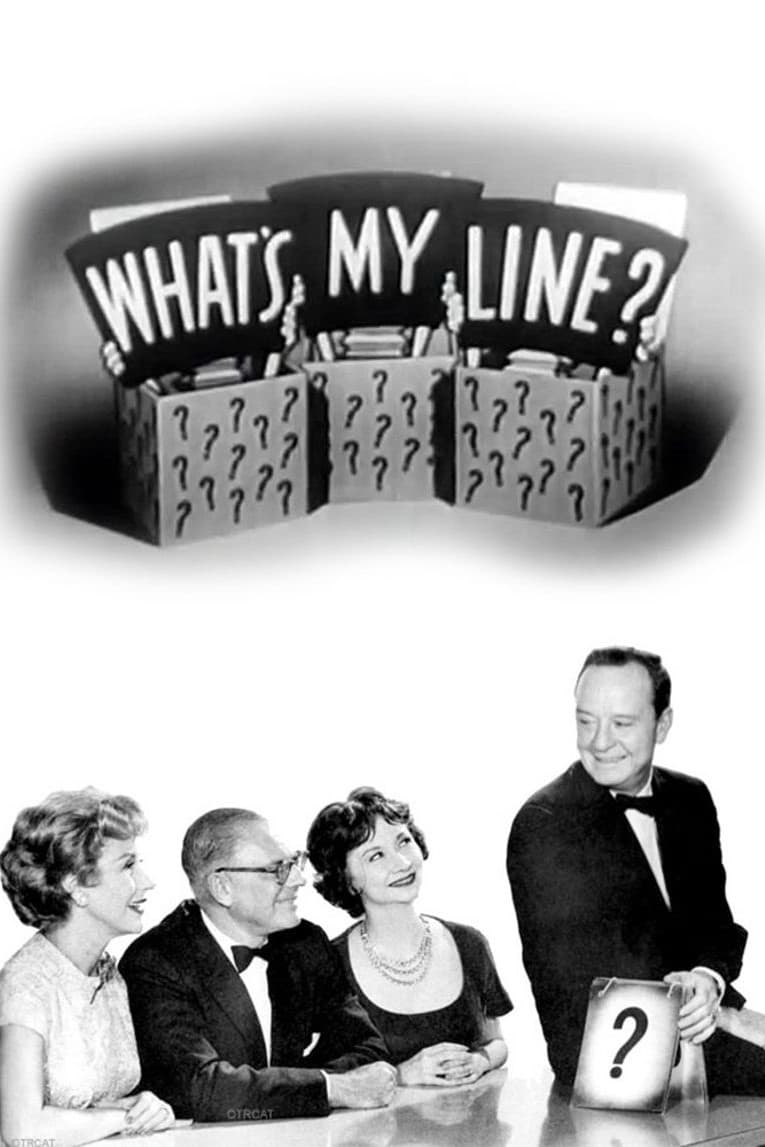
Four panelists must determine guests' occupations - and, in the case of famous guests, while blindfolded, their identity - by asking only "yes" or "no" questions.
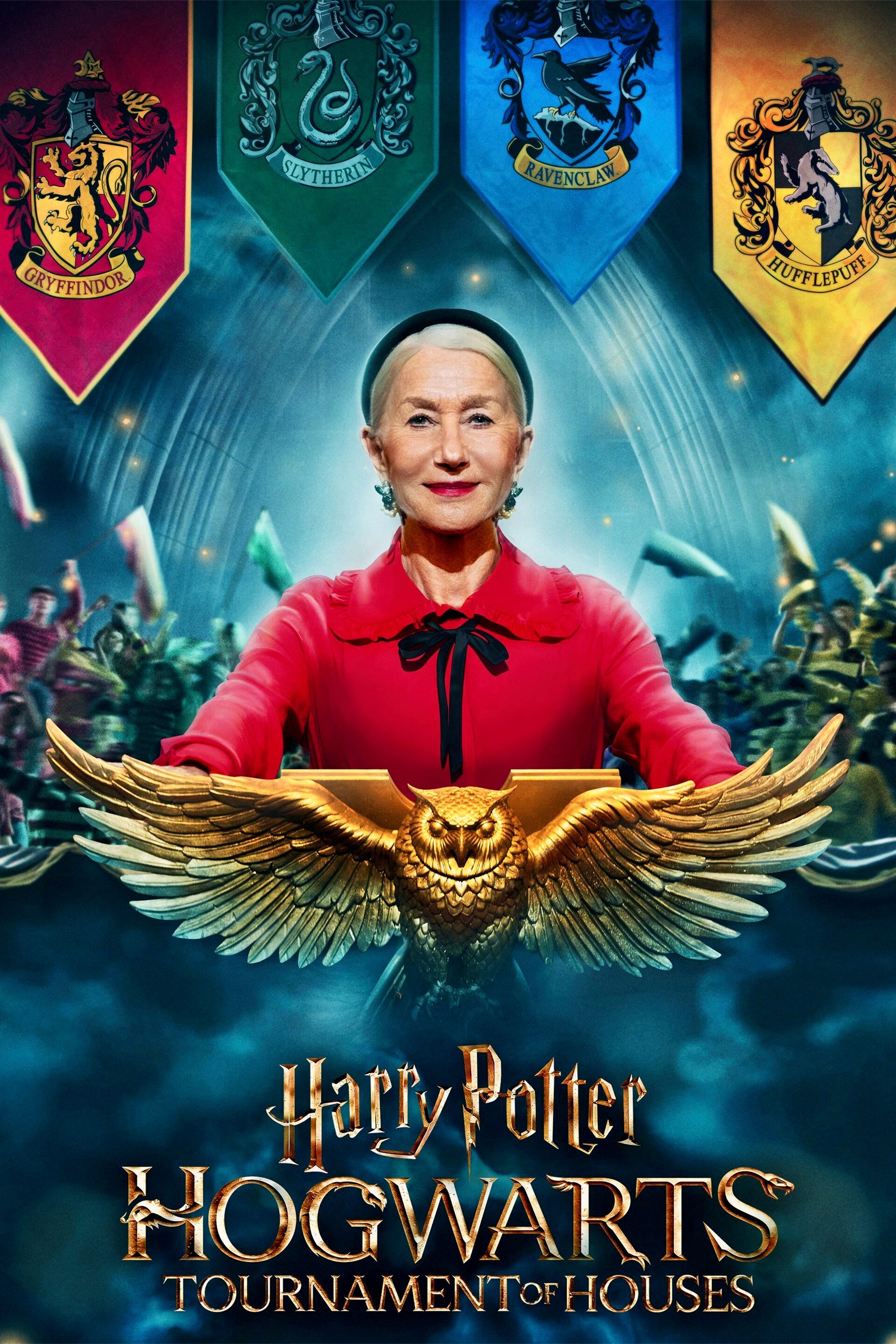
Wizarding World fans put their Harry Potter knowledge to the test for the ultimate honor to be named House Cup champion.
Footage from the popular game show, Takeshi's Castle has been re-edited, re-written and re-voiced into a hilarious, intentionally over-produced, modern "action/X-treme" sports show.
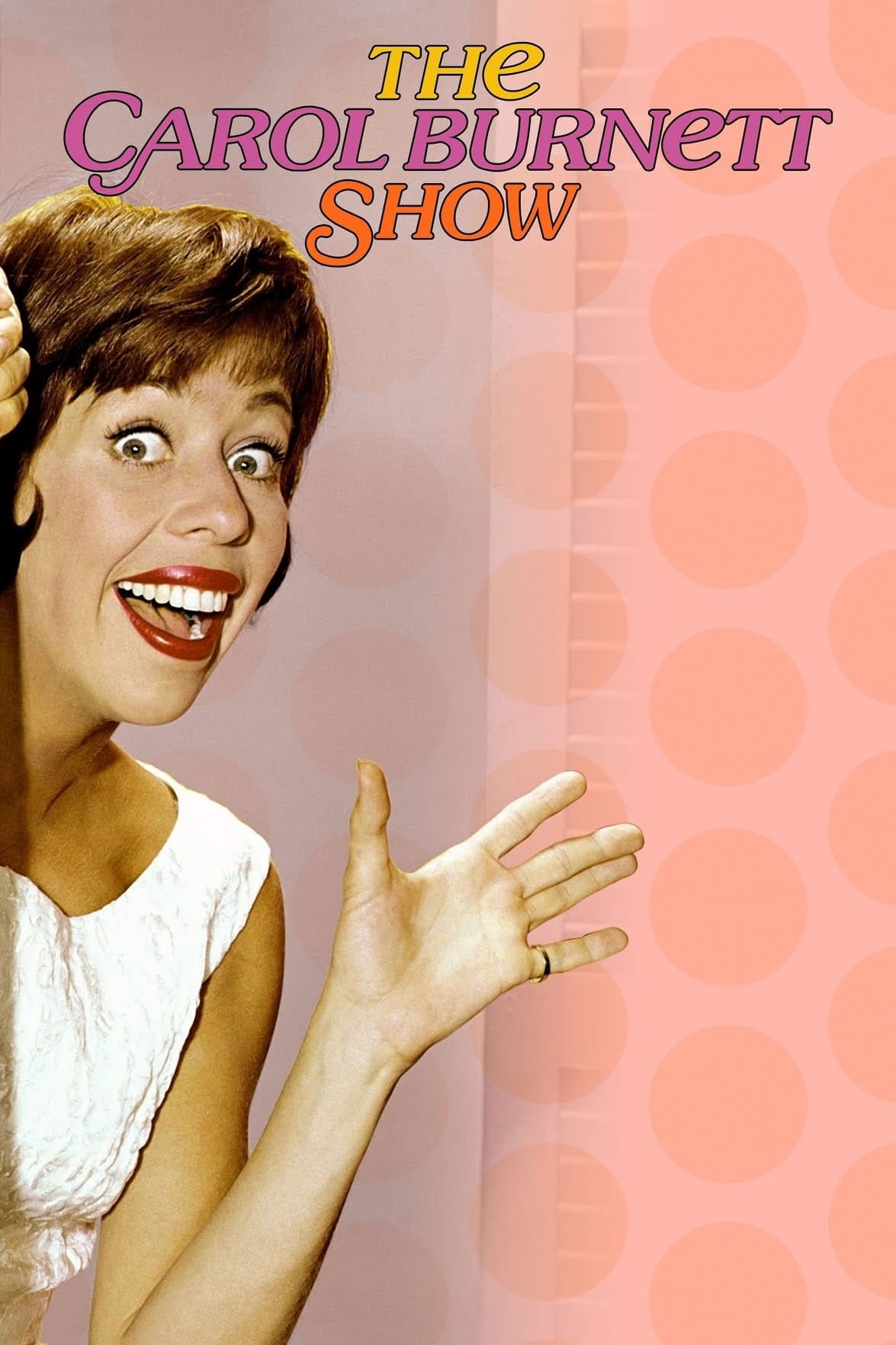
The Carol Burnett Show is an American variety/sketch comedy television show starring Carol Burnett, Harvey Korman, Vicki Lawrence, Lyle Waggoner, and Tim Conway. It originally ran on CBS from September 11, 1967, to March 29, 1978, for 278 episodes and originated from CBS Television City's Studio 33. The series won 25 prime time Emmy Awards, was ranked No. 16 on TV Guide's 50 Greatest TV Shows of All Time in 2002 and in 2007 was listed as one of Time magazine's "100 Best TV Shows of All Time."
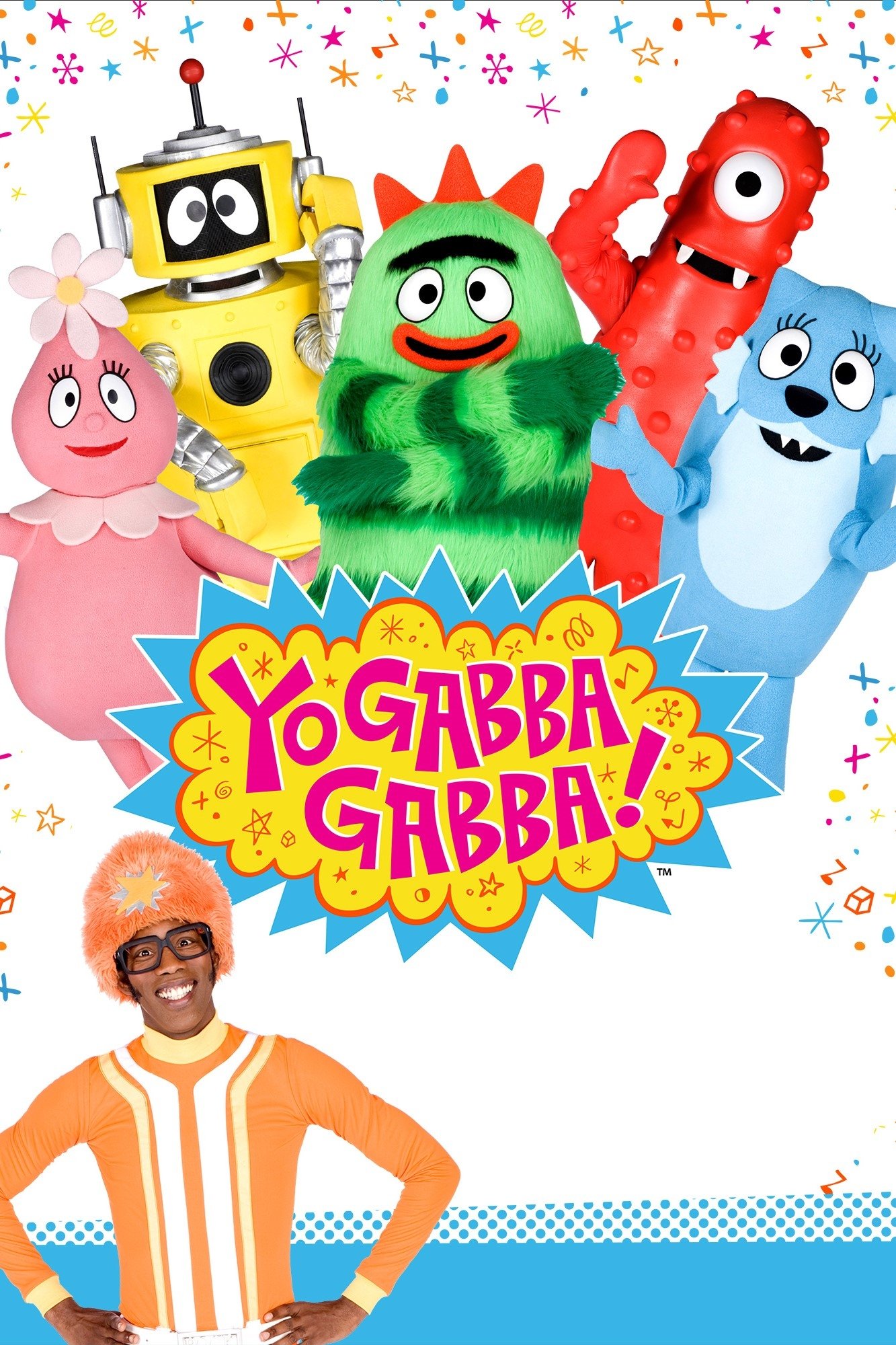
Yo Gabba Gabba! is an American children's television show that airs on the Nick Jr. cable network in the United States and the Nick Jr. networks in the United Kingdom & Ireland, Italy, France and Australia as well as Treehouse TV network in Canada and RTE2 on RTÉjr in Ireland. The show stars five costumed toys-come-to-life and their friend DJ Lance Rock, who explore a single topic in each episode through songs and short storylines in the half-hour program while teaching children life and social skills. It also encourages viewers to move along with and dance with the characters in the program. The show is noted for its indie-culture guest stars and bands, and for drawing visual inspiration from 8-bit video games and H. R. Pufnstuff.
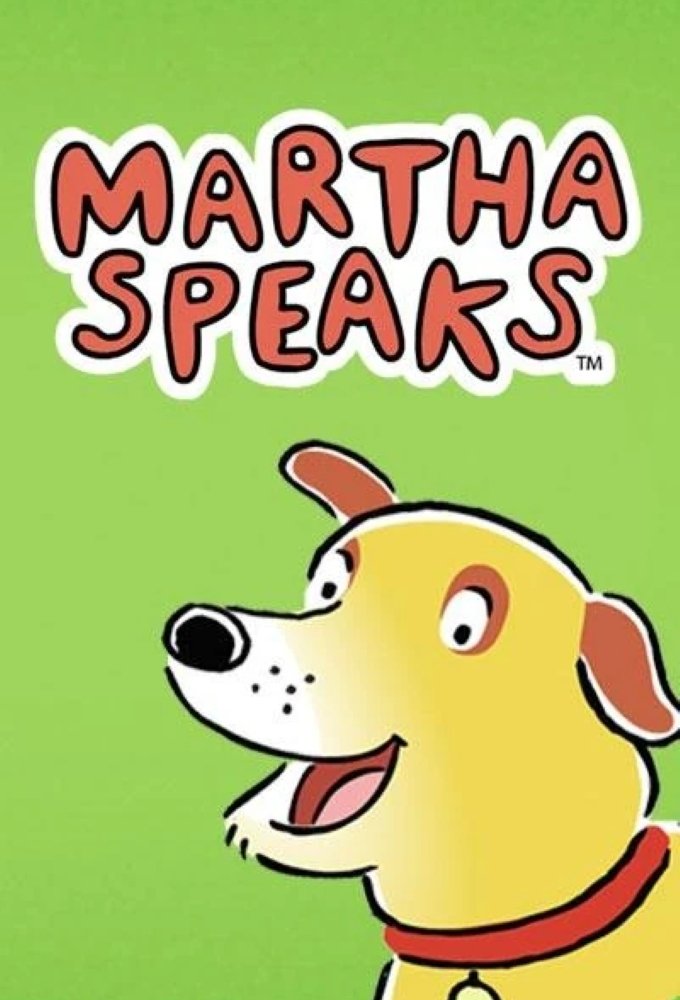
Martha, a beloved family dog, is accidentally fed alphabet soup — this gives her the power of speech and the chance to speak her mind to anyone that will listen.
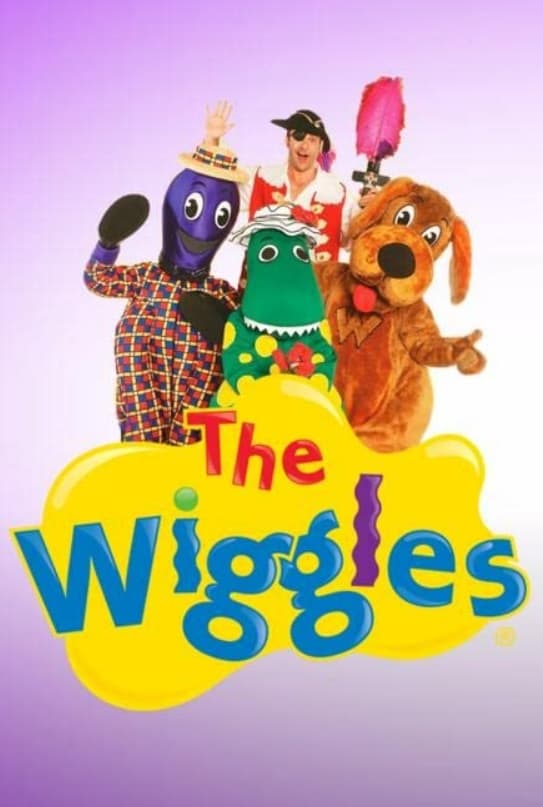
A show geared for babies up to older toddlers. This show is full of music, teaching kids songs and easy dances.
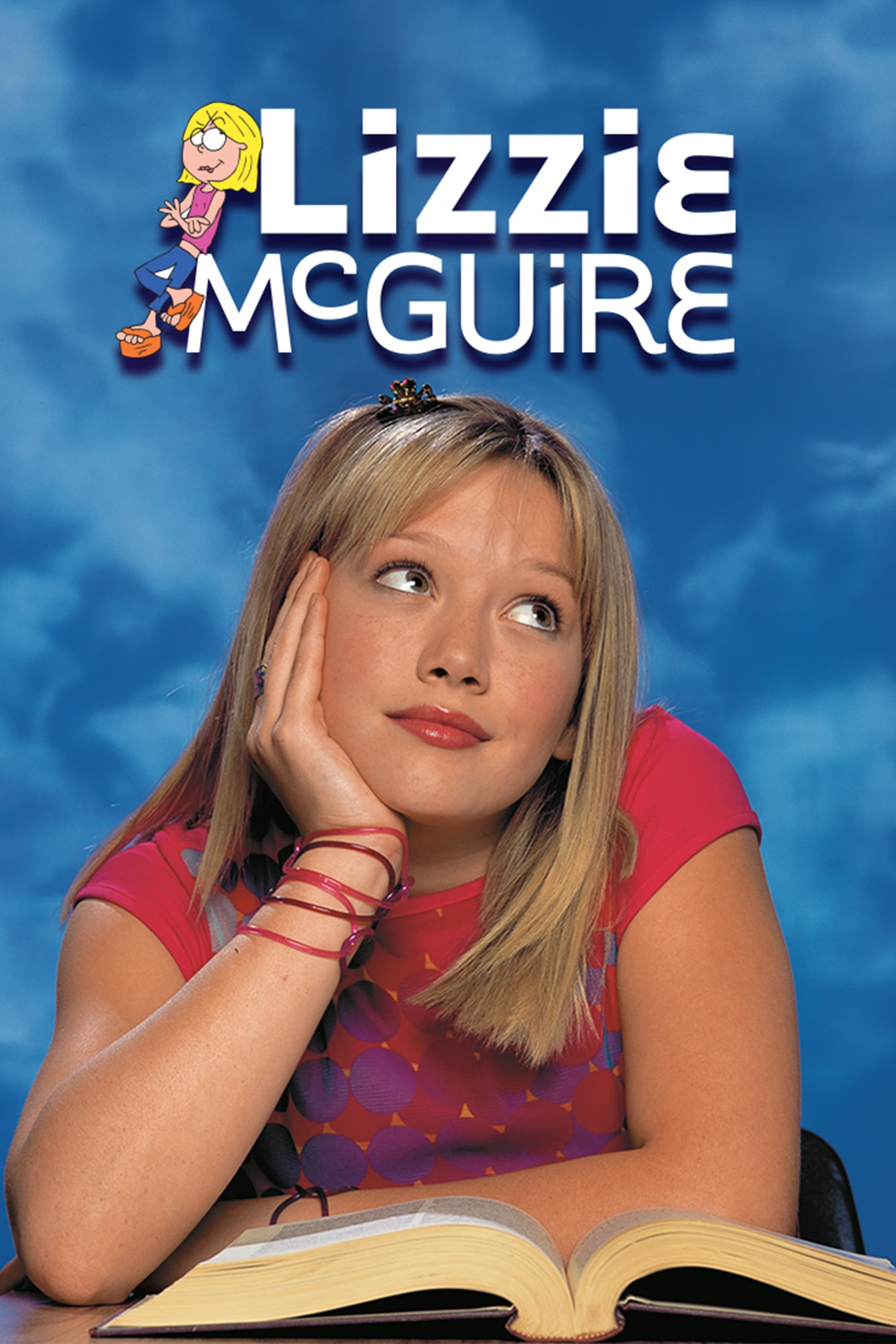
Lizzie McGuire is all about the ordinary and not-so-ordinary adventures of a junior high student and her two best friends as they try to deal with the ups and downs of school, popularity, boys, parents, a bratty little brother--just life in general. And if Lizzie leaves anything unsaid, you can bet that her cartoon alter ego will say it for her!
Best pals CeCe and Rocky dream of dancing stardom. And they seem on the verge of realizing that goal when they win places as backup dancers on the local TV show "Shake It Up, Chicago." While they get to show off their moves, they find out they need to keep putting their best feet forward to keep up with the rest of the crew on the show.
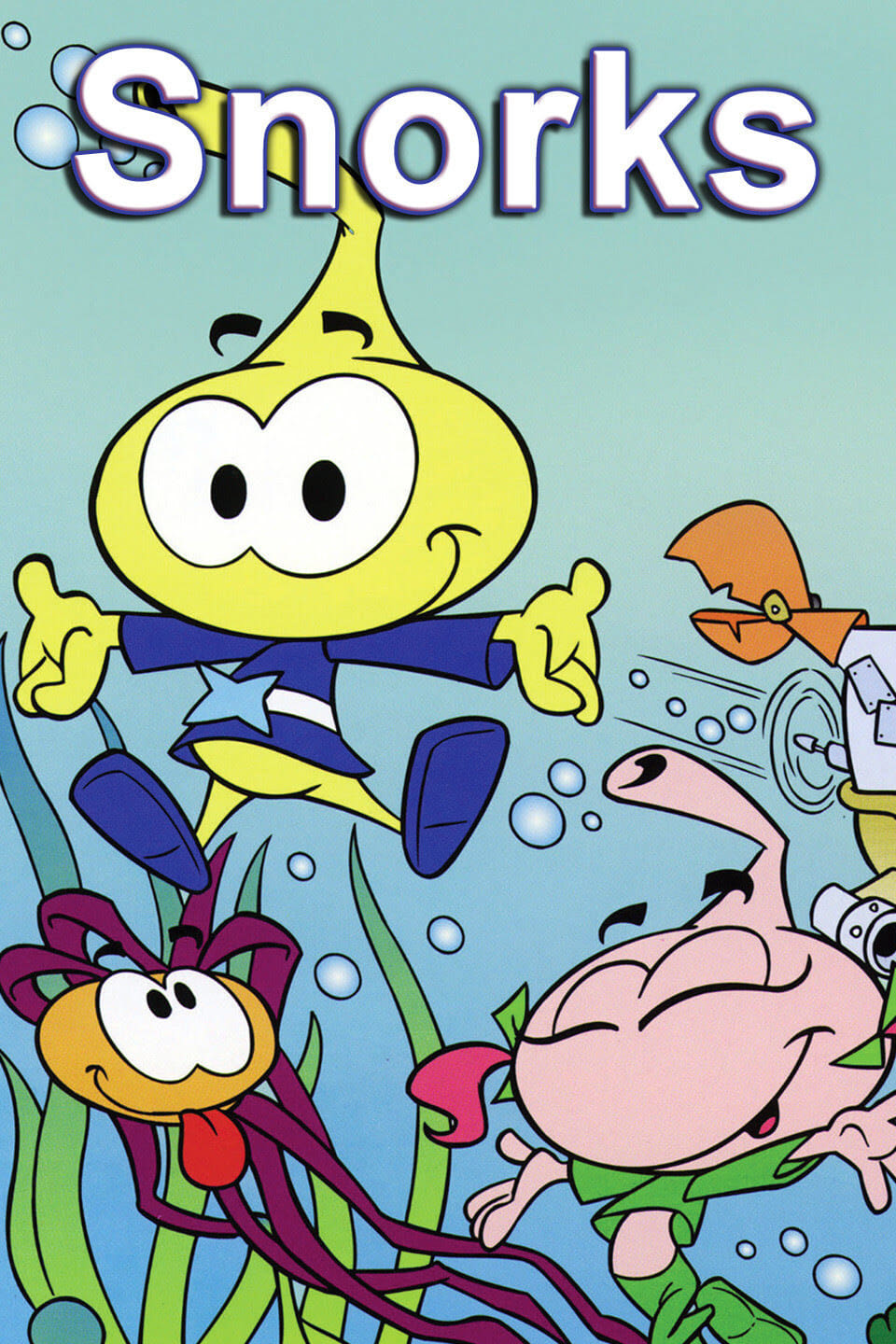
The Snorks is an animated television series produced by Hanna-Barbera which ran on NBC from September 15, 1984, to May 13, 1989. Although not as popular as the animated series The Smurfs, the program continued to be available in syndication from 1986 to 1989 as part of The Funtastic World of Hanna-Barbera's 3rd season, on USA Network in the late-1980s and early-1990s, on the BBC in the late 1990s, and from 2009–2011 and again from 2012–Present on Boomerang.
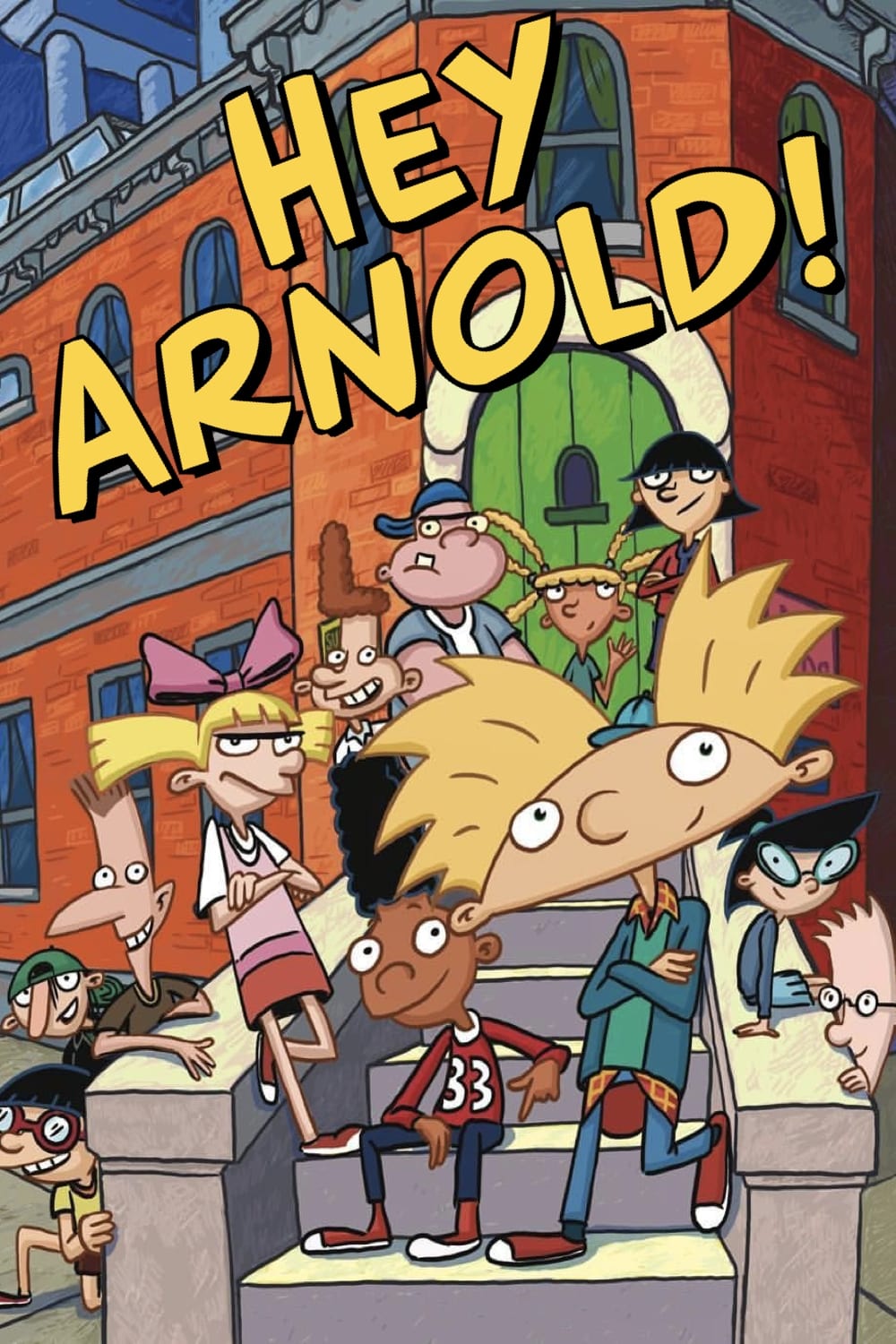
The daily life of Arnold--a fourth-grader with a wild imagination, street smarts and a head shaped like a football.
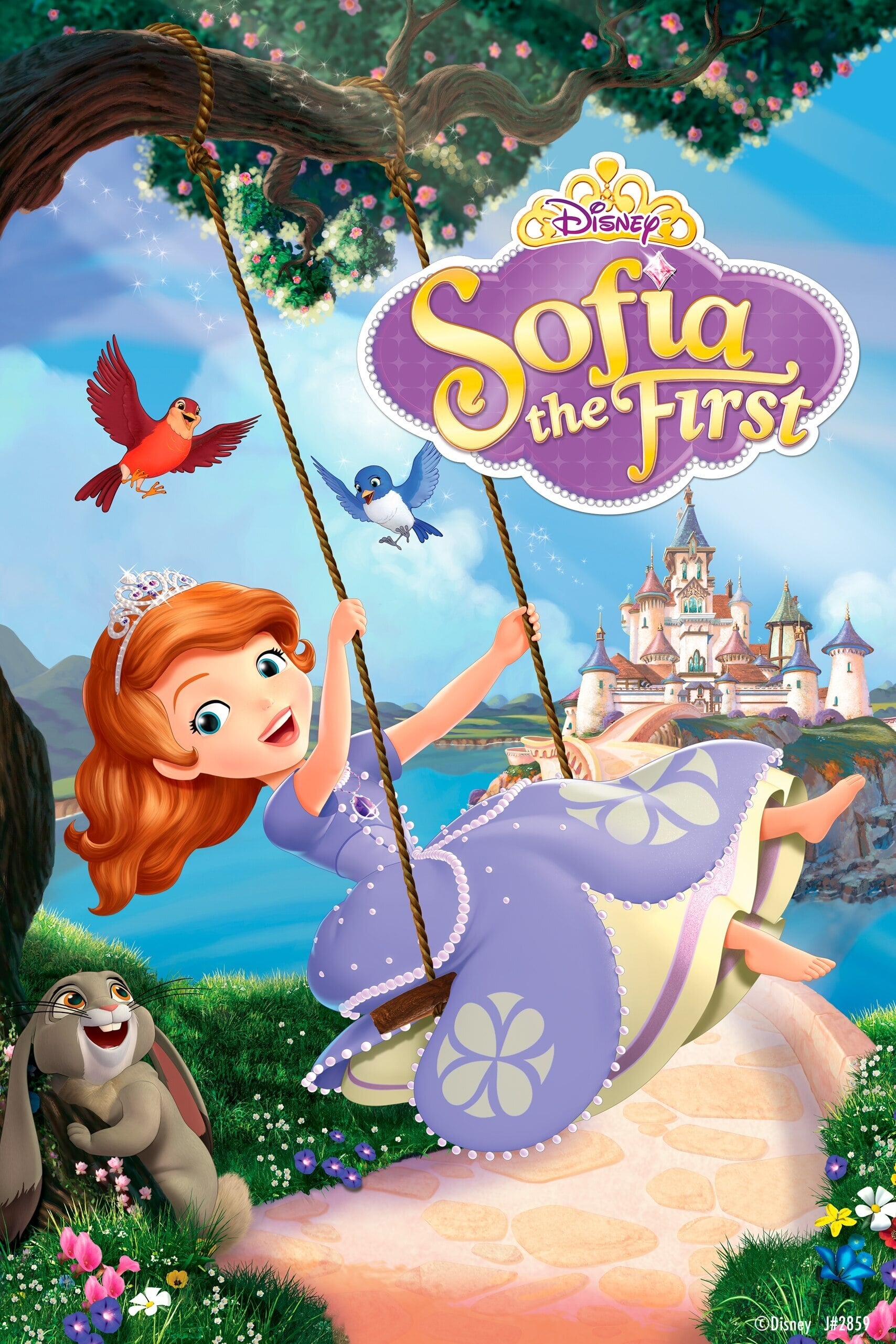
Set in the storybook world of Enchancia, this is the story of Princess Sofia, an adventurous little girl who is learning how to adjust to royal life after her mom marries the king and she becomes a princess overnight.
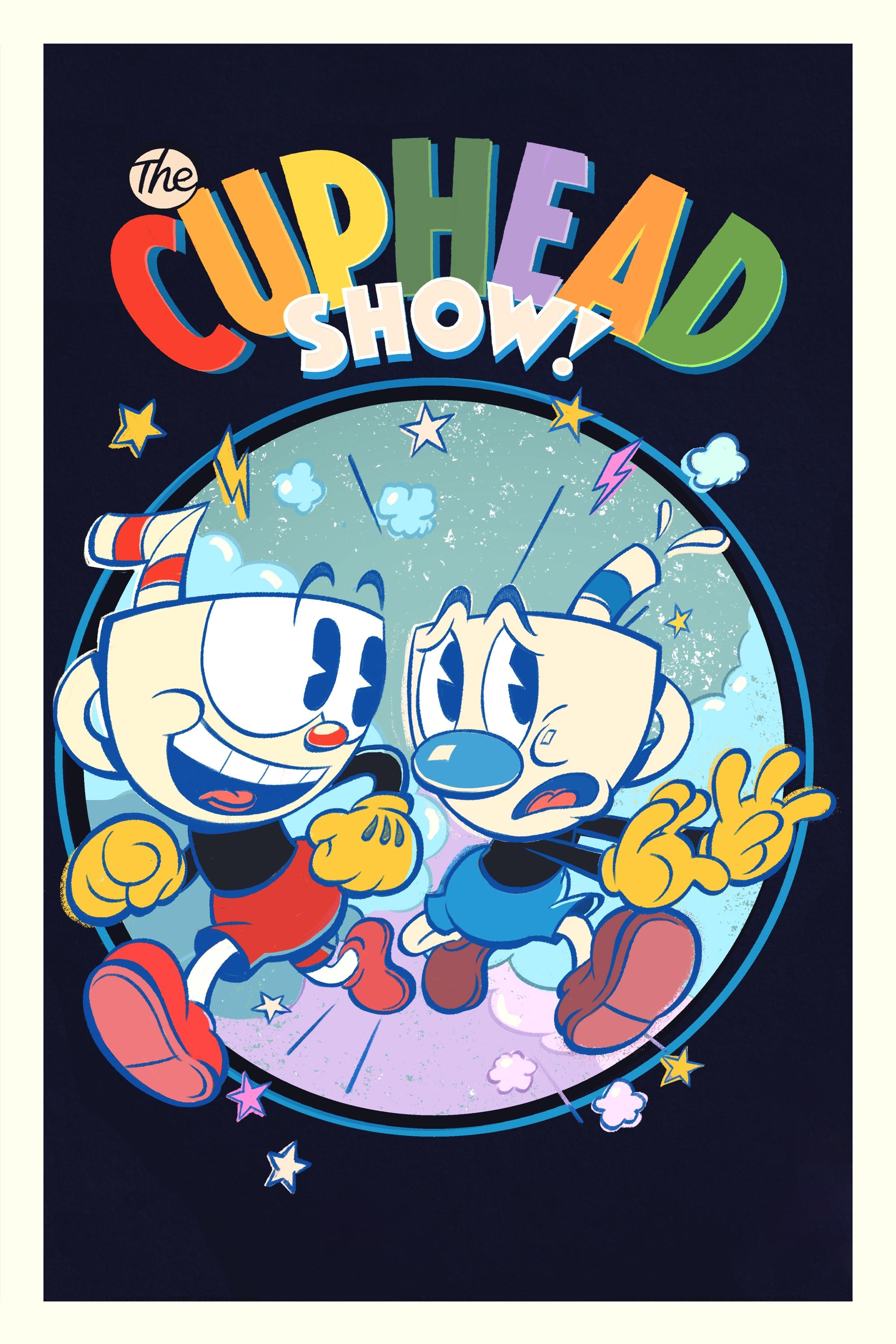
Follow the misadventures of the impulsive Cuphead and his cautious but persuadable brother Mugman in this animated series based on the hit video game.
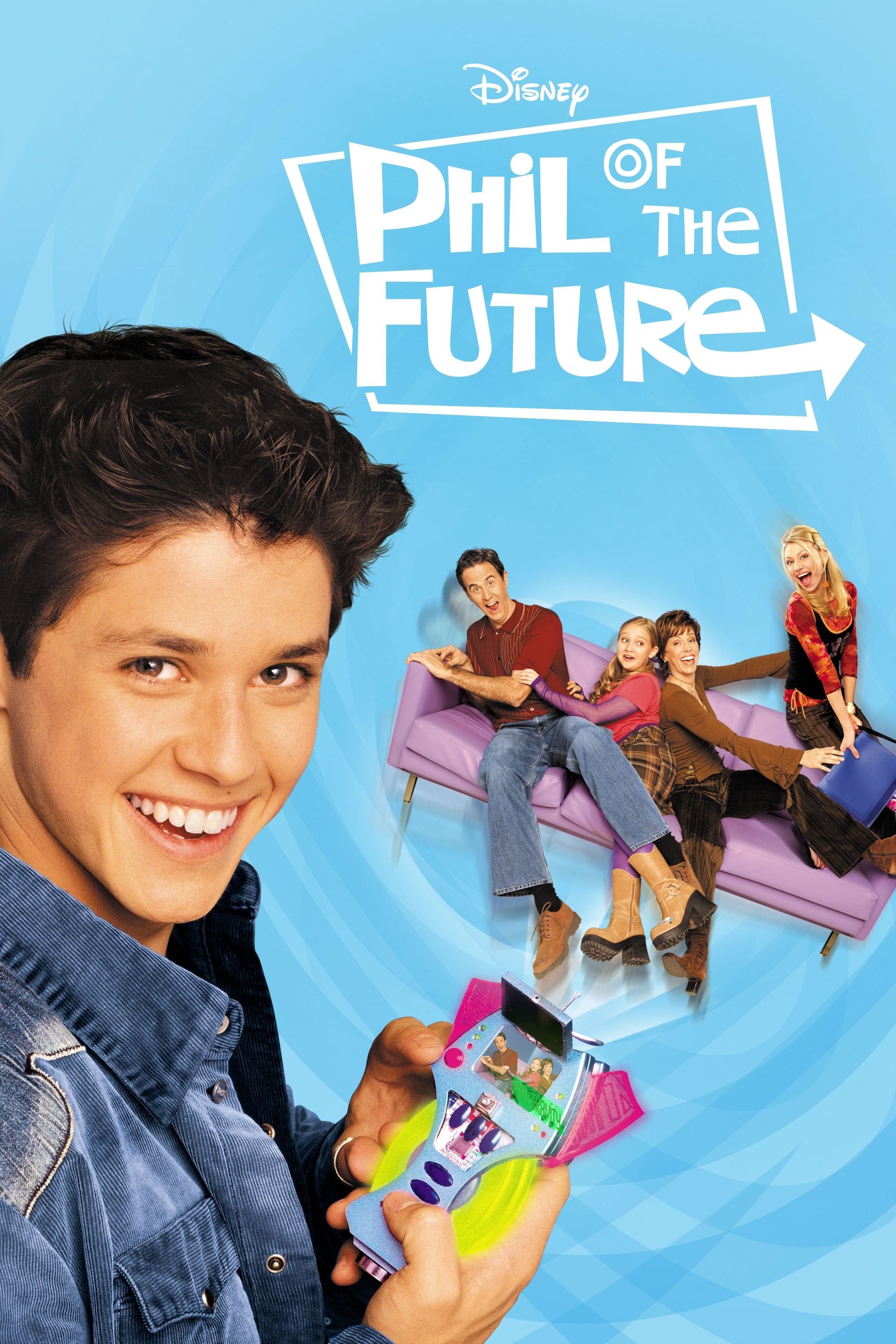
Meet the Diffy family, a futuristic family from the year 2121. When the eccentric dad, Lloyd, rents a time machine for their family vacation, everyone is excited. But then something goes wrong. Their time machine malfunctions and they are thrown out of the space/time continuum in the year 2004.
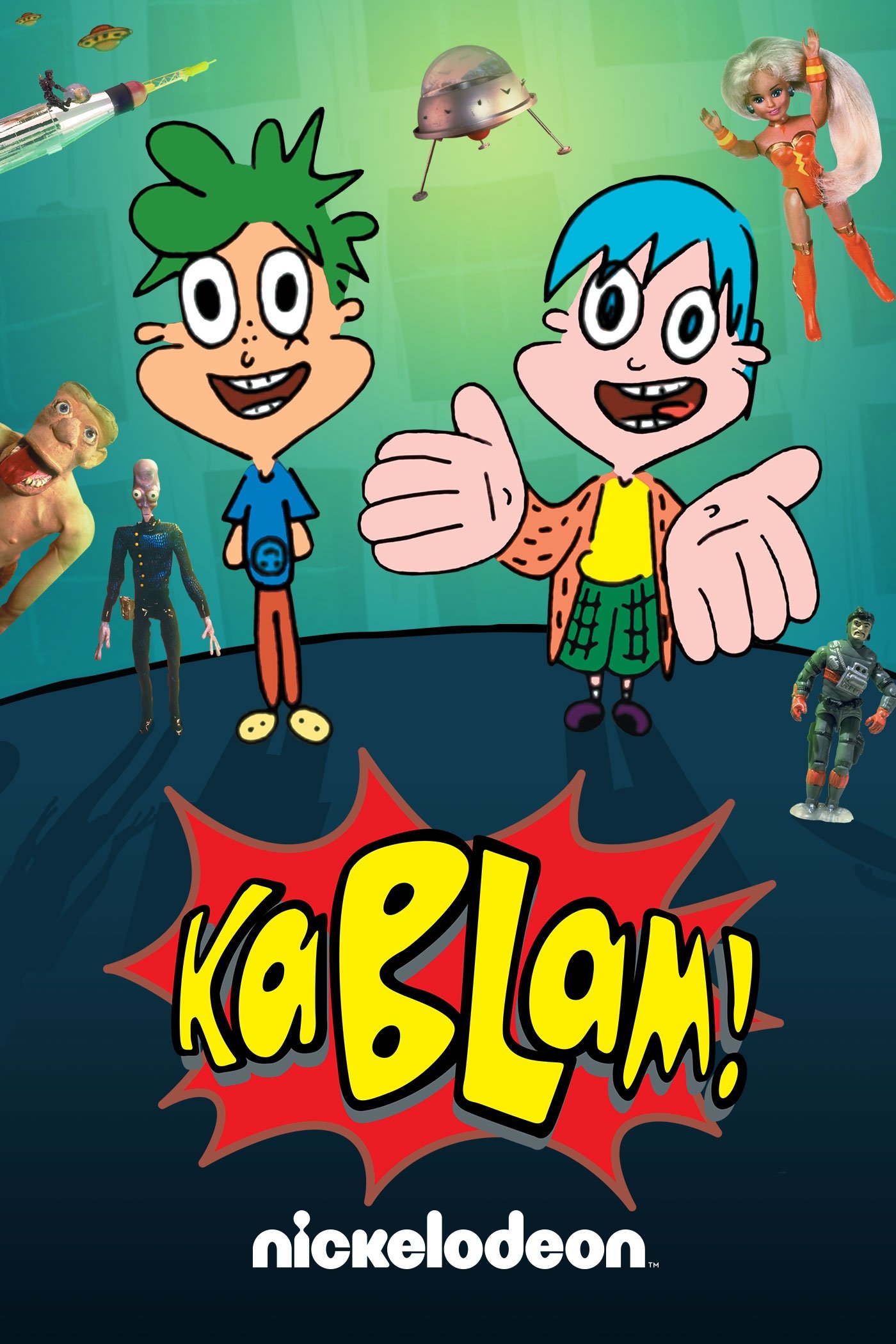
KaBlam! is a sketch comedy television series that ran from 1996 to 2000. It features a collection of short films in several different styles of animation, bridged by the characters of Henry and June, who introduce the shorts, and have adventures of their own. The show ended its three-year run nine months short of four years on January 22, 2000.
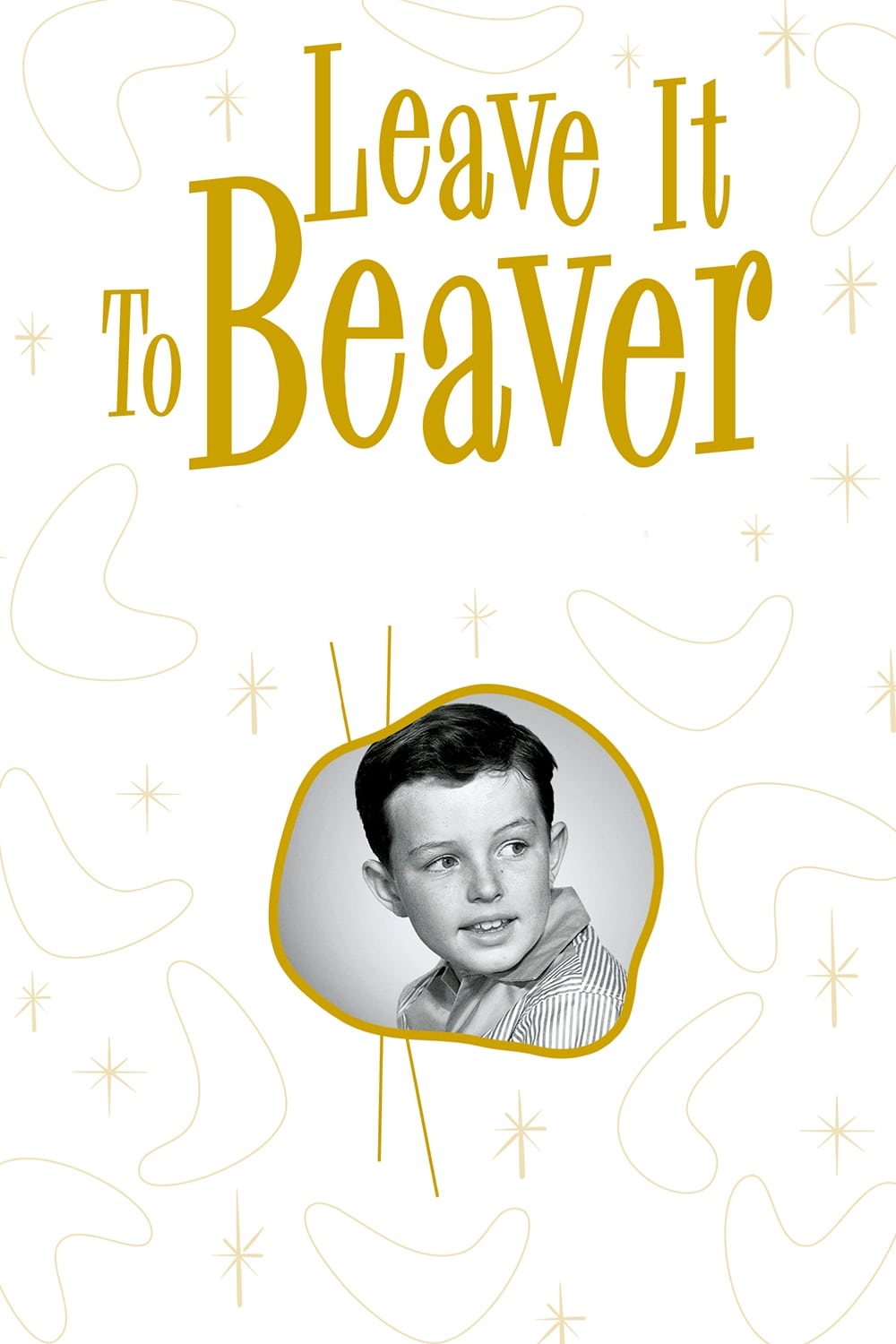
An inquisitive and often naïve boy, Theodore 'The Beaver' Cleaver, has adventures at home, in school, and around his suburban neighborhood. The show also starred Barbara Billingsley and Hugh Beaumont as Beaver's parents, June and Ward Cleaver, and Tony Dow as Beaver's brother Wally. The show has attained an iconic status in the US, with the Cleavers exemplifying the idealized suburban family of the mid-20th century.
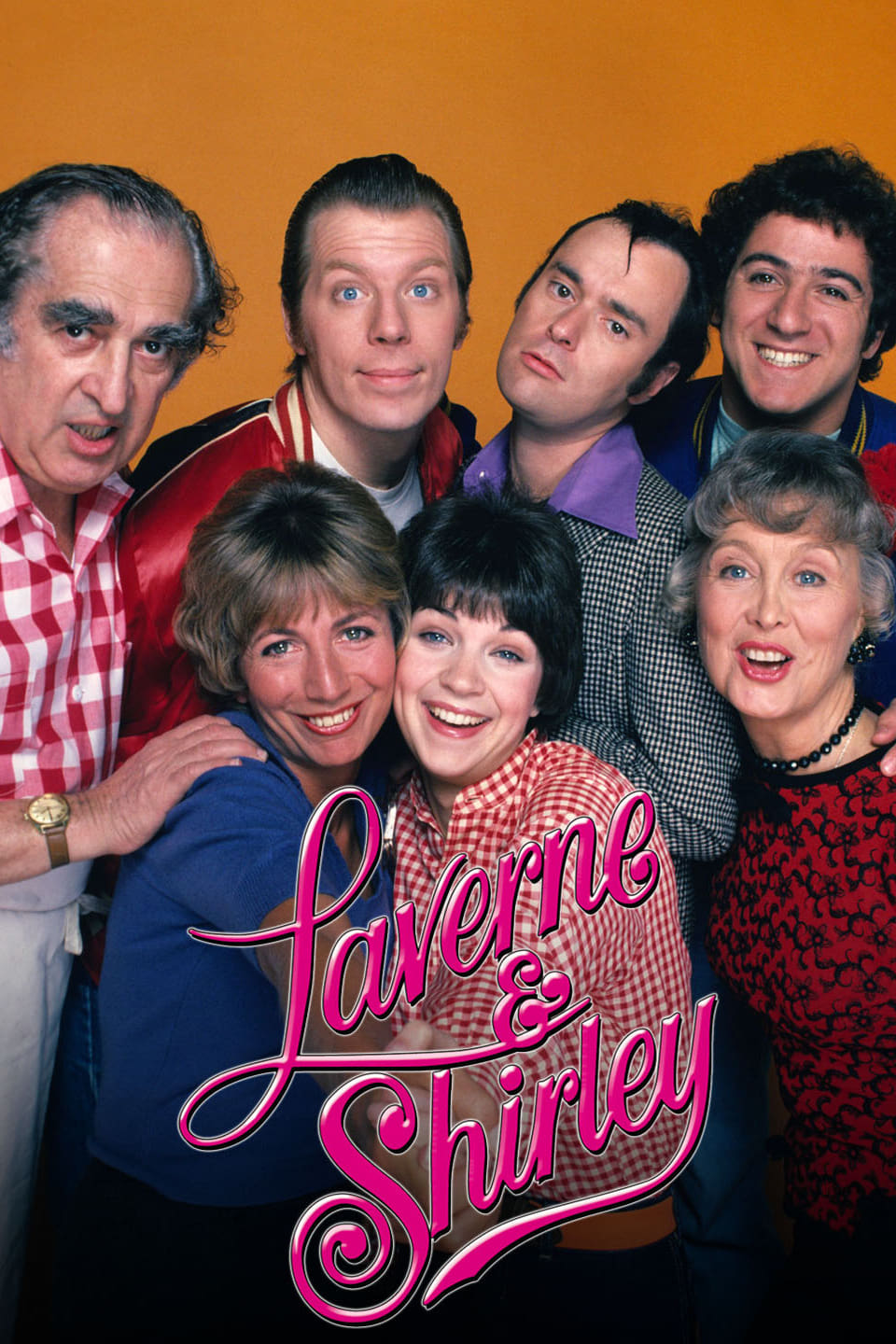
Best friends, roommates, and polar opposites, Laverne DeFazio and Shirley Feeney work together at the Shotz Brewery in Milwaukee and keep each other's spirits up at home.
The Mighty B! is an American animated television series co-created by Amy Poehler, Cynthia True and Erik Wiese for Nickelodeon. The series centers on Bessie Higgenbottom, an ambitious Honeybee girl scout who believes she will become The Mighty B if she collects every Honeybee badge. Bessie lives in San Francisco with her single mother Hilary, brother Ben and dog Happy. Poehler provides the voice of Bessie, who is loosely based on a character Poehler played on the improvisational comedy troupes Second City and Upright Citizens Brigade.