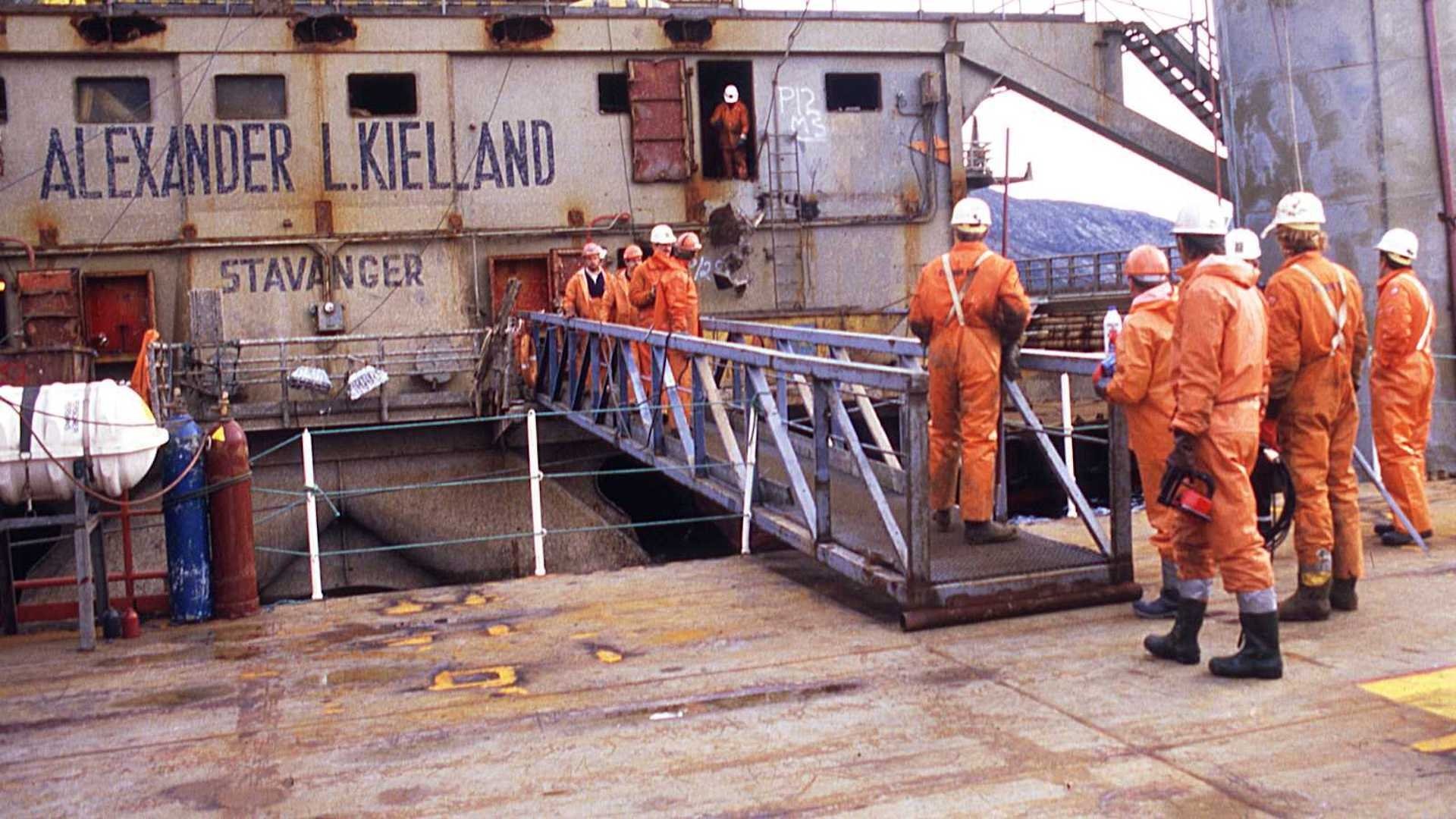
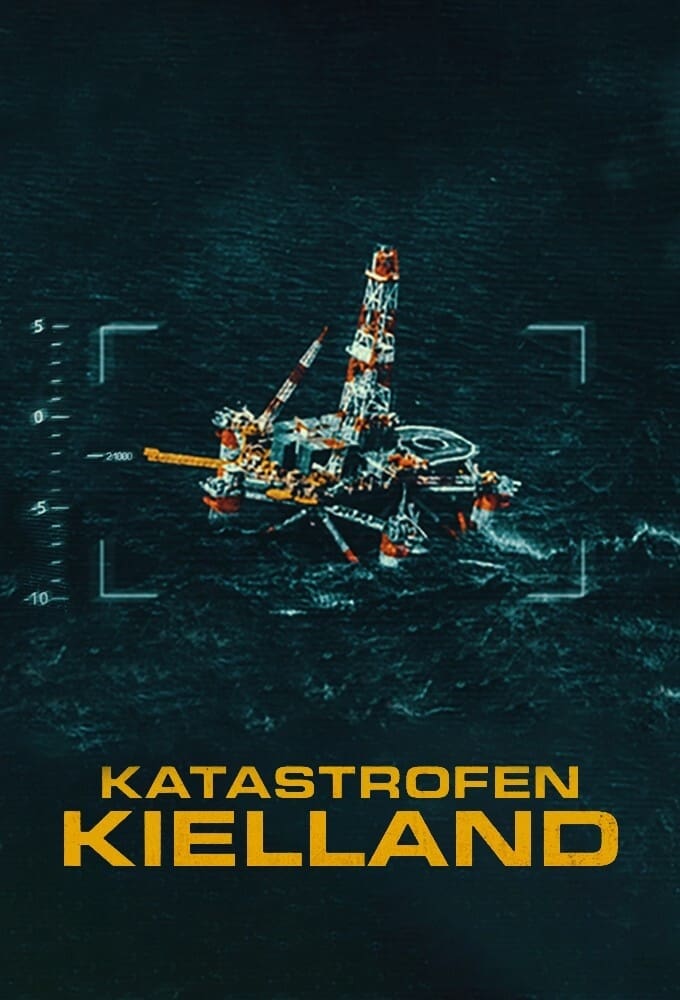
123 people died when the Norwegian semi-submersible housing platform Alexander L. Kielland capsized in the North Sea in 1980. Survivors and relatives of the deceased still have many questions. What really happened?
Social & External
Major real-life air disasters are depicted in this series. Each episode features a detailed dramatized reconstruction of the incident based on cockpit voice recorders and air traffic control transcripts, as well as eyewitnesses recounts and interviews with aviation experts.
Hard-hitting amateur, CCTV and news footage reveals how some of the world's biggest natural disasters took away people's lives, homes and hope in Witness Disaster.
Woodstock 1969 promised peace and music, but its '99 revival delivered days of rage, riots and real harm. Why did it go so horribly wrong?
Natural and man-made catastrophes retold by eyewitnesses and dramatic reconstructions.
HISTORY’s longest-running series moves to H2. Modern Marvels celebrates the ingenuity, invention and imagination found in the world around us. From commonplace items like ink and coffee to architectural masterpieces and engineering disasters, the hit series goes beyond the basics to provide insight and history into things we wonder about and that impact our lives. This series tells fascinating stories of the doers, the dreamers and sometime-schemers that create everyday items, technological breakthroughs and manmade wonders. The hit series goes deep to explore the leading edge of human inspiration and ambition.
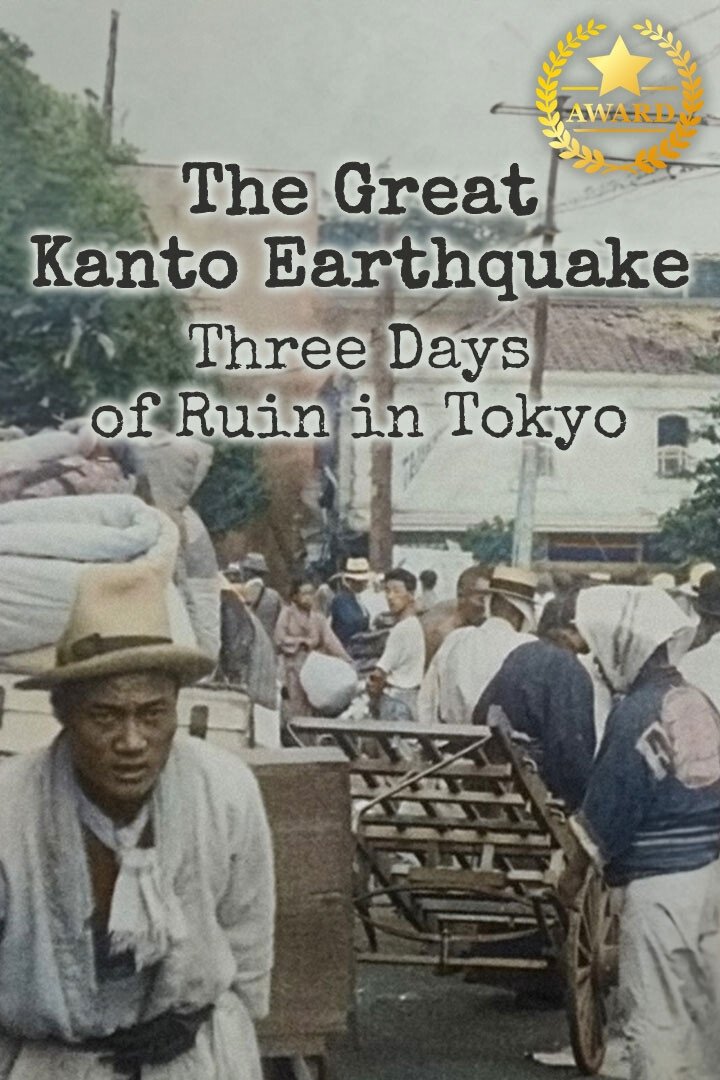
A century after the Great Kanto Earthquake, previously unknown details have been extracted from newly 8K remastered and colorized footage, vividly demonstrating how Tokyo citizens faced the disaster.
Follow Tracyraquel Berns' emotional journey to unravel the convoluted excuses that were given about her baby brother Matthew's sudden death when she was just two years old.
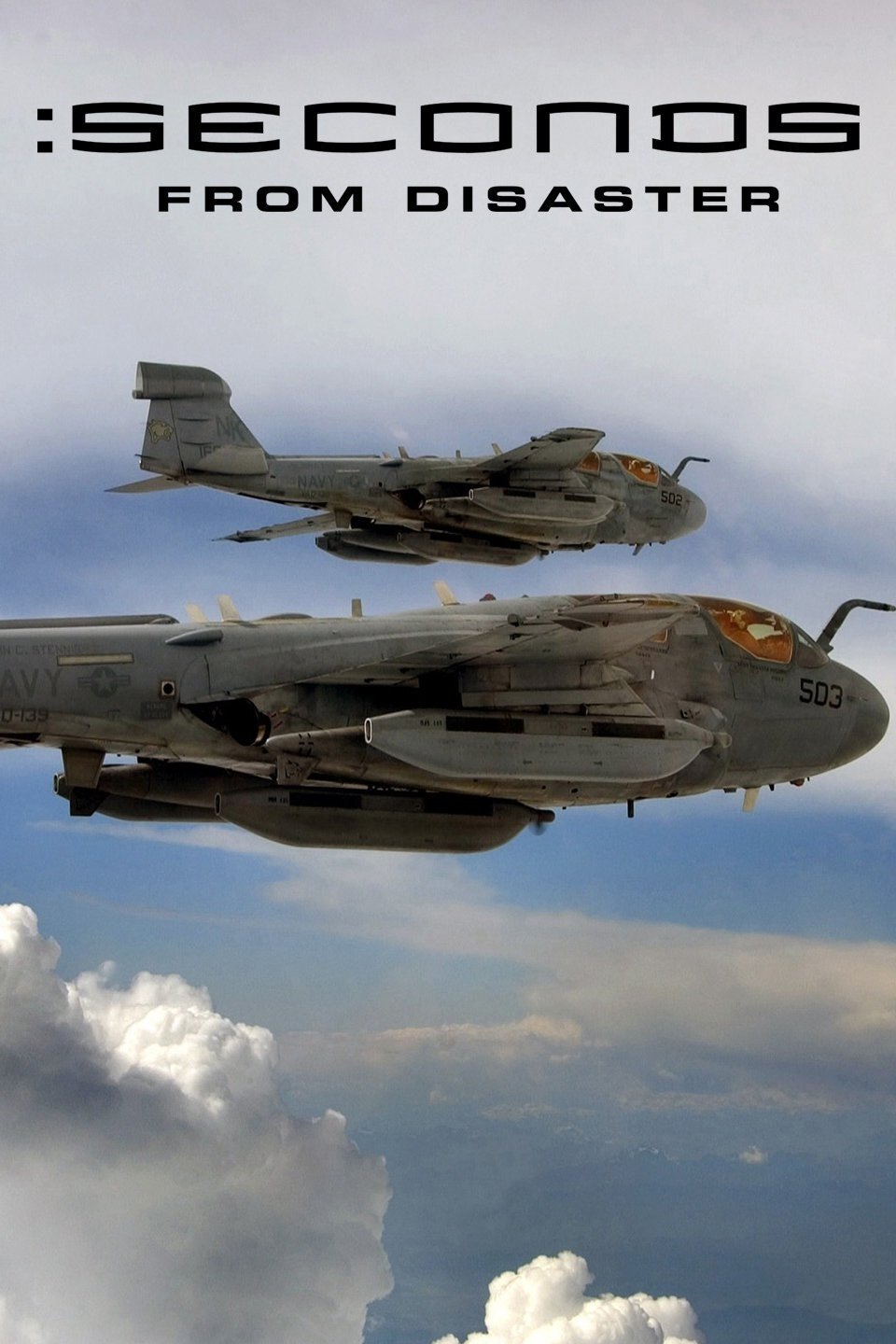
Seconds from Disaster is a US/UK-produced documentary television programme that investigates historically relevant man-made and natural disasters of the 20th century. Each episode aims to explain a single incidental by analyzing the causes and circumstances that ultimately effected the disaster. The program uses re-enactments, interviews, testimonies, and CGI to analyze the sequence of events second-by-second for the audience. Narrators for the show are Ashton Smith, Richard Vaughan and Peter Guinness.
Zero Hour dramatizes the hour leading up to some of the most memorable historical events as they unfold minute by minute. Using a real-time clock and a split screen to follow key players, the series reveals the compelling and exciting minutes leading up to events that changed the world.
Days that Shocked the World explores the most iconic disasters of the last 50 years, combining eye-witness testimony with powerful archive footage, to learn how each tragedy changed both the lives of individuals and the world. The anthology series features one- and two-part episodes that coincide with key anniversaries of these defining global events: including the Challenger Space Shuttle explosion in 1986, the Chernobyl nuclear disaster of the same year, the 2000 Air France Concorde crash, the 9/11 terrorist attacks in 2001 and the 2011 Fukushima earthquake and tsunami.
Ride along with the NTSB and its inter-agency partners as they work together towards determining the probable cause of aircraft accidents. These NTSB investigations provide a window into the integral role of air travel in Alaskan life, while raising awareness that might prevent future accidents.
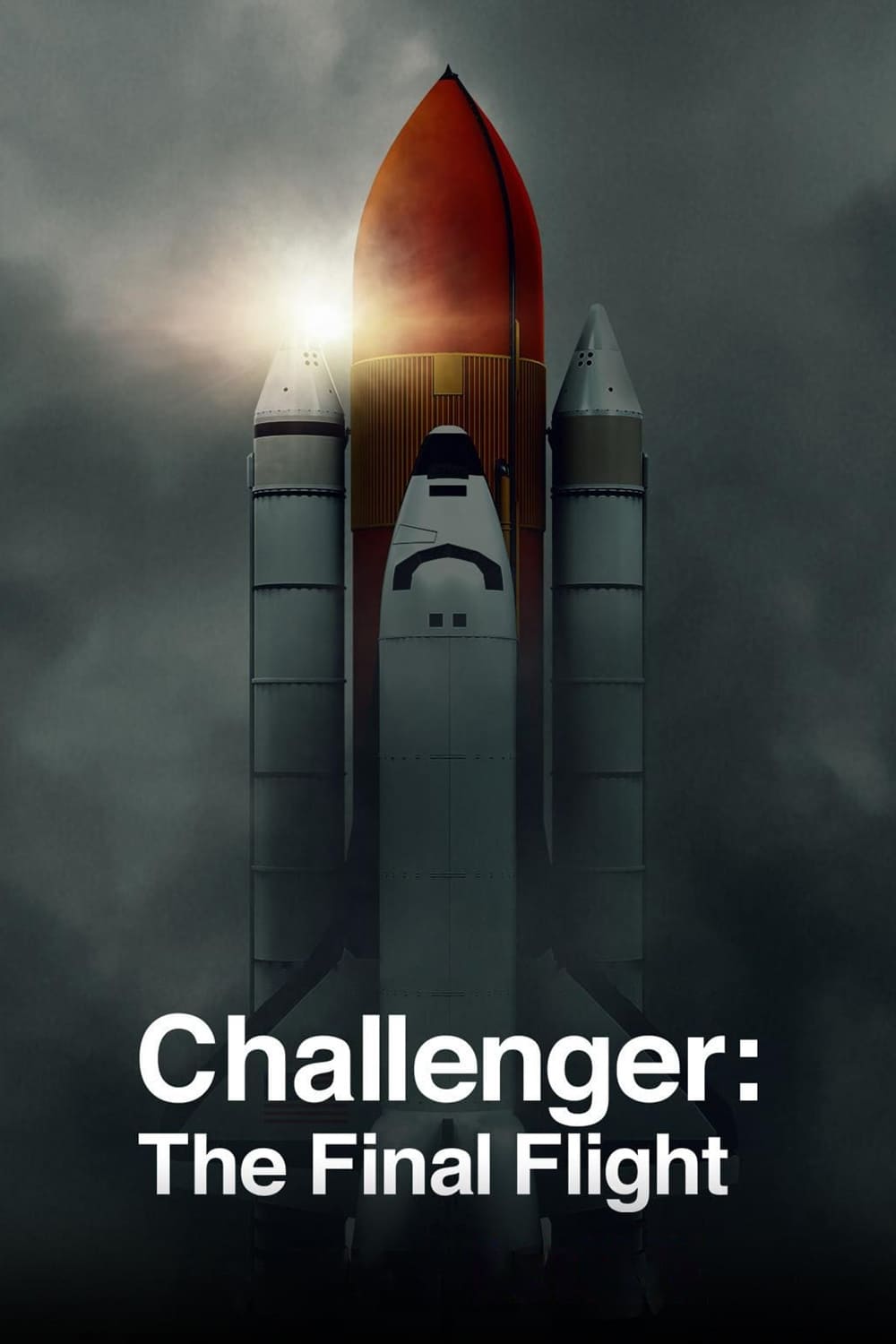
Engineers, officials and the crew members' families provide their perspective on the 1986 Space Shuttle Challenger disaster and its aftermath.
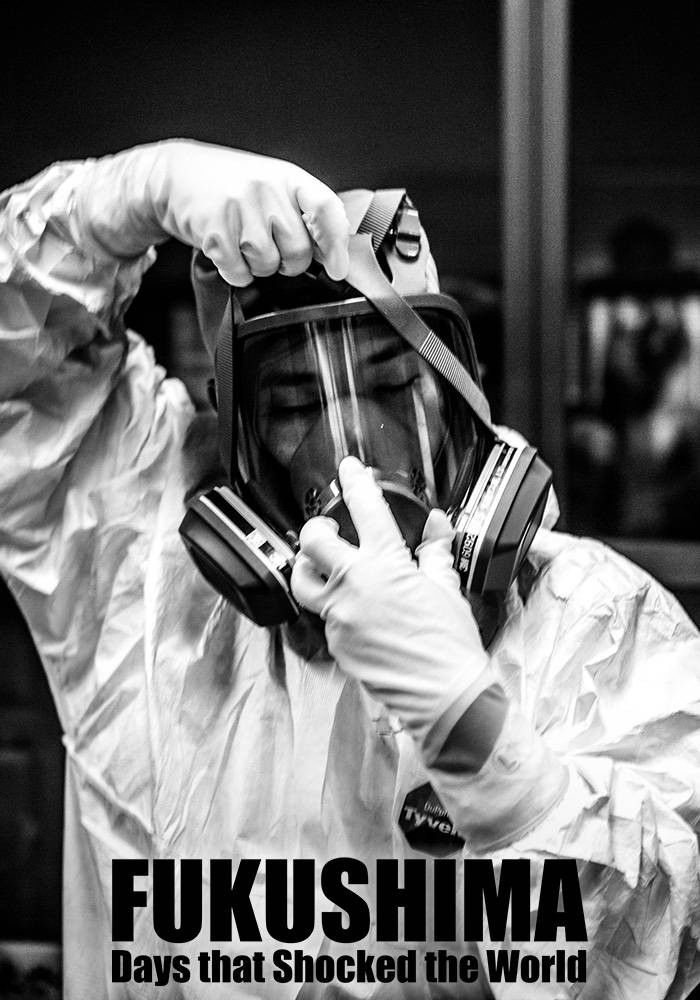
Survivors and witnesses recall March 11 2011 - when Japan was hit by a devastating tsunami of 40-foot waves, killing 20,000 and triggering a nuclear meltdown.
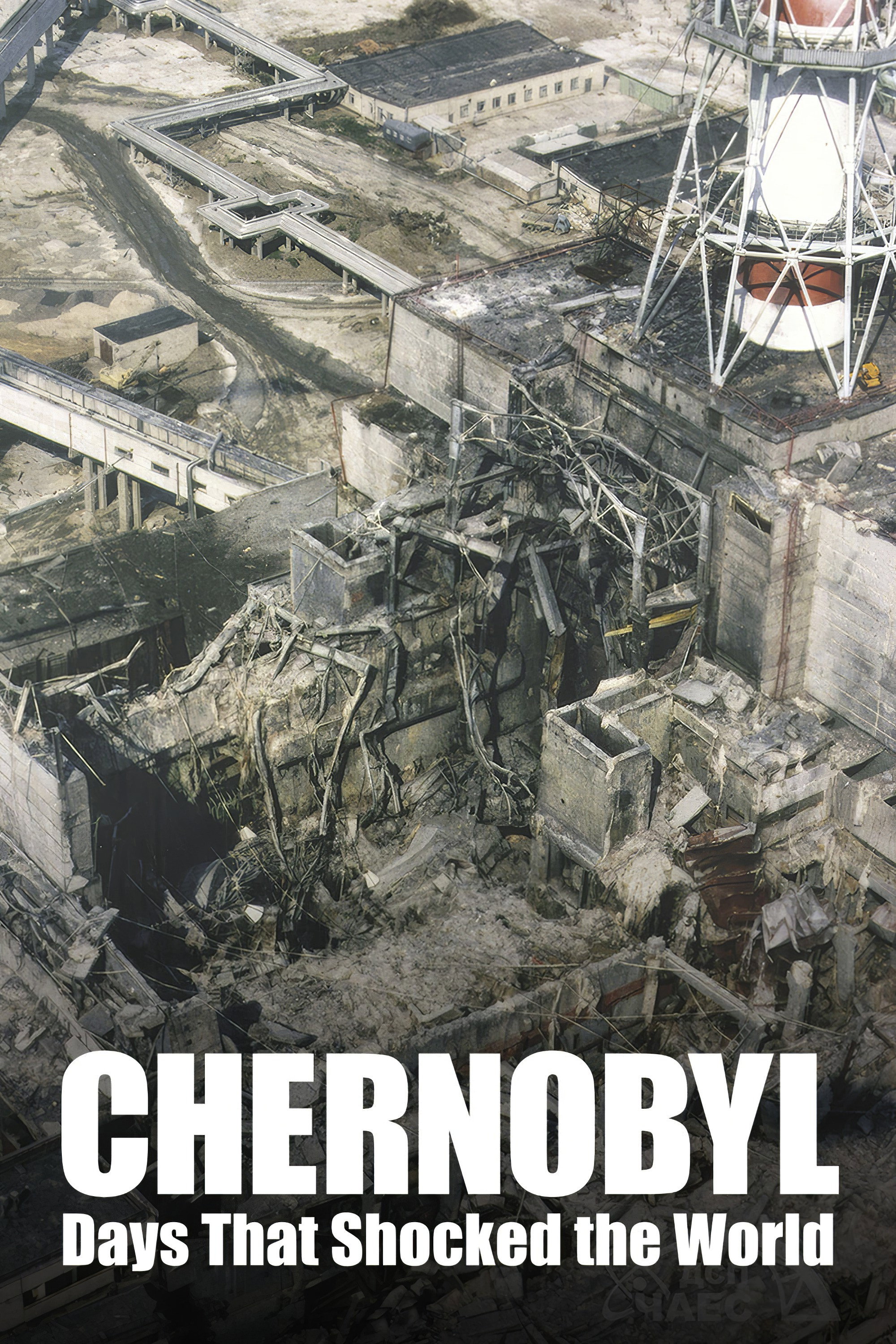
The Chernobyl meltdown remains the world’s worst nuclear accident. Today, the disaster still haunts survivors, while the clean-up operation will continue for another 40 years.
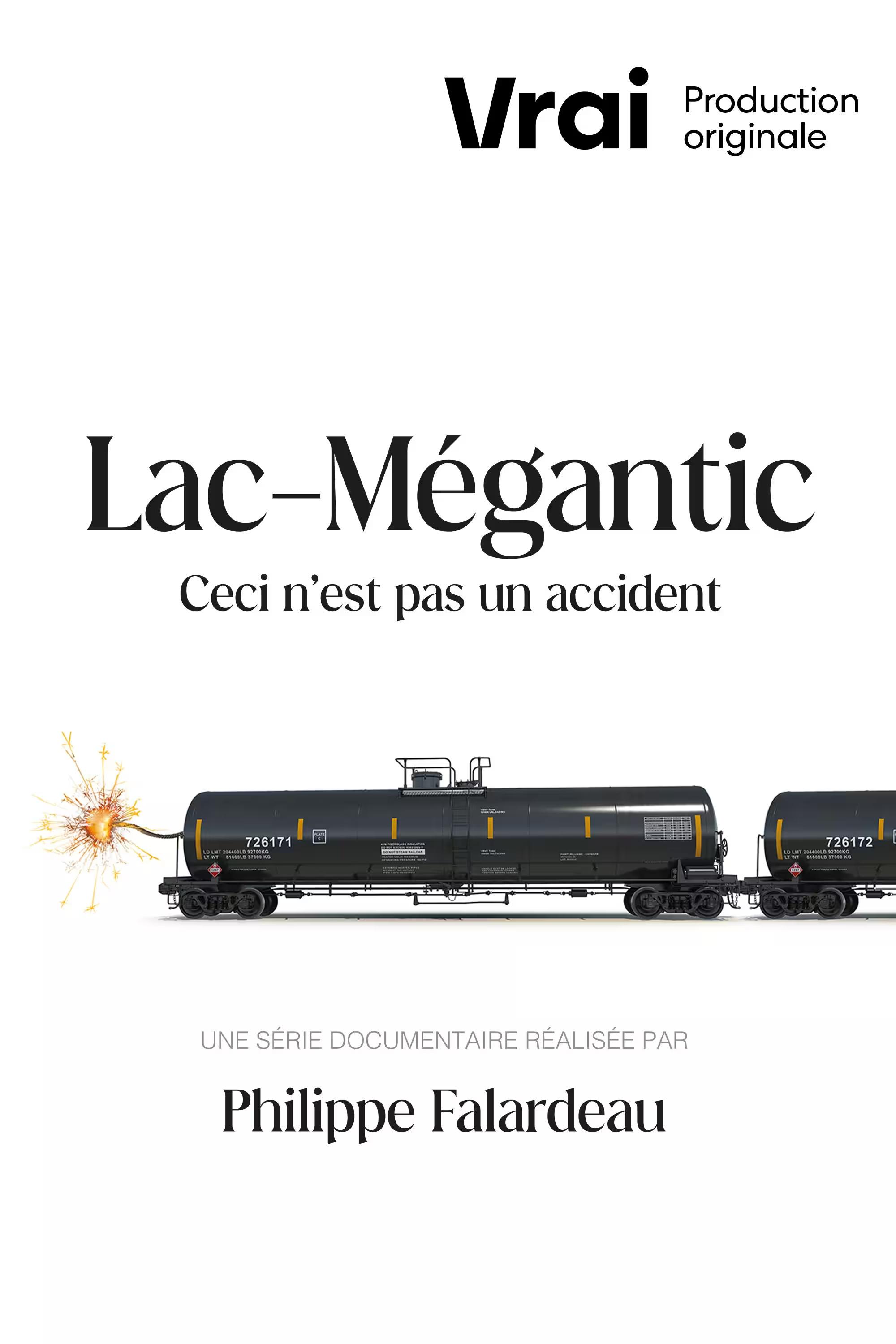
Lac-Mégantic investigates one of the worst oil train tragedies in history: a foreseeable catastrophe ignited by corporate and political negligence.
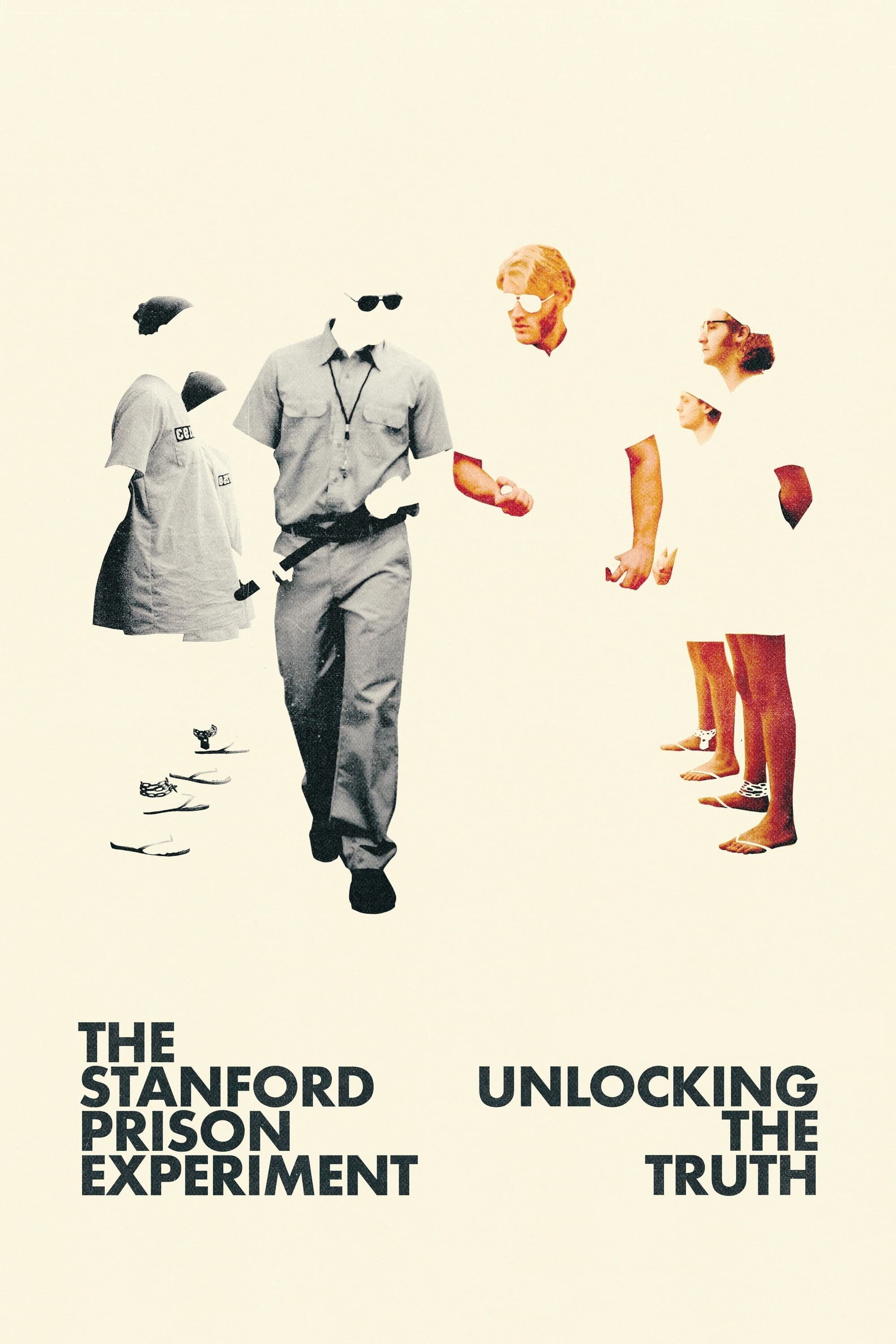
An unprecedented look at the Stanford Prison Experiment, one of history's most infamous psychology studies, through the firsthand accounts of the original "guards" and "prisoners," many of whom are speaking on camera for the very first time.
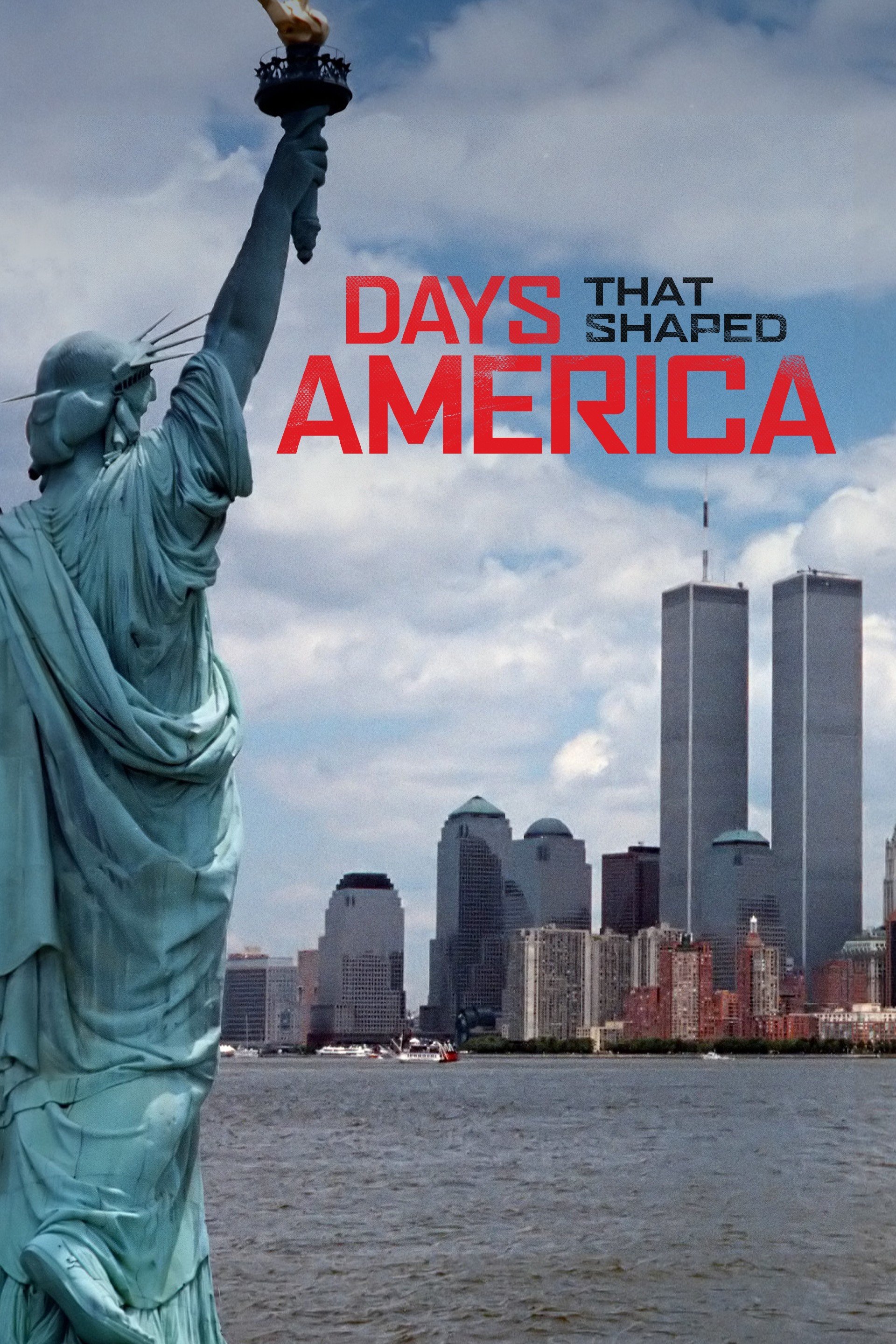
Historic events that forever transformed the United States.
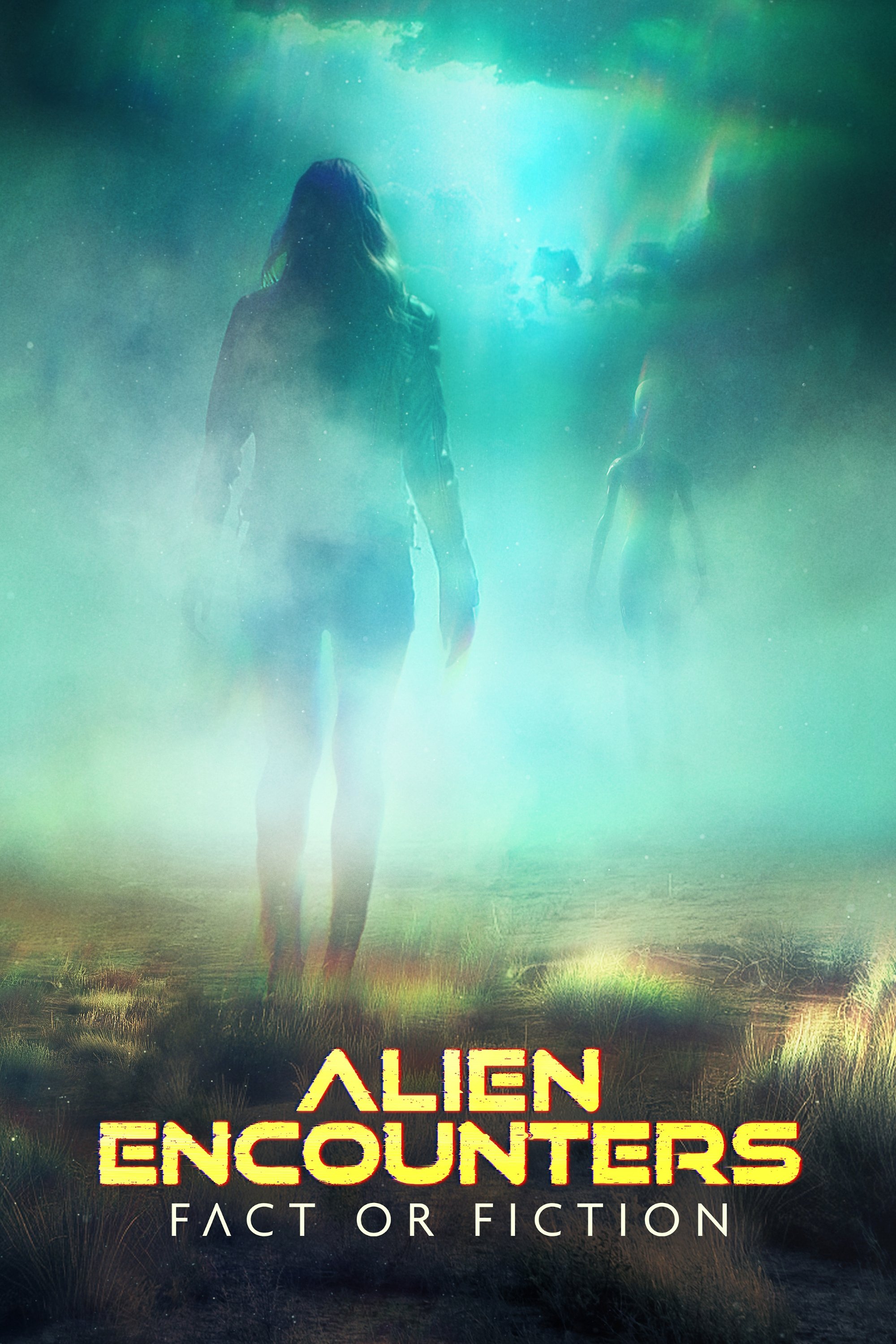
Posting up at a local watering hole in Roswell, New Mexico, a town infamous for its UFO past, Horowitz and Newton meet with individuals who have experienced strange and unexplainable encounters.
Hit rewind, a replay the worst disasters in history. Tracking time, directions, and trajectory - what is revealed post impact? If we knew what would unfold, could we course correct and save lives?
Horizon tells amazing science stories, unravels mysteries and reveals worlds you've never seen before.
Maritime mysteries—old and new—come to life in this series, combining scientific data and digital re-creations to reveal shipwrecks, treasures, and sunken cities on the bottom of lakes, seas and oceans around the world.
Investigates a wide range of historically compelling topics and the mysteries surrounding each including the Titanic, D.B. Cooper, Roswell, John Wilkes Booth, and more. Fresh, new evidence and perspectives will be showcased, such as never-before-released documents, personal diaries and DNA evidence.
An insider's look at the engineering and scientific miracles behind the things that form the modern world.
A documentary series exploring the myths and legends behind some of Hollywood’s notoriously “cursed” horror film productions. From plane accidents and bombings during the making of The Omen, to the rumored use of real human skeletons on the set of Poltergeist, these stories are legendary amongst film fans and filmmakers alike. But where does the truth lie?
American Masters is a PBS television series which produces biographies on enduring writers, musicians, visual and performing artists, dramatists, filmmakers, and others who have left an indelible impression on the cultural landscape of the United States.
There is nowhere more powerful and unforgiving yet more beautiful and compelling than the ocean. Join us and explore the greatest yet least known parts of our planet.
Infographics and archival footage deliver bite-size history lessons on scientific breakthroughs, social movements and world-changing discoveries.
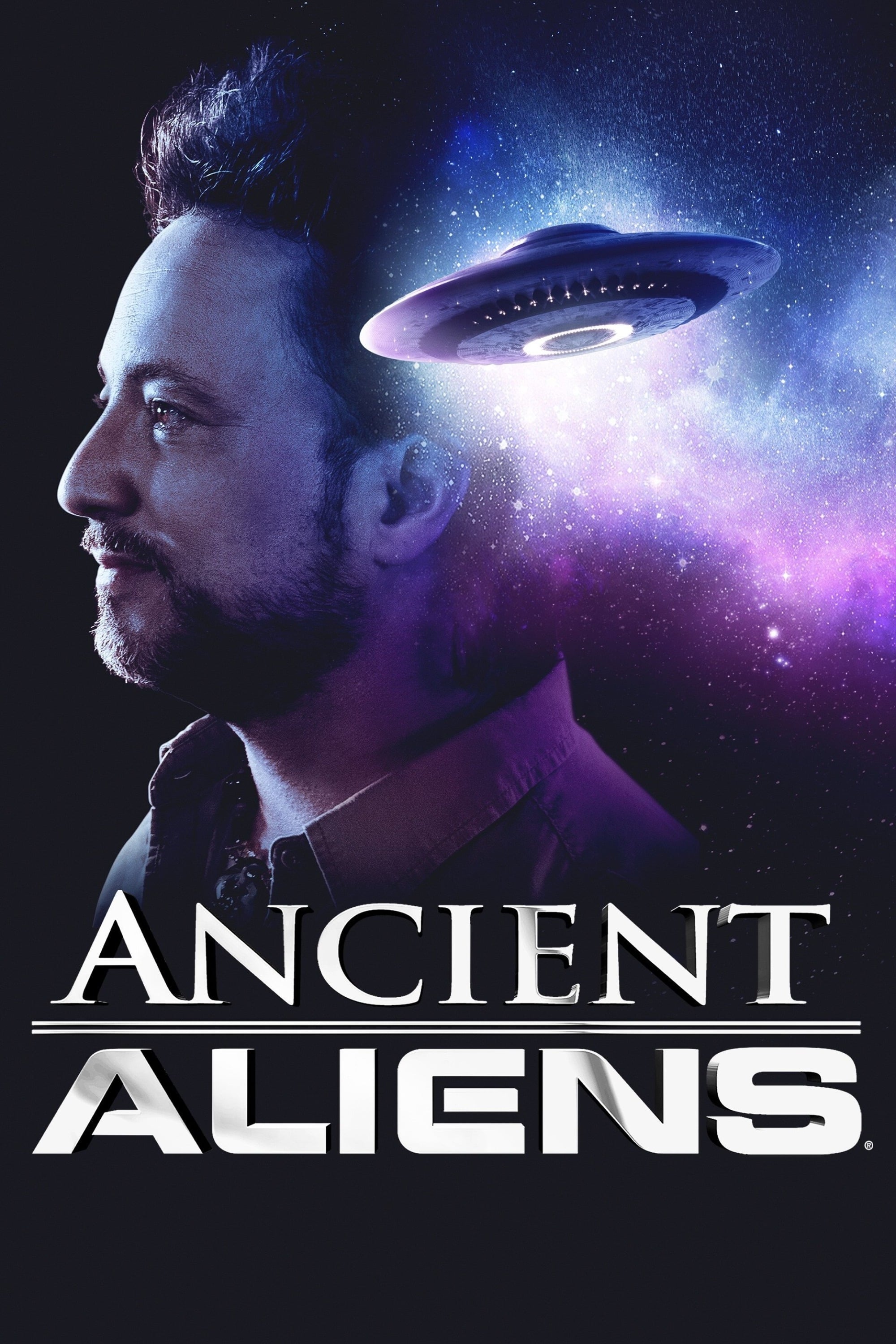
Did intelligent beings from outer space visit Earth thousands of years ago? From the age of the dinosaurs to ancient Egypt, from early cave drawings to continued mass sightings in the US, each episode gives historic depth to the questions, speculations, provocative controversies, first-hand accounts and grounded theories surrounding this age old debate.
Follow the bruised bodies, soul-crushing fumbles, agonizing losses, and pure joy of three NFL quarterbacks during one season.

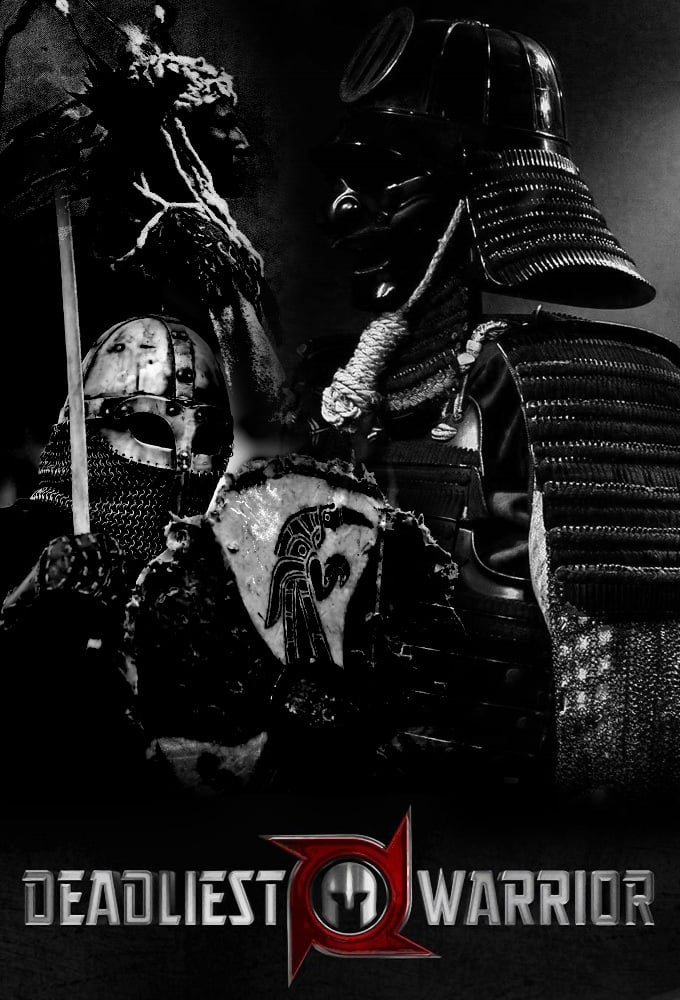
Deadliest Warrior was a television program in which information on historical or modern warriors and their weapons are used to determine which of them is the "deadliest" based upon tests performed during each episode. The show was characterized by its use of data compiled in creating a dramatization of the warriors' battle to the death. The show ran for three seasons.
Explore the surprising things we know (and don’t know) about why people are the way they are through expert interviews, rare footage from historical experiments, and brand-new, ground-breaking demonstrations of human nature at work.
This documentary series, made in partnership with Vox, explain some of the world's current trends, from politics, to science to pop culture.
Finding truth at the intersection of fantasy and reality in the veiled world of professional wrestling.
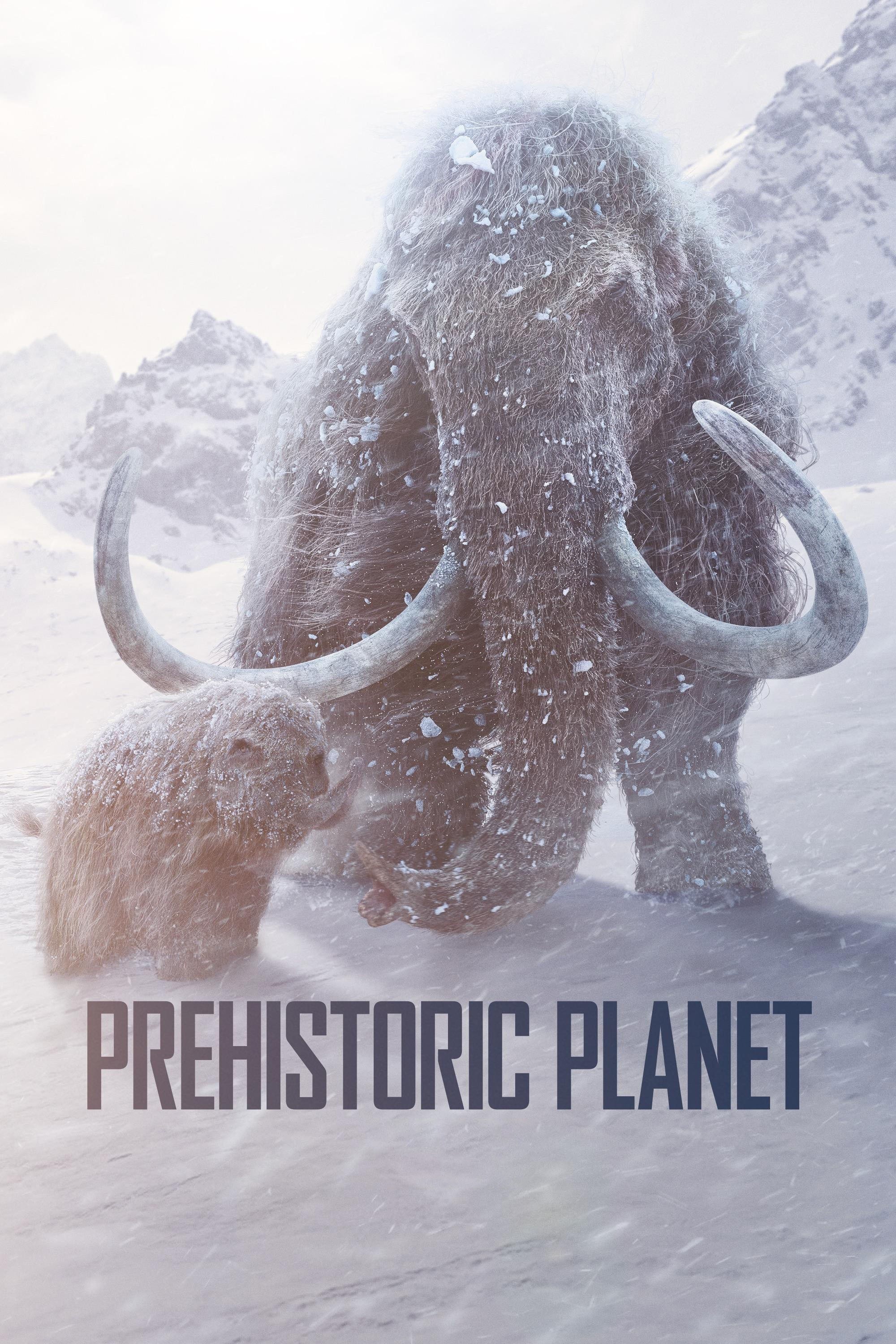
Experience the wonders of our world like never before in this epic series from Jon Favreau and the producers of Planet Earth. Travel back 66 million years to when majestic dinosaurs and extraordinary creatures roamed the lands, seas, and skies.
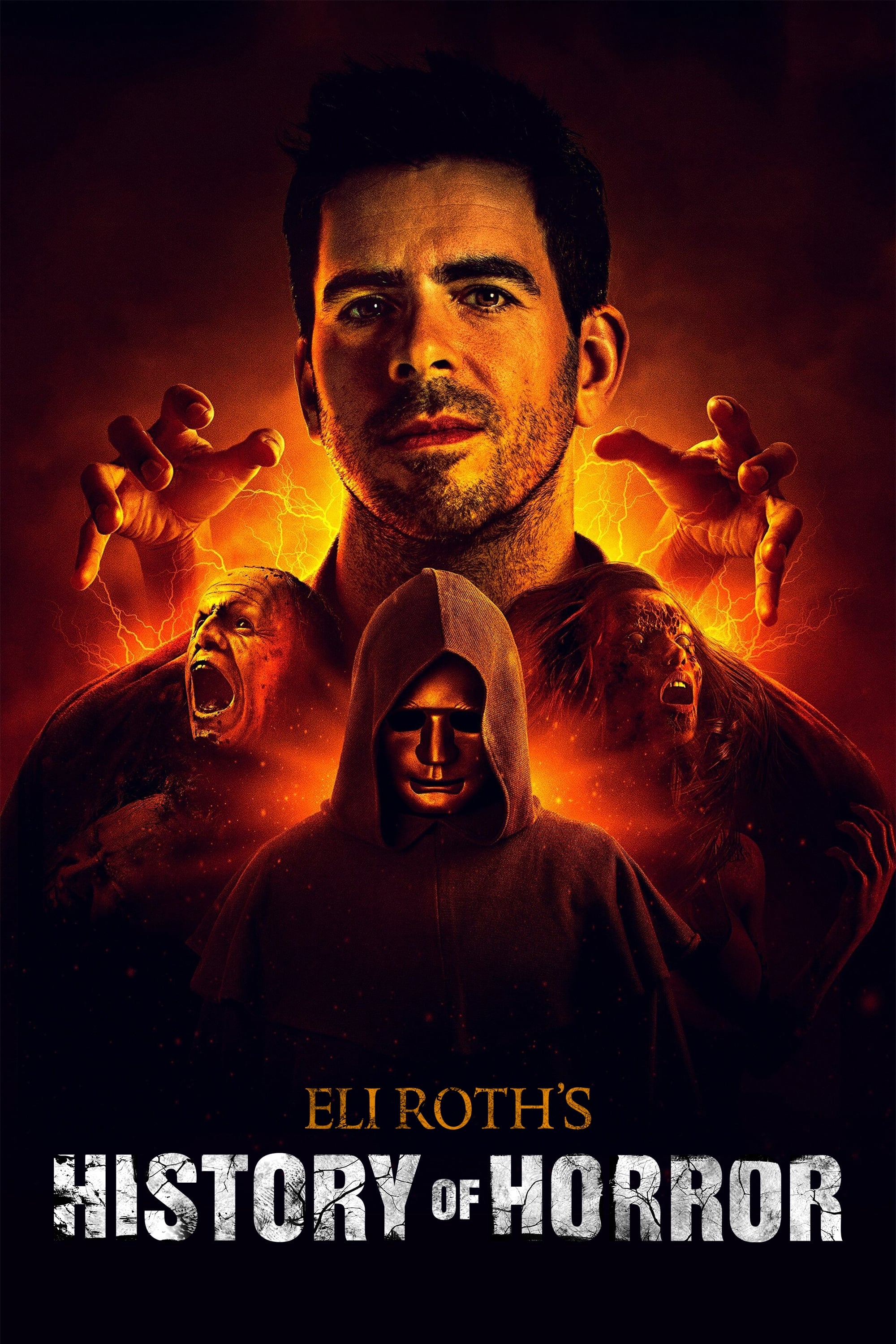
An in-depth look at the history and pop cultural significance of horror films.
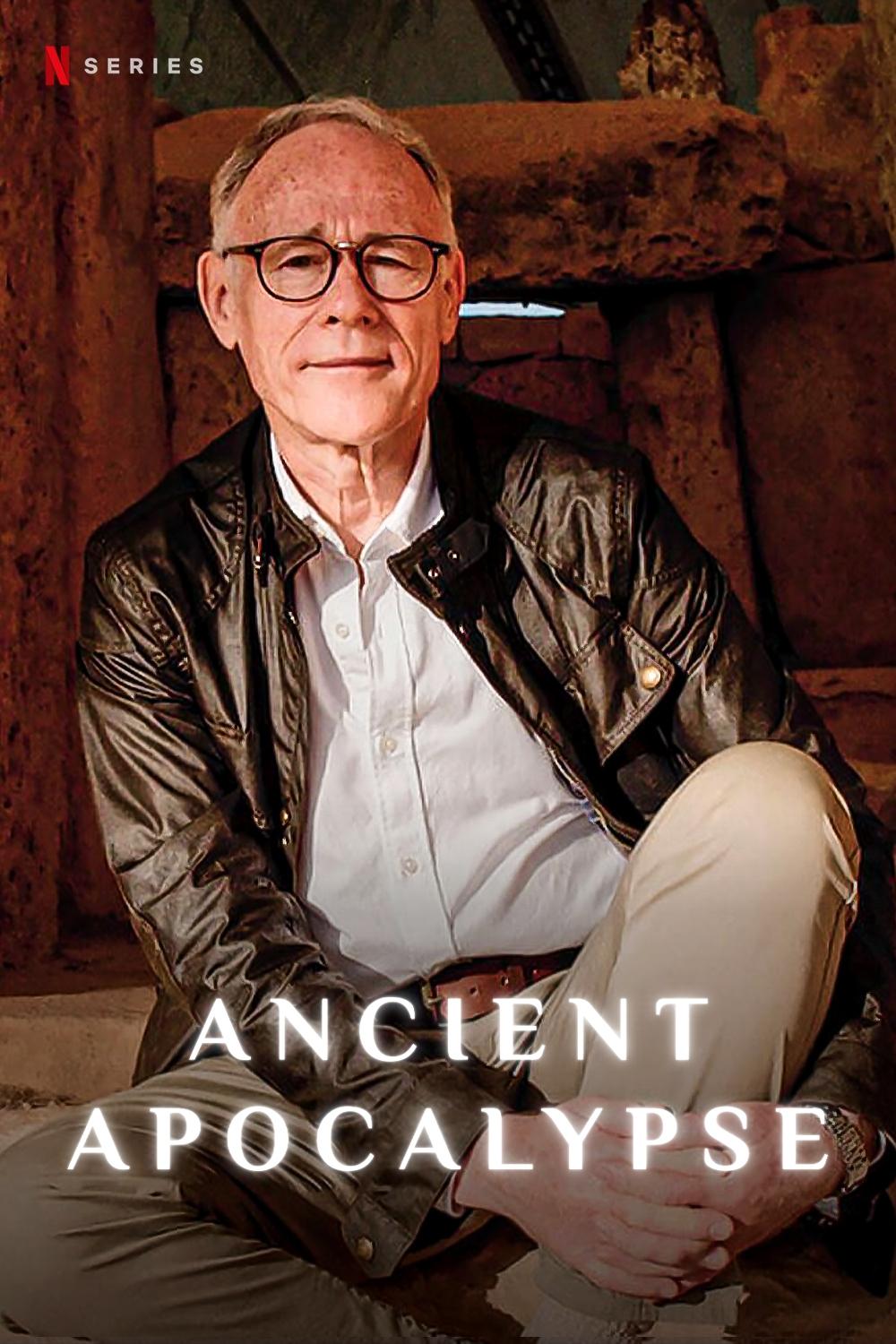
Journalist and writer Graham Hancock travels the globe hunting for evidence of mysterious, lost civilizations dating back to the last Ice Age. He attempts to prove that a climatic event 12,000 years ago wiped out an entire civilization far more sophisticated than the simple hunter-gatherers some archaeologists believe lived at that time.
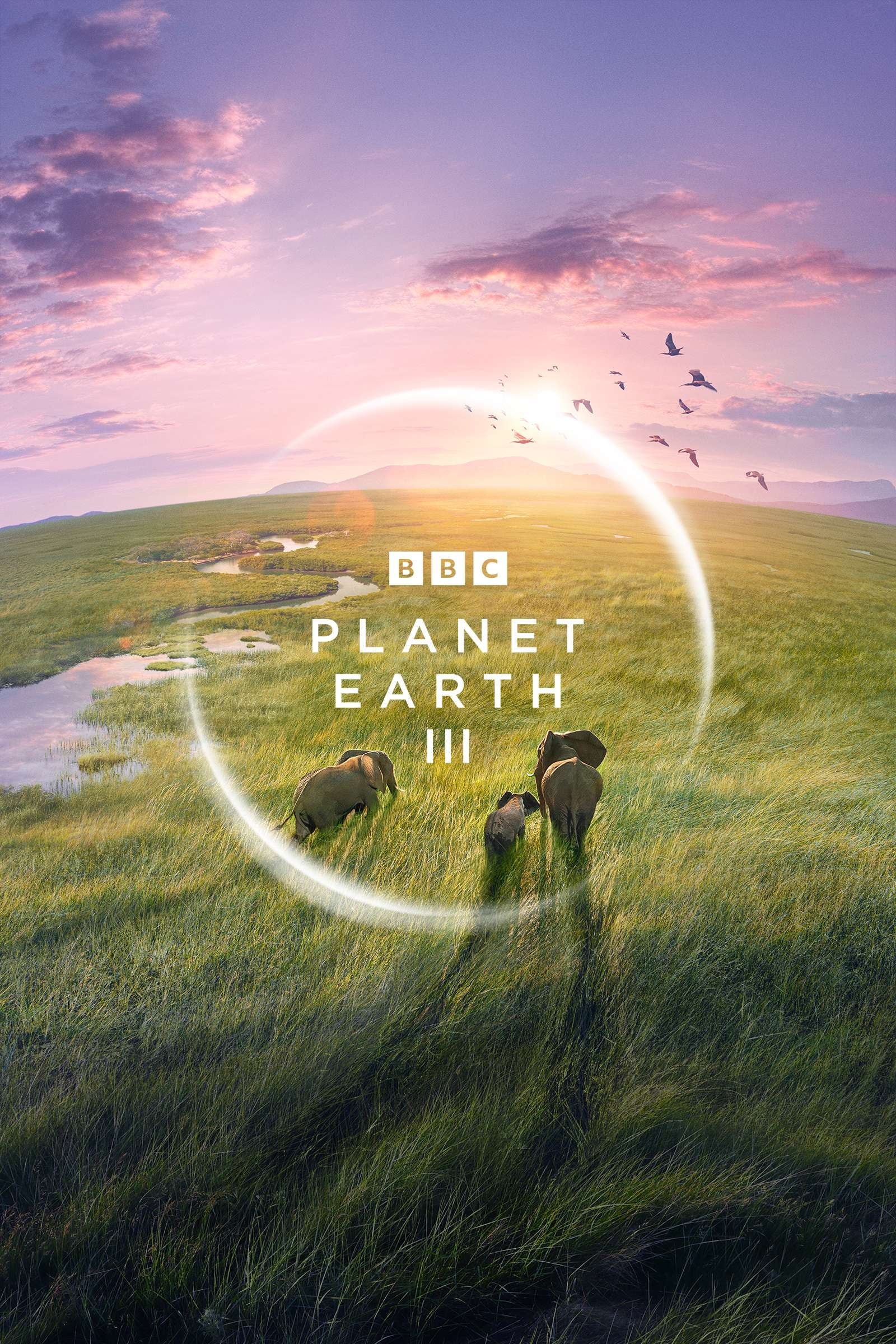
Journeying to the far reaches of our planet, this eight part series follows some of the world's most amazing species, telling extraordinary stories that are dramatic, thrilling, funny and sometimes heart-breaking, but always full of hope.