Social & External
Documents how women’s roles in Quebec have evolved extensively between the Second World War and today.
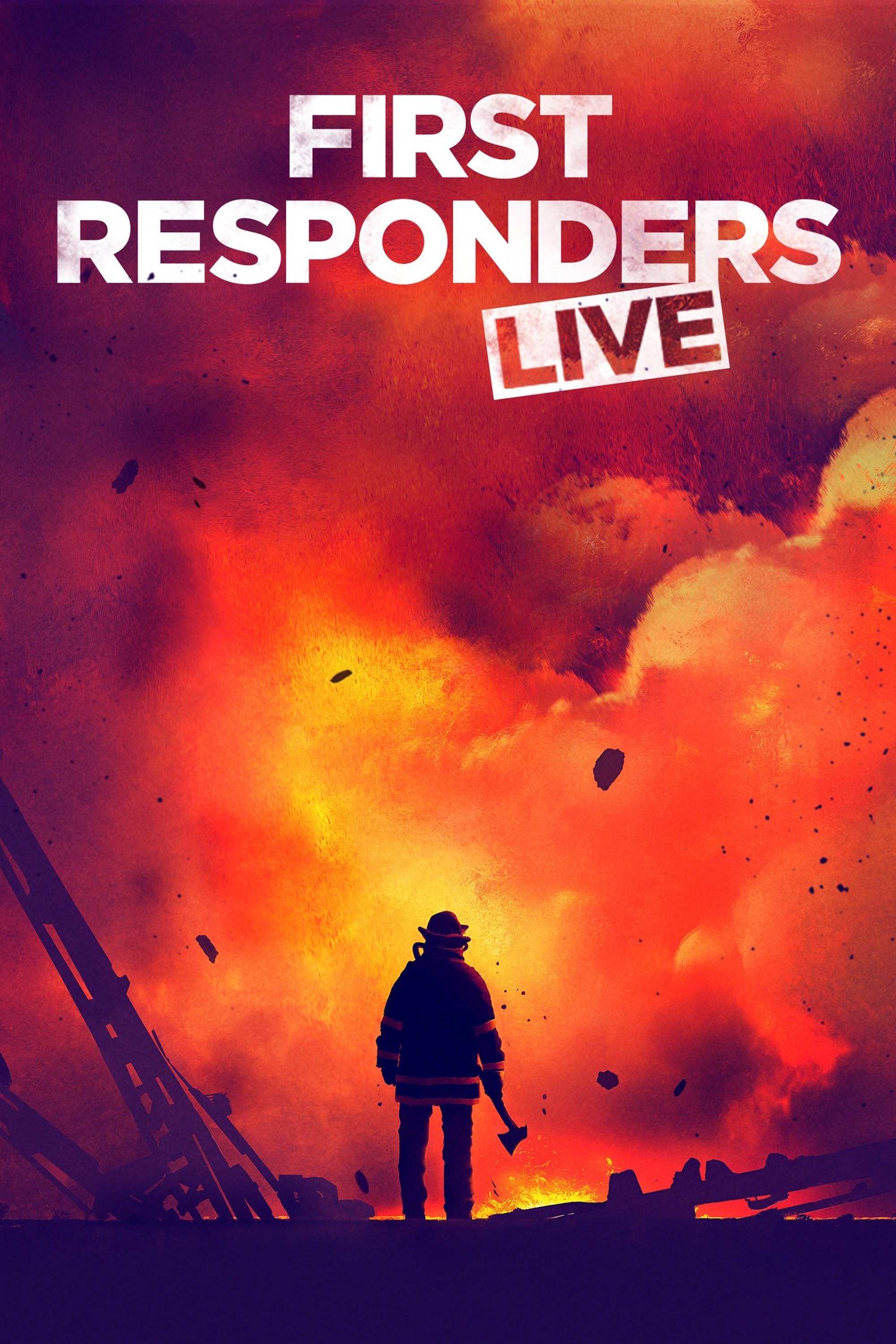
A live in-depth look at the brave American heroes who put their own lives on the line as they race into danger to save others. Television journalist Josh Elliott puts the spotlight on first responders, such as police officers, EMS technicians and firefighters who risk their lives every day to ensure the safety of their communities.
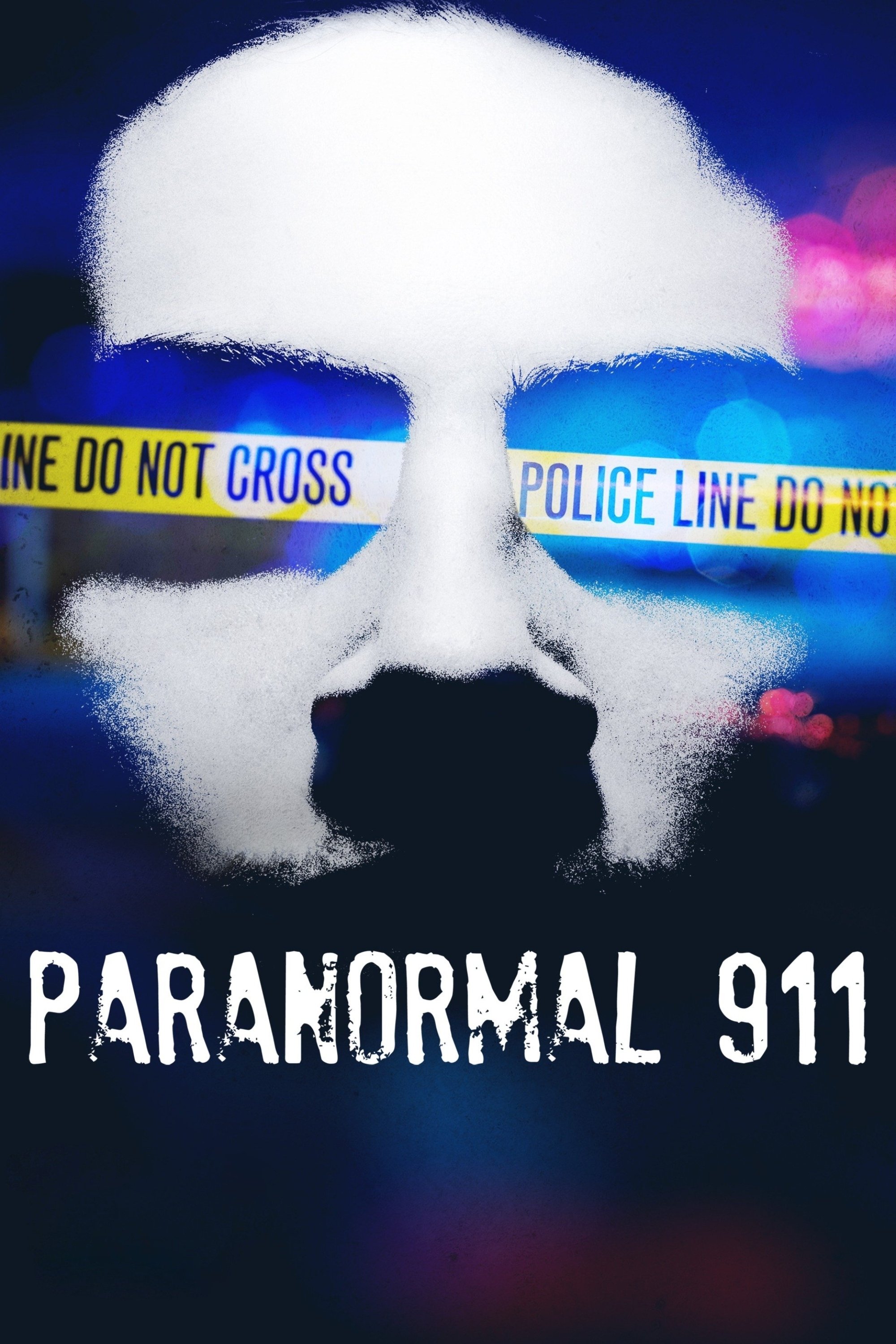
A shocking number of 911 emergencies end in paranormal encounters. Paranormal 911 explores these events through eye-witness accounts of the first responders who lived them. This gripping drama-doc takes viewers into the unexpected paranormal encounters of first responders.
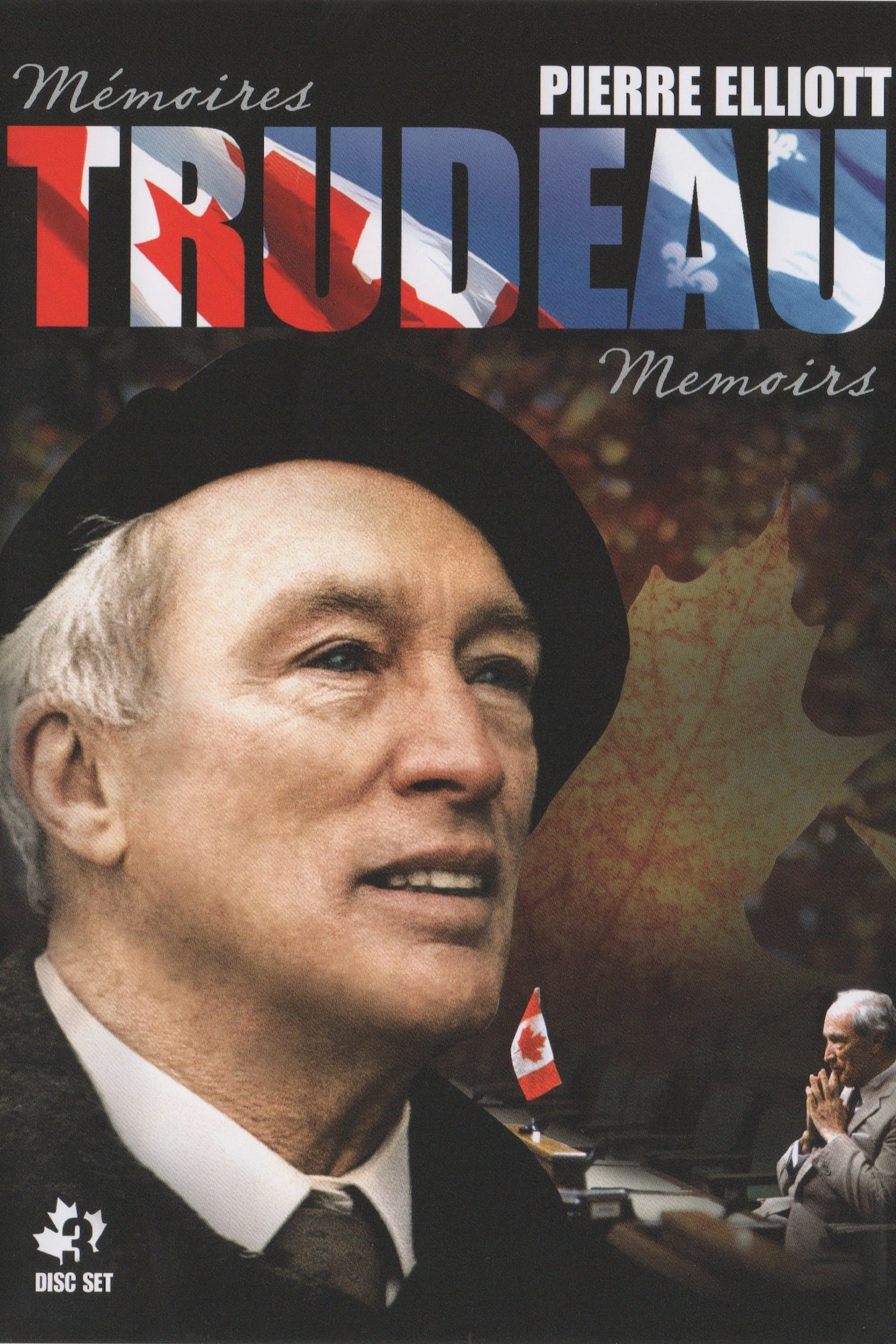
Pierre Elliott Trudeau was one of the most striking, well-spoken and controversial leaders in Canadian history. He brought with him an almost rock-star aura of popularity to office in the 1960s, marking what was known as "Trudeaumania" in Canada during one of the country's most exciting and important times. Yet Trudeau's eccentricities were regularly mistaken for arrogance and he was often considered a traitor, particularly by those who wanted to see Quebec separated from the rest of Canada. With the province rocked by terrorist bombings and the nation disturbed by civil unrest, Trudeau was determined to "put the country in its place." Through hours of archival footage and interviews with Trudeau himself, Memoirs details the story of a man who used intelligence and charisma to bring together a country that was very nearly torn apart.
A series that features footage shot by amateur Quebec filmmakers from the 1920’s to the 60’s.
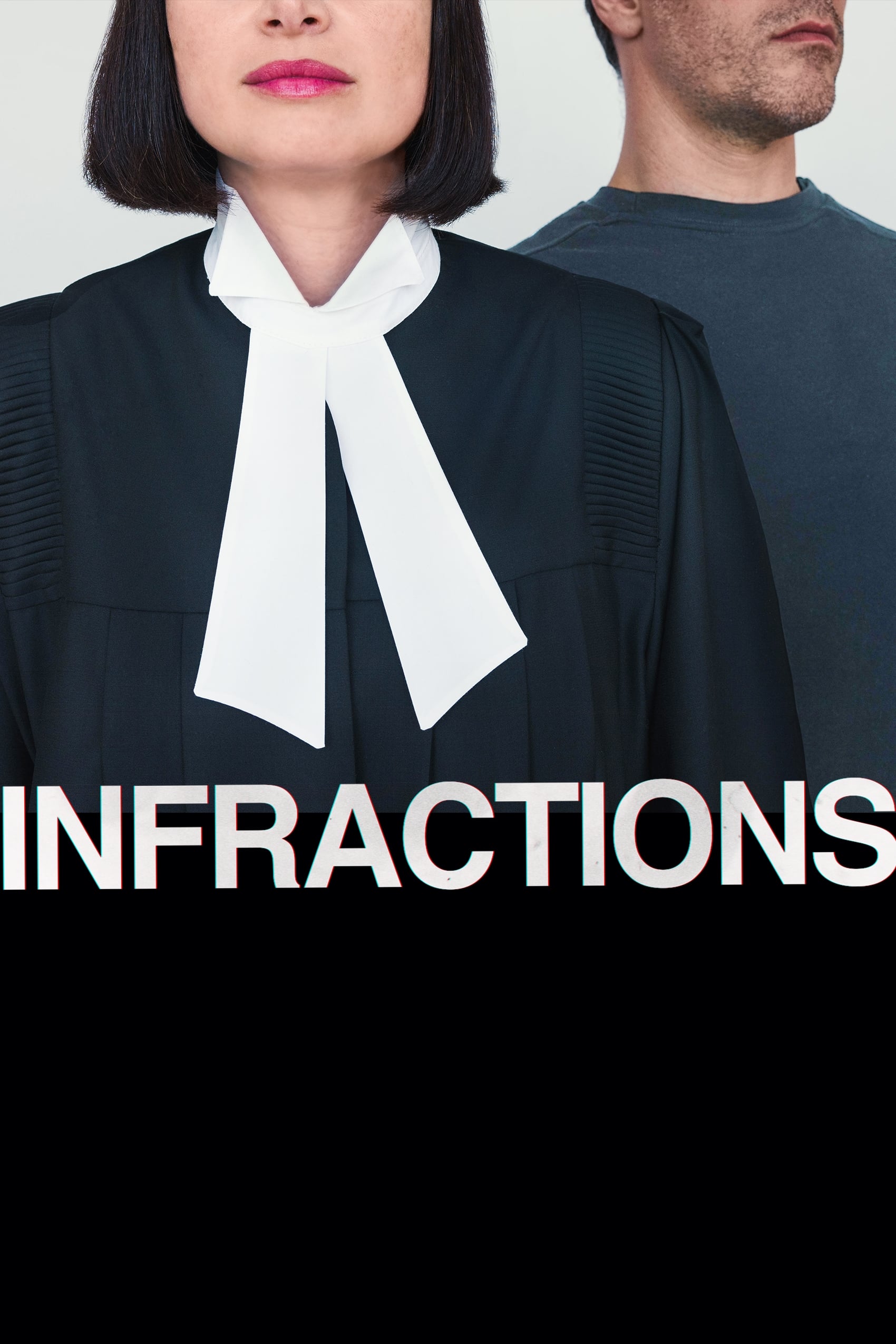
When justice fails, we are in danger of becoming its victim. Sandra Gaudet, 14 years old, was murdered in Val-d’Or in 1990. Two young men falsely accused are sentenced to life. When justice isn’t seeking the truth.
999: What's Your Emergency? follows members of emergency services throughout Britain as they work together to tackle crime and disorder, providing insight through the eyes of the police, fire, and ambulance services using a mixture of fly-on-the-wall footage taken at incidents and retrospective interviews with the people and staff featured. With rig technology inside the emergency vehicles to call centres to multiple crews on the ground 24/7, the series captures in a unique way the issues that face Britain today, from the emergence of new drugs and the despair of domestic violence to the way we parent our children and those who slip through society's safety net.
Plunge into the heart of the action at the sides of the men and women who work as emergency responders in some of the biggest cities around the world.
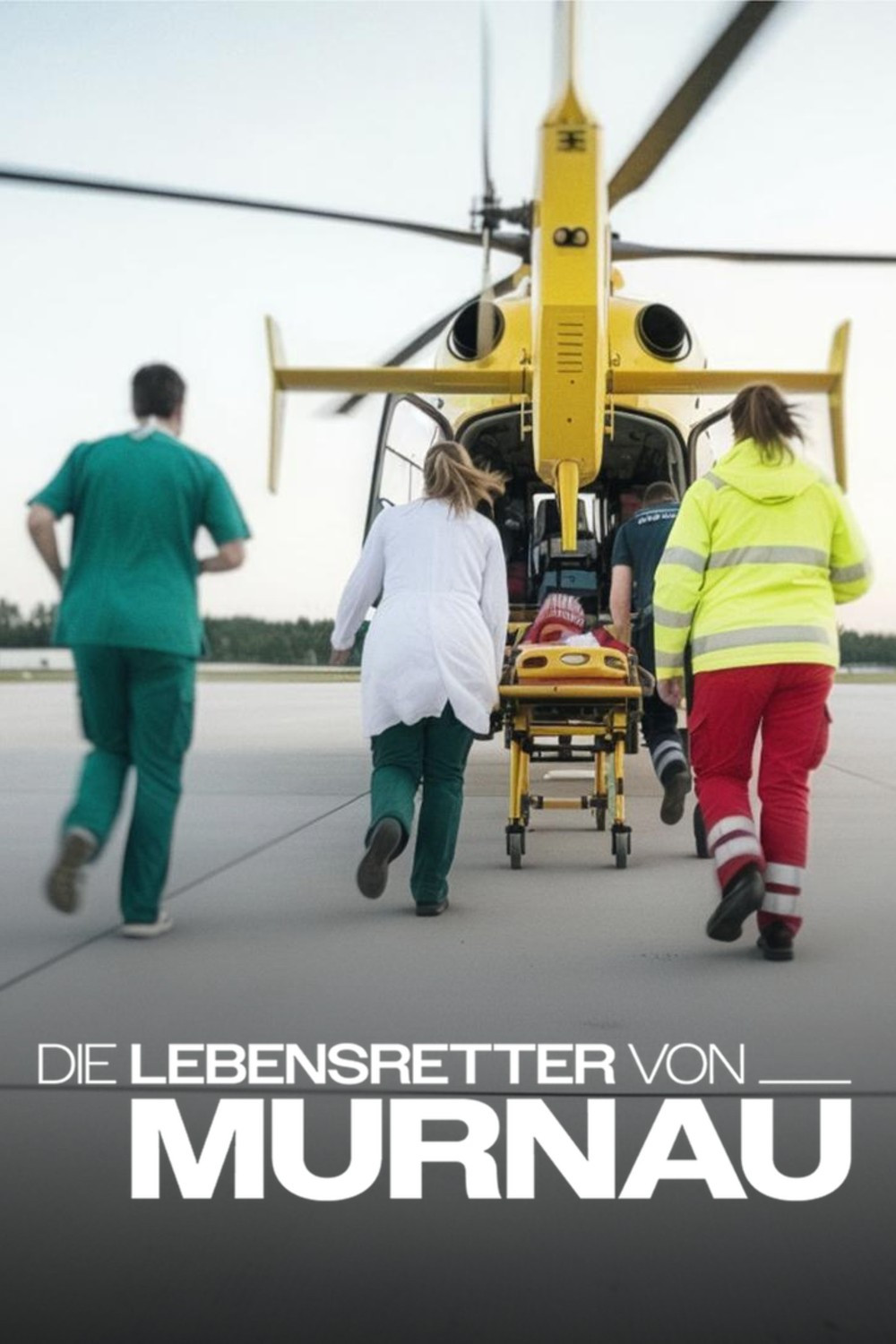
High tension in the Alpine foothills: real emergencies, tough decisions, strong stories. „The Lifesavers of Murnau“ shows medicine where it counts – told directly, closely and intensely. The series that follows the daily work of emergency physicians, nurses, and rescue teams at BG Unfallklinik Murnau, one of Germany’s leading trauma hospitals located in the Bavarian Alps. Showing real emergency cases — from rescue operations in the mountains and severe traffic accidents to intensive care treatments, complex surgeries, and rehabilitation. With close-up footage from bodycams, drones, and cameras inside the trauma room, viewers experience how the medical teams handle life-threatening situations with precision and compassion.
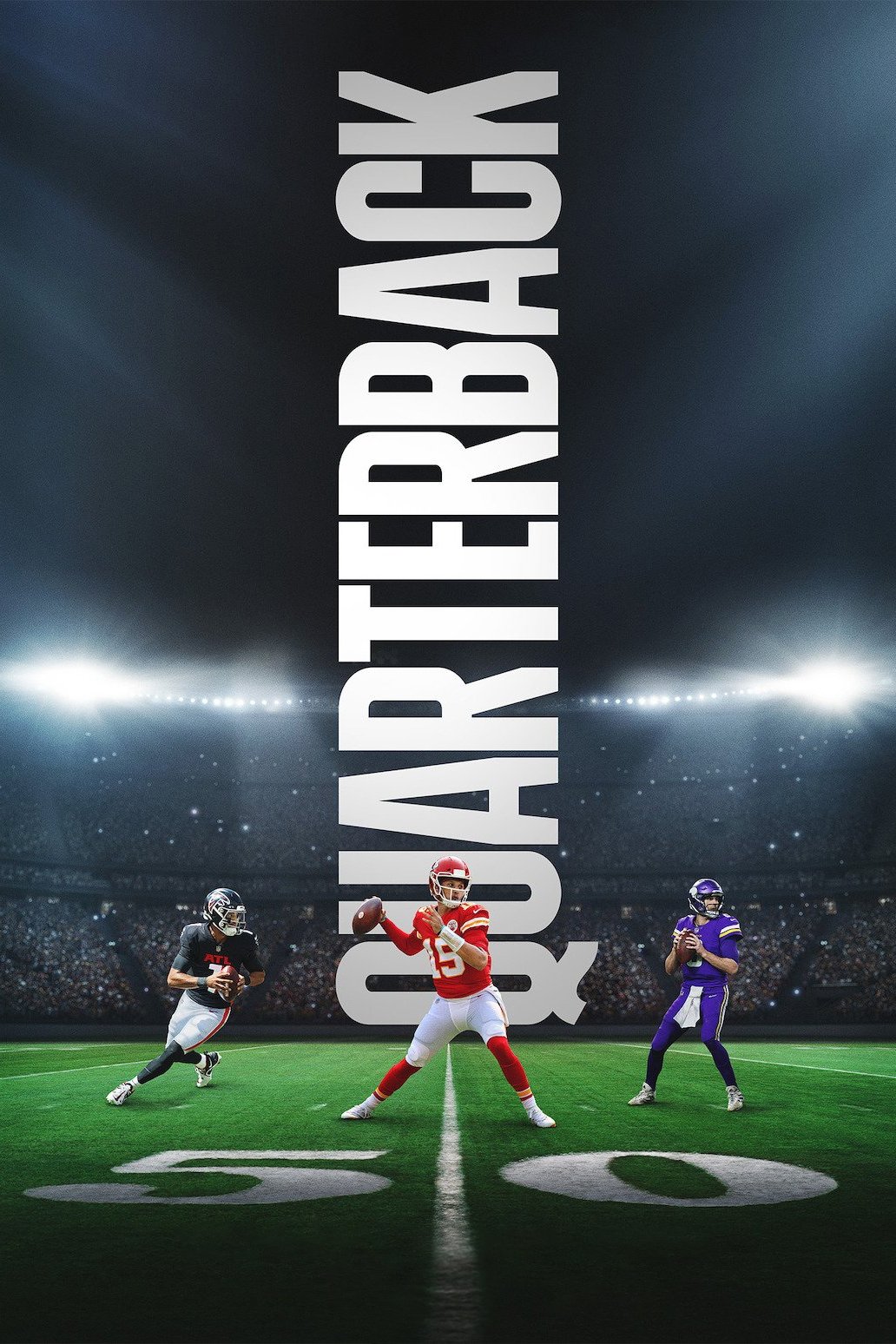
Follow the bruised bodies, soul-crushing fumbles, agonizing losses, and pure joy of three NFL quarterbacks during one season.
Motoring programme featuring reviews of and reports about cars of all types.
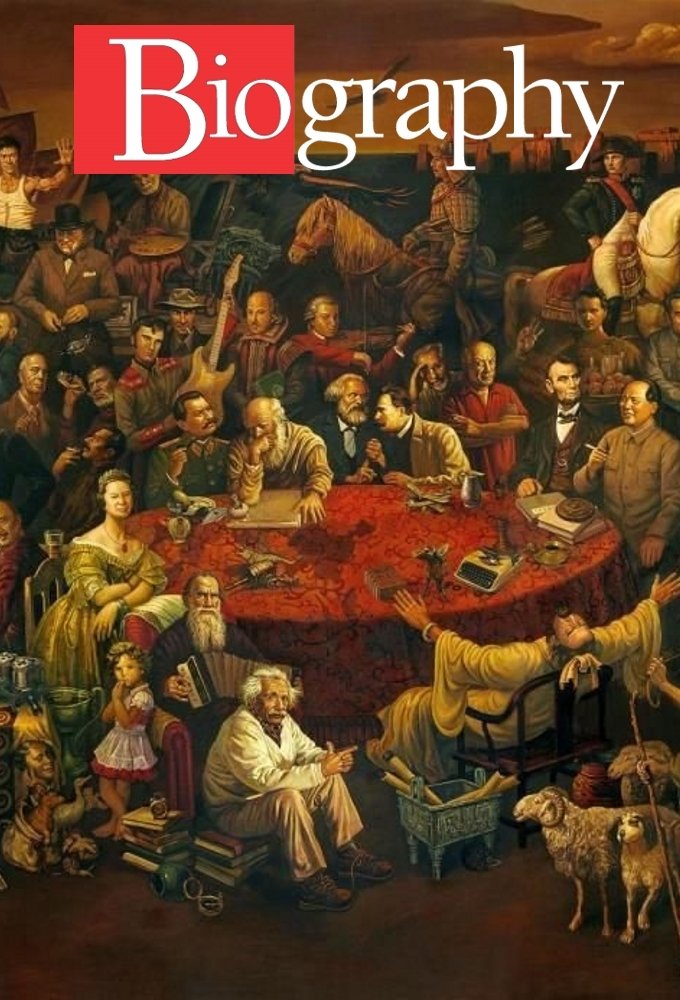
Biography is a documentary television series. It was originally a half-hour filmed series produced for CBS by David Wolper from 1961 to 1964 and hosted by Mike Wallace. The A&E Network later re-ran it and has produced new episodes since 1987. The older version featured historical figures such as Helen Keller and Mark Twain, or long-dead entertainment figures such as Will Rogers or John Barrymore. The A&E series has placed the emphasis on such people as Marilyn Monroe, Elvis Presley, Plácido Domingo, Freddie Mercury, Jacqueline Kennedy Onassis, Eric Clapton, Pope John Paul II, Gene Tierney, Selena, Diego Rivera, Mao Zedong and Queen Elizabeth II, and fictional characters like The Phantom, Superman, Hamlet, Betty Boop, and Santa Claus. The program ended up profiling enough figures that in 1999, A&E spun it off into an entire network, The Biography Channel.
An annual award ceremony presented by MTV to honor the best in the music video medium.
Explore American cinema through the decades and the cultural, societal and political shifts that framed its evolution.
MegaStructures is a documentary television series appearing on the National Geographic Channel in the United States and the United Kingdom, Channel 5 in the United Kingdom, France 5 in France, and 7mate in Australia. Each episode is an educational look of varying depth into the construction, operation, and staffing of various structures or construction projects, but not ordinary construction products. Generally containing interviews with designers and project managers, it presents the problems of construction and the methodology or techniques used to overcome obstacles. In some cases this involved the development of new materials or products that are now in general use within the construction industry. MegaStructures focuses on constructions that are extreme; in the sense that they are the biggest, tallest, longest, or deepest in the world. Alternatively, a project may appear if it had an element of novelty or are a world first. This type of project is known as a Megaproject.
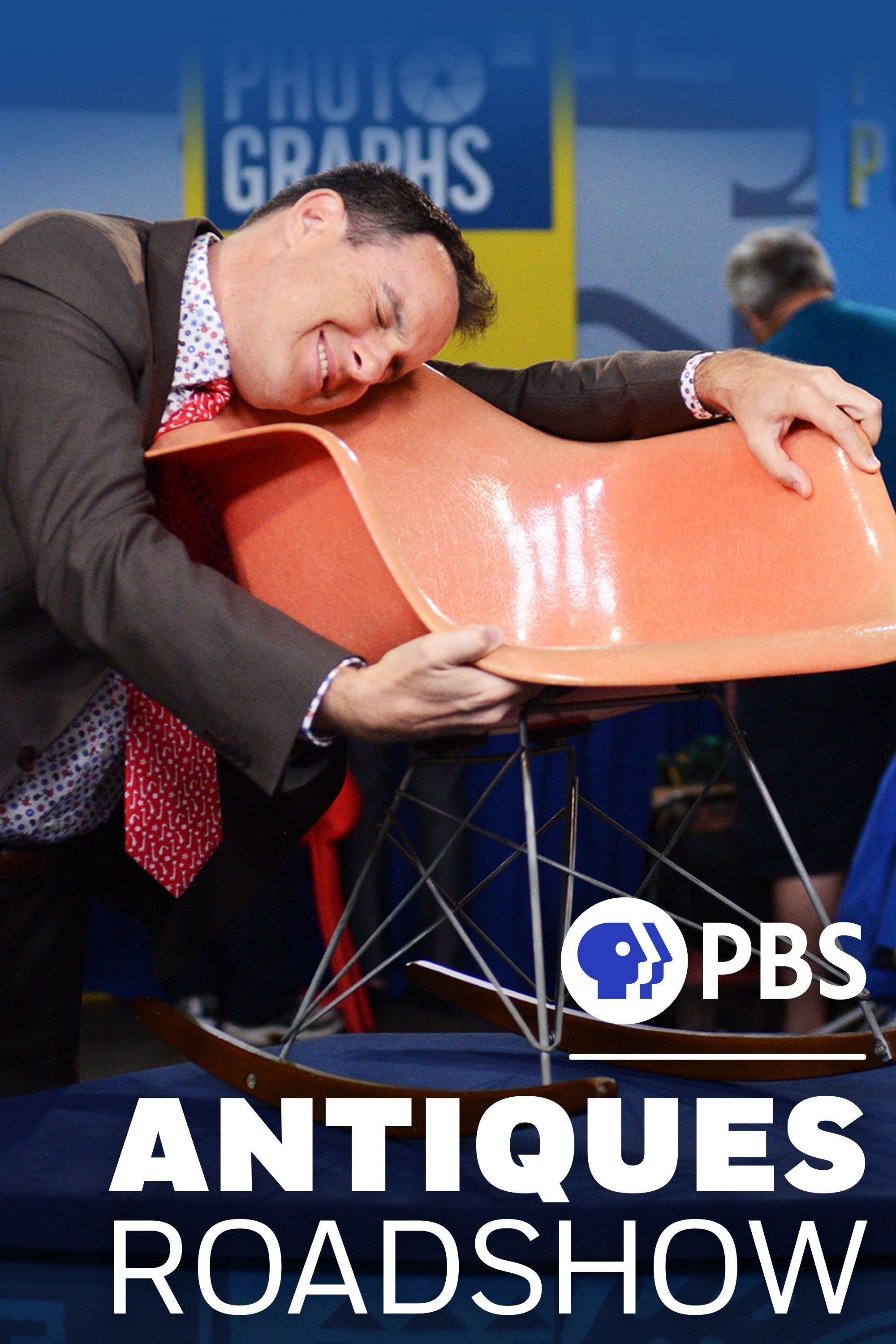
Based on the popular BBC series running since 1979, the PBS Antiques Roadshow combines history with discovery. Each year, the show visits a handful of cities to appraise items brought in by viewers. Are these items worth a lot of money, more than the visitors expect?
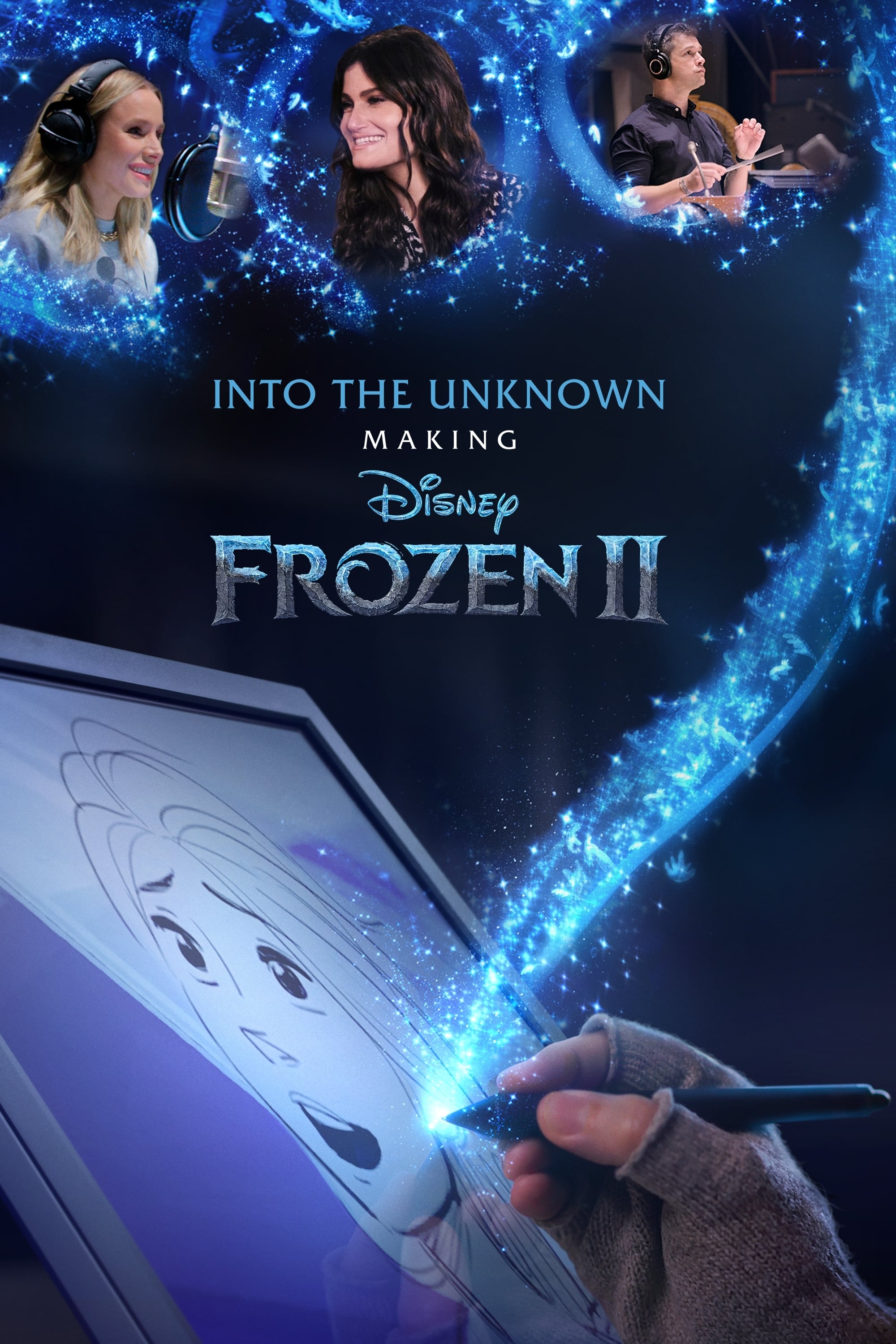
The team behind Frozen II open their doors to cameras for a six-part documentary series to reveal the hard work, heart, and collaboration it takes to create one of the most highly-anticipated films in Walt Disney Animation Studios’ near-century of moviemaking. Cameras were there to capture an eye-opening - and at times jaw-dropping - view of the challenges and the breakthroughs, the artistry, creativity and the complexity of creating the #1 animated feature of all time.
An insider's look at the engineering and scientific miracles behind the things that form the modern world.
Hosted by Morgan Freeman, Through the Wormhole explores the deepest mysteries of existence - the questions that have puzzled mankind for eternity. What are we made of? What was there before the beginning? Are we really alone? Is there a creator? These questions have been pondered by the most exquisite minds of the human race. Now, science has evolved to the point where hard facts and evidence may be able to provide us with answers instead of philosophical theories. Through the Wormhole brings together the brightest minds and best ideas from the very edges of science - Astrophysics, Astrobiology, Quantum Mechanics, String Theory, and more - to reveal the extraordinary truth of our Universe.
A worldwide guided tour of the greatest movies ever made and the story of international cinema through the history of cinematic innovation.
Learn how popular Disney attractions and destinations came to be, how they have changed over time, and how fans continue to obsess over them.
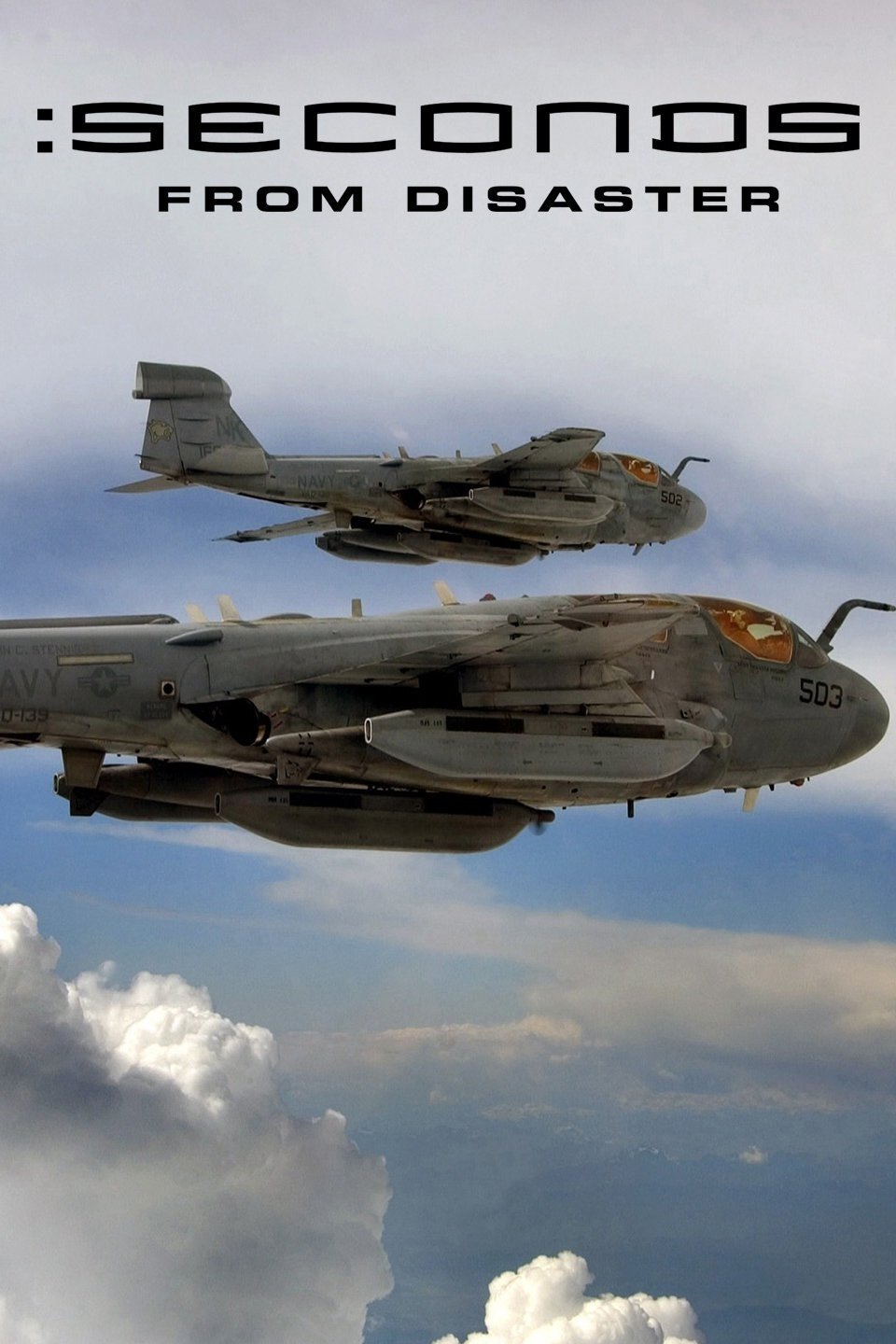
Seconds from Disaster is a US/UK-produced documentary television programme that investigates historically relevant man-made and natural disasters of the 20th century. Each episode aims to explain a single incidental by analyzing the causes and circumstances that ultimately effected the disaster. The program uses re-enactments, interviews, testimonies, and CGI to analyze the sequence of events second-by-second for the audience. Narrators for the show are Ashton Smith, Richard Vaughan and Peter Guinness.
American Masters is a PBS television series which produces biographies on enduring writers, musicians, visual and performing artists, dramatists, filmmakers, and others who have left an indelible impression on the cultural landscape of the United States.
Have you ever wondered how the products you use every day are made? How It's Made leads you through the process of how everyday products, such as apple juice, skateboards, engines, contact lenses, and many more objects are manufactured.
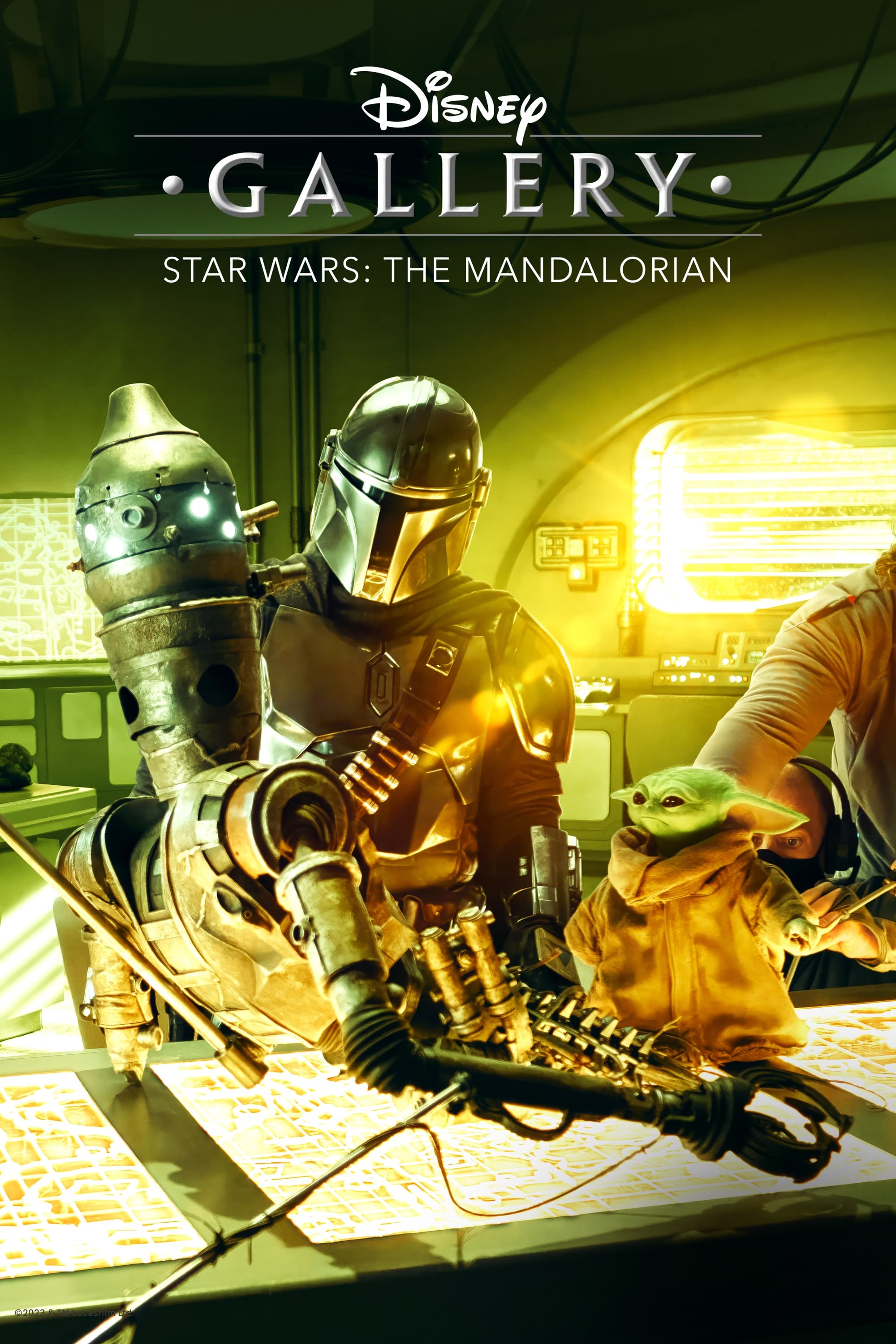
Executive producer Jon Favreau invites the cast and crew of The Mandalorian to share an unprecedented look at the making of the series. Each chapter explores a different facet of the first live-action Star Wars television show through interviews, never-before-seen footage, and roundtable conversations hosted by Favreau himself.
Monsters can be found lurking behind any innocent smile and on any street corner in America. Never-before-seen-video footage stares straight into the eyes of these killers who hide in plain sight. Anyone can be a monster.
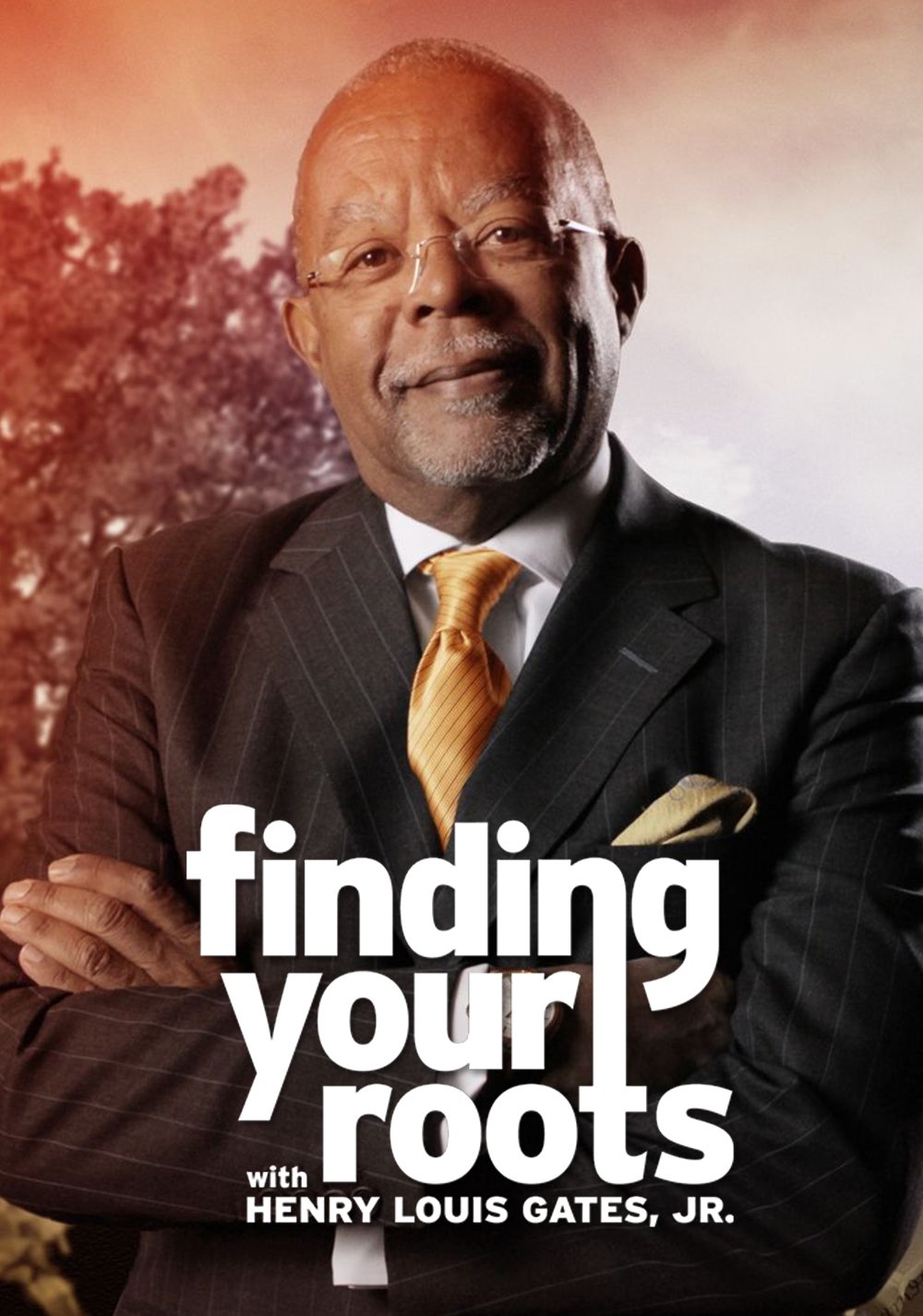
Noted Harvard scholar Henry Louis Gates, Jr. has been helping people discover long-lost relatives hidden for generations within the branches of their family trees. Professor Gates utilizes a team of genealogists to reconstruct the paper trail left behind by our ancestors and the world’s leading geneticists to decode our DNA and help us travel thousands of years into the past to discover the origins of our earliest forebears.
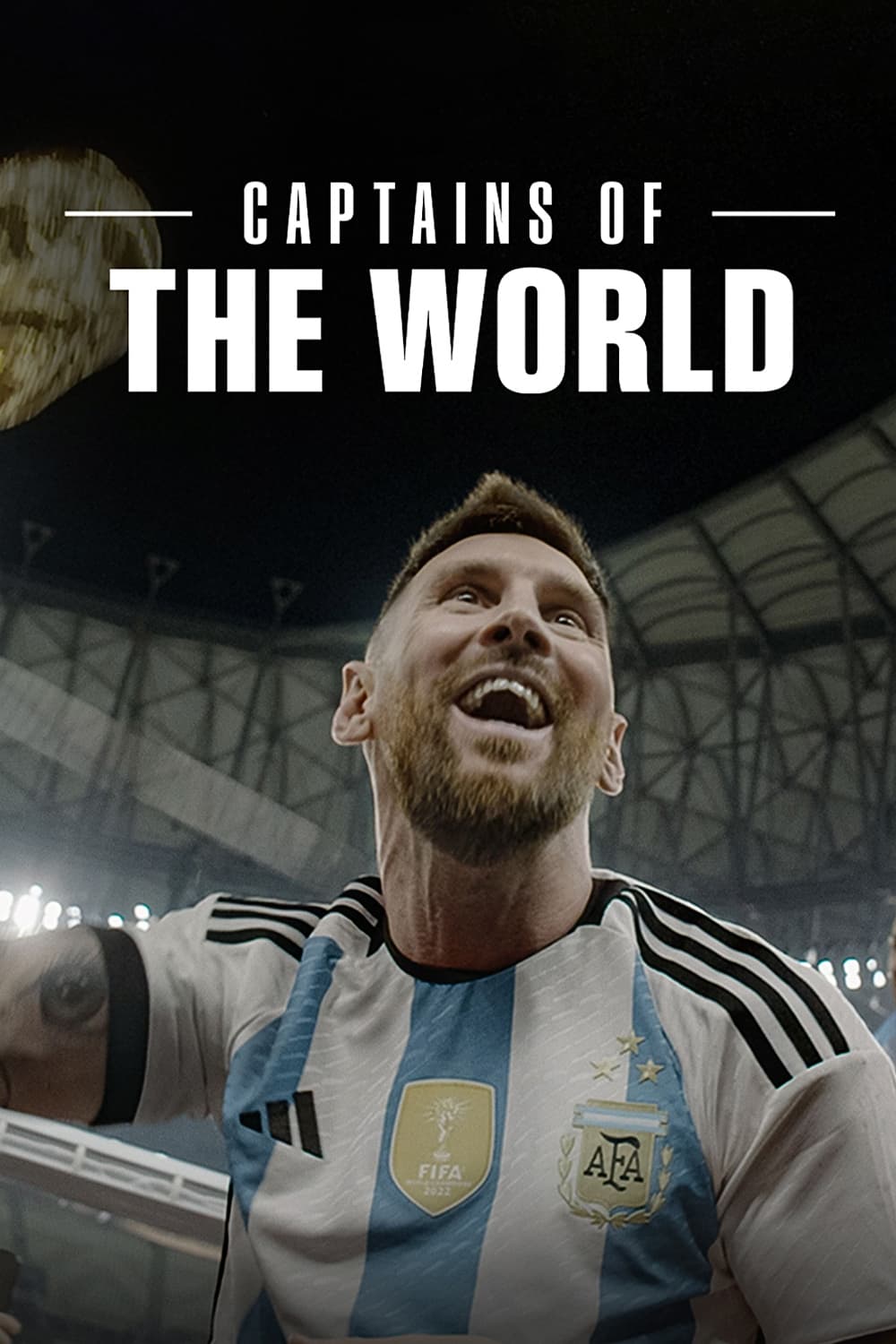
From the locker room to the pitch, this docuseries offers exclusive access to all 32 teams as they fight for football glory in the 2022 FIFA World Cup.
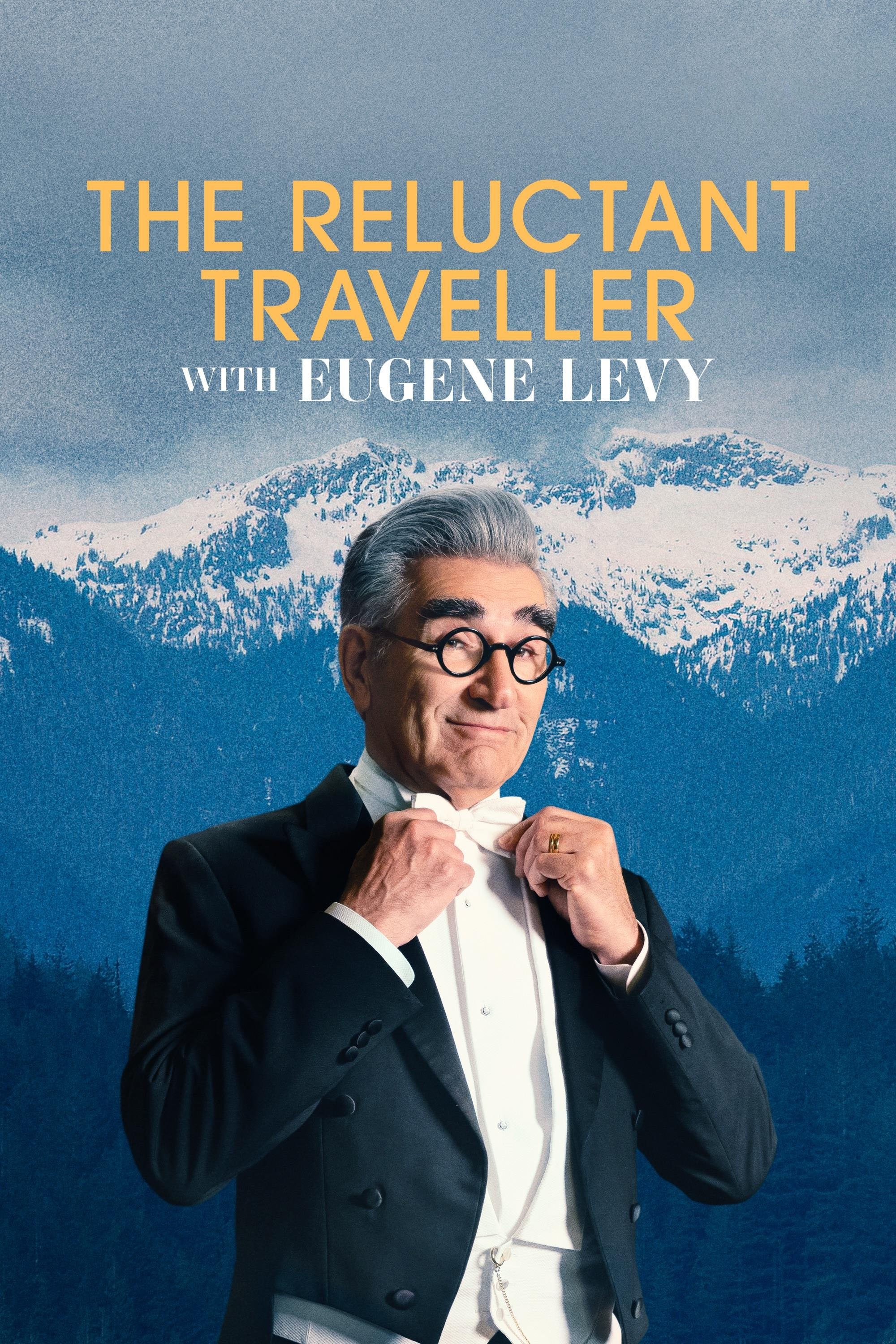
Award-winning actor and nervous explorer Eugene Levy steps out of his comfort zone for a whirlwind tour of the world's most beautiful and intriguing destinations.