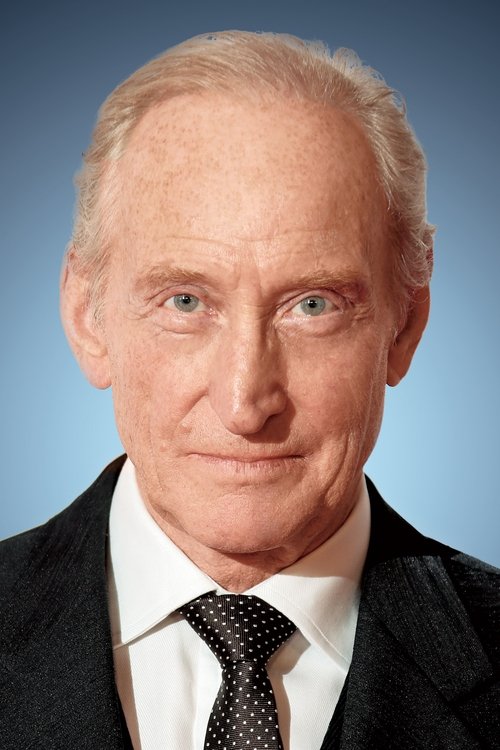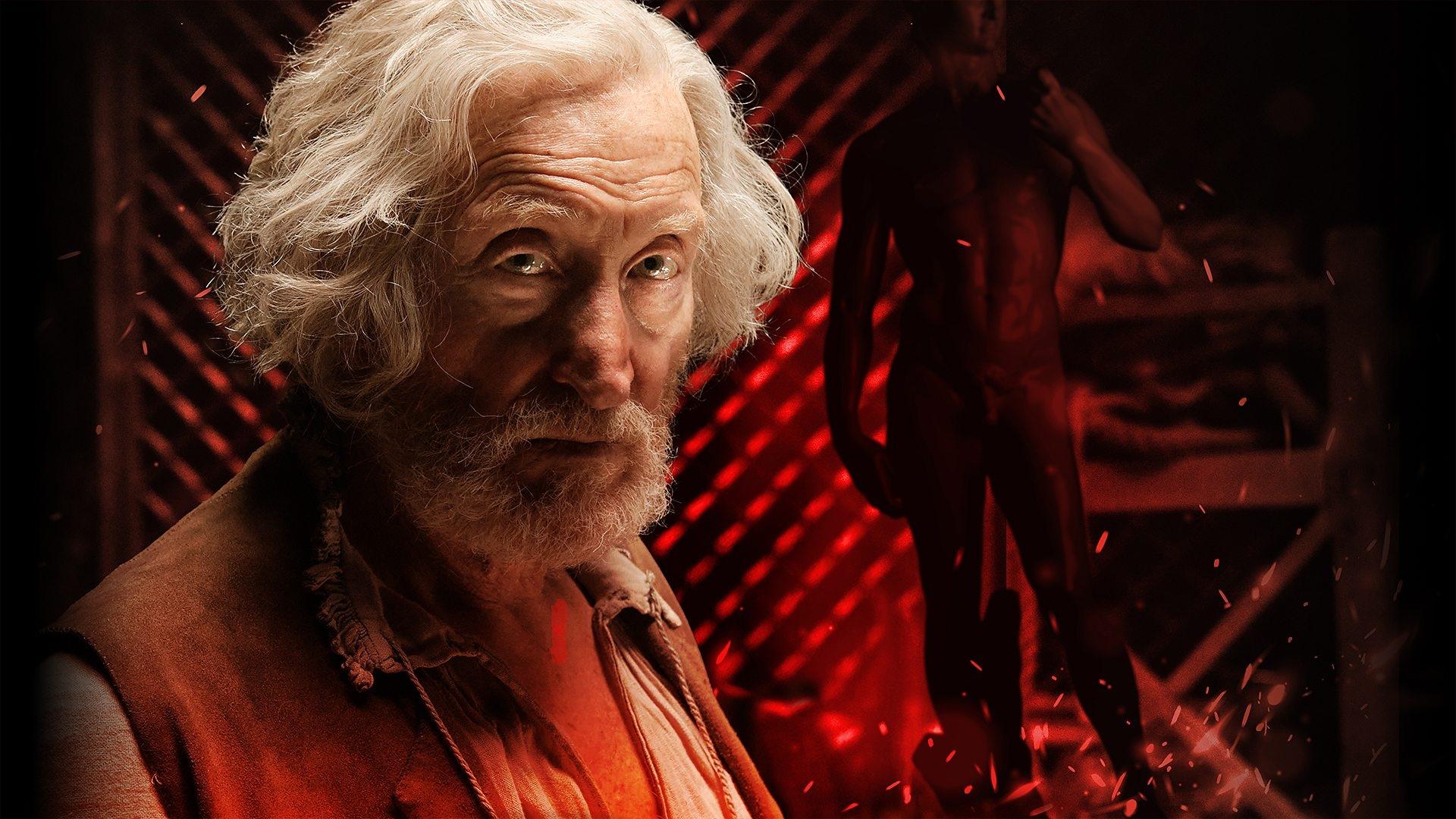
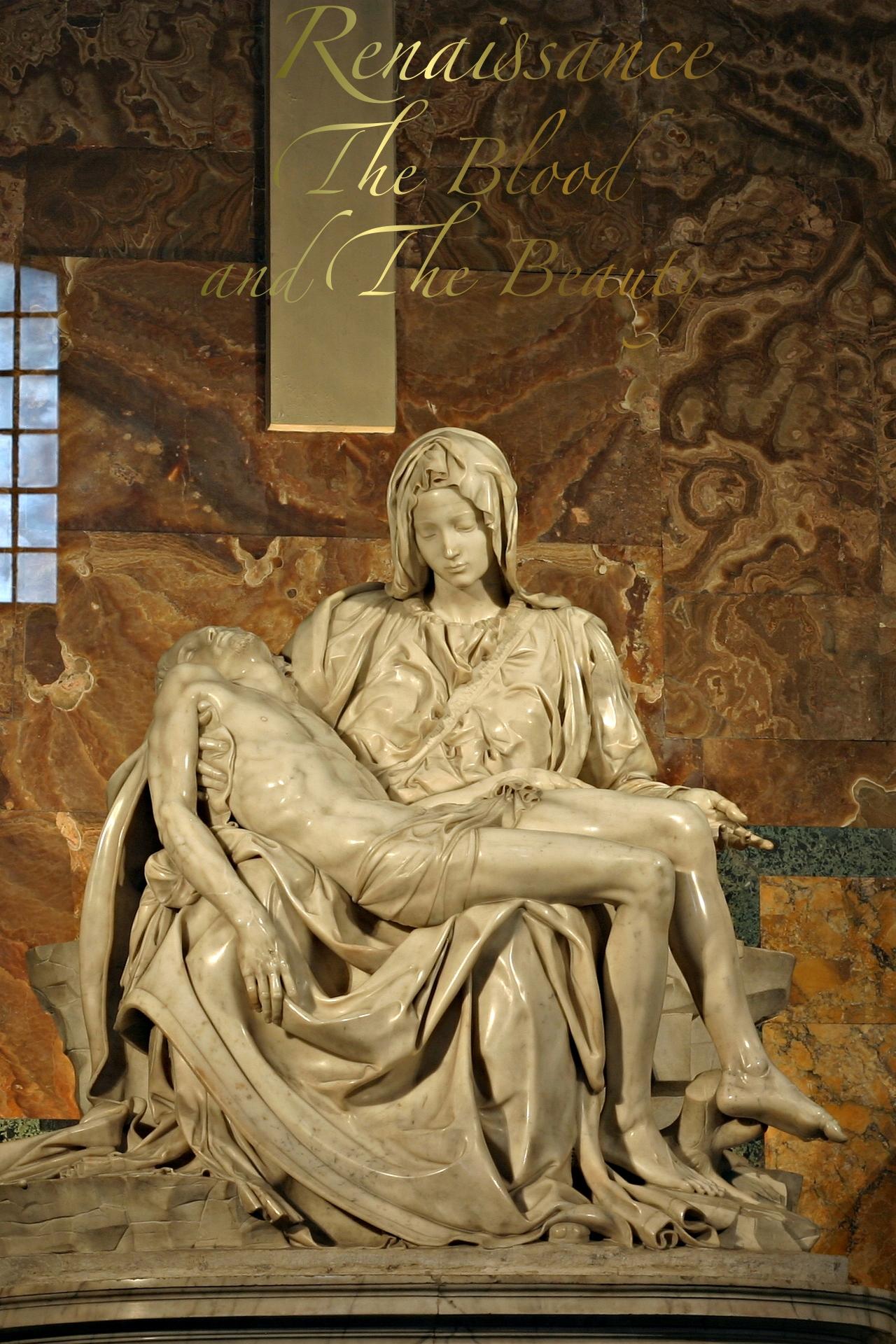
The greatest art works of all time - born of war and bloodshed - as rival artists Michelangelo, Leonardo and Raphael compete to craft beauty from chaos. Starring Charles Dance.
Social & External
The people behind it
Charles Dance
Old Michaelangelo
Sophie Okonedo
Self - Narrator
Eddie Mann
Michelangelo
Jonny Glynn
Leonardo da Vinci
Joshua Duffy
Raphael
Simon Schama explores the history of British portraiture, revealing the stories behind the most compelling images in British art and examining the ways portraiture is used to make a statement.
When rebellious Elisabeth falls for Emperor Franz and becomes his unlikely bride, she enters a world of tension and intrigue at the Viennese court.
Summer 1943: Hitler engages in a decisive battle in Kursk to win the war in the East. This is without counting on the pugnacity of the Red Army and the Allied intervention in the West. Month after month, the noose tightens on the Nazi tyrant who refuses to admit defeat and precipitates his country in its fall.
This drama centers around Lady Kim, a scheming concubine, and the events from the reign of King Seonjo to Prince Gwanghae, which were filled with acts of immorality and bloodshed; all in the name of protecting the throne.
For centuries, explorers have searched for the Bible’s most sacred religious artefacts. One of the most mysterious of these objects is the famed Ark of the Covenant. The gold-plated wooden chest – one of the most instrumental symbols of faith and God's presence – was believed to house the two tablets bearing the Ten Commandments. The Ark’s exact whereabouts has long puzzled scholars. Where did it go? And why has it remained such a mystery?
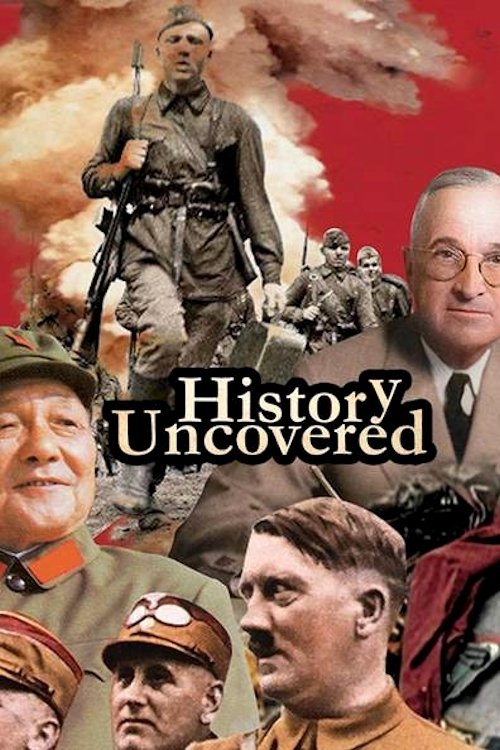
Myths die hard, and the history of the 20th century is no exception to this rule. Even today, we hold popular beliefs that we take for Evangelical truths. Thus, we believe that Hiroshima caused Japan to surrender, that the Marshall Plan saved Europe, that Adolf Hitler was a military genius, or that Mao Zedong was a necessary evil for China’s modernization. Of course, these judgements contain some truth; but, too broad-stroked to be accurate, they contradict the historical reality by denying its complexity. What if the truth was slightly different? Through an exploration of great national or international myths, this full archive documentary collection revisits the key moments of the 20th century with a new perspective in order to provide a new, smarter and more subtle interpretation, bringing elements to light that have been forgotten or sometimes overshadowed.
One of the most important historical investigations carried out by Rai, signed by the great Sergio Zavoli with the collaboration of Luciano Onder and Edek Osser and the scientific consultancy of Alberto Aquarone, Gaetano Arfé, Renzo De Felice, Gabriele De Rosa, Gastone Manacorda and Salvatore Valitutti. The six-part series, broadcast for the first time in the autumn of 1972, represented, half a century after the "March on Rome", a significant assessment of the years of the advent of the Mussolini regime, recalled with the rigor of the best television journalism (Saint-Vincent Award 1973) and through the direct testimonies of over fifty protagonists of the time, both fascists and anti-fascists.
Andrew Graham-Dixon undertakes an epic journey to uncover the art of China.
On 23 August 1939, the world was shocked to discover that Hitler and Stalin, the most intractable of their enemies at the time, had signed a pact that allowed them to divide Poland between them and gave the Nazi leader complete freedom to concentrate his forces in the West, against France and the United Kingdom. Through this agreement, Europe was to be thrown into war. For a long time, the relationship between Hitler and Stalin was ignored: their mutual fascination, their moves to get closer, the marks of confidence they exchanged and all the benefits they derived from the German-Soviet pact, before resuming their war to the death in June 41 with the "Barbarossa" operation.
Dr Xand Van Tulleken and Raksha Dave investigate the Great Smog of 1952 - the deadliest environmental disaster ever recorded and one of the world's worst peacetime catastrophes. Lasting just over four days, the Great Smog plunged London into a terrifyingly murky gloom - the acrid pollution seeping into homes, leaving Londoners gasping for breath, shutting down transport and emergency services, and overwhelming hospitals and undertakers alike.
In the sixties, Swedish filmmaker Ingmar Bergman (1918-2007) built a house on the remote island of Fårö, located in the Baltic Sea, and left Stockholm to live there. When he died, the house was preserved. A group of very special film buffs, came from all over the world, travel to Fårö in search of the genius and his legacy. (Released in 2013, edited and abridged, as Trespassing Bergman.)
A love-story between a noblewoman and a mysterious man who shows up in her hometown set in the 1600s during the Qing invasion.
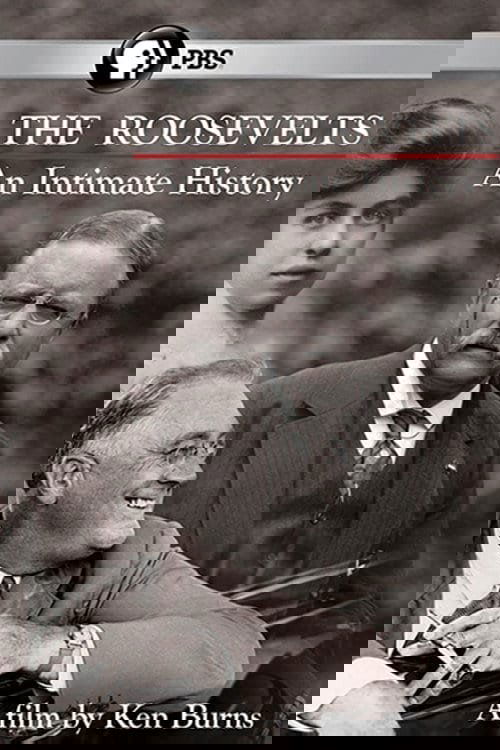
Chronicles the lives of Theodore, Franklin and Eleanor Roosevelt, three members of the most prominent and influential family in American politics. It is the first time in a major documentary television series that their individual stories have been interwoven into a single narrative. This seven-part, fourteen hour film follows the Roosevelts for more than a century, from Theodore’s birth in 1858 to Eleanor’s death in 1962.
A documentary on the American Civil War narrated by Ken Burns, covering the secession of the Confederacy to the assassination of Abraham Lincoln.
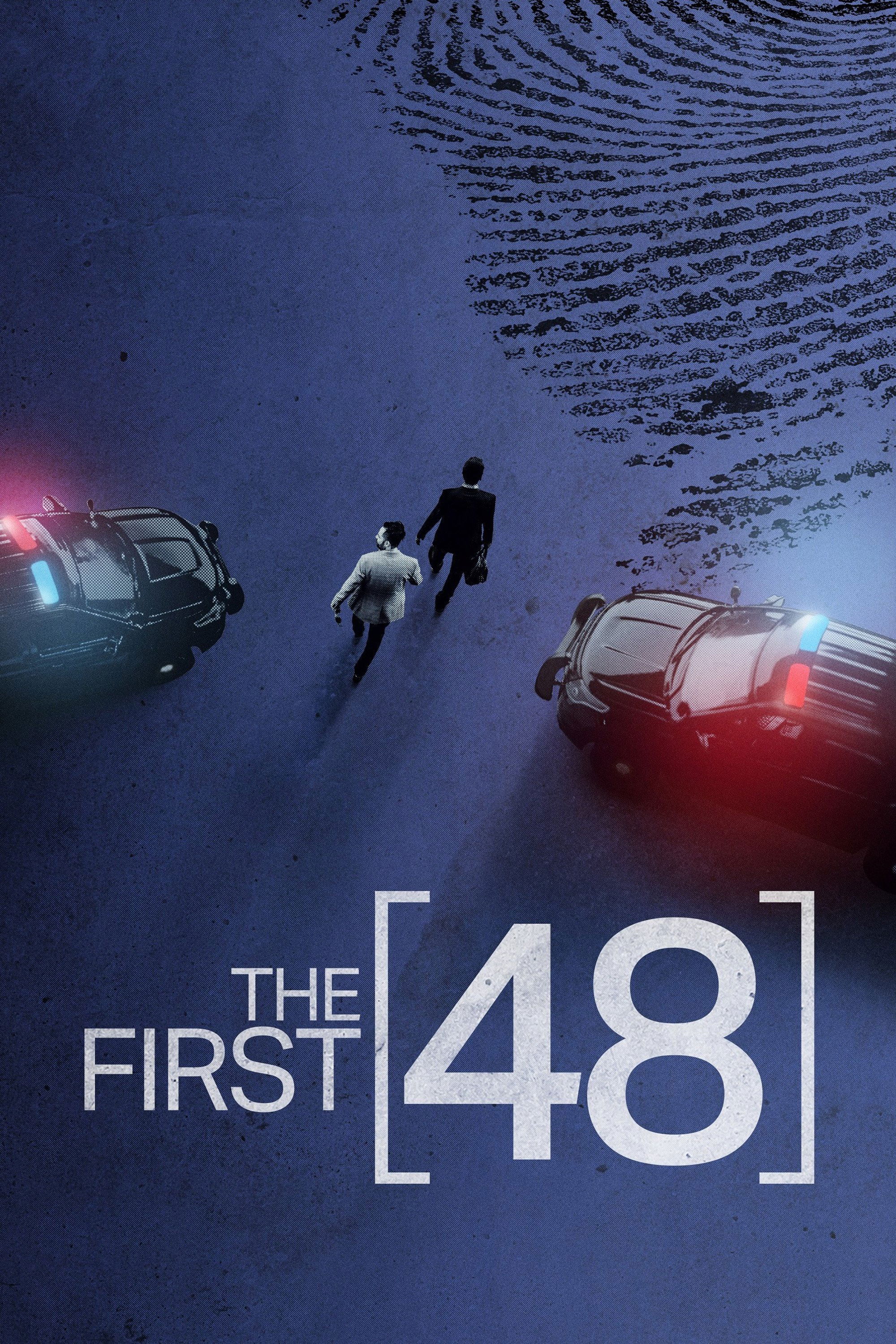
The First 48 follows detectives from around the country during these first critical hours as they race against time to find the suspect. Gritty and fast-paced, it takes viewers behind the scenes of real-life investigations with unprecedented access to crime scenes, autopsies, forensic processing, and interrogations.
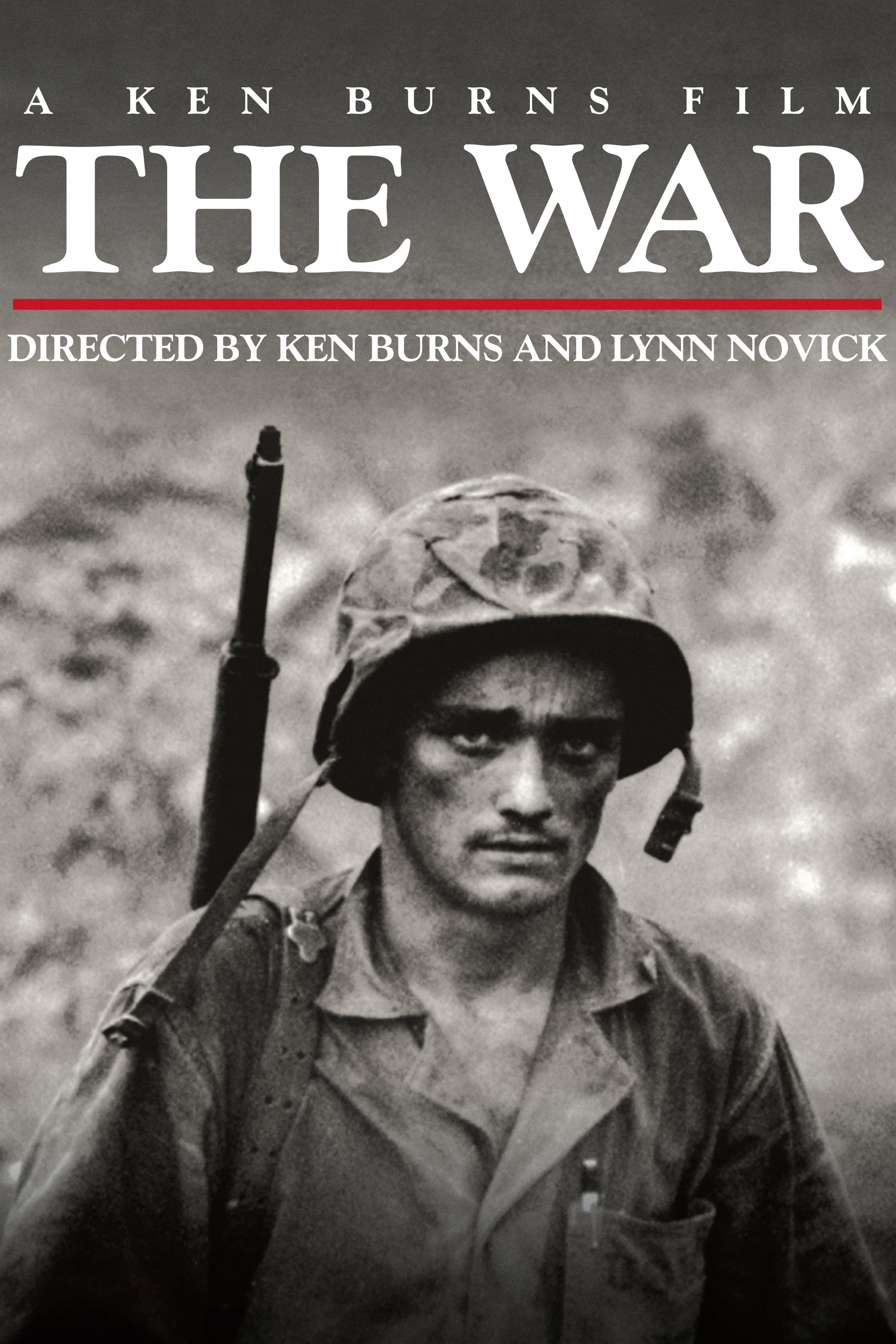
A documentary series that gives a historical account of the events of World War II, from its roots in the 1920s to the aftermath and the lives it profoundly influenced.
The story of the Second World War through the personal accounts of a handful of men and women from four American towns. The war touched the lives of every family on every street in every town in America and demonstrated that in extraordinary times, there are no ordinary lives.
The American Revolution was at once a war for independence, a war of conquest, a civil war, and a world war, fought by neighbors on American farms and between global powers an ocean or more away. It impacted millions from Vermont’s Green Mountains to the swamps of South Carolina, from Indian Country to the Iberian Peninsula. In defeating the British Empire and giving birth to a new nation, the American Revolution turned the world upside-down. Thirteen colonies on the Atlantic Coast united in rebellion, won their independence, and established a republic that still endures. The American Revolution will present the story of the men and women of the Revolutionary generation, their humanity in victory and defeat, and the crisis that they lived through.
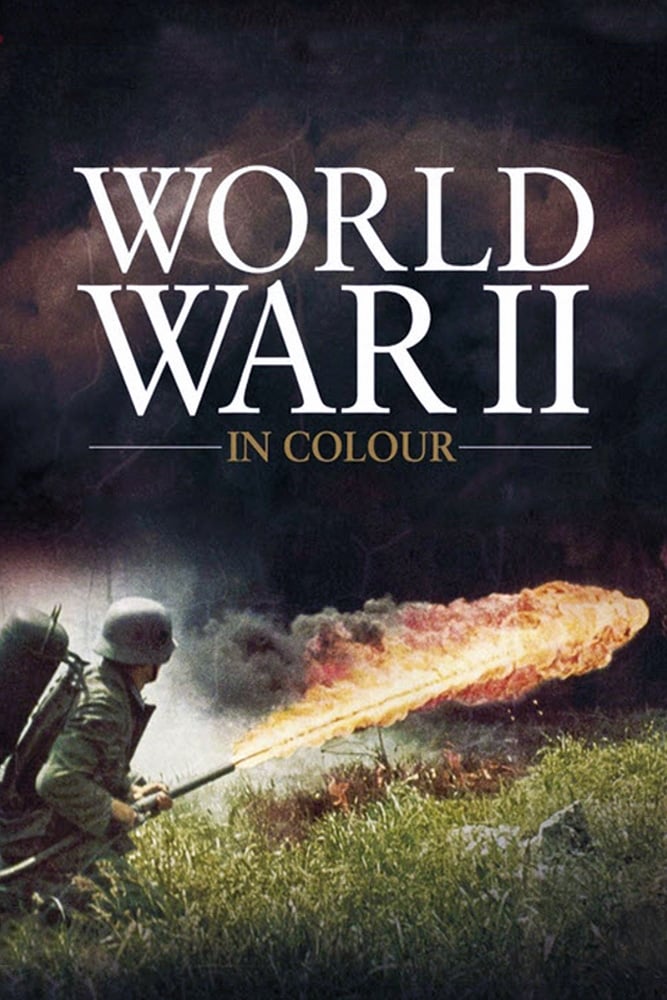
World War II In Colour is a 13-episode television documentary miniseries recounting the events of World War II narrated by Robert Powell. The show covers the Western Front, Eastern Front, and the Pacific War. It is on syndication in America on the Military Channel. This series is in full color, combining both original and colorized footage.
WWII in HD is a 10-part American documentary television miniseries that originally aired from November 15 to November 19, 2009 on the History Channel. The program focuses on the firsthand experiences of twelve American service members during World War II, including an Army nurse, a member of the Tuskegee Airmen, a second generation Japanese American and prisoner of war, and an Austrian Jewish immigrant. The twelve members recorded their time in both theaters and some had later interviews; found footage from the battlefield was paired with the stories of the twelve service members. The episodes premiered on five consecutive days, with two episodes per day. The series is narrated by Gary Sinise and was produced by Lou Reda Productions in Easton, Pennsylvania, United States.
This stylish mix of documentary and historical epic chronicles the reign of Commodus, the emperor whose rule marked the beginning of Rome's fall.
How did 20th Century Europe's most liberal democracy fall into the hands of fascists? From Hitler's political scheming that turned Germany's parliament into a House of Cards, his War on Truth leading to book burning, and his scapegoating of minorities, this series explores in extraordinary detail the events leading up to the outbreak of World War II.
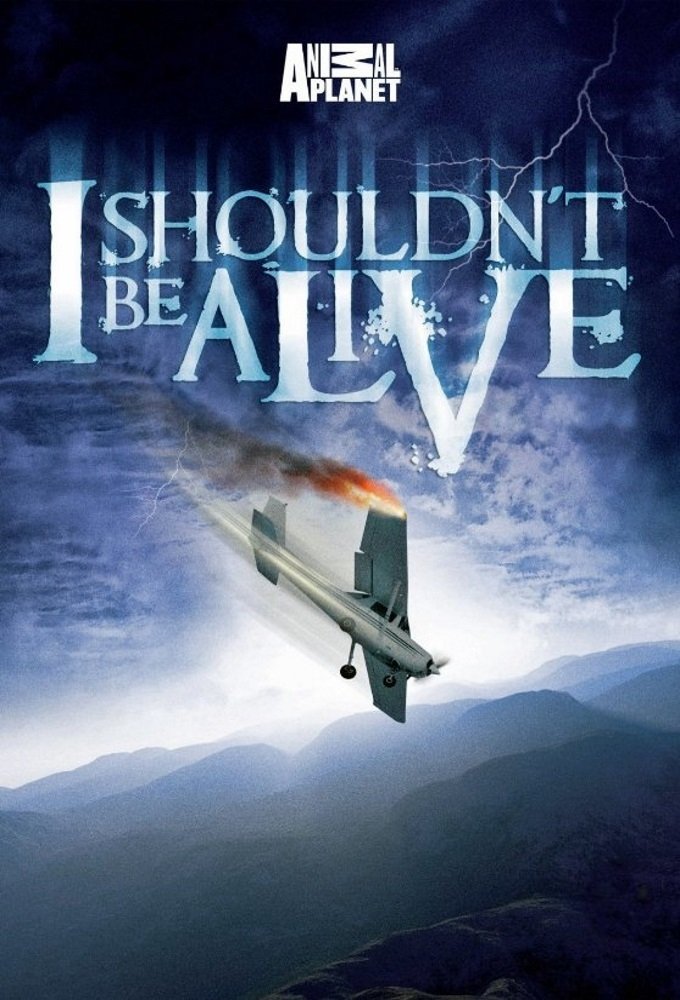
The show features accounts of individuals and groups caught in dangerous scenarios, presented both through interviews and dramatic reenactments. The main focus is how the survivors survived and the decisions they made that kept them alive.
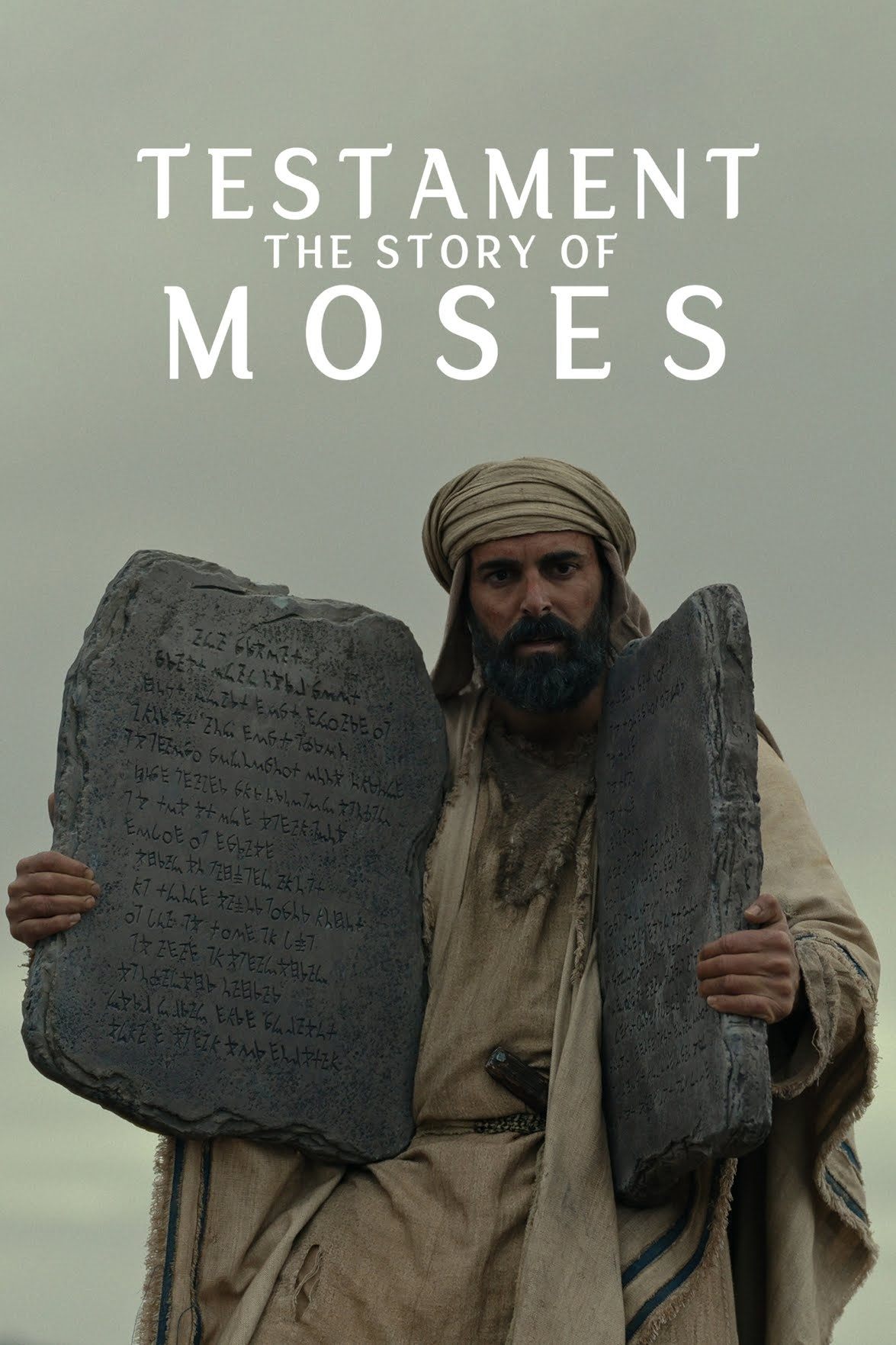
This illuminating docudrama series chronicles Moses' remarkable life as a prince, prophet and more with insights from theologians and historians.
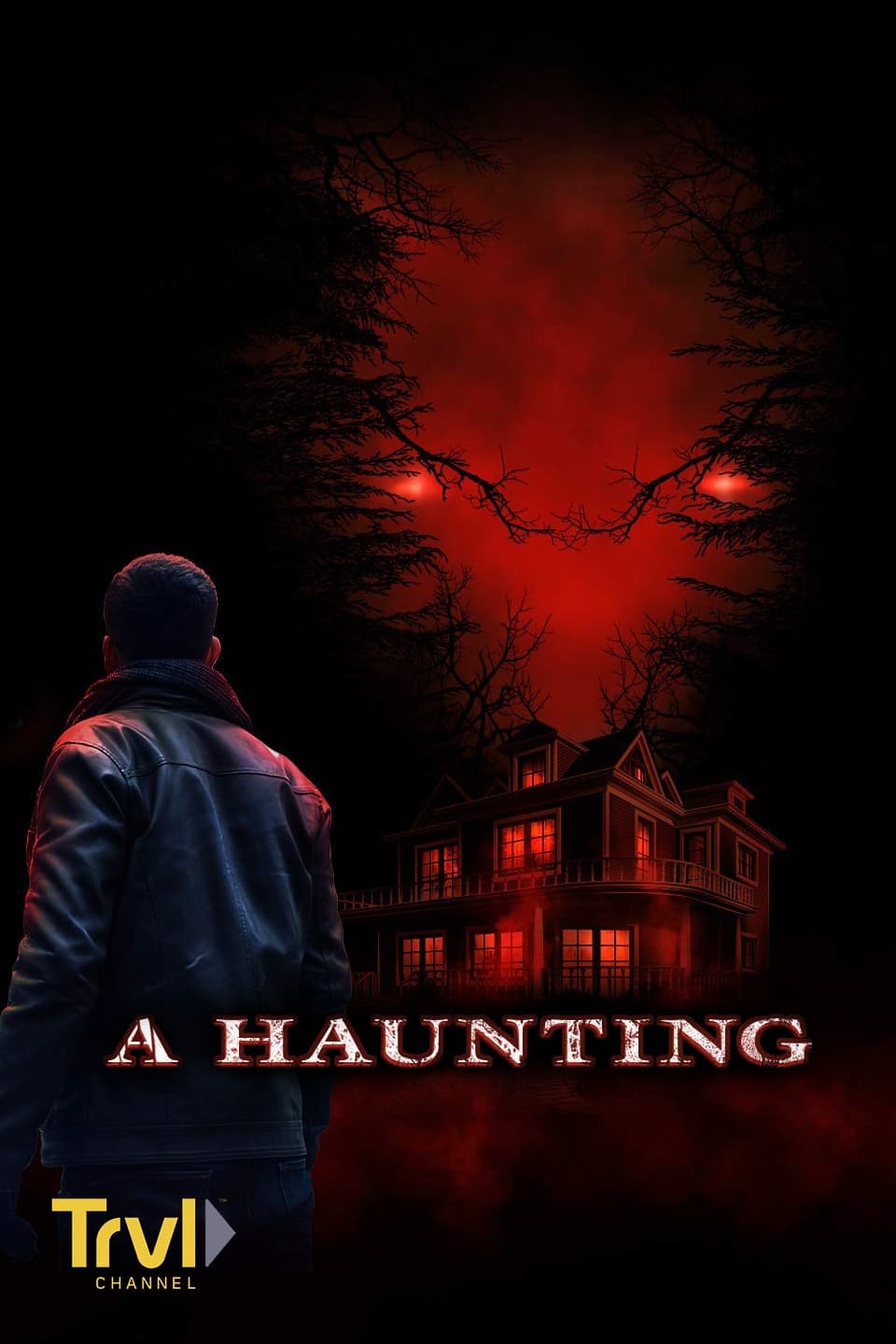
These are the true stories of the innocent and the unimaginable. Based on true events, A Haunting dramatises some of the scariest stories, revealing a world in which tragedy, suicide and murder have left psychic impressions so powerful that innocent people become forced to deal with them decades later. Through mesmerizing first-person accounts, the mystery and origin of each haunting is powerfully revealed and leaves a lingering sense that life—and death—are much stronger then anyone could have possibly imagined.
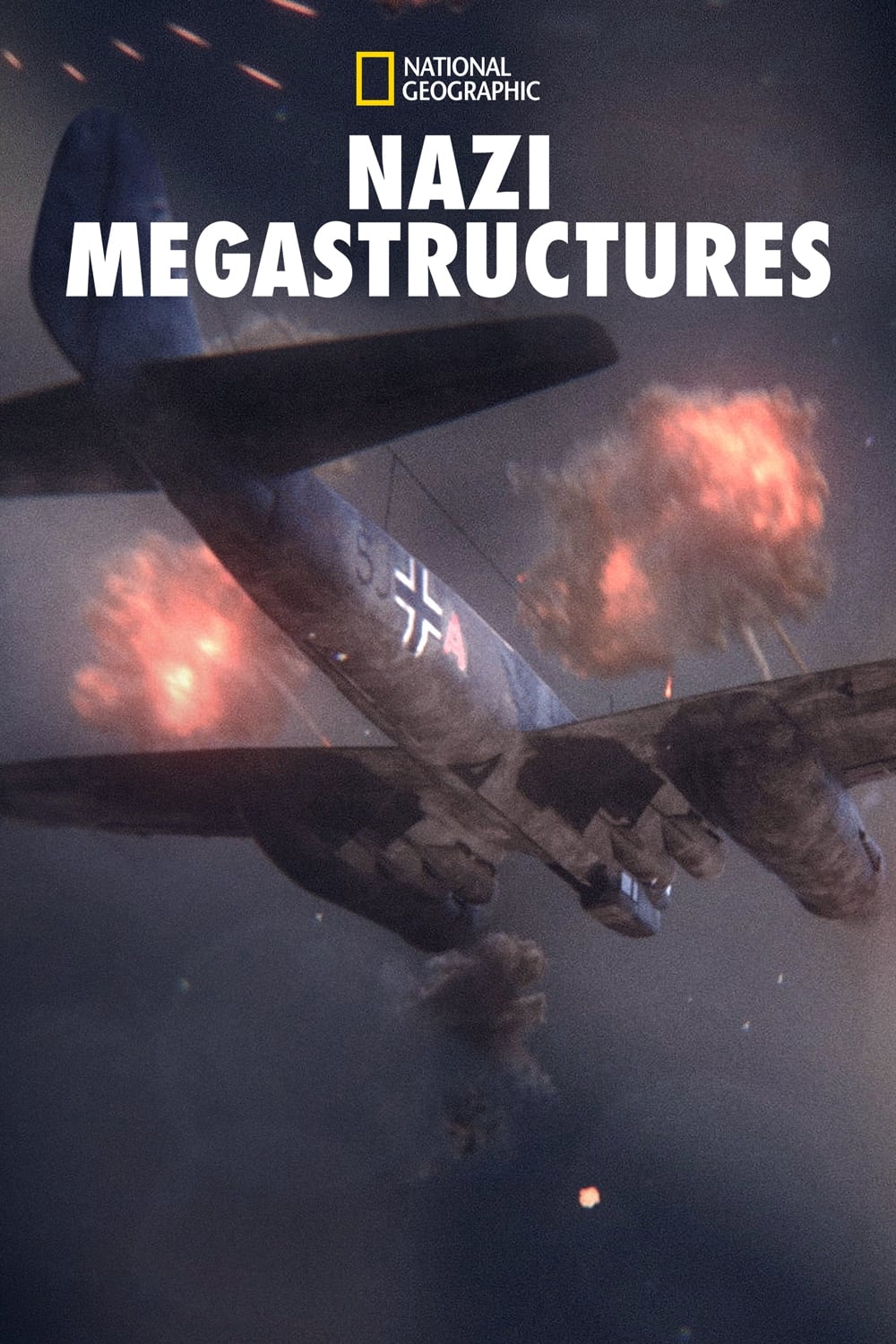
In a quest for world domination, the Nazis built some of the biggest and deadliest pieces of military hardware and malevolent technology in history. This is the stories of the engineers who designed them and how these structures sparked a technological revolution that changed warfare forever.
Explore what it will be like to be human one million years into the future. Today’s brightest futurists, scientists, scholars and notable science fiction writers guide viewers through the very latest advances in technology, ideas and innovations that likely will power the evolution of our species.
In this genre-bending tale, Errol Morris explores the mysterious death of a U.S. scientist entangled in a secret Cold War program known as MK-Ultra.
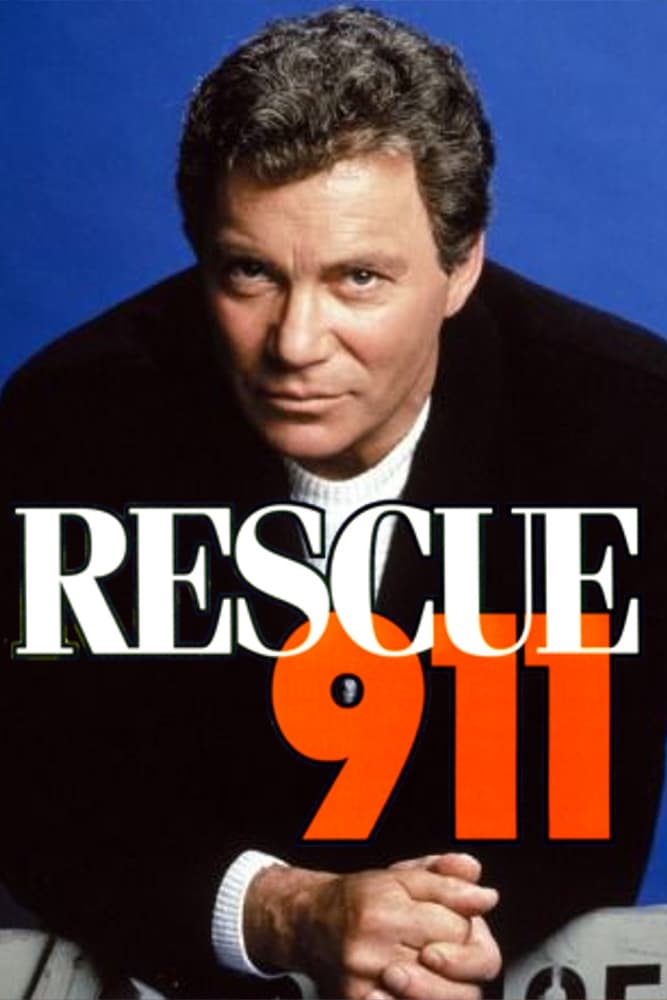
Rescue 911 is an informational reality-based television series that premiered on April 18, 1989 and ended on August 27, 1996. The series was hosted by William Shatner and featured reenactments of emergency situations that often involved calls to 911. Though never intended as a teaching tool, various viewers used the knowledge they obtained watching the show. Two specials, titled "100 Lives Saved" and "200 Lives Saved," were dedicated to viewers who had written to CBS with their stories on how the knowledge they obtained watching the show allowed them to save the life of someone else. At least 350 lives have been saved as a result of what viewers learned from watching it.