Starlight Theatre is an American anthology series that aired on CBS television from April 2, 1950 to September 20, 1951.
Social & External
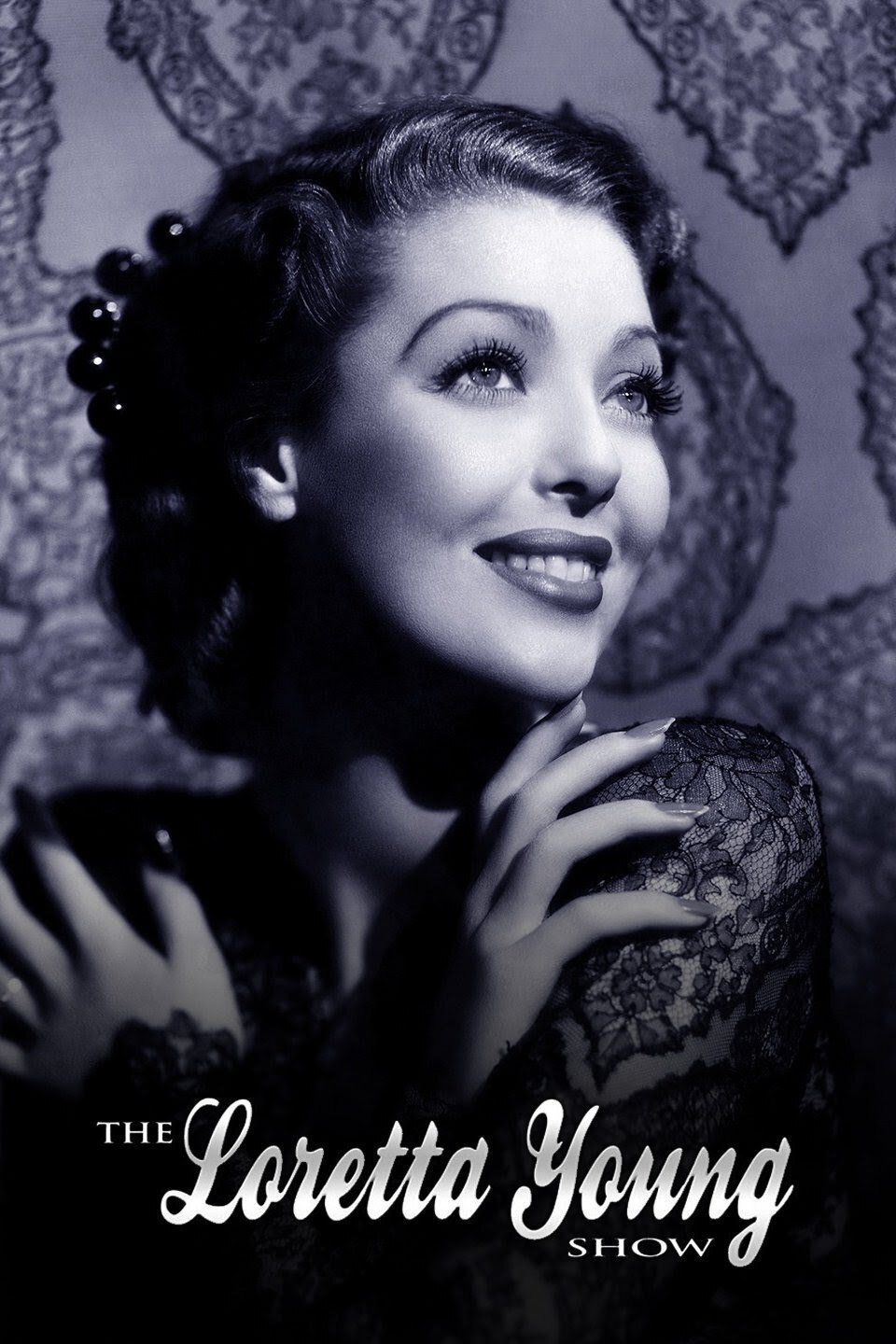
Letter to Loretta is an American anthology drama series telecast on NBC from September 1953 to June 1961 for a total of 165 episodes. The filmed show was hosted by Loretta Young who also played the lead in various episodes. Letter to Loretta was sponsored by Procter & Gamble from 1953 through 1960. The final season's sponsor was Warner-Lambert's Listerine.
Series of 54 original televised plays and classic dramas produced by public television station KCET in Los Angeles, featuring all-star talent, was broadcast nationally on the National Educational Television (NET) network and its successor PBS between 1970 and 1978.
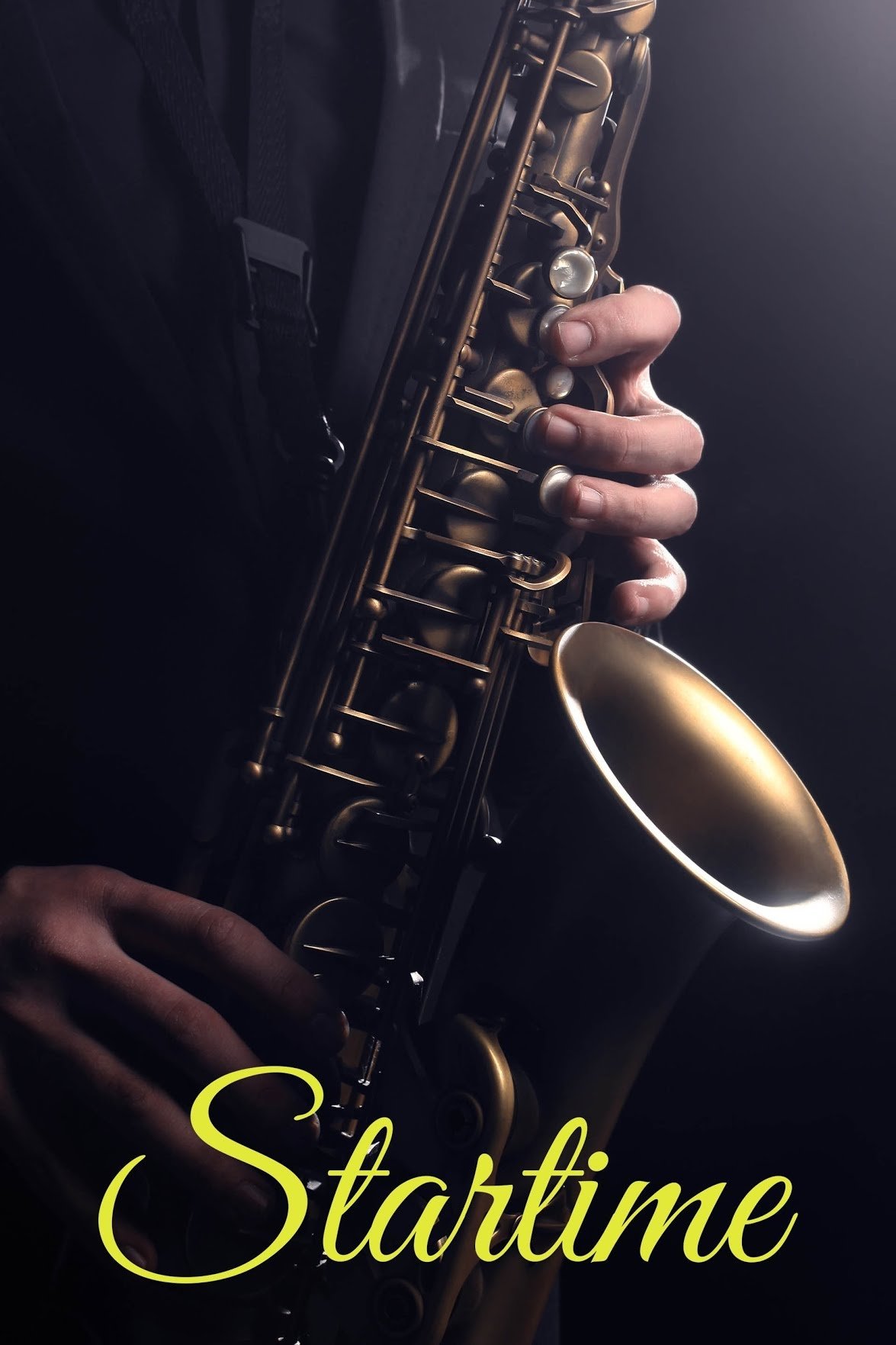
Startime, an anthology of drama, comedy and variety, was one of the first American television shows broadcast in color.
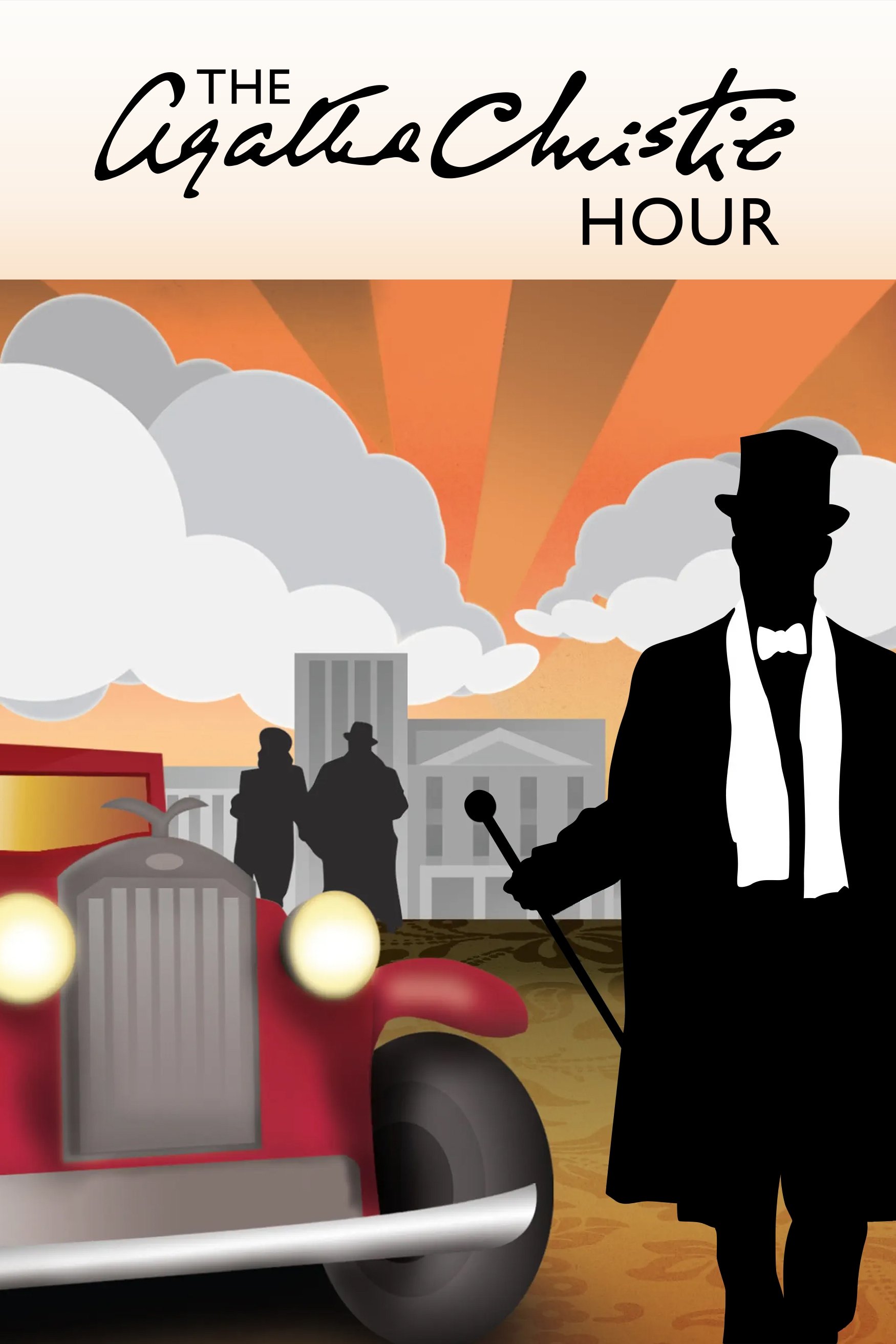
This ten episode program was based on ten short stories written by Agatha Christie but with wide-ranging themes. Some were romances, some had supernatural themes and a couple were adventures. The common link was that all came from the talented pen of Agatha Christie, all were entertaining and each drama was carefully crafted and well cast with many of Britain's best known actors of the time represented.
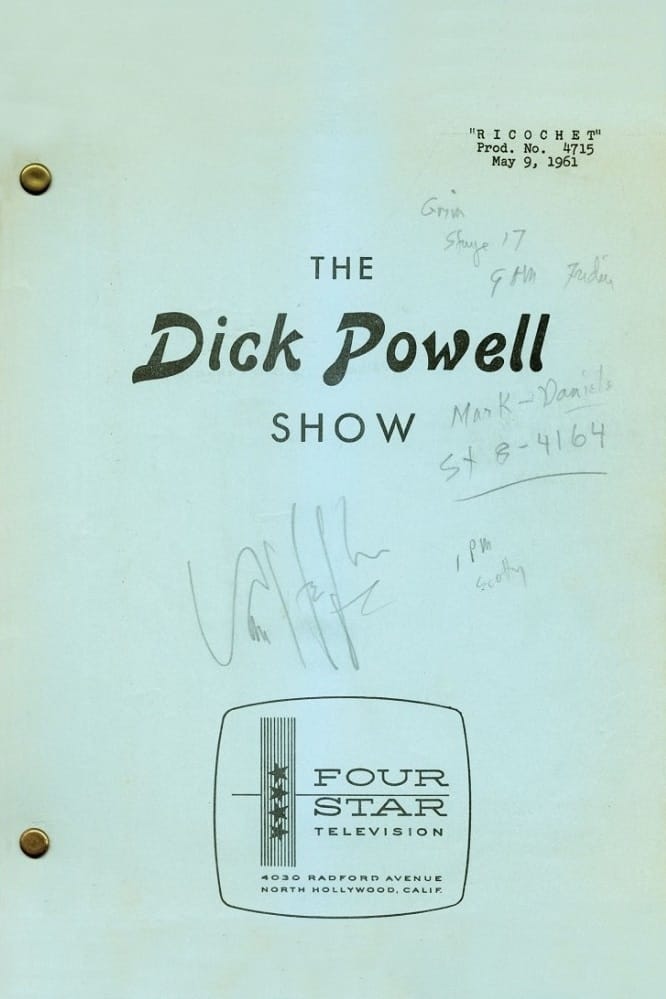
The Dick Powell Show is an American anthology series that ran on NBC from 1961- 1963, primarily sponsored by the Reynolds Metals Company. It was hosted by longtime film star Dick Powell until his death from lymphatic cancer on January 2, 1963, then by a series of guest hosts until the series ended. The first of these was Gregory Peck, who began the January 8 program with a tribute to Powell, recognizing him as "a great and good friend to our industry." Peck was followed by fellow actors such as Robert Mitchum, Frank Sinatra, Glenn Ford, Charles Boyer, Jackie Cooper, Rock Hudson, Milton Berle, Jack Lemmon, Dean Martin, Robert Taylor, Steve McQueen, David Niven, Danny Thomas, Robert Wagner and John Wayne.
An anthology series about people who are suddenly confronted with uncertain situations.
A six-part anthology of new television films produced by the BBC and broadcast on BBC2's Saturday nights between 12 December 1964 and 16 January 1965.
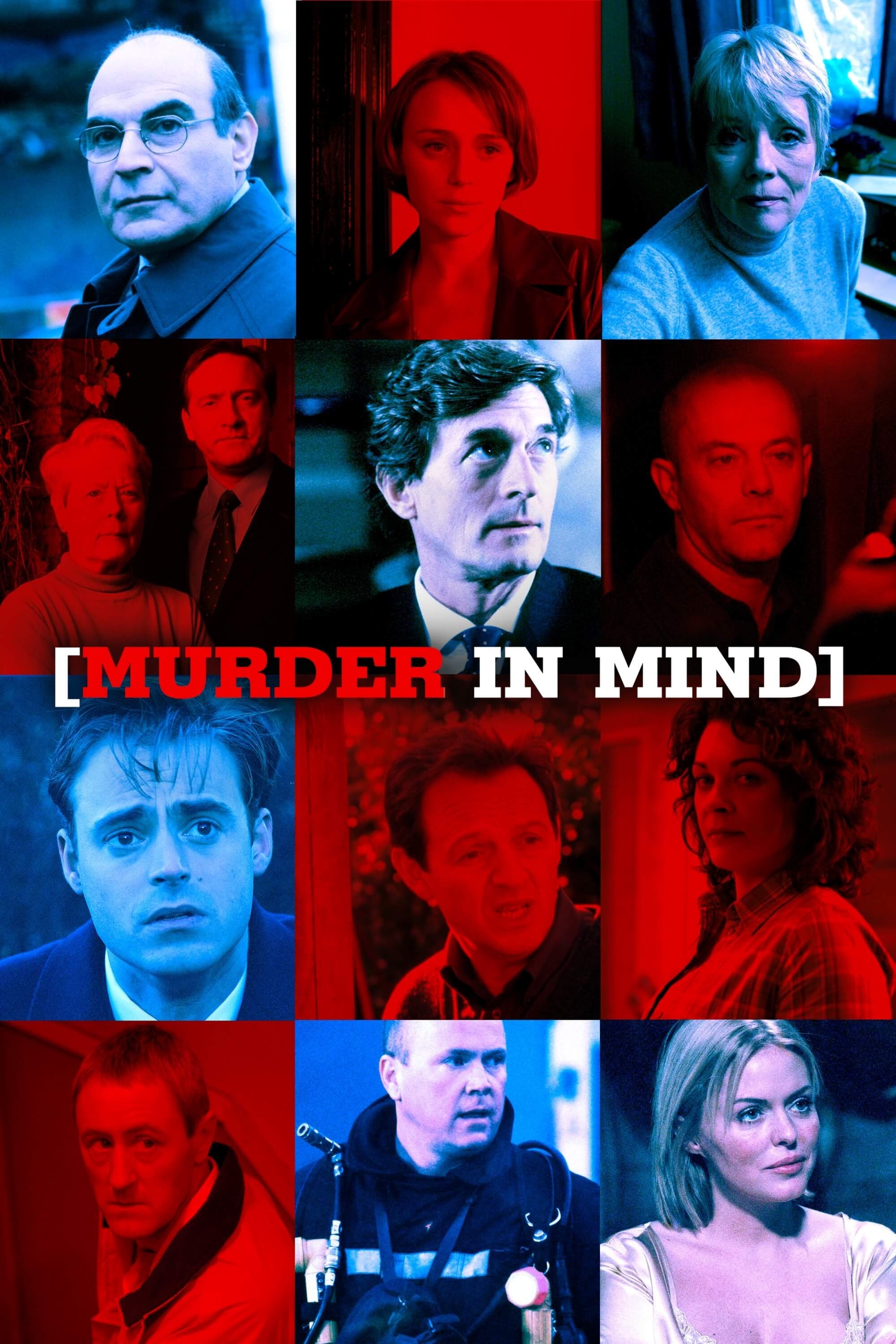
A series of self-contained stories, each recounting a murder scene as seen from the chilling viewpoint of the killer. Explore the inner workings of a criminal's brain, revealing humanity at its darkest.
Three youthful tales unfold: a cat and a brother vie for a sister’s affection, rivals rebuild their friendship during summer training, and a fictional boy enters the real world to rewrite his tragic fate — all exploring bonds, growth, and the will to change destiny.
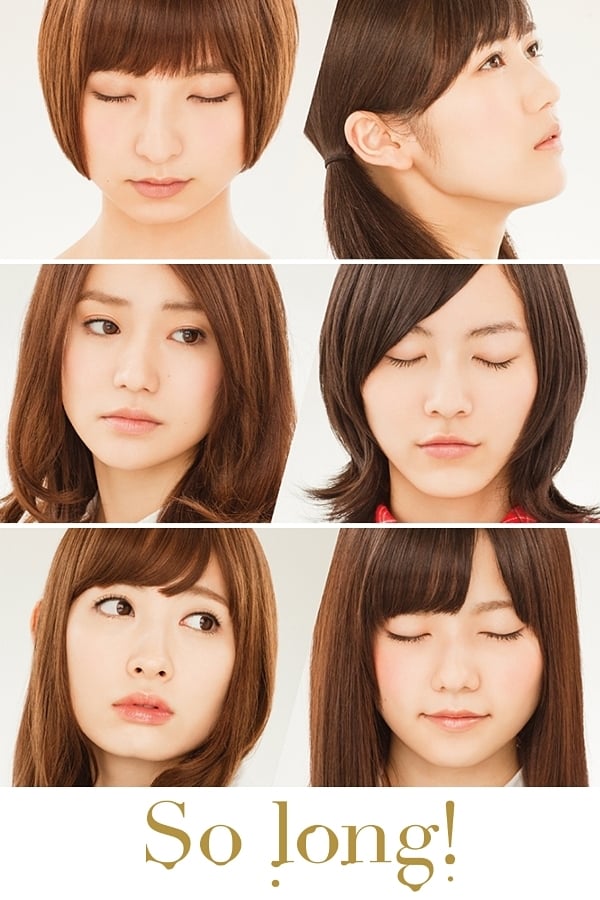
AKB48 Drama split in 3 parts for each team Team A story: Kawakami Fukaba is the only remaining member of the Broadcasting Club. While she was cleaning the clubroom, she encountered a strange cassette player that connects her to another member of the club 8 years earlier. Team K story: Miho is annoyed at her younger sister Tsubasa, who is trying to make her participate in a piano competition. Unknown to Miho, Tsubasa is hiding something from her. Team B story: Asuka keeps a blog titled "Tsuki ga nai Sora" (Moonless Sky), where she writes about all her problems. The only person who comments on the blog is called Spaceboy (6B6), and seems to know more about Asuka than anyone in her class.
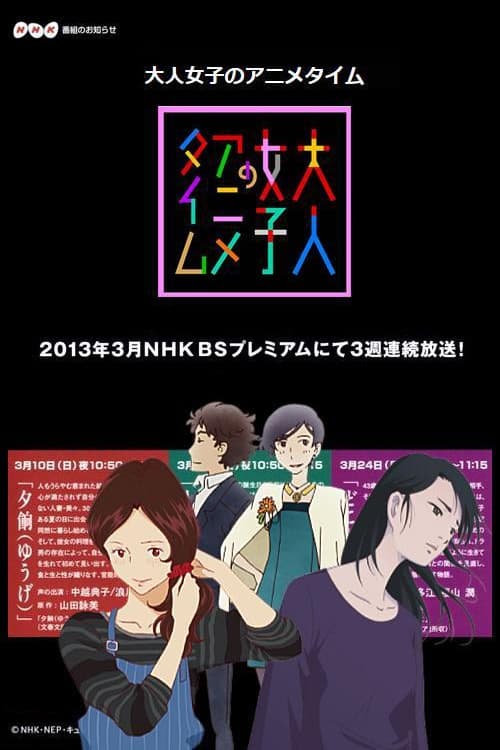
A series of animations based on prize-winning short stories for women.
'I Can See You' is a one-of-a-kind anthology that features compelling and thrilling stories every week on GMA Telebabad
An anthology series set in the elite world of London law following two rival firms, Cathcarts and Taylor & Byrne, as they face off in a different headline-making legal battle each season.
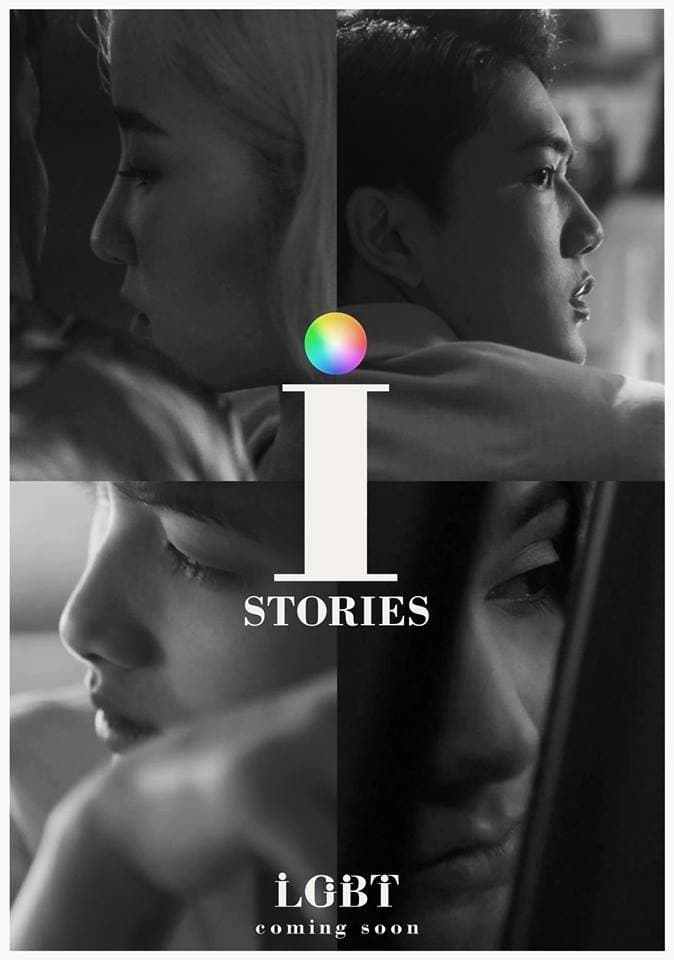
i STORIES tells the separate tales of a transgender woman, a bisexual woman, a gay man, and a lesbian, who all share the name "i."
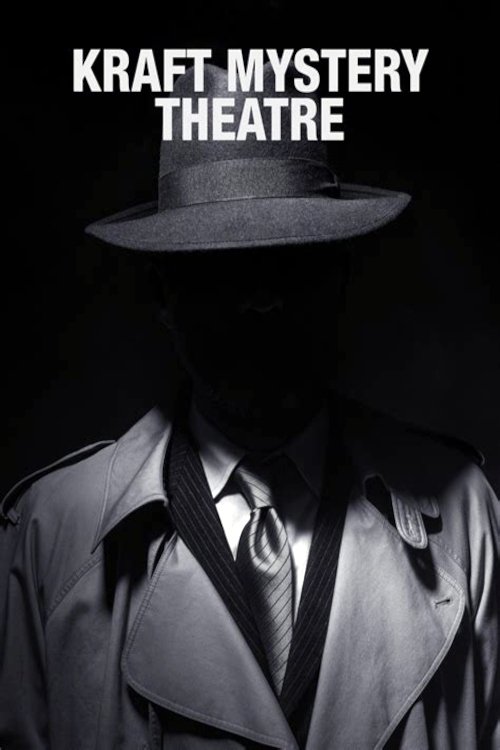
Kraft Mystery Theatre is an American anthology series that aired on NBC from June 17, 1961 to September 25, 1963. A successor to Kraft Television Theater with a change of focus away from straight drama. The high productions remained along with the ability to attract well known talent.
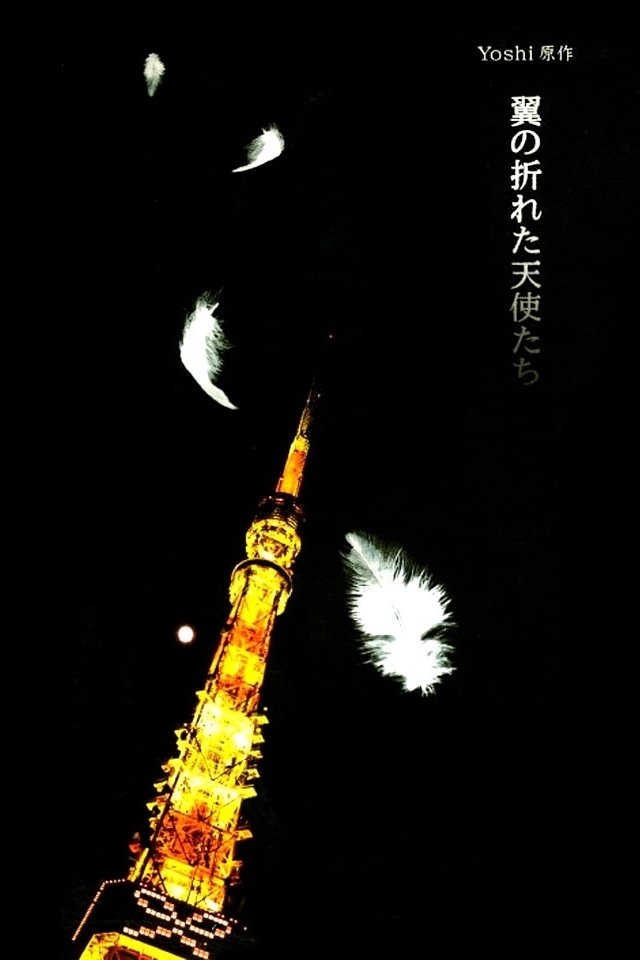
A miniseries starring famous actresses, based on the short story collection "Tsubasa no Oreta Tenshitachi" by the author Yoshi. This dark drama has a different story for each episode, as the name of the series "Angels With Broken Wings" hints, the common theme is women who have lost their way in life. The series touches subjects like prostitution, peer pressure, gambling, theft and isolation.
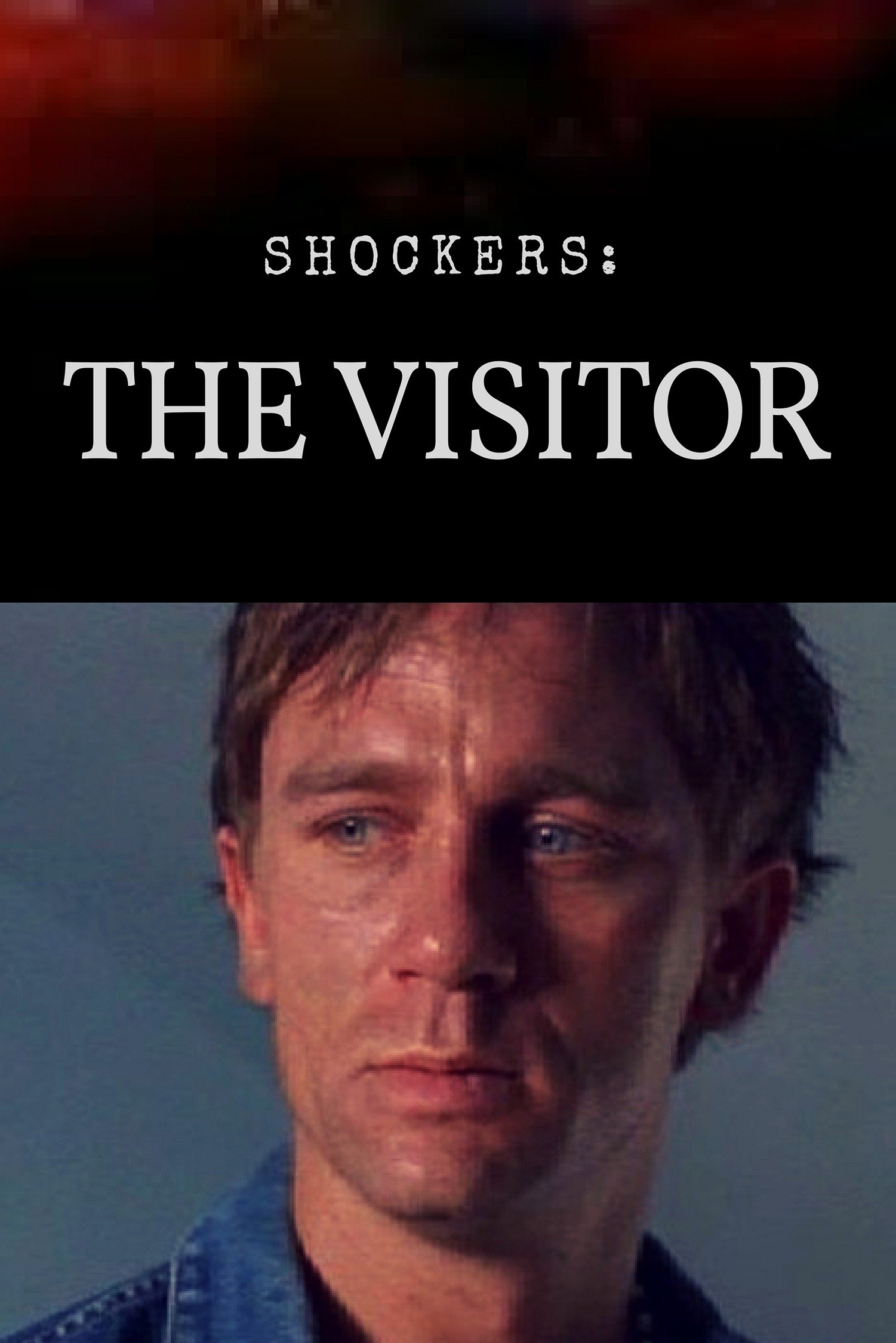
An anthology series of horror stories by contemporary British screenwriters.
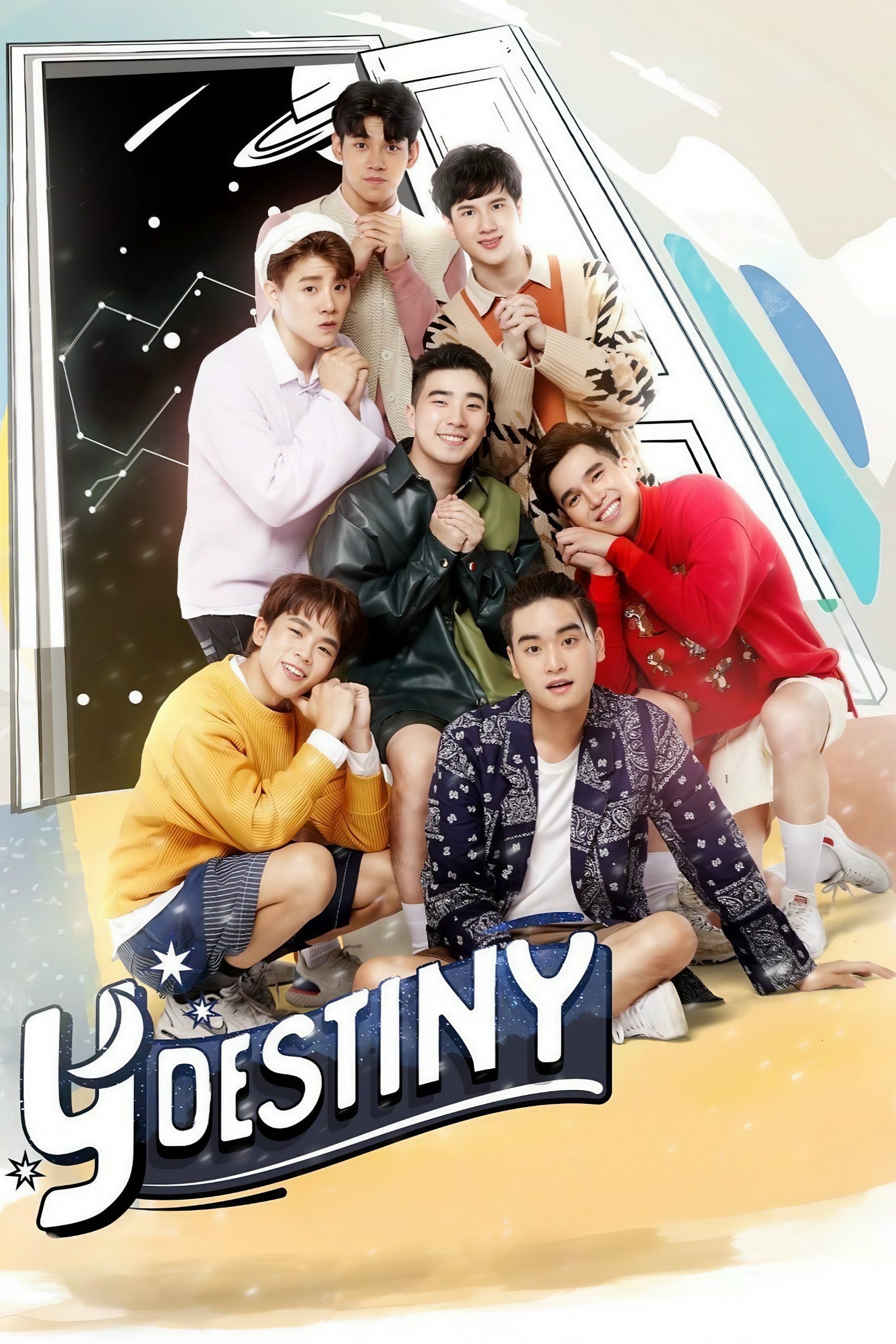
Y-Destiny is the story of 7 best friends each of whom has different personalities according to their birthdays and fate leads them to meet their loved ones.
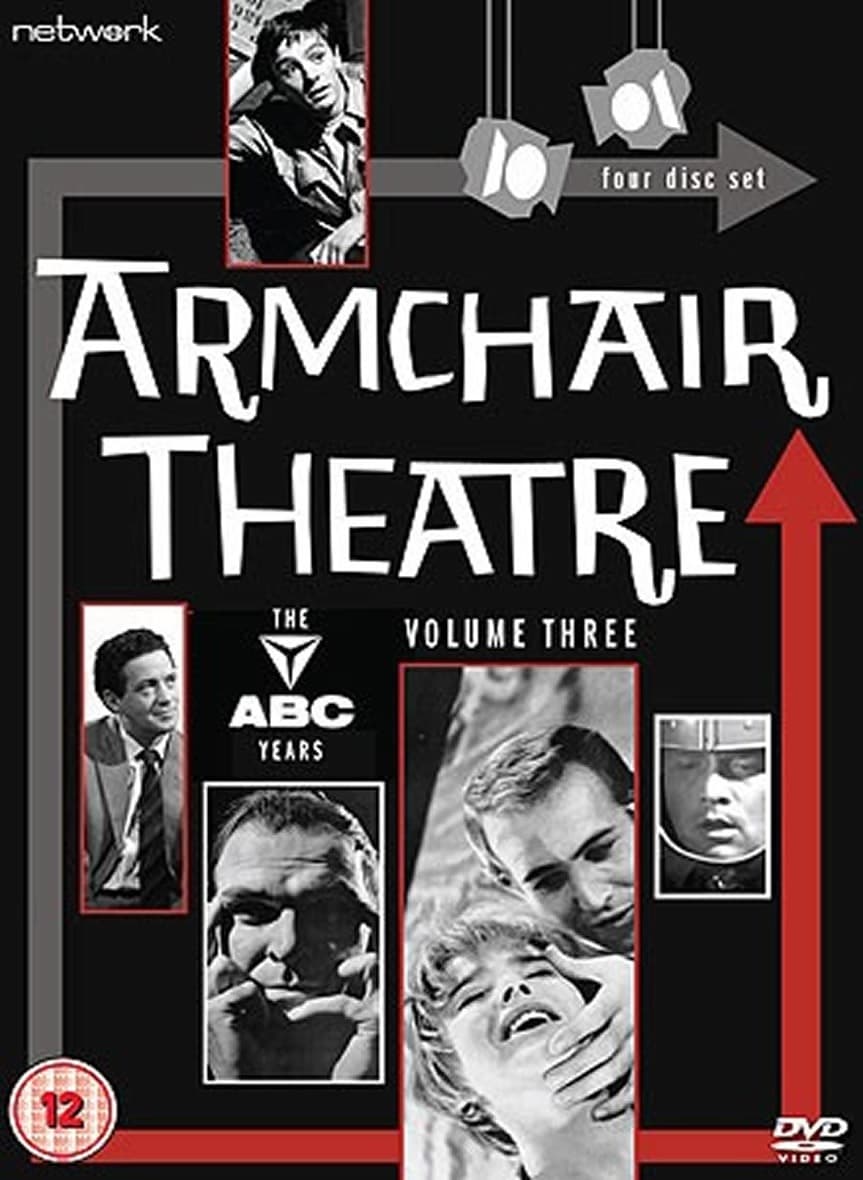
Armchair Theatre is a British television drama anthology series of single plays that ran on the ITV network from 1956 to 1974. It was originally produced by Associated British Corporation, and later by Thames Television from mid-1968.
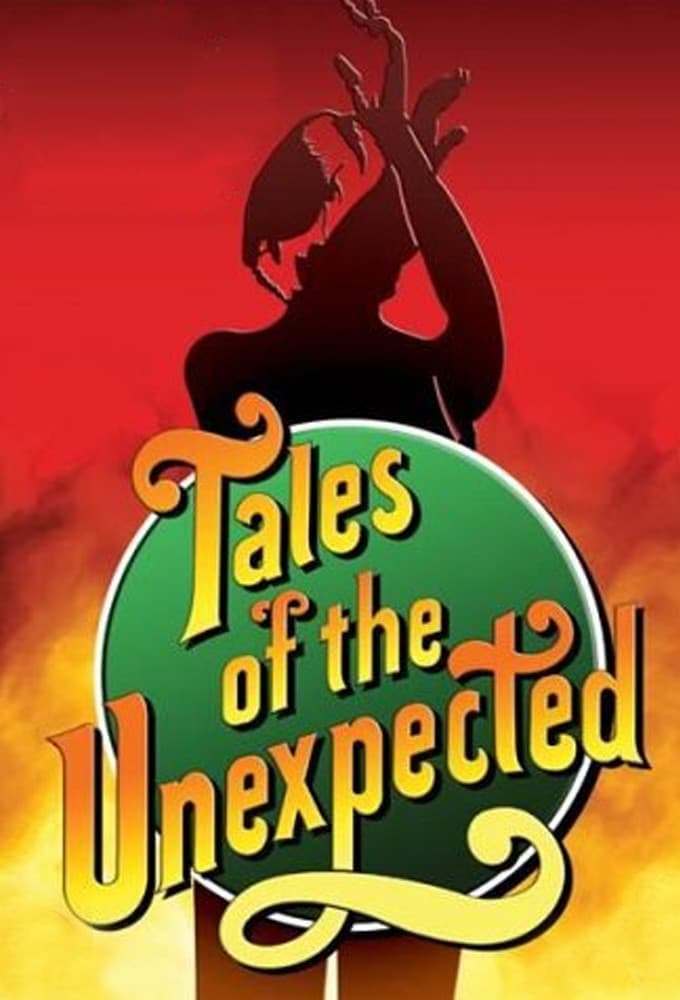
A British television anthology of stories, often with sinister and wryly comedic undertones, and a twist at the end. With early episodes written and presented by Roald Dahl, the series featured a plethora of big name guest stars.
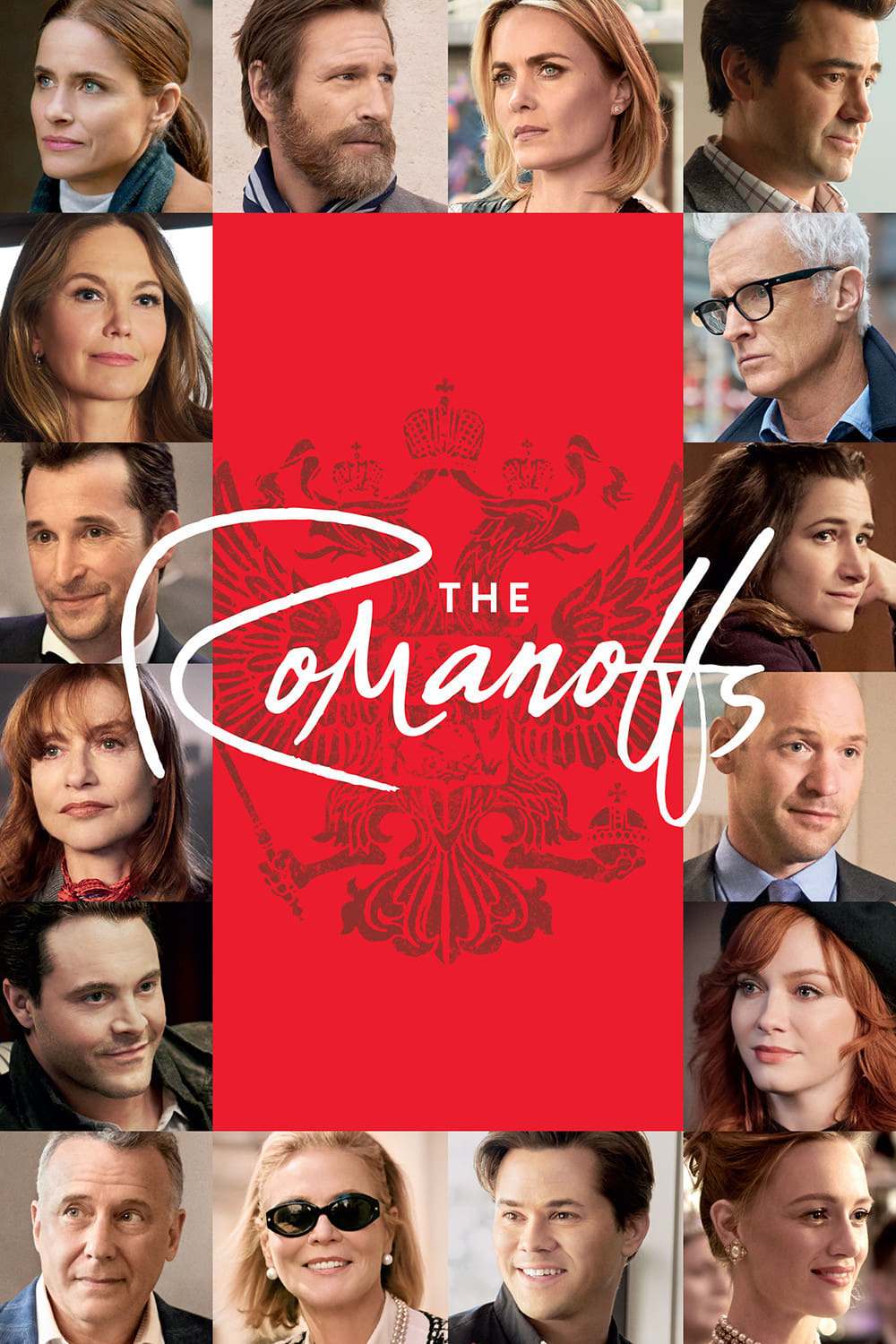
An anthology series centered around people who believe themselves to be the modern-day descendants of the Romanov family.
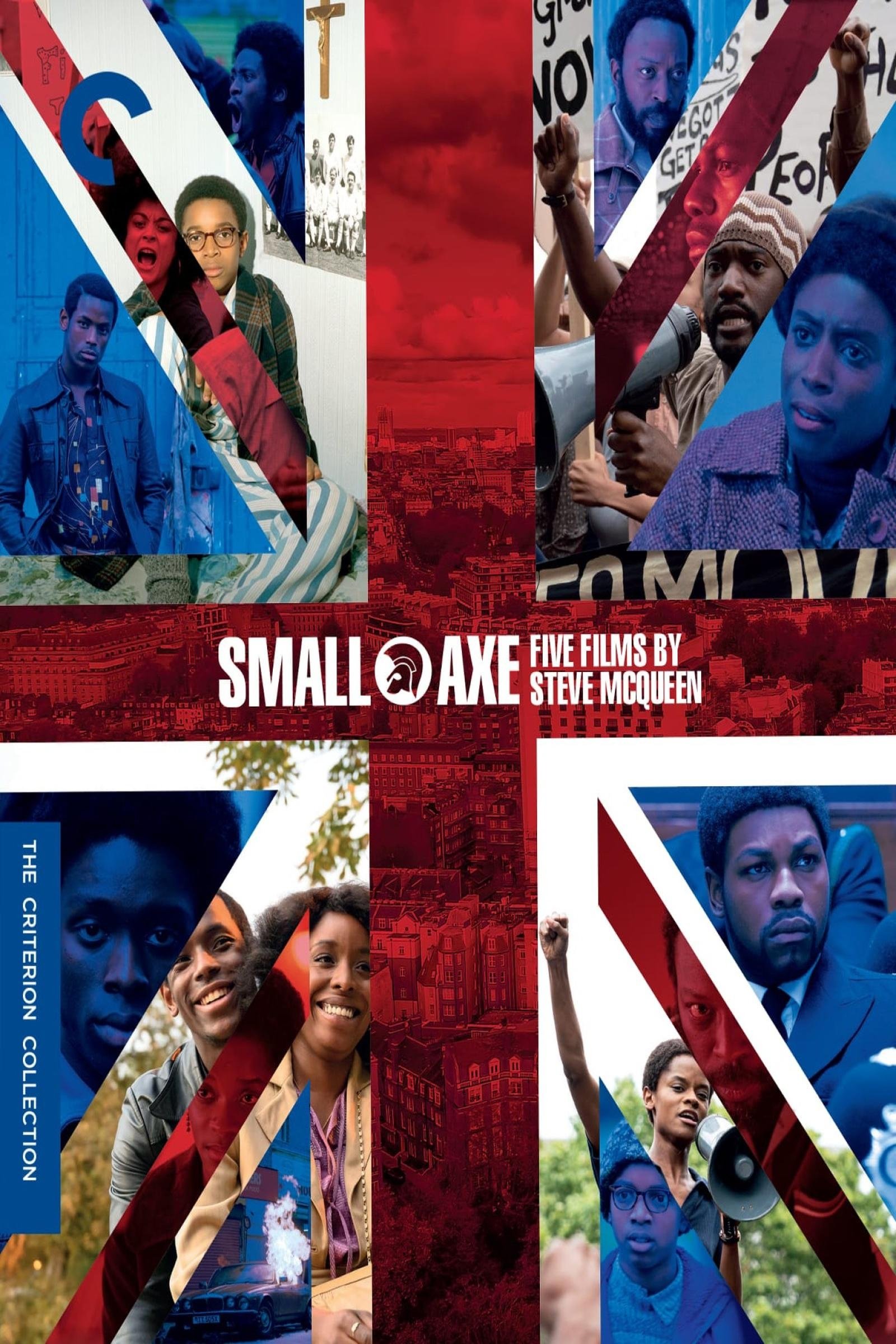
An anthology series of five stories looking at the lives of a group of friends and their families in London’s West Indian community from the late 1960s to the early 80s.
R. L. Stine's The Haunting Hour is a Canadian/American original anthology horror-fantasy series, with episodes each half an hour long. The series is based on The Haunting Hour: Don't Think About It Movie, and the books The Haunting Hour and Nightmare Hour anthology by R. L. Stine.
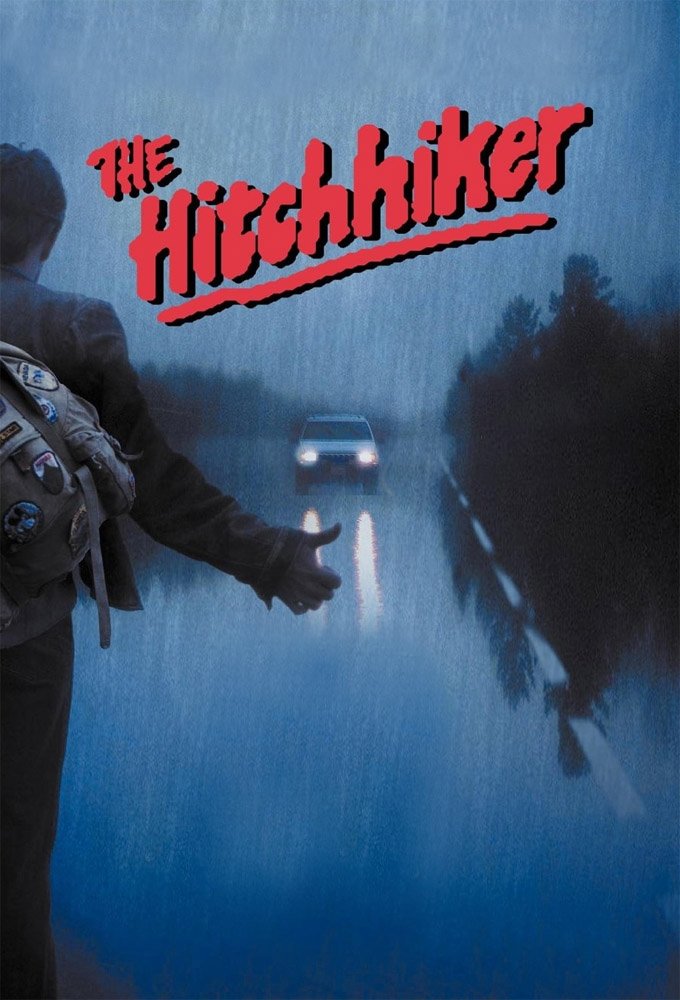
A young hitchhiker introduces characters who are about to experience a frightening and sometimes supernatural incident of some kind in this moody anthology series.
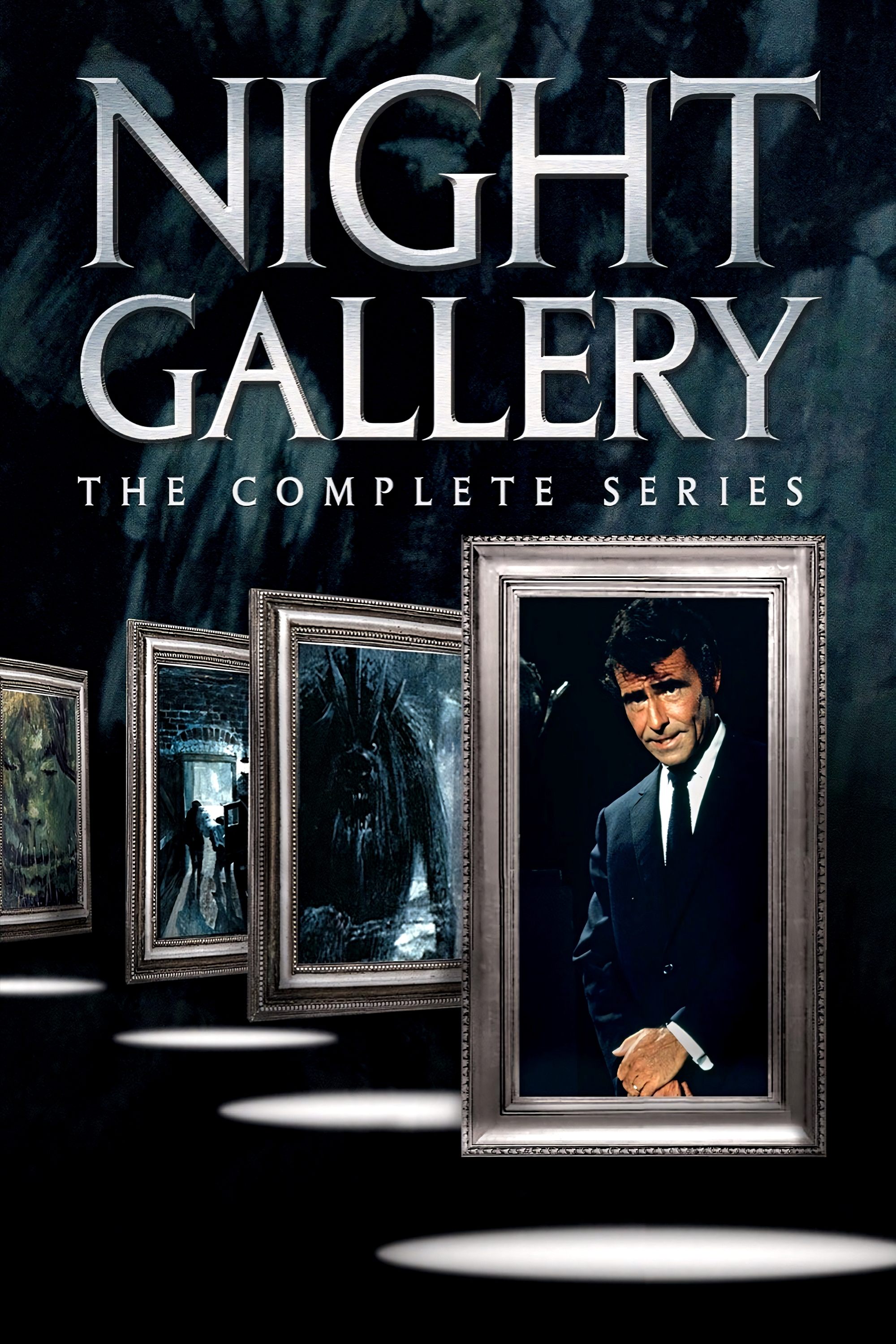
Rod Serling narrates an anthology of fantasy, horror and sci-fi stories from a set resembling a macabre museum. A chilling work of art serves as the connective link between the stories.
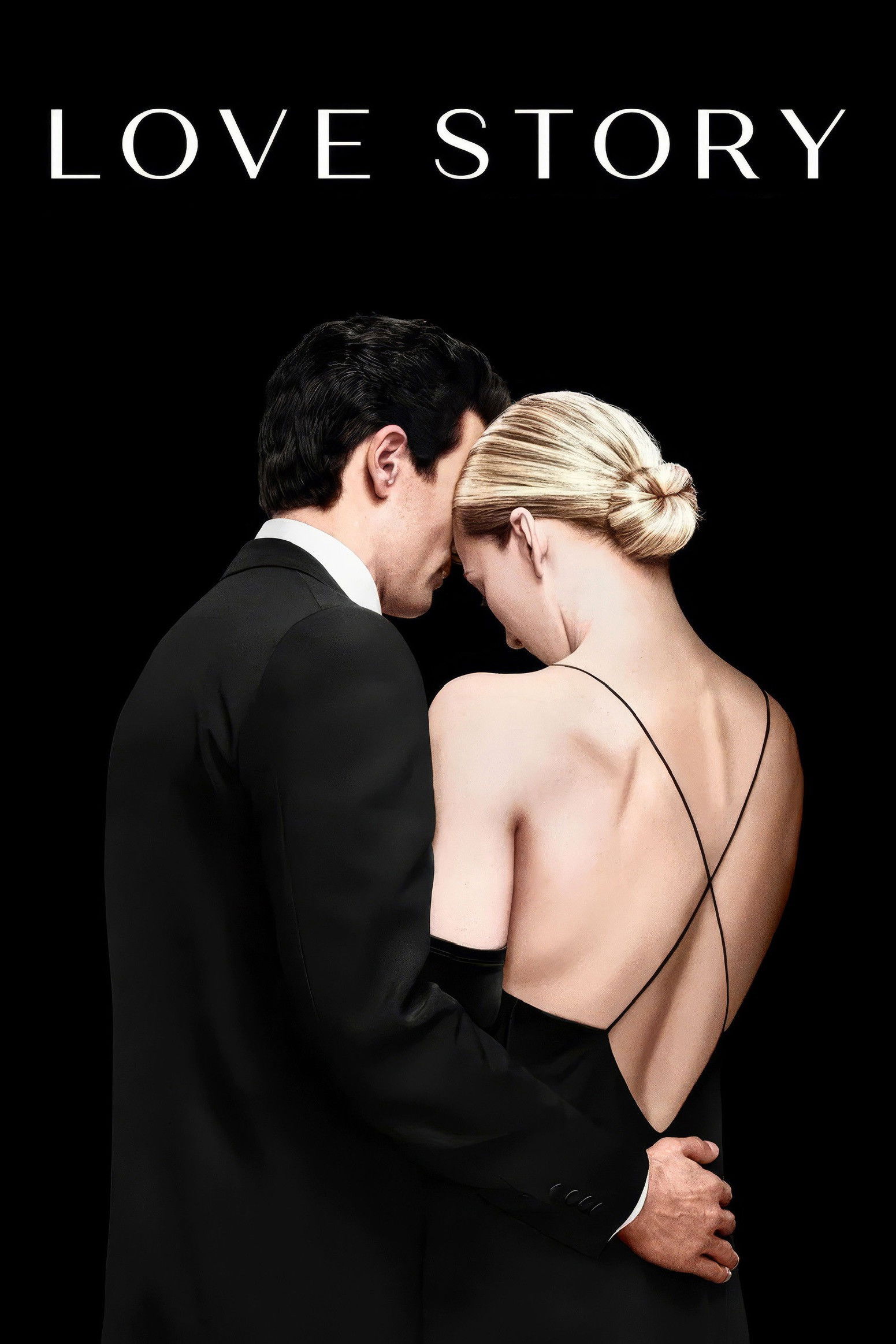
An anthology of sweeping true love stories that captured the world’s attention.
Tales from the Darkside is an anthology horror TV series created by George A. Romero, each episode was an individual short story that ended with a plot twist. The series' episodes spanned the genres of horror, science fiction, and fantasy, and some episodes featured elements of black comedy or more lighthearted themes.
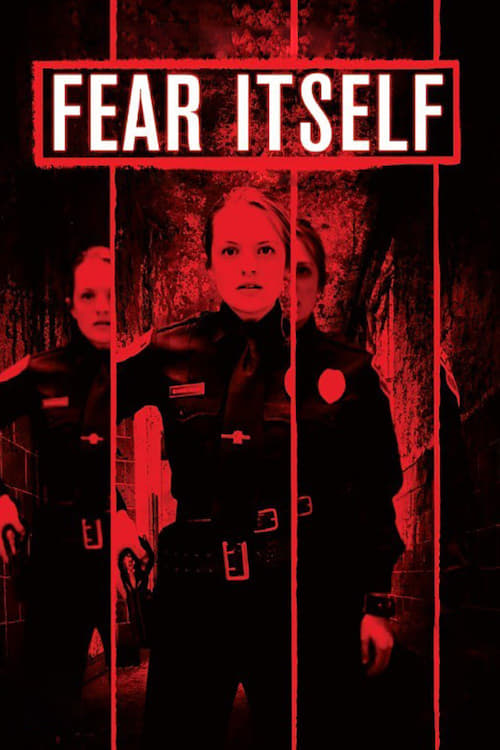
A horror/suspense anthology series directed by the biggest horror directors working in feature films.
This anthology series brings to life Aaron Mahnke's titular podcast and uncovers the real-life events that spawn our darkest nightmares. Blending reenactments, animation, archive and narration, Lore reveals how our horror legends – such as vampires, werewolves and body snatchers – are rooted in truth.
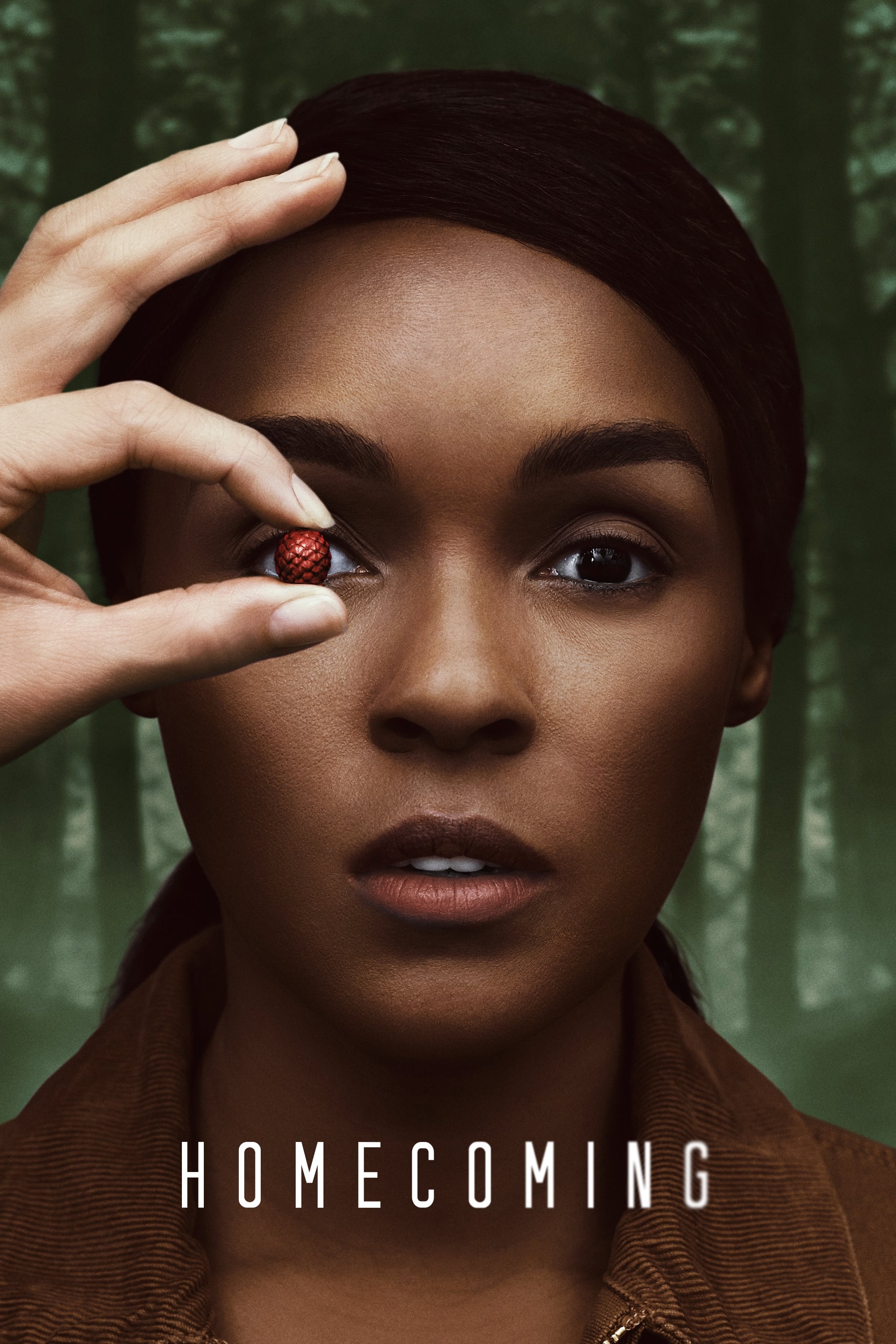
Heidi Bergman is a caseworker at Homecoming, a Geist Group facility helping soldiers transition to civilian life. Years later she has started a new life, living with her mother and working as a waitress, when a Department of Defense auditor questions why she left the Homecoming facility. Heidi quickly realizes that there's a whole other story behind the story she's been telling herself.
A television anthology series hosted by Alfred Hitchcock featuring dramas, thrillers, and mysteries.
The New Alfred Hitchcock Presents is an American anthology series that aired on NBC from 1985 to 1986, and on the USA Network from 1987 to 1989. The series is an updated re-imagining of the classic 1955 series Alfred Hitchcock Presents.
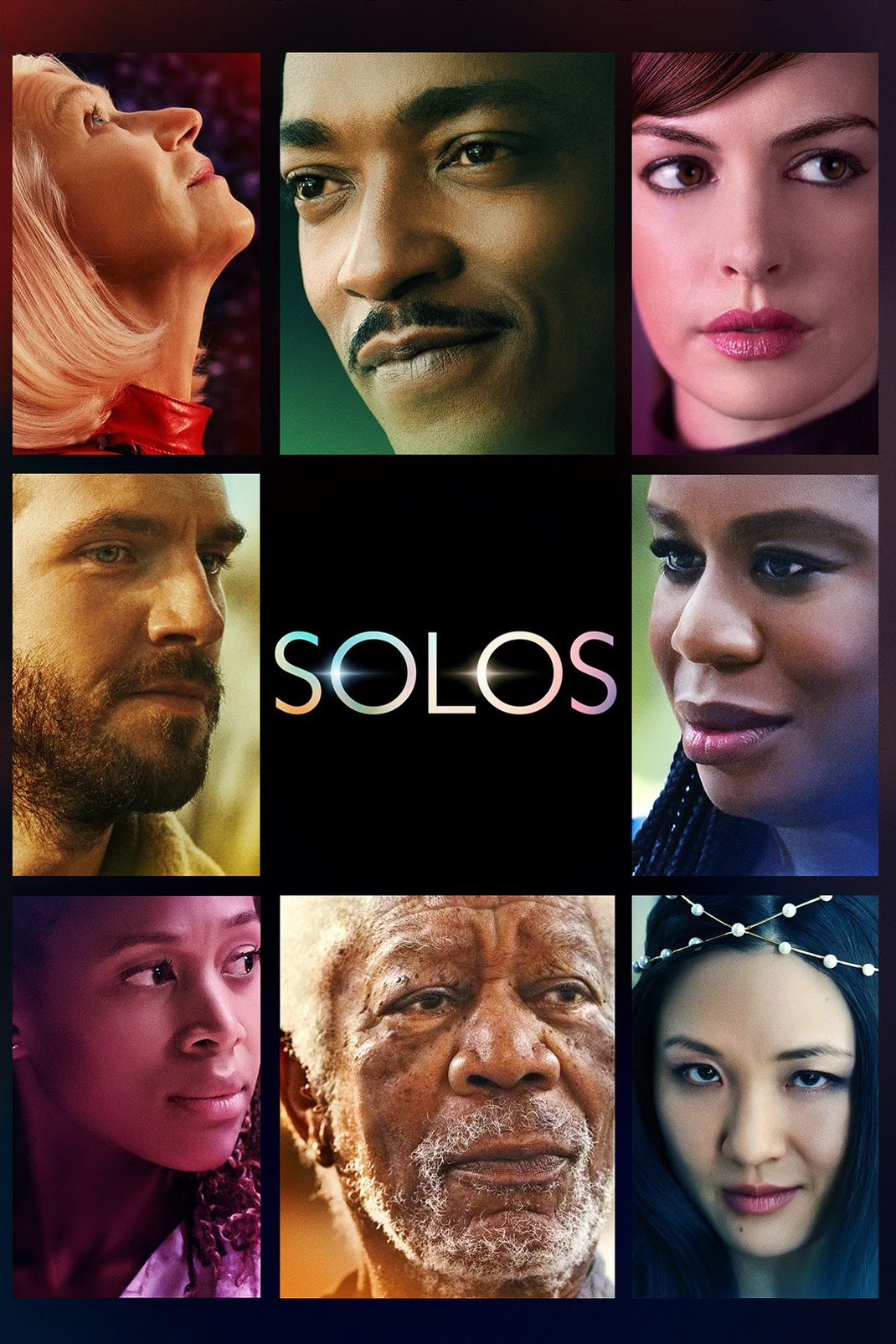
Anthology series telling character-driven stories set at different moments in time, aiming to showcase that during people's most isolated moments, and in disparate circumstances, the human experience connects everyone.
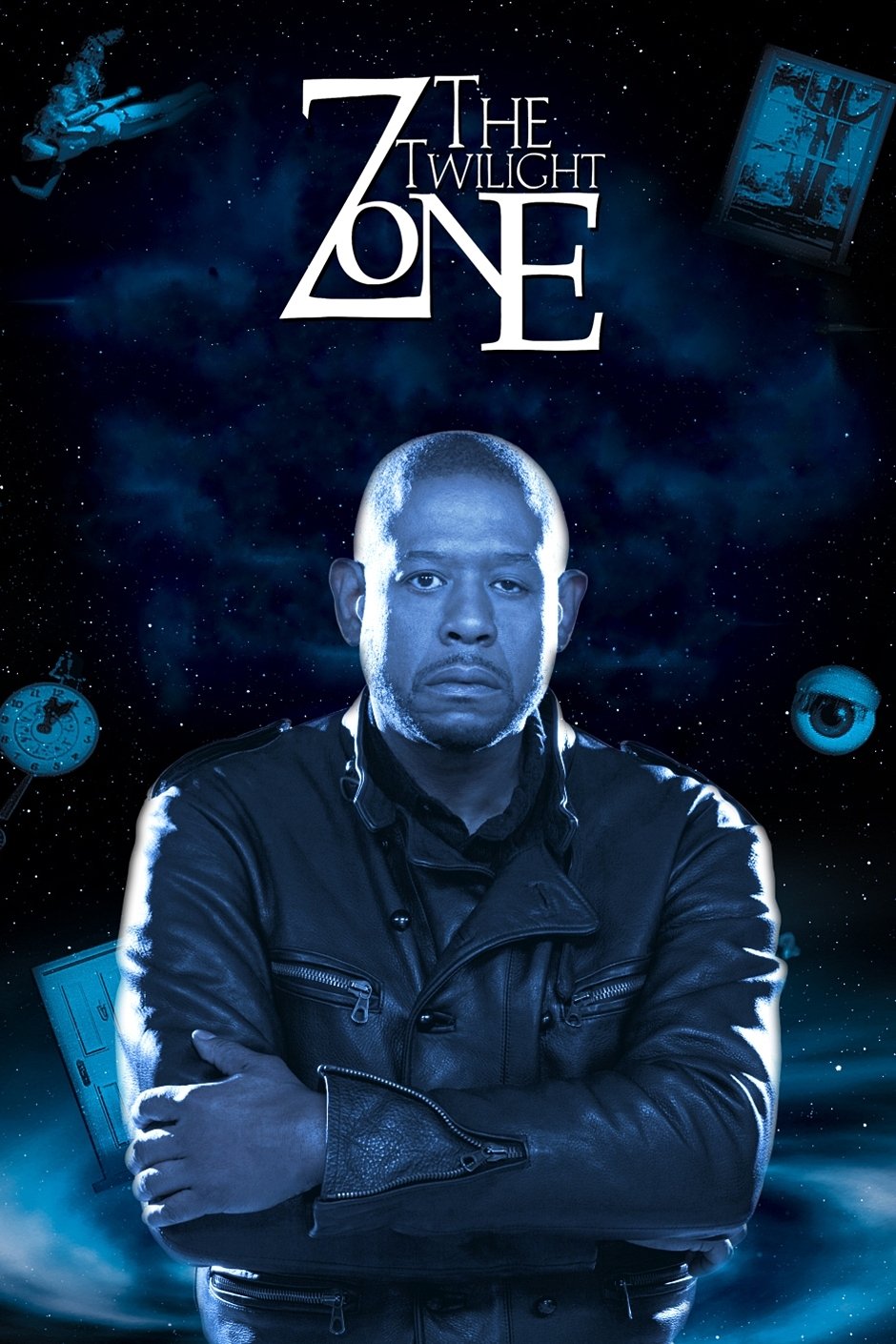
A 2002 revival of Rod Serling's 1950/60s television series, The Twilight Zone, with actor Forest Whitaker assuming Serling's role as narrator and on-screen host.
Tales of science fiction, fantasy and the occult, exploring humanity's hopes, despairs, prides and prejudices in metaphoric ways. Next stop ahead The Twilight Zone.
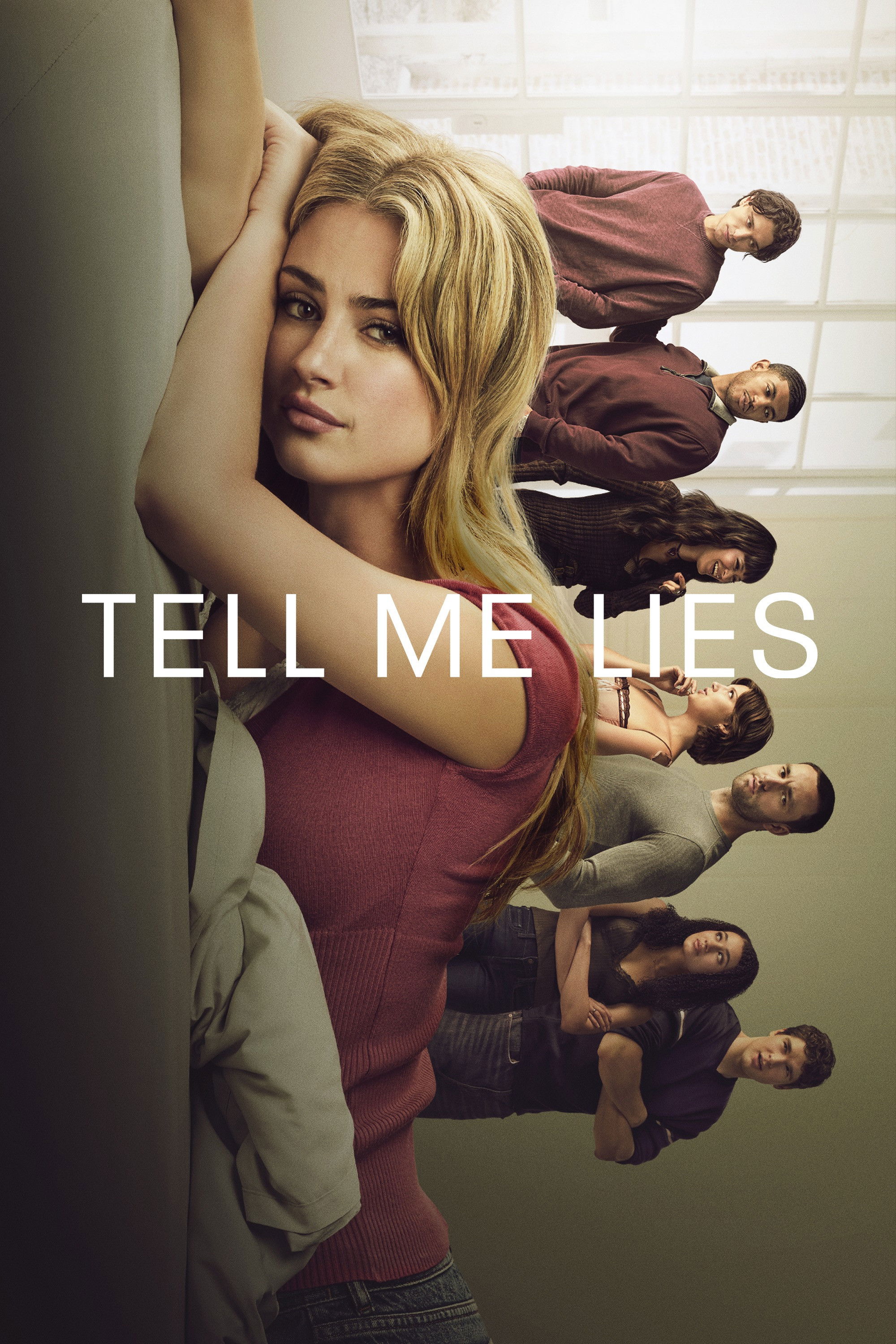
When Lucy Albright and Stephen DeMarco meet at college, they are at that formative age when seemingly mundane choices lead the way to irrevocable consequences. They quickly fall into an addictive entanglement that will permanently alter not only their lives, but the lives of everyone around them.
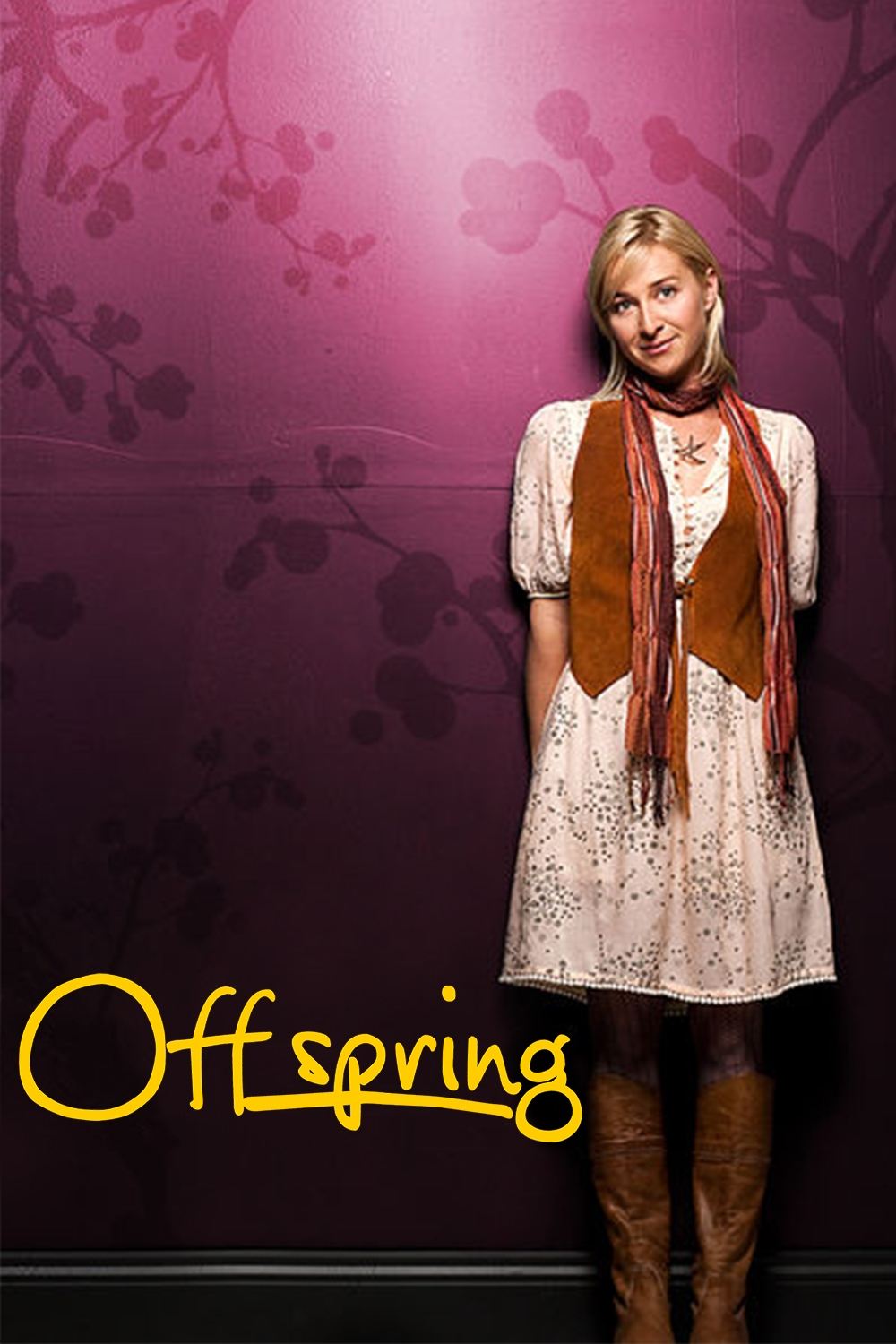
An exuberant drama set in Melbourne's Fitzroy, centering on Nina Proudman and her struggle to deal with her fabulously messy family, her hunt for a decent love life and her tendency to overthink and fly off into fantasy.
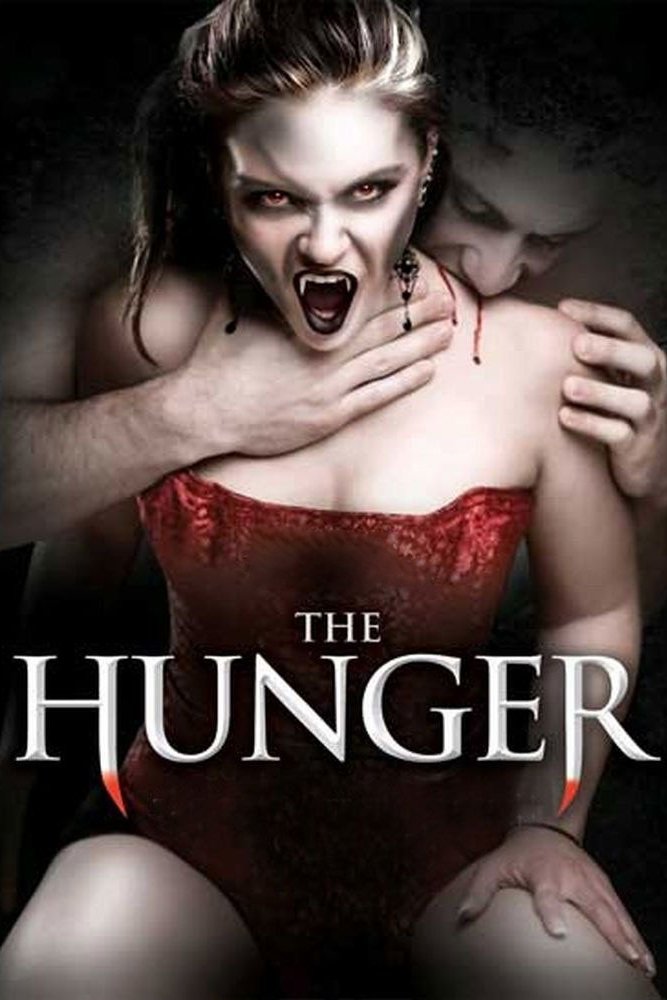
The Hunger is a British/Canadian television horror anthology series, co-produced by Scott Free Productions, Telescene Film Group Productions and the Canadian pay-TV channel The Movie Network. Though it shares a title with the feature film The Hunger the series has no direct plot or character connection to the film, and was created by Jeff Fazio. Originally shown on the Sci Fi Channel in the UK, The Movie Network in Canada and Showtime in the US, the series was broadcast from 1997 to 2000, and is internally organized into two seasons. Each episode was based around an independent story introduced by the host; Terence Stamp hosted each episode for the first season, and was replaced in the second season by David Bowie. Stories tended to focus on themes of self-destructive desire and obsession, with a strong component of soft-core erotica; popular tropes for the stories included cannibalism, vampires, sex, and poison.
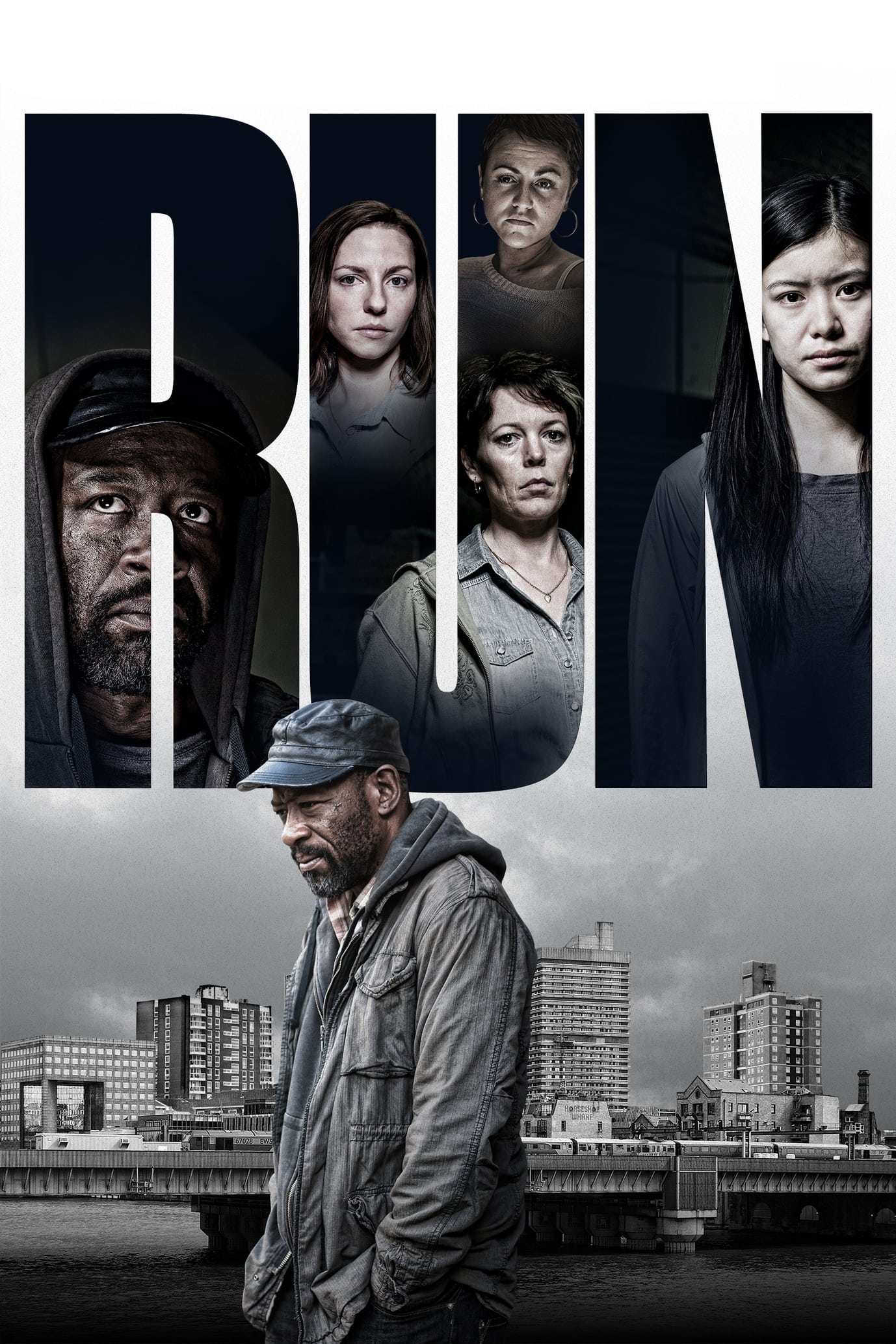
Four gritty no-holds-barred human stories of the streets, all linked together in some respect.