
Social & External
Self - Host
Exploring science, health and technology headlines with leading experts and professionals.
Join Steph and Nich as they cover the latest games, gaming news, controversies and conventions! From first looks at upcoming games, developer interviews, chaotic multiplayer sessions, pop culture events to a comprehensive look at the week in eSports.
Harrowing and hilarious tests await the brave and foolhardy, as well as the judges, in this comedy game show. If they flinch, they feel the pain.
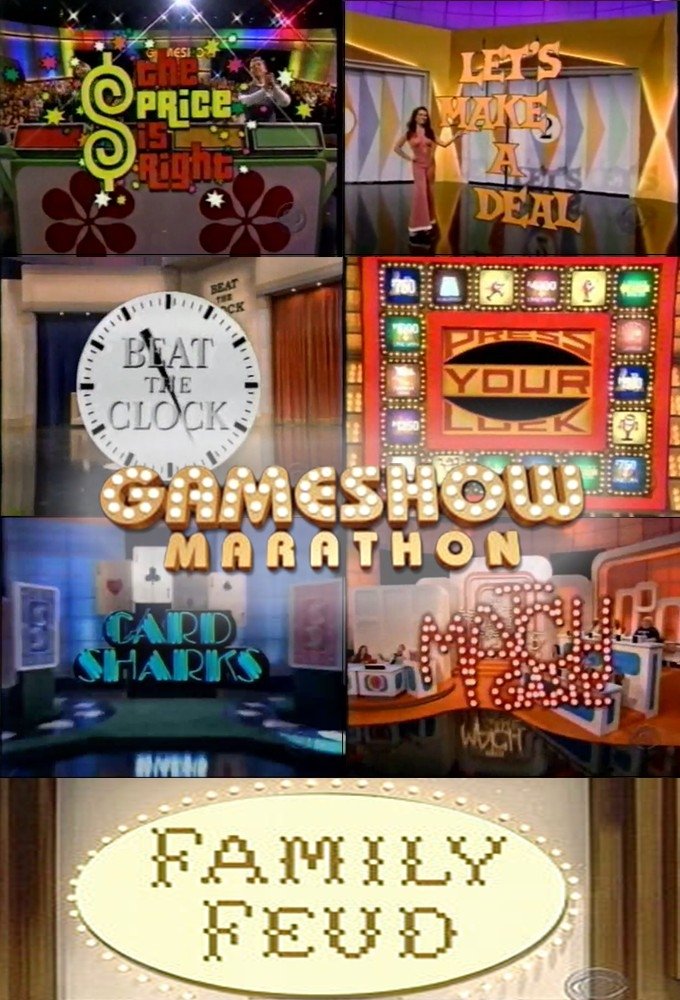
Game$how Marathon is an American television program which aired on CBS from May 31, 2006 to June 29, 2006. It is based on the UK series Ant & Dec's Gameshow Marathon which aired on ITV in 2005. The show features contestants competing in some of television's most historically popular game shows, in a single-elimination format until an ultimate winner is found. Both the UK and US versions featured celebrity contestants. The US version was produced by FremantleMedia North America and Granada America and was hosted by Ricki Lake and announced by Rich Fields. In the US, the series only aired for a single season, while in the UK a second season aired in 2007, this time entitled Gameshow Marathon and hosted by Vernon Kay. This program was recorded at Stage 46, CBS Television City in Los Angeles, CA, USA.
Let's Make a Deal is a television game show which originated in the United States and has since been produced in many countries throughout the world. The show is based around deals offered to members of the audience by the host. The traders usually have to weigh the possibility of an offer being for a valuable prize, or an undesirable item, referred to as a "Zonk". Let's Make a Deal is also known for the various unusual and crazy costumes worn by audience members, who dressed up that way in order to increase their chances of being selected as a trader. The show was hosted for many years by Monty Hall, who co-created and co-produced the show with Stefan Hatos. The current version is hosted by Wayne Brady, with Jonathan Mangum, Tiffany Coyne, and Cat Gray assisting.
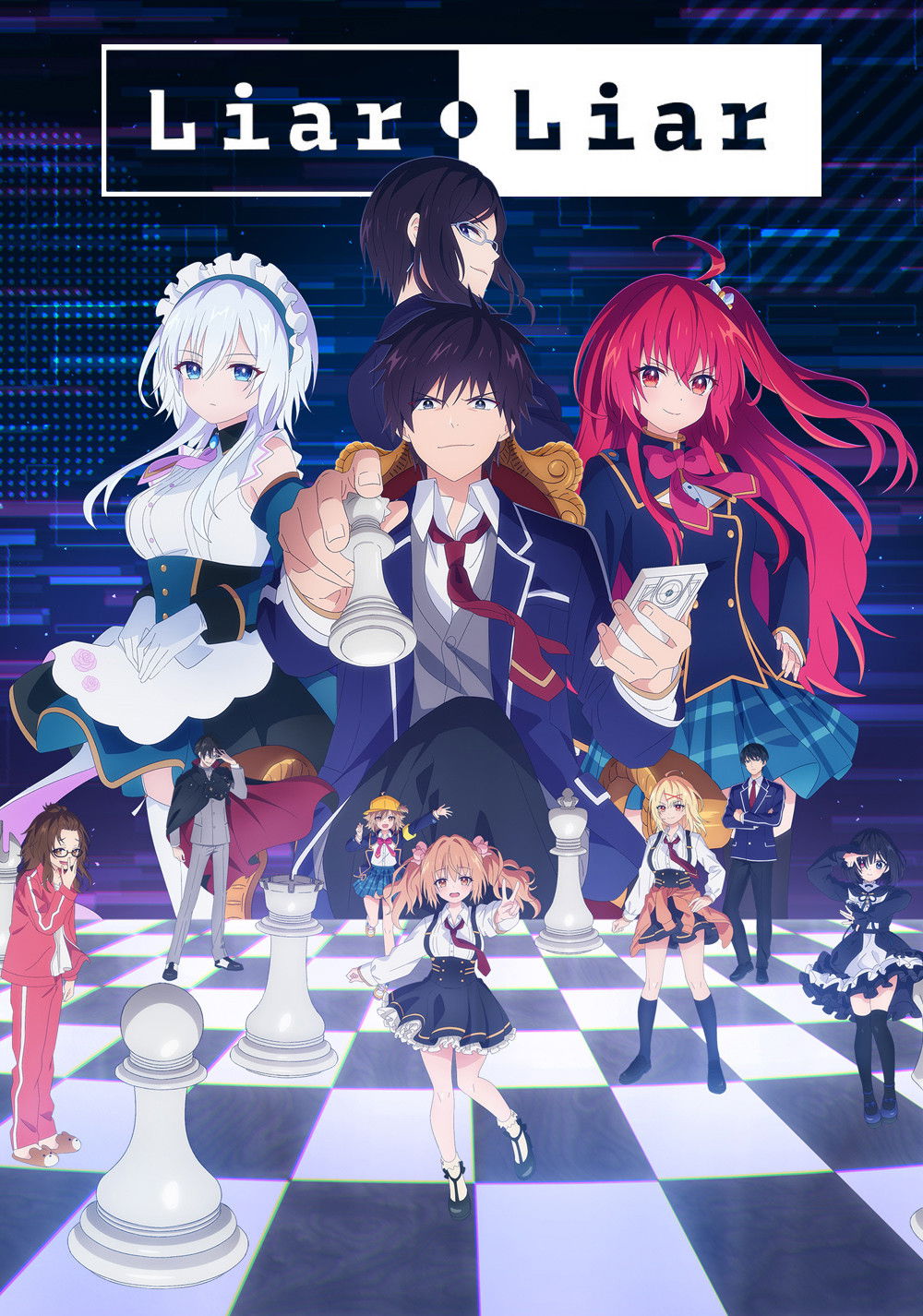
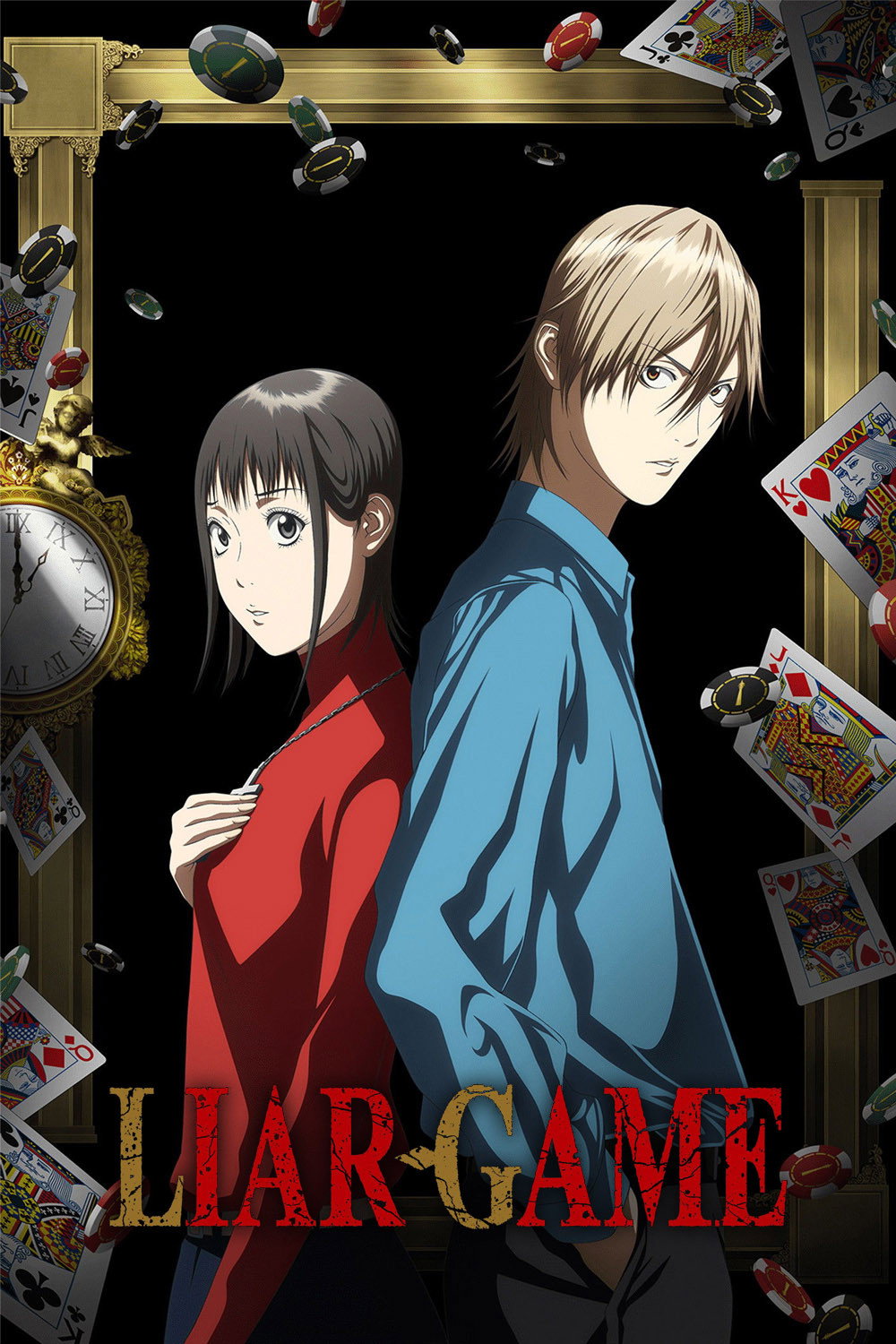
Students battle to determine their rankings, with one student having to keep up the ultimate lie!
Waku waku is the Dutch version of a Japanese game-show format (hence the name, unintelligible in Dutch or other Western languages) in which a small panel of celebrities is shown a number of short film sequences in which (usually wild or zoo) animals are shown in unusual (often artificially created) situations. The presenter asks the panel members multiple choice-questions about what an animal (or group)'s next move or reaction will be, as a rule a matter of guessing, the scores don't actually affect the show.
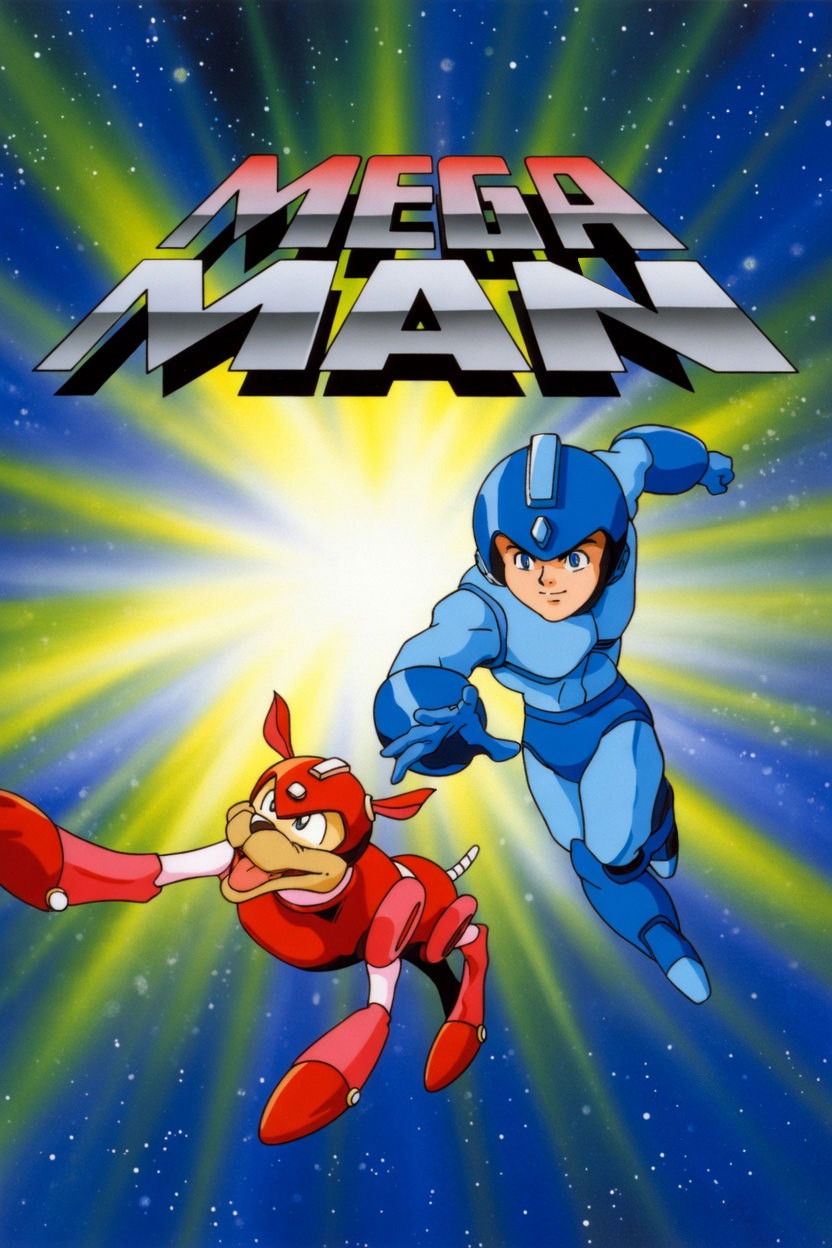
Mega Man is a robot created by a brilliant scientist named Dr. Light, who hoped many his many creations would only be used for good. One day however, a mad scientist named Dr. Wily stole Light's original 6 robots and creation plans. From them he began creating a whole new series of robots, with one goal... World Domination! But Dr. Light gave Mega Man the ultimate trump card when he built him. Mega Man possesses the ability to absorb the powers of other robots. Now Mega Man and his best friend, a robotic dog named Rush fight for everlasting peace against the evil Dr. Wily!
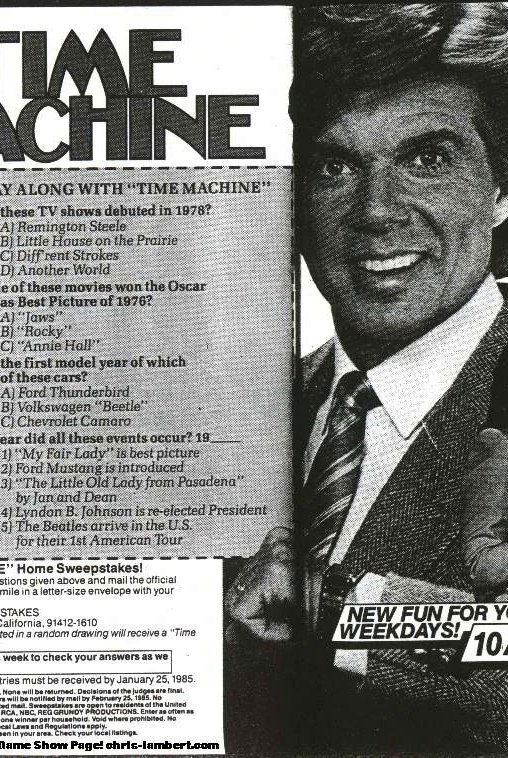
Time Machine is an American game show where contestants compete to answer trivia questions about popular culture and recent history to win prizes. The show aired on NBC from January 7 through April 26, 1985 and was hosted by John Davidson. Charlie Tuna was the announcer, with Rich Jeffries as his substitute. Reg Grundy Productions produced the series, and upon its premiere Time Machine was one of three Grundy series airing on NBC. Most of the questions used focused on nostalgia, popular culture, and recent history, and more specifically what year a particular event occurred. Future Card Sharks model Suzanna Williams appeared as one of the prize models in this series.
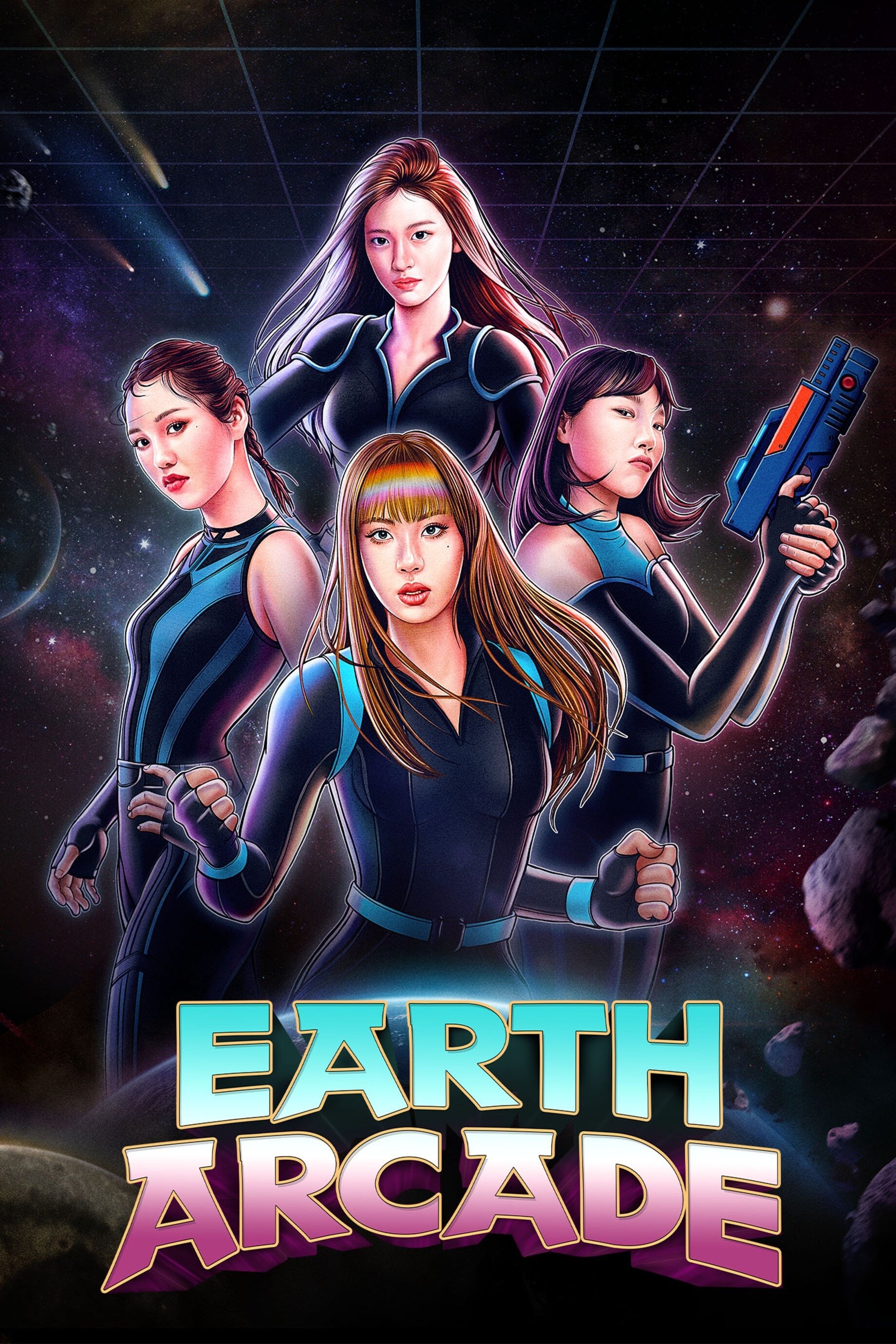
Four warriors who gathered to catch the moon rabbit who fled to Earth! A new concept hybrid multiverse action adventure variety that unfolds across time and space begins!
Face to Face is an early American television game show running 15 minutes. It began broadcasting on the NBC Television network on June 9, 1946 and ran until January 26, 1947 on Sundays at 8:00 pm EST, immediately before Geographically Speaking.
After Jay Leno's second retirement from the program, Jimmy Fallon stepped in as his permanent replacement. After 42 years in Los Angeles the program was brought back to New York.
Rapid changes in the new century have brought forth a dangerous power capable of good or evil. Harnessing the psychic abilities of its residents, the government has turned its most gifted citizens into new age guinea pigs, drained of their essence and discarded after serving their purpose. One psychic, Keith Evans, escapes their clutches and with the aid of his new friend Burn Griffith, embarks on a futuristic odyssey which pushes their camaraderie and strength to the limit!
2 Days & 1 Night is a South Korean reality-variety show with the motto "real wild road variety." Its main concept is to recommend various places of interest that viewers can visit in South Korea.
Dennis Jr. is the embodiment of typical Brazilian trickery. In his first days back in Garoa City, his older brother Franklin tries to set him on the right path. However, Dennis still gets involved with a secret gang, while trying to hide his actions from his mother, Dona Bella, as she is suspicious of his antics.
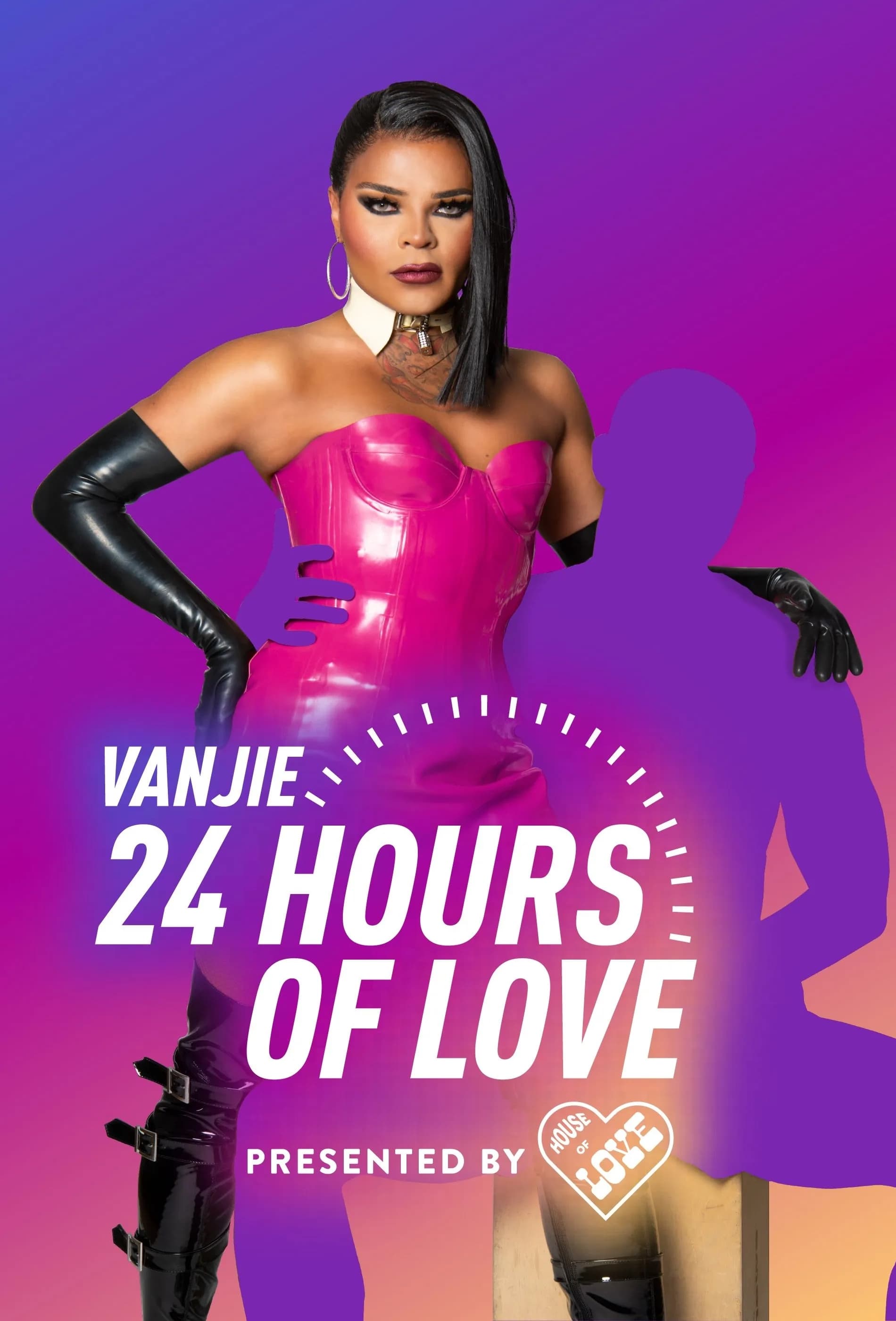
A group of friends starts a daring game. Everyone throws their keys into a bowl—whoever picks one spends the night with the owner of that key.
El Show de Larry is the talk show where Jely and Chinopinto play, chat, and satirize everything.
VICE News' half-hour nightly newscast. We now interrupt your regularly scheduled worldview.
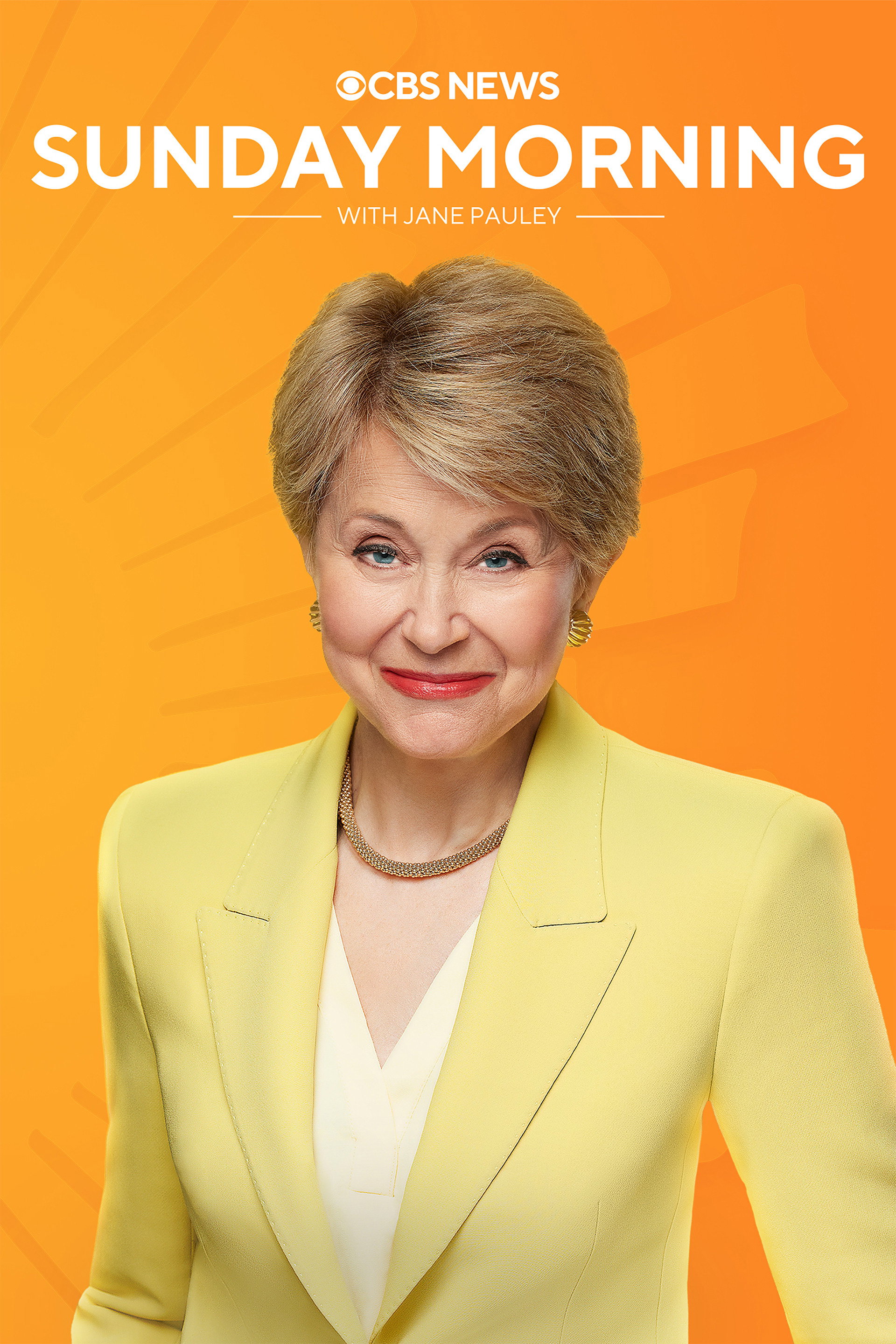
The sparkling notes of a trumpet fanfare and the familiar logo of the sun alert viewers that it's time for CBS's Sunday morning staple. Journalist Jane Pauley helms the show, taking over hosting duties from Charles Osgood, who spent 22 years on the job. A morning talk show, this program airs at a different pace and focuses much of its attention on the performing arts. After a quick update of the day's news and national weather, correspondents offer longer-length segments on a variety of topics, from architecture to ballet to music to pop culture to politics.
America's popular television News magazine in which an ever changing team of CBS News correspondents contribute segments ranging from hard news coverage to politics to lifestyle and pop culture.
60 Minutes, an Australian version of the U.S. television newsmagazine 60 Minutes, airs on Sunday nights on the Nine Network and is presented in much the same way as the American program on which it is based. The New Zealand version of the show has also featured segments of the Australian version. Gerald Stone, the founding executive producer, was given the job by Kerry Packer and was told: "I don't give a f... what it takes. Just do it and get it right." After the first episode was broadcast on 11 February 1979, Packer was less than impressed, telling Stone: "You've blown it, son. You better fix it fast." Over the years, Stone's award winning 60 Minutes revolutionised Australian current affairs reporting and enhanced the careers of Ray Martin, Ian Leslie, George Negus, and later Jana Wendt. Since it was first broadcast, 60 Minutes has won five Silver Logies, one Special Achievement Logie, and received nominations for a further six Logie awards.
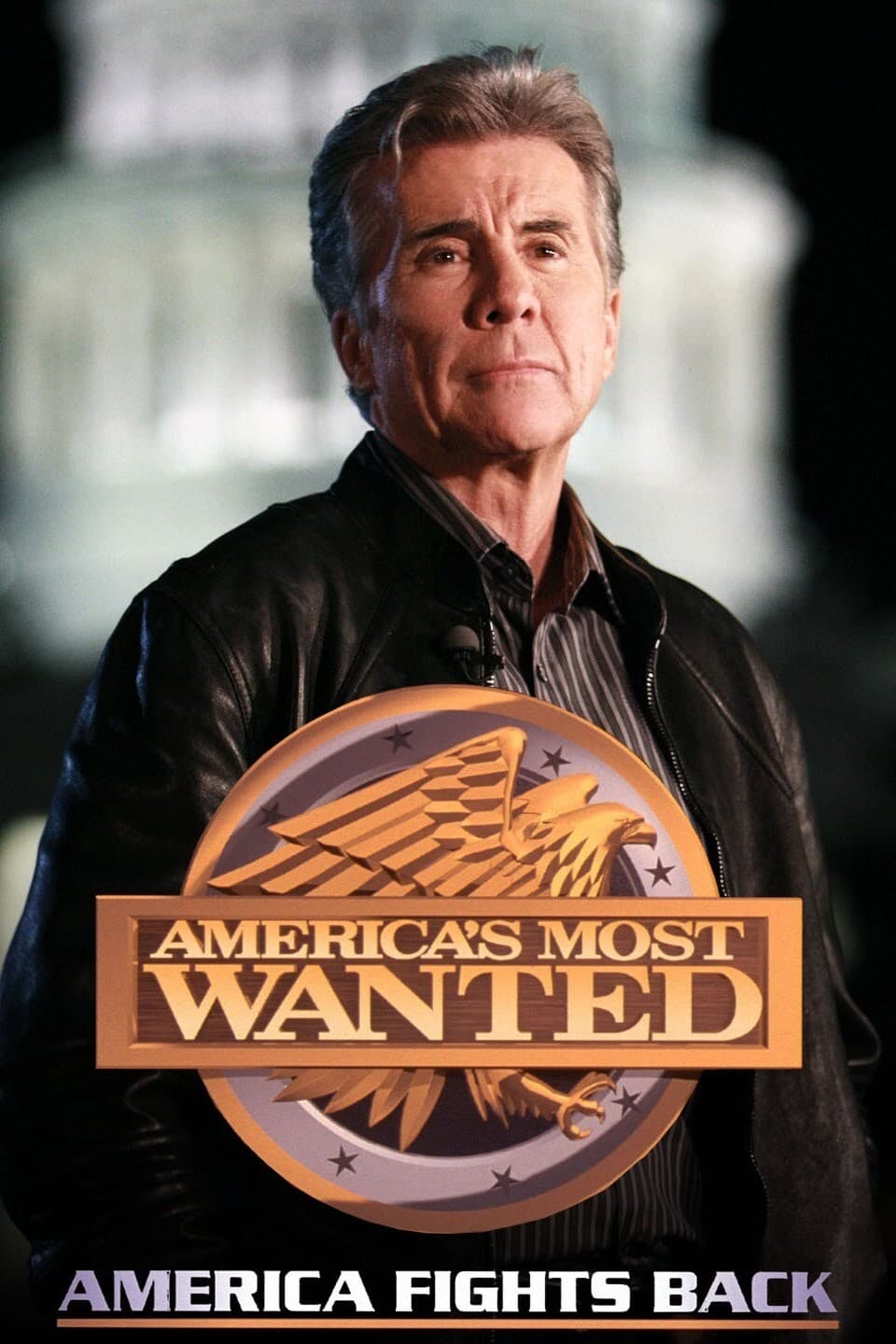
Presented by Walsh, the show profiles and assist law enforcement in the apprehension of fugitives wanted for numerous crimes, including murder, rape, kidnapping, child molestation, white-collar crime, organized crime, armed robbery, gang violence, and terrorism, and also many of whom are currently on the FBI Ten Most Wanted Fugitives list.
Veteran political journalist Tucker Carlson hosts this nightly series that bears his name. Fox News describes the show as an "hour of spirited debate and powerful reporting," with Carlson taking on issues that viewers care about. He is joined by guests to help him discuss issues that don't seem to get much coverage in other parts of the media. Regular segments include Carlson calling out political correctness that goes too far and putting overblown social-media outrage in its place, all done in what the network calls "his signature style."