
Social & External
Unknown Role
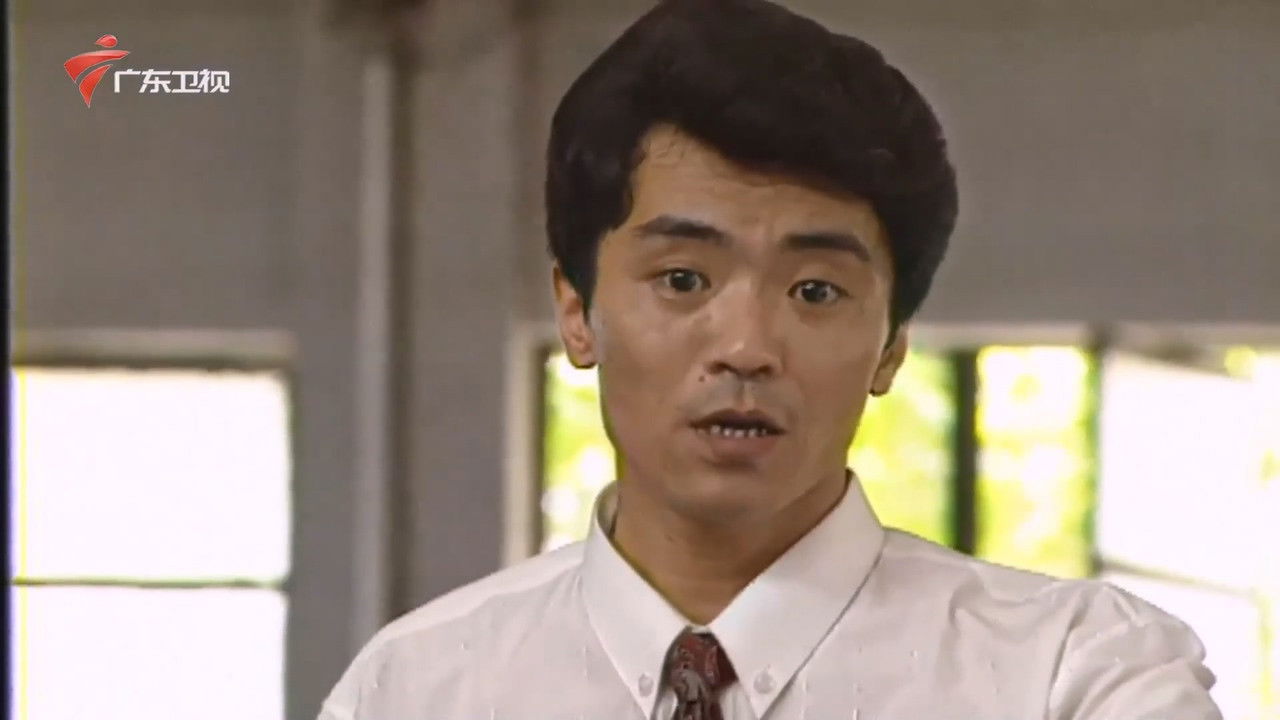
Haru Satonaka is the captain of an ice-hockey team, a star athlete who stakes everything on hockey but can only consider love as a game. Aki Murase is a woman who has been waiting for her lover who went abroad two years ago. These two persons start a relationship while frankly admitting to each other that it is only a love game. …The result is the unfolding of a drama of people with their respective pasts and with their pride as individuals.
The continuing adventures of store clerks Dante and Randal, who try to make the best of their menial labor, with no help from Jay and Silent Bob.
The Message was a surreal comedy series which spoofs current practices in the television industry. It originally aired in 2006 on BBC Three. It consisted of six episodes, and was not renewed after the first season.
Supermarket manager Ros Pritchard decides to stand for election and her steady gains of support gives rise to thoughts of becoming Prime Minister.
La Job is a French Canadian comedy television series set in Montreal. It is an adaptation of the British show The Office of the BBC. Produced by Anne-Marie Losique's Image Diffusion International, it has been broadcast for a limited number of viewers on Bell TV satellite television, beginning on October 9, 2006. It was later seen by a wider audience on the public broadcaster Radio-Canada and specialty channel ARTV. It is the third official foreign adaptation of the concept, and the second in a language other than English.
Black Hole High is a Canadian science fiction television program which first aired in North America in October 2002 on NBC and Discovery Kids. It is set at the fictional boarding school of the title, where a Science Club investigates mysterious phenomena, most of which is centered around a wormhole located on the school grounds. Spanning four seasons, the series developed into a success, and has been sold to networks around the globe. Created by Jim Rapsas, the series intertwines elements of mystery, drama, romance, and comedy. The writing of the show is structured around various scientific principles, with emotional and academic struggles combined with unfolding mysteries of a preternatural nature. In addition to its consistent popularity among children, it has been recognised by adults as strong family entertainment. Forty-two episodes of the series, each roughly twenty-five minutes in length, have been produced, the last three of which premiered in January 2006. Those three final episodes that aired were combined into a film, Strange Days: Conclusions. The show was filmed at the Auchmar Estate on the Hamilton Escarpment in Hamilton, Ontario.
Bugs was a British television drama series which ran for four series from April 1995 to August 1999. The programme, a mixture of action/adventure and science-fiction, involved a team of specialist independent crime-fighting technology experts, who faced a variety of threats based around computers and other modern technology. It was originally broadcast on Saturday evenings on BBC One, and was produced for the BBC by the independent production company Carnival Films.
British sitcom in which Reverend Philip Lambe, after becoming bored in his wealthy Oxfordshire parish, asks for a transfer to a more difficult assignment. Sent to Edendale, a fictional urban town in the Midlands, he is accompanied by his wife Emma, sixteen-year-old daughter Miranda and twelve-year-old son Peter.
How do you like Wednesday? was a Japanese television variety series that aired on the HTB network in Hokkaidō, Japan, and on other regional television networks in Japan. The program debuted on HTB on October 9, 1996. The series was one of the first local variety programs to be produced on Hokkaido; prior to this series' launch, local variety programs in Hokkaidō were virtually non-existent. The program also had a significant influence on other local programs in other regions in Japan, most notably Kwangaku! in Kansai and Nobunaga in Tokai. The series achieved a record 18.6% viewing share on December 8, 1999, the highest share for a late-night program on a local TV station. Production of the weekly regular series ended in September 2002, though new limited-run series were produced on average of every 18 months; the latest series was shown on HTB in late 2005, eight episodes in length. Most of the series have been rerun under the names of Dōdeshō Returns and Suiyō Dōdeshō Classic.
Eizan Kaburagi and his friends experience their first year at a ninja school, where they learn only the finest forms of education there are… such as how to pass through walls, disappear into clouds of smoke and fly over rooftops.
W*A*L*T*E*R is a pilot for a spin-off of M*A*S*H made in 1984 that was never picked up. It starred Gary Burghoff, who reprised his M*A*S*H character. The show relates the adventures of Corporal Walter O'Reilly after he returns home from the Korean War. He is no longer calling himself "Radar" and has moved away from Iowa after he sent his mother to live with his aunt. Settling in St. Louis, Missouri, by the beginning of the series he has become a police officer, though his character is still as in the original series.
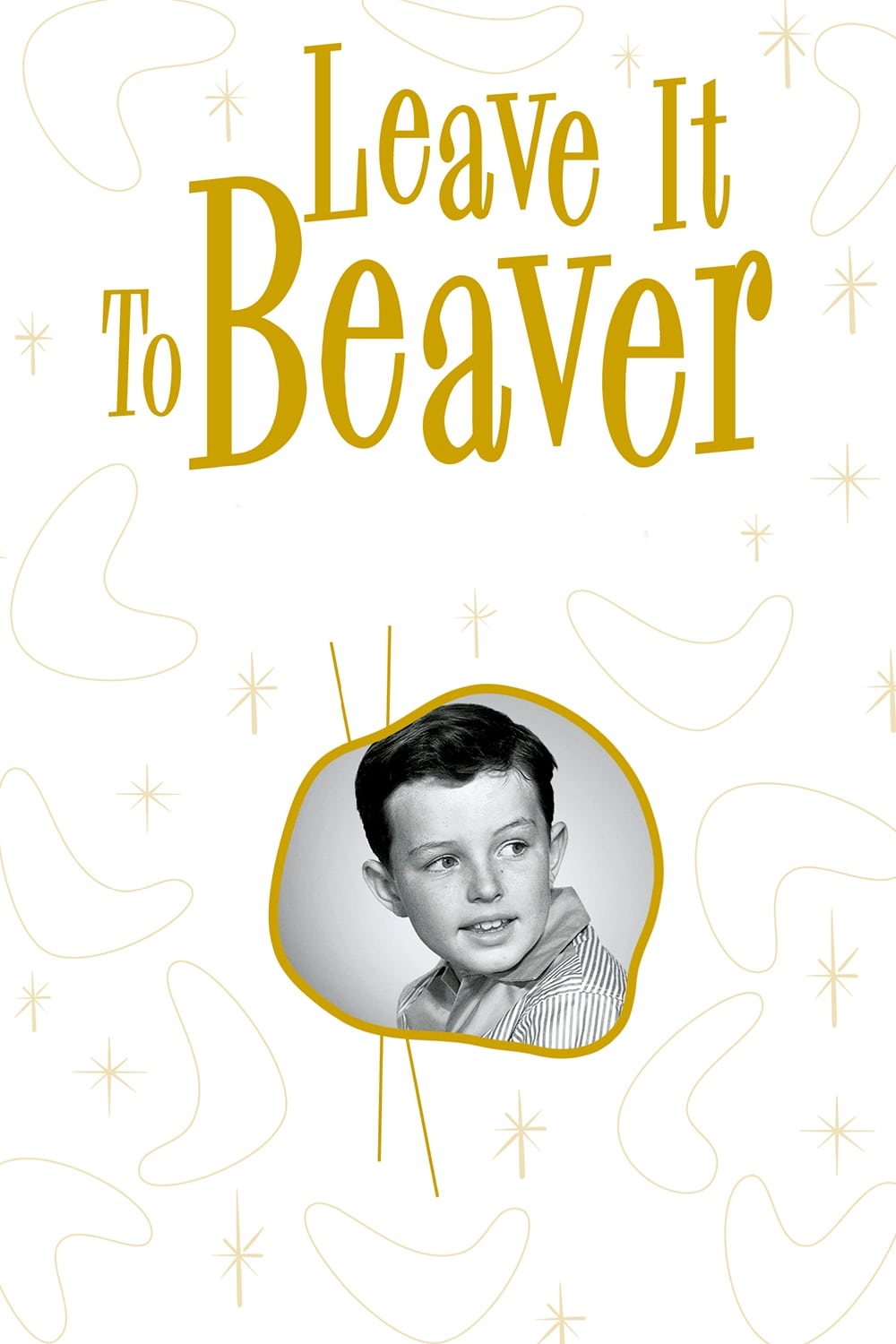
An inquisitive and often naïve boy, Theodore 'The Beaver' Cleaver, has adventures at home, in school, and around his suburban neighborhood. The show also starred Barbara Billingsley and Hugh Beaumont as Beaver's parents, June and Ward Cleaver, and Tony Dow as Beaver's brother Wally. The show has attained an iconic status in the US, with the Cleavers exemplifying the idealized suburban family of the mid-20th century.
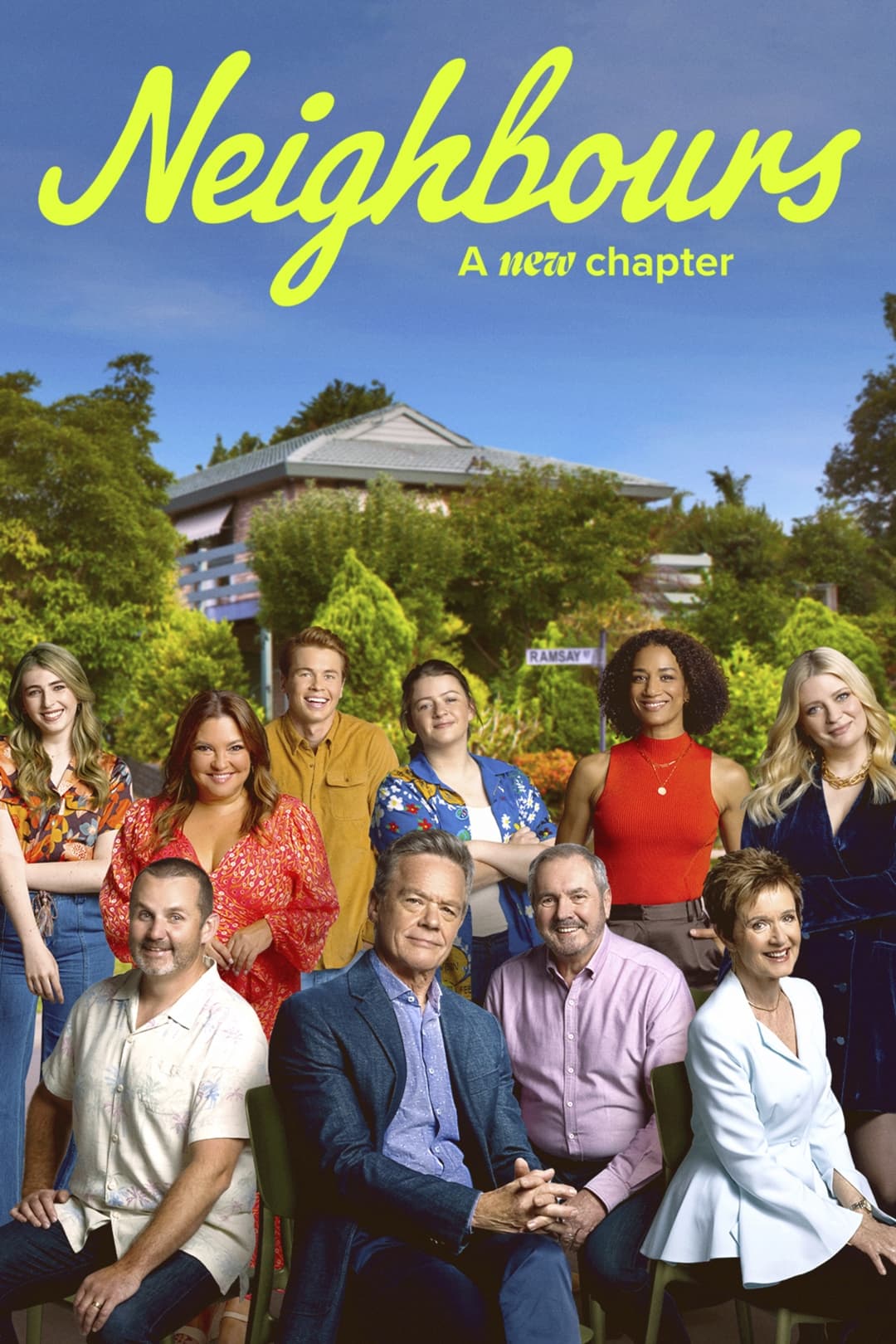
Neighbours is an Australian television soap opera. The show's storylines concern the domestic and professional lives of the people who live and work in Erinsborough, a fictional suburb of Melbourne, Victoria. The series primarily centres around the residents of Ramsay Street, a short cul-de-sac, and its neighbouring areas, the Lassiters complex, which includes a bar, hotel, cafe, news office and park. Neighbours began with three families created by Watson – the Ramsays, the Robinsons and the Clarkes. Watson said that he wanted to show three families who are friends living in a small street. The Robinsons and the Ramsays had a long history and were involved in an ongoing rivalry.
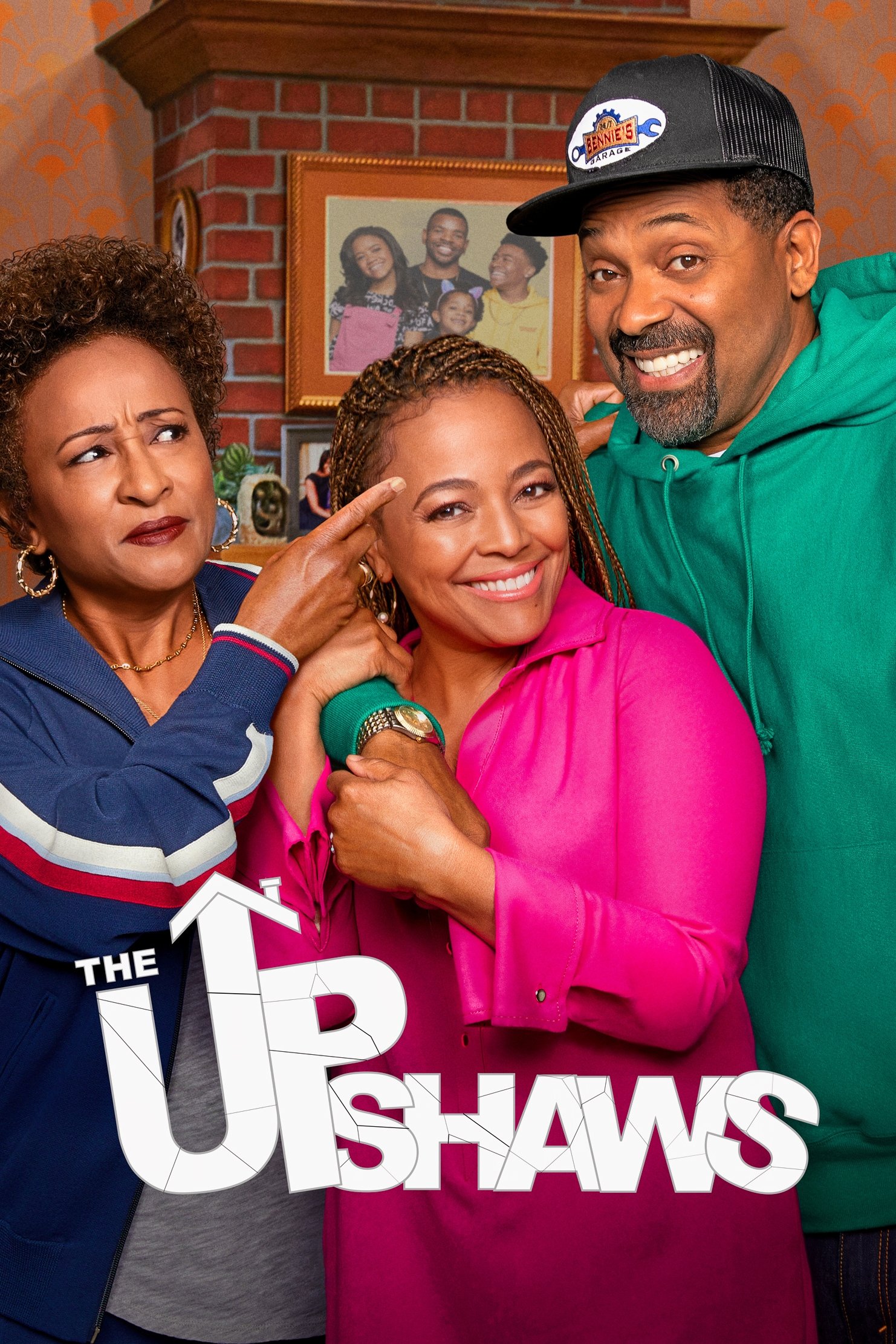
Bennie Upshaw, the head of a Black working class family in Indianapolis, is a charming, well-intentioned mechanic and lifelong mess just trying his best to step up and care for his family and tolerate his sardonic sister-in-law, all without a blueprint for success.
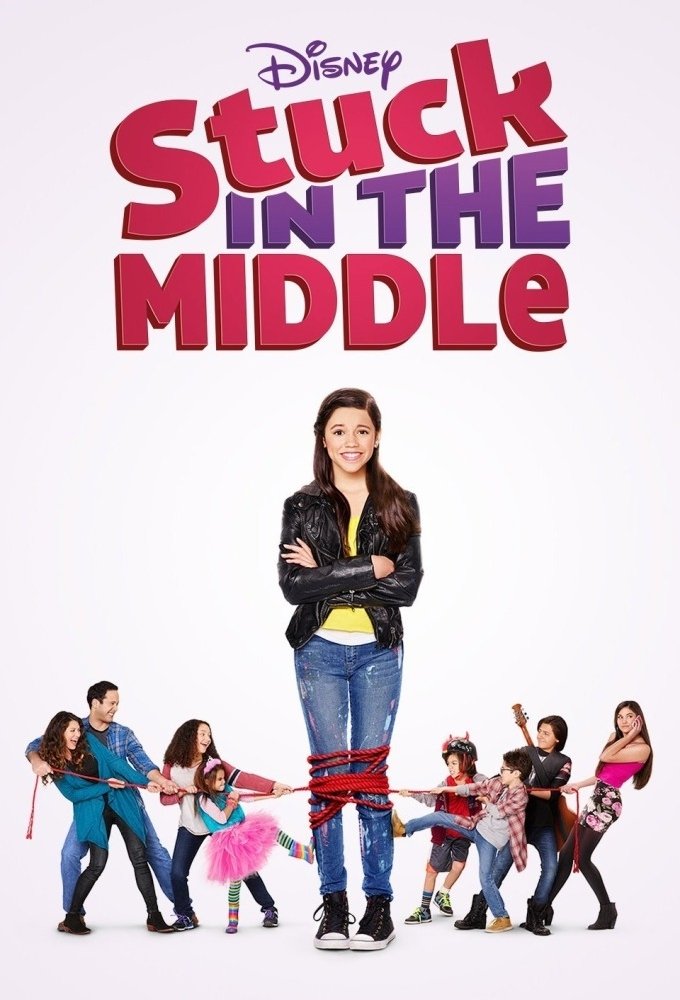
Harley is an engineering whiz who uses her inventions to navigate life as the middle child in a large family of seven kids.
The trials and tribulations of the very large, colorful and imperfect Braverman family.
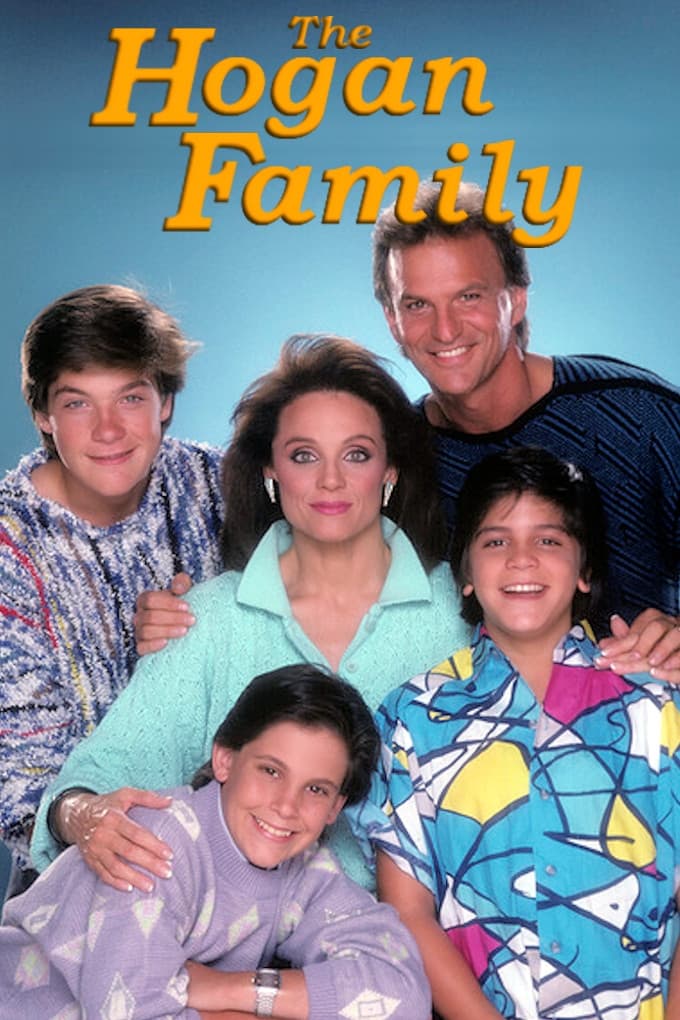
The Hogan Family is an American television situation comedy that aired on NBC from March 1, 1986 to May 7, 1990, and on CBS from September 15, 1990 until July 20, 1991. It was produced by Miller-Boyett Productions, along with Tal Productions, Inc., and in association with Lorimar Productions, Lorimar-Telepictures and Lorimar Television. The show was originally titled Valerie and starred Valerie Harper as a mother trying to juggle her career with raising her three sons by her often-absent airline-pilot husband. Harper was written out of the series after the second season because of a dispute with the show's producers. Sandy Duncan joined the cast as the boys' aunt, who moved in and became their surrogate mom. During the show's third season, the series was known as Valerie's Family: The Hogans, then simply as The Hogan Family.
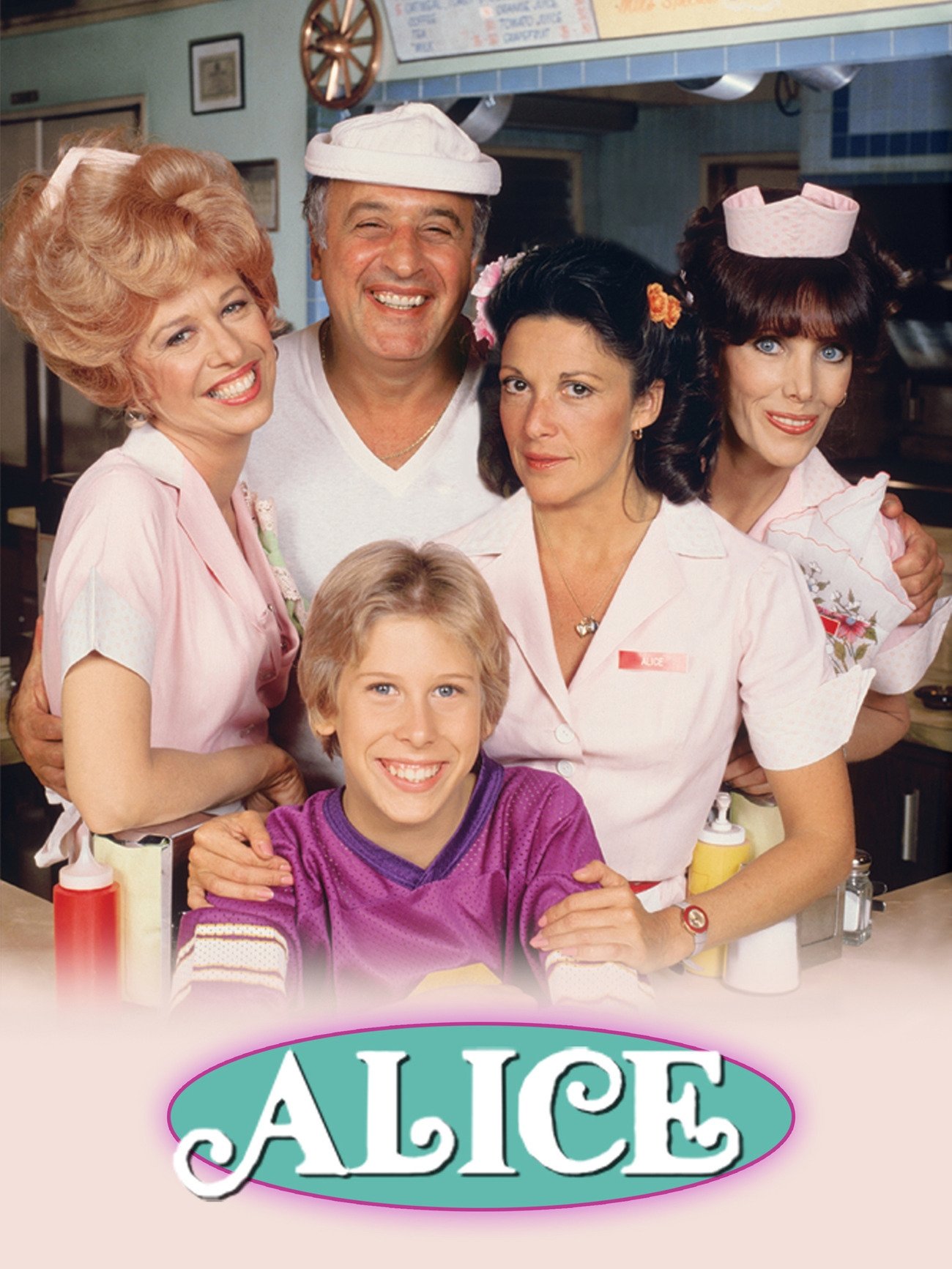
Alice is an American sitcom television series that ran from August 31, 1976 to March 19, 1985 on CBS. The series is based on the 1974 film Alice Doesn't Live Here Anymore. The show stars Linda Lavin in the title role, a widow who moves with her young son to start her life over again, and finds a job working at a roadside diner on the outskirts of Phoenix, Arizona. Most of the episodes revolve around events at Mel's Diner.
They're just your average family. Stressed mum Bill, daft dad Ben, and two troublesome teens. Plus just a few crazy ideas, escapades and mishaps. The classic 90s sitcom.
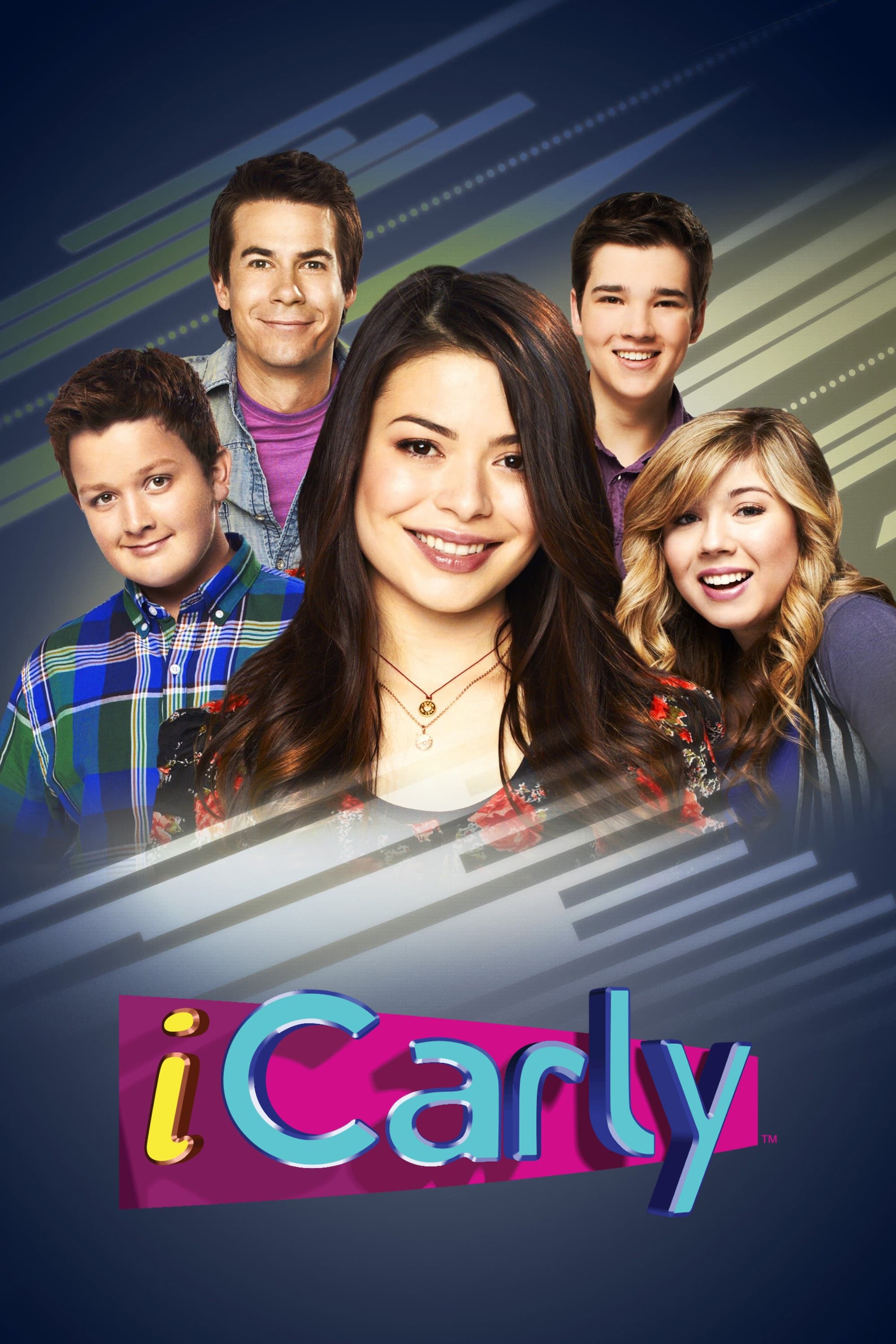
Watch Carly, Sam, and Freddie, as they try to balance their everyday 8th grade lives with their newfound fame managing and starring in the most awesome show on the web.
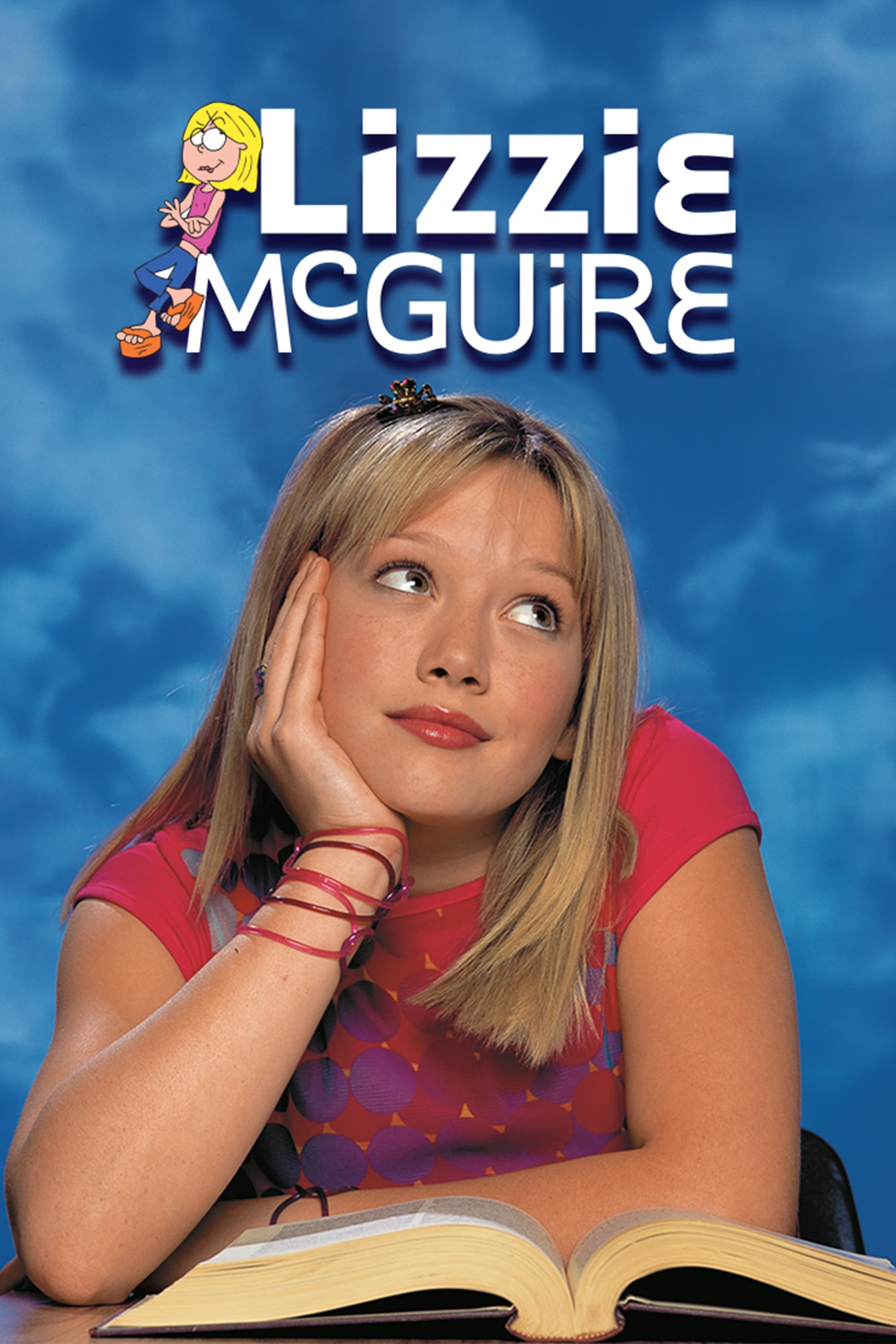
Lizzie McGuire is all about the ordinary and not-so-ordinary adventures of a junior high student and her two best friends as they try to deal with the ups and downs of school, popularity, boys, parents, a bratty little brother--just life in general. And if Lizzie leaves anything unsaid, you can bet that her cartoon alter ego will say it for her!
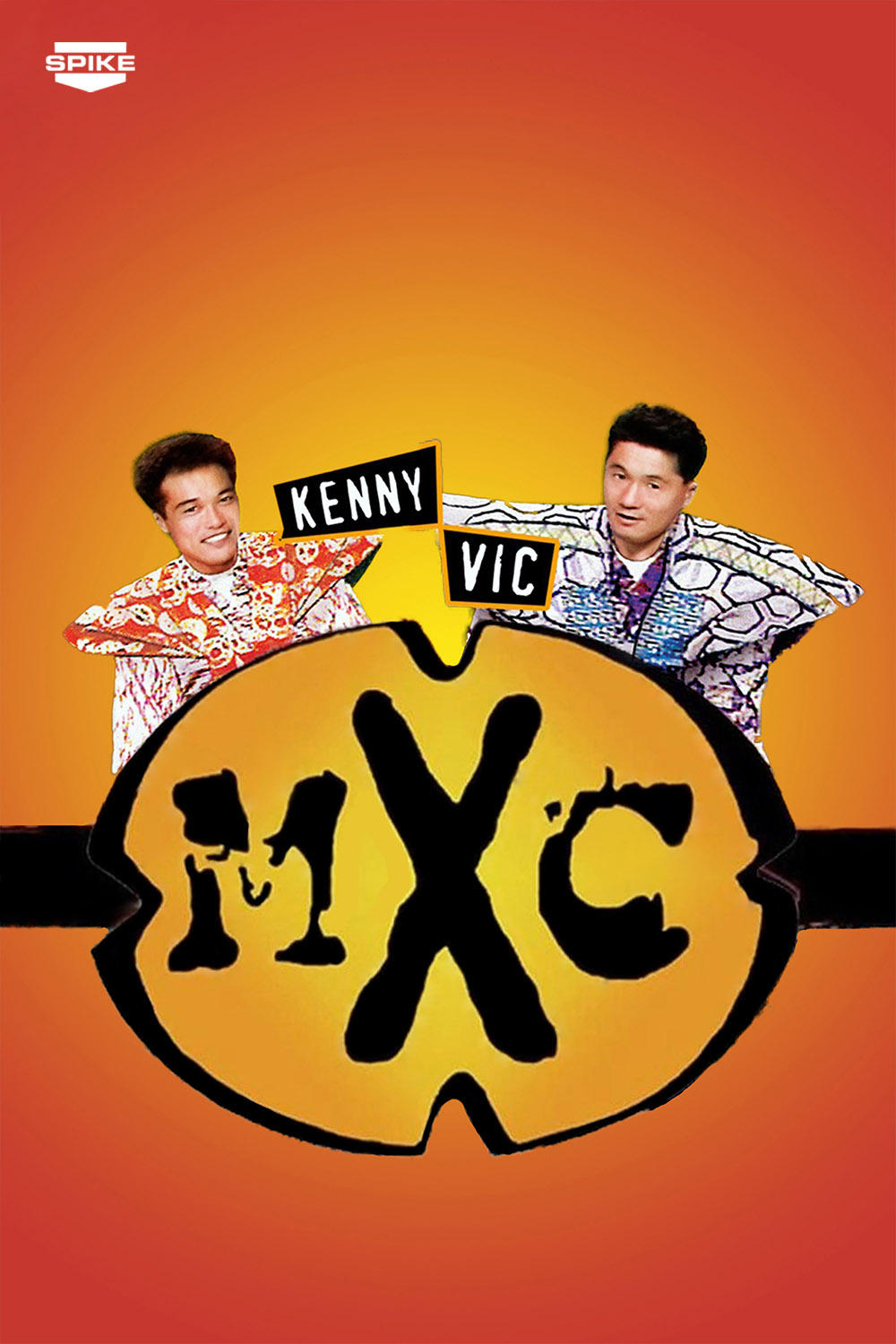
Footage from the popular game show, Takeshi's Castle has been re-edited, re-written and re-voiced into a hilarious, intentionally over-produced, modern "action/X-treme" sports show.
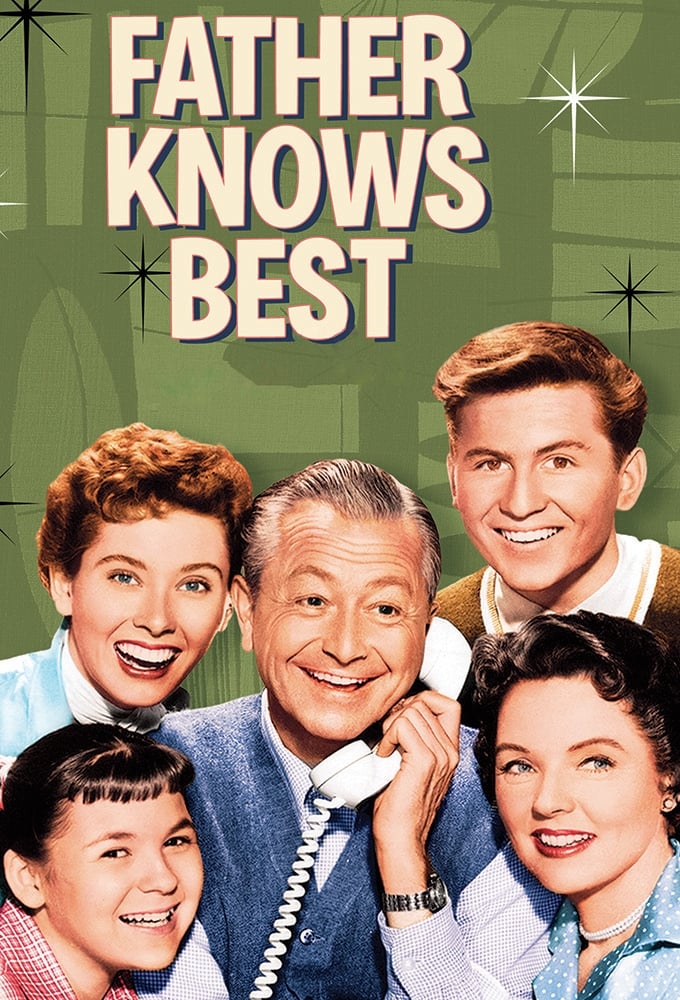
Family man Jim Anderson copes with the everyday problems among his wife Margaret and their three children as they experience day-to-day changes.
Good Times is an American sitcom that originally aired from February 8, 1974, until August 1, 1979, on the CBS television network. It was created by Eric Monte and Mike Evans, and developed by Norman Lear, the series' primary executive producer. Good Times is a spin-off of Maude, which is itself a spin-off of All in the Family along with The Jeffersons. The series is set in Chicago. The first two seasons were taped at CBS Television City in Hollywood. In the fall of 1975, the show moved to Metromedia Square, where Norman Lear's own production company was housed.
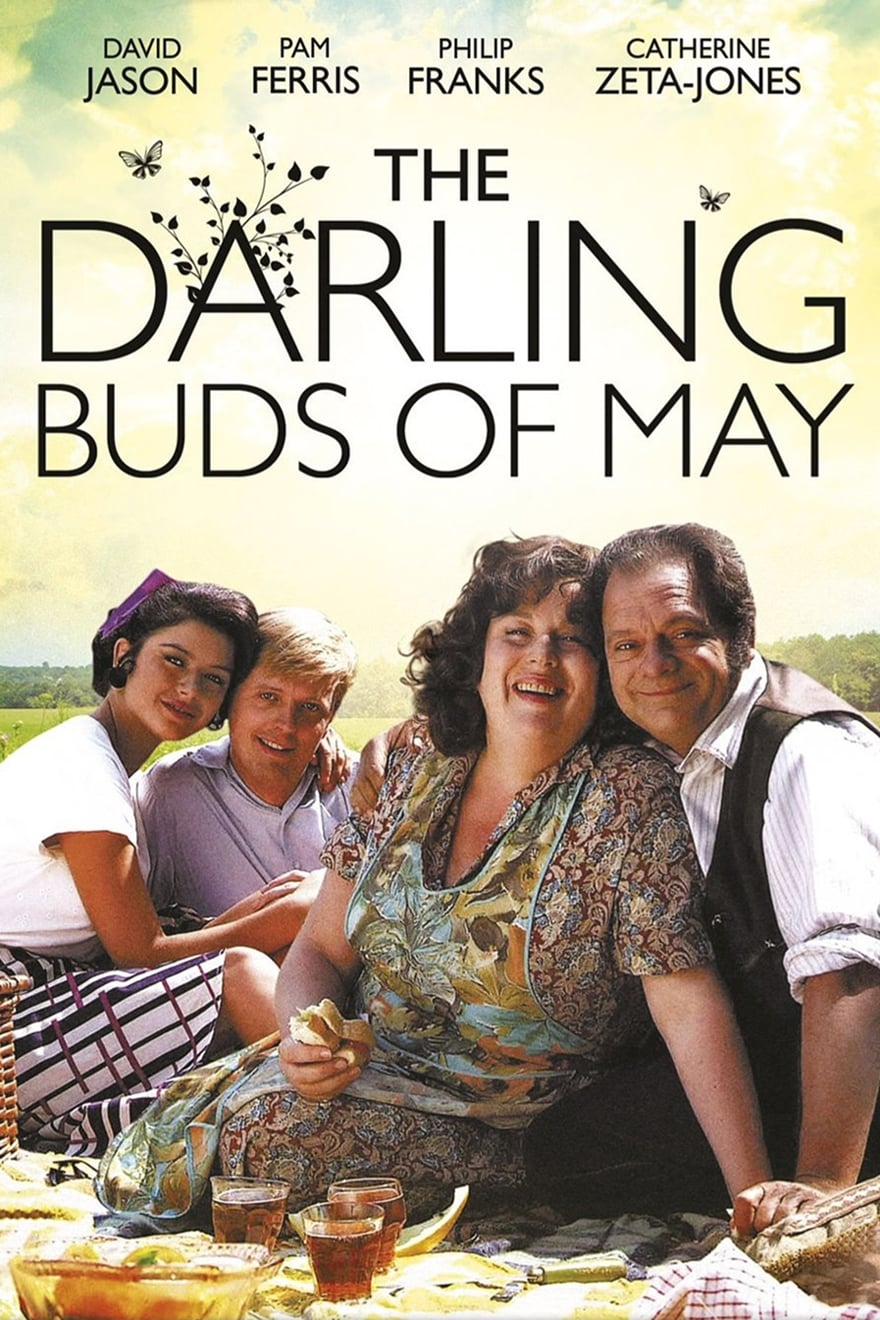
An idyllic picture of 1950's rural England as seen through the lives of the Larkins, a farm family living in Kent. The show revolves around Pa Larkin, a man of a kind and mischievous nature with a penchant for getting into scrapes and talking his way out of them with equal equanimity; and his daughters, as they deal with growing up and discovering the joys and sorrows of young love.
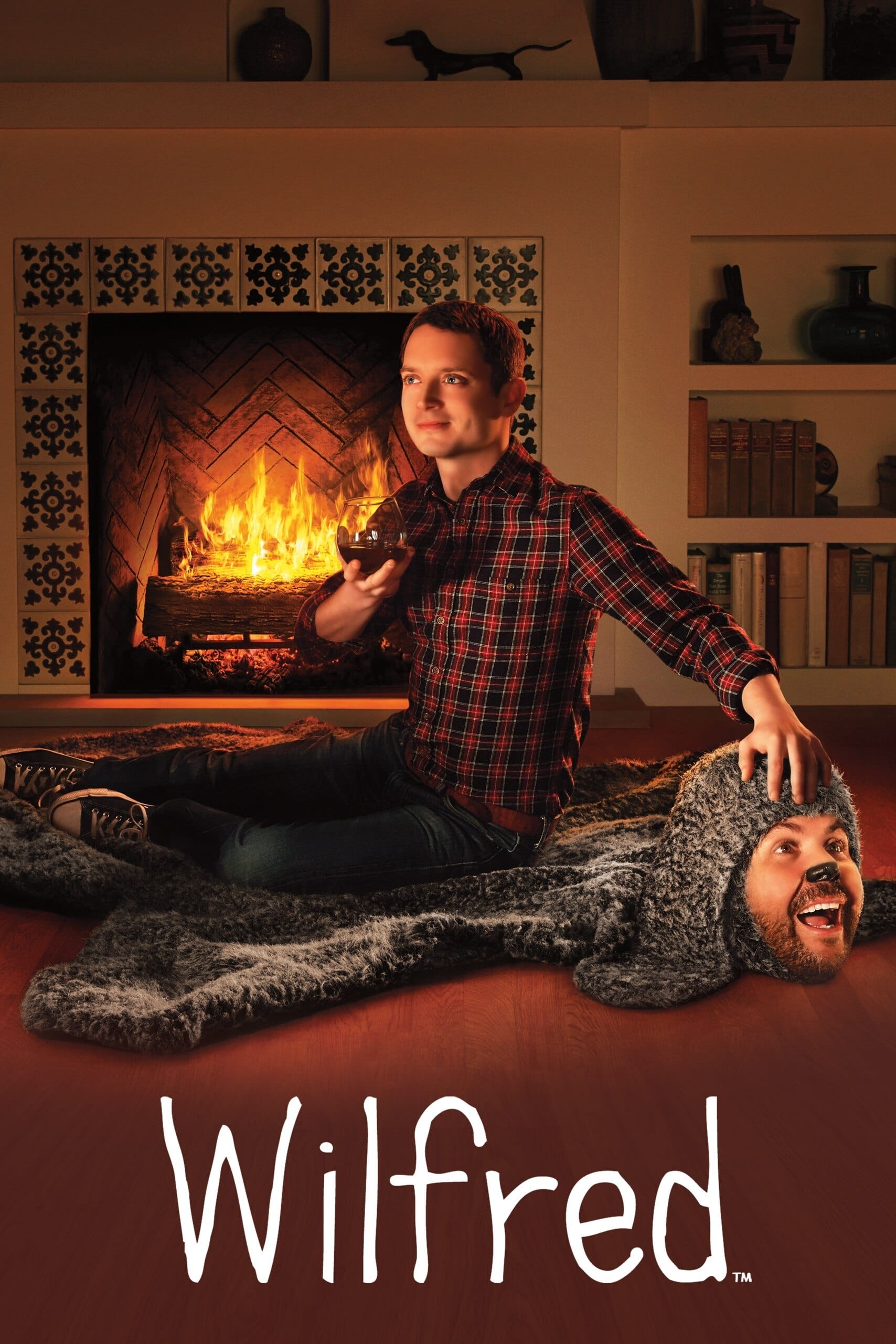
Everyone else sees Wilfred as just a dog, but Ryan sees a crude and somewhat surly, yet irrepressibly brave and honest Australian bloke in a cheap dog suit. While leading him through a series of comedic and existential adventures, Wilfred the dog shows Ryan the man how to overcome his fears and joyfully embrace the unpredictability and insanity of the world around him.
The Carol Burnett Show is an American variety/sketch comedy television show starring Carol Burnett, Harvey Korman, Vicki Lawrence, Lyle Waggoner, and Tim Conway. It originally ran on CBS from September 11, 1967, to March 29, 1978, for 278 episodes and originated from CBS Television City's Studio 33. The series won 25 prime time Emmy Awards, was ranked No. 16 on TV Guide's 50 Greatest TV Shows of All Time in 2002 and in 2007 was listed as one of Time magazine's "100 Best TV Shows of All Time."
A long-running dramedy centering on the Winslow family, a middle-class African American family living in Chicago, and their pesky next-door neighbor, ultra-nerd Steve Urkel. A spin-off of Perfect Strangers.
Bud and Lou are unemployed actors living in Mr. Fields’ boarding house. Lou’s girlfriend Hillary lives across the hall. Many situations arise leading to slapstick and puns.
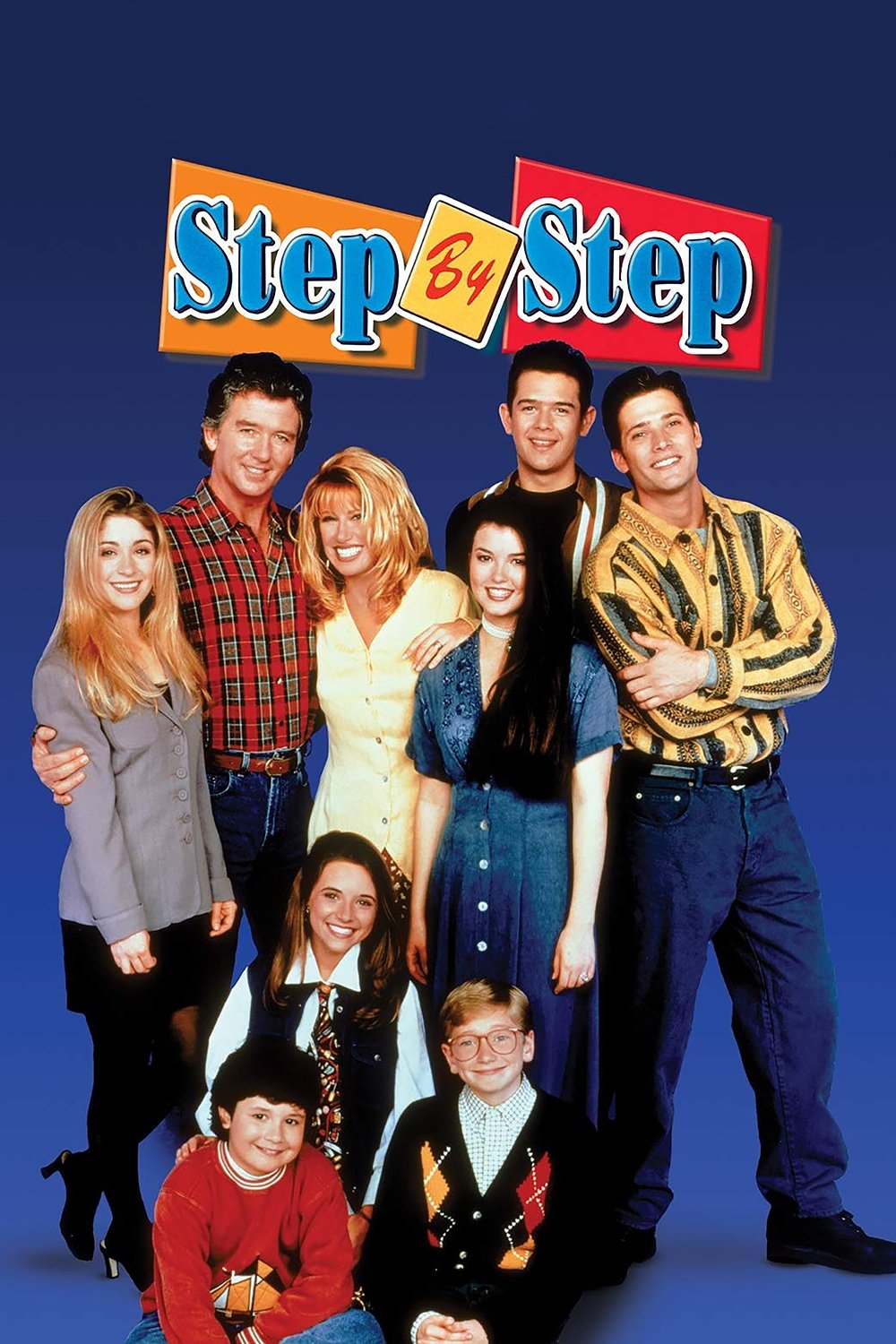
Step by Step is an American television sitcom with two single parents, who spontaneously get married after meeting one another during a vacation, resulting in them becoming the heads of a large blended family
The Electric Company is an educational American children's television series that was produced by the Children's Television Workshop for PBS in the United States. PBS broadcast 780 episodes over the course of its six seasons from October 25, 1971 to April 15, 1977. After it ceased production that year, the program continued in reruns from 1977 to 1985, the result of a decision made in 1975 to produce two final seasons for perpetual use. CTW produced the show at Teletape Studios Second Stage in Manhattan, the first home of Sesame Street. The Electric Company employed sketch comedy and other devices to provide an entertaining program to help elementary school children develop their grammar and reading skills. It was intended for children who had graduated from CTW's flagship program, Sesame Street. Appropriately, the humor was more mature than what was seen there.