Social & External
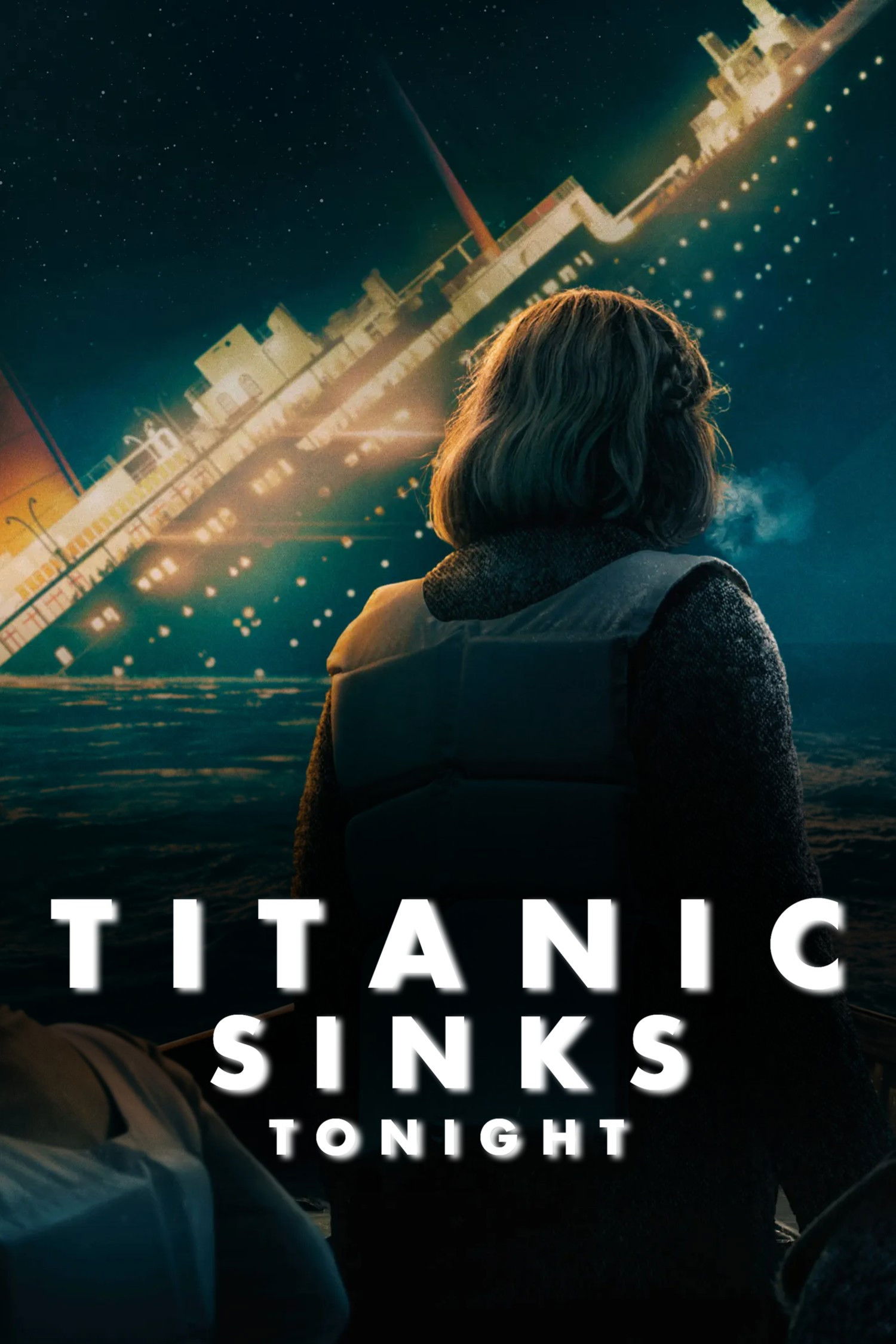
Minute by minute - the night the unsinkable ship sank. Vivid first-hand accounts from passengers and crew tell the story of the most infamous disaster in maritime history.
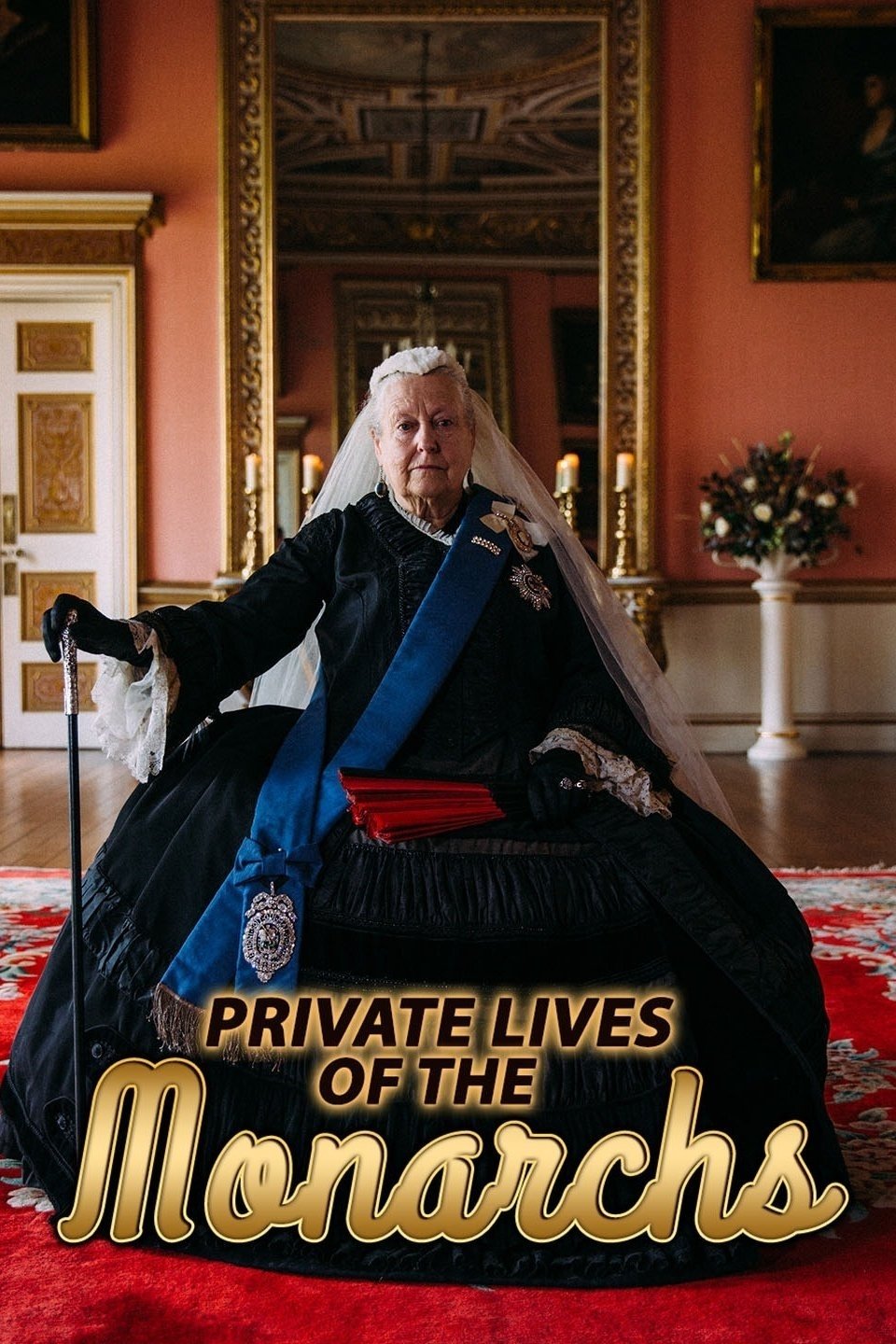
Tracy Borman reveals the intimate details of the monarchs, to find out what really went on in their private lives.
Sharpe is a British series of television dramas starring Sean Bean as Richard Sharpe, a fictional British soldier in the Napoleonic Wars. Sharpe is the hero of a number of novels by Bernard Cornwell; most, though not all, of the episodes are based on the books. Produced by Celtic Films and Picture Palace Films for the ITV network, the series was shot mainly in Turkey and the Crimea, although some filming was also done in England, Spain and Portugal. The series originally ran from 1993 to 1997. In 2004, as part of ITV's new set of drama, ITV announced that it intended to produce new episodes of Sharpe, in co-production with BBC America, loosely based on his time in India, with Sean Bean continuing his role as Sharpe. Sharpe's Challenge is a two-part adventure; part one premiered on ITV on 23 April 2006, with part two being shown the following night. With more gore than earlier episodes, the show was broadcast by BBC America in September 2006.
From Lucrezia Borgia to Malinche to Marie Curie: Women’s contributions have often been downplayed or misrepresented in the history books. Duels of History (re)tells their stories.
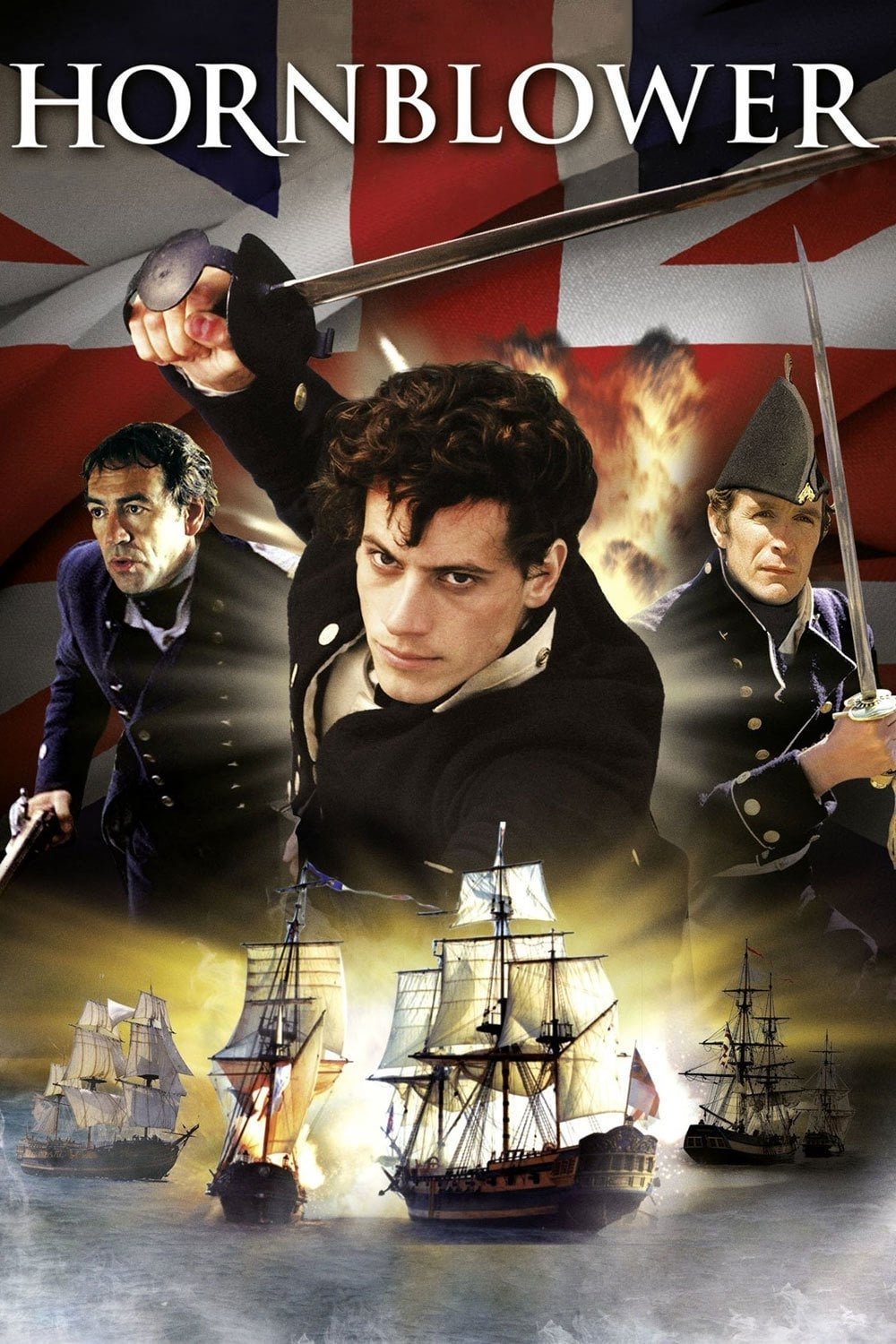
Set during the 18th century Napoleonic Wars, Horatio Hornblower, a young and shy midshipman, rises through the ranks to become an admiral.
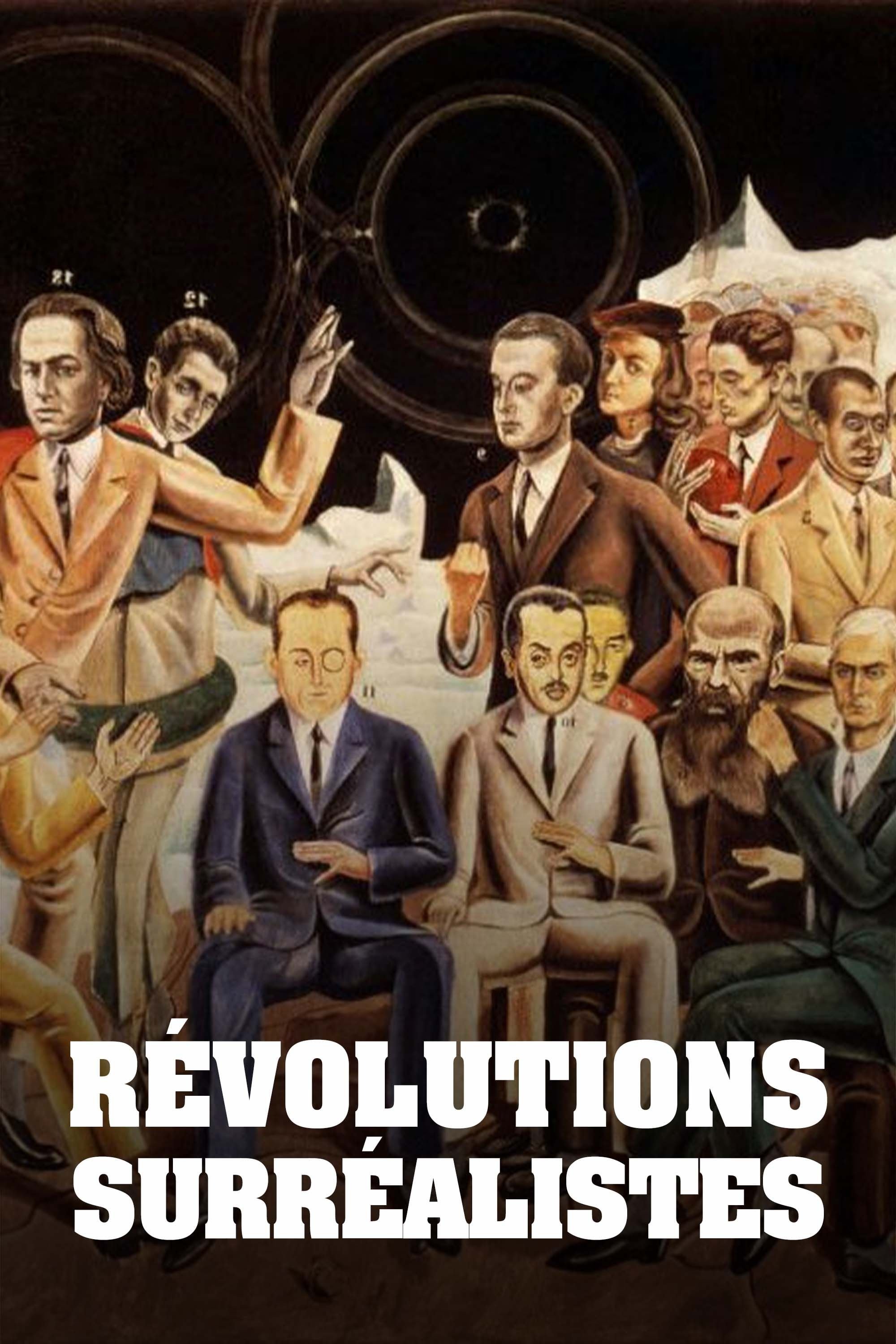
Between experiments, mutations and recompositions, the teeming story of the surrealist adventure, the most fertile avant-garde of the 20th century, whose centenary we are celebrating this year.
Around the World in 80 Days is an animated television series that lasted one season of sixteen episodes, broadcast during the 1972-1973 season by NBC. It was the first Australian-produced cartoon to be shown on American network television. Leif Gram directed all sixteen episodes, and the stories were loosely adapted by Chester "Chet" Stover from the novel by Jules Verne.
The Hundred Years’ war between England and France gave us the victories of Crecy and Agincourt, and made the reputations of Edward III and Henry V. It gave France a national heroine in Joan of Arc. But, even now, the jury is out as to its causes and outcome. Was it the final swansong of a redundant knightly class whose only reason for being was to fight? Was it a battle over ever more important territory to the emerging economies of England and France? Or was it the painful birth of two distinct national identities, forged through their long and violent divorce? Dr Janina Ramirez guides us through the stories of kings, great knights, bloody battles and cultural triumphs of this momentous conflict.
An unprecedented look at the decade-long odyssey to land a man on the moon. This documentary pulls back the curtain on the familiar narrative of the moonshot, revealing a fascinating stew of scientific innovation, political calculation, media spectacle, visionary impulses and personal drama.
Americans consider themselves a 'nation of immigrants', but as the catastrophe of the Holocaust unfolds in Europe, the U.S. prove unwilling to open its doors to more than a fraction of the hundreds of thousands of desperate refuge seekers. Through riveting firsthand testimony of witnesses and survivors who as children endured persecution, violence and flight as their families tried to escape Hitler, this three-part documentary series delves deeply into the tragic human consequences of public indifference, bureaucratic red tape and restrictive quota laws in America. Did the nation fail to live up to its ideals? This is a history to be reckoned with.
Lincoln (aka Sandburg's Lincoln) is an American six-part miniseries broadcast on NBC from September 6, 1974 to April 14, 1976.
Explores the Third Reich from a contemporary perspective to investigate how the Nazis managed to conquer Germany and then half of Europe in the wake of World War I.
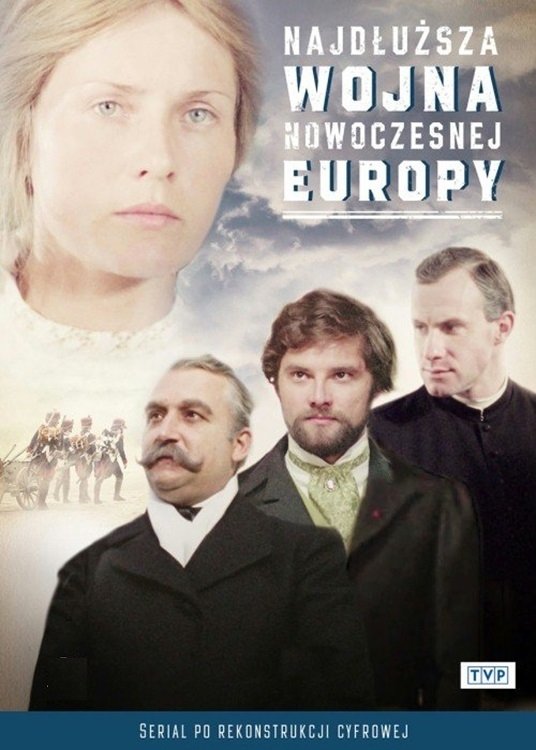
After the defeat of Napoleon, in whom the Poles had placed so much hope for the restoration of their country, a dark night of slavery descended. Poland was wiped off the map of Europe, but it lived on in the hearts and minds of the Polish people. The struggle for Poland continued in various ways and by various means, depending on which partition the former territories of the country found themselves under. In literature, drama, and later in film, the struggle of Polish patriots with weapons in their hands, e.g., in the November and January uprisings against the tsarist regime, found greater reflection and resonance. Relatively little is known and little was known to the general public about the struggle for the liberation of the people of Greater Poland, which was under Prussian rule. And yet it was the "longest war in modern Europe."
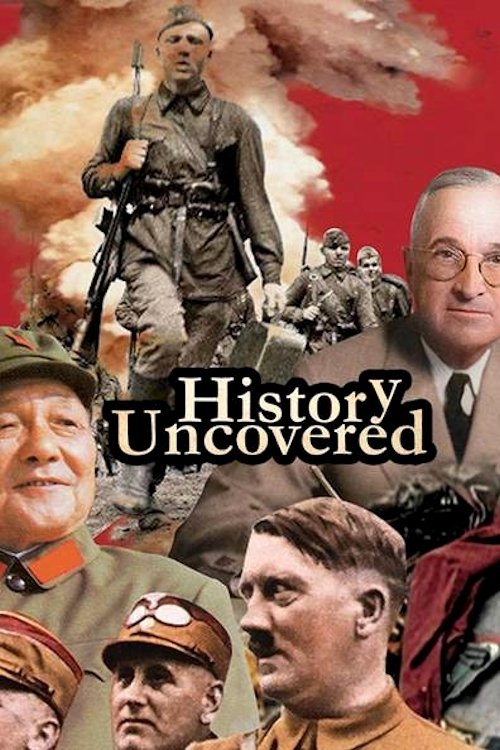
Myths die hard, and the history of the 20th century is no exception to this rule. Even today, we hold popular beliefs that we take for Evangelical truths. Thus, we believe that Hiroshima caused Japan to surrender, that the Marshall Plan saved Europe, that Adolf Hitler was a military genius, or that Mao Zedong was a necessary evil for China’s modernization. Of course, these judgements contain some truth; but, too broad-stroked to be accurate, they contradict the historical reality by denying its complexity. What if the truth was slightly different? Through an exploration of great national or international myths, this full archive documentary collection revisits the key moments of the 20th century with a new perspective in order to provide a new, smarter and more subtle interpretation, bringing elements to light that have been forgotten or sometimes overshadowed.
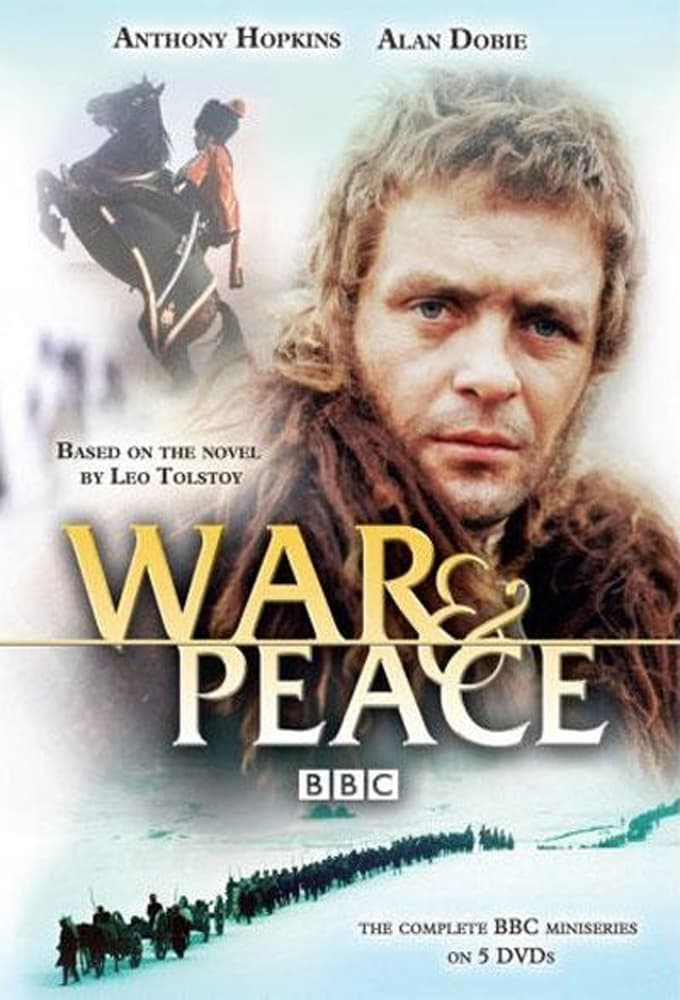
The love story of young Countess Natasha Rostova and Count Pierre Bezukhov is interwoven with the Great Patriotic War of 1812 against Napoleon's invading army.
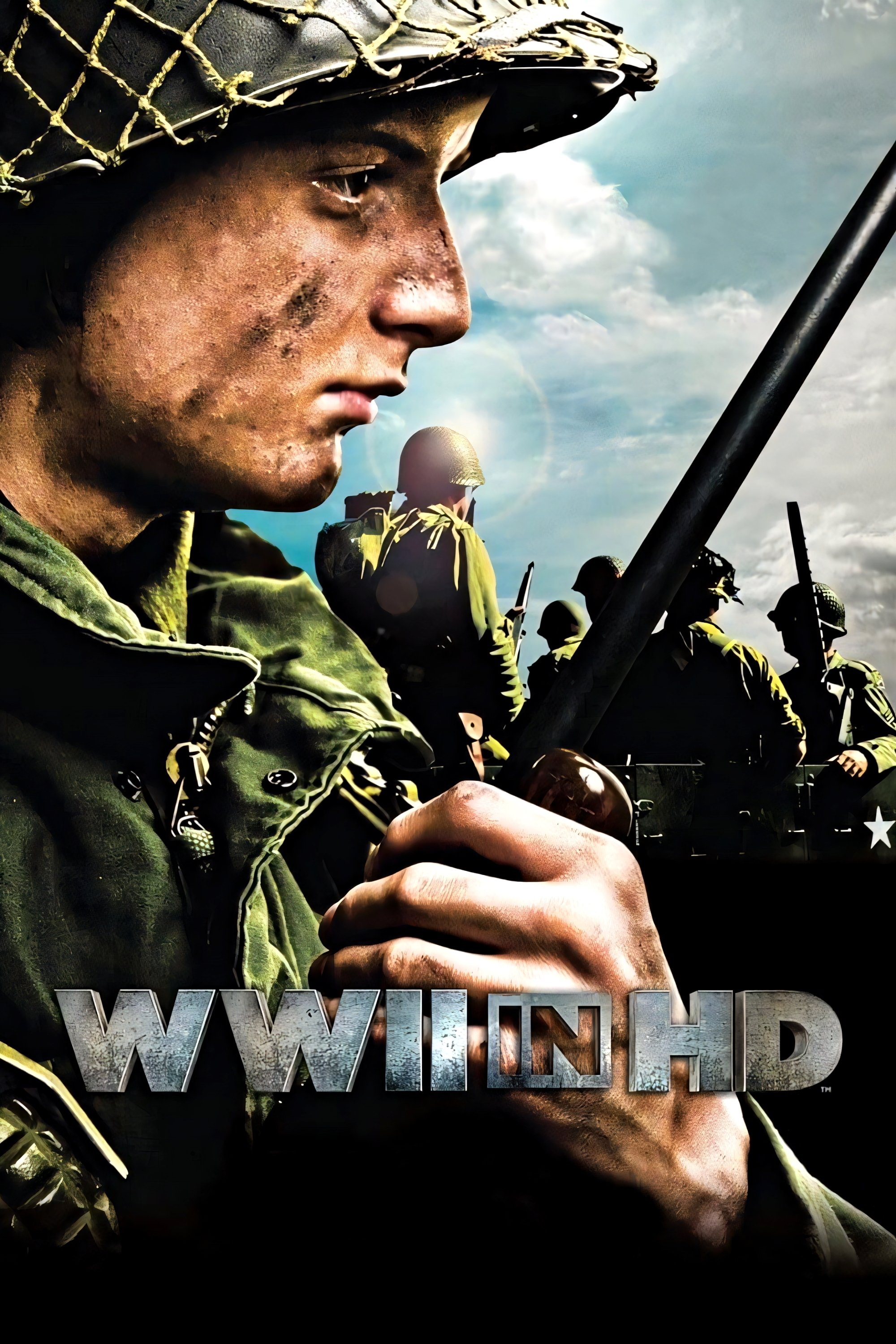
WWII in HD is a 10-part American documentary television miniseries that originally aired from November 15 to November 19, 2009 on the History Channel. The program focuses on the firsthand experiences of twelve American service members during World War II, including an Army nurse, a member of the Tuskegee Airmen, a second generation Japanese American and prisoner of war, and an Austrian Jewish immigrant. The twelve members recorded their time in both theaters and some had later interviews; found footage from the battlefield was paired with the stories of the twelve service members. The episodes premiered on five consecutive days, with two episodes per day. The series is narrated by Gary Sinise and was produced by Lou Reda Productions in Easton, Pennsylvania, United States.
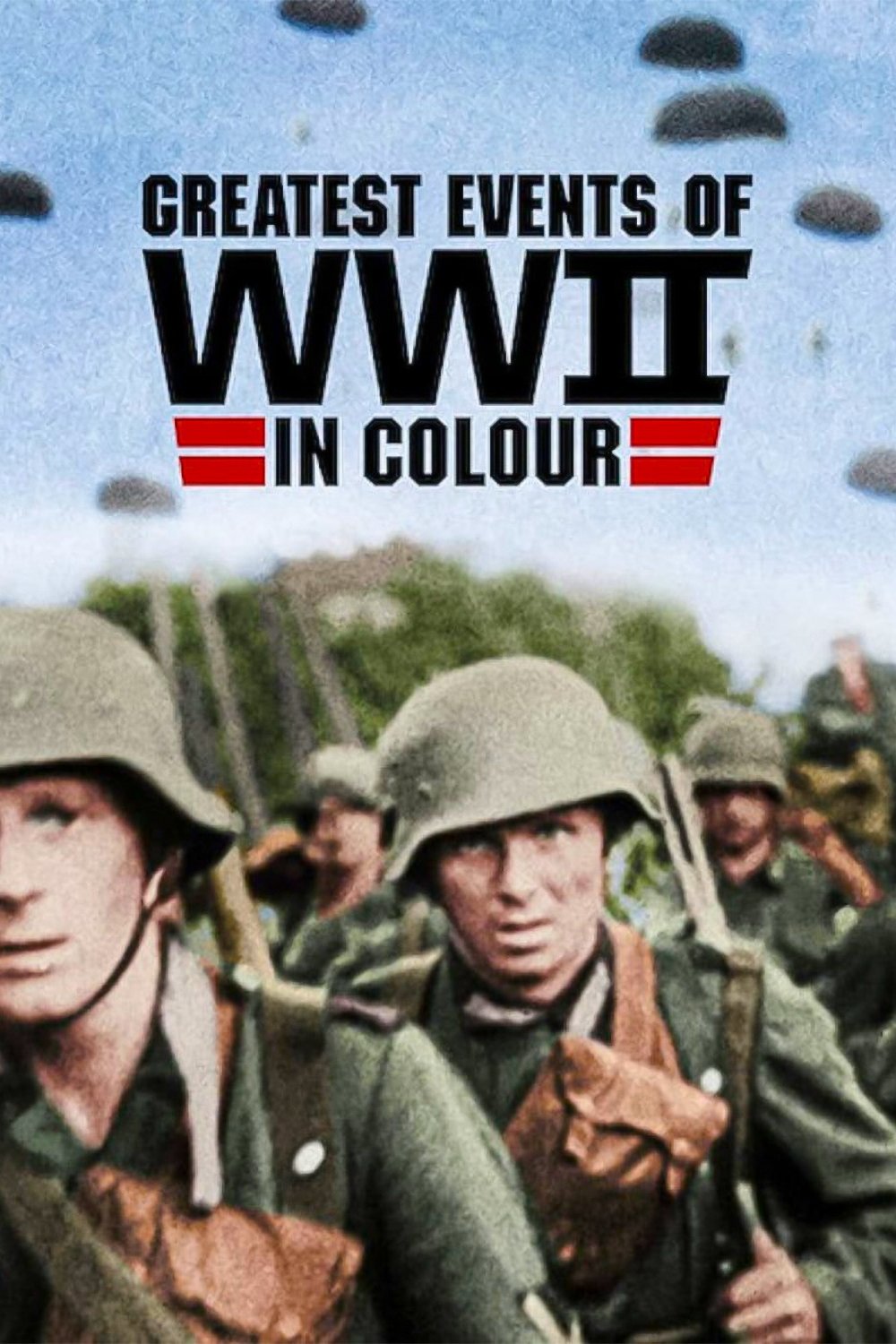
Using highly advanced colourisation techniques, critical moments from World War II, from Stalingrad to The Battle of Britain, are shown in a whole new light.
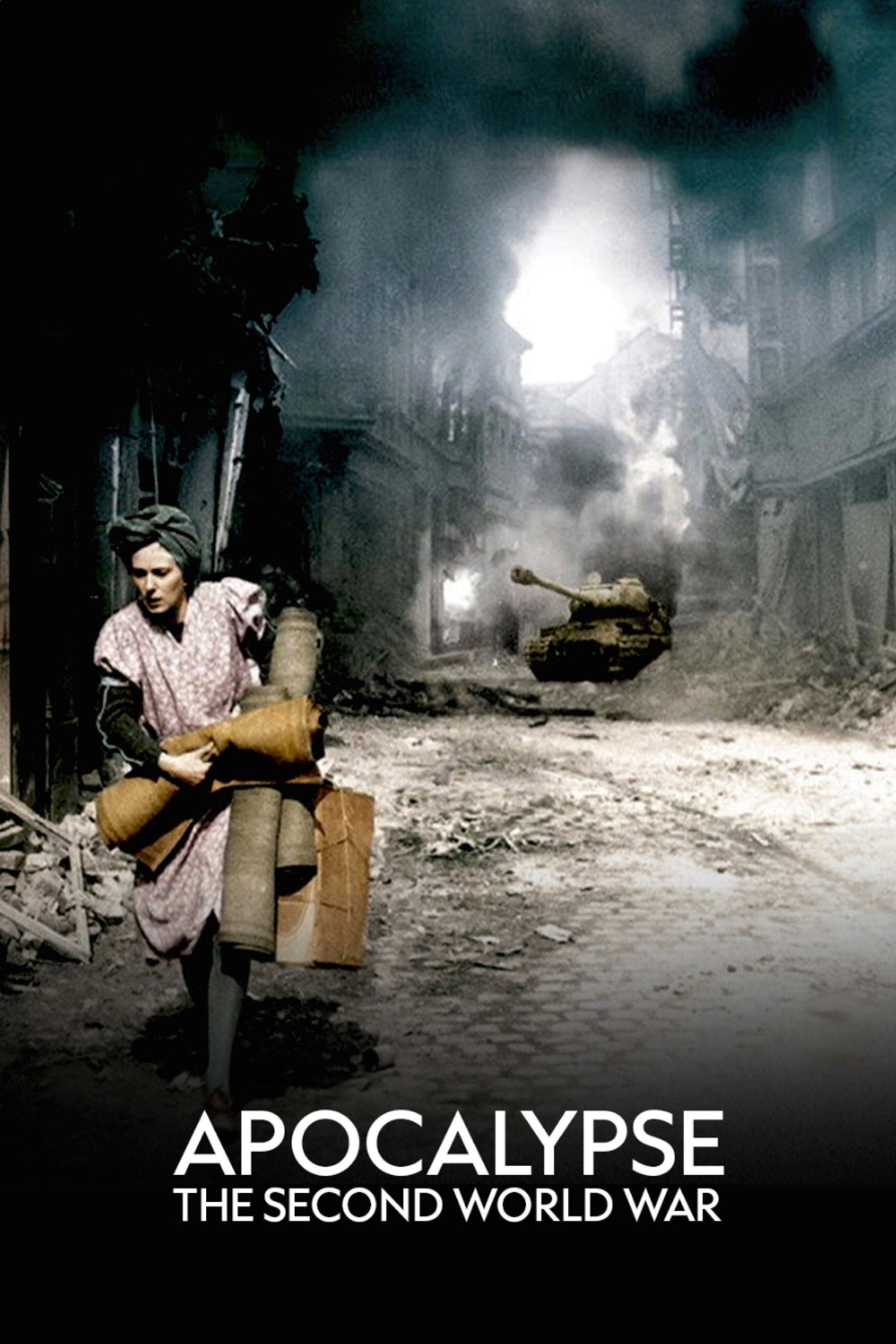
A six-part French documentary about the Second World War composed exclusively of actual footage of the war as filmed by war correspondents, soldiers, resistance fighters and private citizens. The series is shown in color, with the black and white footage being fully colorized, save for some original color footage. The only exception to the treatment are most Holocaust scenes, which are presented in the original black and white.
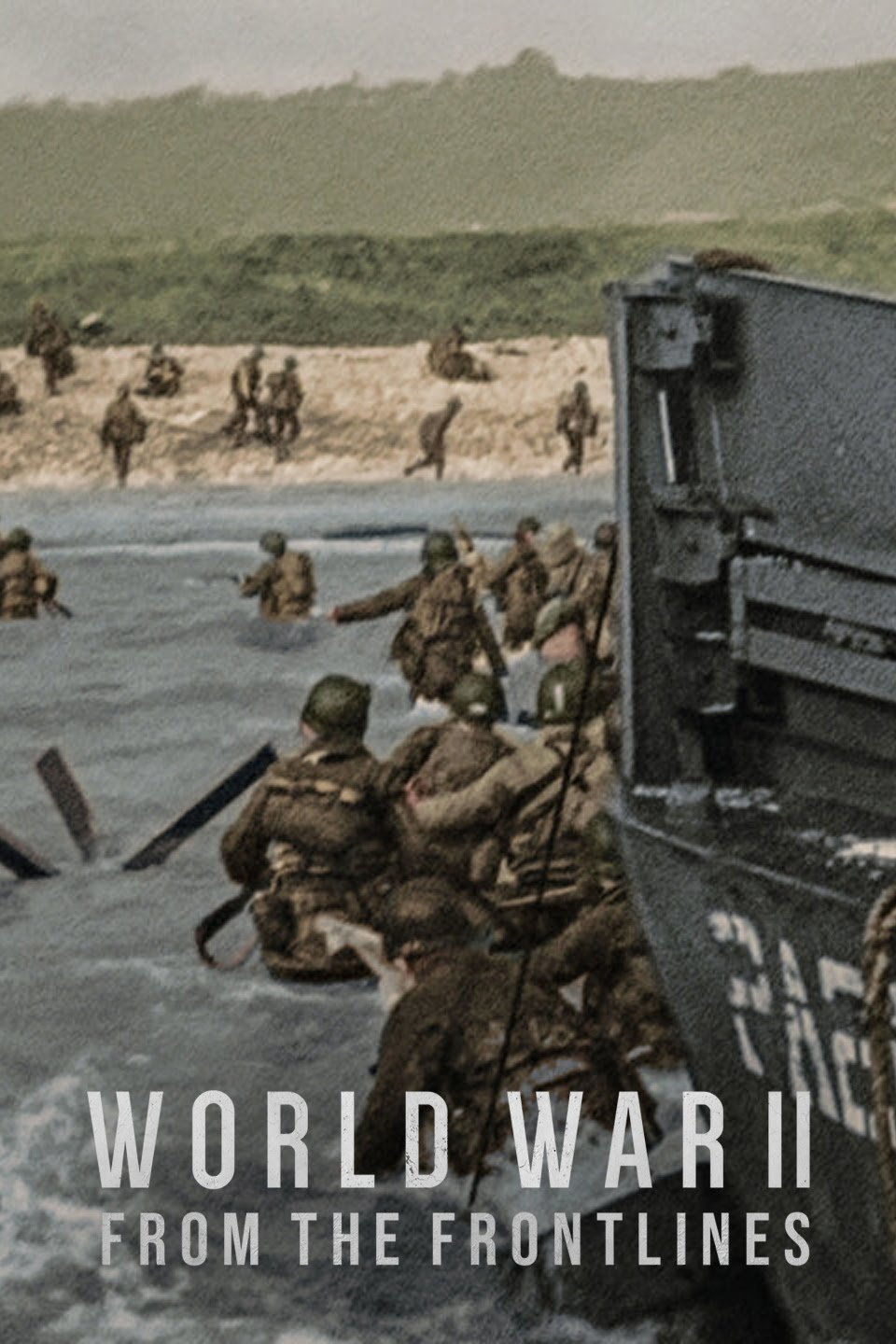
Through vividly enhanced archival footage and voices from all sides of the conflict, this docuseries brings WWII to life like never before.
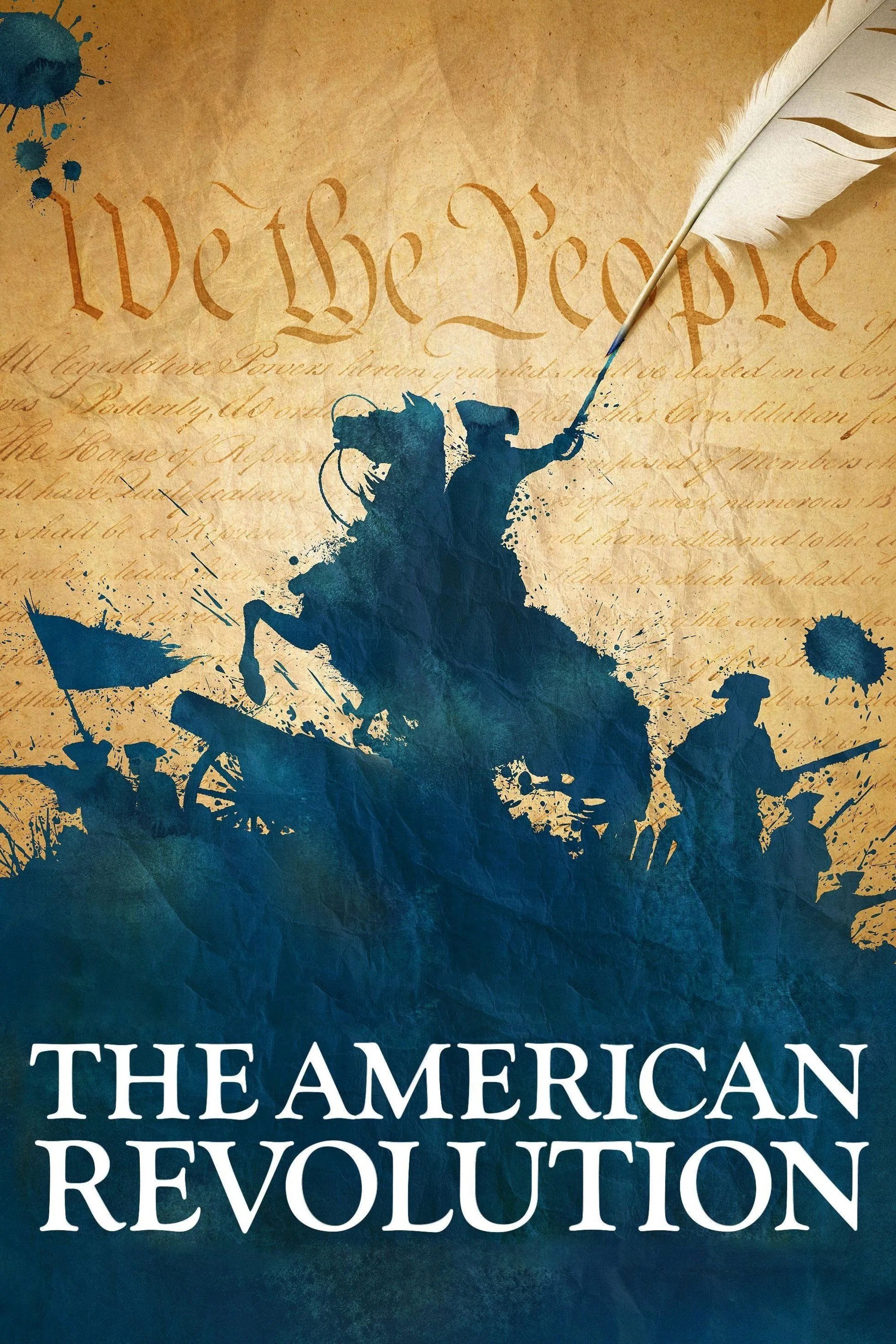
The American Revolution was at once a war for independence, a war of conquest, a civil war, and a world war, fought by neighbors on American farms and between global powers an ocean or more away. It impacted millions from Vermont’s Green Mountains to the swamps of South Carolina, from Indian Country to the Iberian Peninsula. In defeating the British Empire and giving birth to a new nation, the American Revolution turned the world upside-down. Thirteen colonies on the Atlantic Coast united in rebellion, won their independence, and established a republic that still endures. The American Revolution will present the story of the men and women of the Revolutionary generation, their humanity in victory and defeat, and the crisis that they lived through.
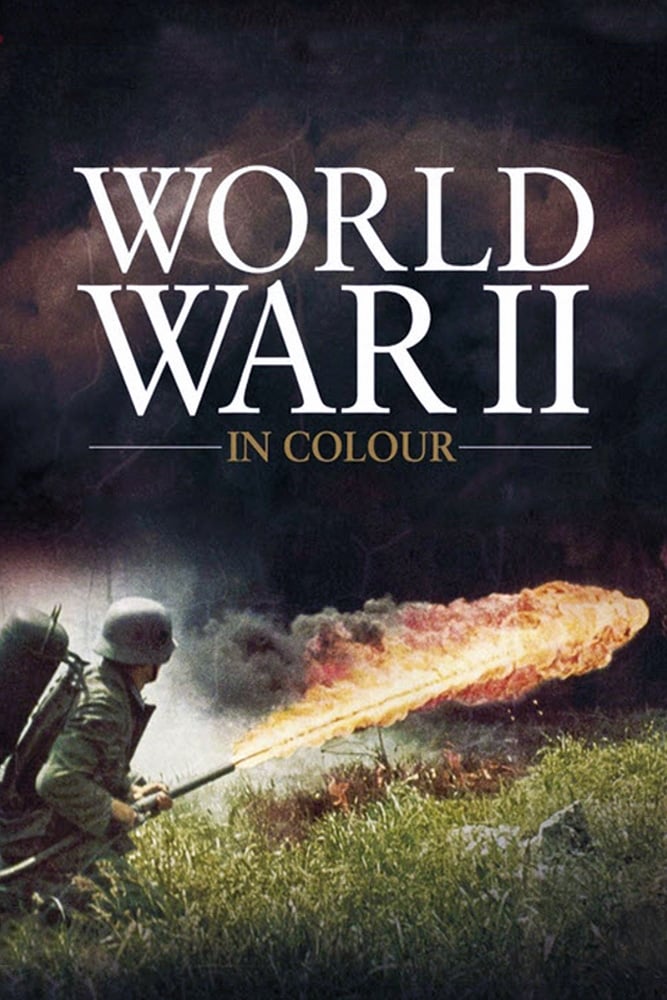
World War II In Colour is a 13-episode television documentary miniseries recounting the events of World War II narrated by Robert Powell. The show covers the Western Front, Eastern Front, and the Pacific War. It is on syndication in America on the Military Channel. This series is in full color, combining both original and colorized footage.
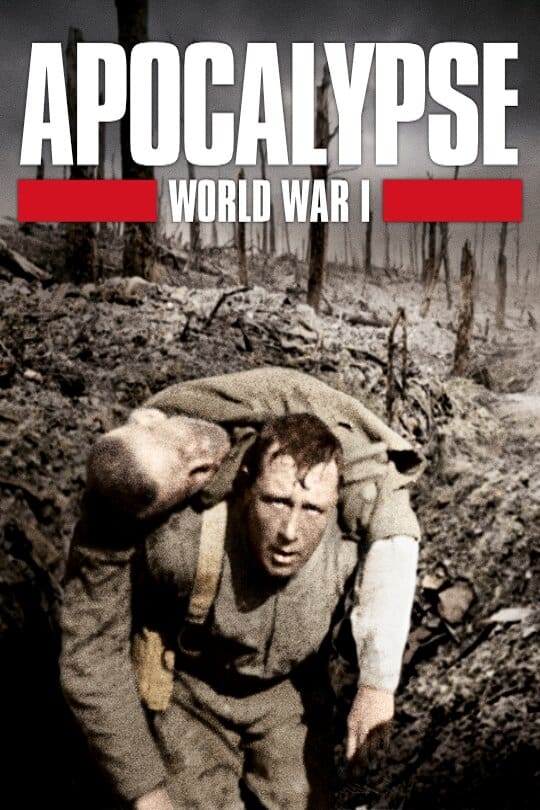
Colorized historical footage in ascending order of World War 1. Not only the relatively known Flanders and France battles, but also the generally unknown Italian-Austrian, German-Polish-Russian, Japanese-German, Ottoman Empire- Allied and African German Colonies, and other unknown or forgotten fronts and battles.
A documentary on the American Civil War narrated by Ken Burns, covering the secession of the Confederacy to the assassination of Abraham Lincoln.
A documentary series that gives a historical account of the events of World War II, from its roots in the 1920s to the aftermath and the lives it profoundly influenced.
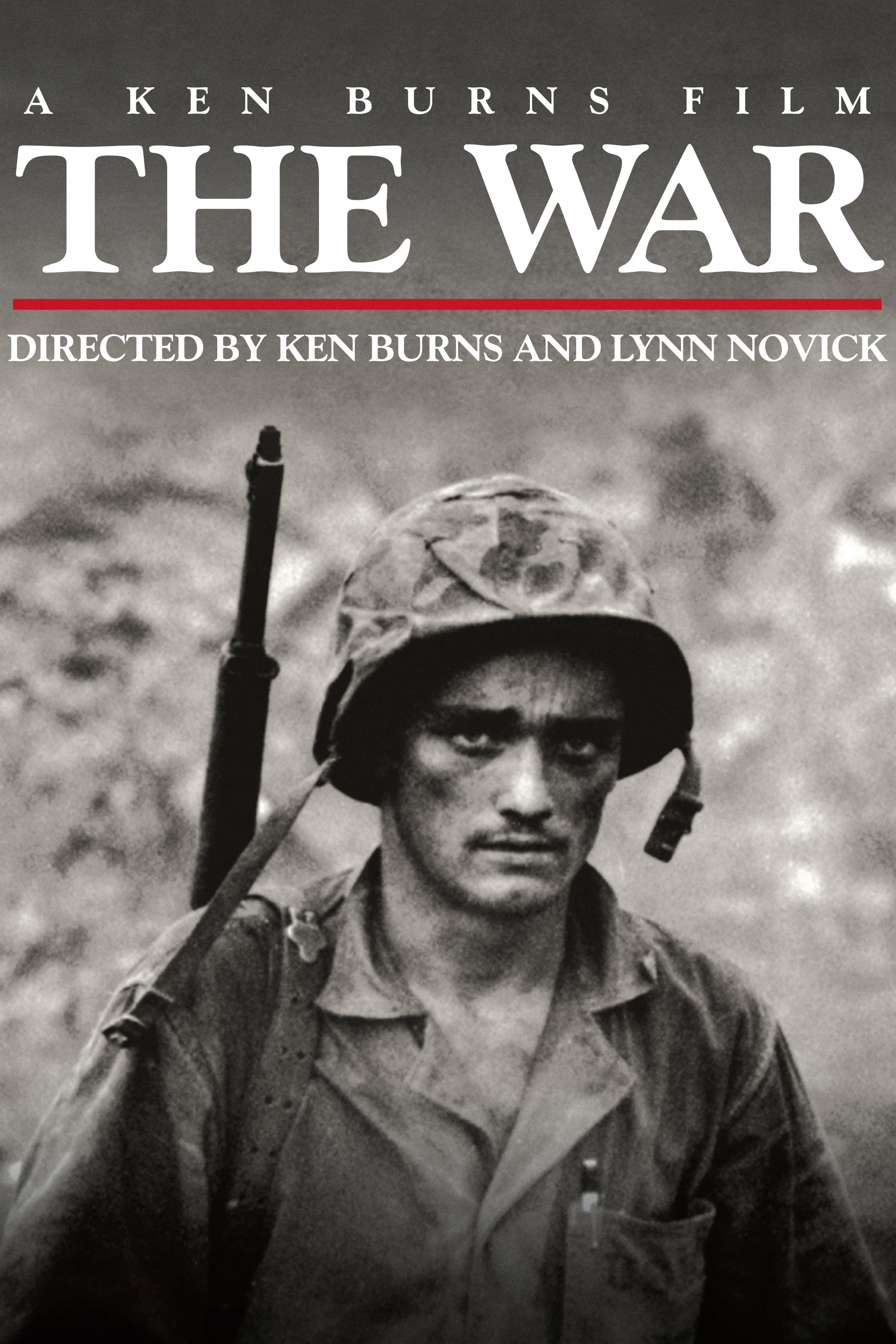
The story of the Second World War through the personal accounts of a handful of men and women from four American towns. The war touched the lives of every family on every street in every town in America and demonstrated that in extraordinary times, there are no ordinary lives.
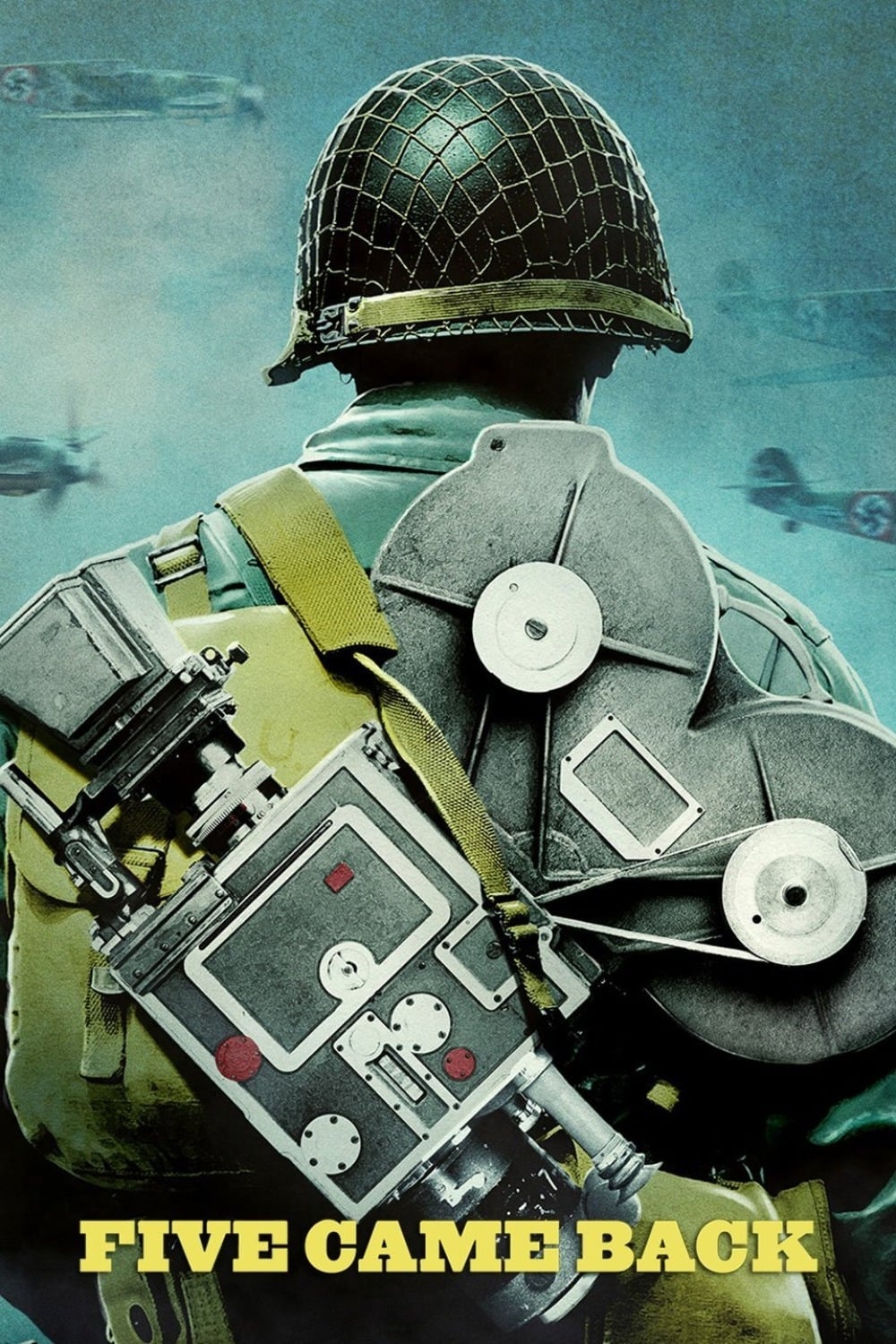
Five acclaimed contemporary directors tell the story of five legendary Hollywood filmmakers who enlisted in the armed forces to document World War II.
Infographics and archival footage deliver bite-size history lessons on scientific breakthroughs, social movements and world-changing discoveries.
The documentary series explores different political figures throughout history.
30 for 30 is the title for a series of documentary films airing on ESPN, its sister networks, and online highlighting interesting people and events in sports history. This currently includes four "volumes" of 30 episodes each, a 13-episode series under the ESPN Films Presents title in 2011–2012, and a series of 30 for 30 Shorts shown through the ESPN.com website. The series has also expanded to include Soccer Stories, which aired in advance of the 2014 FIFA World Cup, and audio podcasts. This entry refers to the main Volumes of the series presented by ESPN
A worldwide guided tour of the greatest movies ever made and the story of international cinema through the history of cinematic innovation.
An immersive 360-degree narrative telling the epic story of the Vietnam War as it has never before been told on film. Featuring testimony from nearly 80 witnesses, including many Americans who fought in the war and others who opposed it, as well as Vietnamese combatants and civilians from both the winning and losing sides.
Revisit the epic heroes, villains and moments from across the MCU in preparation for the stories still to come. Each dynamic segment feeds directly into the upcoming series — setting the stage for future events. This series weaves together the many threads that constitute the unparalleled Marvel Cinematic Universe.
In a quest for world domination, the Nazis built some of the biggest and deadliest pieces of military hardware and malevolent technology in history. This is the stories of the engineers who designed them and how these structures sparked a technological revolution that changed warfare forever.
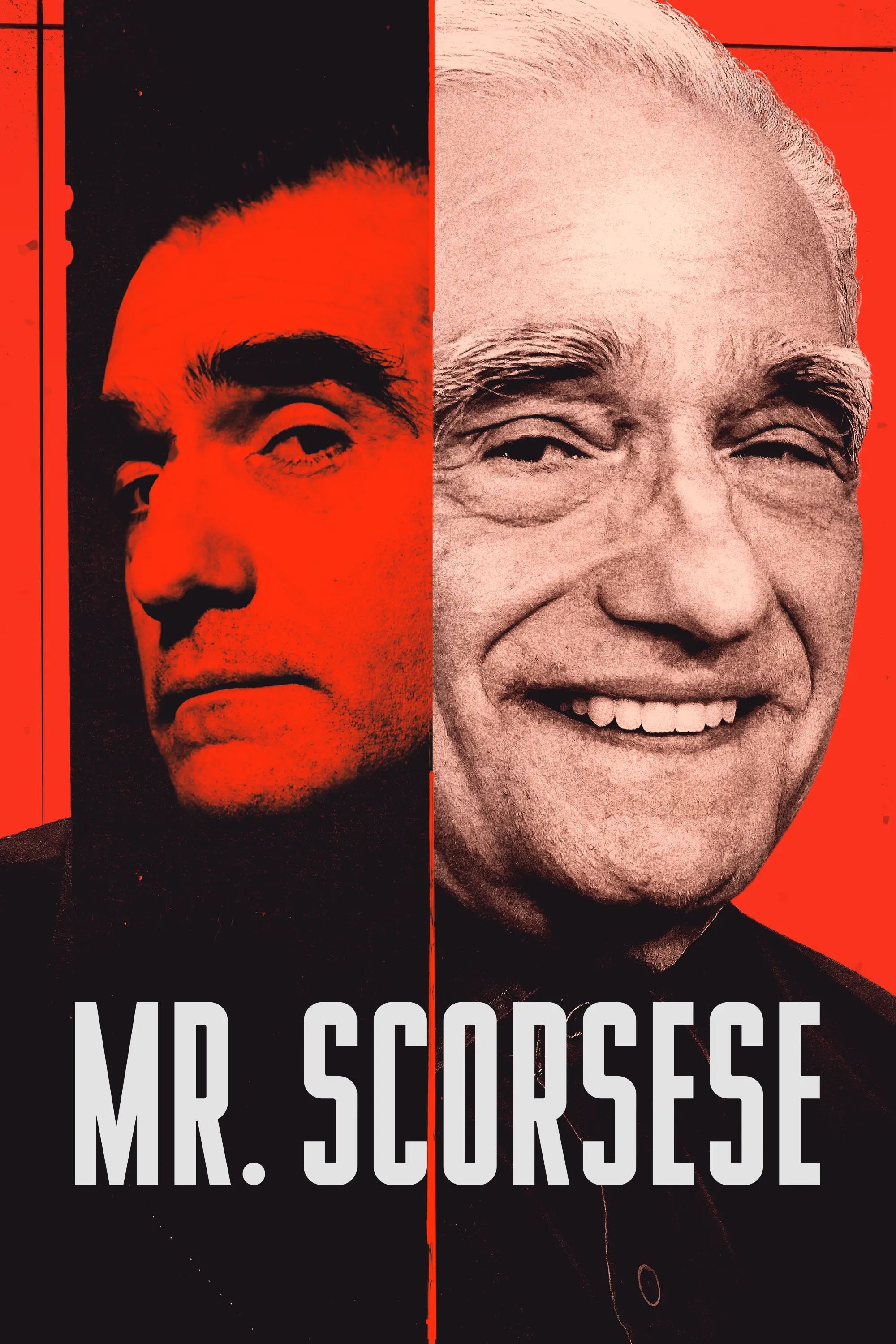
Explore the many lives of Martin Scorsese through intimate interviews with the man himself, access to his private archives, plus conversations with Robert De Niro, Leonardo DiCaprio, Margot Robbie, Daniel Day-Lewis, Steven Spielberg, and more.
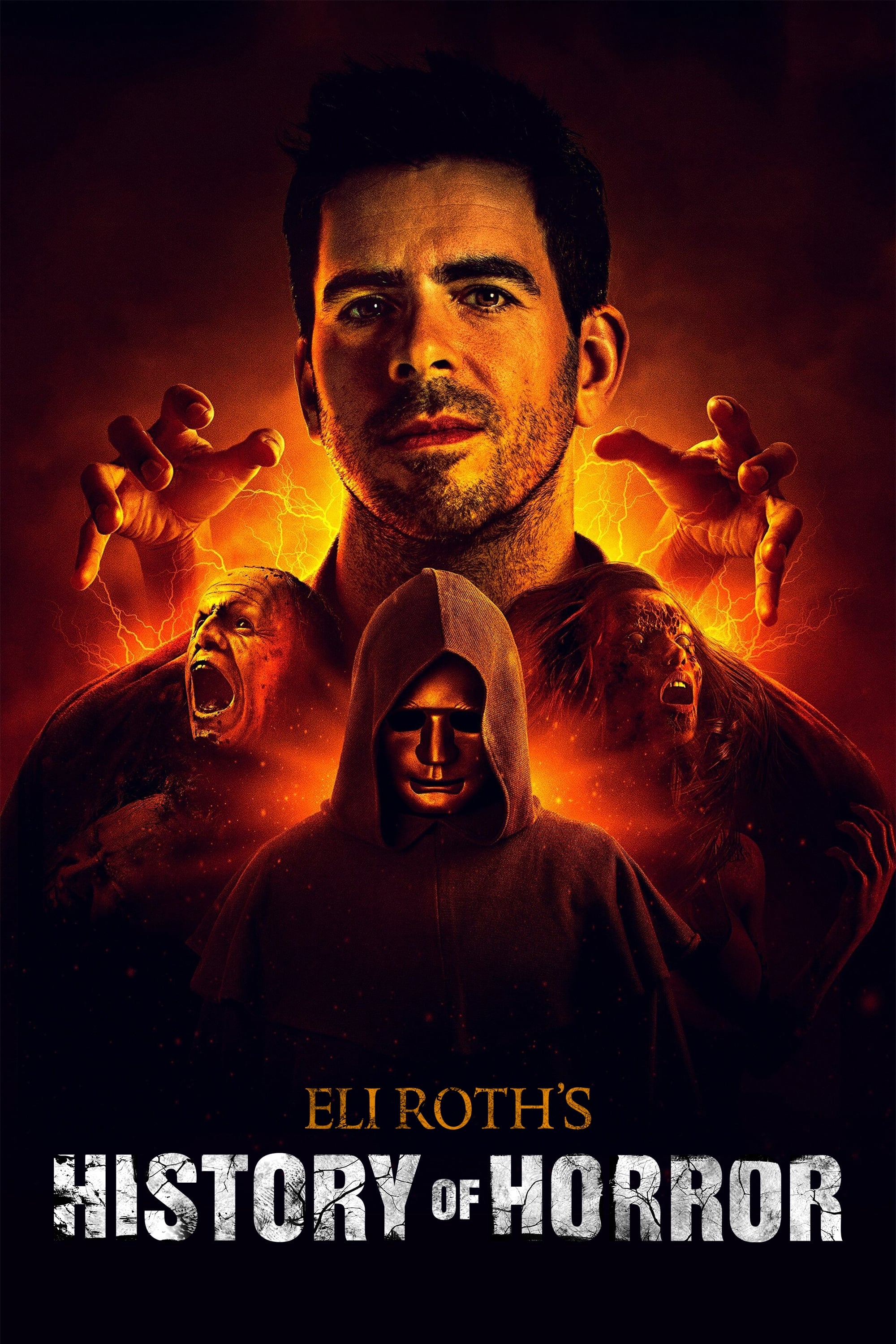
An in-depth look at the history and pop cultural significance of horror films.