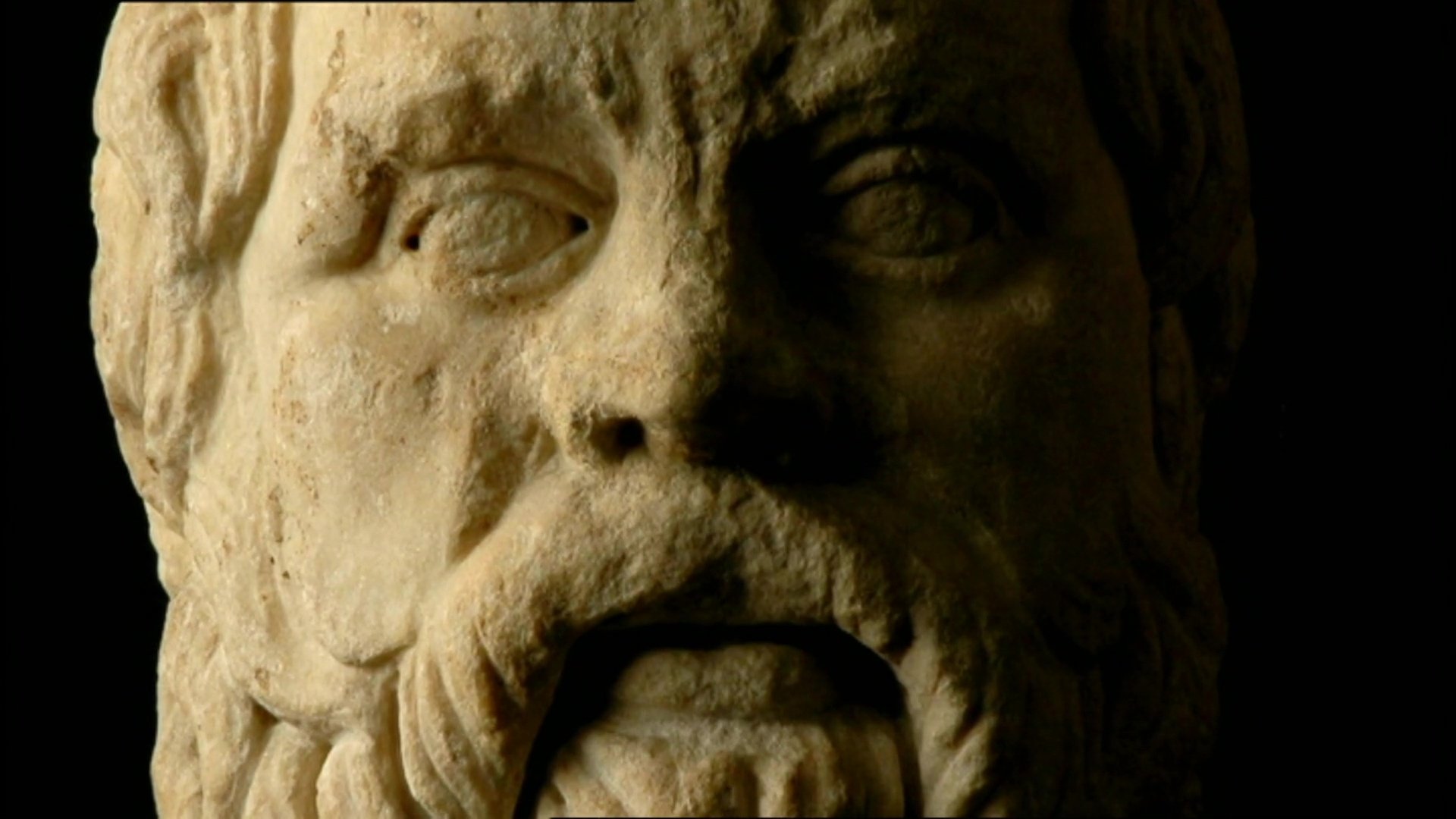
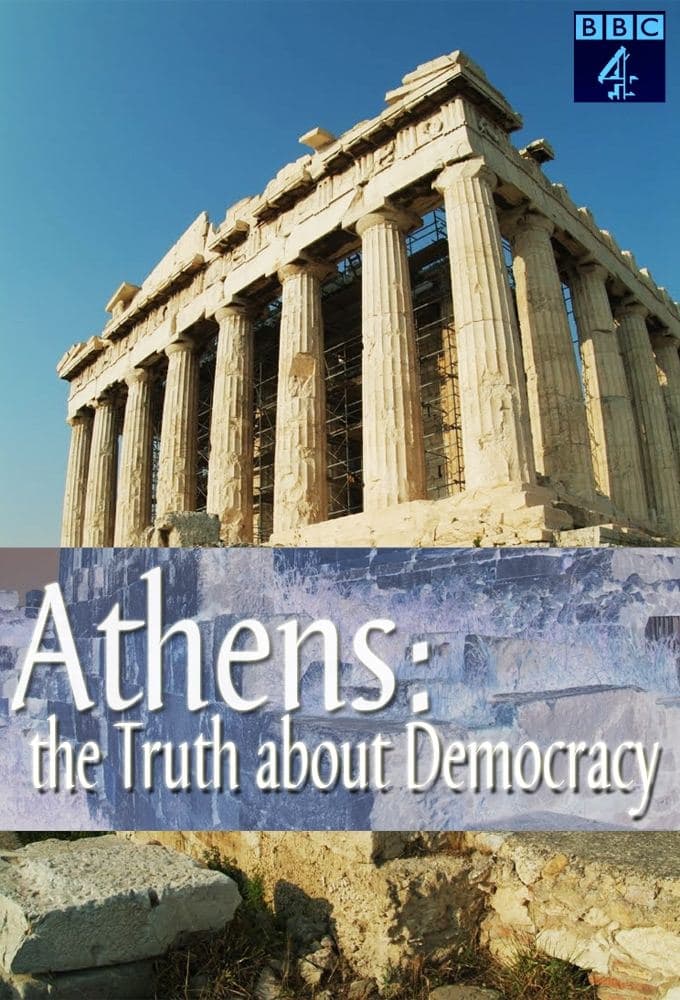
Bettany Hughes searches out the real truth about the birth of democracy in ancient Athens 2500 years ago
Social & External
Self - Presenter

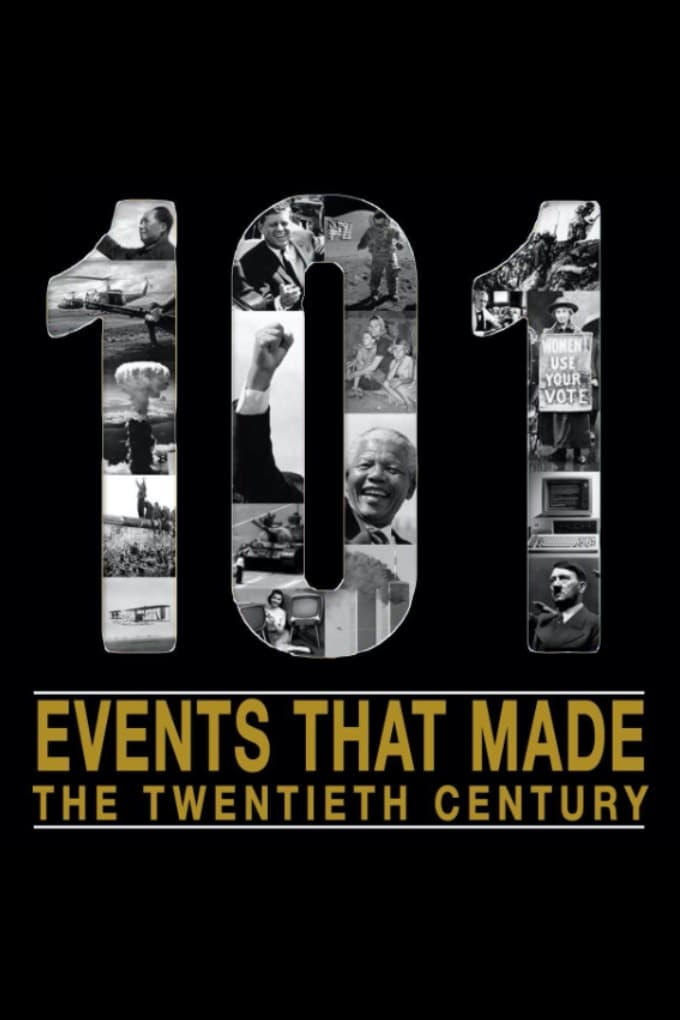
The history of mankind is a never-ending story of change, revolution, and evolution, but surely no span of a hundred years can claim to have changed the world so dramatically as the Twentieth Century. In this series we examine the 101 Events which, in the judgment of experts, including those who contribute to the series, most influentially shaped the century, our world, and our way of life.
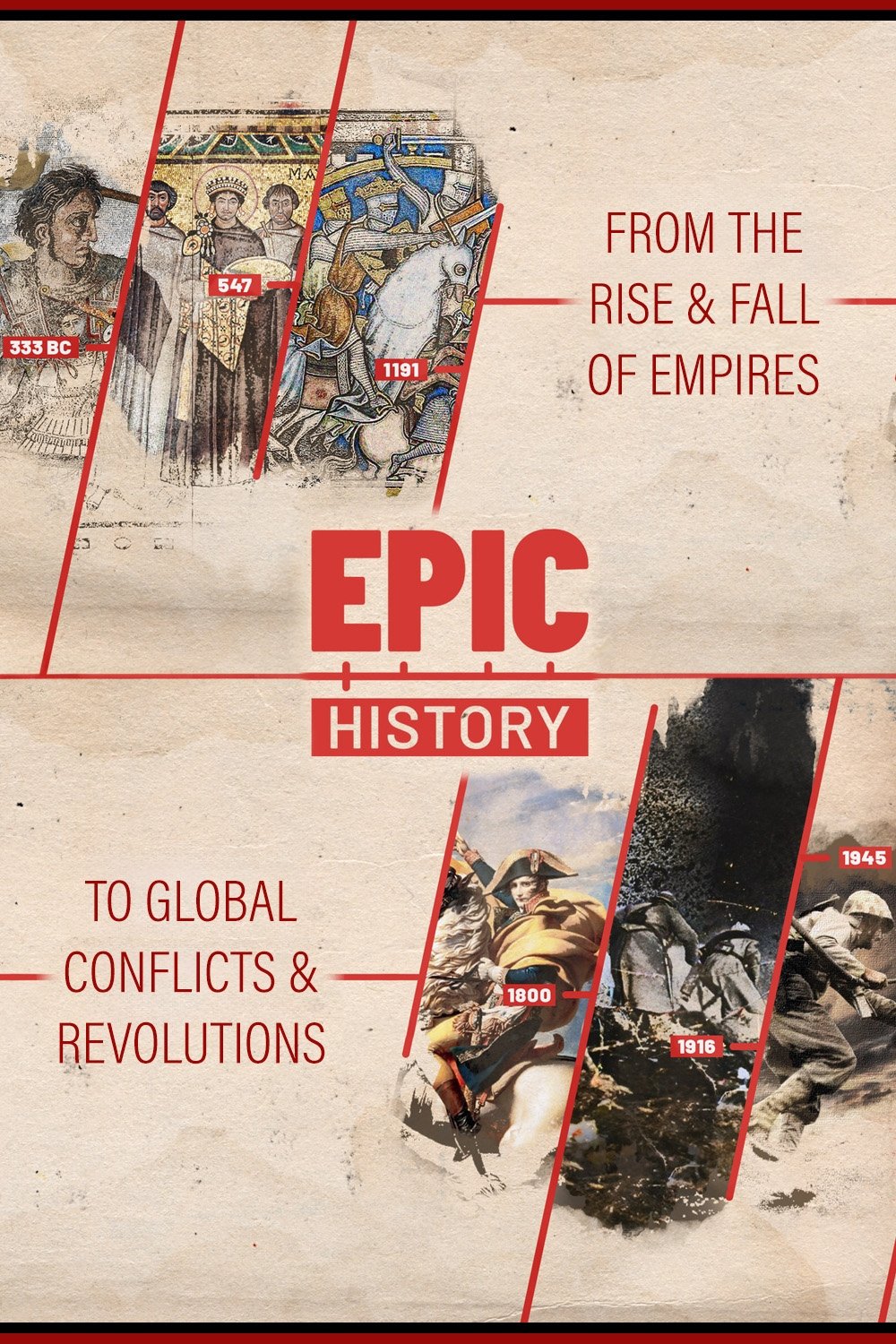
Epic History makes videos about the most dramatic and important stories from our past, from the rise and fall of empires to global conflicts and revolutions. Our team have history degrees and decades of experience in documentary production, and regularly collaborate with specialist historians around the world, so you’re in safe hands as we explore some of the most epic moments in history.
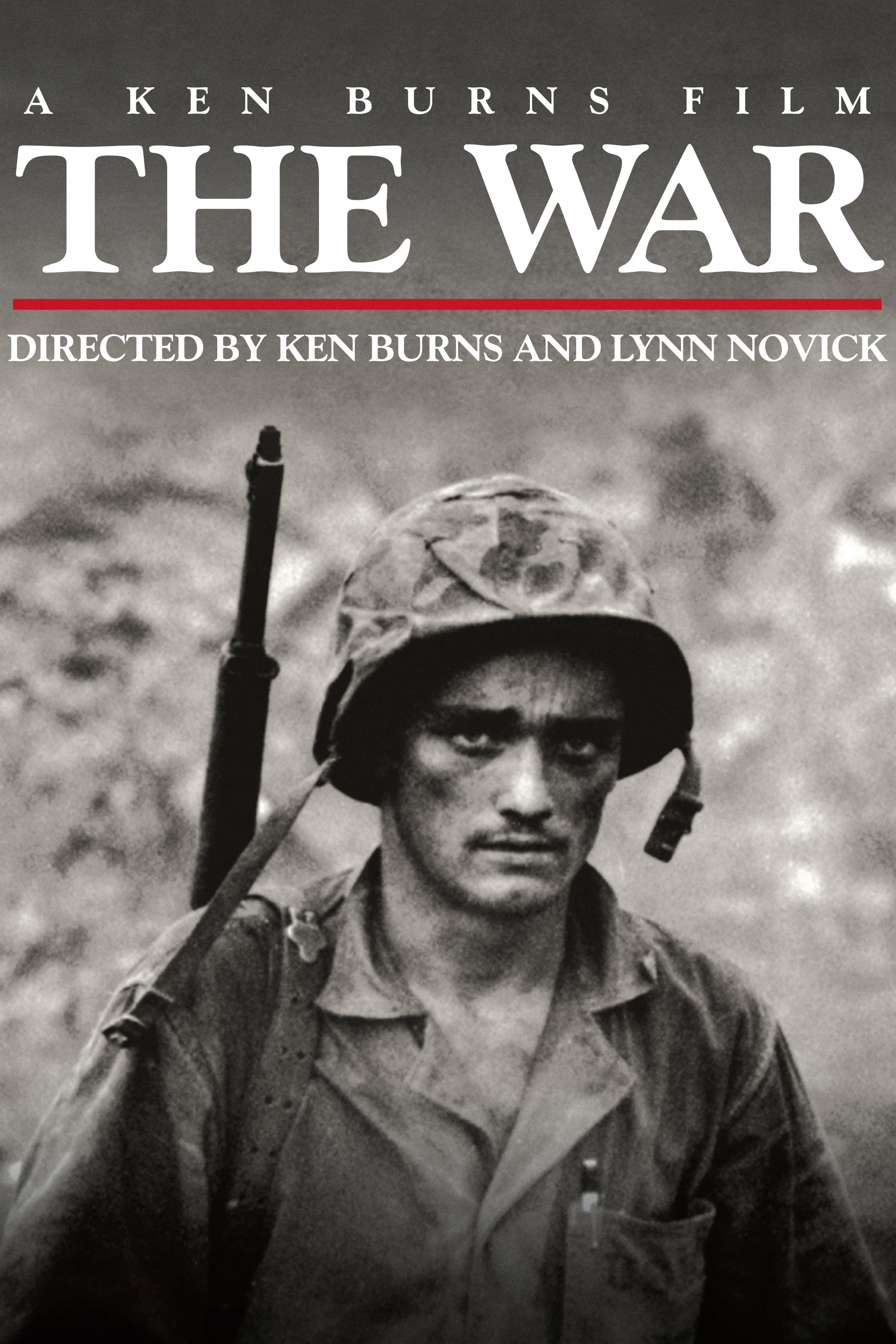
The story of the Second World War through the personal accounts of a handful of men and women from four American towns. The war touched the lives of every family on every street in every town in America and demonstrated that in extraordinary times, there are no ordinary lives.
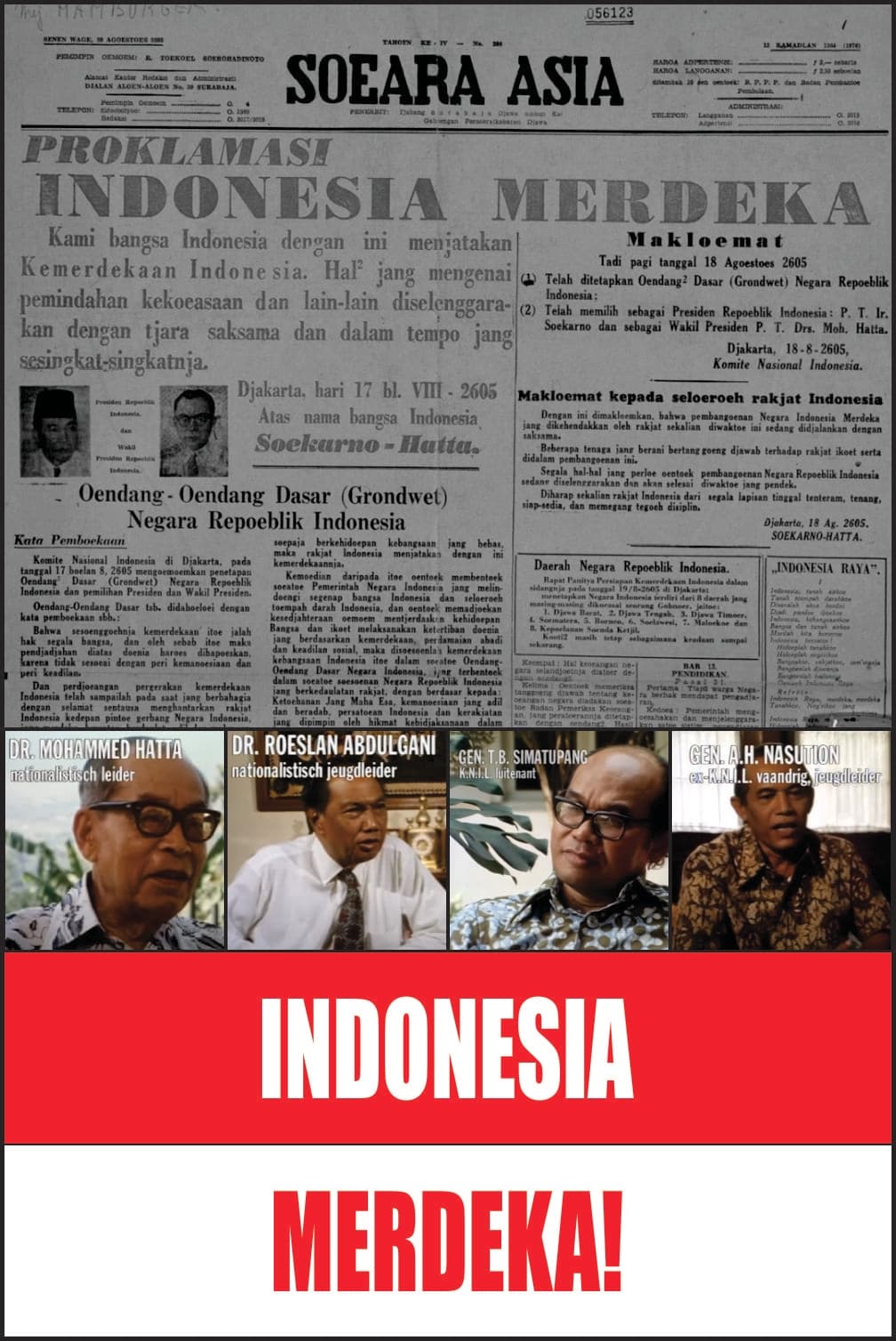
Documentary from 1976 about the Indonesian struggle for independence. Unique archive footage and interviews with former vice-president Mahammed Hatta (the only existing interview with him on film), journalist/writer Johan Fabricius, the physician dr. Abu Hafina, the nationalist youth leader Roelan Abgulgani, dr. P. J. Koets, at the time political adviser of the Lt. Governor-General, the Indonesian generals Nasution and Simaupang, and the planter couple Marsman.
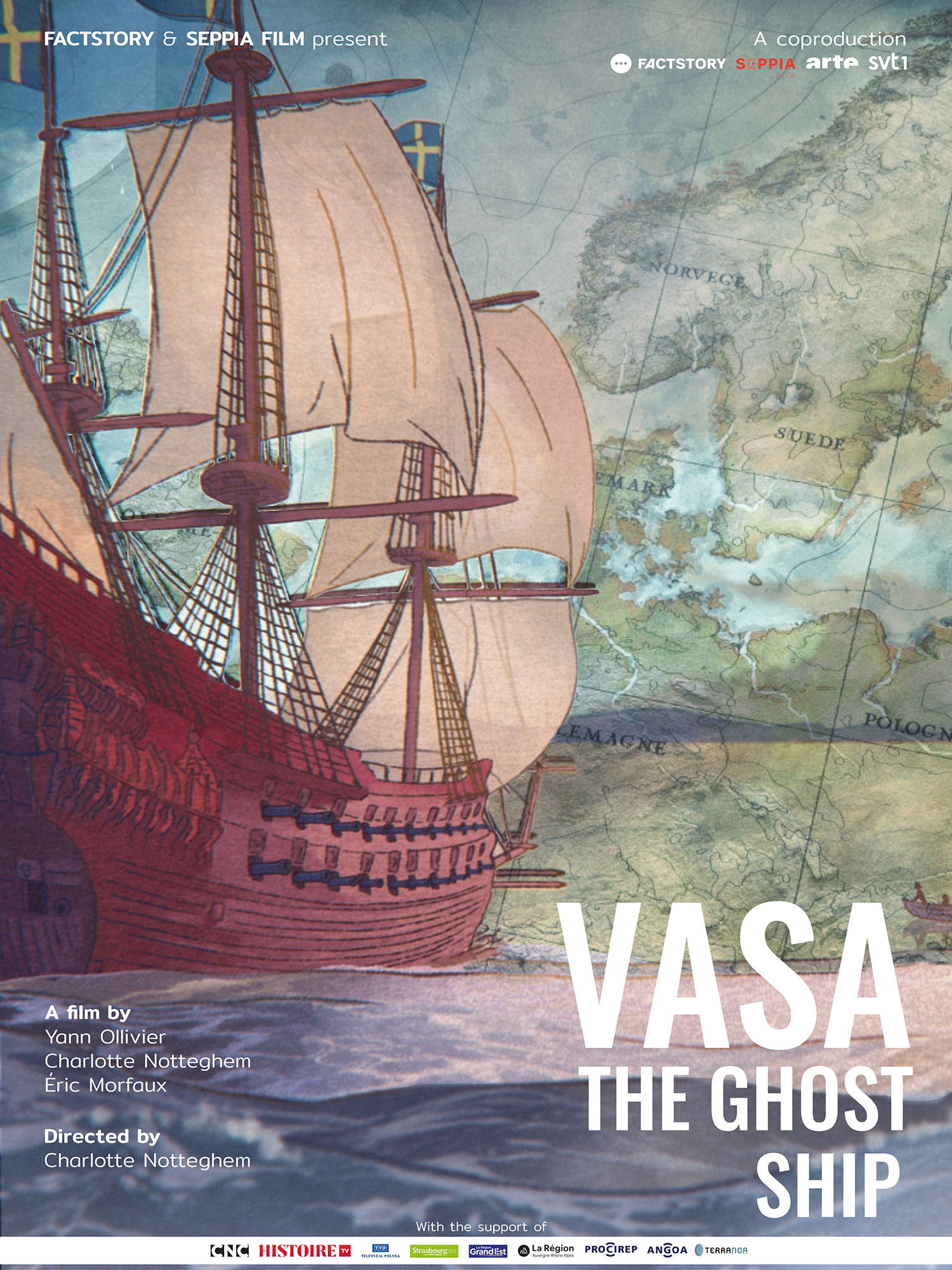
The Vasa was built for war but also to impress the enemy and display power. However, she sank on her maiden voyage, taking about thirty people with her to the depths. Many were rescued from the water by small boats that were in Stockholm’s ström to witness the proud vessel. Today, 400 years later, researchers study this unique time capsule from the early 17th century. How powerful were Vasa’s 64 cannons? Who do the countless, colorful sculptures on the ship actually depict? And the big question: what was the reason the ship sank?
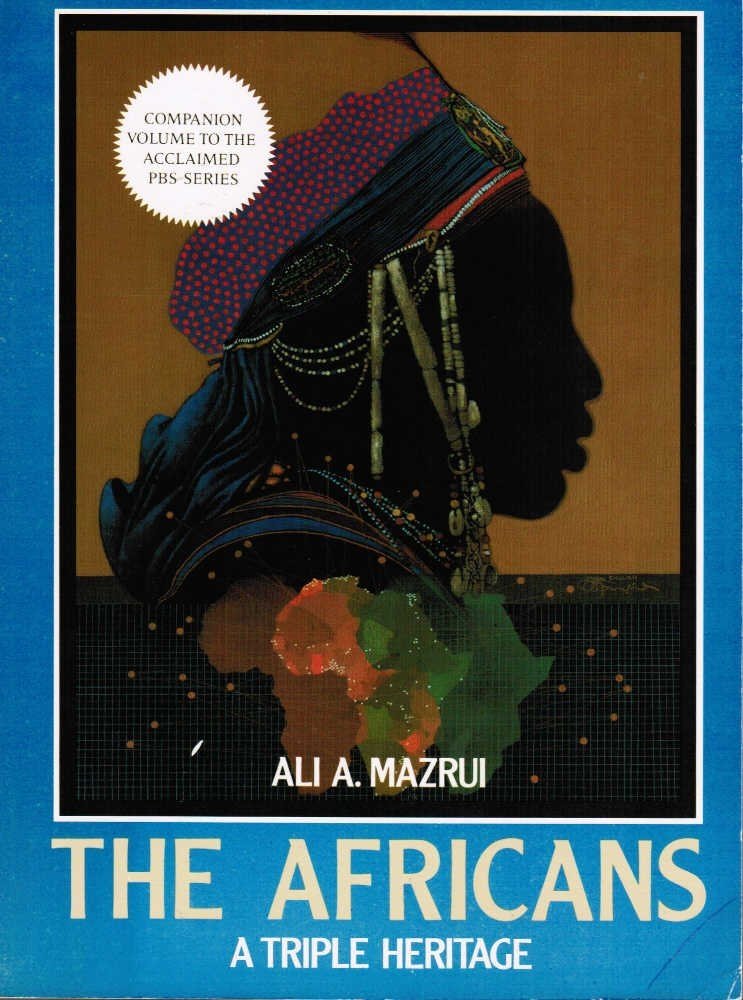
Written and narrated by Dr. Ali Mazrui in the early 1980s and jointly produced by the BBC and PBS (WETA, Washington) in association with the Nigerian Television Authority. Africa's triple heritage, as envisioned by Mazrui is a product resulting from three major influences: (1) an indigenous heritage borne out of time and climate change; (2) the heritage of eurocentric capitalism forced on Africans by European colonialism; and (3) the spread of Islam by both jihad and evangelism. The negative effects of this history have yet to be addressed by independent African leaders, while the West has tended to regard Africa as recipient rather than as transmitter of effects. Yet Africa has transformed both Europe and America in the past, Mazrui points out, and the difficult situation in which Africa finds itself today (economically dependent, culturally mixed, and politically unstable) is the price it has had to pay for Western development.


A group of history experts from London's King's College has created this documentary series that tries to assess the key political figures of WWII.
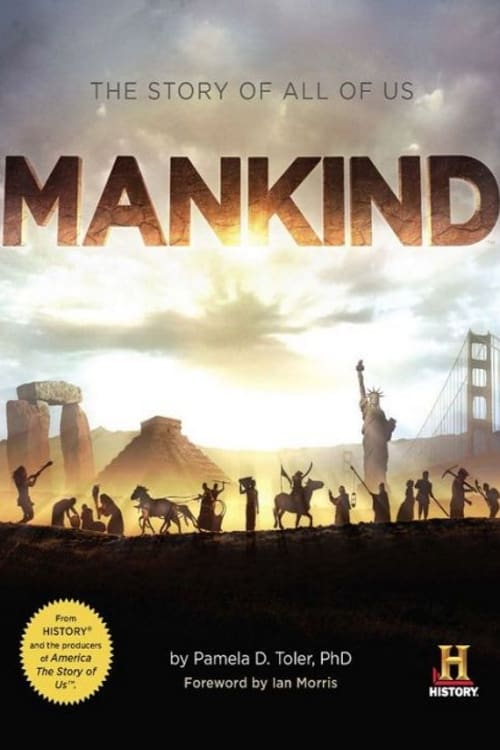
"Mankind : The Story of All of Us" is an epic 12-hour television event about the greatest adventure of all time—the history of the human race. It takes 10 billion years for the ideal planet to form and 3 billion more for the right conditions to emerge before it finally happens: mankind begins. From there unfolds a fast-paced story told here through key turning points—stepping stones in our journey from hunter-gatherer to global citizen. It’s a tale of connections—why some ideas take hold and spread around the globe, and how the lives of people in one part of the world are shaped by events in another.
From wagon trains crossing the untamed frontier to man's first steps on the moon, this series offers a compelling look at the people, inventions and events that helped forge the United States of America.
In the tradition of WWII-themed graphic novels such as Maus, six remarkable motion comics tell the dramatic stories of the brave people who raised their voices to advocate for Jewish refugees victimized by the Nazis
A one-hour series showcasing documentary films from across the Al Jazeera Network.
In four chapters, largely based on and illustrated with archaeological finds and sites, Neil Oliver explains how, as far as is known, the Iron Age Celtic tribes known as the Ancient Britains evolved and entered European civilization. Their internecine tribal phase was warlike and partitioned. Overseas contacts, especially metal trade, brought wealth and progress. Ultimately, it attracted the superior Roman empire, which would conquer and pacify Britain into a province, like Gaul shortly before, but Caesar's invasion wasn't the definitive annexation yet, that was left to emperor Claudius; even afterward some Celtic traits and even rebellions remained.
For Palestinians, 1948 marks the “Nakba” or “catastrophe”, when hundreds of thousands were forced out of their homes. For Israelis, the same year marks the creation of their own state. This four-part series attempts to present an understanding of the events of the past that are still shaping the present.
Coverage of the annual Sydney Gay and Lesbian Mardi Gras.
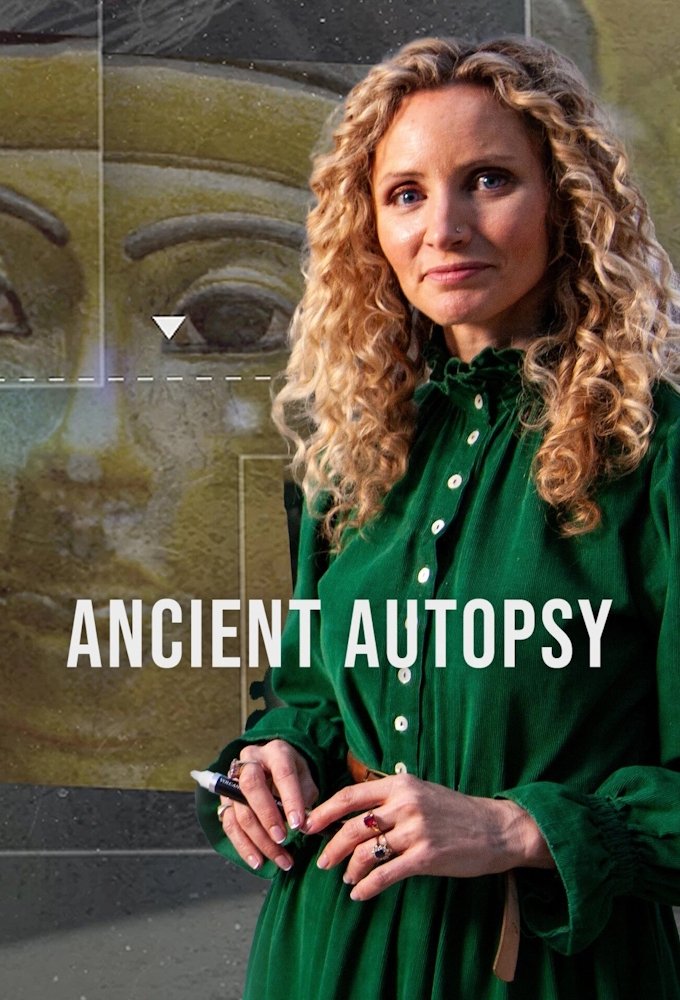
Professor Suzannah Lipscomb deep dives into some of the greatest death mysteries of the ancient world, as she turns forensic detective and re-examines the final moments of four of ancient history's most iconic figures. Blending science, history, and compelling detective work, Suzannah is joined by world-renowned forensic pathologist, Dr Richard Shepherd, who deploys cutting-edge digital autopsy technology to reveal trauma, disease, and possible foul play.
1984 Channel 4 documentary series surveying the history of New Testament scholarship, giving an overview of the contemporary New Testament scholarship, and finally a tracing of the history of the development of Christianity.
The fascinating stories of the families behind the food that built America, those who used brains, muscle, blood, sweat and tears to get to America's heart through its stomach, those who invented new technologies and helped win wars.
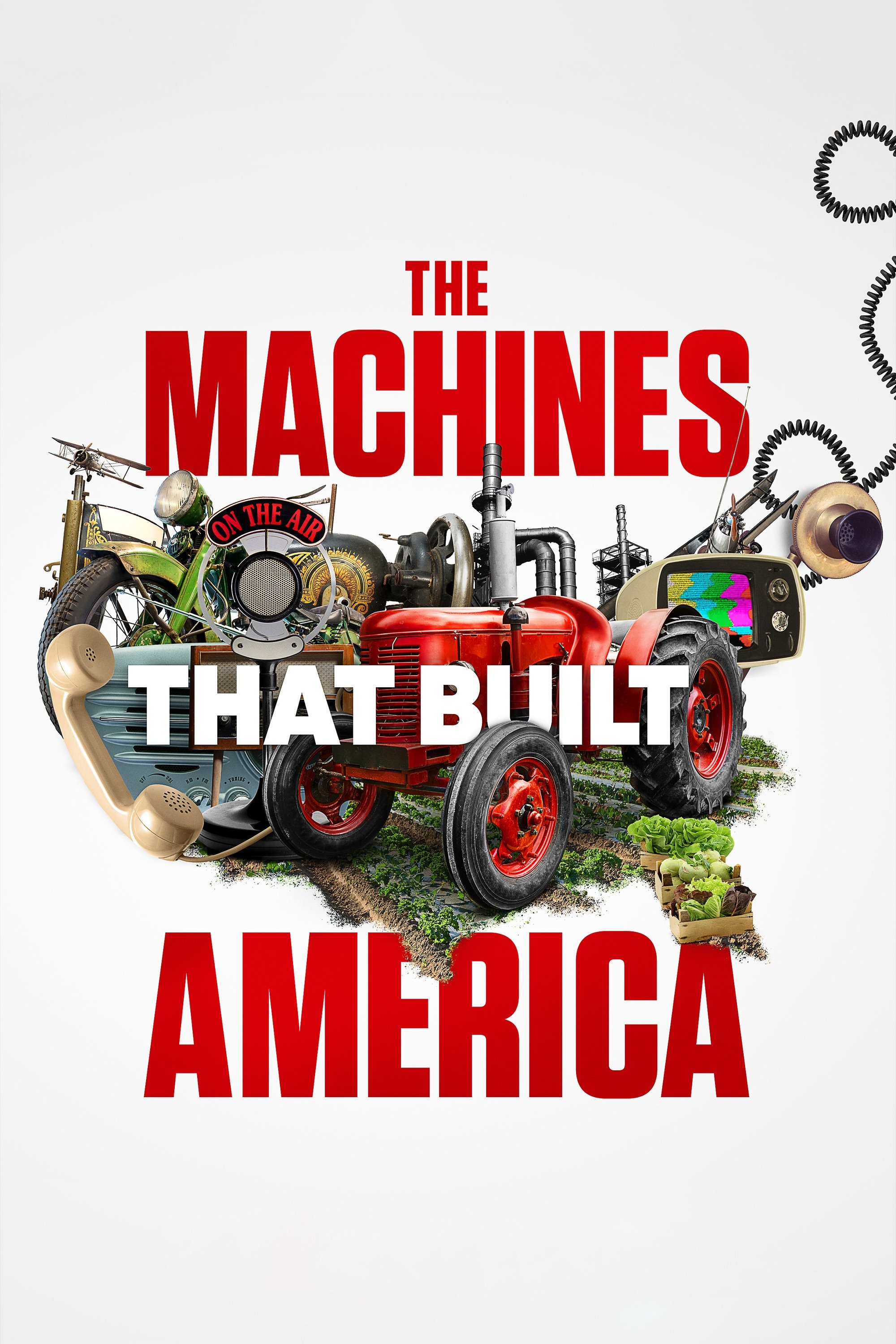
The stories behind innovations such as TV, radio, phones, airplanes, motorcycles and power tools as well as the inventors including Nikola Tesla, William Harley, Alexander Graham Bell, Duncan Black and Alonzo Decker.
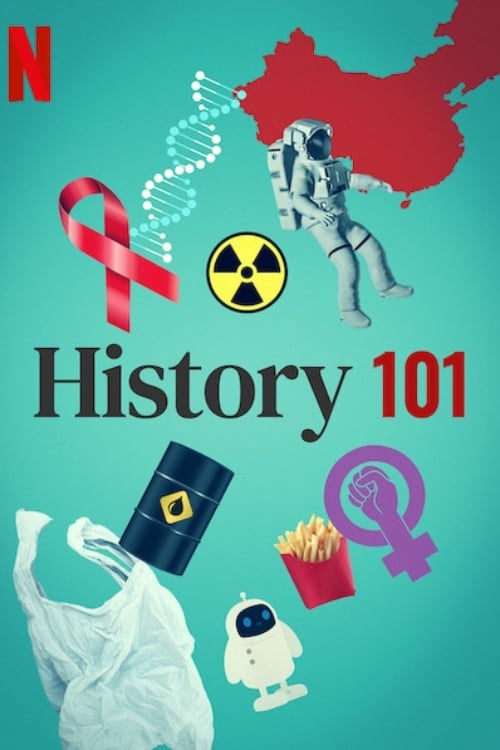
Infographics and archival footage deliver bite-size history lessons on scientific breakthroughs, social movements and world-changing discoveries.
TV's most-watched history series brings to life the compelling stories from our past that inform our understanding of the world today.
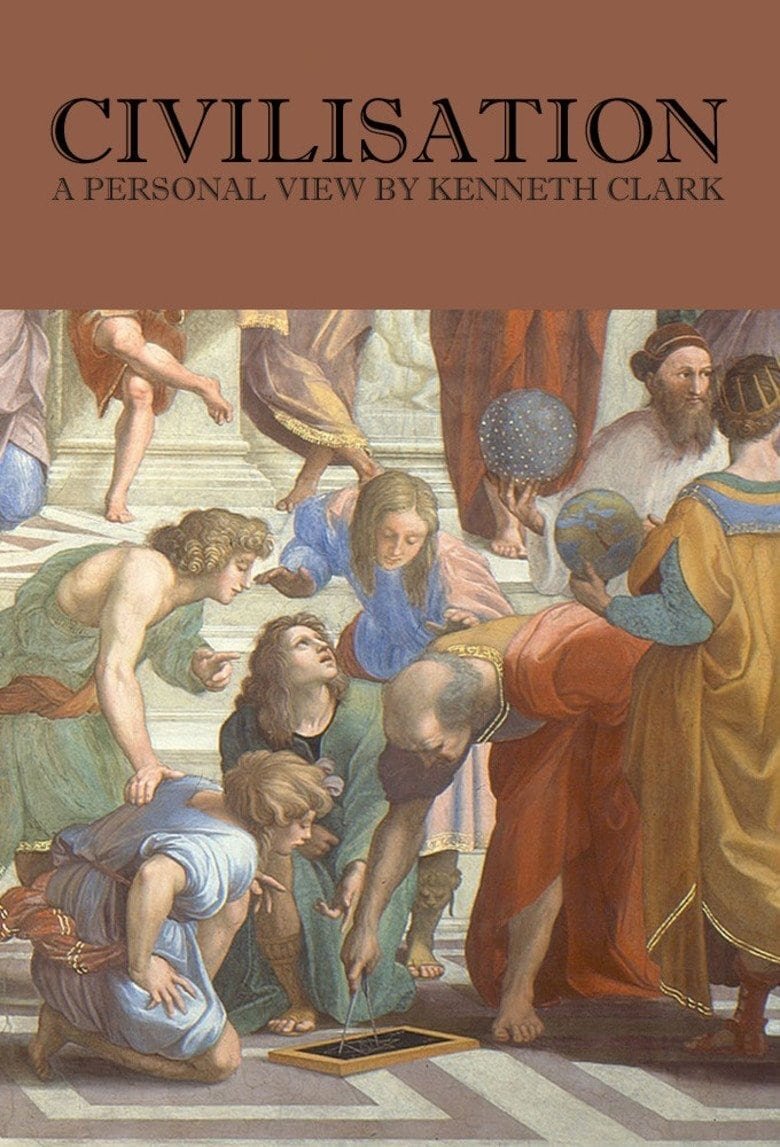
Sir Kenneth Clark guides us through the ages exploring the glorious rise of civilisation in western man. Beginning with the bleakness of the dark ages to the present day, we consider civilisation's articulations and expressions in some of man's finest works of art.
Experience the wonders of our world like never before in this epic series from Jon Favreau and the producers of Planet Earth. Travel back 66 million years to when majestic dinosaurs and extraordinary creatures roamed the lands, seas, and skies.
Based on the popular BBC series running since 1979, the PBS Antiques Roadshow combines history with discovery. Each year, the show visits a handful of cities to appraise items brought in by viewers. Are these items worth a lot of money, more than the visitors expect?
Antiques Roadshow is a British television show in which antiques appraisers travel to various regions of the United Kingdom to appraise antiques brought in by local people. It has been running since 1979. There are also international versions of the programme.
Doctor Who Confidential is a documentary to complement the revival of the long-running British science fiction television series Doctor Who. Each episode was broadcast on BBC Three on Saturdays, immediately after the broadcast of the weekly television episode on BBC One. The running time of the first two series was 30 minutes, being extended to 45 minutes in the third. BBC Three also broadcast a cut-down edition of the programme, lasting 15 minutes, shown after the repeats on Sundays and Fridays and after the weekday evening repeats of earlier seasons.
30 for 30 is the title for a series of documentary films airing on ESPN, its sister networks, and online highlighting interesting people and events in sports history. This currently includes four "volumes" of 30 episodes each, a 13-episode series under the ESPN Films Presents title in 2011–2012, and a series of 30 for 30 Shorts shown through the ESPN.com website. The series has also expanded to include Soccer Stories, which aired in advance of the 2014 FIFA World Cup, and audio podcasts. This entry refers to the main Volumes of the series presented by ESPN
An insider's look at the engineering and scientific miracles behind the things that form the modern world.
Professor Brian Cox explores the dramatic lives of the eight majestic planets/worlds that make up our solar system.
Investigates a wide range of historically compelling topics and the mysteries surrounding each including the Titanic, D.B. Cooper, Roswell, John Wilkes Booth, and more. Fresh, new evidence and perspectives will be showcased, such as never-before-released documents, personal diaries and DNA evidence.
Honoring service members whose courage merited the awarding of a Medal of Honor, this docudrama series re-creates their inspiring true stories.
Natural World is a nature documentary television series broadcast annually on BBC Two and regarded by the BBC as its flagship natural history brand. It is currently the longest-running series in its genre on British television, with more than 400 episodes broadcast since its inception in 1983. Natural World is produced by the BBC Natural History Unit in Bristol, but individual programmes can be in-house productions, collaborative productions with other broadcasters or films made and distributed by independent production companies and purchased by the BBC. Natural World programmes are often broadcast as PBS Nature episodes in the USA. Since 2008, most Natural World programmes have been shot and broadcast in high definition.
A series of standalone documentaries powered by the unparalleled journalism and insight of The New York Times, bringing viewers close to the essential stories of our time.
Professor Brian Cox journeys across the vastness of time and space revealing epic moments of sheer drama that changed the universe forever.
Turning points in ancient Roman history and some of the Empire's greatest stories are brought to life in this drama documentary series.
Horizon tells amazing science stories, unravels mysteries and reveals worlds you've never seen before.
Motoring programme featuring reviews of and reports about cars of all types.
American Masters is a PBS television series which produces biographies on enduring writers, musicians, visual and performing artists, dramatists, filmmakers, and others who have left an indelible impression on the cultural landscape of the United States.
PBS' premier science series helps viewers of all ages explore the science behind the headlines. Along the way, NOVA demystifies science and technology, and highlights the people involved in scientific pursuits.