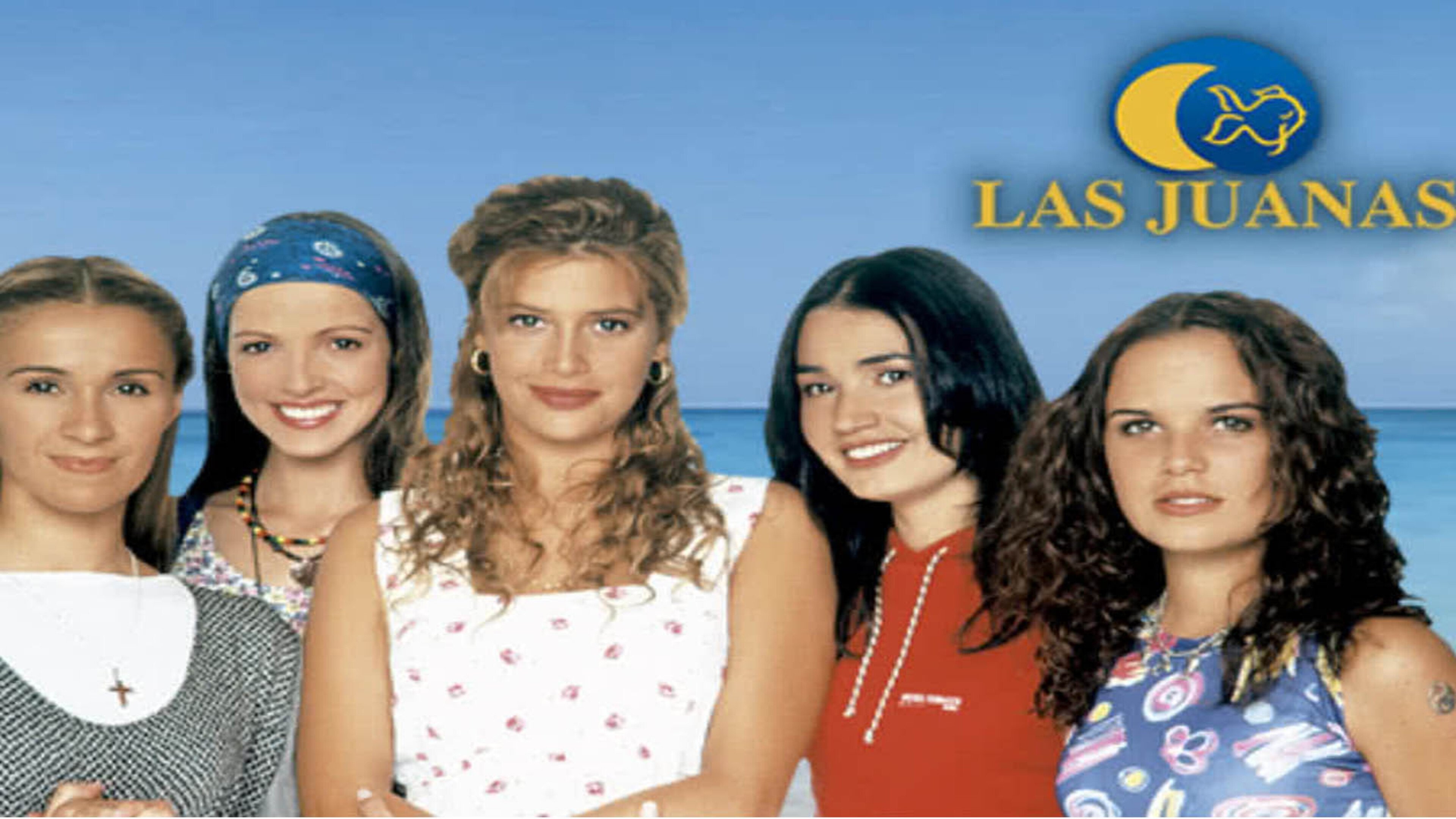

Las Juanas is a Colombian telenovela. It first aired in 1997 on the Colombian Network RCN. The show was written by Bernardo Romero Pereira, and was his most successful telenovela after the globally distributed series Café and Yo Soy Betty, La Fea.
Social & External
The people behind it
Xilena Aycardi
Juana Mani
Angie Cepeda
Juana Valentina
Catherine Siachoque
Juana Caridad
Rafael Novoa
Rubén Calixto
Miguel Varoni
Manuel F.
Susana Torres
Juana Bautista
Carolina Sabino
Juana Matilde
Pepe Sánchez
Calixto Salguero
Judy Henríquez
Doña Cuadrado
Amar a Muerte is a Mexican telenovela produced by W Studios for Televisa and originally broadcast on Las Estrellas from October 29, 2018, to March 3, 2019. It is based on the Colombian telenovela En Cuerpo Ajeno, created by Julio Jiménez. The story follows the extraordinary lives of three people whose souls are mysteriously reincarnated into different bodies after their deaths. As they adjust to their new identities, they confront love, revenge, family conflicts, and long-hidden secrets.
Popular telenovela produced in Mexico in 1979, starring Verónica Castro, Rogelio Guerra and Rocío Banquells. Castro also sang the theme Aprendí a Llorar, a song written by Lolita de la Colina. The telenovela was produced by Chilean Valentín Pimstein and Carlos Romero, it was directed by Rafael Banquells. The story was written by Inés Rodena and adapted by Valeria Philips.
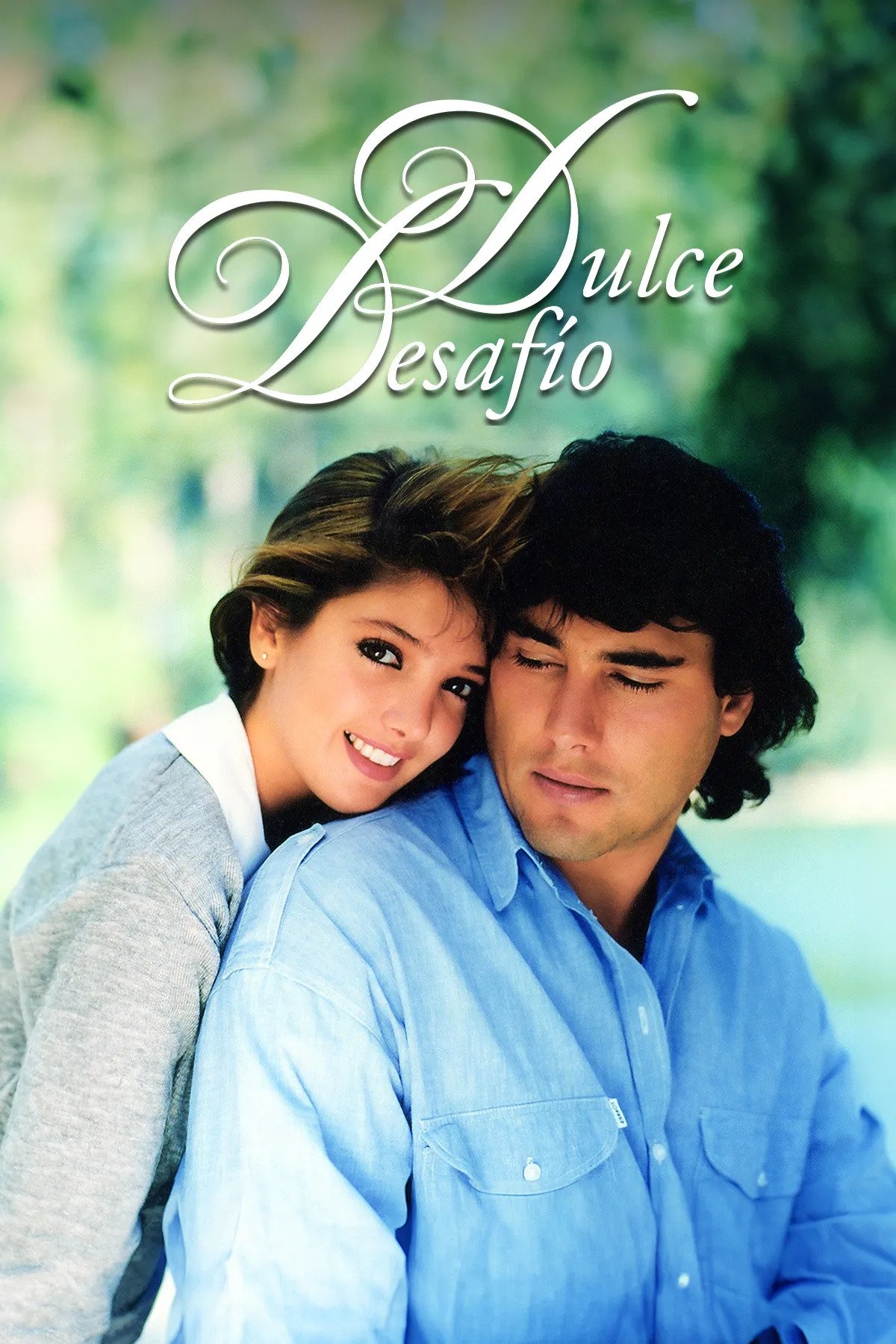
Dulce Desafío is a Mexican telenovela starring Adela Noriega and Eduardo Yáñez.
¡Válgame Dios! is a Spanish-language Venezuelan telenovela written by Mónica Montañéz for Venevisión. Sabrina Seara and Eduardo Orozco star as the main protagonists while Ricardo Alamo, Carlota Sosa and Raquel Yanez star as the main antagonists.
Mar de Amor is a Spanish-language telenovela produced by Nathalie Lartilleux with protagonists Zuria Vega, Mario Cimarro and Mariana Seoane and antagonists Ninel Conde, Marcelo Córdoba and Manuel Landeta. This is a remake of the 1978 Venezuelan telenovela María del Mar.
A telenovela that dramatizes the romances and rivalries between two brothers and two sisters in Mexico between the years 1885 and 1900.
Sofía Peralta-Avitia Villaseñor, a successful businesswoman and great mother, who feels lonely in her marriage to Gonzalo Balmori-Ricci Nava. At the same time, her daughter, Bárbara Balmori-Ricci Peralta-Avitia, and her young bodyguard, Salvador "Chava" Reyes Encino, will transform their rebelliousness into passion. But none of them know that the evil, ambitious people around them will try to meddle in their paths on their road to love.
Piel de otoño is a Mexican telenovela that was produced by Televisa and broadcast on El Canal de las Estrellas in Mexico from 9 May 2005 through 23 September 2005 in Mexico, and from October 10, 2005, through February 17, 2005, in the United States. Starring Laura Flores and René Strickler as the series' protagonists, the show tells the story of Lucía Villarreal de Mendoza, a woman who seeks refuge from her husband and children's abuses in the friendship of a stranger on the Internet, who signs his messages only as "wind". Piel de otoño is a remake of the 1986 Televisa telenovela Cicatrices del alma. The program aired weekdays at 5 pm for twenty weeks.
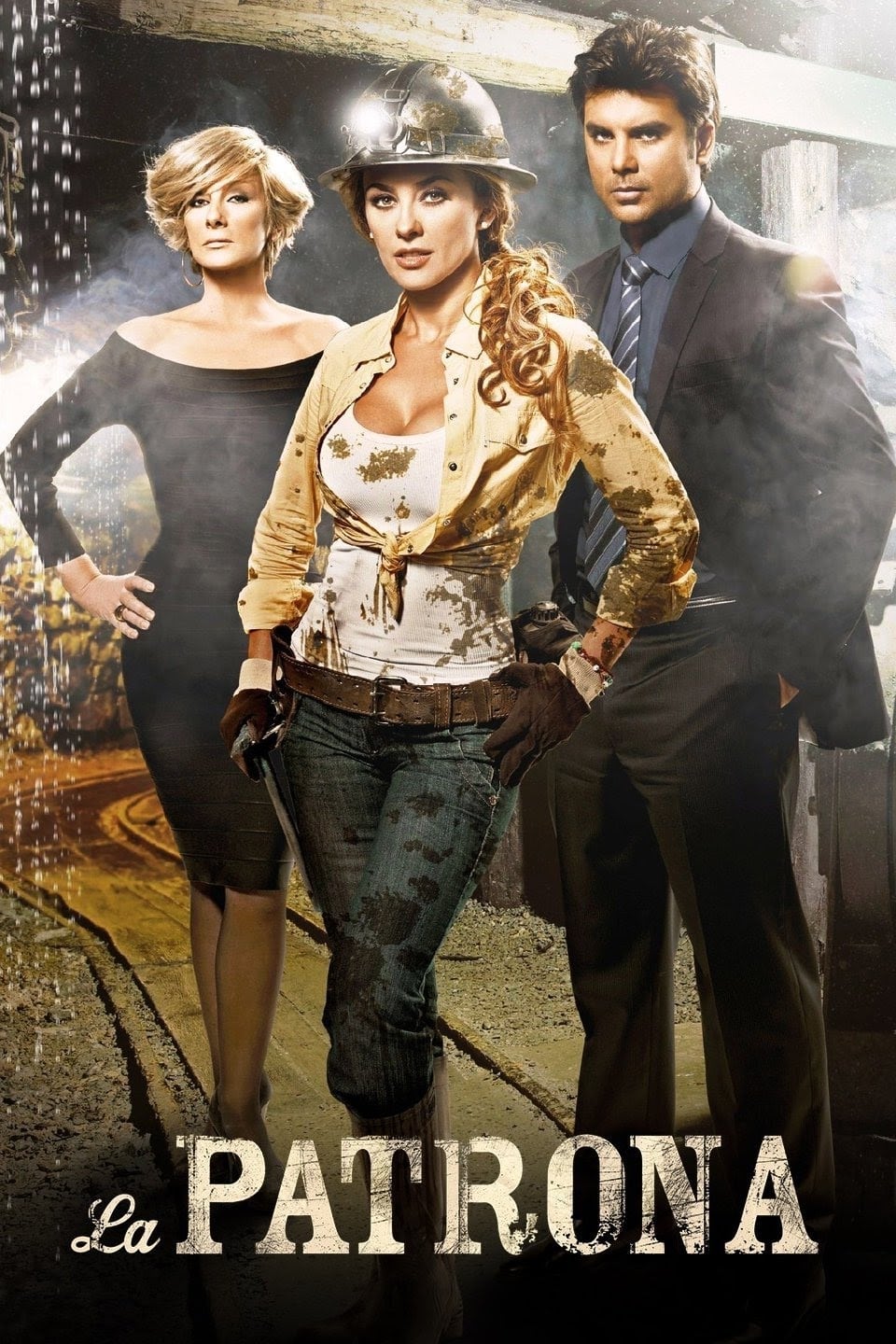
La Patrona is a Spanish-language telenovela produced by United States-based television network Telemundo Studios, Miami and Mexican Argos Comunicación. The telenovela is a remake of the Venezuelan telenovela La Dueña, written by José Ignacio Cabrujas. The name reflects a local term or slang in Mexico to address a person recognized as the main boss. However, the title is also a reflection of both the protagonist and the antagonist struggle to conquer power, authority and respect in a labor field traditionally deemed to be a man's job.
Against all odds, young Arelys Henao pursues her dream of becoming a singer in this music-filled drama, based on the beginnings of the iconic Colombian star.
Angela is a Mexican telenovela, which was produced by Televisa and broadcast on Canal de las Estrellas in 1998. The series was first debuted on May 17, 1999 on Univision in the United States, replacing that year's hit La Mentira, and ended on September 9, 1999, being replaced by Tres Mujeres. It aired a second and a third time on Galavisión on March 15, 2000 and May 8, 2001, and ended a second and a third time on July 1, 2000 and August 24, 2001. It aired a fourth time back to Univision's late night "Grandes Historias" lineup, aired on October 28, 2003, and ended on February 27, 2004. It aired a fifth time on TeleFutura on September 18, 2006, and ended on January 8, 2007. This telenovela contained 78 episodes.
A respected and renowned businesswoman and philanthropist, considered one of the most sought-after brides in the country, who is left at the altar on her wedding day. Humiliated, betrayed, and turned into a target of public scrutiny, Doménica decides to flee and take refuge in one of her parents’ old estates. There, marked by pain, she faces new challenges and meets Luis Fernando, the owner of the neighboring estate, who also carries a painful past. Between them, an explosive relationship develops, marked by pride, misunderstandings, and growing attraction, where land disputes intertwine with their shared desire to rebuild, heal, and give new meaning to their lives.
Set in New York, the serial features the street-wise Ángel, who treats life as a game he plays to win. He tangles with the power-hungry Martín, who is engaged to a stunning, feisty lawyer named Manuela. She decides to defend Ángel, even though Martín wants to destroy him. Neither of the men know that Ángel is Martín's own son. Our hero learns that love is the only key to survival.
Esmeralda is a telenovela that was released by Televisa in 1997. It is a remake of a 1970 Venezuelan telenovela of that same name, and was itself remade in Brazil in 2004. Another version is Topacio from Venezuela in 1984. One of the most famous telenovela all the time.
Story of love between Marimar and Sergio. Sergio is from a wealthy family, and Marimar lives with her poor grandparents in a hut in front of the ocean.
Yo no creo en los hombres (I don't trust men anymore) is a Mexican telenovela produced by Giselle González for Televisa. It is based on Yo no creo en los hombres (1991), produced in México.
La Impostora, is a Spanish-language telenovela presumably to be produced by United States-based television network Telemundo Studios, Miami.
The beautiful young Montserrat is forced to marry a man she does not love in order to save her family from ruin and maintain their social standing.
Rebeca murders her sister Adriana to end up with the man she loved, and becomes the step mother of her niece Lucía. Nora, Lucía's half sister and daughter of Rebeca, resents Lucía for the same reasons Rebeca hated Adriana, as history repeats itself.
La Tormenta is a Colombian 2005 telenovela produced by RTI Colombia and broadcast by Telemundo and Caracol TV, starring Natalia Streignard and Christian Meier. Maria Teresa is a woman accustomed to living in the city, but she has to move to live at ‘La Tormenta’, her family’s estate, to try to save her family from financial ruin. The family is facing economic problems and she thinks La Tormenta will save them from bankruptcy.