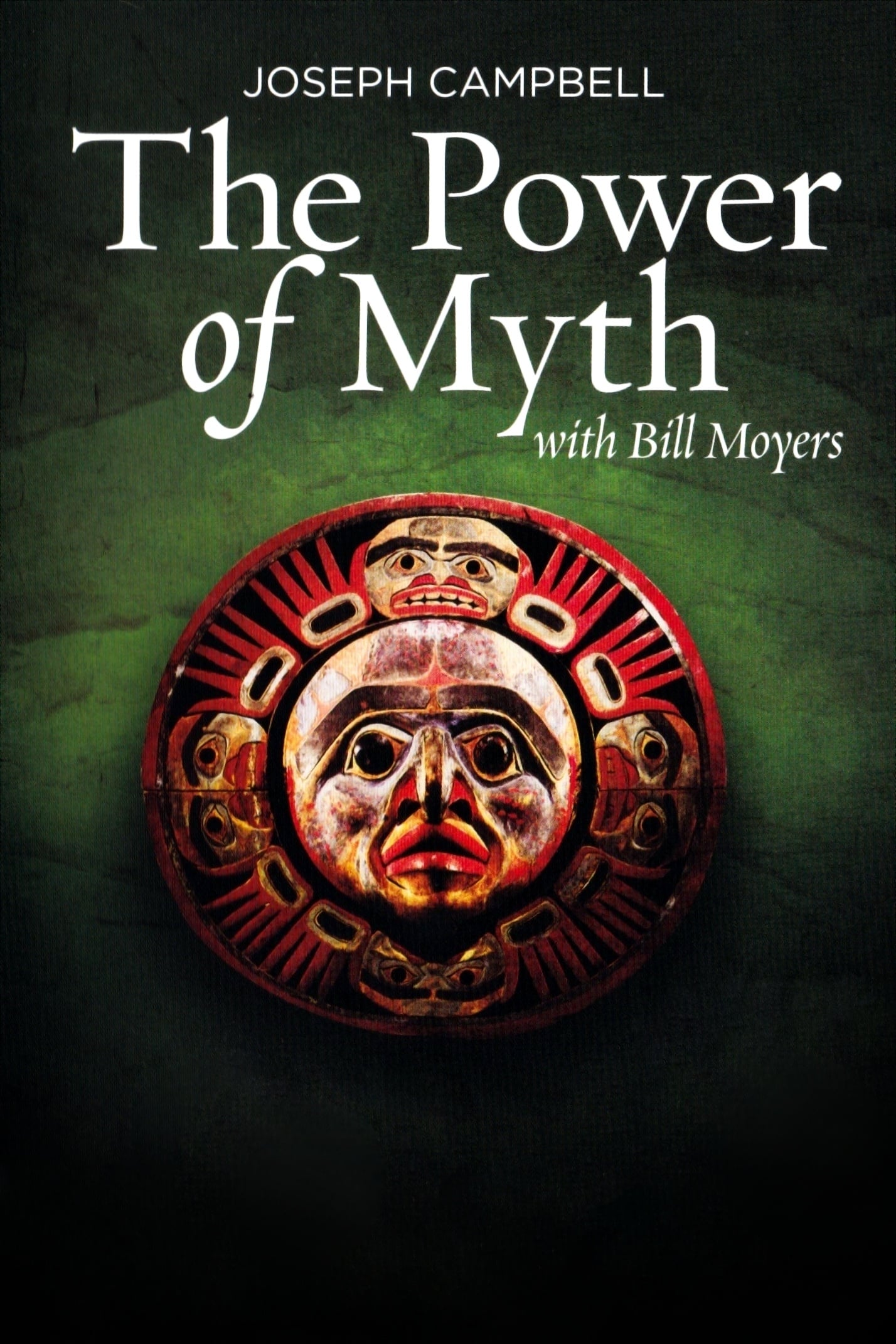
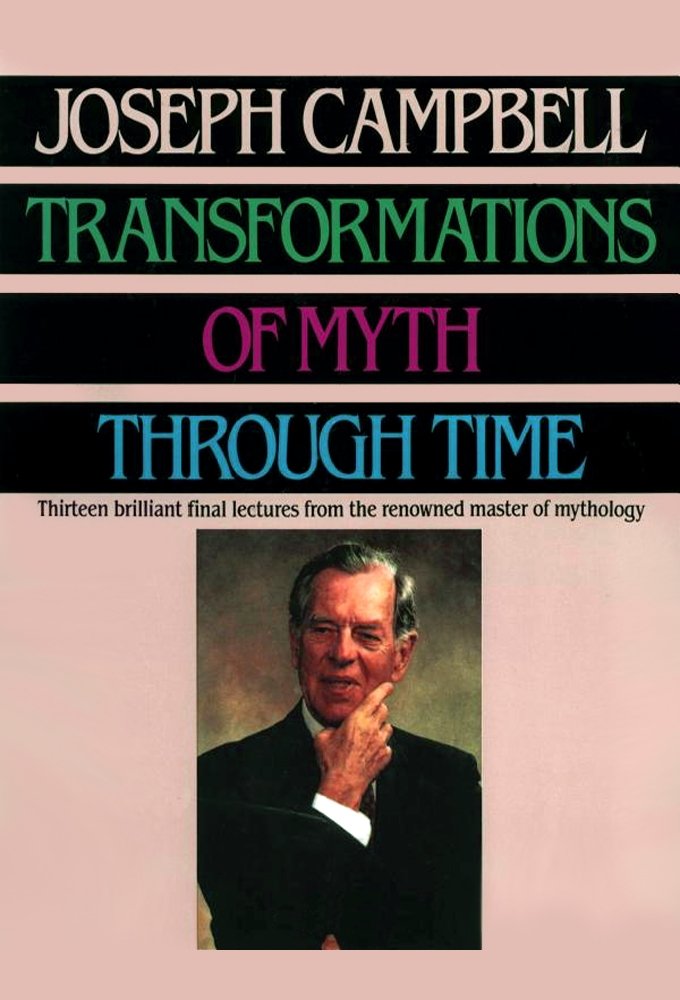
Legendary raconteur Joseph Campbell explores the myth and symbols that have shaped our world and given us what he has called "the experience of being alive."
Social & External
Himself
Clash of the Gods is a one-hour weekly mythology television series that premiered on August 3, 2009 on the History channel. The program covers many of the ancient Greek and Norse Gods, monsters and heroes including Hades, Hercules, Medusa, Minotaur, Odysseus and Zeus.

A current affairs program that began airing on EBS in August 2021. Co-produced by the Ministry of Education, the National Institute for Lifelong Learning, and EBS, the program is part of the Korean MOOC (Korean Massive Open Online Course) program, which aims to disseminate world-class knowledge to the public amid the prolonged COVID-19 pandemic, which has widened the knowledge gap between classes and spread fake information on social media. Hear great thoughts from some of the world's leading minds right now, including Nobel Prize-winning economist Paul Krugman, Michael Sandel of What is Justice, and world-renowned conductor and pianist Daniel Barenboim.
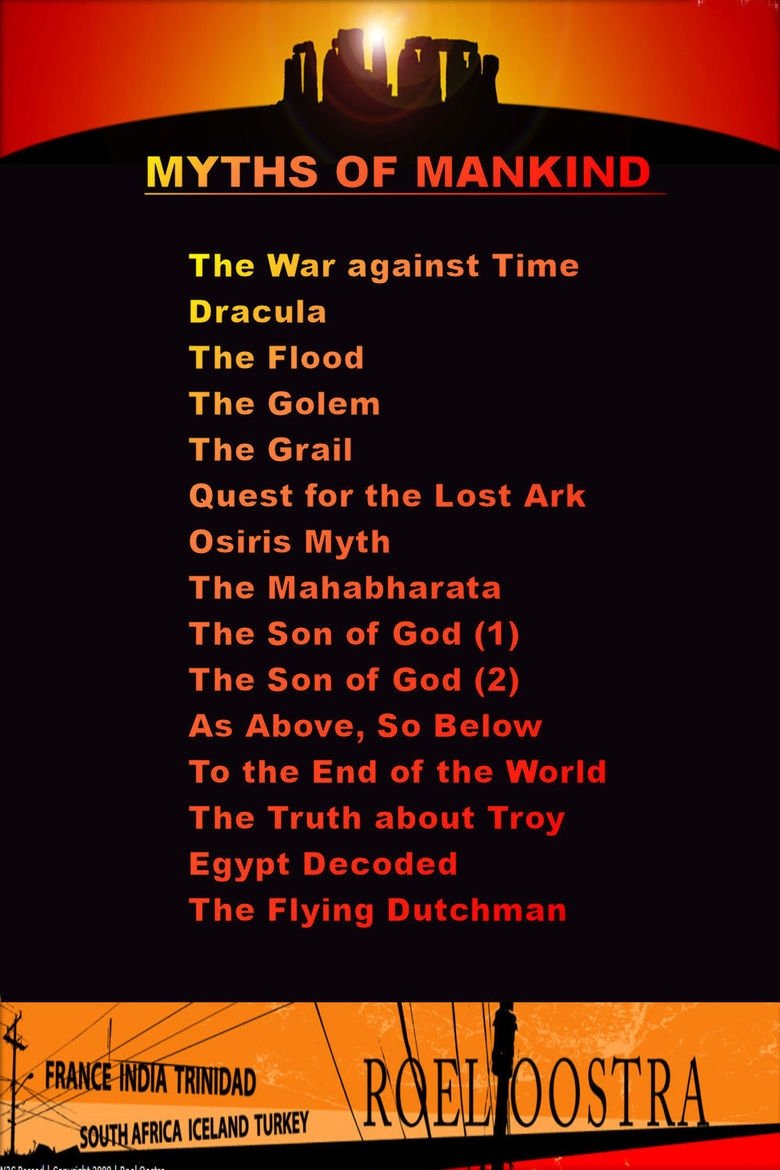
Series on mankinds myths and mysticisms.
The warm and honest - and ground-breaking - series that follows a group of GCSE students, and the staff who teach them, as they face the most important year in their education.
The Power of Myth is a television series originally broadcast on PBS in 1988 as Joseph Campbell and the Power of Myth. The documentary comprises six one-hour conversations between mythologist Joseph Campbell and journalist Bill Moyers.
Teacher Ekku, researcher Valtteri and yoga instructor Alexandra test their limits at a pro wrestling school.
The Richard Dimbleby Lecture was founded in the memory of Richard Dimbleby, the BBC broadcaster. It has been delivered by an influential business or political figure almost every year since 1972.
Mythos is a three-part documentary that consists of a series of lectures given by Joseph Campbell. Campbell conceived of the original lectures, filmed over the last six years of his life, as a summation of what he had learned about the human mythic impulse, in terms of psychology, ethnology and comparative mythology—what he called "the one great story of mankind."
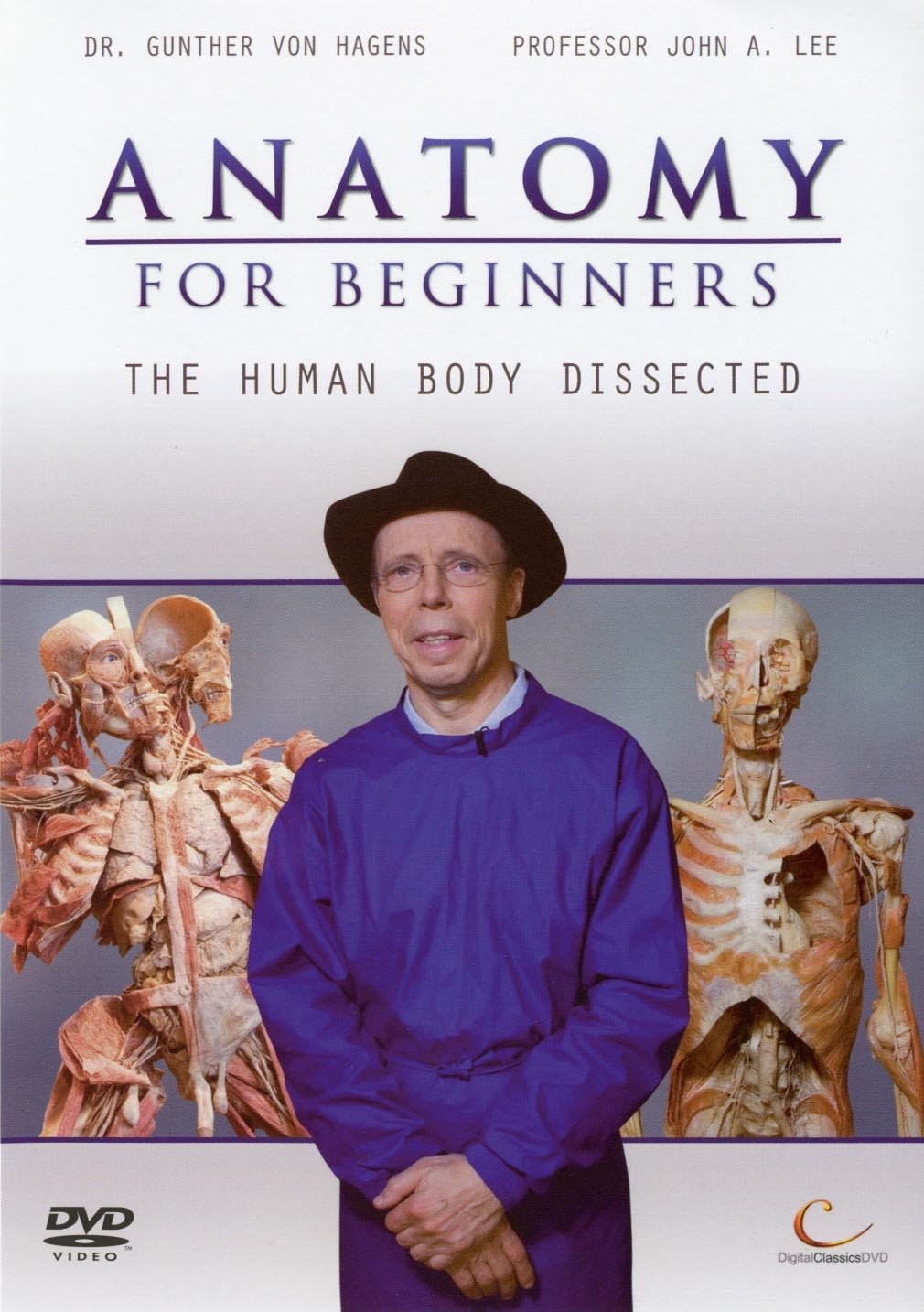
Anatomy for Beginners is a television show created by Gunther von Hagens. In this 4-part series, Dr Gunther von Hagens and Professor John Lee demonstrated the anatomical structure and workings of the body. The 4 episodes were screened in the United Kingdom on Channel 4 in 2005. The show features public anatomy demonstrations with the use of real human cadavers and live nude models, carried out at Gunther von Hagens' "Institute for Plastination" in Heidelberg, Germany. Dr von Hagens’ public demonstrations are not formal anatomy dissections performed by medical students in some countries as part of their medical training. Formal dissection are performed slowly and take dozens of hours of dissection. Anatomy for Beginners performs quicker autopsy and also combines with demonstration of plastinated body parts and specimens to gives just a glimpse of the human anatomy. The individuals on whom the demonstration was performed had, before their death, enrolled on von Hagens’ body donor programme and consented to the use of their bodies for public education in anatomy, including public demonstration.
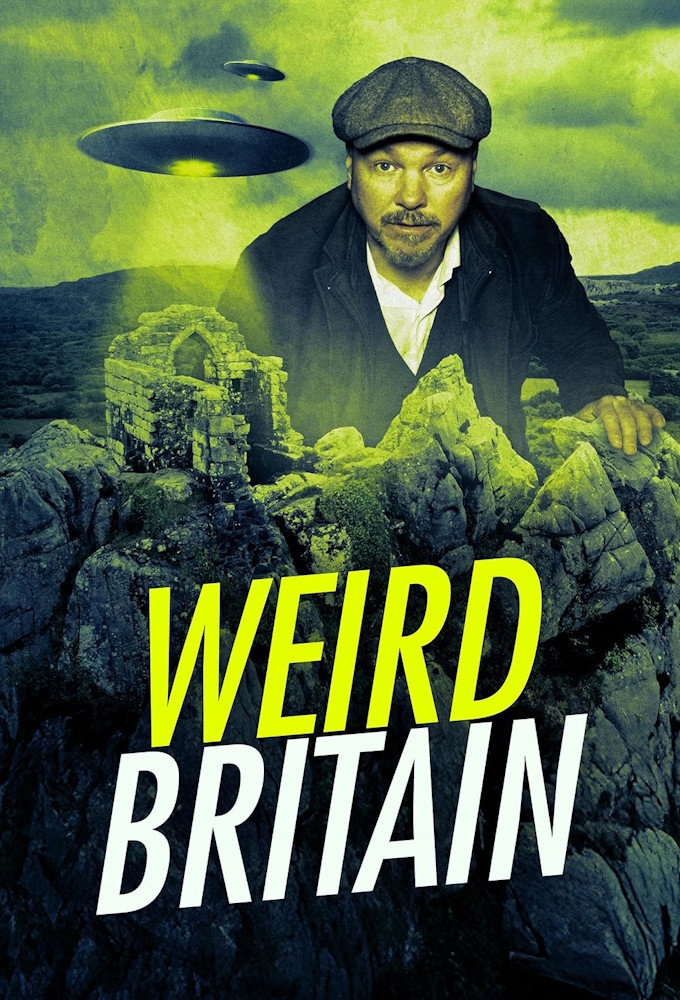
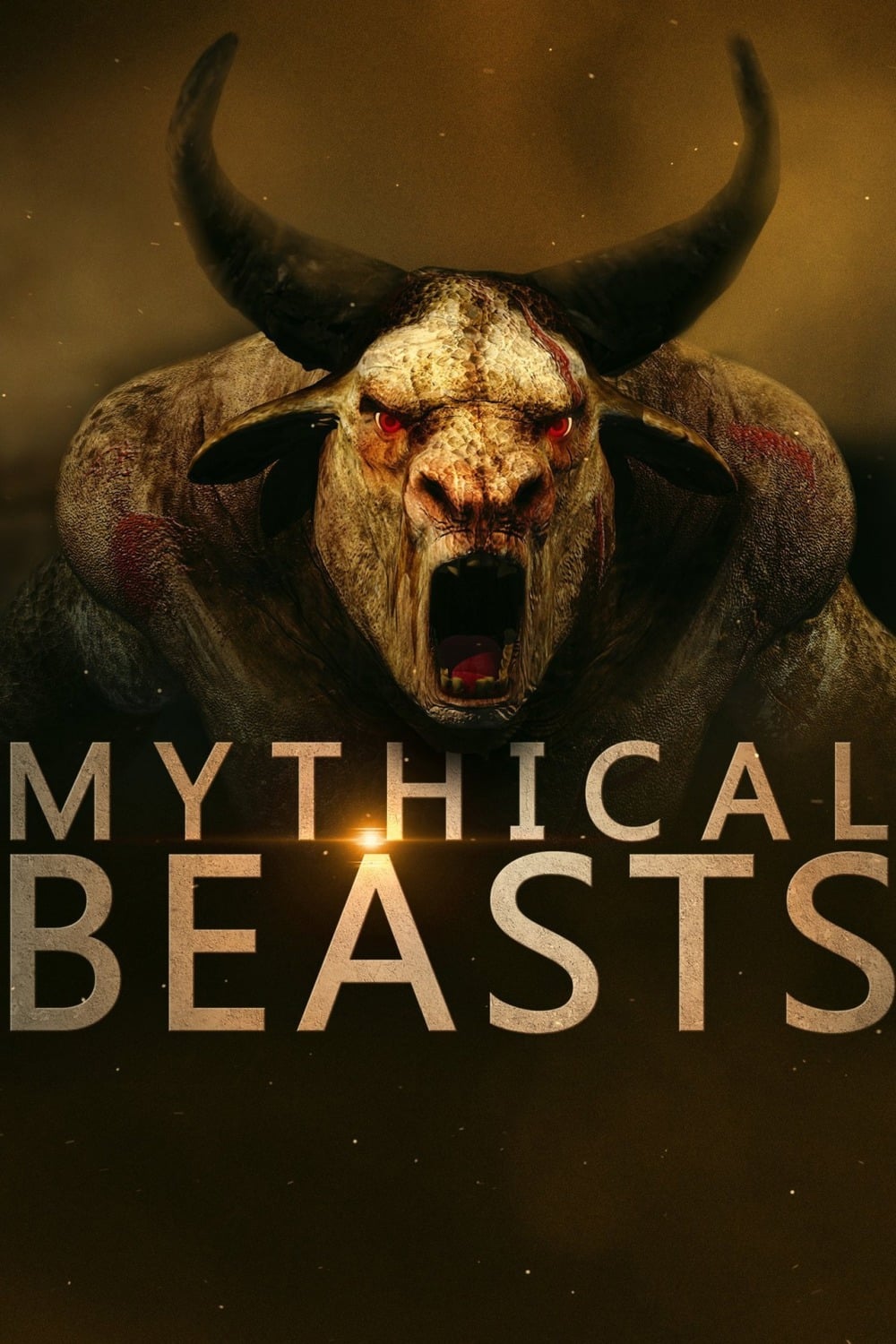
Revealing the origin stories of popular monster mysteries, each episode looks at the history, archaeology and truths behind legendary creatures.
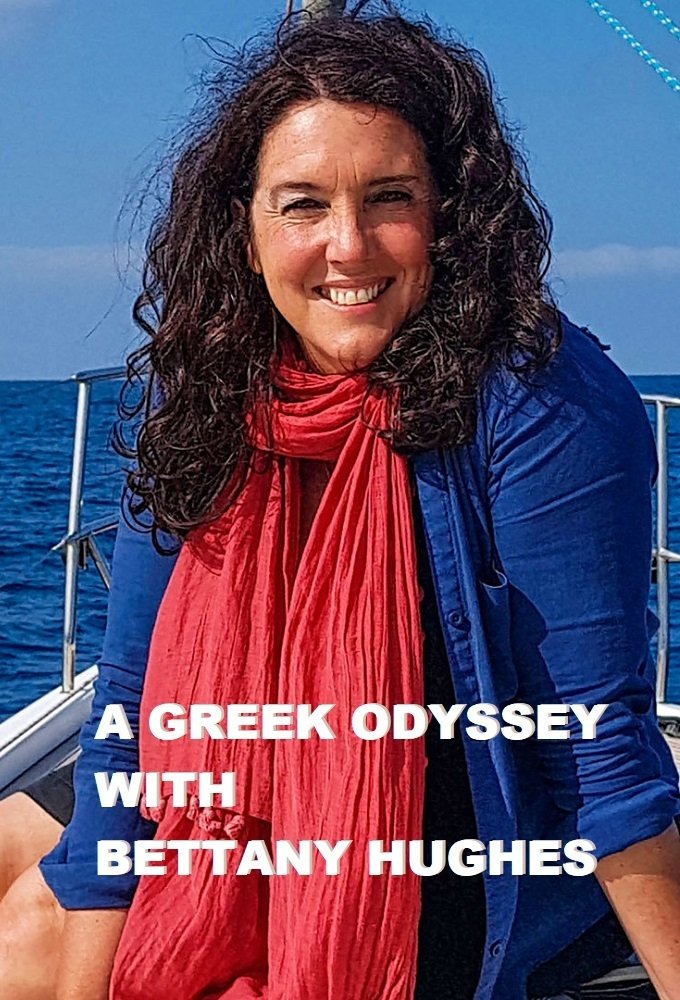
Historian Bettany Hughes has embarked on an epic, personal journey. Inspired by Homer's The Odyssey, she will sail the unpredictable Mediterranean seas, tracing Odysseus's long journey home. Her mission: to experience what the Greek hero experienced and to uncover truths behind the myths and legends, all while enjoying the delights of ancient Greece today. Follow her 1,700-mile adventure as it takes her to over a dozen islands and 22 historic sites and puts her through two hair-raising storms and even an earthquake.
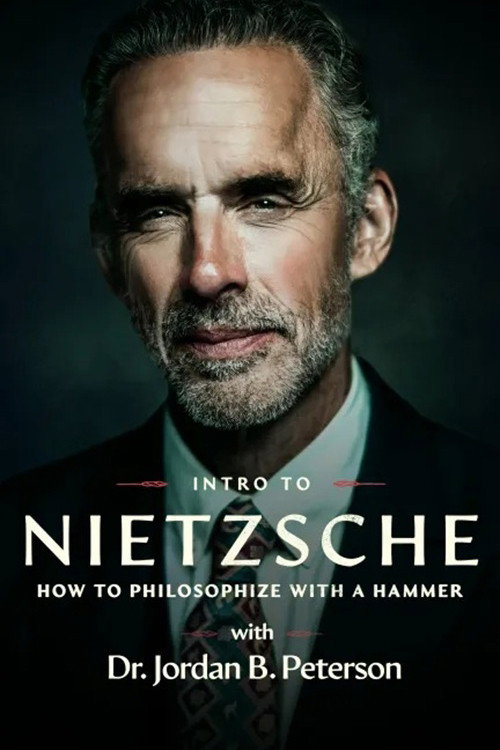
In Introduction to Nietzsche, an eight-hour course, Dr. Peterson embarks on a deep exploration of the life, philosophy, and enduring influence of Friedrich Nietzsche. Set against the backdrop of the late 19th century, we examine how Nietzsche's ideas challenged traditional moral and philosophical foundations, paving the way for new perspectives on the human condition. The course delves into key concepts such as the will to power, the critique of truth and morality, and the affirmation of life in the face of nihilism, while also exploring Nietzsche's complex relationship with religion, academia, and the works of other thinkers. Ultimately, we are invited to confront uncomfortable realities, embrace necessary struggles, and cultivate the courage and gratitude needed to realize our full potential.
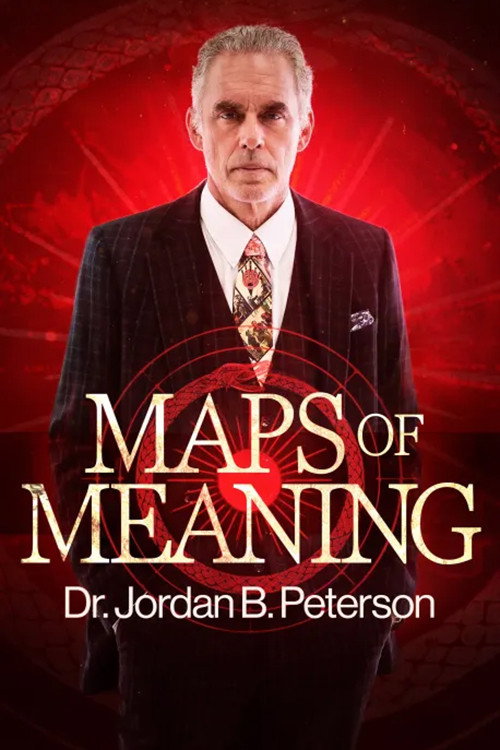
In Maps of Meaning, a twelve-hour course, Dr. Jordan B. Peterson explores the foundations of human consciousness, perception, and the pursuit of meaning. Drawing from psychology, mythology, and neuroscience, he examines how we navigate the tension between order and chaos—not as passive observers, but as active participants guided by goals and values. Central to this exploration is the archetypal hero’s journey, which shows how voluntarily confronting suffering and taking responsibility can transform both the individual and society. Grounded in decades of research and personal experience, Dr. Peterson reveals how religious symbols, archetypal narratives, and social hierarchies shape both the individual mind and collective culture. Through powerful insights, the course demonstrates that proper orientation toward the highest good enables us to transform chaos into meaningful order.
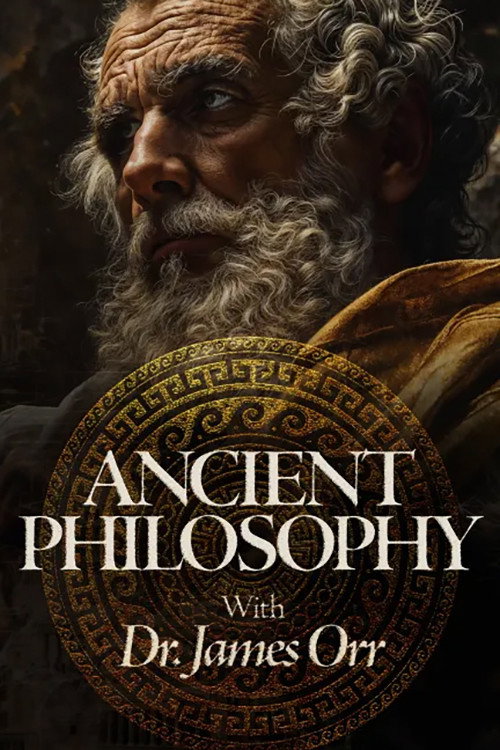
In Ancient Philosophy, a seven-hour course, Dr. Orr takes us on an exploration of the rich history of ancient Greek thought, beginning with the foundational ideas of the Ionian and Eleatic schools and voyaging through the transformative philosophies of Plato and Aristotle. The course also examines the emergence of Stoicism and Epicureanism during the Hellenistic period, emphasizing their distinct approaches to ethics, nature, and the human condition. Throughout the course, we trace the evolution of pivotal concepts in metaphysics, epistemology, and ethics that have shaped Western thought for millennia, underscoring the enduring relevance and transformative power of ancient Greek philosophy in modern times.
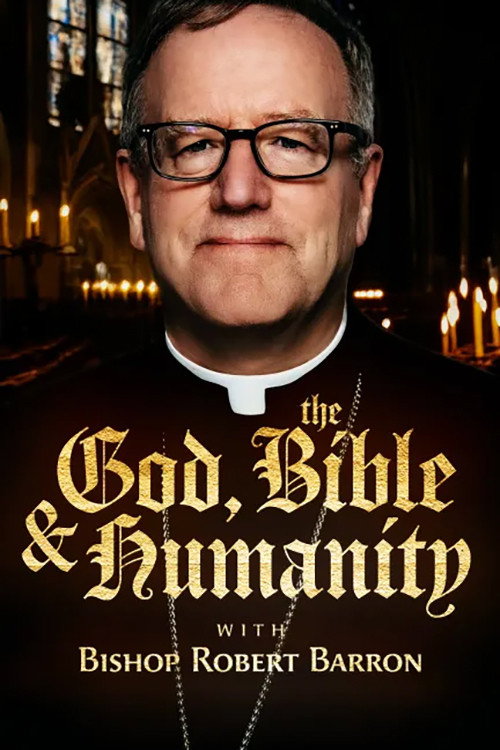
In God, The Bible & Humanity, a five-hour course, Bishop Robert Barron explores the nature of God, the biblical narrative, and the life and teachings of Jesus Christ through the lens of Catholic theology. Drawing from the Old and New Testaments, he examines themes such as God's transcendence and immanence, the importance of right worship, spiritual liberation, and the roles of priest, prophet, and king. The course culminates in a profound reflection on the Sermon on the Mount and the transformative power of the crucifixion and resurrection of Jesus.
Young teacher Alfie Wickers is "the worst teacher ever to grace the British education system" – at Abbey Grove School, in Watford, Hertfordshire.
Principal Steven Harper runs Winslow High School as best as he can while dealing with the demands of the faculty, the students and their parents.
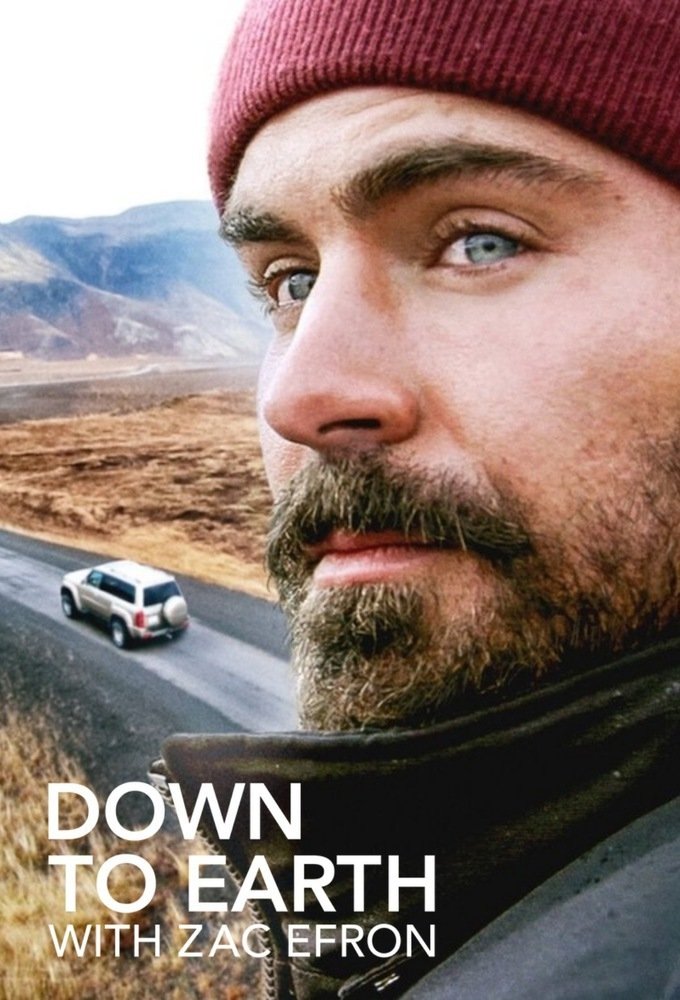
Actor Zac Efron journeys around the world with wellness expert Darin Olien in a travel show that explores healthy, sustainable ways to live.
Investigates a wide range of historically compelling topics and the mysteries surrounding each including the Titanic, D.B. Cooper, Roswell, John Wilkes Booth, and more. Fresh, new evidence and perspectives will be showcased, such as never-before-released documents, personal diaries and DNA evidence.
TV's most-watched history series brings to life the compelling stories from our past that inform our understanding of the world today.
PBS' premier science series helps viewers of all ages explore the science behind the headlines. Along the way, NOVA demystifies science and technology, and highlights the people involved in scientific pursuits.
On the 150th anniversary of its founding, Kevin Costner explores Yellowstone National Park to find out if it's still as wild and untouched as it was on the day of its birth, and looks back at the events that led to its preservation.
Biography is a documentary television series. It was originally a half-hour filmed series produced for CBS by David Wolper from 1961 to 1964 and hosted by Mike Wallace. The A&E Network later re-ran it and has produced new episodes since 1987. The older version featured historical figures such as Helen Keller and Mark Twain, or long-dead entertainment figures such as Will Rogers or John Barrymore. The A&E series has placed the emphasis on such people as Marilyn Monroe, Elvis Presley, Plácido Domingo, Freddie Mercury, Jacqueline Kennedy Onassis, Eric Clapton, Pope John Paul II, Gene Tierney, Selena, Diego Rivera, Mao Zedong and Queen Elizabeth II, and fictional characters like The Phantom, Superman, Hamlet, Betty Boop, and Santa Claus. The program ended up profiling enough figures that in 1999, A&E spun it off into an entire network, The Biography Channel.
30 for 30 is the title for a series of documentary films airing on ESPN, its sister networks, and online highlighting interesting people and events in sports history. This currently includes four "volumes" of 30 episodes each, a 13-episode series under the ESPN Films Presents title in 2011–2012, and a series of 30 for 30 Shorts shown through the ESPN.com website. The series has also expanded to include Soccer Stories, which aired in advance of the 2014 FIFA World Cup, and audio podcasts. This entry refers to the main Volumes of the series presented by ESPN
Infographics and archival footage deliver bite-size history lessons on scientific breakthroughs, social movements and world-changing discoveries.
Through the prism of Jeff Goldblum's always inquisitive and highly entertaining mind, nothing is as it seems. Each episode is centered around something we all love — like sneakers or ice cream — as Jeff pulls the thread on these deceptively familiar objects and unravels a wonderful world of astonishing connections, fascinating science and history, amazing people, and a whole lot of surprising big ideas and insights.
Natural World is a nature documentary television series broadcast annually on BBC Two and regarded by the BBC as its flagship natural history brand. It is currently the longest-running series in its genre on British television, with more than 400 episodes broadcast since its inception in 1983. Natural World is produced by the BBC Natural History Unit in Bristol, but individual programmes can be in-house productions, collaborative productions with other broadcasters or films made and distributed by independent production companies and purchased by the BBC. Natural World programmes are often broadcast as PBS Nature episodes in the USA. Since 2008, most Natural World programmes have been shot and broadcast in high definition.
An in-depth look at the history and pop cultural significance of horror films.
A worldwide guided tour of the greatest movies ever made and the story of international cinema through the history of cinematic innovation.
Horizon tells amazing science stories, unravels mysteries and reveals worlds you've never seen before.
Will Smith whose curiosity and wonder is positively infectious—is guided by National Geographic Explorers traveling to different corners of the world to get up close and personal with the weirdest, most unusual, dangerous and thrilling spectacles of the planet.
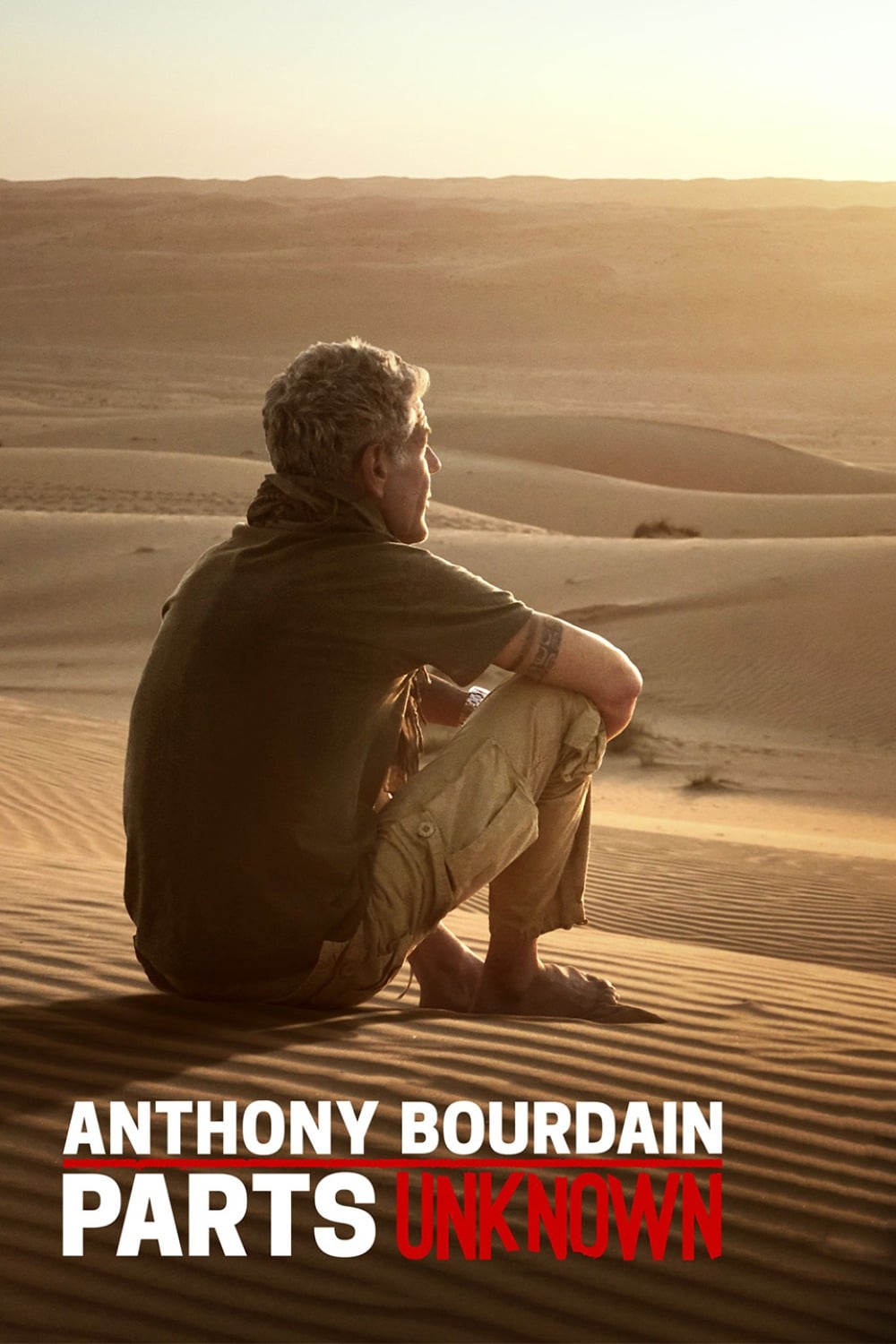
Bourdain travels across the globe to uncover little-known areas of the world and celebrate diverse cultures by exploring food and dining rituals. Known for his curiosity, candor, and acerbic wit, Bourdain takes viewers off the beaten path of tourist destinations – including some war-torn parts of the world – and meets with a variety of local citizens to offer a window into their lifestyles, and occasionally communes with an internationally lauded chef on his journeys.
This immersive series follows the world's most magnificent creatures, capturing never-before-seen moments from the heartwarming to the outrageous.
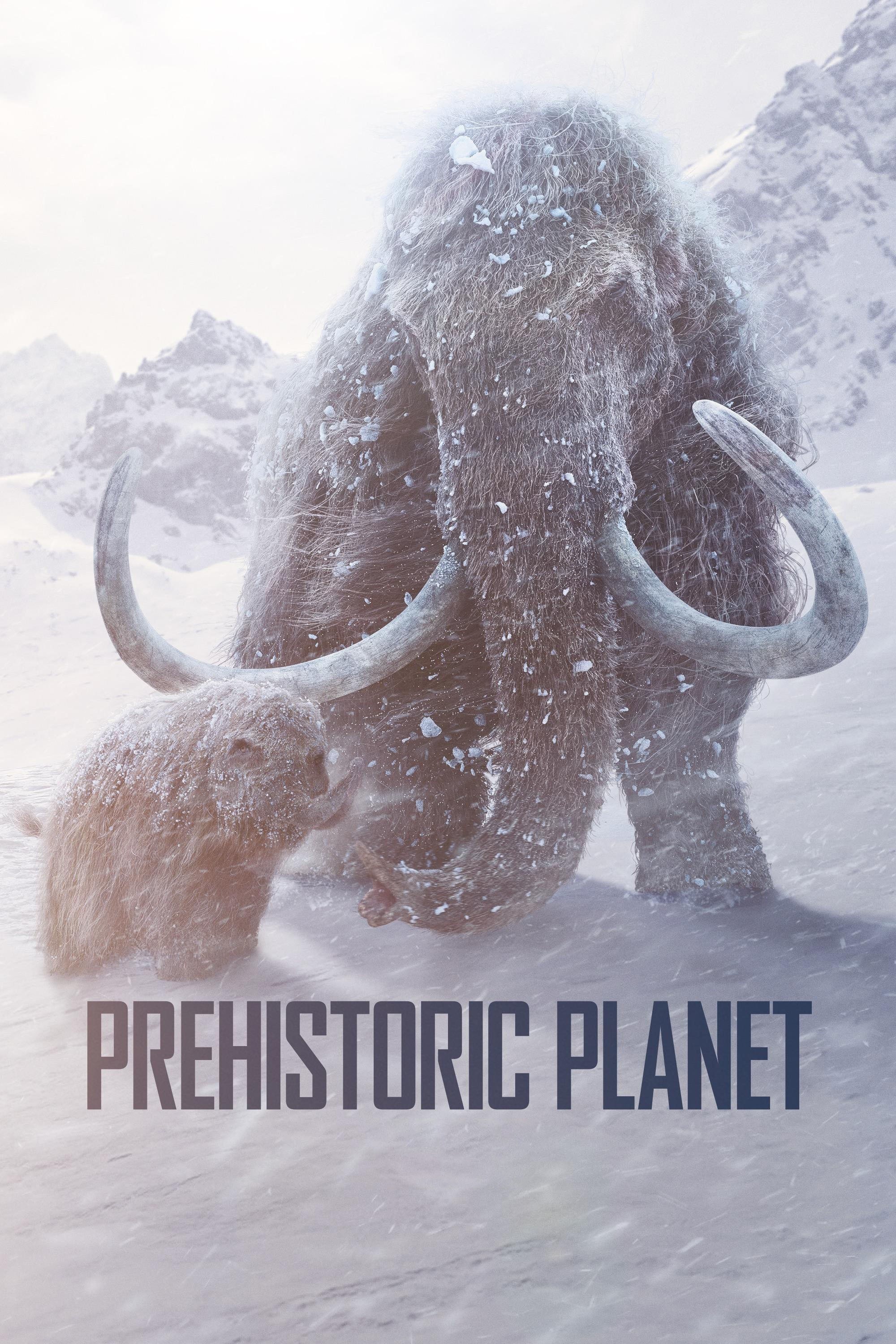
Experience the wonders of our world like never before in this epic series from Jon Favreau and the producers of Planet Earth. Travel back 66 million years to when majestic dinosaurs and extraordinary creatures roamed the lands, seas, and skies.
Real people sit down with friends and family to share terrifying true stories from their past, re-created through chilling re-enactments.
Roar is an American television show that originally aired on the Fox network in July 1997. In the year AD 400, a young Irish man, Conor, sets out to rid his land of the invading Romans, but in order to accomplish this, he must unite the Celtic clans.