Social & External
The people behind it
How four iconic British-built trains revolutionised rail travel and inspired incredible railway projects the world over.
This series of seven one-hour films examines the nature, evolution and consequences of modern warfare. Filmed in ten countries, on two oceans, and with the co-operation of the armed forces of six nations, War features interviews with top-level NATO and Soviet military leaders and strategists, eminent historians and other professional observers of combat. Drawing as well on film and picture archives worldwide, with footage of important battlefields on three continents, this documentary series argues that war, an institution invented to settle disputes between nations, no longer serves its purpose. It concludes that nations must find other ways to resolve their differences. The on-camera host for the War series is Gwynne Dyer, Canadian international affairs analyst and military historian.

Architectural salvage expert Drew Pritchard looks back at the most eccentric characters, the hardest hagglers and the most extraordinary places he's hunted for antique treasure. Drew gives us the inside track on his wheeling and dealing, the stories behind his picks, as well as top tips about salvaging and how to get the best deals.

End of Innocence is a two-part television film that focuses on the work of the German Uranium Association during World War II. At Farm Hall in England, the ten German nuclear scientists interned there as part of Operation Epsilon learn of the dropping of the first atomic bomb on Hiroshima in August 1945. In flashbacks, the development of the German uranium project is recapitulated chronologically from the discovery of nuclear fission by Otto Hahn to the work of Kurt Diebner at the Heereswaffenamt to the experiments of the Kaiser Wilhelm Institute for Physics under Werner Heisenberg and Carl Friedrich von Weizsäcker at the Haigerloch research reactor in spring 1945.
Summer 1943: Hitler engages in a decisive battle in Kursk to win the war in the East. This is without counting on the pugnacity of the Red Army and the Allied intervention in the West. Month after month, the noose tightens on the Nazi tyrant who refuses to admit defeat and precipitates his country in its fall.
There are more than ten thousand monuments across the country that honour the war dead . But what of the bloody battles fought on our home soil, in our longest-running war that established the Australian nation?
In this documentary series, interspersed with historical reconstructions, Tom Waes investigates what has happened since the arrival of the first Homo sapiens, on the 14,000 square kilometers that we today call Flanders.
Renowned author and journalist David Lagerkrantz, along with historians, forensic scientists and investigators, sheds new light on Swedish murders in the past.
In occupied France, 17-year-old Lili encounters war before love, and joins the Resistance. Through the interconnecting destinies of its teenage heroes, Resistance tells the story of young people going to any lengths to defend their country.
Inside NASA's Innovations takes you behind the scenes with one of the world's leading technology innovators. Find out what it takes to collaborate with NASA in developing the next breakthrough in space exploration.
At the world-famous Explorers Club, a gathering place for trailblazers, club member Josh Gates recounts the greatest adventures of all time.
Set against the backdrop of the greatest clandestine race against time in the history of science with the mission to build the world's first atomic bomb in Los Alamos, New Mexico. Flawed scientists and their families attempt to co-exist in a world where secrets and lies infiltrate every aspect of their lives.
The story of three decades of war told through the eyes of various men who were its key players: Roosevelt, Hitler, Patton, Mussolini, Churchill, Tojo, DeGaulle and MacArthur. The series examines the two wars as one contiguous timeline starting in 1914 and concluding in 1945 with these unique individuals coming of age in World War I before ultimately calling the shots in World War II.
"Löwengrube – Die Grandauers und ihre Zeit" is a German television series first aired between 1989 and 1992, created by Willy Purucker and directed by Rainer Wolffhardt. It is set in Munich and follows the lives of Ludwig Grandauer and his son Karl, both policemen, covering the years from 1897 to 1954. The TV show is based on Purucker's radio play series Die Grandauers und ihre Zeit (‘The Grandauers and their time’). The series’ main title "Löwengrube", meaning ‘Lions’ Den’, refers to the address of the Munich Police Headquarters inaugurated in 1913.
The specter of drug trafficking haunts Europe. Struggling with ultra-violent criminal groups that control the vast majority of cocaine trade, European police forces are overwhelmed. The epicenter of all this trafficking: the Netherlands. A nation at the forefront of international trade and drug policy. This two-part film delves into the origins of European drug trafficking through the unique history of the Kingdom of the Netherlands.
A four-part history series examines relations between Nazi Germany and Finland in the 1930s and 1940s. The series explores how the close relationship between Finland and Germany was born and developed, and what was known in Finland about the Holocaust, the mass extermination of the Jews at a time when the countries were at war together. Through archives and expert interviews, it explores how close Finns were to the Nazi German leadership.
The dramatised account of how the world’s greatest Special Forces unit, the SAS, was formed under extraordinary circumstances in the darkest days of World War Two.
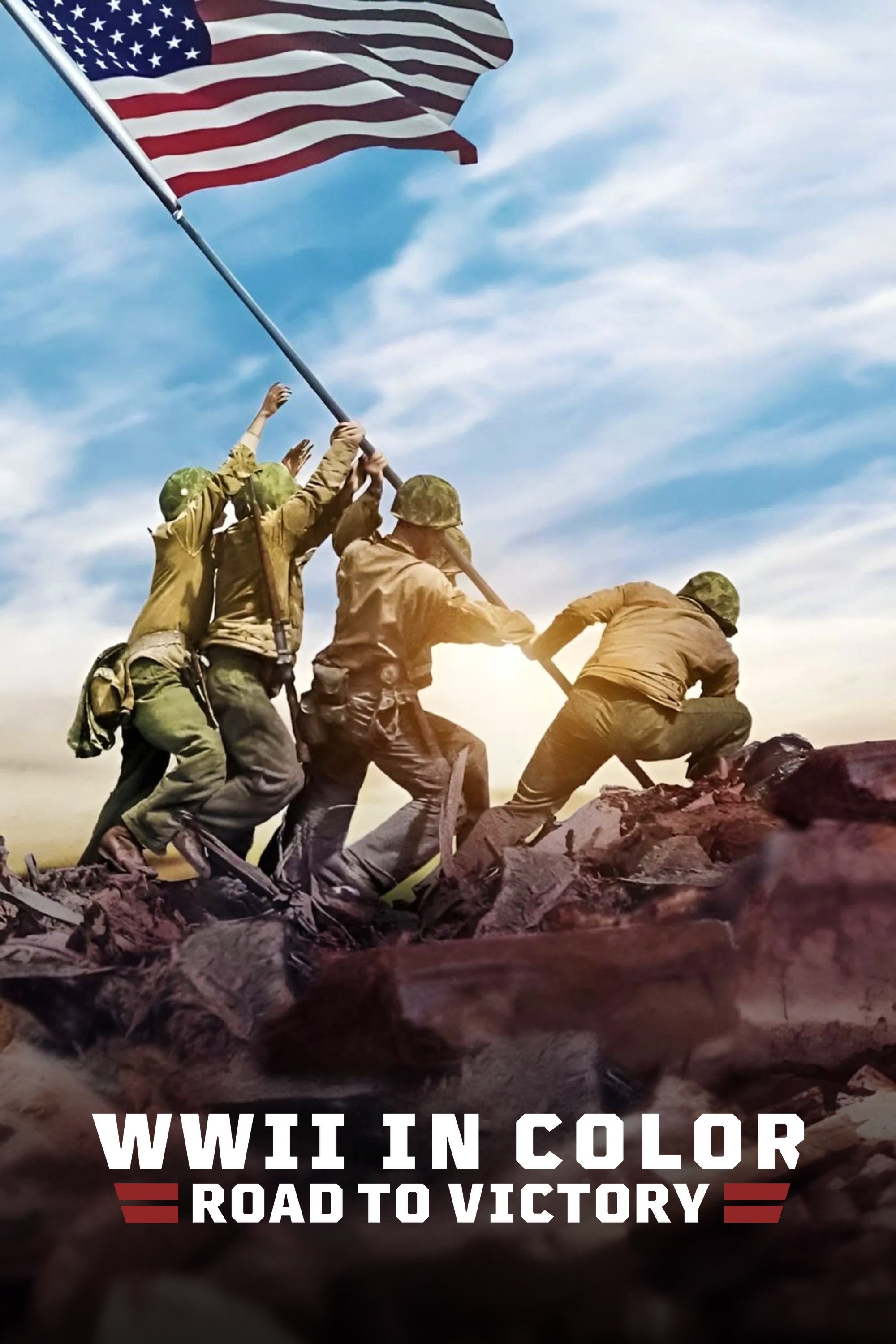
World War II In Colour is a 13-episode television documentary miniseries recounting the events of World War II narrated by Robert Powell. The show covers the Western Front, Eastern Front, and the Pacific War. It is on syndication in America on the Military Channel. This series is in full color, combining both original and colorized footage.
Using highly advanced colourisation techniques, critical moments from World War II, from Stalingrad to The Battle of Britain, are shown in a whole new light.
Explores WWII from Germany's invasion of Poland through the atomic age, examining pivotal battles, wartime leaders like Churchill and Roosevelt, and the human cost of total war.
A documentary series that gives a historical account of the events of World War II, from its roots in the 1920s to the aftermath and the lives it profoundly influenced.
The story of the Second World War through the personal accounts of a handful of men and women from four American towns. The war touched the lives of every family on every street in every town in America and demonstrated that in extraordinary times, there are no ordinary lives.
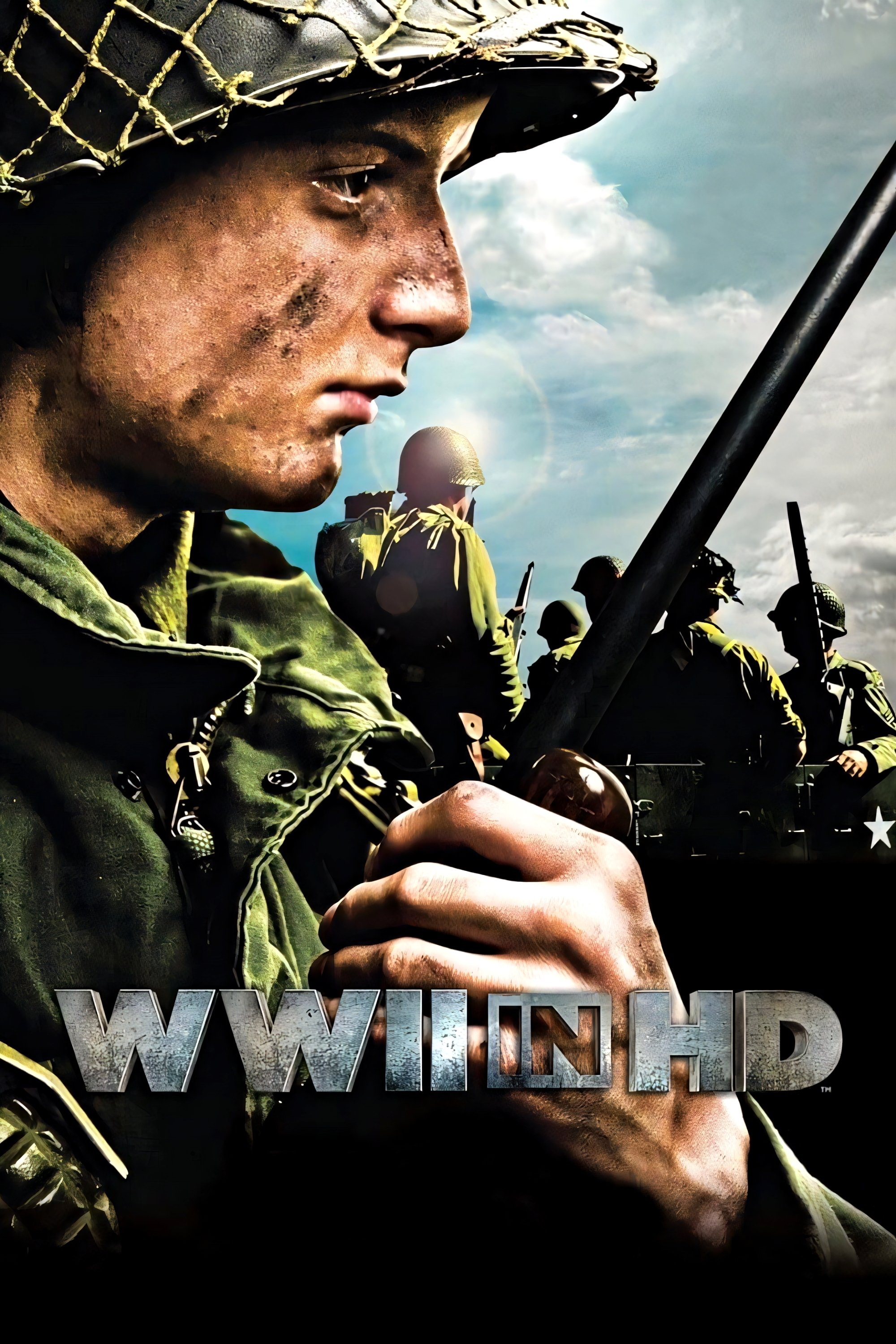
WWII in HD is a 10-part American documentary television miniseries that originally aired from November 15 to November 19, 2009 on the History Channel. The program focuses on the firsthand experiences of twelve American service members during World War II, including an Army nurse, a member of the Tuskegee Airmen, a second generation Japanese American and prisoner of war, and an Austrian Jewish immigrant. The twelve members recorded their time in both theaters and some had later interviews; found footage from the battlefield was paired with the stories of the twelve service members. The episodes premiered on five consecutive days, with two episodes per day. The series is narrated by Gary Sinise and was produced by Lou Reda Productions in Easton, Pennsylvania, United States.
This captivating docuseries examines Winston Churchill's pivotal role in World War II and the formative events that made him an ideal leader for the era.
Five acclaimed contemporary directors tell the story of five legendary Hollywood filmmakers who enlisted in the armed forces to document World War II.
Through vividly enhanced archival footage and voices from all sides of the conflict, this docuseries brings WWII to life like never before.
Surviving power struggles, betrayals and plots, Hitler's inner circle of Nazi leaders seizes control of Germany and designs its disastrous future.
Gripping historical footage and expert commentary give detailed insights into the leading figures and decisive turning points of World War II.
Colorized historical footage in ascending order of World War 1. Not only the relatively known Flanders and France battles, but also the generally unknown Italian-Austrian, German-Polish-Russian, Japanese-German, Ottoman Empire- Allied and African German Colonies, and other unknown or forgotten fronts and battles.
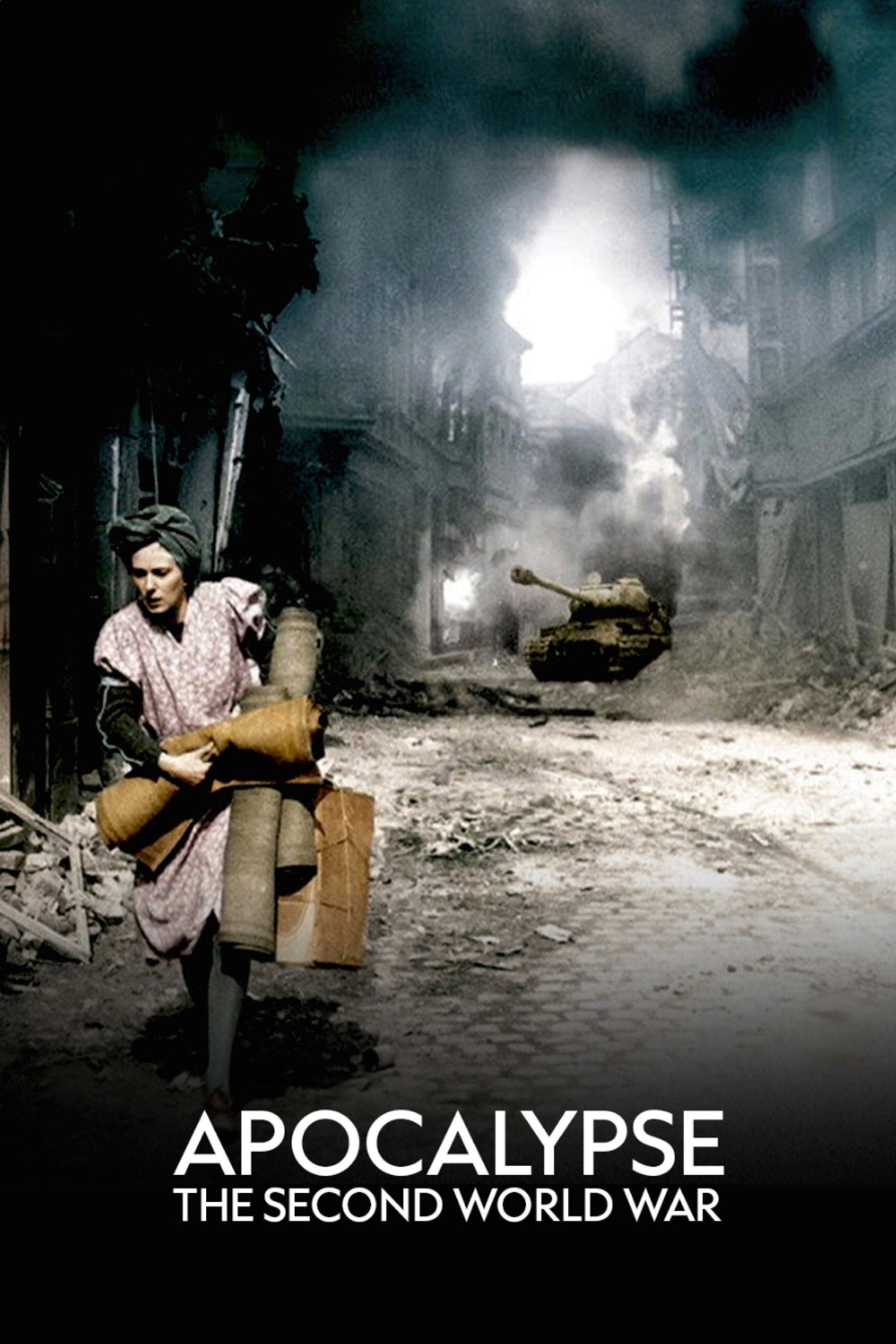
A six-part French documentary about the Second World War composed exclusively of actual footage of the war as filmed by war correspondents, soldiers, resistance fighters and private citizens. The series is shown in color, with the black and white footage being fully colorized, save for some original color footage. The only exception to the treatment are most Holocaust scenes, which are presented in the original black and white.
The documentary series explores different political figures throughout history.
A PBS documentary concerning Jared Diamond's theory on why there is such disparity between those who have advanced technology and those who still live primitively. He argues it is due to the acquisition of guns and steel and the changes brought about by germs.
November 11, 1918. The world emerges from the most horrific conflict ever known. While leaders of the victorious countries design a new world order, traumatized societies struggle to find their footing. In the aftermath of war the Russian, German, Austro-Hungarian and Ottoman Empires fall apart, currencies fluctuate wildly, and vast numbers of refugees flee misery. Before long, age-old hatreds, fears, and resentments resurface and drive the world to the brink of a new apocalypse.
Don Wildman unearths relics from the world's greatest institutions to reveal secrets from the past. He examines each artifact to illuminate history's most incredible triumphs, sensational crimes and bizarre encounters.
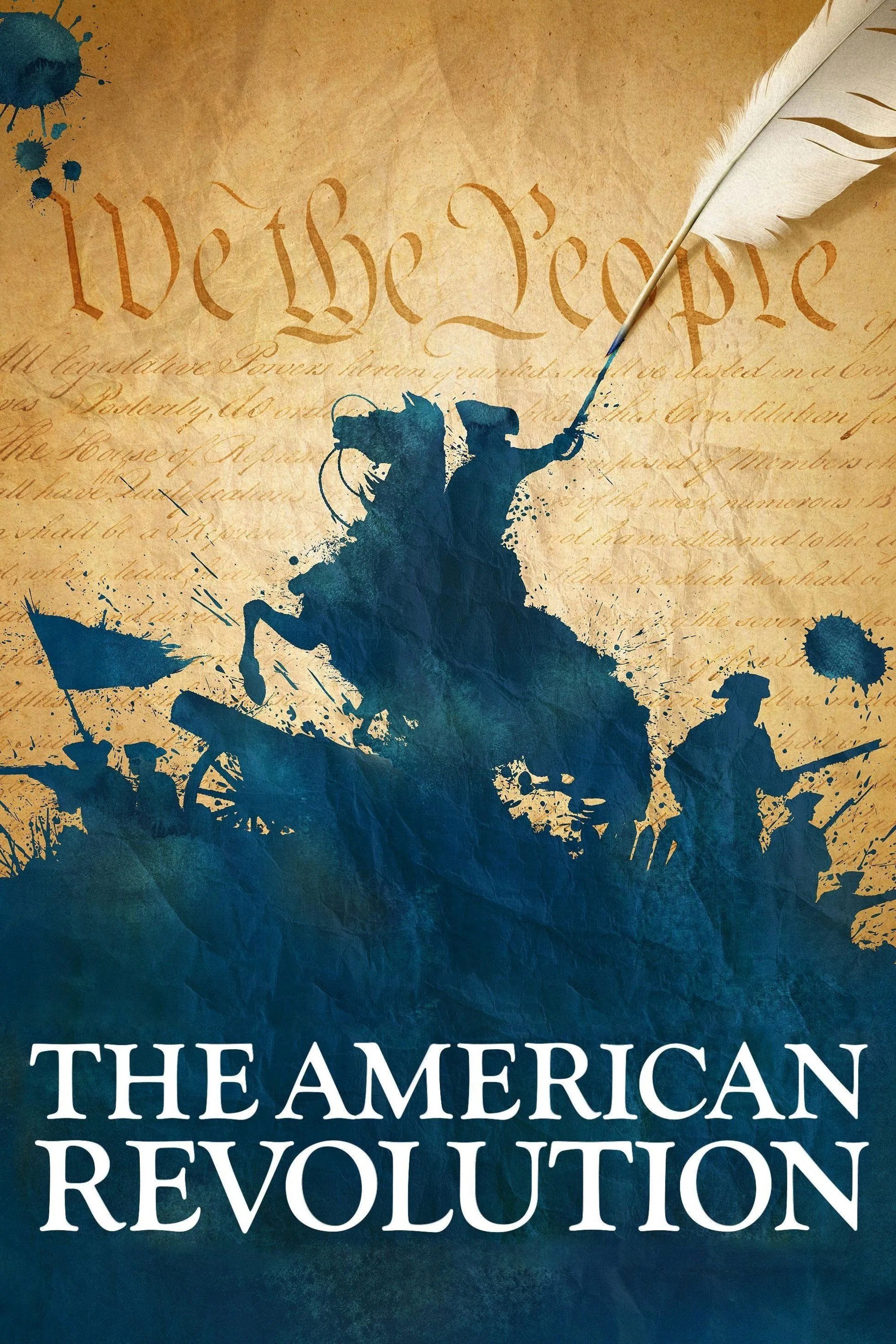
The American Revolution was at once a war for independence, a war of conquest, a civil war, and a world war, fought by neighbors on American farms and between global powers an ocean or more away. It impacted millions from Vermont’s Green Mountains to the swamps of South Carolina, from Indian Country to the Iberian Peninsula. In defeating the British Empire and giving birth to a new nation, the American Revolution turned the world upside-down. Thirteen colonies on the Atlantic Coast united in rebellion, won their independence, and established a republic that still endures. The American Revolution will present the story of the men and women of the Revolutionary generation, their humanity in victory and defeat, and the crisis that they lived through.
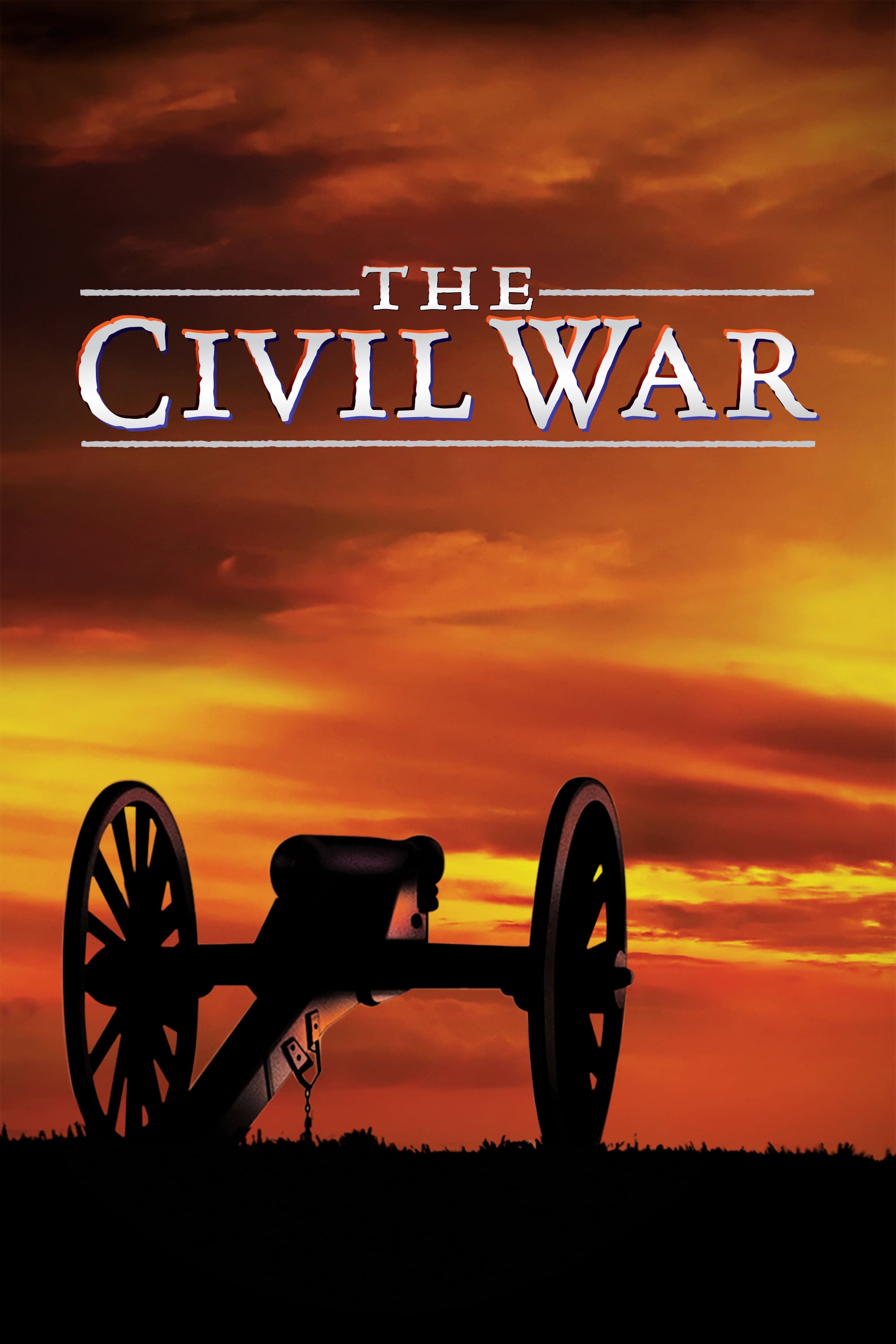
A documentary on the American Civil War narrated by Ken Burns, covering the secession of the Confederacy to the assassination of Abraham Lincoln.
Oliver Stone's re-examination of under-reported events in American history.