From inside history's biggest empire, host Abby Martin records a world shaped by war & inequality, and explores the U.S. Empire, its rise to world hegemony and its impact on people and the planet.
Social & External
Host
Finding a way to end a war. Insiders tell the long and troubled story of a chaotic conflict, revealing the political pressures that helped seal the fate of Afghanistan.
The story of an empire: From its founding in 1922 to its dissolution in 1991, the Soviet Union was shaped by revolutionary idealism, but also by oppression and decay. The USSR evolved from Stalinist terror through the Thaw under Khrushchev to political processes such as glasnost and perestroika under Gorbachev. Finally, in 1991, it collapsed.
Afghanistan is at a crossroads between traditions and a contemporary lifestyle.
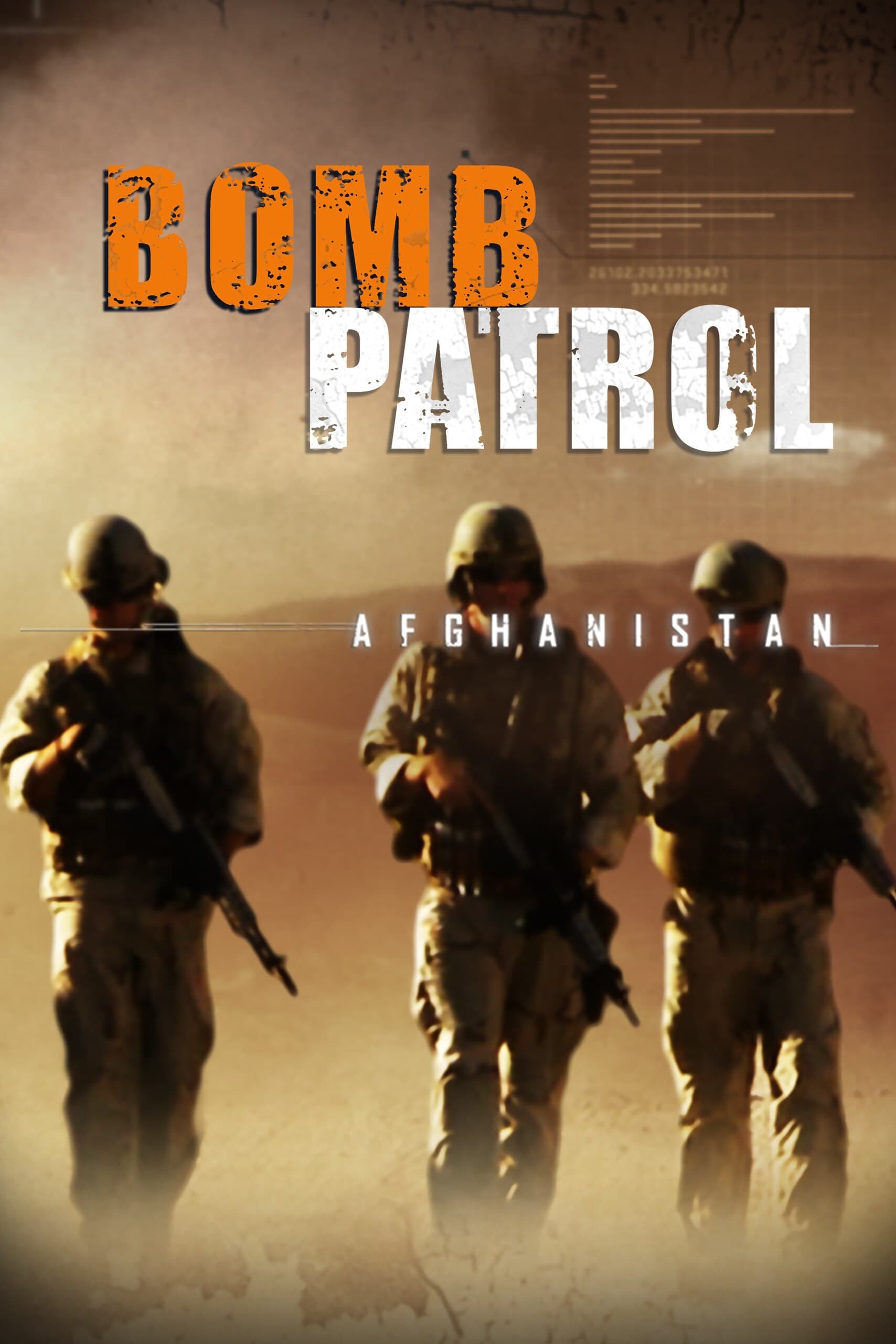
From the streets of Afghanistan comes an all-new series profiling the U.S. military's most dangerous job. The first of its kind, Bomb Patrol Afghanistan is a groundbreaking docu-series giving viewers an unprecedented first person view of one of the most dangerous jobs in the world in one of the most dangerous places on earth. G4 embeds viewers within the U.S. Navy E.O.D. (Explosive Ordnance Disposal) Unit as it trains state-side prior to deployment. Outside the wire in war-torn Afghanistan, helmet and body mounted cameras and state-of-the-art robotics bring you a never before seen look at the intensity of war. Viewers will witness as the elite team searches out, disarms and destroys an array of deadly explosives with one goal: to save civilian and military lives and return home safely. This is war like you've never seen before.
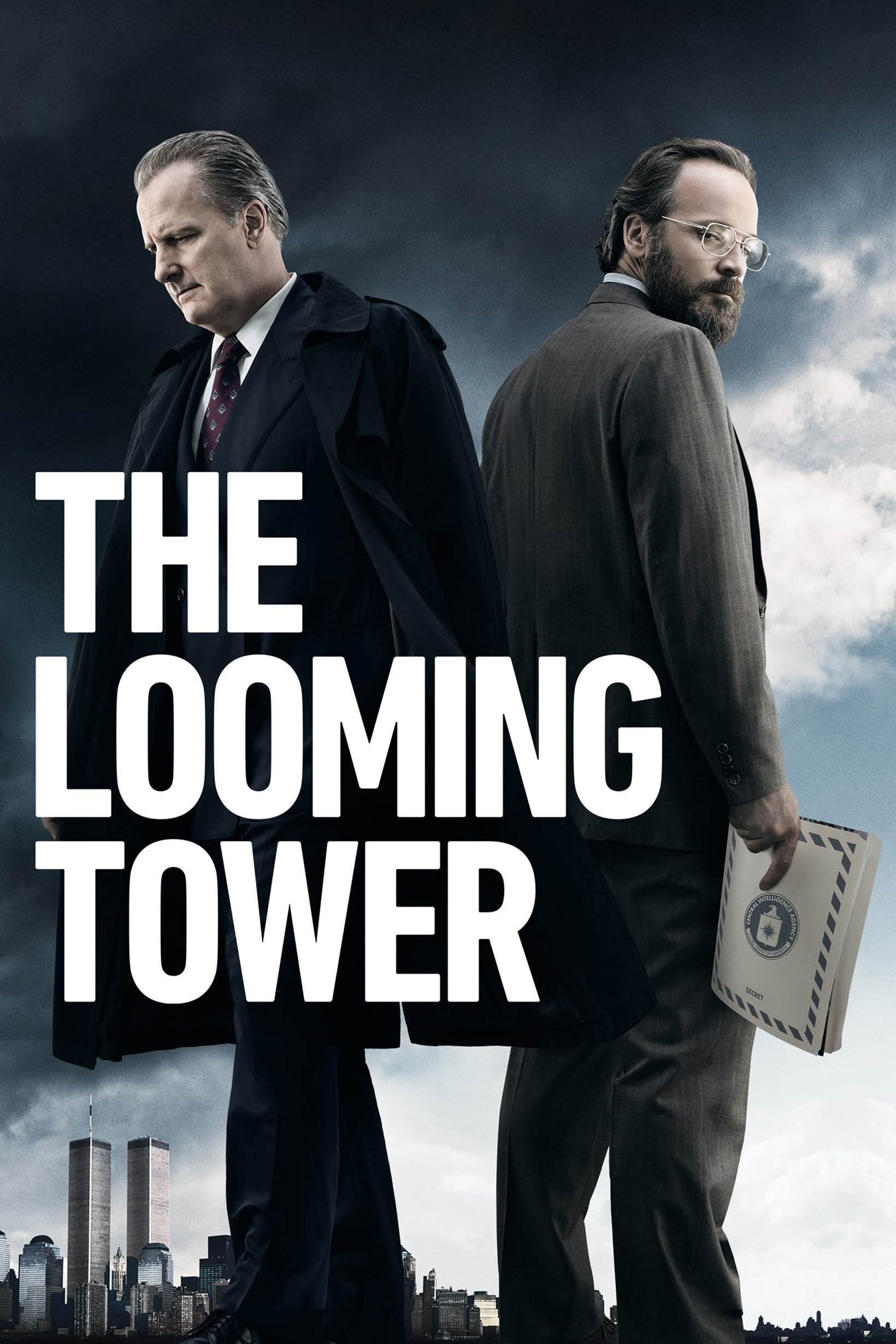
While Osama bin Laden and Al-Qaeda become a global threat, the rivalry between the CIA and FBI inadvertently sets the stage for the tragedy of 9/11 and the Iraq War.
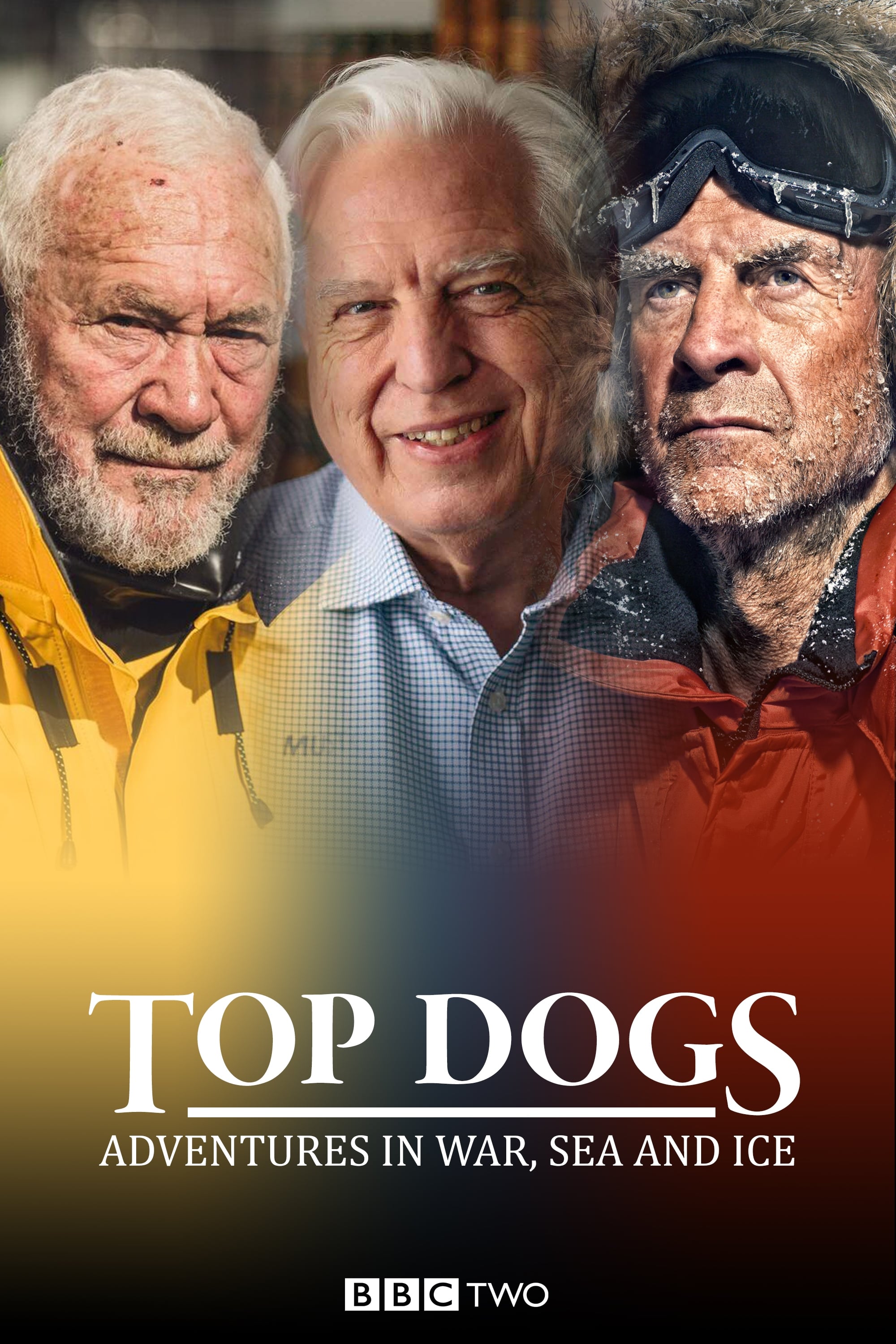
Three iconic adventurers - newsman John Simpson, polar explorer Ranulph Fiennes and solo yachtsman Robin Knox-Johnston - go on a newsgathering trip to war-torn Afghanistan, attempt to sail around the most notorious of all maritime landmarks, Cape Horn, situated at the southernmost tip of South America, and man-haul sledges across the frozen sea ice of the Canadian Arctic.
Bluestone 42 is a comedy drama about a British bomb disposal detachment in Afghanistan. So what’s the average working day for a hero? Make your keen young colleague deal with the boring paperwork? Wind up your fellow employees? Flirt with the new girl on the team? Or deal with an unseen enemy who’s trying to blow you up? Bluestone 42 is a comedy drama about a bunch of soldiers who just happen to be risking their lives diffusing hidden bombs. But who says they can’t have some fun alongside the serious professional stuff? This hilarious and often surprising series follows the adventures of a bunch of diverse characters living and working together at an army base in Afghanistan. This is a show about something easily forgotten; soldiers really enjoy being soldiers, but it’s not just a show for soldiers and it’s not just about the Army: it’s also a show for anybody who has ever fallen in love, experienced status battles at work or had a fear of failure. It is packed with the lively workmate banter and relationship minefields that most people will recognise. Even if they don’t face danger on a daily basis...
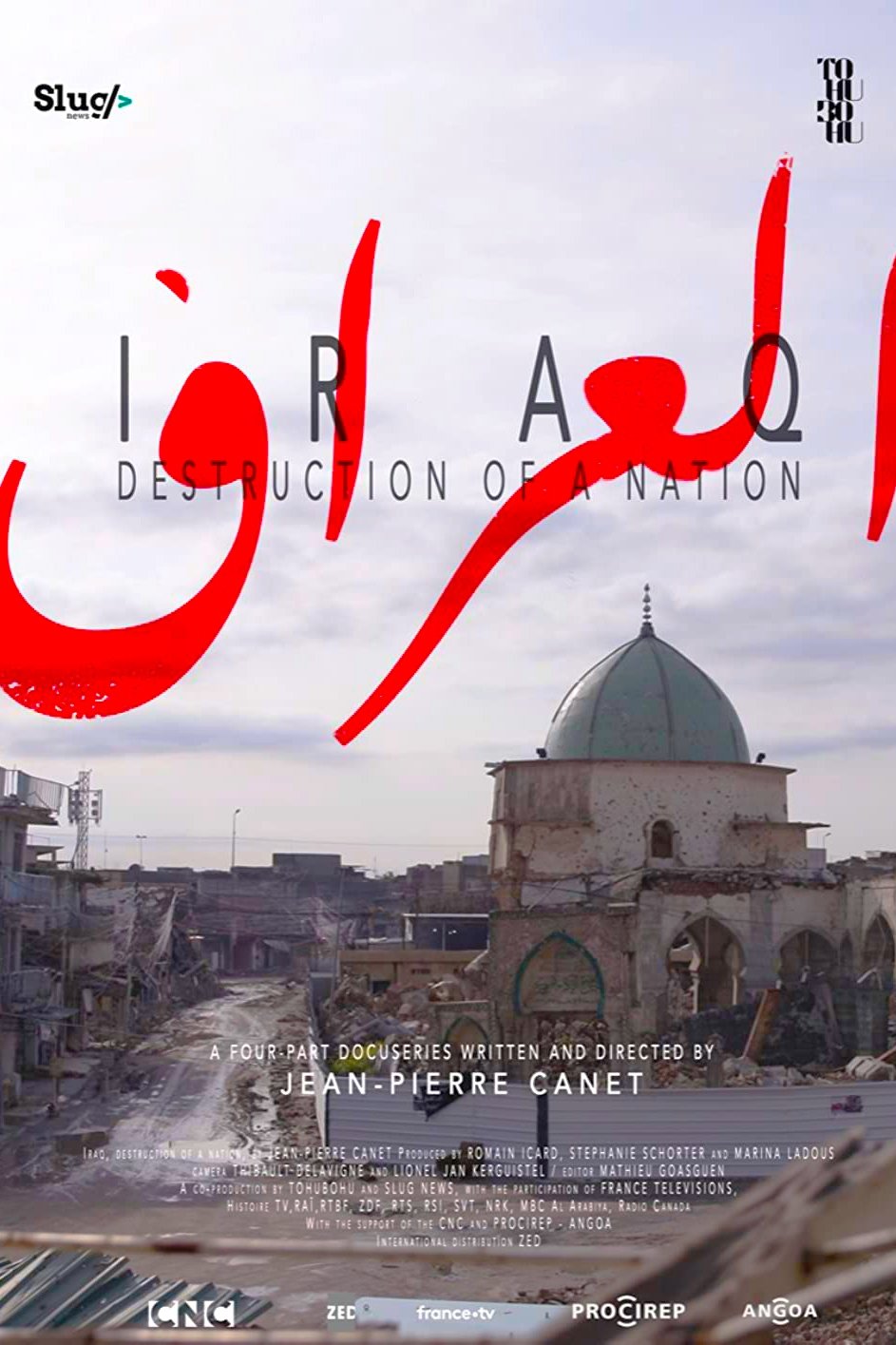
The evolution of the former Saddam Hussein's Baathist regime, from the start of the 1980's Iran-Iraq war to the excalation of the ISIS/Daesh insurgency. in the 2000s.
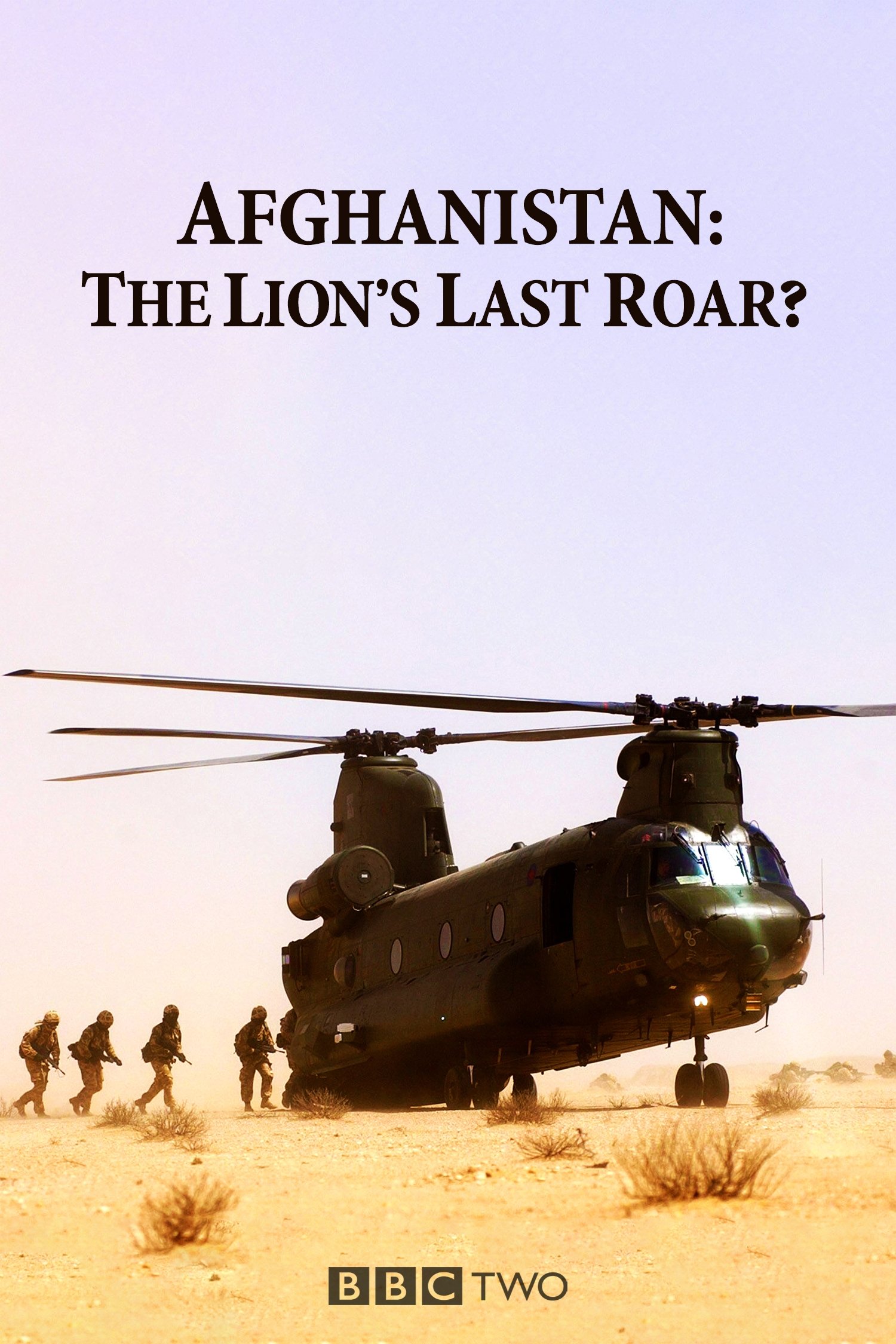
This two-part series tells the story of the conflict in Afghanistan and asks what has been achieved and whether the British have the will to fight in distant lands again.
Lieutenant Erling Riiser is on his way back to Norway after a long stay in Afghanistan. Much has gone wrong, several soldiers are missing from the Hercelus-plane. After only one day in Norway, Erling receives a text message saying an old acquaintance from Afghanistan is in Oslo - which can mean only one thing: A woman's life is in danger
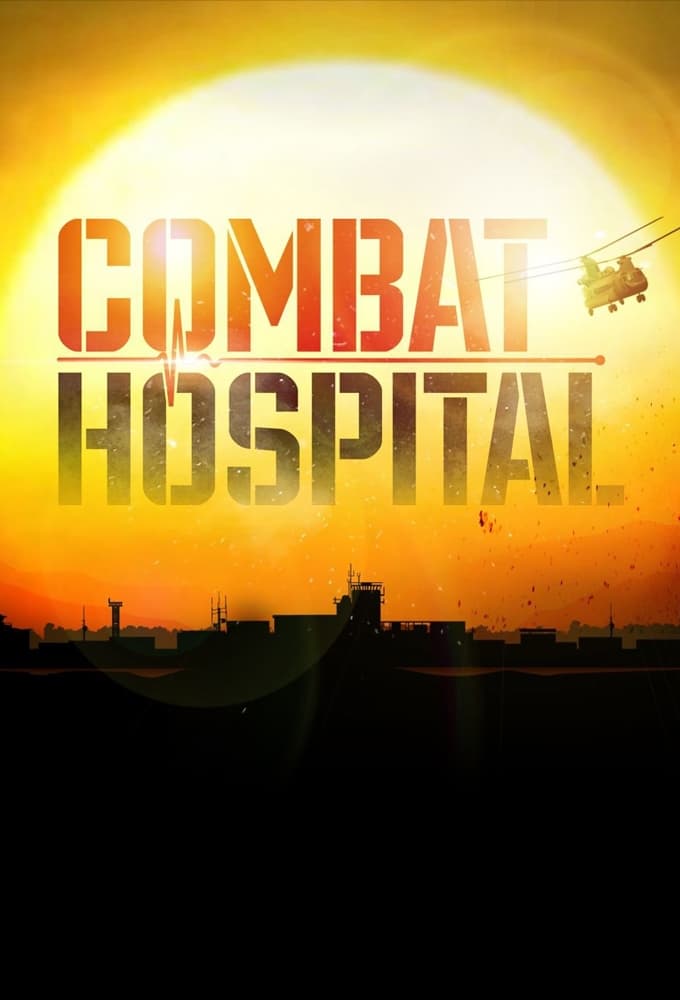
The frantic lives of the resident doctors and nurses working at the only military hospital providing advanced surgical care in all of Southern Afghanistan. They navigate through the relentless life-and-death battles on the operating table as well as the never-ending conflicts that arise from working in a war zone military hospital.
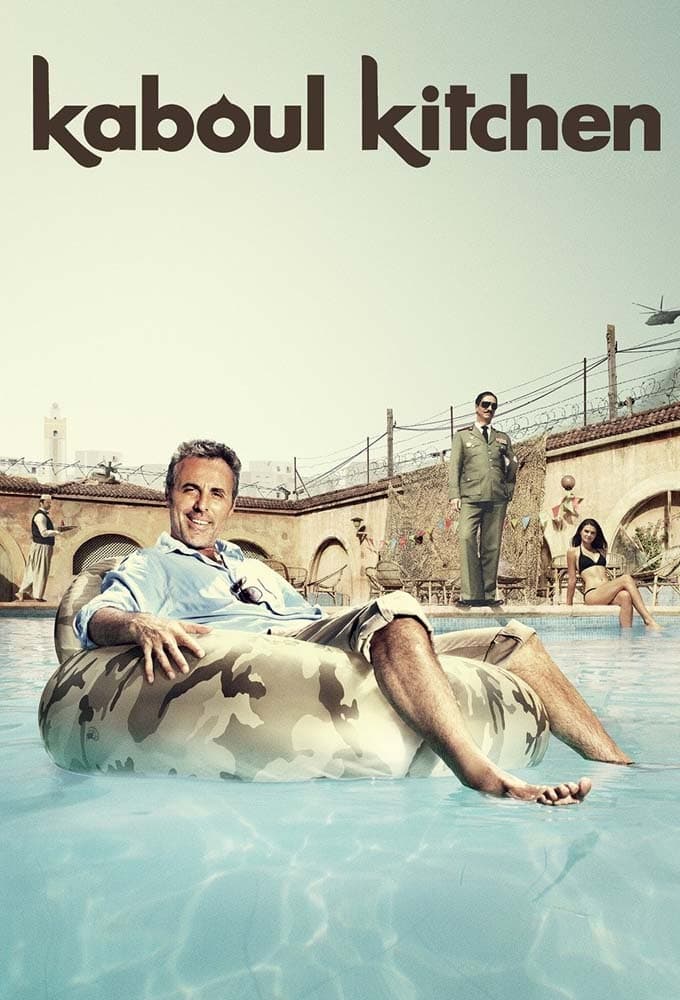
Kaboul Kitchen is a French comedy television series broadcast by Canal+. It was created by Marc Victor, Allan Mauduit and Jean-Patrick Benes. The series is based on the true story of Radio France Internationale journalist Marc Victor, who ran a restaurant for French expatriates in Kabul until 2008. The first series premiered on February 15, 2012 on Canal+ and ended on March 5, 2012. It set a ratings record for comedy series in the primetime slot on Canal+. A second series, which will have 12 episodes, has been commissioned. The series depicts the life of French expatriate Jacky who runs the popular restaurant Kaboul Kitchen in Kabul, Afghanistan. His daughter Sophie, who he has not seen in 20 years, arrives to do humanitarian work, while he is interested only in making money. The series won two Golden FIPA Awards at the 2012 Festival International de Programmes Audiovisuels: one for Best TV Series and one for Best TV Screenplay. It was screened at MIPTV and named fourth on The Hollywood Reporter's list of "MIPTV A-List Projects" for the most promising series screened at the event.
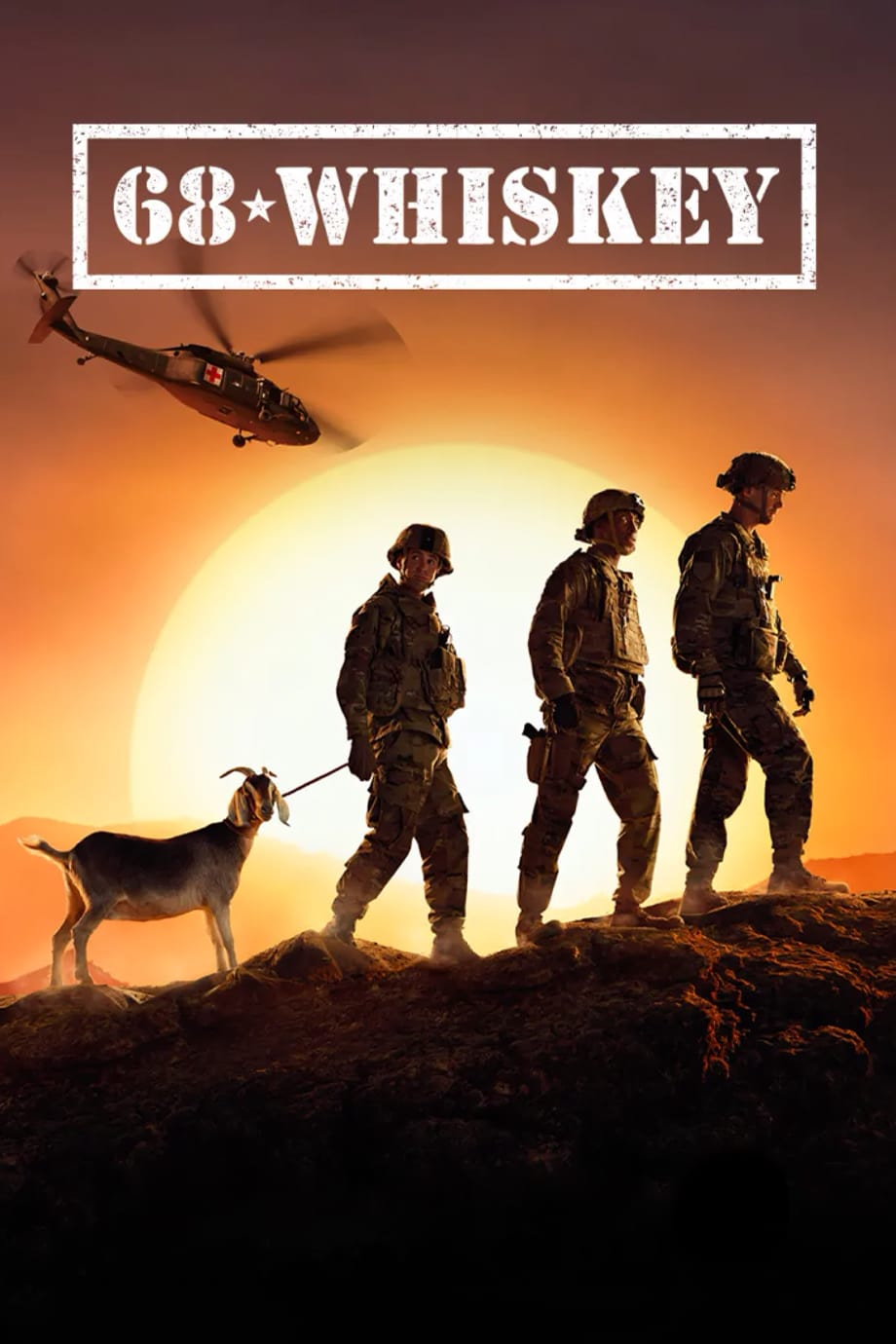
A dark comedy following a multicultural mix of men and women deployed as Army medics to a forward operating base in Afghanistan nicknamed “The Orphanage.” Together, they endure a dangerous and Kafkaesque world that leads to self-destructive appetites, outrageous behavior, intense camaraderie and occasionally, a profound sense of purpose.
Hardball with Chris Matthews is an American television talk show on MSNBC, broadcast weekdays at 7 PM ET hosted by Chris Matthews. It originally aired on now-defunct America's Talking and later CNBC. The current title was derived from a book Matthews wrote in 1988, Hardball: How Politics Is Played Told by One Who Knows the Game. Hardball is a talking-head style cable news show where the moderator advances opinions on a wide range of topics, focusing primarily on current political issues. These issues are discussed with a panel of guests that usually consists of political analysts and sometimes include politicians. It also runs in a "Best of" format Saturday mornings at 5 AM.
Driven was a motoring television programme launched by Channel 4 in 1998 as a rival to the successful and long-running BBC series Top Gear. The style was similar to its rival, but with additional features such as the "Driven 100", a road test of three cars in the same class, where each car would be given marks for qualities such as practicality, desirability and cost of ownership. The car with the highest total score would be the winner. The programme launched with the concept that the presenters should interact with each other rather than present items on their own, as was then the case on Top Gear. The first series also featured a "headquarters", a racing team truck, set on a former air force base at which cars were put through their paces. These concepts resurfaced in the reborn Top Gear soon after.
A documentary news series with a taboo-breaking team who deliver incredible news stories from around the world.
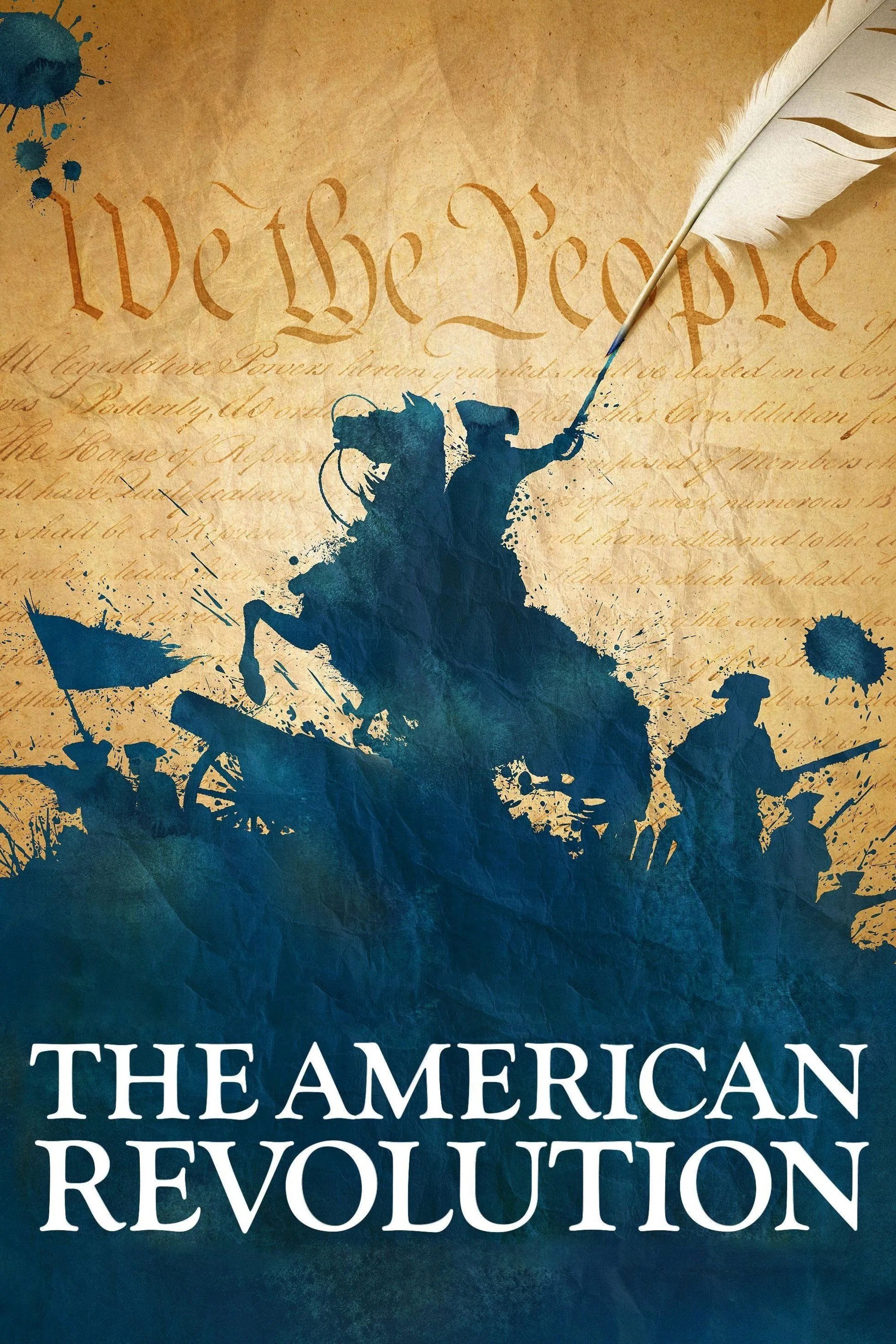
The American Revolution was at once a war for independence, a war of conquest, a civil war, and a world war, fought by neighbors on American farms and between global powers an ocean or more away. It impacted millions from Vermont’s Green Mountains to the swamps of South Carolina, from Indian Country to the Iberian Peninsula. In defeating the British Empire and giving birth to a new nation, the American Revolution turned the world upside-down. Thirteen colonies on the Atlantic Coast united in rebellion, won their independence, and established a republic that still endures. The American Revolution will present the story of the men and women of the Revolutionary generation, their humanity in victory and defeat, and the crisis that they lived through.
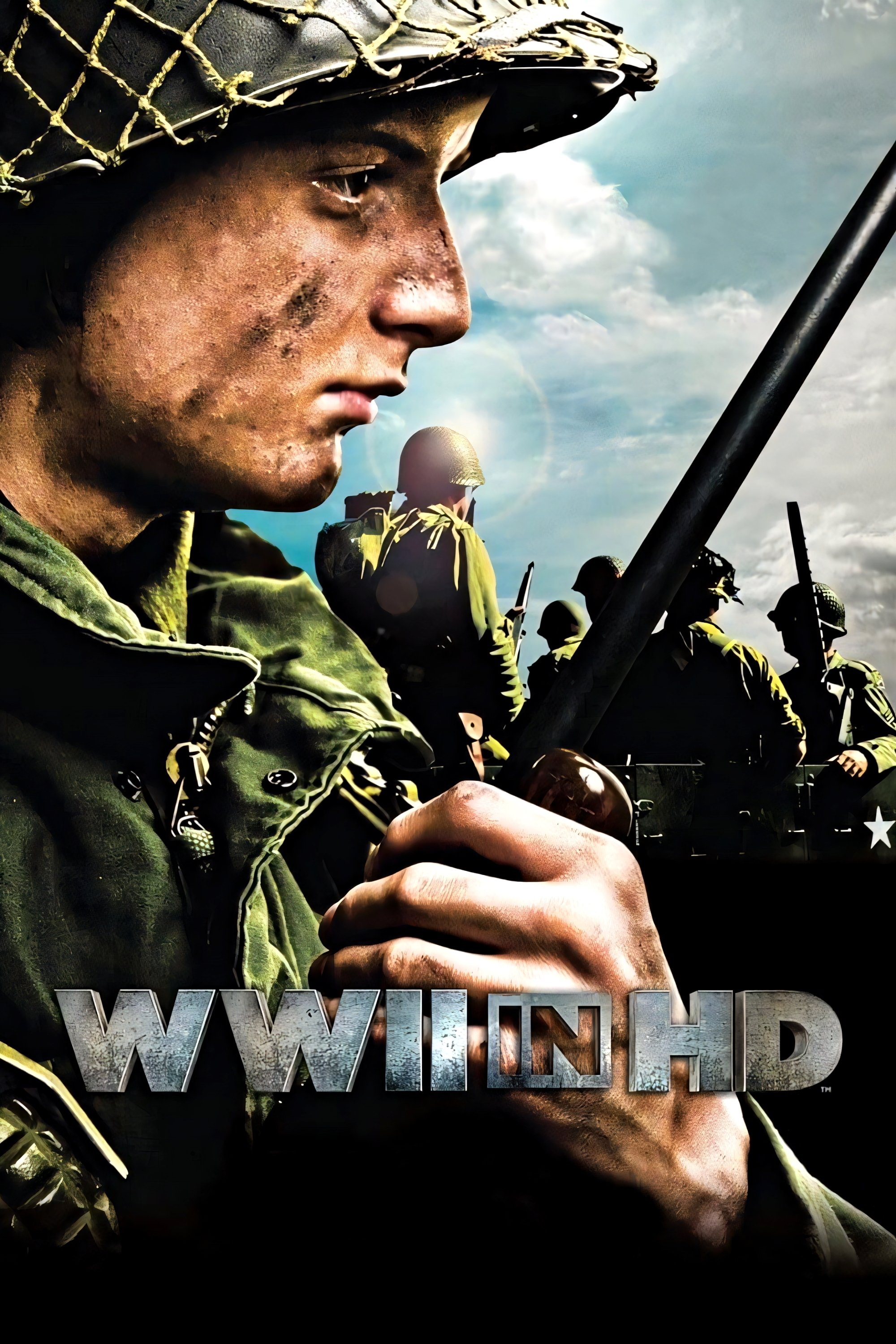
WWII in HD is a 10-part American documentary television miniseries that originally aired from November 15 to November 19, 2009 on the History Channel. The program focuses on the firsthand experiences of twelve American service members during World War II, including an Army nurse, a member of the Tuskegee Airmen, a second generation Japanese American and prisoner of war, and an Austrian Jewish immigrant. The twelve members recorded their time in both theaters and some had later interviews; found footage from the battlefield was paired with the stories of the twelve service members. The episodes premiered on five consecutive days, with two episodes per day. The series is narrated by Gary Sinise and was produced by Lou Reda Productions in Easton, Pennsylvania, United States.
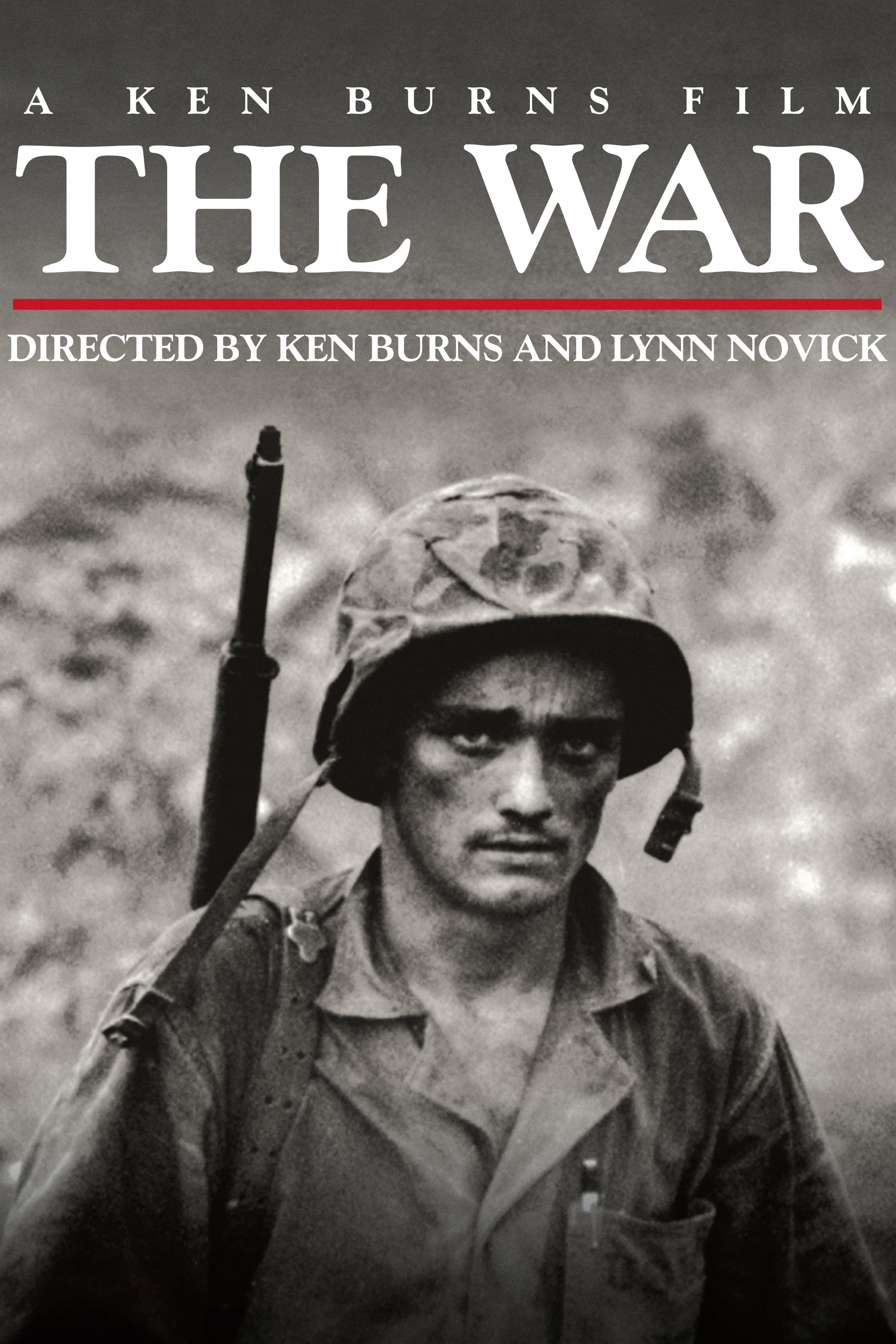
The story of the Second World War through the personal accounts of a handful of men and women from four American towns. The war touched the lives of every family on every street in every town in America and demonstrated that in extraordinary times, there are no ordinary lives.
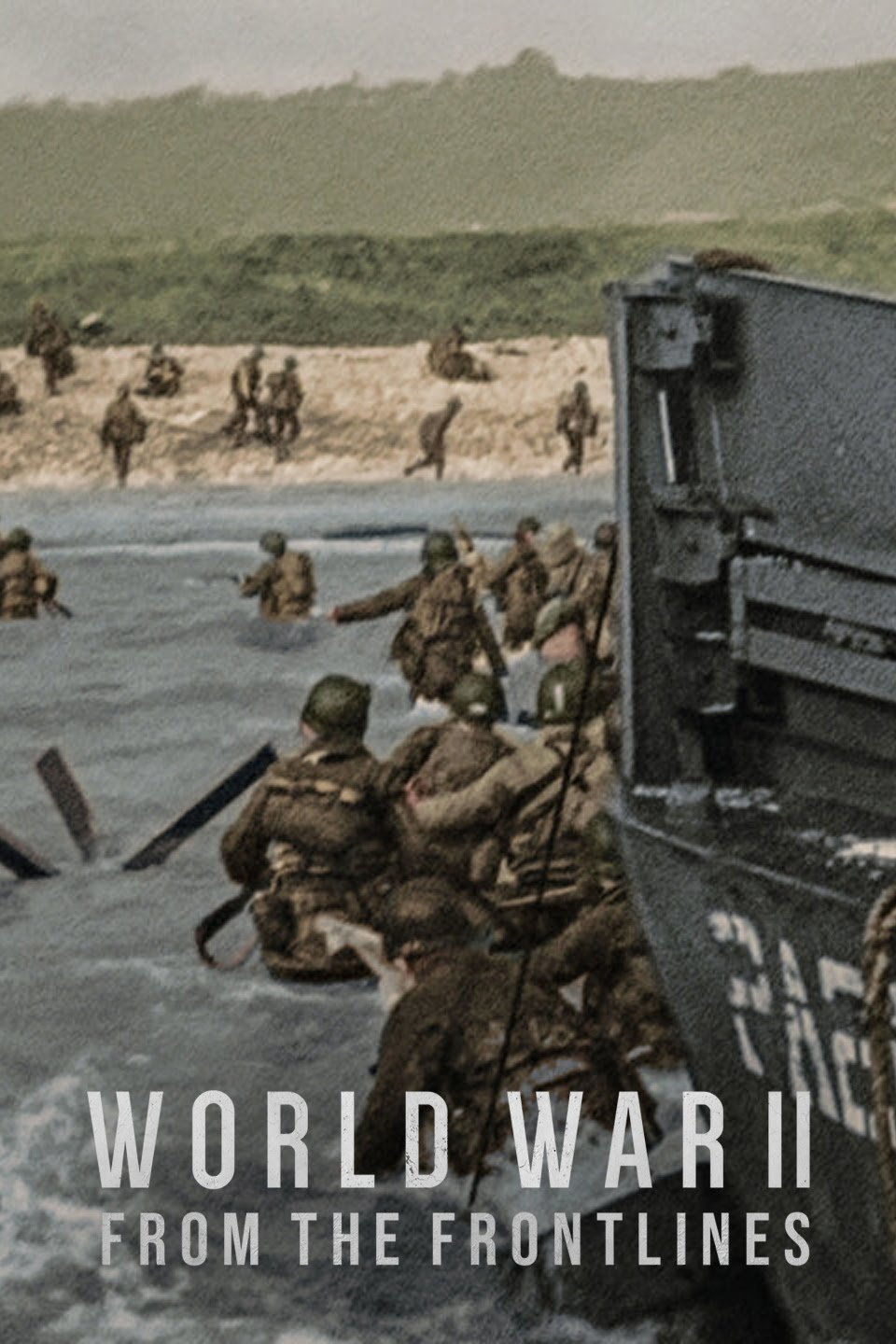
Through vividly enhanced archival footage and voices from all sides of the conflict, this docuseries brings WWII to life like never before.
A documentary series that gives a historical account of the events of World War II, from its roots in the 1920s to the aftermath and the lives it profoundly influenced.
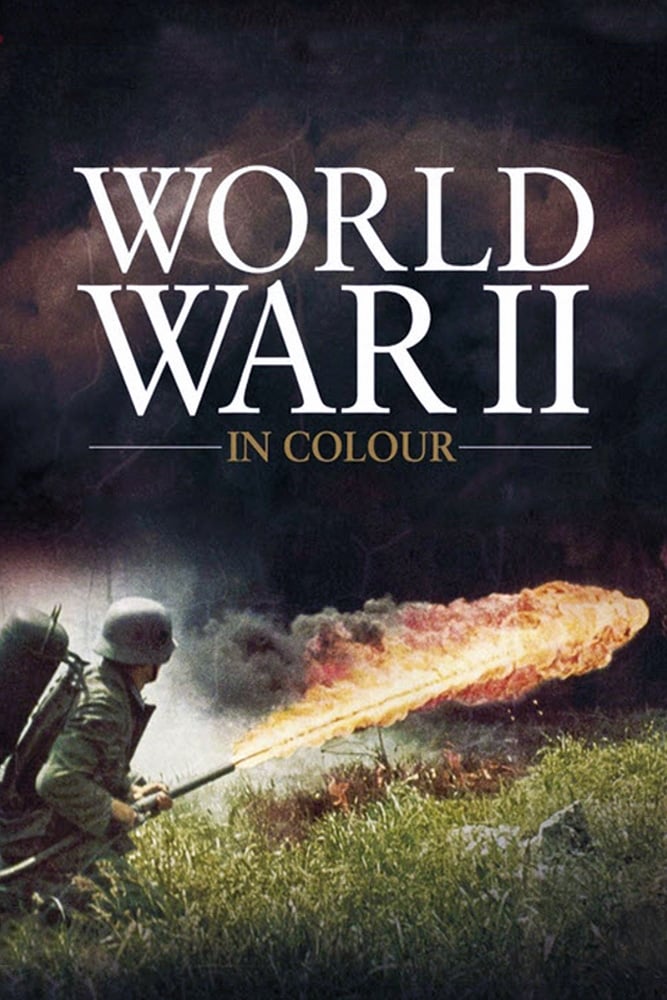
World War II In Colour is a 13-episode television documentary miniseries recounting the events of World War II narrated by Robert Powell. The show covers the Western Front, Eastern Front, and the Pacific War. It is on syndication in America on the Military Channel. This series is in full color, combining both original and colorized footage.
Using highly advanced colourisation techniques, critical moments from World War II, from Stalingrad to The Battle of Britain, are shown in a whole new light.
Oliver Stone's re-examination of under-reported events in American history.
A documentary on the American Civil War narrated by Ken Burns, covering the secession of the Confederacy to the assassination of Abraham Lincoln.
Surviving power struggles, betrayals and plots, Hitler's inner circle of Nazi leaders seizes control of Germany and designs its disastrous future.
An immersive 360-degree narrative telling the epic story of the Vietnam War as it has never before been told on film. Featuring testimony from nearly 80 witnesses, including many Americans who fought in the war and others who opposed it, as well as Vietnamese combatants and civilians from both the winning and losing sides.
The documentary series explores different political figures throughout history.
Since it began in 1983, Frontline has been airing public-affairs documentaries that explore a wide scope of the complex human experience. Frontline's goal is to extend the impact of the documentary beyond its initial broadcast by serving as a catalyst for change.
20/20 is an American television newsmagazine that has been broadcast on ABC since June 6, 1978. Created by ABC News executive Roone Arledge, the show was designed similarly to CBS's 60 Minutes but focuses more on human interest stories than international and political subjects. The program's name derives from the "20/20" measurement of visual acuity. The hour-long program has been a staple on Friday evenings for much of the time since it moved to that timeslot from Thursdays in September 1987, though special editions of the program occasionally air on other nights.
Will Smith hosts this look at the evolving, often lethal, fight for equal rights in America through the lens of the US Constitution's 14th Amendment.
This thought-provoking documentary series examines the harrowing consequences of the Vietnam War, from the Gulf of Tonkin incident to the fall of Saigon.
This documentary-series examines Grant's life story using his perspective and experiences to explore a turbulent time in history: the Civil War and Reconstruction.
In a quest for world domination, the Nazis built some of the biggest and deadliest pieces of military hardware and malevolent technology in history. This is the stories of the engineers who designed them and how these structures sparked a technological revolution that changed warfare forever.
This captivating docuseries examines Winston Churchill's pivotal role in World War II and the formative events that made him an ideal leader for the era.