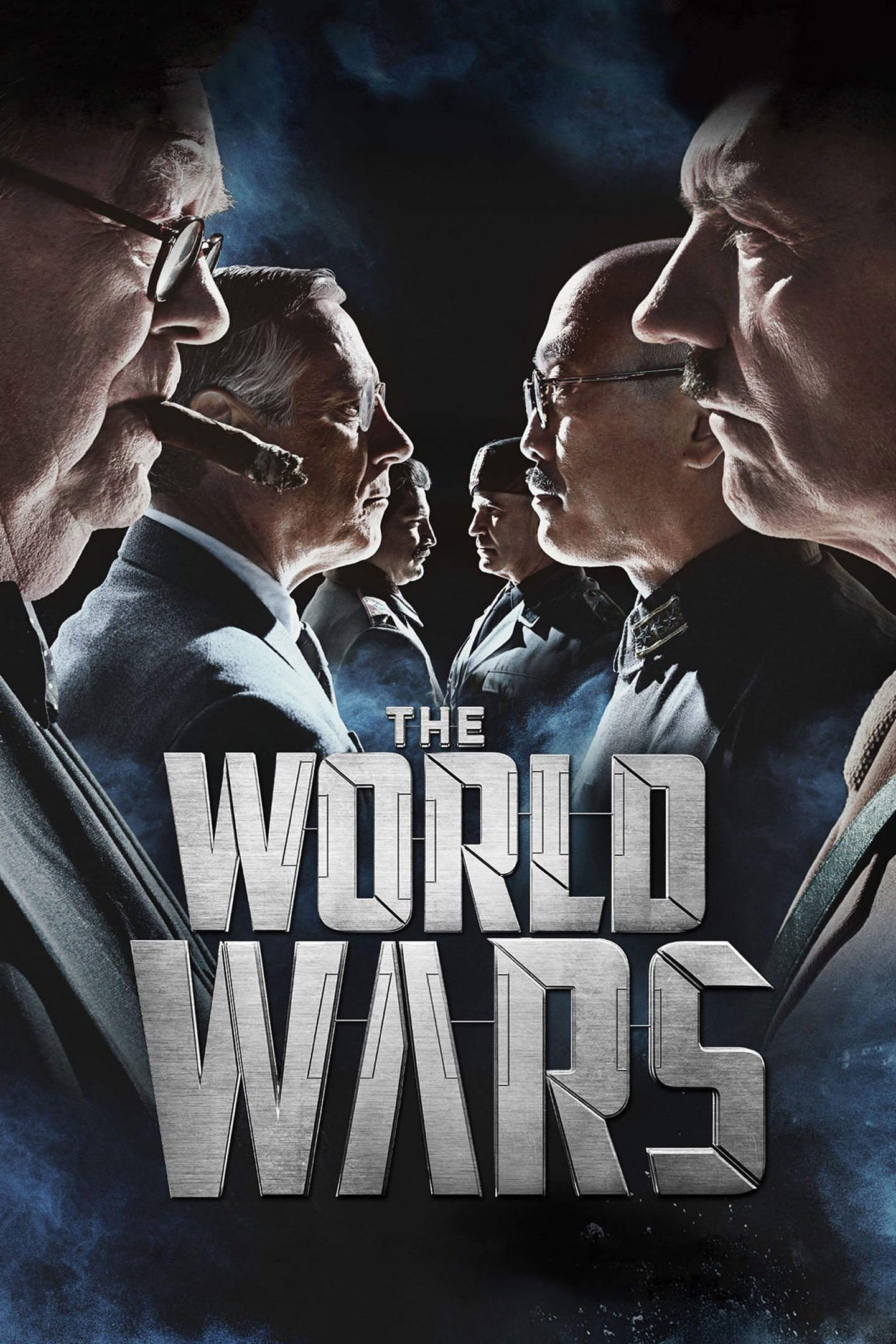
Between 1914 and 1945, two major conflicts engulfed the planet. Among the combatants of the First World War, eight men would play a decisive role in the next one.
Social & External
The people behind it
When war broke out in Europe in 1914, most people thought the conflict would be over by Christmas; they could not imagine how wrong they were. An attack in Sarajevo ended up becoming a snowball that swept the world: a new kind of warfare had begun, waged with techniques and means never seen before. By November 1918, ten million people had died and the political map of the planet had been redrawn.
In occupied France, 17-year-old Lili encounters war before love, and joins the Resistance. Through the interconnecting destinies of its teenage heroes, Resistance tells the story of young people going to any lengths to defend their country.
A four-part history series examines relations between Nazi Germany and Finland in the 1930s and 1940s. The series explores how the close relationship between Finland and Germany was born and developed, and what was known in Finland about the Holocaust, the mass extermination of the Jews at a time when the countries were at war together. Through archives and expert interviews, it explores how close Finns were to the Nazi German leadership.
Myths die hard, and the history of the 20th century is no exception to this rule. Even today, we hold popular beliefs that we take for Evangelical truths. Thus, we believe that Hiroshima caused Japan to surrender, that the Marshall Plan saved Europe, that Adolf Hitler was a military genius, or that Mao Zedong was a necessary evil for China’s modernization. Of course, these judgements contain some truth; but, too broad-stroked to be accurate, they contradict the historical reality by denying its complexity. What if the truth was slightly different? Through an exploration of great national or international myths, this full archive documentary collection revisits the key moments of the 20th century with a new perspective in order to provide a new, smarter and more subtle interpretation, bringing elements to light that have been forgotten or sometimes overshadowed.
In Japan in the year 1600, at the dawn of a century-defining civil war, Lord Yoshii Toranaga is fighting for his life as his enemies on the Council of Regents unite against him, when a mysterious European ship is found marooned in a nearby fishing village.
For centuries, explorers have searched for the Bible’s most sacred religious artefacts. One of the most mysterious of these objects is the famed Ark of the Covenant. The gold-plated wooden chest – one of the most instrumental symbols of faith and God's presence – was believed to house the two tablets bearing the Ten Commandments. The Ark’s exact whereabouts has long puzzled scholars. Where did it go? And why has it remained such a mystery?
"Löwengrube – Die Grandauers und ihre Zeit" is a German television series first aired between 1989 and 1992, created by Willy Purucker and directed by Rainer Wolffhardt. It is set in Munich and follows the lives of Ludwig Grandauer and his son Karl, both policemen, covering the years from 1897 to 1954. The TV show is based on Purucker's radio play series Die Grandauers und ihre Zeit (‘The Grandauers and their time’). The series’ main title "Löwengrube", meaning ‘Lions’ Den’, refers to the address of the Munich Police Headquarters inaugurated in 1913.
In a tented field hospital on the coast of France, a team of doctors, nurses and women volunteers work together to heal the bodies and souls of men wounded in the trenches.
Set against the backdrop of the greatest clandestine race against time in the history of science with the mission to build the world's first atomic bomb in Los Alamos, New Mexico. Flawed scientists and their families attempt to co-exist in a world where secrets and lies infiltrate every aspect of their lives.
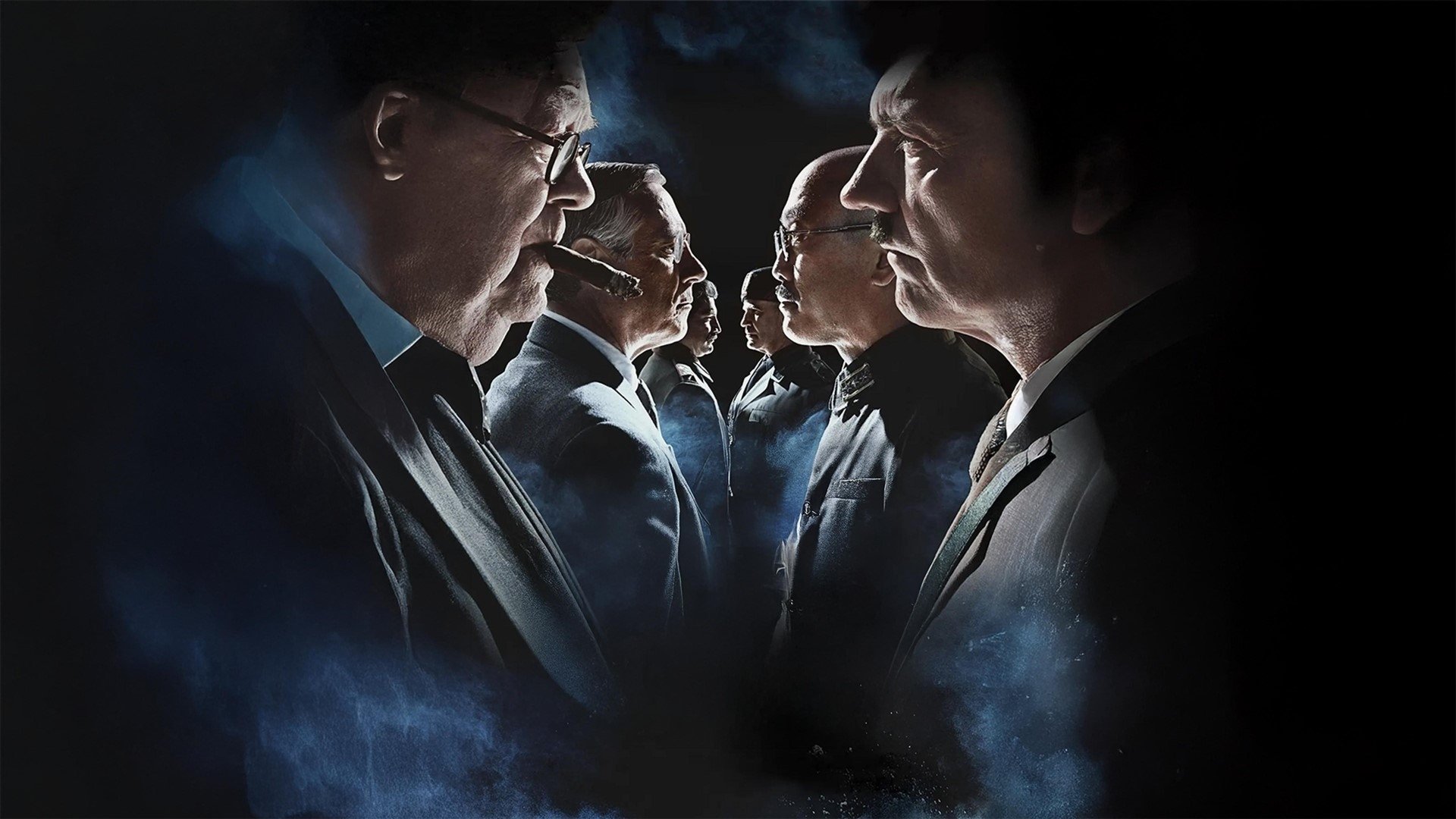
The story of three decades of war told through the eyes of various men who were its key players: Roosevelt, Hitler, Patton, Mussolini, Churchill, Tojo, DeGaulle and MacArthur. The series examines the two wars as one contiguous timeline starting in 1914 and concluding in 1945 with these unique individuals coming of age in World War I before ultimately calling the shots in World War II.
During the 1950s, Helsinki was the focal point of the Cold War, as global powers and their intelligence agencies coalesced in the small neutral country that stood between the East and the West. Shadow Lines is an international spy thriller that follows a secret intelligence team whose mission is to defend the independence of Finland no matter the cost.
The dramatised account of how the world’s greatest Special Forces unit, the SAS, was formed under extraordinary circumstances in the darkest days of World War Two.
The lives, loves and highs and lows of four members of the Women's Land Army working at the Hoxley Estate during World War II.
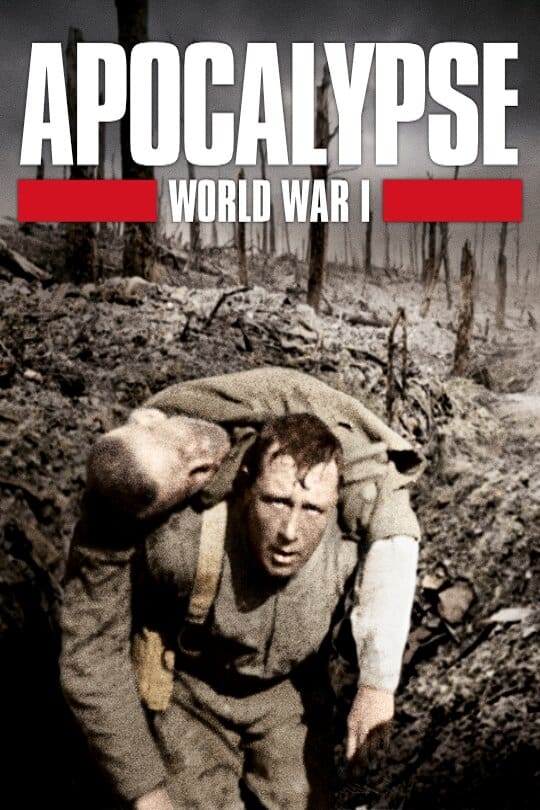
Colorized historical footage in ascending order of World War 1. Not only the relatively known Flanders and France battles, but also the generally unknown Italian-Austrian, German-Polish-Russian, Japanese-German, Ottoman Empire- Allied and African German Colonies, and other unknown or forgotten fronts and battles.
WWII’s Greatest Raids is a series that takes you into the heart of an elite band of soldiers in the heat of a key action in their history, and follows them on the mission to show just how these men put their unique combination of skills, training and equipment to the test of combat. We’ll explore just how celebrated outfits such as the U.S. Army Rangers, the British Special Air Service and the Black Devil Brigade have changed the course of a battle, or perhaps even a war, through their courage, daring and commitment.
The unique, and rarely told true stories of Australian and New Zealand nurses serving at Gallipoli and the Western Front during the First World War.
Lincoln (aka Sandburg's Lincoln) is an American six-part miniseries broadcast on NBC from September 6, 1974 to April 14, 1976.
The misadventures of hapless cafe owner René Artois and his escapades with the Resistance in occupied France.
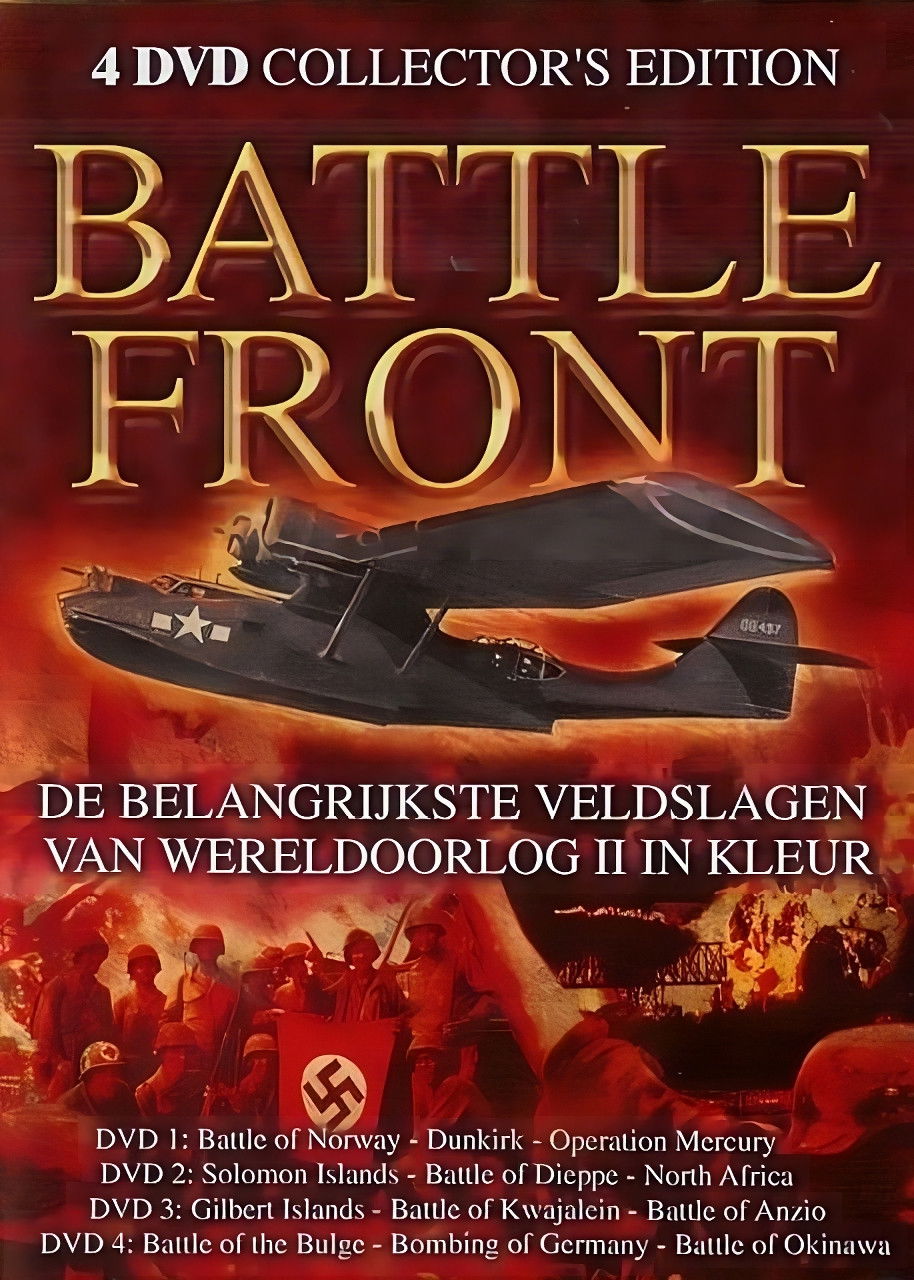
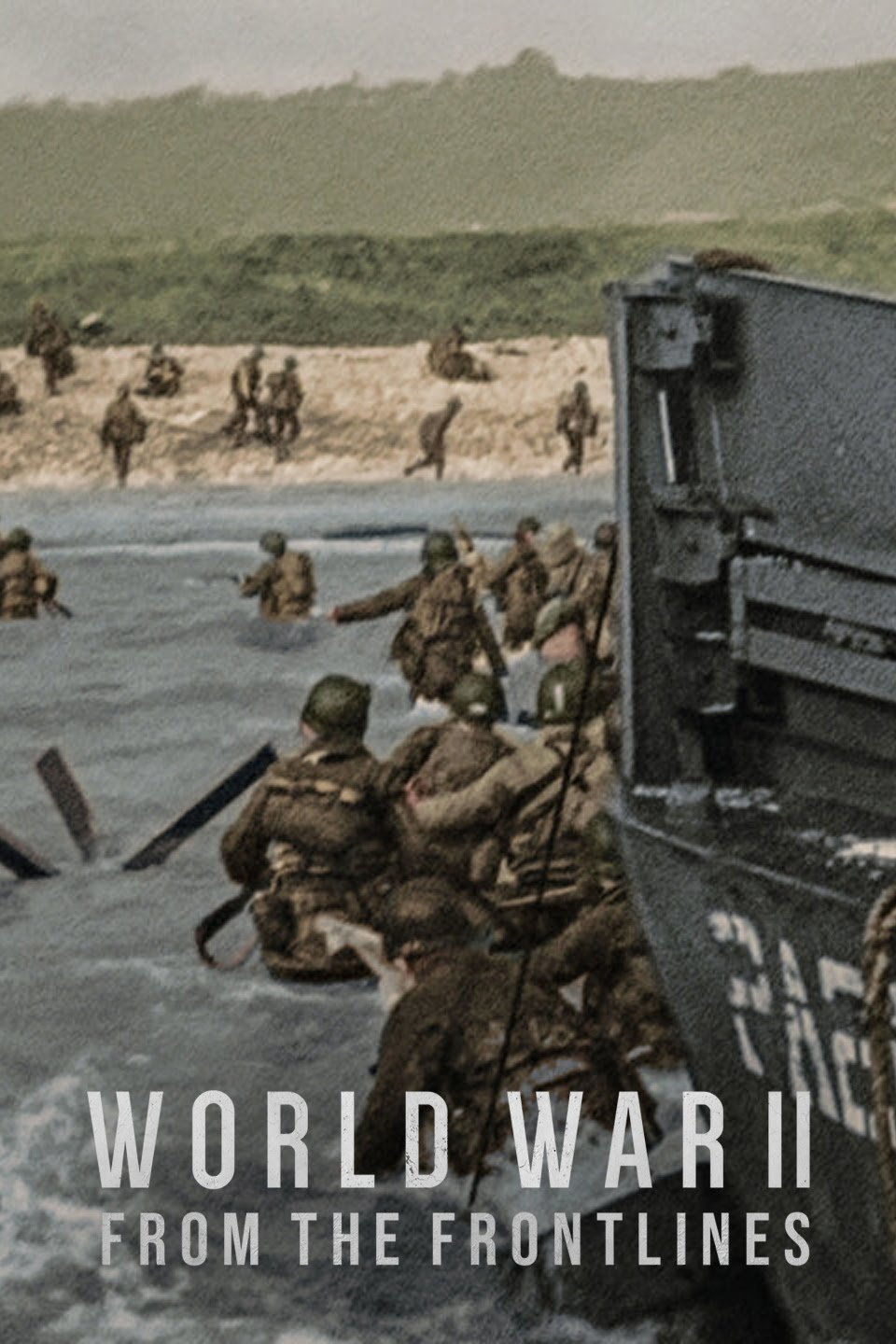
A documentary series that gives a historical account of the events of World War II, from its roots in the 1920s to the aftermath and the lives it profoundly influenced.
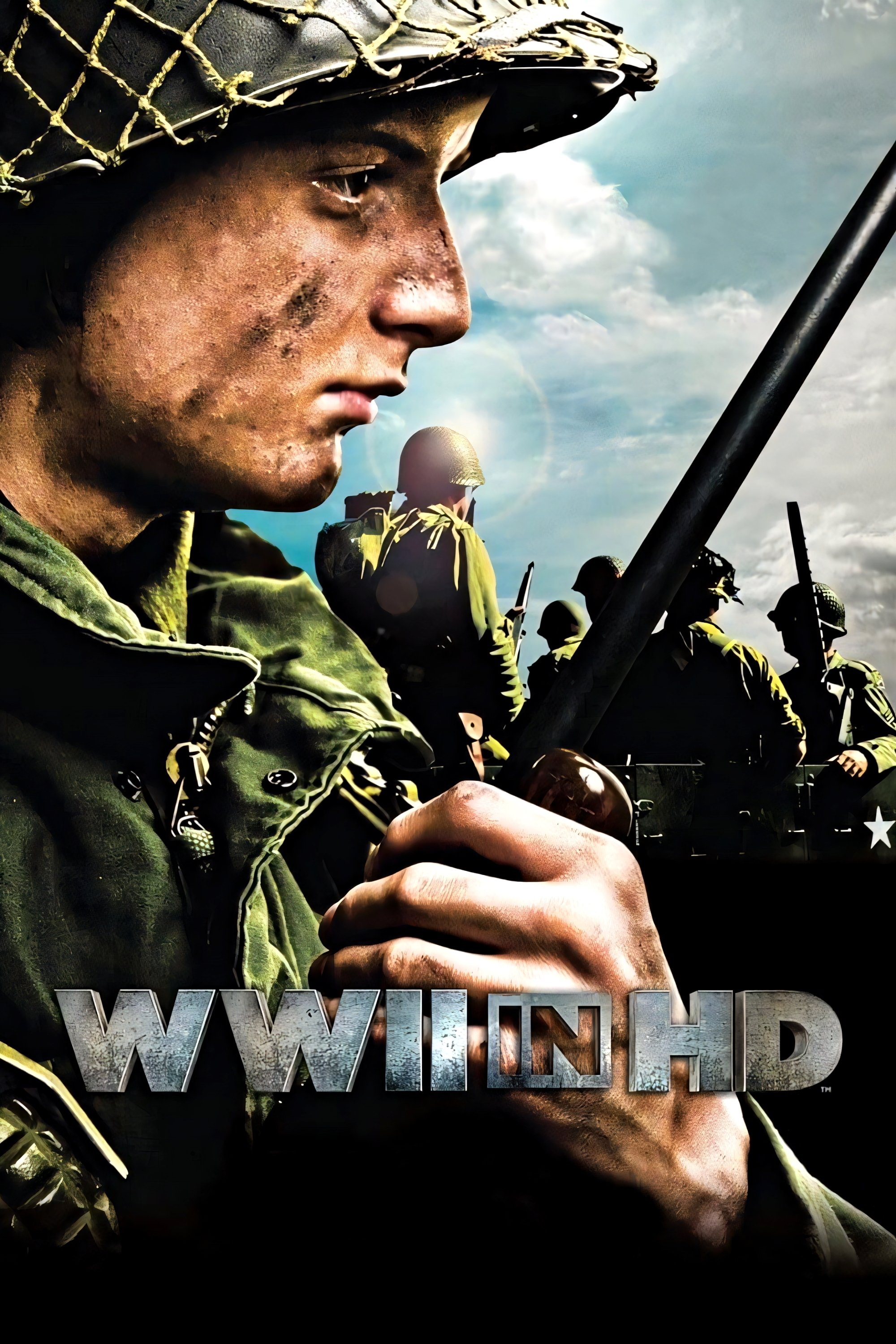
WWII in HD is a 10-part American documentary television miniseries that originally aired from November 15 to November 19, 2009 on the History Channel. The program focuses on the firsthand experiences of twelve American service members during World War II, including an Army nurse, a member of the Tuskegee Airmen, a second generation Japanese American and prisoner of war, and an Austrian Jewish immigrant. The twelve members recorded their time in both theaters and some had later interviews; found footage from the battlefield was paired with the stories of the twelve service members. The episodes premiered on five consecutive days, with two episodes per day. The series is narrated by Gary Sinise and was produced by Lou Reda Productions in Easton, Pennsylvania, United States.
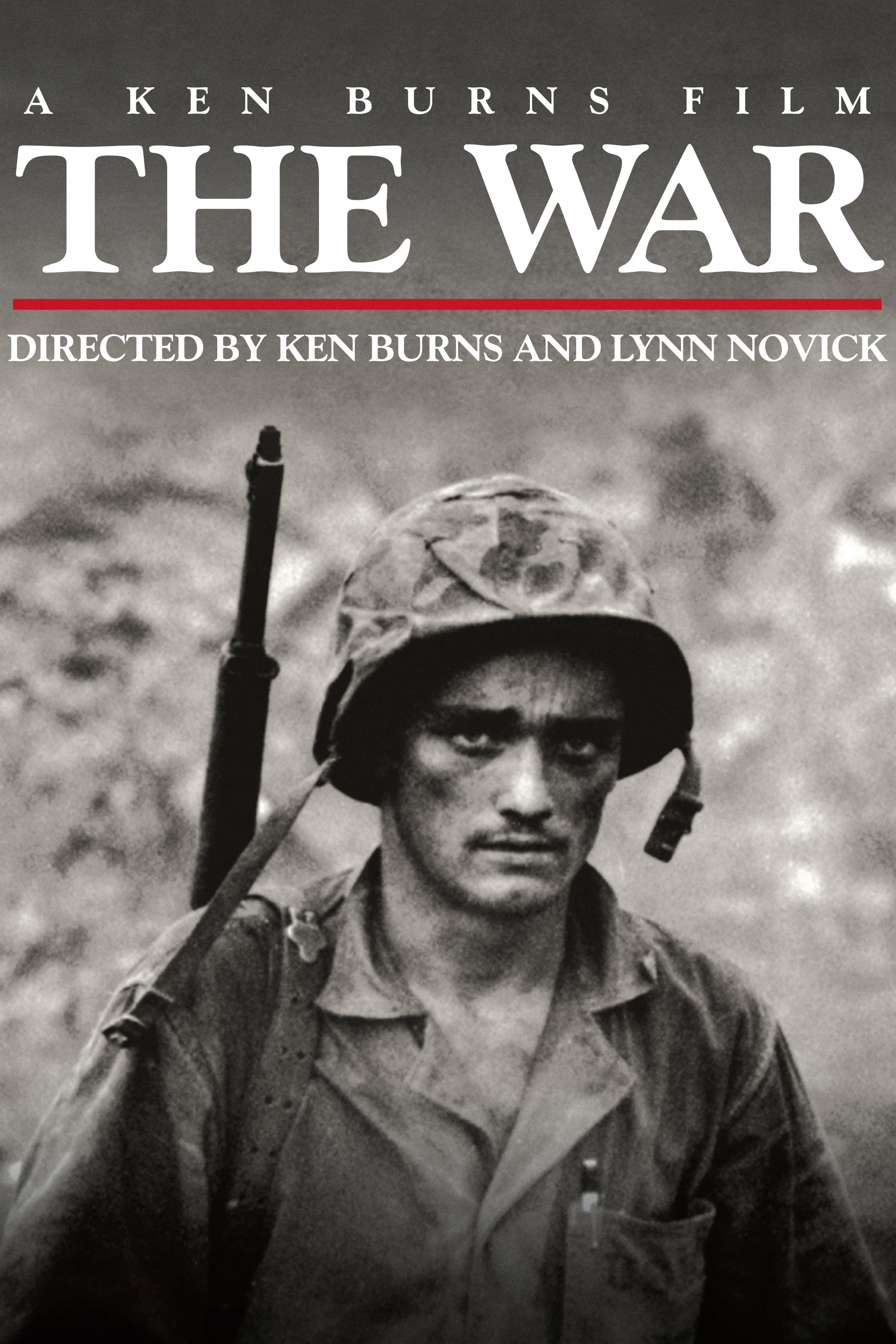
The story of the Second World War through the personal accounts of a handful of men and women from four American towns. The war touched the lives of every family on every street in every town in America and demonstrated that in extraordinary times, there are no ordinary lives.
Explores WWII from Germany's invasion of Poland through the atomic age, examining pivotal battles, wartime leaders like Churchill and Roosevelt, and the human cost of total war.
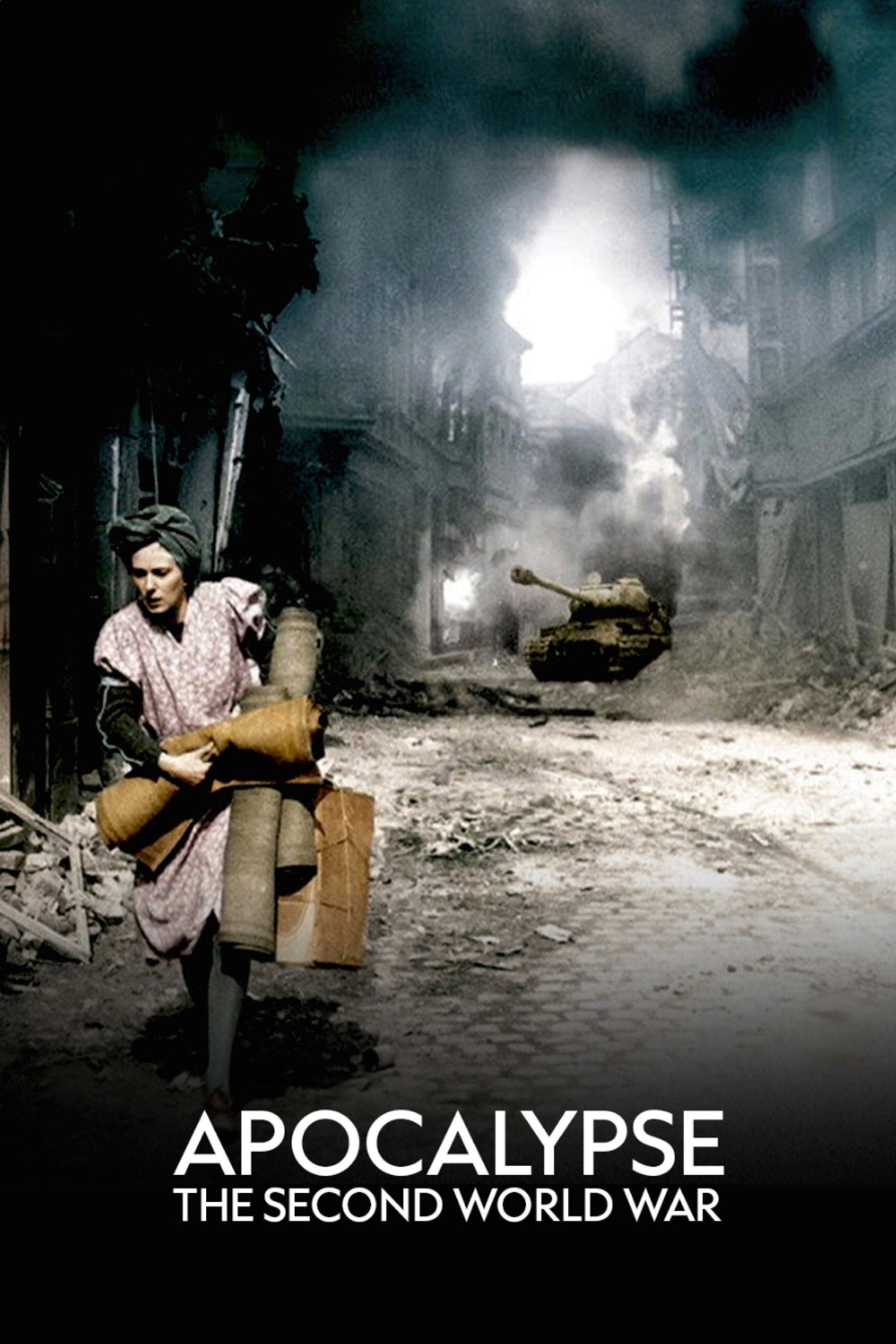
A six-part French documentary about the Second World War composed exclusively of actual footage of the war as filmed by war correspondents, soldiers, resistance fighters and private citizens. The series is shown in color, with the black and white footage being fully colorized, save for some original color footage. The only exception to the treatment are most Holocaust scenes, which are presented in the original black and white.
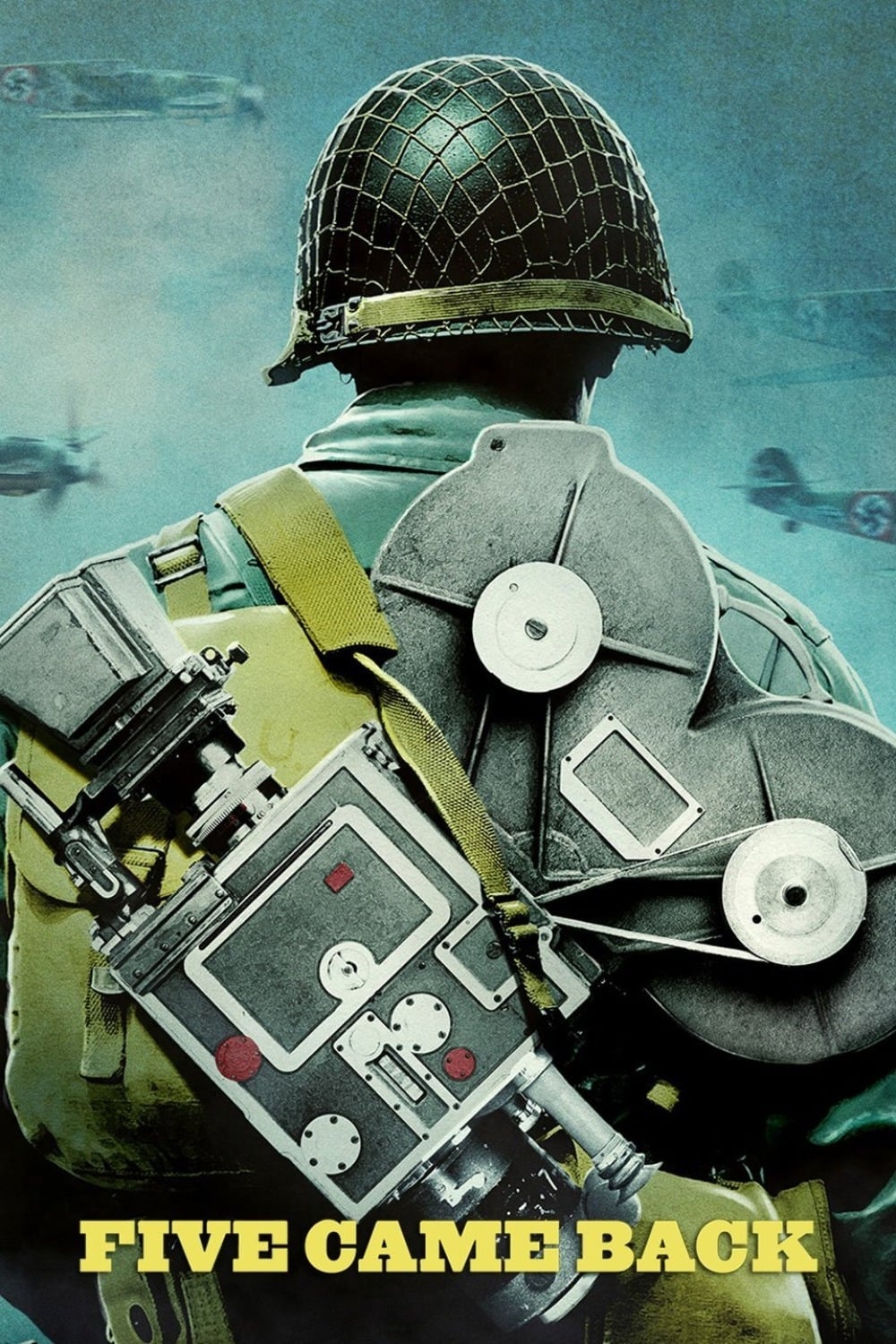
Five acclaimed contemporary directors tell the story of five legendary Hollywood filmmakers who enlisted in the armed forces to document World War II.
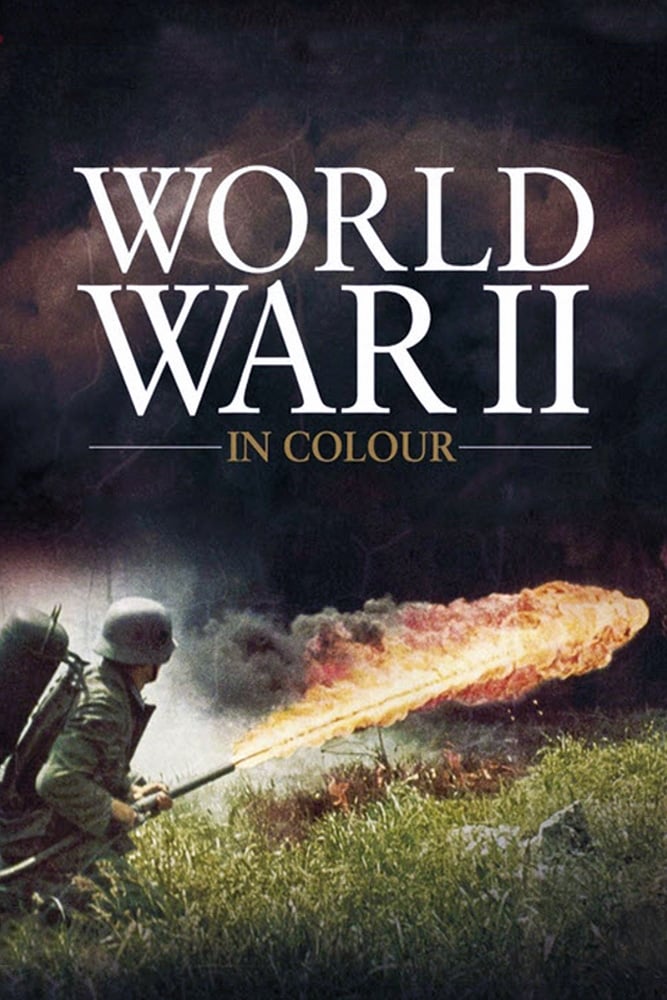
World War II In Colour is a 13-episode television documentary miniseries recounting the events of World War II narrated by Robert Powell. The show covers the Western Front, Eastern Front, and the Pacific War. It is on syndication in America on the Military Channel. This series is in full color, combining both original and colorized footage.
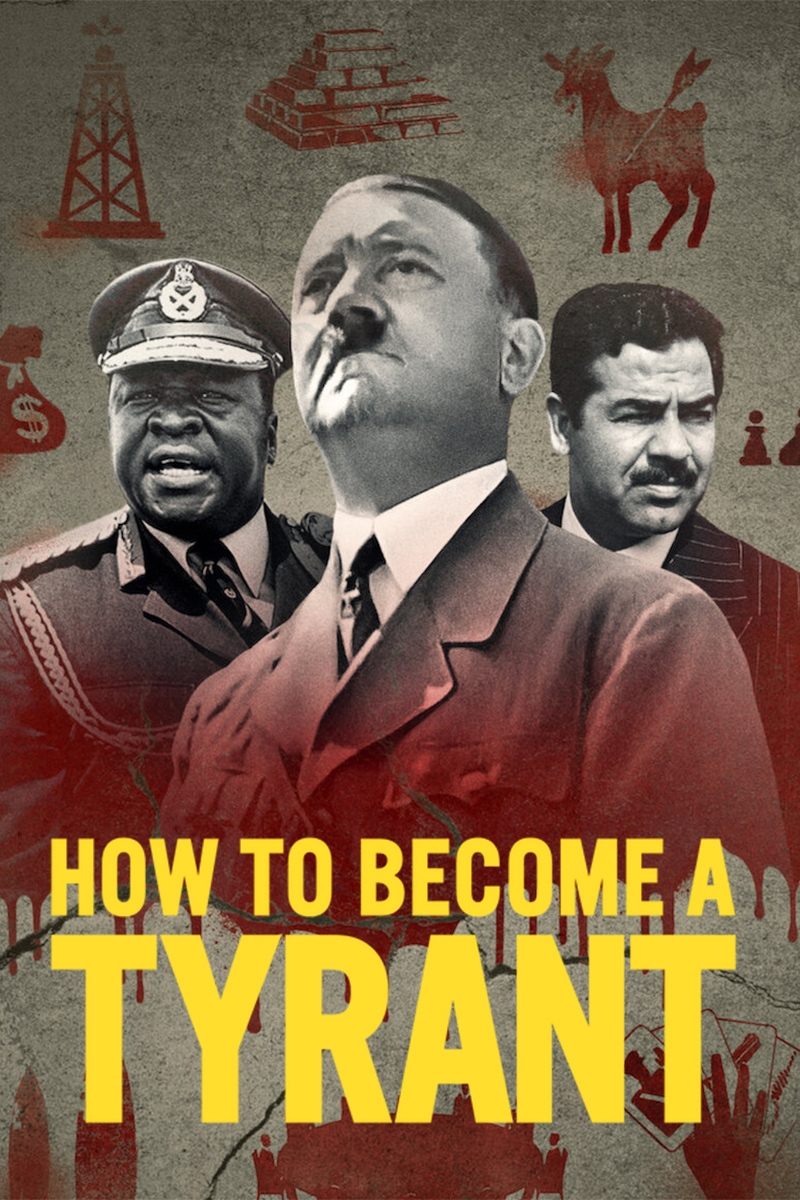
The documentary series explores different political figures throughout history.
Through vividly enhanced archival footage and voices from all sides of the conflict, this docuseries brings WWII to life like never before.
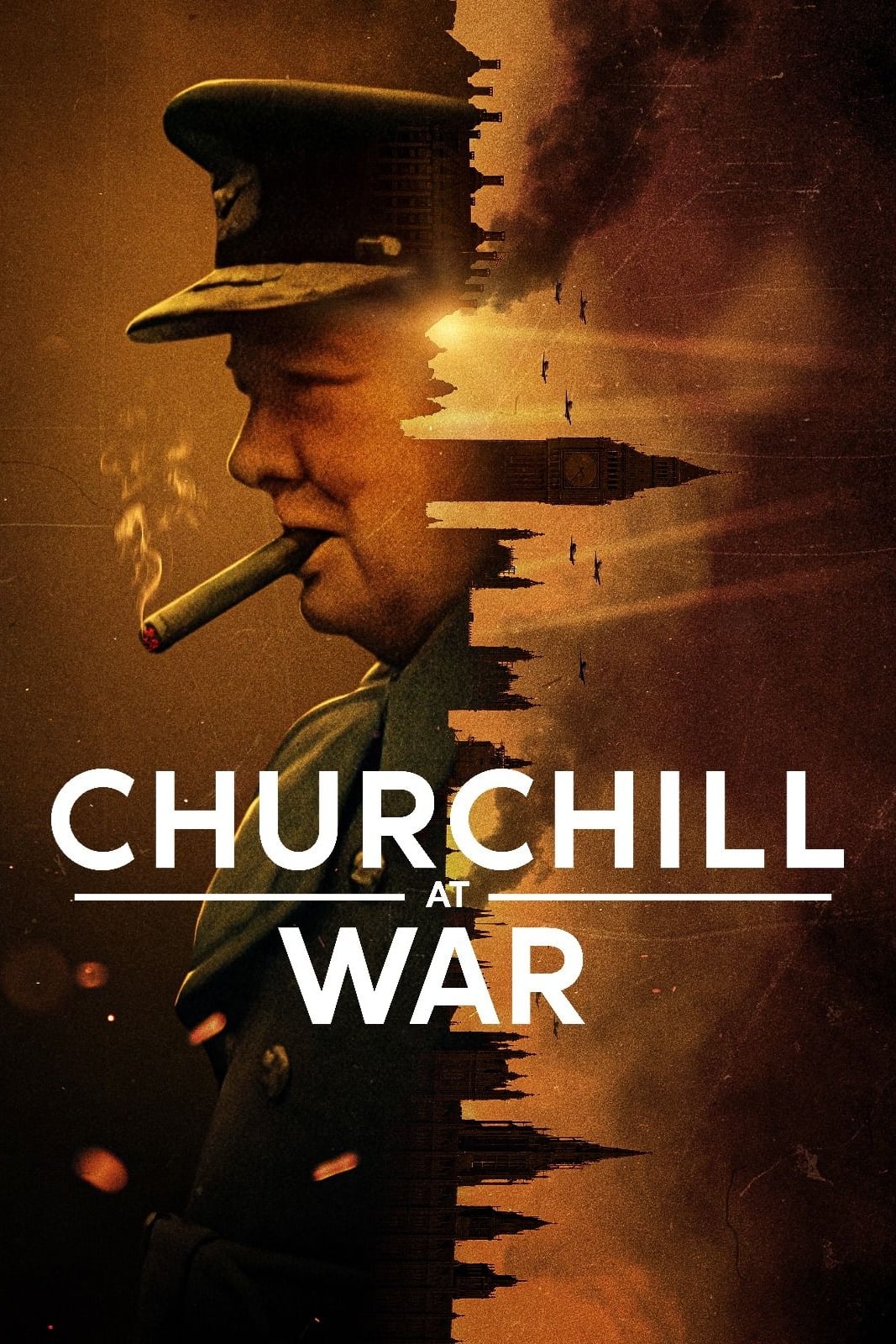
This captivating docuseries examines Winston Churchill's pivotal role in World War II and the formative events that made him an ideal leader for the era.
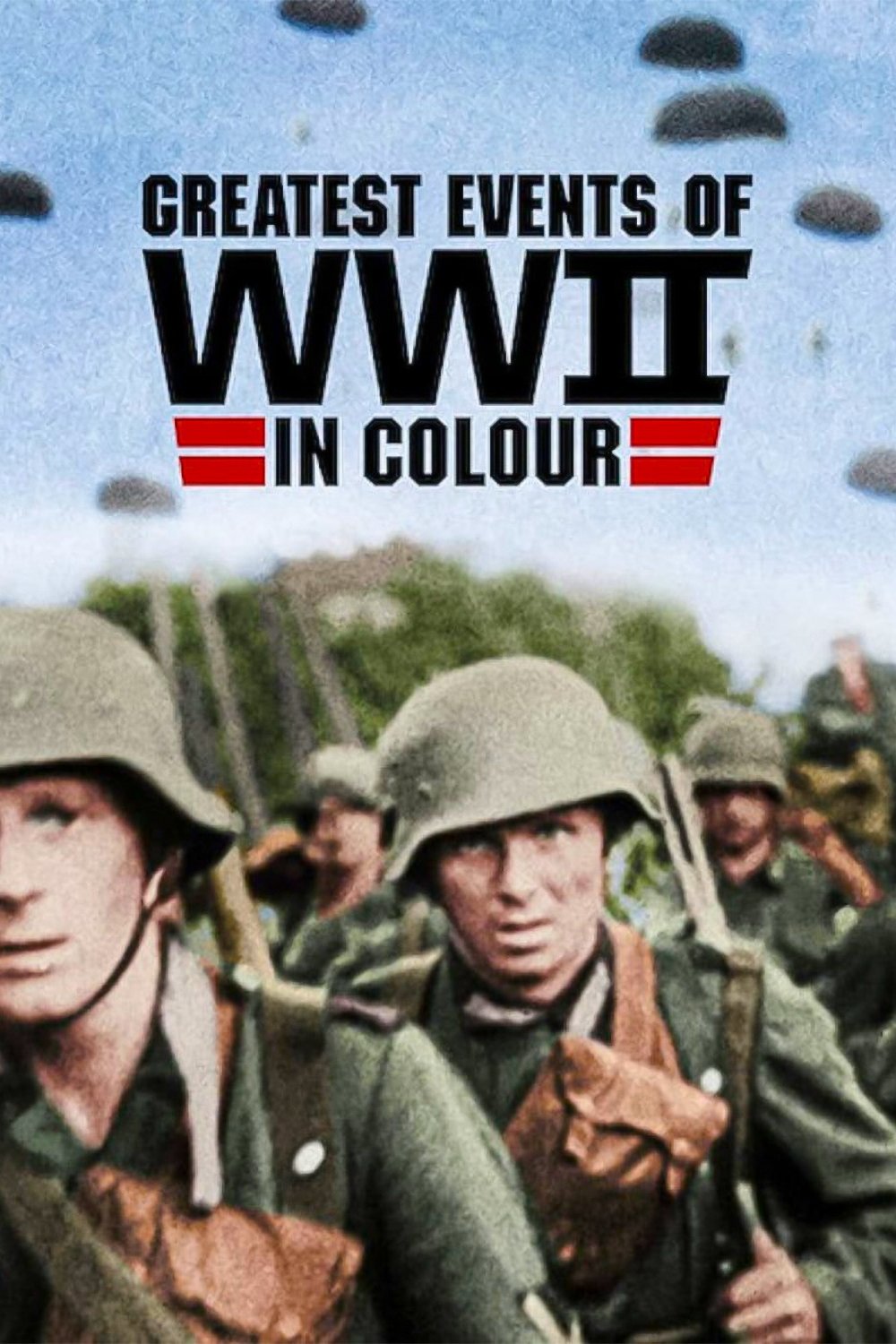
Using highly advanced colourisation techniques, critical moments from World War II, from Stalingrad to The Battle of Britain, are shown in a whole new light.
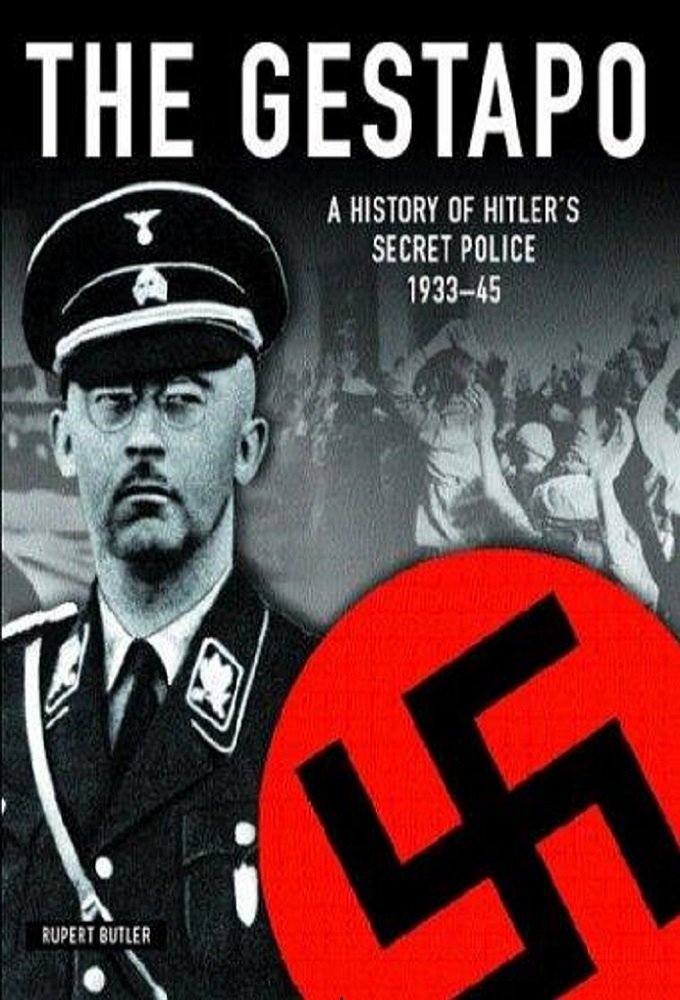
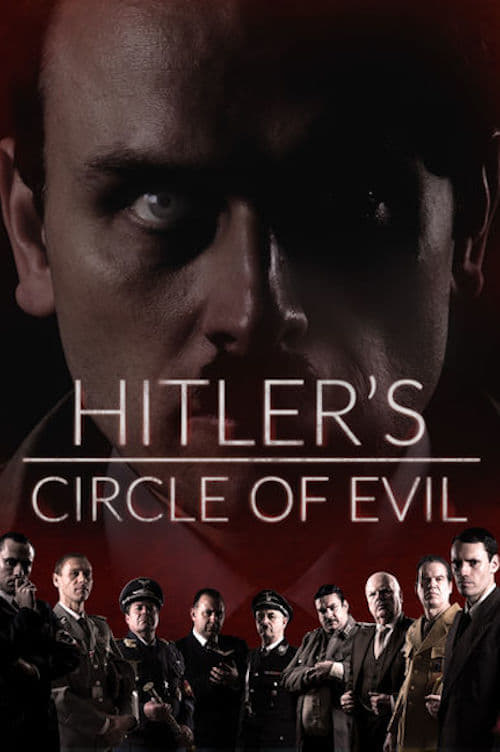
Surviving power struggles, betrayals and plots, Hitler's inner circle of Nazi leaders seizes control of Germany and designs its disastrous future.
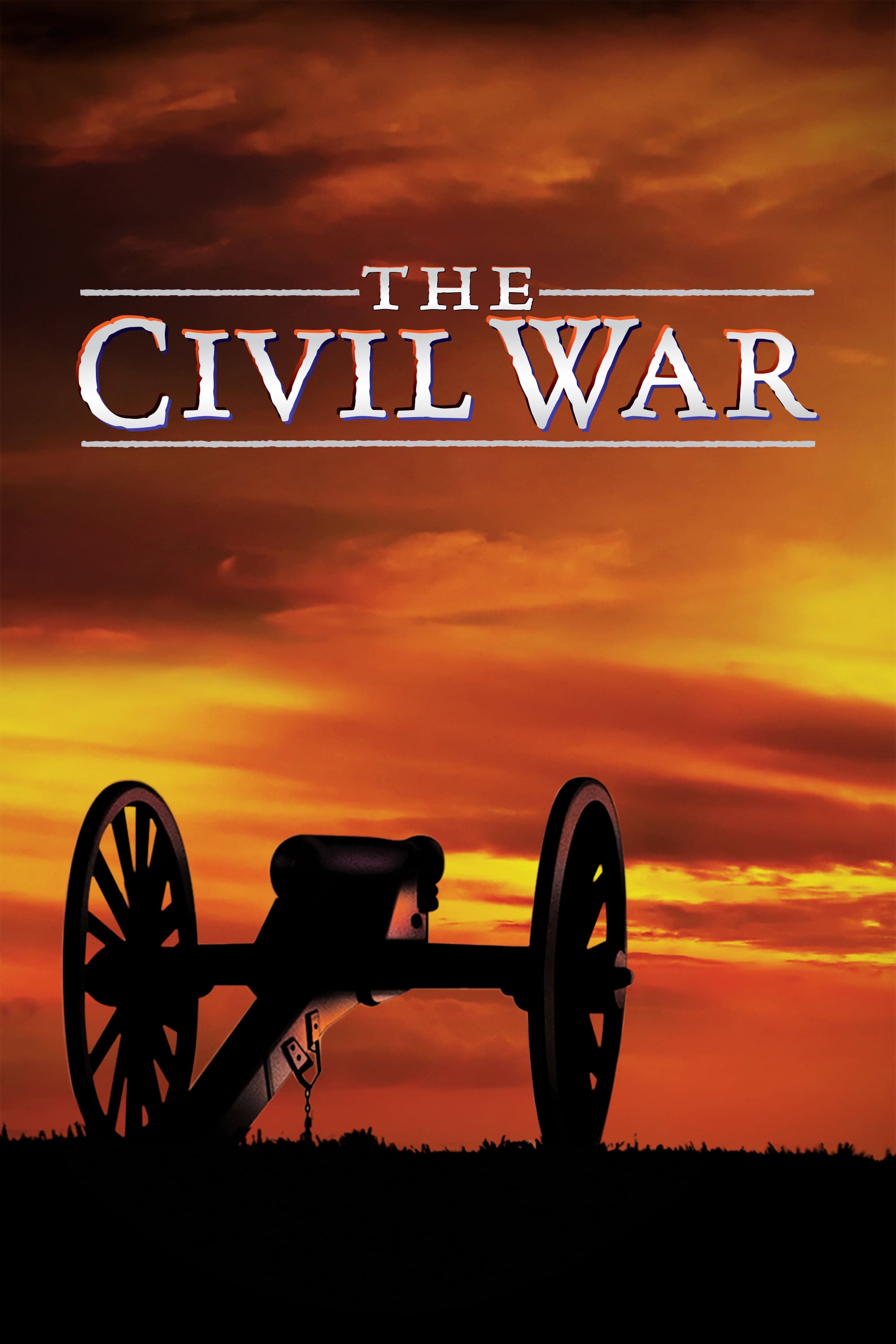
A documentary on the American Civil War narrated by Ken Burns, covering the secession of the Confederacy to the assassination of Abraham Lincoln.

TV's most-watched history series brings to life the compelling stories from our past that inform our understanding of the world today.

Revisit the epic heroes, villains and moments from across the MCU in preparation for the stories still to come. Each dynamic segment feeds directly into the upcoming series — setting the stage for future events. This series weaves together the many threads that constitute the unparalleled Marvel Cinematic Universe.
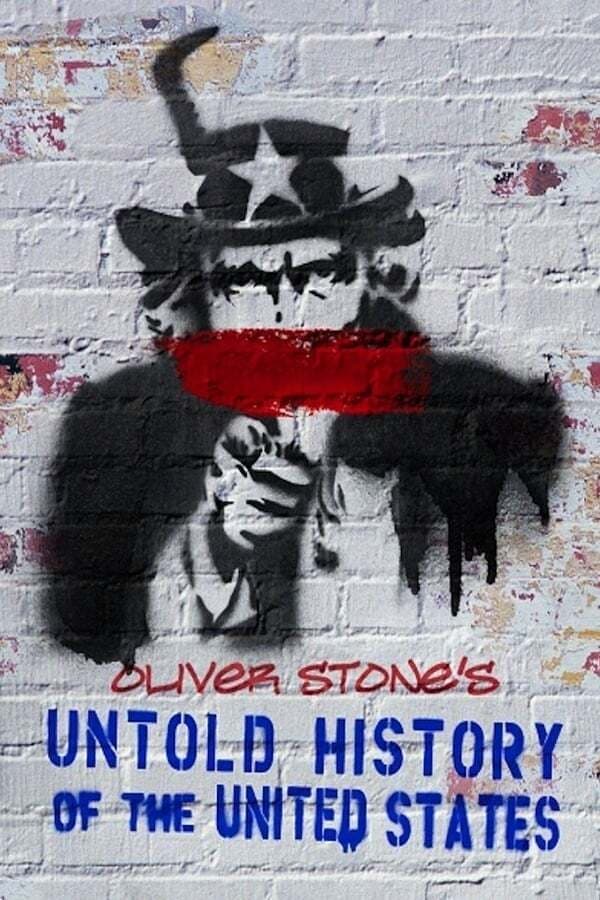
Oliver Stone's re-examination of under-reported events in American history.
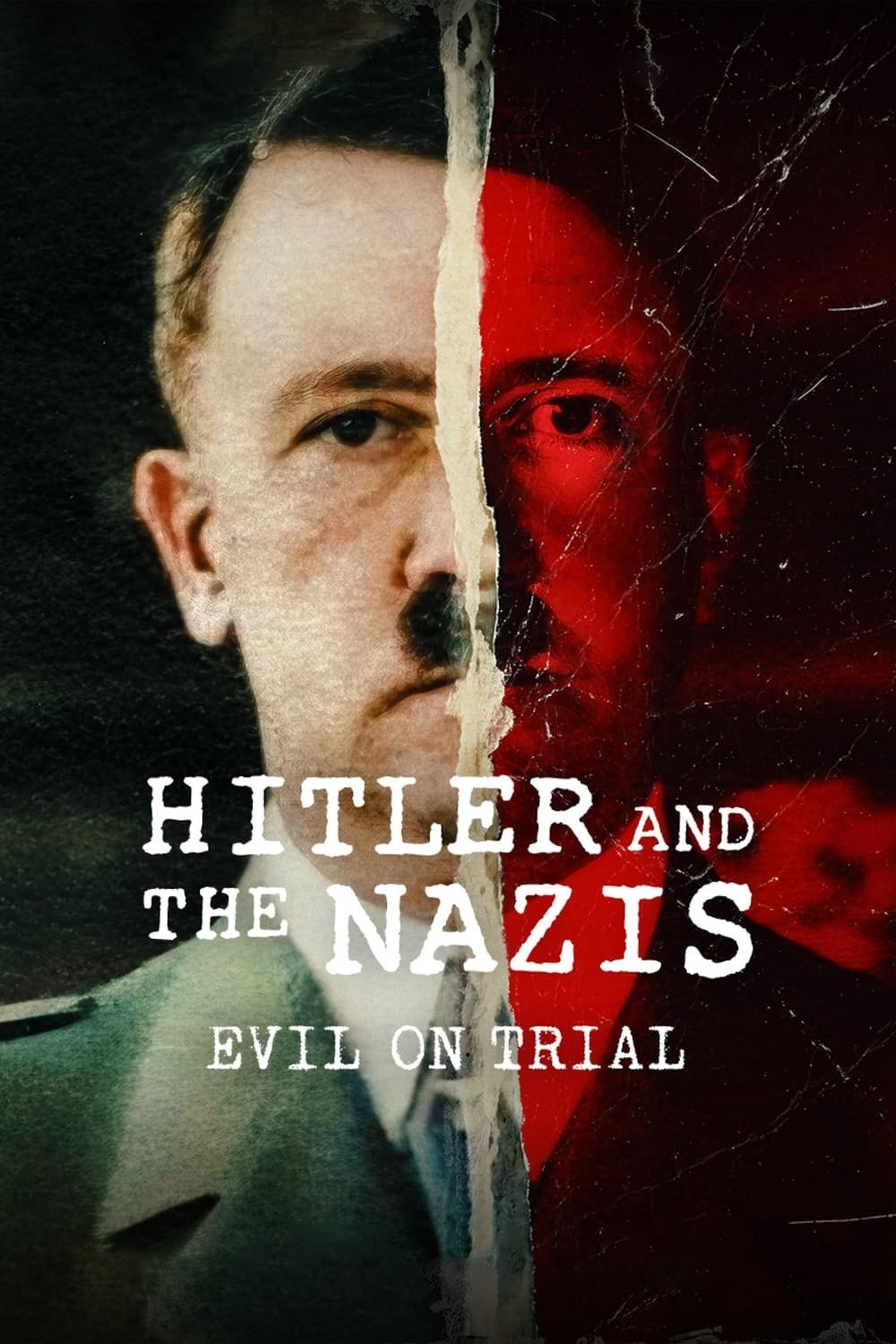
This gripping docuseries examines Adolf Hitler and the Nazis' rise, rule and reckoning from pre-WWII to the Holocaust to the Nuremberg trials.
Gripping historical footage and expert commentary give detailed insights into the leading figures and decisive turning points of World War II.